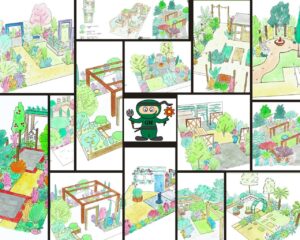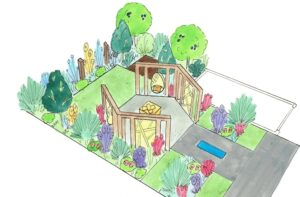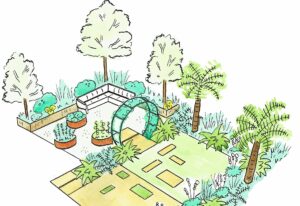
For the garden you’ve already got, not the one you’re starting from scratch. Seven checklists and video lessons from BBC Garden Rescue’s Lee Burkhill, designed to help you decide what’s worth keeping before you spend a penny.
69


🌿 Quick Answer
Winter is one of the best times to get ahead in the garden. Prune dormant deciduous trees and shrubs, cut back herbaceous perennials once they’ve died down, plant bare root trees and hedging while they’re dormant, and tackle perennial weeds while borders are bare. Leave evergreens and anything that flowers on old wood until after they’ve finished, and hold off on lawn seed, turf and heavy digging until the ground is workable again.
It can feel daunting and uninspiring to try and garden in the winter, especially if you are a beginner or have just bought your first garden. Knowing how and where to start gardening can be enough to put you off from even trying. If you’re thinking of just waiting to see what pops up in your new garden, you may be missing a trick. I’m going to show you my 10 winter gardening hacks for beginners to get you started.
This beginner’s gardening guide to easy winter maintenance is going to help you get a head start on your garden, meaning less hard work in the spring and more time spent enjoying your garden space. Even if you don’t know what you’re doing in the garden yet, this guide will help get you started.
This page contains affiliate links for products I use and love. If you take action (e.g., subscribe or make a purchase) after clicking a link, I may earn a small commission, which helps me keep the Garden Ninja Blog free for all.
Before the full breakdown, here’s a quick-scan guide to which jobs suit which month, so you can see at a glance what deserves your attention right now.
| Month | Focus | Key Jobs |
|---|---|---|
| December | Protection & clearing | Clear fallen leaves and debris, finish cutting back herbaceous perennials, plant bare root trees and hedging, wrap tender pots in fleece, top up bird feeders |
| January | Structure & dormant pruning | Prune dormant deciduous trees, shrubs and fruit trees, weed borders while they’re bare, service and sharpen tools, continue bare root planting |
| February | Preparation for spring | Aerate and top-dress the lawn from late month, prune Wisteria spurs and Cornus for stem colour, finish bare root planting, start planning new beds |
Jump to a job:
The first thing to do before we start anything is to identify the difference between any evergreens you have in the garden and those plants that drop their leaves, also known as deciduous. This matters because winter maintenance applies to one far more than the other.
If you don’t know the difference between an evergreen and a deciduous plant, you may do more harm than good with any pruning or planting during winter.
So let’s look at the difference between evergreens and deciduous plants, which is easy to spot as a beginner once you know a few tricks.
| 🌿 Evergreen vs Deciduous at a Glance | |
|---|---|
| Leaves | Kept year-round, shed gradually every 2 to 3 years |
| Water & Nutrient Needs in Winter | Ongoing, though slower than in summer |
| When to Prune | Spring or summer, after flowering if it flowers |
| Why That Timing | Actively growing in summer, so cuts heal faster |
| Common Examples | Conifers, Buxus, Viburnum tinus, Camellia, Privet |
Evergreen plants keep their leaves through the winter and require water and nutrients all year round from the soil. Their growth slows down in winter and then speeds up again in spring and summer.
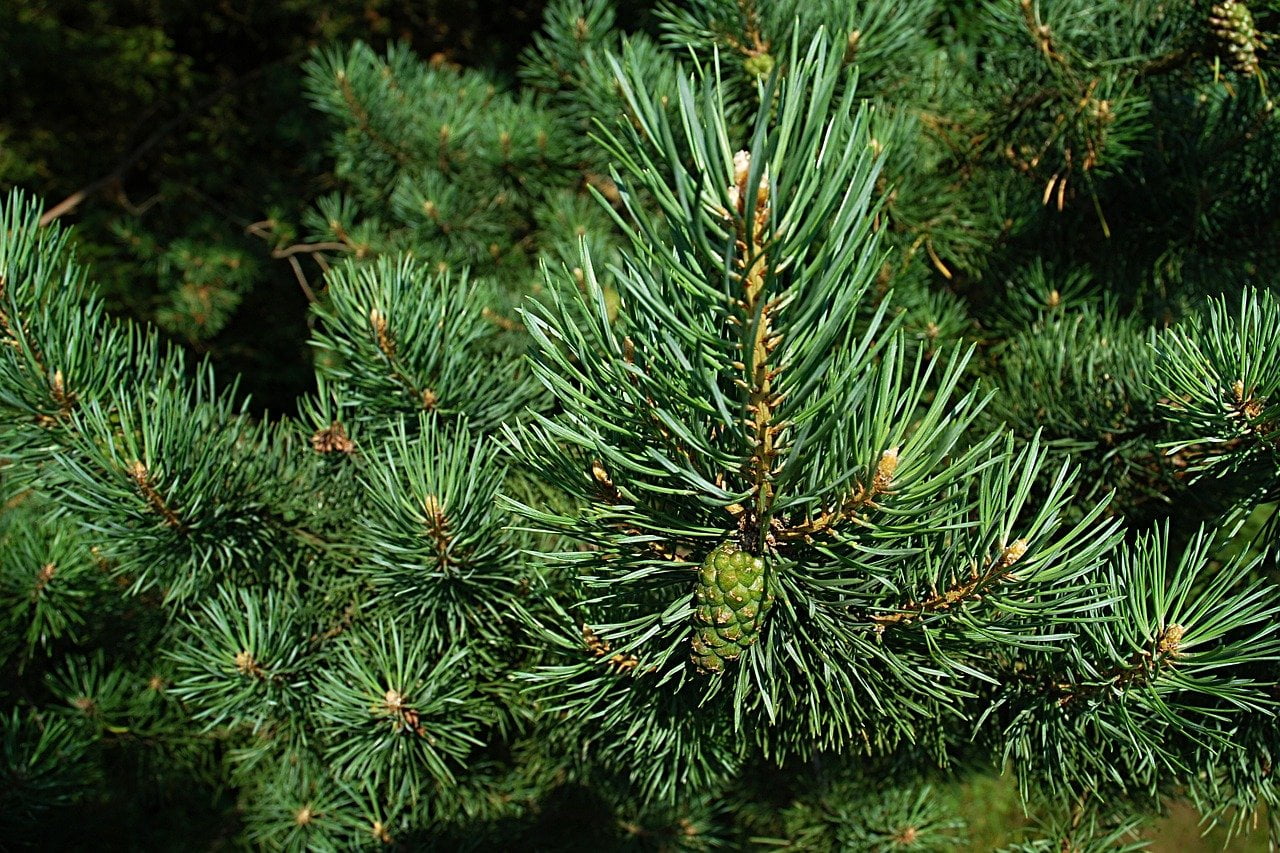
Evergreens from tropical areas may have large waxy leaves, such as Fatsia. Evergreens can also be found in colder regions, where their leaves have been adapted to cope with extreme drops or increases in temperature. These usually have waxy needles which limit water transpiration and loss, or may have reproductive cones. Common examples would be conifers such as fir, spruce and pine. Shrubs would be Buxus, Oleaster, Privet or Viburnum.
The misconception is that evergreens never drop their leaves. This is incorrect. They drop their leaves every two to three years, but not all at the same time, so it’s gradual and not based on the winter season.
Deciduous plants go dormant over the winter and drop their leaves in autumn. They have lower water and nutrient requirements in winter compared to spring and summer. By dropping their leaves, deciduous trees, shrubs and plants can seal off against the winter weather, allowing their sap to recede further down the plant to protect it from the drop in temperature.
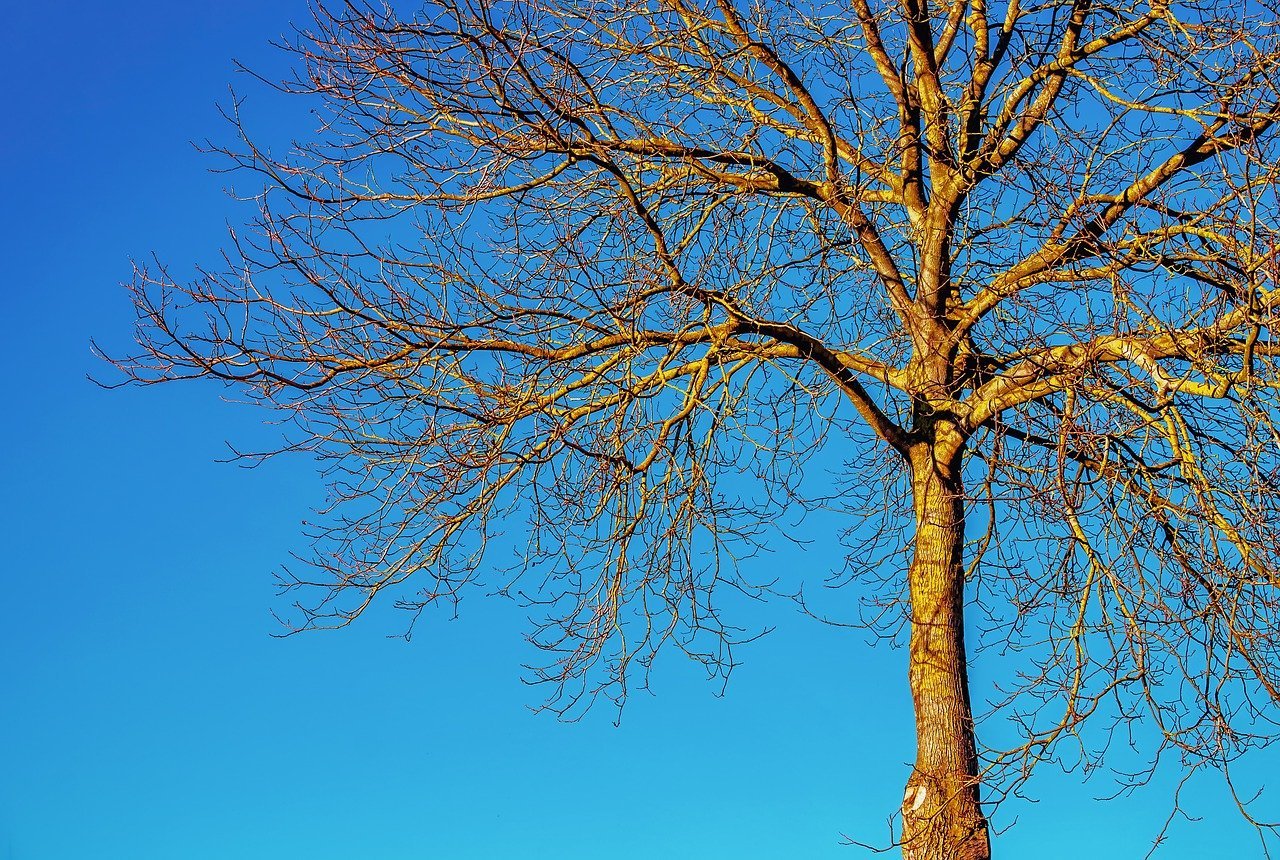
Examples of common deciduous plants are Acer (Maple), Quercus (Oak, though there is an evergreen variety), Fagus (Beech), Betula (Birch), Wisteria and Cornus, to name a few.
It’s really important that you can identify the differences between the two, as they have different pruning and garden maintenance requirements.
Evergreens should usually be left until spring or summer to prune, when they are most active. Pruning in winter can lead to a loss of sap or bleeding. If you have evergreens that flower, such as camellias or Viburnum tinus, it is always best to prune them after they have flowered, even if this is the middle of summer.
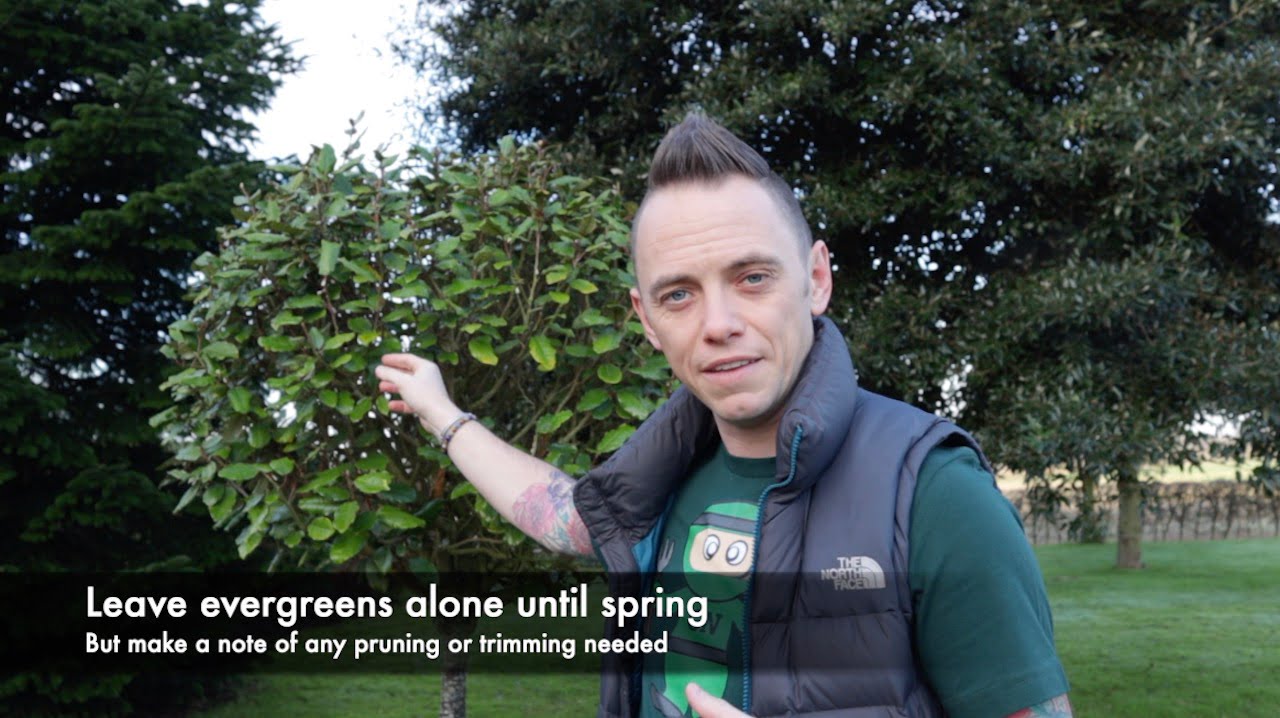
As the evergreen is actively growing in summer, it will heal far faster than in winter and will have less hostile weather conditions to deal with while the wound closes.
Deciduous plants, trees and shrubs should usually be pruned in winter when they are dormant. This is when their sap is low, and they can heal quickly. Pruning in winter is the most effective time, as the plant, tree or shrub is at the least risk of injury, infection or damage.
Pruning deciduous plants during spring and summer, when they are actively growing, can cause them to bleed or leak out precious phloem, the vein-like transport tissue that carries soluble food around the plant.
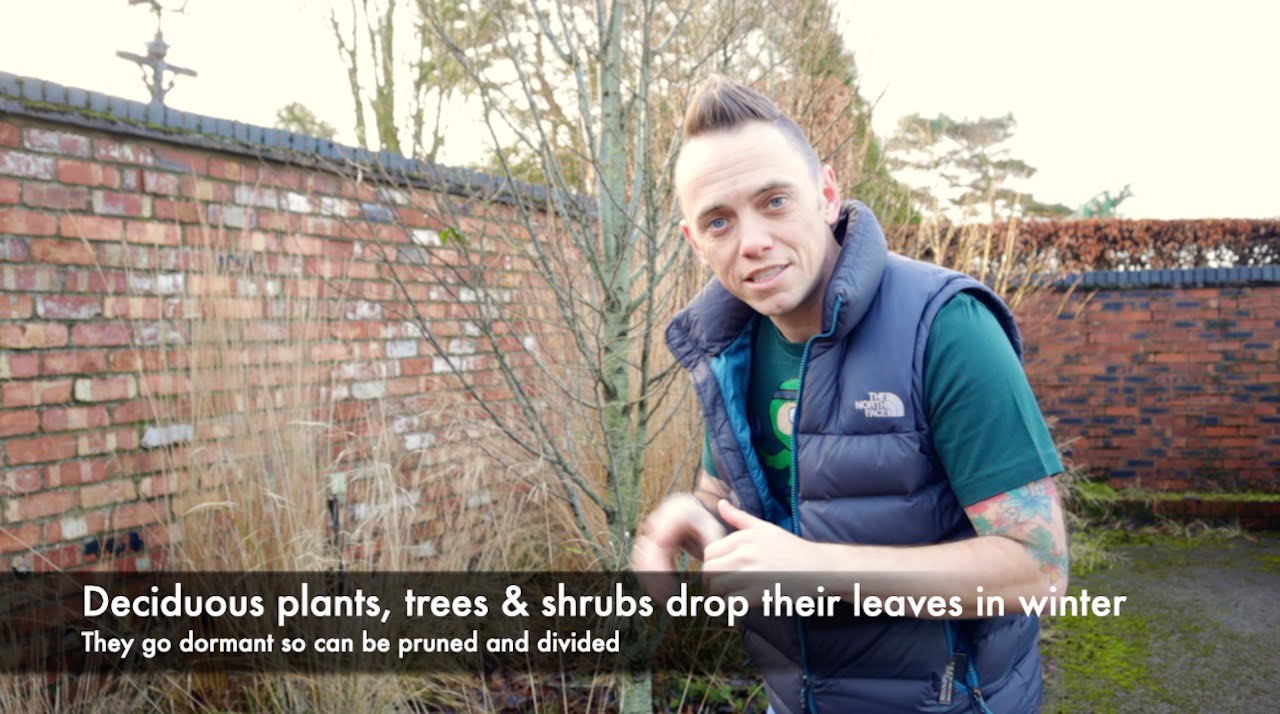
Winter is also the best time to prune because you can see exactly what you’re doing, as there are no leaves to disguise the branch structure. For beginner gardeners, pruning in winter is far easier as you can see what you’re doing, and it feels less drastic than pruning a tree or shrub in leaf.
As a beginner gardener, pruning can feel drastic and somewhat awkward. The thing to remember with any pruning is that although it feels like we’re removing or stopping growth, we are actually simply diverting the plant’s energy elsewhere.
Pruning actually stimulates growth rather than preventing it. It doesn’t harm the plant, but gives it a helping hand to put its energy elsewhere, usually into the next branch or bud down.
Making pruning cuts is easy once you know how.
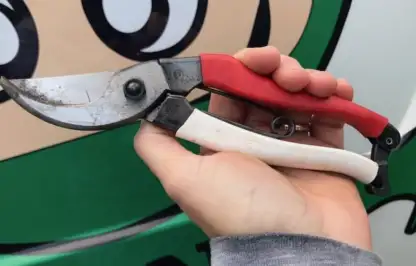
🛒 Buy Felco Bypass Secateurs on Amazon UK
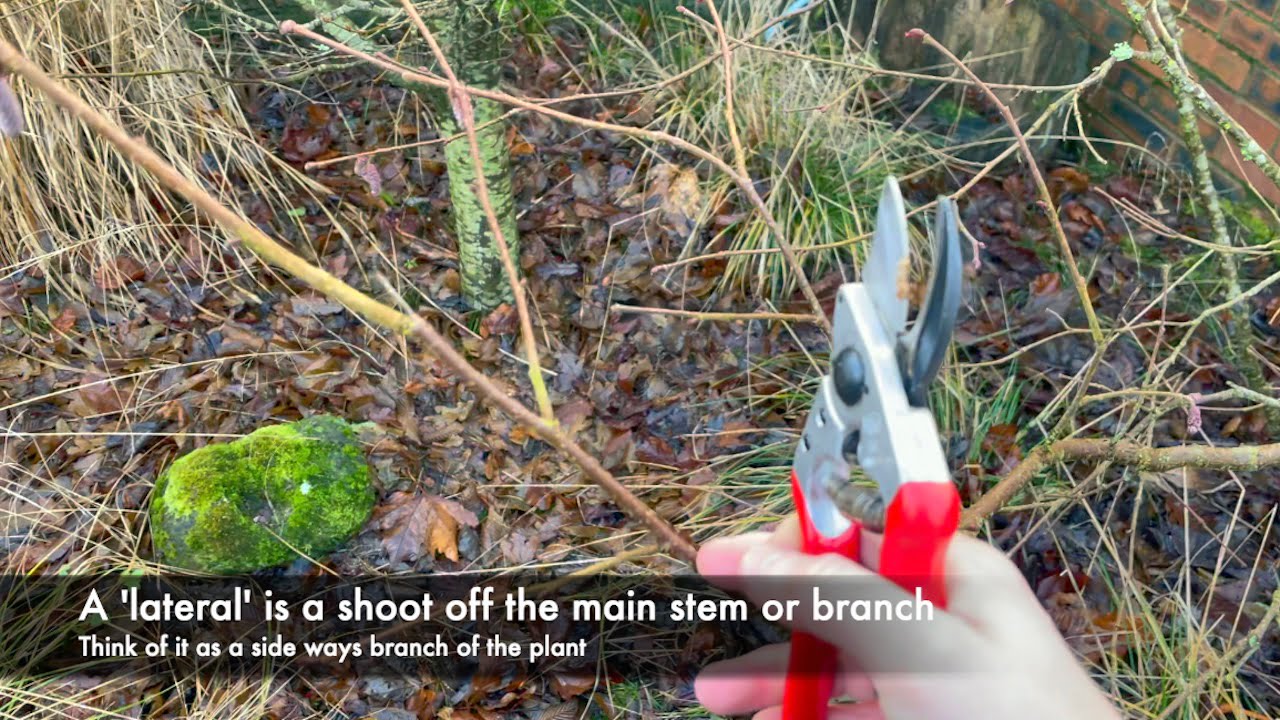
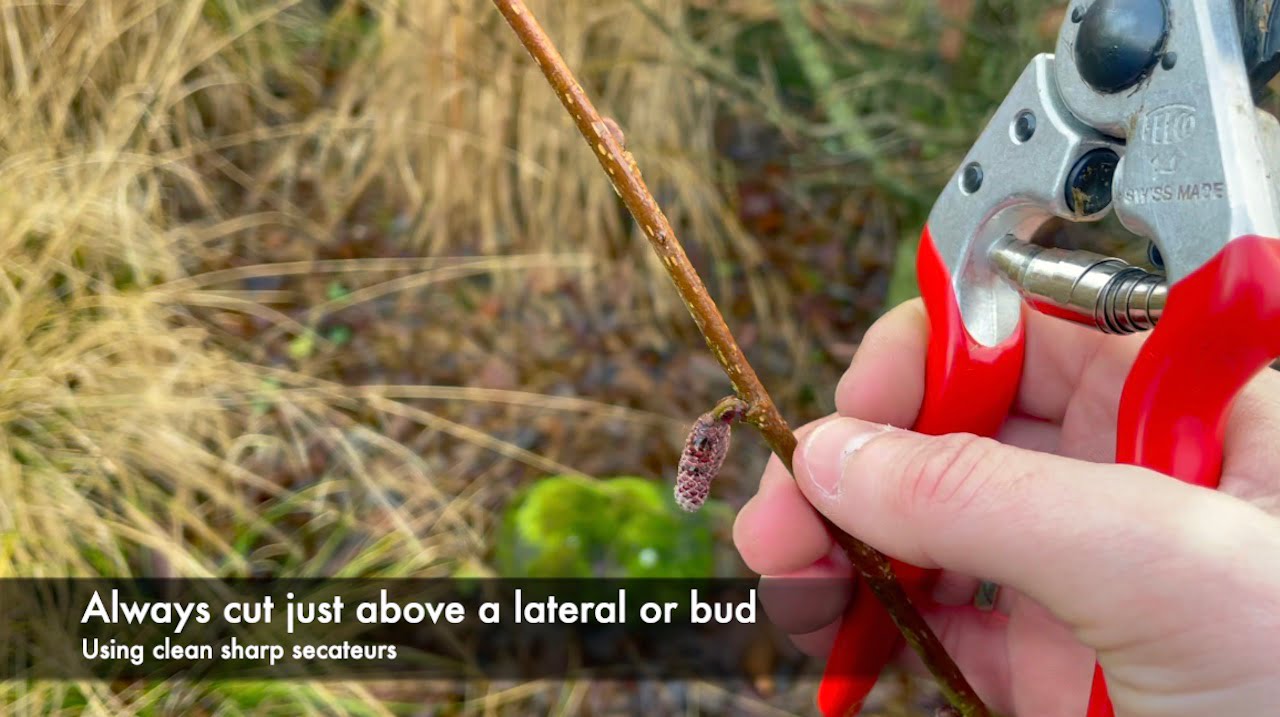
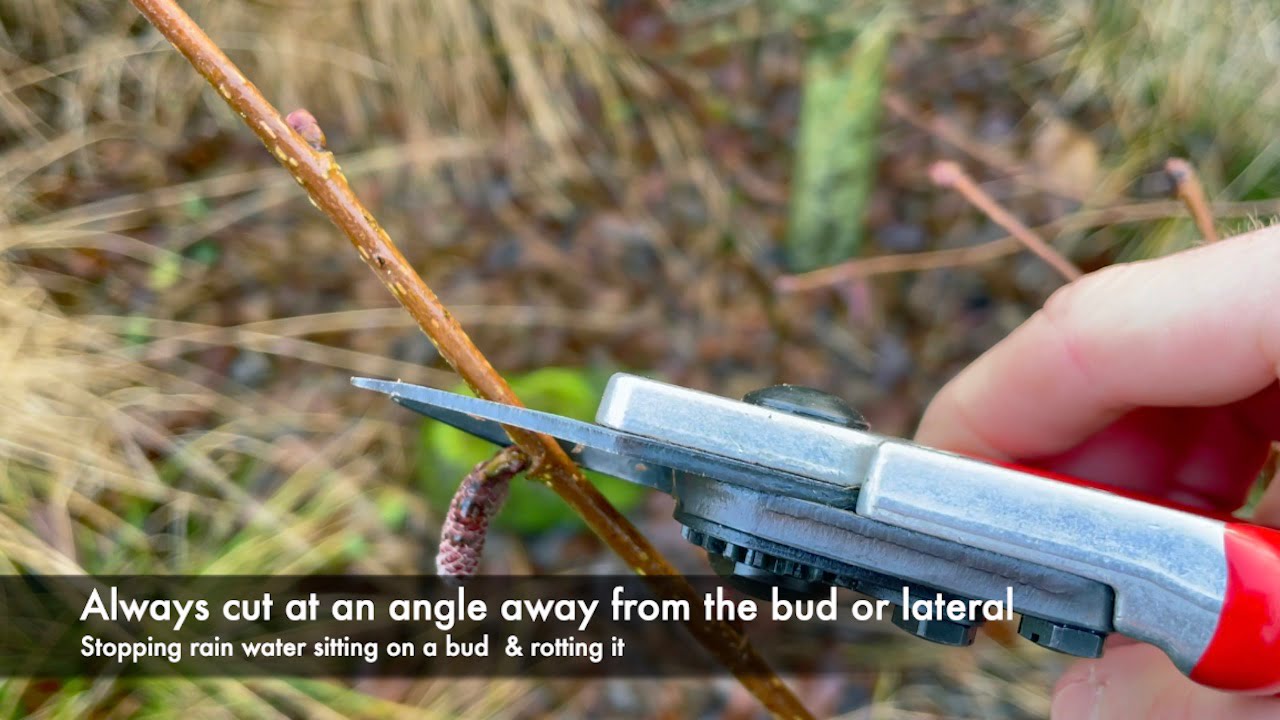
If you want to learn to prune in 60 seconds, then why not view my speedy pruning guide below? You’ll be a pruning master in no time.
Herbaceous perennials are plants that come back year after year. Each year they grow foliage, then flower, before setting seed and dying back. They are not truly dead, though, as the rootstock under the ground keeps the herbaceous plant in a period of dormancy, usually until the weather is clement and then the plant regrows again. It repeats this year after year for up to 20 to 30 years.
Herbaceous perennials are a fantastic choice to attract beneficial insects, bees and birds to the garden. As they come back year after year, they are much better value than annual plants. You can also split and divide them every few years, meaning more plants for free.
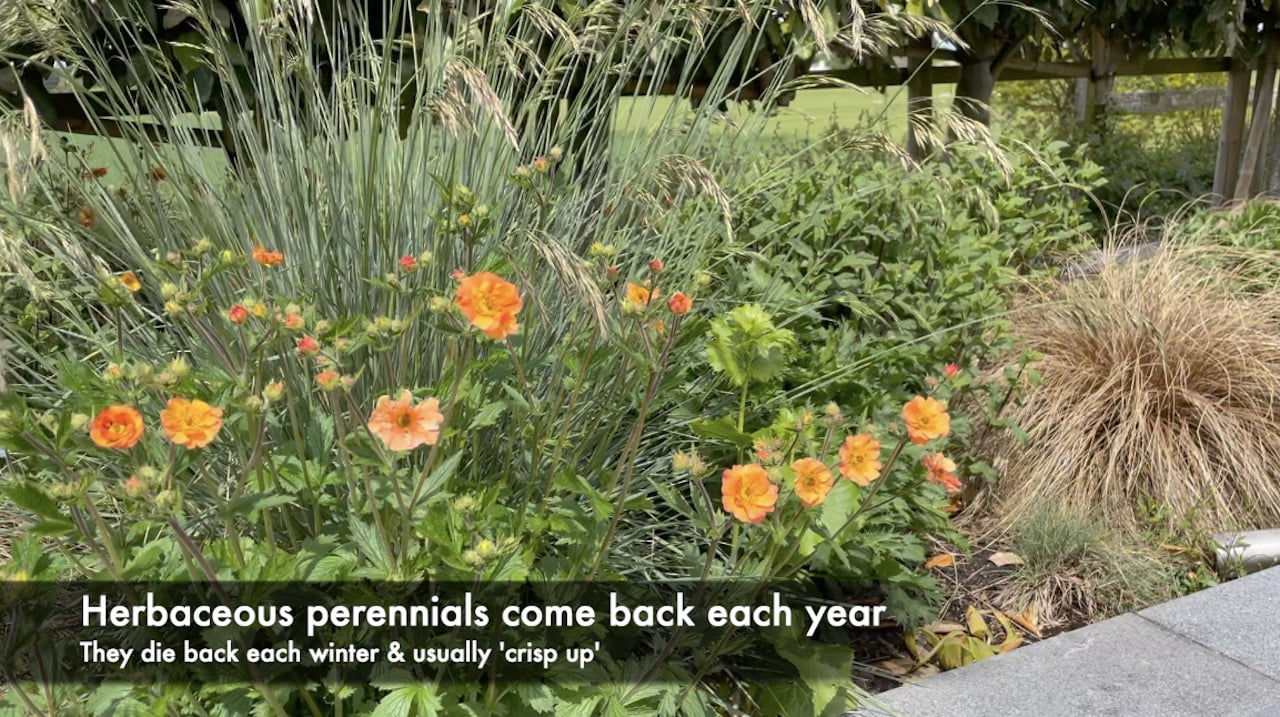
The best time to prune herbaceous perennials is midwinter, when they are dormant. You can spot this as they usually turn brown and crispy. In the picture above, and the one below, you can see which plants have stayed evergreen, the blue Helictotrichon grass, versus the Salvia next to it, which I’m pruning below.
When they are brown and crispy, it’s time to cut them back down to the ground with sharp secateurs or border shears.
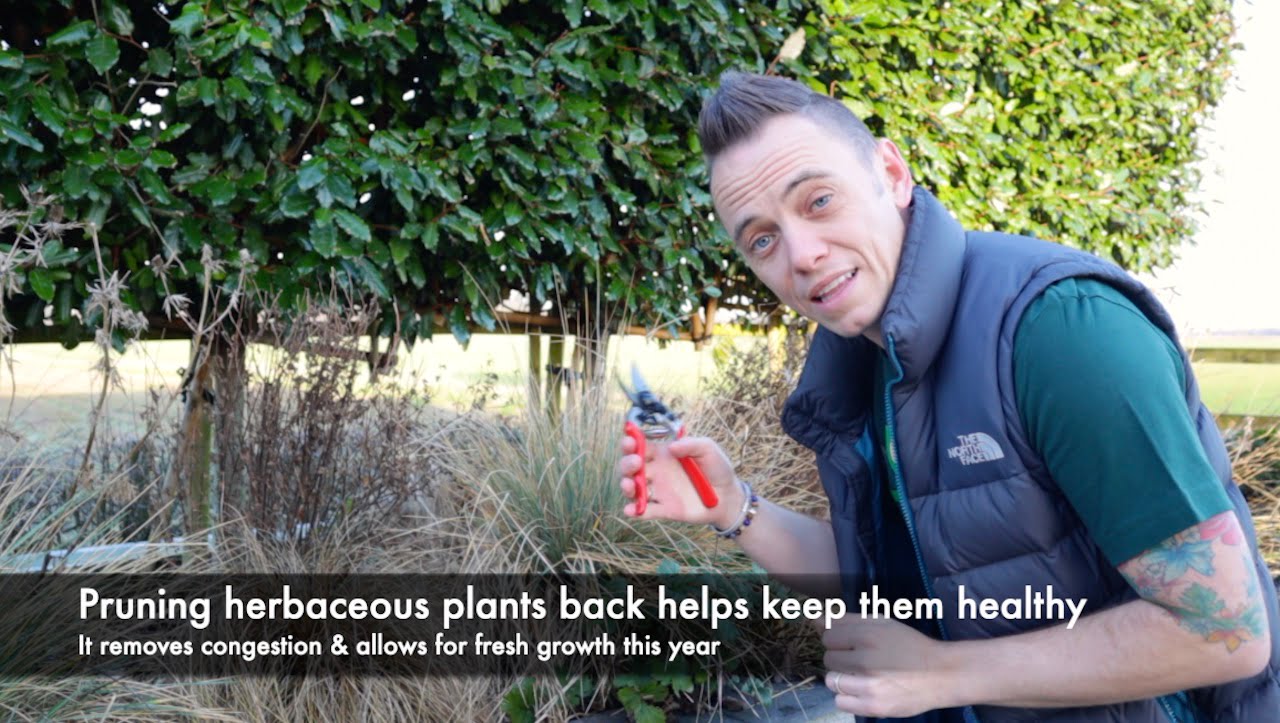
Cutting herbaceous plants back each winter is essential, as it allows new growth to emerge easily. If we don’t cut them back, these herbaceous perennials can become crowded and congested, or even harbour pests such as slugs or fungus due to a lack of airflow.
For large drifts of herbaceous planting, a pair of long-handled border shears will get through the job considerably faster than secateurs alone, and saves your back from constant bending.
🛒 Buy Long-Handled Border Shears on Amazon UK
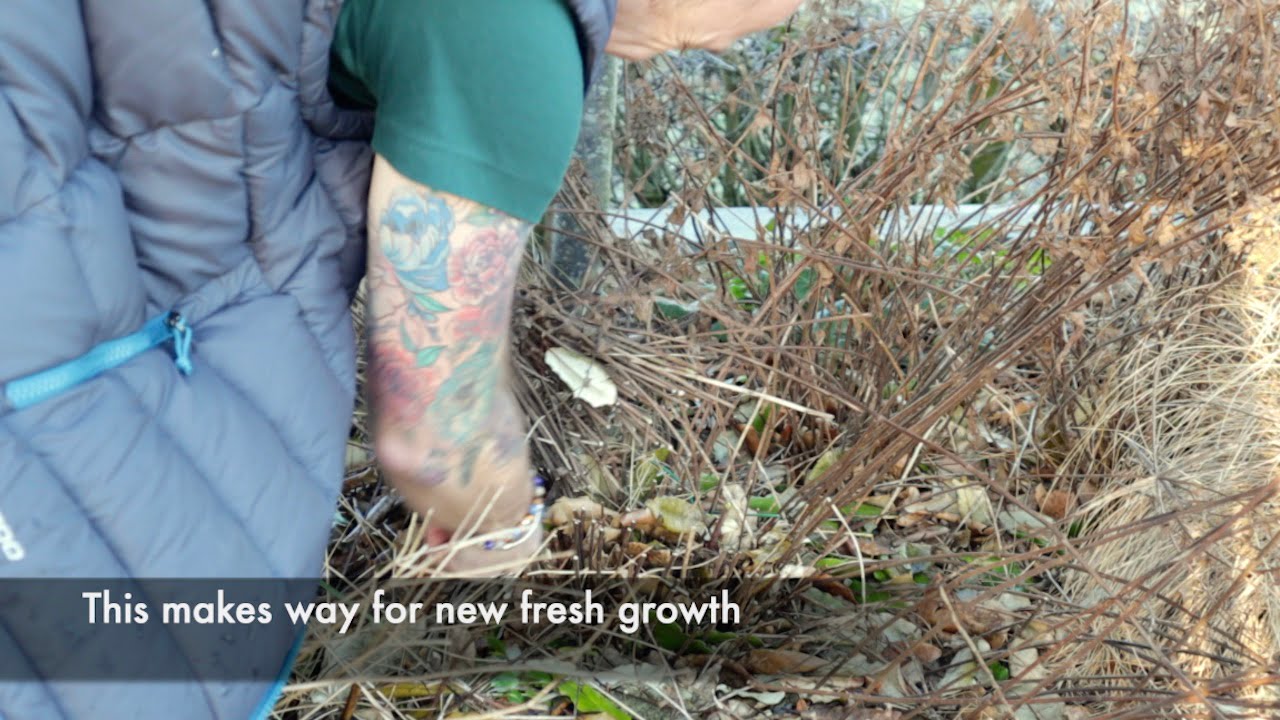
All cuttings can easily be composted on a compost heap, meaning there’s zero waste going to landfill. By composting all cuttings and garden green waste, you can help reduce your carbon footprint and close the loop on excess waste. Homemade compost is an amazing free plant feed, so it’s worth thinking about starting a composting system somewhere in your garden, even if it is a small bin tucked away behind a shed.
Winter is bare root season, and it’s one of the best-value jobs you can do in the garden right now. Bare root plants are lifted from the nursery field while completely dormant, with no soil or pot around their roots, then sold and planted straight into their final position. Because there’s no compost or container involved, bare root trees, hedging and roses are typically far cheaper than the equivalent container-grown plant, and many gardeners find they establish just as well, if not better.
The bare root planting season runs from roughly November through to March, for as long as the ground isn’t frozen or waterlogged. It’s the ideal way to plant hedging in bulk, fruit trees, roses and many ornamental trees and shrubs cost-effectively, and it gives the plant a full dormant season to settle its roots in before the spring growth spurt begins.
🛒 Buy Mycorrhizal Fungi (Rootgrow) on Amazon UK
Once planted, a decent tree stake and tie kit protects a new bare root tree through its first couple of winters, when it’s most vulnerable to wind rock loosening the roots before they’ve properly gripped the soil.
🛒 Buy a Tree Stake & Tie Kit on Amazon UK
For new gardeners, bedding plants such as violas, busy lizzies, marigolds and begonias are often their first choice when it comes to buying new plants. These brightly coloured, low-fuss small plants can add an instant blast of summer colour to pots and containers in the garden. However, these are known as bedding plants for a reason, a hangover from the Victorian obsession with formal beds of neatly arranged plants.
Sadly, though, most bedding plants are annuals, so they only live for one year. This means that once they finish, that’s it, they won’t return.
What is also surprising for most new gardeners is that bedding or annual plants are often bred to be sterile, meaning they won’t set seed. This is so they flower for longer rather than wasting energy producing pollen or seeds. So although they look nice, they have very little value for wildlife, as the majority of them don’t produce pollen or nectar.
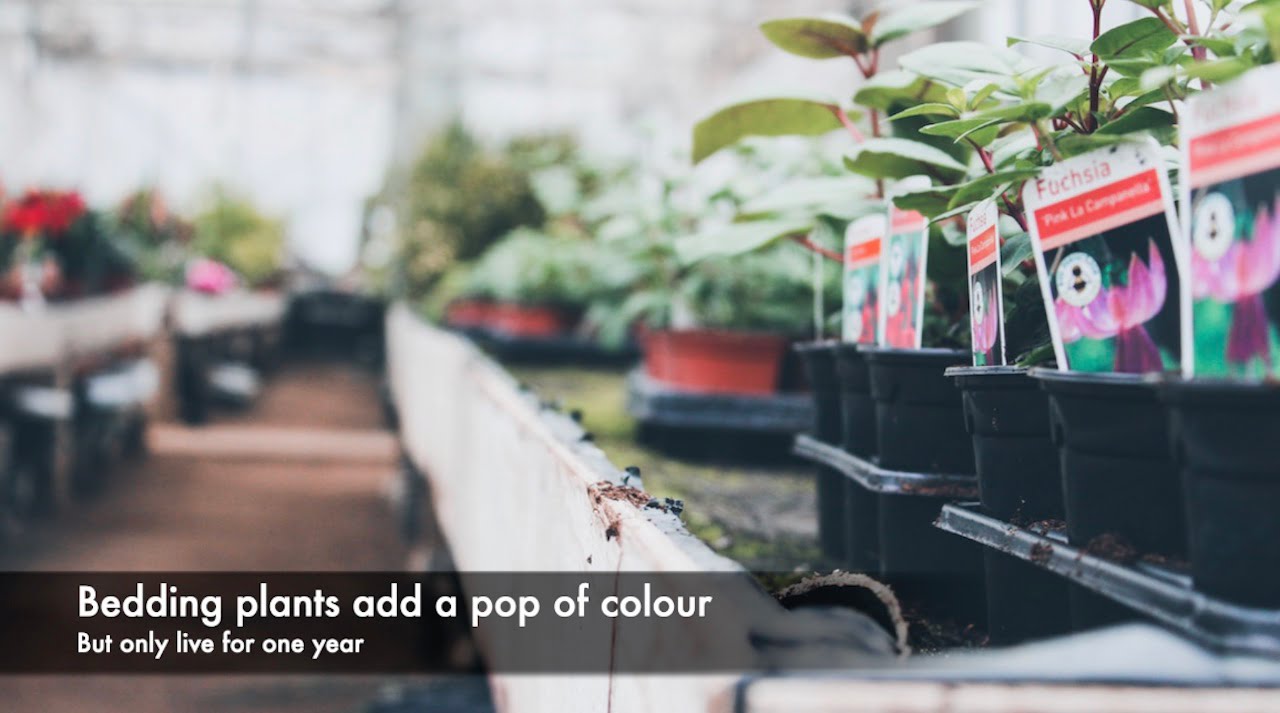
The best thing to do with them is to compost them at the end of the year, so at least you can recycle them once the bedding plants come to the end of their life. It may be that there are better herbaceous perennial plants you can use in containers and pots instead.
Alternatively, why not grow your own annuals from seed to save the carbon footprint of having them imported from Holland to UK garden centres? Then at least you can close the loop on unnecessary travel and carbon in the garden. Find out how easy it is to grow plants from seed by following my guide below.
A decent set of seed trays and a heated propagator gives seedlings the best possible start on a cold windowsill, well before it’s warm enough to sow directly outdoors.
🛒 Buy a Heated Propagator on Amazon UK
As a beginner gardener, you may look out at the garden in winter and think there’s no point in weeding or trying to get ahead of the game. How wrong this view can be. Winter is an ideal time to get rid of those pesky perennial weeds. Perennial weeds are those that come back year after year, and left alone over winter, they simply grow bigger and stronger before setting their own seeds and spreading themselves all around your garden.
By tackling perennial weeds in winter, you can get ahead of the game before spring starts. Spring is notorious for a sudden outbreak of weeds in the garden, especially if you haven’t kept on top of things during the winter months. So getting rid of as many perennial weeds as possible now is a great way to ensure less drama in the garden during spring and summer.
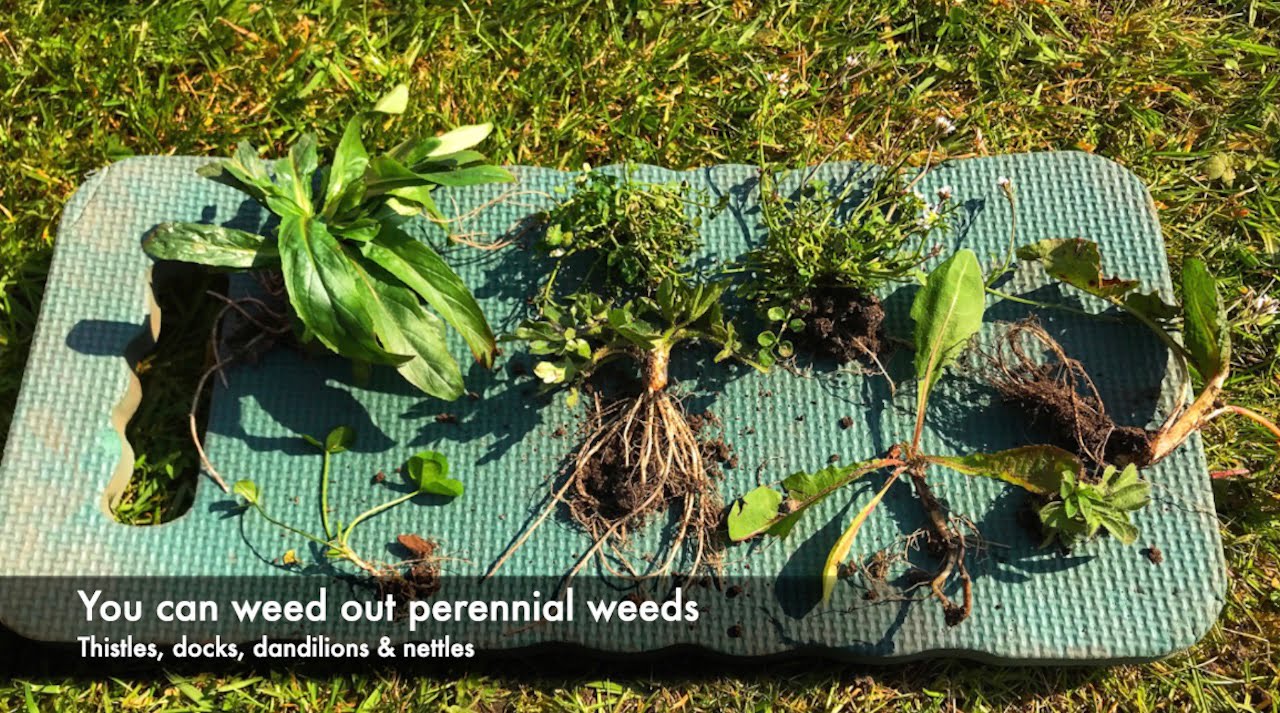
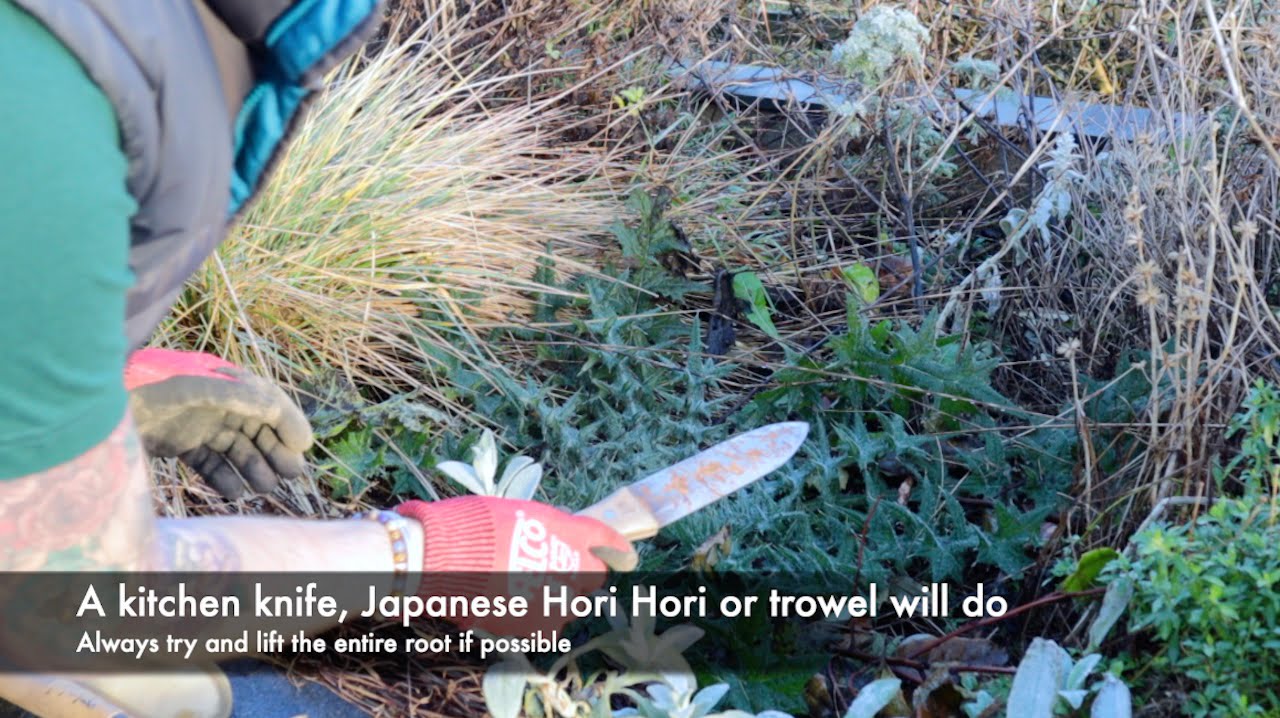
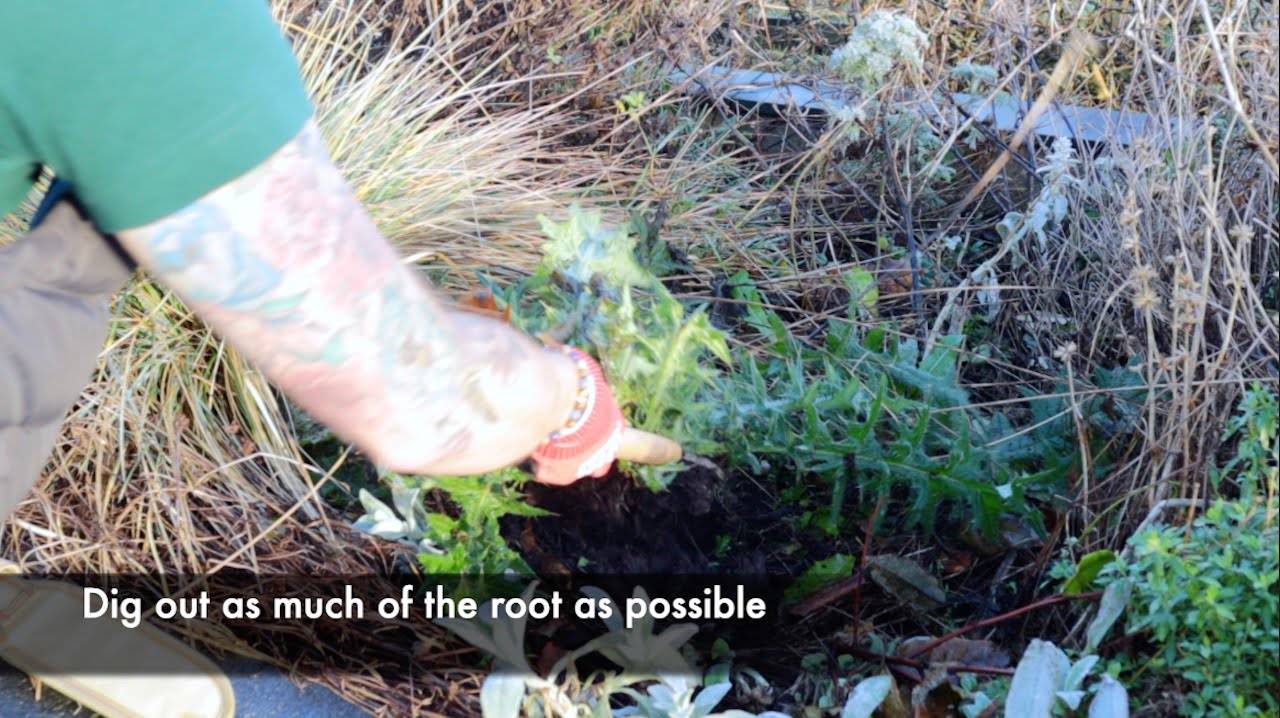
Weeding in winter is easy. As long as the ground isn’t frozen or waterlogged, you can happily use a Japanese Hori Hori, small trowel or weeder to quickly extract all those evergreen perennial weeds. Thistles, docks and dandelions, to name a few, will come out with relative ease.
🛒 Buy a Hori Hori Knife on Amazon UK
The beauty of tackling weeds in winter is that any deciduous shrubs or herbaceous plants will have already died back, allowing you to spot the evergreen perennial weeds with ease. Bonus.
If your lawn is looking a bit worse for wear, it can be frustrating in winter knowing what you can and can’t do to it. You may have done extensive online research or read books on lawn care and turf. Many different guides tell you many different things, and the key to any winter lawn maintenance is the weather.
Many guides were written decades ago, when long, sustained cold winters were common. This is why the advice was always to leave lawns well alone until spring.
However, as we are experiencing more temperate and warmer winters, the advice needs to reflect this. By following the tips below, you can see what lawn care you can undertake in winter.
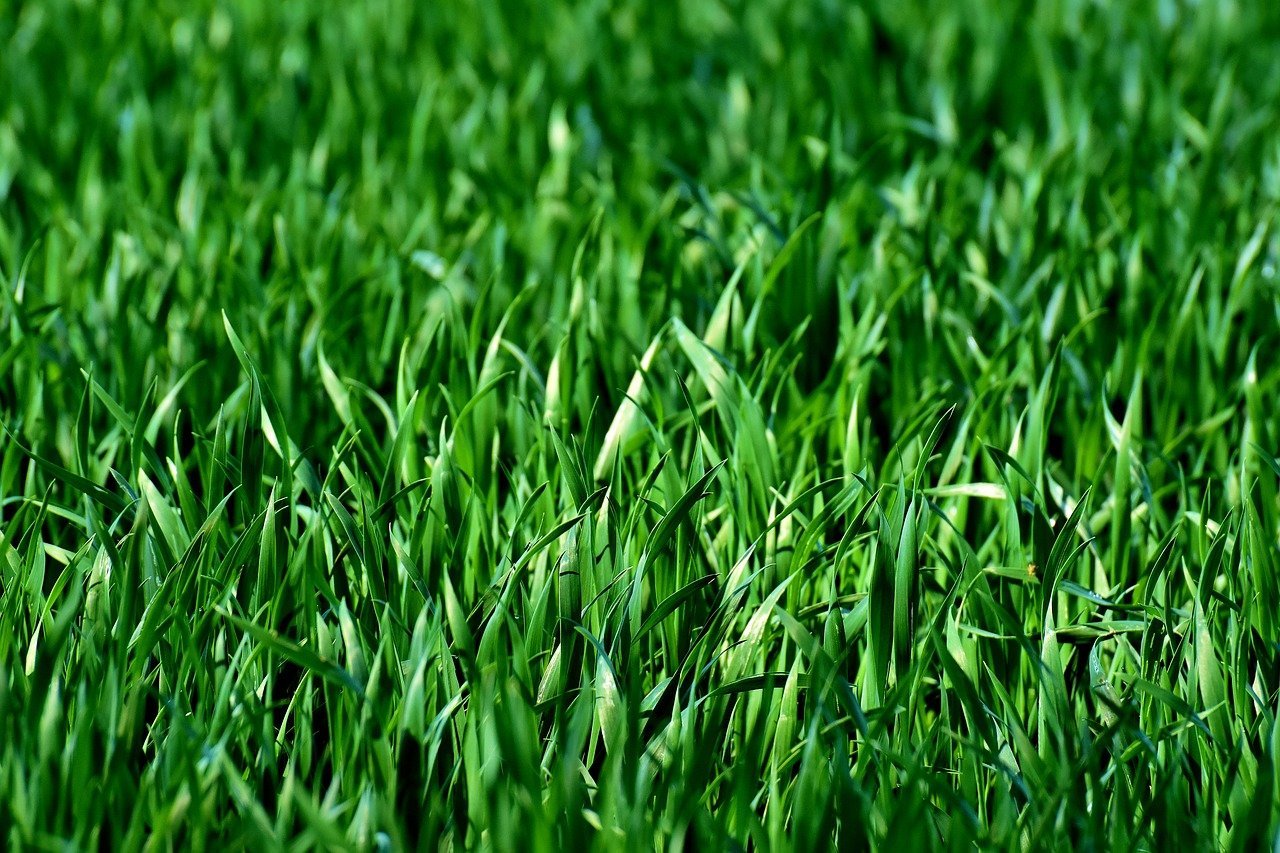
As long as the ground isn’t frozen, waterlogged, or at risk of frost, then you can undertake the following lawn care in winter:
🛒 Buy a Hollow Tine Lawn Aerator on Amazon UK
🛒 Buy a Half-Moon Lawn Edger on Amazon UK
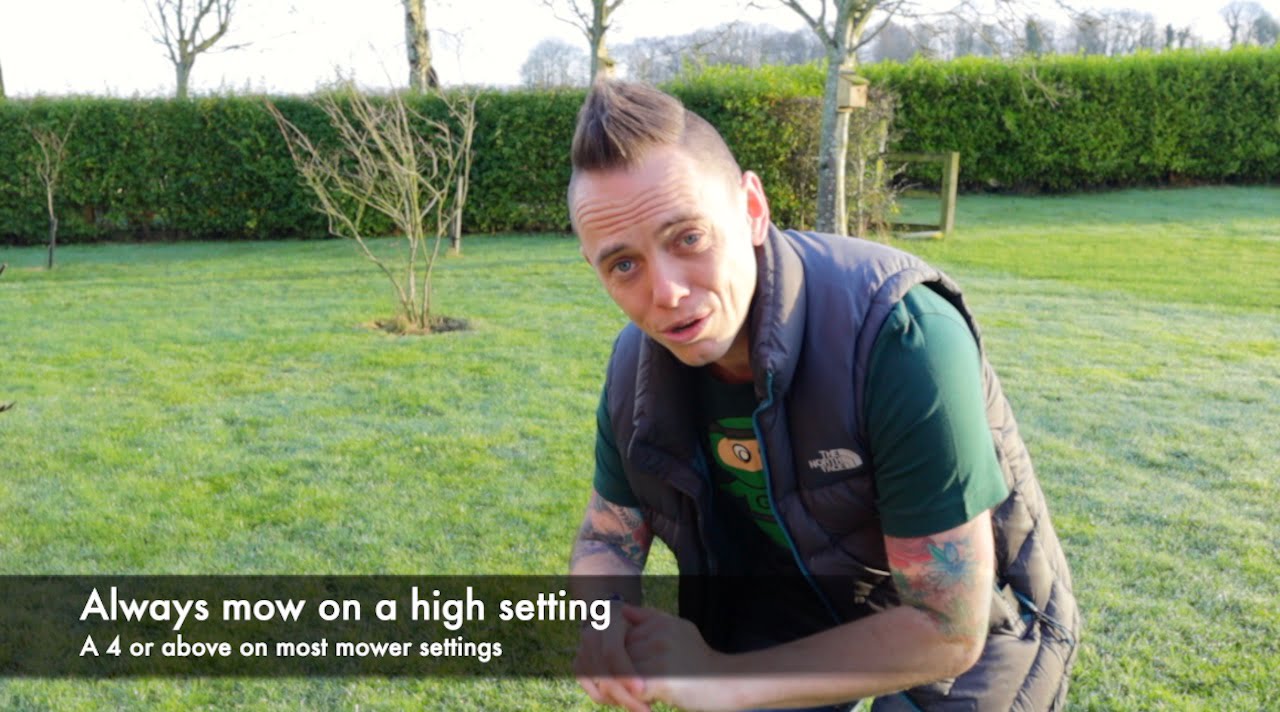
Lawn care you should never do in winter, due to the risk of damage or it simply failing, includes:

Winter isn’t only about cutting things back; it’s also about protecting what you’ve got. Two quick jobs make a real difference here, and both take minutes rather than hours.
Anything borderline hardy or grown in a container is far more exposed to cold than the same plant would be in open ground, since a pot offers no insulation around the roots. Wrap terracotta and ceramic pots in bubble wrap or hessian to insulate the roots, and cover tender top growth with horticultural fleece whenever a hard frost is forecast. Move anything properly tender, such as tree ferns, bananas or half-hardy fuchsias, into a greenhouse, porch or unheated shed for the worst of the winter.
🛒 Buy Horticultural Fleece on Amazon UK
Winter is the hungriest, hardest season for garden wildlife, and a little support goes a long way. Keep bird feeders topped up with high-energy food such as sunflower hearts or suet, and check any water sources regularly to make sure they haven’t frozen over, since birds need to drink as much as they need to eat. Leaving seed heads on herbaceous perennials for as long as possible, rather than cutting everything back at once, also gives birds and insects somewhere to shelter and forage through the coldest months.
🛒 Buy a Bird Feeder & Food on Amazon UK
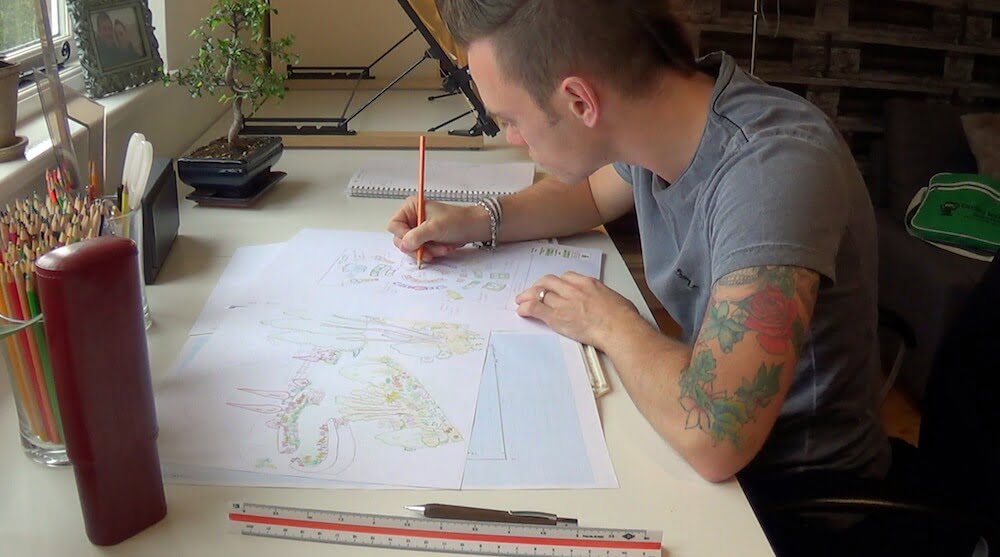
Another fun and exciting task you can get on with is planning your garden for the next year. What’s great about this is that you can do it from the warmth of your own home or sofa. More often than not, as beginner gardeners, you can be eager to rush out to the garden centres and buy plants. Lots of plants.
However, what you may find is that when you get them home, you have no idea how to arrange them or where they are best suited. This is where garden planning in winter can save you both time and money.
By sitting down and considering the aspect (where the sun rises and falls), your soil type and what style of planting you are going for, you can avoid buying unsuitable plants or making costly errors.
I’ve never gardened before, where do I even start in winter?
Start with the Winter Gardening Jobs by Month table near the top of this guide and just pick one job from whichever month you’re in. You don’t need to tackle all ten jobs in a single weekend. Weeding and cutting back herbaceous perennials are the most forgiving places to begin, since it’s hard to do lasting harm doing either.
My evergreen looks like it’s dying, has it actually died?
Not necessarily. Evergreens naturally drop a portion of their older leaves every couple of years, and some can look patchy through a hard winter without being dead at all. Try the scratch test: gently scratch a small area of bark with your fingernail. Green underneath means the plant is still alive; brown and dry means that section has died back. My Is My Plant Dead or Dormant? guide covers this in more detail, plant by plant.
I missed the bare root planting window, what now?
Bare root season generally closes once a plant starts breaking into leaf, usually by late March or April, depending on the weather. If you’ve missed it, container-grown plants are available all year round as an alternative, just at a higher price for the equivalent size. Otherwise, make a note in your diary and order bare root stock again from November.
The ground is frozen solid, what can I still do?
Frozen or waterlogged soil rules out planting, turfing, aerating and any heavy digging, since you’ll damage the soil structure and the plants alike. This is the perfect excuse to move indoors: clean and sharpen your tools, plan next year’s planting, order seeds and bare root stock for delivery once conditions improve, and keep an eye on frost-vulnerable pots and wildlife feeders in the meantime.
The most important winter jobs are pruning dormant deciduous trees and shrubs, cutting back herbaceous perennials once they’ve died down, planting bare root trees and hedging while stock is available and cheap, weeding while borders are bare and weeds are easy to spot, and protecting tender plants from hard frost. Evergreens and anything that flowers on old wood should be left until after they’ve flowered instead.
It’s best to avoid pruning most evergreens in winter, since they’re not actively growing and heal more slowly, which increases the risk of dieback or infection at the cut. Prune evergreens in spring or summer instead, and if they flower, such as camellias, wait until immediately after flowering has finished, even if that falls in the middle of summer.
Yes, provided the ground isn’t frozen, waterlogged, or at risk of frost, a light mow on a high setting is fine and helps keep the lawn tidy. Avoid scarifying, laying turf, sowing seed or feeding the lawn in winter, since cold temperatures and dormant grass mean these jobs are far more likely to fail or go to waste than if done in spring or autumn.
No, most bedding plants such as violas, busy lizzies, marigolds and begonias are annuals, meaning they complete their life cycle in a single year and won’t regrow the following spring. Many are also bred to be sterile so they flower for longer, which means they offer very little value to pollinators. Compost spent bedding at the end of the season and consider herbaceous perennials as a longer-term, better-value alternative for containers.
Yes, considerably. Bare root trees, hedging and shrubs are lifted from the nursery field without any soil, compost or pot, which makes them significantly cheaper to grow, transport and sell than the equivalent container-grown plant. They’re only available while dormant, roughly November to March, but many gardeners find they establish just as well as container-grown stock, sometimes better, since they go straight into the ground with a full dormant season to settle in.
Wrap containers in bubble wrap or hessian to insulate plant roots, which are far more exposed to cold in a pot than in open ground. Cover tender top growth with horticultural fleece whenever a hard frost is forecast, and move properly tender plants such as tree ferns or half-hardy fuchsias into a greenhouse, porch or unheated shed for the coldest months.
Avoid digging, planting, turfing or aerating when the ground is frozen or waterlogged, since this compacts and damages the soil structure. Avoid pruning most evergreens, Prunus (plums and cherries), or anything that flowers on old wood, such as Forsythia or Philadelphus, since winter pruning removes the flowers or increases disease risk. Avoid sowing lawn seed or feeding the lawn, since cold soil means both are largely wasted effort until spring.

Join over 100,000 gardeners on YouTube
Free gardening videos from the Garden Ninja, with 8 million views and counting.
Subscribe on YouTube, it’s freeIf this guide has whetted your appetite and you’d like a proper grounding in how to plan, plant and maintain a garden with confidence, my Garden Design for Beginners course takes you through it step by step. I offer a number of courses from £29 to £199, depending on how deep you want to go.
In my most comprehensive course, I, Lee Burkhill, award-winning garden designer and presenter on BBC1’s Garden Rescue, will guide you step by step from complete beginner to a gardener who understands why each job matters and when to do it, not just what the instructions say.
What You’ll Learn:
Course Features:
This course is available now for just £199. Start your garden design journey today and gain the skills to create stunning spaces with confidence.
For the garden you’ve already got, not the one you’re starting from scratch. Seven checklists and video lessons from BBC Garden Rescue’s Lee Burkhill, designed to help you decide what’s worth keeping before you spend a penny.
Garden Design Examples for Small Gardens: 30 Design Templates & Planting Plans: In this online gardening course, I’ll walk you through 30 fantastic garden designs, explaining the logic behind the layout and plant choices, plus take-home tips for applying them in your own garden.
Learn how to transform and design your garden with Lee Burkhill’s crash course in garden design. In over 5 hours, Lee will teach you how to design your dream garden. Featuring practical design examples, planting ideas and video guides. Learn how to design your garden in one weekend!
Garden Design for Beginners Online Course: Want to become a garden designer or design your own garden? This beginner course is for you. Join me, Lee Burkhill, an award-winning garden designer, as I train you in the art of beautiful garden design. Enjoy 20 hours of online study and video lessons, along with quizzes and a completion certificate.
I hope you now see why winter is not the time for garden hibernation, Ninjas. There is plenty to do to make sure your garden is looking fantastic in the year ahead. By following these winter garden maintenance tips, from pruning and bare root planting through to protecting tender plants and feeding the birds, you can make sure your garden is ready to put on a fantastic display next spring.
I’d love to hear from you on my Twitter, Facebook or Instagram pages. If you have a gardening question, then why not use the Garden Ninja Gardening Forum, where hundreds of Garden Ninja members can help you?
Happy Gardening!


[trustindex no-registration=google]
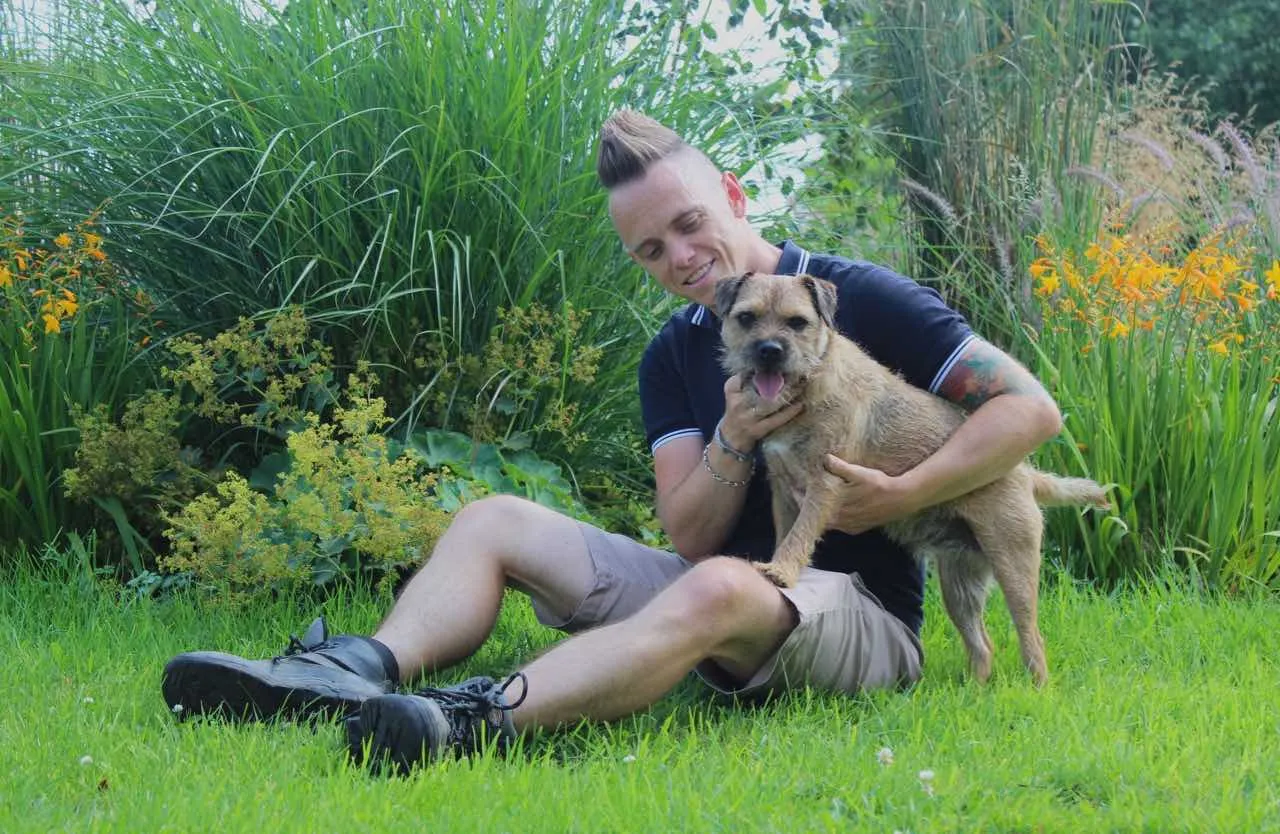
Lee Burkhill, known as the Garden Ninja, is an award-winning garden designer and horticulturist with over 30 years of gardening experience and 15 years as a professional garden designer. A qualified RHS (Royal Horticultural Society) professional, Lee specialises in sustainable garden design and practical horticultural advice. He designs and presents on BBC1’s Garden Rescue and in leading gardening publications. Lee combines three decades of hands-on gardening knowledge with professional design qualifications to help gardeners create beautiful, functional outdoor spaces.
View all posts by Lee Burkhill





JOIN THE NINJAS
Be the first in line for new Guides, Discount codes and Offers