Grow Your Own Fruit & Veg
-

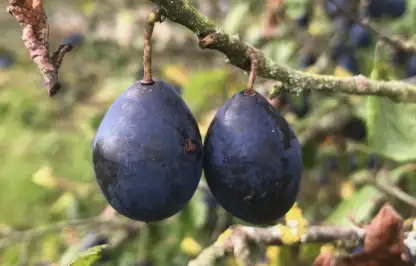
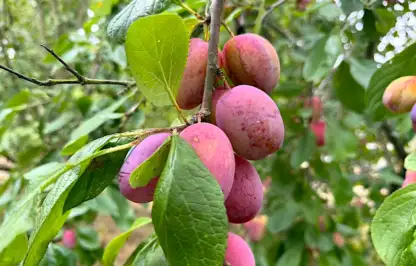
Damson Recipes: How to make Damson Gin, Jams, Crumbles & Cakes
Quick Answer The easiest things to make with Damsons are Damson gin, Damson jam, crumble, fool, chutney, ice cream, clafoutis and compote. Damsons are too sharp for most people to eat raw, but their high pectin sets jam with ordinary sugar, and freezing them overnight splits the skins for gin. Pick them in September, when […]
Read more -
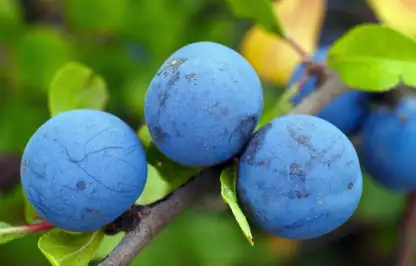
Sloe Gin Recipe: How to Forage, Make & Bottle Your Own
Quick Answer Sloe gin is made by pricking ripe sloes, layering them with sugar and gin in an airtight jar, then leaving the mixture in a dark cupboard for at least three months, shaking it weekly. Sloes are traditionally picked after the first autumn frost, though freezing fresh sloes overnight has exactly the same softening […]
Read more -
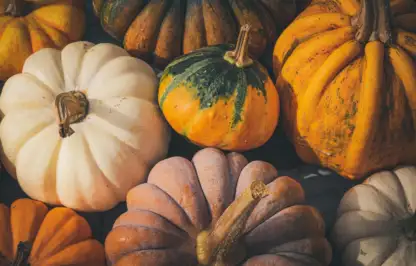
When to Harvest Pumpkins & Autumn Squash: Your Complete UK Guide
Quick Answer Pumpkins and squashes are ready to harvest once the skin resists a firm thumbnail press, the colour has fully changed for that variety, and the stem has dried out and gone woody. In the UK this usually falls in the last two weeks of September through to the first week of October, ideally […]
Read more -
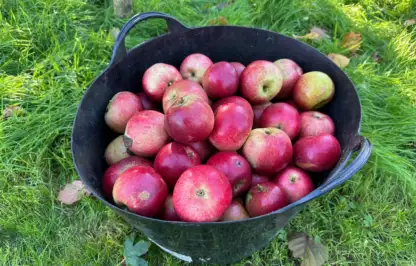
When to Pick Apples: UK Harvest Guide & Glut Recipes
Quick answer: Get ahead of bumper crops by separating apples as they come off the tree and use windfalls and bruised fruit first. Turn a glut into apple sauce, chutney or apple butter within a few days of picking, or freeze prepared slices for later. Unblemished apples wrapped individually in newspaper and stored somewhere cool, […]
Read more -
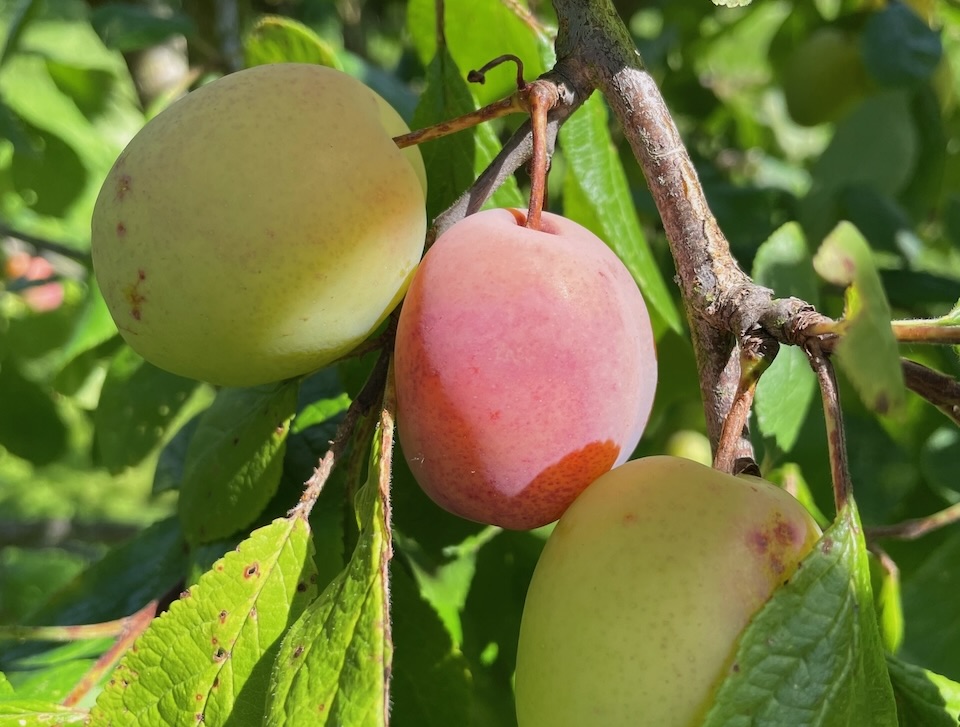
When to Harvest Plums in the UK (Plus My Spiced Jam & Upside-Down Cake)
Quick Answer Most UK garden plums are ready to pick from the second week of August through to mid September, with Victoria plums typically hitting their peak in the third week of August. A ripe plum will have full colour, a faint powdery bloom, a slight give when gently squeezed and will twist away from […]
Read more -

How to Prune a Plum Tree: The Complete Beginner’s Guide
Quick Answer Prune a plum tree in September, straight after harvest, and never in winter. Plums belong to the Prunus family alongside cherries, and a winter cut leaves the wound open to silver leaf disease and bacterial canker for months in cold, damp weather. Remove dead or crossing wood first, thin any congested growth, and […]
Read more -
No Dig Gardening Guide for Beginners: Charles Dowding & Garden Ninja
Quick Answer No dig gardening means covering weeds or grass with cardboard and a thick compost mulch instead of digging or tilling the soil. You plant straight into the compost, top it up once a year, and let worms and soil life do the cultivating for you. It is quicker to start, kinder to your […]
Read more -
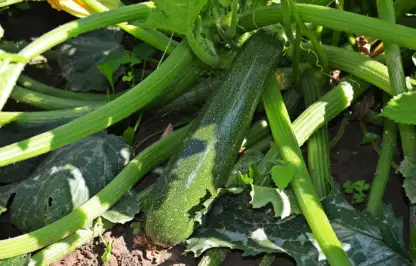
Growing Courgettes: The Easiest Vegetable for Beginners
Quick Answer Sow courgette seeds indoors in April or May at 18 to 21 degrees, then plant out in a sunny, sheltered spot once frost risk has passed. Feed weekly with a high potassium fertiliser once flowering starts, and harvest fruits at 10 to 15cm every two to three days to keep plants cropping all […]
Read more -
Best Lawn and Plant Fertiliser UK 2026: Seaweed, NPK and Rose Feed Compared.
Quick Answer For most UK gardens you need three feeds. A seaweed based tonic such as envii SeaFeed Xtra for general plant health, a balanced NPK feed like Growmore or fish, blood and bone for hungry beds and vegetable plots, and a specialist feed for anything that needs it, meaning an ericaceous feed for rhododendrons […]
Read more -
The Best Raised Beds to Buy 2026: That You Can Build at Home
Quick Answer The best raised beds for most UK gardeners are galvanised steel (longest lifespan at 20 to 30 years), pressure-treated timber kits (10 to 15 years, most affordable), or composite WPC beds (15 to 20 years, minimal maintenance). For vegetables, aim for at least 30cm depth; for root crops, 40cm minimum. Fill with a […]
Read more