For the garden you’ve already got, not the one you’re starting from scratch. Seven checklists and video lessons from BBC Garden Rescue’s Lee Burkhill, designed to help you decide what’s worth keeping before you spend a penny.
69


Quick Answer
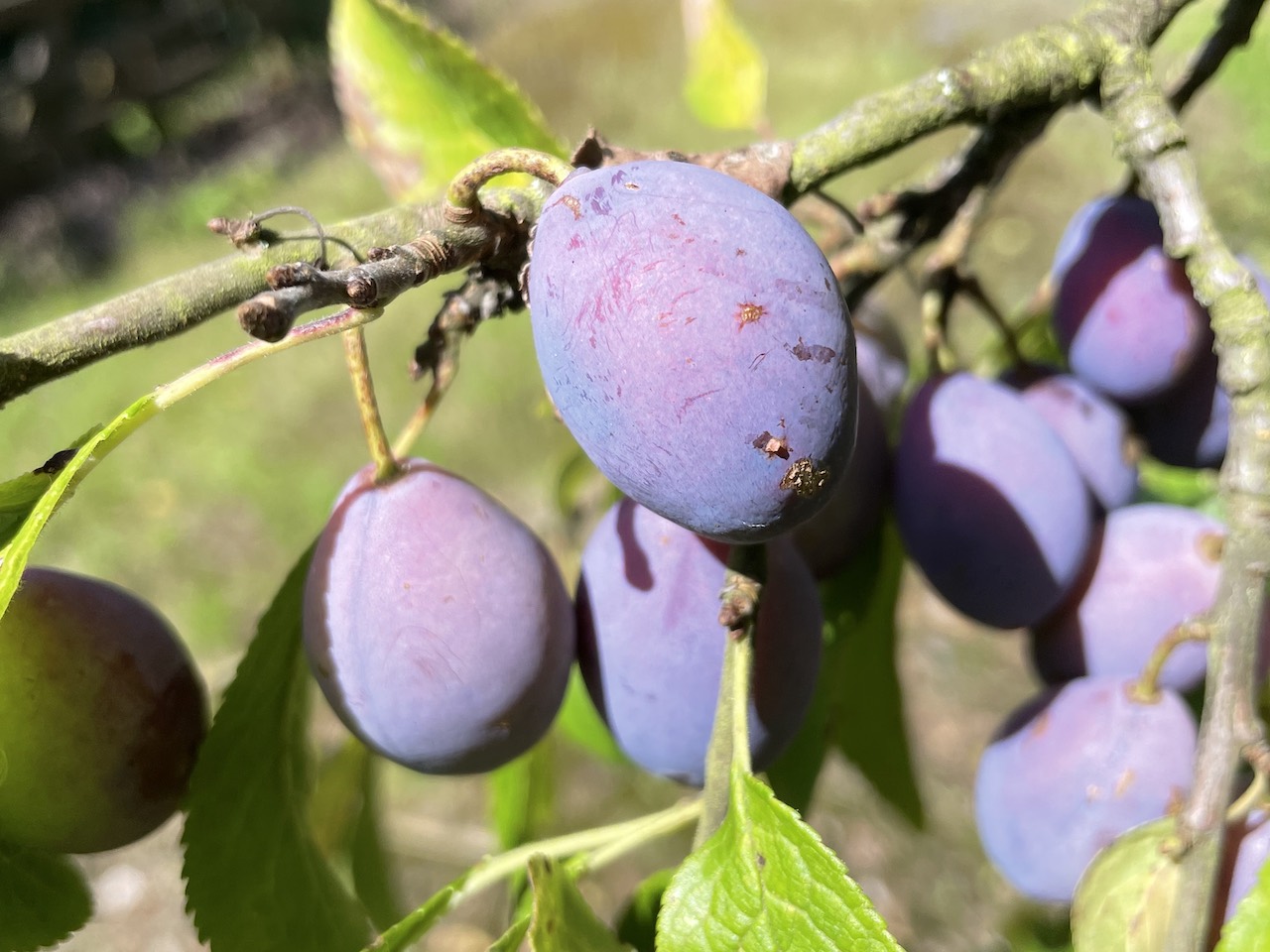
The easiest things to make with Damsons are Damson gin, Damson jam, crumble, fool, chutney, ice cream, clafoutis and compote. Damsons are too sharp for most people to eat raw, but their high pectin sets jam with ordinary sugar, and freezing them overnight splits the skins for gin. Pick them in September, when they give slightly to a gentle squeeze.
Damsons are small, sharp, blue-black fruits from Prunus insititia, a close relative of the garden Plum, and a mature tree can drop more fruit in a fortnight than most households know what to do with. I have a Damson in my own garden that I barely touch, and every recipe in this guide has been made from its September gluts, usually in a hurry and with a kitchen full of fruit.
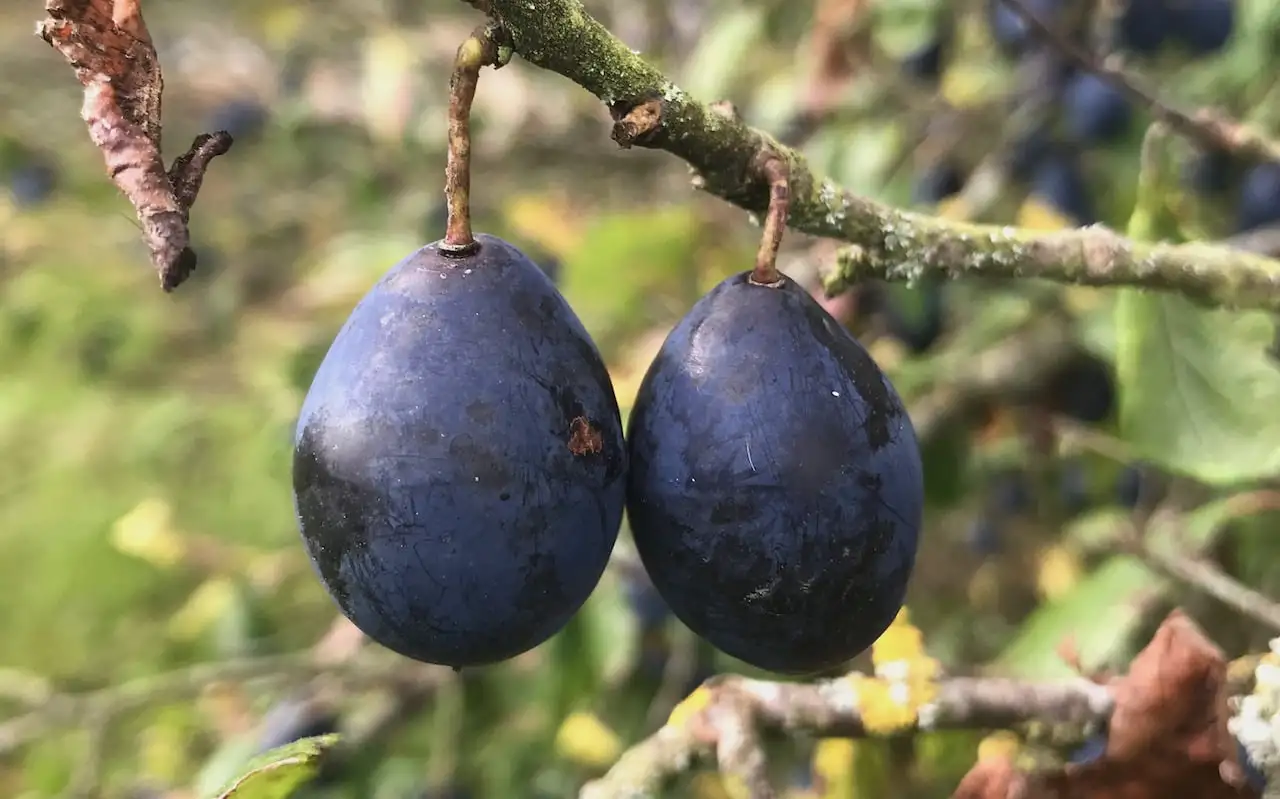
Straight off the tree they are tart and slightly astringent, which is why they work so well in the kitchen. Damsons carry very high levels of natural pectin, so Damson jam sets with ordinary sugar and no added pectin, and the skins turn gin, ice cream and chutney a deep purple. Sugar and a little heat are all it takes to turn that sharpness into something you want to eat.
Below are my eight quick Damson recipes, each with ingredients, timings and the method I use, plus how to stone the fruit quickly, freeze a glut, and grow a Damson tree of your own. Most need less than half an hour of hands-on time and nothing more specialist than a big pan and some jars.
Jump To
🛒 If you only buy one bit of kit for your Damsons this year, make it a set of clip-top preserving jars, since they work for infusing gin, storing jam and giving both away.
Here is how the eight recipes compare for time, whether you need to stone the fruit first, and how long each one keeps. Gin and compote are the quickest to get going. Jam and chutney use up the most fruit if you are staring at a full bucket.
| Recipe | Hands-on time | Ready in | Stones | Keeps for |
|---|---|---|---|---|
| Damson gin | 10 minutes | 2 to 3 months | Leave them in | Years once strained |
| Damson jam | 20 minutes | About 50 minutes | Skim out as they rise | Up to a year unopened |
| Damson crumble | 15 minutes | About 45 minutes | Out if you can | 3 days in the fridge |
| Damson fool | 15 minutes | 1 hour with cooling | Sieve them out | 2 days in the fridge |
| Damson chutney | 20 minutes | About 1 hour 20 minutes | Skim out as they rise | Up to a year unopened |
| Damson ice cream | 30 minutes | 4 hours plus freezing | Out before cooking | 3 months frozen |
| Damson clafoutis | 10 minutes | About 50 minutes | Out before cooking | Best eaten warm on the day |
| Damson compote | 5 minutes | 15 minutes | Out before cooking | A week in the fridge |
If you would rather watch than read, I make Damson jam, Damson gin and a Damson crumble start to finish in the video below, using fruit from my own tree.
Damsons ripen from late August through September in most of the UK, with trees in the north and in cold, exposed gardens usually a week or two behind those in the south. Fruit on the sunny side of the tree ripens first, so I pick over two or three sessions rather than stripping the whole tree in one go.
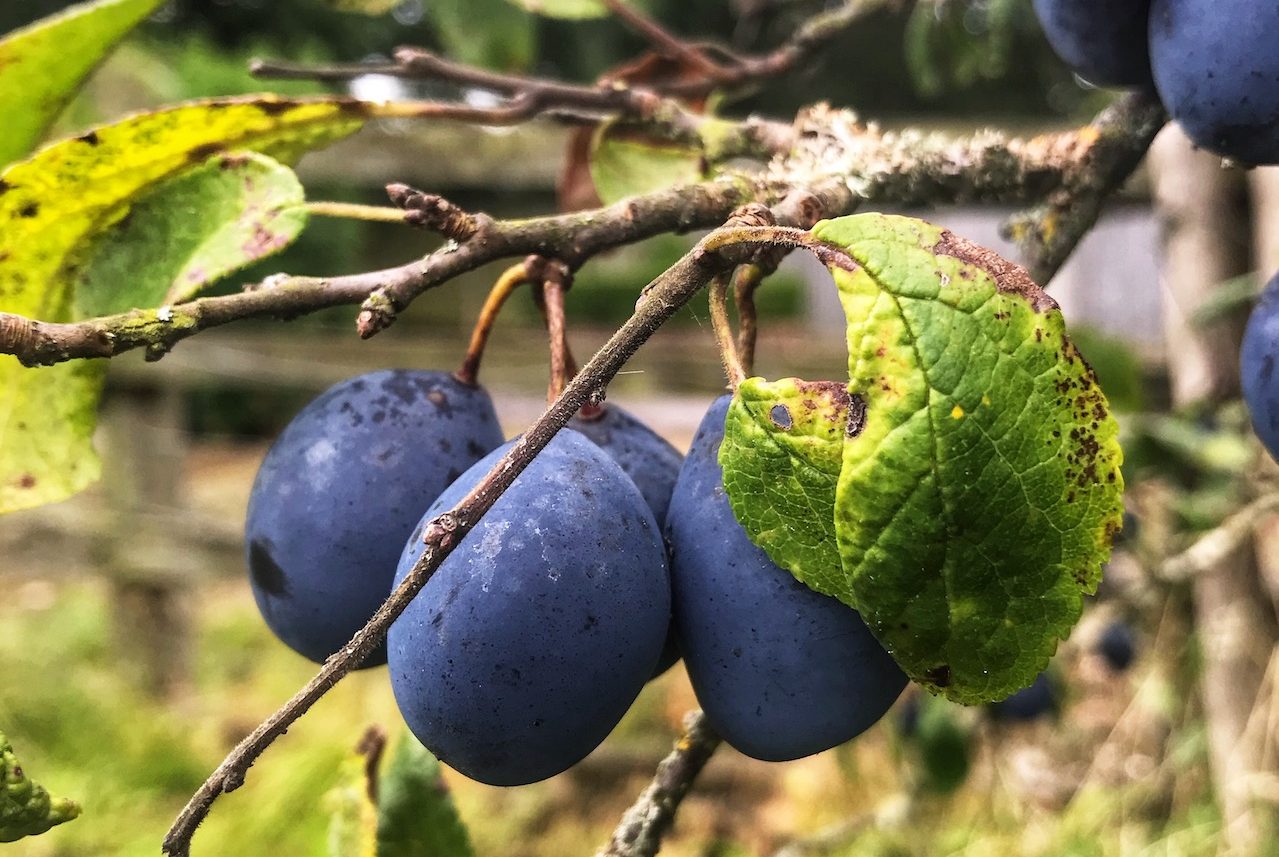
The simplest ripeness test is a gentle squeeze. A ripe Damson gives slightly under your thumb, comes away from the stalk with a light twist and has a dusty, pale bloom on the skin. If it still feels as hard as a marble, leave it another week. Damsons that have dropped on the ground bruise quickly and bring the wasps in, so gather windfalls daily and use them within a day or two.
How ripe you want the fruit depends on what you are making. For jam and gin, fruit that is still slightly firm is fine and even helpful, because it carries more pectin and more of the tannin that gives Damson gin its dry finish. For fools, compote and ice cream, wait until the fruit is soft and as sweet as it is going to get.
Damsons are Plums in all but name, so if you have a Plum tree cropping at the same time, my guide to harvesting Plums in the UK uses the same ripeness checks and has my spiced Plum jam and upside-down cake recipes. No tree of your own? Damsons are common in old hedgerows and farm orchards, and plenty of people with a mature tree give fruit away every autumn. Always ask the owner before you pick.
Damsons are drupes, like Cherries and Plums, with one hard stone in the middle, and the flesh clings to that stone far more stubbornly than it does in a Plum. That is why Damson cooks split into two camps: those who stone every fruit before cooking, and those who cook the fruit whole and fish the stones out afterwards. I do both, depending on the recipe.
For gin, the stones stay in. For jam and chutney, I cook the fruit whole and lift the stones out with a slotted spoon as they float to the surface during the boil. For anything served in a bowl, such as crumble, fool or clafoutis, I either stone the fruit first or warn everyone at the table, because a Damson stone will chip a tooth if you bite down on it unexpectedly.
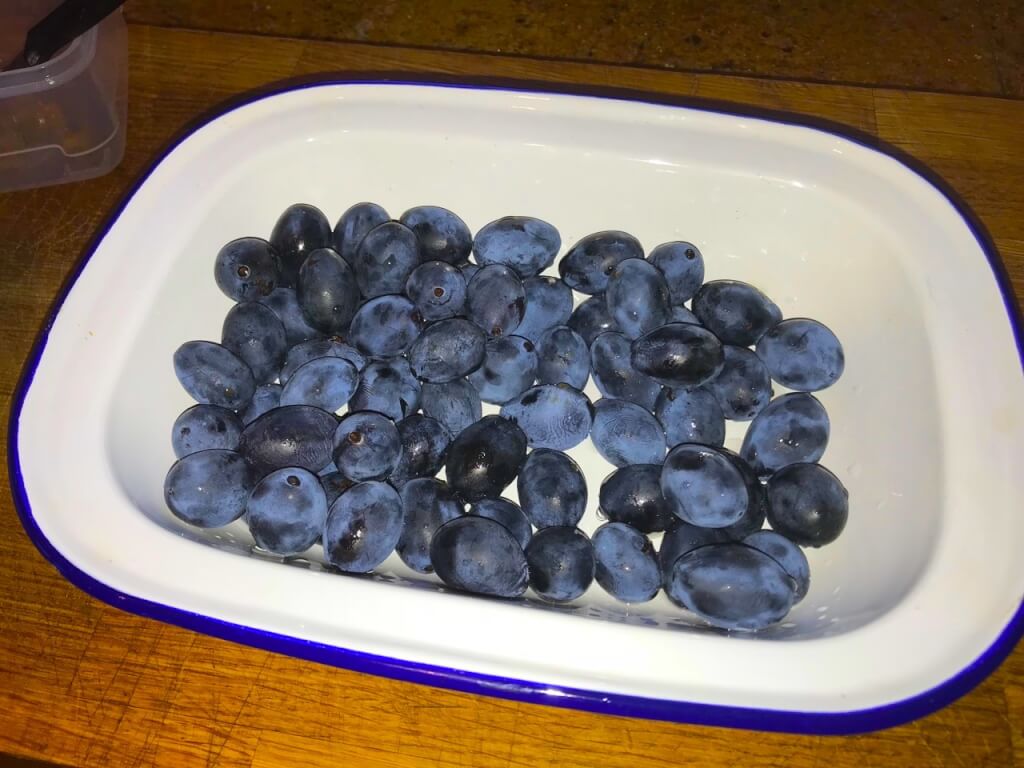
Spread the Damsons on a tray and freeze them overnight. As they thaw, the flesh softens and the skins split, and most stones can then be squeezed straight out between your finger and thumb. This is my favourite method for a large batch, and it prepares fruit for gin at the same time.
If the recipe calls for a purée, as the fool and ice cream do, simmer the whole fruit with a splash of water until it collapses, then push it through a sieve or a mouli with the back of a ladle. The stones and most of the skin stay behind. It takes about five minutes for a kilo of fruit and is the fastest method of all.
Run a small paring knife around the natural seam of the fruit, twist the two halves in opposite directions and flick the stone out with the tip of the knife. This works best on large, fully ripe fruit such as ‘Merryweather’, and it is the method to use when you want neat halves for a clafoutis.
🛒 A cherry and olive stoner handles the larger Damson varieties and saves a lot of time when you are working through a kilo or more.
Smaller Damsons such as ‘Shropshire Prune’ can be fiddly in a stoner because the stone is large for the size of the fruit, so I use the freeze and thaw method for those instead.
Damson gin is the easiest thing to make with a glut and the recipe I get asked about most. It takes three ingredients and ten minutes, then a dark cupboard does the rest. Start it in September and it is ready to strain by Christmas, with a deep ruby colour and a flavour closer to a fruity port than a plain gin. I drink it neat over ice or use a splash to top up a glass of Prosecco.
The same method works for Sloes, and my Sloe gin recipe covers foraging and bottling if you have both growing nearby.
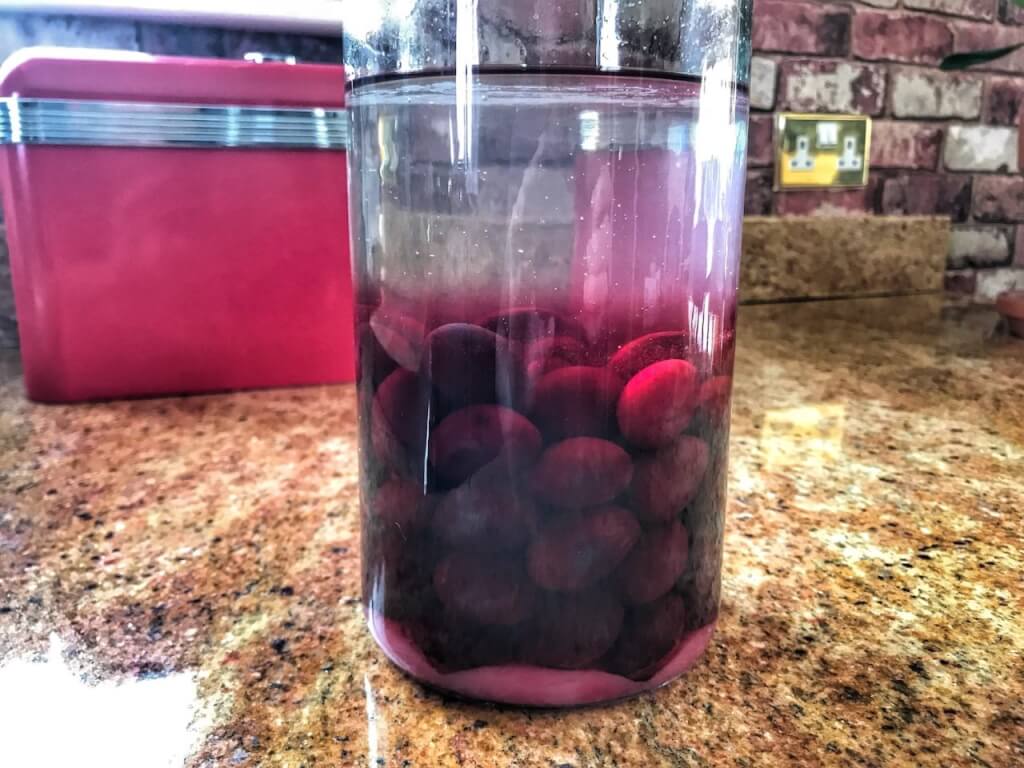
Taste before you bottle. If it is too sharp, stir in a little more sugar and leave it a week to settle, because Damsons vary in sweetness from one year to the next and it is easier to add sugar than to take it away. Once strained, Damson gin keeps for years and softens noticeably with age, so I always tuck one bottle away for the following Christmas.
Do not throw away the strained fruit. The gin-soaked Damsons can go into four more puddings, which you will find further down this guide.
🛒 A 2 litre clip-top preserving jar holds a full bottle of gin and 500g of fruit with enough room left to shake it properly.

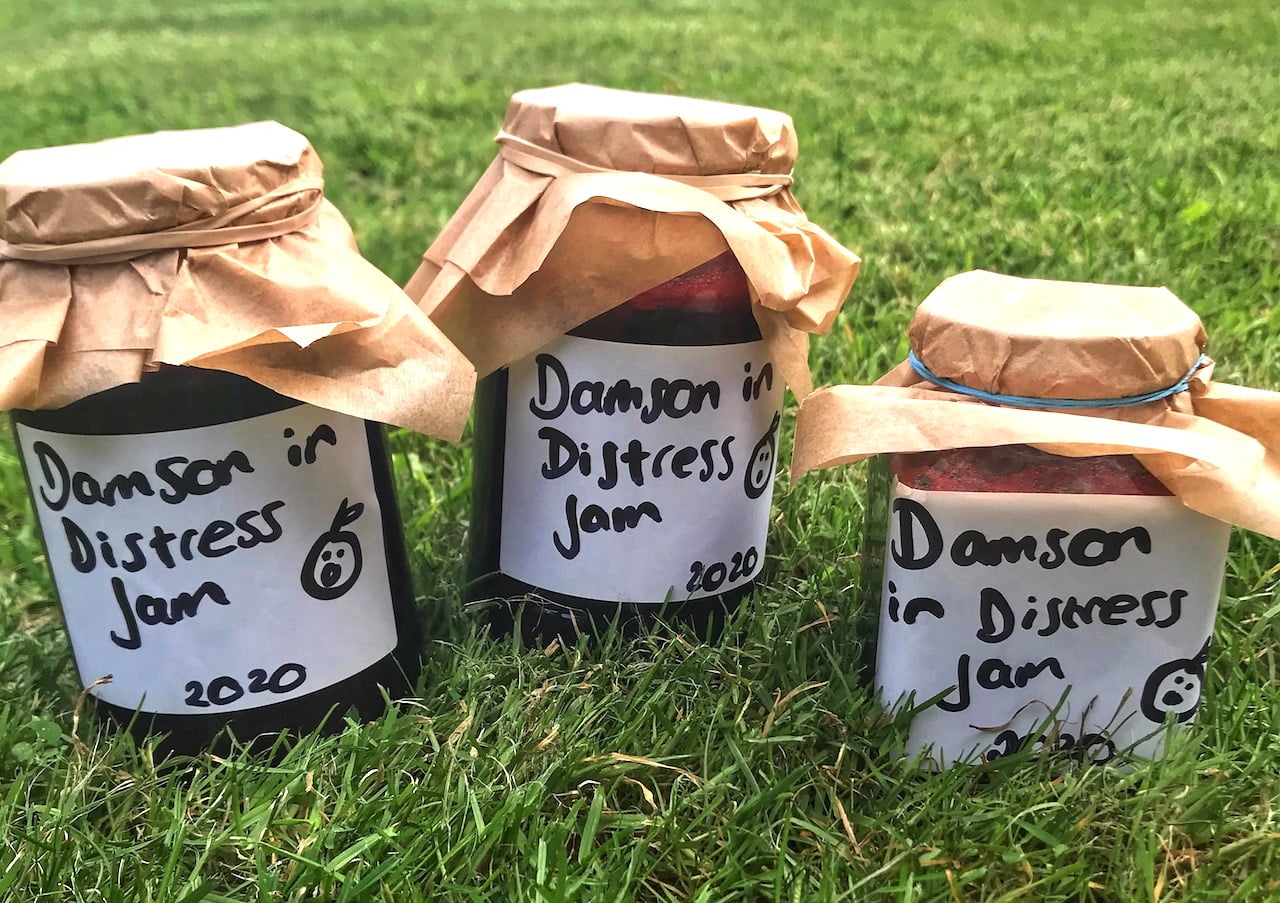
Damson jam is the best jam to start with if you have never made one before. The fruit is so high in pectin that it sets with ordinary sugar, with no jam sugar or added pectin needed, and the finished jam has a sharp, rich flavour that suits toast, scones and a Victoria sponge.
I cook the fruit whole and skim the stones out as they rise. Simmering the fruit in a little water before the sugar goes in softens the skins, which stops them turning into chewy little rafts in the finished jar. It also means the sugar goes into a pan of hot, wet fruit, where it dissolves without catching on the bottom.
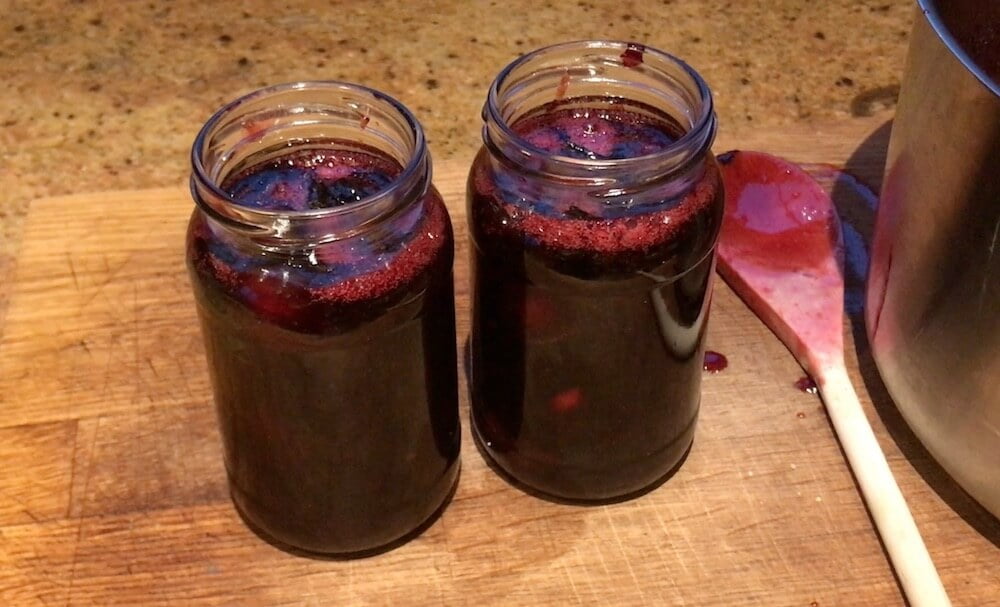
Unopened, the jam keeps for up to a year in a cool, dark cupboard. Once opened, keep it in the fridge. The cold saucer test is the same one I use for my Medlar jelly, which is worth trying if you have a Medlar tree fruiting at the same time.
🛒 A digital jam thermometer takes the guesswork out of the setting point, which is where most first jams go wrong.
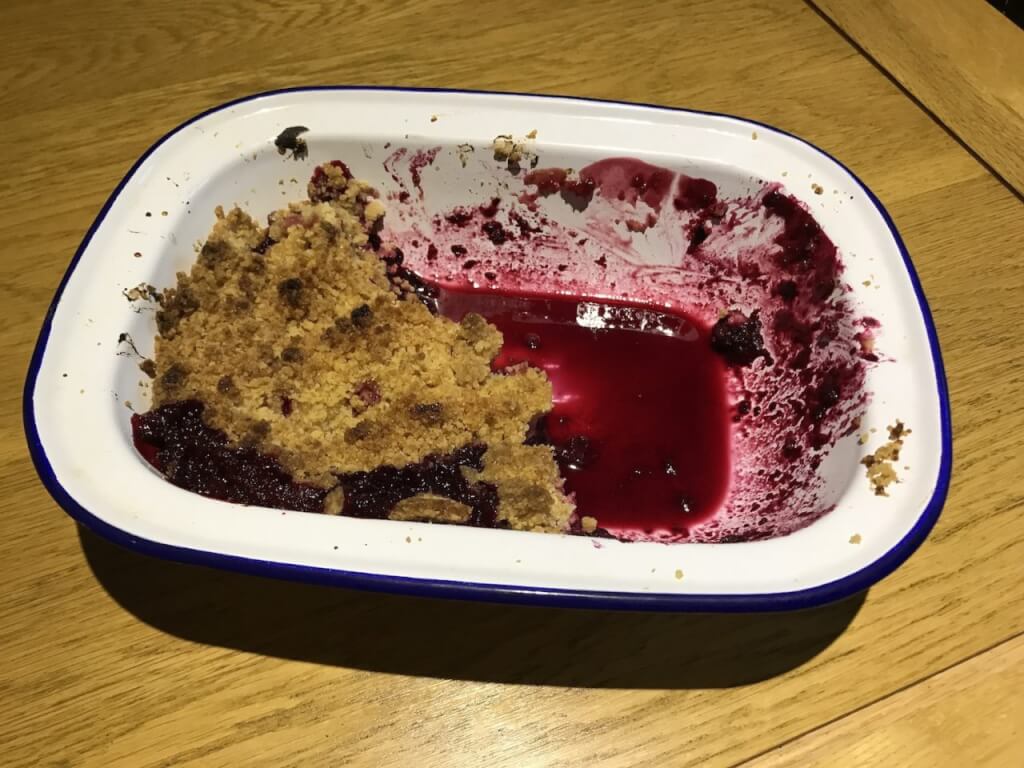
A Damson crumble comes out sharp and sticky, because the pectin in the fruit thickens the juices as it bakes. I add a couple of cooking Apples to stretch the fruit and soften the tartness, which also makes it an easier first taste for anyone who has not eaten Damsons before.

For the filling:
For the crumble topping:
If you leave the stones in to save time, tell everyone before they tuck in. A handful of porridge oats or chopped Hazelnuts in the topping adds crunch. An assembled, unbaked crumble also freezes well: cook it from frozen for 50 to 55 minutes, which is how I use up the last of the crop in October. My Apple harvest guide has more ideas for freezing crumbles ahead.
A Damson fool is the quickest pudding in this guide that still looks like you made an effort. The sharpness of the fruit cuts through the cream, and folding rather than stirring leaves purple ripples through the white. Sieving the cooked fruit takes care of the stones and skins in one step.
If you prefer some texture, stone the fruit before cooking and mash it roughly with a fork instead of sieving it. Never blitz whole Damsons in a blender with the stones still in, because it cracks them and the kernels are not something you want in a pudding.
Damson chutney turns a kilo of fruit into jars for the Christmas cheese board. It is sweet, sour and spiced, and it goes particularly well with a strong Cheddar, cold ham and pork pies. The hands-on time is short, but it needs an hour of slow simmering and a month in the cupboard to mellow before you open it.
Plain metal lids corrode against vinegar, so use the plastic-coated kind sold for pickles and chutneys. Unopened, the chutney keeps for up to a year. Once opened, keep it in the fridge.
Damson ice cream is a custard-based ice cream rippled with the fruit, and it freezes to a deep pinkish purple. It is a good way to preserve some of the harvest for a summer pudding the following year. You do not need an ice cream maker, just a freezer and a fork.
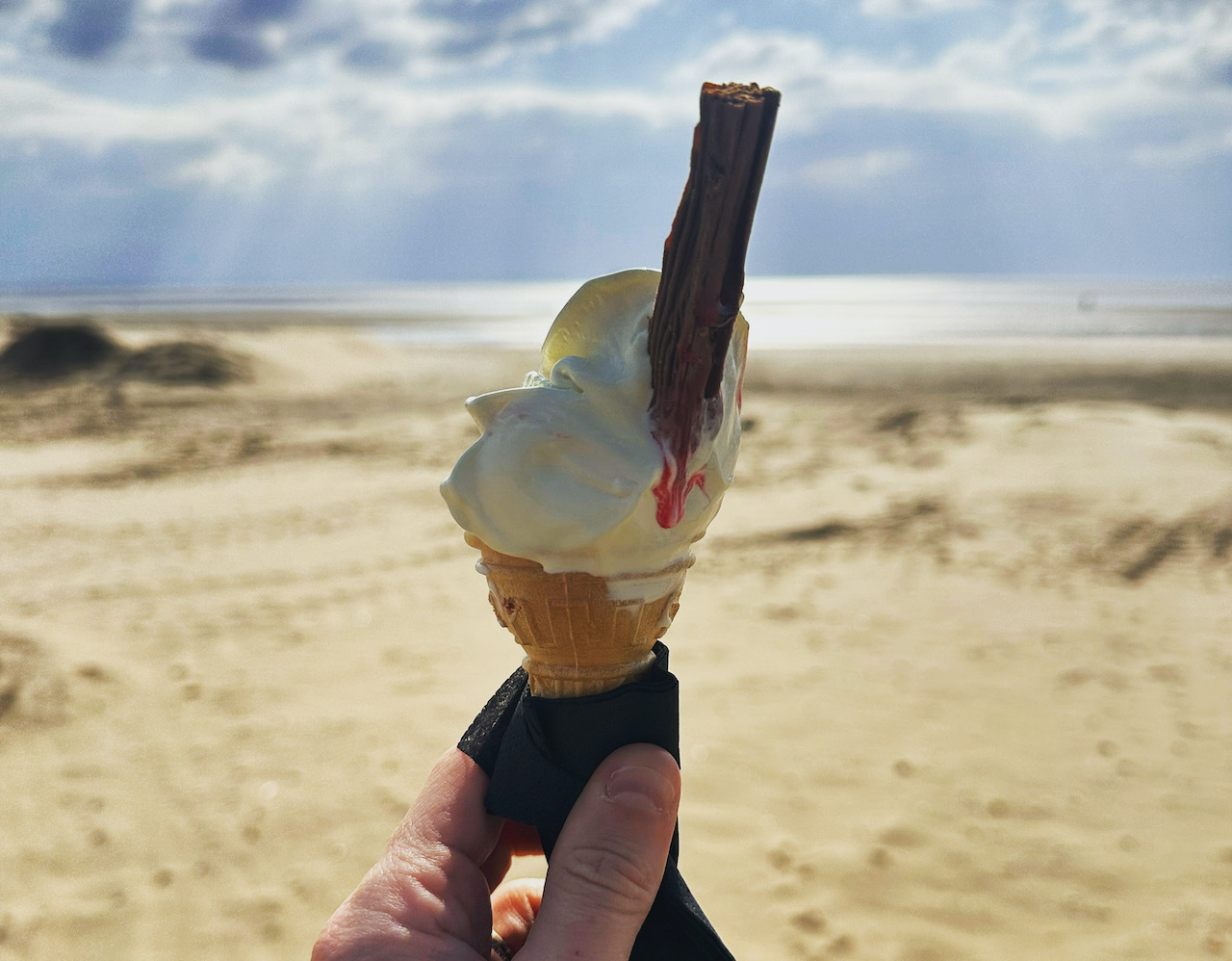
Take it out of the freezer ten minutes before serving so it softens enough to scoop. It keeps for about three months in the freezer.
A clafoutis is a French pudding somewhere between a pancake and a baked custard, poured over fruit and baked until just set. Damsons suit it well because the batter softens their sharpness, and the whole thing takes ten minutes to put together.
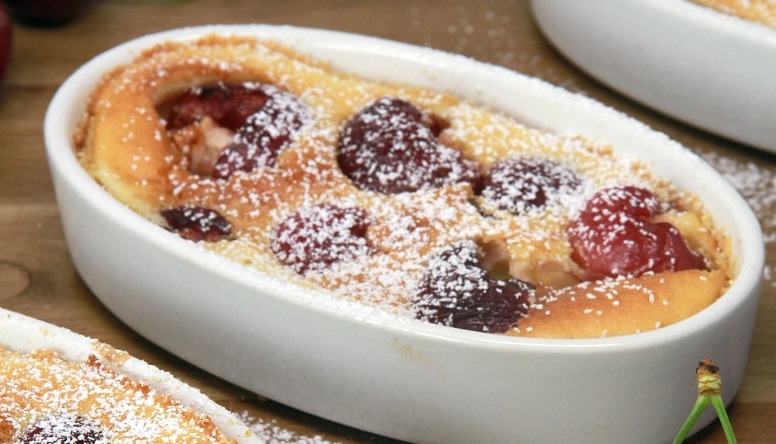
It should still have a slight wobble in the middle when it comes out of the oven, and it firms up as it cools. Leftovers are fine cold the next day, but it is at its best warm.
Compote is the quick alternative to jam: less sweet, no setting point to worry about, and ready in fifteen minutes. I spoon it over porridge, yoghurt and rice pudding through the autumn, and it is the recipe I make most often when I only have a bowlful of fruit rather than a bucketful.
Compote keeps for a week in the fridge in a clean, sealed jar, and it freezes well in small tubs for up to three months.
Once you strain your Damson gin you are left with a jar of plump, boozy fruit, and it is far too good to put on the compost heap. The one thing to remember is that these Damsons still have their stones in, so stone them before they go into anything you plan to serve.
Stone the gin-soaked Damsons and use them in place of fresh fruit in my crumble recipe above, halving the sugar in the filling because the fruit has already soaked some up. Most of the alcohol cooks off in the oven, and what is left is a crumble with a much deeper, richer flavour than one made with fresh fruit. Serve it with clotted cream.
Stone the fruit, drain it well and pat it dry with kitchen paper. Melt 200g of dark chocolate (at least 70% cocoa) in a bowl over a pan of simmering water, dip each Damson using a fork, then set them on baking parchment in the fridge until firm. They make a good after-dinner treat at Christmas, and they keep in the fridge for about a week.
Follow the ice cream recipe above, using stoned gin-soaked Damsons in place of fresh ones. The alcohol that remains lowers the freezing point slightly, so the ice cream stays softer and scoops easily straight from the freezer.
Layer stoned gin-soaked Damsons over sponge fingers, splash over a little of the Damson gin itself, then add custard and whipped cream. It is an adults-only trifle, so keep a separate bowl for any children at the table.
When the tree is dropping fruit faster than you can cook it, the freezer buys you time. I freeze a few kilos every year and work through them over the winter, and frozen Damsons are better than fresh ones for gin because the freezing does the job of splitting the skins.
Wash the fruit, pick off any stalks and leaves, and dry it well. Spread the Damsons in a single layer on a tray, freeze them until solid, then tip them into freezer bags. Open freezing like this stops them sticking together in one lump, so you can take out exactly what you need. Whole frozen Damsons keep for up to a year, and the stones slip out much more easily once the fruit has thawed.
Bottling is the old way of preserving whole fruit before freezers were common. Pack clean Damsons into sterilised preserving jars, cover them with a light sugar syrup made from one part sugar to three parts water, fit the lids and process them in a water bath for about 20 minutes. Follow the jar manufacturer’s timings for your jar size. Bottled Damsons keep for around a year in a cool, dark cupboard and are handy for winter puddings.
Halve and stone the fruit and lay it cut side up on dehydrator trays, or on a baking tray in the oven at its lowest setting with the door slightly ajar. It takes 12 to 24 hours for the fruit to turn leathery. Dried Damsons are good in muesli and flapjacks, or soaked in hot water to make a quick compote.
If the Damsons are not the only fruit piling up, my guide to what to do with harvested Pears has more ways to preserve an autumn glut.
There are only a handful of Damson varieties sold in UK nurseries, and they differ more in flavour, size and cropping than most people expect. If you are buying a tree, these are the four I would look at first, and the same names are worth knowing if you are buying fruit at a farm shop.
‘Merryweather’ is the Damson most people have in their gardens. The fruit is large for a Damson, the crops are heavy and reliable, and the tree is self-fertile, so it will fruit on its own. It is the all-rounder I would recommend to anyone planting their first Damson, and it is the easiest variety to stone by hand because of the size of the fruit.
‘Shropshire Prune’ produces small, oval fruit with the most intense flavour of the group, and it ripens later than ‘Merryweather’, usually into late September. It makes the darkest, richest Damson gin and jam. It is also self-fertile, though the smaller fruit is more fiddly to stone.
‘Farleigh Damson’ is an old Kent variety that was planted as a windbreak around orchards because it is so tough. The fruit is small and dark, and it crops heavily. It is only partly self-fertile, so it sets more fruit with another Damson or a Plum flowering nearby.
‘King of the Damsons’ is another old English variety, prized for its flavour and useful for gin, wine and jam. It is harder to find than the other three, so if you spot one at a specialist fruit nursery it is worth snapping up.
Whether you are picking or buying, look for firm, unwrinkled fruit with the pale bloom still on the skin, which shows it has not been handled much. For jam and gin, slightly firm fruit gives a better set and a drier finish. For fools and compote, choose fruit that gives to a gentle squeeze. Leave anything with wrinkled skin, brown patches, soft spots or a boozy smell, unless you are using it that same day.
Damsons are the toughest members of the Plum family. They cope with cold, exposed gardens and heavier soils better than most dessert Plums, which is why they were planted in hedgerows and around orchards as shelter for centuries. They need very little pruning and, in my experience, crop best when they are largely left alone, which makes them a good first fruit tree for a beginner.
| Damson Tree At A Glance | |
|---|---|
| Botanical Name | Prunus insititia |
| Plant Type | Deciduous fruit tree |
| RHS Hardiness | H6 |
| Height and Spread | Around 3 to 4m on St Julien A rootstock; around 2.5 to 3m on Pixy |
| Flowering Period | Late March to April, white blossom |
| Best Conditions | Full sun or light shade, moist but well-drained soil, out of frost pockets |
| Key Feature | Most varieties self-fertile; fruit ready late August to September |
Give your Damson the sunniest spot you can, although it will still crop in light shade. The blossom opens early in spring, so avoid low-lying frost pockets where cold air collects on still nights, because a late frost on open blossom can wipe out that year’s crop. Damsons tolerate most soils as long as they do not sit waterlogged over winter.
Plant bare root trees while they are dormant, between November and March, when they are cheapest and establish fastest. Container-grown trees can go in at any time of year as long as you keep them watered, but autumn is still the best time. My autumn planting guide explains why.
The rootstock decides how big the tree gets. St Julien A is the semi-vigorous rootstock most Damsons are sold on and produces a tree of around 3 to 4 metres. Pixy is dwarfing, keeps the tree to around 2.5 to 3 metres and suits smaller gardens and large pots, though it needs better soil and more watering. My tree rootstock sizes guide compares the options in more detail.
Dig a hole about twice the width of the roots and only as deep as they need, so the graft union, the swollen bump near the base of the trunk, sits clearly above the soil. Spread the roots out, backfill with the soil you dug out and firm it gently to remove air pockets. Drive in a short stake at an angle on the side of the prevailing wind, tie the tree to it, water well and mulch around the base, keeping the mulch clear of the trunk.
Water thoroughly once a week through dry spells for the first two summers while the roots establish. After that, Damsons cope with dry weather well, although a good soak when the fruit is swelling in August helps the crop.
Only ever prune Damsons in summer, never in winter. Like all Plums, Damsons are prone to silver leaf, a fungal disease that gets in through pruning cuts while the tree is dormant. Pruning between June and August, or straight after picking in September, lets the cuts heal quickly. My guide to silver leaf disease explains how to spot and prevent it.
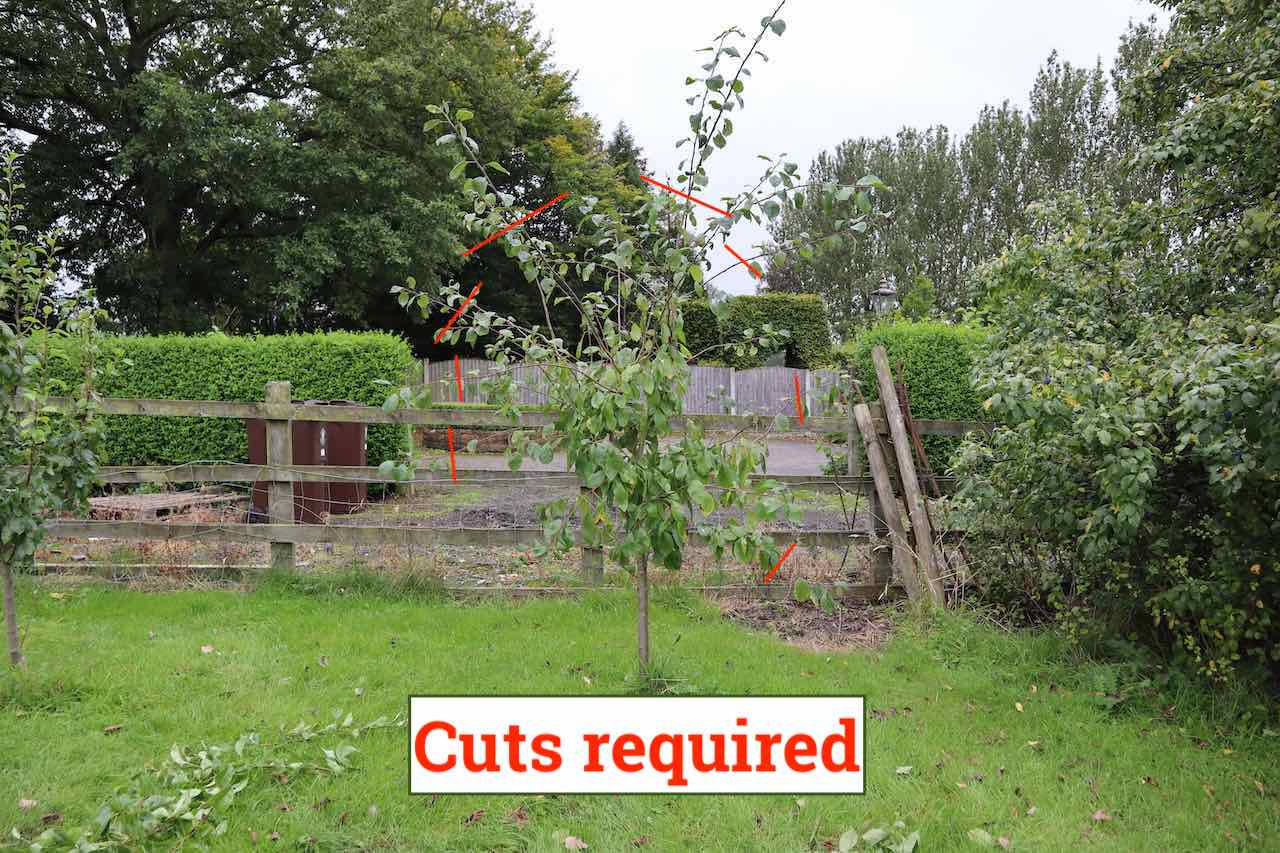
For a young tree, formative pruning over the first three summers builds an open goblet shape with four or five main branches radiating out from the trunk, which lets light and air into the middle. On a mature tree, I only remove dead, diseased, damaged or crossing branches and any suckers from the base. Damsons fruit freely on older wood, so heavy pruning only reduces the crop. The technique is the same as for any Plum, and my Plum tree pruning guide walks through it cut by cut.

Always use clean, sharp secateurs or a pruning saw, and wipe the blades between trees if you are cutting out diseased wood. The video below is from my Cherry tree pruning guide, and the same summer pruning principles apply to Damsons.
Damsons need very little feeding. A mulch of garden compost or well-rotted manure around the base each spring, kept clear of the trunk, is usually enough. If growth looks weak or leaves are pale, scatter a balanced slow-release feed with roughly equal nitrogen, phosphorus and potassium over the root area in early spring. Slow-release granules suit fruit trees better than liquid feeds, and my garden fertiliser guide explains what the numbers on the pack mean.
A Damson tree usually produces its first fruit three to five years after planting, with crops building steadily over the following few years as the tree fills out. Trees bought as two or three year olds from a fruit nursery fruit sooner than a young whip. If you want to grow more unusual fruit alongside your Damson, my guide to unusual fruit trees for UK gardens covers Medlars, Quinces and more.
The quickest ways to use a glut of Damsons are Damson gin, Damson jam and Damson chutney, which use 500g to 1kg of fruit each and keep for a year or more. For smaller amounts, make a crumble, fool, compote or clafoutis. Anything you cannot use straight away can be frozen whole on trays and bagged for up to a year.
Yes, fully ripe Damsons are safe to eat raw, but most are sharp and slightly astringent, so the majority of people prefer them cooked with sugar. Riper fruit from a sunny position is the sweetest, and ‘Merryweather’ is usually the most palatable variety to eat straight from the tree.
Like the stones of Cherries, Plums and Apricots, Damson kernels contain amygdalin, which releases cyanide when the kernel is crushed and digested. Swallowing a whole stone by accident is not a poisoning risk, but never crush, grind or blend the stones. Leaving whole stones in Damson gin or jam during cooking is the traditional method and is fine.
Damsons (Prunus insititia) are small, oval, blue-black fruits with a tart flavour and a stone that clings to the flesh. Plums (Prunus domestica) are larger, sweeter and easier to stone. Sloes are the fruit of Blackthorn (Prunus spinosa), smaller again, round and far more astringent, and they grow on thorny hedgerow shrubs rather than trees.
Damson gin needs two to three months to infuse before it is strained, so gin started in September is ready for Christmas. Freezing the fruit first speeds up the infusion by splitting the skins. Once strained and bottled, it keeps for years and mellows with age.
Damson jam that will not set has almost always not been boiled for long enough to reach 105°C. Tip it back into the pan, bring it back to a rolling boil and test again after two or three minutes. Very overripe fruit carries less pectin, so adding a few slightly underripe Damsons or a squeeze of lemon juice helps next time.
Yes. Wash and dry the fruit, freeze it in a single layer on a tray, then bag it. Whole frozen Damsons keep for up to a year, the stones come out more easily once thawed, and frozen fruit makes better gin because the freezing splits the skins.
Damsons ripen from late August through September in most of the UK, and later varieties such as ‘Shropshire Prune’ can run into early October. Ripe fruit gives slightly to a gentle squeeze and comes away from the stalk with a light twist.

Join over 100,000 gardeners on YouTube
Free gardening videos from the Garden Ninja, with 8 million views and counting.
Subscribe on YouTube, it’s freeIf this guide has you thinking about where a Damson, a couple of Apples or a fruit hedge could fit into your own plot, my online garden design courses show you how to plan the whole space, from where the sun falls to what goes in each border. They are self-paced, you keep lifetime access, and courses start from £29.
For the garden you’ve already got, not the one you’re starting from scratch. Seven checklists and video lessons from BBC Garden Rescue’s Lee Burkhill, designed to help you decide what’s worth keeping before you spend a penny.
Garden Design Examples for Small Gardens: 30 Design Templates & Planting Plans: In this online gardening course, I’ll walk you through 30 fantastic garden designs, explaining the logic behind the layout and plant choices, plus take-home tips for applying them in your own garden.
Learn how to transform and design your garden with Lee Burkhill’s crash course in garden design. In over 5 hours, Lee will teach you how to design your dream garden. Featuring practical design examples, planting ideas and video guides. Learn how to design your garden in one weekend!
Garden Design for Beginners Online Course: Want to become a garden designer or design your own garden? This beginner course is for you. Join me, Lee Burkhill, an award-winning garden designer, as I train you in the art of beautiful garden design. Enjoy 20 hours of online study and video lessons, along with quizzes and a completion certificate.
Damsons are the most useful fruit I grow for the least effort. A single tree gives enough for a year of jam, a batch of gin for Christmas, chutney for the cheese board and puddings through the autumn, and anything left over goes in the freezer. If you are new to Damsons, start with the gin and the jam, since both use a lot of fruit and neither can really go wrong.
If you have space for a small tree, plant a ‘Merryweather’ on St Julien A this winter, prune it only in summer, and it will be cropping within a few years. Let me know how you get on with these recipes on Instagram, Facebook or YouTube, and tag me in your Damson gin photos.
Happy Gardening!


Lee Burkhill, known as the Garden Ninja, is an award-winning garden designer and horticulturist with over 30 years of gardening experience and 15 years as a professional garden designer. A qualified RHS (Royal Horticultural Society) professional, Lee specialises in sustainable garden design and practical horticultural advice. He designs and presents on BBC1’s Garden Rescue and in leading gardening publications. Lee combines three decades of hands-on gardening knowledge with professional design qualifications to help gardeners create beautiful, functional outdoor spaces.
View all posts by Lee Burkhill




You must be logged in to post a comment.




JOIN THE NINJAS

Be the first in line for new Guides, Discount codes and Offers







Excellent stuff! I just made Damson Cheese (lovely with cheddar & biscuits) and I have Damson and Orange muffins queued up, but the crumble looks v tempting. Damson are a fabulous fruit, especially if you pick them when they are fully ripe – loads of flavour and not too mouth puckering.