For the garden you’ve already got, not the one you’re starting from scratch. Seven checklists and video lessons from BBC Garden Rescue’s Lee Burkhill, built to help you work out what’s worth keeping before you spend a penny.
69


Most garden design courses fall into one of two camps. There’s the accredited diploma route, months or years of study, often costing several thousand pounds, aimed at people committing to garden design as a career. And there’s the free YouTube tutorial route, which leaves you with scattered tips but no actual process to follow. I built these courses because neither of those suited most of the people I hear from, whether that’s through the forum, on Garden Rescue, or in my own client work.
My online garden design courses sit in the gap between those two extremes: proper, structured training built around the exact process I use with paying clients, priced from £29 to £199, studied entirely at your own pace with no deadline and no classroom. Whether you want to finally get your own garden right or you’re testing the water before committing to something bigger, that’s what these are for.

For the garden you’ve already got, not the one you’re starting from scratch. Seven checklists and video lessons from BBC Garden Rescue’s Lee Burkhill, built to help you work out what’s worth keeping before you spend a penny.
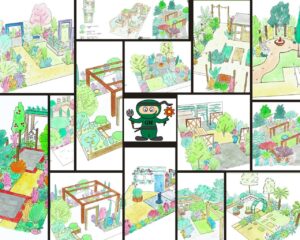
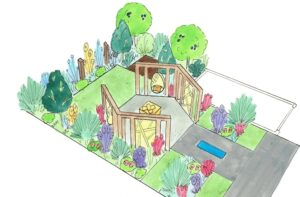
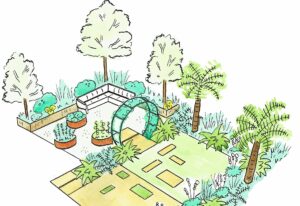
Garden Design Examples for Small Gardens: 30 Design Templates & Planting Plans: In this online gardening course, I’ll walk you through 30 fantastic garden designs, explaining the logic behind the layout, the plant choices, and take-home tips for applying them in your own garden.
Learn how to transform and design your own garden with Lee Burkhills crash course in garden design. Over 5 hours Lee will teach you how to design your own dream garden. Featuring practical design examples, planting ideas and video guides. Learn how to design your garden in one weekend!
Garden Design for Beginners Online Course: If you want to make the career jump to becoming a garden designer or to learn how to design your own garden, this is the beginner course for you. Join me, Lee Burkhill, an award-winning garden designer, as I train you in the art of beautiful garden design.
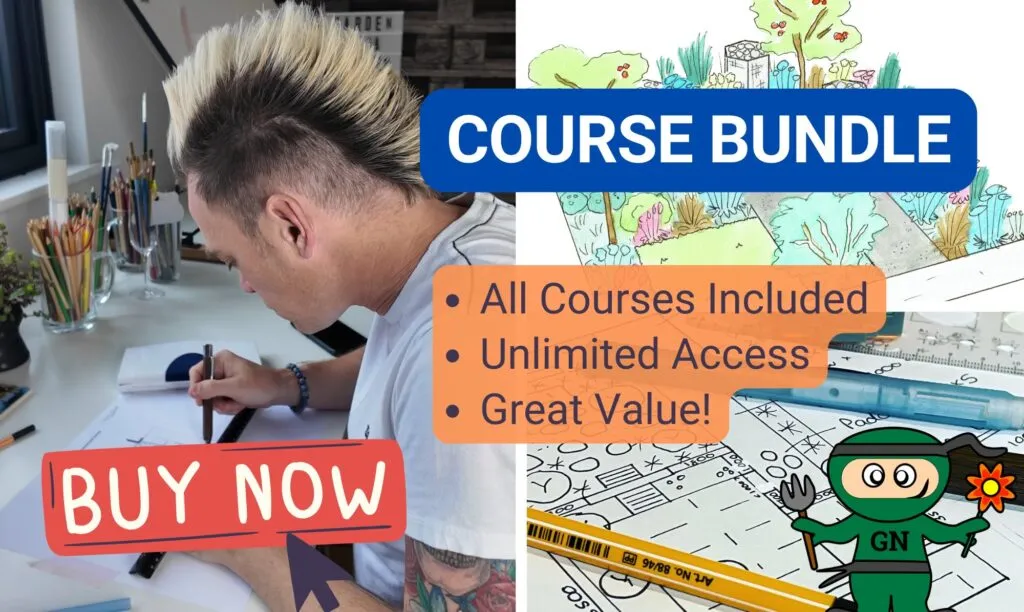
I’m Lee Burkhill, the award-winning Garden Ninja from BBC1’s Garden Rescue. Whether you’re tentatively dipping your toes into garden design or working towards designing professionally, every course I teach shares the same foundations.
The honest answer is that it depends what you actually want. If you’re aiming for a formal qualification to build a design business around, an accredited diploma from somewhere like the National Design Academy or Oxford College of Garden Design is the right route, though expect months of study and a bill running into the thousands.
If you want to actually understand how to design a garden, whether that’s your own or eventually a client’s, without spending a small fortune finding out if you enjoy it first, that’s exactly what these courses are built for. I spent years attending face-to-face, year-long courses before I started designing professionally, and while I learned a huge amount, the cost and the time commitment shut a lot of people out. Learning online lets you build up your knowledge and confidence gradually, without that financial risk.
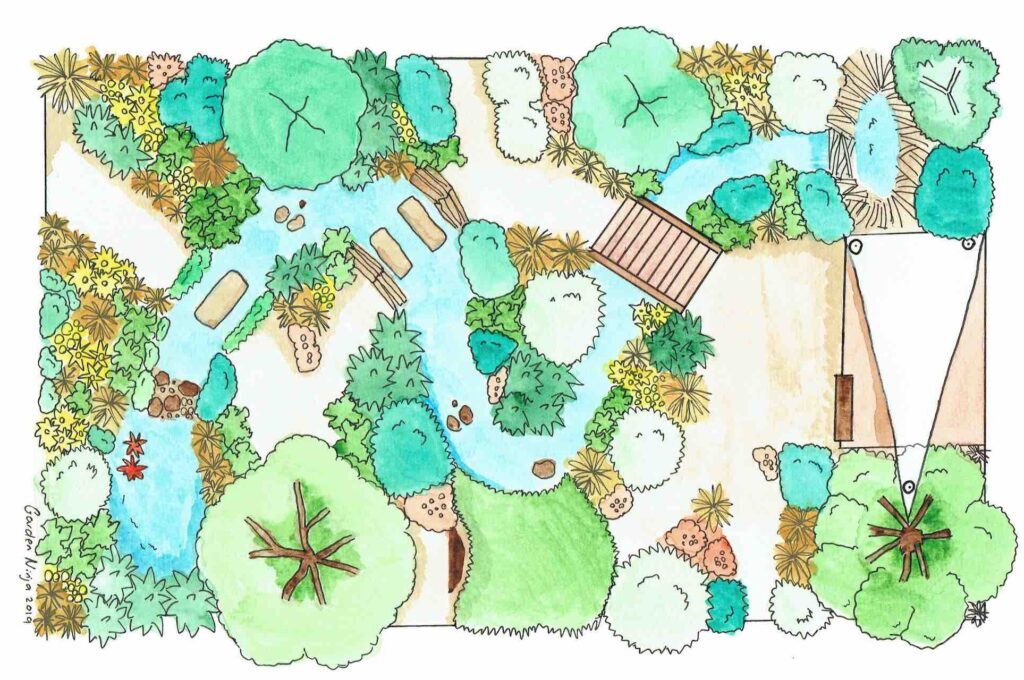
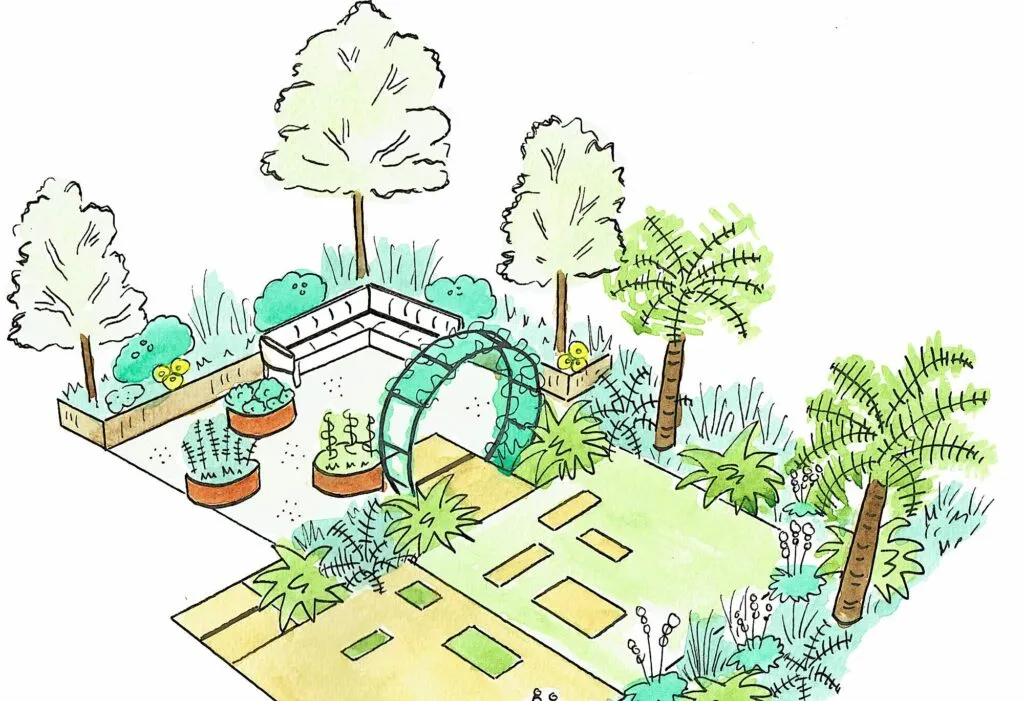
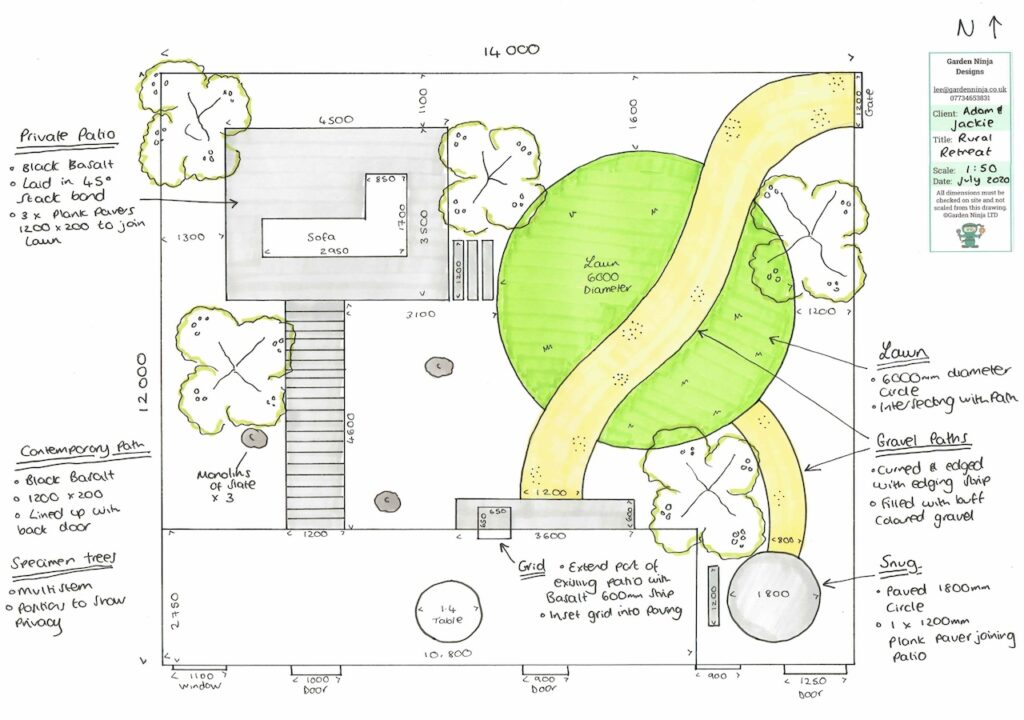
The best thing about learning online is that you take it at your own pace, letting the horticulture, botany and design principles actually sink in rather than being rushed through a syllabus. You can try each stage out in your own garden as you go, then come back to the lessons and case studies whenever you need to check something.
If you’re comparing options beyond my own courses, here’s what I’d actually check before signing up to anything, learned from sitting through my own share of expensive, drawn out training:
Every course I teach ticks all six of those, because I built them based on what actually helped me and what I wish someone had told me when I was starting out.
Garden Design for Beginners is priced at £199, an affordable way to learn the full process at your own pace.
Costs vary hugely depending on the course level, the provider, and how in-depth the content is. As a rough guide across the UK market:
My own Garden Design for Beginners course sits at £199 for 20 hours of tuition, the Weekend Garden Makeover is £99 for a faster five hour version, and the 30 Garden Design Templates course is £29. Compared to £6,000 upwards for an in-person diploma or university study, this is a genuinely low-risk way to start, without taking out a loan to find out if garden design is for you.
That depends entirely on your background and the path you choose. A formal degree in horticulture or landscape design typically takes two to four years. But plenty of successful garden designers, myself included, have built their careers through a mix of practical experience, self-study and shorter courses rather than a single long qualification.
My courses are built to fit around your life rather than the other way round. With video lessons, quizzes, and no time limit on study, you can build real, applicable skill in as little as a few months, depending on how much time you put in. Whether you’re starting from nothing or sharpening skills you already have, the path is as flexible as you need it to be.
No. A degree in landscape architecture or horticulture can be a strong foundation, but it isn’t a requirement for working in garden design. Plenty of designers have built genuinely successful careers through self-study, practical experience and shorter, focused courses rather than a formal qualification. What actually matters is a combination of:
Garden design involves genuine artistic expression, the ability to picture and create a space that doesn’t exist yet.
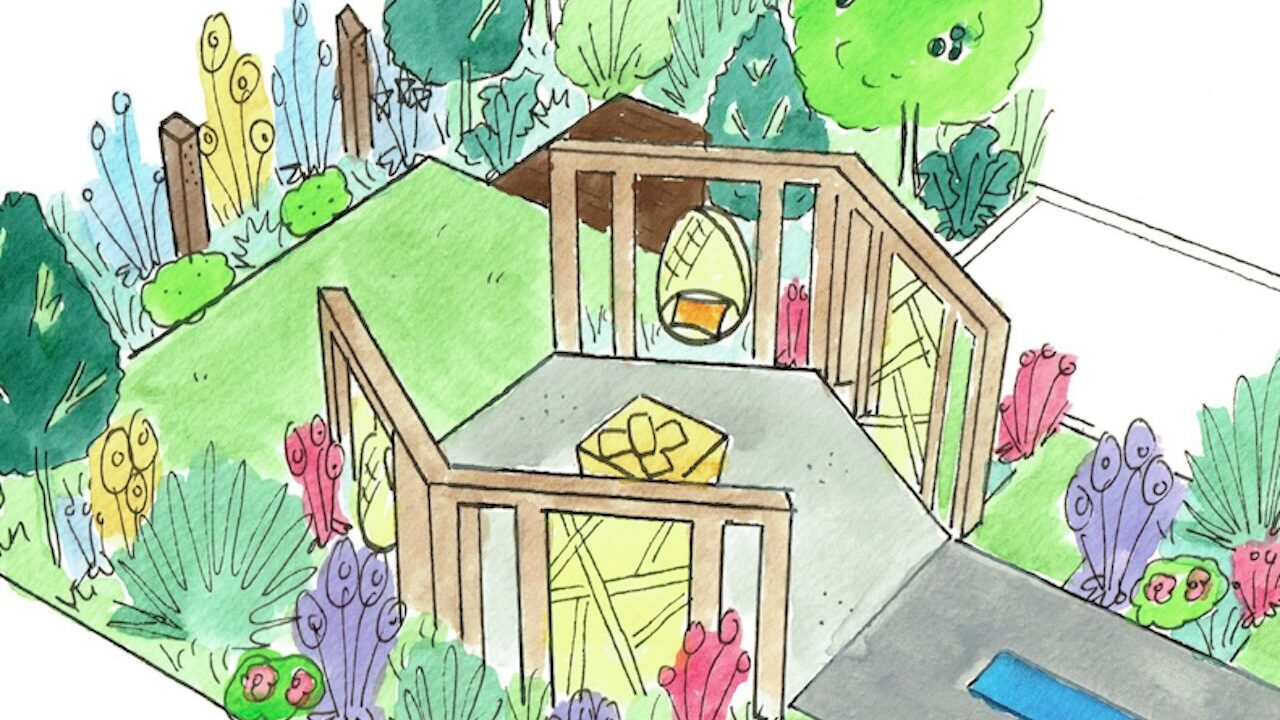
Understanding plants, their growth habits and environmental needs, and how they complement each other, is central to good design. This is where hands-on experience as a gardener genuinely counts, and it’s something you build up over time through practice, visiting gardens, and researching plants properly rather than guessing.
My courses teach you how to build a planting plan using logic rather than memorised plant lists, even with little prior experience.

Balance, proportion, scale, rhythm and colour theory are what actually separate a garden that works from one that doesn’t, and they’re teachable. This is exactly what my Garden Design for Beginners course is built around.
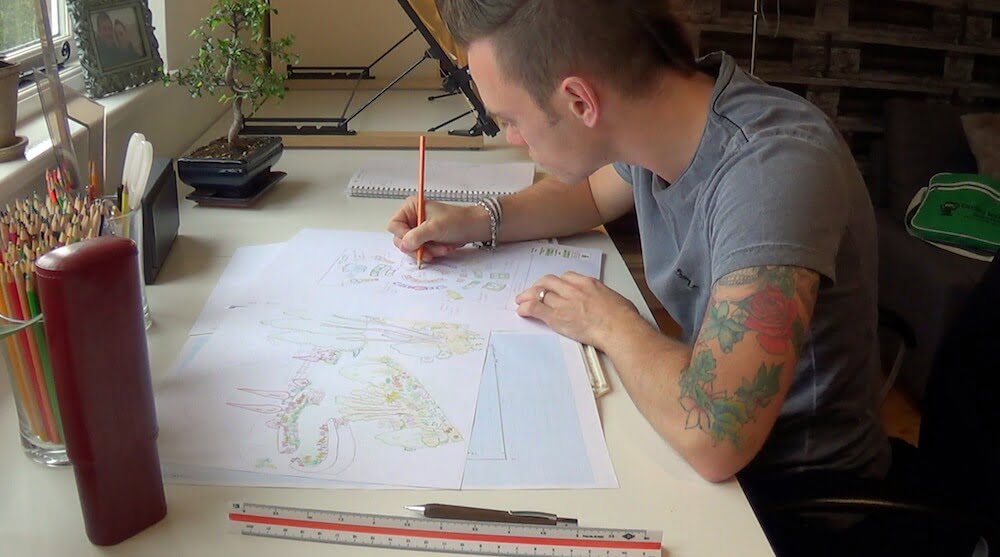
Familiarity with design software, drafting, and construction techniques all help, but don’t let a lack of technical skill put you off starting. You can always bring in a landscaper for the more technical side of a build. As for drawing up a design, practice genuinely does make perfect, and I teach the top tips that got me started with my own artistic side of the job.
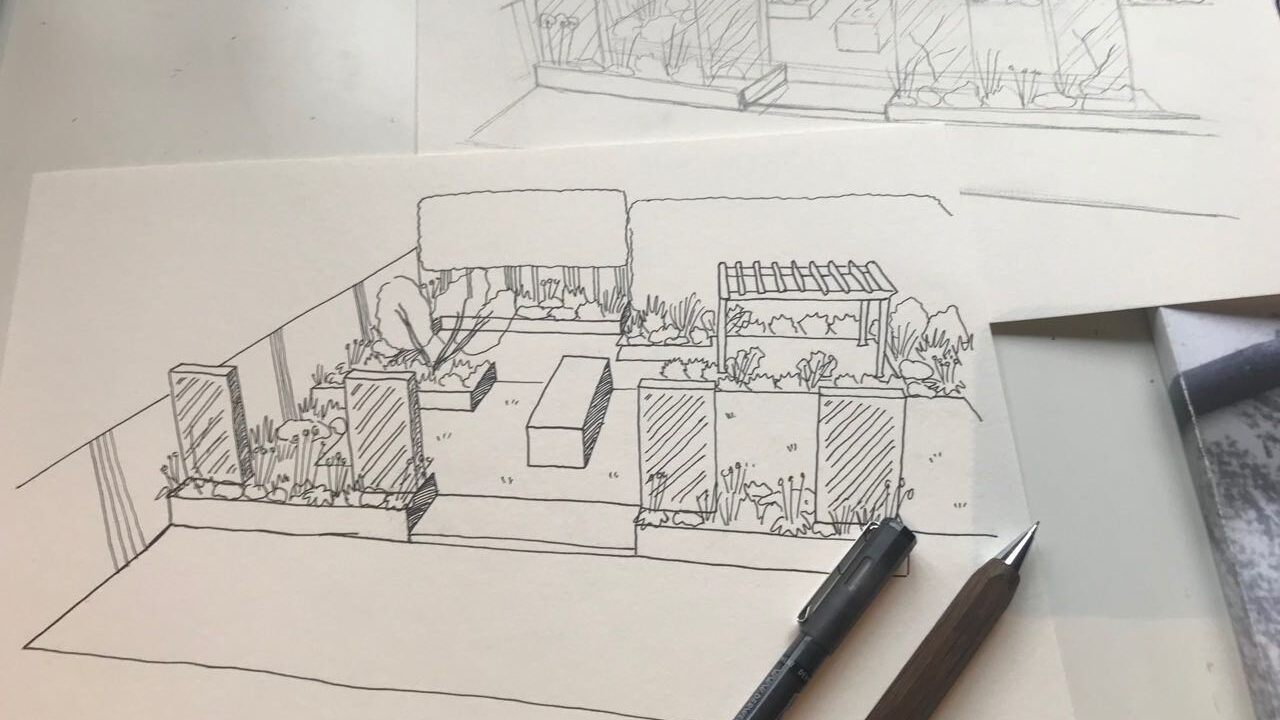
If you’re designing for others, understanding what a client actually wants and translating that into a workable design matters as much as any technical skill. That means listening properly, then using your own expertise to steer them if what they’re asking for won’t actually work for their space.
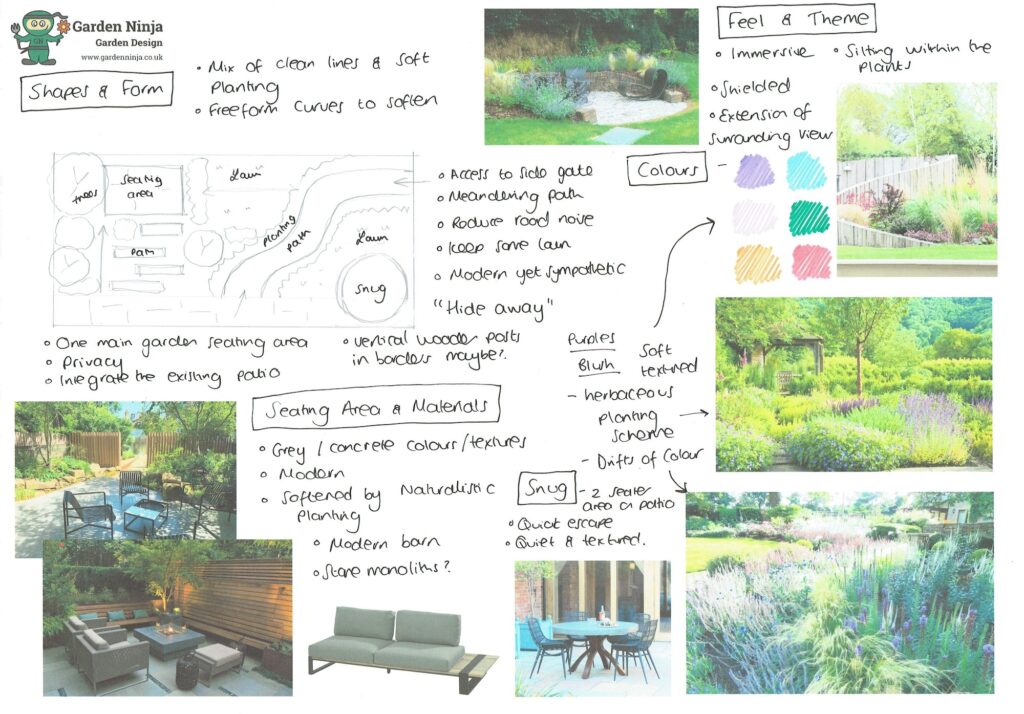
A degree can give you a structured education and formal credentials, but plenty of successful garden designers, myself included, have built real careers through practical experience, talent and continuous learning instead. What matters most is a genuine passion for design and a willingness to keep learning.
Earnings vary significantly depending on experience and clientele. Glassdoor lists the average UK garden designer salary at somewhere between £27,000 and £43,000 a year working full time, though this varies by region and how you structure your work.
If you build a reputation as an award-winning designer, earning potential increases, though entering show gardens and building accreditation can be costly in itself. Working within a larger consultancy can reduce the risk of being underpaid early on, and additional accreditations can help push your rate up over time.

Training as a garden designer is genuinely rewarding, but my honest advice is that it won’t make you a millionaire, and I’d be doing you a disservice pretending otherwise. It isn’t the most lucrative career, whatever social media might suggest. Most designers combine it with other garden maintenance or consultancy work to keep income steady year round, since most people only think about hiring a designer when the sun’s out.
Opening up your services beyond peak season, winter design packages or year-round maintenance work, is genuinely one of the better ways to smooth that out. Garden design also opens doors to a wider portfolio career, writing, guest speaking, consultancy, that most people don’t consider when they start.
Nothing is stopping you from learning garden design and finding out for yourself, without the risk of committing to years of formal study first.



JOIN THE NINJAS
Join our Ninja community for your Exclusive Discounts
JOIN THE NINJAS

Be the first in line for new Guides, Discount codes and Offers