Horticulture & Plant Ideas
-

What Is the Wheel of the Year? A Gardener’s Guide
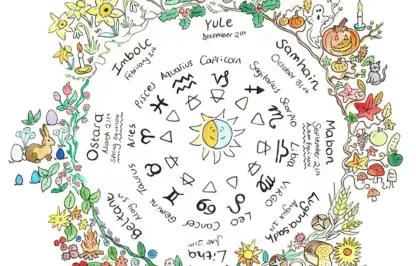
Quick Answer The Wheel of the Year is an eightfold calendar of seasonal festivals, called sabbats, that marks the turning points of the natural year, the solstices, the equinoxes and the four cross quarter days that fall between them. For a gardener it maps almost exactly onto the growing year you already live by, from […]
Read more -
What Is a Hedge Witch? A Gardener’s Guide
Quick Answer A hedge witch is a solitary practitioner of folk magic who works with the plants, trees and rhythms of their own garden and local land rather than through a coven or a formal Wiccan structure. The name comes from the old English wisewoman or wiseman who lived at the edge of the village, […]
Read more -
Top 20 Perennial Flowering Plants for Full Sun in the UK: Beginner Bullet-Proof Plants
Whilst the weather here in the UK can be a bit temperamental, the summer often feels like a two-week affair before it disappears again. You would be surprised just how favourable our climate actually is for growing some truly awesome plants. If your garden is lucky enough to be in full sun, this list of […]
Read more -
Plants for Shade: 38 Shade Loving Plants for difficult borders
Quick answer: Shade-loving plants survive on less light thanks to larger leaves, higher chlorophyll levels, and slower growth. Good choices for deep shade include Hostas, Epimediums, and Pachysandra, while damp shade suits Astilbe, Ligularia, and Hydrangea. Match the plant to your exact type of shade, whether deep, dappled, dry, or damp, and most borders that […]
Read more -
16 Essential Evergreen Shrubs: for time poor low maintenance gardeners
Quick answer: The best evergreen shrubs for a low maintenance UK garden include Sweet Box, Skimmia and Winter Daphne for small spaces, and Fatsia, Photinia and Pittosporum for bigger structural planting. All hold their leaves and shape year round, need very little pruning, and give a garden winter interest without the upkeep of a mixed […]
Read more -
Reusing Compost: 5 Ways to Recycle It
Quick Answer Yes, spent compost can be reused. Sieve out old roots, mix with fresh compost or well-rotted manure to boost nutrients, then use it to mulch borders, top dress lawns, help lawn seed germinate, boost a compost heap, or refill pots for a second season. Avoid reuse only if the previous plants showed disease. […]
Read more -

Ryobi Cordless Hedge Trimmer OHT1855R ONE+ Review
Quick Answer The Ryobi OHT1855R ONE+ is a 2.7kg cordless hedge trimmer that cuts branches up to 22mm, runs for around 30 minutes on a 2.0Ah battery, and uses the same ONE+ battery as over 100 other Ryobi tools. It is heavier and pricier than entry-level rivals, but the rotating handle and clean cut make […]
Read more -
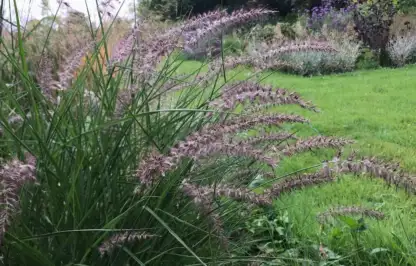
Best Ornamental Grasses for UK Gardens: 13 Top Picks
Quick Answer The best ornamental grasses for UK gardens are clump-forming varieties like Stipa tenuissima for small spaces and Miscanthus or Calamagrostis for larger borders. Most need full sun and free-draining soil, need very little feeding, and want cutting back hard each February before dividing overcrowded clumps every three to four years in spring. I […]
Read more -
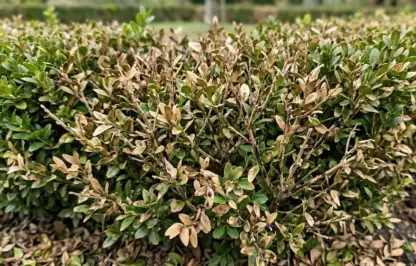
Why Is My Box Hedge Dying? Box Blight and Caterpillar Guide
Quick Answer Box hedges die or deteriorate mainly from two causes: box blight, a fungal disease causing brown leaves, black stem streaks, and bare patches in damp conditions; or box tree moth caterpillar, a pest that strips foliage and leaves distinctive white webbing. Both can kill established plants if left untreated. Correct diagnosis is essential […]
Read more -
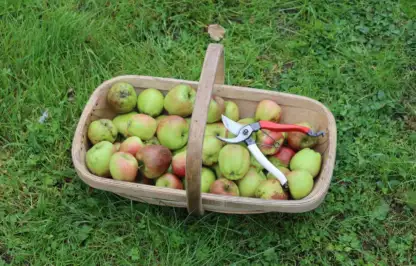
How to prune an apple tree: Ultimate beginners guide
Quick Answer Prune apple trees between November and late February while they are dormant. Remove dead, damaged or crossing wood first, shorten this year’s new growth by a quarter, take out any double leaders, then thin congested growth back to an outward facing bud to keep an open goblet shape. Every garden should have at […]
Read more