For the garden you’ve already got, not the one you’re starting from scratch. Seven checklists and video lessons from BBC Garden Rescue’s Lee Burkhill, built to help you work out what’s worth keeping before you spend a penny.
69


Quick Answer
The best hedges for windy and exposed UK sites are tough, dense growers that filter wind rather than block it. Hawthorn, blackthorn and field maple make unbeatable native windbreak hedges, hornbeam and beech are the strongest formal deciduous options, yew is the classic formal evergreen, and Escallonia, Griselinia, Elaeagnus and Portuguese laurel handle coastal salt and exposure brilliantly. Plant small, stake properly, and choose density over instant height.
I wrote recently about the plants I’d choose for an exposed border, and the single most common question that came back from that piece was some version of: what do I actually plant along the boundary itself to stop the wind getting to those plants in the first place? Fair question, and it deserves its own proper answer, because the boundary hedge is doing a completely different job to your borders. It’s your first line of defence, and getting it wrong sets every single plant behind it up to struggle.
Jump To
This page contains affiliate links for products I use and love. If you take action (i.e. subscribe, make a purchase) after clicking a link, I may earn some gardening commission which helps me keep the Garden Ninja Blog free for all.
A solid fence feels like the obvious answer, and I understand why. It’s quick, it’s a single purchase, and it looks like a wall of protection the moment it goes up. Unfortunately, it’s close to the worst thing you can do on a properly exposed site. Wind hitting a solid barrier doesn’t stop; it rises sharply over the top, accelerates, and drops back down on the far side as a violent, turbulent vortex that can do more damage to your planting than if you’d left the boundary completely open.
I’ve walked into more than one client’s garden where a brand new close board fence had gone up the previous autumn, and the border planted right behind it looked considerably worse than the open lawn twenty feet further in.
💡 Top Tip
A hedge works because it’s permeable. Wind passes through the branches and foliage and comes out the other side considerably slower and without that damaging turbulent drop. As a rule of thumb, a well established hedge shelters a distance of roughly five to ten times its own height on the leeward side, so a two metre hedge can protect a really useful stretch of garden behind it. I go into the full physics of this, along with a wider planting list for borders and beds in an exposed garden, if you want the deeper dive.
On Garden Rescue, this conversation happens on almost every reveal involving an exposed plot. The family standing in front of me wants the finished glossy borders, the specimen trees, the pots by the back door. What they do not always want, at first, is a hedge, because a hedge does not photograph like a garden. For the first season at least, it looks like a row of sticks. I have had homeowners ask me outright why I am spending half the planting budget and most of our first filming day on something that looks like almost nothing, when they were hoping for colour by lunchtime.
My answer is always the same, and it is not really about the hedge itself. It is about what happens to everything else I plant afterwards. A newly exposed garden, whether that is a new build with the fencing barely up, a plot that has lost a mature tree, or a rear garden backing onto open fields, is taking wind, salt or simply far more raw exposure than tender new roots can cope with. Put perennials, shrubs and specimen trees straight into that kind of exposure with nothing to break the wind first, and you are not planting a garden, you are running an expensive experiment in how quickly good plants can fail.
I would say close to a third of every properly exposed garden I have worked on, across both my own design practice and Garden Rescue, needed a hedge or a living windbreak going in before a single herbaceous plant touched the soil, because without it there was a very real chance that nothing else would establish at all.
The plants I choose for that first line of defence are not usually the showiest ones in the garden. They are the tough, unglamorous, reliably fast growers covered in this guide, and the reason I know which ones earn their place and which ones cause more problems than they solve is because I have been making that call professionally for well over a decade now, on client gardens, on camera, and every week on my own gardening forum where readers bring me their hedge questions directly.
If you want to see the full breadth of hedge advice I have put together over that time, from laying and planting through to pruning and problem solving, I have gathered it all together on the site, and you can browse everything I have written about hedges here.
Before picking a species, decide what job you actually want your hedge to do, because that answer narrows the plant list considerably and saves you from the classic mistake of buying whatever looked good at the garden centre. Broadly speaking, there are three routes for an exposed site, and most of my client projects end up using a combination of at least two.
A native, informal windbreak hedge, built from hawthorn, blackthorn and field maple, is the cheapest and toughest option for a large boundary or a rural or semi rural exposed plot, and it’s the one I reach for on particularly brutal sites where budget matters and wildlife value counts for something too.
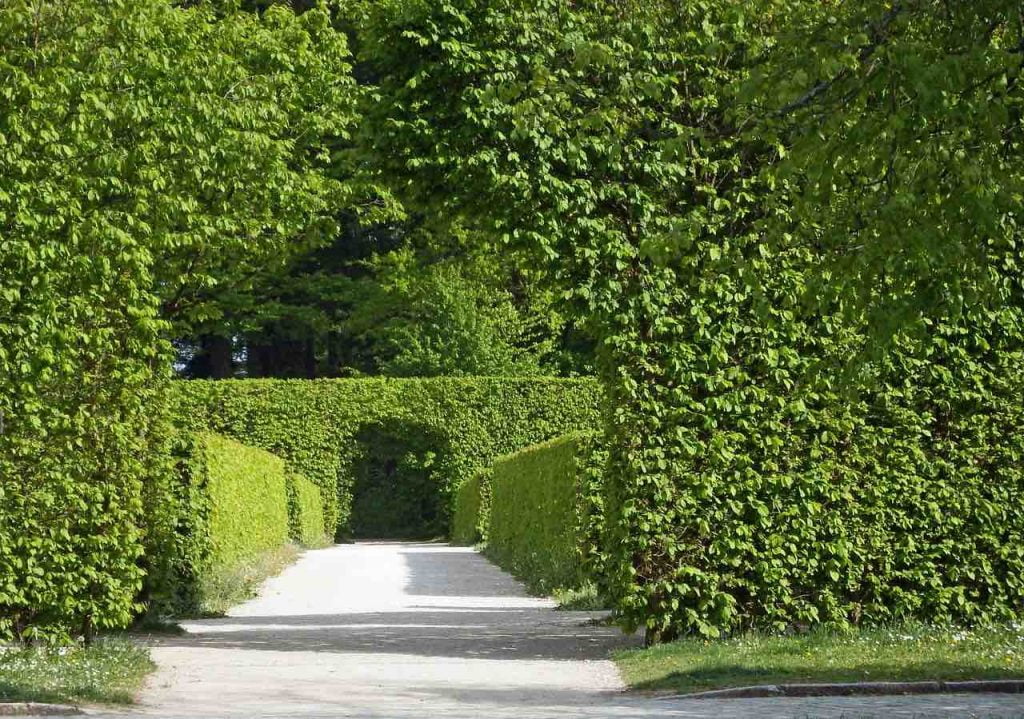
A formal clipped hedge, using hornbeam, beech or yew, suits a more designed garden where you want crisp lines and a sense of structure, and all three cope with exposure far better than most people assume.
An evergreen screening hedge, built from Escallonia, Griselinia, Elaeagnus, Portuguese laurel, holly or privet, gives you year-round privacy and is generally the right call on a coastal site where salt-laden wind is as much of an issue as the wind itself.
These three are the working backbone of nearly every rural windbreak I design, and between them they’ve sheltered British farms for centuries, long before anyone had invented a fence panel. They’re inexpensive, exceptionally tough, and remarkably excellent for wildlife, which makes them very hard to argue against on a large or budget conscious exposed boundary.
If you read my exposed gardens plant guide you’ll already know I rate hawthorn as the single best plant for a difficult British site, and as a hedge it’s arguably even more valuable, since its dense, thorny growth thickens beautifully with regular clipping into a barrier that will stop wind, livestock and most determined intruders equally well. It tolerates any soil and any level of exposure, and I’ve planted it on hilltop farms in the north of England where more refined hedging simply wouldn’t have survived the first winter.
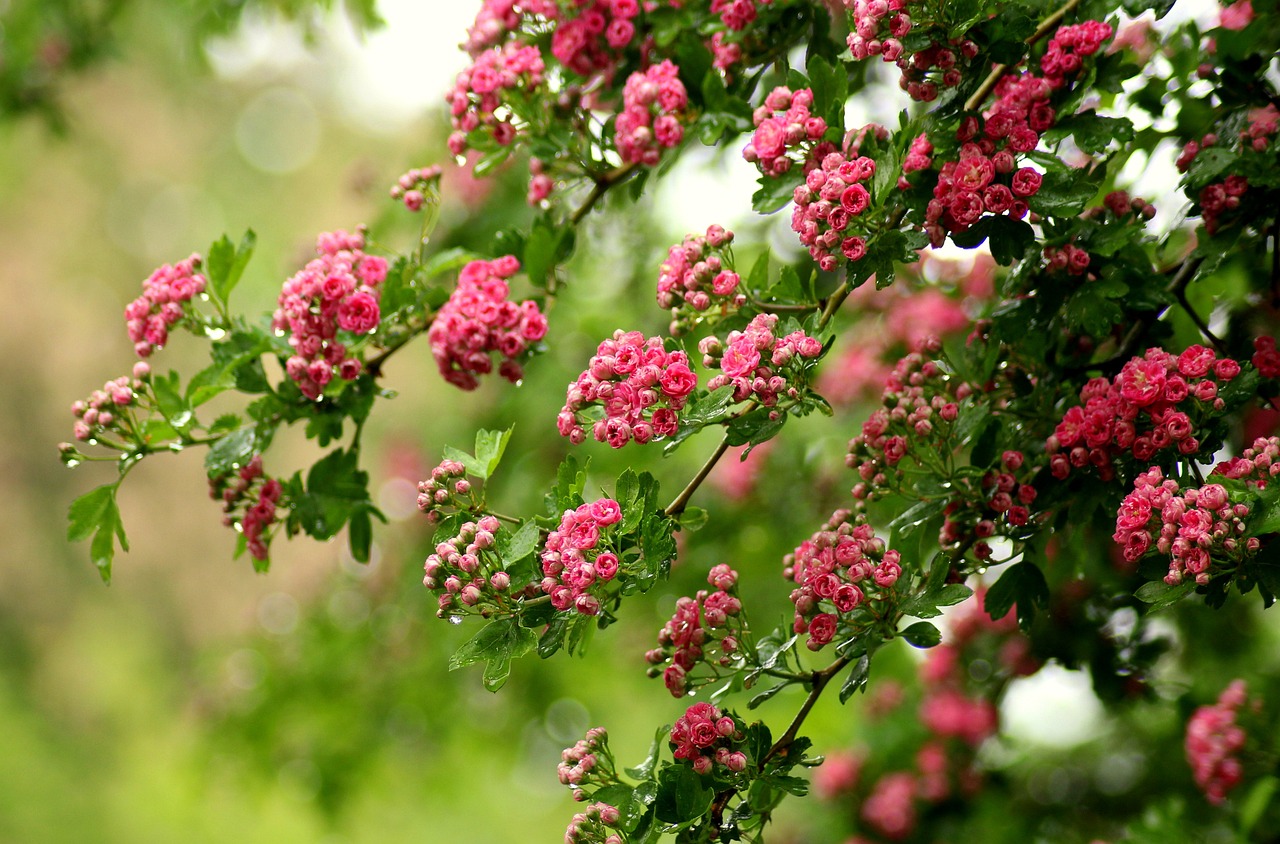
It clips well from its second year onwards, and cutting it once in late summer, after flowering and before the berries properly form, keeps it dense without sacrificing that spring blossom display or the berries that feed birds right through winter. I’ll usually let a hawthorn windbreak hedge run a little taller and looser than a formal garden hedge, since the goal here is wind filtering rather than manicured lines.
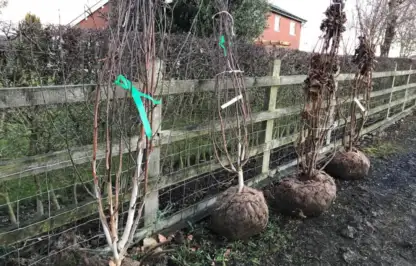
Best of all, if you inherit a really old gnarled Hawthorn or let yours grow too big, you can brutally hard prune them in the winter with loppers or a chainsaw, and they bounce right back! Buying bare root through the winter dormant season is by far the most cost-effective way to establish a long run of boundary hedge.
🛒 Buy Hawthorn bare root whips
Blackthorn is, without question, the toughest hedging plant I’ve ever specified for a truly punishing site, and its viciously thorny growth creates a barrier that’s nearly impenetrable once established, which is precisely why it’s still used as stock-proof field hedging across the country. It’s the earliest hedgerow plant to flower, often in March, with a froth of white blossom on bare black stems that I always think looks rather dramatic against a flat grey sky, exactly the kind of weather blackthorn seems to relish.
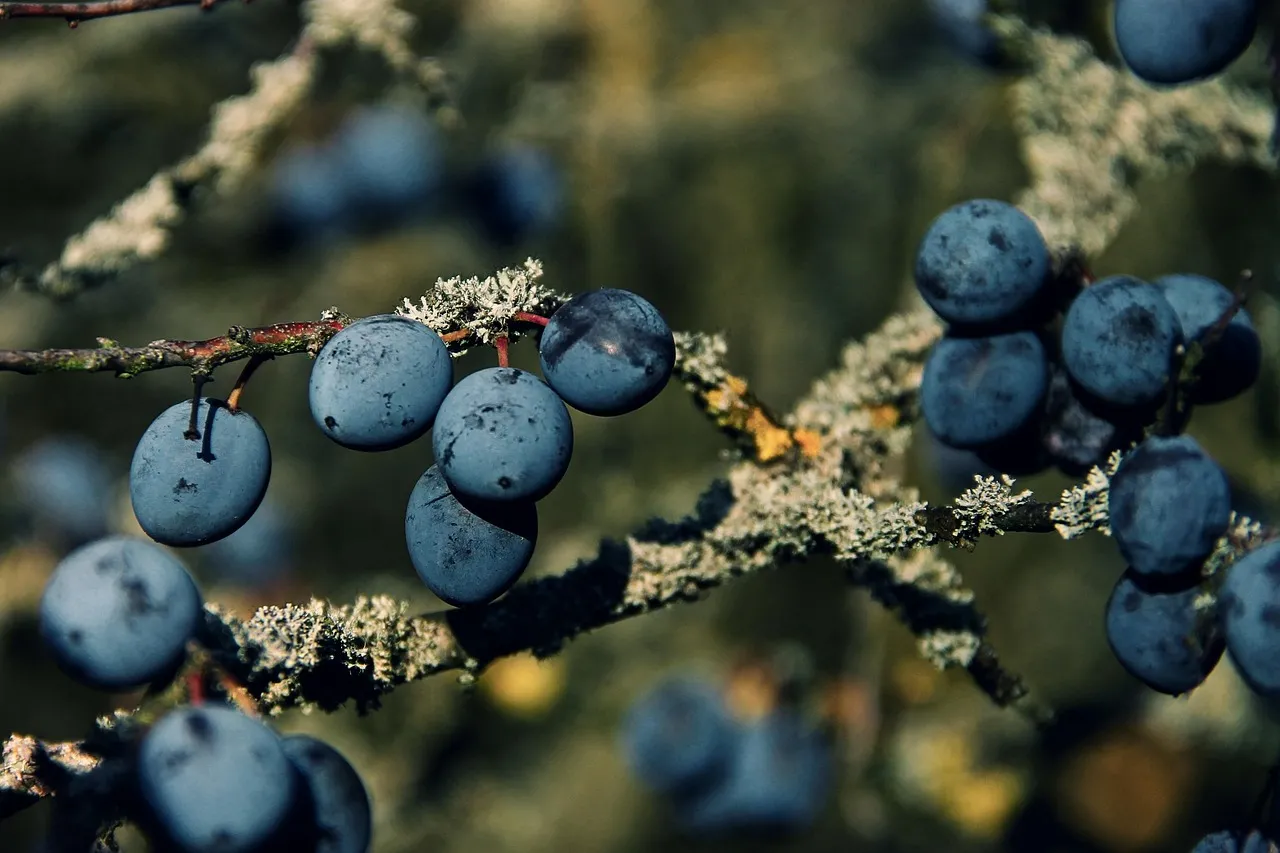
Growth is significantly slower than hawthorn, and those thorns make it notably miserable to trim without proper gauntlets, a lesson I learned early in my career and have never forgotten since. This hed is for the long game; it’s not a quick fix, but once in, you get the bonus of gorgeous spring blossom and also the fruits to harvest for Sloe gin!
I’d suggest mixing it with hawthorn on your most exposed run of boundary rather than planting it as a pure hedge throughout, both for ease of maintenance and for a slightly softer look. A decent pair of thick gauntlet gloves is advisable when you get to trimming it.
🛒 Buy Blackthorn bare root whips
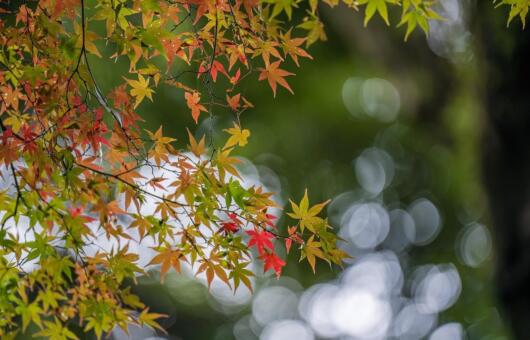
Field maple is the fastest growing of the native hedging trio, and it earns its place through plainly excellent golden autumn colour that catches people off guard, since they only ever expect that kind of display from a specimen tree rather than a working boundary hedge. Left unclipped, it wants to become a small tree, but trimmed hard in its first couple of seasons, it thickens beautifully from the base, giving you a dense screen rather than a leggy one.
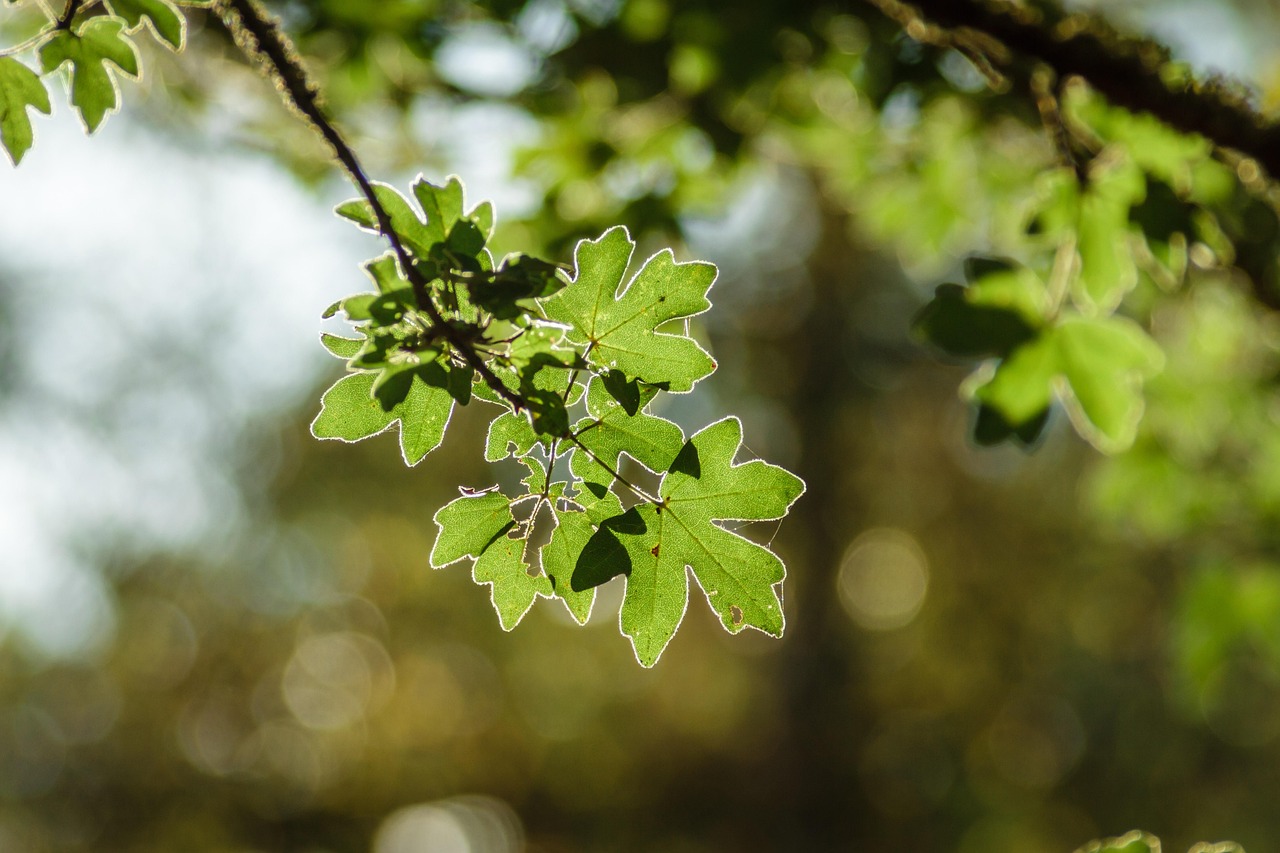
I most often use it as a supporting act to hawthorn, planted at roughly a one to three ratio along a longer run, since the contrast in leaf shape and that autumn colour lifts what would otherwise be a rather uniform block of green. It handles clay and chalk with equal ease, which makes it a properly flexible choice whatever’s sitting under your topsoil.
Best planted November to March alongside hawthorn and blackthorn while everything is dormant.
🛒 Buy Field Maple bare root whips
If your garden calls for something crisper than a native windbreak, these three formal hedging species all cope with real exposure while still delivering the tight, architectural lines a more designed garden needs. I use all three regularly, and the choice between them usually comes down to soil type and how much patience the client has.
Hornbeam is my default recommendation for a formal deciduous hedge on an exposed site with heavy clay, where beech would thoroughly struggle. It shares beech’s rather brilliant trick of holding onto its dead, papery brown leaves right through winter, a habit called marcescence, which means your hedge keeps filtering wind and providing screening for a full twelve months of the year despite technically being deciduous. I find clients are always slightly amazed when I explain that the winter interest they’re admiring in a well-grown hornbeam hedge is essentially last year’s leaves refusing to leave the party.
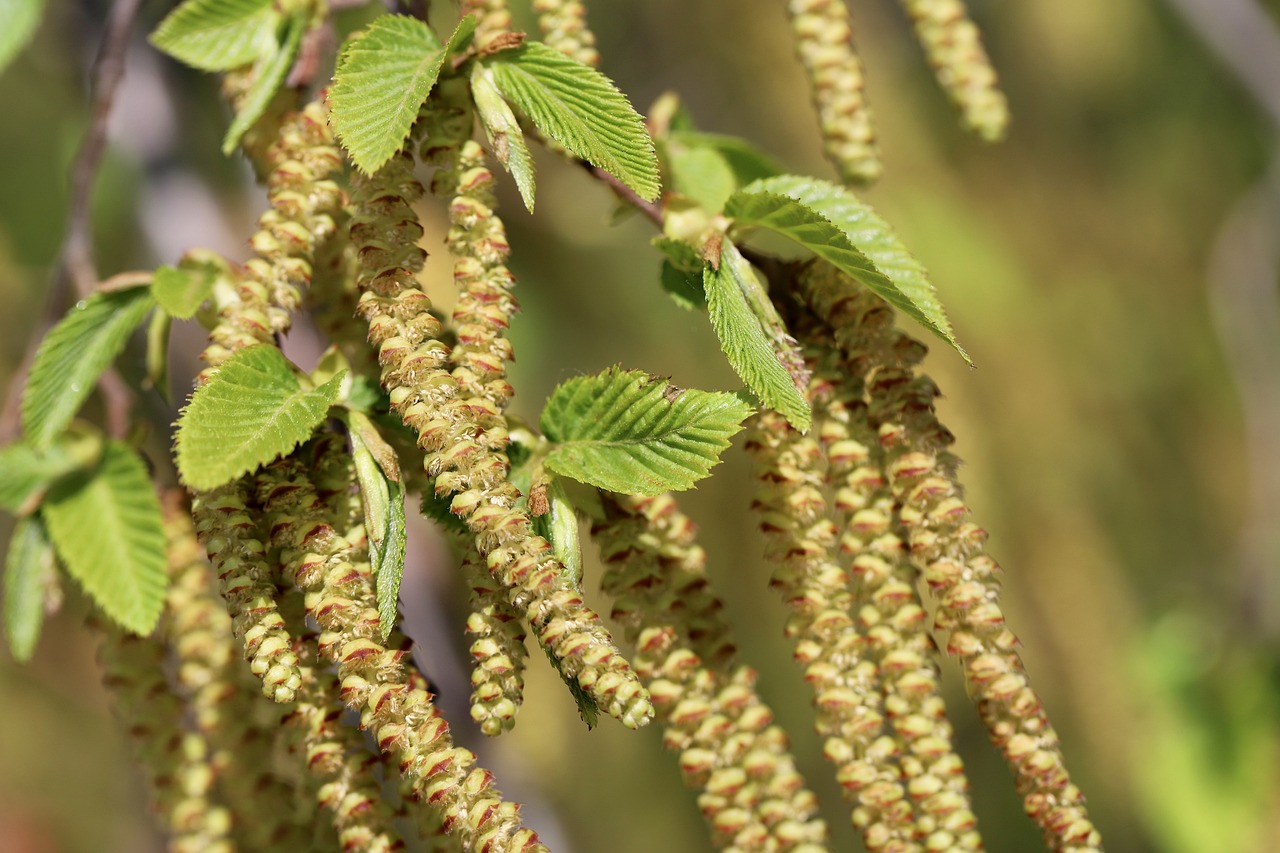
I have Hornbeam here at Garden Ninja HQ against the road; it catches pollution and rubbish, which I can then recycle properly, and the winter crisp leaves help protect the garden even in winter months. It clips beautifully into crisp, formal lines, tolerates a proper amount of exposure once established, and is generally the more forgiving choice of the two classic formal deciduous hedges if your soil holds water through winter.
It should go in during the same November to March bare root window as the native species above.
🛒 Buy Hornbeam bare root hedging plants
Beech is hornbeam’s more famous cousin, and the two are so similar in overall effect, that same wonderful russet winter foliage, that I’m often asked what the actual difference is. The honest answer is drainage. Beech wants a free-draining soil and will sulk badly, sometimes fatally, in a waterlogged spot, whereas hornbeam takes heavy clay in its stride. On a properly exposed but well-drained site, I’ll usually choose beech for the marginally finer texture of its foliage and the slightly more refined finish it gives a formal garden.
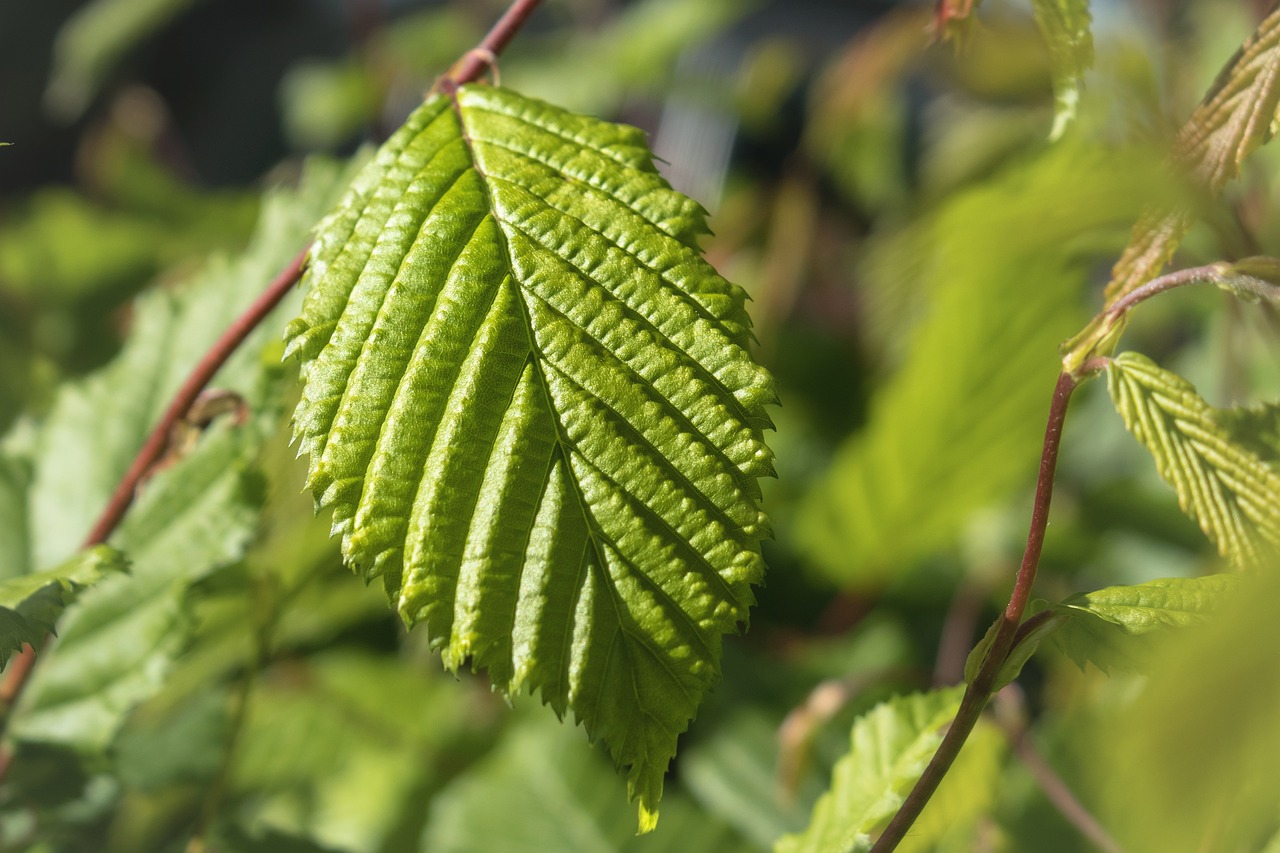
One clip a year, typically in late summer, is usually enough to keep a beech hedge crisp, and it responds well to renovation pruning if it’s been neglected for a season or two, which is more forgiving than a lot of formal evergreen alternatives.
I’d really recommend digging a test hole first if you’re at all unsure about drainage, since a waterlogged beech hedge rarely recovers.
🛒 Buy Beech bare root hedging plants
Yew is the grand old statesman of formal British hedging, gracing the grounds of stately homes for centuries, and it copes with wind considerably better than its reputation for slow, stately growth might suggest. Its dense, needle-like foliage filters wind effectively once established, and it holds a crisp, dark formal line better than almost anything else you can plant. The catch, and it’s a genuine one, is patience, since yew typically grows at only fifteen to thirty centimetres a year, considerably slower than any of the deciduous options above.
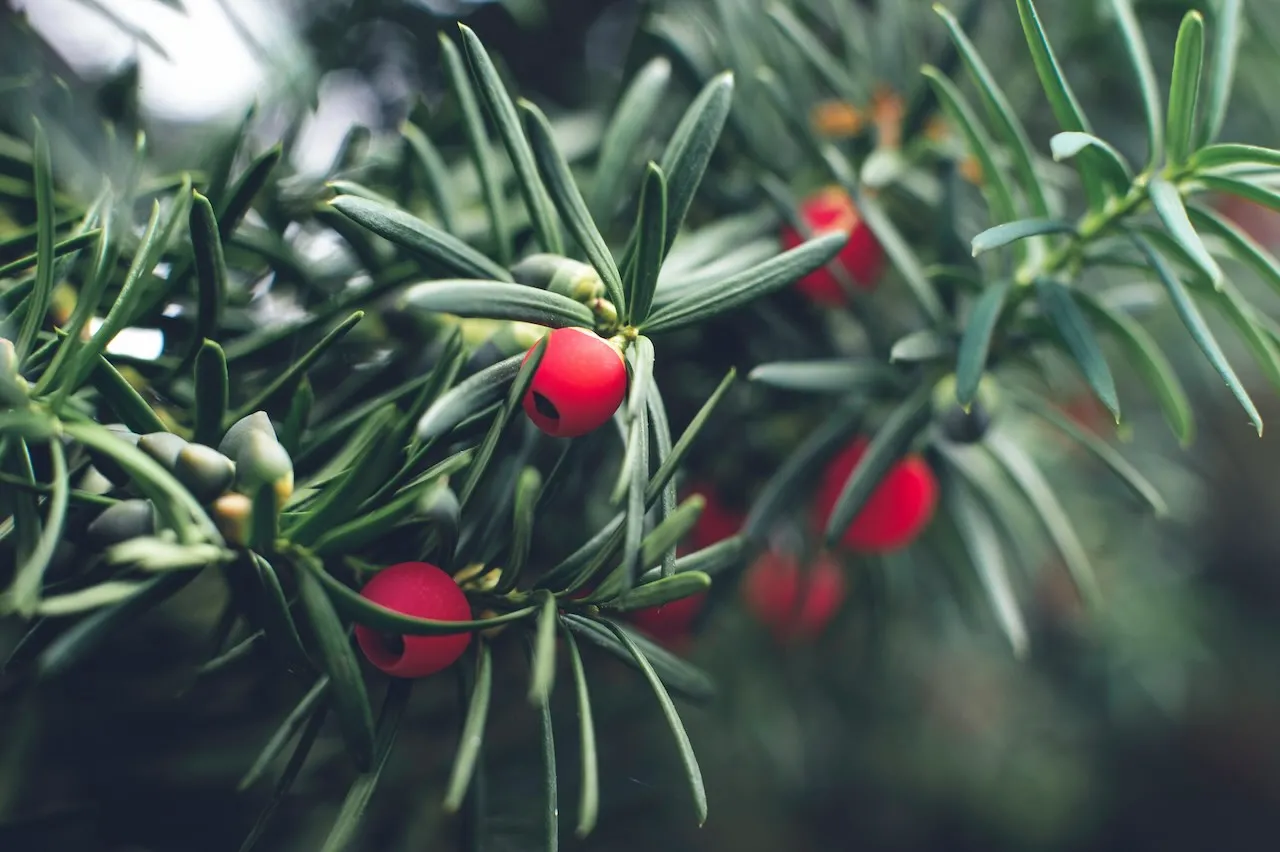
On an exposed site, I always recommend starting with smaller, younger yew plants rather than semi-mature ones, since a smaller plant establishes a proportionally stronger root system and is far less prone to wind rock while it settles in, and it will typically overtake a poorly rooted larger specimen within a few years regardless.
Note that every part of yew is toxic if ingested, so it’s worth bearing in mind if pets or grazing livestock have access to the site. Same with kids in the garden, just explain to them not to go picking the red fruits (they’re not berries; they are actually arils, otherwise nicknamed snotty-gogsas, as they are squishy) or sticking yew branches in their mouths!
These are the hedges I turn to most often on particularly coastal projects, where salt laden wind is doing damage on top of the wind itself, though every one of them performs equally well on an inland exposed site too. All are evergreen, so unlike the deciduous options above they give you full privacy and wind filtering across every month of the year.
Escallonia has become something of a signature plant on my west coast projects, since its small, glossy leaves shrug off salt-laden wind without the leaf burn that catches out plenty of showier evergreens, and it rewards you with a proper summer flush of small pink or red tubular flowers that pollinators remarkably flock to.
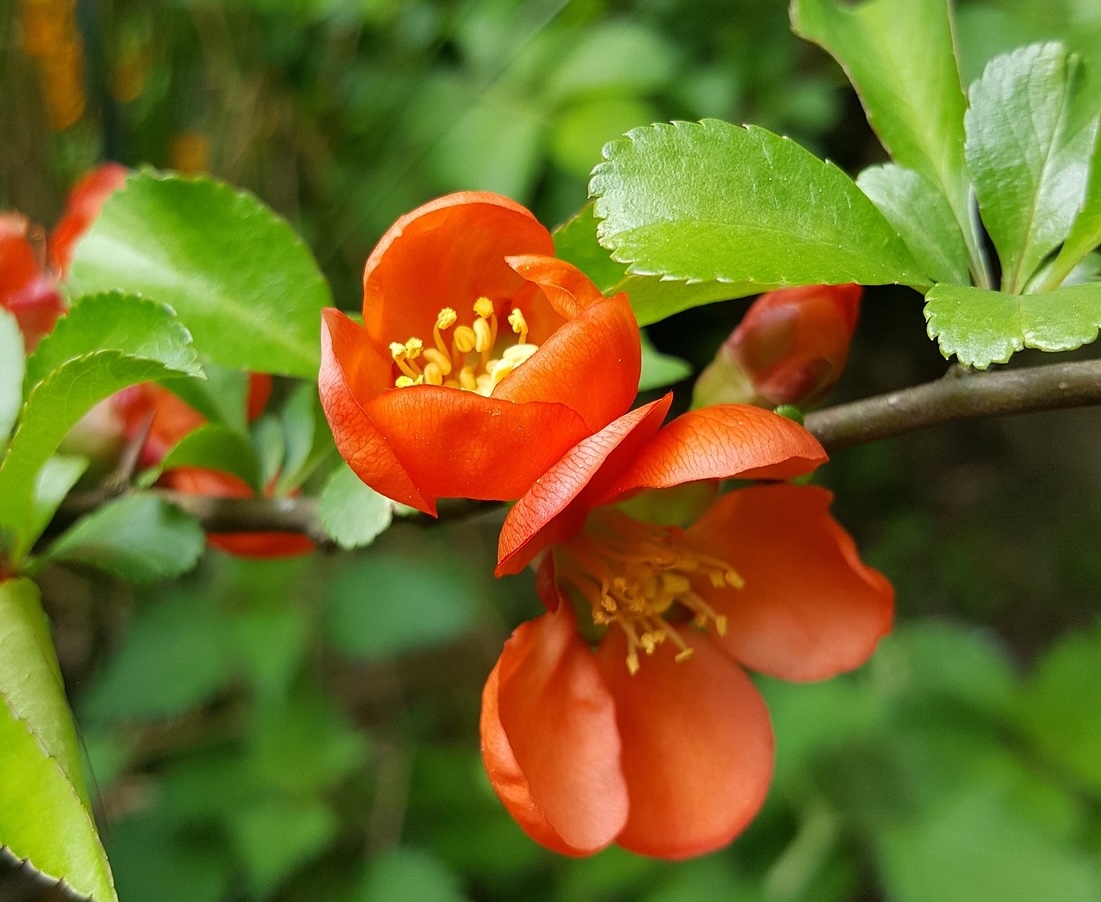
It clips well into a formal line if you want one, or can be left slightly looser for a softer, cottage feel, and it responds well to a hard renovation cut if a savage winter knocks it about, bouncing back from old wood in a way plenty of evergreens simply won’t. Keep it loose and it will give you that soft rolling hedge line or clip it tighter for neastness but you’ll probably lose some of its flowering potential.
Best planted in autumn or spring to give roots a full season before their first proper winter test.
🛒 Buy Escallonia hedging plants
Griselinia littoralis is close to bulletproof on a coastal site, and its glossy, leathery, apple green leaves create a lush, almost tropical-looking screen despite being one of the toughest salt-tolerant shrubs available in this country, which is exactly why it’s the go-to coastal hedging choice all the way from Aberdeen down to St Ives. I have it growing at home and reach for it constantly on client projects along the coast. It is INDESTRUCTIBLE!
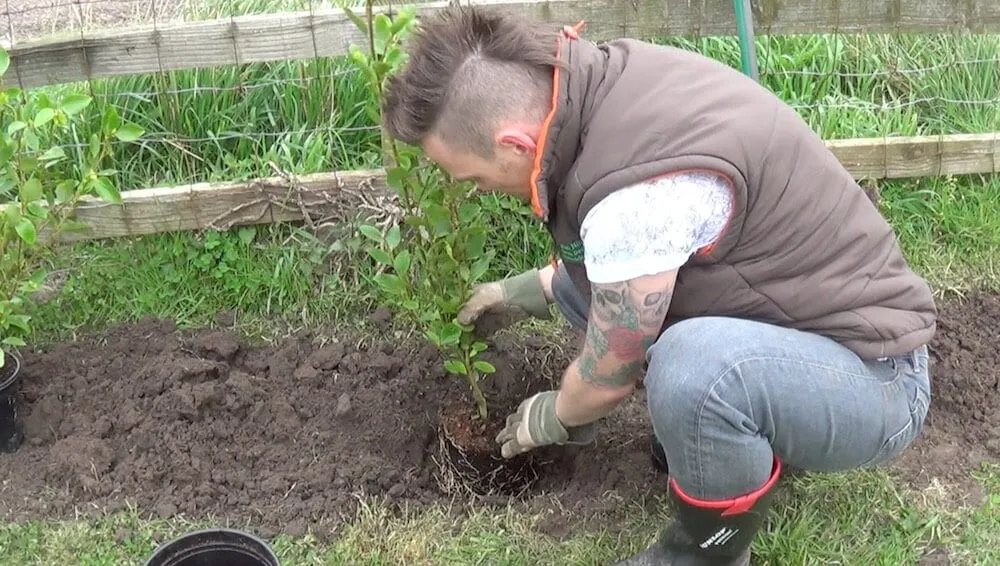
It’s fully hardy in coastal and lowland gardens, though it can struggle in a particularly cold inland winter until it’s fully established, so on a super-cold northern site that’s also exposed, I’ll usually pair it with hardier Escallonia rather than relying on Griselinia alone. Another tip is I’d always start with smaller plants on an exposed site, since they root in far more securely than a large, top-heavy specimen, theyre also much cheaper!
🛒 Buy Griselinia hedging plants
Elaeagnus ebbingei is one of the most underrated coastal hedging plants around, with silvery, leathery leaves that give it excellent salt and wind tolerance, and a truly lovely, if easily missed, autumn flowering display of small, intensely fragrant cream flowers that will stop you in your tracks on a walk round the garden long before you spot where the scent is coming from.
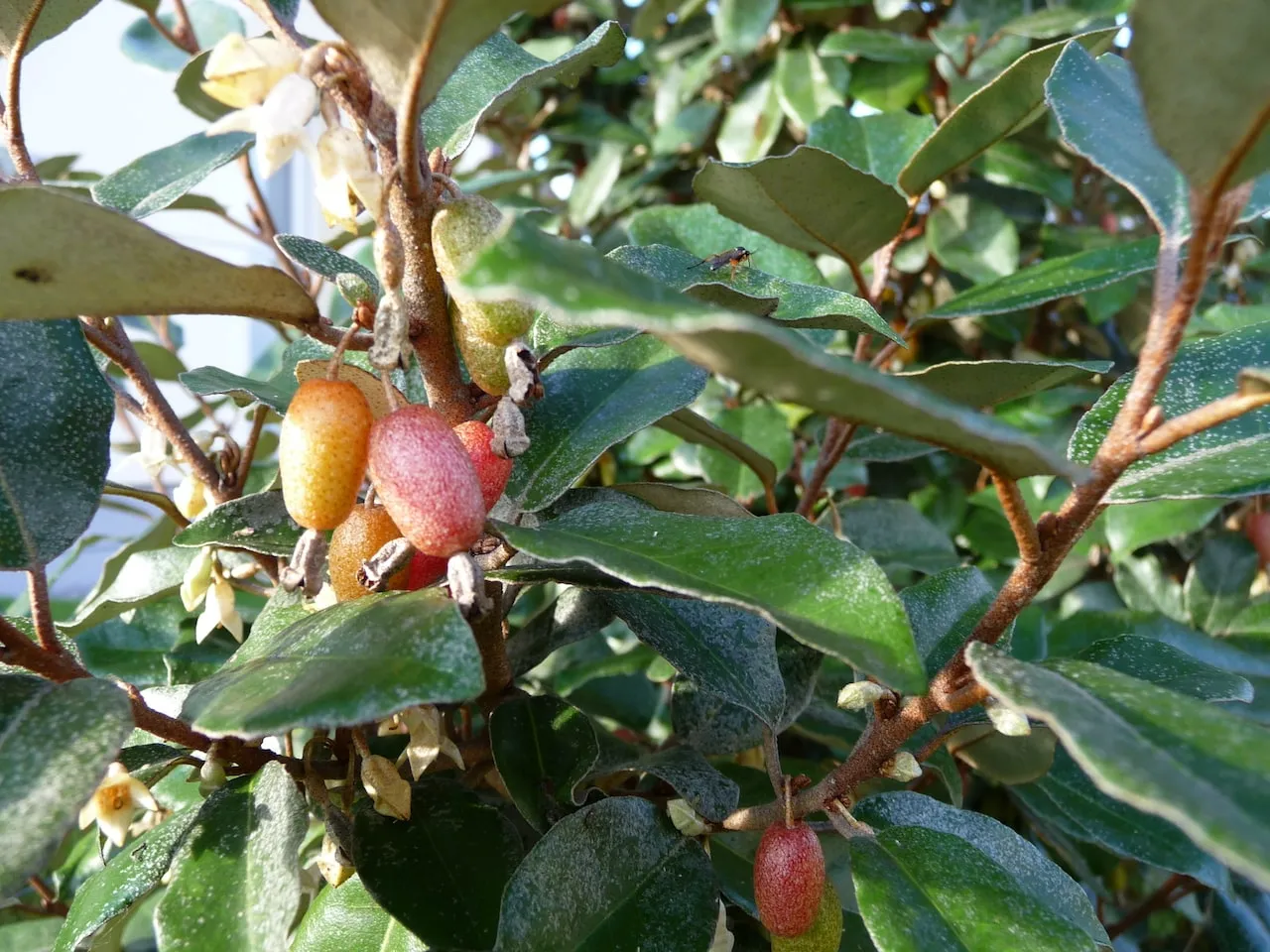
It’s fast growing for an evergreen, which makes it useful where you need screening in a hurry, and it clips well, though I’d recommend a proper pair of secateurs for any thicker stems rather than relying purely on a hedge trimmer, since the growth can get woody quickly.
A decent pair of bypass secateurs will keep the woodier growth in check between full trims, and it’s quite satisfying to go out for an hour and give it a quick facelift without lifting out the battery hedge clippers! Clippings look great with cut flowers and make nice indoor arrangements in the winter for table settings.
🛒 Buy Elaeagnus ebbingei hedging plants
Portuguese laurel is the hedge I recommend when a client wants the dense, glossy privacy of cherry laurel but their site is too exposed or too cold for it, since Portuguese laurel is considerably more cold and wind hardy while giving you a very similar finished look, smaller, narrower leaves and attractive burgundy red stems on new growth, without cherry laurel’s tendency to look wind scorched by February on a notably open site.
You’ll often find this being planted on new build gardens by eager gardeners wanting privacy; however, it’s not suitable for small gardens as it grows way too quickly and can take over a small garden. I prefer Escallonia for a new build garden or crabapple hedging.
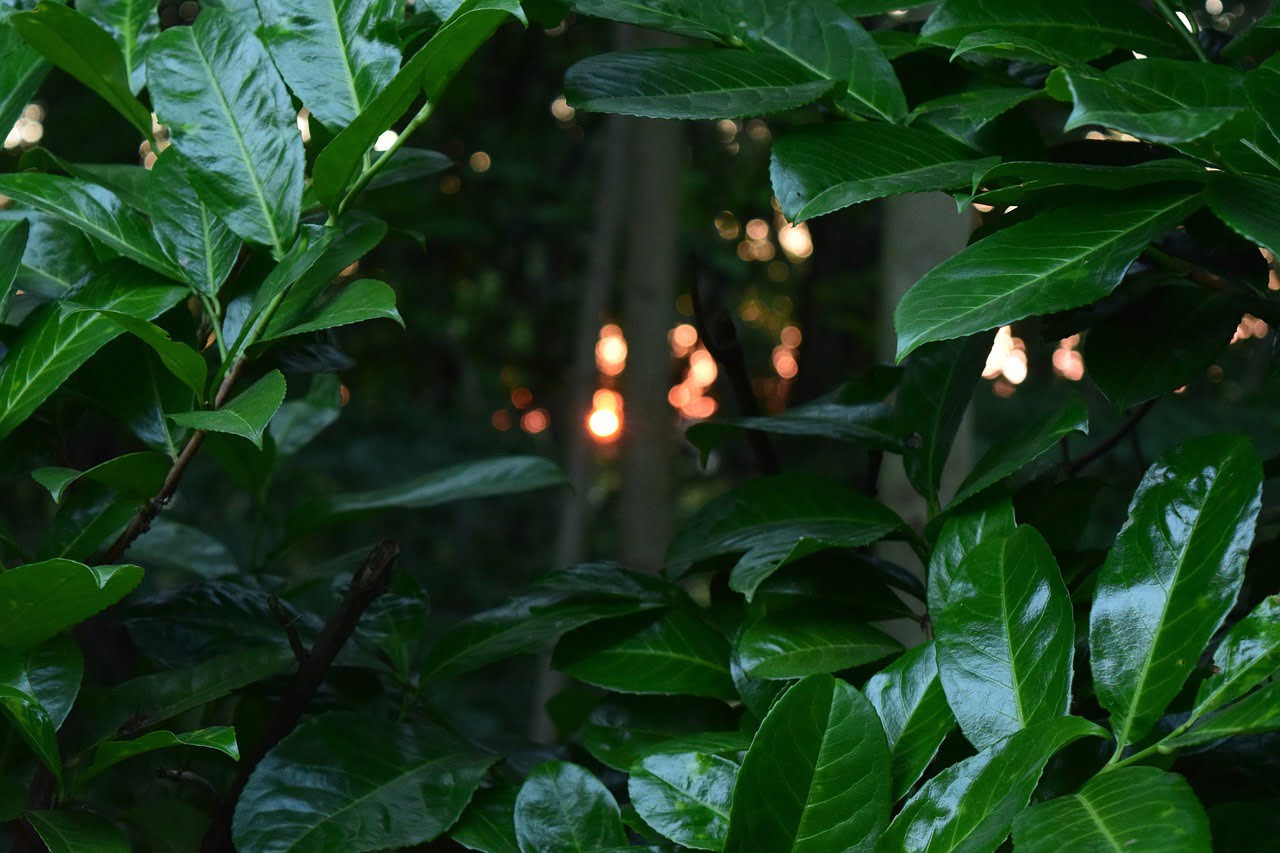
It’s very hardy despite the name, grows happily in sun or partial shade, and clips into a proper formal line if that’s what the garden calls for. I’d always recommend cutting it with secateurs rather than a hedge trimmer where possible, since a trimmer slices straight through the broad leaves and leaves a ragged, browning edge that takes a few weeks to grow out.
For the full technique on cutting large-leaved evergreens without the ragged brown edges, my hedge trimming guide covers exactly that.
🛒 Buy Portuguese Laurel hedging plants
Common holly is one of our few plainly native evergreens, and it’s tremendously wind hardy, tolerating exposure that would strip a lot of ornamental evergreens bare. Its spiny, glossy leaves make it a properly effective security hedge as well as a windbreak, and female plants produce a good crop of berries for winter birds provided there’s a male plant somewhere nearby to pollinate them, a detail that catches out a surprising number of gardeners hoping for berries from a single specimen.
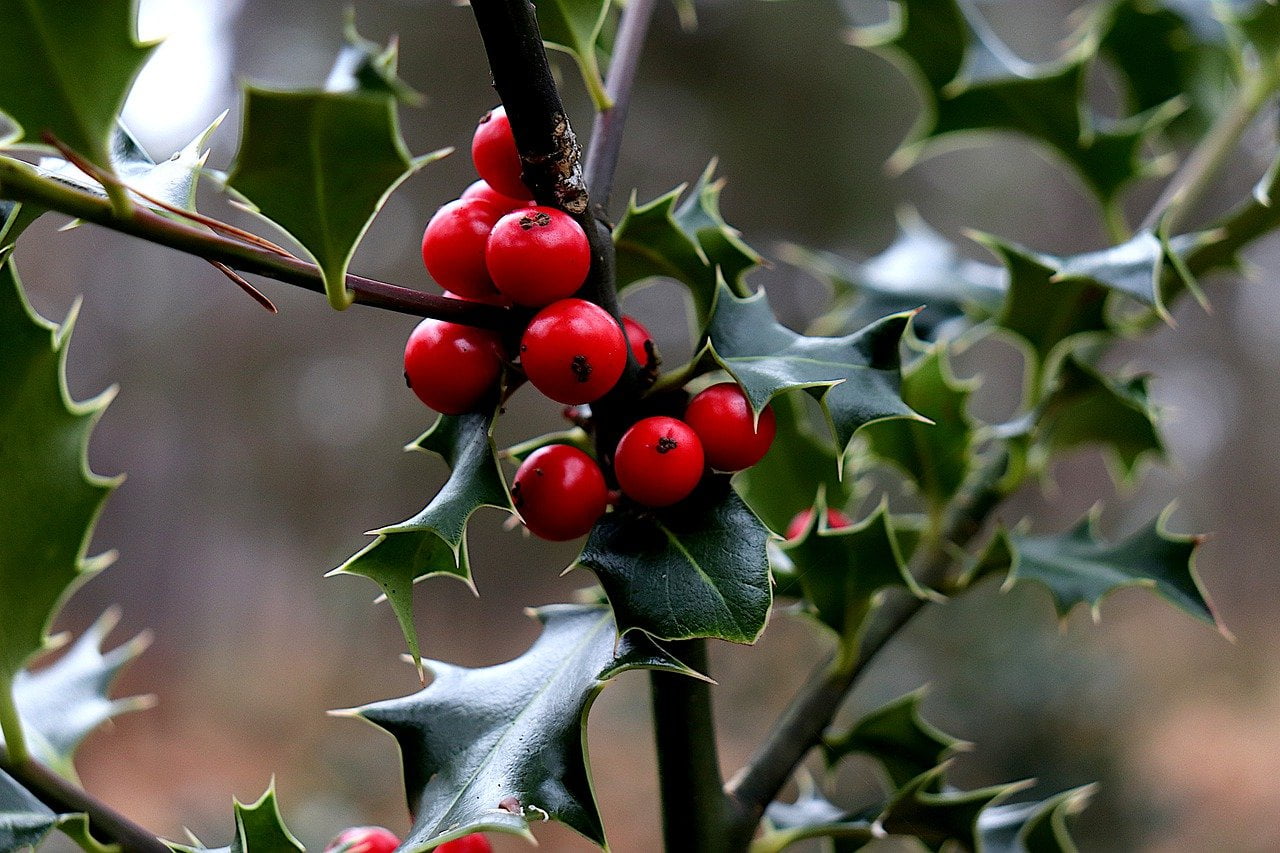
Growth is slower than most of the other evergreens here, which means more patience but also less frequent trimming once established, and it’s thoroughly one of the toughest hedges available if security and wildlife value matter as much as wind protection to you.
If berries matter to you, buy at least one male alongside your female plants to guarantee pollination.
Privet is the classic British garden hedge for good reason: fast, dense, and semi-evergreen, meaning it holds most of its leaves through a mild UK winter and only really thins out in a harder cold snap. It’s a reasonable choice for a moderately exposed garden rather than the most brutal coastal or hilltop sites, and its rapid growth makes it excellent value if you want a fully formed hedge within two or three seasons rather than five.
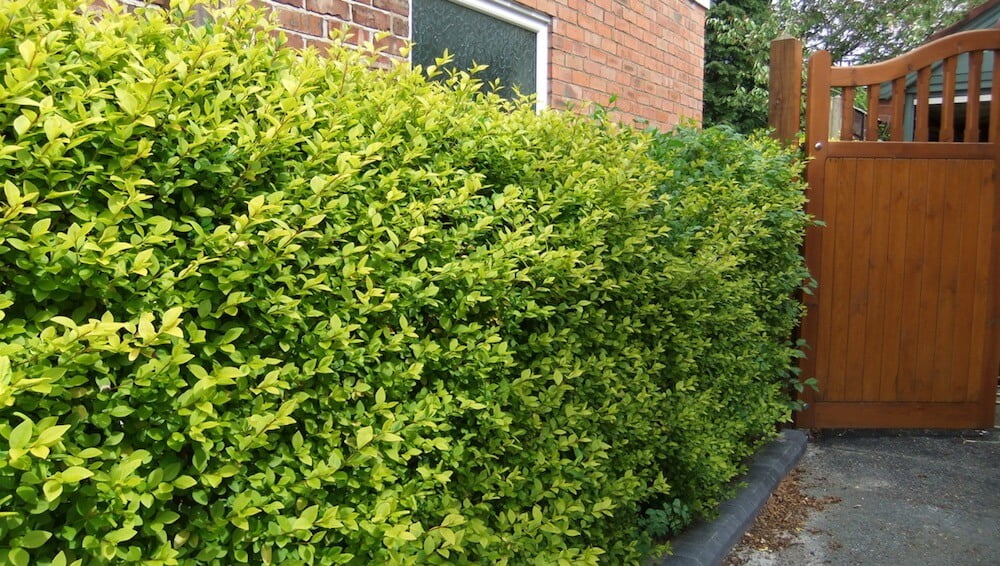
The trade-off for that speed is more frequent trimming, typically twice a season if not three times, to keep it looking tidy rather than straggly, so it suits a gardener who enjoys regular hedge maintenance over one who wants to plant it and largely forget about it.
My cordless hedge trimmer guide is worth a look given how often you’ll be reaching for the trimmer with this one.
How closely you plant matters as much as which species you choose, since a hedge planted too thinly will always have gaps for wind to punch through, and one planted too densely will simply compete with itself for water and nutrients on a site that’s already under stress. Here’s roughly what I’d specify for each of the hedges above on a standard single row, along with when a staggered double row is worth the extra cost and effort.
A staggered double row, two rows roughly 40 to 50cm apart with plants offset like a brick pattern rather than directly opposite each other, gives you a noticeably denser, more effective windbreak than a single row of the same species, and it’s the option I’d recommend for a properly exposed rural boundary where the hedge is doing serious structural work rather than simply marking a garden edge.
The best planting window for the deciduous and native species above, hawthorn, blackthorn, field maple, hornbeam and beech, is the bare root dormant season, November through to March, when plants establish considerably more cheaply and just as reliably as container-grown stock. For the evergreens, yew, Escallonia, Griselinia, Elaeagnus, Portuguese laurel, holly and privet, I’d generally favour early autumn or mid spring planting, giving roots a full season to get established before facing either a hard winter or a dry summer.
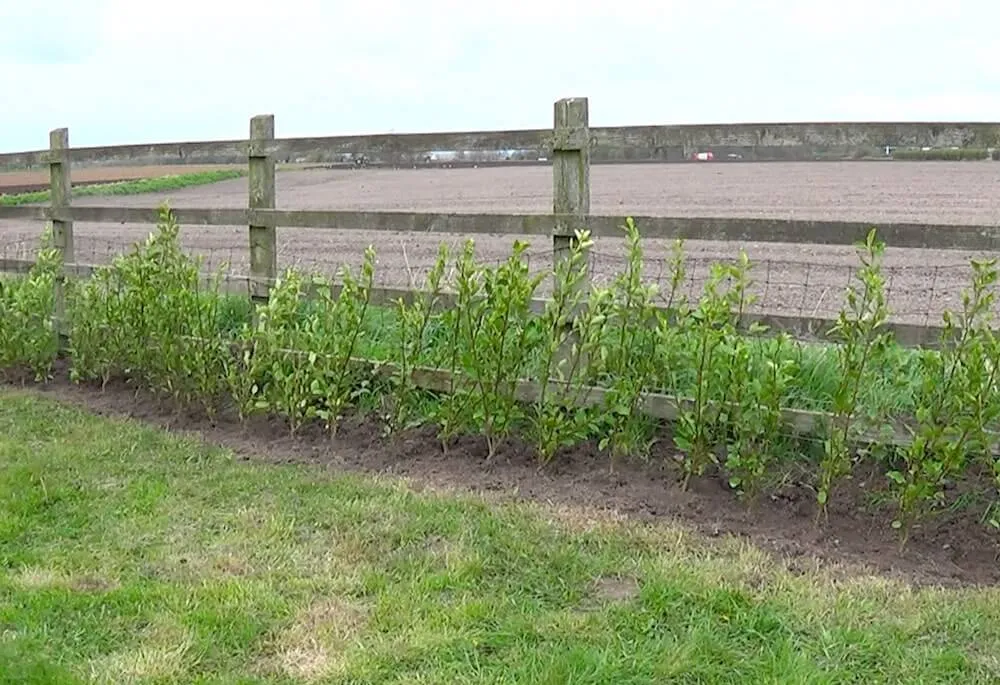
I’ve written a full step by step guide covering tools, spacing, soil preparation and the actual planting technique in detail, so rather than repeat all of that here, head over to my how to plant a hedge guide for the complete method. What’s worth adding specifically for an exposed site, and this really doesn’t get said often enough, is to choose smaller plants over larger ones. A big, semi mature specimen looks tempting for instant impact, but its proportionally smaller root system relative to its top growth makes it far more vulnerable to wind rock, and I’ve seen plenty of expensive semi mature hedging fail on exposed sites where a smaller, cheaper whip would have romped away.
A young hedge is at its most vulnerable in its first one to two winters, before the root system has properly anchored it, and a few simple steps here make an enormous difference to how quickly it settles in and starts doing its job.
💡 Top Tip
One trick that surprises a lot of gardeners: for evergreen hedging going into a particularly exposed spot, giving the plants a light prune straight after planting to reduce their leaf area actually helps establishment, since it cuts down how much moisture the plant loses to drying wind while its roots are still finding their feet. It feels counterintuitive to cut back a plant you’ve only just put in the ground, but it works.
Stretching windbreak netting along the windward side of a new hedge for its first year or two takes the worst of the gusts off young plants while the roots establish properly. I keep a roll in the van for exactly this reason.
🛒 Buy windbreak netting on Amazon UK
Any tree species in this guide, and larger evergreen shrubs too, benefit from proper staking in their first year or two, angled into the prevailing wind, with a soft adjustable tie rather than anything that can cut into the bark.
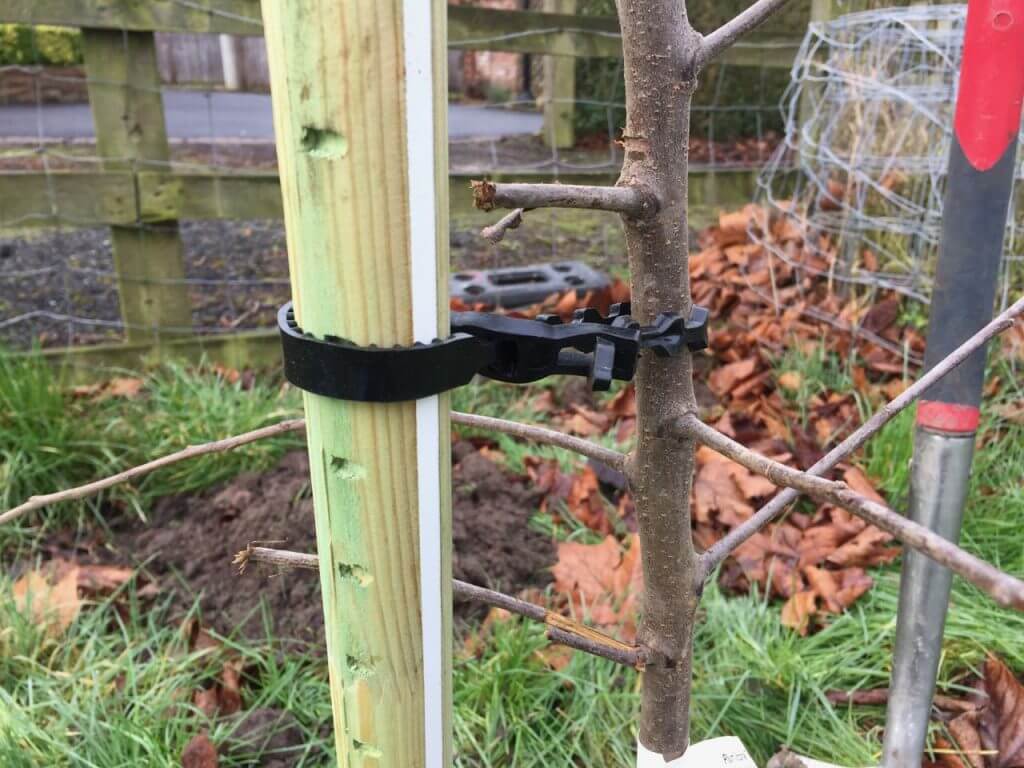
🛒 Buy tree stakes and ties on Amazon UK
A dusting of mycorrhizal fungi into the planting hole helps roots establish faster and more deeply, which matters enormously on an exposed site, since a shallow rooted young hedge is the one that rocks loose in the first proper autumn storm.
🛒 Buy mycorrhizal fungi rootgrow on Amazon UK
Water thoroughly and regularly through the entire first growing season regardless of species, since wind dries soil out considerably faster than most gardeners expect, even during a typically wet British summer, and mulch generously around the base of each plant to help retain that moisture.
The single biggest mistake, covered above but worth repeating because I see it constantly, is reaching for a solid fence as the first line of defence rather than a permeable hedge. The second is planting large, semi mature specimens in the hope of instant results, when a smaller, better rooted plant will generally overtake it within a couple of seasons anyway. The third is skipping staking on the assumption that a remarkably wind hardy species won’t need it, when every tree and larger shrub benefits from support in its first year or two regardless of how tough the label claims it is.
And the fourth mistake, which is more specific to hedging than general planting, is choosing a single species for a long exposed run without considering how it will look and perform if part of it fails. A mixed native hedge of hawthorn, blackthorn and field maple is far more resilient to disease, pest pressure or an unusually harsh winter than a hedge planted entirely from one species, since a problem that knocks back one plant type generally leaves the others unaffected.
Once your hedge is established, the ongoing maintenance is largely the same as for any UK garden hedge, regular trimming to keep growth dense rather than leggy, checking for nesting birds before any cut between March and August, and the right tool for the job depending on how woody the growth has become. Rather than repeat that ground here, my complete hedge trimming guide covers technique in full, and if you’ve gone with a formal conifer or yew hedge, my conifer pruning guide explains why you should never cut back into old bare wood on those species specifically.
One point worth flagging that’s specific to exposed sites: a hedge that’s doing genuine windbreak work benefits from being trimmed slightly less severely than a purely ornamental hedge, since a small amount of extra bulk and density on the windward face gives you a stronger filter. I’ll often leave an exposed windbreak hedge five to ten centimetres bulkier than I would the equivalent hedge in a sheltered garden, purely for that reason.
A fast growing hedge, whatever species you choose from this guide, is only ever as good as the tools you maintain it with, and after a decade of hedges going in and coming under control on client jobs, I have ended up with a small, unglamorous kit that I reach for again and again. This is not about buying everything on the market. It is about the handful of tools that have earned their place through years of actual use, in the rain, on site, with a filming schedule breathing down my neck.
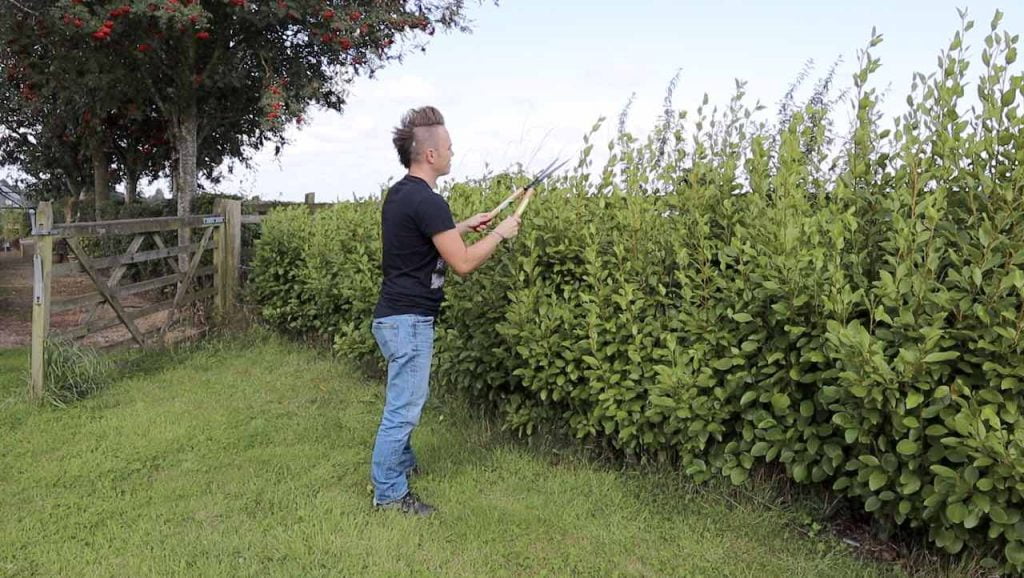
For formal hedges like hornbeam and beech, topiary edges, and anywhere you want a properly crisp finish rather than the slightly ragged look a powered trimmer leaves behind, I still reach for a good pair of hand shears more often than people expect. A sharp, well balanced pair with a proper pivot bolt will save your wrists over a full afternoon of trimming in a way a cheap pair never will, and the finish is unmatched on privet, box and any hedge you actually want to look tailored rather than just cut back.
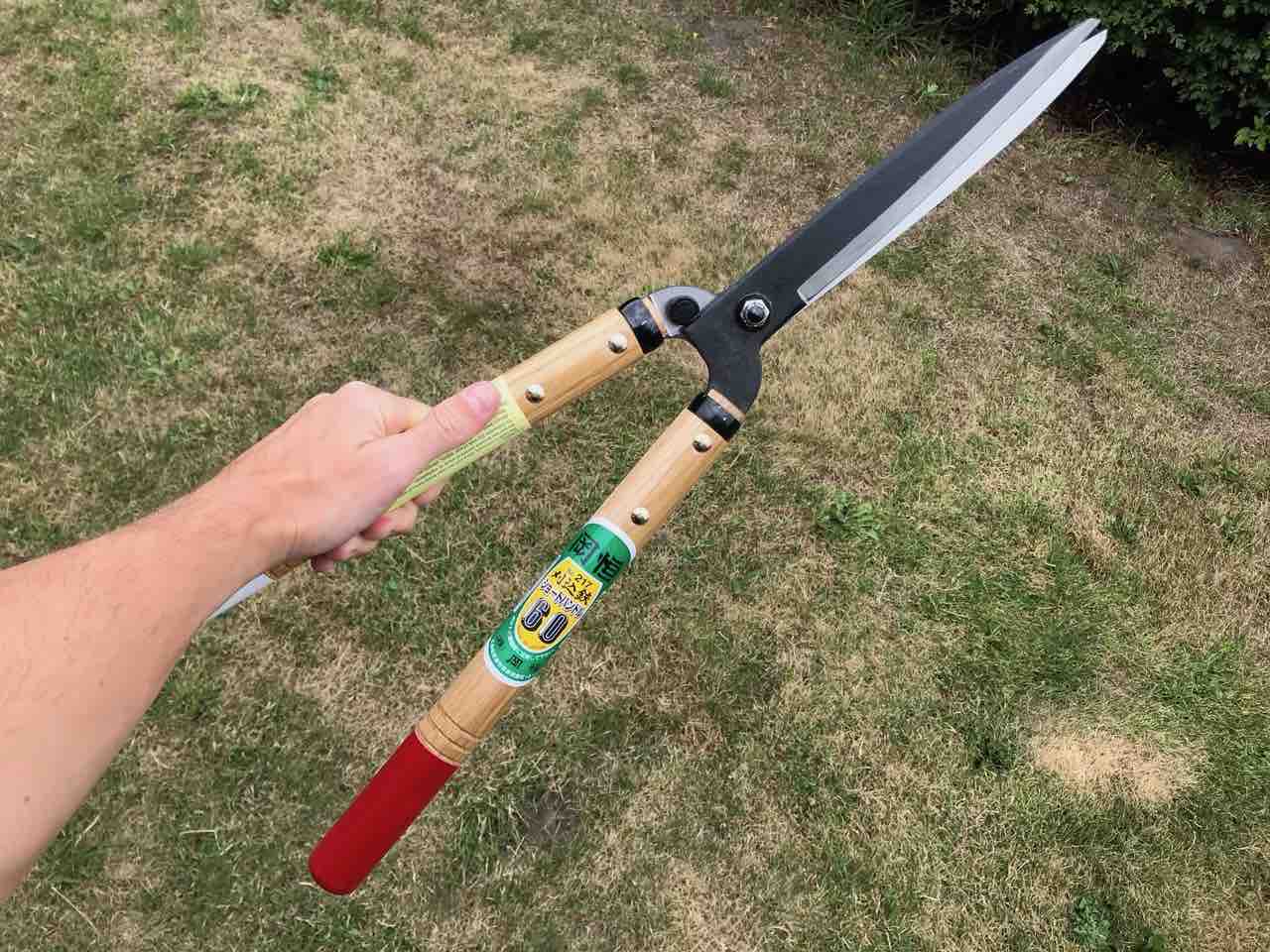
This tool’s boss for anywhere you want a proper crisp finish, and I still reach for a pair like this over a powered trimmer more often than you would think.
🛒 Buy hand hedge shears from Amazon UK.
For the actual bulk cutting on anything beyond a short stretch of formal hedge, a decent cordless hedge trimmer is the tool that gets the job done without turning an afternoon into a full day. I have used various petrol and corded machines over the years, and cordless is now properly good enough for the vast majority of domestic hedges, without the fuel mess or being tethered to a socket at the far end of the garden.
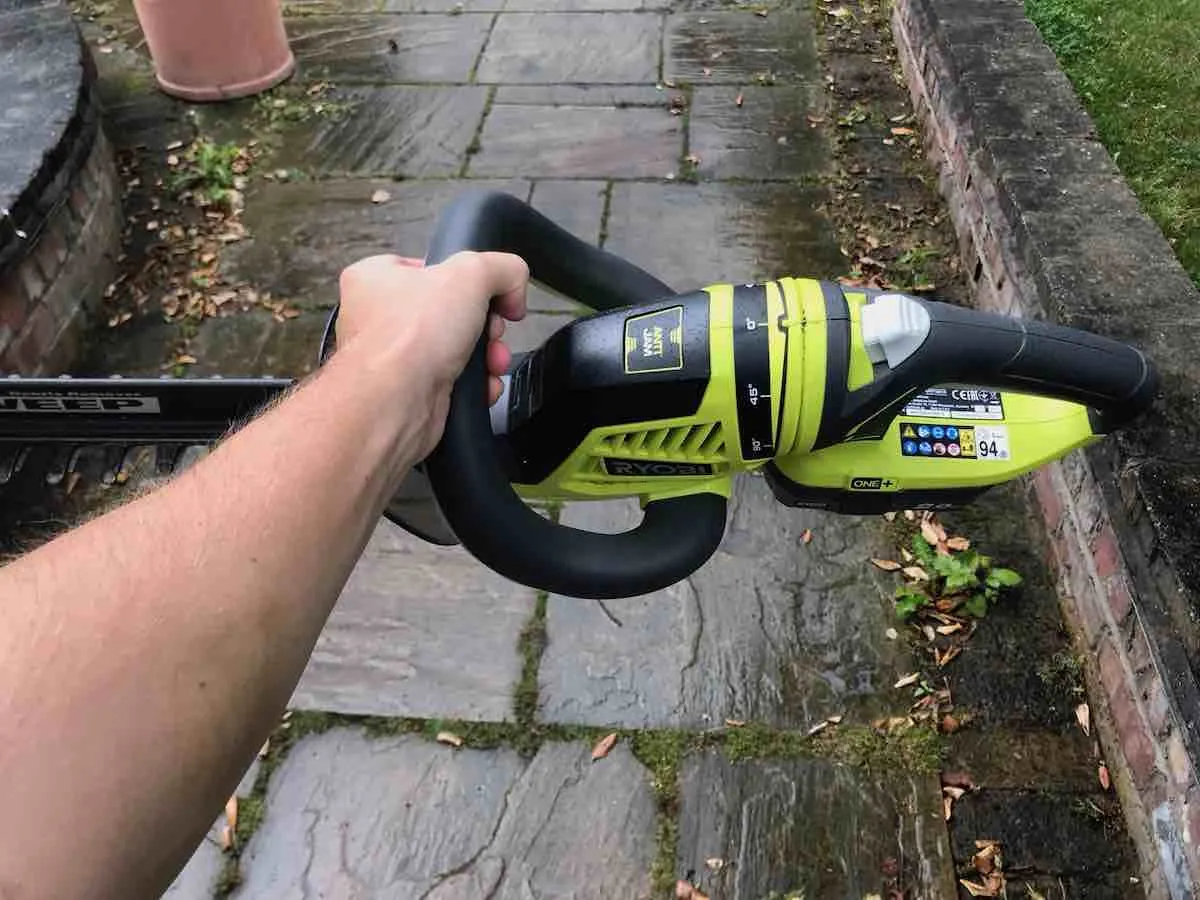
I cannot recommend this enough after years of me reaching for it on client gardens, it has properly changed how quickly I get an overgrown hedge back under control.
🛒 Buy a cordless hedge trimmer from Amazon UK.
Every hedge in this guide, from hawthorn and blackthorn through to Elaeagnus and Portuguese laurel, will eventually throw up a stem or a leader too thick for shears or a trimmer to deal with cleanly, and trying to force it through either will blunt your blades and leave a ragged wound on the plant. A solid pair of loppers with a decent bypass action and enough handle length to give you real leverage is the tool I keep in the van for exactly that moment.
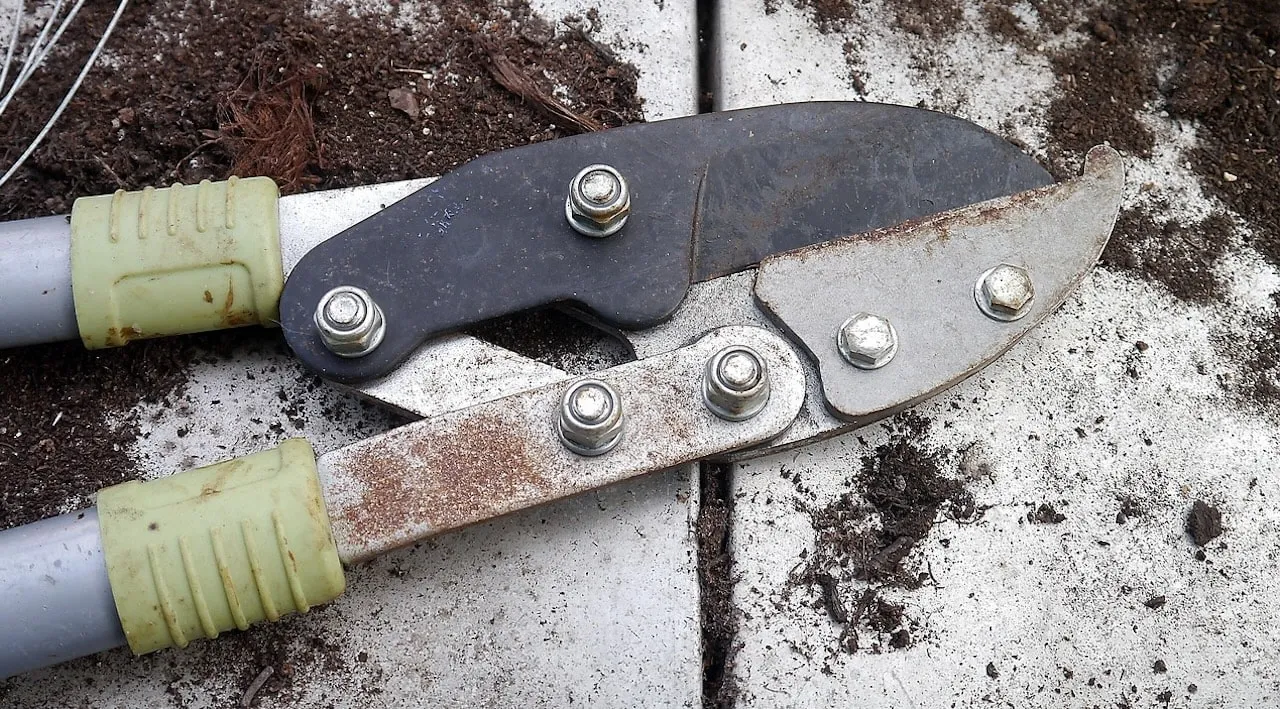
A proper pair of these has bailed me out on more overgrown hedges than I can count, and it is one of those tools you do not appreciate until the one time you badly need it.
🛒 Buy garden loppers from Amazon UK.
Hawthorn and blackthorn, two of the toughest windbreak hedges in this guide, will happily go through a flimsy pair of gloves in a single session, so a proper pair of gardening gloves is not optional if you are planting or trimming either. I use the same pair across pruning, hedge work and general border maintenance, and after years of testing cheaper alternatives that fell apart within a season, this is the pair that stayed in my kit.
I cannot recommend this enough, they are the pair I have properly reached for above every other glove I have tried over the years, especially for anything thorny like hawthorn or blackthorn.
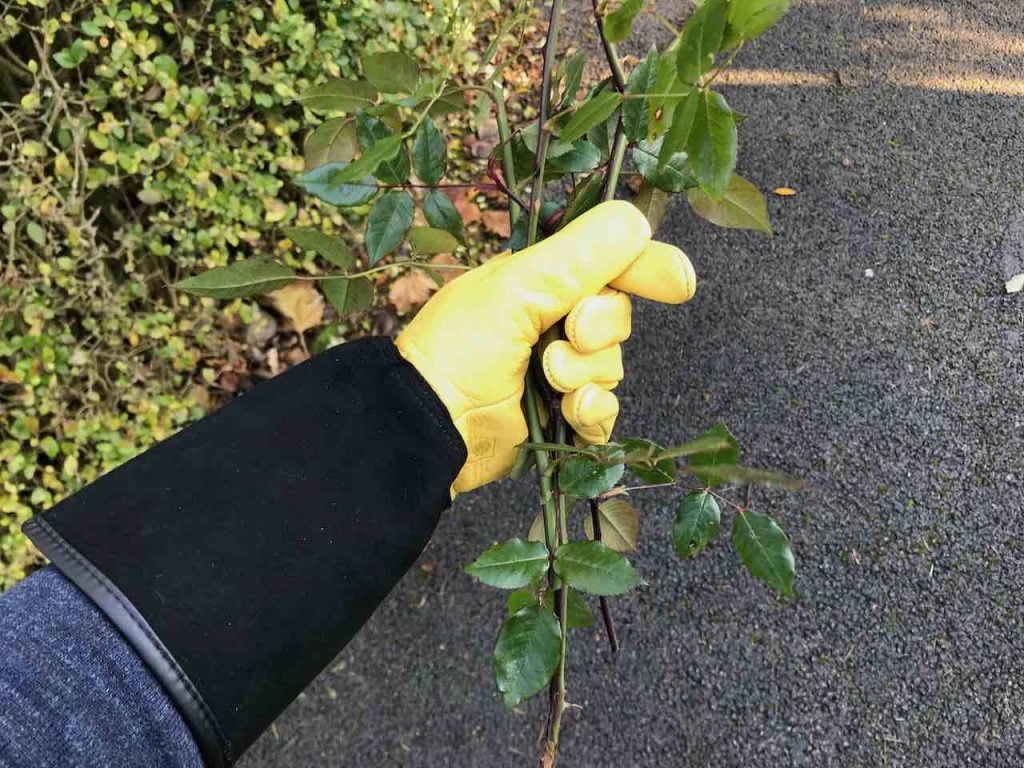
🛒 Buy Gold Leaf DRY TOUCH gardening gloves from Amazon UK
Hawthorn is generally the single toughest and most reliable choice for a very windy UK garden, tolerating any soil and extreme exposure while also providing excellent wildlife value. Blackthorn and field maple make strong companions for a mixed native windbreak.
A hedge is almost always the better choice. A solid fence causes turbulent wind to drop sharply on its leeward side, often damaging plants more than no barrier at all, while a permeable hedge filters and slows the wind, sheltering a much greater area.
Griselinia and Escallonia are both excellent for coastal exposure, tolerating salt laden wind that would scorch many other evergreens. Elaeagnus ebbingei and Portuguese laurel are strong alternatives if you want more height or a different foliage texture.
Most hedges in this guide reach a functional windbreak height within three to five years, with hawthorn and field maple establishing fastest at 30 to 60cm of growth per year. Windbreak netting can provide temporary protection while a permanent hedge establishes.
Yes, and for a long exposed boundary it is often the better approach. A mixed native hedge of hawthorn, blackthorn and field maple is more resilient to disease and pest pressure than a single species hedge, and it generally looks more natural in a rural or semi rural setting.
Every garden I have worked on has taught me that the right hedge decision depends on far more than a growth rate table. Aspect, soil, exposure, what is on the other side of your boundary and what you actually want the hedge to achieve all change the answer, and getting it wrong at the planting stage is a mistake that can take years to put right. If you would rather talk it through properly than guess, a design consultation is the fastest way to get a straight answer specific to your own garden, drawing on the same decade of experience I bring to every Garden Rescue reveal.
Whether you need a full planting plan or simply want a second opinion before you buy a single plant, I would be glad to help.
Book a Design Consultation Browse All My Hedge Advice
Join over 100,000 gardeners on YouTube
Free gardening videos from the Garden Ninja, with 8 million views and counting.
Subscribe on YouTube, it’s freeDid you know I offer engaging online garden design courses that teach you how to craft your ideal outdoor space from scratch? Through interactive video lessons and quizzes, you’ll gain valuable insights into garden layout, plant selection, and eco-friendly practices, all skills that can elevate your composting methods too. Whether new to gardening or experienced, these courses are designed for all skill levels.
By enrolling, you’ll not only master composting but also discover how to transform your entire garden into a sustainable sanctuary that reflects your personality. With my expertise in sustainable gardening, you’ll learn how to maximise the benefits of compost, enriching your soil naturally.
For the garden you’ve already got, not the one you’re starting from scratch. Seven checklists and video lessons from BBC Garden Rescue’s Lee Burkhill, built to help you work out what’s worth keeping before you spend a penny.
Garden Design Examples for Small Gardens: 30 Design Templates & Planting Plans: In this online gardening course, I’ll walk you through 30 fantastic garden designs, explaining the logic behind the layout, the plant choices, and take-home tips for applying them in your own garden.
Learn how to transform and design your own garden with Lee Burkhills crash course in garden design. Over 5 hours Lee will teach you how to design your own dream garden. Featuring practical design examples, planting ideas and video guides. Learn how to design your garden in one weekend!
Garden Design for Beginners Online Course: If you want to make the career jump to becoming a garden designer or to learn how to design your own garden, this is the beginner course for you. Join me, Lee Burkhill, an award-winning garden designer, as I train you in the art of beautiful garden design.
The right hedge does more work than any other single decision you’ll make on an exposed site, filtering wind rather than fighting it, and sheltering everything planted behind it in the process. For a rural or budget-conscious boundary, hawthorn, blackthorn and field maple are truly hard to beat. For a formal garden, hornbeam, beech and yew all handle real exposure far better than their elegant reputations suggest.
Lastly, for a coastal site, Escallonia, Griselinia, Elaeagnus, Portuguese laurel and Holly will shrug off salt-laden wind that would flatten most alternatives. Plant smaller, stake properly, water through that first critical year, and be patient. A hedge is a long game, but it’s the single best investment you can make in an exposed garden.
Happy gardening, and if you’re planning a hedge for a particularly tricky exposed boundary, pop over to my forum and ask away. I read every single question myself.


Lee Burkhill, known as the Garden Ninja, is an award-winning garden designer and horticulturist with over 30 years of gardening experience and 15 years as a professional garden designer. A qualified RHS (Royal Horticultural Society) professional, Lee specialises in sustainable garden design and practical horticultural advice. He designs and presents on BBC1’s Garden Rescue and in leading gardening publications. Lee combines three decades of hands-on gardening knowledge with professional design qualifications to help gardeners create beautiful, functional outdoor spaces.
View all posts by Lee Burkhill





JOIN THE NINJAS
Be the first in line for new Guides, Discount codes and Offers