For the garden you’ve already got, not the one you’re starting from scratch. Seven checklists and video lessons from BBC Garden Rescue’s Lee Burkhill, built to help you work out what’s worth keeping before you spend a penny.
69


Quick Answer
In July you can plant container-grown dahlias, hydrangeas and buddleja for instant summer colour, sow biennial flowers like foxgloves and wallflowers for next spring, and get autumn-flowering bulbs like nerines and colchicums into the ground. In the kitchen garden, July is your last chance to sow French beans, carrots and radishes for an autumn harvest, and the perfect time to plant out winter cabbages and kale.
I’ve found over the years that July gardeners fall into two camps. The first group coasts through summer on autopilot, watering occasionally and doing a spot of deadheading. The second group understands that July is actually a pivotal month for forward planning, and their gardens reward them for it with colour right through to October and a stunning display the following April. Knowing which camp you want to be in makes all the difference.
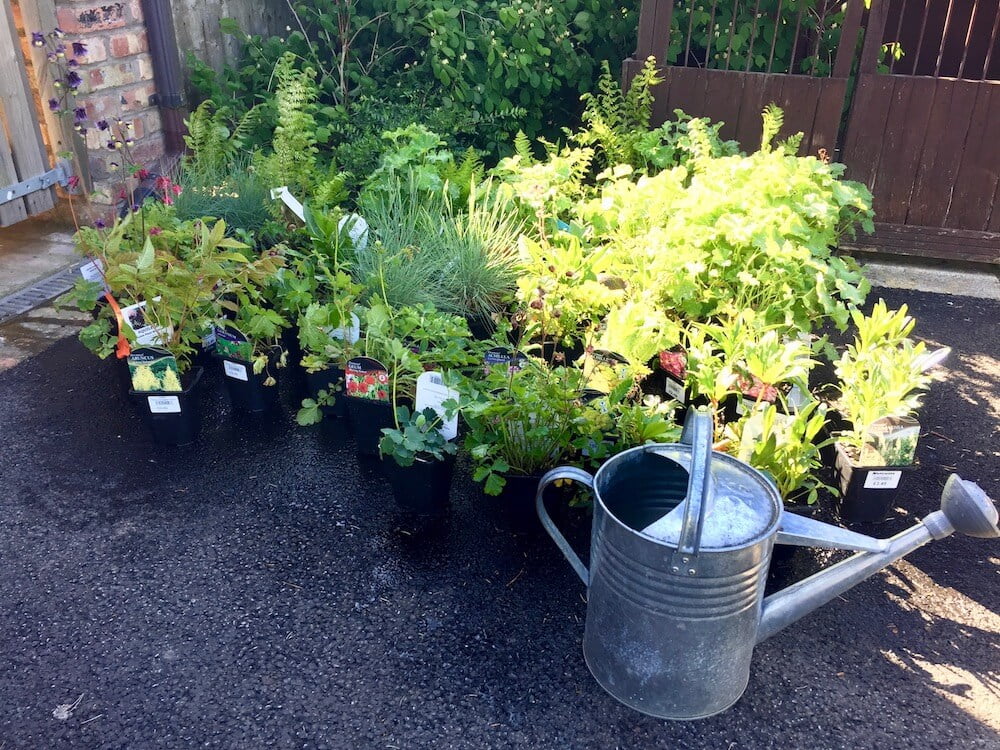
The golden rule for July planting is that seeds and small plants are your best investment right now. Planting large established trees, shrubs or woody perennials during the hottest and driest month of the year puts enormous stress on plants that simply do not yet have the root system to cope. If you do plant larger specimens this month, which sometimes cannot be avoided, you need to commit to serious, deep watering every few days until autumn. For everything else, seeds and plug plants are quicker to establish because their root zone matches the available moisture in the soil far better than a rootball that was grown elsewhere.
The other thing July requires from a gardener is honesty about priorities. You cannot do everything at once, and in the heat of summer it is easy to become overwhelmed. In this guide I have organised everything into clear categories so you can quickly identify what is most time-sensitive for your particular garden, whether that is filling gaps in your borders, getting winter vegetables established, or simply making sure your garden survives a two-week summer holiday.
Jump To
Despite the heat, July still offers genuine opportunities to add colour to the garden using container-grown plants. The key is choosing plants that are already in growth and in bud rather than in full flower, so they have the energy reserves to establish properly. Garden-ready plants bought in bloom this month will be more expensive and more demanding to water, but they do give you the ability to fill specific colour gaps in a border quickly and effectively.
Container-grown dahlias are one of the best July planting choices available to UK gardeners. While dahlia tubers should ideally go in during spring, garden-ready plants bought now will establish and flower well into October, giving you months of colour from a single purchase. I particularly love dahlias for filling that mid-border gap that can appear as earlier summer perennials start to fade. They are unbeatable for late summer impact.
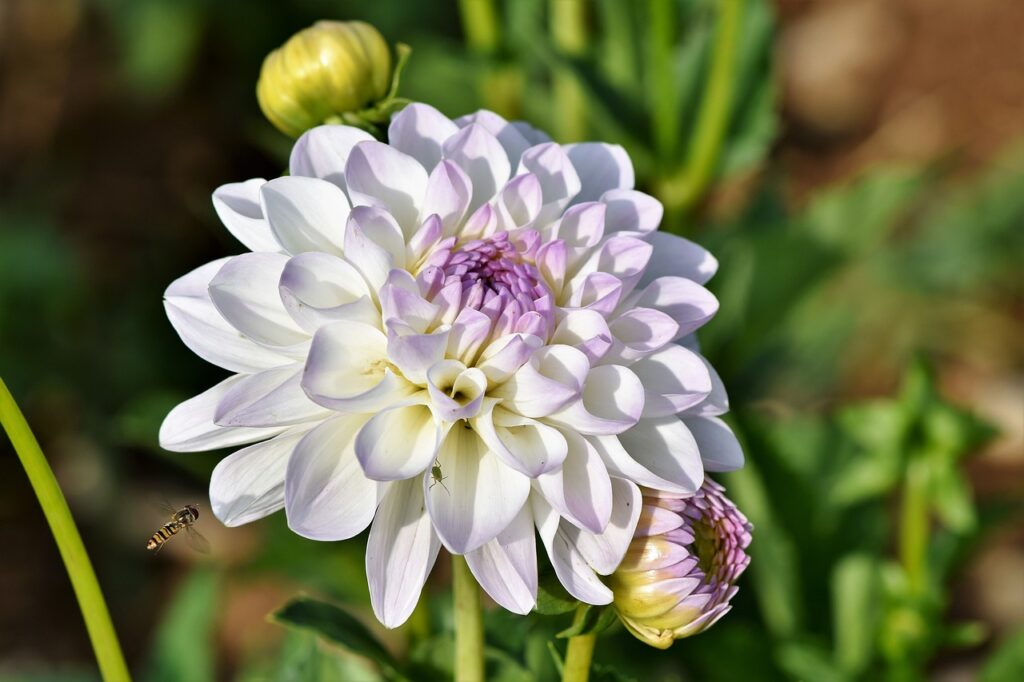
Plant dahlias in a sunny, sheltered position in free-draining soil enriched with well-rotted compost. Dwarf varieties work brilliantly in containers on a patio and are considerably more manageable than the tall decorative types if you are short on space. Water newly planted dahlias thoroughly and keep them consistently moist for the first two to three weeks. Feed fortnightly with a high-potash liquid feed to encourage a prolonged display of flowers.
🛒 Buy dahlia plants from Amazon UK
Container-grown hydrangeas can be planted in July provided you are committed to regular watering. They are one of the few shrubs I would confidently recommend planting this month because they establish relatively quickly when given enough moisture. Plant in dappled shade rather than full sun to reduce water stress, in moist free-draining soil.
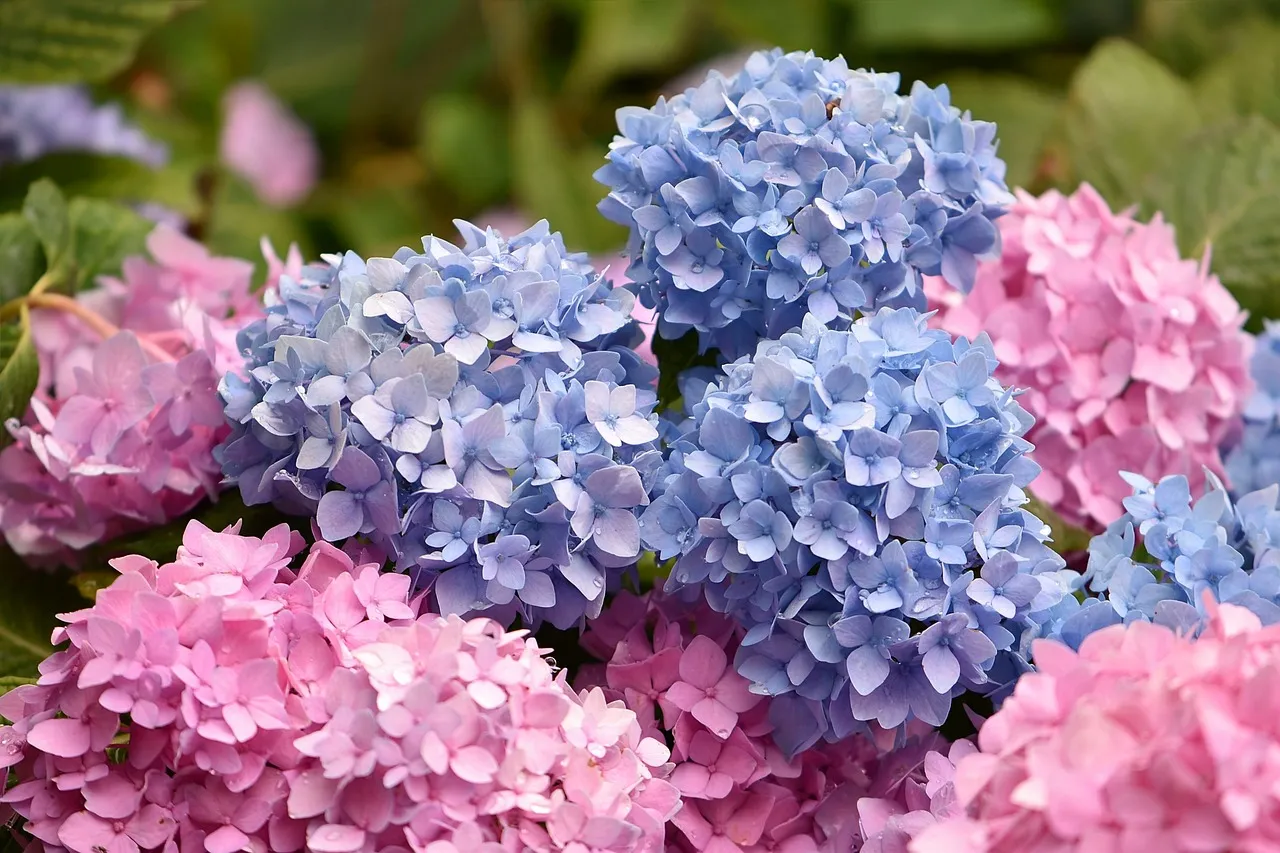
Compact varieties, such as Hydrangea serrata cultivars, are particularly good choices for summer planting, as they are more tolerant of drier conditions than the large mophead types. However, avoid any pruning of hydrangeas during the summer as you will just cut off flowering buds and end up with an awkward green blob of a shrub. Always prune hydrangeas in early spring or give them a light tidy up directly after flowering.
🛒 Buy hydrangea plants from Amazon UK
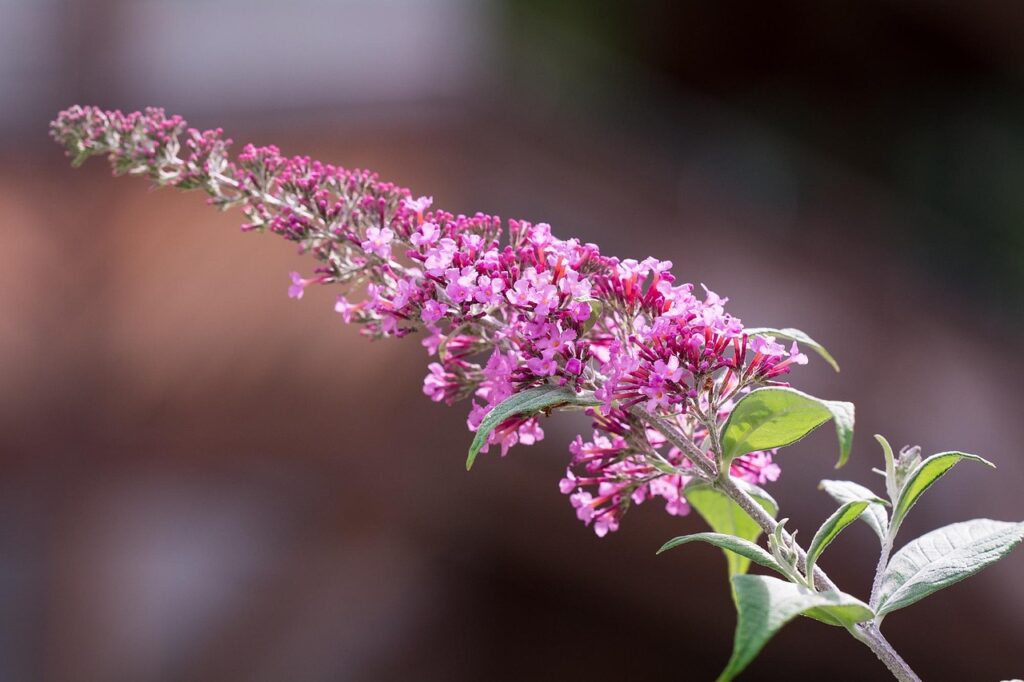
Container-grown buddleja planted in July will reward you almost immediately with flowers and a cloud of butterflies. One of the most drought-tolerant shrubs you can grow, buddleja establishes remarkably well in summer because it genuinely thrives in hot, dry conditions. Plant in full sun in well-drained soil and it will ask very little of you in return. This is probably the single most forgiving summer planting choice for a beginner or for anyone who knows they are not going to be able to water as regularly as they should.
💡 Top Tip
When filling gaps in borders in July, think about planting in threes rather than singles. Three plants of the same variety create a bold, designed effect rather than a spotty afterthought. Even if budget is tight, three small plug plants grouped together will have more visual impact than one large specimen planted alone.
🛒 Buy buddleja plants from Amazon UK
If your budget stretches to it, bedding plants in July are one of the most immediate ways to refresh a tired border or container. Cosmos, rudbeckia, agapanthus, echinacea and heuchera are all readily available as garden-ready plants this month and will give you colour quickly. My design advice is to always mix perennial plants in with your annual bedding when planting containers in summer. The annuals give you immediate impact but the perennials carry the container forward into subsequent years without needing a complete replant, which saves both time and money.
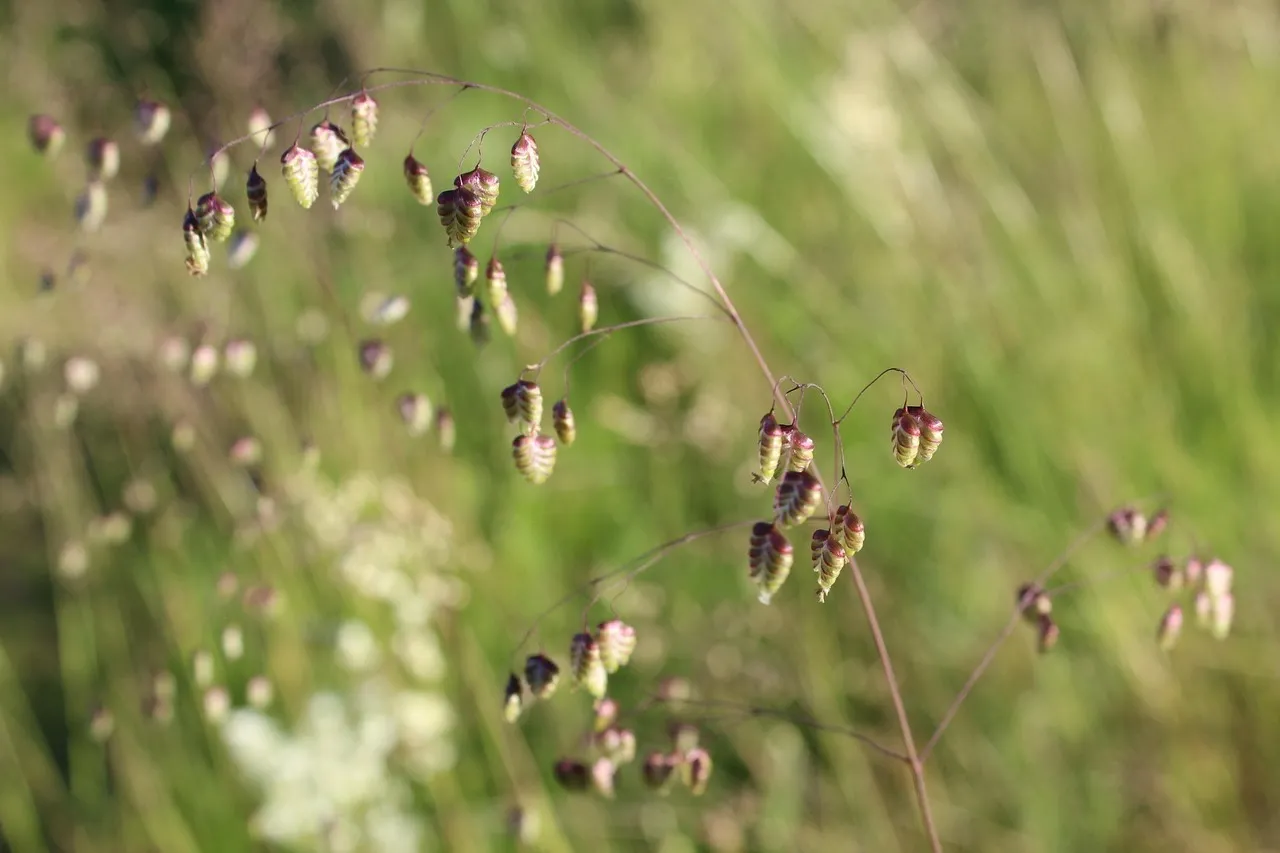
Ornamental annual grasses such as quaking grass (Briza media) are also worth sowing directly into gaps in July. They establish quickly in warm soil and add beautiful movement and texture to a border that helps break up the solid blocks of colour from summer perennials. Hardy annuals including calendulas, cornflowers and clary sage can still be direct sown now and will provide flowers before the first frosts if you get them in before mid-July.
🛒 Buy summer bedding plants from Amazon UK
This is the section that separates the truly forward-thinking gardener from everyone else, and it is the one most July planting guides either gloss over or omit entirely. Biennials are plants that produce leafy growth in their first year and flowers in their second. Sowing them now, when temperatures are high and germination is rapid, means you will have strong, well-established young plants ready to go into the ground in autumn. Come next April and May, while other gardeners are rushing to the garden centre for spring bedding, your garden will already be filling with colour from plants you grew yourself for almost nothing.
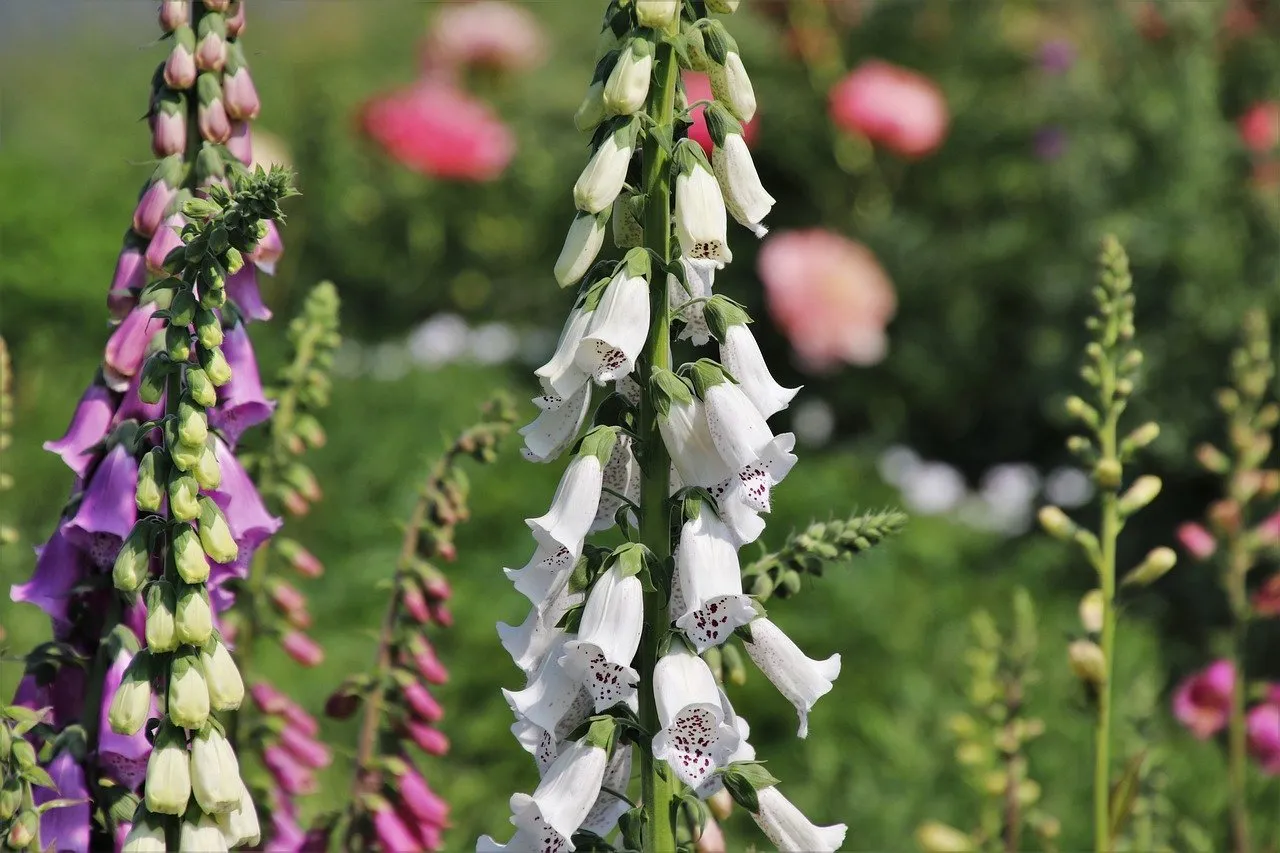
Sow biennial seeds in pots or trays of good quality peat-free compost rather than directly in the ground, as this gives you much better control over watering during the critical germination phase and allows you to pot them on to sturdy individual plants before planting out in autumn. The key biennials to sow in July are foxgloves, wallflowers, sweet Williams, hollyhocks, honesty (Lunaria), forget-me-nots and pansies. Each of these is easy to grow from seed and will transform your garden the following spring.
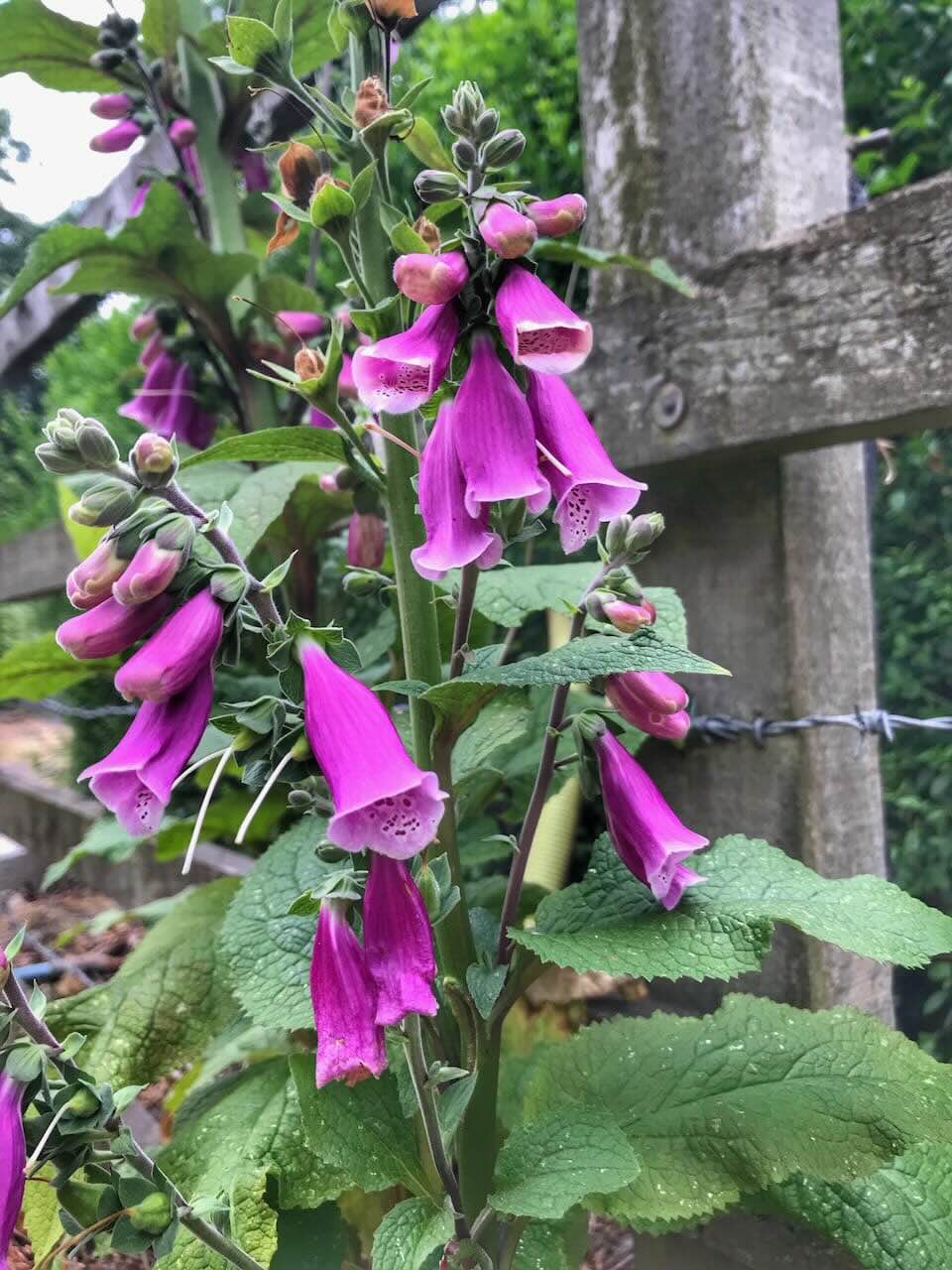
Foxgloves are probably my single favourite biennial for UK gardens. The tall, dramatic flower spikes in shades of pink, purple, cream and white work in cottage gardens, woodland borders and even modern planting schemes when used well.
Sow foxglove seeds onto the surface of damp compost in late July when the seed is ripe. Press them in very lightly but do not cover them as they need light to germinate. Keep moist and you will see seedlings within two to three weeks. Pot on into individual cells when large enough to handle, grow on through summer and autumn, and plant out in a sheltered spot in October.
🛒 Buy foxglove seeds from Amazon UK
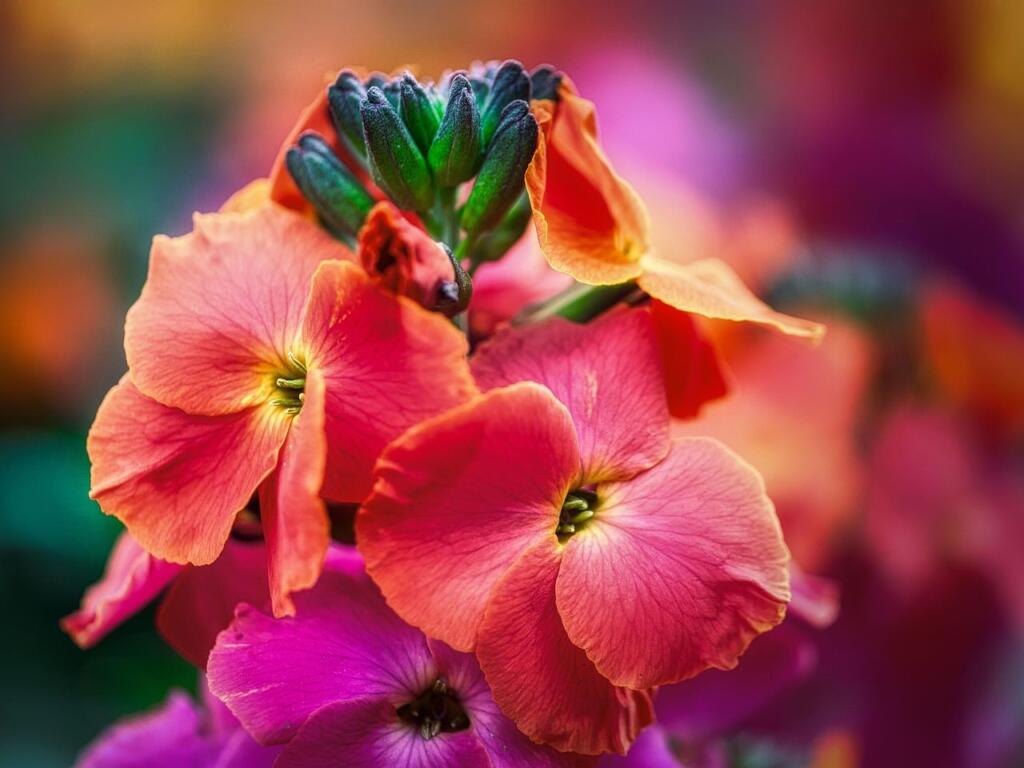
Wallflowers are the quintessential spring bedding plant and one of the most satisfying biennials to grow from seed. Sow in trays or a nursery bed in July, thin the seedlings out as they develop, and plant into their final positions in October or November. The scent of wallflowers on a warm spring morning is one of the genuine pleasures of gardening and something that a packet of seed sown this month can give you for almost nothing. I prefer to grow them in good quality compost in modules and plant them into the ground in autumn where they mature into strong plants rather than potting on multiple times.
🛒 Buy wallflower seeds from Amazon UK
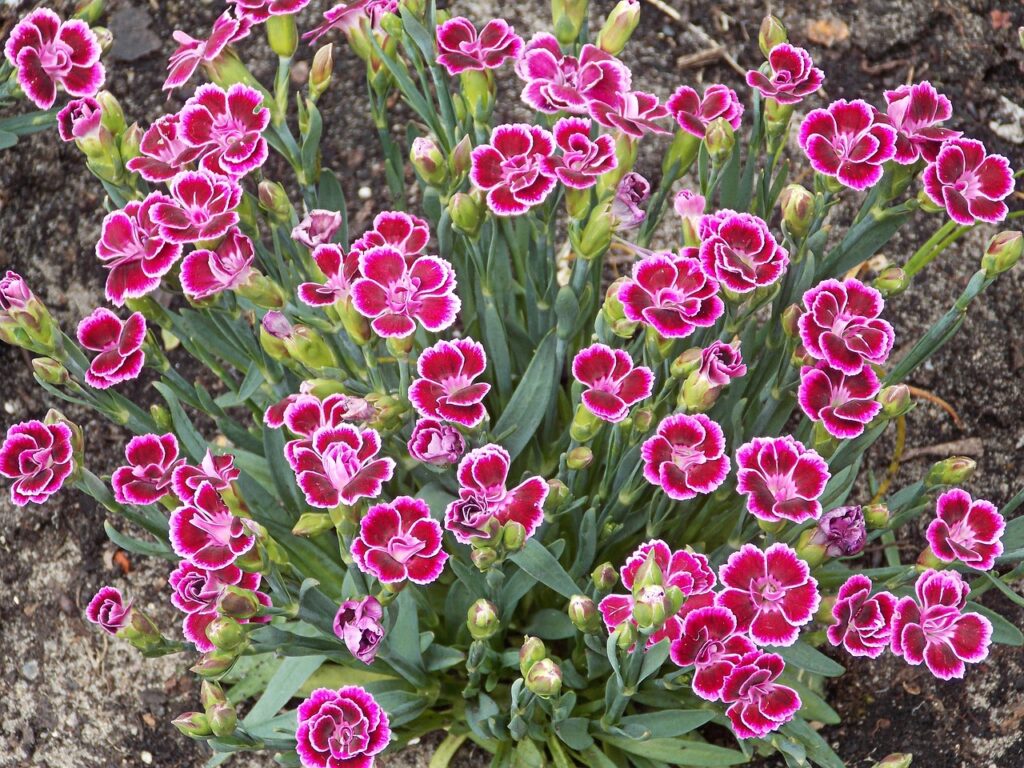
Sweet Williams can be sown from late May right through to the end of August, which makes July a perfectly timed window. Sow in trays at normal room temperature, no heated propagator required, as they germinate well between 7 and 19 degrees Celsius. The clustered heads of richly coloured flowers in crimson, pink, white and bicolours are excellent for cutting and the plants are wonderfully robust once established.
🛒 Buy sweet William seeds from Amazon UK
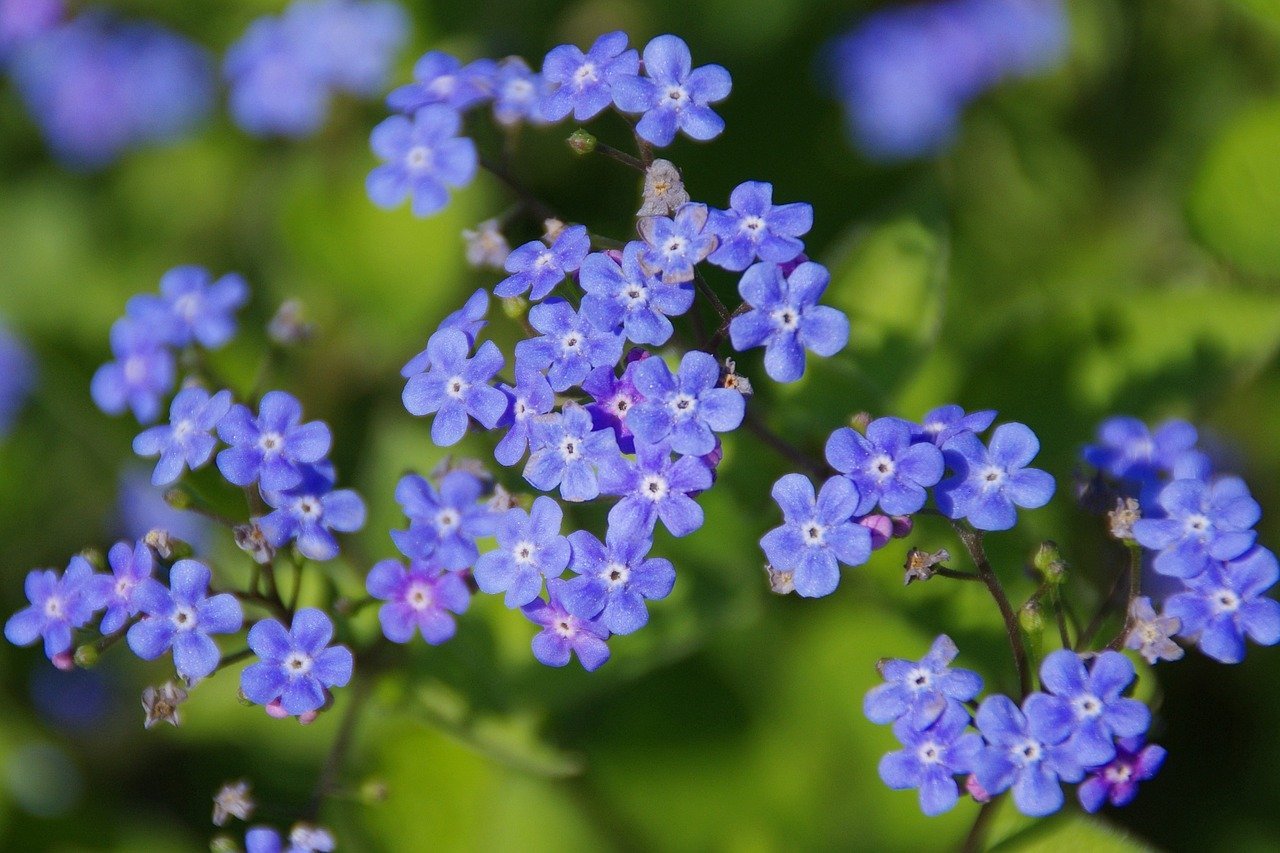
Forget-me-nots can be scattered directly into gaps in the flower bed from May to September, mimicking the natural process of seed dispersal that follows their spring flowering. In July, either scatter seed thinly between established plants in a border or sow in trays for planting out later. They self-seed prolifically once established, which means in subsequent years you barely need to think about them at all. Pair forget-me-nots with tulips for a classic spring combination that will make your borders look professionally planted.
🛒 Buy forget-me-not seeds from Amazon UK
💡 Top Tip
When sowing biennials in July, label your pots clearly and place them in a semi-shaded spot to prevent the compost from drying out too quickly. A cold frame or the base of a north-facing wall is ideal. Check them every morning in hot weather and water before the compost dries out fully, as small seedlings have almost no resilience to drought stress at this stage.
Most people think of bulb planting as an autumn job, and for spring bulbs that is absolutely right. But there is a group of bulbs that flowers in autumn and needs to go in the ground in July or August in order to do so. This is one of the most consistently overlooked planting opportunities in the UK garden calendar, and getting these into the ground now will give you a genuinely surprising flush of colour in September and October when most summer perennials are starting to fade.
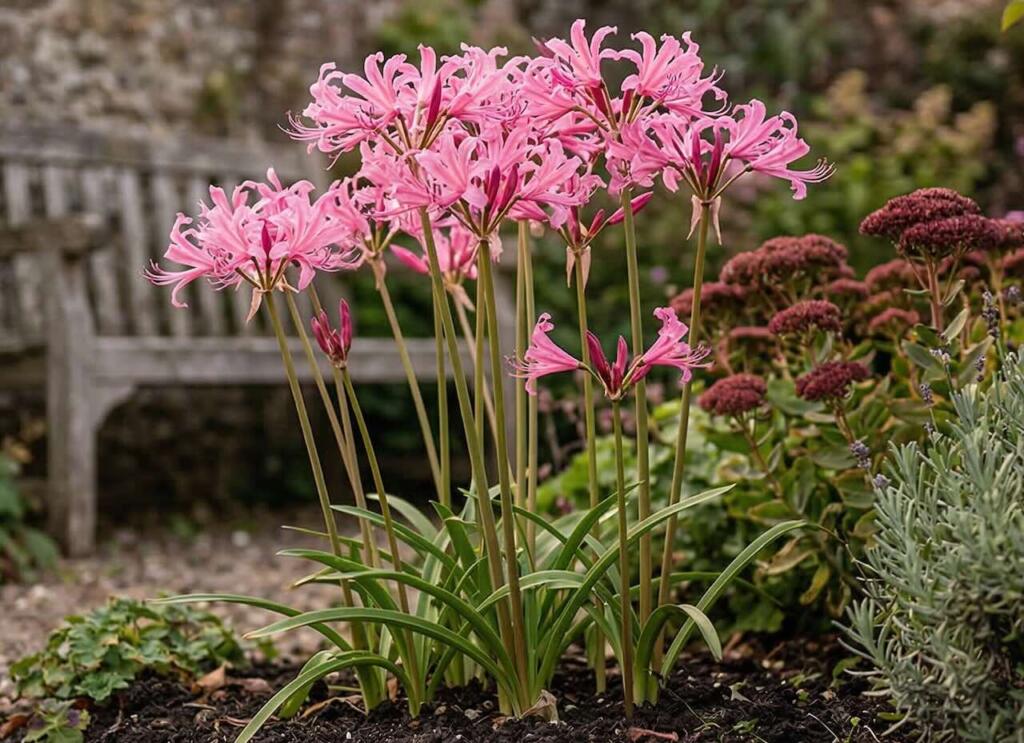
Nerines are one of my absolute favourite autumn-flowering bulbs and they perform best when planted in July in a warm, sheltered spot at the base of a south-facing wall. Plant the bulbs with the neck just at or slightly above soil level, as burying them too deeply is one of the most common reasons nerines fail to flower. They need extremely free-draining soil and full sun, and they resent being disturbed once established, so choose their position carefully. The bright pink flowers in September and October are spectacular and completely unexpected to most garden visitors.
🛒 Buy nerine bulbs from Amazon UK
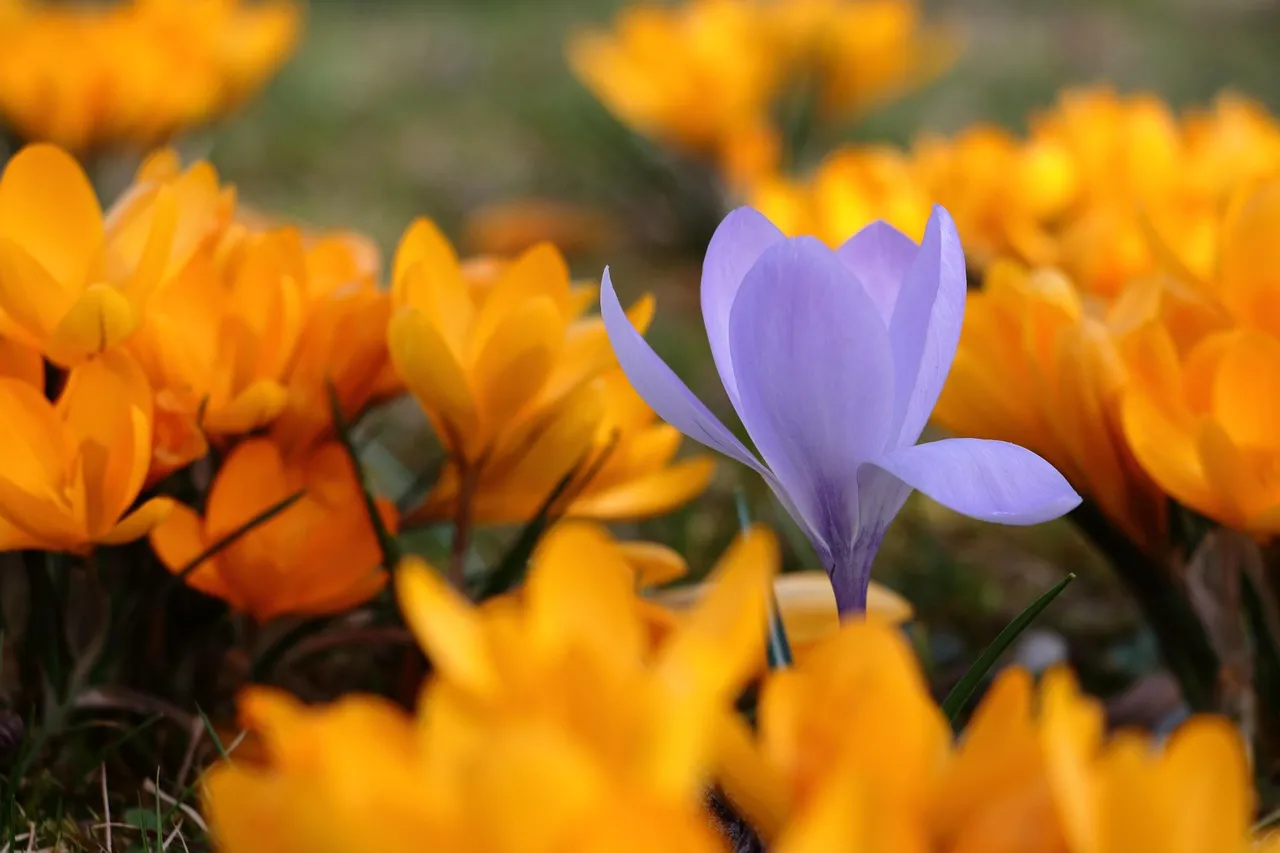
Colchicums are one of nature’s little miracles. Plant the corms in July in free-draining soil in a spot that gets reasonable sun and they will produce their chalice-shaped flowers in September with almost no intervention from you. Unlike true crocuses, they produce flowers before their leaves, which gives them a slightly alien, otherworldly appearance that I find genuinely beautiful. They prefer slightly shadier conditions than nerines and work beautifully naturalised under deciduous trees where the leaf canopy is still present in July but will have thinned significantly by September when the flowers appear.
🛒 Buy colchicum bulbs from Amazon UK
Sternbergia produces brilliant golden-yellow flowers in autumn that look remarkably like crocuses. They need an extremely hot, dry position to thrive, which is what makes them ideal for a south-facing raised bed or a gravel garden where drainage is exceptional. Plant the bulbs 10cm deep in July in well-prepared free-draining soil and leave them undisturbed to build up into established clumps. Once settled, they are remarkably long-lived and will reward you with that flash of sunshine yellow every September for many years.
🛒 Buy sternbergia bulbs from Amazon UK
💡 Top Tip
When planting autumn-flowering bulbs in July, add a handful of horticultural grit to the base of each planting hole even if your soil is reasonably well-drained. Bulbs like nerines and colchicums are particularly vulnerable to rotting in winter and the extra drainage around the bulb makes a significant difference to their long-term survival.
July feels like the tail end of the main vegetable sowing season, but it is actually a critical month for setting up your autumn and winter harvest. Several key crops have a final sowing window in July that, if missed, means waiting until next year. At the same time, winter brassicas that were sown in spring are ready to be planted into their final positions this month, and quick-growing crops like salad leaves and radishes can be sown almost any time right through to September.
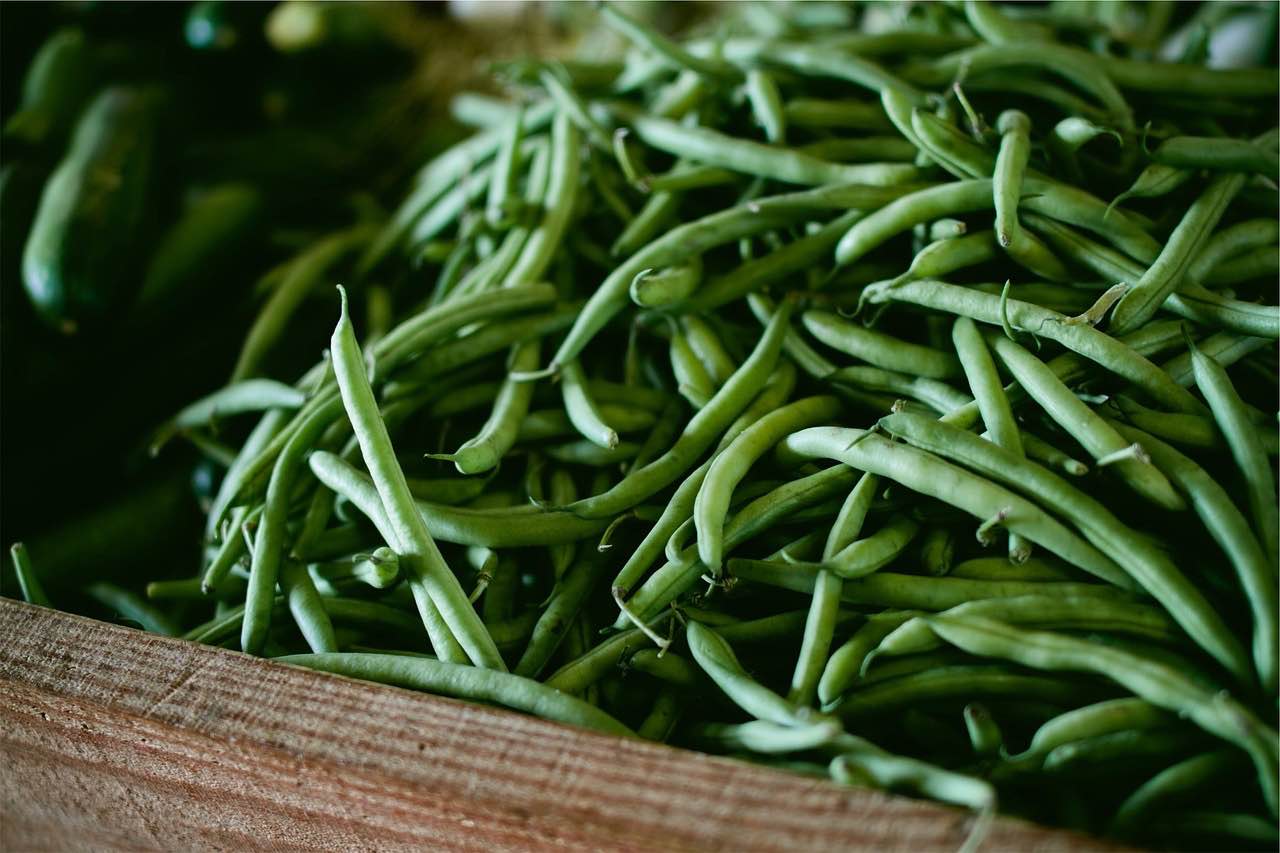
July is the final month to sow French beans if you want pods before the first frosts. The key is getting them in before the middle of the month to give the plants enough growing time to produce a meaningful harvest. Dwarf varieties are the better choice for a late July sowing as they mature faster than climbing types and are less likely to be cut short by an early autumn frost. Sow directly into prepared ground or in deep pots and keep well watered throughout their growth. The important thing with July sowings of any vegetable is ensuring plants have consistent access to water during hot spells, as moisture stress at this stage will delay rather than accelerate growth.
🛒 Buy French bean seeds from Amazon UK
Carrots sown in July represent the last window for an autumn crop. They generally take 10 to 12 weeks from sowing to harvest, which means a mid-July sowing should give you roots to pull in October. Sow thinly in shallow drills in deep, stone-free soil or in deep containers of sandy compost, as carrots need depth to develop properly. Water the drill before sowing rather than after, as this reduces the risk of the fine seeds washing to one end of the row. Carrot fly can be a problem with late sowings, so covering with horticultural fleece after sowing is a worthwhile precaution.
🛒 Buy carrot seeds from Amazon UK
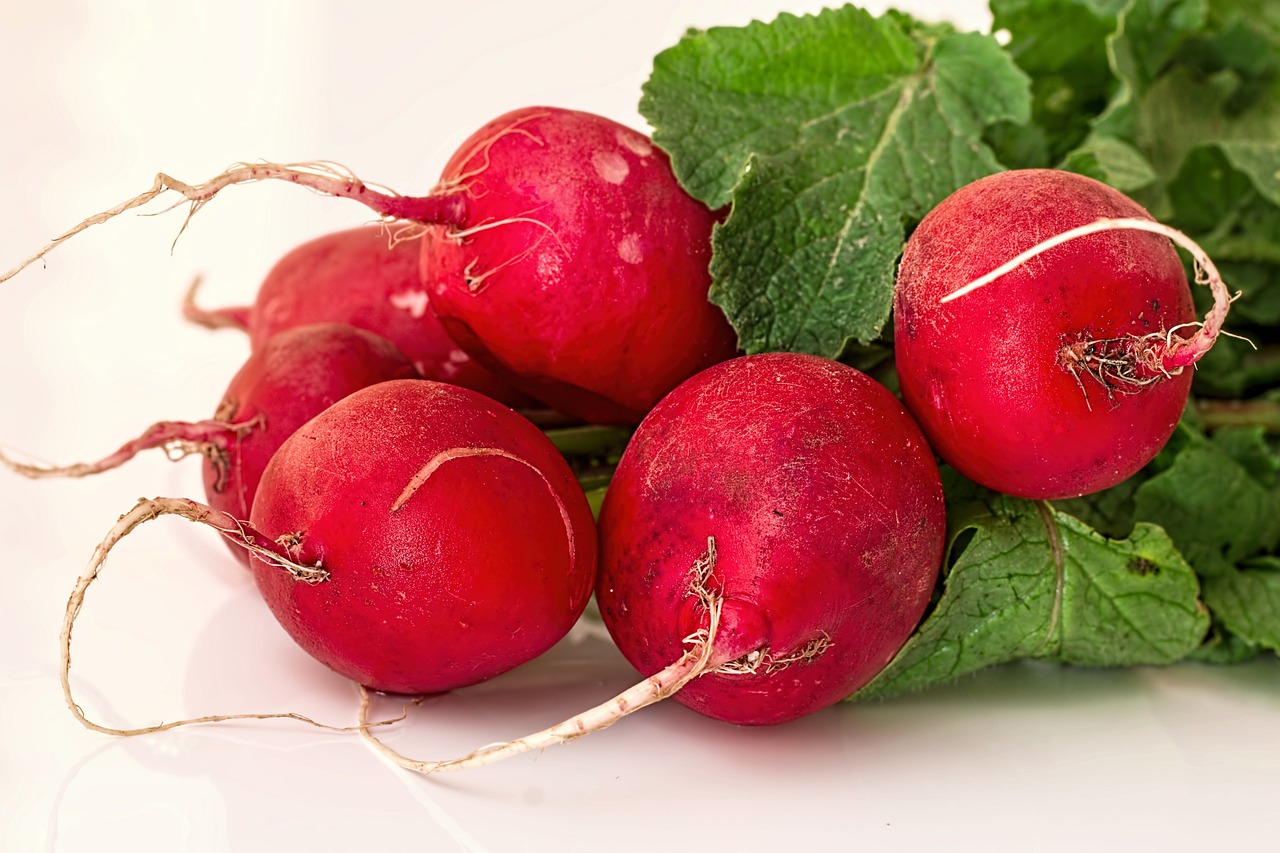
Radishes are genuinely one of the great pleasures of the summer vegetable garden and July is an excellent time to sow them. Ready to harvest in as little as four weeks from sowing, they can be squeezed into almost any gap in the vegetable patch or grown in containers on a patio. Sow little and often every two weeks rather than in one large batch to avoid a glut. They grow so quickly in warm soil that a sowing made now could easily be harvested before the end of July, leaving you time for another sowing in August.
🛒 Buy radish seeds from Amazon UK
Winter cabbages that were sown in spring are ready to plant into their final positions this month. They need to be in the ground now to have enough growing time to mature before temperatures drop seriously in autumn.
Plant 45cm apart in rows 60cm apart, firm in well and water thoroughly. Cover with fine netting immediately to protect against cabbage white butterflies, which are at peak activity in July and will decimate unprotected brassicas remarkably quickly. This is not optional, in my experience. An unprotected brassica in high summer will be stripped by caterpillars before you have time to notice.
🛒 Buy winter cabbage plants from Amazon UK
All three of these crops can be sown directly in July for autumn and winter harvests. Kale sown now will be ready to harvest in three to four months and is one of the most nutritious and productive crops you can grow in a UK kitchen garden. Swiss chard sown in July has the added bonus of potentially overwintering outdoors in many parts of the UK, giving you an early harvest the following spring. Kohlrabi is a remarkably underrated vegetable that matures quickly, tolerates poorer soil than most brassicas, and is ready to harvest as soon as the swollen stem is roughly the size of a cricket ball. Sow all three directly into prepared ground in shallow drills and thin as they develop.
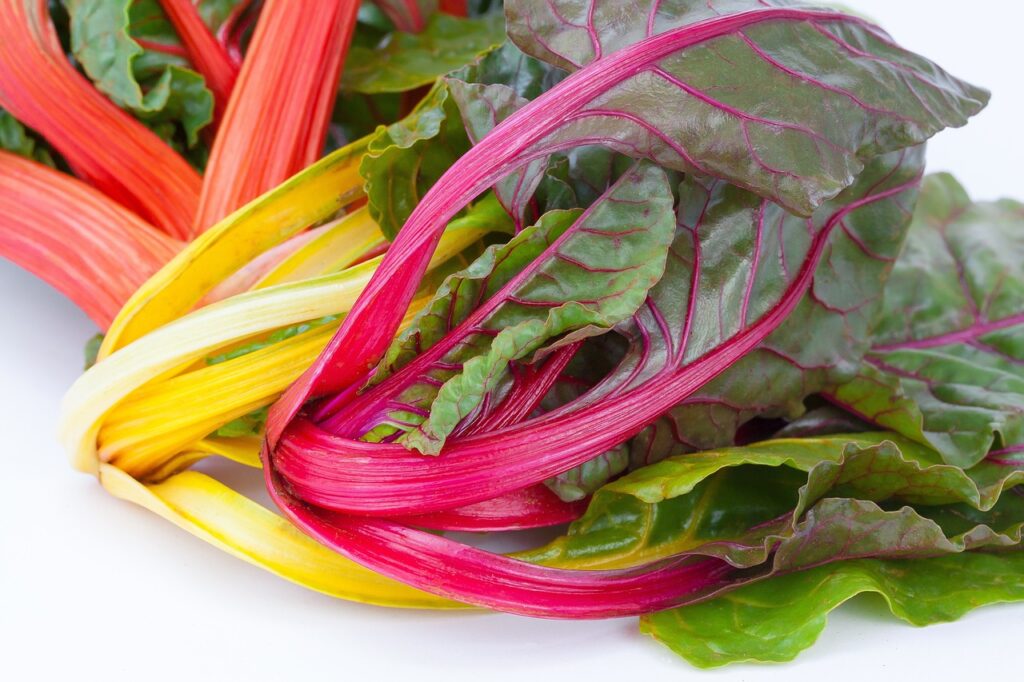
🛒 Buy kale and chard seeds from Amazon UK
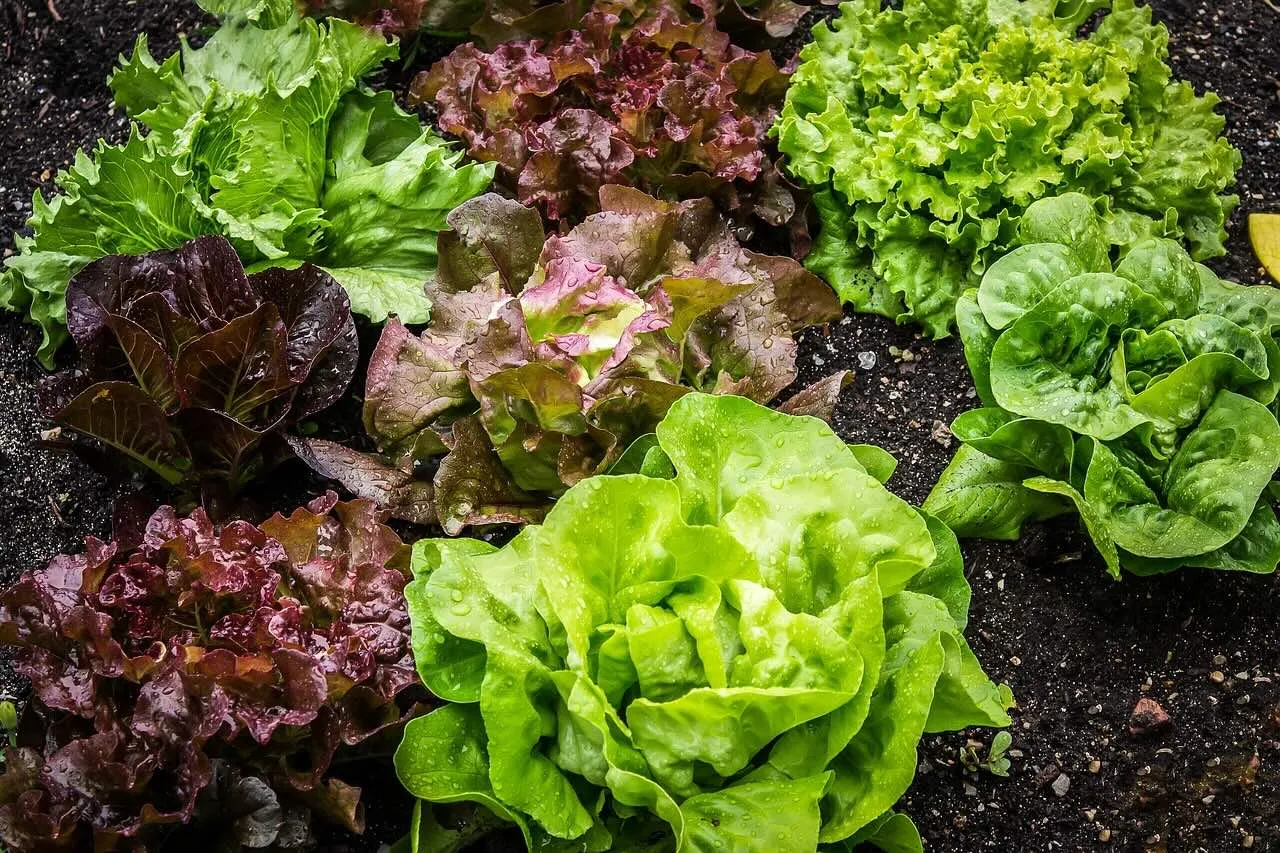
Salad leaves grow extraordinarily quickly in warm July soil. Sowing every two weeks from now through to September is the strategy that keeps a steady supply of fresh leaves coming to the kitchen rather than one enormous glut followed by nothing. In hot weather, choose bolt-resistant varieties and sow in a spot that gets afternoon shade to slow the tendency of lettuce to run to seed. Spring onions sown now will be ready in eight to ten weeks, perfect timing for autumn salads.
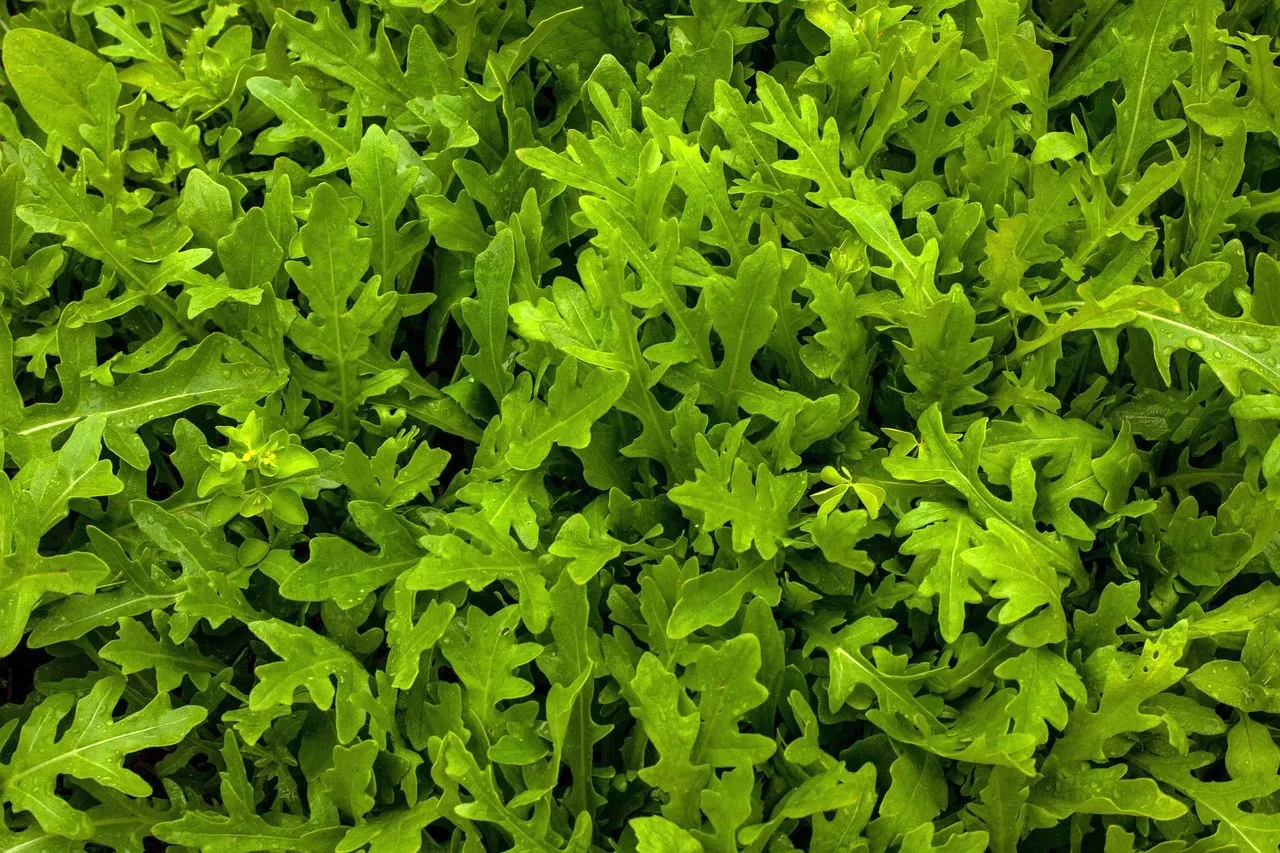
🛒 Buy salad leaf seeds from Amazon UK
Both turnips and swedes can be sown directly in July. Turnips mature in as little as five to eight weeks if harvested young and golf-ball sized, or can be left longer for larger roots. Swedes take considerably longer, up to six months, which is why a July sowing is important if you want them for Christmas dinner. Both prefer moist soil, so keep them well-watered through any dry spells, and they will reward you with reliable, trouble-free crops.
🛒 Buy swede and turnip seeds from Amazon UK
💡 Top Tip
For any vegetable sowing in July, water the drill or planting hole before sowing rather than watering over the top afterwards. This gets moisture down to the root zone where seeds need it, prevents seeds from washing about and reduces the amount of surface watering needed. In very hot weather, laying a piece of damp hessian or cardboard over the sown area until seedlings emerge helps maintain moisture and prevents the soil surface from crusting.
Beyond sowing, July brings a substantial list of maintenance tasks in the kitchen garden that are just as important as planting. Getting these right determines whether your existing crops reach their full potential or limp to the finish line.
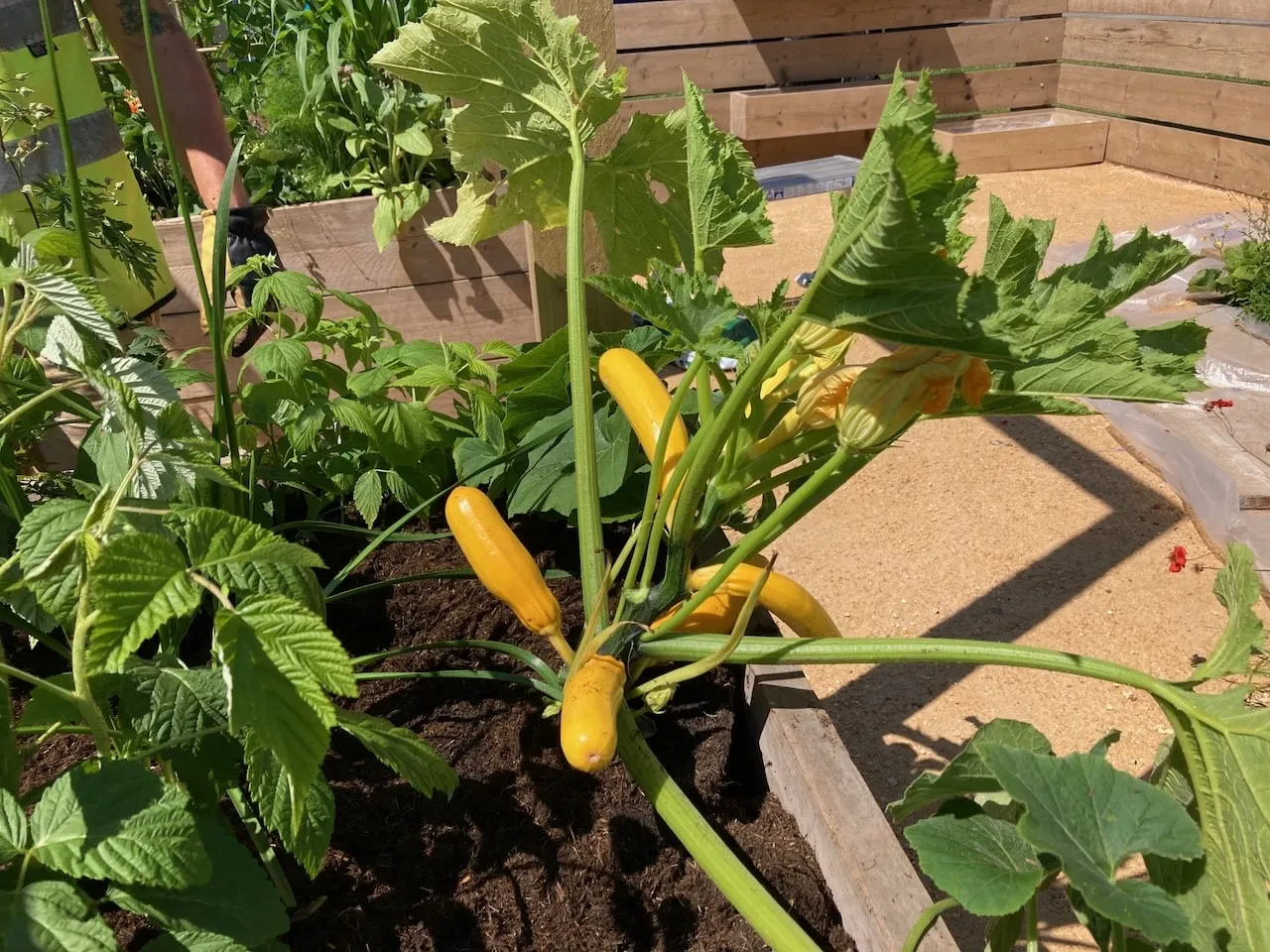
Tomatoes need consistent, regular watering above all else. Irregular watering, where plants dry out and then receive a sudden heavy watering, is the most common cause of blossom end rot and fruit splitting. Try to water at the same time each day, preferably in the morning or evening, and maintain an even level of moisture in the soil or growing bag. Stop cordon tomatoes by removing the growing tip at the top of the plant once four trusses have set outdoors, or seven trusses for greenhouse plants. This redirects the plant’s energy into ripening existing fruit rather than producing more flowers that will not have time to set and ripen before autumn.
Pinch out the growing tips of broad beans once the first pods are clearly visible. This reduces the plant’s attractiveness to blackfly, which congregate around the soft growing tips. Peg down strawberry runners into pots of compost to produce new plants for next year. Thin heavy crops on apple, pear and plum trees by removing the smallest and most misshapen fruitlets, leaving the remaining fruits 15 to 20cm apart. This significantly improves the size and quality of the harvest and reduces the risk of branches snapping under excessive fruit weight.
July is one of the best months of the entire year for taking softwood cuttings from shrubs, and this is one of the most cost-effective gardening tasks you can do. A single established shrub can provide dozens of cuttings that, if successfully rooted, represent hundreds of pounds worth of plants for almost nothing. Shrubs that respond particularly well to softwood cuttings taken in July include hydrangeas, spiraea, cotinus, pyracantha, fuchsias and hardy geraniums.
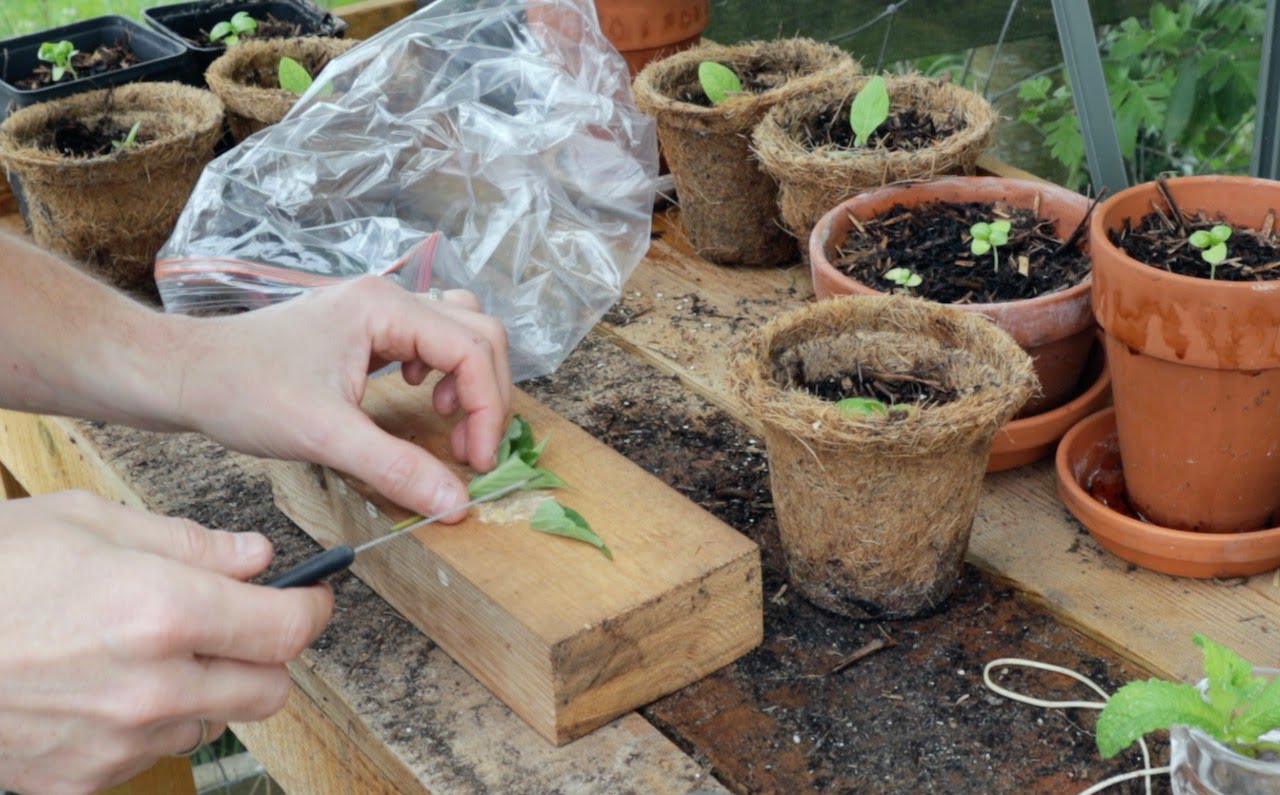
Take cuttings in the morning when plants are well hydrated, selecting non-flowering shoots of around 10 to 15cm in length. Cut just below a leaf node with clean, sharp secateurs, then remove the lower leaves to leave a clean stem. Dip the cut end into rooting hormone powder or gel, then insert it into free-draining compost mixed with perlite.
Cover with a clear polythene bag or place in a propagator to maintain humidity and shade from direct midday sun. Most softwood cuttings will show signs of rooting within three to six weeks in July’s warm conditions.
🛒 Buy rooting hormone powder from Amazon UK
Watering in July is where a lot of gardeners waste considerable time and water. The instinct to water everything regularly is understandable but misguided. Established trees, large shrubs, hedges and mature perennials in borders do not need supplementary watering in a normal UK July. Their root systems are deep and extensive enough to find moisture independently, and watering them encourages surface rooting that makes them more drought-dependent over time rather than less.
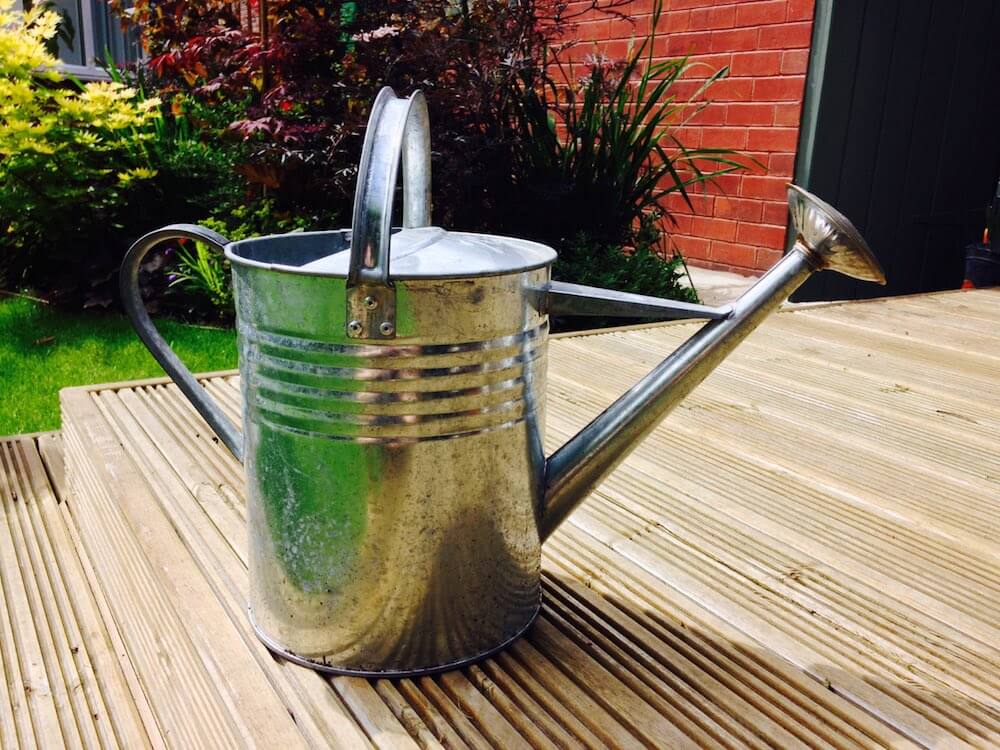
The plants that genuinely need consistent watering in July are seedlings and cuttings; anything planted or sown this year; hanging baskets and containers; vegetables in active growth; and any plant showing visible signs of stress, such as wilting leaves in the morning rather than just in the afternoon heat.
Water deeply and infrequently rather than little and often. A thorough soaking once or twice a week encourages roots to go deep in search of moisture, creating more resilient plants. A light sprinkling every day keeps roots near the surface and creates plants that cannot cope with the moment you stop.
Always water at the base of plants rather than over the foliage. Wet leaves in warm weather can encourage fungal diseases, and watering overhead in the heat of the day causes a significant proportion of the water to evaporate before it reaches the roots. Morning watering is ideal as it gives plants access to moisture throughout the day. Evening watering is a good second choice. Midday watering is inefficient and should be avoided except in genuine emergencies.
⚠️ Warning
Tomatoes are particularly vulnerable to irregular watering in July. A sudden large watering after a period of dryness causes the fruit skin to expand faster than the flesh can accommodate, leading to splitting and blossom end rot. Aim for consistent, moderate watering rather than irregular extremes and your crop will be significantly better for it.
July lawn care is largely about restraint. The single most important thing you can do for your established lawn this month is to raise the cutting height of your mower blades. Cutting grass shorter in hot, dry weather is the fastest way to stress it. Longer grass shades the soil, retains more moisture and maintains its green colour considerably longer during drought conditions. I raise my mower to its highest or second-highest setting from June through August without exception.

Do not water an established lawn in a normal UK July dry spell. This is one of the most persistent myths in lawn care. Brown summer grass is dormant, not dead, and will green up rapidly within days of the first significant rainfall. Watering a large lawn through a hosepipe or sprinkler in dry summer weather is both a waste of a precious resource and a signal to the lawn’s root system that it does not need to go deeper in search of moisture. The one exception is a new lawn sown or turfed in spring, which absolutely needs regular watering throughout its first summer, as it has not yet developed sufficient root depth to manage independently.
Continue mowing regularly on a raised setting, and keep on top of lawn edges. Neatly trimmed edges are the single most effective thing you can do to make a summer lawn look well-maintained, even when the turf itself is a little tired from heat. Spot-treat any weeds that appear with a targeted weed killer rather than applying a blanket treatment across the whole lawn.
July is the peak holiday season, and leaving a garden that has just reached its summer best for two weeks can feel genuinely stressful. The good news is that with a bit of preparation, most established gardens cope remarkably well with a fortnight of neglect. The problems almost always arise with containers, hanging baskets, vegetables, and very recently planted specimens rather than with established borders.
Before you leave, give every container, hanging basket, and recently planted bed a thorough, deep watering and apply a thick layer of mulch around any plants you are particularly concerned about. Mulch is genuinely one of the most effective tools available to the holiday gardener. A 5 to 7cm layer of garden compost or bark chips around the base of plants dramatically slows moisture loss from the soil and can mean the difference between a plant that copes and one that does not.
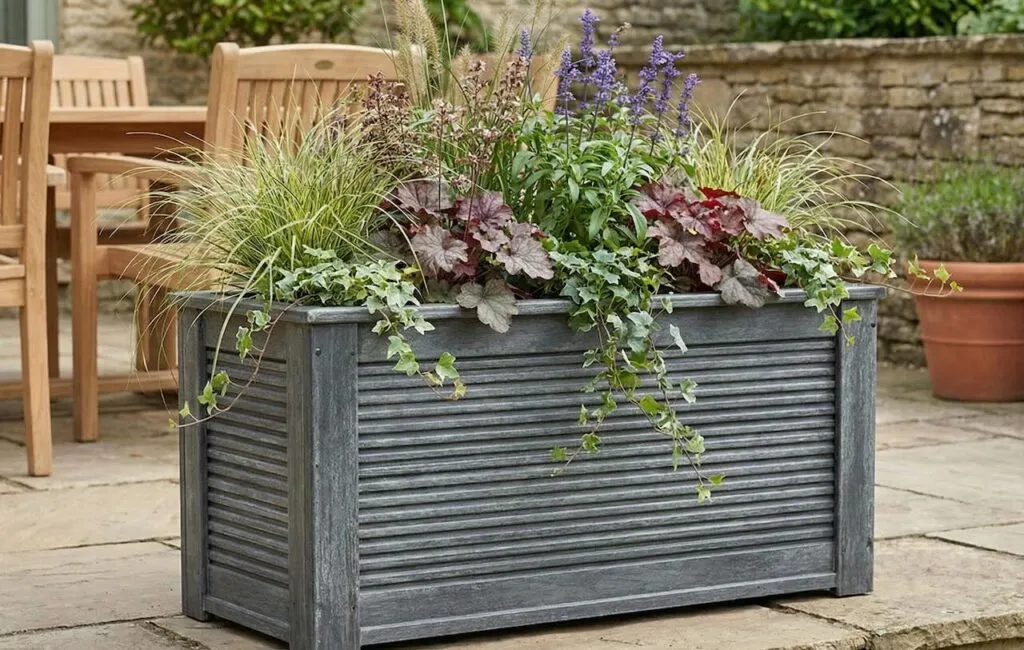
Ask a neighbour or friend to water your containers and vegetables twice a week if you are away for more than five days. Give them clear written instructions about which plants need water and which do not, as a well-meaning friend who waters everything indiscriminately can sometimes do more harm than good. Established borders, mature shrubs and your lawn genuinely do not need watering, and including them in the instructions just makes the task feel overwhelming for someone who is not a gardener.
Self-watering devices, such as terracotta spikes connected to a water bottle or glass watering globes, work reasonably well for individual container plants and are worth using for any pots you cannot ask someone to water. For a greenhouse, an automatic drip irrigation system is the proper long-term solution if you holiday regularly in summer. It is an investment that quickly pays for itself through saved crops and reduced stress.
The best idea is if you have a friendly neighbour who also loves gardening and can look after your plants during your July holiday. As they usually will help you out if you do the same for them, and you have a real human to both water and spot any niggles, i.e., diseases or pests!
Do a thorough deadheading and weeding session immediately before you leave. Weeds that are allowed to grow unchecked for two weeks in warm July conditions will have flowered, set seed and started competing seriously with your garden plants by the time you return. Removing them before you go is a far smaller task than dealing with the consequences of leaving them. Similarly, deadheading all your summer bedding and repeat-flowering perennials before departure means that when you return, the garden will be producing new buds rather than holding spent flowers.
July is an important month for several specific pruning tasks that often get overlooked because they do not fit neatly into the spring or autumn pruning calendars that most gardeners are familiar with.
Wisteria needs its summer prune in July, and this is a job that makes a significant difference to flowering the following year. Cut back all the long, whippy new shoots produced this season to five or six leaves from the main framework. This redirects the plant’s energy away from producing more green growth and towards developing the flower buds that will give you the following year’s display. It also helps to keep wisteria within its allotted space, which is a genuine consideration given how vigorously it can grow.
You will prune it again in winter, cutting back to two or three buds from the framework, which, together with this summer pruning, is the two-step approach that produces the best results. For a full guide to this see the Garden Ninja wisteria pruning guide.
Hardy geraniums and delphiniums that have finished their first flush of flowers should be cut back hard now. This feels brutal, but it is precisely the right thing to do. Cut geraniums back to just above the basal foliage and feed with a balanced liquid fertiliser. Within three to four weeks, you will have a fresh mound of foliage and, with any luck, a second flush of flowers before autumn. Delphiniums treated the same way will produce shorter secondary spikes that extend the season considerably.
Lavender should be trimmed after flowering to keep plants compact and prevent them from becoming woody and open at the centre. Cut back the flowered stems to just above the new growth lower on the plant, but never cut back into old brown wood as lavender will not regenerate from it. July or August is the ideal time for trimming lavender in most UK gardens, once the main flush of flowers has finished. For comprehensive guidance, see the Garden Ninja lavender pruning guide.
Spring-flowering shrubs, including forsythia, lilac, philadelphus and flowering quince, can all be pruned in July once flowering has finished. Remove one-third of the oldest stems at the base to encourage fresh growth that will carry next year’s flowers. This is the one pruning task that most gardeners leave far too late or skip entirely, and the result is increasingly tired, congested shrubs that flower less and less with each passing year.
July is the month when your garden can do more for wildlife than at almost any other time of year. The combination of warmth, long days and a garden at its most productive creates exactly the conditions that birds, insects, hedgehogs and small mammals need.
Keep bird baths, ponds and any other water features topped up with fresh water and clean them regularly. In dry summers, a garden that provides reliable water becomes a critical resource for birds and hedgehogs that may be travelling considerable distances to drink. Place a shallow dish of water at ground level under a shrub or hedge specifically for hedgehogs, which are most active at dusk and through the night. Never put out milk, as it causes digestive problems, but a dish of water is always welcome.
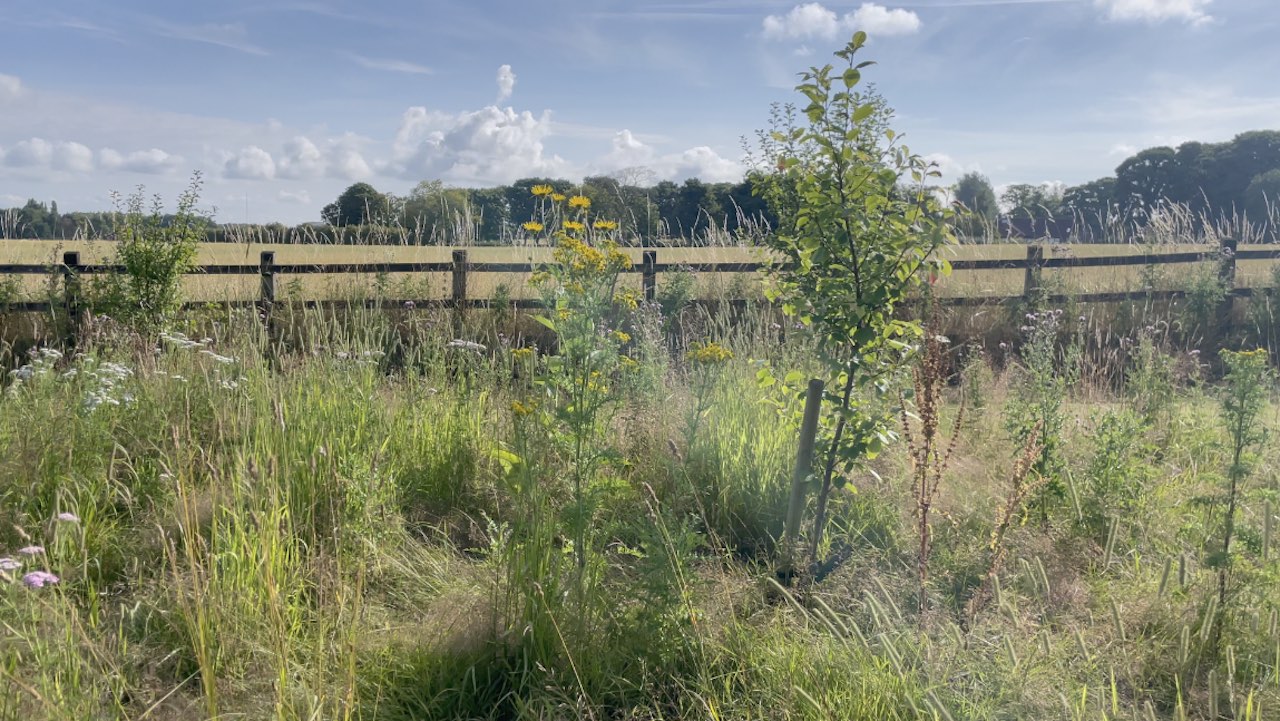
Resist the temptation to be too tidy with spent flowerheads in July. Plants like alliums, sedums and echinacea that have finished flowering but still have structural seedheads are valuable food sources for finches and other seed-eating birds through late summer and autumn. Leaving a section of your lawn slightly longer through summer creates habitat for beetles, slow worms and other beneficial creatures that in turn support the food chain throughout your garden.
Lily beetles are at their peak in July, and their larvae can strip a lily plant bare within days. Check the undersides of lily leaves regularly and remove any orange eggs or brownish larvae by hand. The adult beetles are a brilliant scarlet and easy to spot, though they have the infuriating habit of dropping to the ground and playing dead the moment they sense movement. Check beneath plants on the soil surface when you inspect the leaves above. For a wildlife garden approach that goes beyond these basics, see the Garden Ninja wildlife garden guide.
It is absolutely not too late to plant in July. Container-grown dahlias, hydrangeas and buddleja can all go in now for immediate colour, autumn-flowering bulbs like nerines and colchicums need to be planted in July, and biennial flowers sown now will give you spectacular spring displays next year. In the vegetable garden, July is a critical month for sowing French beans, carrots, kale, Swiss chard, salad leaves and radishes.
In July you can sow French beans (last chance before mid-month), carrots (last chance for an autumn crop), radishes, lettuce and salad leaves, spring onions, kale, Swiss chard, kohlrabi, turnips and swedes. You can also plant out winter cabbages and other brassicas that were started from seed in spring.
For immediate summer colour, plant container-grown dahlias, cosmos, rudbeckia, echinacea and agapanthus. For next year, sow biennial seeds including foxgloves, wallflowers, sweet Williams, forget-me-nots and hollyhocks. For autumn colour this year, plant bulbs including nerines, colchicums and sternbergia.
No. An established lawn does not need watering in July even during dry spells. Grass goes brown in drought but it is dormant rather than dead and will recover quickly once rain arrives. Watering an established lawn is a waste of water and actually encourages shallow rooting that makes the grass less drought-resistant over time. The only exception is a new lawn sown or turfed in spring, which needs regular watering through its first summer.
Yes, July is one of the best months for softwood cuttings. Warm temperatures speed up rooting significantly and there is plenty of suitable new growth available on most shrubs. Hydrangeas, spiraea, cotinus, fuchsias, pyracantha and hardy geraniums all respond well to softwood cuttings taken this month. Take cuttings in the morning, use clean sharp secateurs, dip in rooting hormone and keep covered and shaded until roots develop.
Prune wisteria in July by cutting back all the long new shoots produced this season to five or six leaves from the main framework of branches. This summer pruning is the first of two annual prunes, the second being a winter prune in January or February where shoots are cut back further to two or three buds. Together, the two prunes are what produces the best flowering display.
July is the time to plant autumn-flowering bulbs rather than the spring-flowering bulbs that most people associate with autumn planting. The key bulbs to plant in July are nerines (plant with necks at or just above soil level in a sunny sheltered spot), colchicums (autumn crocus, suitable for dappled shade), sternbergia (needs exceptional drainage and full sun) and Gladiolus murielae, which produces elegant white flowers with a purple blotch in late summer.
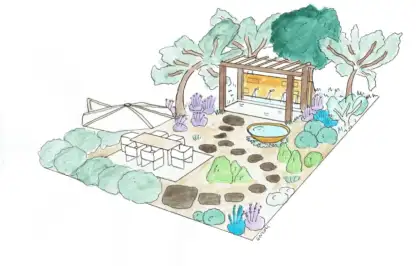
If you want to learn more about plants, design principles, and creating beautiful spaces, check out my online garden design courses. Whether you want to level up your plant knowledge, learn about design principles, or even start a career in garden design, I’ve got courses ranging from £29 to £199 that cover everything you need.
These courses aren’t just for people with gardens either! The principles of understanding plant needs, creating harmonious colour schemes, and designing beautiful functional spaces apply just as much to indoor plant arrangements as they do to full garden designs. You’ll learn how to read plants, troubleshoot problems, and create spaces that genuinely work for your lifestyle.
For the garden you’ve already got, not the one you’re starting from scratch. Seven checklists and video lessons from BBC Garden Rescue’s Lee Burkhill, built to help you work out what’s worth keeping before you spend a penny.
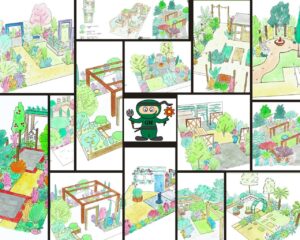
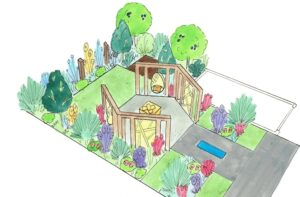
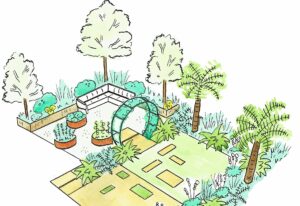
Garden Design Examples for Small Gardens: 30 Design Templates & Planting Plans: In this online gardening course, I’ll walk you through 30 fantastic garden designs, explaining the logic behind the layout, the plant choices, and take-home tips for applying them in your own garden.
Learn how to transform and design your own garden with Lee Burkhills crash course in garden design. Over 5 hours Lee will teach you how to design your own dream garden. Featuring practical design examples, planting ideas and video guides. Learn how to design your garden in one weekend!
Garden Design for Beginners Online Course: If you want to make the career jump to becoming a garden designer or to learn how to design your own garden, this is the beginner course for you. Join me, Lee Burkhill, an award-winning garden designer, as I train you in the art of beautiful garden design.
July is a pivotal month in the garden calendar that rewards forward thinking as much as immediate action. Plant container-grown dahlias, hydrangeas and buddleja for summer colour, get your autumn-flowering bulbs into the ground, sow biennial flowers for next spring, and make the most of the final vegetable sowing windows before the season closes.
Water wisely rather than abundantly, raise your mower blades, and do not neglect the simple preparation tasks that will keep your garden looking good through a summer holiday. The garden you plant in July will reward you from September right through to next May.
I hope this July planting guide gives you everything you need to make the most of this wonderful month in the garden. Whether you are filling gaps with summer colour, setting up your autumn harvest, or thinking ahead to next spring, there is genuinely so much that July has to offer. If you have questions about anything covered here, drop them in the comments below or head over to the Garden Ninja forum where I answer questions regularly.



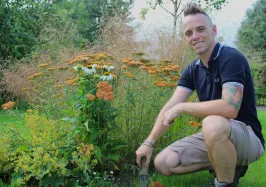
Lee Burkhill, known as the Garden Ninja, is an award-winning garden designer and horticulturist with over 30 years of gardening experience and 15 years as a professional garden designer. A qualified RHS (Royal Horticultural Society) professional, Lee specialises in sustainable garden design and practical horticultural advice. He designs and presents on BBC1’s Garden Rescue and in leading gardening publications. Lee combines three decades of hands-on gardening knowledge with professional design qualifications to help gardeners create beautiful, functional outdoor spaces.
View all posts by Lee Burkhill





JOIN THE NINJAS
Be the first in line for new Guides, Discount codes and Offers