For the garden you’ve already got, not the one you’re starting from scratch. Seven checklists and video lessons from BBC Garden Rescue’s Lee Burkhill, designed to help you decide what’s worth keeping before you spend a penny.
69


Quick Answer
Acers most often die or decline in UK gardens because of leaf scorch from drying wind, hot sun or drought, which is environmental rather than a disease and is by far the commonest cause. Late spring frost damaging tender new growth, a container that has become root bound and dries out faster than the tree can cope with, and waterlogged soil are the next most frequent culprits.
The good news, having diagnosed hundreds of these over thirty years of gardening and fifteen years of professional design work, is that the overwhelming majority of struggling acers are suffering from one of a small handful of causes, and almost all of them are fixable if you catch them in time. This guide walks through every genuine cause of a dying or declining Acer, how to tell them apart, and exactly what to do about each one.
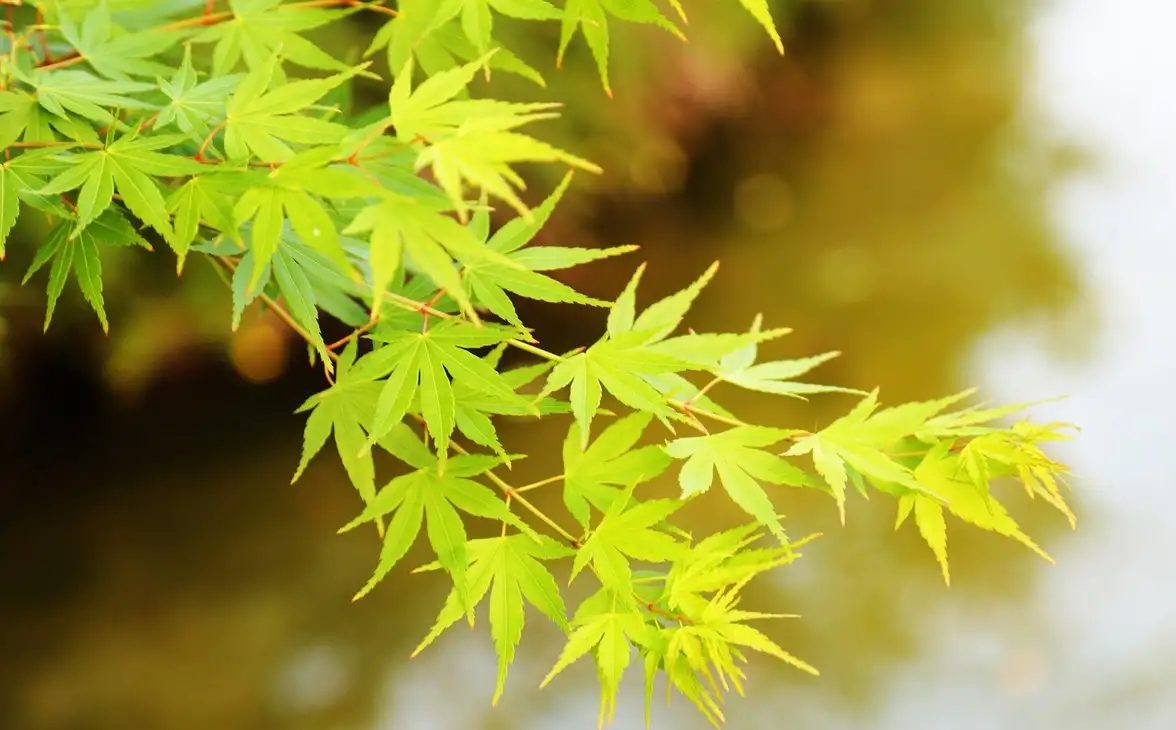
Acers, or Japanese maples as many of the ornamental varieties are commonly known, have a reputation for being fussy. In my experience, that reputation is not justifiable, and usually their fussiness is just being planted in the wrong conditions!
Most Acer palmatum cultivars are quite tough once they are sited correctly, and the vast majority of problems I get photos of trace back to where the tree is planted rather than to anything wrong with the plant itself. Wind, sun, drought, frost and a container that has become too small are behind the great majority of cases, well ahead of any pest or disease. Get the position and the watering right, and most acres are remarkably resilient.
Jump To
Before working through the causes below, it is worth having the right tools to hand. A simple soil probe takes the guesswork out of diagnosing dry compost versus waterlogging, which is the single most useful five minutes you can spend before doing anything else.
This page contains affiliate links for products I use and recommend. If you take action after clicking a link, I may earn a small gardening commission, which helps keep the Garden Ninja blog free for everyone.
Acers are super popular small garden and patio trees. Here in the UK, people love the delicate foliage, which changes colour in autumn, and the links to Japanese garden design. They are super slow-growing and well-behaved trees that usually need little to no pruning, making them a great choice for beginner gardeners if you plant them in the right conditions!

Before diagnosing a specific problem, it helps to know what a healthy Acer actually needs. Most of the diagnostic work below comes back to one of these baseline requirements not being met.
| Botanical Name | Acer palmatum and related species |
| Plant Type | Deciduous ornamental tree or large shrub |
| RHS Hardiness | H5 to H6, fully hardy in most of the UK |
| Height and Spread | Varies hugely by cultivar, from 1m dwarf forms to 8m specimen trees |
| Preferred Position | Dappled shade or morning sun, sheltered from strong wind and afternoon heat |
| Soil | Moist but free-draining, slightly acidic to neutral, never waterlogged |
| Key Vulnerability | Leaf scorch from wind, sun and drought, worse in containers |
Before reaching for a fungicide or worrying the tree is beyond saving, use this table to match what you are actually seeing against the most likely cause. I have ordered it roughly by how often each one comes up in the questions I get sent, from everyday to rare.
| What you see | Most likely cause | Jump to |
|---|---|---|
| Brown, crispy, curled edges on leaves right across the tree, usually in June to August | Leaf scorch from wind, sun or drought | Section 3 |
| New spring growth suddenly blackened, shrivelled or hanging limp after a cold night | Late frost damage | Section 4 |
| Potted acer wilting daily despite watering, compost that dries out within a day or two, roots visible circling the pot | Root-bound container, too small for the tree | Section 5 |
| Yellowing leaves, black or mushy roots, soil that stays wet for days after rain | Waterlogging and poor drainage | Section 6 |
| One branch, or one whole side of the tree, dying back while the rest stays green; dark streaking inside the wood if you cut a dead stem | Verticillium wilt | Section 7 |
| Neat U-shaped notches eaten from leaf edges, or a container plant collapsing suddenly with roots eaten away | Vine weevil, adults and larvae | Section 8 |
| Raised black or dark green tar-like spots on otherwise healthy leaves in late summer | Tar spot, cosmetic only | Section 9 |
| Scorching that only appears near a recently fed or gritted path, or after a very salty coastal spell | Salt or fertiliser scorch | Section 10 |
| Leaves turning red, orange or yellow and dropping in September or October, otherwise looking healthy | Completely normal autumn colour change | Section 11 |
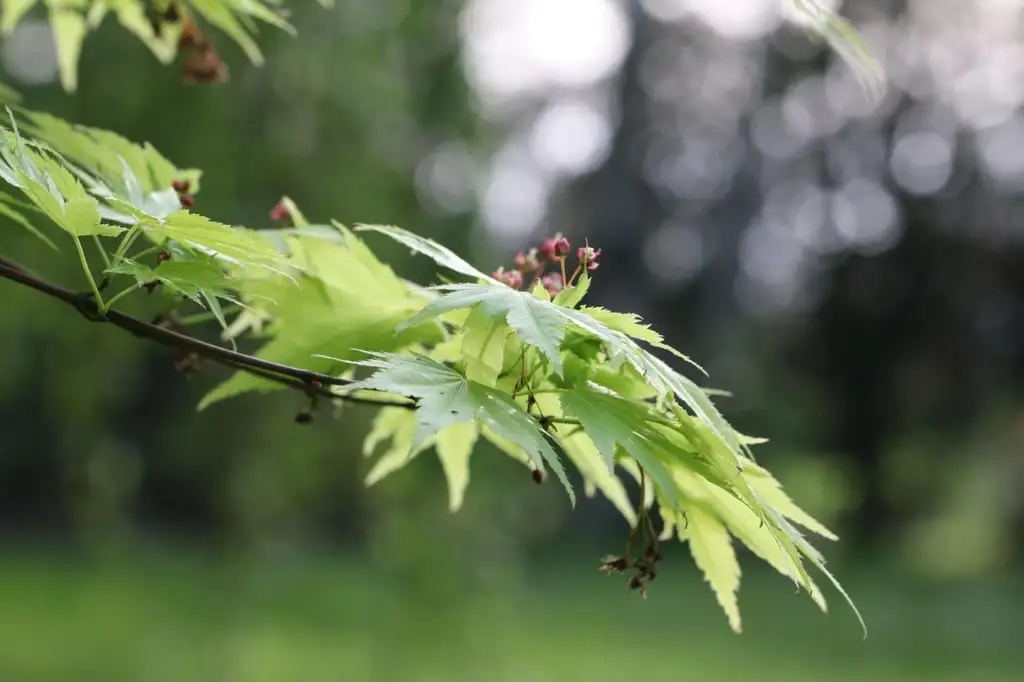
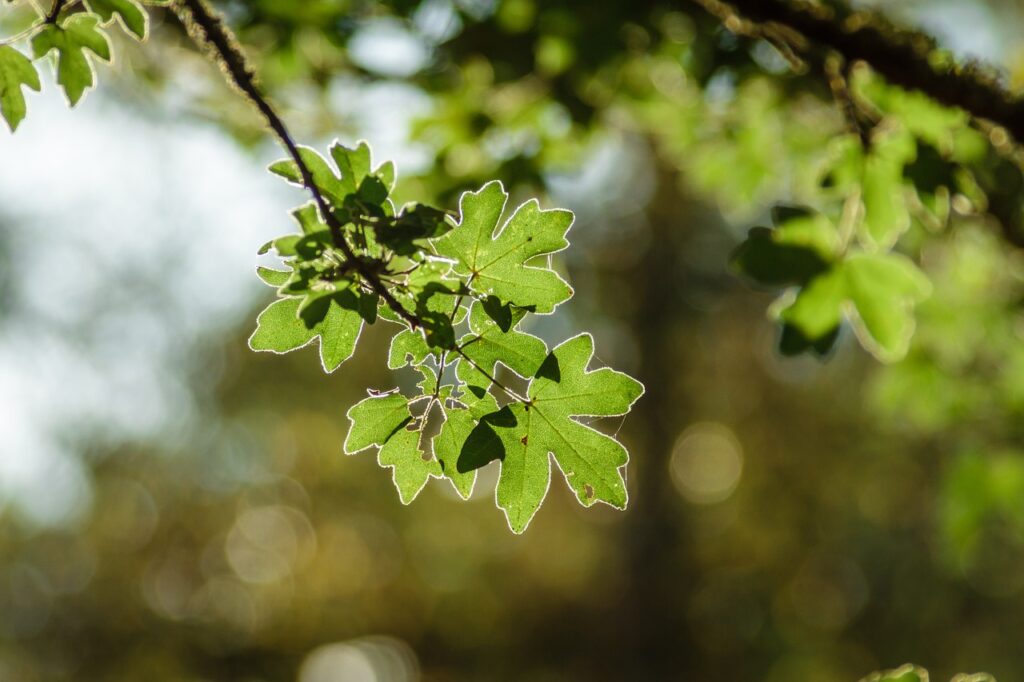
This is by far the most common reason an Acer looks like it is dying, and it leads to all the emails in my inbox. The truth is, it very rarely is. Leaf scorch appears as brown, crispy, curled edges on leaves, sometimes spreading until the whole leaf is affected, usually occurring from June to August during hot spells.
It is an environmental response rather than a disease. The tree is losing water through its leaves faster than the roots can replace it, whether because the roots are too dry, the air is too dry, or both.
Japanese maples in particular have thin, delicate leaves that were bred for the dappled shade of a woodland floor, and they simply cannot cope with the combination of strong wind and full afternoon sun the way a tougher, thicker-leaved shrub can.
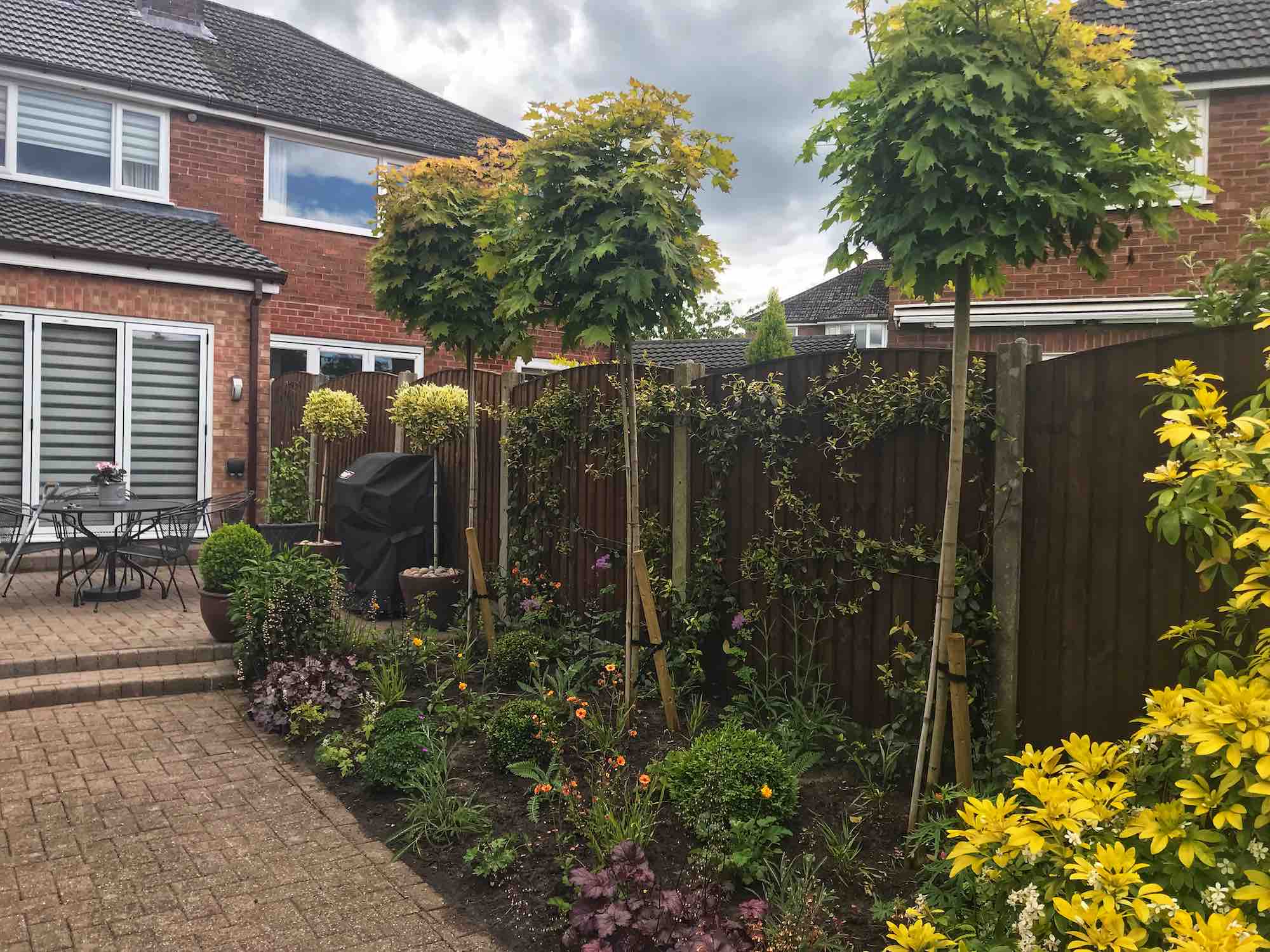
Wind is the factor people underestimate most, and it is one I bring up on almost every client visit where an Acer has struggled. I have lost count of the number of gardens I have designed for, or been called out to advise on, where a beautiful Acer has been planted at the exact point where wind funnels between two houses, along a side return, or through a gap in a fence line, and nobody realised until the leaves started shredding every summer.
A wind pocket like that does not need to be a coastal gale. Even a fairly gentle, constant draught through a narrow gap between buildings will dry a Japanese maple out far faster than the same wind moving freely across an open lawn, because the air is being funnelled and accelerated rather than dispersing.
On one project in a terraced garden, we moved a struggling Bloodgood Acer barely two metres, from a gap between the house and a boundary wall into a sheltered corner behind a low hedge, and the scorch that had plagued it every August simply stopped the following year. The tree had not changed, but its position in relation to the wind exposure had.
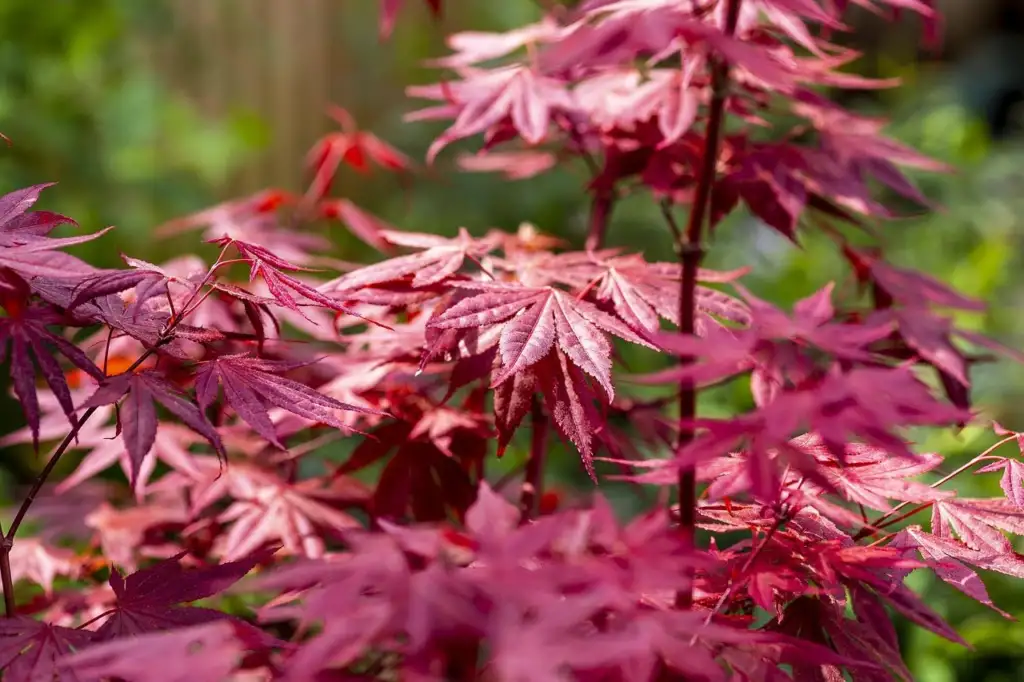
The fix depends on how established the tree is. A young or container-grown Acer in an exposed spot is worth moving to shelter, ideally in late Autumn or winter while it is dormant. My full guide on how to move an established Acer tree without killing it covers the process step by step.
If moving is not practical, a temporary or permanent windbreak makes a real difference. Something as simple as a hessian screen or a row of taller shrubs planted to the windward side will take the worst of it off a vulnerable tree.
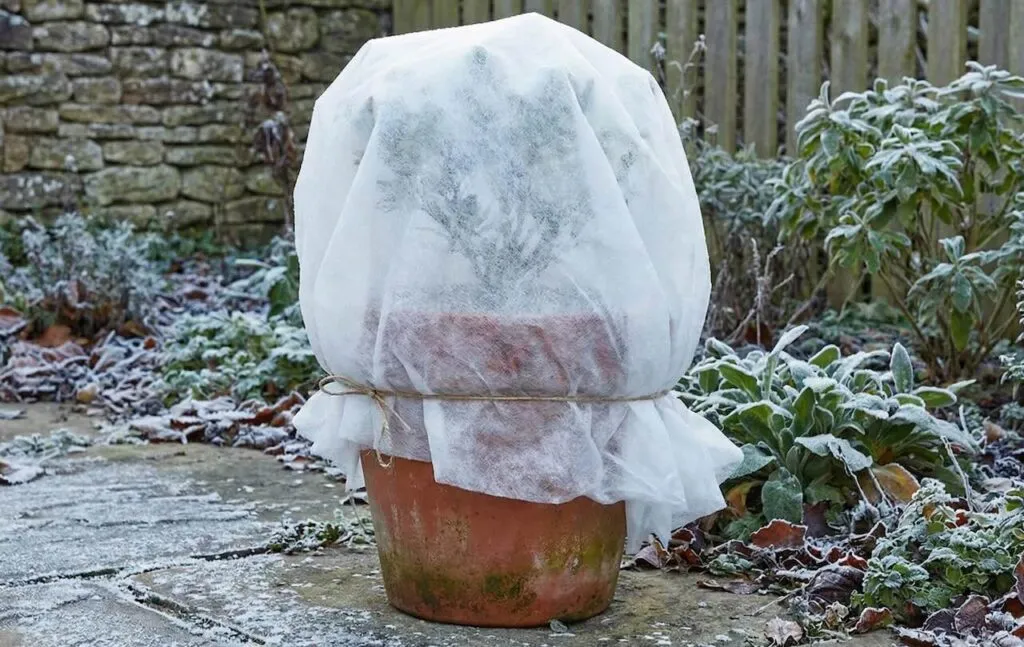
For the height of a scorching spell, I keep a roll of heavy-duty plant protection fleece to hand for exactly this, draping it loosely on the windward side rather than wrapping the whole tree. The same goes for heavy frost in more northern gardens; I always fleece Acers in containers during super heavy snow or frost.
Drought is the other half of the equation, and it compounds wind exposure rather than acting separately from it. An Acer that is dry at the roots has less water in reserve to cope with a windy or sunny spell, so the two often turn up together in the same tree at the same time.
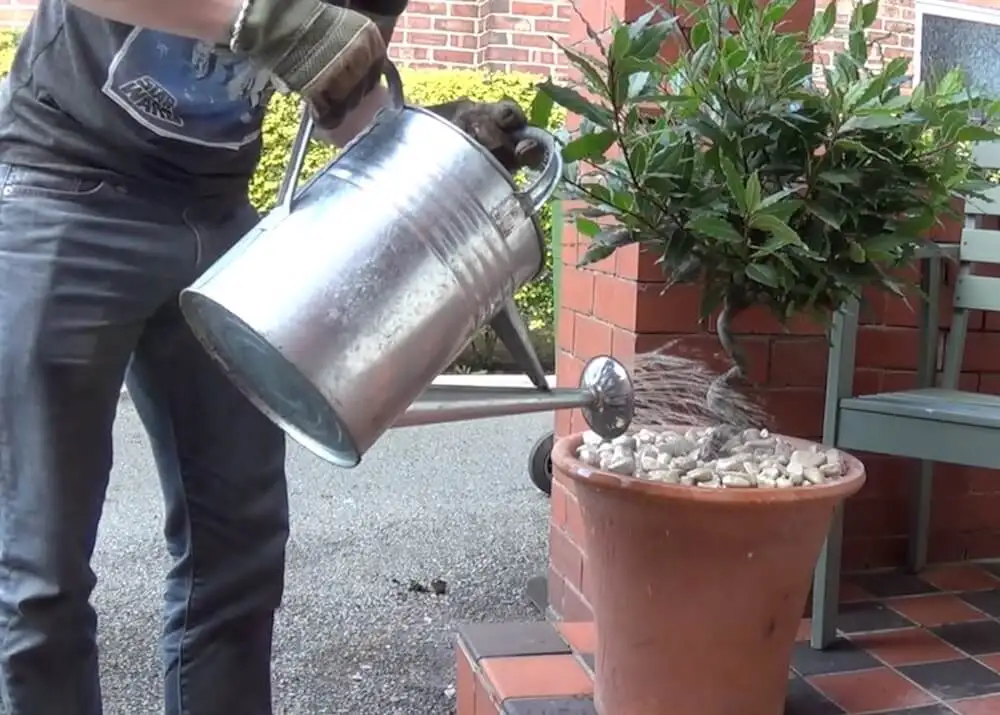
Watering deeply once or twice a week in dry weather, rather than a light daily sprinkle that only wets the surface, encourages the roots to grow down rather than staying shallow and vulnerable. A thick mulch of composted bark or leaf mould over the root zone, kept clear of the trunk itself, retains moisture in the soil for much longer between waterings.
Scorched leaves themselves will not recover once the brown has set in, but they are rarely the whole story. Provided the buds and stems underneath are still green and pliable, the tree is very likely to reshoot normally the following spring once the underlying position or watering issue is addressed.
Resist the urge to strip off every scorched leaf. Leave them until they drop naturally, since the tree is still drawing some benefit from them even in that state.
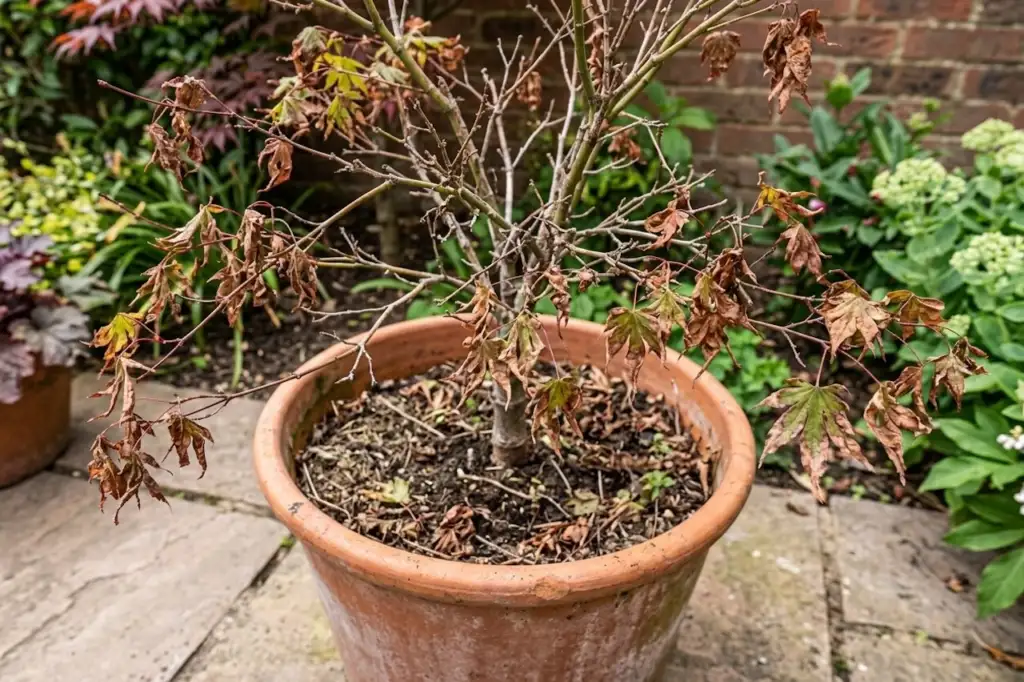
Acers are among the first trees to break bud in spring, often as early as March, and that early, soft new growth is particularly tender. A late frost, the kind that can still catch a UK garden well into April or even early May in a cold year, will blacken and shrivel that new growth within a single night.
It looks alarming, often far worse than leaf scorch, because it can affect the whole flush of new leaves at once rather than just the edges. The good news is that this is almost always cosmetic rather than fatal.
The tree has simply lost its first attempt at leaves, and in the great majority of cases it will push a second flush within a few weeks once the frost risk has passed.
Frost pockets are one of the most common siting mistakes I see when advising clients on where to plant an Acer, and they are surprisingly easy to create without realising it. Cold air is heavier than warm air and flows downhill exactly like water, settling and pooling at the lowest point it can reach.
A dip in the lawn, the base of a slope, or even just the low corner where two boundary fences meet can sit several degrees colder on a clear, still night than a spot only a few metres away that is slightly higher or more open. I have walked gardens on a frosty February morning, where you can see the exact line the cold air has settled along, frost thick on one half of the lawn and barely a trace on the other.
An Acer planted right in that low pocket will take the hardest frost hit in the whole garden, every single year, while an identical tree a few steps away on higher ground escapes almost unscathed.
If your Acer sits in a known frost pocket and gets caught most springs, the most reliable long-term fix is the same as for wind exposure: move it, ideally to slightly higher ground or a spot with some overhead canopy from a larger tree, which breaks up radiant frost far more effectively than a solid wall or fence does.

Where moving is not an option, keep an eye on the forecast through March and April and throw fleece over the newest growth on any night a hard frost is predicted, removing it again once temperatures lift the next day.
Established trees with woody, hardened growth from previous years are far more frost tolerant than the current season’s soft new leaves, so it is really only that first flush each spring that needs the protection.
Acers are among the most popular container trees in the UK, which makes sense given that many of the smaller cultivars are bred specifically for pot culture. It also means that a large proportion of the struggling Acer photographs I get sent are of container plants.
The underlying cause is nearly always the same: the pot has become too small for the roots inside it, commonly called being pot-bound or root-bound, and the compost is drying out faster than the tree can draw water from it.
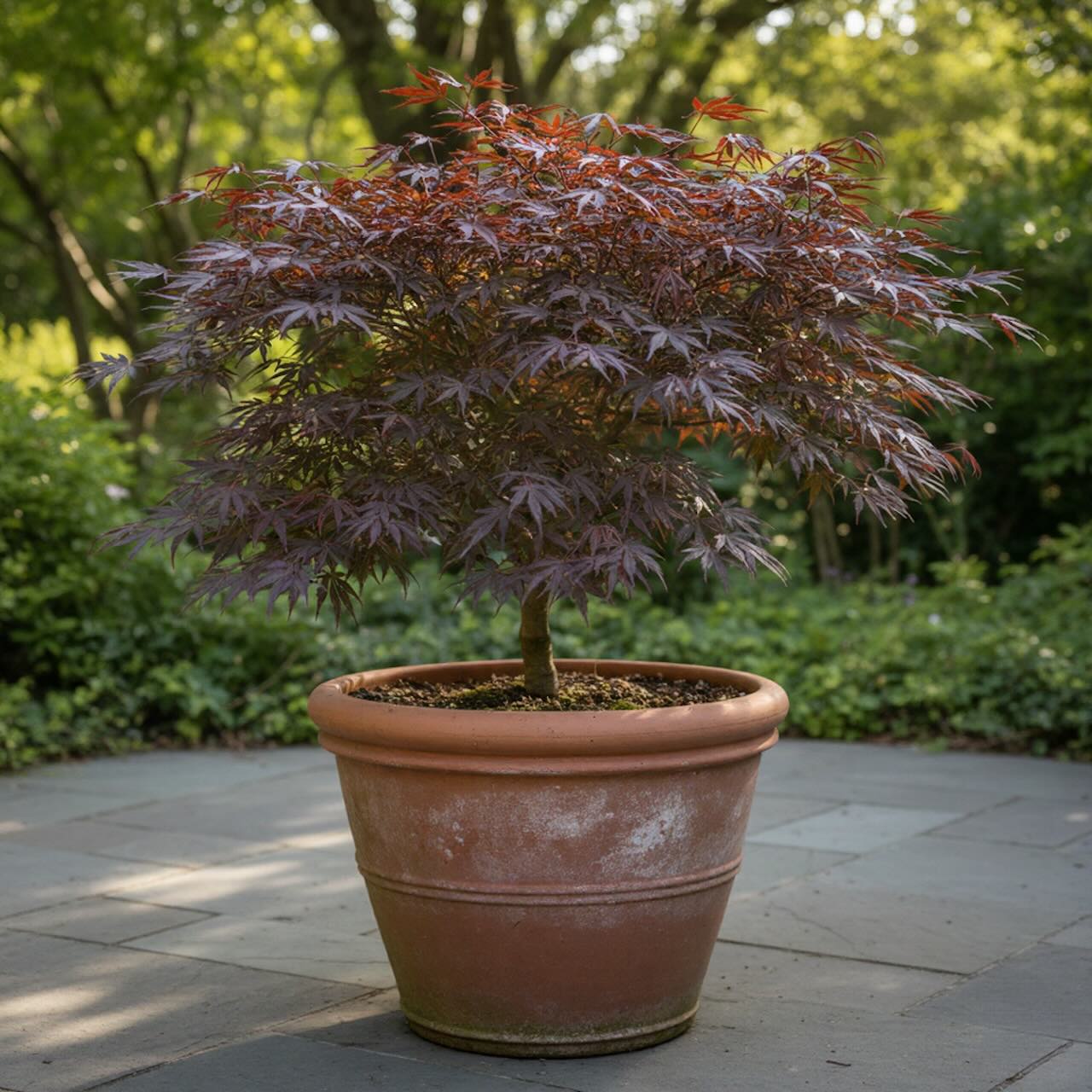
This is one of the most common problems I come across, both in questions sent to me and out on client gardens: a lovely, established Acer left in a tiny container for years, quietly outgrowing it while nobody notices until the tree starts to fail every summer.
I have seen this on more than one design consultation: a client who has inherited a mature Acer palmatum in a decorative pot from a previous owner, or bought a beautiful specimen years ago and simply never got round to sizing it up as it grew.
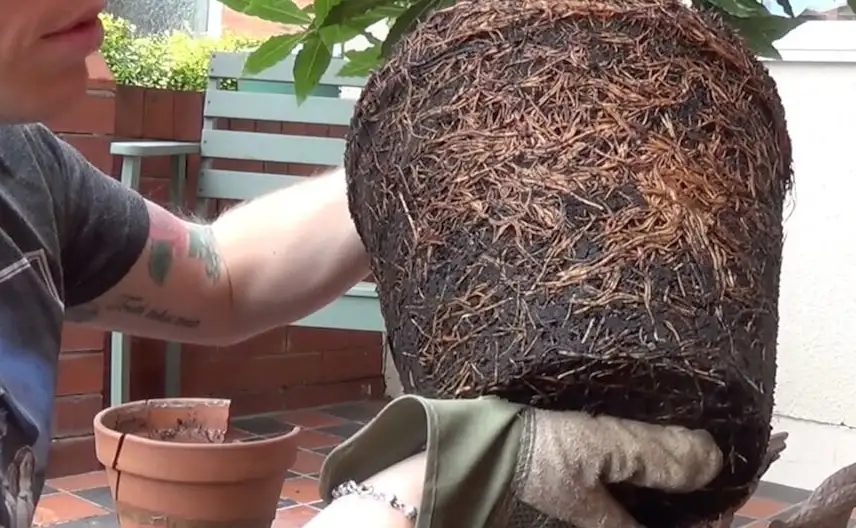
The roots eventually fill every available space, circle round the inside of the pot, and pack the compost so tightly that water runs straight through without the roots ever getting a proper chance to absorb it. A tree in that state can look bone dry within a day of watering even in mild weather, because there is barely any actual soil volume left between the roots to hold moisture.
It is not the tree being difficult; it’s usually that the Acer has simply outgrown its home.

The tell-tale signs are worth knowing. Lift the pot slightly and check whether roots are emerging from the drainage holes at the base. Water that runs straight through and out the bottom within seconds of being poured on, rather than being absorbed, is another strong indicator.
If you can see roots visibly circling at the surface of the compost, or the tree needs watering every single day just to stay upright during a warm spell, it is time to repot.
The general rule I give clients is to size up every two to three years for a young, actively growing Acer, moving into a pot roughly a third larger each time, then settle into a longer cycle of five or so years once the tree reaches a size you are happy to keep.
When repotting, resist the temptation to jump to an enormous pot in one go. Too much compost volume around a small root ball actually works against the tree, since the roots cannot draw moisture from soil they have not yet grown into, and that excess wet compost around the edges is a real risk factor for root rot.
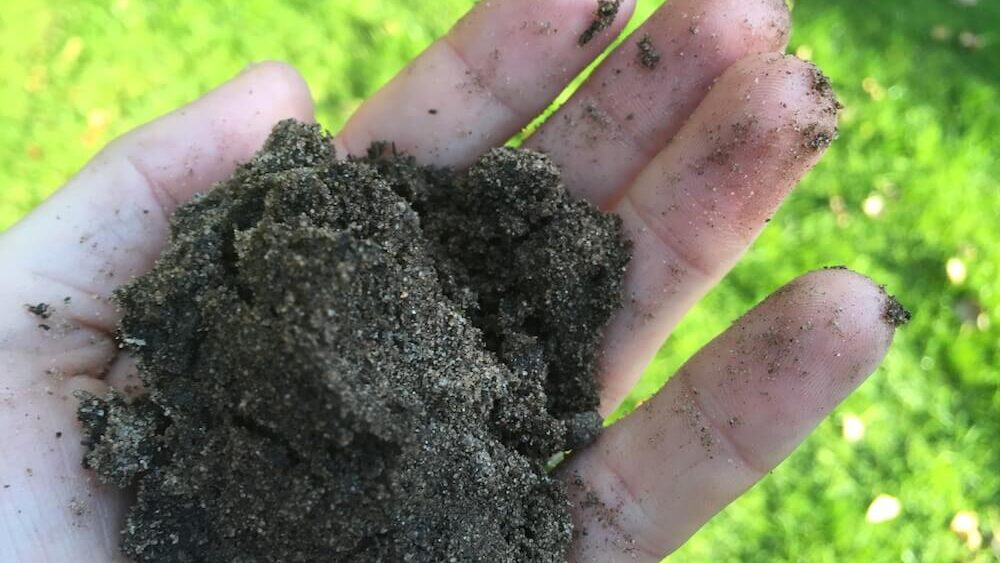
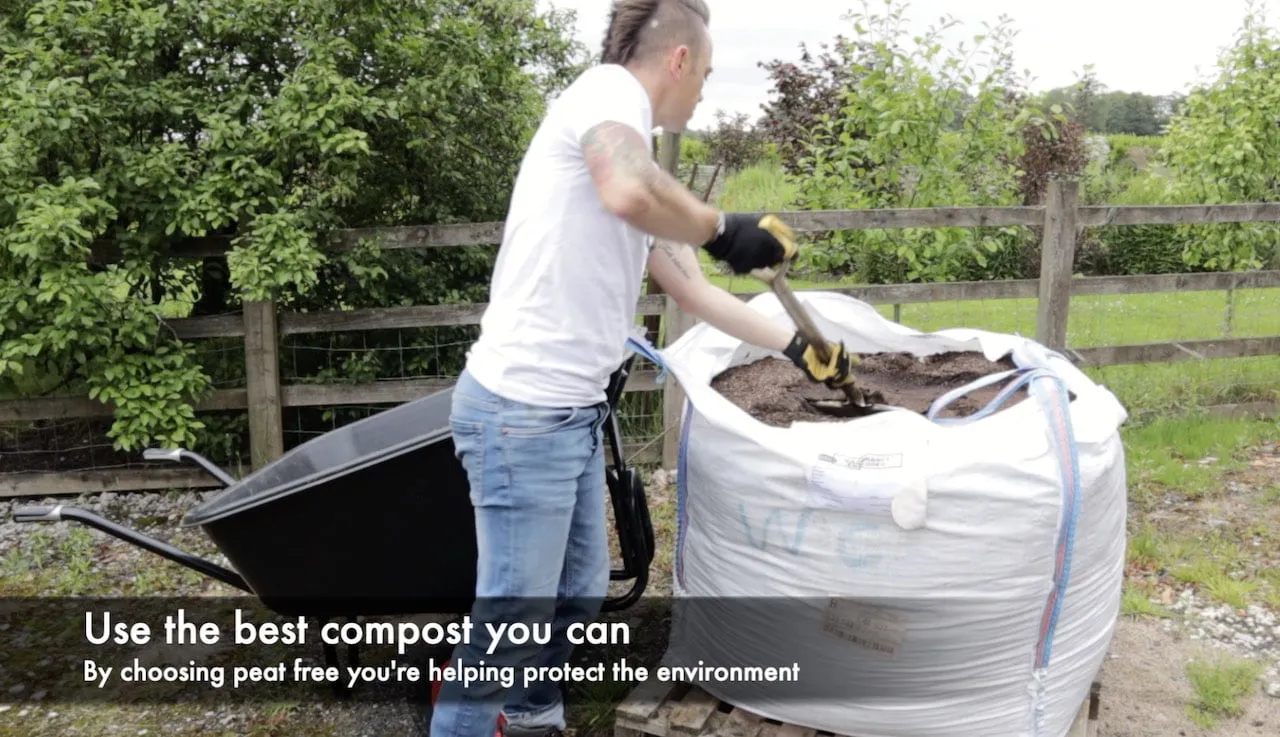
A loam-based compost gives acers the best of both worlds in a container, holding moisture reliably without becoming permanently sodden, and I use the John Innes and BBC Gardeners’ World recommendation of a fifty-fifty mix with an ericaceous compost for potted specimens.
🛒 I use Westland John Innes Peat Free Ericaceous Compost mixed with a loam-based John Innes No. 2 or 3 for exactly this. Add a generous layer of crocks or broken pot pieces at the base for drainage, and never let a container Acer sit in a saucer of standing water.
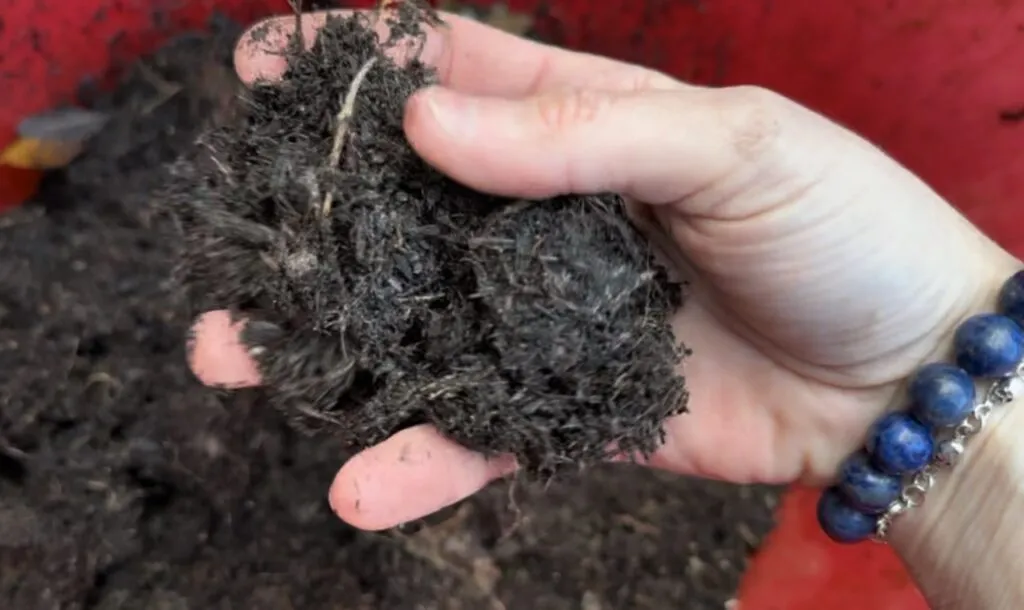
If root pruning is needed to fit a truly pot-bound tree back into the same-size container, do not panic. It sounds drastic, but acers respond well to it.
Gently tease the roots free at the edges, trim back congested or circling roots by a third with clean, sharp secateurs, and refresh the compost around the root ball before replanting at the same depth. The tree will put on fresh feeder roots in response within a few weeks, provided it is kept consistently watered while it recovers, and root pruning done this way at the right time of year rarely sets an Acer back for long.
Less common than drought but every bit as damaging, waterlogging affects acers planted in heavy clay soil, low-lying ground, or any container without adequate drainage. Roots need oxygen as well as water, and soil that stays saturated for days after rain effectively suffocates them, leading to root rot.
The above-ground symptoms can look confusingly similar to drought at first glance, with yellowing leaves and a generally sickly appearance. This is exactly why the soil probe mentioned earlier in this guide earns its keep: a quick check of the compost or the ground around the roots immediately tells you whether you are dealing with too little water or too much.
For a border Acer in heavy clay, improving drainage before planting is far easier than trying to fix it afterwards: work plenty of horticultural grit and organic matter into the planting hole and, ideally, raise the tree slightly on a mound so the root flare sits a touch proud of the surrounding soil level.
For an already-planted tree showing signs of waterlogging, digging a soakaway or French drain nearby can help relieve standing water, though in persistently boggy ground the more realistic long-term solution is usually to move the tree to a better-drained spot or use a raised bed or large container instead. In containers, waterlogging is almost always down to blocked or insufficient drainage holes, or a saucer left to fill with water after rain, both of which are simple to correct.
This is the one genuine disease worth ruling out before assuming an Acer’s problems are purely environmental, and it is the reason I always ask for a photograph of the whole tree rather than just a close-up of the affected leaves. Verticillium wilt is a soil-borne fungal disease, and acers are among the plants in which the RHS records it most frequently, alongside Cotinus and Catalpa.
The fungus enters through the roots and blocks the water-conducting tissue inside the stem, producing a very distinctive symptom: one branch, or one entire side of the tree, dies back while the rest remains perfectly healthy and green. This asymmetric, one-sided pattern is the key thing that separates verticillium from drought or leaf scorch, both of which tend to affect the whole tree fairly evenly.
To check for it, cut through a small dead or dying stem and look at the cut face. Verticillium shows as dark brown or olive streaking in a ring just under the bark, visible as discoloured marks around the circumference of the cut wood.
There is no chemical cure for Verticillium wilt once it is established, which is the hard truth of this diagnosis, but it does not necessarily mean the whole tree is lost. Prune out affected branches promptly, cutting well back into clean, unstained wood, and disinfect your secateurs or loppers between cuts to avoid spreading the fungus to healthy parts of the tree.
Keep the tree well-fed and well-watered to help it fight the infection, and be aware that the fungus persists in the soil for years, so avoid replanting another Acer or any other susceptible species in exactly the same spot if the tree is eventually lost.
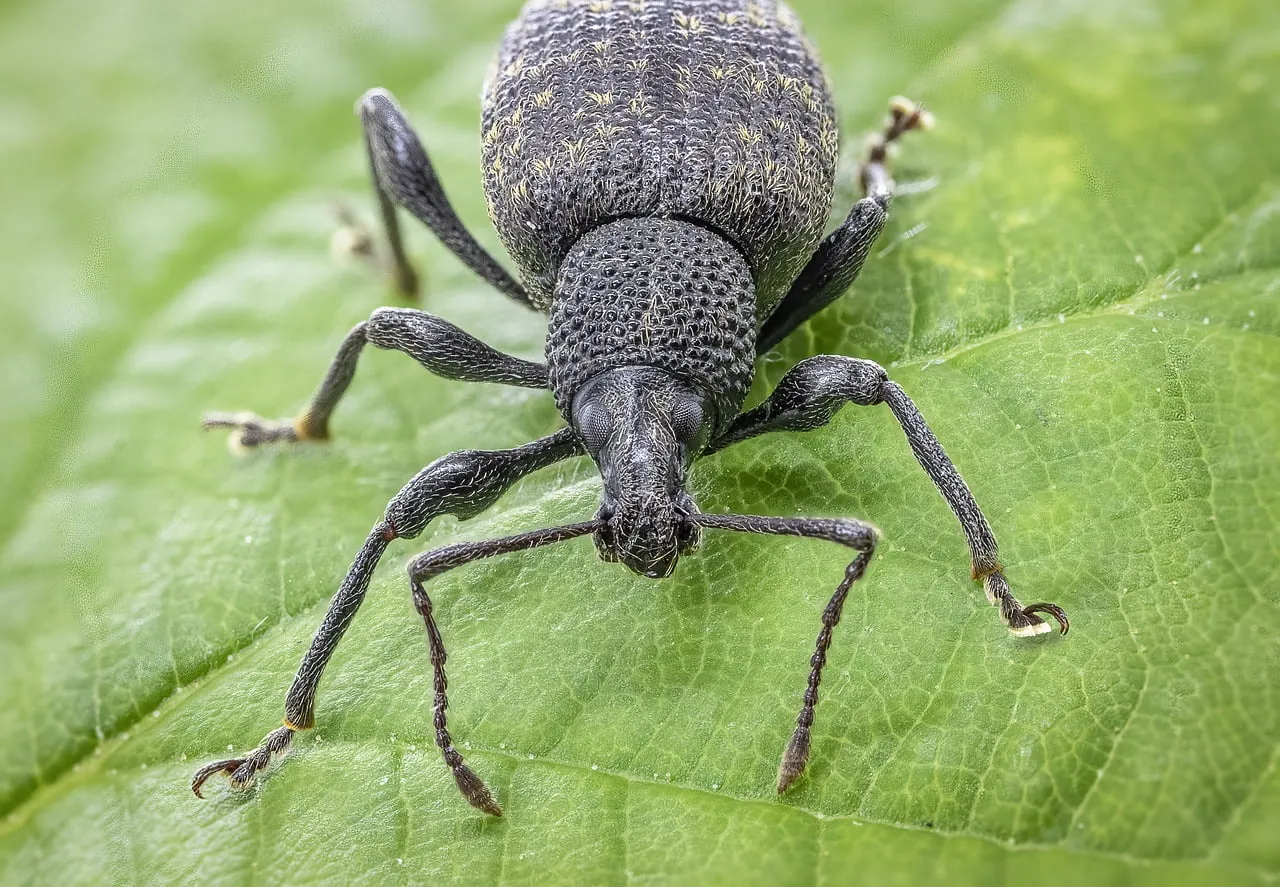
Vine weevil is far better known as a container plant pest than a serious problem for border acers, but a potted specimen can absolutely fall victim to it. Adult vine weevils feed on the leaves at night, leaving the tell-tale neat, U-shaped notches along the leaf edges, which is unsightly but rarely serious on its own.
The real damage is done below ground by the larvae, cream-coloured grubs with distinct brown heads, which feed on the roots through Autumn and winter. A container Acer that suddenly wilts and collapses despite being well watered, particularly if this happens in late winter or early spring, is worth tipping out of its pot to check the root ball for grubs and root damage before assuming drought is the cause.
Nematodes are by far the most effective and reliably safe treatment: naturally occurring microscopic worms that seek out and kill vine weevil larvae in the soil without harming the plant, pets, or wildlife. They need to be applied to moist compost when the soil temperature is consistently above about five degrees, typically March to October outdoors.
I treat every container Acer as a matter of routine in early Autumn as a preventative measure rather than waiting for damage to appear. I use Nemasys Vine Weevil Killer nematodes for this, applying them directly to the compost with a watering can, as the packet describes.
Tar spot is a fungal disease that appears as raised, black or very dark green spots on the leaf surface, usually in late summer, looking exactly as the name suggests, as though someone has flicked spots of tar across the foliage. It looks worrying but is almost entirely cosmetic and causes no meaningful harm to the tree’s health or vigour.
It thrives in damp, still conditions and spreads via fallen leaves, so the only real management step worth taking is raking up and disposing of affected leaves in Autumn rather than composting them, which reduces the number of fungal spores overwintering and ready to reinfect the tree the following year. No fungicide treatment is necessary or, in most garden settings, practical.
Two specific, easily missed causes are worth flagging on their own, since they closely mimic ordinary leaf scorch and can be mistaken for it. Salt scorch appears on acers planted close to a road that gets gritted in winter, or in coastal gardens exposed to salt-laden wind.
It shows as browning concentrated on the side of the tree facing the road or the sea rather than spread evenly across the whole canopy, which is the giveaway that distinguishes it from drought or general wind scorch. There is no cure beyond rinsing foliage with fresh water after a heavy salting and, where possible, siting new acers away from the worst of the exposure.
Fertiliser scorch is the other easily overlooked cause, and it is almost always a case of good intentions causing the problem. Acers are not hungry plants and need very little supplementary feeding, particularly if they are already mulched annually with good compost. Do make sure you watch my plant feed and fertiliser guide below to help you avoid killing your Acer tree with kindness, Ninja!
A strong liquid feed applied too concentrated, or granular fertiliser that lands directly against the trunk or root flare rather than being evenly spread, can burn the fine feeder roots and cause leaf browning within days of application. If you suspect this, water the area thoroughly and deeply to dilute and flush the excess fertiliser through the soil, and hold off feeding again for the rest of the season.
I get sent a genuine number of photographs every September and October of acers that are not dying at all, simply doing exactly what a deciduous tree is meant to do. Acers are grown, in no small part, for their Autumn colour, and a leaf turning brilliant red, orange, or gold before dropping is the tree performing beautifully rather than failing.
The distinction that matters is timing and pattern. Colour change that arrives on schedule for the season, spreads evenly across the whole tree rather than concentrating on one branch, and is not accompanied by premature leaf drop in high summer, is completely normal and nothing to worry about.

What does warrant investigation is colour change or leaf loss that arrives well out of season, in June or July rather than September, or that is patchy and asymmetric rather than affecting the whole tree together. That pattern points back to one of the causes covered earlier in this guide, most likely leaf scorch, drought, or, in more serious cases, verticillium wilt, rather than the tree simply entering its Autumn display early.
Whichever cause applies to your tree, the sequence below is the same one I work through on a client visit, in the order I check it.
Push a finger, or a soil probe, several centimetres into the ground or compost. Bone-dry points to drought or a root-bound container. Consistently sodden points towards waterlogging of your Acer, which they HATE. This single check rules out or confirms two of the most common causes before you do anything else, and it takes all of 30 seconds, Ninjas.
Stand where the tree is and honestly assess whether it sits in a wind funnel, in full, unbroken afternoon sun, or in a low frost pocket. If the area your Acer is in is challenging or you wouldn’t want to sit there yourself, then it’s time to move the tree. Plan to move your Acer in Autumn or winter, when it is dormant.
Using clean, sharp secateurs, cut back any branches that are brittle and snap rather than bend, back to healthy green tissue and a live bud. Disinfect blades between cuts if verticillium wilt is suspected. If you have never pruned anything before, do check out my guide here first.
Acers are best pruned in late Autumn or winter while dormant, since cutting in spring or summer causes heavy sap bleeding; my guide on whether you can prune trees in winter covers the reasoning in more detail.
I use Felco 2 secateurs for this, which stay sharp and precise enough not to crush the delicate stems.

Mulch is your best friend with struggling Acers or any plant for that matter! Apply five to eight centimetres of composted bark or leaf mould over the root zone, kept clear of the trunk itself, for a border Acer. This locks in soil moisture, buffers root temperature, and gradually improves soil structure, addressing several causes on this page at once.
Water thoroughly once or twice a week in dry spells rather than little and often. For a container Acer, water until it runs freely from the drainage holes, which also confirms those holes are not blocked.
Once the underlying cause is addressed, allow a full growing season for the tree to recover before judging whether it has worked. Scorched or frost-damaged leaves will not repair themselves, but new growth the following spring is the real test, and most acers reward patience.
Yes, in the great majority of cases. Provided the main stems are still green and pliable under the bark rather than dry and brittle all the way through, an Acer that looks dead in spring after a hard winter or a scorching summer will very often reshoot from live buds lower down. Scratch a small patch of bark with a fingernail; green underneath means the wood is alive.
Identify the underlying cause using the diagnosis table earlier in this guide, then work through the six-step revival sequence: check the soil, assess the position for wind and frost exposure, remove dead wood, mulch generously, water deeply and consistently, and allow a full growing season for the tree to respond.
Shrivelled leaves on a container Acer are almost always a sign that the pot has become root-bound and is drying out faster than the roots can keep up, particularly in warm weather. Check whether roots are visible at the drainage holes or circling at the compost surface, and size the container up if so.
Genuine dieback from verticillium wilt shows as one branch or one side of the tree dying while the rest stays healthy, with dark streaking visible under the bark if you cut a dead stem. This asymmetric, one-sided pattern is the key thing that separates it from drought or leaf scorch, both of which affect the whole tree fairly evenly.
Most Japanese maples do best in dappled shade or morning sun with shelter from strong wind and the harshest afternoon heat, which mimics the woodland conditions they evolved in. A handful of tougher, larger-leaved species tolerate more sun, but as a general rule, protection from the hottest part of the day markedly reduces the risk of leaf scorch.
Signs of root damage include a container plant that wilts within a day of watering, regardless of the weather; roots visibly circling the compost surface or emerging from drainage holes; or a sudden collapse after a period of otherwise normal growth, which can point to vine weevil grub damage. Gently tipping the plant out of its pot to inspect the root ball directly is the most reliable way to confirm it.
If your Acer is healthy and you are planning ahead rather than firefighting, these guides cover the ground either side of this one.

Join over 100,000 gardeners on YouTube
Free gardening videos from the Garden Ninja, with 8 million views and counting.
Subscribe on YouTube, it’s freeIf getting Acers, or any tree and shrub, into the right spot first time is something you would rather not learn by trial and error, my online courses cover exactly this kind of siting and design decision in far more depth than one guide ever could.
With courses starting from just £29, you gain access to award-winning design knowledge built from thirty years of getting it right, and occasionally wrong, in real gardens.
For the garden you’ve already got, not the one you’re starting from scratch. Seven checklists and video lessons from BBC Garden Rescue’s Lee Burkhill, designed to help you decide what’s worth keeping before you spend a penny.
Garden Design Examples for Small Gardens: 30 Design Templates & Planting Plans: In this online gardening course, I’ll walk you through 30 fantastic garden designs, explaining the logic behind the layout and plant choices, plus take-home tips for applying them in your own garden.
Learn how to transform and design your garden with Lee Burkhill’s crash course in garden design. In over 5 hours, Lee will teach you how to design your dream garden. Featuring practical design examples, planting ideas and video guides. Learn how to design your garden in one weekend!
Garden Design for Beginners Online Course: Want to become a garden designer or design your own garden? This beginner course is for you. Join me, Lee Burkhill, an award-winning garden designer, as I train you in the art of beautiful garden design. Enjoy 20 hours of online study and video lessons, along with quizzes and a completion certificate.
Most struggling acers are suffering from environmental factors rather than disease, and leaf scorch from wind, sun, and drought accounts for the majority of cases I get asked about, closely followed by frost damage to spring growth and containers that have quietly become too small.
Work through the diagnosis table, check the soil first, and be honest about whether your tree is sitting in a wind funnel or a frost pocket, since those two siting mistakes explain more struggling Acers than almost anything else I see on client visits.
Verticillium wilt is the one cause that truly has no cure, but it is also rare, and the one-sided dieback pattern makes it straightforward to rule in or out. For everything else on this page, patience, the right position, and consistent watering will bring back the great majority of acers.
Whether your Acer needed a change of position, a bigger pot, or just a bit of patience through frost season, I hope this guide has taken some of the worry out of it. Acers reward the right spot far more forgivingly than their delicate reputation suggests. Happy Gardening.


Lee Burkhill, known as the Garden Ninja, is an award-winning garden designer and horticulturist with over 30 years of gardening experience and 15 years as a professional garden designer. A qualified RHS (Royal Horticultural Society) professional, Lee specialises in sustainable garden design and practical horticultural advice. He designs and presents on BBC1’s Garden Rescue and in leading gardening publications.
View all posts by Lee Burkhill








JOIN THE NINJAS

Be the first in line for new Guides, Discount codes and Offers