For the garden you’ve already got, not the one you’re starting from scratch. Seven checklists and video lessons from BBC Garden Rescue’s Lee Burkhill, designed to help you decide what’s worth keeping before you spend a penny.
69


Quick Answer
For exposed and windy UK gardens, choose tough, flexible plants over rigid ones. Hawthorn, field maple and blackthorn make the best windbreak hedging, while Escallonia, Griselinia and Pittosporum are reliable evergreen shrubs. Achillea, sea holly and Stipa grasses sway rather than snap. Build shelter first with a permeable windbreak, never a solid fence, and let your plant choices do the rest once that shelter is in place.
Jump To
This page contains affiliate links for products I use and love. If you take action (i.e. subscribe, make a purchase) after clicking a link, I may earn some gardening commission which helps me keep the Garden Ninja Blog free for all.
I get asked about windy gardens more than almost any other single design problem, and it usually arrives in my inbox with a slightly apologetic tone, as though the person writing in has done something wrong. They haven’t. Some plots are simply built to catch the wind, whether that’s a new estate on the edge of town where the surrounding fields haven’t grown up yet, a hilltop garden with views for miles in every direction, or a gap between two houses that funnels every gust straight down your border like it’s being fired from a hose.
I had exactly this conversation on my own forum a while back, where a reader described a south facing garden that overlooked open farmland, full sun all day, and yet nothing flowering would stay upright for more than a fortnight. That’s the thing people miss. Sun orientation gets all the attention in garden design conversations, and wind exposure barely gets a mention, yet in my experience wind does more damage to a border in a single season than a run of poor summers ever could.
The good news, and there properly is good news here, is that exposed gardens are not hopeless cases. I have designed for hillside plots in the north of England and coastal sites where the wind comes in sideways off the sea, and both can be made to work beautifully once you stop fighting the conditions and start designing with them. The plants in this guide have all earned their place by being properly wind-hardy rather than merely wind-tolerant on a label somewhere, which, in my experience, are two very different things once autumn gales turn up.
Before you plant a single thing, it’s worth understanding what kind of exposure you’re actually dealing with, because coastal exposure and inland exposure are not quite the same problem, and they call for slightly different plant choices. Coastal gardens carry salt in the air, sometimes for several miles inland on a strong onshore wind, and salt scorches foliage and strips moisture from leaves in a way that inland wind alone doesn’t. Inland exposure, the kind you get on a hilltop, an open plot on farmland, or a new build with no established boundaries yet, tends to bring colder winters alongside the wind, since there’s nothing to buffer either the gusts or the frost.
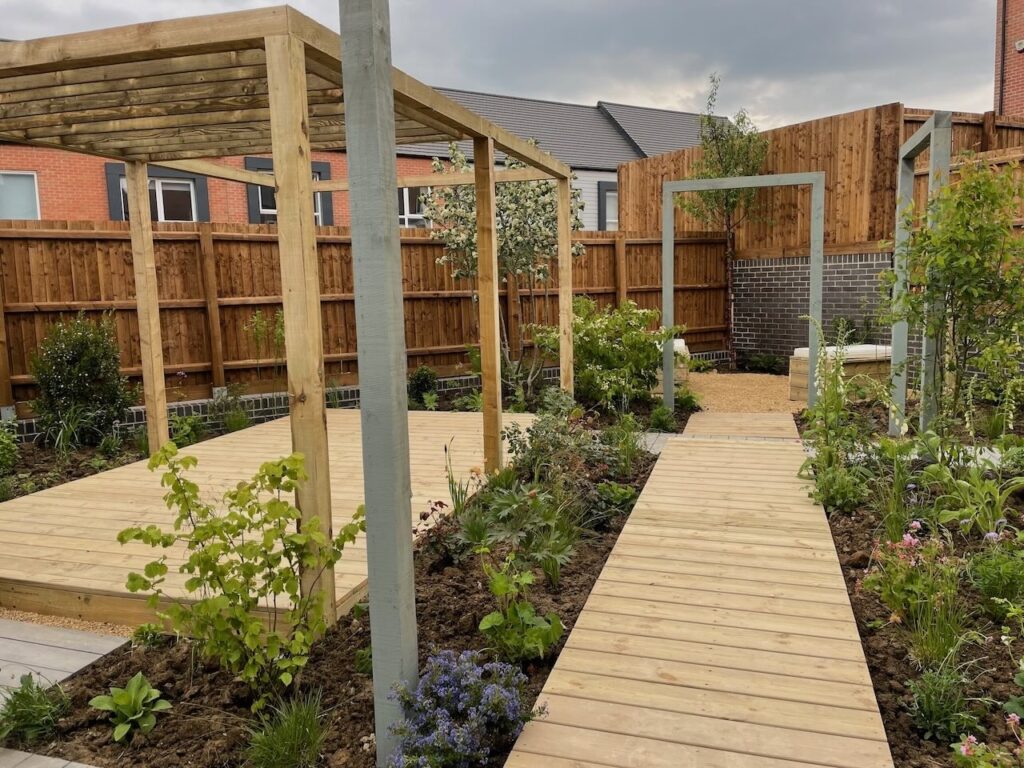
A simple way to work out how exposed your own garden really is: stand in it on a breezy day and watch what the wind does. Does it funnel through a gap between buildings and pick up speed, does it come from one dominant direction, or does it seem to swirl and change depending on which corner you’re standing in? I ask every client this question during a consultation, and most people have never actually stood and watched their own garden do this before. It tells you more about where to put your shelter than any amount of theory does, and it costs nothing but ten minutes of your time and a coat.
This is the section I wish more people read before they reached for a fencing contractor, because the single biggest mistake in exposed garden design is assuming that a solid barrier is the answer. It isn’t, and understanding why will save you a great deal of money and disappointment. Wind hitting a solid fence or wall doesn’t stop, it rises up and over, accelerates, and then drops back down as a turbulent, swirling vortex on the far side, often causing more damage to your planting than if the barrier hadn’t been there at all. I’ve seen this play out on real gardens more times than I can count, a client proudly shows me their new close board fence, and the border planted right behind it is more battered than the open lawn beyond it.
💡 Top Tip
The RHS and most professional landscapers agree on what’s known as the fifty percent permeability rule. A hedge, a woven hurdle, or a slatted fence that lets roughly half the wind pass through while filtering the rest will shelter a far greater area than a solid barrier, and it does so without creating that nasty turbulent drop on the leeward side. As a rough guide, a well established windbreak gives useful shelter for a distance of five to ten times its own height, so a two metre hedge can really protect a good stretch of border behind it.
In the UK, our prevailing wind comes from the south west, so if you only have the budget or the space to shelter one boundary this year, that’s the one to prioritise. Where a full hedge isn’t practical straight away, temporary windbreak netting stretched between posts will buy your young plants a season or two of protection while a permanent hedge establishes behind it, and I use this trick constantly on new build projects where the client wants colour in the first year, not just the promise of shelter three years down the line.
A roll of woven windbreak netting is one of the cheapest and most effective things you can buy for a newly exposed site, and I keep some in the van permanently for exactly this reason. Stretch it between posts along your most exposed boundary and it will take the worst of the gusts off young plants while a permanent hedge gets its roots down.
🛒 Buy windbreak netting on Amazon UK
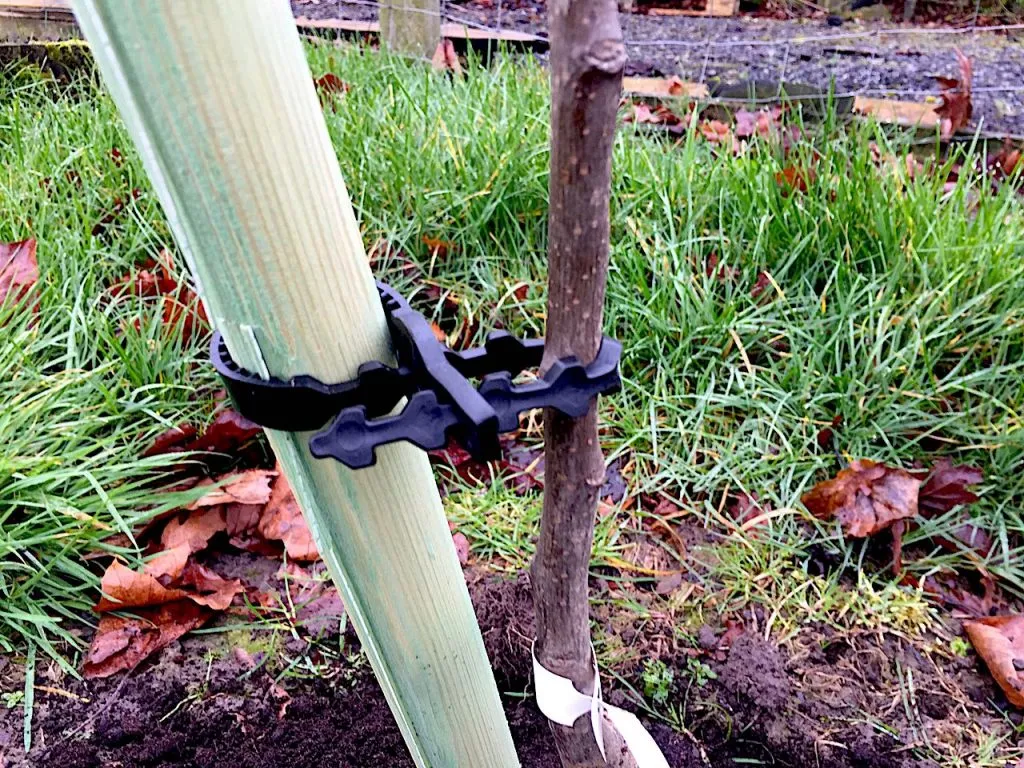
Any tree or large shrub going into an exposed site needs proper staking, and I mean a genuine stake driven in at an angle facing into the prevailing wind, with a soft, adjustable tie, not a bit of old washing line, which I have seen used and which cuts straight through bark within a season.
🛒 Buy tree stakes and ties on Amazon UK
A dusting of mycorrhizal fungi into the planting hole at the point of planting helps roots establish faster and more deeply, which matters enormously on exposed sites, since a plant with a shallow root system is the one that goes over in the first proper autumn storm.
🛒 Buy mycorrhizal fungi rootgrow on Amazon UK
Trees do the heavy lifting in any windbreak scheme, and the ones below have all proved themselves on particularly difficult sites, upland farms, coastal ridges, and the kind of new build plots where the surrounding land has been stripped of every hedge that used to shelter it.
If I had to recommend a single plant for an exposed British garden, it would be hawthorn, and it wouldn’t be close. It tolerates any soil, any aspect, and any level of exposure you can throw at it, which is precisely why our ancestors used it to hedge in entire farms long before wire fencing existed. It grows at a sensible thirty to forty five centimetres a year, quick enough to see progress without becoming a maintenance headache, and it flowers generously in May, which always catches new gardeners off guard, since they only ever think of hawthorn as a hedging plant rather than a remarkably pretty spring-flowering one.
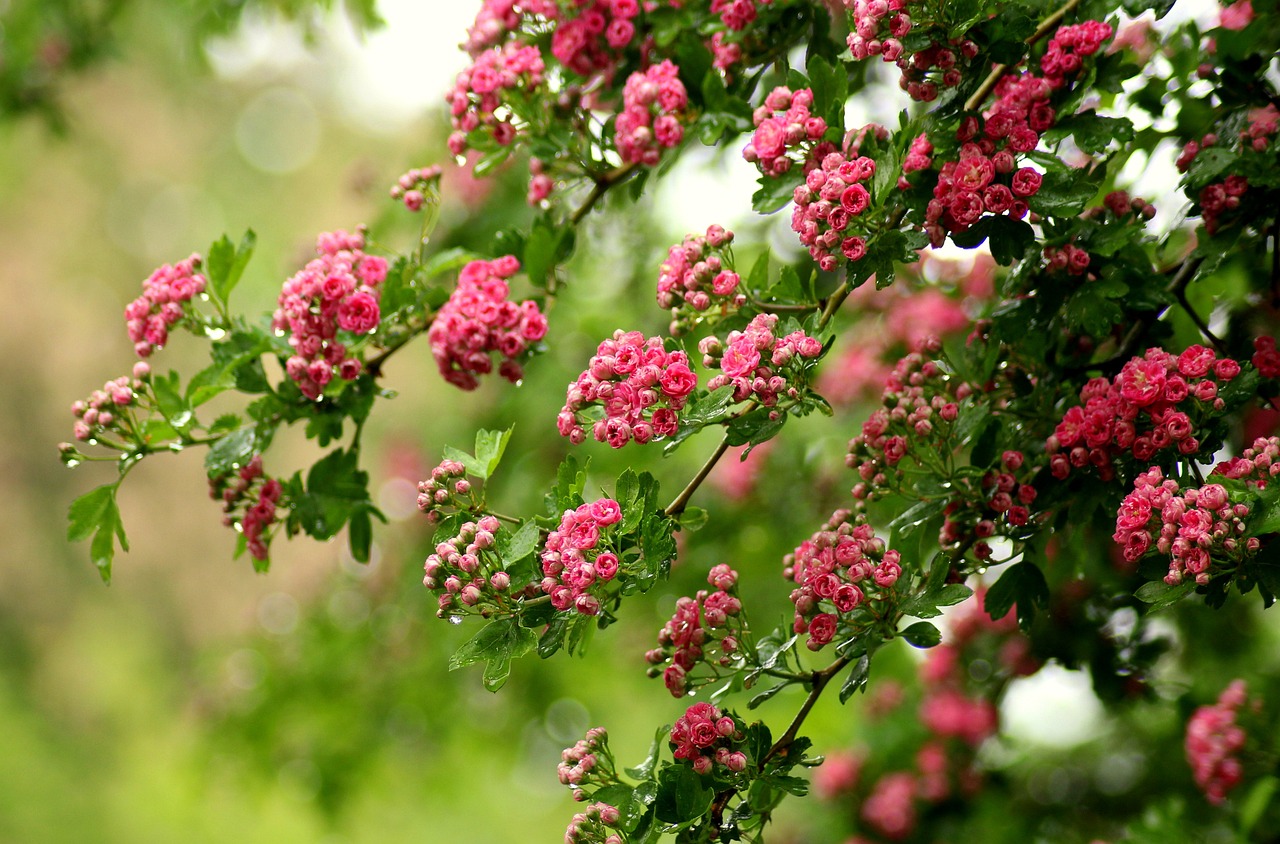
Beyond the flowers, hawthorn berries feed birds right through the coldest months, and the dense, thorny growth makes it a truly effective deterrent hedge if you’re trying to keep anything larger than a robin out of your borders. On a working windbreak scheme I’ll usually plant hawthorn as the backbone species and mix in field maple or blackthorn for a bit of variety, since a single species hedge, however tough, always looks a little municipal on its own.
You can buy hawthorn as inexpensive bare root whips through the winter dormant season, and hawthorn plants and whips are available on Amazon UK if you want to get a windbreak underway without breaking the budget.
Rowan, or mountain ash if you want its more romantic country name, is a tree I use constantly on hillside and upland projects, because it notably doesn’t seem to notice being exposed. It’s one of our most cold-hardy native trees, at home on Scottish hillsides and northern England ridgelines where a lot of ornamental trees would simply give up. It carries creamy white blossom in May, followed by clusters of vivid orange red berries from late summer that mistle thrushes and fieldfares depend on through autumn migration, which always makes me feel rather good about recommending it.
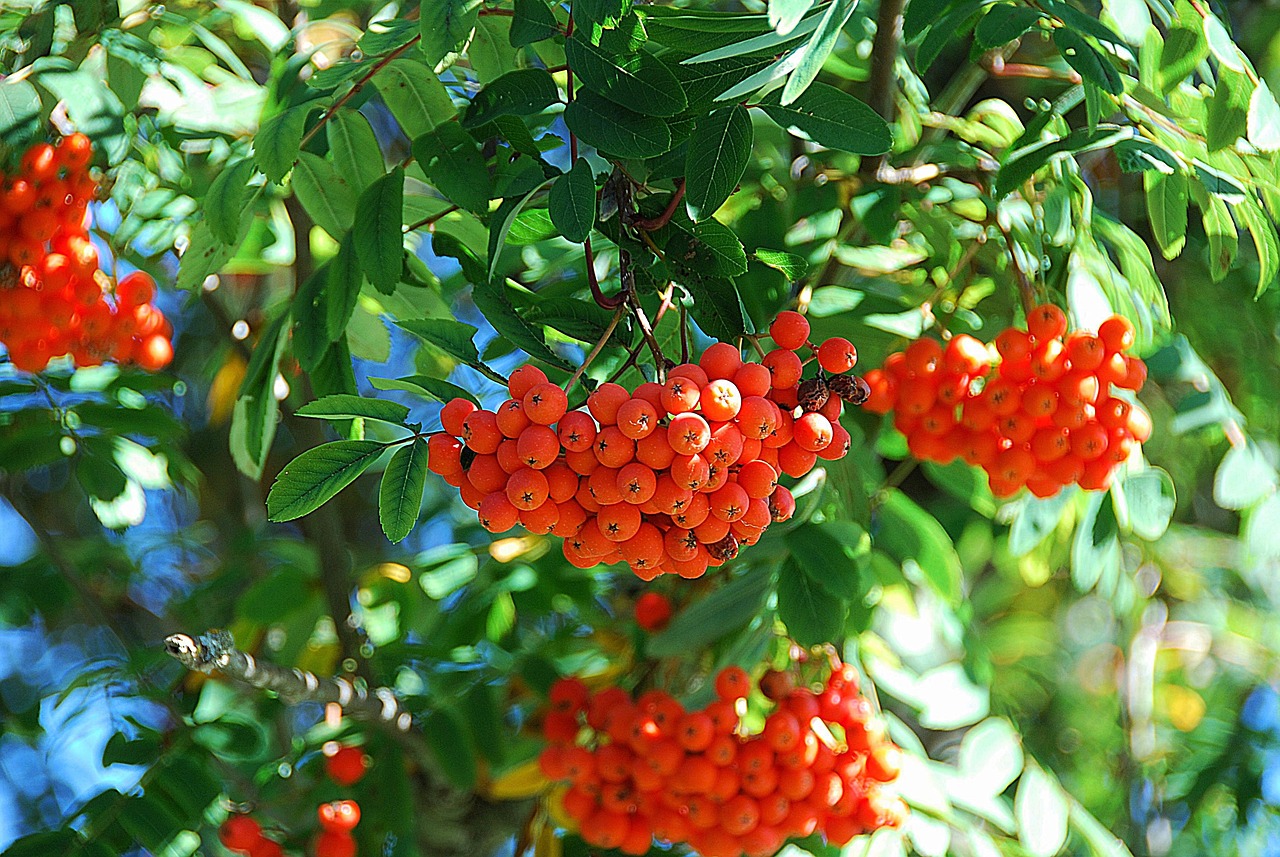
The pinnate, feathery leaves give rowan a light, airy quality that doesn’t cast the heavy shade a beech or oak would, so it works well as a specimen tree in a smaller exposed garden as well as within a larger shelter belt scheme. In urban settings it also shrugs off pollution and compacted soil with a resilience that a lot of more delicate ornamental trees simply can’t match, which is worth knowing if your exposure is coming from a busy road as much as the weather.
Rowan is widely available as both container grown and bare root stock, and rowan trees can be found on Amazon UK if you’d rather order online than trail round a garden centre in the wind, which frankly feels a bit on the nose given the subject of this guide.
Field maple is the fastest growing of our native hedging species, putting on forty to sixty centimetres a year, and it produces plainly excellent golden autumn colour that people are always surprised to learn comes from a hedging plant rather than a specimen tree. Left to its own devices in a shelter belt it will grow into a handsome small tree, but trimmed as a hedge in its first couple of years it thickens up from the base beautifully, giving you a proper dense windbreak rather than a leggy one.
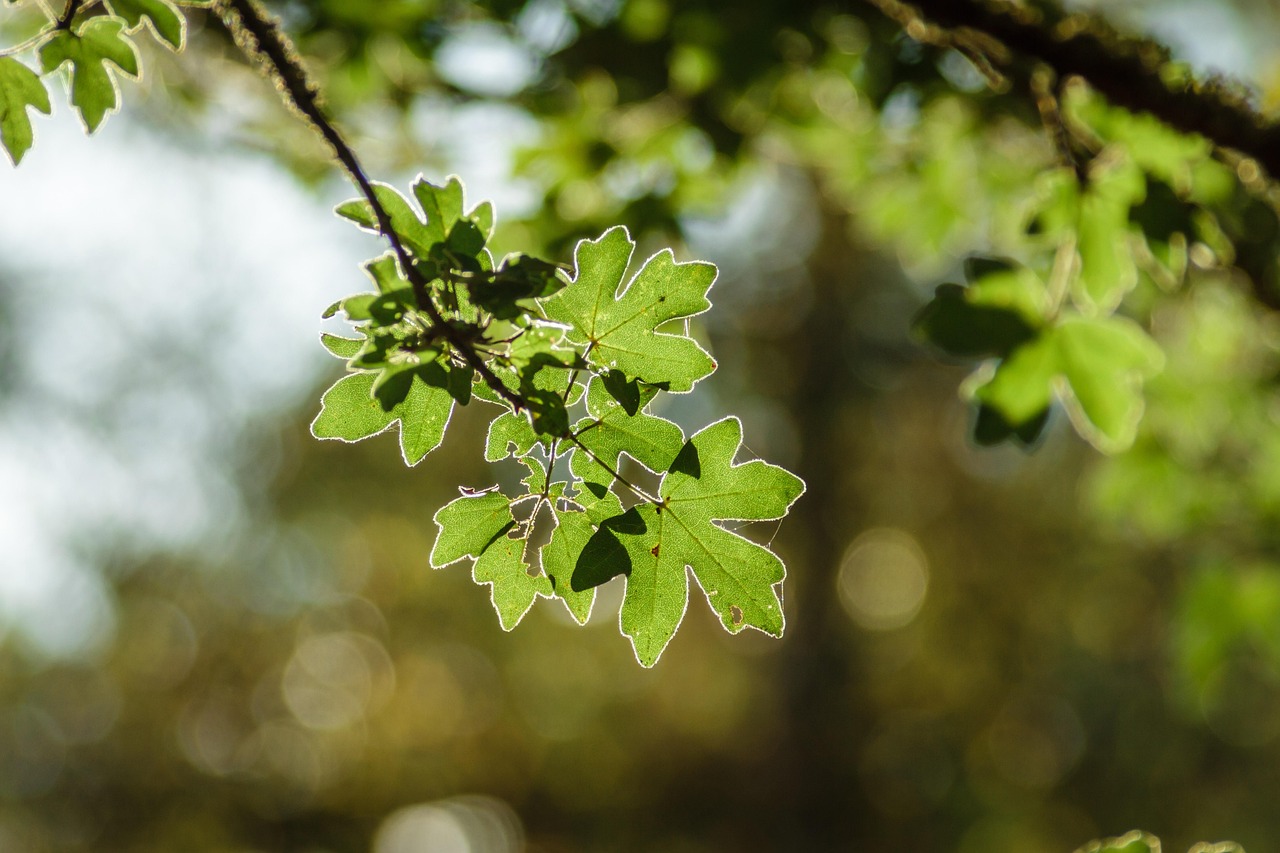
I like to mix field maple with hawthorn at roughly a one to three ratio when I’m designing a proper shelter belt, since the difference in leaf shape and autumn colour breaks up what would otherwise be a fairly uniform block of green. It copes with heavy clay and chalk equally well, which makes it a thoroughly flexible choice regardless of what’s under your topsoil.
Field maple bare root whips and container plants are available on Amazon UK and are best planted between November and March while dormant, in the same window as hawthorn and blackthorn.
Blackthorn is, in my professional opinion, the toughest hedging plant available for the most punishing positions in the country, and I say that having planted it on some properly brutal sites over the years. Its dense, viciously thorny growth forms an almost impenetrable barrier, and it’s the first hedgerow plant into flower each year, often in March before hawthorn has even thought about it, with a froth of white blossom on bare black stems that looks really striking against a grey British sky.

Come autumn you get sloes, the small, sharp fruit every gin enthusiast in the country suddenly remembers exists around October, and I will admit to raiding my own blackthorn hedge for exactly this purpose most years. Growth is a touch slower than hawthorn at twenty to thirty centimetres a year, and those thorns make it particularly unpleasant to trim, so I’d suggest using it in combination with hawthorn on your most exposed boundary rather than as the sole species throughout.
Blackthorn bare root plants are available on Amazon UK, and I would remarkably recommend a decent pair of gauntlet gloves before you go anywhere near planting or trimming it, a lesson I learned the hard way early in my career.
Once your windbreak trees are in and doing their job, the shrub layer is where an exposed garden actually starts to look like a garden rather than a farm boundary. These are all shrubs I use repeatedly on coastal and hillside projects, because they hold their structure and their leaves through conditions that would strip a more delicate shrub bare by January.
Escallonia is one of my genuine design favourites for exposed and coastal gardens, and it’s become something of a signature plant on my west coast projects. It’s evergreen, so it’s doing a job for you every single month of the year, and it produces small, glossy leaves that shrug off salt laden wind without the leaf burn that catches out plenty of other evergreens. In summer it puts on a proper display of small pink or red tubular flowers that pollinators absolutely love, which is a nice bonus on top of what is fundamentally a working windbreak plant.
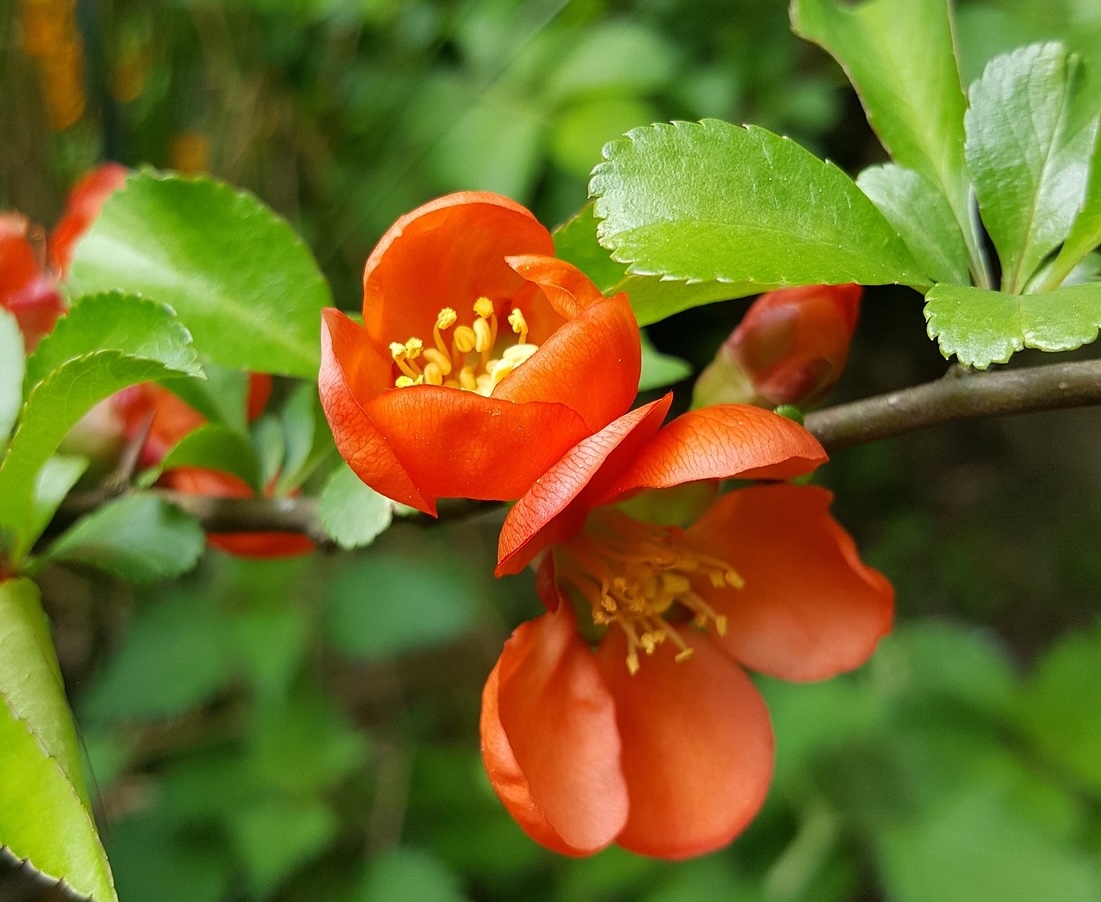
It responds well to a hard trim if it does get knocked about by a particularly savage winter, bouncing back from old wood in a way a lot of evergreens simply won’t, which makes it a truly forgiving choice if you’re still learning how your particular garden’s exposure behaves through its first few seasons.
Escallonia plants are available on Amazon UK and are best planted in autumn or spring so the roots have a full season to establish before facing a proper winter blow.
Griselinia littoralis is practically bulletproof, and I mean that as a professional assessment rather than a throwaway line. Its glossy, leathery, apple green leaves create a lush, almost tropical-looking screen despite being one of the most wind and salt-tolerant shrubs you can plant in this country, which is precisely why it’s become the go-to coastal hedging choice from Aberdeen right down to St Ives.
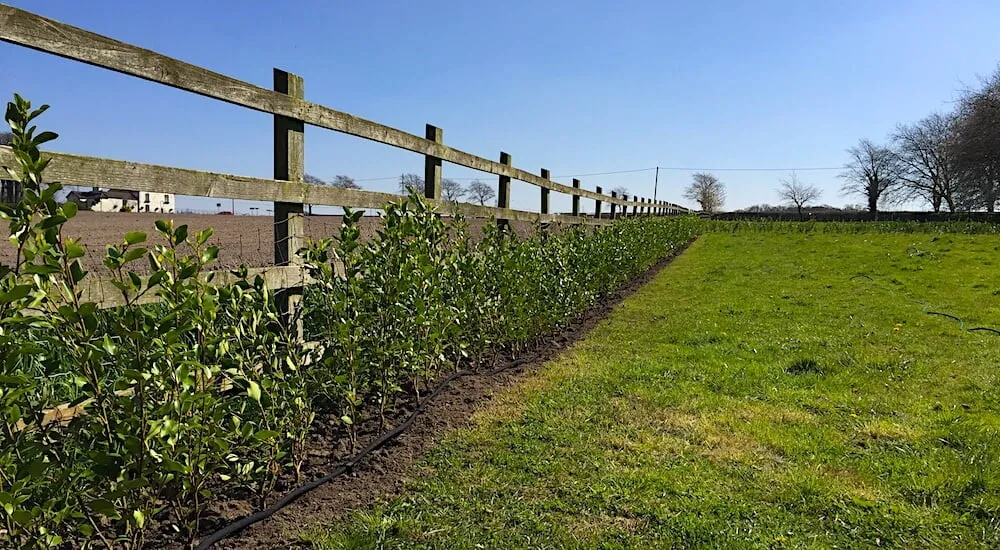
I have it growing here at home and it features in my hedge cutting guide fairly often, since it’s a plant I notably reach for again and again on client projects.
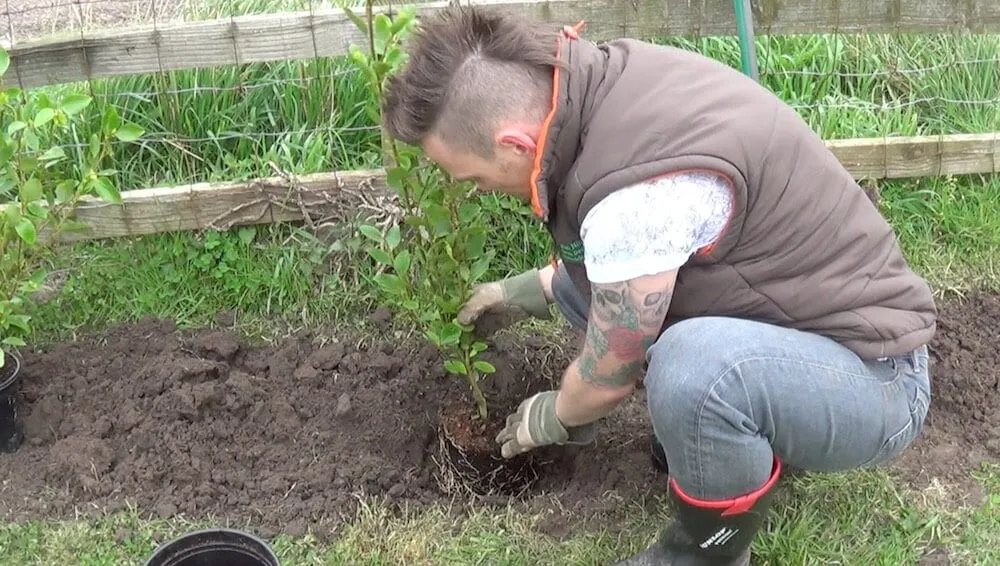
It’s fully hardy in coastal and lowland gardens, though it can suffer in a particularly cold inland winter if the site is both exposed and frosty at once, so in colder northern gardens I’ll usually pair it with hardier options like Escallonia or hebe rather than relying on it as the sole evergreen backbone.
Griselinia plants are available on Amazon UK in a range of sizes, and I’d always recommend starting with smaller, younger plants on an exposed site, since they establish a stronger root system than a large, top heavy specimen that’s more likely to rock loose in the wind.
Pittosporum tenuifolium carries small, wavy-edged leaves on near-black stems, and it’s a plant I use where I want texture and movement rather than the solid block of a formal hedge. It’s a New Zealand native originally, which tells you everything you need to know about its tolerance for wind, since New Zealand’s climate makes most of what the UK throws at it look rather tame by comparison. Once established, it adds year-round structure and interest to borders that would otherwise struggle in exposed conditions.
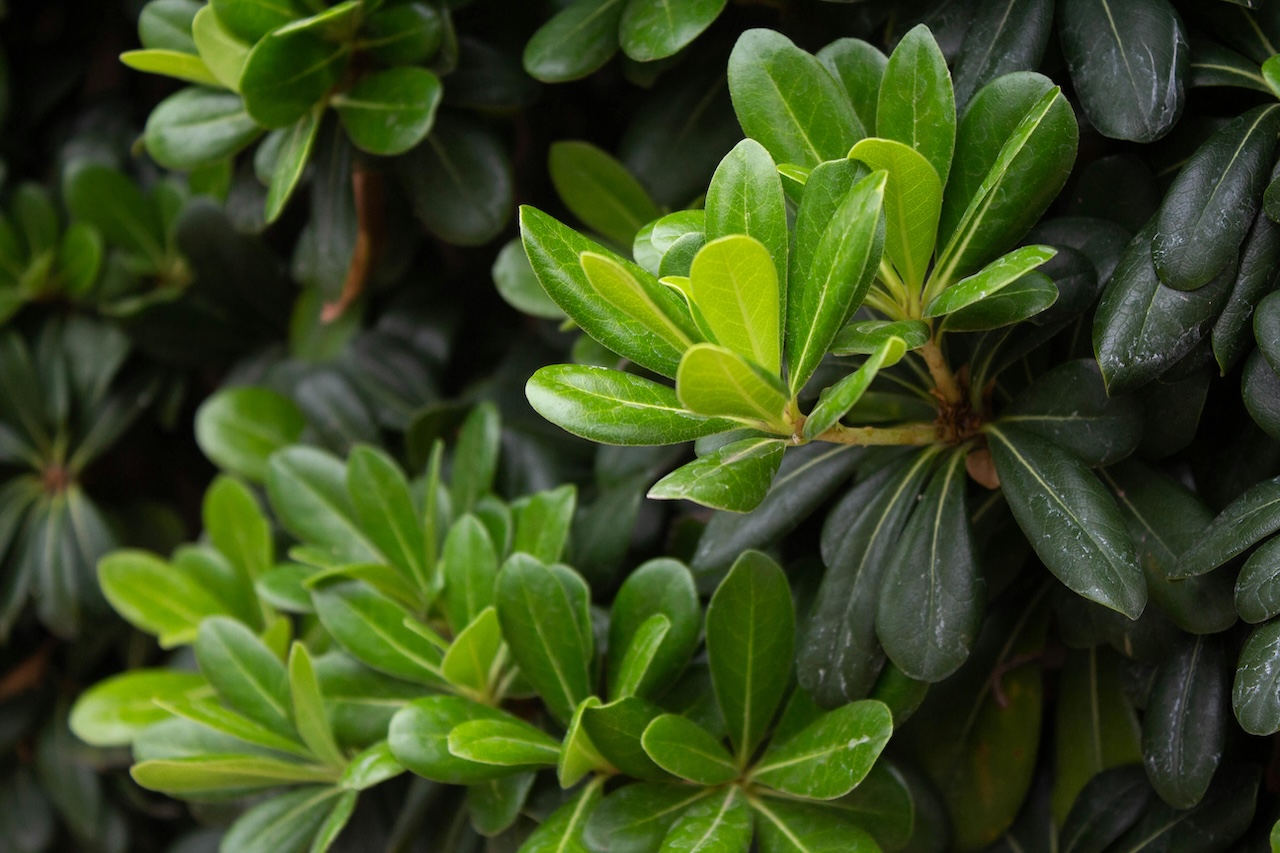
I’ll often use it as a lower, softer companion to a hawthorn or field maple windbreak, planted in the more sheltered zone just behind the main hedge line, where it can develop its naturally rounded shape rather than being battered into something more ragged. Young plants do need a season or two of protection while they establish, so I’d pair it with windbreak netting in its first winter on a plainly exposed site.
Pittosporum plants are available on Amazon UK, and I’d suggest planting in spring rather than autumn in the coldest parts of the country, giving the roots a full growing season before their first proper winter test.
Hebes are the unsung heroes of exposed garden planting, and I include them in almost every coastal and hillside scheme I design. They’re compact, evergreen, low maintenance, and thoroughly don’t seem to mind being battered about, which after everything else in this guide you’ll have gathered is my highest possible compliment for a plant. Different varieties give you a surprising range of foliage colour, from silvery grey through to deep purple, and most flower generously through summer, which is more than you can say for a lot of tough evergreens.
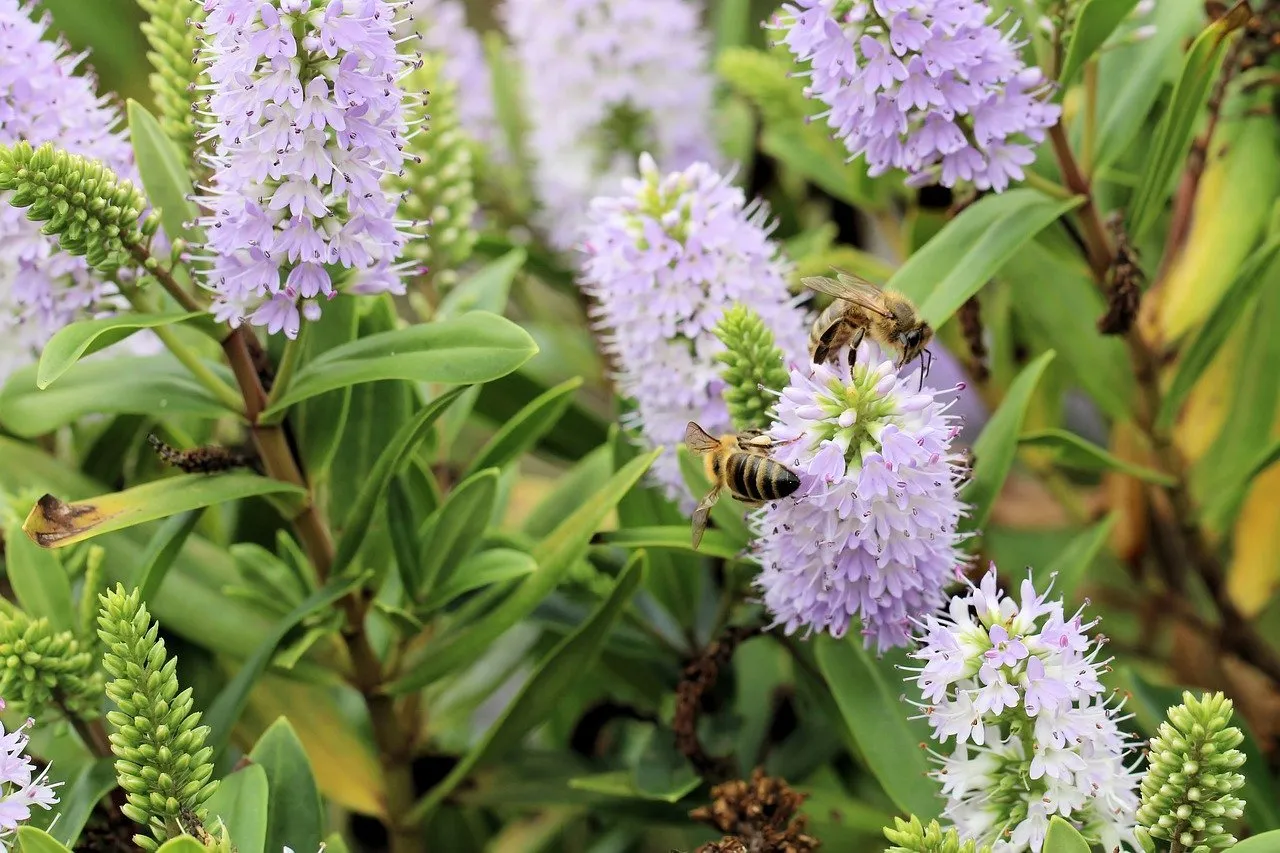
I use hebe constantly as the front of border planting in exposed schemes, since its low, rounded habit sits below the worst of the wind while still contributing colour and structure. It’s also one of the few properly reliable evergreens for pots and containers on an exposed patio or balcony, where the wind exposure is often worse than in the open garden due to the buffeting effect of nearby walls.
Hebe plants are available on Amazon UK in a huge range of varieties, and I’d always recommend checking the specific hardiness rating of the cultivar you choose, since some of the more colourful, newer introductions are noticeably less hardy than the classic green leaved older varieties.
Physocarpus, or ninebark to give it its rather charming common name, is a really tough flowering shrub that brings real punch to an exposed border, and it’s one I recommended in person on my own forum to a reader battling a windy south-facing plot, alongside Achillea and Rudbeckia. The deep purple or golden foliage, depending on variety, holds its colour throughout summer, and the peeling, shredding bark that gives the plant its name adds genuine winter interest once the leaves have dropped, which a lot of purely summer-flowering shrubs simply can’t offer.
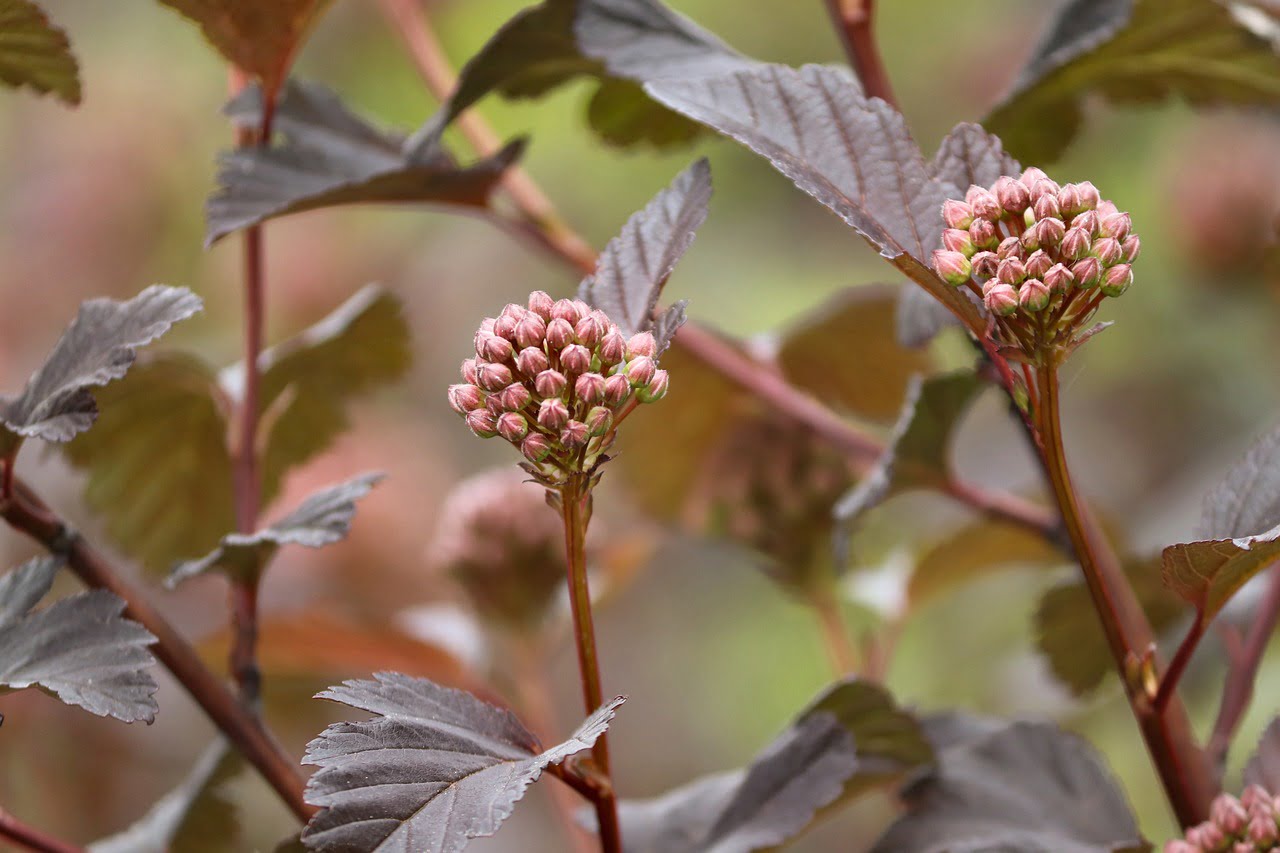
It’s deciduous, which some gardeners see as a downside in a windbreak planting, but I’d argue it’s actually an advantage in a mixed exposed border, since the flexible, arching stems bend with the wind rather than fighting it, and a plant that bends survives a storm considerably better than one that stands rigid and snaps.
Ninebark plants are available on Amazon UK, and a light prune straight after flowering keeps the shape tidy without sacrificing next year’s display.
This is where an exposed garden gets to have some real personality, because once your trees and shrubs are doing the structural work of breaking the wind, the perennial and grass layer can afford to be a bit more playful. My general rule here is simple, choose plants with flexible stems that move with the wind rather than rigid ones that fight it, since a border of tall, stiff perennials in an exposed garden will look battered and beaten by August, while a border of grasses and flexible perennials looks deliberate and rather beautiful moving in the same wind.
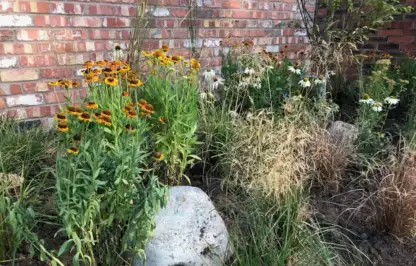
Achillea, or yarrow, was one of the first plants I suggested when that reader wrote in about their windy south-facing garden overlooking farmland, and it remains one of my most reliable recommendations for exposed borders. Its finely divided, ferny foliage sits low and sturdy, and the flat-topped flower heads, held on sturdy stems, sway rather than snap in a strong gust. I’ve used it in a particularly wide range of my own planting plans over the years, and it rewards you with colour from June right through to early autumn if you’re diligent about deadheading.

It’s also remarkably drought-tolerant once established, which suits an exposed site well, since wind dries out soil considerably faster than most gardeners expect, and a plant that sulks without daily watering is not one I’d choose for a windy plot.
Achillea plants and seeds are available on Amazon UK, and a division every three or four years keeps the clump vigorous and flowering well.
Rudbeckia was the other perennial I mentioned to that same forum reader, and its stability in wind is remarkably one of its best features, alongside those cheerful golden daisy flowers with their dark central cone that bring proper late summer colour when a lot of the rest of the border is winding down. It’s sturdier in structure than a lot of daisy-flowered perennials, which matters enormously in an exposed site, since floppy, thin-stemmed perennials are the first casualties of a windy summer.

Mixing Rudbeckia with grasses gives you a lovely late season border that copes with wind considerably better than a bed of taller, more delicate perennials would, and the seed heads left standing through winter provide food for goldfinches, which is always a nice bonus on top of the summer display.
Rudbeckia plants and seeds are available on Amazon UK and are best planted in groups of five or more for the kind of naturalistic drift effect that suits an exposed, open garden.
Sea holly, or Eryngium to give it its proper name, is a plant that actively looks better for being exposed, and it’s growing in my own garden for exactly this reason. Its stiff, spiky, metallic blue flower heads and equally architectural foliage were built for open, windswept conditions, and there’s something rather satisfying about a plant that thrives on the exact conditions that would flatten most of its border companions. It’s truly one of the most architectural perennials you can grow, and it holds its striking form right through into winter if you leave the seed heads standing.
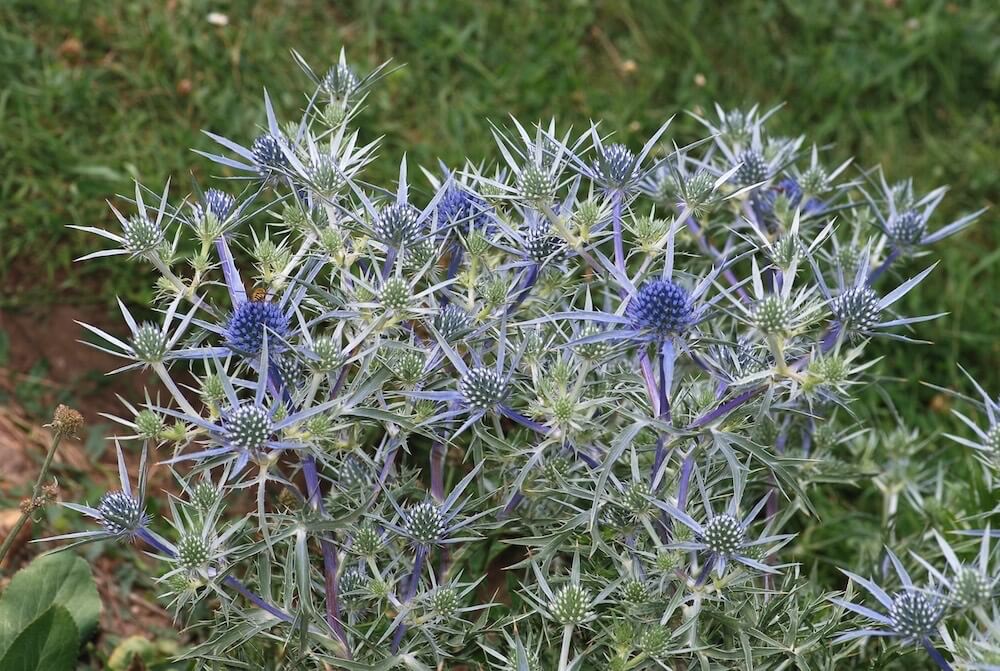
It needs sharp drainage rather than rich, moisture retentive soil, so if your exposed garden also has heavy clay, I’d work in plenty of horticultural grit before planting, since it’s the combination of exposure and waterlogging that will do for a sea holly, not the wind alone.
Sea holly plants and seeds are available on Amazon UK, and it’s worth noting it resents being moved once established, so choose its final position carefully from the outset.
Sea thrift, or Armeria, forms neat, low cushions of grassy foliage topped with pretty pink pompom flowers on wiry stems from late spring, and I use it constantly as edging along the front of exposed borders and gravel gardens. Its natural habitat is coastal cliffs and salt marshes, which tells you everything about how much wind and salt spray it can shrug off without complaint, and its low, dense growth habit means it simply sits below the worst of the wind rather than needing to fight it at all.
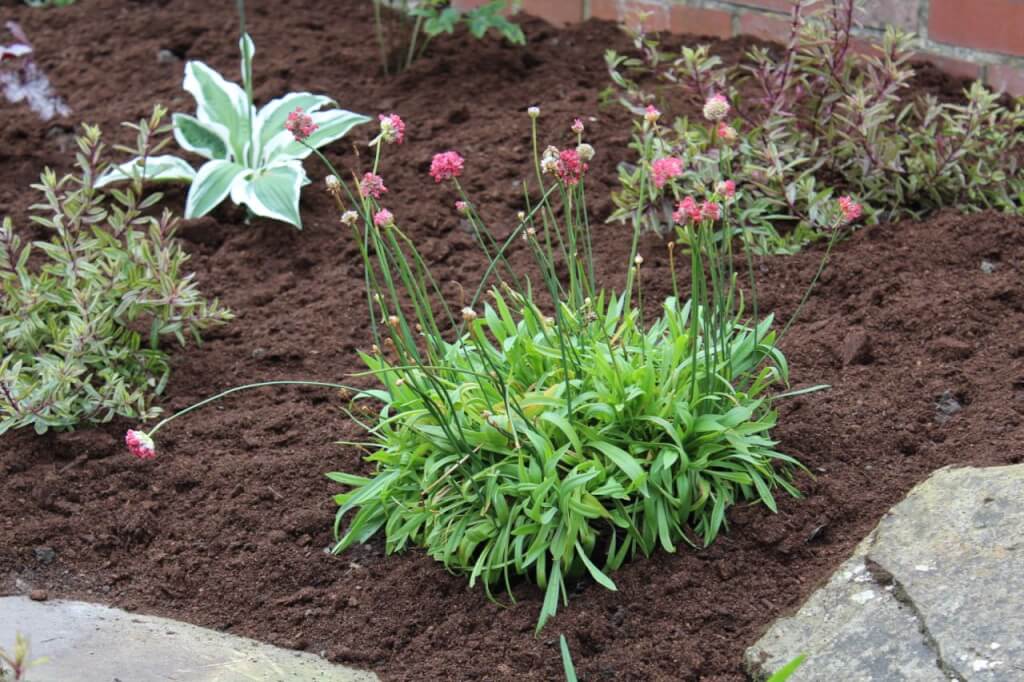
It’s an excellent choice for gravel gardens, raised beds, and the edges of paths in exposed sites, and it’s notably low maintenance once established, needing little more than an annual tidy to remove any tired foliage.
Sea thrift plants and seeds are available on Amazon UK and works beautifully planted in bold drifts along a border edge or path.
Ornamental grasses are, in my view, the single best plant family for exposed gardens, since they’re built by nature to move with wind rather than resist it, and Stipa is the grass I reach for most often. Stipa tenuissima catches every breath of wind and ripples like water across a border, while the larger Stipa gigantea sends up golden, oat like flower heads on tall stems that catch the evening light beautifully and add genuine drama to an exposed planting scheme without ever looking battered.
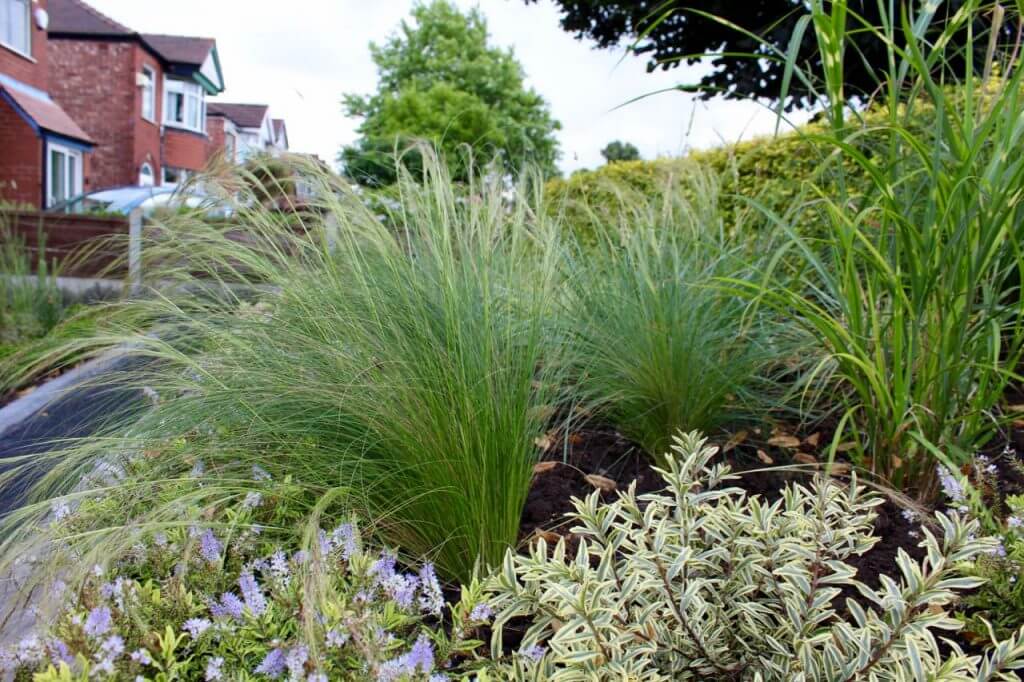
The rustling sound grasses make in wind is something I bring up constantly with clients, since an exposed garden that sounds harsh and unwelcoming with bare borders can sound plainly calming and considered once it’s planted with the right grasses. It turns a problem into a feature, which is my favourite kind of design solution.
Stipa grasses and seeds are available on Amazon UK, and they’re best cut back hard in early spring before new growth begins, rather than in autumn, since the dried foliage gives useful winter structure.
Carex is the sedge I turn to when I want low, flowing texture in an exposed border, and it comes in a thoroughly useful range of colours, from the bronze tones of Carex comans through to the more traditional green forms. It’s technically a sedge rather than a true grass, which matters little to most gardeners but does explain why it tends to be a touch more tolerant of damp, heavy soil than some of the true ornamental grasses, useful if your exposed site also happens to sit on clay.

I use it constantly as a low, textural filler beneath taller shrubs and grasses, where its fine, arching foliage catches the light and moves gently even in the lightest breeze, adding a softness to what could otherwise be a fairly hard-edged planting scheme built entirely from tough, wind-resistant survivors.
Carex plants are available on Amazon UK and can be lightly combed through with your fingers each spring to remove tired foliage rather than being cut back hard, which grasses generally dislike.
How you plant matters just as much as what you plant when a site is exposed, and this is the bit that gets skipped most often because it isn’t as exciting as choosing plants. Dig your planting hole at least twice the width of the rootball, work in plenty of organic matter, and firm the plant in properly, since a loosely planted specimen in an exposed site will rock in the wind before its roots have had any chance to establish, opening a gap around the stem that fills with water and invites rot.
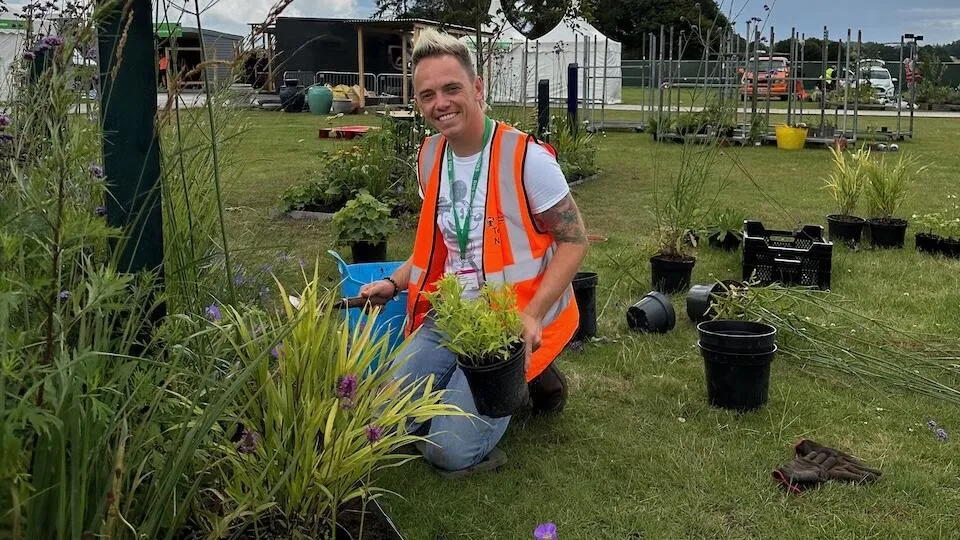
Autumn planting generally gives roots the longest possible head start before summer drought arrives, but on a properly exposed hilltop site I’ll sometimes favour spring planting instead, so the plant isn’t facing its first proper gale before it’s had a full growing season to root in. Whichever you choose, mulch generously around the base once planted, since a mulched root zone retains moisture far better in windy, drying conditions, and water new plantings thoroughly and regularly through their entire first year, wind dries soil out faster than most people expect, even in a wet British summer.
The single biggest mistake, as covered above, is reaching for a solid fence as your first line of defence. The second most common mistake is planting large, mature specimens straight into an exposed site in the hope of instant results. A big, top-heavy shrub or tree with a relatively small rootball in proportion to its size is far more vulnerable to wind rock than a smaller, younger plant that can put its energy into establishing roots rather than supporting existing top growth. I know it’s tempting to want immediate impact, but on a windy site, smaller and patient nearly always beats bigger and battered.
The third mistake is skipping staking altogether on the assumption that a tough, wind-tolerant species won’t need it. Every tree and every large shrub benefits from a stake in its first one to two years on an exposed site, regardless of how hardy the label claims it is, simply to prevent wind rock while the root system establishes. And the fourth, which I see constantly on new build gardens, is planting everything in a single go on day one with no shelter in place at all. Get your windbreak trees and hedging established first, even if that means living with a fairly bare-looking garden for a season or two, and the shrubs and perennials that follow will establish far more successfully behind that shelter than they ever would fighting the wind alone from day one.
Temporary windbreak netting stretched between posts gives immediate protection while a permanent hedge or shelter belt establishes behind it. It is not a permanent solution, but it buys young plants a season or two of protection at very low cost.
A solid fence is generally the weaker option. Wind hitting a solid barrier rises over the top and drops as a turbulent vortex on the far side, which can cause more plant damage than having no barrier at all. A permeable hedge, woven hurdle, or slatted fence filters the wind instead and shelters a far greater area.
As a general guide, a windbreak provides useful shelter for a distance of roughly five to ten times its own height on the leeward side, so a two metre hedge can shelter a good stretch of border beyond it.
Broadly similar principles apply, but coastal gardens also need to cope with salt laden wind, which causes leaf scorch on top of general wind damage. Escallonia, Griselinia and sea holly are particularly well suited to salt exposure, while hawthorn, rowan and field maple perform equally well inland or on the coast.
Yes, but containers dry out faster in wind than open ground, so choose compact, tough varieties such as hebe, and water more frequently than you would for the same plant grown in a border.

Join over 100,000 gardeners on YouTube
Free gardening videos from the Garden Ninja, with 8 million views and counting.
Subscribe on YouTube, it’s freeReady to transform your gardening skills beyond just plopping plants in pots? Garden Ninja’s expertly crafted online courses will fast track your development from keen amateur to skilled garden designer in months rather than years. Starting at just £29, you’ll gain access to professional garden design expertise from BBC Garden Rescue’s Lee Burkhill, delivered at a fraction of traditional horticultural education costs.
For the garden you’ve already got, not the one you’re starting from scratch. Seven checklists and video lessons from BBC Garden Rescue’s Lee Burkhill, designed to help you decide what’s worth keeping before you spend a penny.
Garden Design Examples for Small Gardens: 30 Design Templates & Planting Plans: In this online gardening course, I’ll walk you through 30 fantastic garden designs, explaining the logic behind the layout and plant choices, plus take-home tips for applying them in your own garden.
Learn how to transform and design your garden with Lee Burkhill’s crash course in garden design. In over 5 hours, Lee will teach you how to design your dream garden. Featuring practical design examples, planting ideas and video guides. Learn how to design your garden in one weekend!
Garden Design for Beginners Online Course: Want to become a garden designer or design your own garden? This beginner course is for you. Join me, Lee Burkhill, an award-winning garden designer, as I train you in the art of beautiful garden design. Enjoy 20 hours of online study and video lessons, along with quizzes and a completion certificate.
Exposed and windy gardens are not a design dead end, they simply need a different order of operations. Get your shelter in first, choosing a permeable windbreak over a solid fence every time, then work outward from tough, flexible trees and shrubs like hawthorn, field maple, Escallonia and Griselinia, before finishing with perennials and grasses such as Achillea, sea holly and Stipa that really look better for a bit of movement. Stake properly, plant smaller and be patient, and mulch and water generously through that critical first year. Do those things and an exposed site can become one of the most dynamic, alive feeling gardens you own, rather than the problem plot you started with.
Happy gardening, and if your own exposed or windy garden has thrown up a challenge this guide hasn’t covered, pop over to my forum and ask away. I read every single question myself.


Lee Burkhill, known as the Garden Ninja, is an award-winning garden designer and horticulturist with over 30 years of gardening experience and 15 years as a professional garden designer. A qualified RHS (Royal Horticultural Society) professional, Lee specialises in sustainable garden design and practical horticultural advice. He designs and presents on BBC1’s Garden Rescue and in leading gardening publications. Lee combines three decades of hands-on gardening knowledge with professional design qualifications to help gardeners create beautiful, functional outdoor spaces.
View all posts by Lee Burkhill







JOIN THE NINJAS

Be the first in line for new Guides, Discount codes and Offers