For the garden you’ve already got, not the one you’re starting from scratch. Seven checklists and video lessons from BBC Garden Rescue’s Lee Burkhill, designed to help you decide what’s worth keeping before you spend a penny.
69


Quick Answer
Sloe gin is made by pricking ripe sloes, layering them with sugar and gin in an airtight jar, then leaving the mixture in a dark cupboard for at least three months, shaking it weekly. Sloes are traditionally picked after the first autumn frost, though freezing fresh sloes overnight has exactly the same softening effect and means you do not have to wait for the weather to cooperate.
The first cold snap of the year, the one where I can see my breath and reach for a scarf before I leave Garden Ninja HQ, is the moment I know it is time to go and check the blackthorn bushes for their hard, sour fruits! Sloe gin is the drink that marks the turn of the season for me, the same way damson gin marks the tail end of summer, and I have been making it from the hedgerows around my garden after a busy summer designing gardens professionally.
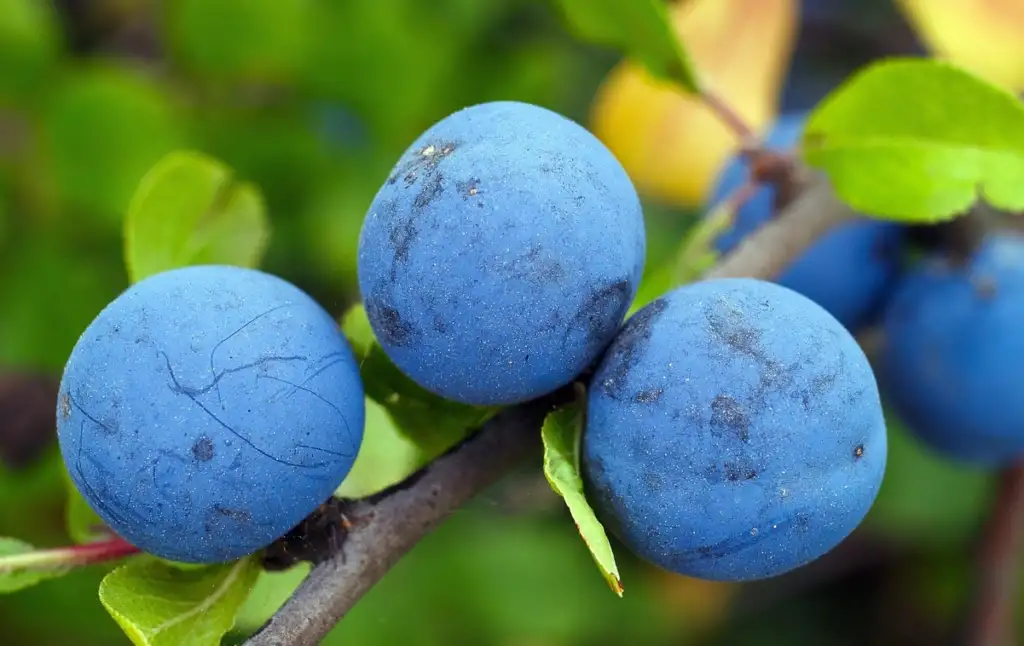
If you have already read my damson recipe guide, the method here will look familiar, and that is deliberate. Sloes and damsons are close relatives, both drupe fruits that ripen in the hedgerows and orchards of Britain as the wheel of the year turns from Lughnasadh into Samhain, and the photographs through this guide are drawn from my own damson harvests since a ripe sloe and a ripe damson are, to the naked eye, almost impossible to tell apart once they are in the jar. What separates them is the tree they grow on, when they are ready, and just how much of a pucker they give you if you are brave enough to try one raw.
There is a rhythm to my gardening year that has very little to do with sowing dates or pruning calendars, and everything to do with fruit. Elderflowers in early summer tell me Beltane has passed. Damsons landing heavy on the tree signal Lughnasadh and the first hint of harvest. Then, once the blackthorn along the lane starts to blacken and the mornings turn sharp with the first real cold, I know Samhain is on its way and the year is tipping into its darker half. Picking sloes is as much a marker of that turning point for me as the clocks going back, and every jar I put away in the cupboard feels like a small, quiet way of paying attention to a season most people rush straight through.
Blackthorn carries a lot of folklore alongside its fruit and is considered one of the ancient plants used in the occult. In British folklore, it has long been associated with protection and boundary magic, planted into hedges as much for its symbolic role in keeping ill fortune out as for its very literal job of keeping livestock in.
Its dense black wood was traditionally cut for walking sticks and cudgels credited with protective properties, and the tree itself sits firmly on the dark half of the wheel, flowering starkly before its own leaves appear each spring and fruiting as the nights draw in each autumn. If plant folklore interests you as much as it interests me, I have written a full A to Z guide to common garden plants used in witchcraft, blackthorn included, which goes into far more detail than I have room for here.
Jump To
1. What Is a Sloe? Identifying Blackthorn 2. When to Pick Sloes 3. Foraging Sloes Responsibly 4. How to Make Sloe Gin 5. Other Ways to Use Your Sloes 6. Storing and Serving Sloe Gin 7. Growing Blackthorn in Your Own Garden 8. Frequently Asked QuestionsA sloe is the fruit of blackthorn, Prunus spinosa, a spiny native hedgerow shrub found right across the UK. Sloes look like tiny damsons, small round fruits around 1 to 1.5cm across, with the same deep blue-black skin and the same pale, waxy bloom that rubs off if you handle them too much. They are rock hard, though, and don’t soften as quickly as damsons. That resemblance is exactly why people confuse the two, and honestly, once picked and dropped into a jar of gin, I could not always tell you which was which myself without checking my notes, Ninjas! They both taste deliciously dark, fruity, and sweet once they have steeped in gin and sugar.
The tree itself is where the two part company. Blackthorn is an incredibly thorny shrub, often used for stock-proof hedging, with vicious spines that will happily pierce a pair of thin gloves. Damson trees have no thorns at all and tend to grow as a small tree rather than a dense, scrubby hedge. Blackthorn also flowers much earlier in spring, often before its own leaves appear, covering the hedgerow in a haze of small white blossom weeks ahead of anything else in the countryside. If you have ever driven past a hedge that looks like it has had a light dusting of snow in March, that was almost certainly blackthorn.
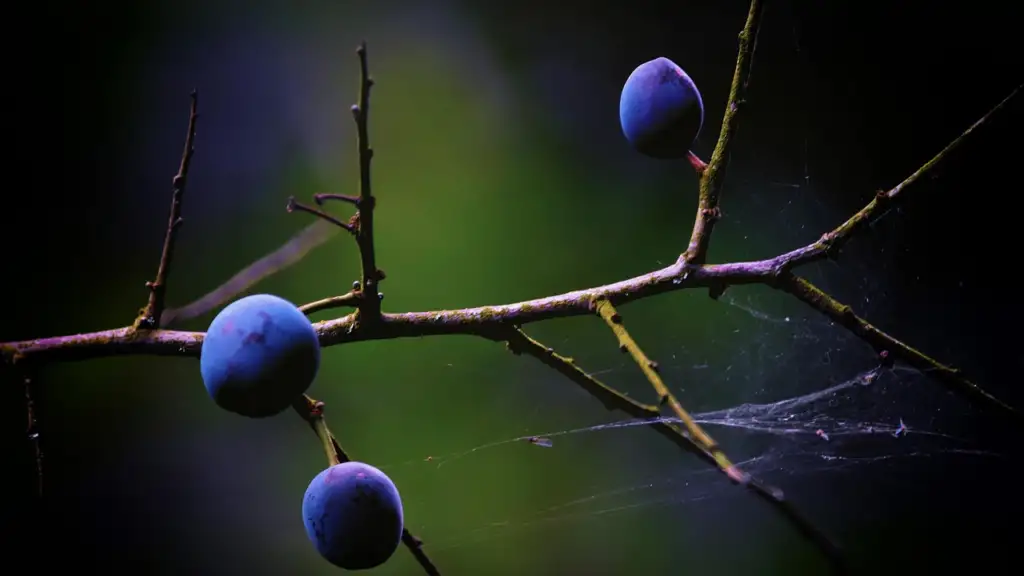
Sloes themselves are also considerably more astringent than damsons when raw. Bite into an unripe sloe and the tannins will dry your mouth out almost instantly, which is exactly the quality that makes them so good for infusing into gin, since that sharp, tannic edge softens beautifully once it has had months in alcohol and sugar. Damsons are tart too, but nowhere near as mouth-puckering, which is why they suit jam and crumble as well as gin, whereas I would never eat a raw sloe by choice.
One more useful giveaway if you are still unsure: blackthorn tends to grow low and dense, in tangled thickets along field boundaries and footpaths, whereas damson trees are usually found in gardens, allotments and old orchards, standing as single trees rather than hedges. If what you are looking at is a wall of spiny growth rather than a recognisable tree shape, you are almost certainly looking at blackthorn.
Old country wisdom says to wait until after the first frost before picking sloes, and there is real science behind it as well as folklore. Frost damages the cell walls inside the fruit, softening the flesh and causing it to release its juice and colour far more readily once it hits the gin. In most of the UK, the first proper frost tends to occur between mid-October and mid-November, though it varies considerably by region and by how mild the autumn has been.
I do not actually wait for frost most years. Freezing your sloes in the freezer overnight achieves exactly the same softening effect, breaking down the cell walls just as a hard frost would, and it means you are not at the mercy of the weather forecast. This is precisely the trick I use with damsons for the same reason, and it lets me pick as soon as the fruit is fully ripe rather than hanging around waiting for a cold snap that might not arrive until December in a mild year. They will not feel as ripe as a ripe damson and always have a far firmer texture, which is why they are used in preserves and steeped in gin to allow them to break down, a bit similar to winter medlars.
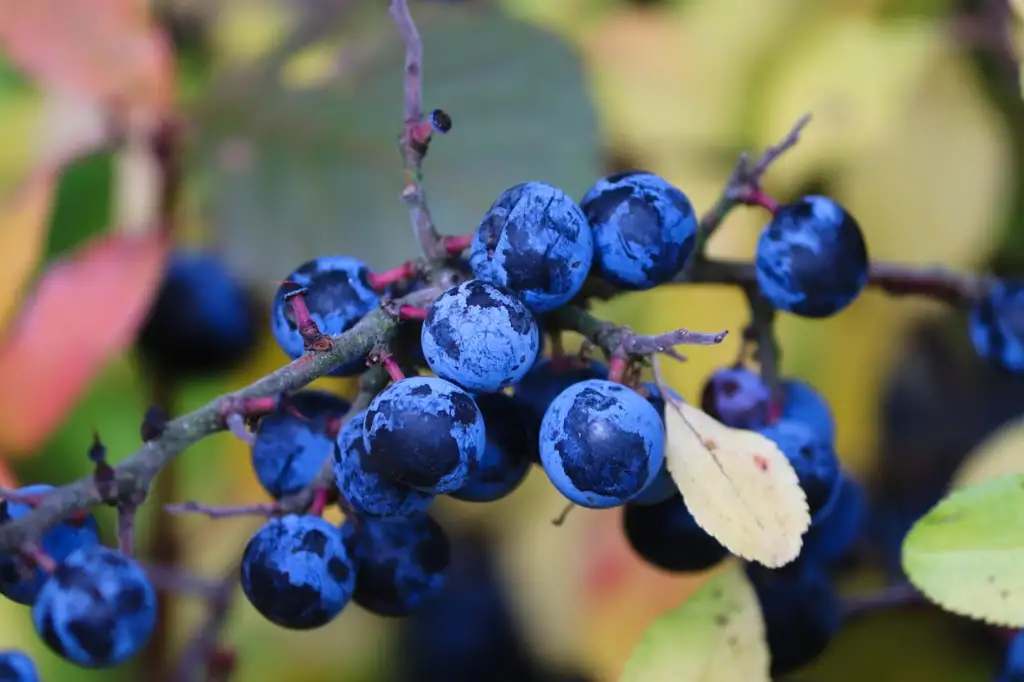
Ripe sloes should be fully coloured, a deep blue-black with that dusty bloom still intact, and they should give slightly when you squeeze them between finger and thumb. If they are still hard and glossy, leave them another week or two. Most UK hedgerows are ready from late September through into November, with the bulk of a decent harvest usually falling in October, which is exactly why this sits alongside damson season as one of my two favourite foraging windows of the year.
Most of my sloes come from public hedgerows and footpaths rather than my own garden, which is entirely normal in the UK. Under the Wildlife and Countryside Act 1981, it is generally legal to pick wild fruit, flowers, foliage and fungi for personal, non-commercial use, provided the plant itself is not uprooted, and you are not on land where foraging has been specifically restricted, such as a nature reserve or SSSI. This is guidance rather than a full legal opinion, so if you are foraging in an unfamiliar area, it is always worth checking local signage or asking the landowner if you are unsure.
Blackthorn is one of the thorniest native hedgerow plants here in the UK. So this is one of the few foraging jobs where I will not go out without proper hand protection, as the spines will quickly pierce your hands, unlike damsons. A pair of Gold Leaf DRY TOUCH gloves makes a real difference here, since the spines are stiff enough to go straight through a thin cotton glove, and I have picked more than one thorn out of my palm over the years, learning that lesson the hard way.
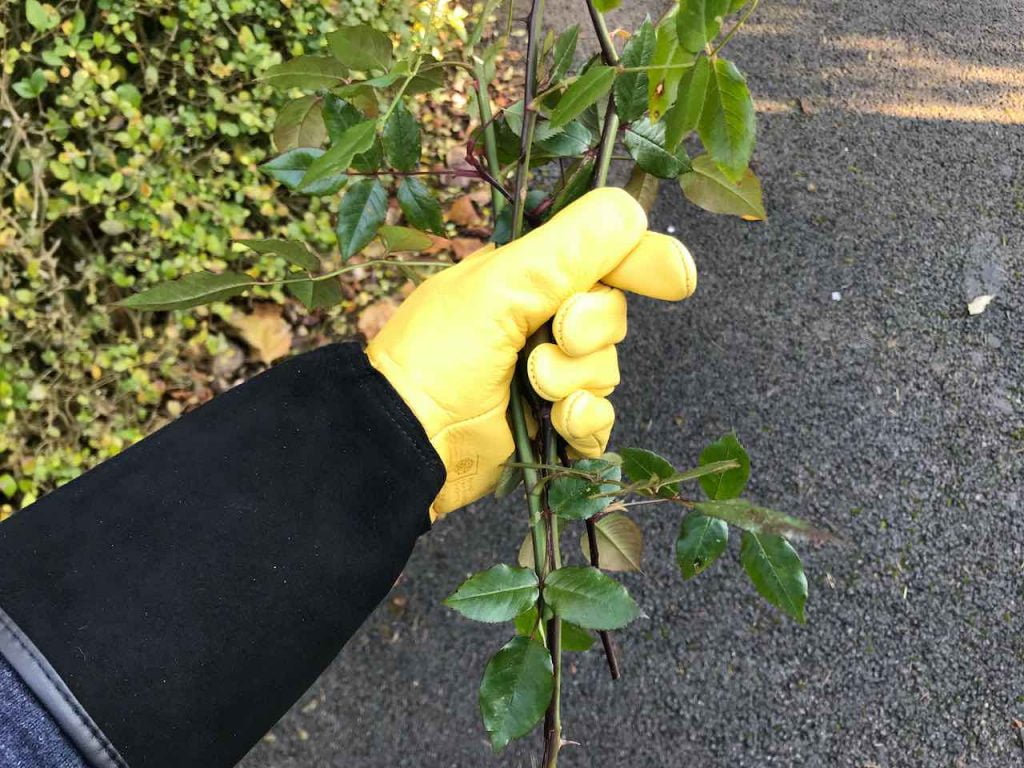
Leave plenty on the bush for the birds when you do forage; don’t be greedy and totally strip the hedgerow of blackthorn sloes. Sloes are an important late-season food source for thrushes, blackbirds and fieldfares heading into winter, and a hedge stripped completely bare does the local wildlife no favours. I never take more than a third of what is on any one bush, and I always spread my picking across several hedges rather than hammering a single spot in a frantic afternoon. It also means the following year’s crop has plenty of fruit left to set seed and keep the hedge regenerating, and since blackthorn takes years to grow to any decent size, this is important.
This is the same method I use for damson gin, adapted for sloes, and it could not be simpler. There is no cooking involved, no special equipment beyond a jar, and the hardest part of the entire process is finding the patience to leave it alone for three months.
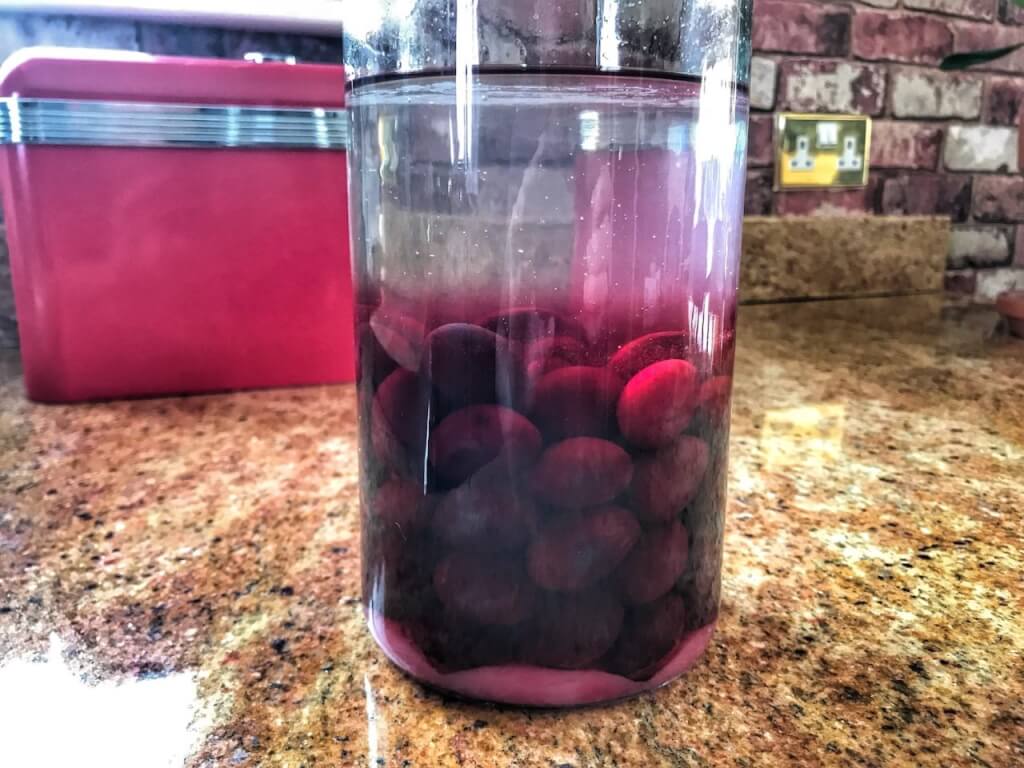
Sloe Gin Recipe
Makes about 750ml | Prep time 20 minutes | Ready in 3 months
Ingredients
Method
A basic Gordon’s London Dry Gin is all you need for this. There is no point spending money on a premium gin here, since the sloes, sugar and three months of infusing time do all the flavour work, and a more expensive botanical-heavy gin can actually fight with the fruit rather than complement it.
🛒 When it comes to straining, I always use a proper muslin jelly bag rather than a kitchen sieve, since a sieve lets through far more fine sediment and your finished gin ends up cloudy rather than clear.
I decant every batch into a Kilner Square Clip Top Jar to infuse, since the airtight seal stops the gin evaporating over three months in the cupboard and the wide neck makes it far easier to pack the sloes in without spilling sugar everywhere.
Like the leftover damsons from my damson gin, do not throw the spent sloes away once you have strained the gin off. They have soaked up months of gin and sugar and make a good addition to a crumble in place of fresh fruit, reducing the sugar in the crumble recipe by about half since the sloes are already sweetened. They are also excellent dipped in melted dark chocolate and left to set for an easy, boozy petit four.
Gin is the classic use for sloes, but it is not the only one, and if you have foraged more than you need for a jar of gin, there are a couple of other things worth trying.
Sloe jam is not something you see on many shelves, and there is a reason for that. It is tart, intensely flavoured, and needs the stones removed before or after cooking, which is fiddly given how small the fruit is. Simmer 1kg of sloes with 300ml of water until the skins split and the fruit is soft, then push the pulp through a sieve to remove the stones, weigh the resulting puree, and return it to the pan with an equal weight of sugar. Boil rapidly until it reaches setting point, then jar as you would any other jam.
It is closer in character to a fruit cheese than a conventional jam, and it pairs brilliantly with strong cheddar or a good pâté. My plum jam recipe and guide will show you each step in more detail.

If gin is not to your taste, the exact same method above works with vodka instead. Vodka gives a cleaner, less botanical result that lets the sloe flavour come through more directly, without the juniper and citrus notes a gin brings to the party. I make a small jar of each most years and put them side by side at Christmas so guests can compare.
Once your gin is strained and bottled, it does not have to be drunk neat. A splash topped up with cold ginger ale makes a warming winter drink, and a measure poured into a glass of Prosecco or Champagne turns an ordinary fizz into a sloe gin fizz, one of my favourite ways to use it at Christmas. It also makes a good base for a simple sloe gin sour, shaken with lemon juice and a little sugar syrup over ice.
Once strained and bottled, sloe gin keeps for years rather than months, and it improves with age. I always have at least one bottle from a previous year still going, and the flavour rounds out and mellows the longer it sits. Store it somewhere cool and dark, like any spirit, and there is no need to refrigerate it.
The three-month infusing period is a minimum rather than a target. I have left jars infusing for six months before with no ill effects at all, and if anything the flavour only gets better the longer the sloes sit in the gin before straining. What you do not want to do is rush it. Anything under about eight weeks and you will taste raw alcohol rather than a fully rounded gin.

Decant your finished gin into a decent bottle before gifting it, since a jam jar full of gin does not photograph well under the Christmas tree. A swing top bottle with a proper label is one of the easiest, cheapest homemade gifts I make every year, and it costs a fraction of what a bottle of shop-bought sloe gin would set you back.
I planted my own blackthorn a few years ago specifically so I would never be short of sloes again, and it has turned out to be one of the most useful things in my garden. Blackthorn makes an excellent native hedging plant, tough, wildlife-friendly and reliably stock-proof once established, and I have written about it before as one of my picks for exposed and windy sites, where its dense, thorny growth copes with wind that would shred a softer hedge.
It is not a plant for a small, tidy border. Blackthorn suckers freely and will spread if you let it, which is exactly why it makes such a good boundary hedge but a poor specimen plant close to a patio or path. Plant it in full sun for the best blossom and the heaviest fruit set, in any reasonable soil, and be prepared to trim it hard in its first couple of seasons if you want a dense hedge rather than a leggy, gappy one. Left unclipped, it will happily reach small tree size.
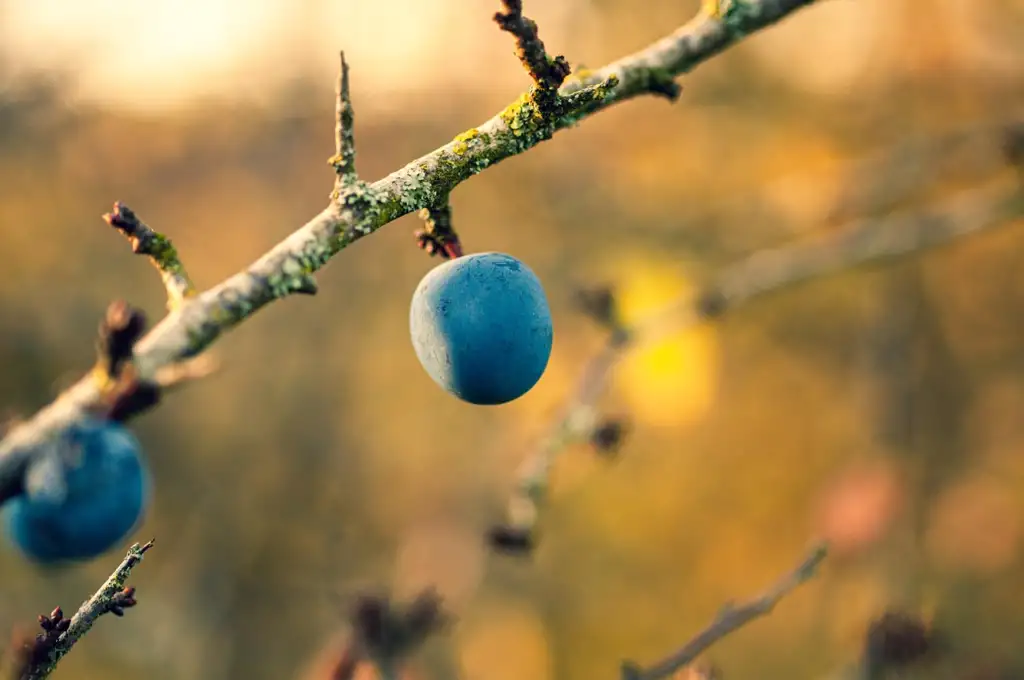
The reward, beyond the spring blossom and the wildlife it supports, is a guaranteed sloe harvest every autumn without having to hunt down a hedgerow that has not already been picked clean by someone else with the same idea.
As a rough guide, use about 500g of sloes per 750ml bottle of gin, which scales up to roughly 650g to 700g of sloes for a full litre. You can use fewer if you prefer a lighter, more gin-forward flavour, or more for a deeper, fruitier result. The amount of sugar should scale with it, at roughly half the weight of the sloes.
Three months is the minimum I would recommend, though six months or longer gives a noticeably rounder, less alcoholic-tasting result. Shake the jar weekly for the first few months to keep the sugar dissolving evenly, then leave it well alone until you are ready to strain it.
Sloes grow on blackthorn, a thorny native hedgerow shrub, while damsons grow on a thornless small tree that is a subspecies of plum. The fruit looks almost identical once ripe, both a deep blue-black with a dusty bloom, but sloes are far more astringent and tannic when raw, which is exactly what makes them so good for infusing into gin over several months.
You can, but I would not recommend it. Raw sloes are extremely astringent and will dry your mouth out almost instantly, thanks to their high tannin content. That sharpness mellows completely once the fruit has spent months infusing in gin and sugar, which is really the only way I would suggest eating them.
No. A frost naturally softens the fruit and helps it release its juice, but freezing freshly picked sloes overnight in your own freezer has exactly the same effect. I use the freezer method most years rather than waiting for the weather to catch up with the ripe fruit on the bush.

Join over 100,000 gardeners on YouTube
Free gardening videos from the Garden Ninja, with 8 million views and counting.
Subscribe on YouTube, it’s freeIf working out which shrub is which in a hedgerow has left you curious about plants and design more broadly, my online courses take that same curiosity and put it to work in your own garden. I built them around the same practical, no-nonsense approach I have used for foraging and cooking guides like this one, just applied to garden design instead.
After years of helping gardeners on BBC1’s Garden Rescue and through my design practice, I have distilled everything you need to know into accessible, practical courses that fit around your life. No need for expensive university degrees or years of study. These courses take you from beginner to competent designer in hours, not years.
Key Benefits:
For the garden you’ve already got, not the one you’re starting from scratch. Seven checklists and video lessons from BBC Garden Rescue’s Lee Burkhill, designed to help you decide what’s worth keeping before you spend a penny.
Garden Design Examples for Small Gardens: 30 Design Templates & Planting Plans: In this online gardening course, I’ll walk you through 30 fantastic garden designs, explaining the logic behind the layout and plant choices, plus take-home tips for applying them in your own garden.
Learn how to transform and design your garden with Lee Burkhill’s crash course in garden design. In over 5 hours, Lee will teach you how to design your dream garden. Featuring practical design examples, planting ideas and video guides. Learn how to design your garden in one weekend!
Garden Design for Beginners Online Course: Want to become a garden designer or design your own garden? This beginner course is for you. Join me, Lee Burkhill, an award-winning garden designer, as I train you in the art of beautiful garden design. Enjoy 20 hours of online study and video lessons, along with quizzes and a completion certificate.

Sloe gin costs almost nothing beyond a bottle of gin, some sugar, and a bit of patience, and it turns a spiny, unloved hedgerow shrub into one of the best homemade gifts of the year. Between the first frost and the shortest day, that jar sitting quietly in the cupboard is a small, steady reminder that the wheel of the year keeps turning, whatever the weather does outside.
Get out there while the sloes are still on the bush, freeze them overnight, and get your jar infusing. Three months from now, you will be glad you did.
Happy foraging and happy gin making, Ninjas!


Lee Burkhill, known as the Garden Ninja, is an award-winning garden designer and horticulturist with over 30 years of gardening experience and 15 years as a professional garden designer. A qualified RHS (Royal Horticultural Society) professional, Lee specialises in sustainable garden design and practical horticultural advice. He designs and presents on BBC1’s Garden Rescue and in leading gardening publications. Lee combines three decades of hands-on gardening knowledge with professional design qualifications to help gardeners create beautiful, functional outdoor spaces.
View all posts by Lee Burkhill




JOIN THE NINJAS

Be the first in line for new Guides, Discount codes and Offers