For the garden you’ve already got, not the one you’re starting from scratch. Seven checklists and video lessons from BBC Garden Rescue’s Lee Burkhill, built to help you work out what’s worth keeping before you spend a penny.
69


Quick Answer
Chalk soil is an alkaline, free-draining soil type found across the South Downs, Chiltern Hills, and limestone-rich areas of Yorkshire and beyond. While it can be tricky to garden on, the right plant selection transforms a chalk garden into something spectacular. Lavender, Buddleja, Achillea, Clematis, Salvia, Eryngium, and Beech all thrive in these conditions. Many of them put on a display that richer soils simply cannot match.
Chalk soil has earned a difficult reputation, and in some respects, it deserves it. It drains fast, dries out quickly in summer, and its high pH locks up iron and manganese, so plants can’t access them. But here’s what the naysayers leave out: chalk gardens support some of the most beautiful and characterful planting schemes in British horticulture.
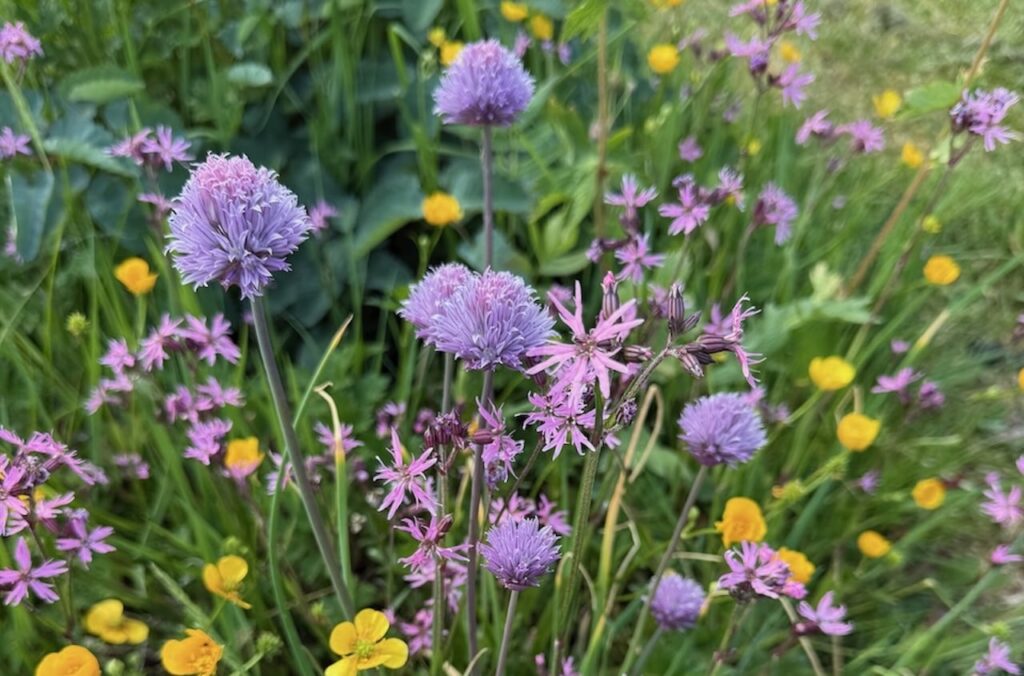
The South Downs wildflower meadows, the sweeping lavender fields of the North Downs, and some of the most refined walled gardens in the country all sit on alkaline chalk. The secret is not to fight the soil but to choose plants that love it.
Jump To
In this guide, I’ll walk you through exactly what chalk soil is, where you’re likely to find it in the UK, how to test for it, and most importantly, which 30 plants will genuinely thrive in it. I’ve grown many of these in client gardens and seen with my own eyes the difference that working with your soil type and not against it can make all the difference.
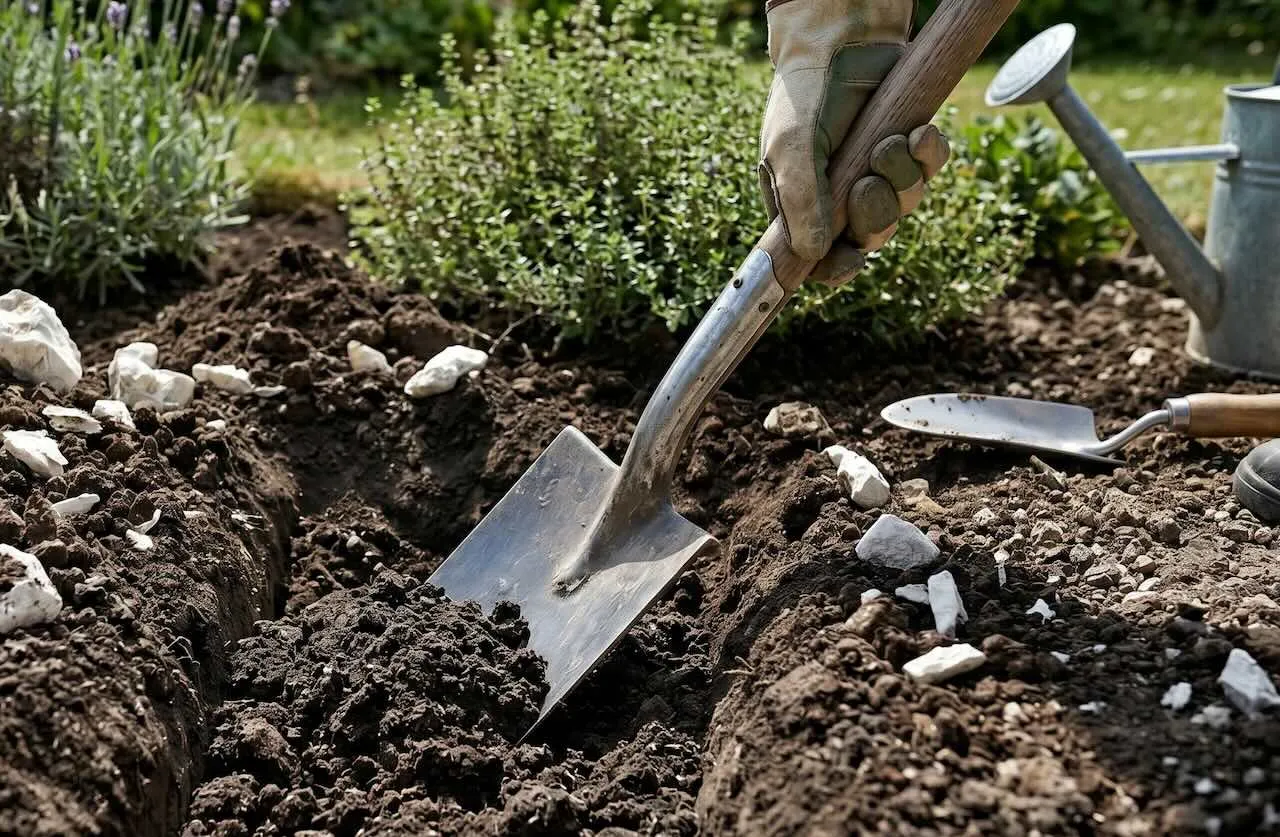
Chalk soil is an alkaline soil type derived from underlying chalk or limestone bedrock. It typically has a pH above 7, often sitting between 7.5 and 8.5 in a typical UK garden. The defining characteristics are its pale colour (usually a creamy white to light grey), a free-draining structure, and the presence of chalk fragments or flint stones throughout the profile. When you pick up a handful and rub it between your fingers, it feels gritty and light rather than sticky or silky.
The soil depth over the chalk bedrock varies enormously. Some gardens have 30 to 40 centimetres of workable topsoil before hitting solid chalk, while others have almost none at all. Just a thin scraping of earth before the pale rock begins. This depth is one of the most important factors to establish before you plant anything large, because shallow chalk soils limit root penetration and make trees and large shrubs significantly harder to establish without intervention.
The alkaline chemistry of chalk soil is the other critical factor. High pH binds iron and manganese into forms that plant roots cannot absorb, which is why acid-loving plants like rhododendrons, camellias, and azaleas develop chlorosis (yellowing leaves) and eventually decline when planted in chalk without ericaceous compost. The good news is that a huge range of ornamental plants actively prefer alkaline conditions and will outperform the same varieties grown in neutral or acidic soil.
Chalk and limestone soils are more widespread across Britain than many gardeners realise. The most recognisable chalk landscapes are in the south and east of England, but alkaline soils extend well into the north. If you’re in any of the following areas, there’s a good chance you’re dealing with some degree of chalk or limestone influence in your garden.
Limestone soils behave very similarly to chalk in terms of pH and drainage, so if you’re in the Cotswolds or Yorkshire Dales, the plant recommendations in this guide apply just as much to you as to someone gardening on the South Downs.
Before we get into the solutions and the plant list, it’s worth being honest about what makes chalk soil genuinely difficult. Understanding the problems is the first step to working around them intelligently.
Rapid drainage and summer drought. Chalk soil drains so freely that rainfall passes through it quickly. In a wet spring, this can feel like a blessing, but by July and August, a chalk garden can be bone dry, and plants that aren’t adapted to these conditions will suffer badly. This is why plants from Mediterranean and South African habitats do so well on chalk. They evolved for precisely this combination of good drainage and summer heat stress.
Shallow topsoil depth. In many chalk gardens, especially those on downland slopes, the usable topsoil above the chalk bedrock is very thin. Root systems cannot penetrate solid chalk easily, which limits the establishment of large trees and shrubs. Knowing your soil depth before you plant is essential. Push a metal rod or a long screwdriver into the ground at several points across your garden to gauge where the rock begins.
Nutrient lock-up and chlorosis. The high pH of chalk soil binds iron and manganese, making them chemically unavailable to roots. Lime-hating plants will show this as chlorosis. This is yellowing between the leaf veins while the veins themselves stay green. Even some chalk-tolerant plants may occasionally show mild chlorosis in very dry summers when nutrient uptake is further compromised. An annual application of sequestered iron in spring will resolve this in most cases.
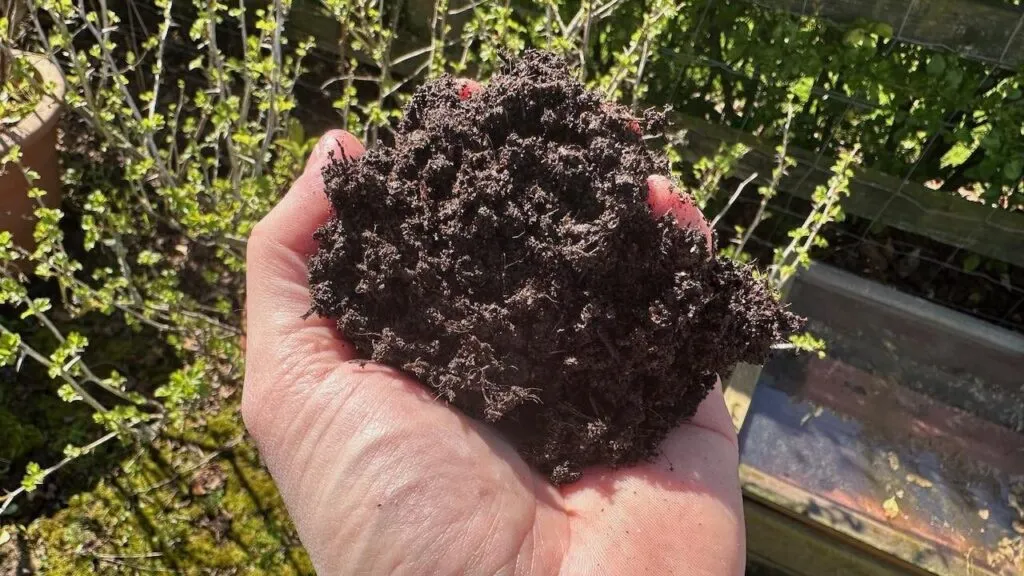
Organic matter decomposes rapidly. Because chalk soil is alkaline and well-aerated, organic matter breaks down quickly. Any compost, manure, or leafmould you add will be consumed by soil microbes faster than it would in a clay garden. This means chalk gardeners need to mulch consistently and generously every year rather than treating it as a one-off improvement.
I’ll be honest with you here: you cannot fundamentally change chalk soil. The bedrock is the bedrock. But you can significantly improve conditions in the planting layer above it, and over several years of consistent effort, the results are genuinely transformative. Here’s what I recommend to clients gardening on chalk, based on what I’ve seen work in practice.
💡 Top Tip
Before spending money on soil improvers, establish how deep your topsoil is. Push a metal spike or a long screwdriver into the ground at several points across your plot. If you hit resistance within 15 to 20 centimetres, you’ll need to factor in raised beds or deep planting pockets for larger plants.
Add organic matter consistently and generously. Well-rotted garden compost, farmyard manure, and leafmould are your best friends on chalk. They improve the water-holding capacity of the soil, add nutrients, and gradually lower the pH slightly over time. The keyword is consistently. Organic matter decomposes rapidly on chalk, a single annual mulch of 5 to 10 centimetres across all your borders will make a significant difference. Work it in around the root zone of established plants without burying the crowns.
Try the lasagne method for new beds. For areas where the chalk is very shallow and you want to create a workable planting zone, the lasagne gardening technique works brilliantly. After removing perennial weeds, layer cardboard directly on the soil surface, then alternate layers of compost, grass clippings, leafmould, and soil improver on top. Worms will work this material down into the chalk over one or two seasons, gradually deepening the productive layer without the back-breaking work of importing huge quantities of topsoil.
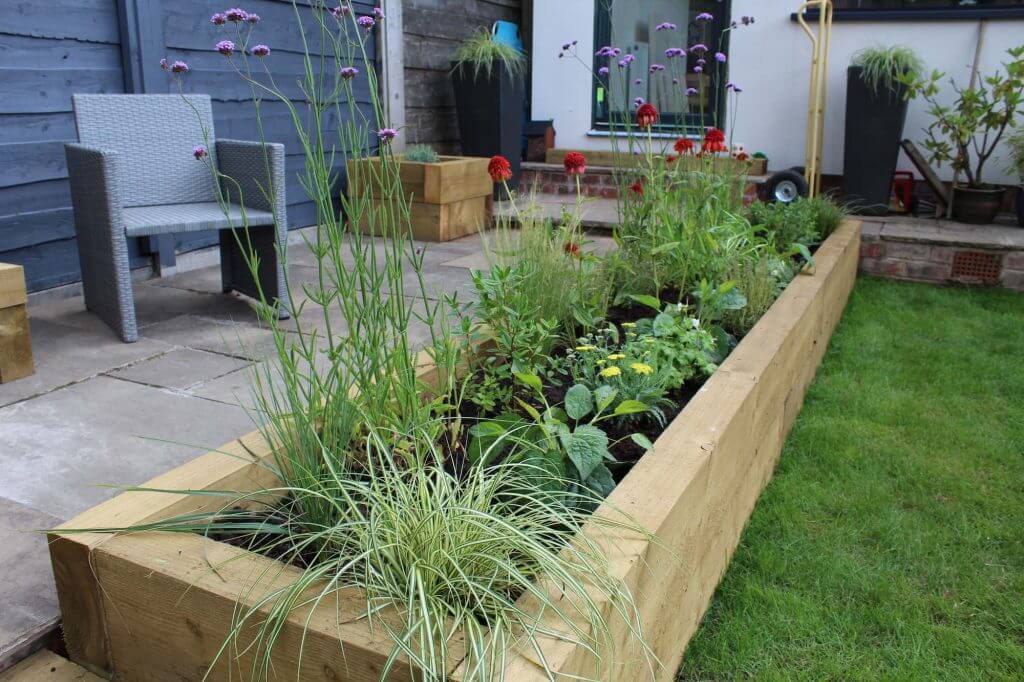
Consider raised beds for kitchen gardens or problem spots. Where you need to grow more demanding plants or vegetables, a raised bed filled with quality topsoil and compost gives you complete control over the growing medium. This is particularly useful if you want to grow ericaceous plants like blueberries, which simply won’t perform in open chalk ground regardless of how much you amend it.
Apply sequestered iron each spring. Even chalk-tolerant plants can show signs of chlorosis in very dry, hot summers. An annual application of sequestered iron (also sold as chelated iron) in early spring helps keep nutrients available at the root zone. It is not a substitute for choosing the right plants, but it acts as a useful insurance policy for borderline cases.
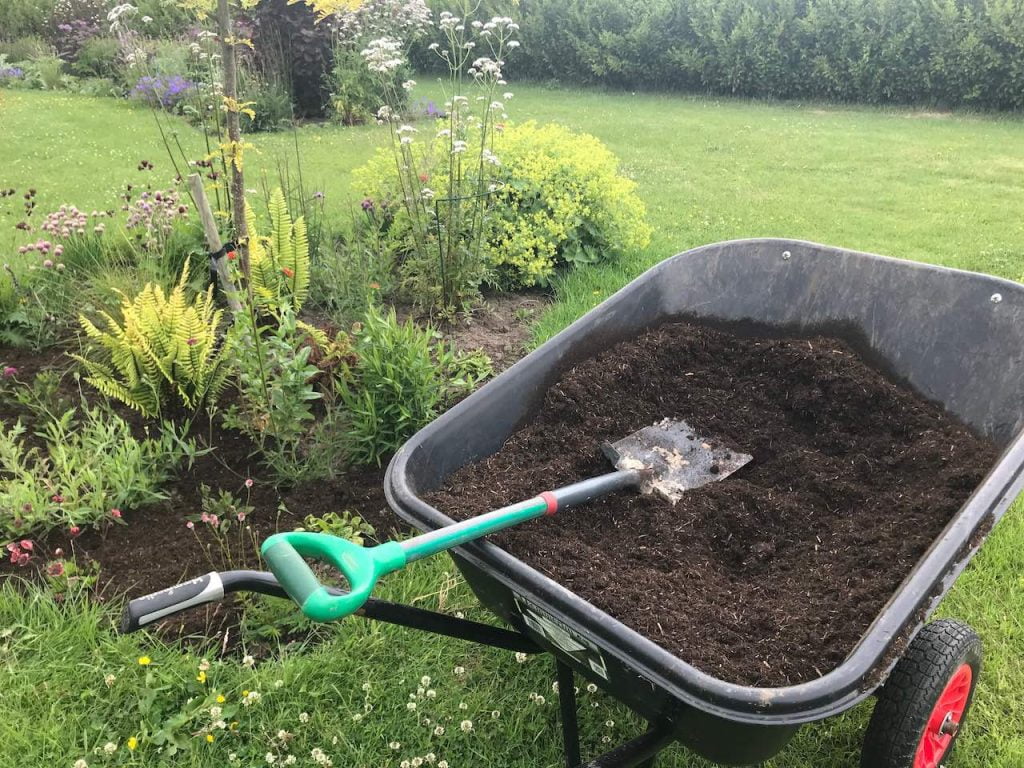
Mulch to reduce moisture loss. This cannot be overstated on chalk soil. A thick mulch of bark chippings, composted wood chips, or gravel keeps the soil cooler in summer, reduces evaporation, and suppresses weeds. Apply it in late autumn or early spring, when the soil still holds some moisture, and keep it away from plant stems and crowns to prevent rot.
Grow green manures where space allows. Clover, vetch, and blue lupin all fix atmospheric nitrogen into the soil, and their roots help break up compacted chalk layers. Cut them down before they set seed and dig or hoe them in. Over several seasons, they contribute meaningfully to soil fertility without any cost beyond the seed packet.
⚠️ Warning
Avoid trying to acidify chalk soil with sulphur or acidic mulches such as pine needles. The chalk bedrock acts as an enormous buffer and will simply re-alkalise the soil within a single season. The chalk wins every time. Focus your energy on selecting plants that love alkaline conditions rather than trying to permanently lower the pH.
The classic home test for chalk is simple and satisfying. Take a tablespoon of your garden soil and drop it into a glass containing a splash of white wine vinegar or malt vinegar. If it fizzes and froths, you have chalk or limestone present. The reaction is caused by calcium carbonate in the chalk reacting with the acid in the vinegar, releasing carbon dioxide. The more vigorous the fizz, the higher the chalk content. No fizz at all suggests a neutral or acidic soil.
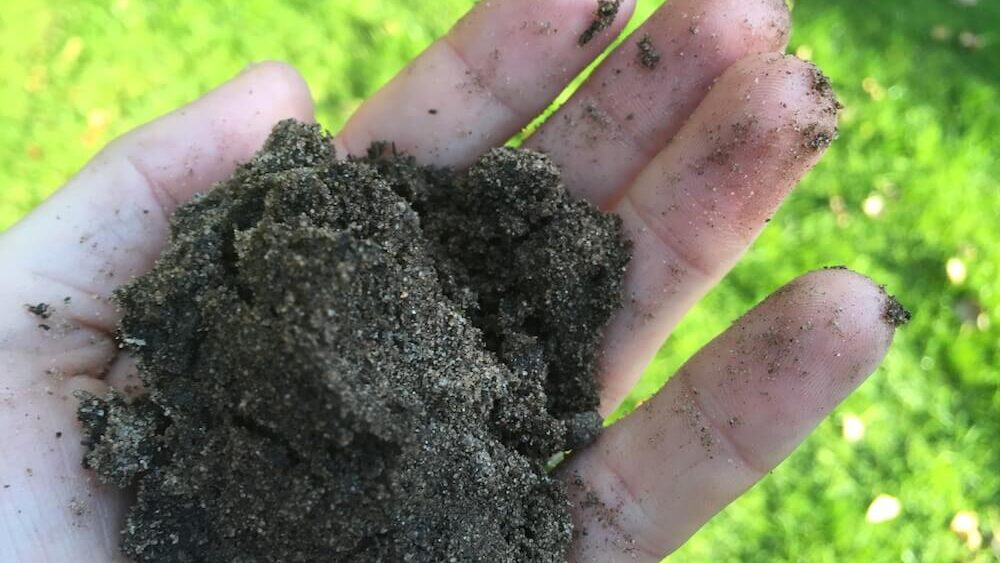
For more precise results, a soil pH test kit from any garden centre will give you a number. A pH of 7.0 is neutral, above 7.0 is alkaline, and most chalk gardens in the UK will fall between 7.5 and 8.5. This number tells you exactly which plants will thrive and which will struggle, and it is one of the most useful pieces of information you can have before you spend money on plants that turn out to be wrong for your conditions.
🛒 Buy a soil pH test kit from Amazon UK
The plant list below is drawn from my own experience designing gardens on chalk and limestone soils across the UK, cross-referenced with the top recommendations from the RHS and leading nurseries. I’ve split them into shrubs, perennials, climbers, and trees so you can build a layered planting scheme that gives you year-round structure and seasonal interest. Every plant here will genuinely perform on alkaline, free-draining chalk soil and not merely tolerate it.
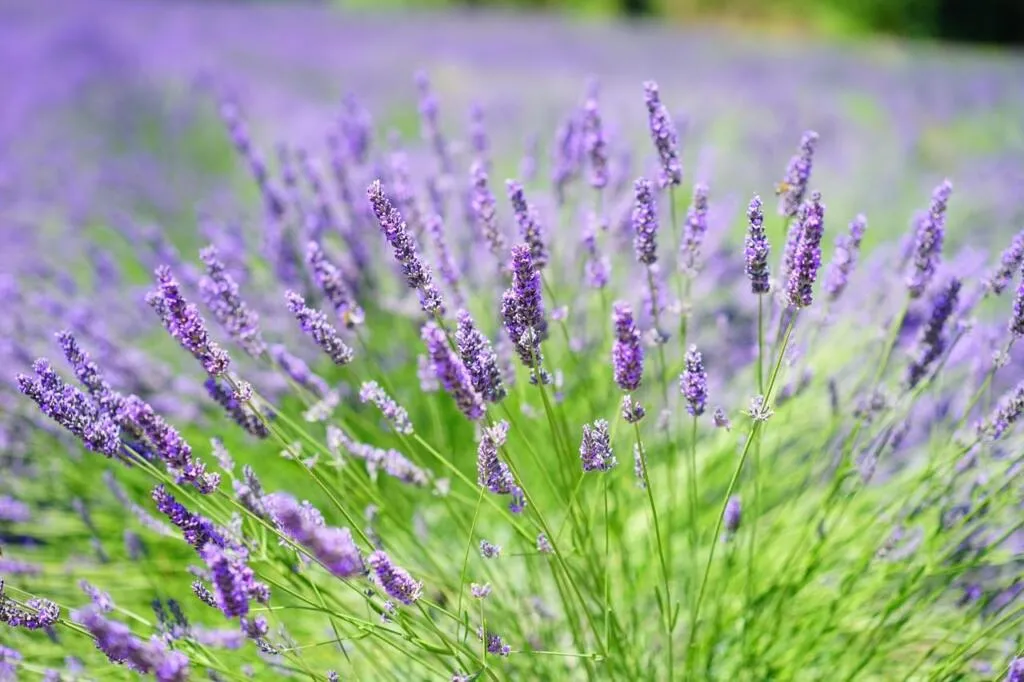
If there is one plant that embodies everything chalk soil can do for a garden, it is lavender. I’ve planted hundreds of lavenders in gardens across chalk downland, and the results are consistently spectacular. Lavender evolved in the rocky, calcium-rich hillsides of the Mediterranean and it absolutely thrives in alkaline, free-draining conditions.
The scent is more intense, the flowering more prolific, and the plant more compact when grown in lean chalk conditions than it ever would be in a rich, fertile border. ‘Hidcote’ remains my go-to for deep purple colour and reliable compactness, while ‘Vera’ gives you a taller, airier form.
🛒 Buy Lavender plants from Amazon UK
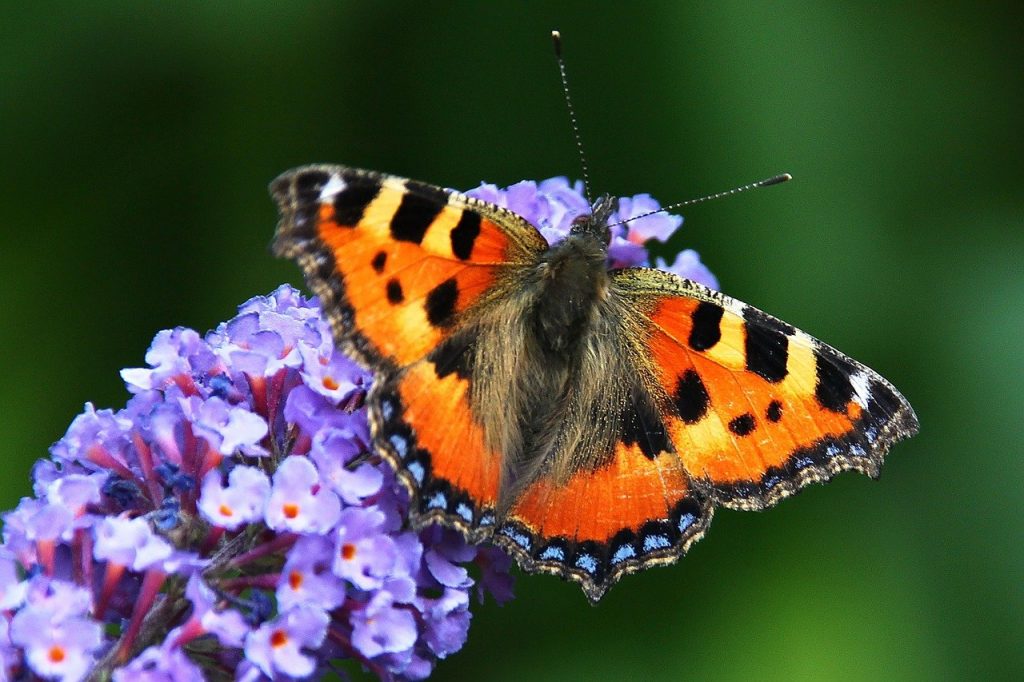
Buddleja is a chalk soil superstar and one I recommend to almost every client gardening on alkaline ground. It loves nothing more than a lean, well-drained chalk bank and will produce massive arching wands of flower in shades of purple, white, and pink from July right through to September.
I’ve seen buddlejas on chalk downland grow twice as vigorously as the same variety in heavy clay, producing the kind of flower display that stops people in their tracks. The wildlife value is extraordinary too. On a warm August afternoon a mature buddleja in full flower will be alive with red admirals, peacocks, and painted ladies. It needs a hard prune each spring to keep it shapely.
🛒 Buy Buddleja plants from Amazon UK
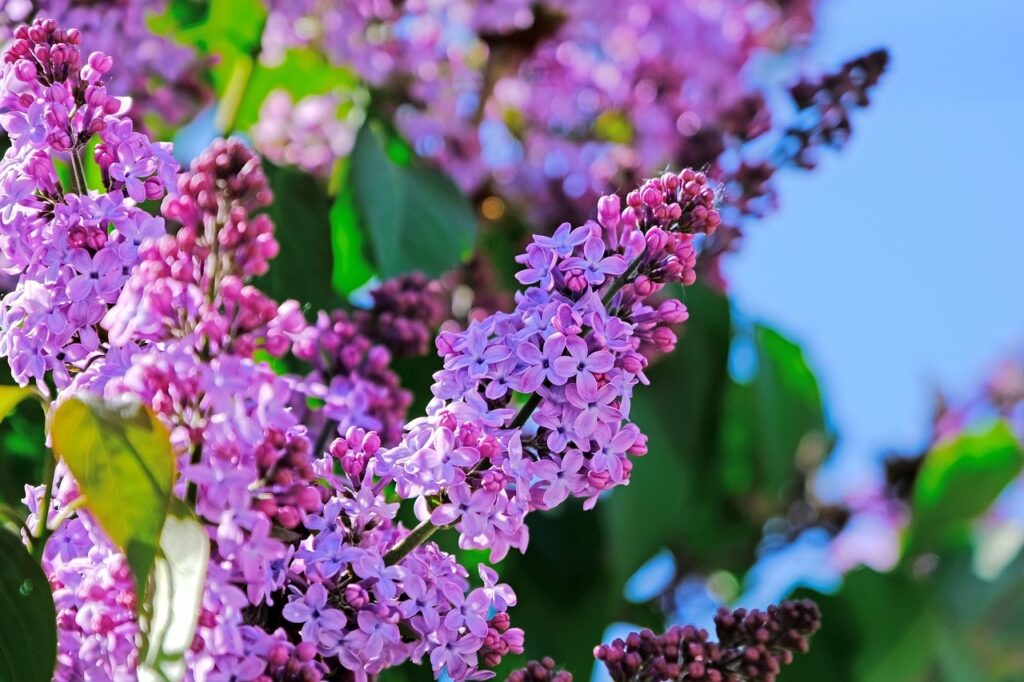
Lilacs are one of those plants that genuinely prefer chalk, and if you’ve struggled to flower them in other soil types, moving to alkaline ground may be the answer you’ve been looking for. The fragrance of a lilac in full flower on a warm May evening is one of the finest things a garden can offer, and the rich, heart-shaped foliage is handsome throughout the growing season.
Lilacs actively thrive in the high pH conditions that chalk creates, producing denser flower trusses and stronger growth than in neutral or acidic soils. ‘Charles Joly’ (dark reddish-purple) and ‘Madame Lemoine’ (double white) are two of the best cultivars for UK gardens.
🛒 Buy Lilac plants from Amazon UK
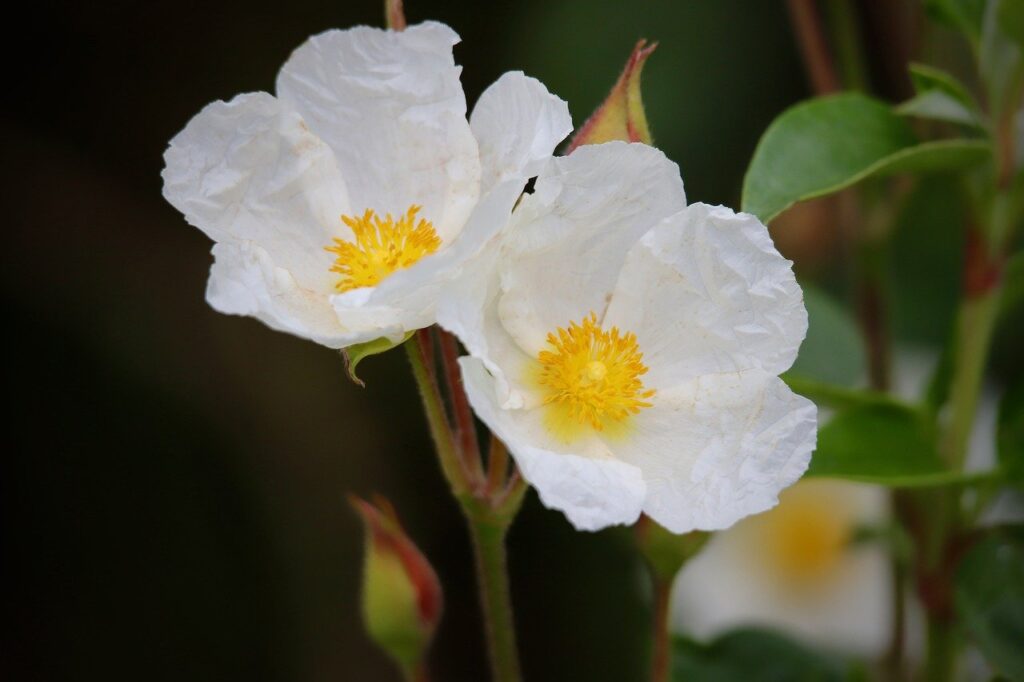
Cistus is one of those plants that looks exotic but is surprisingly tough in the right conditions, and chalk soil is very much the right condition. These Mediterranean evergreen shrubs produce papery flowers in white, pink, and magenta from late spring into summer, and they revel in the combination of alkaline soil, sharp drainage, and full sun that chalk delivers naturally.
Once established, cistus is highly drought-tolerant, making it an excellent choice for chalk banks and sloping borders where irrigation is impractical. Cistus corbariensis (white rock rose) and Cistus ladanifer (gum cistus) are the most reliable hardy species for UK gardens.
🛒 Buy Cistus plants from Amazon UK
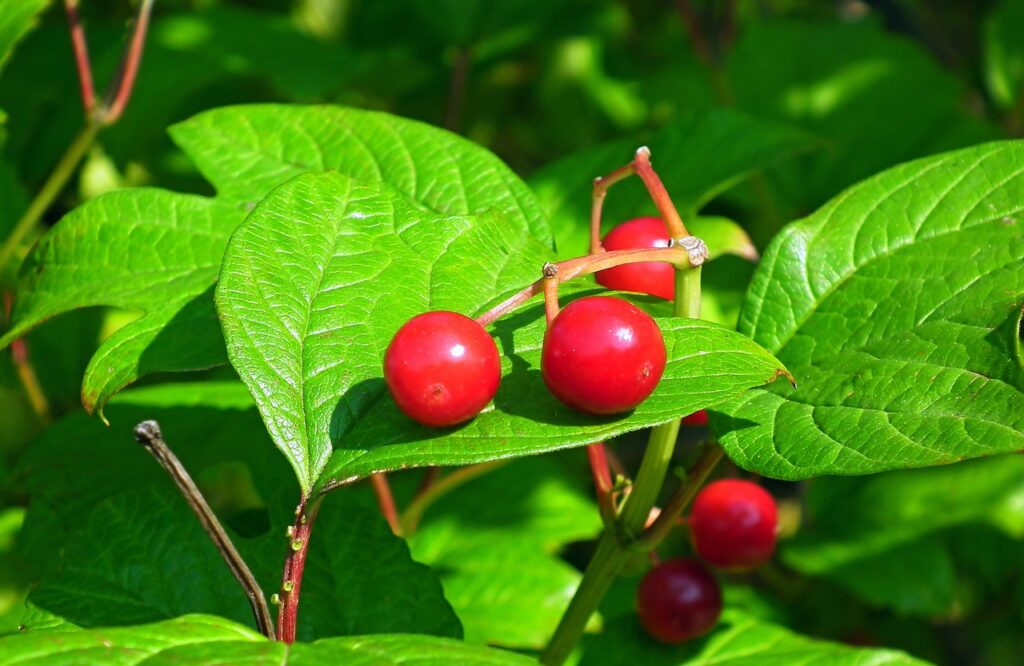
Viburnum tinus is one of the hardest-working evergreen shrubs in the British garden, and it performs reliably on chalk soils. The white flower clusters begin to appear as early as November and continue right through to April, providing structure and interest during the months when the garden needs it most. Metallic blue berries follow the flowers, giving you an extra season of interest.
Viburnum tinus tolerates both chalk and light shade, which makes it particularly useful in the partially shaded spots that often present challenges in chalk gardens, where a large tree roots deep into the subsoil.
🛒 Buy Viburnum tinus from Amazon UK
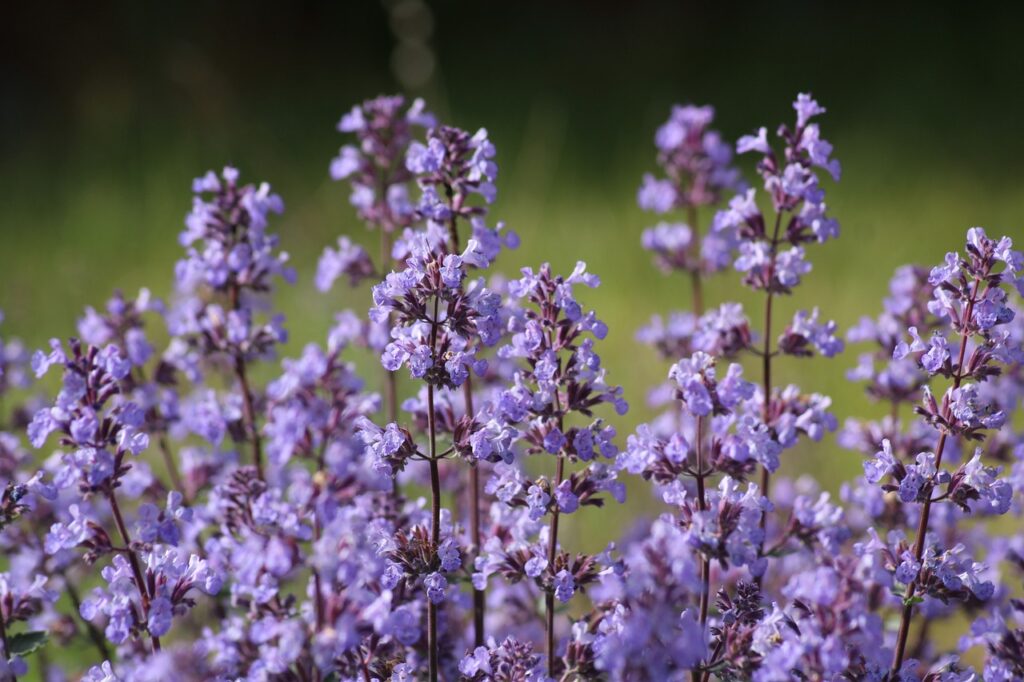
Catmint is one of my absolute favourite border plants for chalk soil. Its lavender-blue flowers billow beautifully from May onwards, and if you cut it back hard after the first flush, it will flower again in late summer. The soft, aromatic grey-green foliage contrasts beautifully with hotter-coloured perennials and acts as a living mulch, suppressing weeds and softening border edges.
It is vigorous, drought-tolerant once established, and loved by bees. On chalk soil, it often spreads into generous drifts that need little encouragement, and it is one of those plants that simply looks right in the landscape of a chalk downland garden.
🛒 Buy Catmint plants from Amazon UK
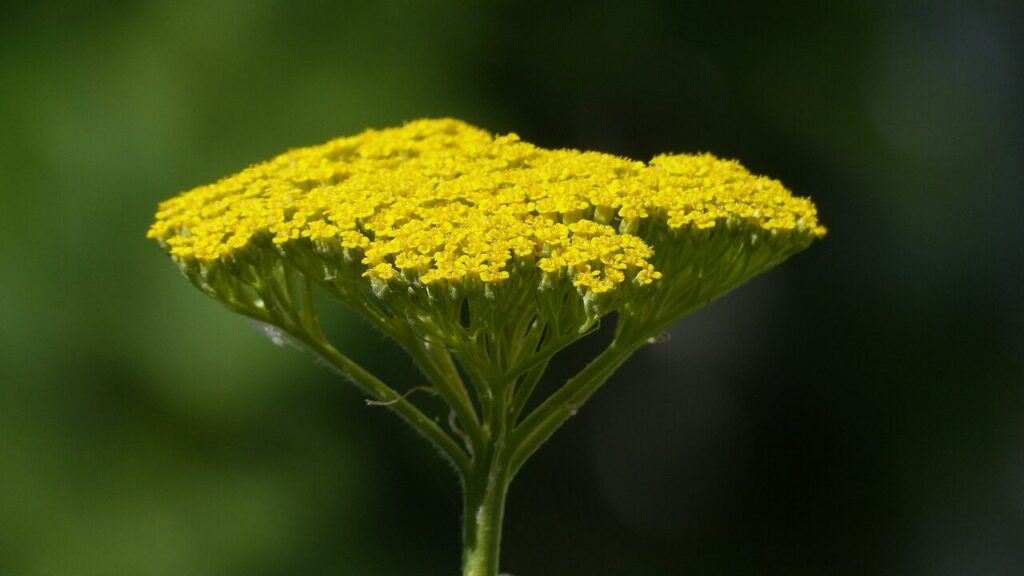
Achillea is the quintessential chalk downland perennial. Walk across any chalk grassland in midsummer and you’ll find wild yarrow weaving through the turf, its flat flower heads acting as landing platforms for hoverflies and bees. In the garden, the cultivated varieties deliver the same performance but with a far wider palette: terracotta, soft yellow, cerise, white, and salmon.
Achillea thrives in exactly the conditions that challenge so many other plants: poor soil, sharp drainage, full sun, and summer drought. It also provides fantastic winter seed heads that add structure to the border long after flowering has finished.
🛒 Buy Achillea plants from Amazon UK
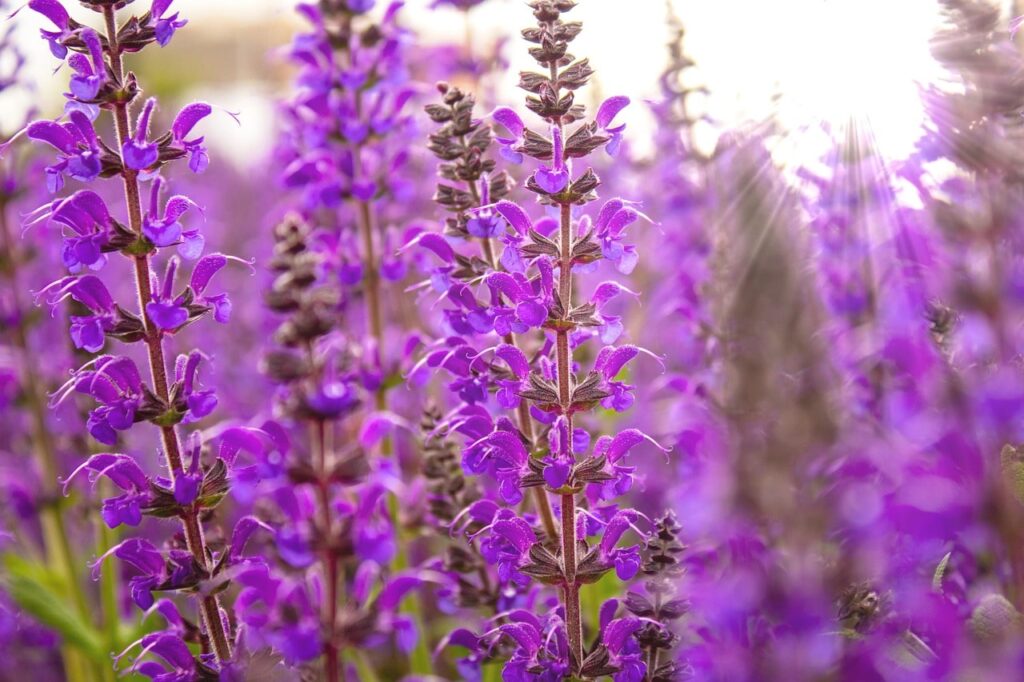
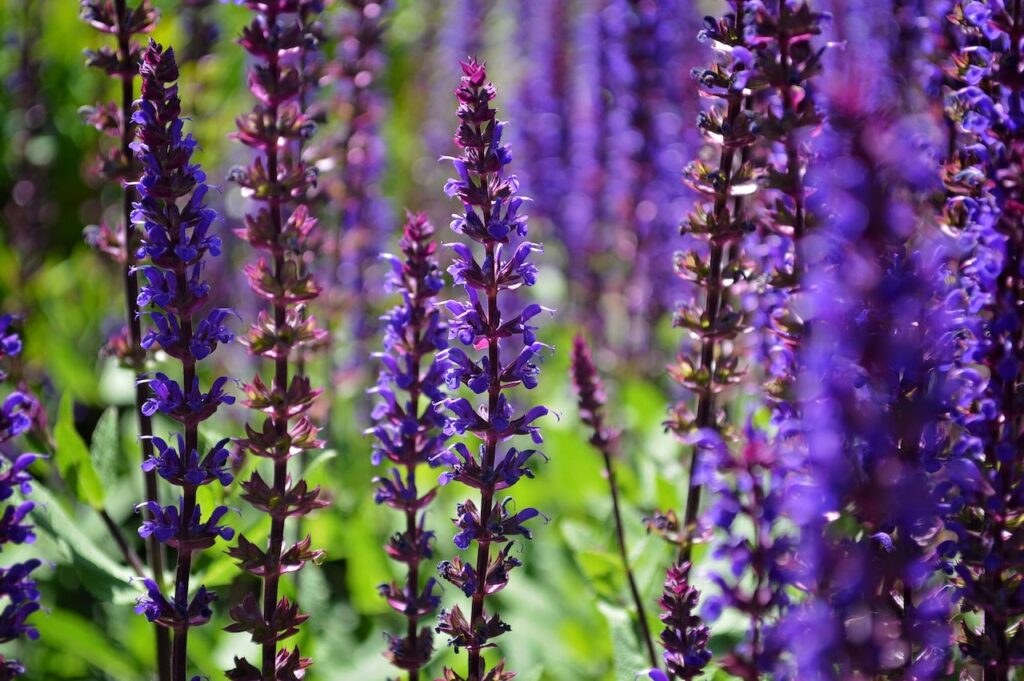
Salvias have become one of the most fashionable herbaceous perennials of the past decade, and for good reason. Their success in chalk gardens is not just about the trend. Salvia nemorosa and its cultivars are native to central and eastern Europe where they grow in dry, alkaline grasslands. In a chalk border they perform brilliantly, producing upright spikes of violet-blue or purple from June onwards with a second flush if cut back after the first.
Caradonna’ with its dark purple stems is arguably the finest cultivar for a chalk garden, and it combines beautifully with achillea, eryngium, and catmint in a naturalistic planting scheme.
🛒 Buy Salvia nemorosa plants from Amazon UK
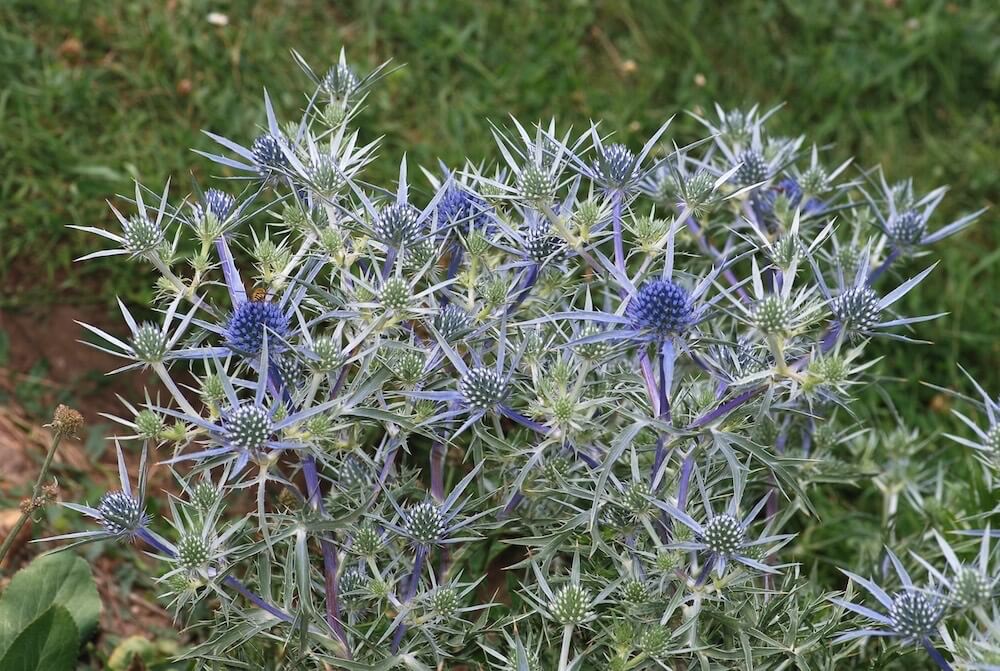
If you want a plant that looks as though it belongs in a chalk or coastal garden, Eryngium is it. The steel-blue stems, architectural cone-shaped flower heads, and spiny silver-blue bracts are as close to sculptural as a herbaceous plant gets. Eryngium evolved in dry, rocky, alkaline habitats, and it genuinely thrives on neglect in chalk soil.
The poorer and more free-draining the conditions, the more intensely blue the stems and bracts become. Eryngium x zabelii and Eryngium planum are two of the most striking varieties, and both work beautifully in naturalistic planting schemes alongside salvia and achillea.
🛒 Buy Eryngium plants from Amazon UK
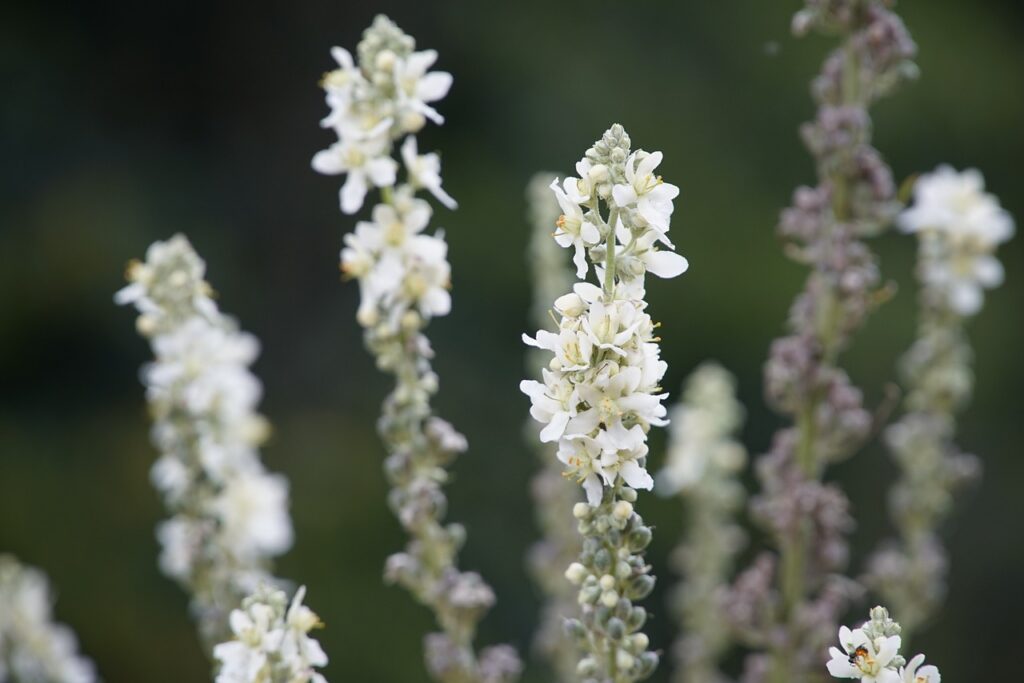
Verbascum is a chalk garden classic. These tall, statuesque biennials or short-lived perennials produce bold spikes of flower in yellow, white, apricot, and plum above rosettes of large, often felted grey-green leaves. They self-seed freely in chalk conditions, naturalising in a way that creates a sense of effortless, naturalistic planting.
I’ve used verbascum in prairie-style planting designs where they add a vertical dimension that is hard to achieve with other chalk-tolerant plants. They are, in essence, made for chalk. Their native habitat is the rocky, calcareous hillsides of southern Europe, and they know exactly what to do with poor, alkaline soil.
🛒 Buy Verbascum plants from Amazon UK
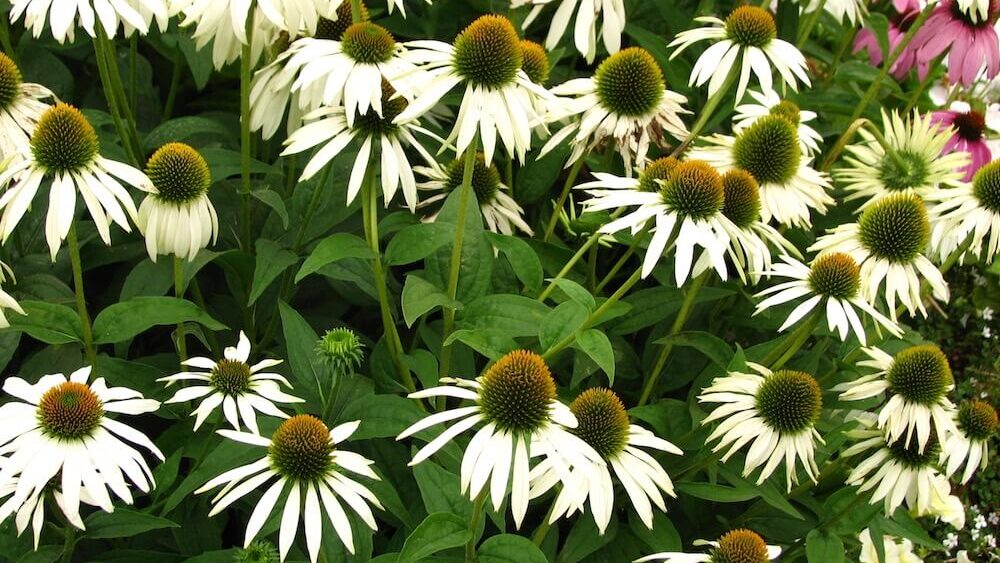
Echinacea is one of those perennials that never lets a chalk garden down. Native to the prairies of North America, where it grows in dry, calcium-rich soils, it translates beautifully to alkaline British gardens. The classic purple-pink daisies with their distinctive raised orange cones appear from July through September, and the sculptural seed heads persist through winter, providing food for goldfinches and structure for the garden.
Modern cultivars have expanded the colour range dramatically. White Swan’, ‘Magnus’, and the warm orange ‘Tomato Soup’ are all excellent performers on chalk.
🛒 Buy Echinacea plants from Amazon UK
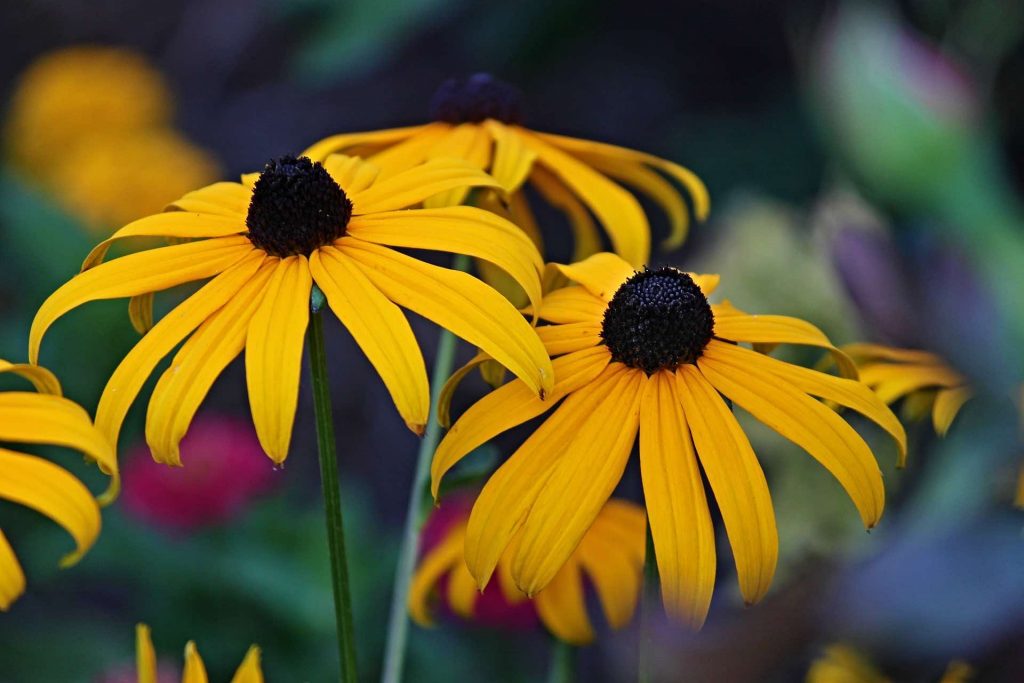
Rudbeckia lights up a chalk border in late summer when many other plants are beginning to flag. The golden yellow daisy flowers with their distinctive dark central cones appear from August through to October, providing a warm, cheerful display at exactly the right moment in the gardening calendar. Like echinacea, rudbeckia comes from North American prairie habitats and handles alkaline, free-draining conditions with ease. Rudbeckia hirta ‘Prairie Sun’ and the classic Rudbeckia fulgida var. sullivantii ‘Goldsturm’ are both superb performers and extremely reliable on chalk soils across the UK.
🛒 Buy Rudbeckia plants from Amazon UK
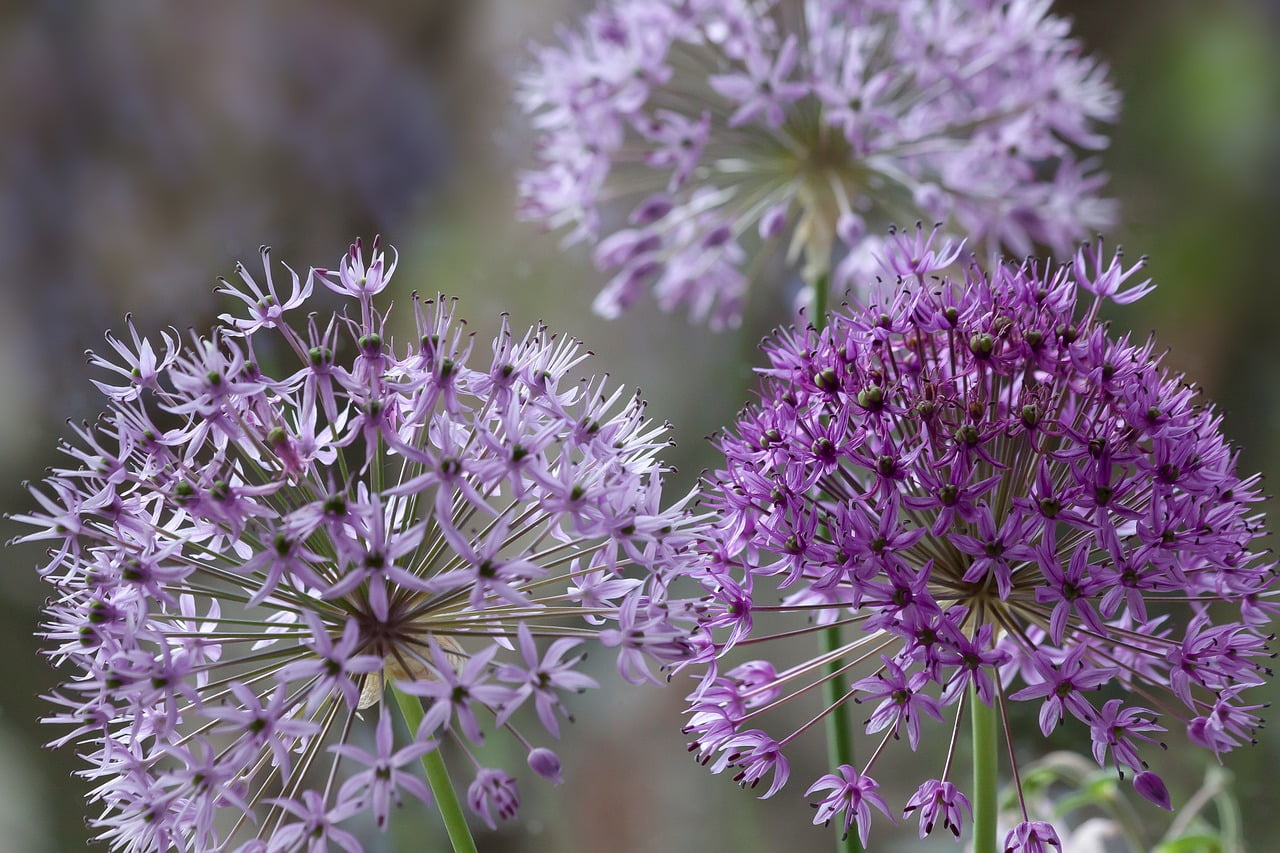
Alliums are one of the most reliable spring bulbs for chalk gardens, and I plant them by the hundred in client schemes across alkaline ground. The spherical flower heads rising on tall stems above dying tulip foliage are a design trick I learned early in my career. They disguise the inevitable collapse of earlier bulb leaves while providing their own spectacular show.
Alliums thrive in the sharp drainage of chalk soil because they need their bulbs to dry out properly during summer dormancy. Waterlogging is their nemesis, and on chalk, you simply don’t have that problem. Purple Sensation’, ‘Gladiator’, and the giant Allium ‘Globemaster’ are all chalk garden favourites.
🛒 Buy Allium bulbs from Amazon UK
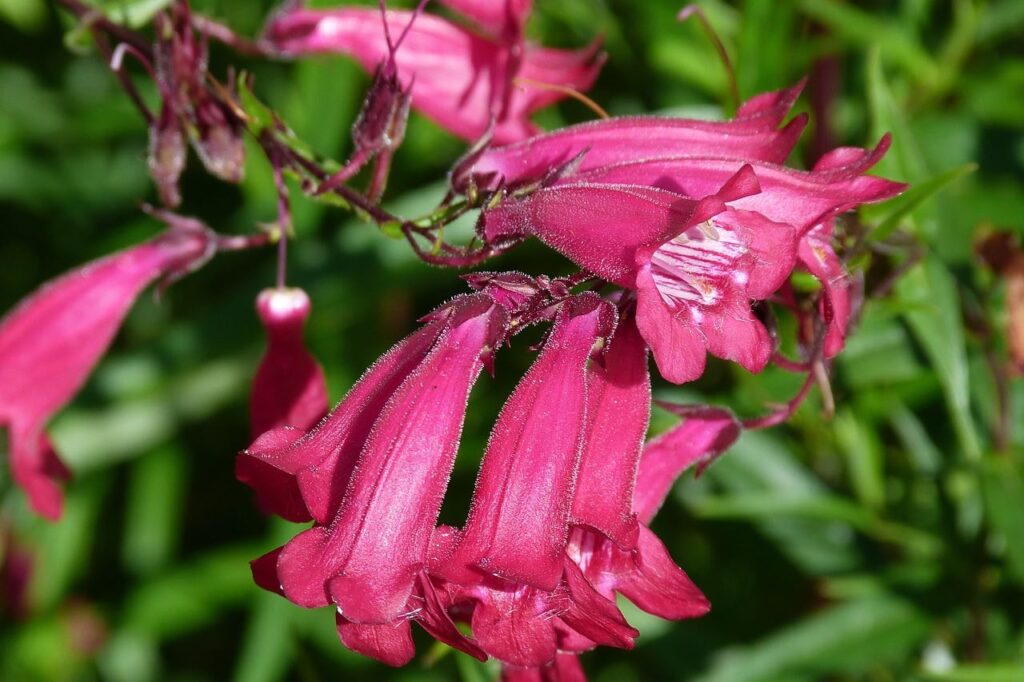
Penstemons are one of those perennials that repay a chalk garden handsomely. The tubular flowers in shades of red, pink, purple, and white appear from June well into October, making them one of the longest-flowering perennials available to UK gardeners.
I’ve used penstemons extensively in client gardens on chalk soils in the south of England, and they settle in remarkably quickly once the drainage conditions suit them. ‘Garnet’, ‘Firebird’, and ‘Husker Red’ are three of my favourite cultivars. The caveat on chalk is ensuring adequate moisture in the first season of establishment. Once their root system is developed, penstemons handle summer drought well.
🛒 Buy Penstemon plants from Amazon UK
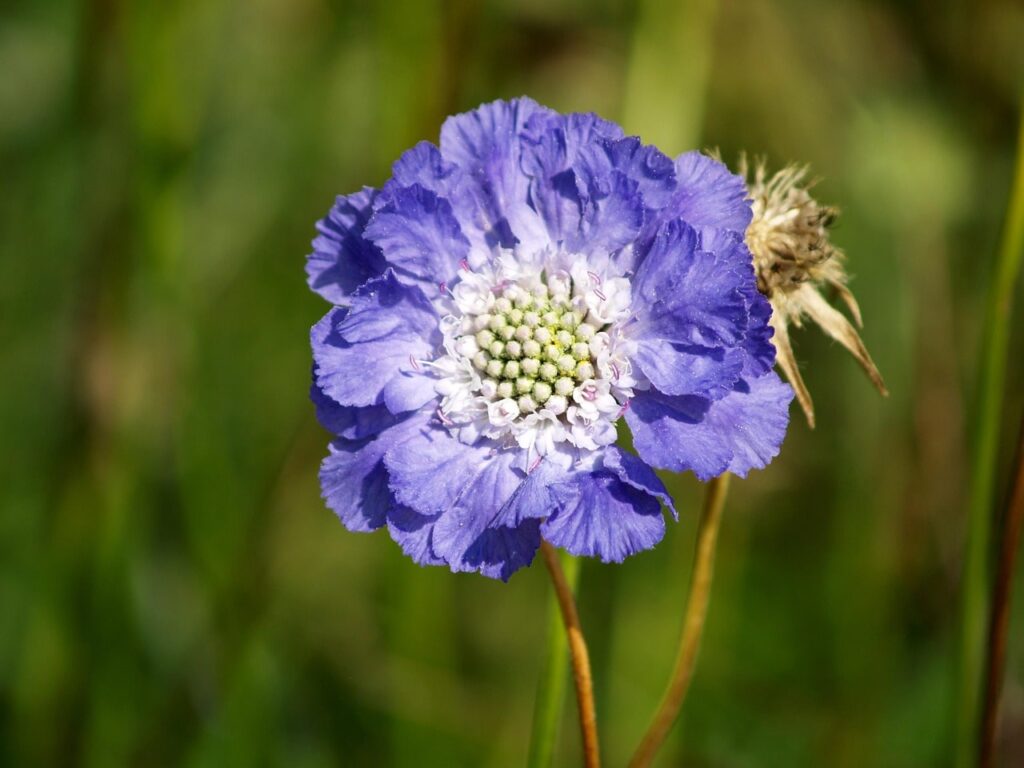
Scabious is a chalk downland native and one of the most charming perennials you can grow on alkaline soil. The pincushion flowers in lavender-blue, mauve, and white hover on wiry stems and are irresistible to bees, butterflies, and hoverflies.
Scabiosa caucasica is the classic garden form, producing large flowers all summer long, while the smaller Scabiosa columbaria is a true chalk grassland native that naturalises beautifully in a meadow or informal planting scheme. Scabious in chalk will outperform the same variety in heavier, more fertile soils because it evolved in exactly these conditions over thousands of years.
🛒 Buy Scabious plants from Amazon UK
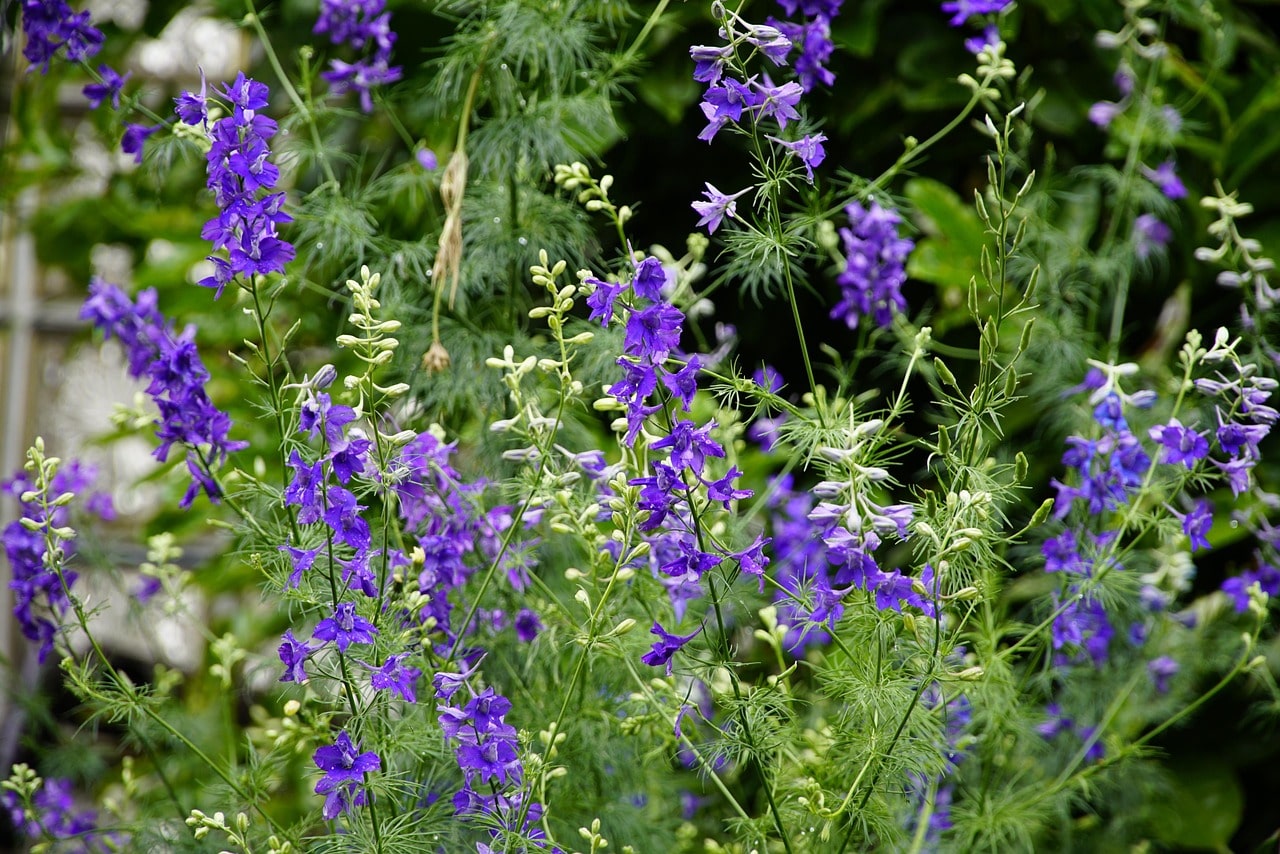
Few plants deliver the drama of a well-grown delphinium, and alkaline chalk soils suit them admirably. The tall spikes of blue, purple, white, and pink flowers are a June spectacle that draws the eye from the far end of any garden, and on chalk they tend to produce particularly strong, well-anchored flower spikes because the drainage prevents the soft, lax growth that leads to toppling.
They need staking on any exposed site, but the result is worth the effort. I’ve designed several chalk gardens where delphiniums form the back of a mixed border behind achillea, salvia, and scabious. The combination is as classically English as gardening gets.
🛒 Buy Delphinium plants from Amazon UK
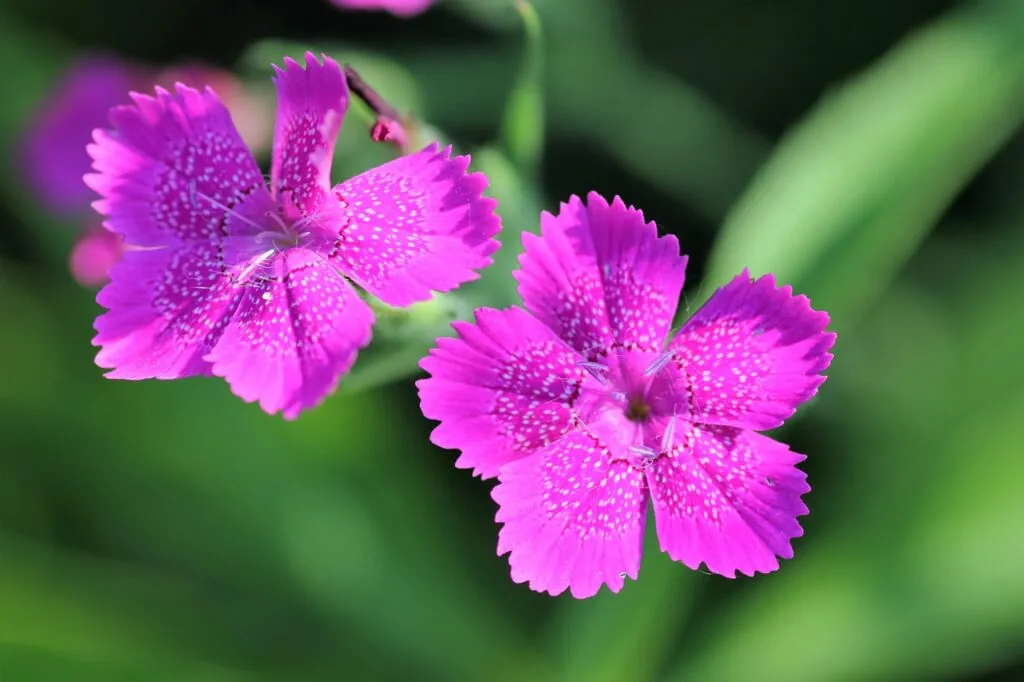
Dianthus has been grown in British gardens for centuries, and chalk is very much its preferred habitat. The old cottage garden pinks, those clove-scented, fringed flowers in every shade of pink, red, and white, evolved in the limestone and chalk grasslands of southern Europe, and they perform best in exactly those conditions.
Dianthus will naturalise and spread happily in chalk soil, forming low, silver-grey mats of foliage that look wonderful at the front of a border or spilling over a path edge. They are drought-tolerant, largely slug-proof, and provide one of the finest fragrances in the garden. Dianthus ‘Mrs Sinkins’ is a classic that should be in every chalk garden.
🛒 Buy Dianthus plants from Amazon UK
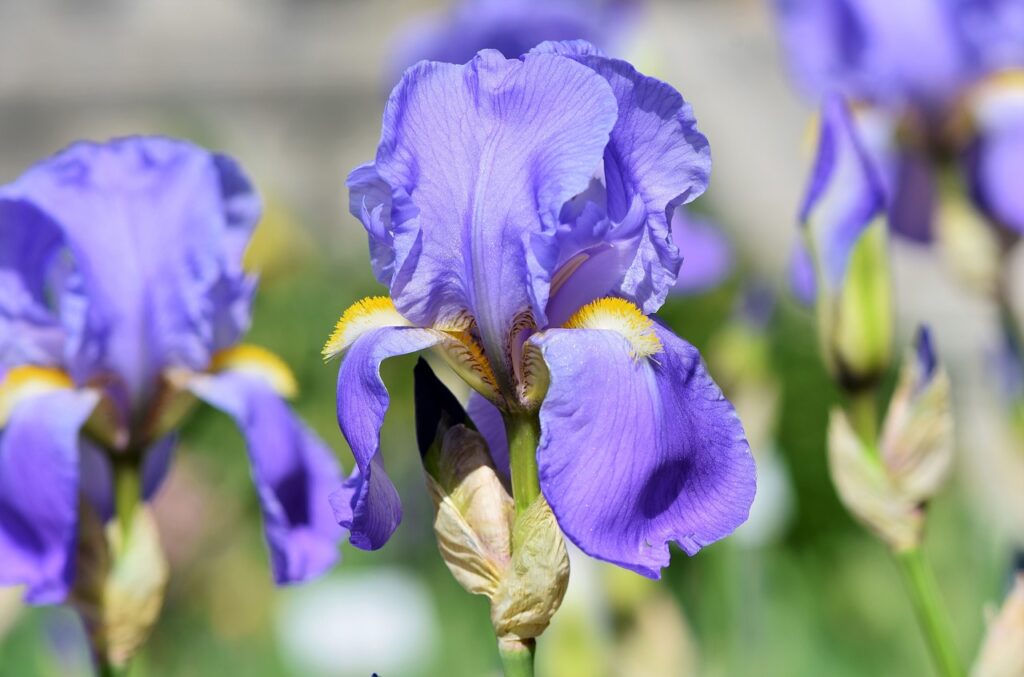
Bearded irises are chalk garden plants par excellence. They demand sharp drainage around their rhizomes, they love alkaline conditions, and they produce some of the most staggering flowers in the entire plant kingdom. The key to success is planting the rhizomes at the soil surface rather than burying them. They need to bake in the sun through summer to encourage flowering. On chalk, this is naturally what happens because the surface soil dries quickly. I’ve seen bearded irises in chalk gardens on the South Downs that flower with a consistency and intensity I’ve never matched in heavier soils.
🛒 Buy Bearded Iris plants from Amazon UK
💡 Top Tip
When planting perennials on chalk, dig your planting hole twice as wide as the root ball and backfill with a 50/50 mix of the existing chalk soil and well-rotted garden compost. Water in thoroughly and mulch immediately around the plant. This gives the roots a well-improved environment to establish in before they meet the surrounding chalk. Consistent watering in the first summer is essential because chalk drains fast and young plants cannot access moisture that isn’t there.
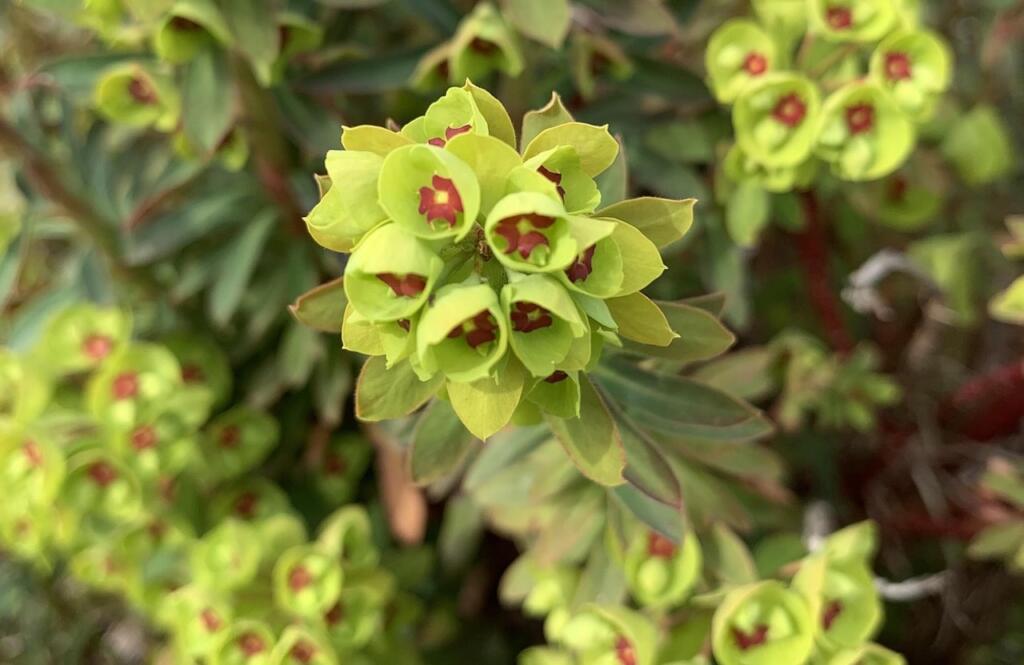
Euphorbias are among the most architectural and useful plants available to the chalk gardener. Euphorbia characias produces bold, evergreen mounds of blue-grey foliage topped with cylindrical lime-green flower heads from late winter into May, while Euphorbia polychroma brightens April borders with vivid acid-yellow bracts. Both handle chalk conditions well, and Euphorbia nicaeensis is practically a chalk specialist, native to Mediterranean limestone hillsides.
Be aware that the milky sap of all euphorbias is an irritant. Wear gloves when cutting them and avoid touching eyes or skin.
🛒 Buy Euphorbia plants from Amazon UK
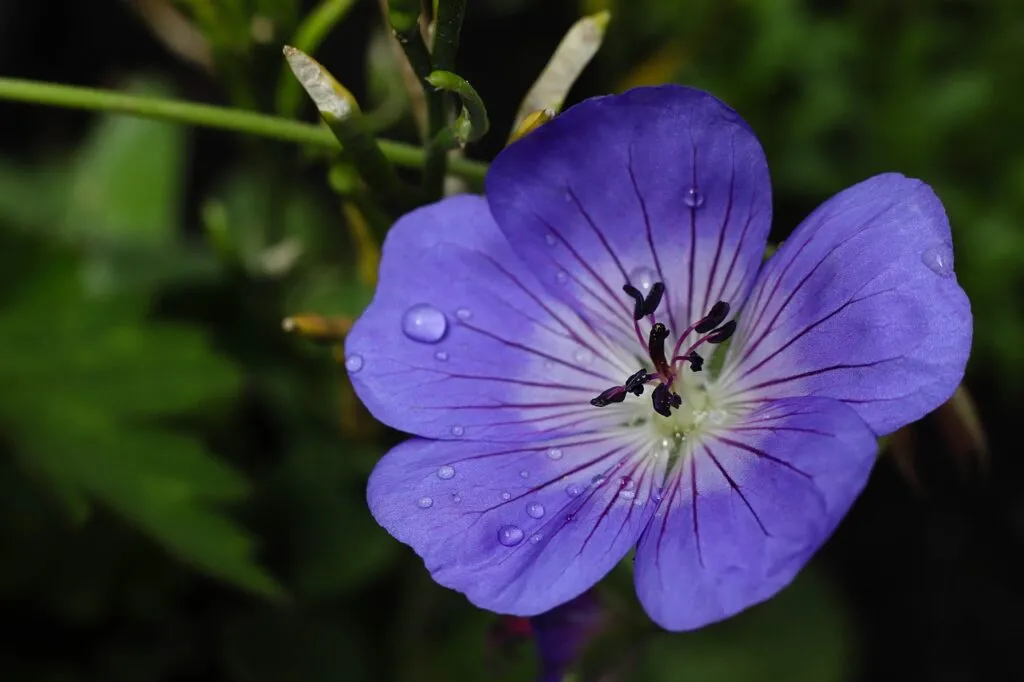
Hardy geraniums are among the most versatile ground-covering perennials available, and the best news for chalk gardeners is that they perform reliably across a wide pH range, including alkaline conditions. Geranium ‘Rozanne’ is the standout cultivar. Its clear blue flowers appear from June right through to the first frosts, covering a remarkable amount of ground.
Geranium x magnificum produces a more concentrated display of rich violet-blue in early summer, while Geranium macrorrhizum is excellent in partial shade. These are tough, reliable plants that weave among larger perennials and effectively suppress weeds.
🛒 Buy Hardy Geranium plants from Amazon UK
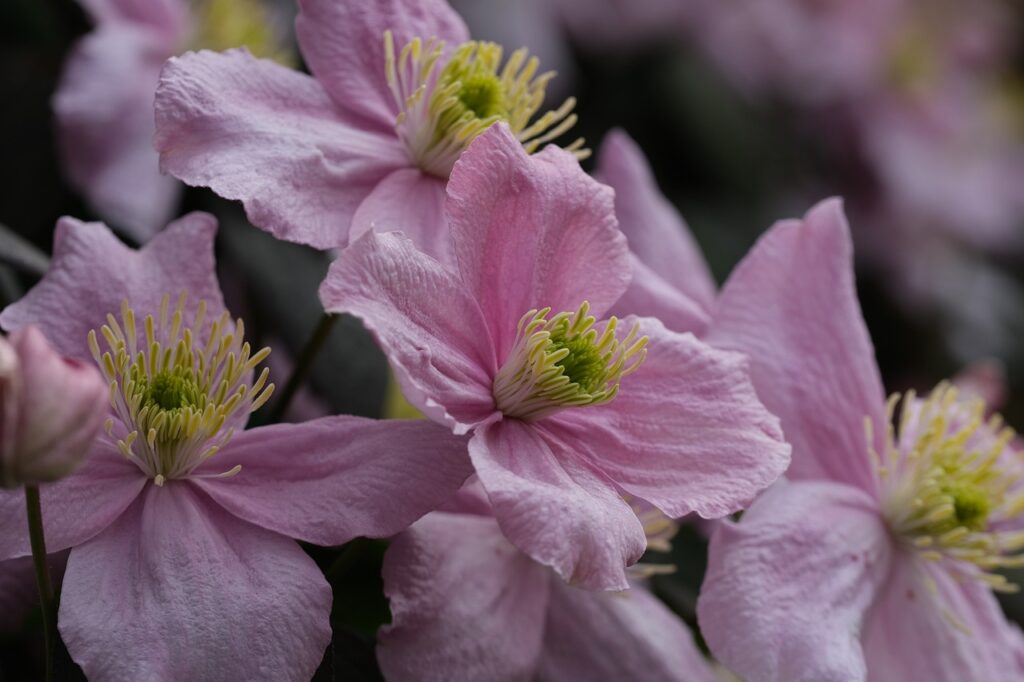
Clematis is one of the great success stories of chalk gardening. These climbing plants actually prefer alkaline to neutral soil, and chalk conditions tend to encourage particularly vigorous growth and abundant flowering in most clematis varieties. The familiar advice to “keep roots in shade, top in sun” is particularly easy to achieve on chalk, where you can plant on the shaded side of a wall with the stems trained into full sun.
Clematis montana is almost indestructible on chalk, while the large-flowered hybrids like ‘H.F. Young’ and ‘The President’ perform magnificently. Clematis tangutica provides late summer and autumn interest with yellow lantern flowers and fluffy silver seed heads.
🛒 Buy Clematis plants from Amazon UK
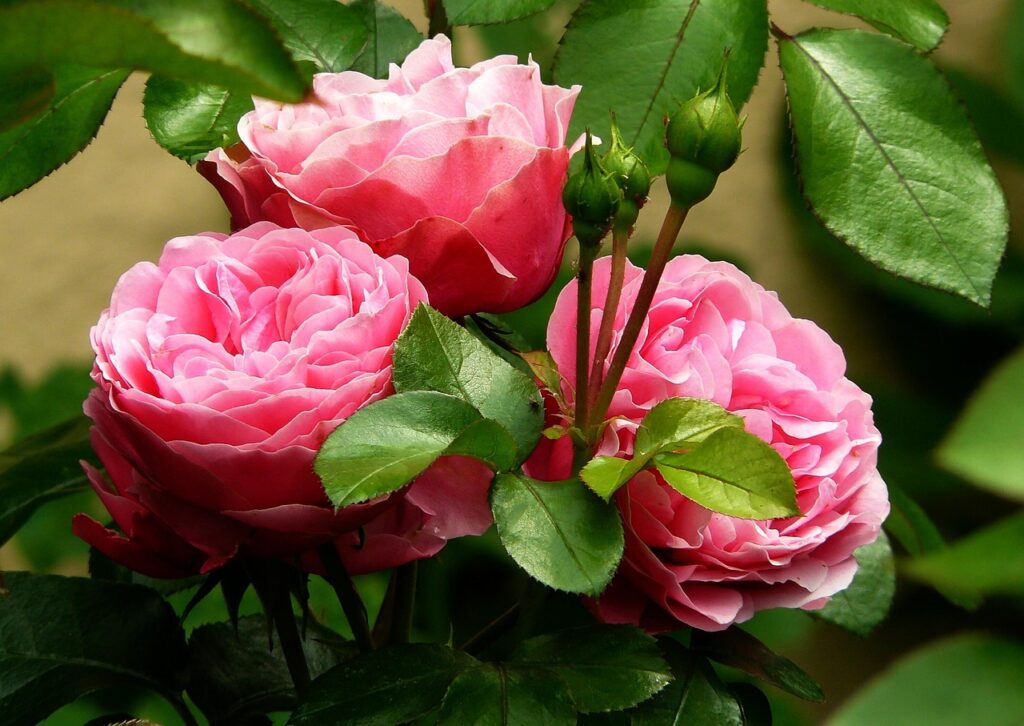
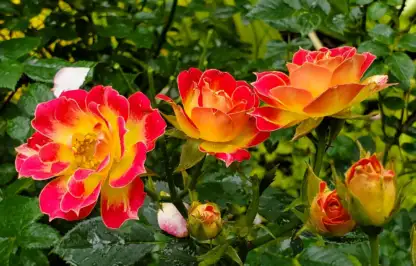
Roses are excellent on chalk, provided you prepare the planting hole well. The key to success is that pre-planting preparation I mentioned earlier. Add a generous helping of of well-rotted manure or garden compost worked into the planting area, a deep mulch after planting, and consistent feeding through the growing season. From my experience designing gardens on chalk across the south of England, the varieties that do best are the tough, disease-resistant modern shrub roses and old English roses.
David Austin varieties such as ‘Gertrude Jekyll’, ‘Olivia Rose’, and ‘Princess Alexandra of Kent’ all perform reliably, and their fragrance in a chalk garden in June is simply beautiful. If you’re really concerned about ensuring your roses survive, choose Rosa canina, the dogwood rose, which is pretty much indestructible!
🛒 Buy Rose plants from Amazon UK
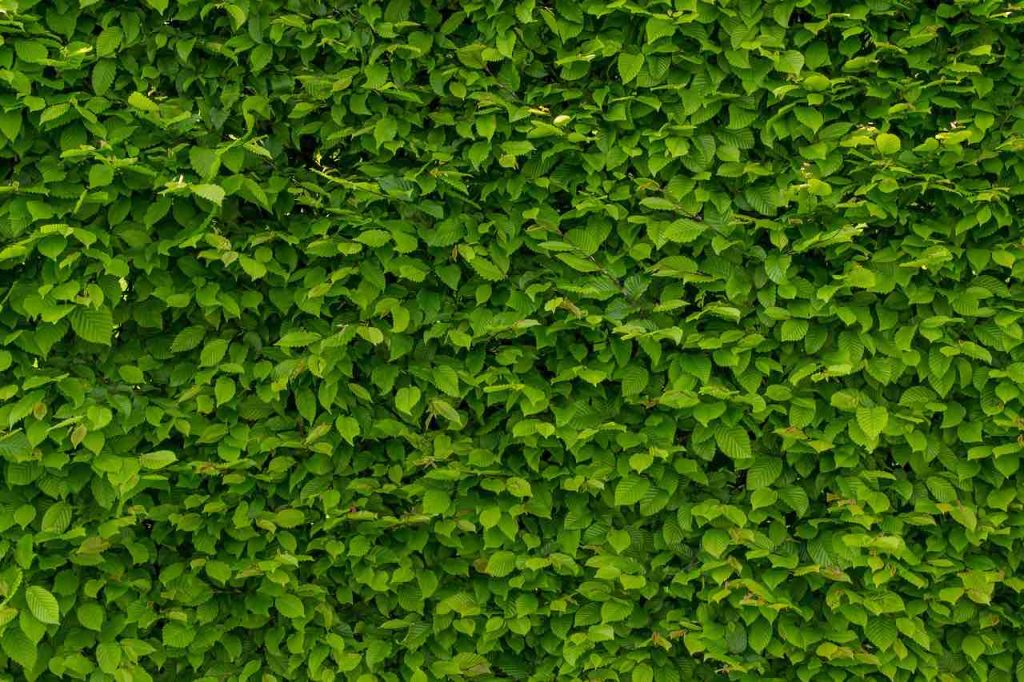
If there is one tree that defines the British chalk landscape, it is beech. Drive across the South Downs or through the Chiltern Hills in autumn and the burnished copper and gold of beech woodland is one of the great seasonal spectacles of the natural world. Beech roots penetrate deeply into the fissured chalk bedrock to access moisture, which is why it is so naturally at home in chalk conditions where shallower-rooted trees struggle.
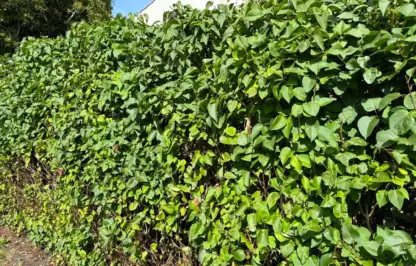
A beech hedge on chalk is one of the finest structural elements you can introduce to a garden. It holds its autumn leaves through winter, giving year-round privacy while supporting a huge range of insects and birds. For a garden tree, the weeping form Fagus sylvatica ‘Pendula’ is breathtaking.
🛒 Buy Beech trees from Amazon UK
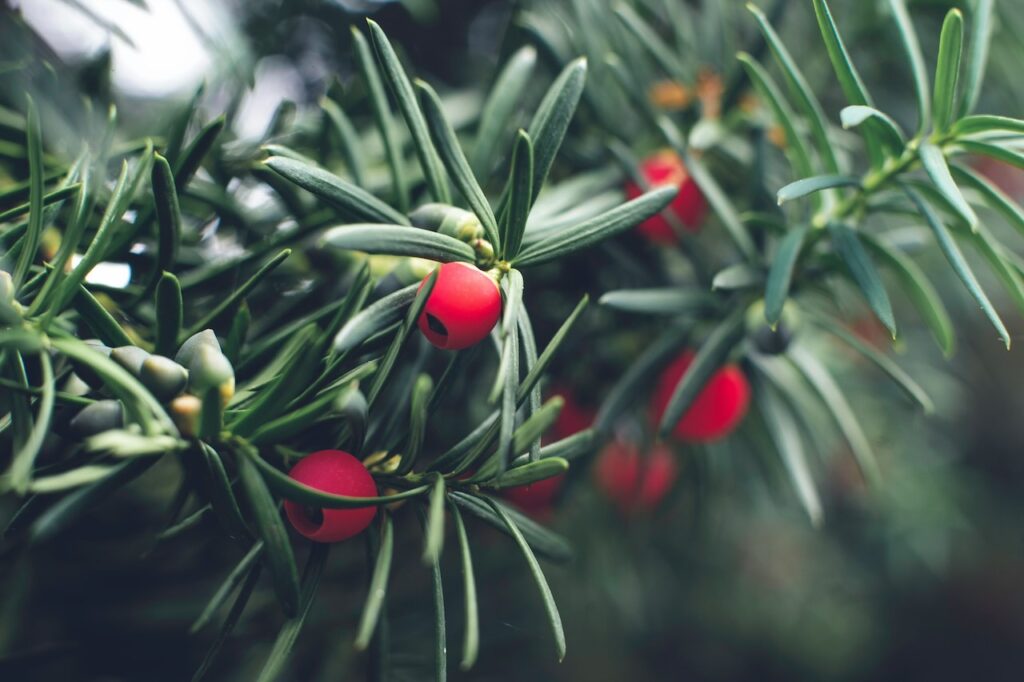
Yew is one of the most important structural plants available to the British gardener, and it is completely at home on chalk. In fact, some of the finest yew hedges and topiary in the country are grown on chalk and limestone soils across the south and Cotswolds.
As a hedge, yew gives you the darkest green backdrop possible against which flower colour sings; it is incredibly long-lived, clips to surgical precision, and provides vital nesting habitat for garden birds. The berries are also highly attractive to thrushes and blackbirds. Note that all parts of yew except the red aril are toxic to humans and animals, so site it thoughtfully in family gardens.
🛒 Buy Yew plants from Amazon UK
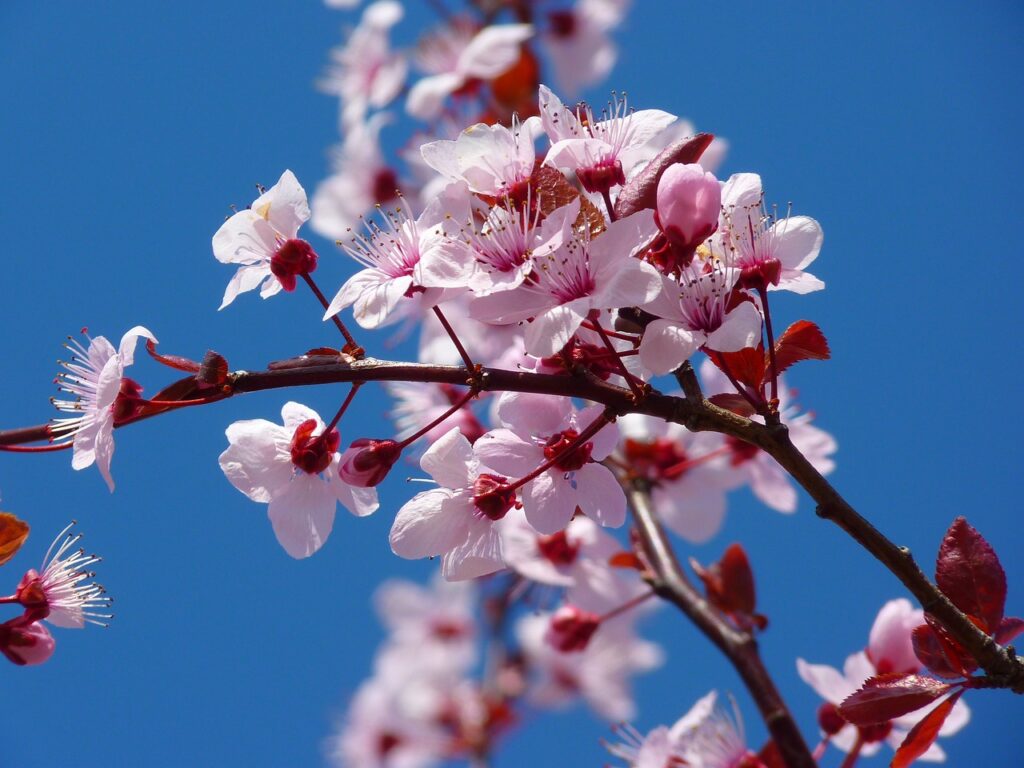
Wild cherry is native to chalk and limestone woodland across the UK and is one of the finest small to medium garden trees you can plant in an alkaline soil garden. The spring blossom is breathtaking. A cloud of white flowers in April that covers the entire canopy before the leaves emerge.
In autumn, the foliage turns through orange and red before falling. In a garden context, ‘Plena’ (the double-flowered form) is an excellent choice as it does not set fruit and therefore causes less mess. Wild cherry supports over 100 species of wildlife in its native habitat, making it one of the most ecologically valuable trees you can grow.
🛒 Buy Wild Cherry trees from Amazon UK
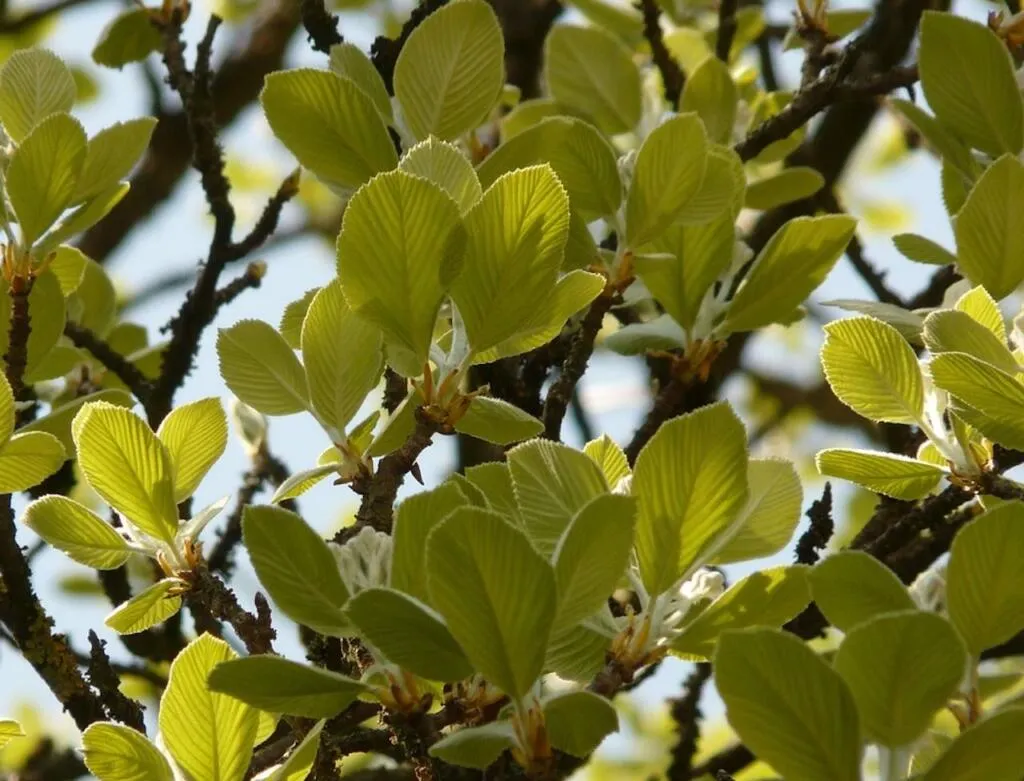
Whitebeam is one of the most underused trees in UK gardens, and a chalk soil is exactly where it will reach its full potential. The emerging spring leaves are a remarkable silvery-white on their undersides, and when a breeze catches them the whole tree shimmers like metal. Clusters of white flowers in May are followed by red berries in autumn that blackbirds and thrushes adore, and the autumn foliage turns through yellow and russet before falling.
Whitebeam is a natural chalk downland tree and handles the combination of alkaline soil, dry summers, and exposed sites better than almost any other ornamental tree.
🛒 Buy Whitebeam trees from Amazon UK
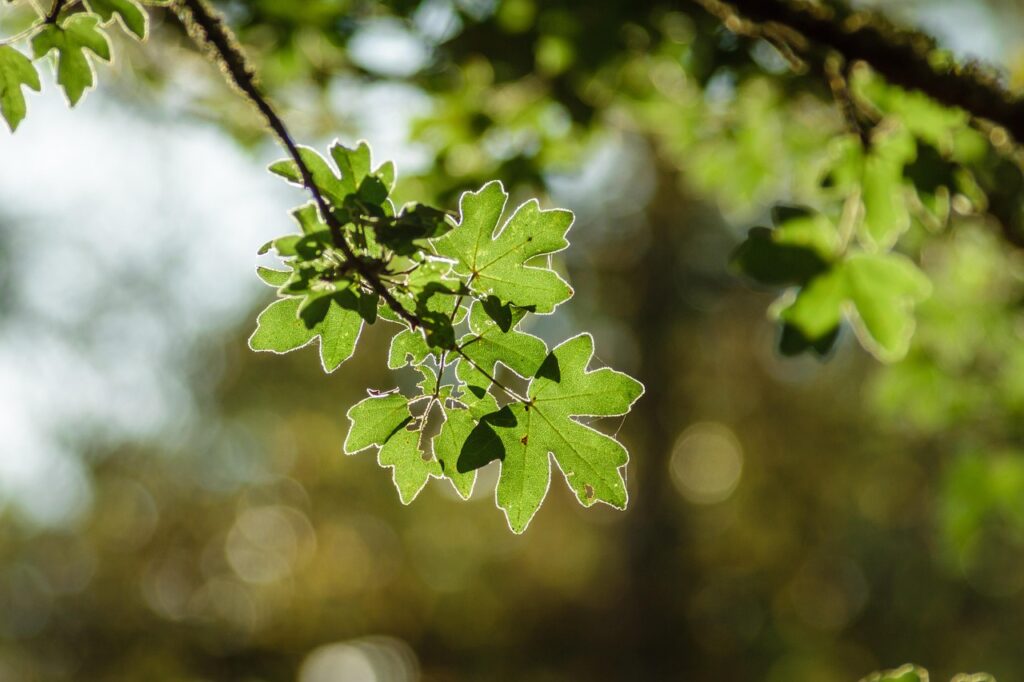
Field maple is a wonderful small to medium native tree for chalk gardens and chalk hedgerows. It produces small, lobed leaves that turn vivid yellow and gold in autumn. A display that belies the modesty of this unassuming British native. Field maple is highly tolerant of chalk and limestone soils, handles exposed and windy sites well, and is one of the best native trees for wildlife. As a hedging plant, it can be woven together with hawthorn and blackthorn to create a productive, wildlife-rich boundary that will thrive in alkaline conditions without any special treatment.
🛒 Buy Field Maple trees from Amazon UK
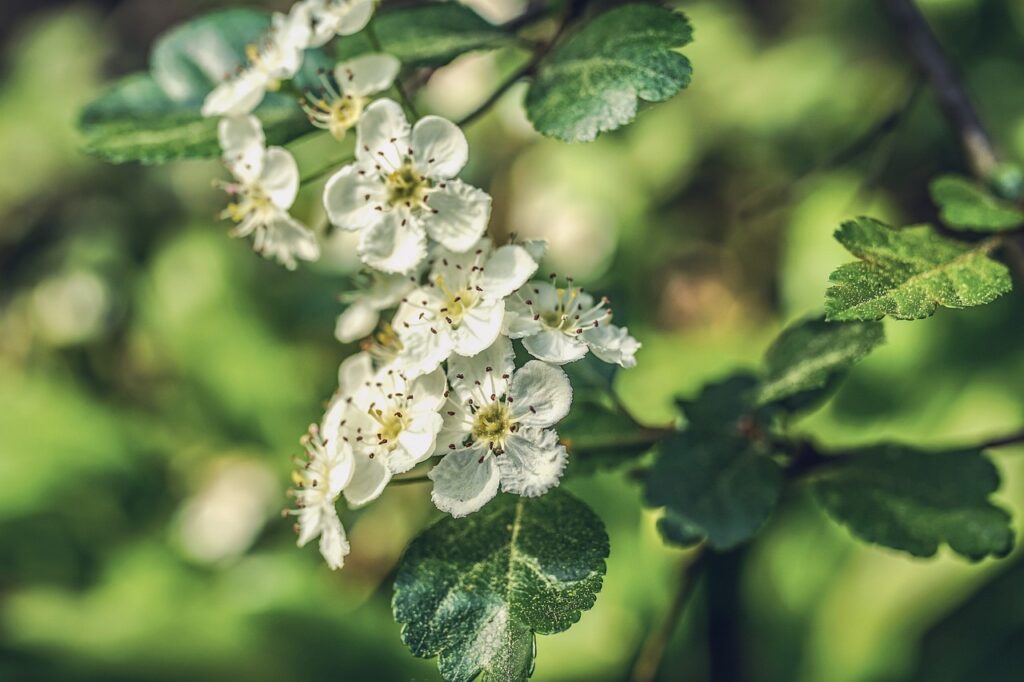
Hawthorn is the quintessential chalk hedgerow plant and one of the most wildlife-rich trees or shrubs in the British Isles. It supports over 300 species of insects, and its berries (haws) are one of the most important food sources for overwintering thrushes, fieldfares, and redwings. In a garden context, hawthorn can be planted as a specimen tree or woven into a mixed native hedge alongside field maple, blackthorn, and dog rose. The blossom in May is magnificent. It is creamy white and intensely sweet-smelling, and the berries that follow in September are a deep, glossy red.
Hawthorn also has a fantastic history with witchcraft and the occult in our garden history. Meaning you can help carry on the traditions of planting native trees that have a rich heritage.
🛒 Buy Hawthorn trees from Amazon UK
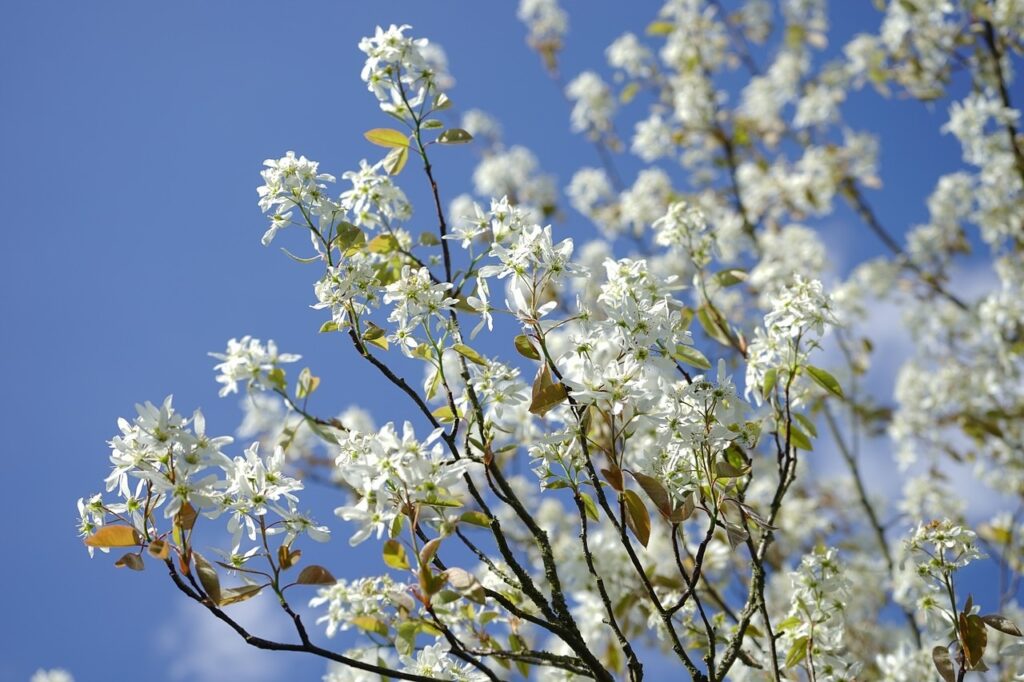
Amelanchier lamarckii is a tree I return to time and again in client garden designs, and it is equally at home on chalk soils as it is on neutral ground. The spring display is exceptional. White blossom in April emerges at the same time as the copper-bronze young leaves, creating one of the most beautiful colour combinations in the British garden calendar. In early summer, the small purple-black berries ripen, and by October, the foliage has turned through orange, red, and gold before falling.
Amelanchier is multi-season, compact enough for most gardens, and unfailingly reliable on chalk, making it one of the best tree choices for alkaline ground.
🛒 Buy Amelanchier trees from Amazon UK
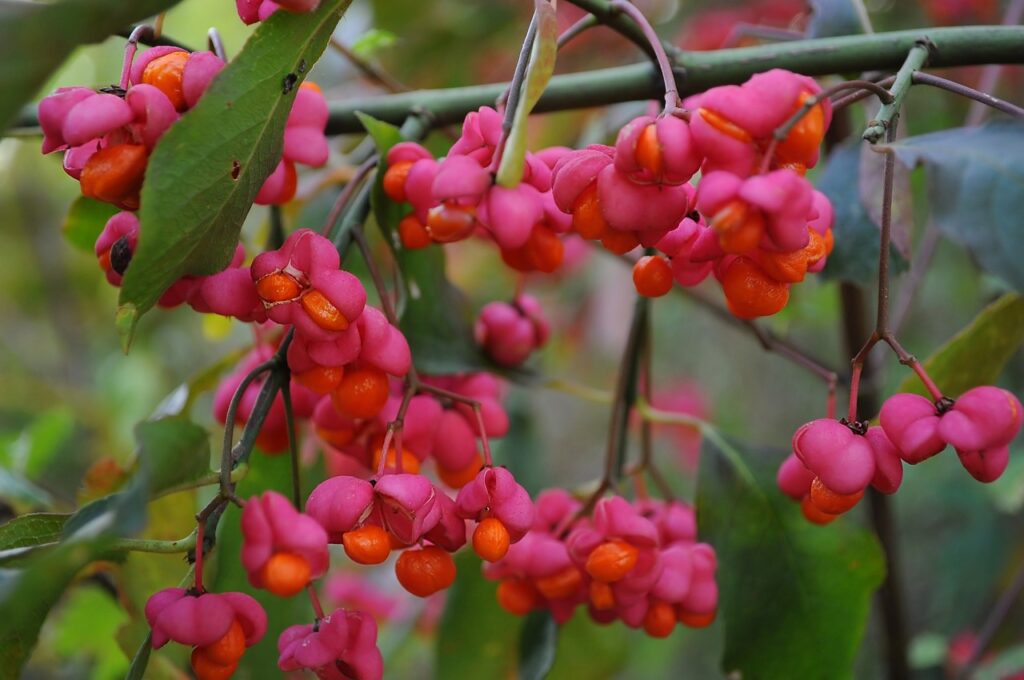
The spindle tree is a native chalk hedgerow plant that deserves far more attention in garden planting. It is modest for most of the year, but in September and October it transforms dramatically. The four-lobed pink fruits split to reveal vivid orange seeds, and the foliage turns deep red and purple simultaneously. This is one of the most extraordinary autumn colour combinations in the British native flora.
Spindle grows naturally in chalk scrub and woodland edges across the south of England, and in a garden setting it contributes excellent wildlife value, striking seasonal interest, and requires virtually no maintenance once established.
🛒 Buy Spindle Tree plants from Amazon UK
Just as important as knowing which plants will thrive is knowing which ones to avoid. These are the plants that consistently disappoint on chalk, no matter how much preparation you do. I’ve watched gardeners in chalk areas spend money and effort on these year after year, and the results are almost always the same: yellow leaves, poor growth, and eventual decline.
If you absolutely must have rhododendrons or camellias, grow them in large containers filled with ericaceous compost and water with rainwater rather than tap water, which in chalk areas tends to be hard and alkaline. This is the only reliable way to grow acid-loving plants on chalk soil.
🌿 Summary: Making the Most of Your Chalk Garden
Chalk soil presents real challenges: thin topsoil, rapid drainage, summer drought, and a high pH that locks up certain nutrients. But the plants that genuinely love chalk repay your faith in them with growth and flowering that richer, heavier soils simply cannot match. Lavender, buddleja, achillea, salvia, eryngium, scabious, clematis, beech, and yew are all chalk garden classics for very good reason.
The principles are simple: test your soil, know your topsoil depth, add organic matter consistently each year, mulch generously, and choose plants from the list above. Work with your chalk rather than against it, and you’ll have a garden that celebrates one of the finest and most characteristic soil types in the British landscape.
Chalk soil typically has a pH of between 7.5 and 8.5 in UK gardens, though some very chalky or limestone soils can reach pH 9 in rare cases. A pH of 7.0 is neutral, so chalk soil is moderately to strongly alkaline. You can accurately check your soil’s pH using a simple test kit available at any garden centre.
Yes, many vegetables perform well on chalk soil. Brassicas (cabbages, kale, broccoli, cauliflower) actually prefer alkaline conditions because high pH reduces the risk of clubroot disease. Onions, garlic, leeks, sweetcorn, and many herbs, including rosemary, thyme, and marjoram, all do well. Root vegetables like carrots and parsnips can struggle where the chalk is very stony and shallow. Raised beds are the practical solution in those circumstances.
The simple home test is to drop a spoonful of your soil into a small amount of white wine vinegar. If it fizzes, you have chalk or limestone present. You can also look for characteristic signs: pale, whitish soil with chalk stones or flint fragments, very fast drainage after rain, and difficulty growing acid-loving plants like rhododendrons. A pH test kit will give you a definitive measurement.
Lavender is one of the best plants you can grow on chalk soil. It evolved in the rocky, alkaline hillsides of the Mediterranean and thrives in exactly the free-draining, alkaline conditions that chalk provides. Lavender grown on chalk will often produce more fragrant, more prolific flowers than the same variety grown in richer, heavier soil. It is one of the first plants I recommend to any client gardening on chalk.
The two main challenges are summer drought and shallow topsoil depth. Chalk drains very freely, so moisture is lost rapidly in dry spells, and the topsoil above the chalk bedrock can be very thin. Sometimes only 10 to 15 centimetres of usable soil sits above solid chalk, which limits root development for larger plants. Regular mulching, consistent addition of organic matter, and thorough watering in a plant’s first season are the best ways to address both problems.
Rhododendrons and azaleas are calcifuges. They actively dislike lime and chalk in the soil. In alkaline chalk conditions, the high pH locks up the iron and manganese that rhododendrons need to produce chlorophyll. The result is chlorosis: yellowing leaves with green veins, followed by poor growth and eventual decline. No amount of organic matter addition will fix this permanently because the chalk continues to raise the pH. If you want to grow rhododendrons on chalk, use large containers filled with ericaceous compost and water with collected rainwater.
Chalk soil is neither good nor bad. It is a soil type with specific characteristics that suit a particular range of plants extremely well, and a smaller range that it does not suit at all. For Mediterranean herbs, lavender, clematis, achillea, salvia, beech, yew, and dozens of other beautiful plants, chalk soil provides ideal conditions. The key is to stop comparing chalk gardens to rich clay or loam gardens and instead embrace the planting palette that chalk makes possible.
If you’ve caught the gardening bug and want to learn more about plants, design principles, and creating beautiful spaces check out my online garden design courses. Whether you want to level up your plant knowledge, learn about design principles, or even start a career in garden design, I’ve got courses ranging from £29 to £199 that cover everything you need.
These courses aren’t just for people with gardens either! The principles of understanding plant needs, creating harmonious colour schemes, and designing beautiful, functional spaces apply just as much to indoor plant arrangements as to full garden designs. You’ll learn how to read plants, troubleshoot problems, and create spaces that genuinely work for your lifestyle.
For the garden you’ve already got, not the one you’re starting from scratch. Seven checklists and video lessons from BBC Garden Rescue’s Lee Burkhill, built to help you work out what’s worth keeping before you spend a penny.
Garden Design Examples for Small Gardens: 30 Design Templates & Planting Plans: In this online gardening course, I’ll walk you through 30 fantastic garden designs, explaining the logic behind the layout, the plant choices, and take-home tips for applying them in your own garden.
Learn how to transform and design your own garden with Lee Burkhills crash course in garden design. Over 5 hours Lee will teach you how to design your own dream garden. Featuring practical design examples, planting ideas and video guides. Learn how to design your garden in one weekend!
Garden Design for Beginners Online Course: If you want to make the career jump to becoming a garden designer or to learn how to design your own garden, this is the beginner course for you. Join me, Lee Burkhill, an award-winning garden designer, as I train you in the art of beautiful garden design.
I hope this guide has given you the confidence to embrace your chalk soil and make the most of the truly spectacular plants it can support. From the silver-blue spires of eryngium to the scented clouds of lavender and the burnished autumn canopies of beech, a chalk garden done well is one of the finest things British horticulture has to offer. Happy gardening!



Lee Burkhill, known as the Garden Ninja, is an award-winning garden designer and horticulturist with over 30 years of gardening experience and 15 years as a professional garden designer. A qualified RHS (Royal Horticultural Society) professional, Lee specialises in sustainable garden design and practical horticultural advice. He designs and presents on BBC1’s Garden Rescue and in leading gardening publications. Lee combines three decades of hands-on gardening knowledge with professional design qualifications to help gardeners create beautiful, functional outdoor spaces.
View all posts by Lee Burkhill





JOIN THE NINJAS

Be the first in line for new Guides, Discount codes and Offers