For the garden you’ve already got, not the one you’re starting from scratch. Seven checklists and video lessons from BBC Garden Rescue’s Lee Burkhill, built to help you work out what’s worth keeping before you spend a penny.
69


Quick Answer
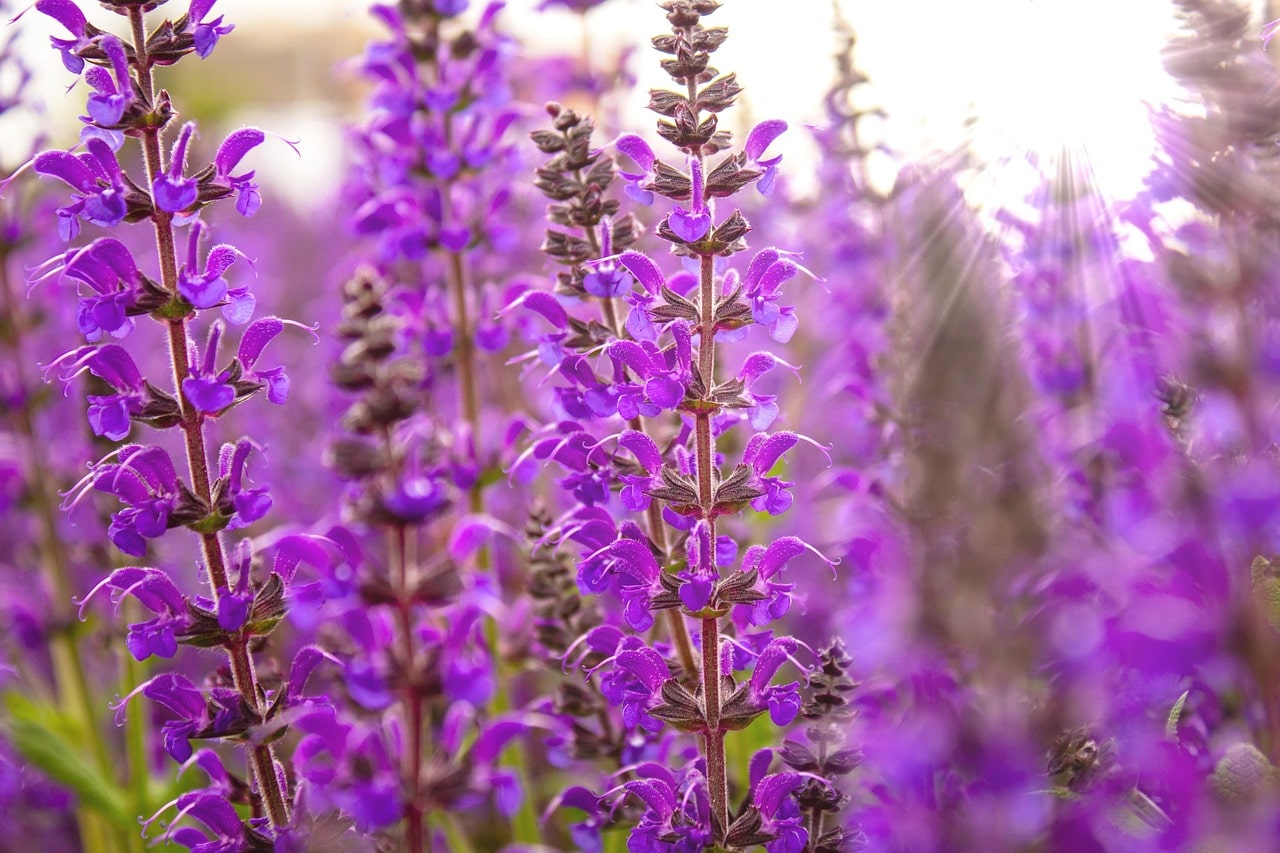
Salvias thrive in full sun with free-draining soil. Plant hardy types like Salvia nemorosa ‘Caradonna’ from April onwards and leave foliage standing through winter, cutting back in late March when new basal shoots appear. Deadhead after the first flush for a second wave of flowers. Tender types like ‘Amistad’ need a thick mulch or lifting before the first frost. With over 900 species in the genus, there is a salvia for almost every position in a UK garden including, if you choose carefully, heavy clay.
Salvias are among the longest-flowering, easy-peasy herbaceous perennial plants to grow. They come back year after year without fuss, flower for months, and are fantastic at providing pollen and nectar for bees and other pollinators. I’ve yet to meet a tentative gardener who has managed to kill one yet!

What’s fab about this Sage family of plants is that they work in a contemporary border, modern planting, naturalistic and just as well as in a traditional cottage scheme. They are the cameleons of the plant world! In this guide, I’m going to share why you should consider growing them, how to, and the best varieties of Salvias. Let’s jump in, Ninjas!
Jump To
The genus Salvia is enormous, with somewhere around 900 species distributed across six continents. That breadth is actually useful for gardeners in the UK because it means there are salvias for almost every situation you can think of: bone-dry gravel gardens, moisture-retentive clay borders, pots on a sun-baked patio, even partially shaded spots. The challenge is understanding which group of salvias you are dealing with, because the care requirements differ significantly between a fully hardy border perennial and a tender shrubby type that originated in Central America.
My personal favourite remains Salvia nemorosa ‘Caradonna’, which I have been specifying in garden designs since around 2005.
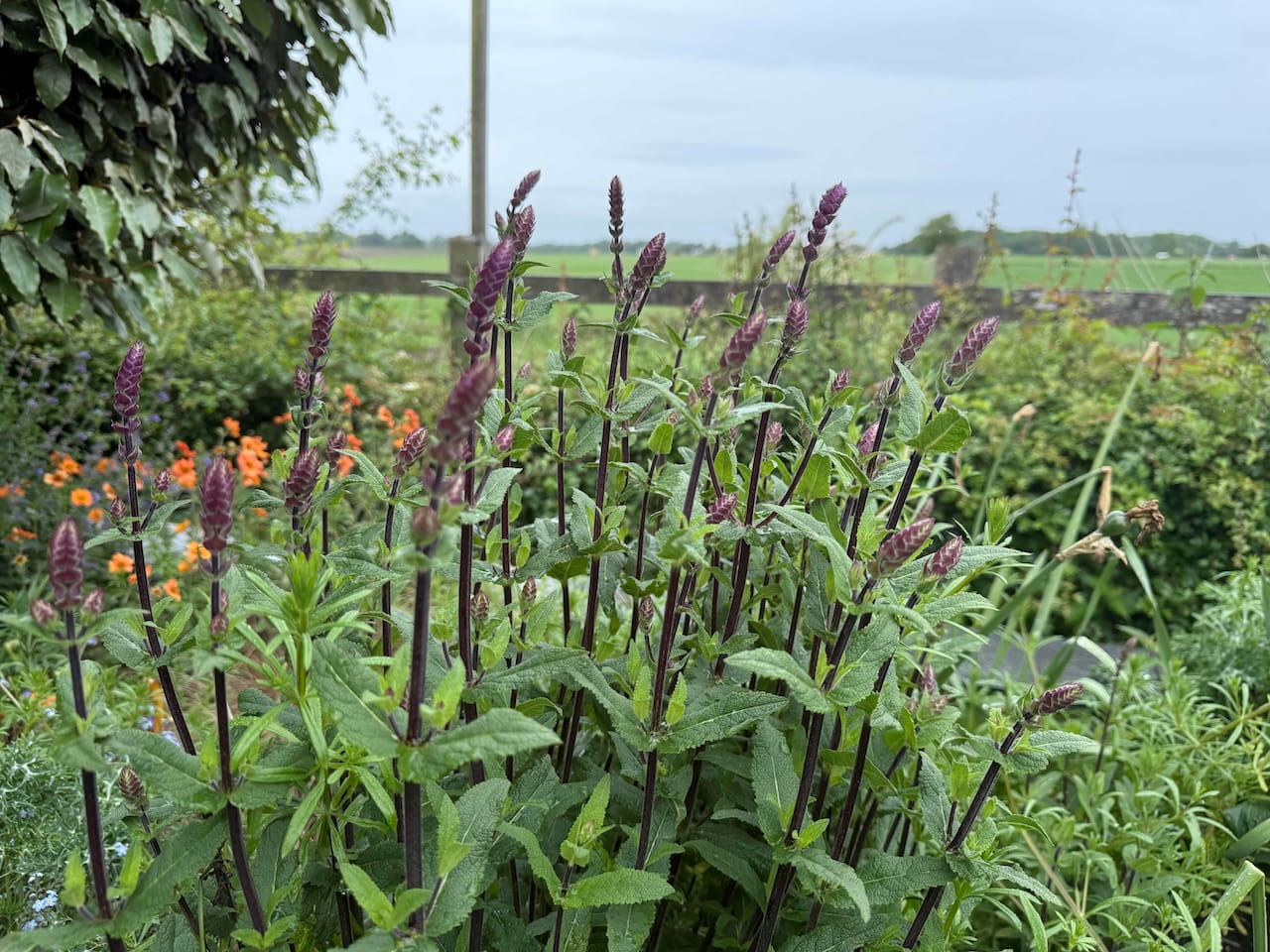
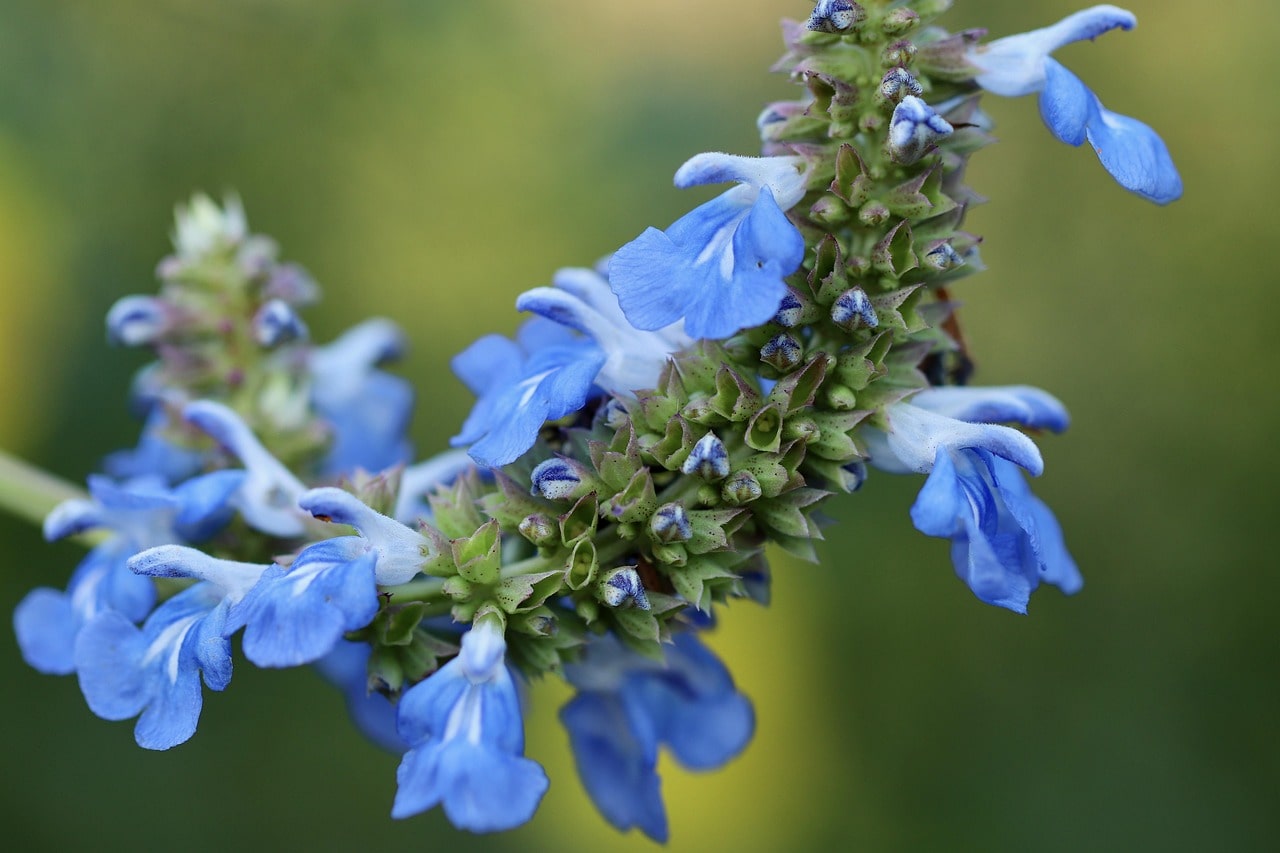
Those upright, ink-dark purple stems rising from neat, aromatic foliage are simply one of the best effects you can achieve in a naturalistic UK border for under a tenner a plant. But I also have a significant soft spot for Salvia uliginosa, the bog sage, which is the plant I reach for when a client has a heavy, moisture-retentive clay border that everyone else has told them is impossible. More on both of those later.
Before you buy a single salvia, you need to understand that “salvia” as sold in UK garden centres covers at least four meaningfully different groups of plants, each with distinct hardiness levels, care requirements and pruning approaches. Treating them all the same is the fastest route to disappointment.
These are the workhorses of the group and the ones I use most in professional planting designs. They originate from Central Europe and Western Asia, which means they are genuinely tough in UK conditions. ‘Caradonna’, ‘Mainacht’ (also sold as ‘May Night’) and ‘Ostfriesland’ all belong here.
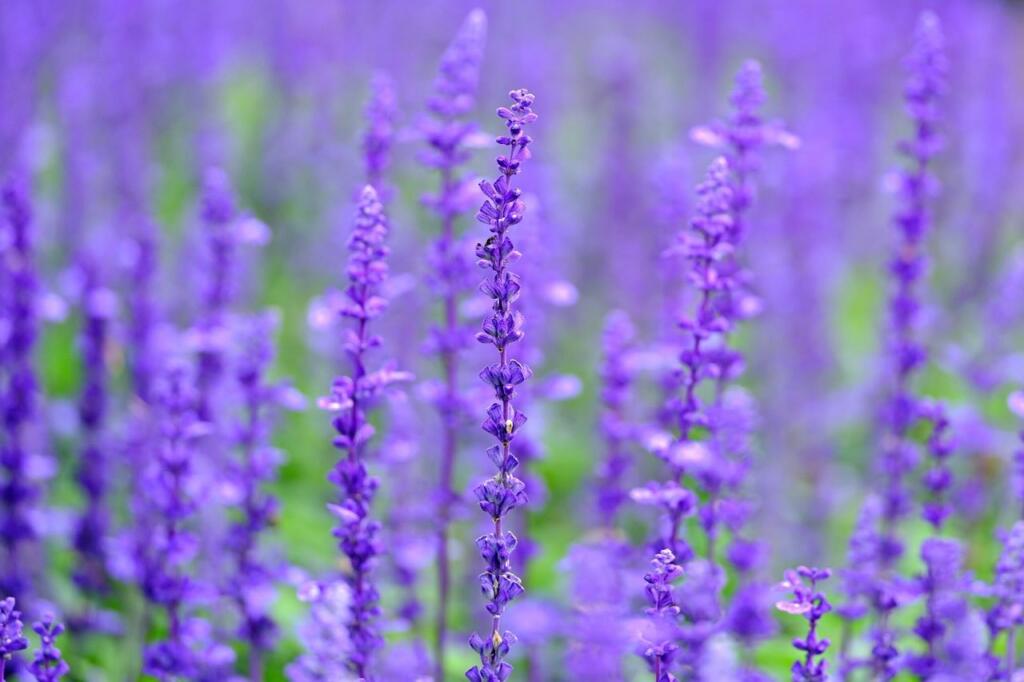
They are fully herbaceous, dying down to ground level each winter and returning from the base in spring. Their RHS hardiness ratings run to H6 and H7, meaning they can handle temperatures down to minus fifteen or twenty degrees Celsius without protection. These are the plants you plant once and enjoy for years.
This group includes the ever-popular ‘Hot Lips’ and a wide range of other bicolour and single-colour varieties. They are woody sub-shrubs rather than herbaceous perennials, building a permanent framework of stems above ground. In mild UK gardens they are rated H4 to H5, meaning they can survive moderate frosts but may lose above-ground growth in a hard winter.
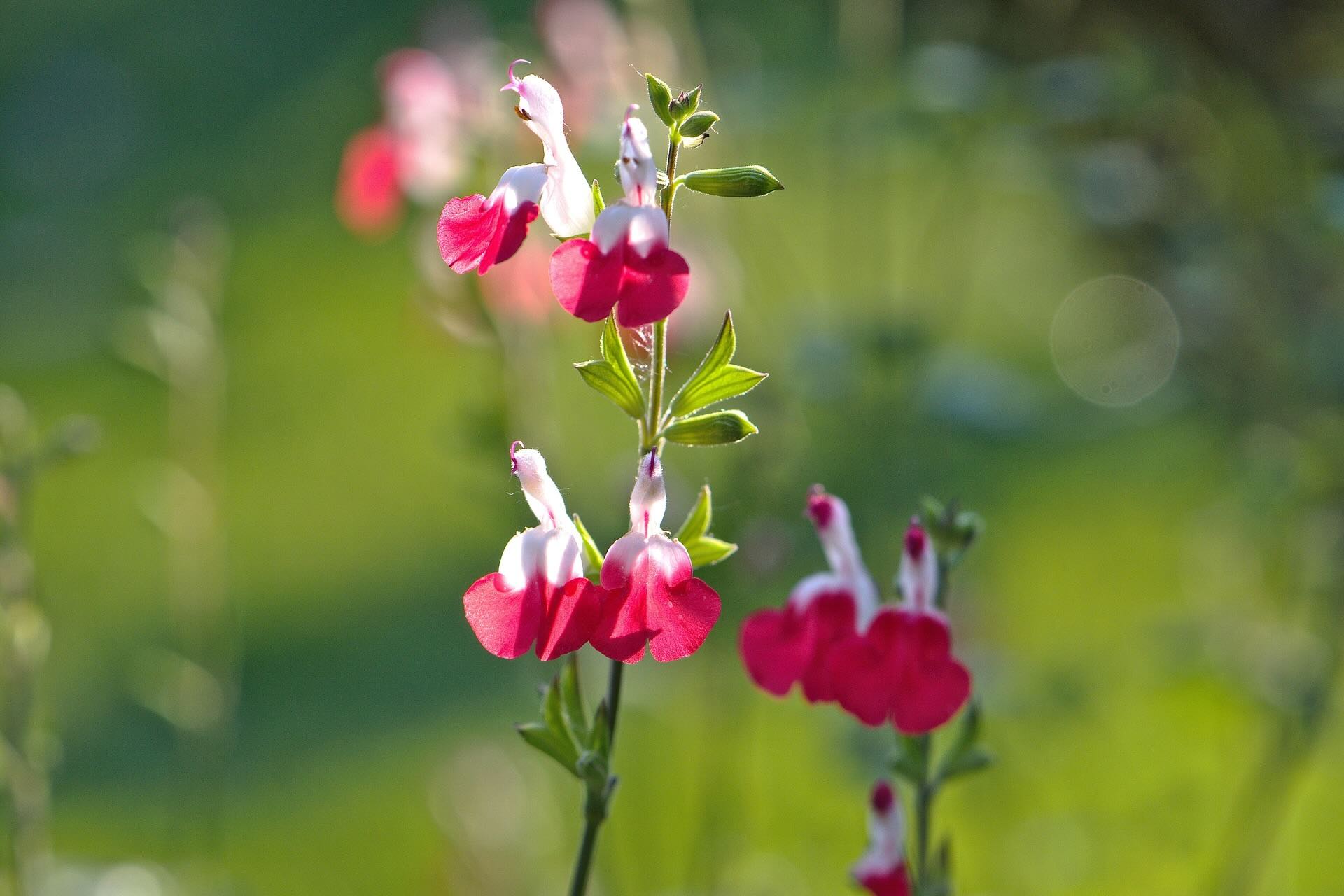
They do not die down completely, and they must not be cut back in autumn. Their peak flowering is late summer into Autumn, making them invaluable for keeping borders alive when the first flush of June-July plants has faded.
I’ll be honest, though, if you’ve watched me on Garden Rescue, Hot Lips is my least favourite of all the herbaceous perennials. I’d go as far as to say I really dislike it as a plant! I find its red and white colour too jarring, and it can often look like ‘the odd one out’ in any planting scheme. So my advice is to find better coloured shrubby Salvias!
These originate from South America and Mexico and are rated H3 or below, meaning they will not survive a UK winter without protection in most regions. They are stunning plants, with ‘Amistad’ producing some of the most dramatic deep violet flowers in the late summer border and ‘Black and Blue’ offering near-true blue flower spikes on tall arching plants.
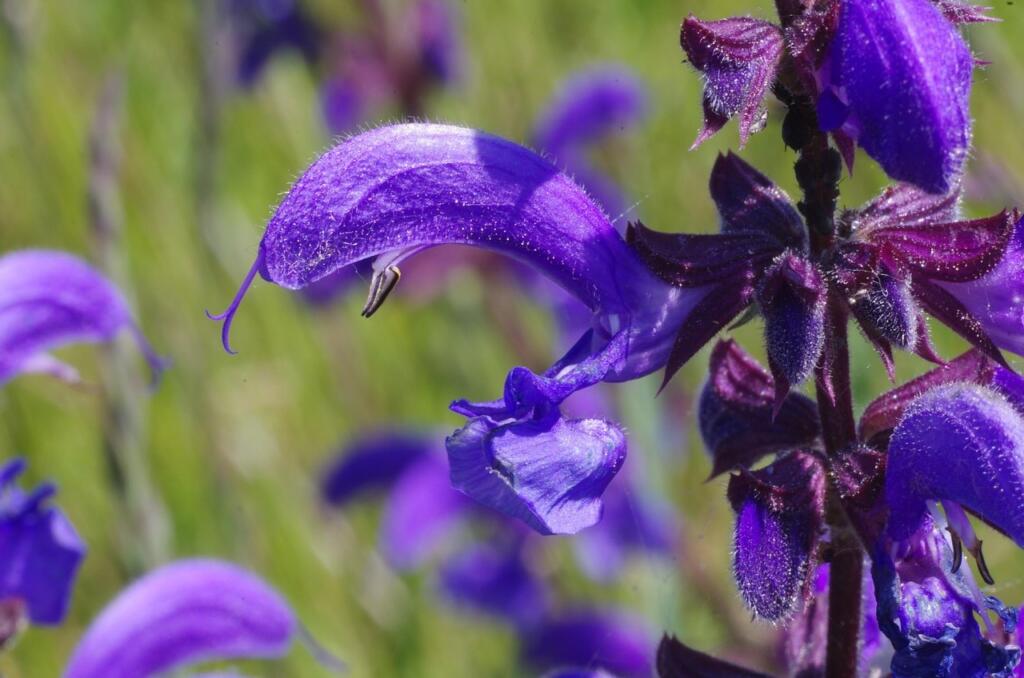
You can grow them as permanent perennials in a sheltered south-facing border in the mildest parts of the UK, but most gardeners north of Birmingham should treat them as seasonal plants to be protected or replaced annually. Salvia patens produces tubers very similar to dahlia tubers that can be lifted and stored over winter.
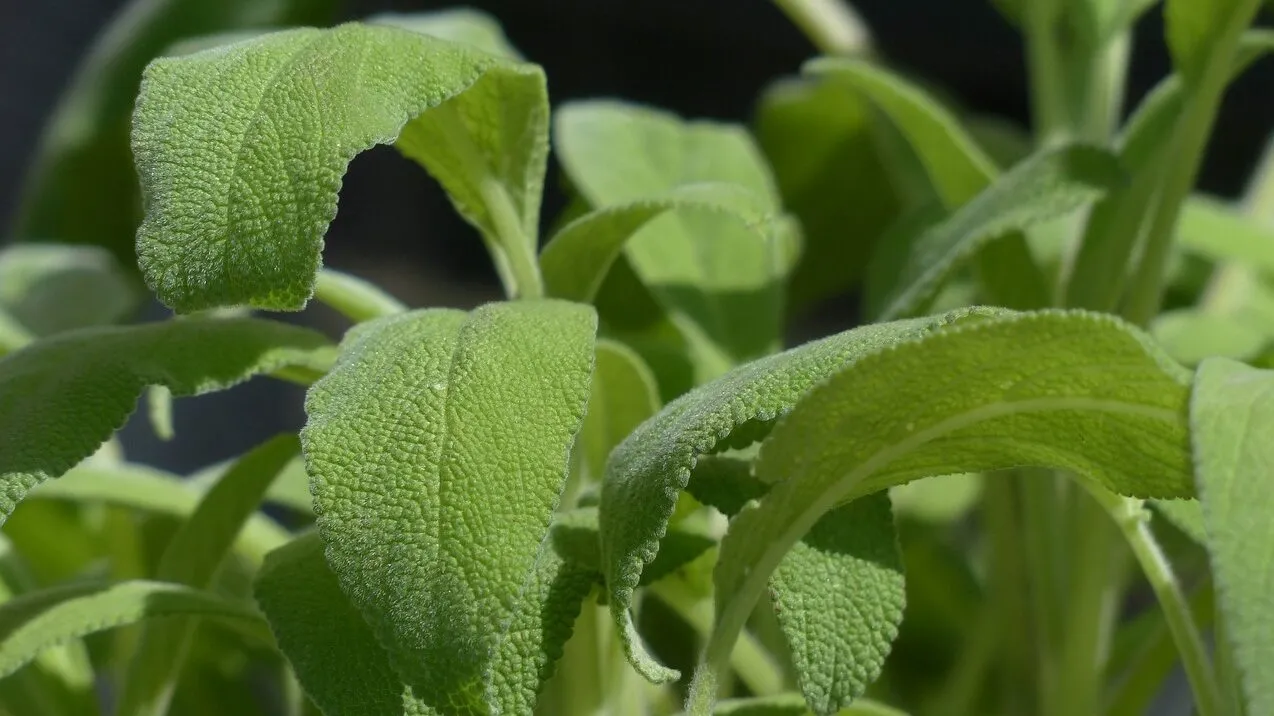
Common culinary sage is a woody perennial rated H5, tolerating temperatures down to about minus fifteen degrees Celsius. It is an excellent garden plant well beyond its use in the kitchen, particularly the purple-leaved ‘Purpurascens’ and the tricolour varieties which have ornamental value throughout the year.
It dislikes wet, cold winter conditions more than cold alone, so free-draining soil is particularly important for this group. Trim back hard in spring once new growth appears to prevent the plant from becoming too woody and open at the base.
The RHS Award of Garden Merit is the most reliable shorthand for “this plant performs reliably in UK conditions”. The RHS ran a dedicated hardy salvia trial at Wisley from 2022 to 2024, evaluating 70 cultivars across pruning techniques and hardiness. Here are the varieties I rate most highly, with verified AGM status and hardiness ratings from the RHS database.
If I could only plant three salvias for a UK garden, I would choose ‘Caradonna’ for borders with any soil that drains reasonably well, ‘Hot Lips’ for containers and patios (even though I don’t like the colouration myself) where you want late-summer colour that lasts until the frosts, and Salvia uliginosa for any garden on heavy clay or with a reliably damp border.
Together those three cover almost every common UK garden scenario and all three have RHS AGM status, which tells you they have been independently verified to perform reliably in British conditions.
🛒 Buy Salvia nemorosa ‘Caradonna’ from Amazon UK
🛒 Buy Salvia ‘Hot Lips’ from Amazon UK
🛒 Buy Salvia uliginosa from Amazon UK
The single most important thing to get right with salvias is position. The vast majority of the genus comes from regions with hot, dry summers and cold, dry winters. That origin shapes everything about what they need from a UK garden: maximum sunlight, sharp drainage, and shelter from the worst of our wet winter winds.
Hardy border salvias need a minimum of six hours of direct sunlight per day. Below that threshold, the plants become drawn and floppy, the flowering is poor, and they are more susceptible to fungal problems caused by poor air circulation. A south or west-facing border is ideal. East-facing borders work for the hardiest nemorosa types but you will see noticeably fewer flowers and a more open, leaning habit. North-facing borders are not suitable for any salvia except Salvia glutinosa, the sticky sage, which is a yellow-flowered woodland species that most gardeners in the UK have never encountered.
Free drainage is more important to salvias than soil fertility. They positively thrive on lean, poor soils that would starve more demanding plants. On rich, fertile soil the plants tend to grow too lush and lax, flopping open in the middle and producing foliage at the expense of flowers. If your soil is naturally poor and free-draining, salvias will be very happy with minimal amendment.
On heavier soils, the key intervention is grit. Mix roughly thirty per cent horticultural grit by volume into the planting hole and the surrounding area. This is not a small amount: if you are planting three salvias into a border, you want something like two full trowels of grit mixed into the soil for each plant. The grit opens up the structure enough to prevent waterlogging at the roots, which is what kills most salvias in heavy ground.
💡 Top Tip
If you are on heavy clay and want to grow hardy nemorosa salvias, raise the planting level by five to ten centimetres using a mixture of topsoil and grit. Even a small amount of elevation dramatically improves drainage around the root zone during winter, which is when most salvia losses on clay occur.
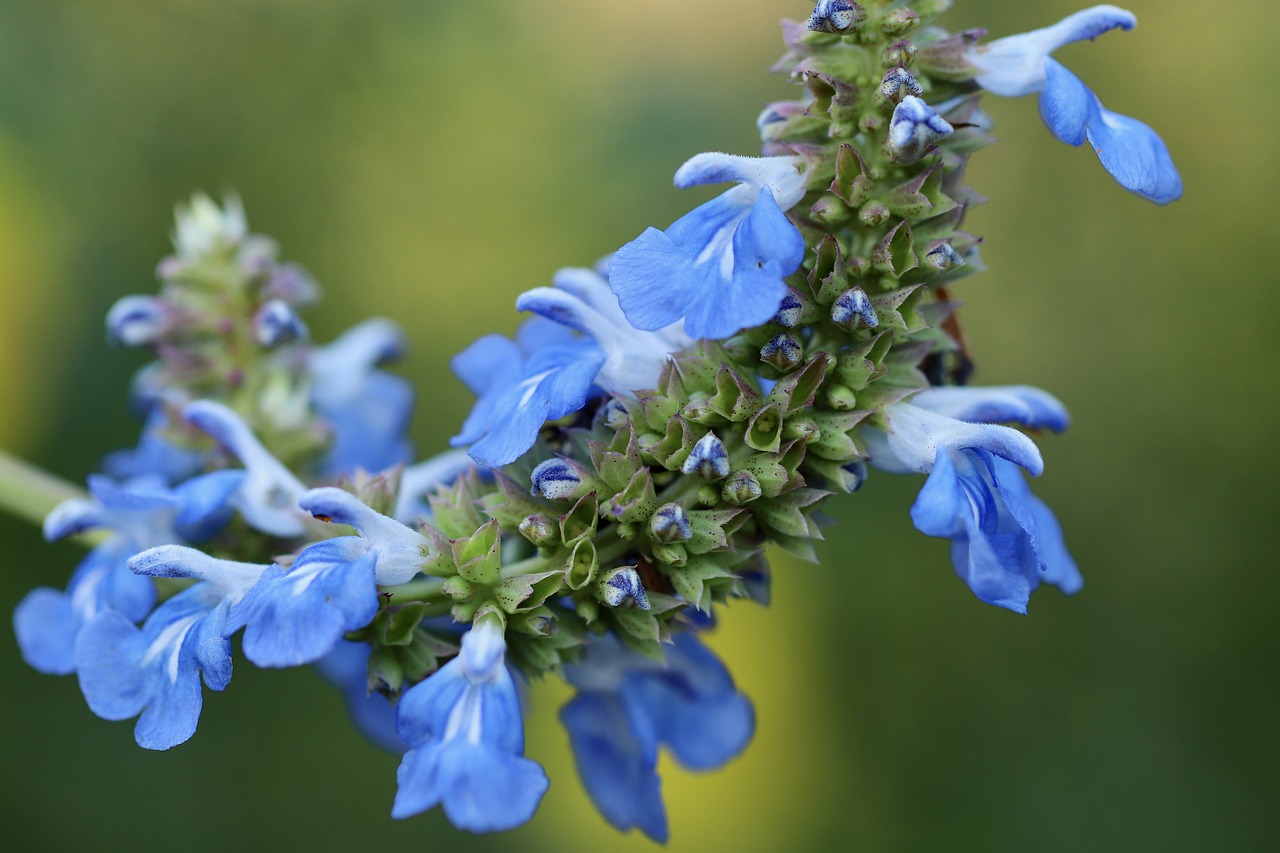
Almost every guide you will read says salvias hate clay, and for most of the genus, that is accurate. Salvia uliginosa, the bog sage, is the significant exception. The RHS explicitly notes that it enjoys wetter conditions, and in practice it thrives in moisture-retentive soils that would rot the roots of most other salvias within a season. It is native to boggy meadows in South America, which explains its tolerance for what UK gardeners would call difficult, damp ground.
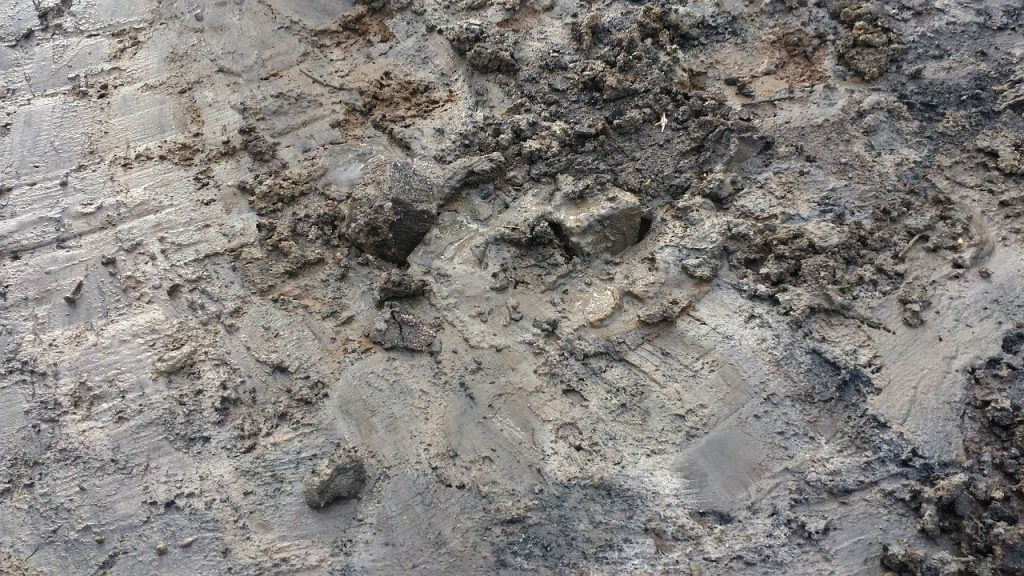
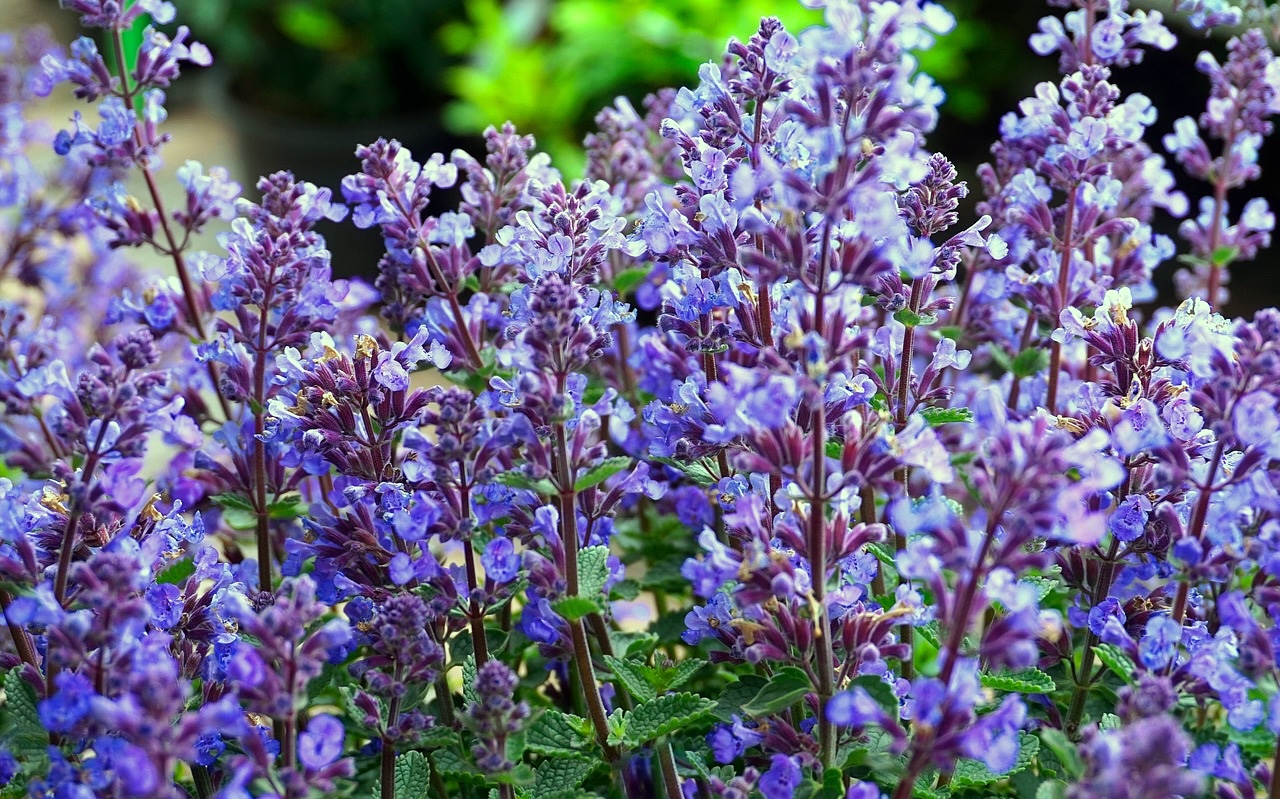
There is an important qualification, however. S. uliginosa tolerates sustained moisture during the growing season but it dislikes sitting in cold, waterlogged soil through a UK winter. The distinction is moist-and-draining versus cold-and-sodden. On genuinely waterlogged clay that sits like a pond from November to February, even bog sage will struggle. A thick autumn mulch over the crown helps enormously by insulating the root zone and slightly improving surface drainage. On clay that is wet through summer but not genuinely waterlogged in winter, this plant is a revelation: two-metre stems of sky-blue flowers from August right through to the first hard frost, when everything else in the border has given up.
🛒 Buy Salvia uliginosa from Amazon UK
Timing your salvia planting correctly makes a significant difference to how quickly the plants establish. The right window varies by both salvia type and where in the UK you garden, so I have broken this down into a simple regional guide.
Hardy nemorosa and sylvestris types can also be planted in autumn, which I often prefer for border plantings because the plants establish over winter and are genuinely ahead of their spring-planted counterparts by the following summer. Autumn planting only works well on free-draining soils: if your ground stays waterlogged in winter, spring planting is safer for all but the most established specimens.
For tender salvias, never rush the planting date. I see gardeners lose ‘Amistad’ and ‘Black and Blue’ every year by putting them out too early in a misplaced spirit of optimism. Wait until you are genuinely confident that nighttime temperatures have settled above 5 °C before these plants go into open ground. In Manchester, where I am based, that usually means not before late May and often the first week of June in a cold spring.
Planting technique matters more for salvias than for many perennials because their preference for lean, free-draining conditions means you need to actively prepare the ground rather than just dig a hole.
Start by preparing the area rather than individual planting holes. If you are putting in a group of three or five salvias, which is almost always better visually than planting singly, work the soil across the whole area. Remove any perennial weed roots entirely because once salvias are established, they are difficult to weed between without disturbing the root systems. If your soil is heavy, work in generous horticultural grit across the whole planting zone.
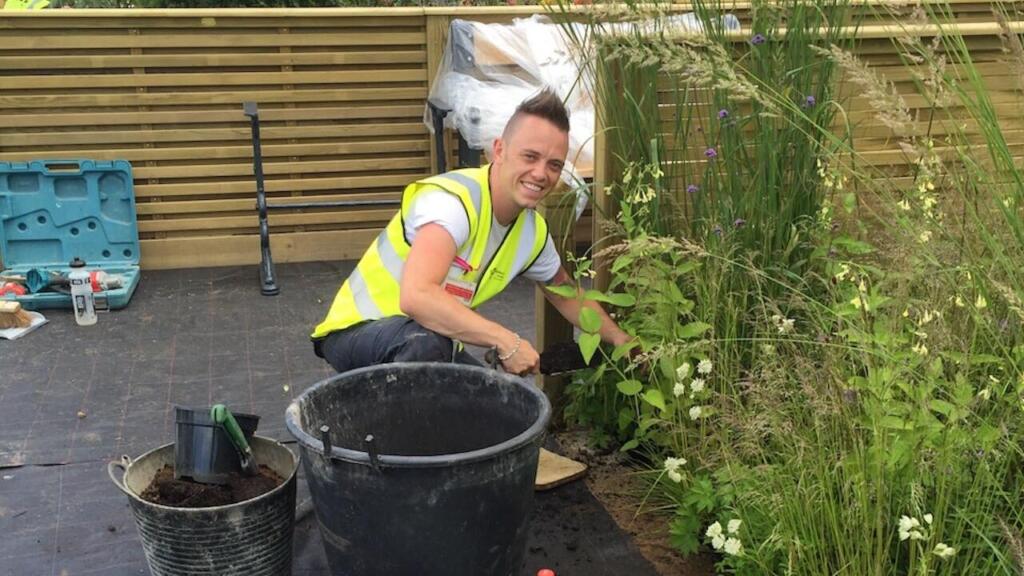
Dig each planting hole to the same depth as the root ball and roughly twice the width. Place the plant so the top of the root ball is level with the surrounding soil surface: do not plant deep. Salvias planted below soil level are much more prone to rotting at the crown, particularly in wet winters. Firm the soil gently around the roots, water in well, and then apply a thin layer of grit mulch around the crown rather than organic mulch. This keeps the crown dry while allowing moisture to reach the roots.
💡 Top Tip
Plant salvias in groups of odd numbers for the most natural-looking result. Three ‘Caradonna’ spaced 35 to 40 centimetres apart creates a far more convincing border effect than one large plant, and by year two the clumps will have merged into a continuous ribbon of purple that looks like it was designed rather than planted.
🛒 Buy horticultural grit from Amazon UK
Once established, hardy border salvias are remarkably drought-tolerant and rarely need supplementary watering in a normal UK summer. In their first season, water newly planted specimens during any dry spells longer than ten to fourteen days, particularly in the first six weeks after planting. After that, established nemorosa and sylvestris types are genuinely self-sufficient in most UK gardens.
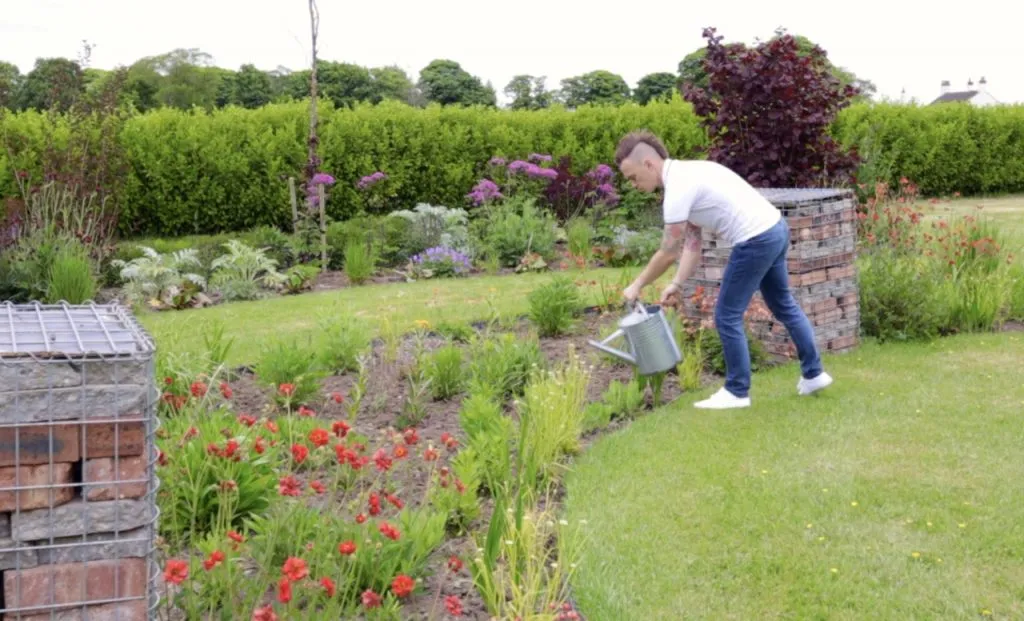
Tender types like ‘Amistad’ and container-grown specimens of any salvia need more regular attention. Containers in particular dry out surprisingly quickly in warm weather, and salvias in pots will show drought stress by beginning to drop their lower leaves. Check containers every day in hot weather. Salvias prefer a thorough soaking once the compost has dried out over frequent shallow watering, which encourages surface rooting rather than deep establishment.
This is where many gardeners go wrong with salvias. Feeding salvias with a high-nitrogen fertiliser is one of the most reliable ways to produce lush, floppy, poorly-flowering plants. These are plants that have evolved on poor soils and they respond to excess nitrogen by putting on vegetative growth at the expense of flowers. Avoid general-purpose fertilisers and never apply fresh manure.
If you feel the need to feed, a single light application of a low-nitrogen, potassium-rich feed in spring as growth resumes is plenty. Sulphate of potash applied at half the recommended rate is appropriate. For most border salvias in reasonable soil, feeding is not necessary at all. In containers, a monthly liquid feed at half strength through the growing season is sensible because nutrients leach out of compost with regular watering.
Deadheading is one of the most valuable things you can do for your salvias and one of the most often skipped. On nemorosa and sylvestris types, removing the spent flower spikes within a week of them fading triggers a second and sometimes third flush of flowers. Cut the spike back to the first set of sideshoots or to fresh basal growth.
The second flush typically arrives three to four weeks after deadheading and, while usually slightly less abundant than the first, extends the interest well into late summer. On shrubby types like ‘Hot Lips’, removing individual spent flowers rather than whole spikes is more practical and encourages continuous flowering from July right through to October.
The Chelsea Chop is a technique that takes its name from the RHS Chelsea Flower Show, which takes place in the third week of May. The timing is the aide-mémoire: when Chelsea is on, it is time to chop. But the technique itself is more nuanced than simply cutting plants back, and applying it correctly to salvias can significantly extend your display window.
The Chelsea Chop applies specifically to herbaceous nemorosa and sylvestris salvias. It does not apply to woody shrubby types like ‘Hot Lips’ or tender types like ‘Amistad’. Those groups need entirely different approaches, which I cover in the pruning section below.
Cutting back a portion of your salvia nemorosa stems in late May delays the flowering on those stems by two to four weeks. This produces a staggered display: the untouched stems flower at their normal time in early June, and the chopped stems flower in late June and July. The chopped stems also tend to produce shorter, sturdier, more branched flower spikes that are less prone to flopping, which is particularly useful for taller cultivars like ‘Ostfriesland’.
Wait until your Salvia nemorosa plants are showing good upright growth, typically with stems around fifteen to twenty centimetres tall. Using clean, sharp secateurs, cut one-third of the stems by roughly one-third of their height.
I find it easiest to work around the clump systematically, taking every third stem rather than cutting one side and leaving the other, which can look uneven during the gap between early and late flowering. Leave the remaining two-thirds of the stems untouched to flower at their normal time.
Alternatively, if you want to delay the flowering of an entire plant rather than create a staggered effect within one plant, cut the whole clump back by one-third. This is useful if you have several ‘Caradonna’ plants at different positions in the border and want to keep some of them in reserve for a later-season display.
For shrubby salvias like ‘Hot Lips’ and other microphylla and jamensis varieties, there is a different summer intervention sometimes called the Hampton Hack, timed to the RHS Hampton Court Garden Festival in early July. RHS judge and BBC Radio 4 Gardeners’ Question Time regular Matthew Biggs advises cutting shrubby salvias back by a third to a half in early July, noting that it keeps the plants compact and results in even better autumn flowering. This is a useful technique if your ‘Hot Lips’ is becoming sprawling and open by midsummer: a firm cut back in early July will produce a more compact plant with a strong second flush in September and October.
💡 Top Tip
Never apply the Chelsea Chop to shrubby salvias (Hot Lips, microphylla types) or tender salvias (Amistad, patens, guaranitica). These plants have a fundamentally different growth structure from hardy herbaceous nemorosa types and cutting them hard in late May can remove all the developing flower buds for the season. The Hampton Hack in early July is the appropriate summer intervention for shrubby types.
🛒 Buy quality bypass secateurs from Amazon UK
The most common mistake I see with salvias is applying a one-size-fits-all approach to pruning. Cutting a ‘Hot Lips’ back hard in autumn the same way you would cut back a ‘Caradonna’ will likely kill it. Understanding the three pruning groups will prevent the majority of salvia losses in UK gardens.
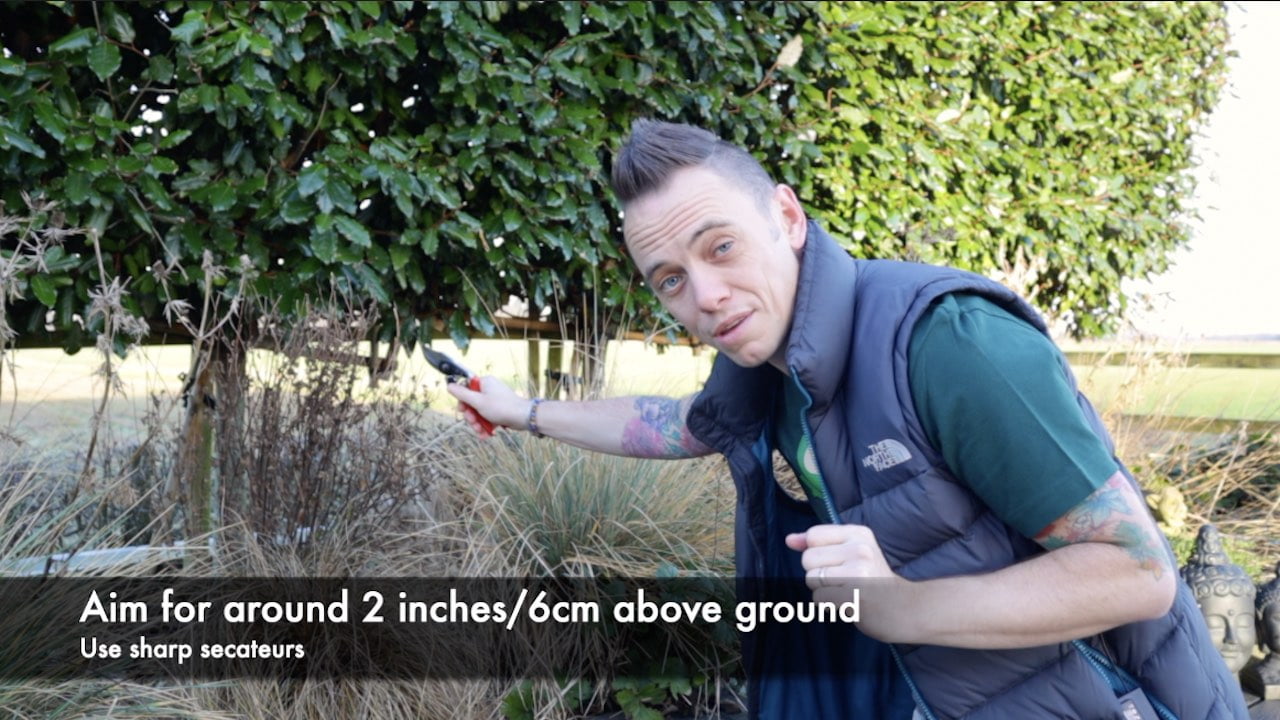
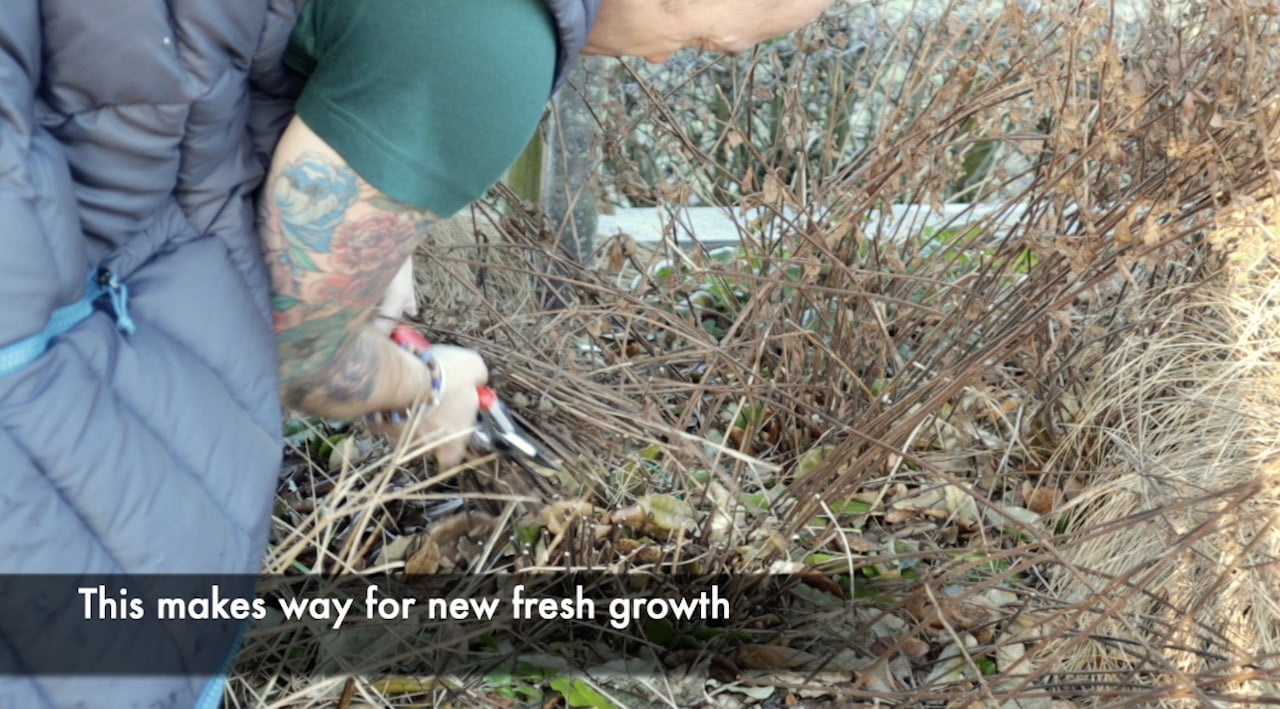
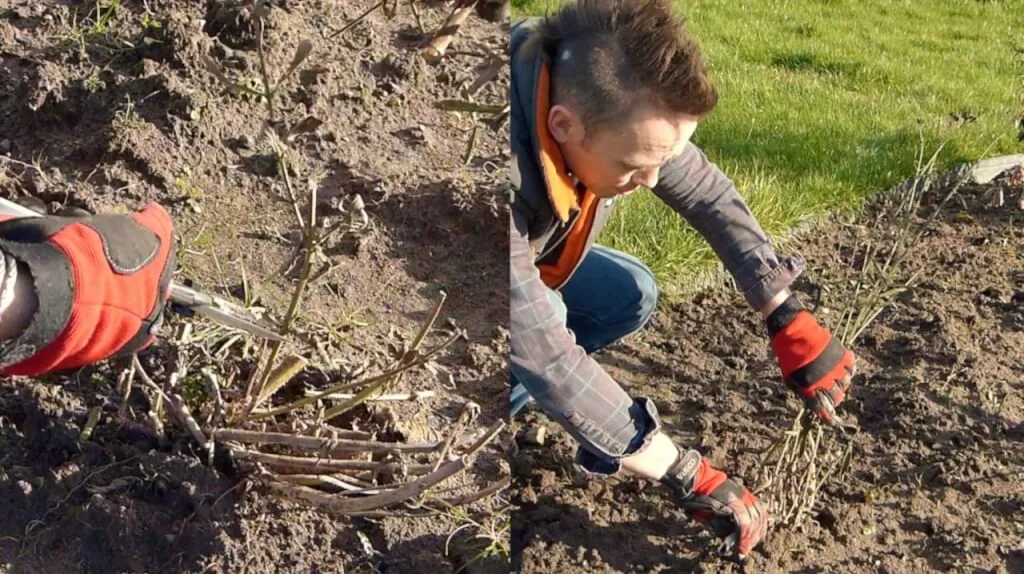
These die down to ground level each winter. The key rule is to leave the old foliage standing through winter rather than cutting it back in autumn. The dead stems and leaves provide genuine frost protection for the crown and support for overwintering insects. In late March or April, when you can see new basal shoots emerging at ground level, cut the whole plant back to just above those new shoots. This usually means cutting to about five to eight centimetres above ground level. Do not cut before you can see new growth or you risk cutting into live basal buds.
These retain woody stems through winter and should not be cut back in autumn. In spring, once you can see signs of new growth on the stems (typically tiny green shoots emerging from the woody framework), lightly trim back to healthy green growth. Cut out any stems that have died back over winter entirely. The danger zone is cutting into old wood that has no signs of new growth: unlike roses or buddleja, shrubby salvias do not reliably regenerate from very old wood. Be conservative and only cut to where you can see green, living tissue.
After four or five years, shrubby salvias tend to become very woody and open at the base. At this point, rather than attempting a renovation prune, it is usually more productive to take cuttings in late summer and start fresh. A new plant from a cutting taken in August will be more vigorous and free-flowering than an ageing woody specimen that has been hard-pruned.
In mild areas these can be left in the ground with protection. In colder regions, they need lifting. Either way, do not cut them back hard in autumn. If left in the ground, apply a thick mulch of bark or straw over the crown after the first frost has killed the top growth. In spring, remove the mulch carefully once frost risk has passed and cut back to the first signs of new growth. If lifting, dig after the first frost, shake off excess soil, store in barely moist compost in a frost-free environment, and replant in May.
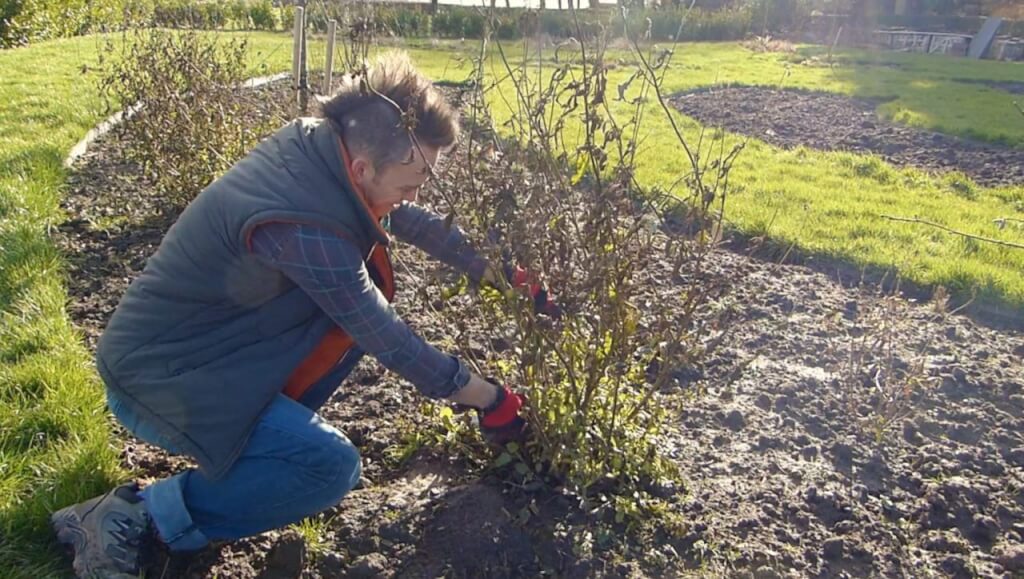
Overwintering strategy depends on both the variety and your location. Here is my practical guide by type.
No action needed beyond leaving the foliage standing. These plants are rated H6 to H7 and will survive anything a typical UK winter throws at them. The only risk is prolonged waterlogging rather than cold, so ensuring the soil is free-draining is the only winter preparation that matters for this group.
In southern and coastal gardens, these can generally stay outside with no protection other than avoiding hard cutting back in autumn. In the Midlands and North, a light mulch over the crown and the base of the stems offers useful insurance. In particularly cold or exposed positions, a layer of horticultural fleece loosely draped over the plant during the coldest spells is the safest approach. Do not use fleece permanently as it reduces airflow and can cause fungal problems. Taking a few cuttings in September as insurance is always worthwhile if your plant is particularly special to you.
‘Amistad’ is rated H3, surviving to around minus five degrees Celsius. In southern England on free-draining soil with a sheltered aspect, it will often overwinter successfully under a fifteen-centimetre bark mulch applied after the first frost. In the Midlands and North, this is not reliable. The practical approach is to take insurance cuttings in late August, root them in a frost-free greenhouse over winter, and replant in May. This costs nothing, except for a small amount of compost and pot space, and guarantees you never lose the plant entirely.
💡 Top Tip
Take insurance cuttings of all your tender salvias in late August regardless of how mild your garden is. A cutting taken from ‘Amistad’ in August will root in two to three weeks and be a compact, well-branched plant by the following May. It is the best free insurance policy in the autumn garden.
Salvia patens produces fleshy tubers very similar to dahlia tubers. After the first frost blackens the foliage, cut back the stems to about ten centimetres, carefully fork out the tuber clump, and store in barely moist compost or vermiculite in a cool, frost-free place. A garage, shed or unheated greenhouse that stays above minus two or three degrees is ideal. Inspect through winter and mist lightly if the tubers look shrivelled. Replant in May once all frost risk has passed.
🛒 Buy horticultural fleece from Amazon UK
Softwood cuttings are the best way to propagate tender and shrubby salvias, and they root with remarkable ease compared to many other plants. Take cuttings from April through to June for the best results, or in late August as insurance against winter losses. Select non-flowering shoots around eight to ten centimetres long, cutting just below a leaf node. Remove the lower leaves, leaving two or three sets at the top, and insert into a mixture of peat-free compost and perlite in roughly equal parts. Keep in a warm, bright position out of direct sun, and expect roots in two to three weeks. A propagator lid or clear polythene bag over the pot maintains the humidity that softwood cuttings need.
Hardy nemorosa and sylvestris salvias are best increased by division in early spring, just as new basal growth appears, or in early autumn. Lift the whole clump and split it into sections, each with healthy roots and several growing points. Replant immediately at the same depth as the original clump. Division also rejuvenates older plants that have become woody or open at the centre: dividing every four to five years keeps clumps young and vigorous.
‘Caradonna’ is fertile and will self-seed in UK gardens, particularly into gravel or gaps in paving. The seedlings are variable and will not come perfectly true to the parent, but most produce attractive violet-blue spikes and the slightly different forms can add a natural quality to a planting scheme. Seedlings tend to be stocky and vigorous, sometimes even outperforming the original nursery plant by year two. If you prefer a very controlled look, deadhead before seeds set.
Salvias in containers can be spectacular but not all varieties are suitable, and container culture requires a different approach to care compared to border planting.
The best salvias for containers are the compact nemorosa types and the shrubby microphylla/jamensis varieties. ‘Hot Lips’, ‘Cherry Lips’, ‘Patio Deep Blue’ (a compact patens type) and the shorter nemorosa cultivars like ‘Marcus’ (around 35 centimetres) are all well-suited to pots. Taller types like ‘Amistad’, which can reach 120 centimetres, can be grown in very large containers of 50 litres or more but become unstable in anything smaller, particularly in exposed positions where wind catches the tall stems.
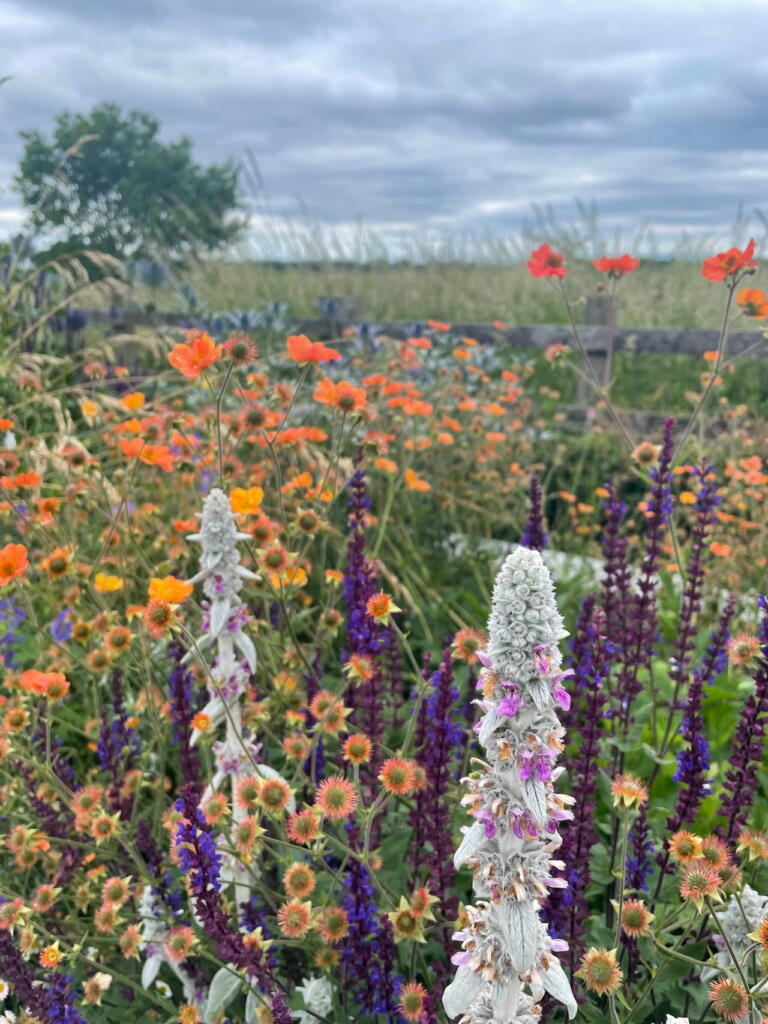
Use a loam-based compost such as John Innes No. 3, mixed with around 20 to 25 percent horticultural grit to improve drainage. Peat-free multipurpose composts can be used but they break down more quickly than loam-based mixes, which means the drainage deteriorates over time. A layer of crocks or gravel over the drainage hole is essential: salvias in waterlogged compost will not thrive regardless of how good the original mix was.
Container-grown salvias need more regular feeding than border plants, since nutrients leach out with every watering. A monthly liquid feed at half the recommended strength from May through September is appropriate. Avoid high-nitrogen feeds: a tomato-type feed, which is high in potassium, is much better for flower production.
🛒 Buy John Innes No. 3 compost from Amazon UK
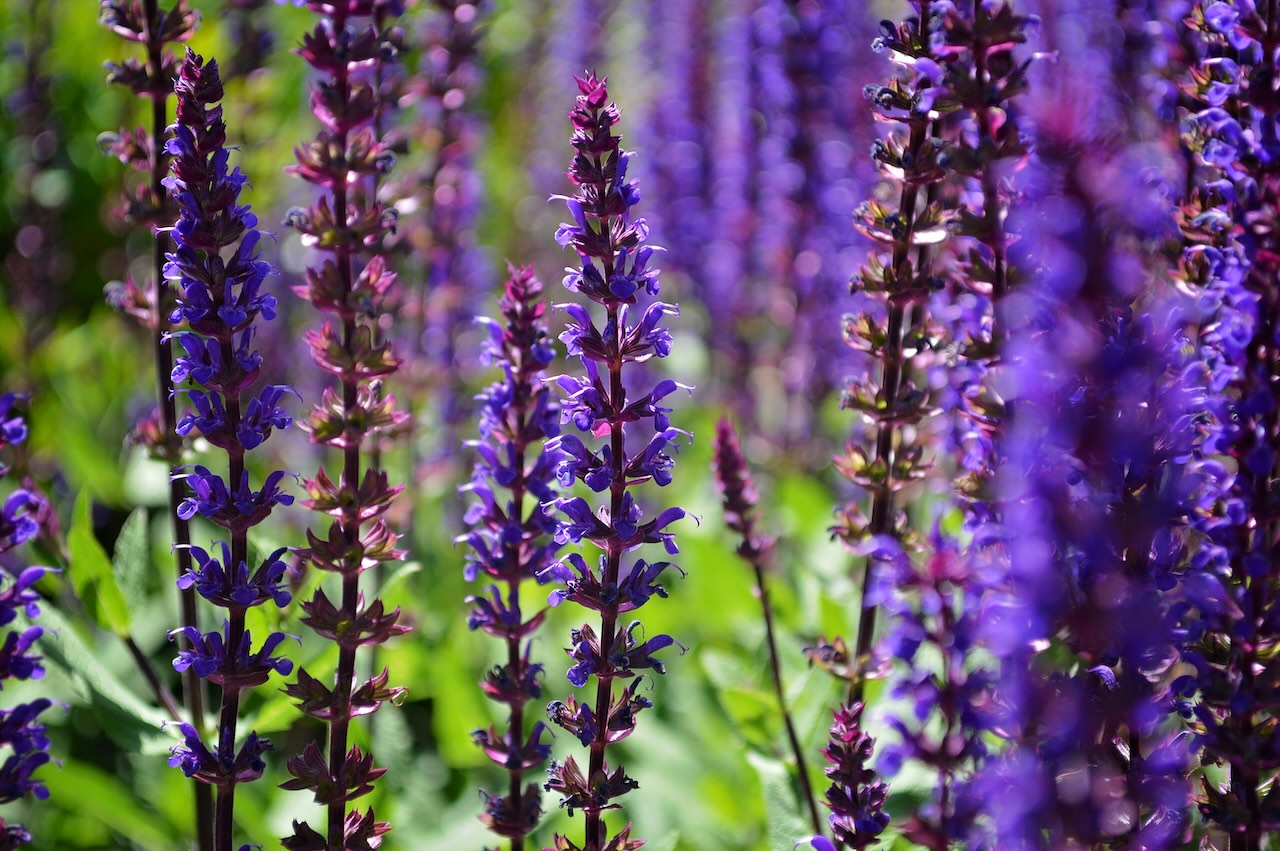
I want to spend some time on this because it is where I see the biggest disconnect between what most growing guides say and what my professional experience actually shows.
The standard advice that salvias hate clay is broadly accurate but unhelpfully absolute. What salvias actually hate is waterlogged roots during the growing season and cold, sodden soil through winter. On a clay soil that drains acceptably (meaning it is not still standing in puddles a week after heavy rain), hardy nemorosa types can be grown very successfully with soil amendment. The approach I use is to mix horticultural grit at around thirty percent by volume into the planting area, raise the planting level by five to ten centimetres, and mulch with a grit rather than organic mulch to keep the crown dry.
On genuinely heavy clay that sits wet all winter, the most pragmatic solution is to grow salvias in raised beds or deep containers using a free-draining growing medium, and to choose Salvia uliginosa for any open ground planting in moist areas. Uliginosa genuinely thrives in these conditions and produces some of the finest late-season colour of any plant in the garden.
New build gardens present a specific set of challenges that most planting guides completely ignore. The soil is typically compacted subsoil rather than genuine topsoil, often contaminated with building rubble, very low in organic matter, and either bone dry or waterlogged, depending on whether any drainage was laid during construction. Most ornamental perennials struggle appallingly in these conditions.
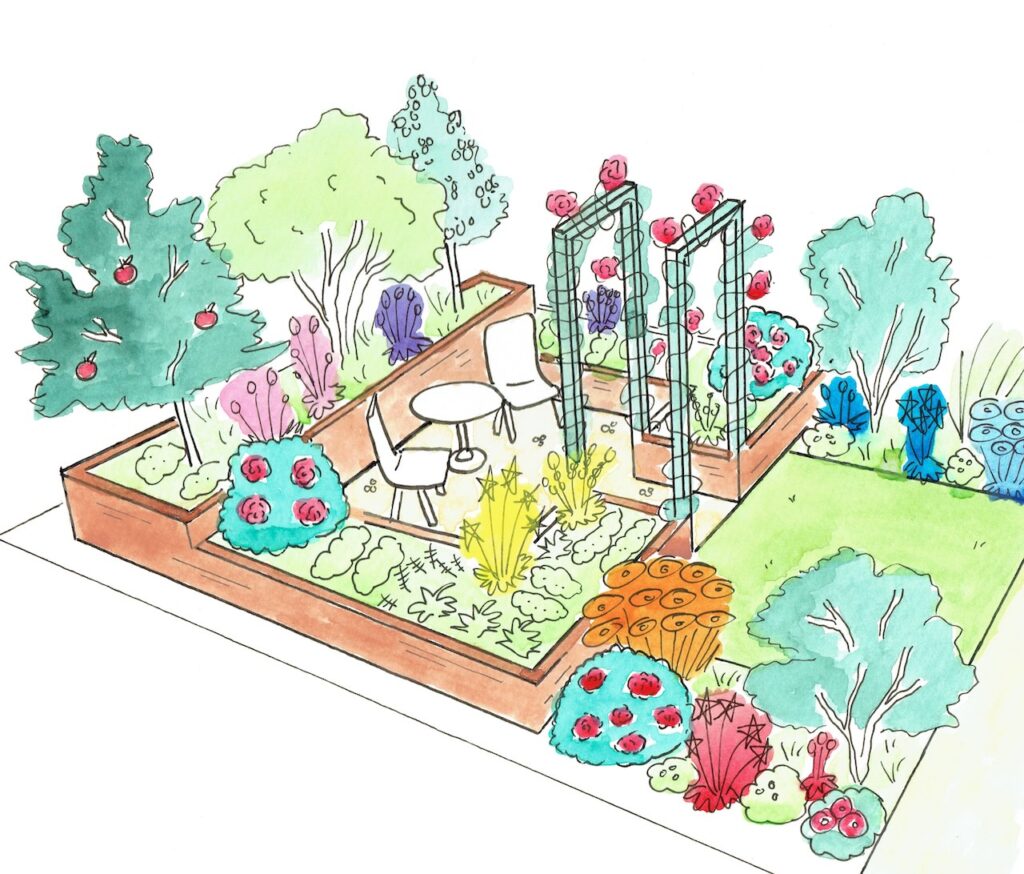
Hardy nemorosa salvias are actually one of the better choices for new build borders precisely because they tolerate poor soils and do not require fertility to flower well. The key adjustments are: remove any rubble from the planting area to a depth of at least thirty centimetres, add a good-quality peat-free compost at roughly 30 percent by volume to improve soil structure, incorporate grit generously if drainage is slow, and plant at a slight elevation rather than into a slight depression. Given these basic preparations, ‘Caradonna’ and ‘Mainacht’ will establish and flower well within their first season.
💡 Top Tip
On new build plots, one of the fastest ways to improve a compacted clay border is to plant a combination of salvias, achillea and nepeta in year one, all of which are tolerant of difficult soils. Their root systems begin to break up the compaction and add organic matter as they die back each winter, and by year three the soil will be noticeably more workable.
🛒 Buy peat-free compost from Amazon UK
Salvias are extraordinary team players in a border. The upright, vertical quality of the nemorosa flower spikes provides a structural contrast to more rounded or horizontal plants, and the aromatic foliage pairs beautifully with plants that have a similar Mediterranean character.
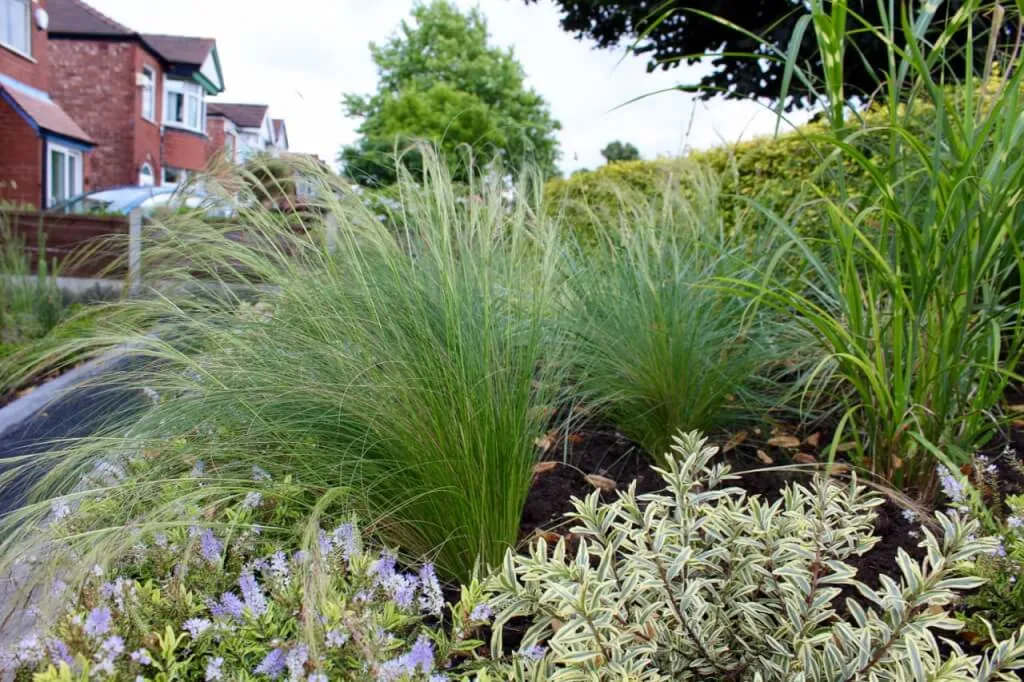
The combination of Salvia nemorosa ‘Caradonna’ and Stipa tenuissima (Mexican feather grass) is one of the most reliable naturalistic planting combinations available in the UK. The dark, vertical salvia spikes against the mobile, golden-green hair of the stipa produces a dynamic effect that catches every breeze and glows in evening light. Add Eryngium for steel-blue architectural interest and Achillea ‘Walther Funke’ for warm amber horizontals and you have a complete, low-maintenance planting scheme that requires nothing more than spring cutting back and occasional deadheading.
Caradonna’ planted as an underplanting beneath shrub or English roses is one of my most-used professional combinations. The dark aromatic foliage of the salvia provides a strong foil for rose flowers of any colour, and the violet spikes in June coincide beautifully with the first rose flush. There is some evidence, though it is anecdotal rather than scientifically proven, that the strongly aromatic salvia foliage may help deter aphids from roses planted alongside it. Whether or not that is true, the visual combination is outstanding and the low, spreading habit of the salvia covers the often bare base of rose stems far better than most other underplanting options.

For a naturalistic, prairie-inspired scheme, combine ‘Caradonna’ with Echinacea purpurea, Rudbeckia fulgida ‘Goldsturm’, and Calamagrostis × acutiflora ‘Karl Foerster’. This is a combination I have used in several Chelsea Flower Show-inspired designs and it performs outstandingly in UK conditions, with interest from June right through to the first frosts. All four plants are fully hardy, relatively drought-tolerant once established, and require nothing more than an annual cut-back in early spring.
For late summer and autumn drama, ‘Amistad’ planted with Agapanthus ‘Headbourne Hybrids’ and white Cosmos produces a sophisticated, long-season display that peaks from August to October. The tall violet-purple spikes of ‘Amistad’ against blue agapanthus globes and the white cosmos flutter creates a colour combination that reads as cool and refined without being cold. All three need good drainage and a sunny position, making them natural companions.
After twenty years of professional garden design I have seen the same salvia mistakes repeated in gardens across the UK. Here are the ones I encounter most often, and how to avoid them.
This is the single most common salvia mistake. The temptation to tidy up dead foliage in October is understandable, but cutting hardy nemorosa types back in autumn removes the insulating dead stems and leaves that protect the crown through winter. It also removes the habitat for overwintering insects that shelter in the hollow stems. Leave them alone until late March when new basal growth appears.
Shrubby salvias like ‘Hot Lips’ do not regenerate from very old wood. Cutting hard back into a section of stem that has no visible green buds or new growth is likely to result in that stem dying back entirely. Always cut back to where you can see green, living growth. If in doubt, cut less rather than more: you can always take more off, but you cannot put it back.
Salvias planted with their crown below the surrounding soil level will often rot at the crown, particularly in wet winters. Always plant so the top of the root ball is level with or very slightly above the surrounding soil surface.
As discussed above, high-nitrogen feeding produces lush, floppy, poorly-flowering plants. If you must feed, use a potassium-rich feed at half strength and only once or twice in the season.
A large ‘Amistad’ in a 10-litre pot will be root-bound and drought-stressed by July and topple over in any wind above a gentle breeze. Tender and shrubby salvias grown in pots need containers of at least 25 litres, and taller types need 40 to 50 litres for stability and root development.
A single late frost after planting out can set ‘Amistad’ back by four to six weeks and may kill smaller specimens entirely. Wait until nighttime temperatures are reliably above five degrees Celsius before these plants go outside. For most of the UK, that means the second half of May at the earliest.
Skipping deadheading on nemorosa types means you get one short flush of flowers rather than two or three. For a plant you have invested in and are growing in a prime sunny spot, the twenty minutes it takes to deadhead a border of salvias in late June is some of the highest-return maintenance time in the garden calendar.
The most common causes are insufficient sunlight (below six hours per day), over-feeding with nitrogen, soil that is too rich and fertile, or a plant that is too young and still establishing. Newly planted salvias, particularly those bought in small nine-centimetre pots, will often produce limited flowers in their first season while they focus energy on root development. By year two the same plant typically flowers far more freely.
Flopping is almost always caused by too much shade, too much nitrogen, or soil that is too rich. Move the plant to a sunnier position or reduce feeding. For immediate support, use plant rings or link stakes to hold the clump upright while you address the underlying cause.
Leggy, poor-flowering salvias are almost always a light problem. Try deadheading to encourage branching, apply the Chelsea Chop in late May on nemorosa types to produce shorter, more branched stems, and consider moving the plant to a sunnier position. If the plant is in a container, check whether it is root-bound: a tightly root-bound salvia in poor, exhausted compost will put on stem growth at the expense of flowers.
If a hardy nemorosa or sylvestris salvia fails to return in spring, the most likely cause is crown rot caused by waterlogging over winter rather than cold damage. Dig up the remnants to confirm: if the crown is soft, brown and mushy rather than firm and cream-coloured, root rot caused by excess moisture is the cause. Improving drainage before replanting in the same position is essential, or choose a different spot. If the crown looks healthy but the plant has not shown growth by mid-April, give it a little longer: salvias on very well-drained soils in cold positions can be slow to emerge.
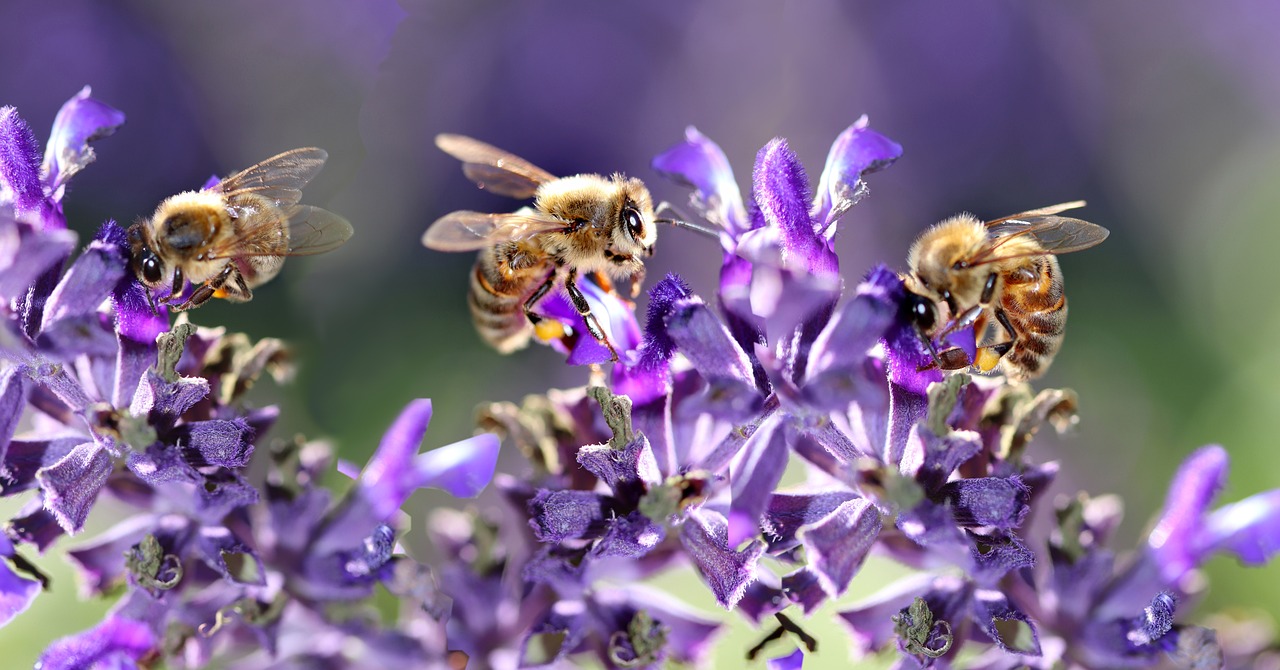
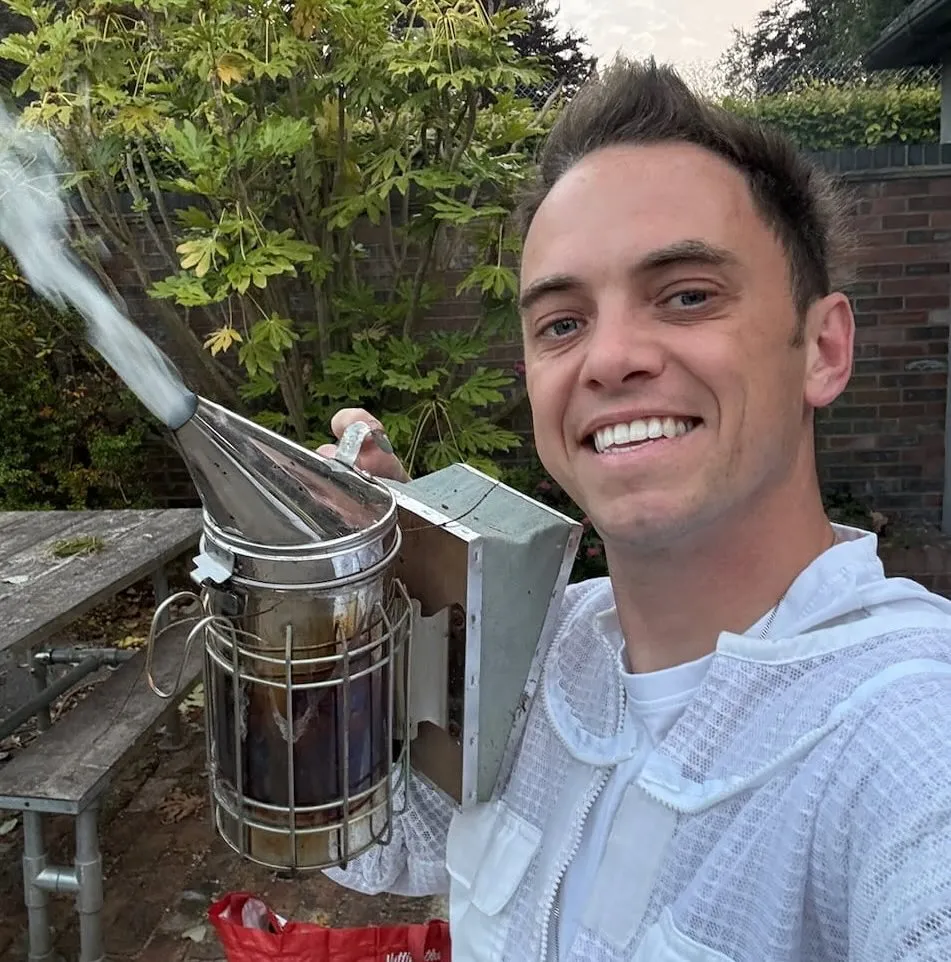
Salvias are among the most valuable plants in the UK garden for pollinators. The tubular flower architecture is specifically adapted to bee pollination, and several species have evolved a lever mechanism in the flower that deposits pollen on visiting bees with remarkable precision. As someone who keeps bees, I watch my salvias being worked from the moment the first flowers open in late May to the last flowers of ‘Amistad’ in October, and the diversity of bee species visiting is genuinely striking.
For early-season bumblebees and honeybees, the nemorosa types are outstanding. ‘Caradonna’ and ‘Mainacht’ both flower from late May and are visited constantly by buff-tailed bumblebees, white-tailed bumblebees and honeybees throughout June. The high density of flowers per plant and the long flowering season mean a group of three ‘Caradonna’ provides a significant forage resource across a period of four to six weeks.
For late-season forage, which is when bees genuinely struggle in UK gardens, Salvia uliginosa and ‘Amistad’ are the standout performers. Uliginosa flowers from August to the first frost, providing sky-blue flowers through September and October when most other perennials have finished. ‘Amistad’ is similarly long-lasting and its large, deep flower tubes are especially well-visited by bumblebees with long tongues. If you are interested in supporting pollinators through the lean late-summer and autumn period, these two are among the most valuable plants you can grow.
Plant hardy salvias from mid-April onwards in the south, late April to early May in the Midlands, and from May in northern England and Scotland. Tender types like ‘Amistad’ should not go out until nighttime temperatures are reliably above five degrees Celsius. Hardy types can also be autumn-planted on free-draining soils for a head start the following year.
Hardy border salvias like ‘Caradonna’ and ‘May Night’ reliably return every year and are true herbaceous perennials. Shrubby types like ‘Hot Lips’ are also perennial in most UK gardens but may lose some above-ground growth in a severe winter. Tender types like ‘Amistad’ need protection or lifting in most regions and are best treated as seasonal plants north of the Midlands.
No. Hardy herbaceous salvias should be left standing through winter: the dead stems protect the crown and provide overwinter habitat for insects. Cut back in late March or April when new basal shoots appear at ground level. Shrubby salvias should also be left alone in autumn and only trimmed back to fresh growth in spring once new buds are visible.
‘Caradonna’ combines beautifully with Stipa tenuissima, Eryngium, Achillea, roses and nepeta for a naturalistic planting. For a prairie scheme, add Echinacea, Rudbeckia and Calamagrostis ‘Karl Foerster’. ‘Amistad’ pairs well with Agapanthus and white Cosmos for late-summer drama.
Most salvias tolerate clay if you mix generous horticultural grit into the planting area and plant at a slight elevation. Salvia uliginosa is the exception and actually thrives in moisture-retentive clay soils, making it the ideal choice for heavy, damp borders.
The most common causes are insufficient sunlight, over-feeding with high-nitrogen fertiliser, or a young plant still establishing in its first season. Move the plant to a sunnier position, stop feeding, and give it time. Most salvias flower much more freely in their second and third year.
Salvia nemorosa ‘Caradonna’ is the most reliable salvia for UK garden borders. It is fully hardy to H7, holds the RHS Award of Garden Merit, needs no winter protection, tolerates most well-drained soils, and returns reliably every year with a long flowering season from late May to July and a second flush if deadheaded.
If you want professional support designing a sloped garden or any other challenging outdoor space, take a look at my online garden design courses. Whether you are starting completely from scratch or trying to improve an existing layout, my courses from £29 to £199 give you the tools and confidence to design your own garden to a professional standard.
For the garden you’ve already got, not the one you’re starting from scratch. Seven checklists and video lessons from BBC Garden Rescue’s Lee Burkhill, built to help you work out what’s worth keeping before you spend a penny.
Garden Design Examples for Small Gardens: 30 Design Templates & Planting Plans: In this online gardening course, I’ll walk you through 30 fantastic garden designs, explaining the logic behind the layout, the plant choices, and take-home tips for applying them in your own garden.
Learn how to transform and design your own garden with Lee Burkhills crash course in garden design. Over 5 hours Lee will teach you how to design your own dream garden. Featuring practical design examples, planting ideas and video guides. Learn how to design your garden in one weekend!
Garden Design for Beginners Online Course: If you want to make the career jump to becoming a garden designer or to learn how to design your own garden, this is the beginner course for you. Join me, Lee Burkhill, an award-winning garden designer, as I train you in the art of beautiful garden design.
Salvias are one of the most versatile and rewarding plant families you can grow in a UK garden. Choose ‘Caradonna’ for reliable, fully hardy border colour from late May with the option to Chelsea Chop for a staggered display. Choose ‘Hot Lips’ for container and patio colour from July to October. Choose Salvia uliginosa if you have a damp, moisture-retentive clay border that defeats most other ornamental perennials. Grow all of them in full sun, on lean soils with good drainage, leave them standing through winter, and cut back in spring when new growth appears. Follow those rules and salvias will reward you with years of flowers, pollinators, and the kind of low-maintenance, high-impact planting that makes a border genuinely sing.
Happy Gardening! 🌿



Lee Burkhill, known as the Garden Ninja, is an award-winning garden designer and horticulturist with over 30 years of gardening experience and 15 years as a professional garden designer. A qualified RHS (Royal Horticultural Society) professional, Lee specialises in sustainable garden design and practical horticultural advice. He designs and presents on BBC1’s Garden Rescue and in leading gardening publications. Lee combines three decades of hands-on gardening knowledge with professional design qualifications to help gardeners create beautiful, functional outdoor spaces.
View all posts by Lee Burkhill






JOIN THE NINJAS
Be the first in line for new Guides, Discount codes and Offers