-
How to Get Rid of Weeds in Your Garden: Complete UK Guide
 Lee Burkhill: Award Winning Designer & BBC 1's Garden Rescue Presenters Official Blog

Garden weeds can be a real pain when you're starting to garden. They pop up at what feels like an impossible pace, dominating flower beds and gardens. It can be back-breaking to remove them or feel overwhelming. Furthermore, chemical weed killers can obliterate pretty much all garden wildlife in their wake. This guide is going to show you how to easily manage weeds organically in your garden with a few key tools.
Quick Answer
The most effective way to get rid of garden weeds is to identify whether they are annual or perennial, then use the correct manual tool: a hoe for annuals, a hori hori or hand weeder for perennials with tap roots. Prevent regrowth by mulching borders to a depth of 5 to 7cm after weeding. Avoid chemical weedkillers, homemade concoctions, and any method that disturbs more soil than necessary.
Whether you’re starting from scratch or battling an established garden that’s been allowed to run riot, weeds are a fact of gardening life. Every single UK garden deals with them. Even a brand new build plot, freshly landscaped and planted, will have its first wave of uninvited guests within a matter of weeks. The question isn’t whether weeds will appear. It’s how to deal with them efficiently, without damaging everything around them or causing unnecessary harm to the wildlife that depends on your garden.
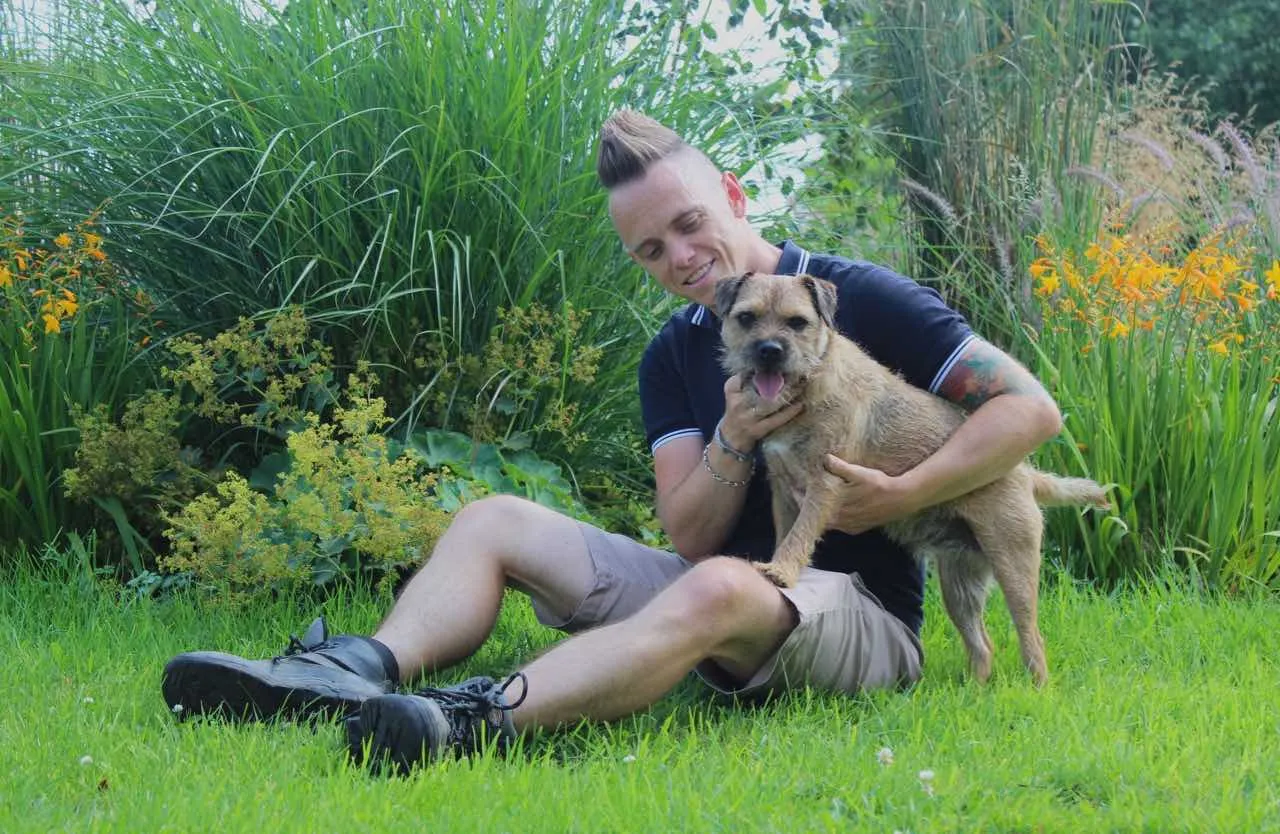
I’ve been weeding gardens professionally for over twenty years, and I still find it strangely satisfying when I approach it with the right tools and mindset. This guide is going to give you everything you need: how to identify whether you’re dealing with an annual or perennial weed, which tools actually work, how to use them correctly, what mulching can do to reduce weeding by up to 90%, and why most of the “quick fixes” you’ll find online are either useless or actively damaging.
Jump To
This page contains affiliate links for products I use and love. If you take action (i.e. subscribe, make a purchase) after clicking a link, I may earn some gardening commission which helps me keep the Garden Ninja Blog free for all.
What is a weed?
A garden weed is any wild plant in the wrong place. However, a weed doesn’t have to be a wild invasive plant that we don’t recognise. Sometimes our own herbaceous or annual plants happily self-seed around our gardens and can become weedy because of their success.
A weed is a plant in the wrong place that’s outcompeting other plants or popping up where you don’t want it, which means we need to remove or weed them out. However, there is a group of commonly known plants that are nearly always considered weeds, with dandelion and bindweed as accepted examples. (If you’ve come here looking for Japanese Knotweed, then my specialist guide here is what you need)
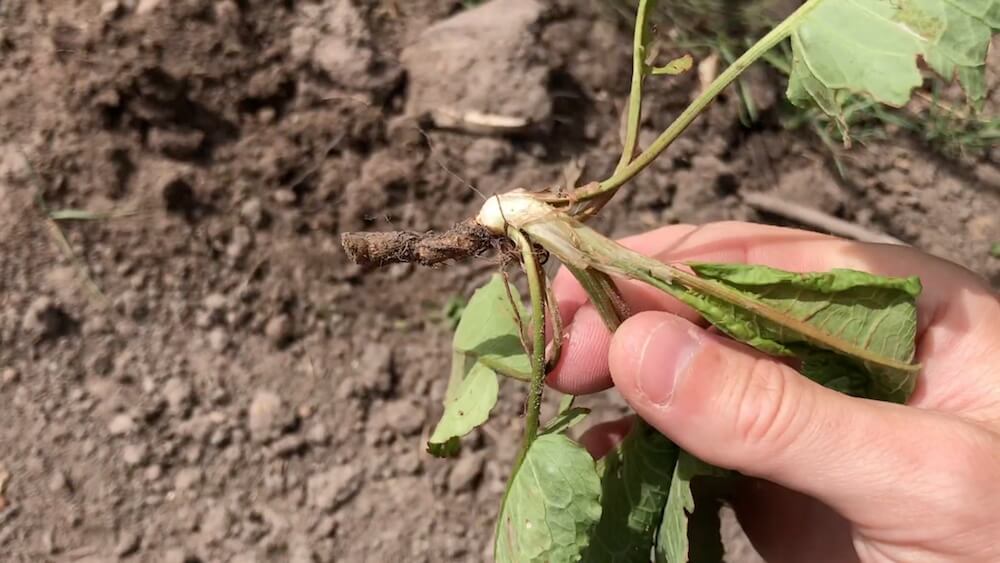
It’s also worth saying that the majority of UK garden weeds are actually native wildflowers. Dandelions provide a vital early source of nectar for bees in spring, creeping buttercup attracts butterflies and hoverflies, and yarrow is a food plant for over forty species of moth. Before reaching for any tool, it’s worth deciding whether the plant you’re looking at is actually causing a problem or whether it might earn its place. I deliberately leave patches of both in my own garden. The ones that need dealing with are those that are actively smothering cultivated plants or spreading aggressively into areas you’ve put effort into.
Weeds are often found in recently cultivated ground, soil that’s been disturbed or worked on. This is usually because seeds have been lying dormant, waiting for the perfect conditions to germinate, making their bid for freedom as soon as they get light and warmth.
Types of weed explained: annual, perennial and biennial
Weeds may seem to pop up overnight and ruin your plans for the perfect garden. However, it is important to realise that there are two main types of weed you will encounter: annual and perennial. There are a few biennials we discuss a bit later on. Understanding which type you’re dealing with is the single most important step in getting rid of them effectively, because the removal methods differ significantly between the two.
There are annual weeds that live for one year, and then perennial weeds that survive many years and are tougher to deal with in the garden. Getting this wrong is what causes most weeding failures.
Annual Weeds Explained
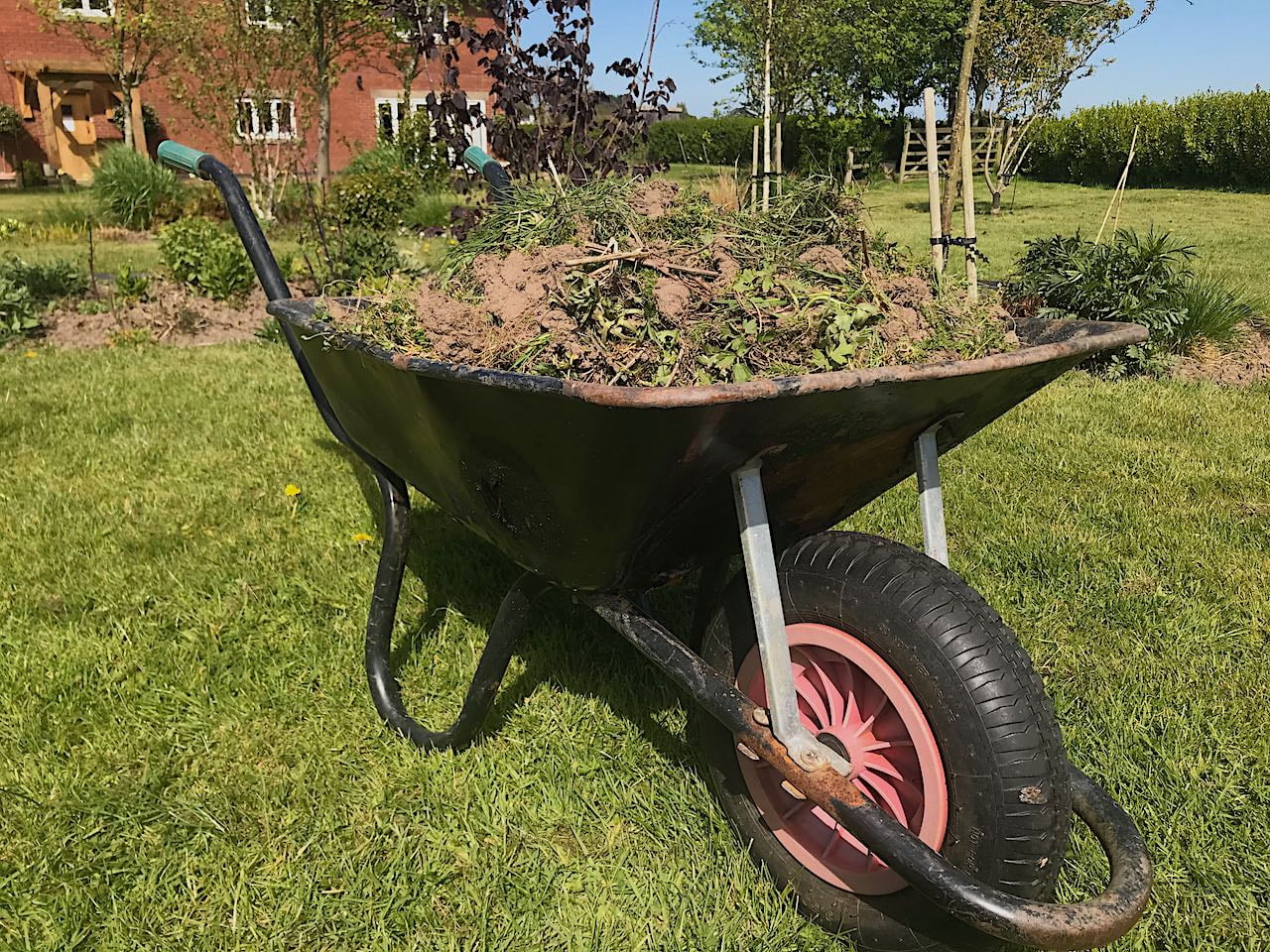
Annual weeds germinate, flower, set seed, disperse that seed and then die back each year. They are the fast and furious type: they seem to take over quickly, but they also have an Achilles heel. Get to them before they flower and set seed, and you’ve won that generation. Some annual weeds have particularly annoying seed dispersal methods, such as hairy bittercress, which fires its seeds explosively outward the moment you touch it.
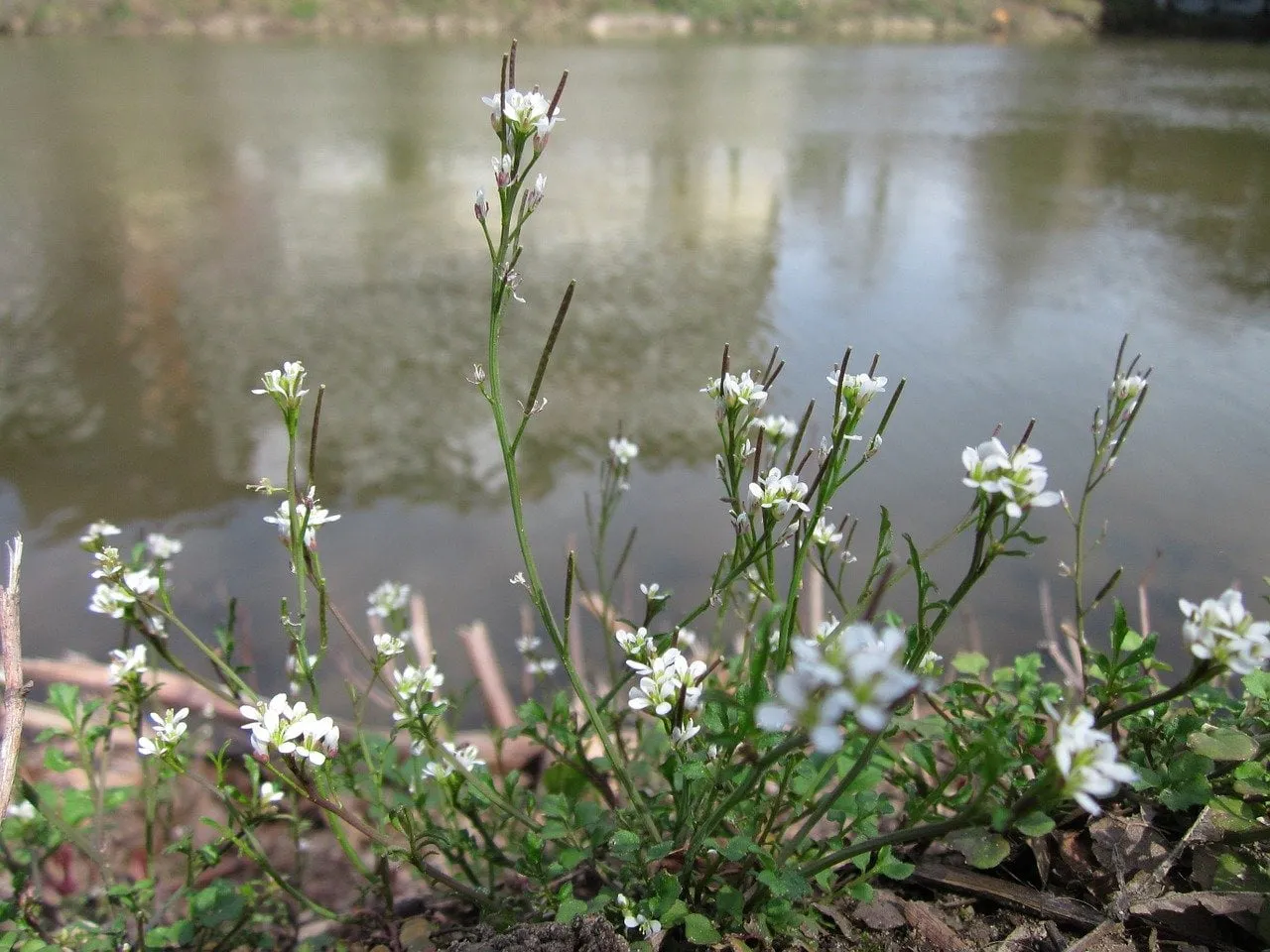
The trick with annual weeds is to get to them before they flower or set seed. As soon as you see them, use a hoe or hand weeder to cut them down at the soil level. This cuts off their water and nutrient supply, meaning they won’t set seed. I don’t even remove them from the soil in most cases.
I leave them to rot back down, returning the nutrients to the garden. With annual weeds, the best methods are hoeing to cut them off at the base, using a weed burner on hard surfaces, or manually removing them before they set seed.
Perennial Weeds Explained
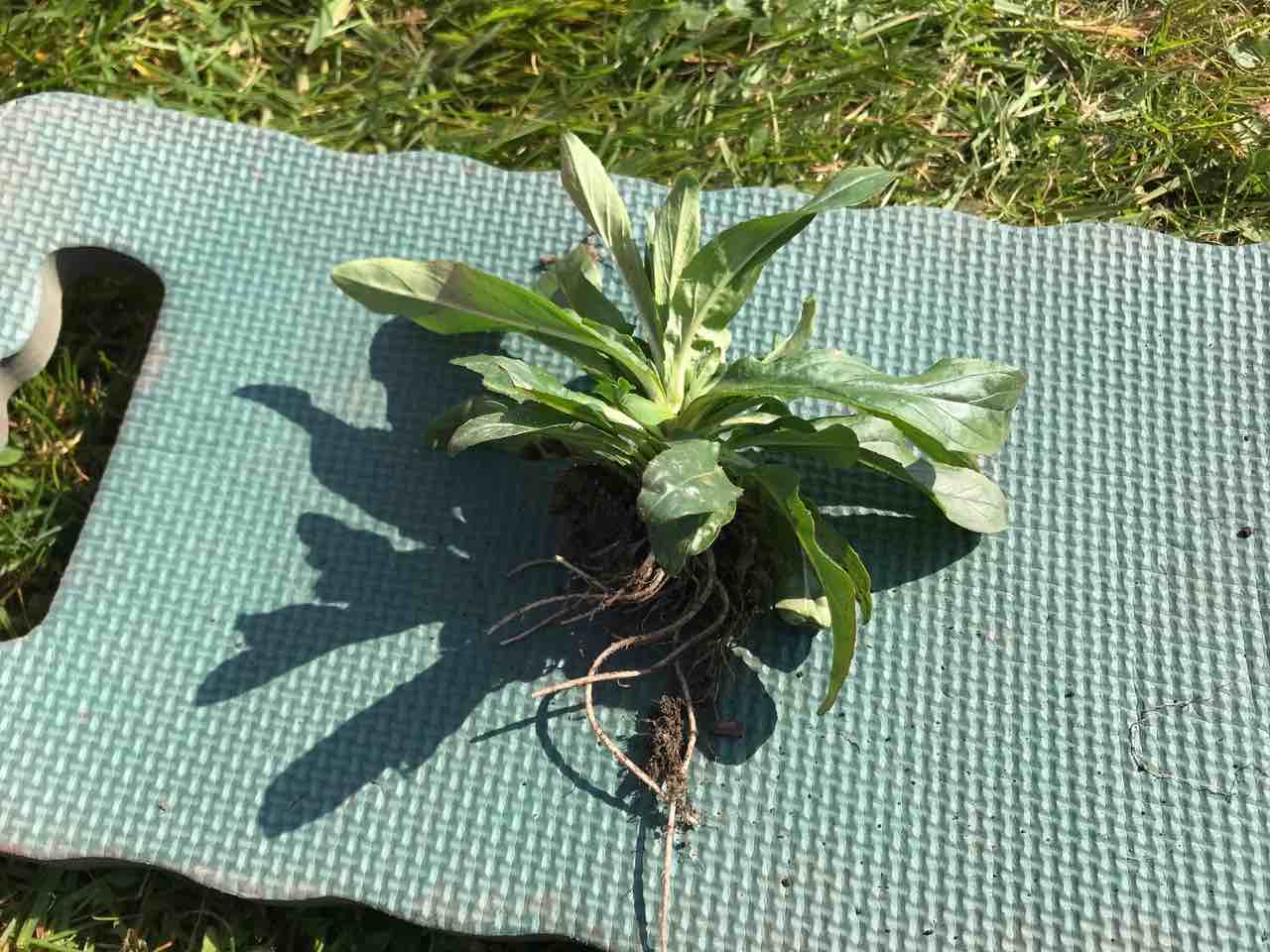
The next group is far tougher to deal with, as these are the perennial weeds. Perennial means they come back year after year. In most cases, these perennial weeds require complete removal because even a small portion of the rootstock left in the ground will enable it to regenerate this year or next. Perennial weeds often utilise long taproots, such as docks and thistles, which both anchor them in the ground and sustain them through periods when the top growth has been removed.
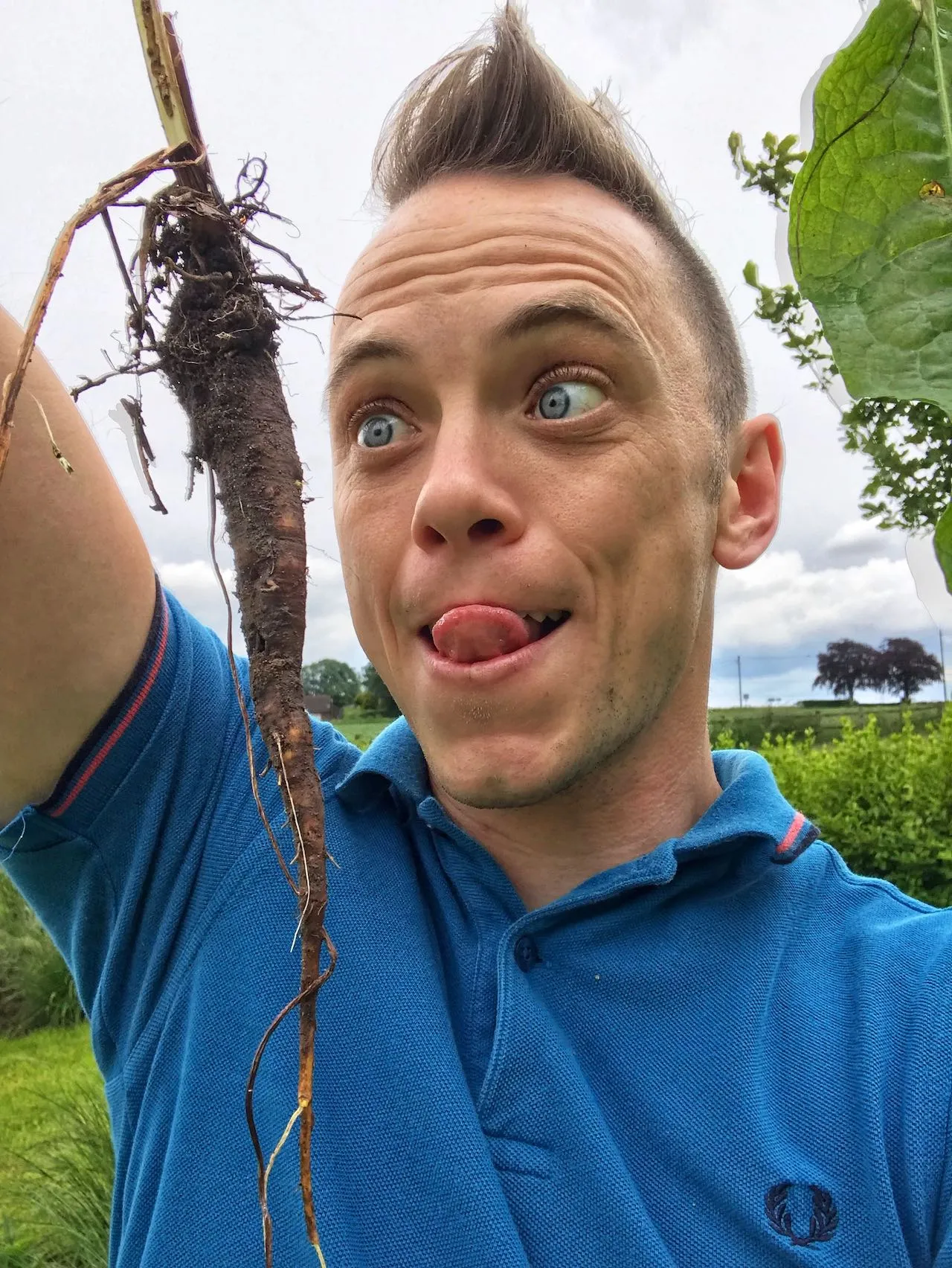
With perennial weeds, you need to get the root out, which means manual methods are best. Using a hoe is pretty much useless for perennials as it only removes the top vegetative growth and leaves the root intact, meaning the perennial weed can grow back, usually with more vigour. The best tools for perennial weeds are a hori hori or a dedicated hand weeder, as they allow you to extract the entire root system cleanly. If perennial weeds go to seed, weeding them becomes much more difficult, so removing them before they flower is always the priority.
Biennial Weeds Explained
Biennial weeds are similar to annuals, but they spend the first year putting on vegetative growth before flowering and dying in the second year. Examples of biennial weeds are Hemlock, Ragwort, Hogweed and Spear Thistle. I tend to treat biennial weeds with the same approach as perennial weeds, but they are worth noting for context when weeding.
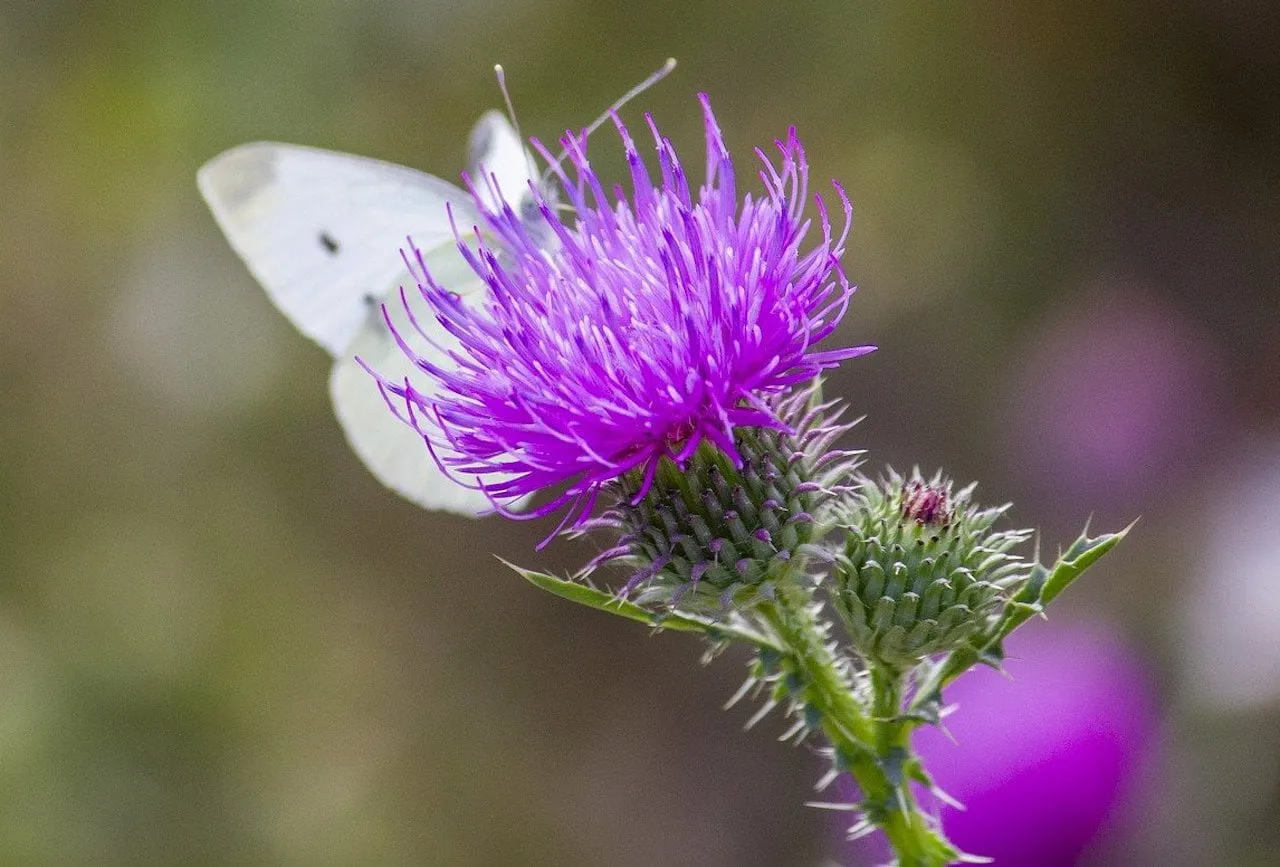
One biennial on that list deserves a separate word of caution rather than the removal advice in this guide: giant hogweed. It isn’t something you tackle with a hori hori or a hand weeder, its sap causes severe burns on contact with skin in sunlight, and I’ve written a full identification and safety guide covering exactly what to look for and what to do if you’re burned, which you can read here.
Best Tools for Weeding a Garden
The right tool makes an enormous difference when it comes to weeding. Using a garden trowel is actually the least effective weeding tool because it’s designed to move large amounts of soil for planting, not to extract small weed roots with precision. The tools I reach for every single time are the hori hori, a dedicated hand weeder, and the oscillating hoe. Let me explain exactly why each one earns its place.
Hori Hori
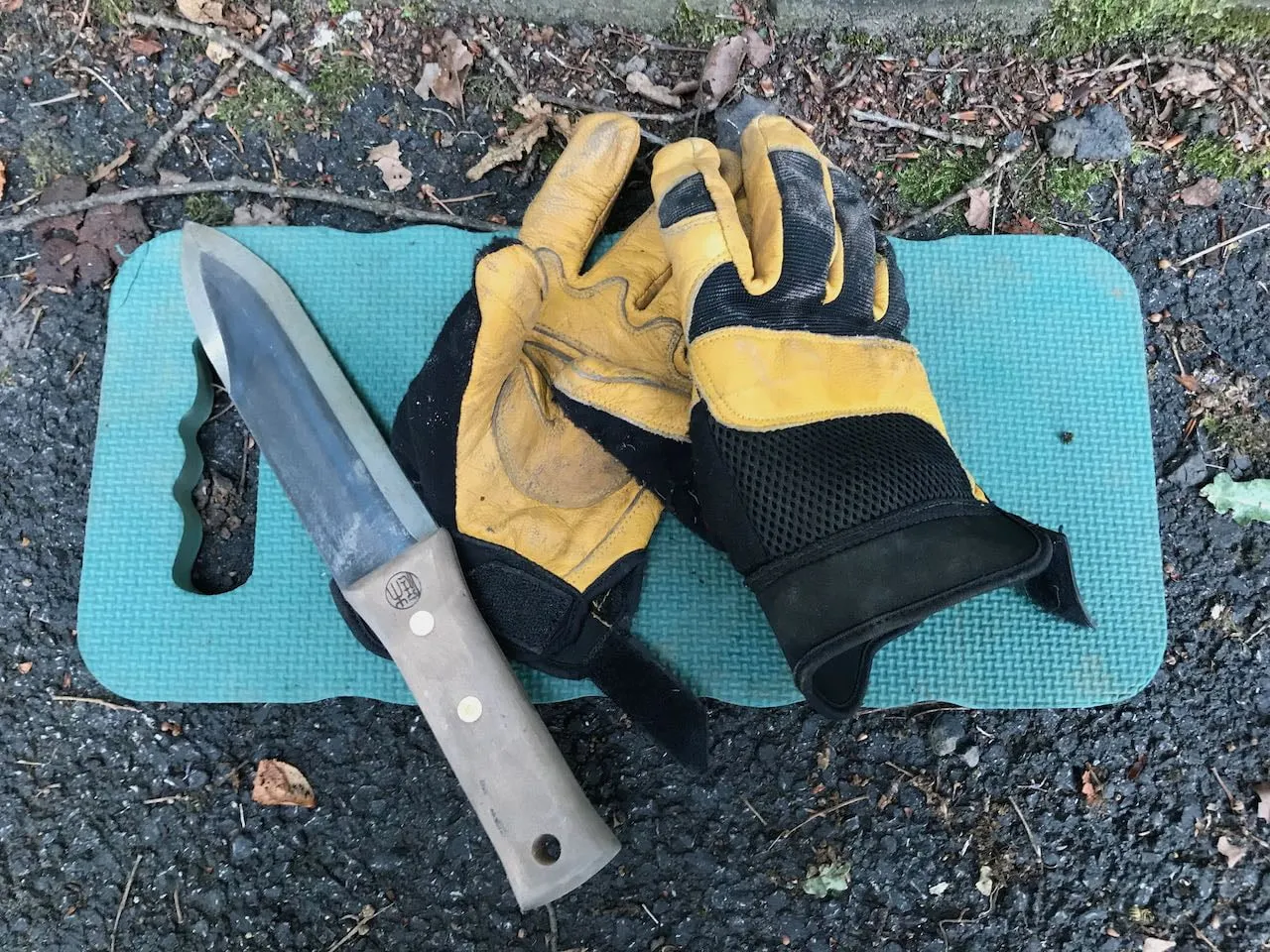
The hori hori is a Japanese garden knife with a curved blade featuring one sharp edge and one serrated edge. It slices easily into the earth with minimal disturbance, which matters because turning over soil brings dormant weed seeds to the surface and essentially creates a new seedbed. You can use the hori hori to weed around delicate plants, in tree roots, and in compacted heavy clay where most other tools simply won’t penetrate.
It’s the tool I use every single day in the garden, and I’ve written an entire separate guide on the site for choosing the right model.
🛒 Buy a Hori Hori Knife from Amazon UK
Japanese Hand Weeder
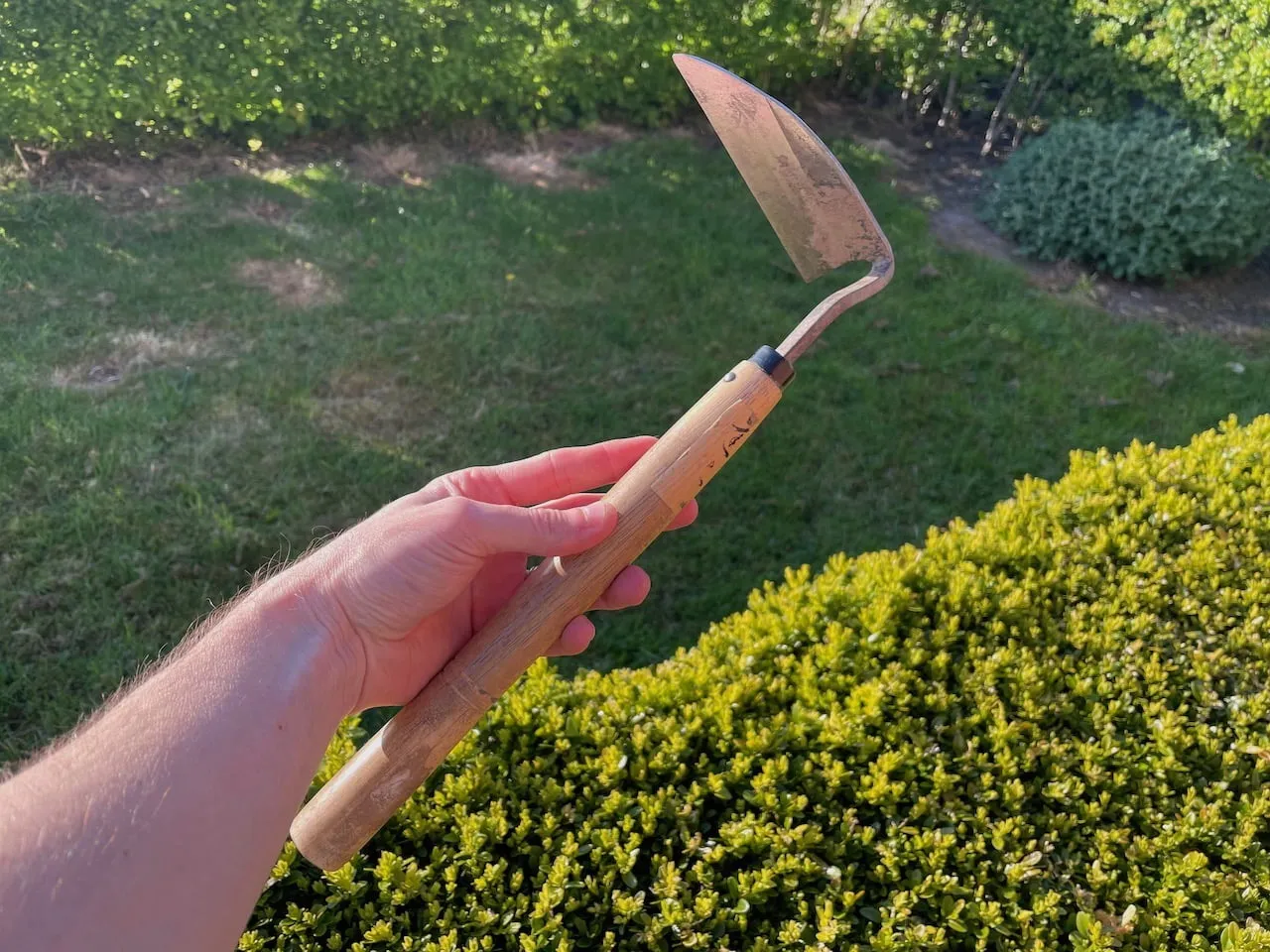
My second favourite weeding tool is the Japanese hand weeder, which comes in right and left-handed models. It features a sharp, hoe-like blade with a fine point at the end, so you can use it to hoe out weeds or use the tip to slice beneath them and lever them out of the ground. The soil disturbance compared to a clunky trowel or spade is minimal, which is exactly what you want.
🛒 Buy a Japanese Hand Weeder from Amazon UK
Oscillating Hoe
For weeding larger areas, particularly annual weeds that just need their roots severed, the oscillating hoe is the best tool for the job. It has a pivoting, movable head with a sharp blade that cuts through the very top layer of soil where roots meet the stem. Pulling it back and forth severs these roots and can help clear larger areas quickly of annual weeds. It is not appropriate for perennial weeds, as it will simply stimulate the roots to regrow.
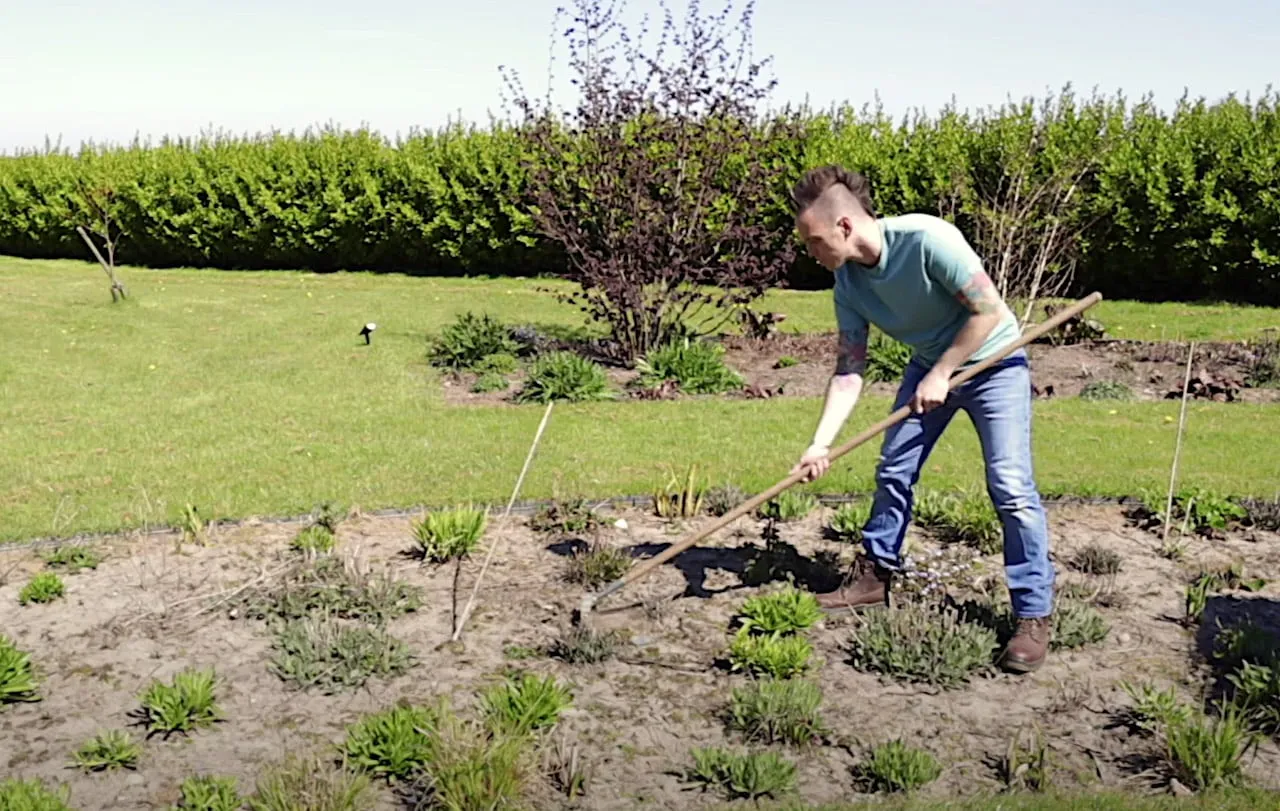
🛒 Buy an Oscillating Hoe from Amazon UK
How to Organically Get Rid of Weeds
The best way to get rid of weeds is to use manual methods. These are much more effective and environmentally friendly than sprays or homemade weed-killing concoctions. Manual weeding also means you can ensure you remove only the weeds and don’t affect nearby plants or beneficial garden insects. There are three core organic methods I use and recommend: manual tools, mulching, and weed membrane.
How to Hand Weed Correctly
The technique matters as much as the tool. The most common mistake I see is gardeners going in too aggressively and turning over too much soil. Every time you disturb the soil surface, you bring dormant weed seeds up into the light and warmth where they will germinate. This is why a no-dig approach, which disturbs as little soil as possible, reduces your weed burden significantly over time.
Always weed after rain or water the area first. Soft soil allows you to cleanly extract the entire root of perennial weeds. Attempting to pull tap-rooted weeds like dandelions from dry, compacted ground almost guarantees you’ll snap the root, leaving the lower portion in the ground, where it will regenerate. A damp soil makes the job three times faster and significantly more successful.
For annual weeds, you can simply slice through the stem at the soil level and leave the roots to die. They have no mechanism to regenerate from root fragments. For perennial weeds, you need to remove the entire root system. Insert your hori hori alongside the root rather than directly on top of it, lever the soil open, and ease the root upward. Work methodically around the root before pulling to avoid snapping it.
💡 Top Tip
The 15-minute rule properly transforms regular weeding. Set a timer, weed for 15 minutes every time you go into the garden, and stop when it goes off. This prevents weeding from feeling like an overwhelming chore and keeps beds consistently clear without any single marathon session.
4. Mulching: The Most Powerful Weed Prevention Tool
Mulching is the single most effective long-term strategy for reducing weeds in your garden, and it’s one I don’t think enough gardeners take seriously enough. Properly applied mulch can reduce weeding by up to 90% by blocking the light that weed seeds need to germinate. Most weed seeds require light to sprout. Deprive them of it with a thick layer of material, and the vast majority simply never get started.
The critical rule is depth. I’ve watched so many gardeners spread mulch at 1 to 2cm and wonder why they’re still getting weeds. It doesn’t work at that depth. For effective weed suppression, you need a minimum of 5 to 7cm of mulch across the entire surface. Less than this, and weed seeds that blow in on the wind will germinate in the mulch itself, or existing seeds just below the surface will push through.
The absolute rule is this: remove all weeds completely before you mulch. Never mulch over existing weeds, particularly perennial ones. Annual weeds will love the extra organic material around them. Perennial weeds will push straight through any mulch without breaking stride. Clear the ground first, then mulch. The best times to mulch in the UK are mid to late spring (April to May), when the soil has warmed but not dried out, and autumn (September to October), when you’re protecting plant roots through winter. Apply the mulch at least 5 to 7cm deep and keep it 10cm clear of plant stems to prevent rot.
🛒 Buy Composted Bark Mulch from Amazon UK
💡 Top Tip
For really persistent perennial weeds in a new bed, try the cardboard layer method first. Lay overlapping sheets of cardboard directly onto the cleared ground, wet them thoroughly, then apply your mulch on top. The cardboard blocks any remaining root regrowth for several months while biodegrading and improving the soil structure underneath.
5. Weed Membrane and Plastic Matting
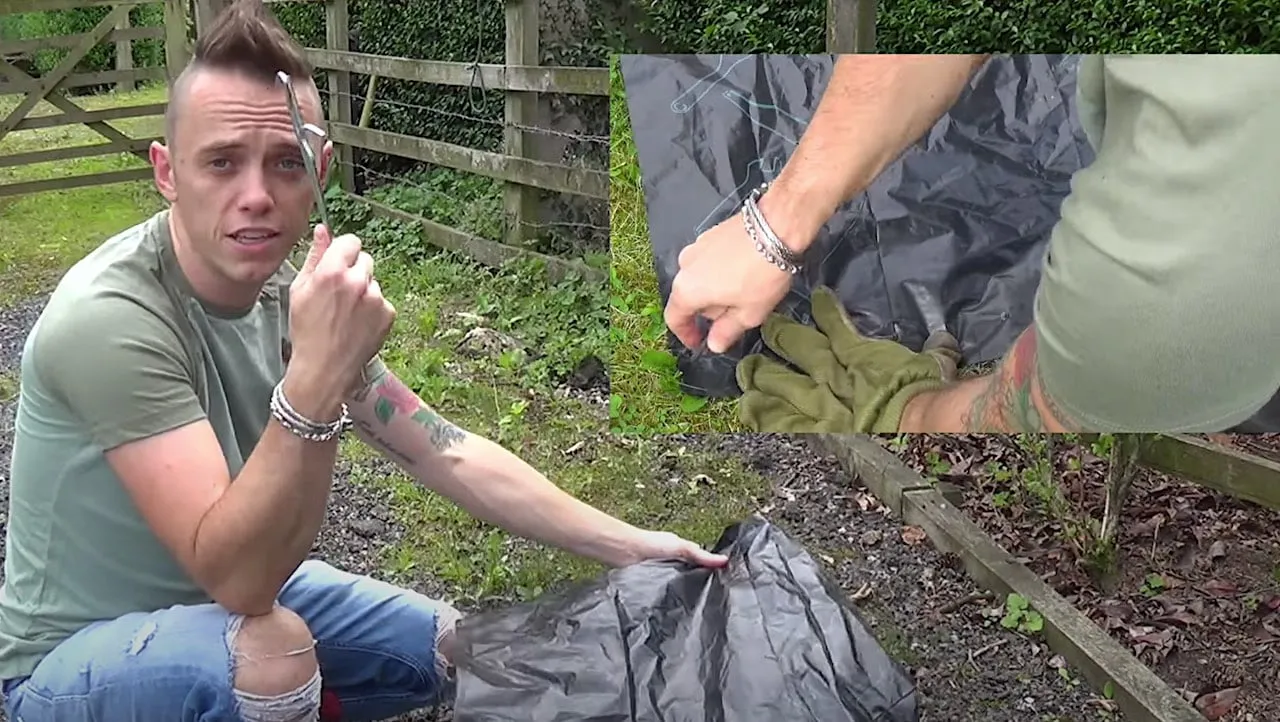
If you have a really large area full of weeds, such as a path or large flower bed that’s been completely overrun, then covering it with membrane or black plastic matting can help. This is particularly useful if you’ve just moved house to a garden that’s been neglected for years, or if you have a large area of ground you want to clear and prepare for planting.
This method works by preventing light from reaching the weeds’ leaves, which they need to photosynthesise. You need to leave the covering in place for 2 to 6 months, depending on the weeds and their density. Charles Dowding, the no-dig gardening authority, notes that creeping buttercup takes around 3 to 4 months to die this way, couch grass takes 7 to 8 months, and bindweed can survive under light-excluding matting for up to two years.

For the most persistent perennial weeds, you need patience with this method. Clear plastic is pointless as it lets light through. Choose black plastic or a proper weed-suppressing membrane rated for outdoor use. Place it over the area and use tent pegs or bricks to keep it down and prevent light from getting underneath.
Do be careful not to totally membrane your garden and then plant through it. Weed membrane is only a temporary solution to get your garden weed-free; you should remove it and recycle it. If not, it smothers the soil and is harmful to the overall health of your garden.
This method is not suitable for spot weeding between existing plants. For that, use manual tools or a weed burner. A note on permanent weed membrane: it’s useful under gravel paths and patios, but I’d advise against using it in planting borders long-term, as it progressively degrades soil structure and prevents the natural cycling of organic matter that your plants depend on.
🛒 Buy Weed Membrane from Amazon UK
I took on a client garden a few years back that had been left completely to its own devices for the best part of three years, with a vegetable patch and a couple of borders lost entirely under waist high growth. For a job that size, matting alone was too slow. I slashed everything down to ground level first with shears, then laid a thick mulch of well-rotted manure and compost straight over the cut stems, followed by overlapping cardboard sheets pegged down on top. The combination smothers even vigorous perennial growth far faster than membrane on its own, because the weight and depth of the mulch does as much work as the light exclusion. It’s a slower start than clearing by hand, but it saves your back on a properly overwhelmed plot and the bed is left richer for it once you do finally plant into it.
6. Using a Weed Burner
The next option is one of my favourites for paths and paved areas, as it eliminates the need to bend over to weed. Weed burners have become popular in recent years, and my weed burner video on YouTube has had over 550,000 views!
The weed burner works by damaging the weed’s plant cell structures. A bit like chemical sprays, but the benefit is that you can target each weed independently. It also doesn’t drift like liquid sprays or damage other plants. Using a weed burner is straightforward. Simply pass the flame around 15cm from the weed, never directly on it. When the foliage turns a matt colour rather than glossy, it indicates that heat has damaged the cells, and the plant can no longer respire or photosynthesise properly.
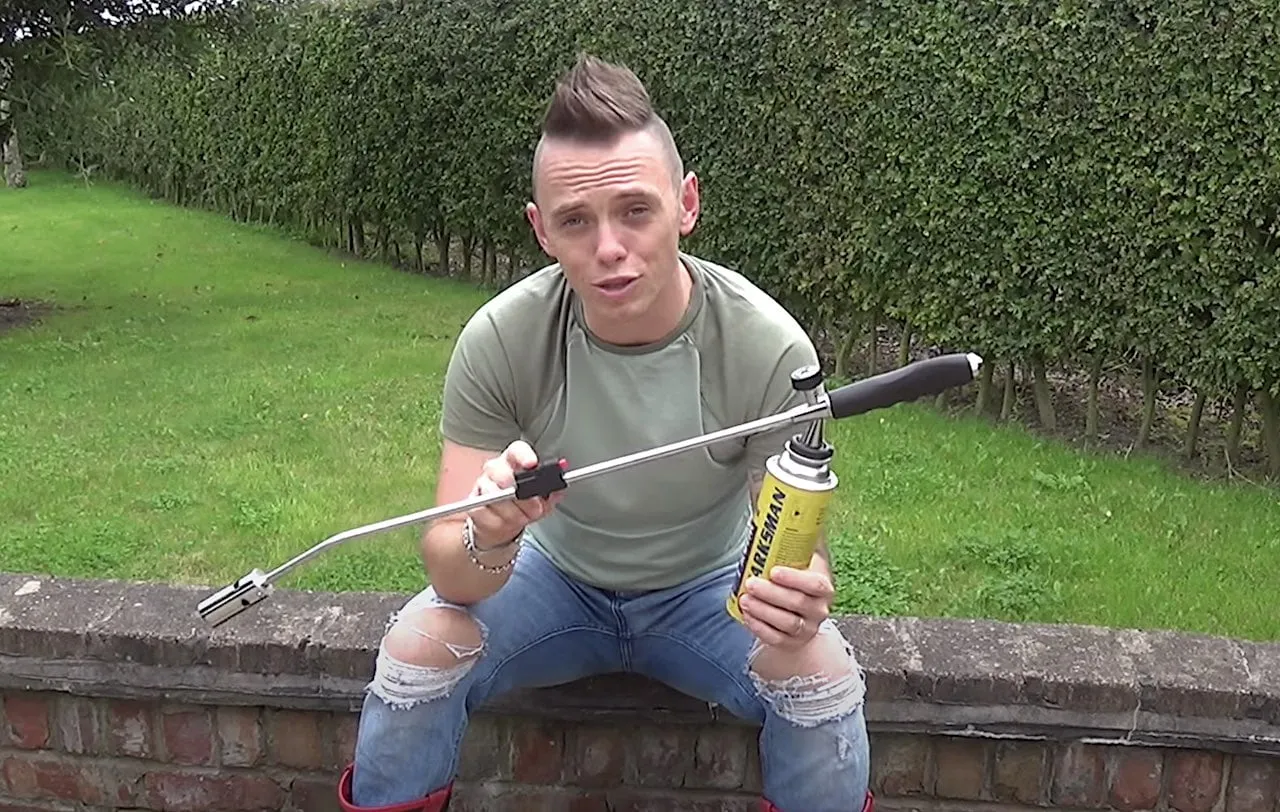
What you don’t want to do is incinerate the top green part of the weed entirely. If you burn the leaves off fully, the root simply sends up more growth to replace them. You’re looking to damage the cell structure, not cremate the plant. This sounds counterintuitive, but it’s the difference between the weed dying and the weed simply regrowing. For perennial weeds with deep roots, you may need to make several passes over a few weeks. Always use protective equipment and never use a weed burner in dry conditions when there’s a fire risk.
Always wear protective gloves and use a weed burner on a clear, calm day. Keep a bucket of water nearby in summer.
🛒 Buy a Garden Weed Burner from Amazon UK
7. Weeds in Paths, Patios and Paved Areas
Weeds in paving are a slightly different challenge from weeds in borders. The roots have limited access to deep soil, so many are easier to remove than their border counterparts. The key is getting in early, before roots establish in the joints and crack the paving over time.
For annual weeds appearing in paving joints, a weed burner is my first choice as it’s fast, targeted, and there’s no risk of affecting surrounding plants. For perennial weeds that have pushed through, use a narrow hori hori blade or a purpose-made patio weeding knife to lever the root out of the joint. Boiling water is sometimes suggested and works on the top growth, but doesn’t penetrate deep enough to kill the root of perennial weeds reliably.
For very large areas of path or driveway with persistent weeds, the most practical long-term solution is to re-point the joints with a mortar or jointing compound that physically prevents weeds from establishing. A high-pressure jetwash can also clear surface growth quickly, though I’d advise against using it too regularly on older pointing as it can erode the joints and make the problem worse.
⚠ Warning
Never use salt on paving weeds. It can damage the surface of stone and concrete, and will run off into adjacent soil during rain, where it damages soil structure and harms plants and soil biology. Avoid vinegar on paving for the same reason: it alters soil pH when it runs off and will damage any plants it contacts.
8. When is the Best Time to Weed?
Timing your weeding makes a genuine difference to results. Spring and early summer are the most critical windows, because that is when weeds are emerging and still at the seedling stage. Removing them at this point, before they flower and set seed, stops the next generation entirely. A useful habit is a quick 15-minute sweep of the garden every week from late March onwards. Staying ahead of weeds at this stage is ten times easier than dealing with a full infestation in July.
The best time to weed on any given day is after rain, when the soil is damp, and roots come out cleanly. If it hasn’t rained, water the area first and wait 30 minutes. Dry, compacted soil makes hand weeding frustrating and ineffective for perennial weeds. You can weed at any time of day, though I prefer mornings when the garden is at its best, and the light is clear enough to see what you’re doing.
Autumn weeding is also worthwhile, particularly for clearing the vegetable garden and borders before winter and removing any annual weeds before they can drop seed. Avoid weeding during frost or snow, when the soil is frozen solid, and you’ll simply end up compacting it. In summer drought, hold off on hand weeding unless necessary, as the grass and plants are already stressed, and bare ground left after weeding will simply invite new weed seeds to germinate.
Here’s how I break the weeding calendar down across the year, since the priority shifts considerably from month to month:
Preventing Weeds Before They Start
Everything so far has been about dealing with weeds once they’re up and growing. But a good chunk of the battle happens before a single seedling appears, and it’s the part most guides skip over. Beyond mulching, which is still your single biggest lever, there are a handful of habits that properly reduce how much weeding you have to do in the first place.
Buy clean plants. Nursery stock is one of the most common ways weeds actually arrive in a garden that didn’t have them before. Before I plant anything new, particularly bare root or pot grown stock bought online rather than picked up in person, I tip the pot and check the surface of the compost and the base of the rootball for anything that looks like it’s germinating that isn’t the plant itself. It takes seconds and has saved me introducing couch grass and bindweed to client gardens more than once.
Clean your tools between gardens or beds. Soil clinging to a fork, spade or pair of secateurs can carry weed seed and root fragments from one bed to another, or from a client garden back to your own. A quick brush down between jobs is enough.
Keep the ground covered, always. Bare soil is an open invitation. Whether that’s with mulch, dense planting, or a green manure or cover crop over winter on a vegetable bed, weed seeds need light and bare earth to germinate, and if neither is available they simply sit dormant. On my own veg beds I sow a quick winter cover of field beans or Italian ryegrass over anything left empty after the autumn harvest, which does the same job as mulch while also improving the soil.
Deal with the edges. Weeds very often invade a border from an untended boundary, verge or neighbouring patch of rough ground, then work their way inward. Keeping a clear, regularly hoed strip along fence lines and boundaries stops this creeping invasion before it starts, and it’s a much smaller job than clearing an entire bed that’s been colonised from the edge in.
Why We Shouldn’t Use Chemical Weed Killers
It may be tempting to reach for synthetic chemical weed killers when the garden starts to get overtaken by weeds. The main weed killer is glyphosate, used in products like Roundup and most off-the-shelf weed killers from garden centres. Simply reaching for a spray may feel like the most efficient way to get rid of them. However, there is a real dark side to using liquid weed killers in our gardens.
The biggest problem with weed killers is that they are totally indiscriminate about what plants they affect. Given that most come in sprays, even the slightest breeze will often cause drift, where it then lands on your cultivated plants. The same happens when it rains: the weed-killer liquid runs off and lands on neighbouring plants, causing untold damage. Not to mention if it then leaches into watercourses, potentially harming aquatic plants and wildlife.
How Does Glyphosate Work?
Glyphosate inhibits a specific enzyme pathway, the shikimic acid pathway, preventing plants from metabolising and resulting in their death. Glyphosate can take 7 to 21 days to fully take effect. Once the plant has absorbed glyphosate, there is no way to reverse it. It’s game over.
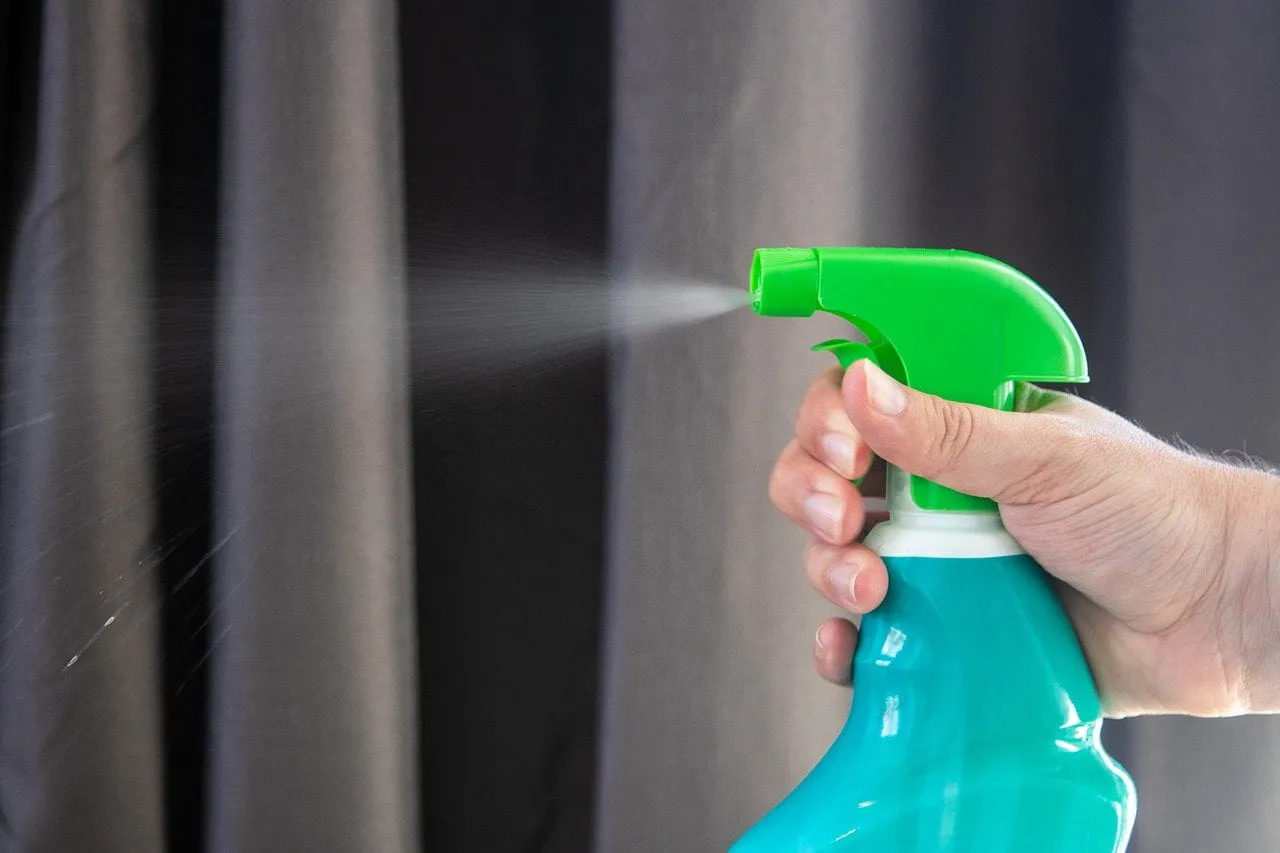
Whilst it’s incredibly effective in killing weeds, it also kills all other plants. I’ve been to so many gardens where a gardener has used a spray weedkiller and accidentally wiped out most of the surrounding plants. There are also ongoing concerns about the long-term effects of glyphosate on human health, and the RHS itself does not support the use of weedkillers and encourages alternative, non-chemical control methods as a first resort.
Homemade Weed Killers: Why They Don’t Work
You may have seen a whole heap of homemade weed killers online that involve salt, cider vinegar, boiling water, baking soda, or bleach. These are nearly always misinformed and cause more damage than the weeds they claim to remove.
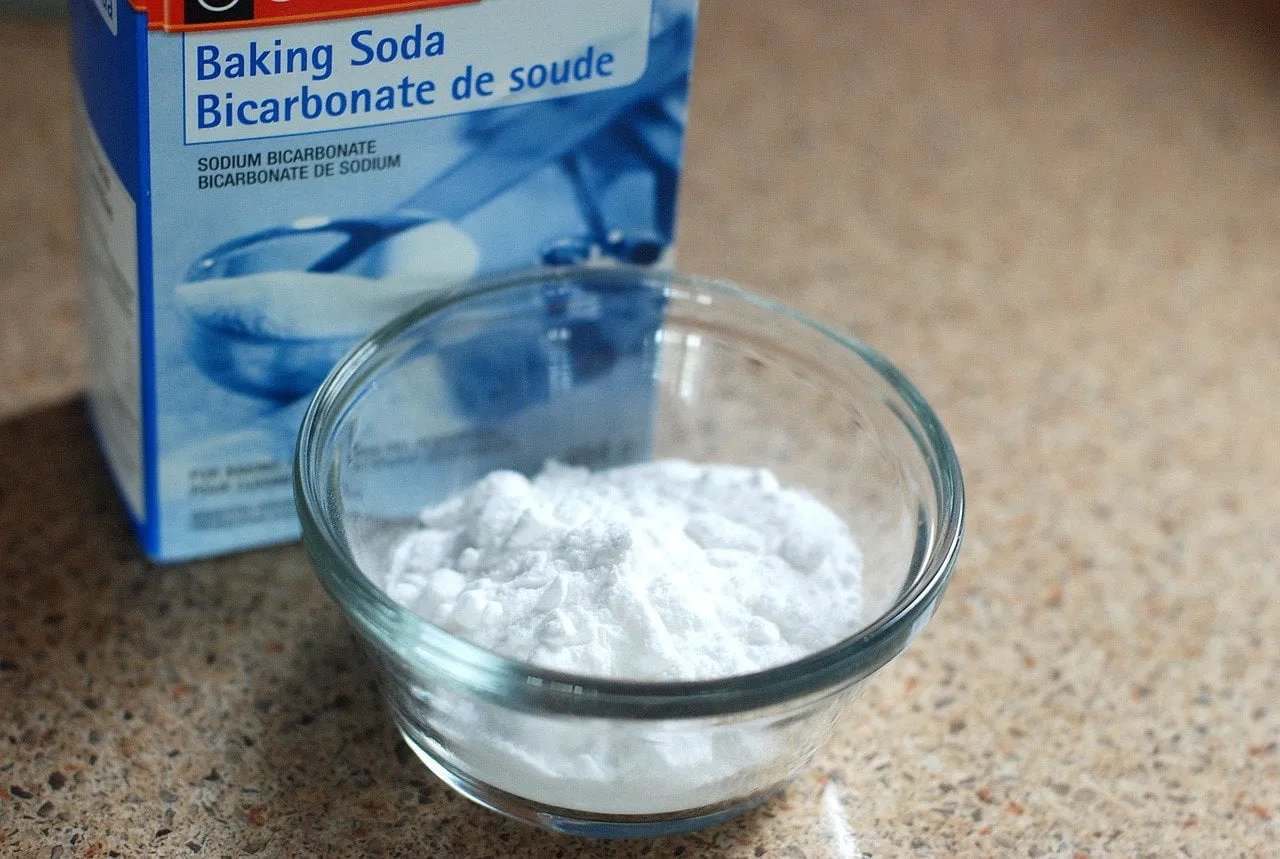
Adding salt, vinegar, bicarbonate of soda or acid to your soil may damage the top growth of weeds, but it also does enormous damage to the myriad of beneficial bacteria in the soil that your plants depend on. Salt in particular can make soil inhospitable to plant life for years. Boiling water kills the foliage it contacts but doesn’t penetrate deeply enough to kill the roots of perennial weeds, which simply regrow.
The UK government explicitly advises against using salt, vinegar and chlorine in the garden because of the harm they cause to wildlife and soil biology. Do not be tempted by these shortcuts. They are not shortcuts. They create new problems that take longer to fix than the original weeds.
Common Garden Weeds in the UK
Let’s take a look at some of the common UK garden weeds you may be faced with. By knowing a bit more about them, you can choose the best organic weed-removal method to get rid of them. This list is not exhaustive and will be updated periodically. If you have a weed that isn’t listed, please get in touch with a clear photo, and I will add it.
Chickweed (Stellaria media)
This annual weed has a spreading habit that can cause it to entangle itself around the bases of other plants, making manual removal tricky. Chickweed can produce seed up to five times a year, with 1,300 seeds produced per plant each time. Get to it with a hoe before it flowers, and it’s easy. Leave it to set seed, and you’ve created a problem that lasts years.
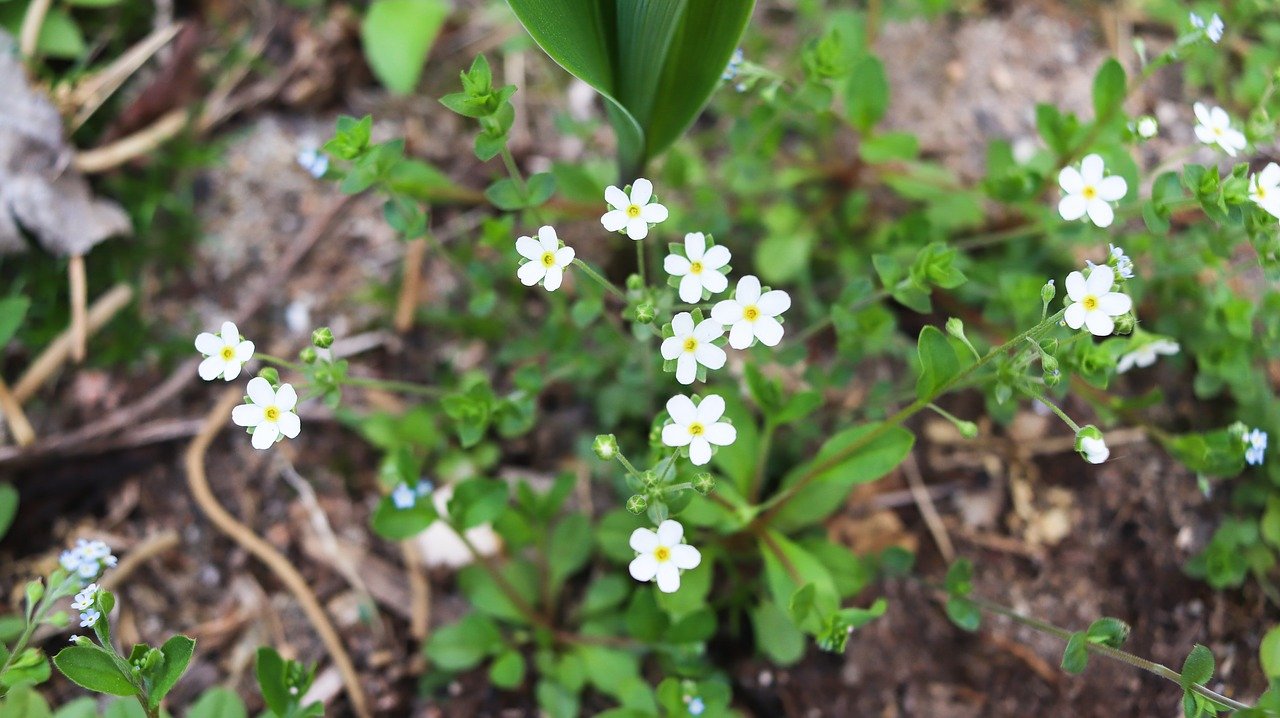
Creeping and Spear Thistle (Cirsium arvense / Cirsium vulgare)
Thistles are perennial weeds, and after their beautiful purple flowers finish, they release hundreds of airborne seeds, which is how they spread so effectively. You can spot them before they flower by their jagged, spiny, shiny leaves that sit close to the soil surface. These weeds have a tap root so the best tool is the hori hori to make sure you get the full root out. If you like the flowers, which are excellent for bees, you can leave some. Just cut off the flowers before they set seed.
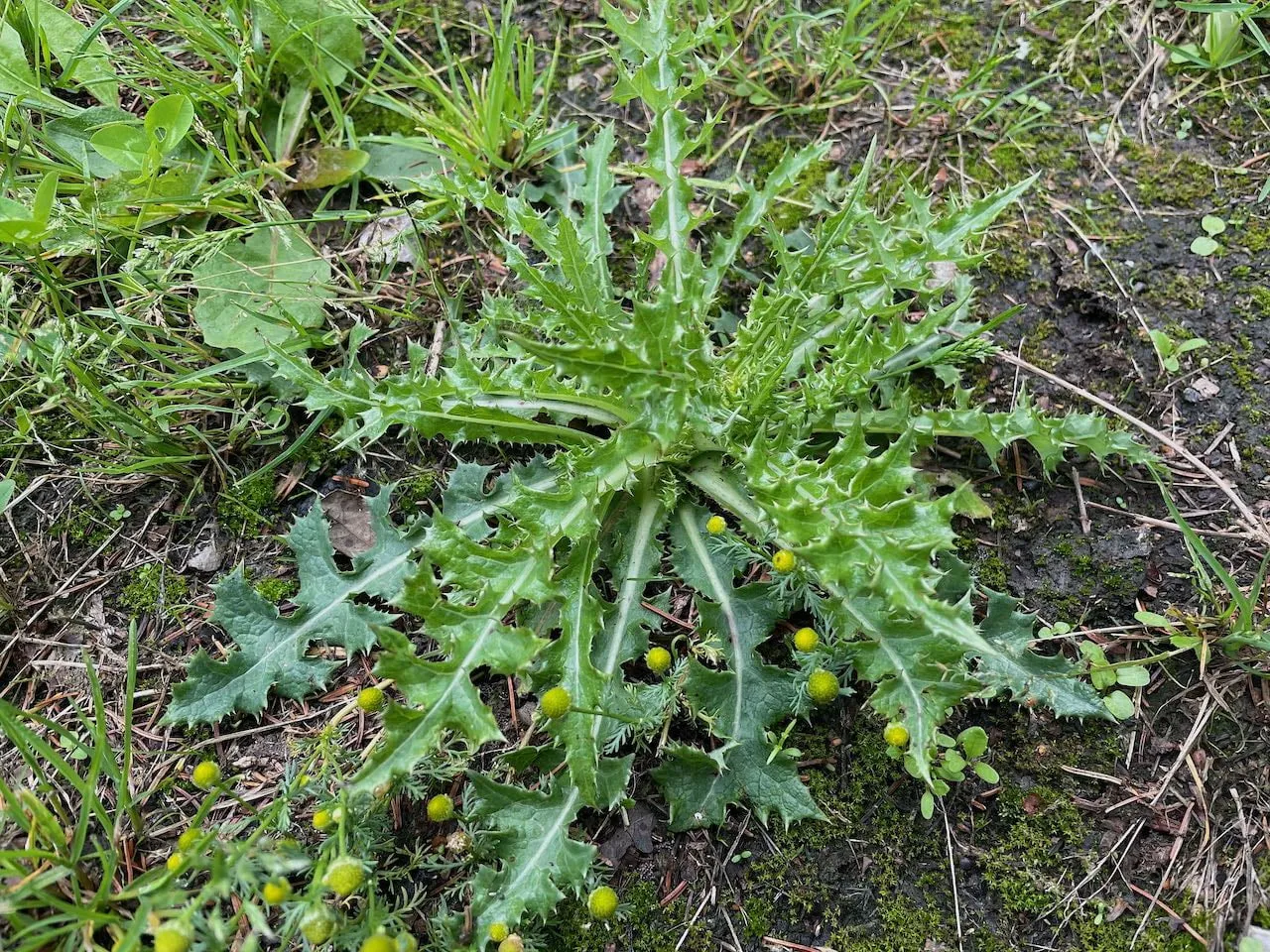
Couch Grass (Elymus repens)
Couch grass is one of the most frustrating garden weeds. This perennial grass uses an underground rhizome system and tends to quickly wrap around the roots of neighbouring plants. You can spot couch grass roots as they are bright white and fleshy. The best method is to use the hori hori to carefully dig out all the roots. Do not compost couch grass as it can regenerate even in the most hostile conditions.
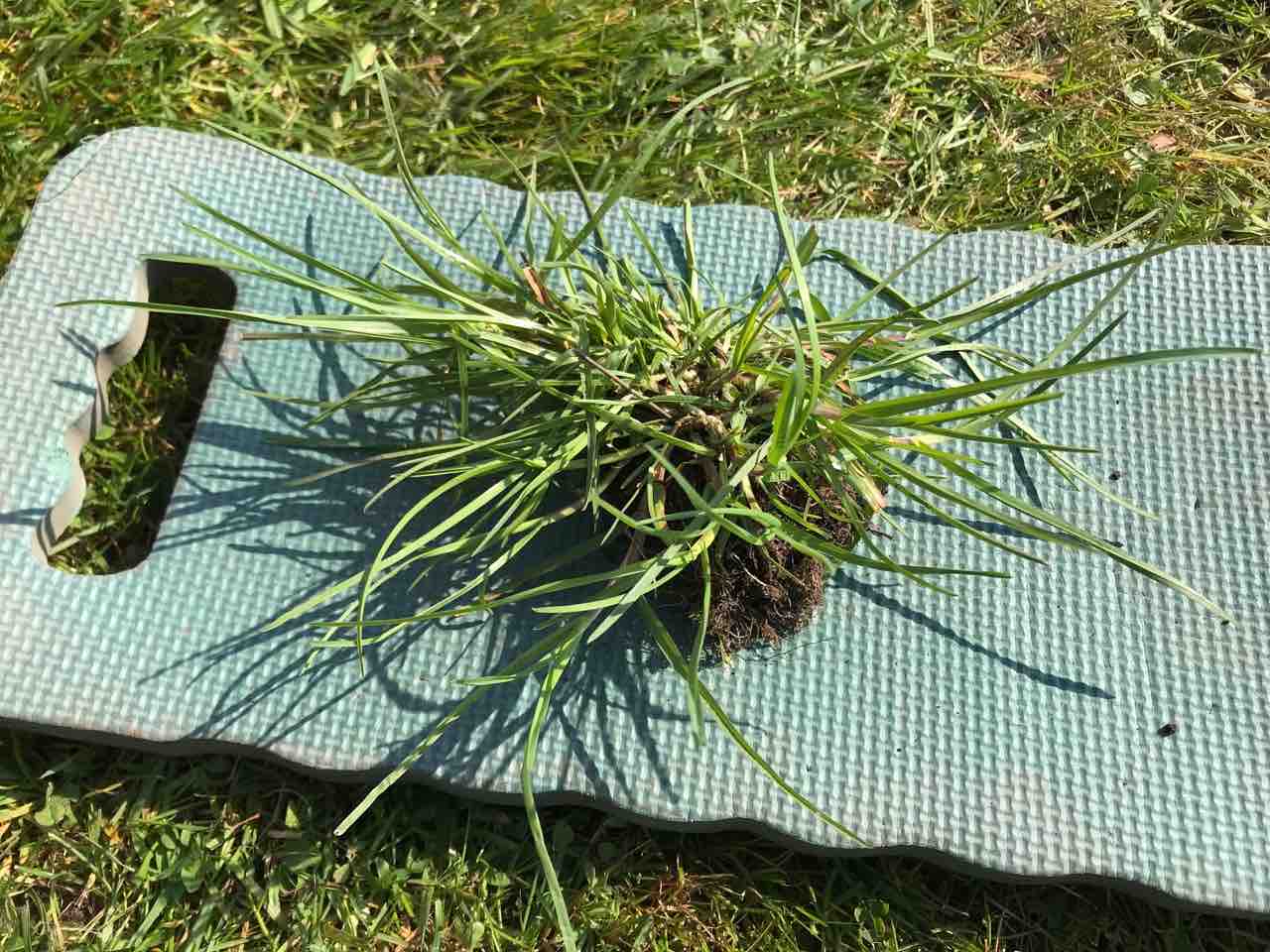
Bindweed (Calystegia sepium and Convolvulus arvensis)
Bindweed’s name lives up to its very nature as a pernicious weed. It twines and binds its way through plant roots and foliage, growing rapidly, up to 1m per year. There are two types: the more common hedge bindweed, identifiable by its beautiful white trumpet flowers, and field bindweed, which has smaller pink or white flowers and is less vigorous. Like couch grass, you must remove all roots and never compost bindweed. It is often best to remove this weed in stages using a hand weeder, as it is usually intertwined with other plants and a weed burner is unsuitable.
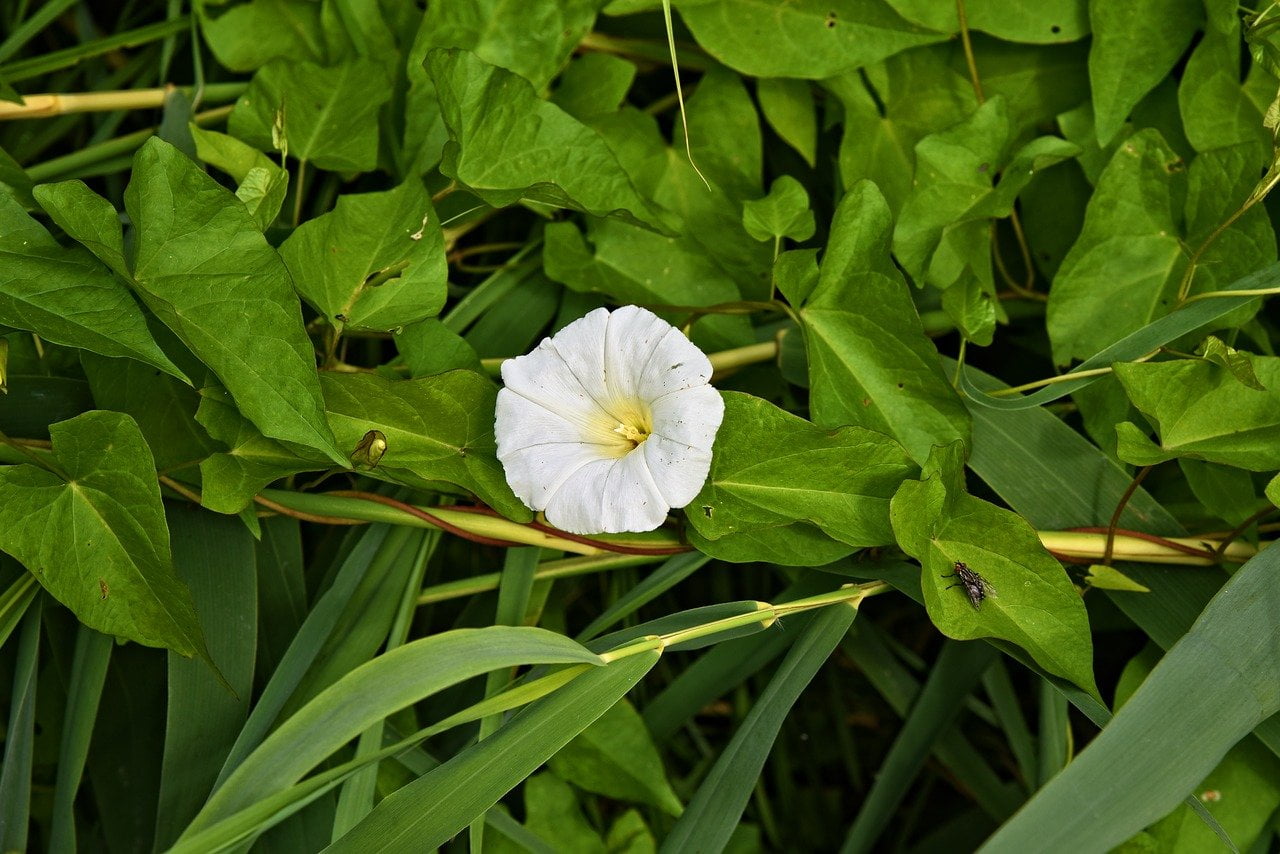
Dandelions (Taraxacum officinale)
The most recognisable of all weeds, with its bright yellow lion-head flowers, which is exactly where it derives its name from. The flowers are edible and contain many nutrients, as do the leaves when blanched. That said, once pollinated, the fluffy seed heads are wind-borne and can spread all over your garden. They can also regenerate from the taproot, so you need to use a hori hori to remove them fully. On hard paving, the weed burner is the best method of removal.
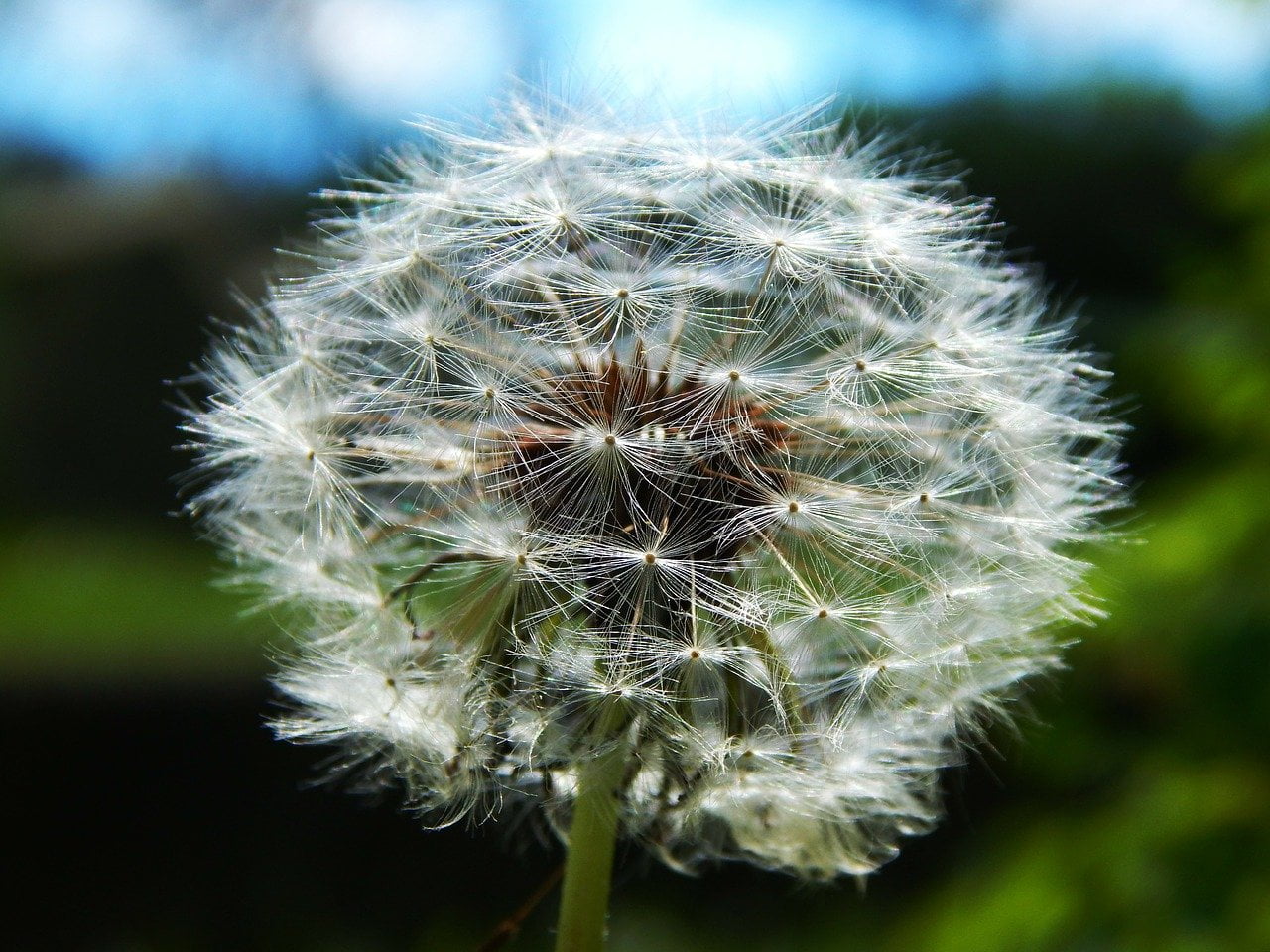
Creeping Buttercup (Ranunculus repens)
The creeping buttercup is the one weed I’ve battled with for years at Garden Ninja HQ. In some borders, I’ve been successful, largely by improving drainage with grit and compost. In the damper corner near the pond project it still gets the better of me most summers, and I’ve made peace with topping it back rather than chasing every last runner. Creeping buttercup spreads quickly through runners and offshoots, spreading across the ground, smothering other plants, and becoming intertwined. This makes removing it very difficult. It also loves poorly draining, damp soil, which is bad news for many UK gardens.
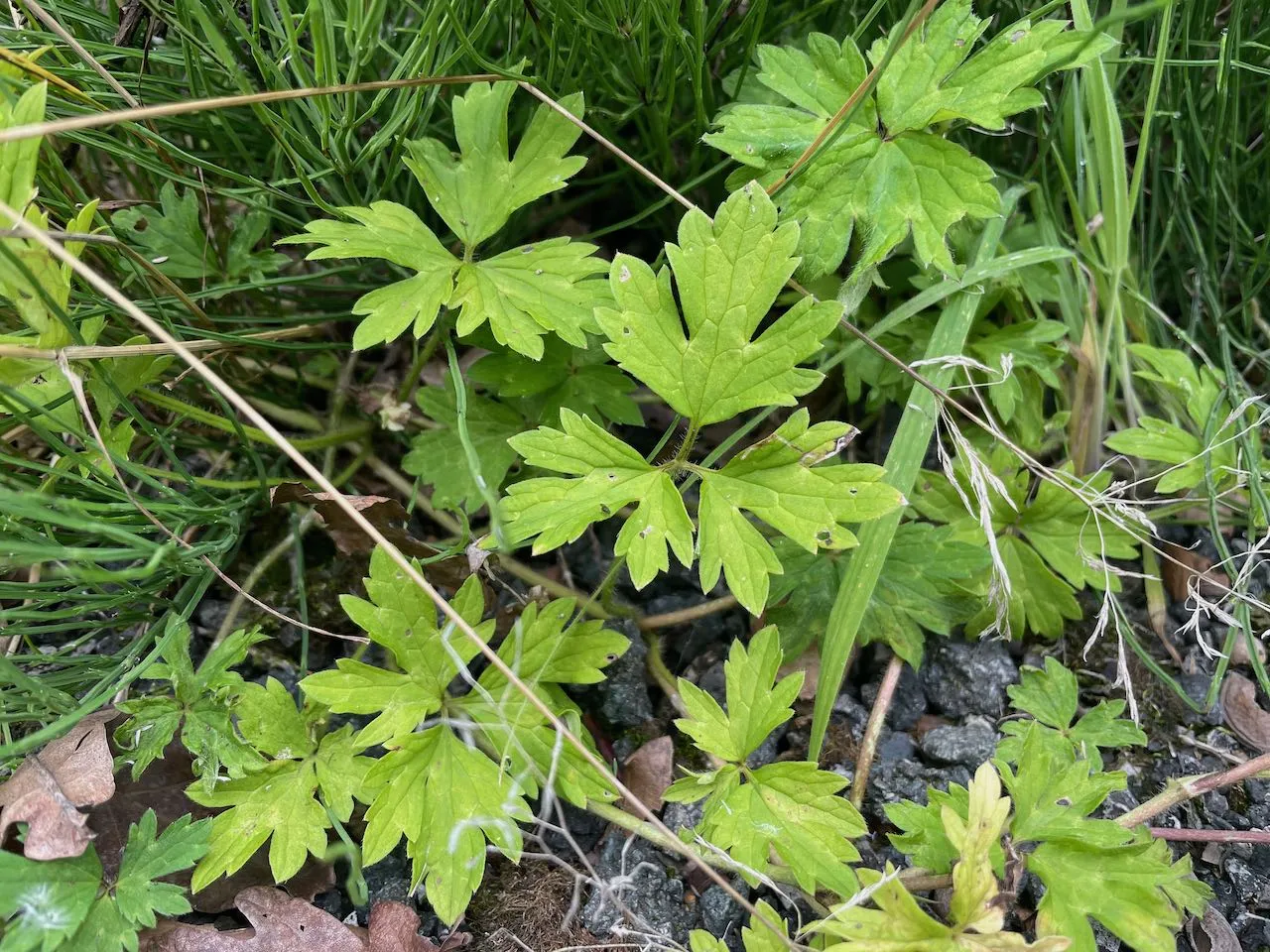
The best method is to use the Japanese hand weeder and pick through it methodically. The root system uses shallow fibrous roots, so there are no tap roots to deal with, but the runners spread widely and need to be traced back carefully. Improving drainage through aeration will reduce the conditions that allow it to thrive.
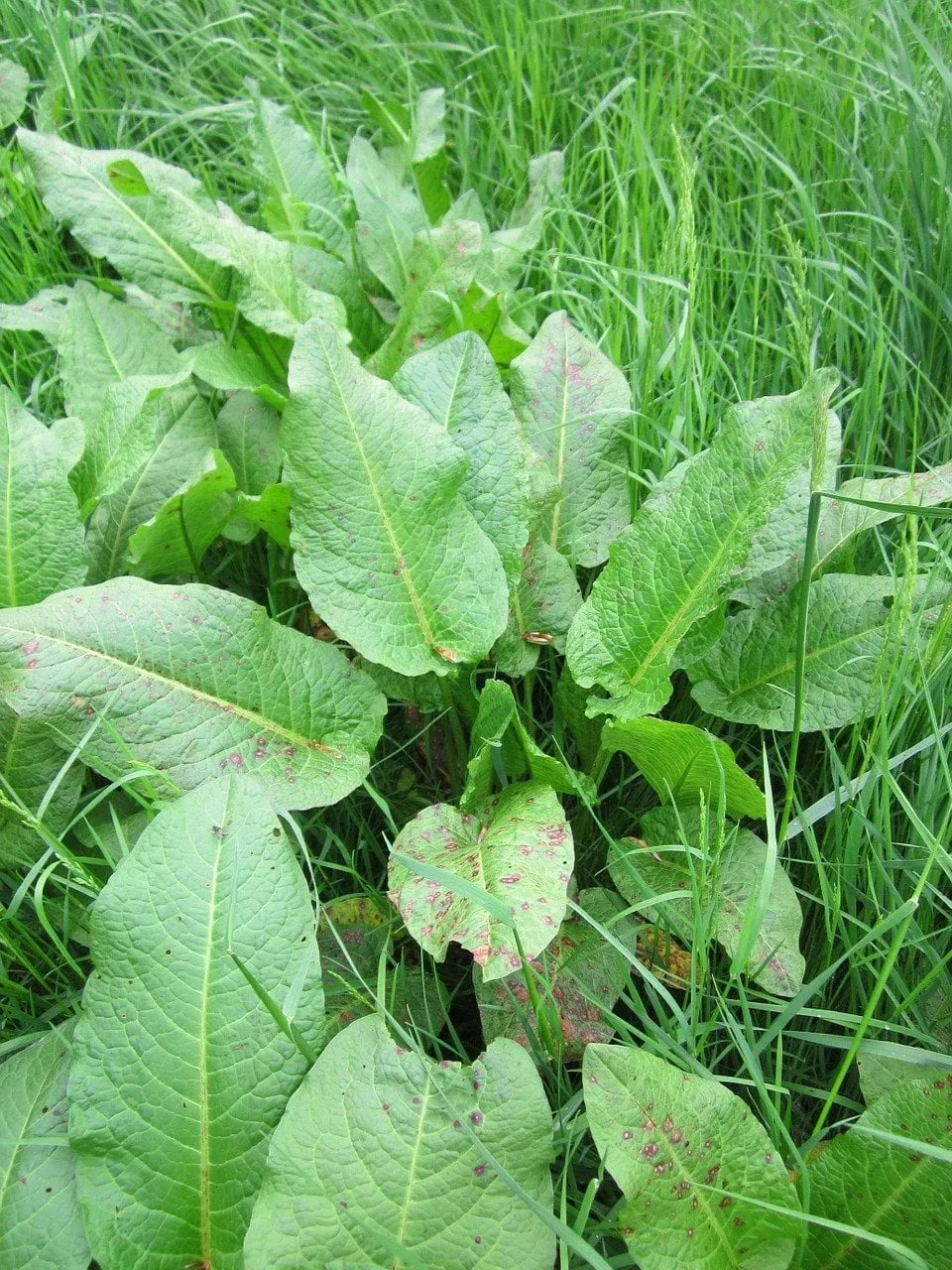
Dock (Rumex spp.)
The dock weed, recognisable by its large, glossy, veined leaves, is one of the most stubborn garden weeds you’ll encounter. They feature a truly enormous taproot. They flower in late summer, sending up spikes of tiny brown flowers that then hold thousands of tiny seeds, which is their main route of self-propagation. Docks are evergreen and can reproduce vegetatively via the taproot if you leave even a section in the ground. The hori hori is essential here.
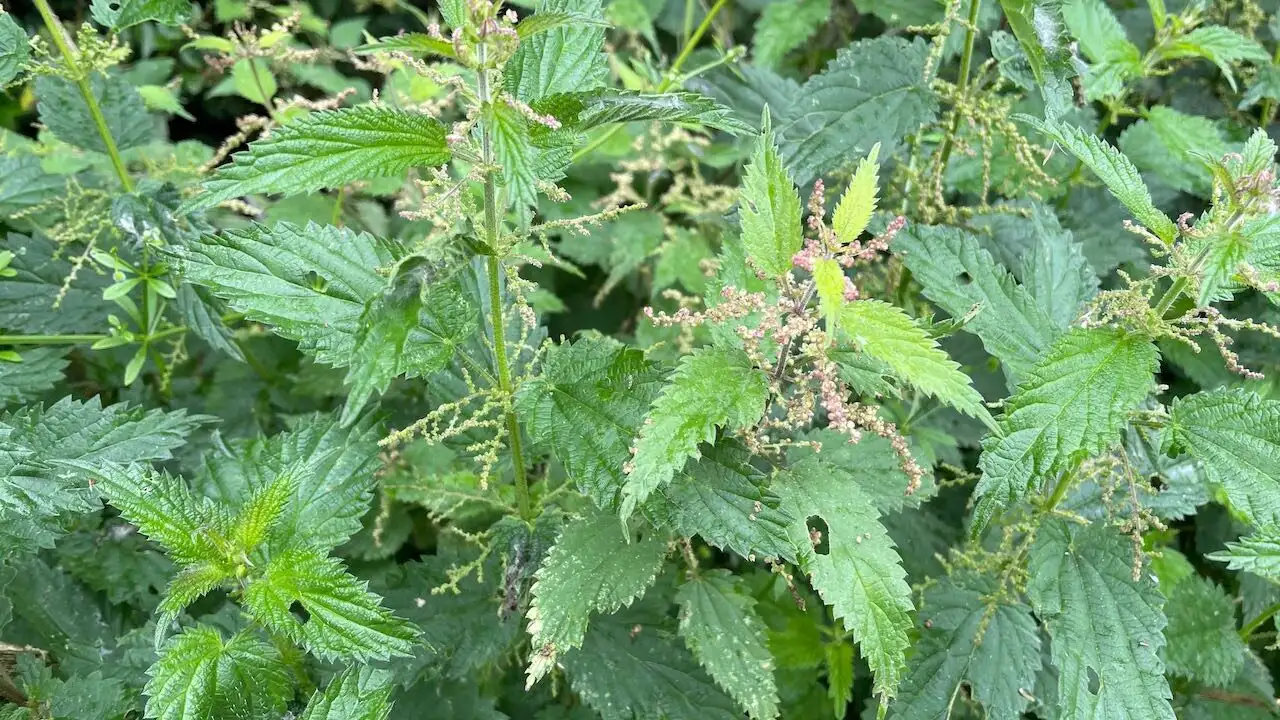
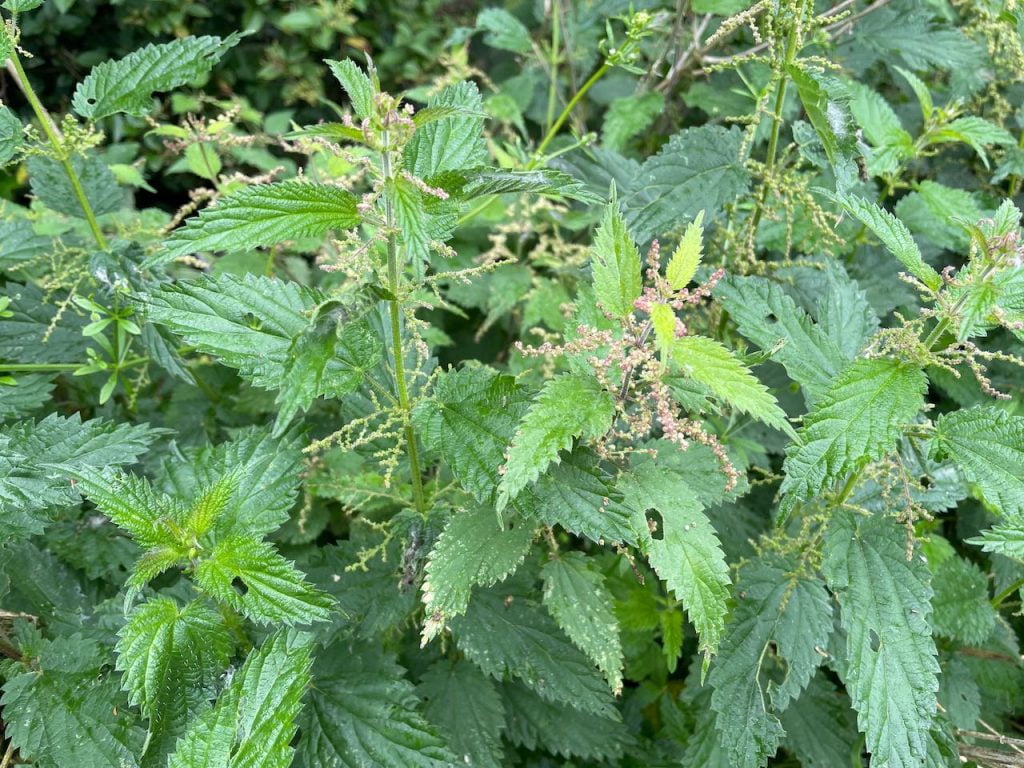
Stinging Nettles (Urtica dioica)
Nettles offer a superb habitat for butterflies and moths, so I always leave a patch somewhere in the garden if space allows. Their roots can be a real pain, as they spread quickly and also spread via seeds. However, the best way to get them out is to gently pull on the stems with gloves. Their roots are not deep but tend to run and spread, so with care, you can usually pull out nettles without needing tools. Just ensure that you don’t have bare arms or legs exposed.
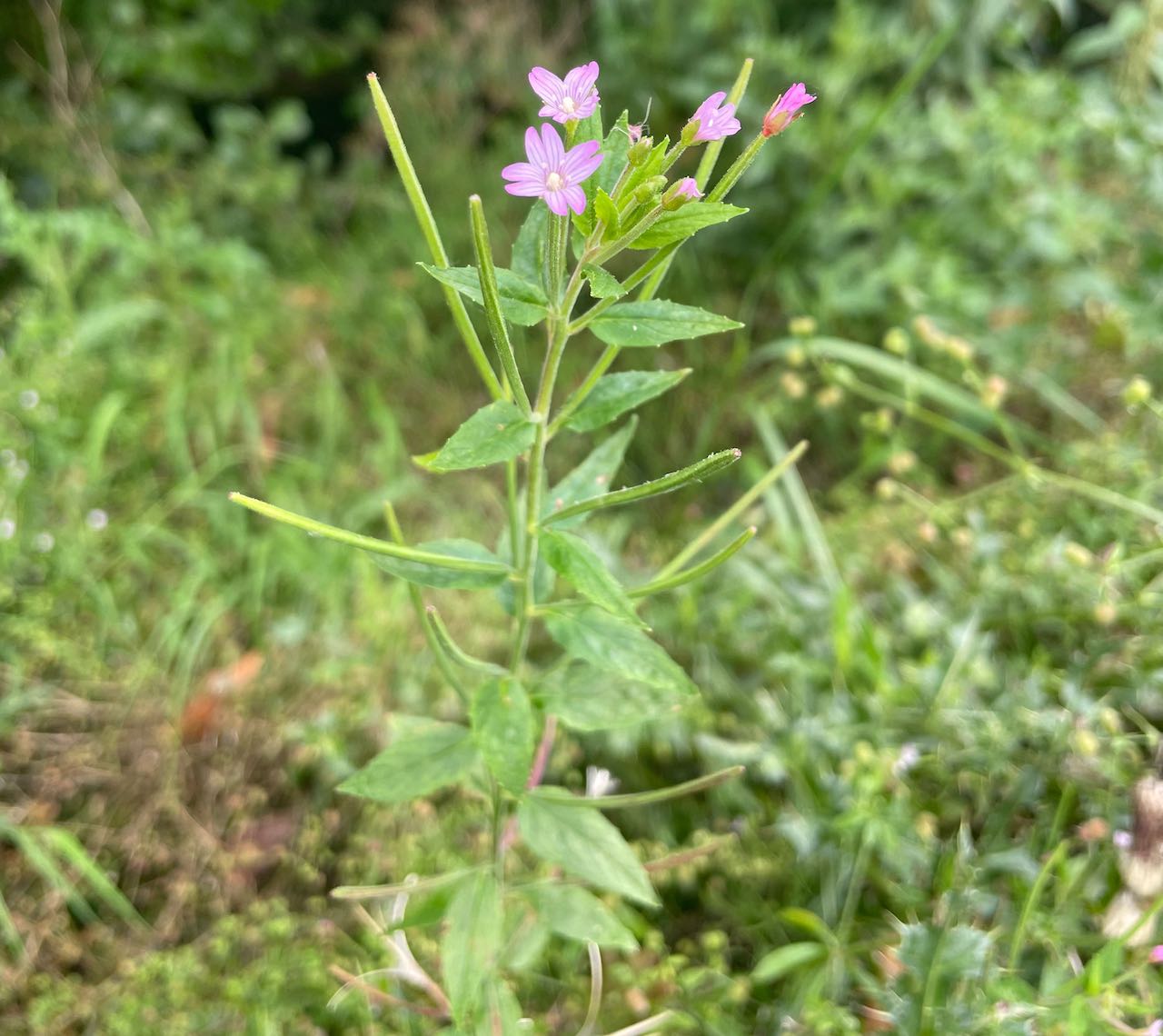
Rosebay Willowherb / Fireweed (Chamaenerion angustifolium)
Rosebay willowherb is a beautiful weed easily mistaken for a cultivated herbaceous perennial. It is less of a problem than some of the smothering weeds, and I often leave sections in certain awkward spots. The pink flowers are gorgeous and fantastic for bees and moths. However, it self-seeds rapidly and uses underground rhizomes, so left unchecked, it can take over. The wind disperses the seeds shortly after flowering. Use the hand weeder or the plastic matting approach to eliminate these.
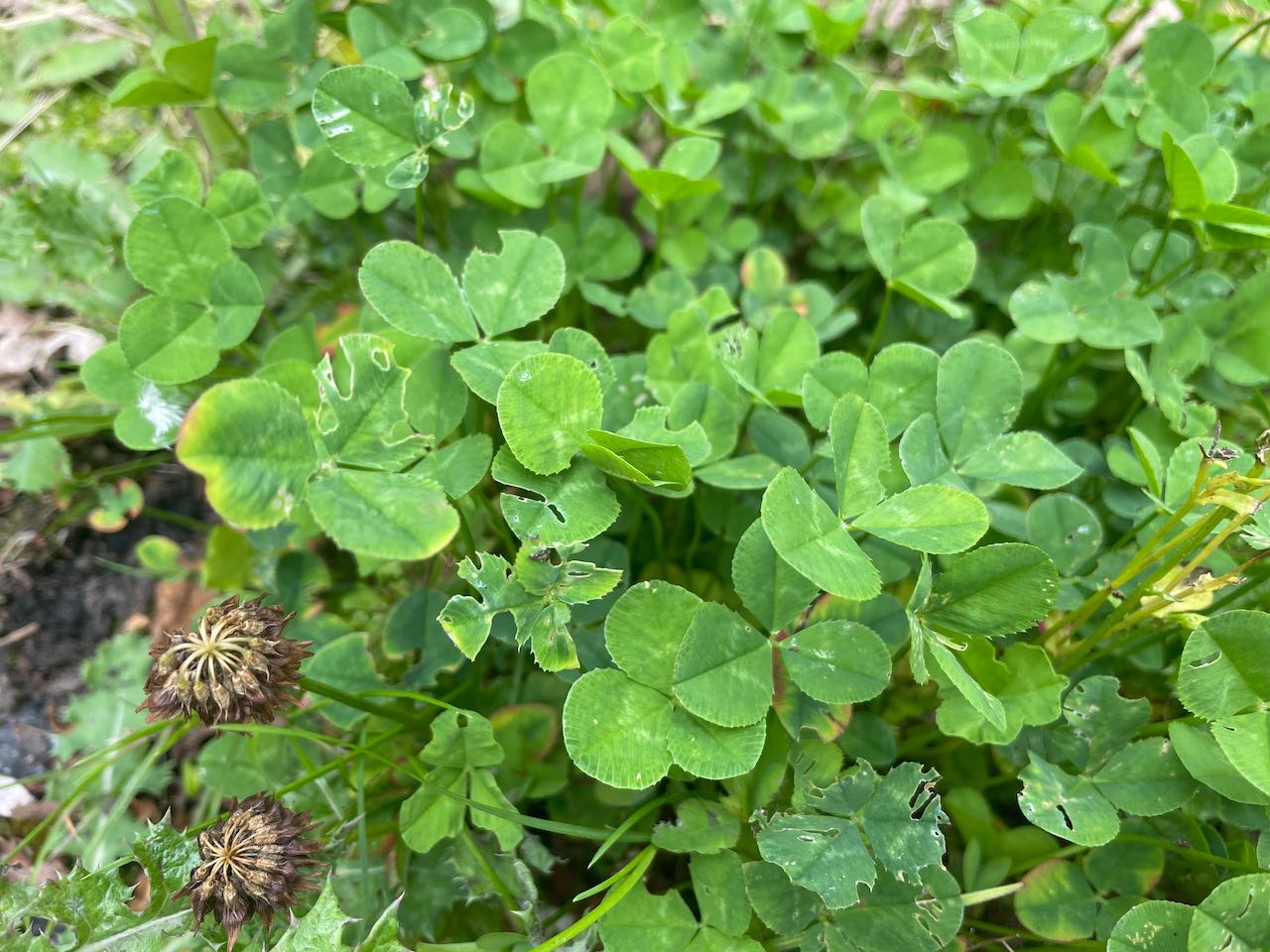
Clover (Trifolium repens)
Clover is usually a problem weed for lawn enthusiasts, but in borders it provides a rich source of pollen for all types of insects and fixes nitrogen from the atmosphere, enriching your borders. Its stems are tough and smothering in flower beds if left unchecked. I tend to use the Japanese hand weeder to trace back the stems as they weave close to the ground and extract them carefully. In lawns, regular mowing prevents them from ever truly taking over.
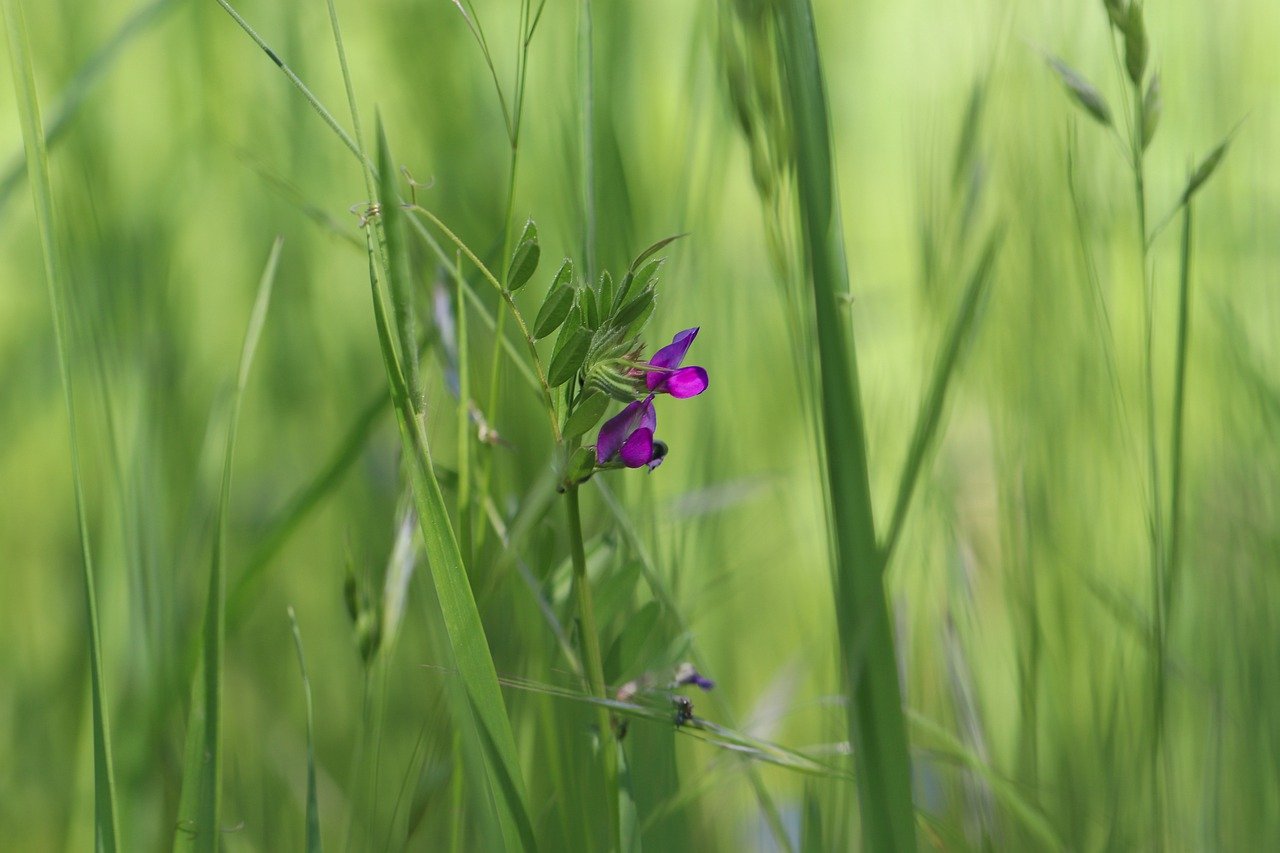
Common Vetch (Vicia sativa)
Vetch is a tricky weed because I don’t consider it to be one. Many others do and weed it out, but I think they’re wrong. Vetch is part of the pea family, creeping and weaving through other plants like a sweet pea. The purple flowers make it easy to identify as part of the legume family. It also helps fix nitrogen into the soil. It can get a bit carried away, and if you want it out, use a hori hori. Personally, I would leave it alone for the value it brings to wildlife.
Frequently Asked Questions About Garden Weeds
What is the fastest way to get rid of weeds in a garden?
For annual weeds, the fastest method is to hoe on a dry day, when the severed weeds will quickly dry out and die on the surface. For perennial weeds with deep roots, there is no genuine shortcut: you need to extract the root manually with a hori hori or hand weeder. The fastest long-term approach is thorough hand weeding followed immediately by mulching to a depth of 7 cm, which dramatically reduces the next flush of weeds.
How do I stop weeds from coming back?
The most effective prevention is filling every bare patch of soil. Weeds colonise bare ground. A combination of dense planting and a 5–7cm layer of organic mulch, applied after thorough weeding and topped up each spring, will reduce future weeding by up to 90%. Regular 15-minute weeding sessions throughout spring and summer will catch regrowth before it establishes.
What kills weeds permanently?
Nothing kills weeds permanently in an organic garden, because weed seeds arrive continuously on the wind and via birds, soil, and plant purchases. What you can do is make your garden inhospitable to them through dense planting, regular mulching, and consistent manual removal before plants set seed. Over several seasons, this approach dramatically reduces your weed burden, though it never reaches zero.
Should I pull weeds or hoe them?
It depends entirely on the type of weed. For annual weeds, hoeing is faster and more effective: sever the stem at the soil level on a dry day, and the weed dies. For perennial weeds, hoeing is almost useless: it removes the top growth but leaves the root intact, which regrows. Perennial weeds must be pulled or dug out with a hori hori or hand weeder, ensuring the entire root system is removed.
What is the best time of year to weed a garden?
Spring, from March to May, is the most important window. Weeds are emerging and still at the seedling stage, so you can remove them before they flower and set seed, which prevents the next generation entirely. Autumn is the second-best time, particularly for clearing beds and tackling perennial roots. A regular weekly or fortnightly weeding habit from March onwards prevents any single big build-up.
Does vinegar kill weeds permanently?
No. Household white vinegar damages the top growth of weeds through its acetic acid content, but it does not kill the roots of perennial weeds, which simply regrow. It also runs off into soil during rain, altering soil pH and harming soil biology and nearby plants. The UK government advises against using vinegar in the garden for this reason. It is not an effective or safe alternative to proper manual weeding.
Is it OK to leave pulled weeds on the soil?
For annual weeds pulled before they set seed, yes: leaving them on the soil surface on a dry day allows them to desiccate, and they return their nutrients to the soil. For perennial weeds, remove them from the garden entirely. Do not compost bindweed, couch grass, or any weed that has set seed, as these can survive composting and regenerate when the compost is spread.
How do I get rid of weeds between paving slabs?
A weed burner is the most effective tool for controlling weeds, particularly annual and biennial weeds. For persistent perennial weeds in joints, use a narrow patio weeding blade to lever out the root. Long-term, re-pointing the joints with a sand-and-cement mortar or a commercial polymeric jointing sand prevents weeds from re-establishing in the gaps.
Is bindweed impossible to get rid of?
Not impossible, but it takes considerable persistence. Bindweed’s white rhizome roots run deeply, and any fragment left in the soil will regenerate. The most effective approach is repeated manual removal throughout the growing season, cutting or pulling new growth as soon as it appears to exhaust the root reserves over time. For a badly infested bed, covering with a light-excluding membrane for a full growing season can significantly weaken the roots before following up with hand weeding.
Does salt kill weeds permanently?
Salt will kill the top growth of most weeds, but it doesn’t count as permanent and it does real damage along the way. It leaches into surrounding soil during rain, making that ground inhospitable to plant life for years, and it can etch and discolour stone and concrete paving. The UK government specifically advises against using salt in the garden for this reason. Manual removal or a weed burner will give you a longer lasting result without the collateral damage.
Do coffee grounds or bicarbonate of soda get rid of weeds?
Not reliably. Coffee grounds are sometimes suggested as a weed suppressant, but the evidence for this is thin, and a thick layer can actually crust over and repel water rather than blocking light effectively. Bicarbonate of soda works in a similar way to salt, drawing moisture out of leaf tissue, but it has the same downside of altering soil chemistry where it washes off. Neither comes close to the effectiveness of a proper mulch depth or manual root removal, and I’d save your coffee grounds for the compost heap instead, where they’re properly useful.

Join over 100,000 gardeners on YouTube
Free gardening videos from the Garden Ninja, with 8 million views and counting.
Subscribe on YouTube, it’s freeSummary
Weeding never stops entirely, but it becomes much more manageable with the right approach. Identify your weed type first, use the right tool for the root system, weed when the soil is damp, and mulch everything after you’ve cleared it. These four steps will transform your relationship with weeds from a constant battle into a routine that fits around everything else you want to do in the garden.
By using organic weeding methods, we avoid inadvertently harming other beneficial wildlife when we garden. It also means that we get to know our plants better as we tend to them with a more focused approach. And occasionally, while you’re down there weeding, you’ll notice something worth keeping that you’d otherwise have ripped out. That, to me, is one of the real pleasures of gardening by hand.
Happy Gardening Ninjas!




Lee Burkhill
Lee Burkhill, known as the Garden Ninja, is an award-winning garden designer and horticulturist with over 30 years of gardening experience and 15 years as a professional garden designer. A qualified RHS (Royal Horticultural Society) professional, Lee specialises in sustainable garden design and practical horticultural advice. He designs and presents on BBC1’s Garden Rescue and in leading gardening publications. Lee combines three decades of hands-on gardening knowledge with professional design qualifications to help gardeners create beautiful, functional outdoor spaces.
View all posts by Lee Burkhill





Categories
Other posts
-

How to learn Garden Design: most cost-effective learning methods Read more
-
Start here: to begin your gardening journey! Read more
-
Why Is My Laurel Hedge Dying? Complete UK Diagnosis Guide Read more
-
Star Jasmine Overgrown? When and How to Prune for Best Results Read more
-
How to care for your garden furniture Read more
-
Planting plan service Read more
-
How to grow & care for Hostas Read more