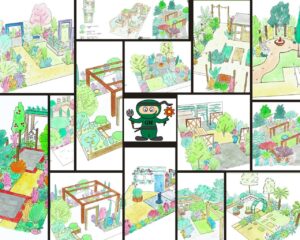
For the garden you’ve already got, not the one you’re starting from scratch. Seven checklists and video lessons from BBC Garden Rescue’s Lee Burkhill, designed to help you decide what’s worth keeping before you spend a penny.
69


Quick Answer
The most effective way to remove lawn weeds is to combine hand weeding with a purpose-made tool such as a hori hori knife or dandelion weeder to remove the full root, then overseed the bare patch immediately. For large infestations, a selective lawn weedkiller applied during active growth in late spring gives the best results without harming your grass.
This comprehensive guide will walk you through the most effective methods for removing weeds from your lawn while keeping your grass healthy and thriving. I’ll help you identify common culprits to understand why they appear in the first place, and you’ll learn practical, beginner-friendly techniques that actually work from me, Lee Burkhill – the Garden Ninja. Whether you prefer organic methods or need quicker solutions, we’ll help you reclaim your lawn and keep it looking its absolute best.
This page contains affiliate links (see full details here). If you purchase through these links, I may earn a small commission at no extra cost to you. I only recommend products I personally use and trust at Garden Ninja HQ.
Jump To
Lawn weeds are simply plants growing where you don’t want them, though that definition doesn’t make them any less frustrating when they’re spoiling your carefully maintained turf. These uninvited plants are typically much tougher and more resilient than the grass you’re trying to grow, which is precisely why they seem to thrive whilst your lawn struggles.
Most lawn weeds fall into the category of broadleaf plants (technically called dicotyledons), which are fundamentally different from grass plants (monocotyledons).
This difference is crucial because it allows selective weed killers to target weeds while leaving your grass unharmed, although we’ll also explore numerous organic alternatives.
Weeds appear in lawns for several interconnected reasons, and understanding these causes is half the battle in preventing their return. Poor lawn maintenance creates the perfect conditions for weed invasion, as does inconsistent watering, irregular mowing, or neglecting to feed your grass properly.
Bare patches in your lawn act like welcome mats for weed seeds, giving them the perfect opportunity to establish themselves before your grass can fill in the gaps.
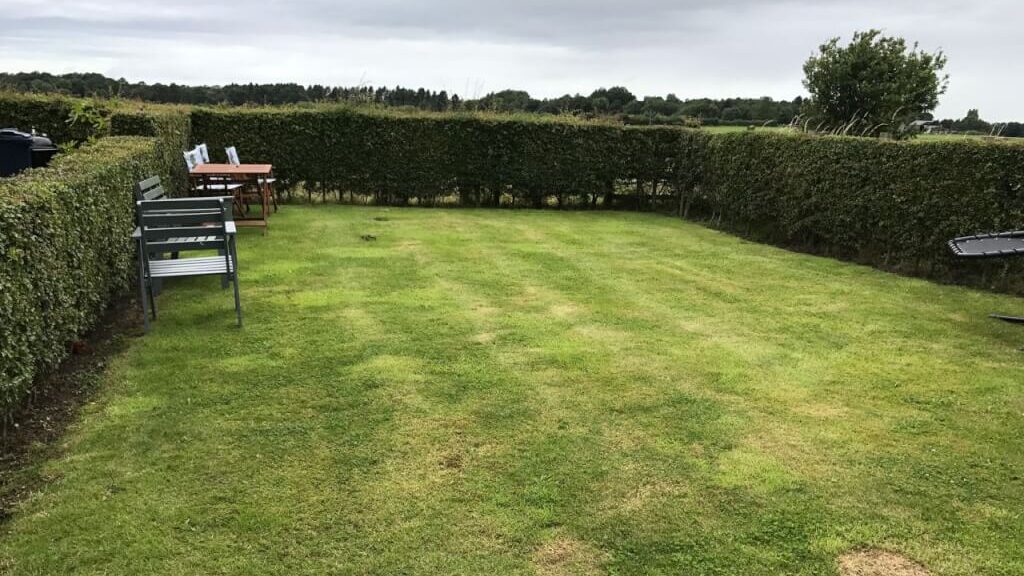
Compacted soil is another major culprit, as many weeds prefer these harsh conditions that grass struggles with. If you notice plantains or daisies taking hold, it might be a sign that your soil needs aerating. Similarly, poor drainage, low soil fertility, or cutting your grass too short can all create conditions where weeds have the upper hand over your desired turf. A patchy, weed-infested lawn can be seen below for years of neglect.
Before you can effectively tackle weeds in your lawn, you need to know precisely what you’re dealing with. Different weeds require different approaches, and proper identification will save you time, effort, and potentially money on the wrong treatments.
Perhaps the most recognisable lawn weed in Britain, dandelions are the classic yellow-flowered invaders that seem to appear overnight. These perennial plants form distinctive rosettes of deeply serrated leaves that lie close to the ground, making them remarkably tolerant of regular mowing. Their bright yellow flowers quickly transform into the familiar white, fluffy seed heads that children love to blow, though this delightful activity helps spread them far and wide across your garden.
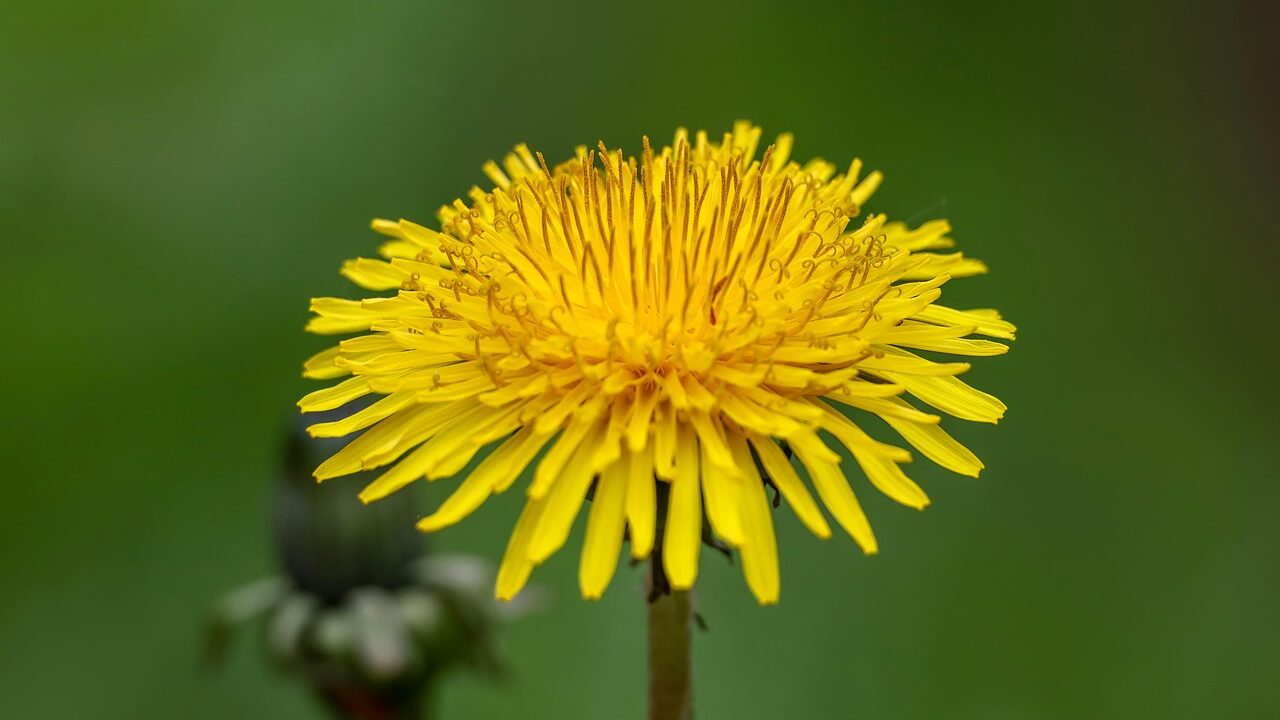
The real challenge with dandelions lies beneath the surface. They develop long, thick taproots that can extend more than 25 centimetres deep into the soil, making them incredibly drought-resistant and frustratingly difficult to remove completely. If you don’t remove the entire root system, they’ll regrow from any remaining fragments.
White clover is instantly recognisable by its characteristic three-leaflet pattern, often with a distinctive whitish crescent marking in the centre of each leaf. This low-growing perennial spreads through creeping runners that travel along the surface, allowing it to colonise large areas of lawn remarkably quickly. The small, white, globe-shaped flowers appear throughout the growing season and are beloved by bees, which might influence whether you choose to eliminate it entirely.
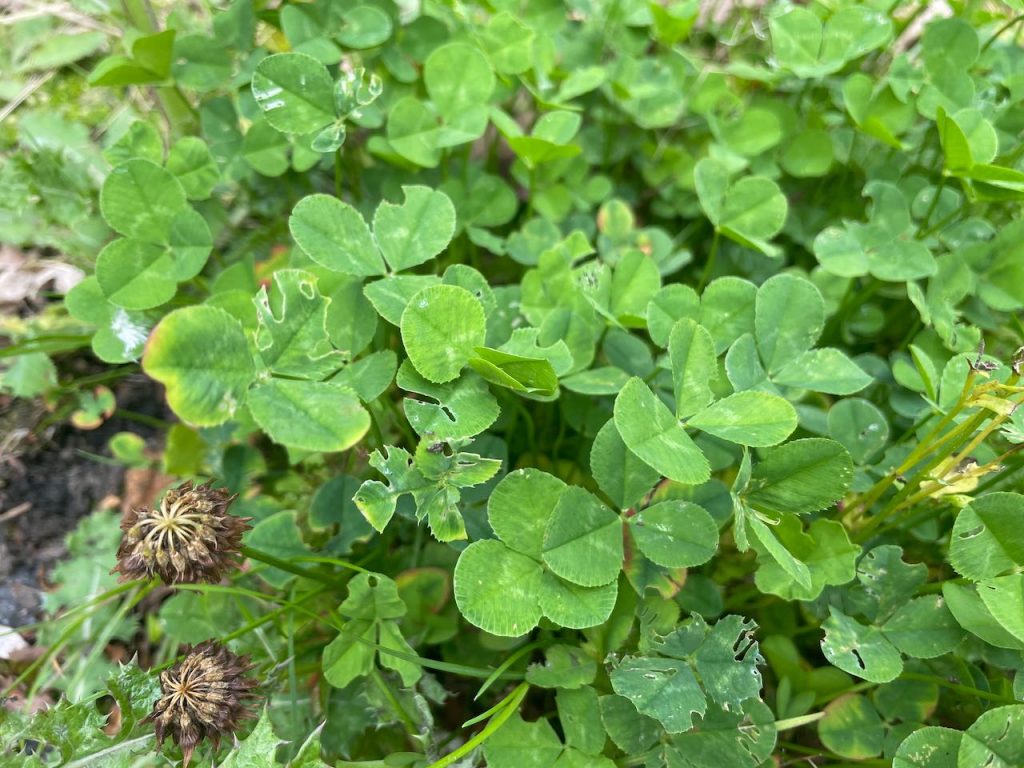
Interestingly, clover often indicates nitrogen-poor soil, as this plant can fix its own nitrogen from the atmosphere. Whilst some gardeners now embrace clover as a drought-tolerant lawn alternative, others find its presence undesirable, particularly if they want a uniform grass appearance or are concerned about attracting bees in areas where children play.
There are two main types of plantain you’ll encounter in UK lawns: greater plantain (broad-leaved plantain) with wide, oval leaves, and ribwort plantain (narrow-leaved plantain) with long, lance-shaped foliage. Both form distinctive rosettes and have tough, fibrous root systems that make them extremely drought-tolerant and competitive against grass.
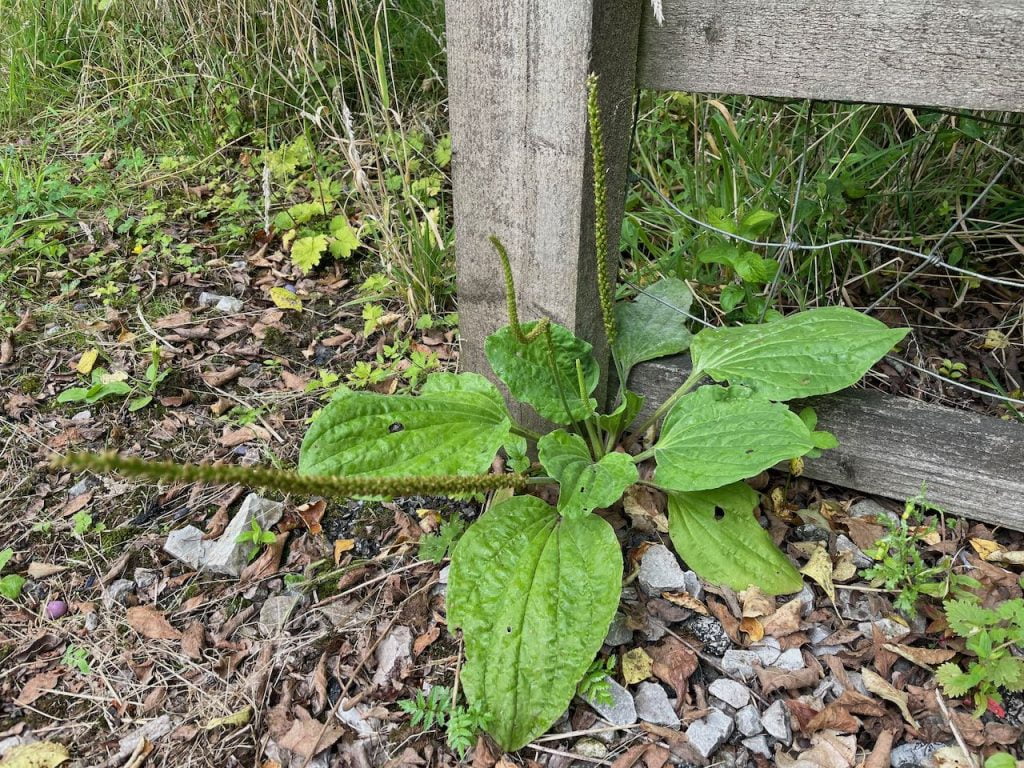
Plantains are excellent indicators of soil compaction, as they actually thrive in the hard, dense soil conditions that most other plants, including grass, find challenging. If you’re seeing significant plantain invasion, it’s worth considering whether your lawn would benefit from aeration to improve soil structure.
The common lawn daisy might look charming with its white petals and sunny yellow centres, but these low-growing perennials can quickly spread across your lawn through both seeds and underground runners. They’re remarkably adaptable, tolerating close mowing and establishing themselves in almost any soil conditions.
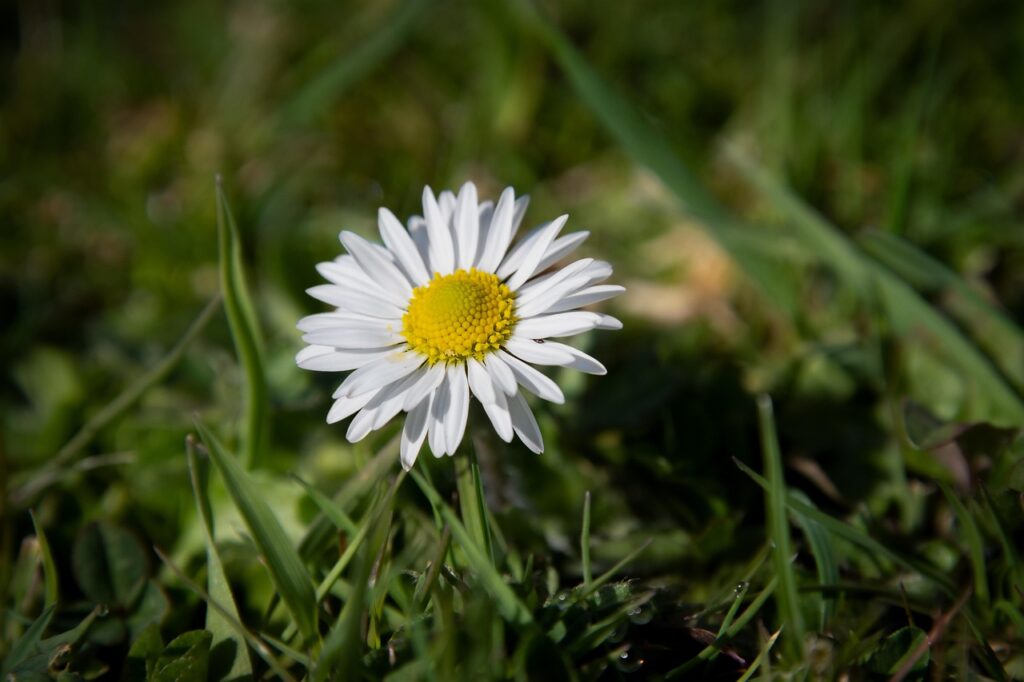
Daisies typically flower from spring through to early autumn, and their ability to grow in tight rosettes allows them to outcompete grass in many situations. They’re particularly problematic in fine turf where their presence is immediately noticeable against the uniform green backdrop.
Creeping buttercup is one of the most persistent lawn weeds you’ll encounter, recognisable by its glossy, bright yellow flowers with 5-9 petals and distinctively divided, three-part leaves. This perennial spreads through creeping stems that root at intervals, making it incredibly difficult to eliminate once established.
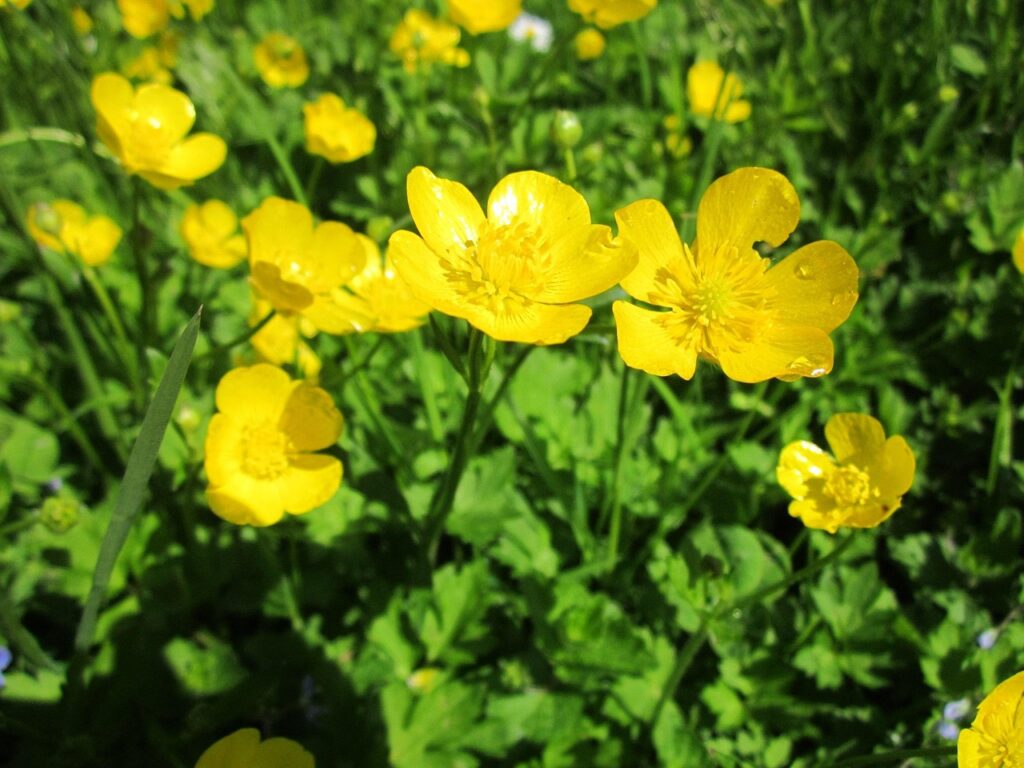
The fibrous root system of buttercups makes them particularly challenging to remove manually, and they’re often resistant to many common lawn treatments. They tend to favour slightly damp conditions and can indicate drainage issues in your lawn.
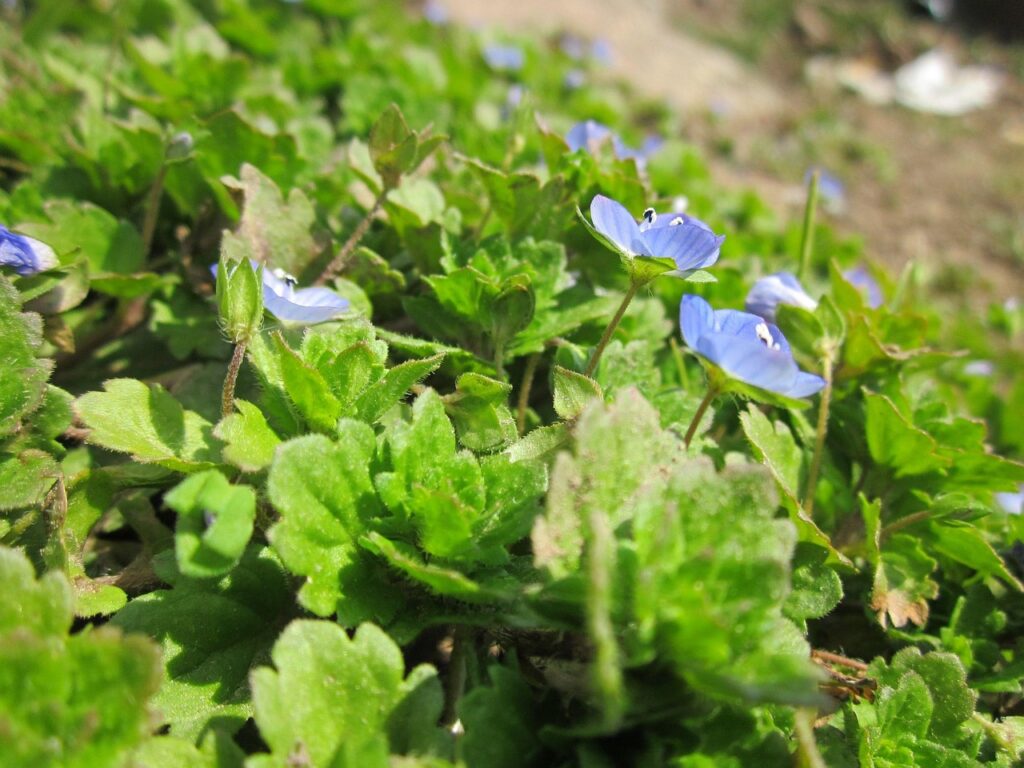
This small, creeping weed produces tiny blue or white flowers and has small, oval leaves arranged in opposite pairs along trailing stems. Speedwell forms dense mats that can smother grass, and it’s particularly troublesome in fine ornamental grade turf where its presence is highly visible, which is a pain for most golf grounds keepers and striped lawn enthusiasts!
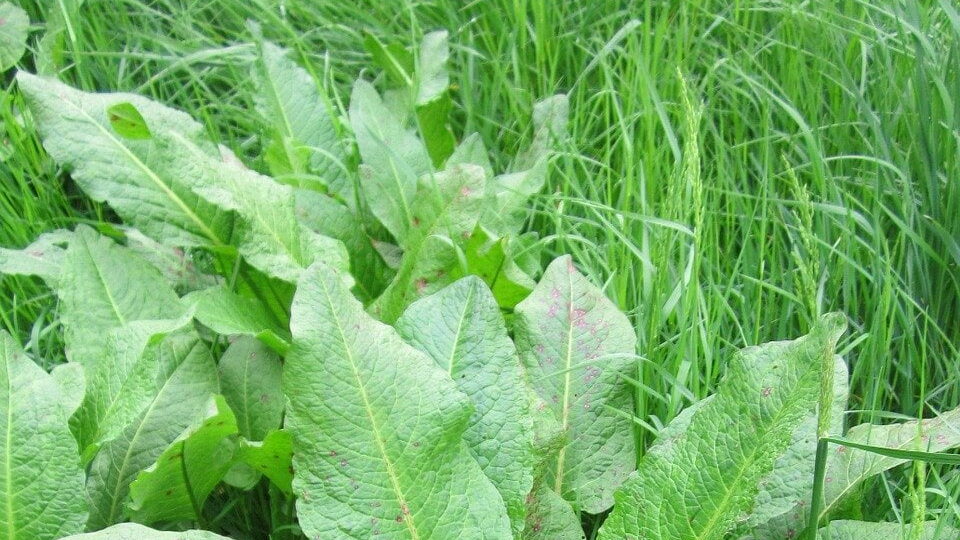
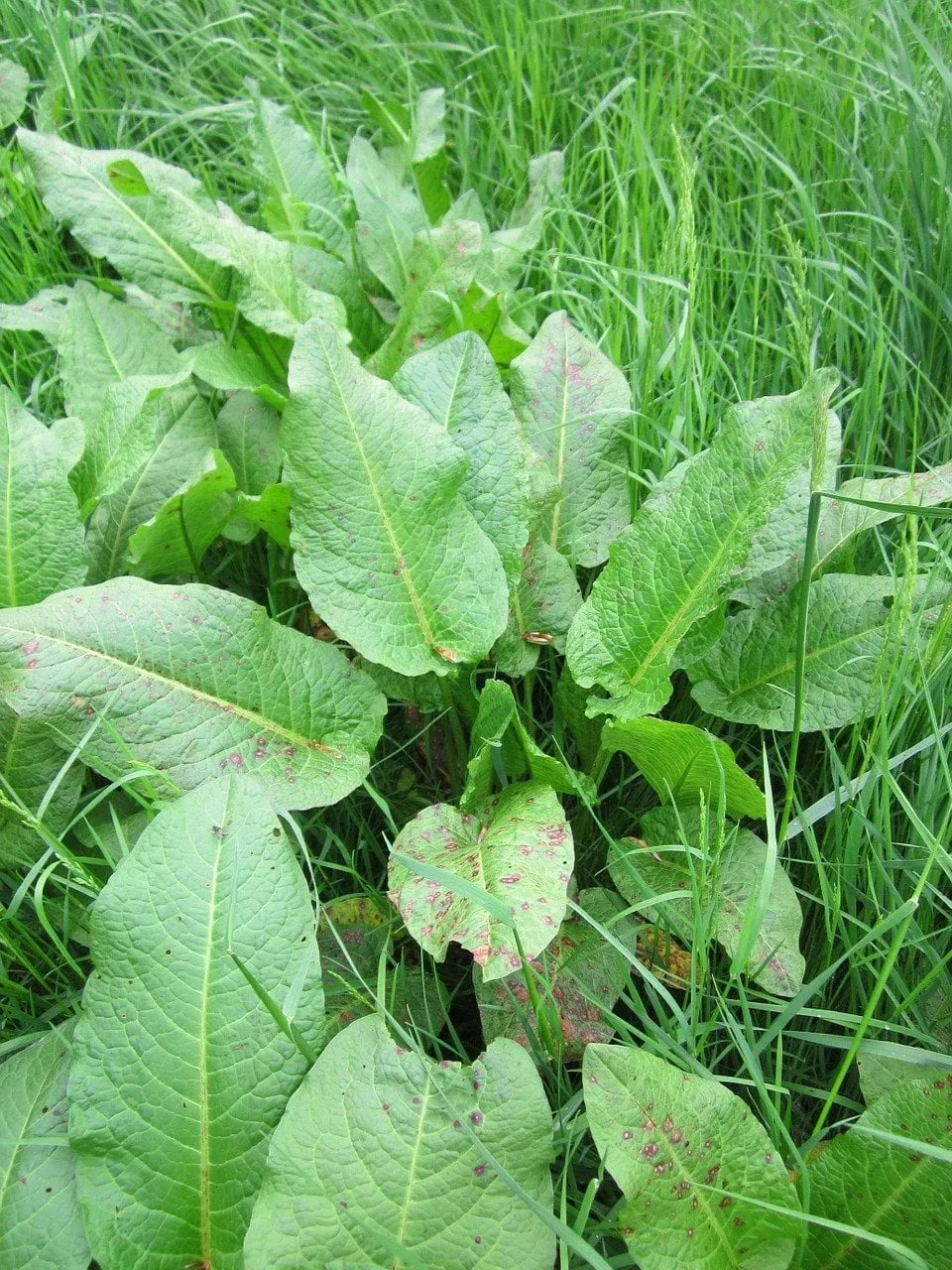
Docks are the weed of neglected lawns, usually appearing where mowing has been irregular or the turf has been left to grow long. They are easy to spot with their large, broad, slightly crinkled leaves and long taproots, but there is some good news here that does not apply to dandelions. Only the top fifteen centimetres or so of a dock’s root is capable of regenerating a new plant, so regular close mowing is genuinely effective at weakening and eventually eliminating them without any chemical intervention at all.
Both of these are frequently mistaken for clover, and it is worth knowing the difference before you reach for a treatment. Creeping cinquefoil has five leaflets rather than clover’s three, along with bright yellow flowers, and spreads through the same kind of surface runners that make clover so persistent. Black medick is smaller and more compact, with tiny yellow flowers and distinctive black seed pods that appear towards the end of the season. Black medick generally only becomes a problem in poor, low fertility soil, so a proper autumn feed will often reduce it without any need for a targeted treatment. Both respond to the same selective herbicides used for clover, or to hand removal of the runners followed by prompt overseeding of the bare ground left behind.
This one looks similar to black medick and clover at first glance, with small yellow and orange flowers, but it has a deeper root system and spreads more invasively through both runners and underground growth, which makes it a fair bit more stubborn to shift once it has taken hold of a lawn.
⚠️ Safety Note
Birdsfoot trefoil’s sap can cause dermatitis on contact with skin, and the plant is mildly poisonous if eaten in quantity. Wear gloves when hand weeding it, and keep an eye on children and pets around larger patches until it is cleared.
These two are worth knowing because they are active through winter and early spring, when most gardeners have mentally checked out of lawn care until the clocks change and the mower comes back out of the shed. Chickweed forms low, sprawling mats with small white star shaped flowers, whilst hairy bittercress grows in small rosettes and is famous for its seed pods, which explode and fling seed a surprising distance the moment they are disturbed. Both are annuals with shallow roots, so hand weeding is quick and effective, but the trick is catching them in February and March before that seed dispersal happens. A five minute check of bare or thin patches during a mild winter spell will save considerably more work once spring properly arrives.
Everything I have covered so far is a broadleaf weed, and selective weedkillers work precisely because they exploit the difference between broadleaf plants and grass. But some of the toughest lawn problems are not broadleaf weeds at all. They are weed grasses, and no selective herbicide will touch them because they are grass too, sharing the same basic cell structure as the turf you are trying to protect.
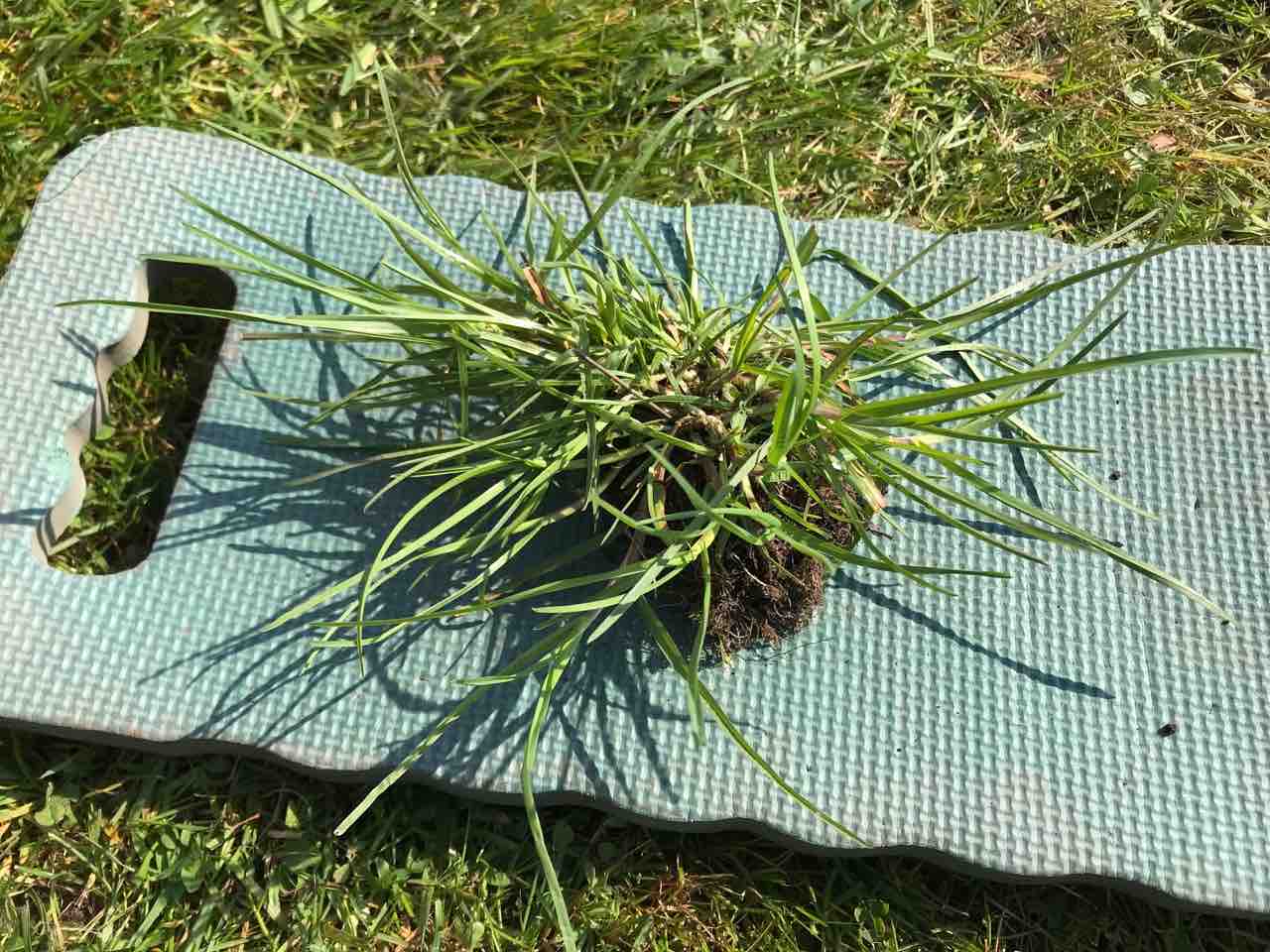
Couch grass is the one I get asked about most. It spreads through tough, white underground rhizomes that snap easily, and any fragment left behind will regrow, which is why pulling it by hand so rarely finishes the job in one go. Persistent digging out of the entire rhizome network, or repeated scarifying to weaken it over a season or two, are the only realistic organic routes. A non selective glyphosate treatment followed by reseeding is the quicker option where the infestation has taken over a whole area, but that means killing the grass along with it and starting again from bare soil.
Yorkshire fog and annual meadow grass are the other two weed grasses worth knowing. Both tend to show up in lawns that are cut too short, fed too little, or growing in compacted or poorly drained soil, and both are usually a symptom of a lawn that is not thick enough to compete rather than a problem in their own right. Raising your mowing height, feeding properly and dealing with compaction through aeration will usually reduce them over a season or two without any need for chemical intervention. If the underlying thatch and compaction problem is significant, my full scarification guide covers how to tackle this properly and get to the root of why these weed grasses keep coming back.
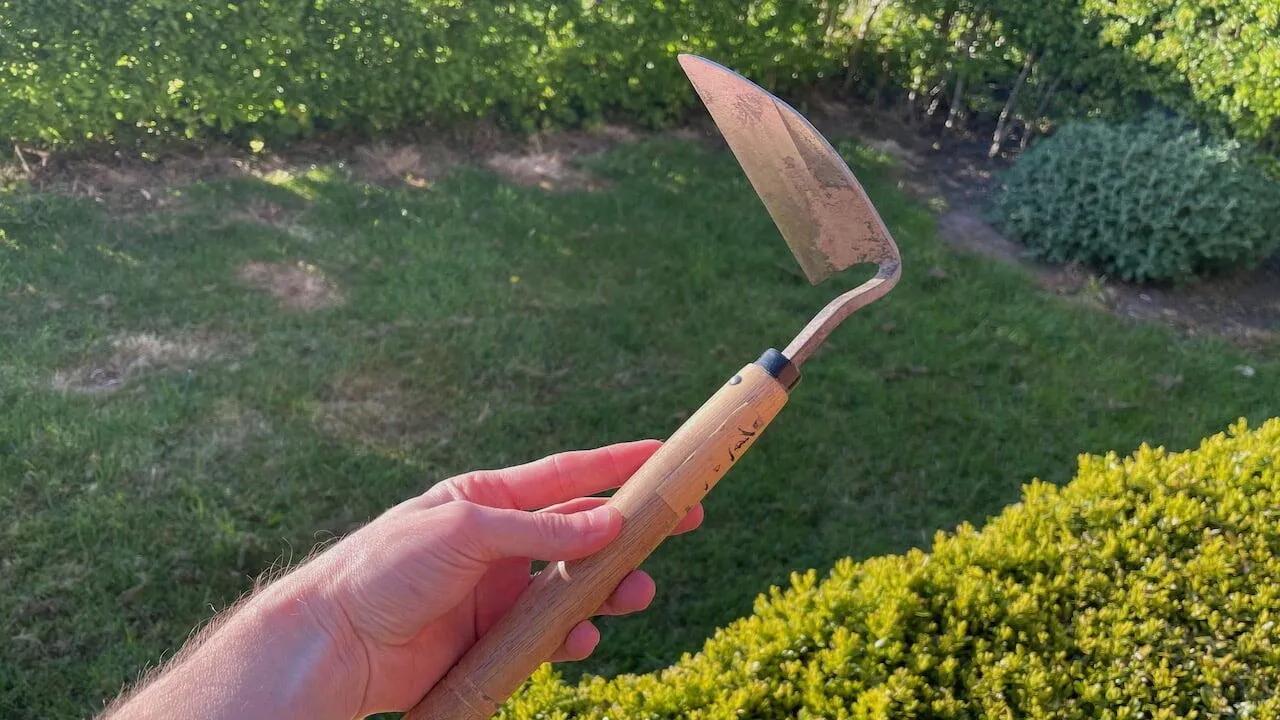
Having the right tool for the job makes an enormous difference when it comes to lawn weed removal. Over the years, I’ve tried just about everything, and there are two tools that I return to time and again at Garden Ninja HQ: the hori hori knife and a purpose-made lawn weeder. The right equipment means you remove the entire root rather than snap the top off and let the plant regrow within a matter of weeks.
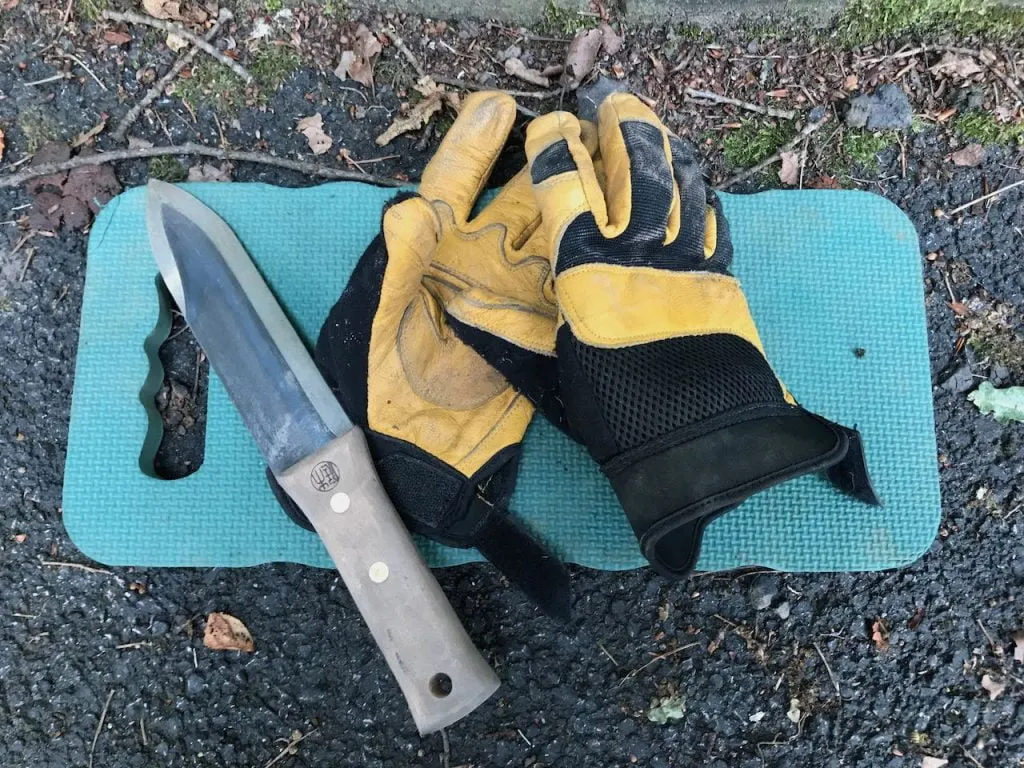
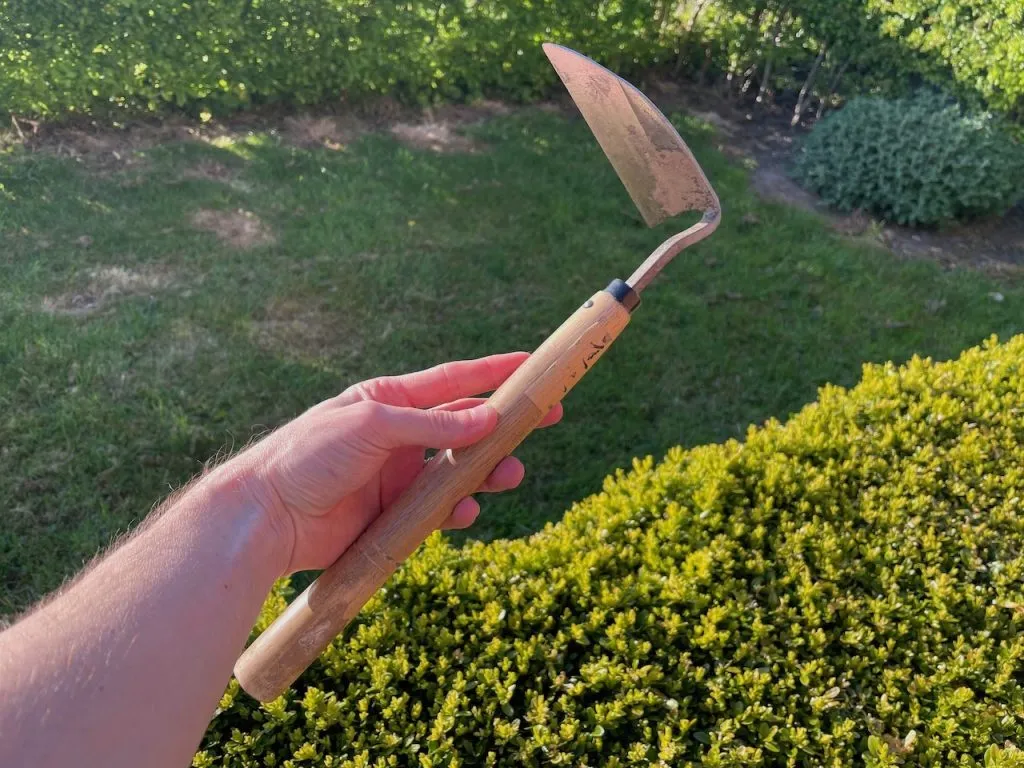
The hori hori is a Japanese soil knife with a concave blade, serrated on one side and smooth on the other, designed to slice through soil and roots in a single motion. For dandelions especially, it’s transformative. You push the blade alongside the taproot, lever gently, and the entire root comes out in one piece rather than snapping halfway down and regrowing. I use mine constantly through spring and summer, and it’s genuinely one of those tools that earns its place every single time.
🛒 Buy a Hori Hori Knife from Amazon UK
For weeds growing in established turf where you want to avoid disturbing the surrounding grass, a dedicated long-handled weed remover is the smarter choice. These tools use a claw or fork mechanism to grip the weed at the root and extract it cleanly without you having to kneel, which is particularly useful on larger lawns or if your knees aren’t quite what they used to be. This is the one I recommend for most gardeners tackling a lawn weed problem for the first time.
🛒 Buy my recommended Lawn Weed Remover from Amazon UK
💡 Top Tip
Always weed when the soil is moist (after rain or after watering), as roots come out far more cleanly and completely. Dry soil causes roots to snap, leaving enough behind for the weed to regrow within weeks.
The fundamental reason weeds become problematic in lawns is that they’re often better adapted to challenging conditions than the grass varieties we prefer. Understanding this dynamic helps explain why simply removing weeds without addressing underlying issues often leads to their swift return.
Most lawn grasses are actually quite particular about their growing conditions. They prefer well-drained but moisture-retentive soil, regular feeding, and consistent care. When these conditions aren’t met (due to neglect, extreme weather, or poor soil), grass becomes weak and patchy, creating opportunities for more adaptable plants to establish themselves.
Weeds, on the other hand, are typically pioneer species that have evolved to colonise disturbed or challenging environments. They often have deeper root systems that can access water and nutrients from greater depths, more efficient reproductive strategies, and greater tolerance for soil compaction, drought, or poor nutrition.
Many weeds are also more efficient at photosynthesis than grass, meaning they can outcompete your turf for light even when growing at similar heights. Their ability to spread through underground runners, creeping stems, or prolific seed production means they can quickly exploit any weaknesses in your lawn’s coverage.
This is why the most effective long-term weed control strategy isn’t just about killing existing weeds. It’s about creating conditions that allow your grass to outcompete weeds naturally. A thick, healthy lawn is your best defence against weed invasion.
For gardeners who prefer to avoid synthetic chemicals, there are several practical organic approaches to managing lawn weeds. These methods require more patience and persistence than chemical solutions, but they’re safer for children, pets, wildlife, and the broader environment.
Manual removal remains the most precise and environmentally friendly method for dealing with lawn weeds, particularly when infestations are relatively small or localised. The key to successful hand weeding is timing and technique. Tackle weeds when the soil is moist (ideally after rain or watering) as this makes removal significantly easier and more complete.
For weeds with taproots, such as dandelions, you’ll need a proper weeding tool. My two recommendations are the hori hori gardening knife for general use, and the long-handled lawn weed remover for standing weeding without disturbing the grass around each weed. These tools allow you to get deep enough to remove the entire root system, which is crucial for preventing regrowth. Simply pulling the leaves will often leave the root intact, leading to swift regeneration.
When hand weeding, work systematically across your lawn rather than randomly spotting weeds. This approach helps ensure you don’t miss any plants and allows you to monitor your progress more effectively. Always dispose of pulled weeds carefully. Don’t compost them unless you’re sure your compost heap reaches high enough temperatures to kill any remaining viable plant parts.
After removing weeds, fill any significant holes with compost and overseed immediately. This prevents new weeds from establishing in the bare patches and helps your grass recover more quickly.
The most sustainable organic weed control strategy focuses on creating conditions that allow your grass to naturally outcompete weeds. This approach requires consistency and patience but delivers long-lasting results.
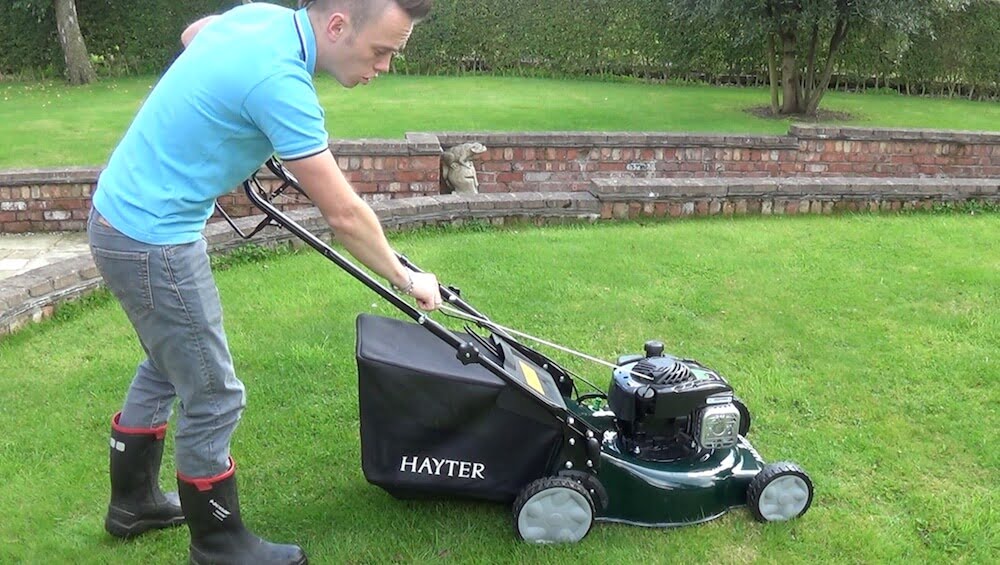
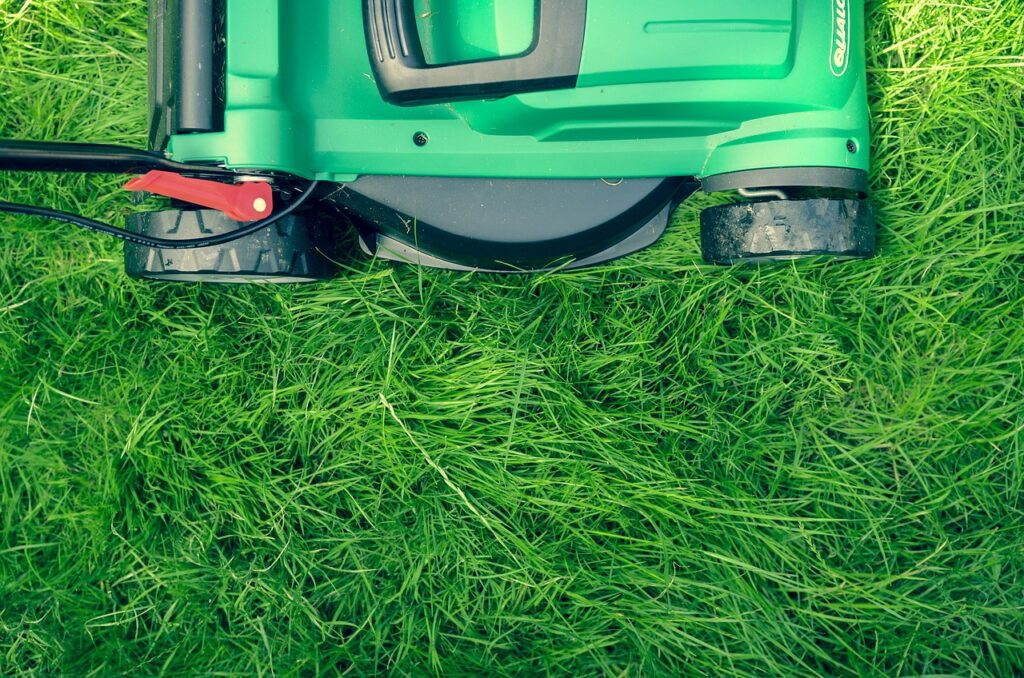
Start with your mowing regime, as this has a profound impact on both grass health and weed establishment. Set your mower blades higher than you might expect, as cutting grass too short weakens it and creates opportunities for low-growing weeds to establish. Most UK lawn grasses perform best when cut to around 2.5 to 4 centimetres, though this varies by grass type and season.
Regular overseeding of thin or bare areas is crucial for maintaining dense turf coverage. Choose grass seed varieties appropriate for your soil type and the amount of shade your lawn receives. Overseed in spring or autumn when conditions favour germination and establishment. This fast-growing lawn seed is a great choice, and I’ve used it to germinate rapidly on newly weeded lawns!
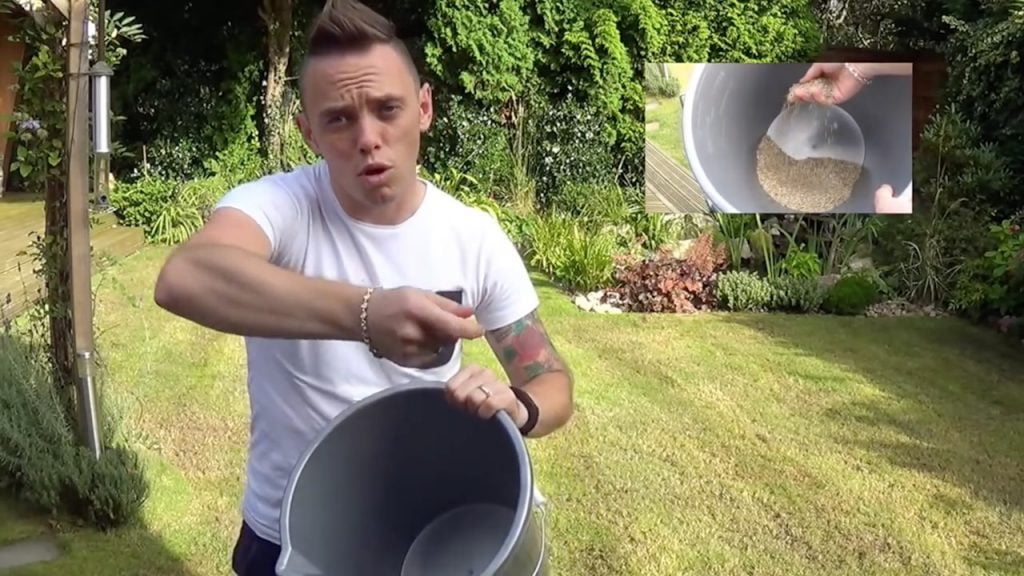
Feeding your lawn with organic fertilisers helps grass compete more effectively against weeds. Organic lawn feeds release nutrients slowly, encouraging steady, sustainable growth rather than the rapid but short-lived surge produced by some synthetic fertilisers. Apply feeds according to package directions, typically in spring and Autumn.
Soil improvement is often overlooked but can be transformative for lawns struggling with persistent weed problems. If your soil is compacted (indicated by poor drainage or the presence of plantains), annual aeration in Autumn can dramatically improve grass vigour. Core aeration removes small plugs of soil, allowing air, water, and nutrients to penetrate more effectively.
Several organic techniques can help suppress weed growth without directly harming existing plants. Maintaining slightly longer grass naturally shades the soil surface, making it more difficult for weed seeds to germinate successfully. This approach is particularly effective against annual weeds that rely on light to establish.
Encouraging beneficial soil life through the addition of organic matter helps create conditions that favour grass over many common weeds. Well-decomposed compost applied as a thin top dressing in spring or autumn improves soil structure, water retention, and nutrient availability whilst supporting healthy microbial activity.
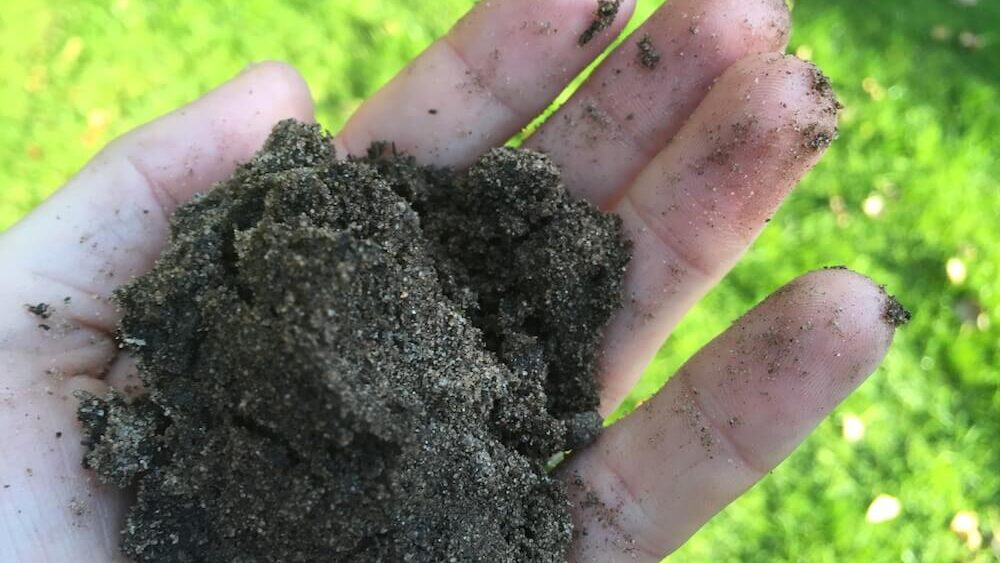
For particularly problematic areas, consider overseeding with competitive grass varieties that can better withstand local conditions. Some newer grass cultivars have been bred specifically for improved disease resistance, drought tolerance, or weed competitiveness.
When hand weeding isn’t practical for larger areas, several organic treatments can help manage specific weed problems. For small patches of weeds, consider using a weed burner, but only on damp days when the grass is moist!
Corn gluten meal acts as a natural pre-emergent herbicide, preventing weed seeds from germinating successfully. However, it must be applied at precisely the right time (before seeds germinate but after desired grass is established) and won’t affect existing weeds.
Some gardeners report success with targeted applications of household products such as white vinegar solutions, though these typically kill only the above-ground portions of weeds and may require repeated treatments. Always test any home remedies on a small, inconspicuous area first.
Despite the appeal of organic methods, there are situations where selective herbicides offer the most practical solution for significant weed problems. Understanding how these products work and when to use them can help you achieve better results whilst minimising environmental impact.
Selective lawn weedkillers are designed to kill broadleaf weeds whilst leaving grass unharmed. This selectivity works because grass plants (monocotyledons) and broadleaf weeds (dicotyledons) have fundamentally different cellular structures and growth patterns. The herbicides exploit these differences to target weeds specifically.
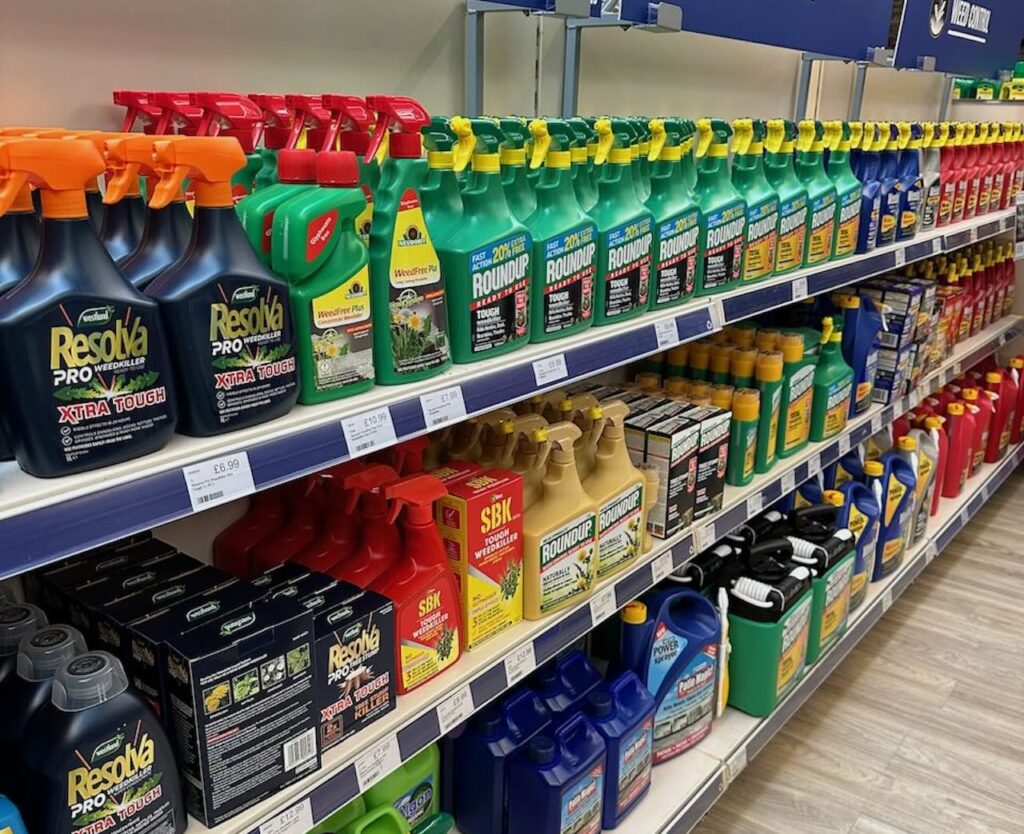
Most selective lawn weedkillers contain active ingredients such as 2,4-D, MCPA, or triclopyr, often in combination for broader spectrum control. These systemic herbicides are absorbed through the leaves and transported throughout the plant, killing it from the inside, including the root system. This is why they’re more effective than contact herbicides that only affect the parts they touch directly.
Before you reach for any product, it is worth deciding whether you actually need a blanket treatment across the whole lawn, or whether spot treating individual weeds makes more sense for what you are dealing with. Blanket treatments apply chemical to every square metre, including the parts of the lawn that do not have a weed problem, whereas spot treatment targets only the plants you want gone. Given the cost of these products and their impact on soil life and pollinators, I would choose spot treatment for anything short of a genuinely widespread infestation covering most of the lawn. It takes a little longer to work through with a spray bottle rather than a knapsack sprayer, but it is a far more proportionate response and leaves far more of your lawn’s ecosystem untouched.
Once you have decided that a selective weedkiller is genuinely the right call for your situation, it helps to know which format actually suits the job in front of you, since garden centre shelves tend to present four or five options with very little explanation of when each one earns its place. A ready to use spray needs no mixing at all and is ideal if you are only tackling a modest number of weeds or a small lawn, whilst a concentrate works out considerably cheaper per square metre once you are treating anything larger, since you are paying for active ingredient rather than water.
A granular feed, weed and mosskiller combines three jobs into a single application and suits a proper spring renovation where you want to tackle everything at once, and a gel or stick formulation gives you the most precise control of all, letting you paint the product directly onto a single rosette without any risk of drift onto surrounding plants.
Whichever format you choose, always check the active ingredient against what I have covered above rather than assuming every product on the shelf works the same way, since some are formulated for tougher weeds such as clover and buttercup whilst others are aimed squarely at the easier annual weeds that most lawns throw up in spring.
Apply selective herbicides only when weeds are actively growing, and weather conditions are suitable. Timing is absolutely crucial for effective weedkiller use. The ideal window is typically late spring through early autumn when temperatures are moderate, and both weeds and grass are growing vigorously.
Avoid treating during drought conditions when grass is stressed, as this can increase the risk of turf damage. Similarly, don’t apply weedkillers when very hot weather is forecast, as this can cause leaf scorch on both weeds and grass.
Wait at least three days after mowing before applying weedkiller, as weeds need sufficient leaf area to absorb the chemical effectively. Conversely, refrain from mowing for several days after treatment to allow for maximum absorption time.
Selective weedkillers are available as concentrates for dilution and application through sprayers or watering cans, or as ready-to-use formulations. For small areas or spot treatments, ready-to-use spray bottles offer convenience and precision.
When applying any weedkiller, choose a still day to prevent drift onto desirable plants. Early morning or early evening applications are often best, as these times typically offer calmer conditions and reduced risk of leaf scorch.
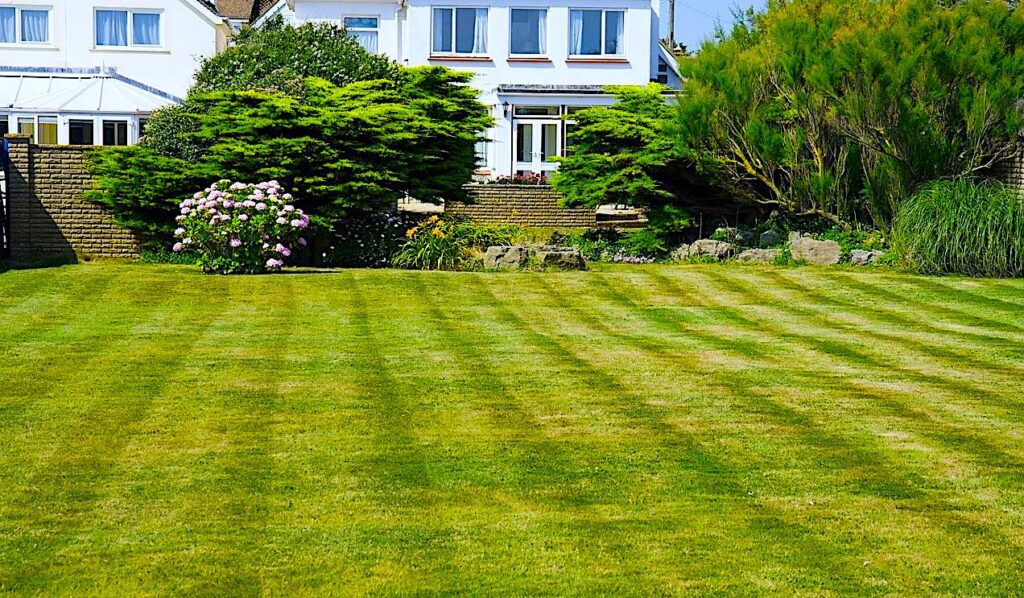
Read and follow all label instructions precisely. Using more than the recommended concentration won’t improve results and may damage your grass. Similarly, applying too frequently can harm your lawn’s health and contribute to environmental problems.
For comprehensive lawn treatment, consider products that combine weedkiller with fertiliser. These feed and weed formulations can be more convenient and help your grass recover more quickly from any treatment stress.
Selective herbicides typically take one to two weeks to show visible effects, with weeds first becoming distorted and yellowed before dying back completely. Don’t be tempted to reapply if results aren’t immediately obvious. Patience is essential.
Most products provide effective control for a full growing season, though some persistent weeds may require follow-up treatments. Always wait at least the minimum interval specified on the product label before reapplying.
After successful weed control, focus on maintaining healthy grass to prevent reinfestations. Overseed any thin areas and continue good lawn care practices to maximise your grass’s competitive advantage.
I’ll be honest, though: I very rarely use these weed killers given the environmental impact of damaging wildlife. So I prefer to either give in to the weeds on large lawns or spot remove them where possible by hand.
⚠️ Composting Warning
If you have used a selective weedkiller containing clopyralid, do not add the clippings from your next few mows to the compost heap. Clopyralid is persistent and does not break down during composting, and using contaminated compost can seriously damage or kill sensitive plants such as tomatoes, beans and roses. Check the product label, and if in doubt, leave clippings on the lawn to mulch down naturally for the first month after treatment rather than collecting them.
It is also worth knowing that most selective lawn weedkillers should not be used on a lawn less than six months old, since the grass has not established a deep enough root system to tolerate the treatment. A small number of products containing fluroxypyr are labelled for use from around two months, provided the grass is growing strongly, but always check the specific product label rather than assuming this applies to whatever happens to be in your shed. If you are dealing with weeds on a newly turfed or newly sown lawn, hand weeding is the safer route until the grass has properly established itself.
The most effective weed control strategy is preventing problems before they start. A thick, healthy lawn naturally resists weed invasion and requires far less intervention than a struggling one.
Healthy soil is the cornerstone of a weed-resistant lawn. Most lawn grasses prefer slightly acidic to neutral soil (pH 6.0 to 7.0) with good drainage and adequate organic matter. Testing your soil pH every few years helps ensure conditions favour grass over many common weeds.
If your soil is compacted (evidenced by poor water infiltration, standing water after rain, or the presence of plantains), annual aeration can dramatically improve conditions. Core aeration in autumn allows grass roots to penetrate more deeply and access nutrients more effectively.
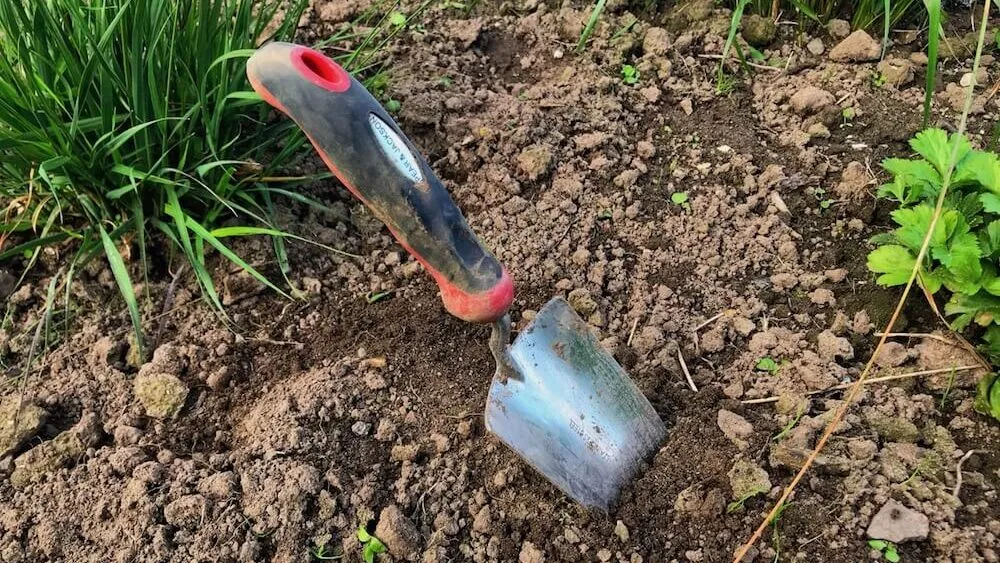
Improving soil organic matter through regular compost applications enhances water retention, nutrient availability, and beneficial microbial activity. A thin layer of well-decomposed compost applied annually provides slow-release nutrients whilst improving soil structure.
Maintaining dense grass coverage leaves little room for weed establishment. Overseed thin areas promptly, choosing grass varieties suited to your specific conditions. Different areas of your lawn may benefit from different grass types: shade-tolerant varieties for areas under trees, drought-resistant types for sunny, dry spots.
Time your overseeding carefully for maximum success. Early autumn is typically ideal in the UK, as soil temperatures remain warm while air temperatures moderate and autumn rains provide consistent moisture.
Consider newer grass cultivars bred for improved disease resistance, drought tolerance, or competitive ability. These varieties often establish more successfully and maintain better coverage under challenging conditions.
Your mowing regime profoundly influences both grass health and weed pressure. Cutting grass too short weakens it and allows low-growing weeds to gain an advantage. Most UK lawn grasses perform best when maintained at 2.5 to 4 centimetres height, though this varies by grass type and season.
Maintain sharp mower blades to ensure clean cuts that heal quickly. Dull blades tear grass, creating wounds that stress plants and provide entry points for diseases. Sharpen or replace blades at least annually, more often if you mow frequently.
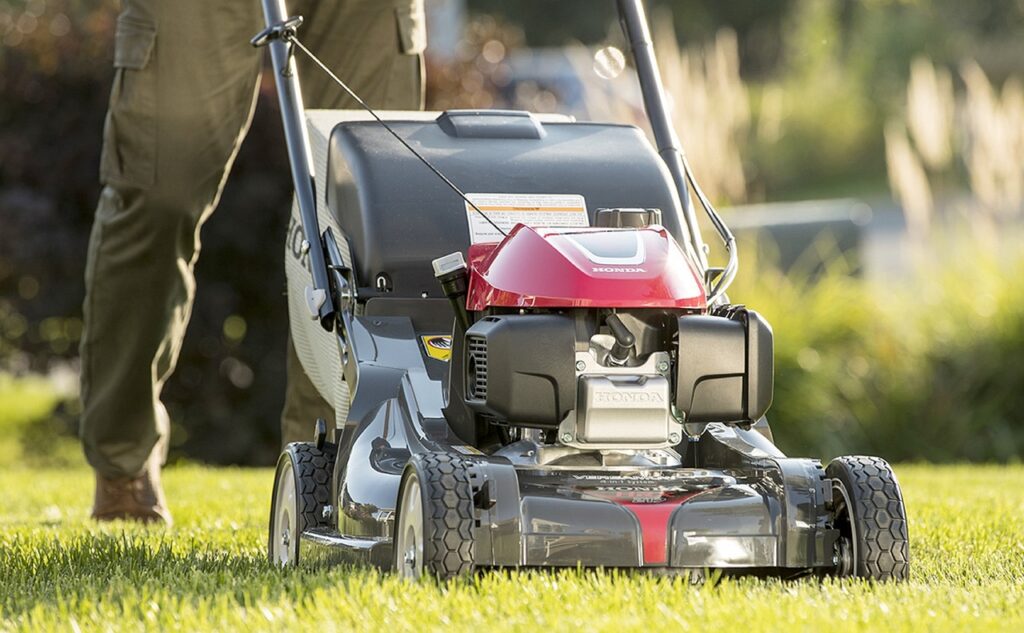
Follow the one-third rule: never remove more than one-third of the grass height in a single cutting. If your lawn has grown too long, gradually reduce it over several mowings rather than cutting severely all at once.
Vary your mowing pattern to prevent soil compaction and encourage upright grass growth. Mowing in the same direction repeatedly can create ruts and encourage weeds to establish in the areas where the grass is depressed.
A well-fed lawn is naturally more competitive against weeds. However, timing and type of fertiliser matter significantly. Spring feeding helps grass establish strongly before summer stress, while autumn feeding promotes root development and winter hardiness.
Choose slow-release fertilisers over quick-release types when possible. Slow-release formulations provide sustained nutrition without promoting excessive soft growth that’s susceptible to disease and weather stress.
Avoid over-fertilising, particularly with nitrogen-rich feeds, as this can promote rapid, soft growth that’s vulnerable to problems. Follow package directions and adjust feeding based on your grass’s performance and appearance.
Consider organic fertilisers for long-term soil health benefits. These products release nutrients gradually whilst supporting beneficial soil life that helps grass compete more effectively.
Proper watering practices support deep root development and grass resilience whilst discouraging shallow-rooted weeds. Water deeply but less frequently rather than light, frequent watering that promotes shallow root systems.
Early morning watering reduces evaporation losses and gives grass time to dry before evening, reducing disease pressure. Avoid watering during the hottest part of the day when much of the water evaporates before reaching the roots.
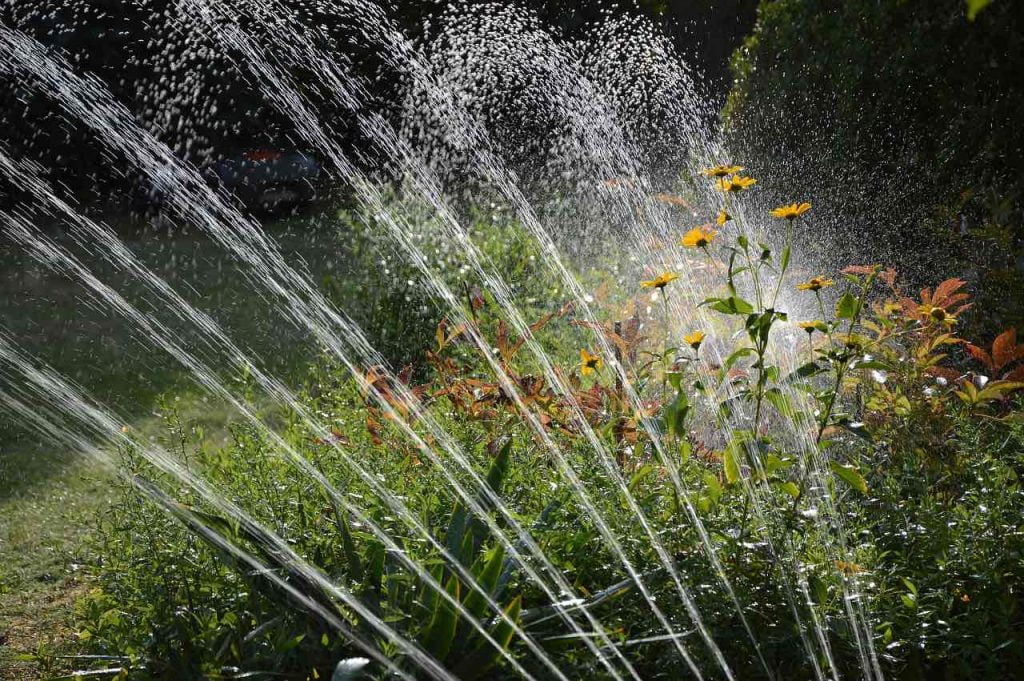
During dry periods, allow grass to go slightly dormant rather than maintaining artificial green through excessive watering. Established lawns are remarkably resilient and will recover when conditions improve.
Ensure good drainage to prevent waterlogged conditions that stress grass and favour certain weeds. If drainage is persistently poor, consider installing drainage systems or amending soil structure.
One of the most common questions I get asked is “When is the best time to deal with lawn weeds?” The answer changes through the year, and having a rough calendar in your head makes the whole job feel much more manageable. Weeds are opportunists that exploit the gaps left by grass that isn’t growing strongly, so aligning your control efforts with the seasons puts you at a real advantage.
Spring is the most critical window for lawn weed management. As soil temperatures rise above 7°C, both grass and weeds break dormancy, but weeds often get going faster than your turf. The priority in spring is to get ahead of the problem before weeds set seed. Hand weed any isolated dandelions and plantains as soon as you spot them, before they flower. If you have a broader infestation, late April to May is the ideal time for a selective weedkiller application, when weeds are actively growing and at their most susceptible. Follow any chemical treatment immediately with a spring lawn feed to encourage thick grass to fill the gaps.
💡 Top Tip
Deal with dandelions before they set those white fluffy seed heads. A single dandelion can produce up to 200 seeds per flower head, each capable of travelling hundreds of metres on the wind. One missed dandelion in April can mean dozens of new plants by June.
Summer is less about large-scale treatment and more about staying on top of what’s appearing. Avoid applying selective weedkillers during hot, dry spells as this risks scorching your grass. Instead, hand weed problem areas as they appear and focus on maintaining good mowing height and watering practices. If clover is spreading, a targeted nitrogen feed will give your grass a competitive boost. Summer is also the time to overseed any bare patches left by earlier weed removal, as warm soil temperatures help seed establish quickly. Fill holes promptly, because bare soil is an open invitation to windblown weed seed.
Autumn is my favourite season for lawn renovation, and it’s also a productive time for tackling weeds. Cooler, wetter conditions slow weed growth whilst your grass is still actively recovering. September is a good window for a second selective herbicide treatment if spring didn’t fully resolve the problem. More importantly, autumn is the time to address the underlying reasons weeds are winning. Scarify to remove thatch, aerate compacted soil, overseed bare patches, and apply an autumn lawn feed. A lawn that goes into winter thick and healthy is far less vulnerable to weed invasion the following spring.
Winter is not the time for weed treatment, as grass is dormant and any chemical applications are largely wasted. That said, a few persistent weeds, such as annual meadow grass, chickweed, and hairy bittercress, will continue growing through mild spells and are worth hand weeding whenever you spot them. Use the quieter months to assess your lawn honestly, order good quality grass seed and feed for the season ahead, and sharpen or replace your weeding tools so you’re ready to act the moment spring arrives.
Different weeds require tailored approaches for effective control. Understanding the specific challenges posed by common problem weeds helps you choose the most appropriate strategy.
Dandelions present unique challenges due to their deep taproots and ability to regenerate from root fragments. Hand removal can be effective but requires getting the entire root system. Use a dandelion weeder or the hori hori knife to dig at least 15 centimetres deep, loosening the soil around the root before pulling. Alternatively, the long-handled weed remover is excellent for larger lawns where kneeling isn’t practical.
For established dandelion populations, selective herbicides often provide the most practical solution. Apply when plants are actively growing but before they flower and set seed. Multiple treatments may be necessary for complete control.
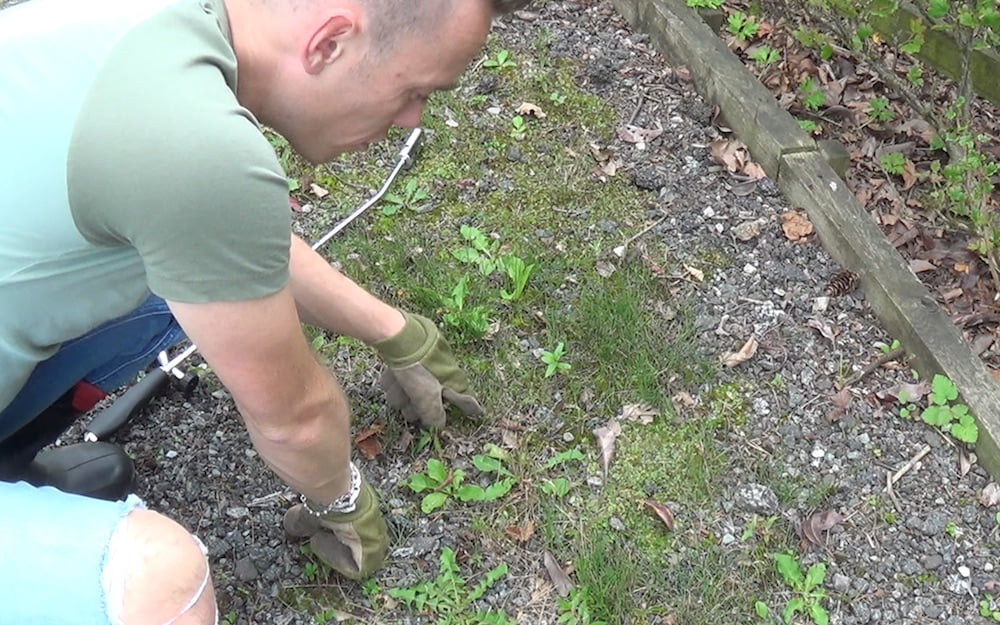
Prevent dandelion establishment by maintaining thick grass cover and promptly overseeding bare areas. Dandelions struggle to establish in dense turf but readily colonise thin or bare patches.
White clover indicates nitrogen-poor soil, so improving soil fertility often helps grass compete more effectively. Regular feeding with nitrogen-rich fertiliser reduces clover’s competitive advantage.
Hand removal of clover is possible but labour-intensive due to its spreading growth habit. Remove as much of the runner system as possible and overseed treated areas immediately.
For chemical control, apply selective herbicides during clover’s active growth period. Clover can be somewhat resistant to some herbicides, so products specifically labelled for clover control may be necessary.
Some gardeners choose to embrace clover as a low-maintenance, drought-tolerant lawn alternative. If this appeals to you, consider gradually converting problem areas to clover rather than fighting its presence.
Plantains indicate soil compaction, so addressing this underlying issue is crucial for long-term control. Core aeration followed by overseeding helps create conditions that favour grass over plantains.
Hand removal works well for small numbers of plantains. The fibrous root system comes up relatively easily when the soil is moist, though you may need to dig around larger plants.
Selective herbicides provide good control of plantains, particularly when applied during active growth periods. Follow up chemical treatment with overseeding to prevent reestablishment.
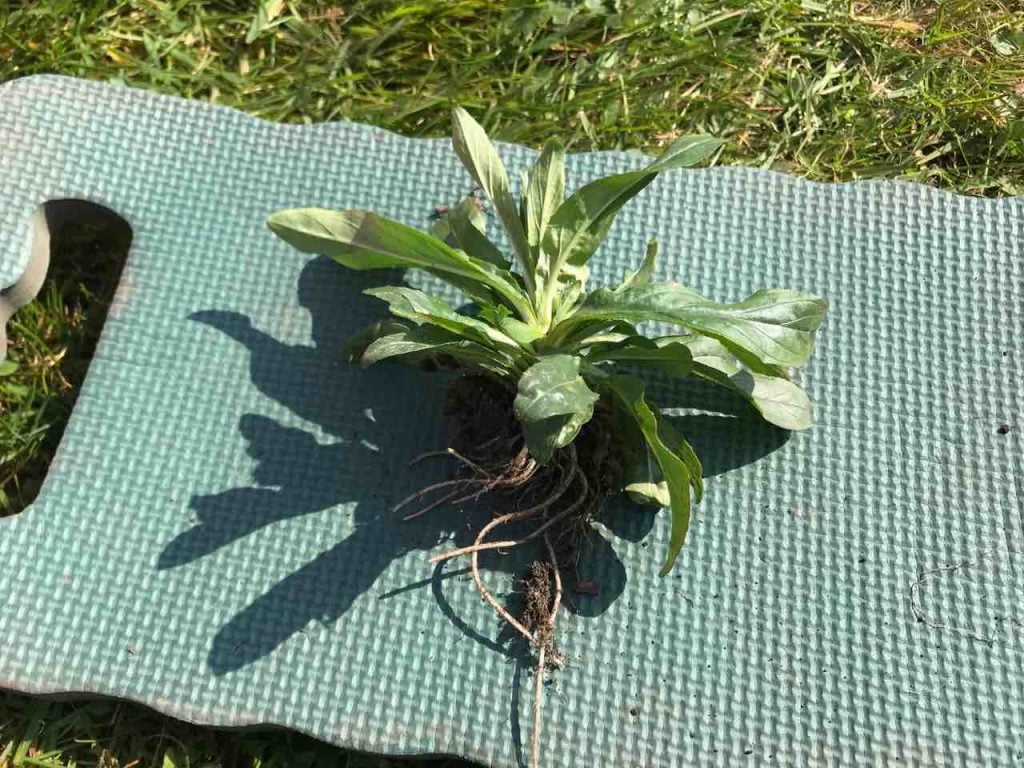
Creeping buttercup is one of the most challenging lawn weeds due to its fibrous root system and spreading habit. Hand removal requires getting as much of the root system as possible, which can be labour-intensive.
Improving drainage often helps control buttercups, as they prefer slightly moist conditions. If drainage is poor, consider installing drainage systems or amending soil structure.
Selective herbicides specifically labelled for buttercup control are often the most practical solution for established infestations. Multiple treatments may be necessary due to this weed’s persistence.
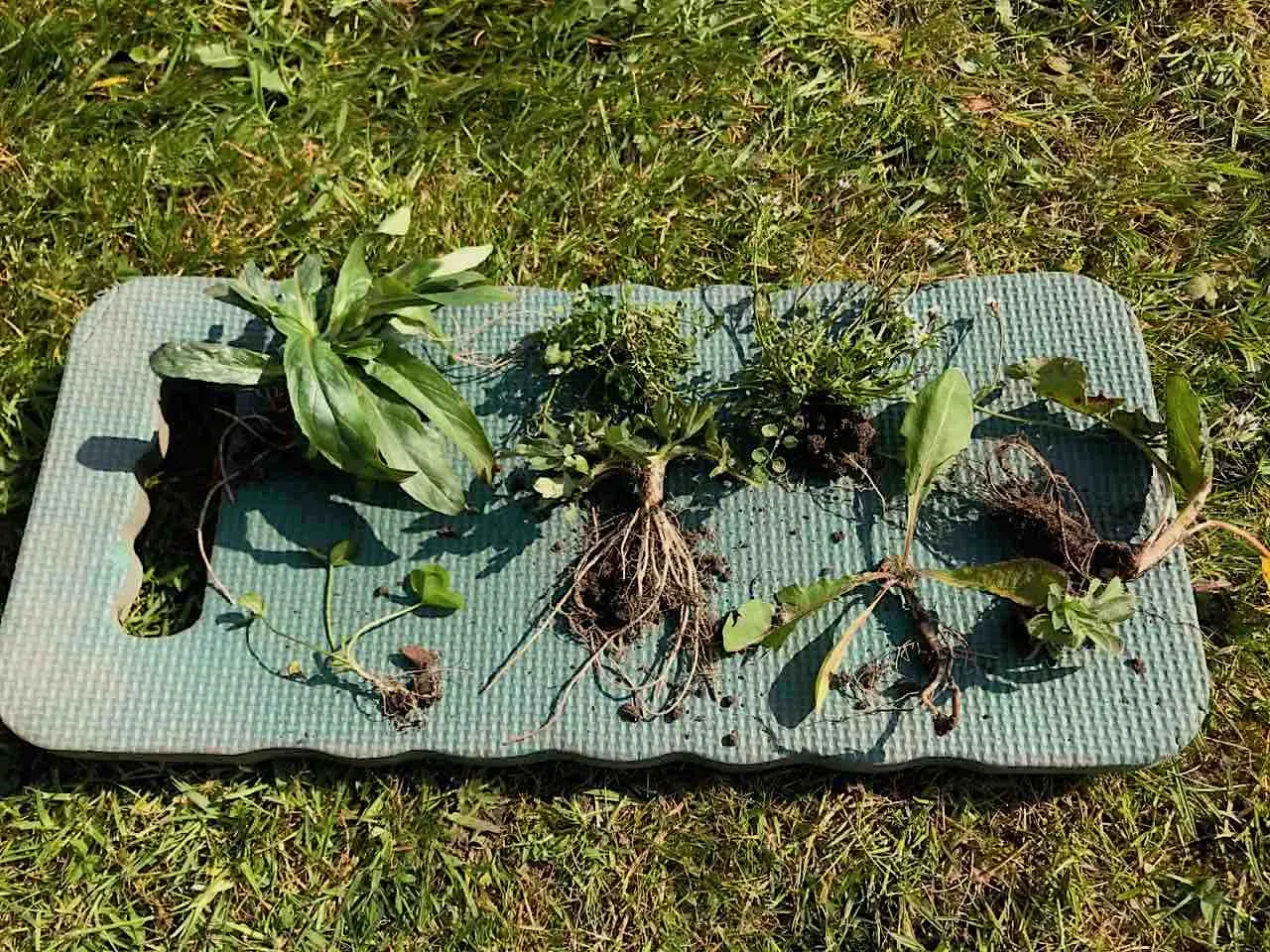
Successfully removing weeds is only half the battle, and maintaining a weed-free lawn requires ongoing attention and good practices.
Inspect your lawn regularly for new weed emergence, particularly during spring and autumn when many weeds germinate. Early intervention is far more effective and requires less effort than dealing with established infestations.
Keep a lawn diary noting when and where weeds appear, which treatments you use, and their effectiveness. This information helps you anticipate problems and refine your control strategies over time.
Take photographs of problem areas before and after treatment to track your progress and identify patterns in weed occurrence.
Develop a seasonal routine to proactively address lawn health. Spring tasks include overseeding thin areas, beginning regular feeding programmes, and tackling any isolated weeds before they set seed. Summer calls for proper watering, maintaining appropriate mowing height, and spot-treating emerging weed problems, and avoiding major chemical treatments during extreme heat or drought. Autumn is ideal for major lawn renovation: core aeration, overseeding, applying autumn fertiliser, and getting conditions right for strong grass going into winter. Winter requires minimal active maintenance, but use the time to plan improvements and order supplies for the season ahead.
Consider your lawn a long-term garden investment that requires consistent care and occasional renovation. Gradually improve problem areas rather than expecting immediate perfection. Document what works best in your specific conditions, note how local soil, climate, and usage patterns affect your lawn, and track the most effective approaches for future reference. Stay curious about new developments in lawn care, and be realistic about your expectations. A good lawn that you enjoy needs far less intensive management than the manicured turf of a show garden, and that’s absolutely fine.
Want to take your lawn from “good enough” to “garden centre showcase”? Creating a pristine lawn isn’t just about the grass. It’s about understanding how your lawn fits into your overall garden design. That’s where my online courses come in handy!
My Garden Design for Beginners course (just £199) gives you the complete toolkit to create stunning outdoor spaces. You’ll learn how to plan the perfect lawn size and placement, select complementary plants for borders, and design a garden that suits your lifestyle, not against it. A beautifully maintained lawn in a poorly designed garden is like wearing a tuxedo with flip-flops. My courses teach you to see the bigger picture, ensuring your pristine lawn becomes the centrepiece of a cohesive, stunning garden design.
For the garden you’ve already got, not the one you’re starting from scratch. Seven checklists and video lessons from BBC Garden Rescue’s Lee Burkhill, designed to help you decide what’s worth keeping before you spend a penny.
Garden Design Examples for Small Gardens: 30 Design Templates & Planting Plans: In this online gardening course, I’ll walk you through 30 fantastic garden designs, explaining the logic behind the layout and plant choices, plus take-home tips for applying them in your own garden.
Learn how to transform and design your garden with Lee Burkhill’s crash course in garden design. In over 5 hours, Lee will teach you how to design your dream garden. Featuring practical design examples, planting ideas and video guides. Learn how to design your garden in one weekend!
Garden Design for Beginners Online Course: Want to become a garden designer or design your own garden? This beginner course is for you. Join me, Lee Burkhill, an award-winning garden designer, as I train you in the art of beautiful garden design. Enjoy 20 hours of online study and video lessons, along with quizzes and a completion certificate.
Ready to become the garden designer your neighbourhood never knew it needed? Check out my full range of courses and start creating outdoor spaces that’ll have your neighbours asking for advice!
The most reliable method is a combination of hand weeding with a proper root-removal tool (such as a hori hori knife or long-handled weed remover) and a selective lawn weedkiller applied in late spring when weeds are actively growing. Selective herbicides are specifically formulated to kill broadleaf weeds while leaving grass completely unharmed. Always follow up any weed removal by overseeding bare patches to prevent new weeds from establishing.
Late spring (April to May) is the prime window, when weeds are growing vigorously and most susceptible to treatment. A secondary treatment in September is possible for persistent problems. Avoid applying weedkillers during drought, extreme heat, or when grass is stressed, as this risks damaging your turf rather than just the weeds.
Some persistent weeds, such as dandelions and creeping buttercup, can return, particularly if the entire root was not removed or if seeds blow in from neighbouring gardens. The most effective long-term prevention is a thick, healthy lawn. Dense grass coverage is far harder for weeds to establish in than thin or patchy turf. Consistent feeding, overseeding bare patches, and appropriate mowing height are more effective in the long run than repeated chemical treatments alone.
For small numbers of isolated weeds, hand weeding with the right tool is preferable. It is immediate and targeted, with no environmental impact. For widespread infestations across a large area, a selective weedkiller is more practical. I personally lean towards hand weeding wherever possible, given the risks weedkillers pose to beneficial wildlife, including bees and ground beetles, but I recognise there are situations where a selective product is the most sensible solution.
Recurring weed problems almost always point to an underlying issue with lawn health rather than a failure of the treatment itself. Compacted soil, low fertility, improper mowing height, or thin grass cover all create conditions in which weeds thrive. Address these root causes: aerate compacted soil, feed regularly, overseed bare patches, and raise your mowing height. Your grass will naturally outcompete most weed species over time.
Household white vinegar will kill the above-ground parts of weeds but rarely destroys the root system, meaning most will regrow within a few weeks. It also acts as a non-selective treatment, meaning it will kill or damage grass as well as weeds, making it unsuitable for use across a lawn. I’d recommend using a proper weeding tool or a selective herbicide for lawn weeds, rather than vinegar.
No. Selective lawn weedkillers only work on broadleaf weeds and have no effect on weed grasses such as couch grass, since they are grass themselves and share the same basic structure as your turf. Couch grass needs to be dug out by hand, weakened through repeated scarifying over a season or two, or the area treated with a non selective weedkiller and reseeded from scratch.
Getting on top of weeds is just one part of keeping a healthy, attractive lawn. Here are some of my most popular lawn care guides to help you take things further.
🌿 Related Lawn Care Guides
Managing weeds in your lawn doesn’t have to mean waging chemical warfare against nature. The most effective and sustainable approach combines understanding why weeds appear, addressing underlying soil and grass health issues, and using targeted interventions when necessary.
Remember that some level of plant diversity in lawns can actually be beneficial, supporting pollinators and soil health whilst reducing maintenance requirements. You might find that learning to appreciate some weeds changes your perspective on what constitutes a perfect lawn.
The key to long-term success lies in creating conditions in which your grass naturally outcompetes weeds rather than constantly fighting unwanted plants. This approach requires patience and consistency but delivers lasting results whilst supporting broader environmental health. Whether you choose organic methods, selective herbicides, or a combination of approaches, focus on building and maintaining healthy soil and vigorous grass growth. A thick, healthy lawn is your best defence against weed invasion and your pathway to the beautiful outdoor space you’re working to create.
Happy Gardening Ninjas!



Lee Burkhill, known as the Garden Ninja, is an award-winning garden designer and horticulturist with over 30 years of gardening experience and 15 years as a professional garden designer. A qualified RHS (Royal Horticultural Society) professional, Lee specialises in sustainable garden design and practical horticultural advice. He designs and presents on BBC1’s Garden Rescue and in leading gardening publications. Lee combines three decades of hands-on gardening knowledge with professional design qualifications to help gardeners create beautiful, functional outdoor spaces.
View all posts by Lee Burkhill









JOIN THE NINJAS
Be the first in line for new Guides, Discount codes and Offers