Plants for Shade: 37 Shade Loving Plants for difficult borders
Lee Burkhill: Award Winning Designer & BBC 1's Garden Rescue Presenters Official Blog
Beginner level
Looking to brighten up those shady spots in your garden? Don’t let low light hold you back! Shade-loving plants are perfect for adding lush foliage, vibrant colors, and unique textures to even the darkest corners. Whether you have full shade or dappled light, discover the best plants that thrive in the shadows and transform any shaded area into a beautiful, thriving oasis. Explore my top picks for plants that bring life, colour, and easy maintenance to every shady space in your garden!
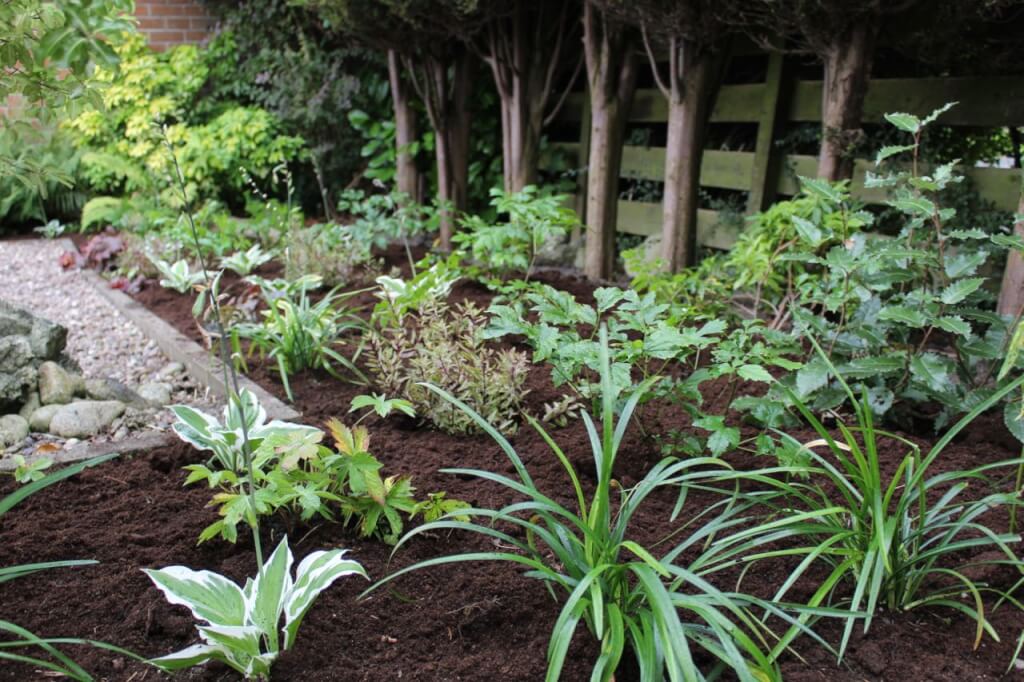
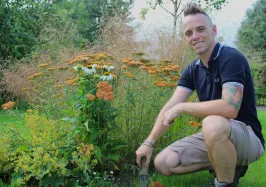
If you’re like me and have a nightmare garden border that’s both shady and awkward, then this guide for shade-loving plants is for you. Part of my garden here at Garden Ninaj HQ is a mix of deep, dappled, and dry shade. This flower bed also has competition from a hedge and mature trees. It’s enough to make you give it up and bark mulch the lot!
However, did you know there is a huge collection of plants that will survive not only in deep shade but also in dry soil or super boggy ground? Don’t let a shady garden prevent you from creating an amazing garden design. You simply need the right plants. With my Plants for Shade Ultimate Beginners guide, I’ll walk you through the different plants that will survive with tricky light levels and help bring your garden to life!
This page contains affiliate links for products I use and love. If you take action (i.e. subscribe, make a purchase) after clicking a link, I may earn some gardening commission, which helps me keep the Garden Ninja Blog free for all.
How do plants survive in the shade?
Plants need light for photosynthesis, the process by which they convert sunlight into energy, allowing them to grow, flower, and produce seeds. This process occurs in the chloroplasts of plant cells (usually with green colouration, though some plants have purple or red leaves, where sunlight is captured and used to transform CO₂ and H₂O into glucose.
This provides energy for the plant, with oxygen released as a byproduct. Light is crucial for generating glucose, which fuels all plant functions and development.
Shade-loving plants have evolved unique adaptations to survive and thrive in low-light environments. They typically have larger, thinner leaves to capture more available light, higher chlorophyll concentrations to absorb light efficiently, and often slower growth rates to conserve energy.
These adaptations allow them to maximise limited sunlight, making them well-suited for shaded forest floors or other low-light areas. Nature is an expert at adapting!
Shade-loving plants have evolved a variety of adaptations to thrive in low-light environments. Let me explain a few of the evolutionary traits that shade-loving plants share, allowing them to cope with low-light conditions and still thrive.
i) Larger and Thinner Leaves
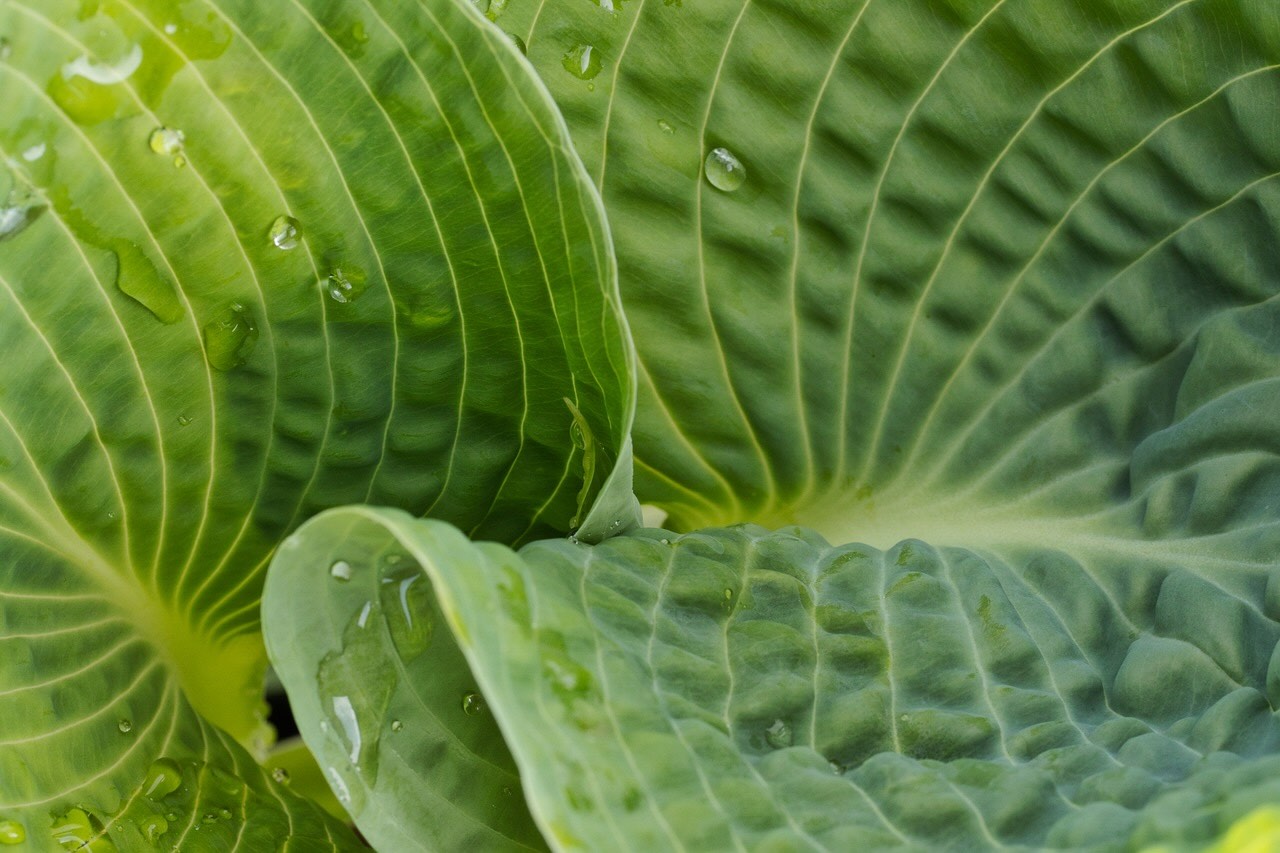
Many shade plants have larger, thinner leaves to maximise light capture. The increased surface area allows them to absorb more light, even when scarce. They also have more surface area for photosynthesis. A good example is the Hasta with its huge ribbed leaves.
ii) Efficient Photosynthesis
Shade plants often have a high concentration of chlorophyll, especially chlorophyll b. This pigment absorbs light at wavelengths less available in shaded areas, optimising its photosynthetic efficiency.
iii) Slow Growth Rate
Shade plants generally grow more slowly to conserve energy in low-light conditions. This reduced growth demand helps them survive with less energy from sunlight. Hellebores, for example, are incredibly slow-glowing shade-loving plants.
iv) Phototropism
Many shade-loving plants are highly responsive to light direction, allowing them to adjust their growth toward available sunlight, such as leaning toward light gaps in forest canopies.
These traits collectively help shade-loving plants maximise light absorption and conserve resources, enabling them to thrive in dimmer, competitive understory environments.
vi) Slower Growth Habits
Some shade-loving plants don’t necessarily grow as quickly as full-sun plants, as they have less access to sunlight, which helps them photosynthesise. They have evolved to adapt their development to sunlight and the nutrients available to them, which can sometimes make them grow more slowly.
Top 10 Plants for Deep Shade
Sometimes you need plants that tolerate poor soil and deep shade. Most guides online and in books avoid this type of shade as it’s the most challenging condition to grow in. I am starting with deep shade to help tackle the most demanding conditions.
Shade plants are those that grow with lower light levels. North-facing gardens are often known for their shade-tolerant planting, as they don’t get as much sun as the coveted south-facing aspects.
Here are my recommendations for real Terminator shade-loving plants!
1. Thalictrum ‘Black Stockings’
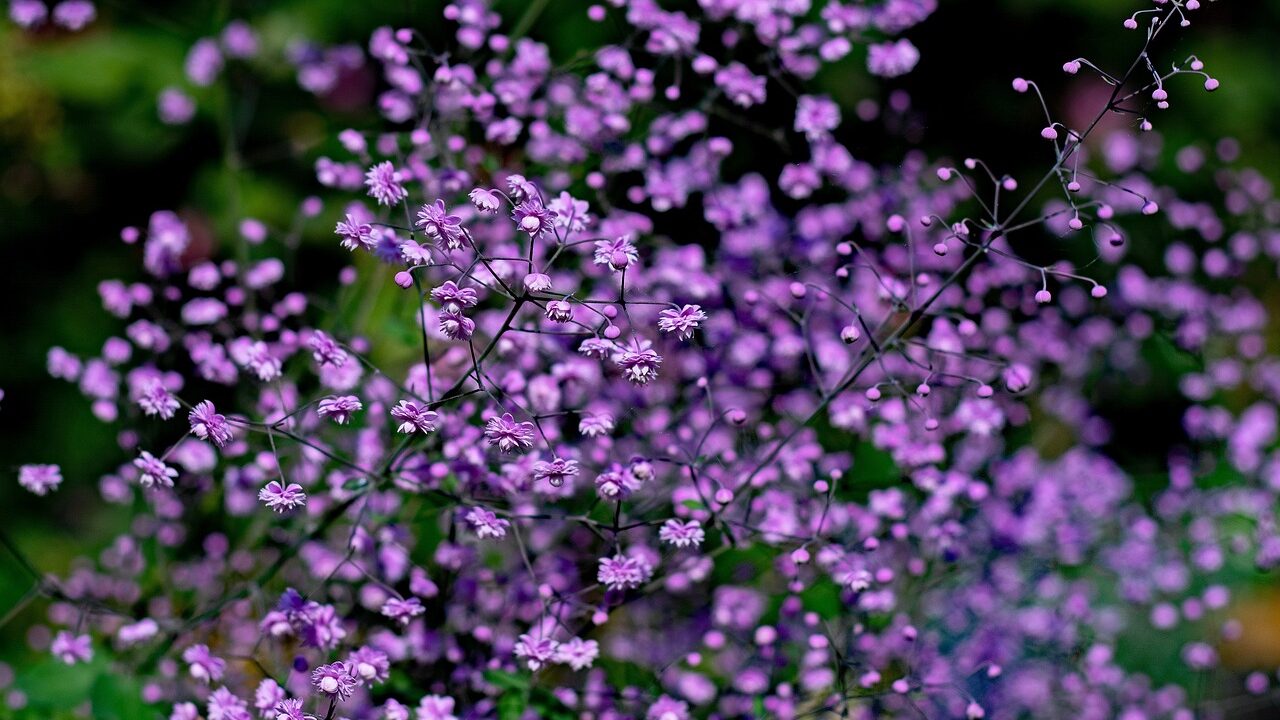
My first unusual plant for shade is Thalictrum ‘Black Stockings’. Hold on a second. Isn’t Thalictrum a plant that needs damp conditions?! Well, apparently not! I’ve been growing Thalictrum in the driest part of my shadiest border, and it’s been putting on an amazing show for two years now. Apart from needing to be staked sometimes, it has been a real winner.
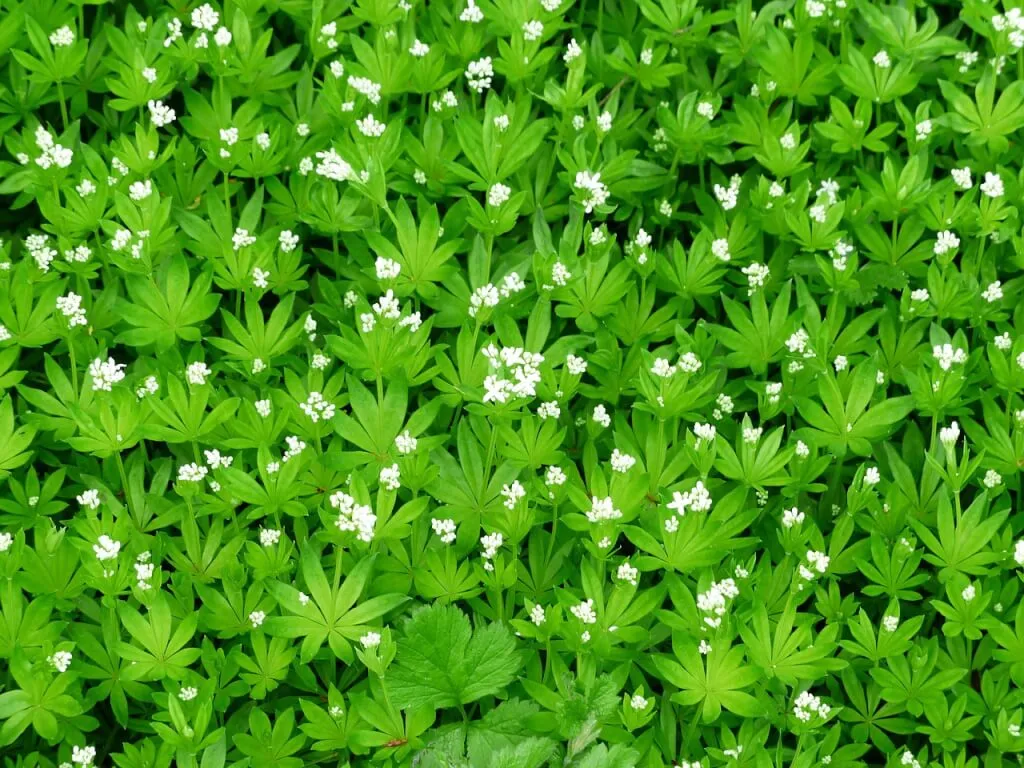
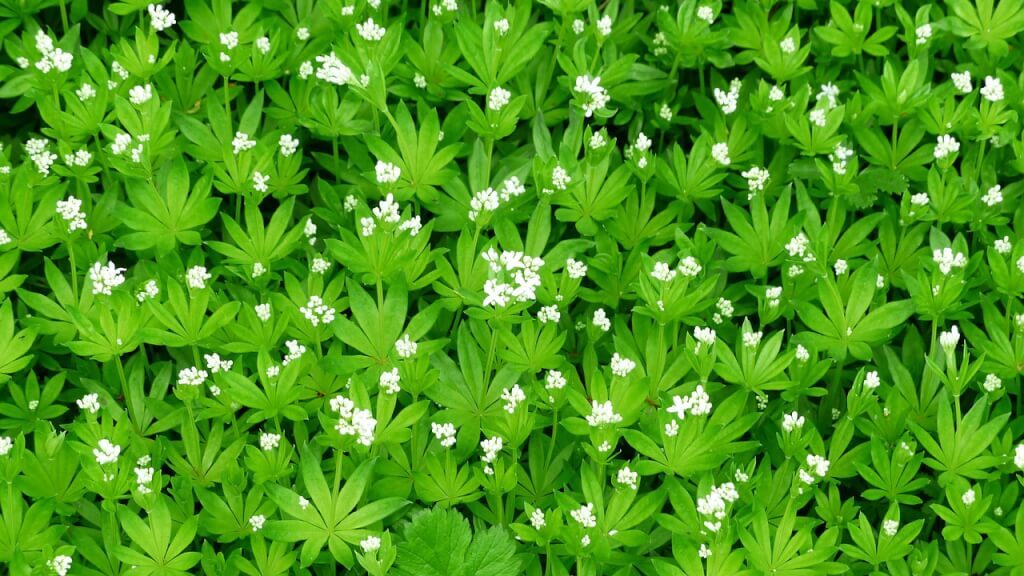
Nature’s version of Febreeze, Sweet Woodruff was used for centuries as a herb and an air freshener! Woodruff is an excellent creeping plant that will provide you with a carpet of green foliage and white flowers. It can be invasive. However, before you all go pulling your face at poor Woodruff hear me out. If you’re looking for a carpet of green with dainty flowers in an otherwise dead zone border then I’d argue to give it a go.
It is windproof and happy to be neglected. What’s the worst? You can always use a spade to keep it in control or plant it towards the edge of a border with a natural barrier.
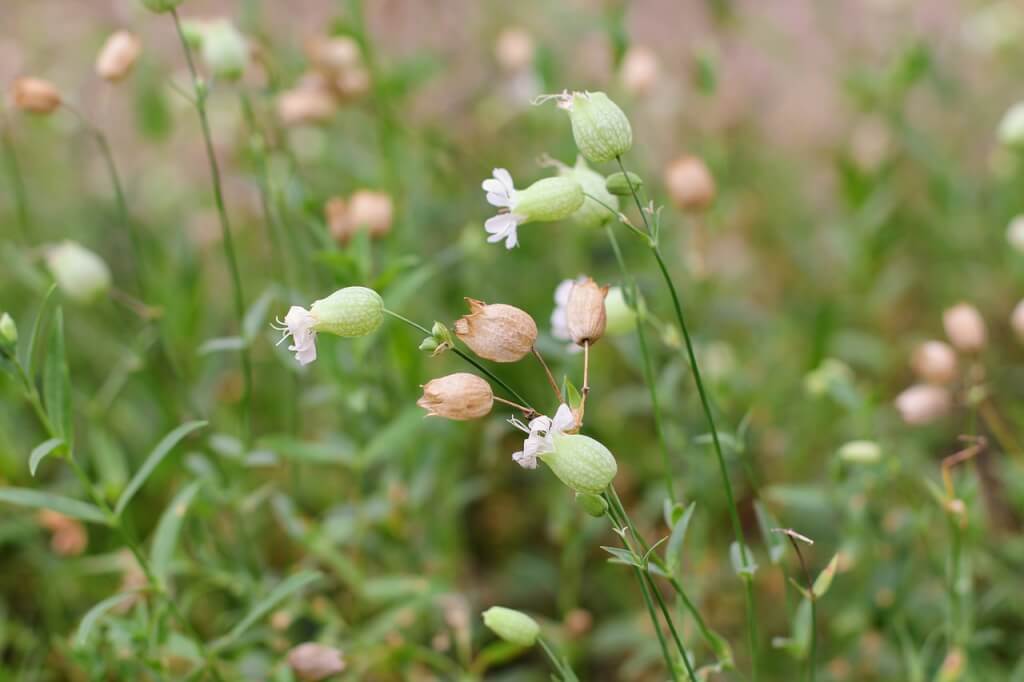
Also known by the glamorous title ‘Bladderwort’, this dry shade queen will happily grow up to 70cm. It loves to be divided, a bit like British politics. Once established, Silene fimbriata will survive the drought and reward you with fimbriated (which means sporting a fierce fringe) white flowers. It’s excellent for some height and to fill awkward spots. If it gets too vigorous, divide and conquer!
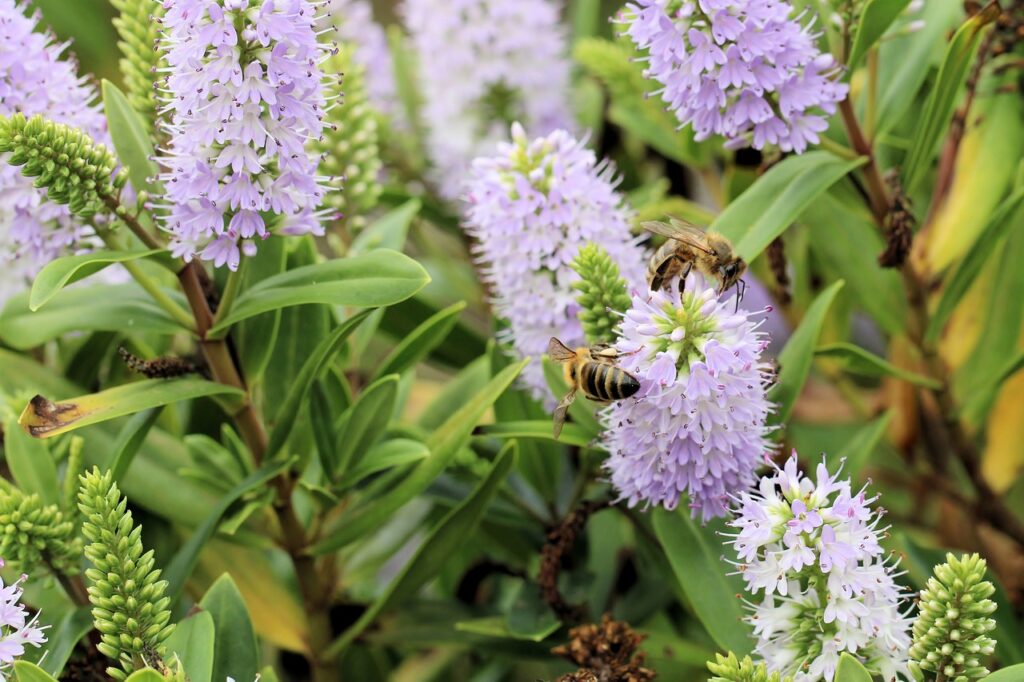
Hebes are my unsung heroes of garden design. Not only are they super hardy, but the majority of them are hardy evergreens. Which gives you great structure during the winter months. Purple Pixie is a super cute cultivar with dark greeny-purple leaves (yes, that colour does weirdly exist) and purple spikes of small flowers. It takes a little bit of care and attention to establish in a dry area. So, use lots of compost to backfill, mulch and water frequently, but once settled, she will be just fine with the odd dry spell.
Look at this cute Hebe specimen above; she will soon grow to fill up to 50cm.
5. Pulmonaria officinalis – Lungwort or Mary’s Tears
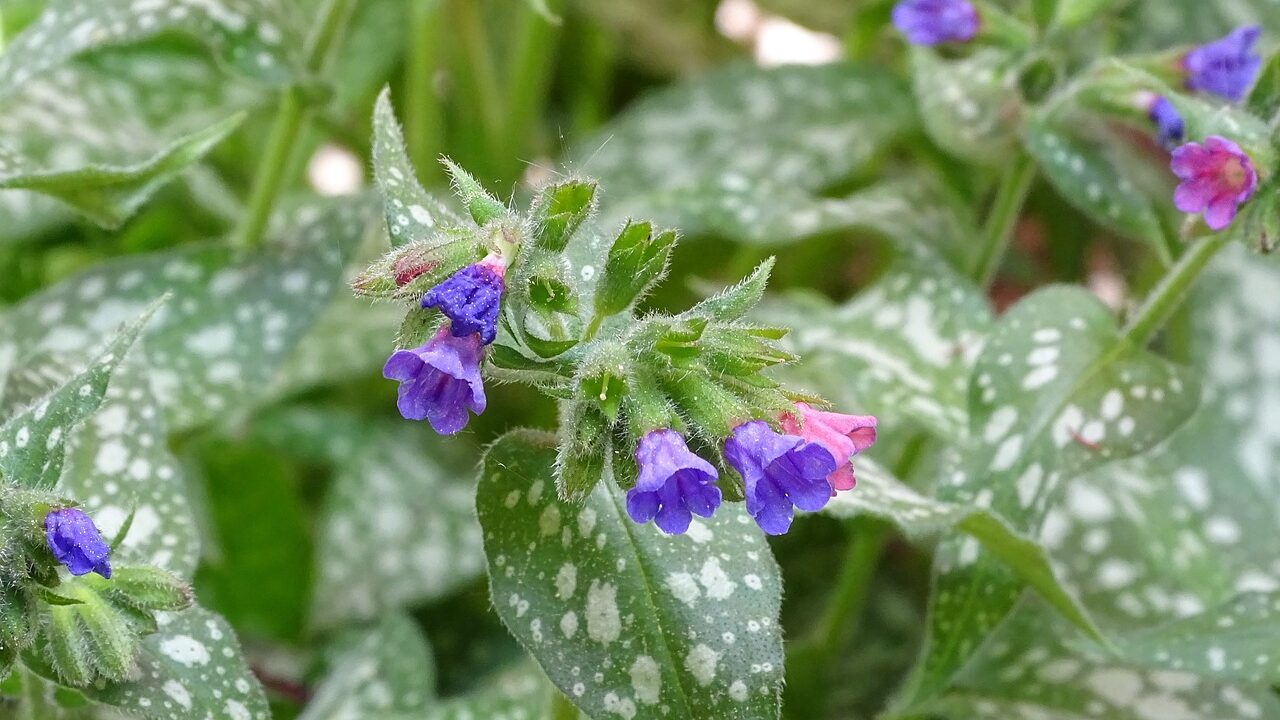
Pulmonia is the good-time girl of awkward shade and some dry spells. Once she gets going, she will happily spread herself about the border with her polka-dot leaves. Pulmonaria is super promiscuous, and you will even find two different-coloured flowers on the same plant. It is easy to divide with a spade in spring and mega low-fuss. Water well until the Pulmonaria is established i.e. puts on new growth and starts to spread.
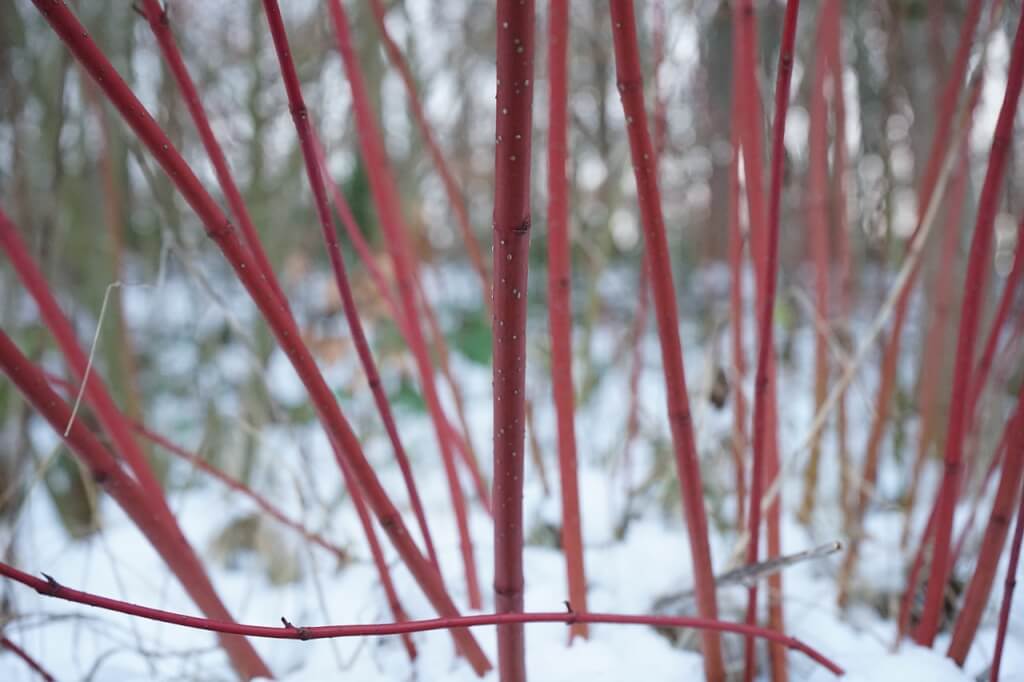
Not all shade-loving plants need to be low-growing foliage sisters. This Cornus or Dogwood will get you the height your sad, shady border may need. It has variegated leaves against dark red crimson stems, and in the winter, when it drops its leaves, you get vivid red stems for a bright display of heat.
Once they reach your preferred size, you can lift and split them easily or prune out unwanted growth. Not many people consider Cornus elegantissima a plant for shade, but trust me, you’ll be glad to break the trend!
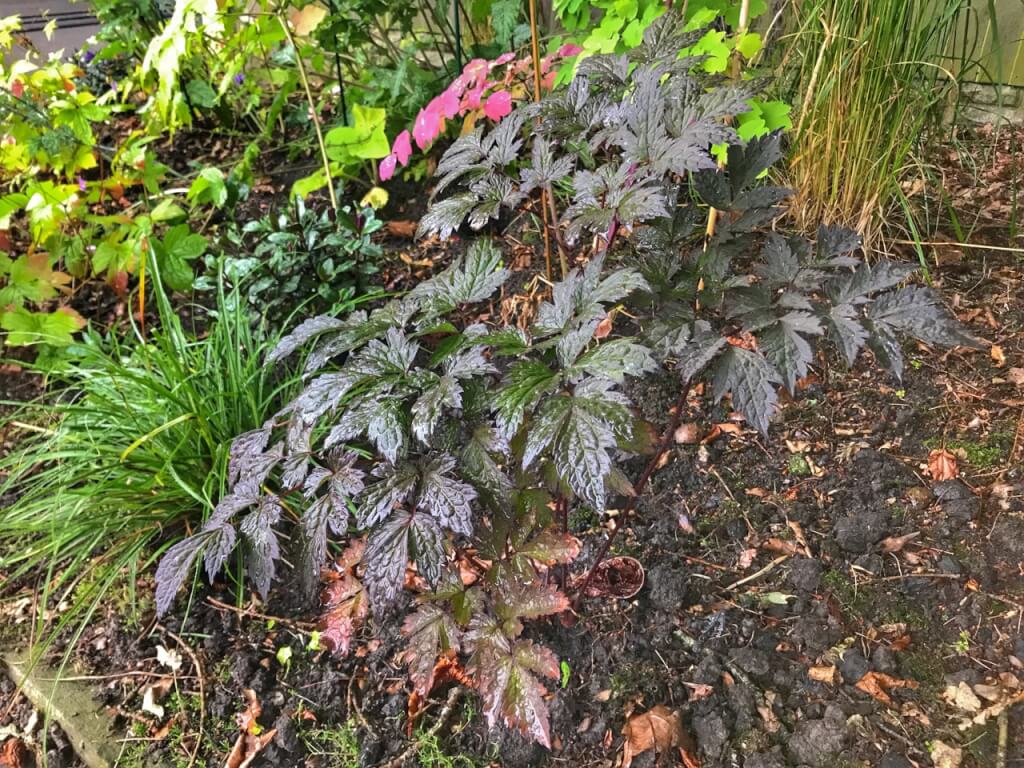
Actea has recently had a name change from its original Cimicifuga (which I quite liked as it sounded like a fun cocktail spirit). It’s often seen at Chelsea as a good foliage plant, but the real win with this plant is the Autumn flowering window. When everything else is going underground for a rest, Actaea is ready to send up massive spires of white flowers! It needs some moisture, or it will wilt, but it’s a great shade lover. Use the darkness against lighter plants like the Silene.
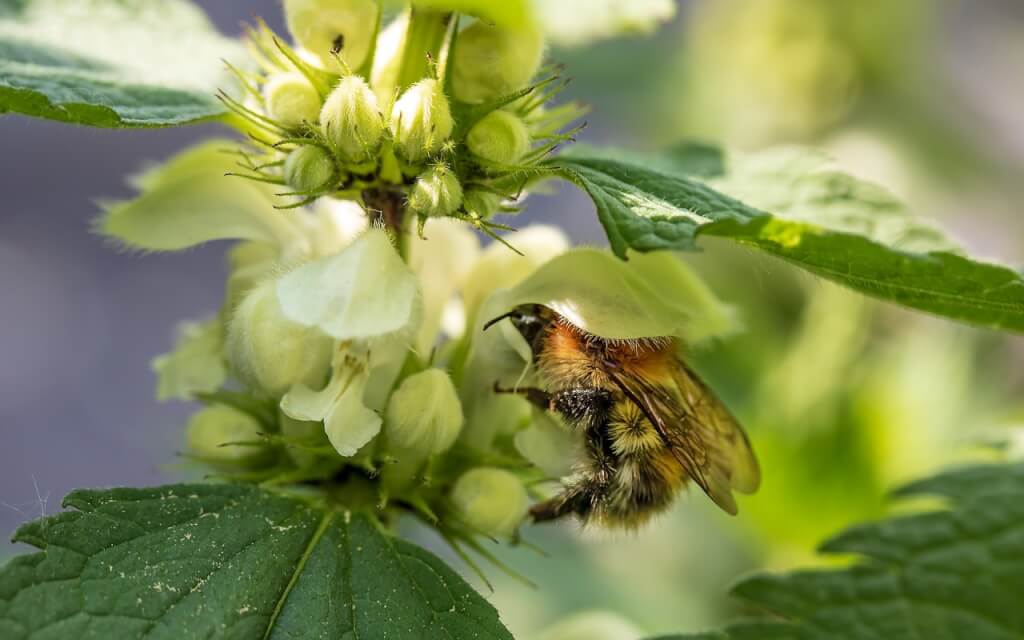
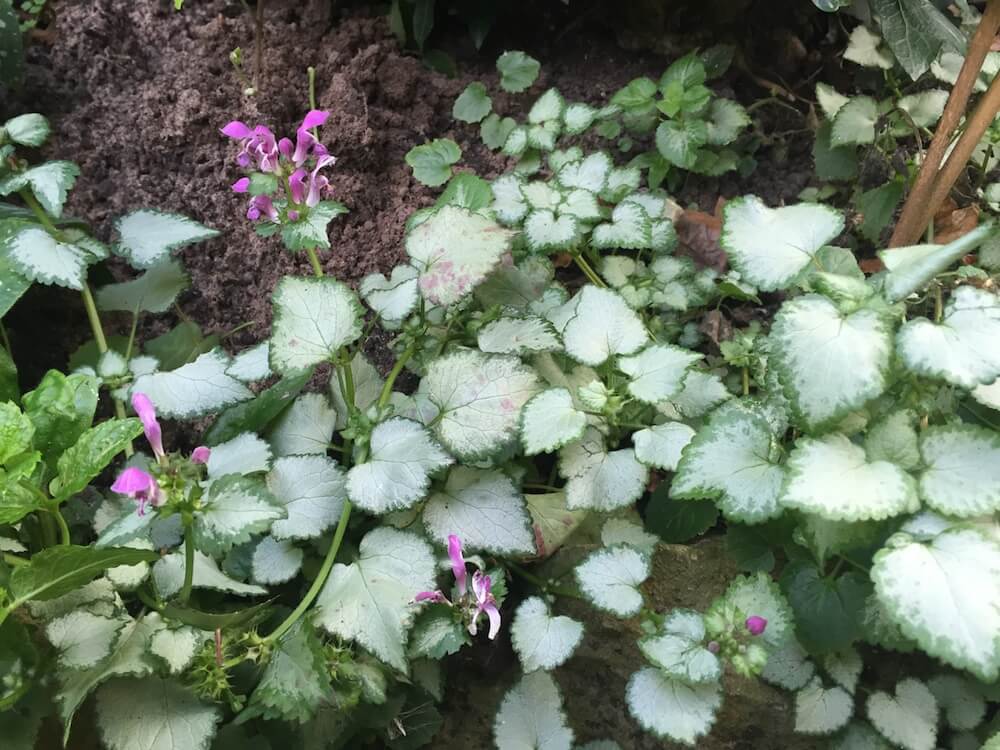
In my opinion, Lamiums are gorgeous and underrated. Lamium is a wildflower in origin and is also commonly known as non-stinging nettles. The bright yellow hoods of the flowers are great pollinators for insects. They will tolerate shade but do need damp conditions. I find this specimen a good rival to replace Ferns if you’re looking for something a bit different. If it gets tatty, simply hack and slash back to a neater stem. It will happily survive brutal pruning.
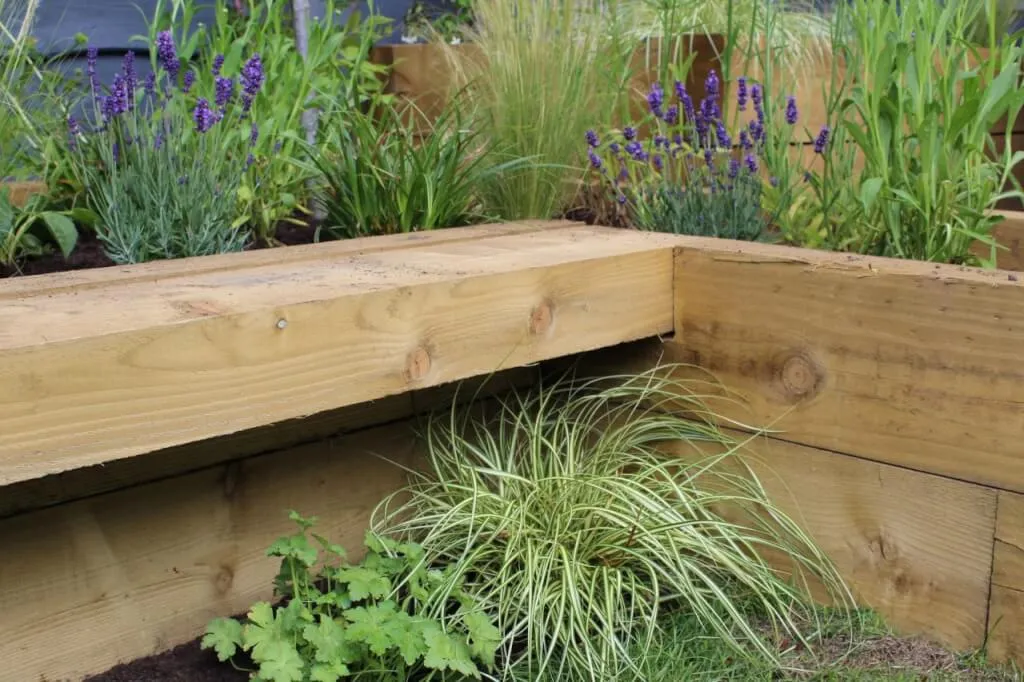
So, it wouldn’t be a definitive list without a grass specimen or a sedge that most people mistake for grass. It’s a confusing taxonomic world, isn’t it with plants? Anyway, here is our member of the Sedge family, the Carex (the handwash has a lot to answer for). Evergold has beautiful variegation on the leaf, and providing it’s not in complete shade, it will work with both a mild drought and some dappled shade. Given its form, it makes for an excellent front-of-the-border plant. So why not give it a go?
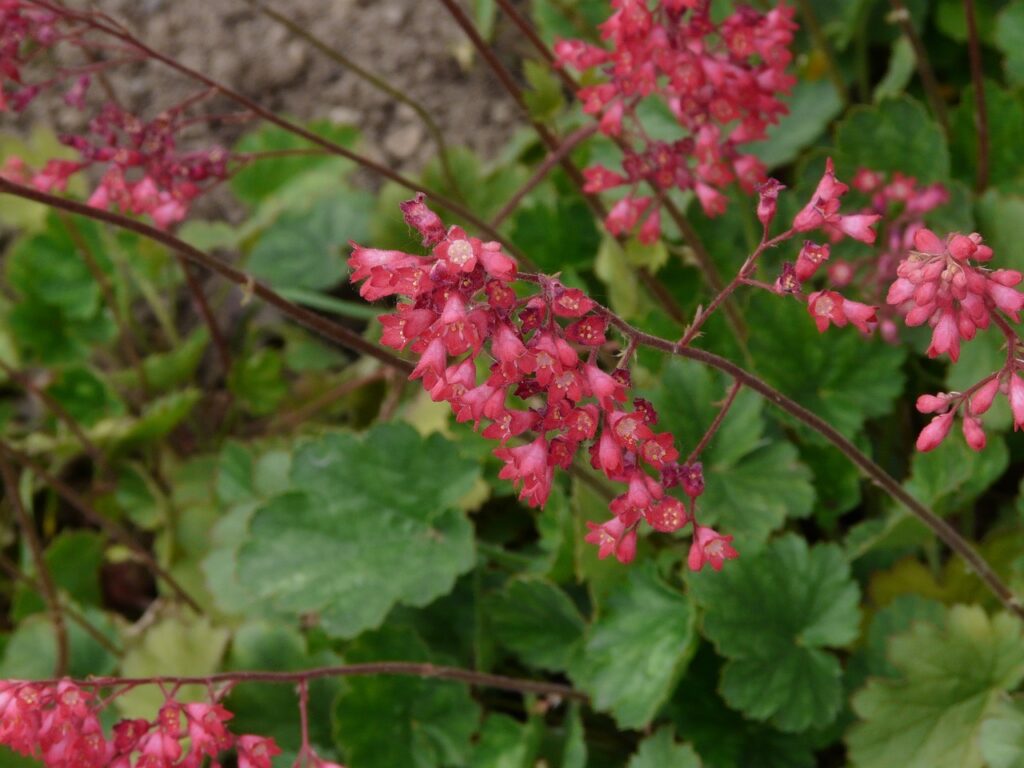
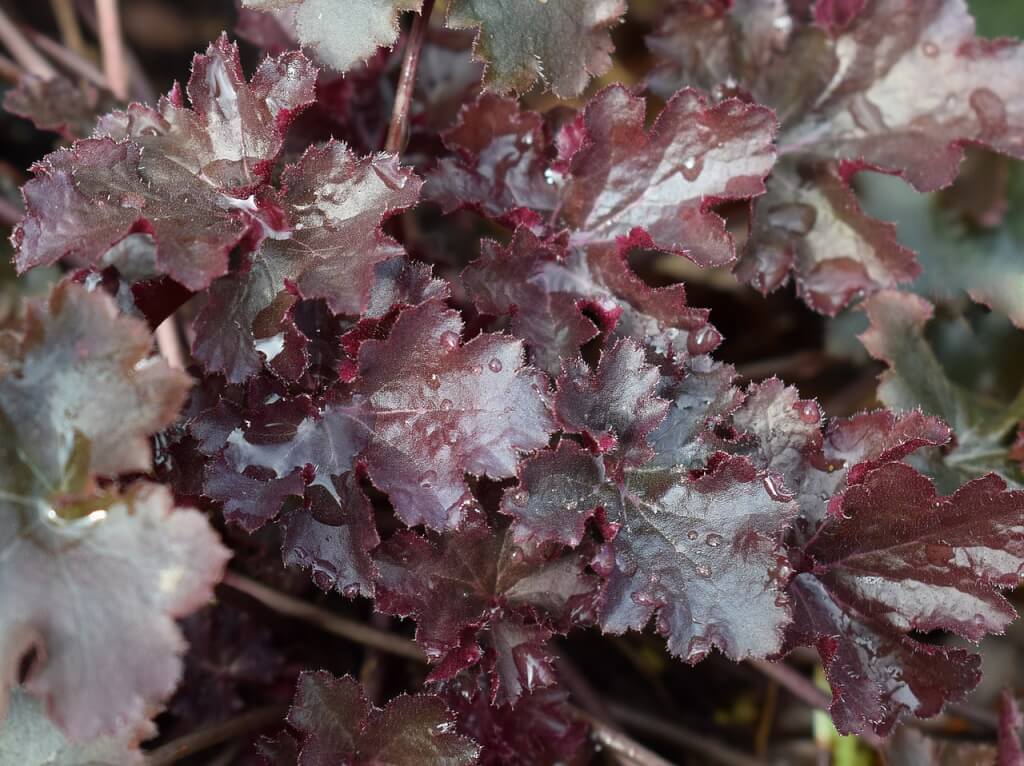
Heucheras go in and out of fashion more quickly than hashtags. I love a nice selection of Heucheras with their maple-shaped leaves and mini spires of flowers. They come in thousands of varieties with some really fun names like ‘Marmalade’, ‘Plum Pudding’ and ‘Electra’. They are semi-evergreen and will provide a blast of colour in shade.
Why are some plants purple?
Purple plants also contain more Anthocyanin than Chlorophyll (which makes the human eye see plants as green). It is a great shade plant, and other Chlorophyll-rich plants may not use green light. Basically, they can use up wasted parts of the colour spectrum.
A top tip is that the darker foliage Heucheras may respond better to shaded borders than their green or yellow counterparts. This is because the purple of their leaf can absorb more green light than green counterparts and less red or blue light. Greener plants absorb the blue and red light more easily and tend not to absorb as much, if any, of the green light.
It also acts as a sunscreen for plants, as purple plants contain less chlorophyll than green-coloured plants. So they require less direct light as well. In forest floors and the tropics, you will often find the underside of the leaves of some plants, which also have a purple hue to capture this green light that bounces off other plants to make the most of the restricted light levels. Waste not, want not. Science lesson over!
When researching shade-loving plants, most guides only focus on plants that like damp shade. Most of these plants are suited to damp garden conditions due to the shade, but what if you have dry shade?
Today’s plants are all perfectly at home in drier, less comfortable spaces and can be a lifesaver for awkward garden spots, in particular underneath established garden trees. This is because these trees will be thirsty and consume large amounts of water. Not to bother, though, with these plant specimens; they all cope really well once established in dry shade.
They are slow-growing so I do tend to water them each week as they establish. Once established they are really tough but give them a bit of love to help them on their way. They don’t ask for much, sometimes I give mine a leaf mould mulch every few years to give them a bit of TLC. It’s in spring when they put on their displays of hanging delicate flowers!
Epimediums are low to the ground and semi-evergreen. They prefer a woodland canopy to really shine!
Epimedium ‘Spine Tingler’
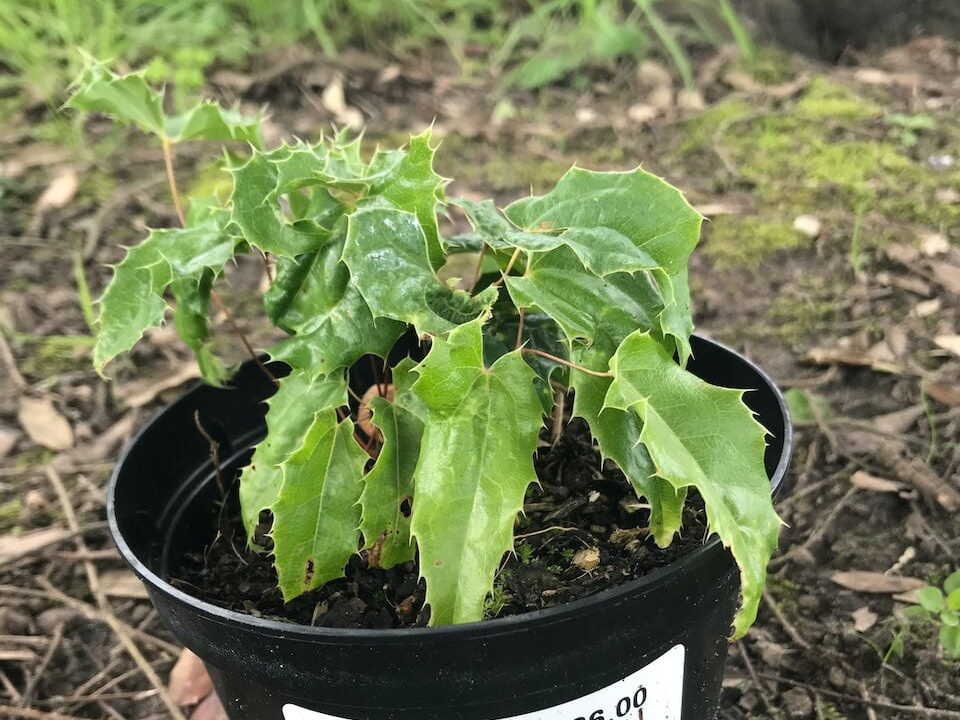
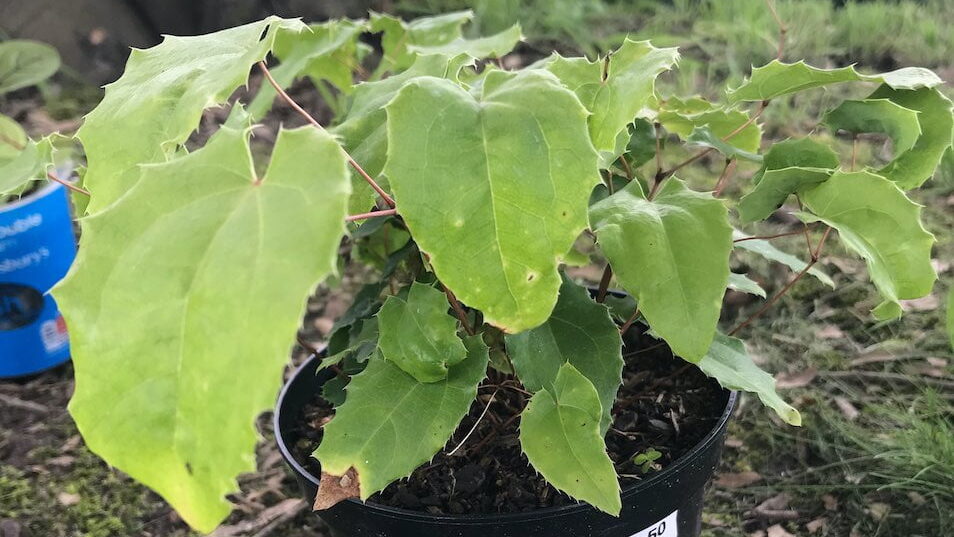
The name really does say it all and this brutal looking Epimedium is bound to stop visitors in their tracks! Don’t be put off by the barbed wire appearance, they’re not that sharp. The wiry stems of the leaves often make them look as if they are hanging by threads as they dance in the wind.
Epimedium frohnleiten
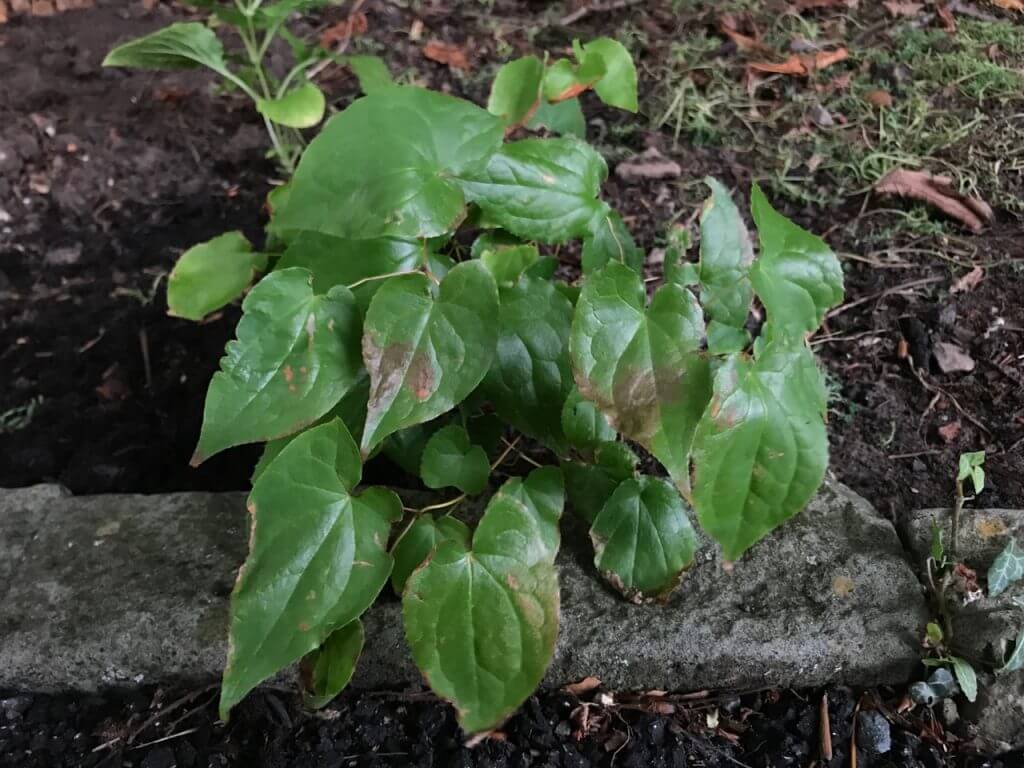
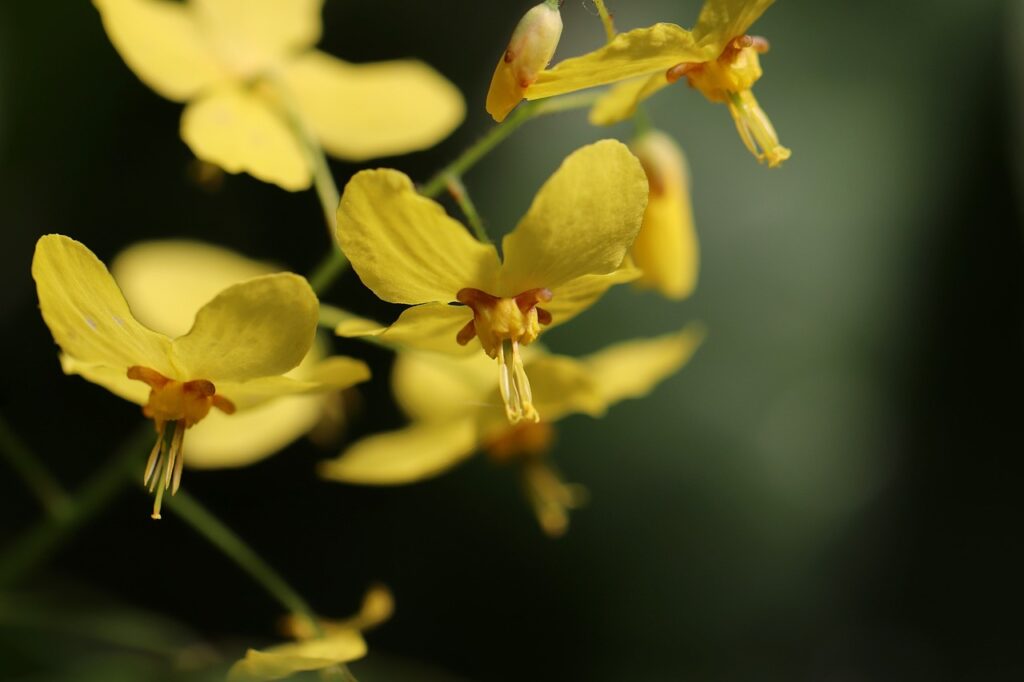
This Epimedium is far less brutal-looking than ‘Spine Tingler’ but has a proliferation of yellow flowers in spring. It also has a burnt and mottled leaf colouration, which is really interesting. Smaller than ‘Spine Tingler’, this is a front-of-border specimen.
Epimedium ‘Amber Queen’
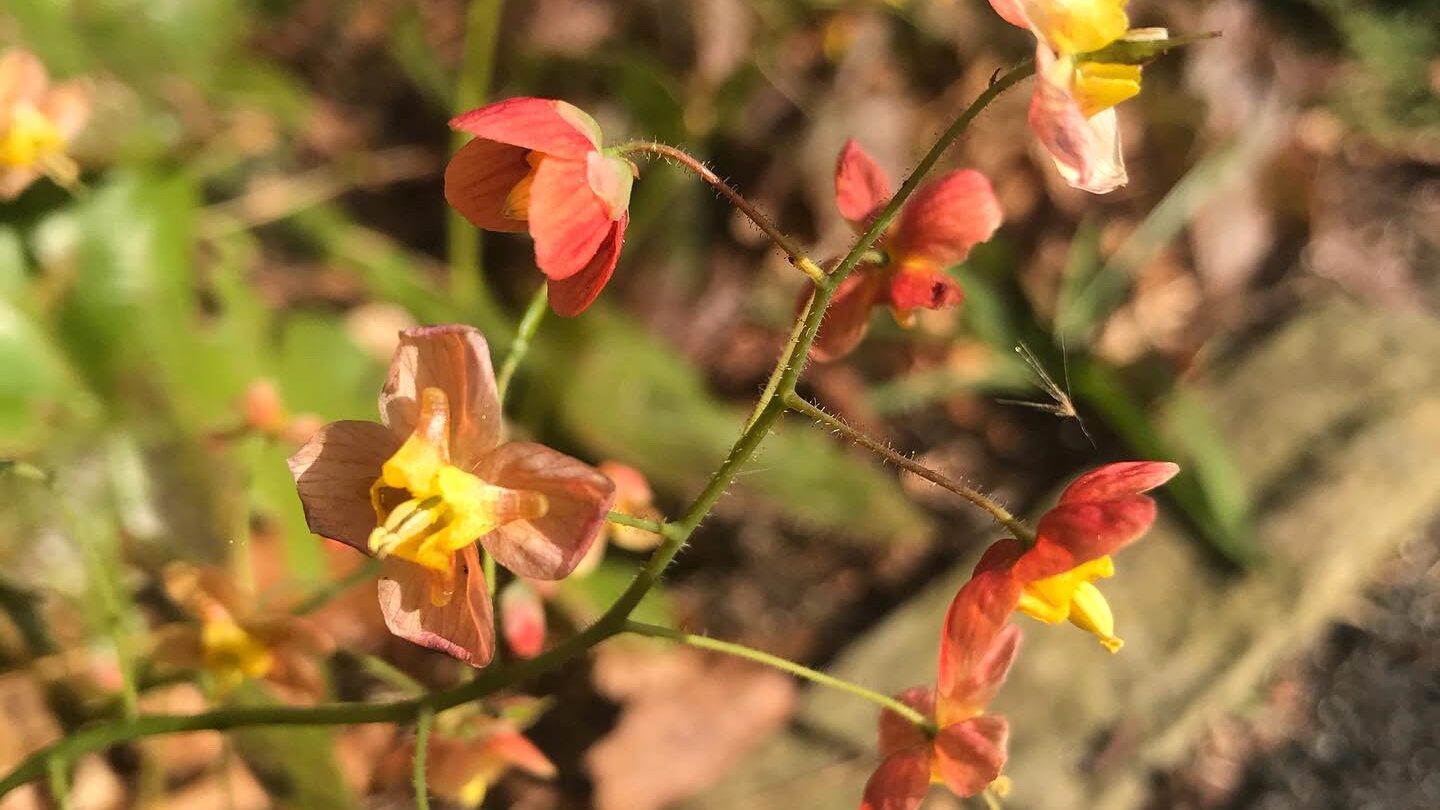
Now, for some burnt ember in the dry, shady border of this Epimedium. It’s absolutely gorgeous, and I’ve used it many times in garden designs over the years. It sends out these tiny little orange flowers in April that, to me, look like hanging bats! This should add a real wow factor to this border.
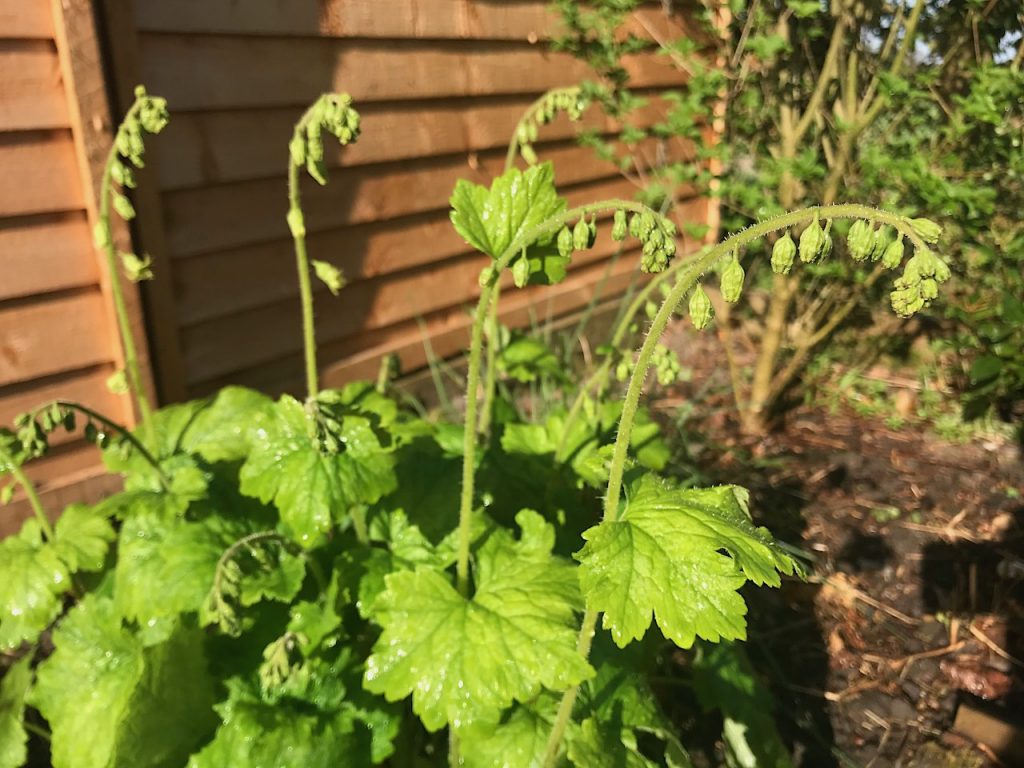
In my opinion, Tellima grandiflora is one of the most overlooked and underused plants. Not only does it have ‘killer gap filler’ foliage, but in April, it sends up tall spikes from which bell-like flowers emerge. It is also known as the ‘Fringe cup’. It starts off pink, and then the flowers turn a creamy vanilla colour. Simply wonderful.
While it’s never listed as a dry shade plant, I’ve used it many times in awkward dry spots to great effect. Once again, this shows how a mix of knowledge and experience in the garden brings a bounty of rewards. Always trust your own experience in the garden where possible.
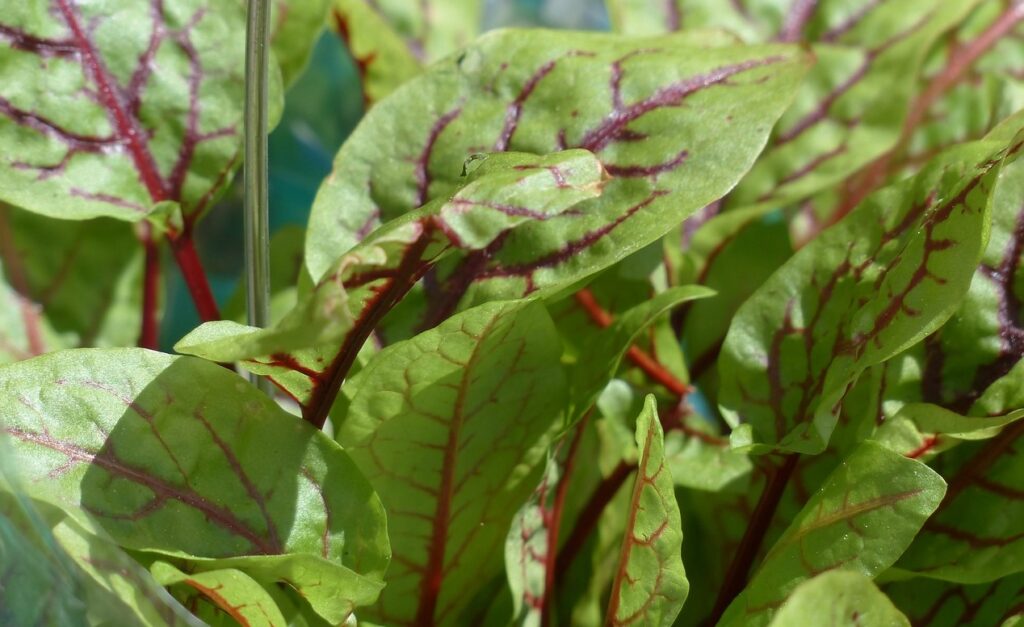
It wouldn’t be a Garden Ninja guide if I didn’t include some contentious critic-encouraging plant species. So here it is, the bloody dock. Often argued as a weed, shunned and vilified. These plants are beautiful and deserve more attention. Rumex sanguineus will cope with pretty much any situation and provide one of the best foils for shady spots due to its bloodshot leaves. You can also eat their acidic-tasting leaves in salads.
They are super easy to grow from seed and undemanding. I’d highly recommend you give them a go, especially as a spacer plant between other all-singing, all-dancing varieties.
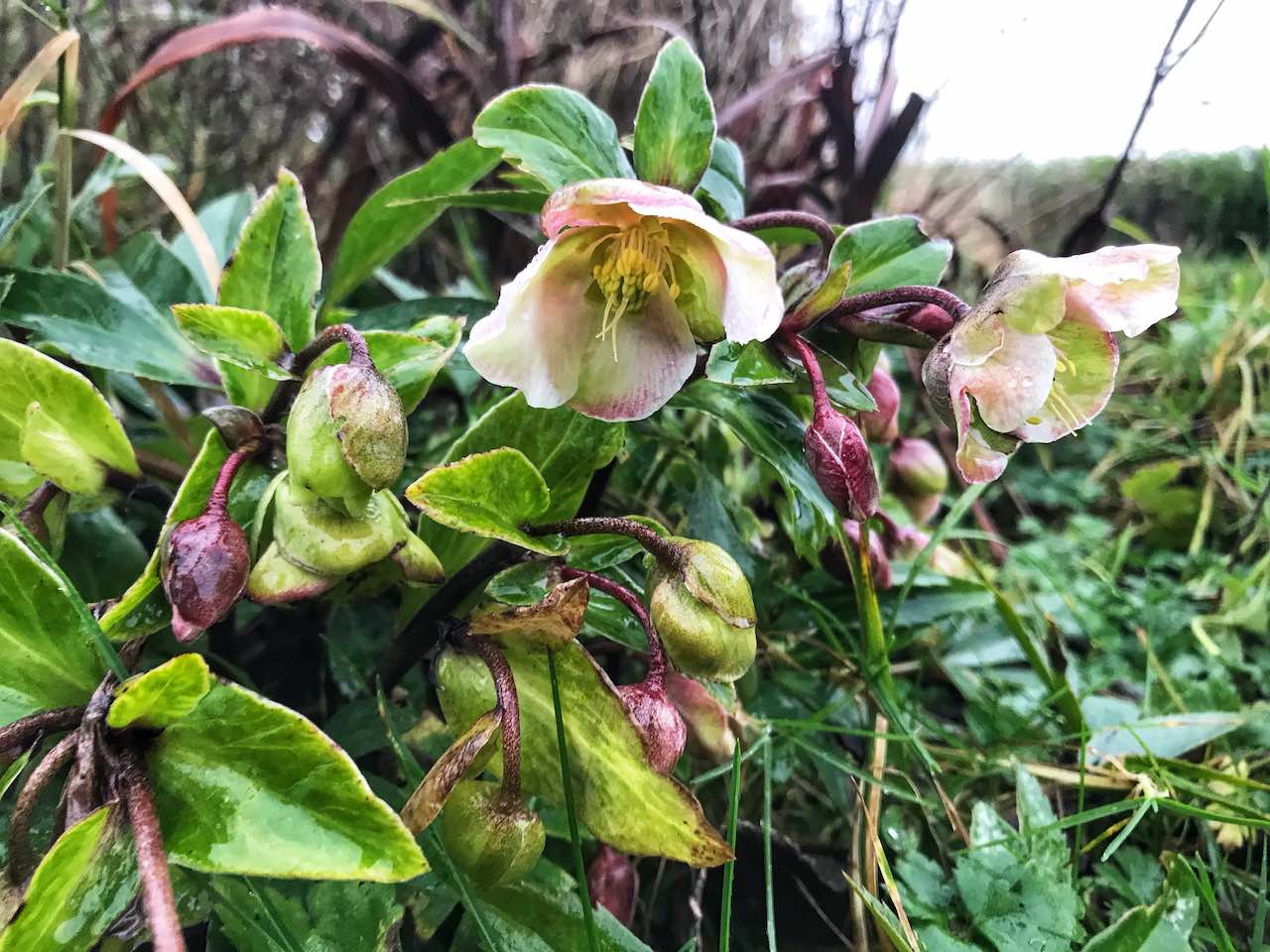
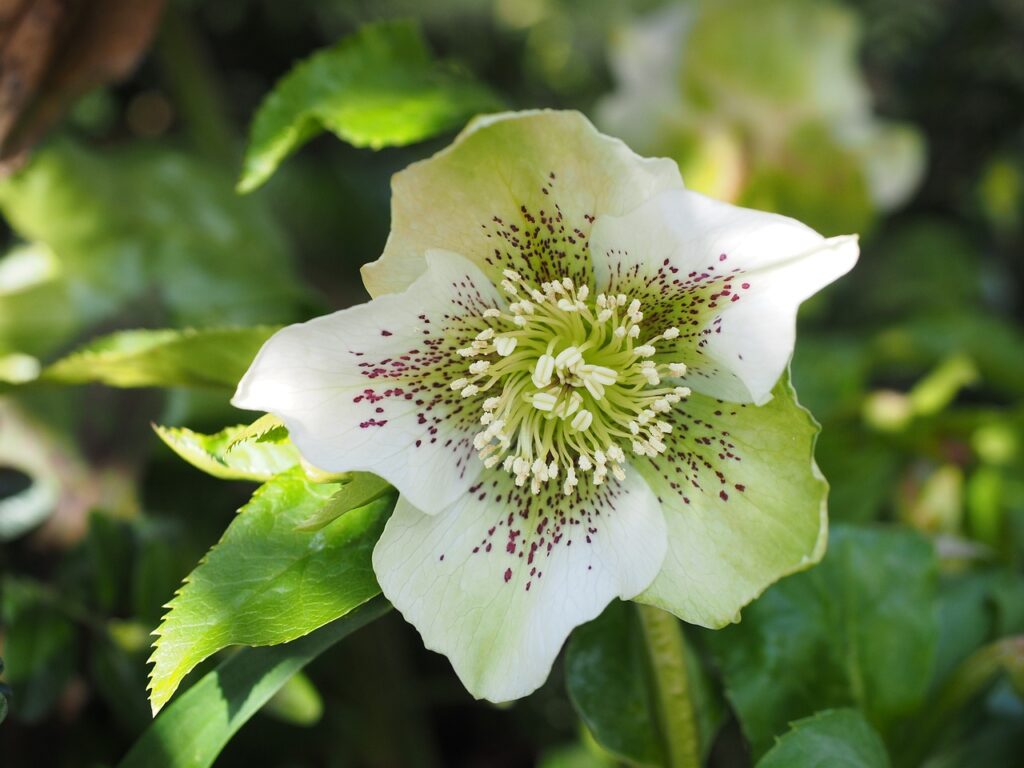
Dry shade loving Hellebores are a fantastic plant for those awkward dry spots. They produce beautiful evergreen foliage and then in mid-winter flower with the most delightful blooms, often in places under trees where nothing else will grow. In my experience you will need to drench them once a week for the first few months until they establish. They can also take a few years to get settled and flower but once they do they are a delight.
Try not to divide or move Hellebores too often as they don’t like root disturbance.
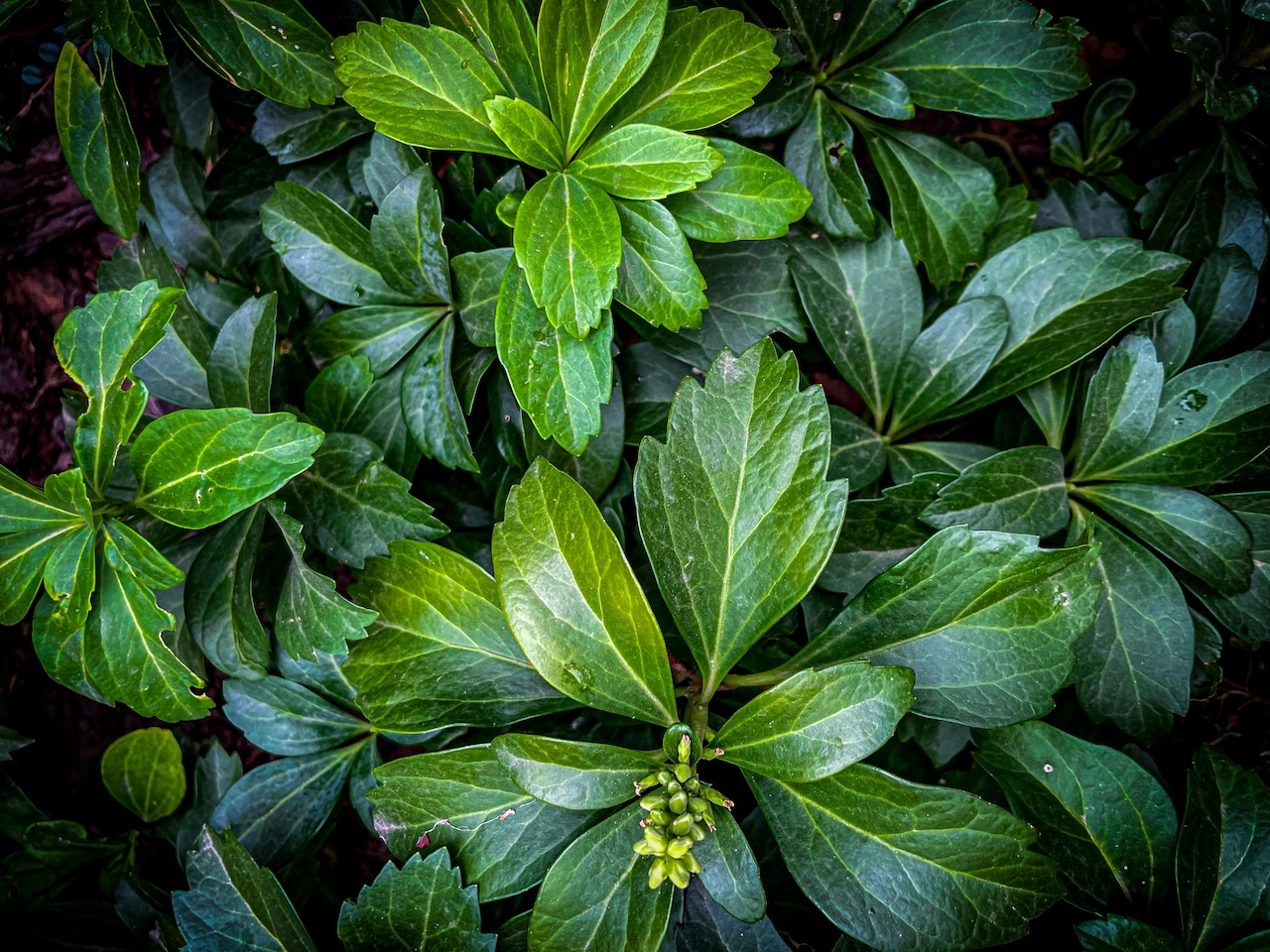
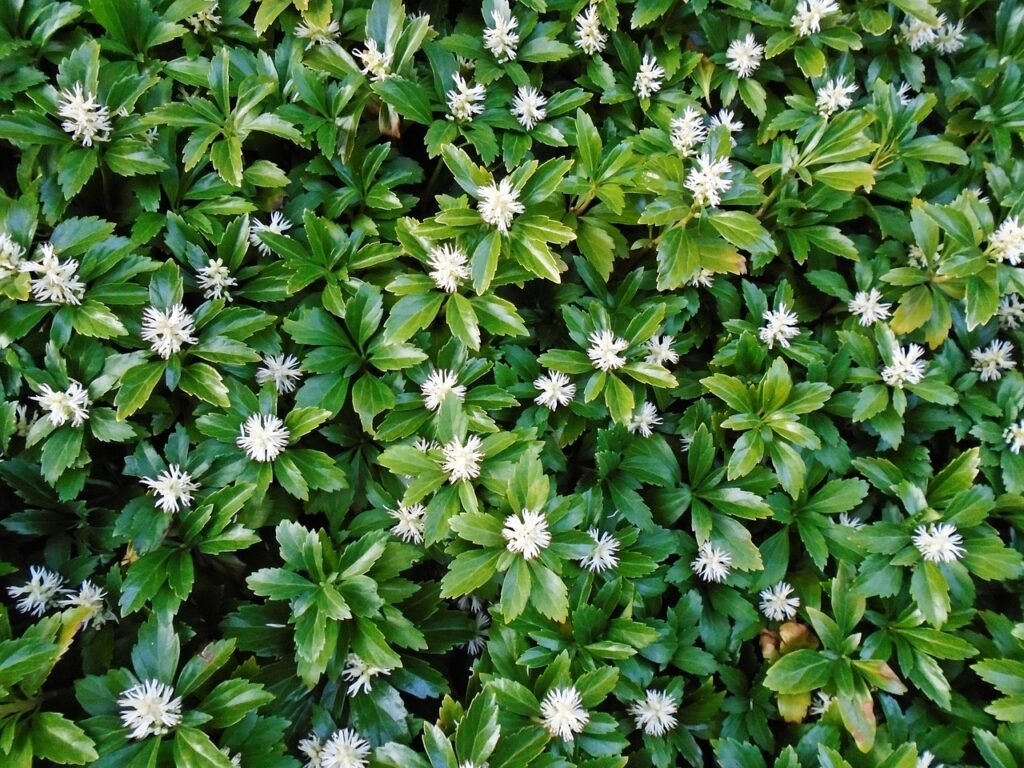
Pachysandra, also known as Japanese spurge, is a shade-loving evergreen ground cover that thrives in low-light areas. With its lush, glossy green foliage and small white spring flowers, pachysandra spreads quickly to form a dense, carpet-like mat, making it ideal for filling shaded garden beds and under trees where grass won’t grow. This low-maintenance plant is highly tolerant of dry shade and is perfect for creating year-round greenery in difficult spots.
Now it’s time to cover off the most popular plants for shade, those that like damp roots and survive in shady moisture-retentive garden borders. If you’re looking for the most commonly found plants that love the shade, below is a list of beginner plants that thrive in darker gardens with little sun. This selection can be found at most garden centres or plant nurseries and won’t break the bank, allowing you to garden to any budget with a shaded garden.
16. Pulmonaria
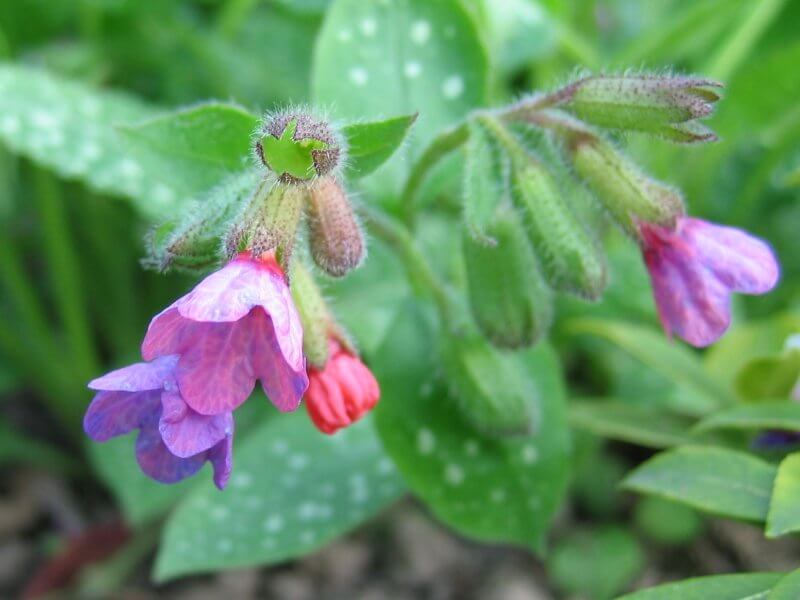
Pulmonaria (or promiscuous pulmonaria as I like to call it, as it self-seeds anywhere) has fantastic polka dot leaves and is brilliantly hardy. The polka dot leaves have a bristly texture and are really tough, surviving both drought and low levels of light. It can be used well for drifts or small pockets of garden interest.
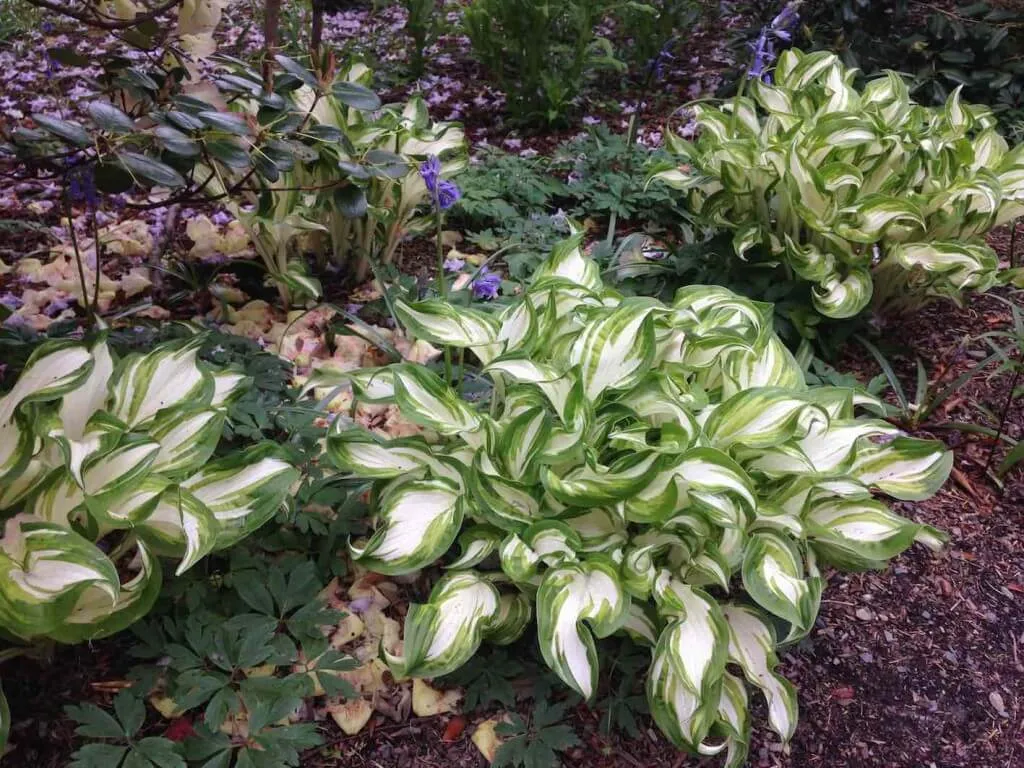
Hostas are probably the most famous damp shade loving plants and you often see them online as an example of shade loving plants. Hostas come in hundreds of varieties and have broad, fleshy coloured, rippled leaves. Some Hostas will even flower in the right conditions, sending up stems containing tiny flowers. Below is an example of Hosta undulata at Bodnant gardens, showing off its textured leaves and flashes of white variegation.
One thing to bear in mind with Hostas is they are prime fodder for slugs when their new shoots emerge each year, so make sure you take precautions to prevent the slugs from March to May whilst they establish or they will either get munched before they can bloom or have holes all through their leaves.
Your subscription could not be saved. Please try again.
Your subscription has been successful.
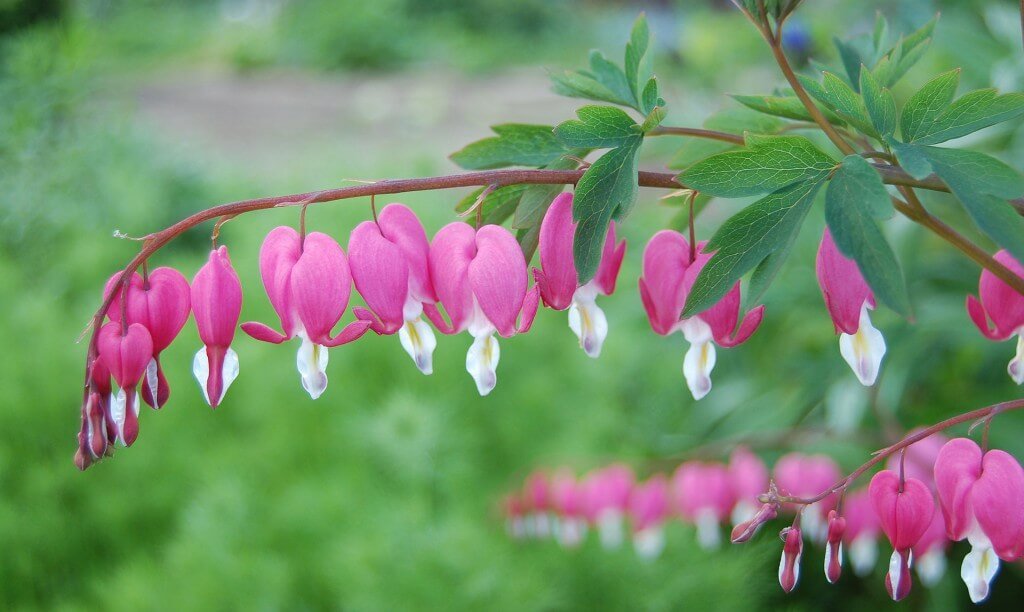
18. Dicentra spectabilis – Bleeding Heart
Dicentra spectabilis, or ‘bleeding heart’ as it’s more fondly known, loves the shade and produces fleshy soft stems with these heart-shaped flowers that do look like they could be bleeding. They almost look unreal when planted under a canopy or larger shrub. They originate from the poppy family cultivar called Papaveraceae. There has been some uproar over the reclassification of Dicentra spectabilis to Lamprocapnos spectabilis. I still refer to it in its original guise because I’m a creature of habit. They are also available with a white flower and white alba, which can really brighten a dark or shady garden area.
Lamium, or the non-stinging nettle, is also an excellent shade plant. It has delicate flowers, usually pink or white, and variegated leaves. In my experience, it’s really tolerant of neglect and can take pretty much anywhere. It has a habit of creeping, but some light maintenance can keep it in check. The flowers are beautiful and have an irregular flower form. I often think they look similar to mini orchids.
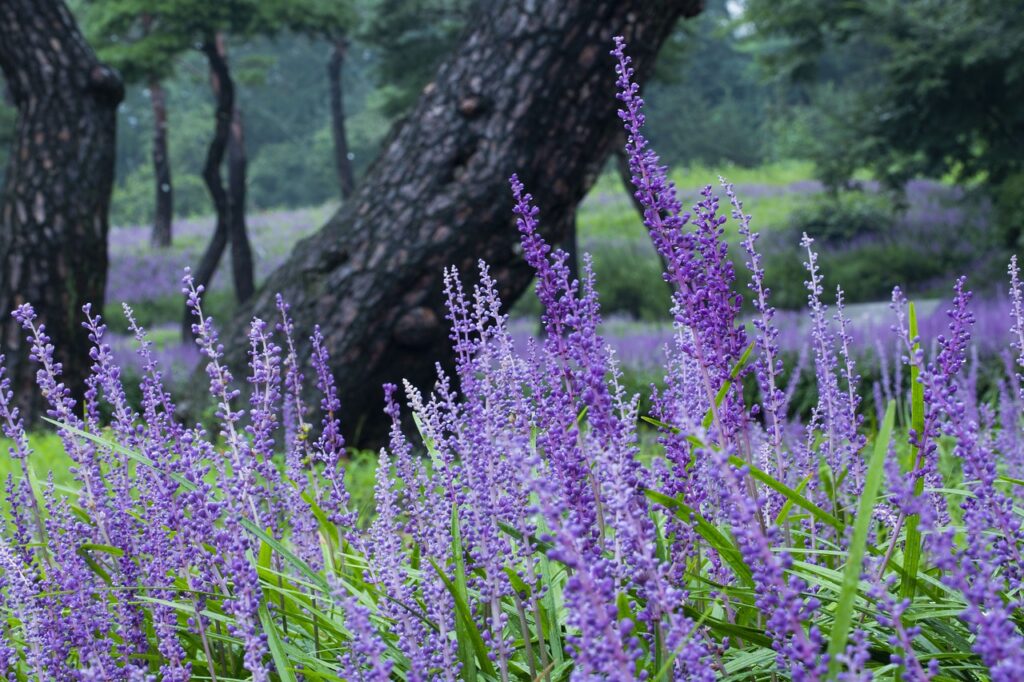
Dianella caerulea ‘Little Jess’ is a really tough shade-loving plant. For most of the year, it has dark green blade-like leaves. This is a great plant for awkward corners of the garden. It will tolerate both damp and some shade. It sends out beautiful flowers later in the year and has all-year-round colour. Liriope muscari ‘Monroe White’ is also a similar shade-tolerant plant.
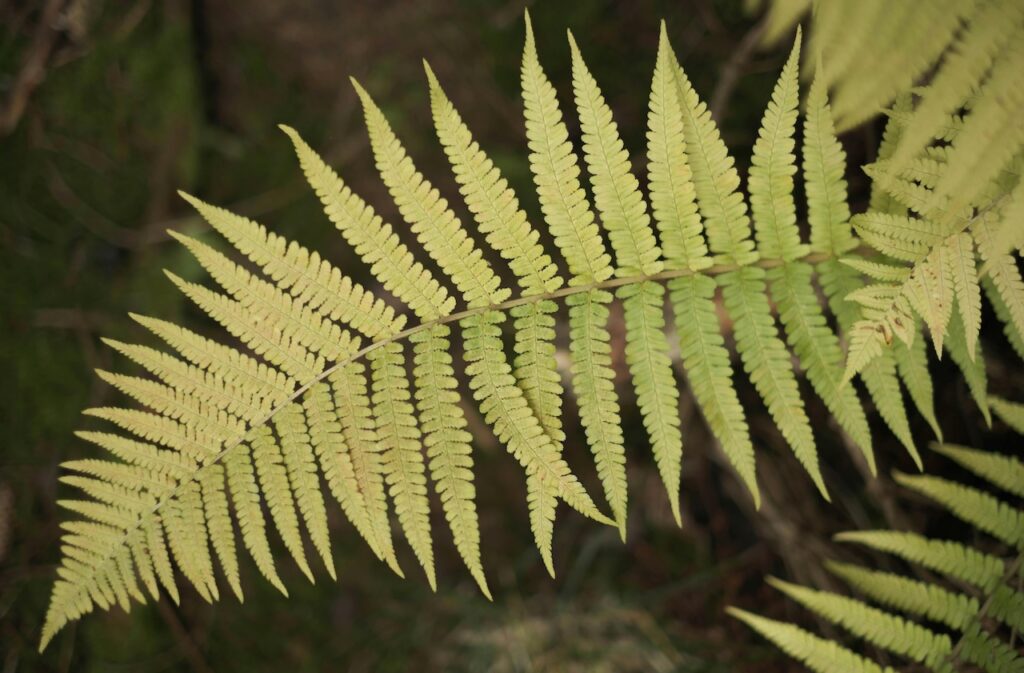
The Japanese painted fern has silvery, purple-tinged foliage and thrives in moist, shaded spots. It adds a delicate texture to the garden and helps add more detail to flower beds. It can be left over winter for much-needed structure.
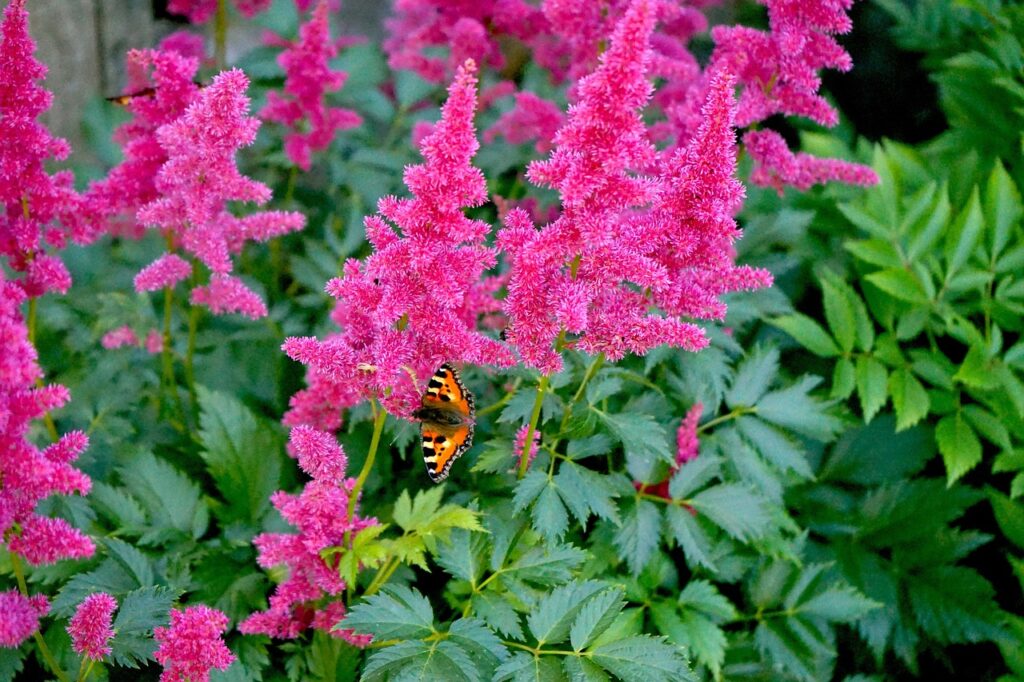
Astilbe is the quintessential damp, shady border plant that packs a punch. With feathery plumes of flowers in shades of white, pink, and red, it loves moist soil and partial to full shade. It surprises many beginner gardeners because its flowers are so vibrant, even in the shade.
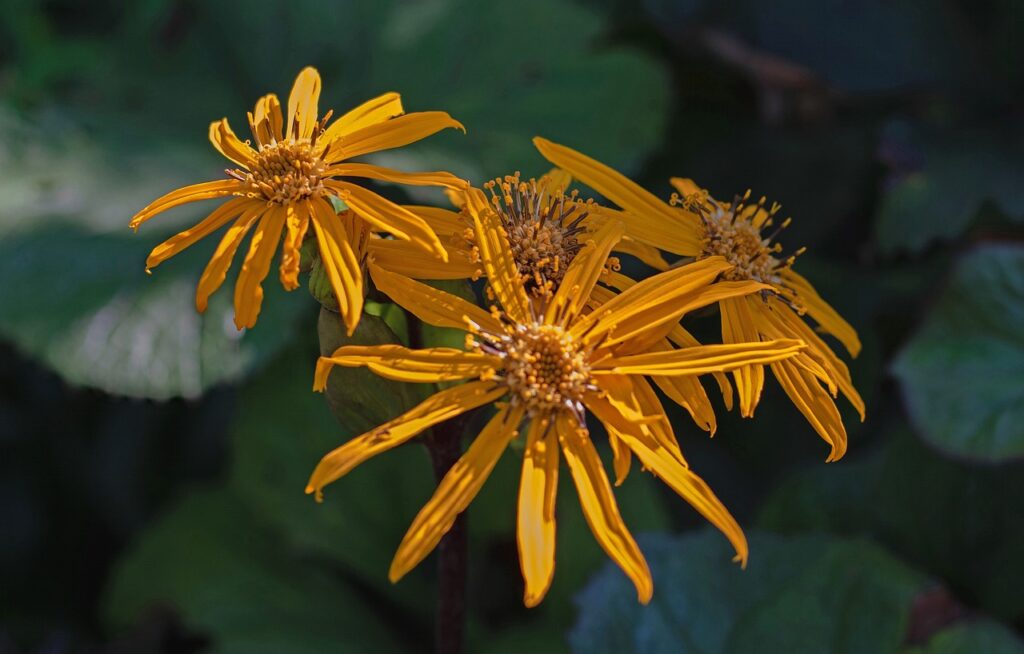
Looking for a tropical-style plant that brings a feeling of the exotic even to shaded borders? Then look no further than the Leopard plant Ligularia. Known for its bold leaves and bright yellow or orange flowers, Ligularia thrives in damp, shaded areas and takes your planting for a run on the wild side.
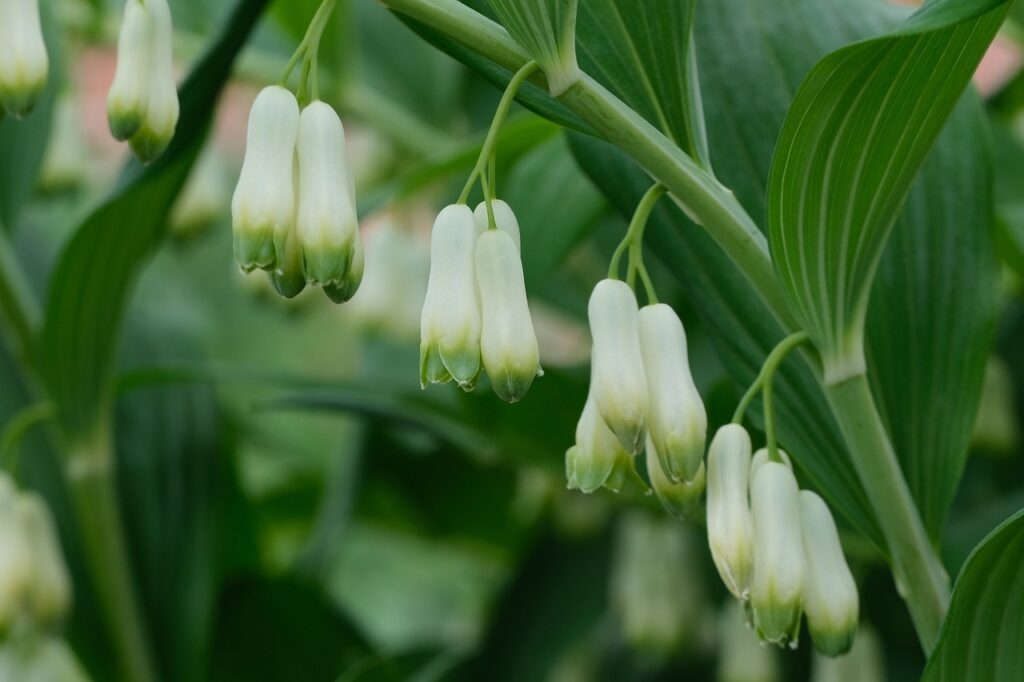
Once you have this plant, it will never leave you. It’s nearly impossible to kill and will thrive in all but the driest of shady flower beds. Solomon’s Seal loves damp ground and growing under or around deciduous shrubs. This plant features arching stems with hanging, bell-shaped flowers and grows well in moist shade.
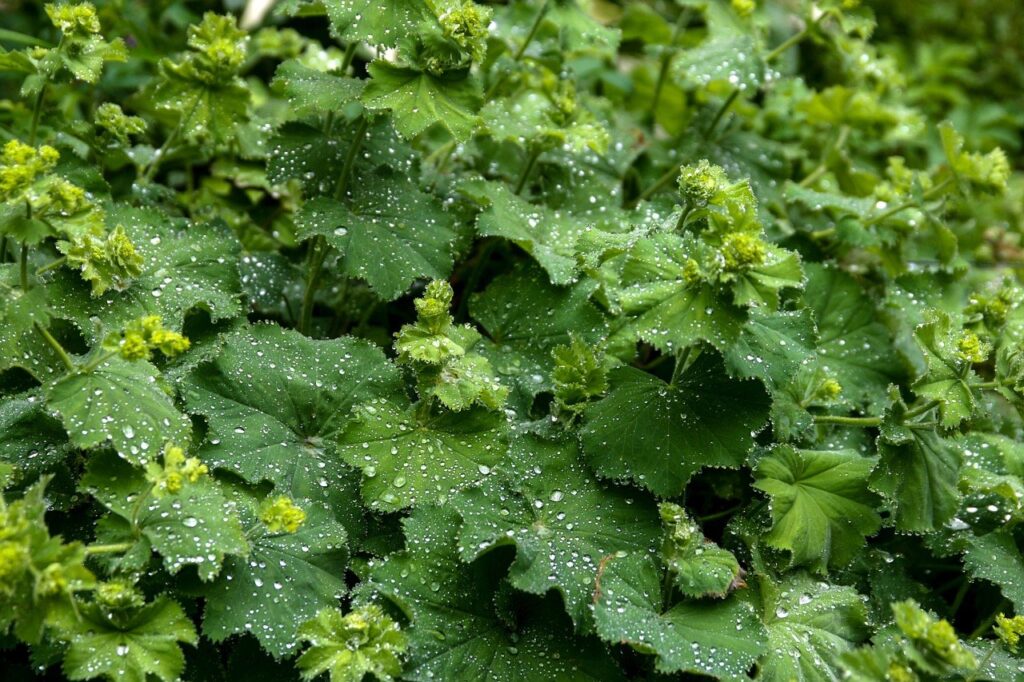
Another near-indestructible plant, Lady’s Mantle will self-seed everywhere and cope in both deep shade and scorching full sun. It is probably the toughest plant I grow and features heavily in my low-maintenance garden schemes. Known for its soft, rounded leaves that hold dewdrops, Lady’s Mantle grows well in partial to full shade and damp soil.
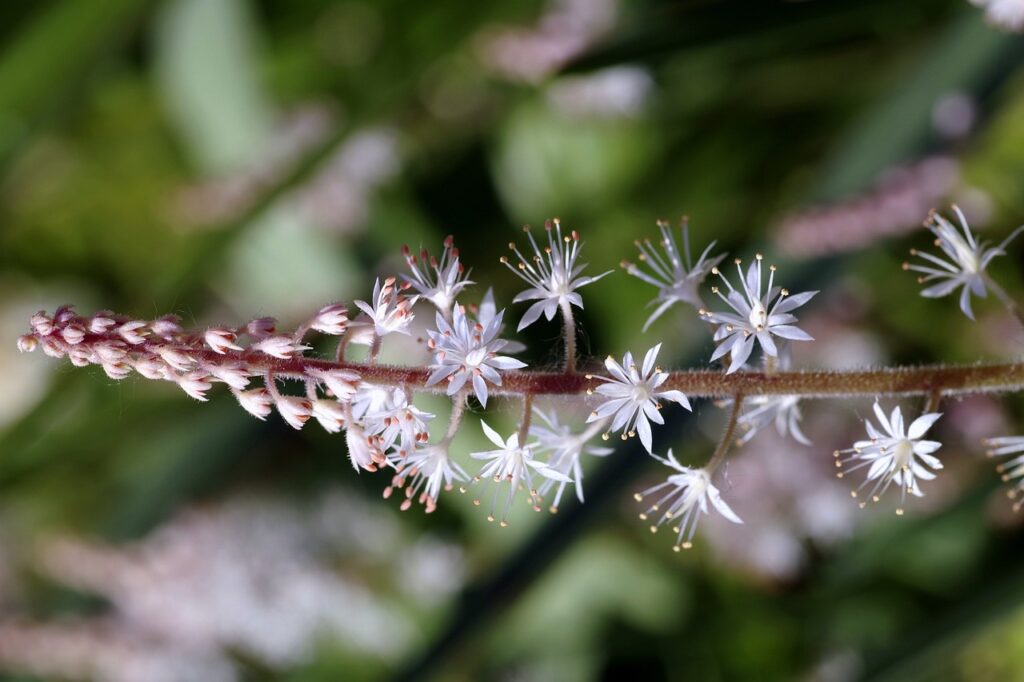
Foamflower produces delicate white or pink flowers in spring and is an excellent ground cover for moist, shaded areas. Although it is often mistaken for Heucheras, as they have a very similar habit, it is more delicate and detailed and works fabulously in shaded container gardens or for rental properties where plants need to be relocated when you move.
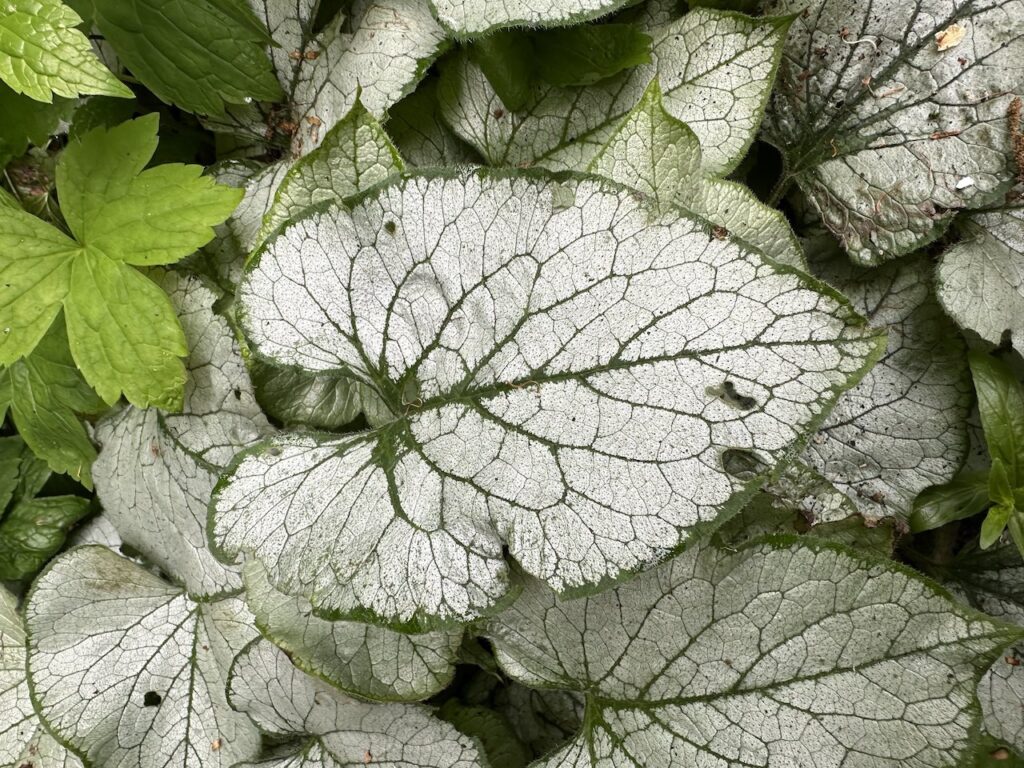
If you’re looking for high-impact early spring foliage, then Brunnera is the shade-loving plant for you. Often called “False Forget-Me-Not,” this plant has heart-shaped leaves and small blue flowers and thrives in damp shade.
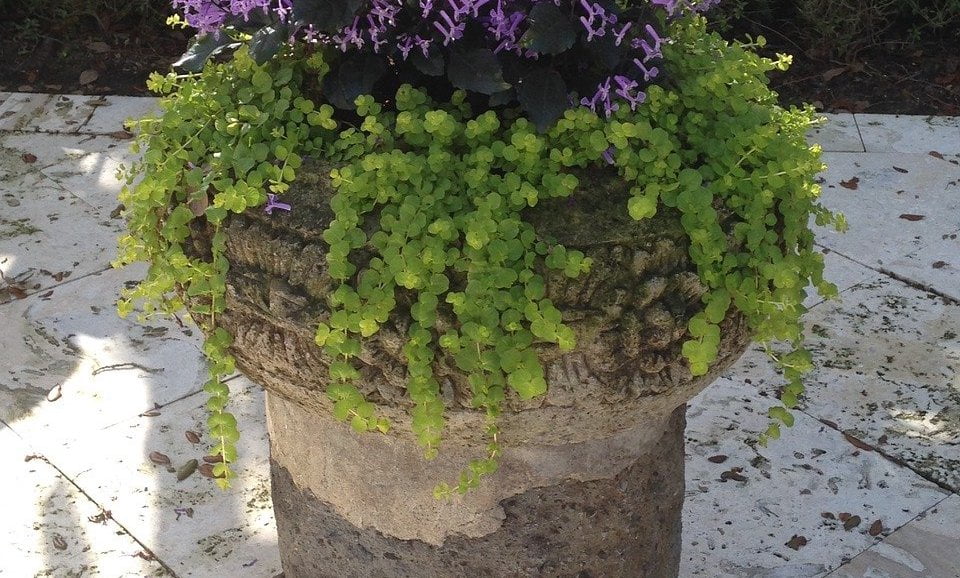
Last but not least in the damp shade section, it is nearly impossible to destroy this shade-loving plant. Creeping Jenny is a low-growing ground cover with bright green foliage and yellow flowers, ideal for filling shaded, damp spaces. It also grows in full sun and is an excellent addition to hanging baskets and container gardens, where it can spill over the edge and soften pots.
We’ve looked at herbaceous perennial plants (those that die back at the end of each year and then regrow the next) but what about shrubs, plants often used for structure in the garden. Luckily there are a range of fantastic shrubs that can cope with different levels of shade, so you can design amazing flower beds even if you’re dealing with a shady garden.
Here’s a more detailed look at ten wonderful shrubs that thrive in shady areas. Each offers unique foliage, flowers, and seasonal interest throughout the year, making them perfect for shaded parts of your garden. My advice is to pick a few that flower during different seasons to help build succession planting in your garden.
29. Hydrangea macrophylla
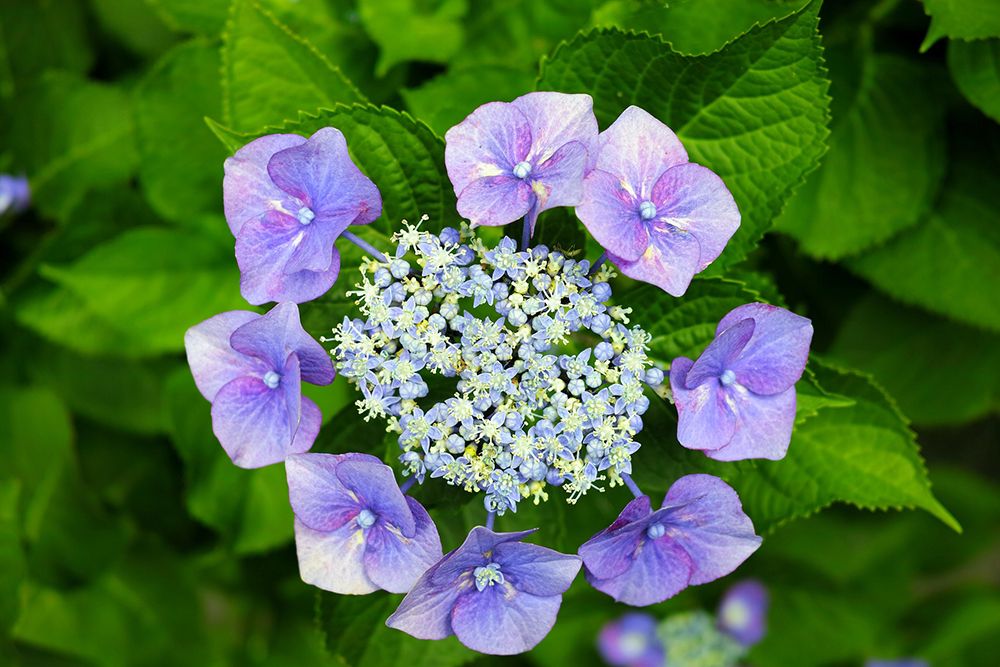
Hydrangeas are popular for their large, showy flower clusters, which come in shades of blue, pink, purple, or white, depending on soil pH. They prefer dappled or partial shade and need well-drained, moist soil. There are near endless species from lacecap to paniculata and even super compact varieties, so do your research for the size and colour of Hydrangea that works for your garden space and design.
Hydrangea macrophylla varieties bloom in mid to late summer and can reach heights of 3 to 6 feet. Their flowers and lush green foliage add beauty and structure to shaded garden spaces. Prune hydrangeas in early spring following my super easy guide below.
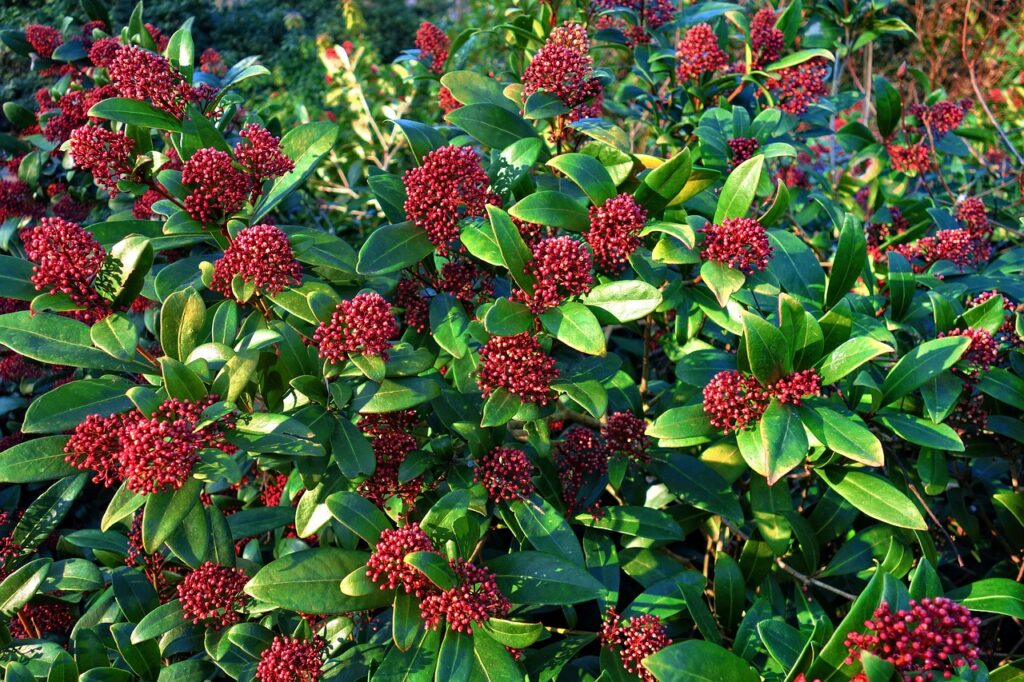
Skimmia is an evergreen shrub known for its year-round appeal, with shiny, dark green leaves that stay vibrant through winter. In spring, Skimmia produces clusters of small, fragrant white flowers, which give way to bright red berries in female plants when pollinated. They add a bright blast of wintry colour to any garden and are near indestructible for the beginner gardener.
Growing 3 to 4 feet high, it’s an ideal choice for shady borders or as a focal plant in shaded areas, and it’s also low-maintenance once established.
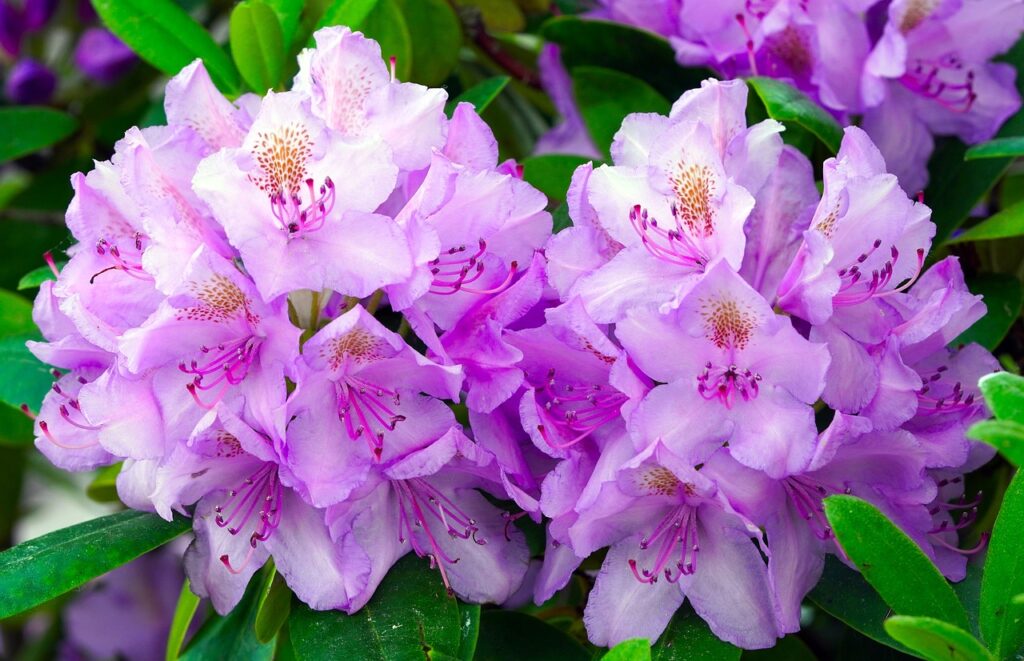
Rhododendrons and Azaleas are beloved for their profuse spring blooms, which range from white and pink to deep purple and orange. These shrubs prefer dappled shade or morning sun with afternoon shade, thriving in slightly acidic, well-drained soil. They typically grow to 3 to 5 feet tall, with some dwarf varieties staying smaller, making them versatile for smaller garden spaces. Azaleas work well as foundation plantings, in borders, or under trees where they receive filtered light.
As Rhododendrons flower in spring they can add a welcome shot of colour as your garden wakes up from its winter slumber. If you really want to wow your neighbours, plant a winter shrub like Witch Hazel and some autumn shrubs to create a garden that never really sleeps!
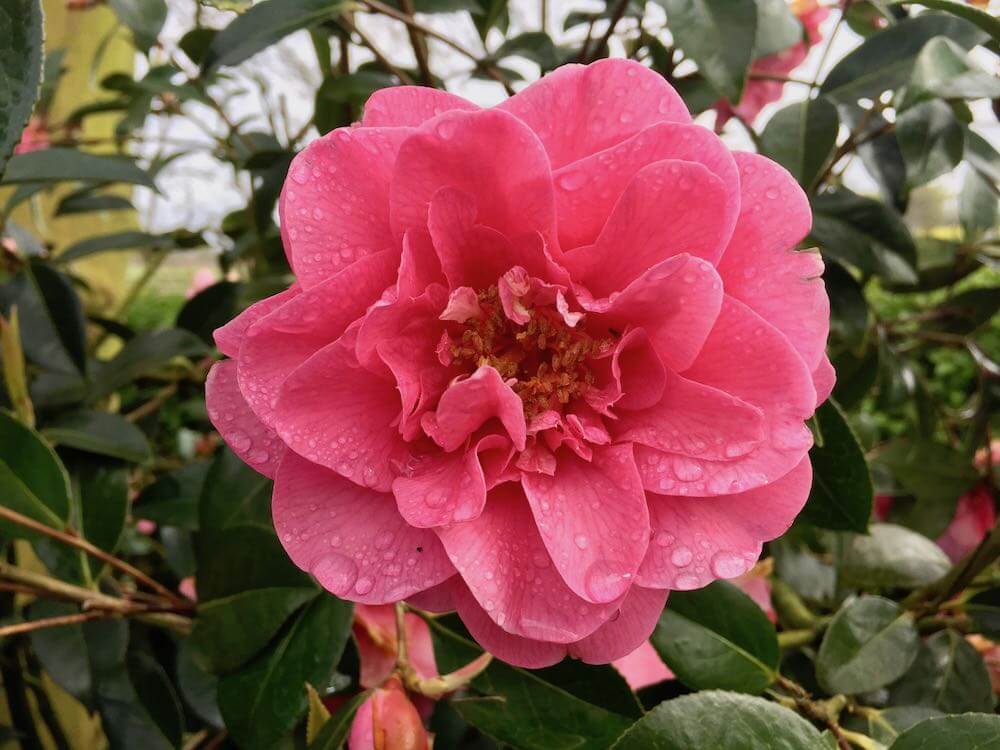
Camellias are prized for their stunning, rose-like flowers that bloom in late winter or early spring. With glossy, dark green foliage, camellias are evergreen, making them attractive year-round. They bring great form and structure to any garden and should be positioned at the back of flower beds and borders when designing your garden.
They come in various colours, including red, pink, and white. Camellias prefer partial to full shade with well-drained, slightly acidic soil and can grow to heights of 6 to 12 feet, depending on the variety. They add elegance and structure to shaded garden areas, as well as winter interest.
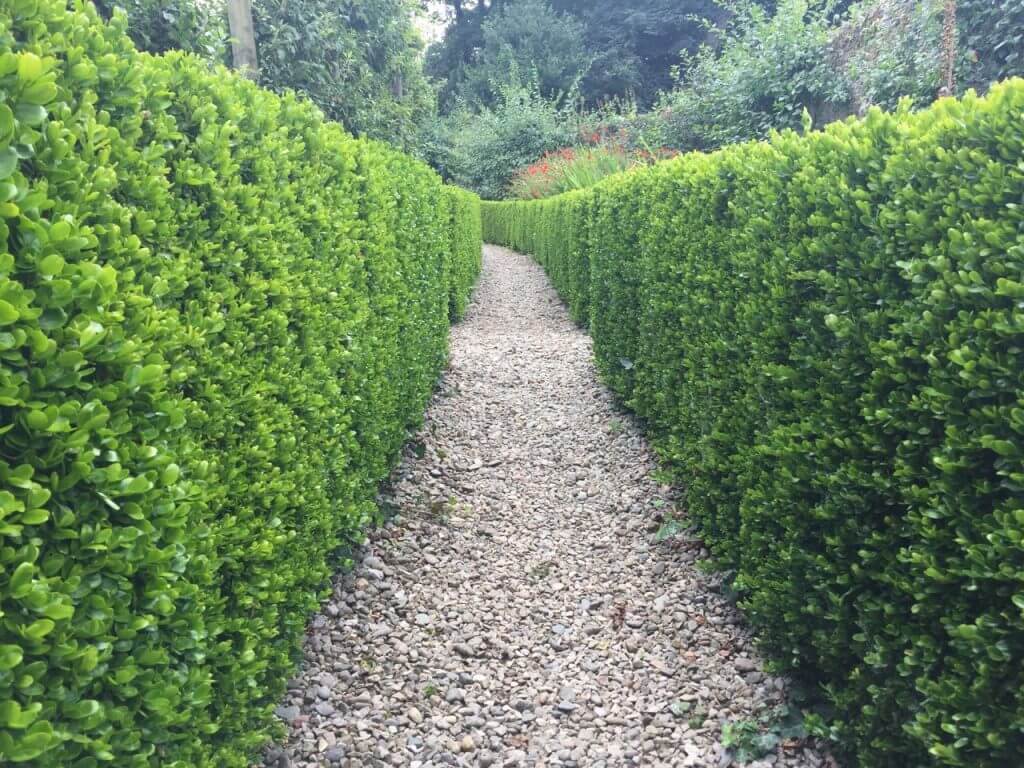
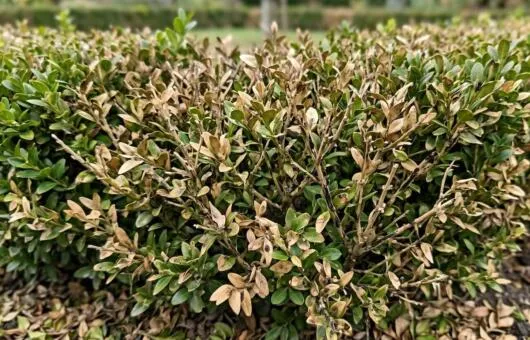
Boxwood is an adaptable evergreen shrub known for its dense, compact form and versatility in garden design. It can tolerate shade, especially in warmer climates, where it benefits from some relief from intense sun. Boxwoods are perfect for creating hedges, borders, or formal garden structures, as they respond well to pruning. Growing 2 to 6 feet tall, they maintain a tidy shape and add year-round greenery to shaded areas.
However, do take care as they can suffer from box blight or box caterpillar. A better alternative sometimes is Ilex crenata which looks similar, can be clipped and cut but doesn’t suffer from the same devastating diseases as box does.
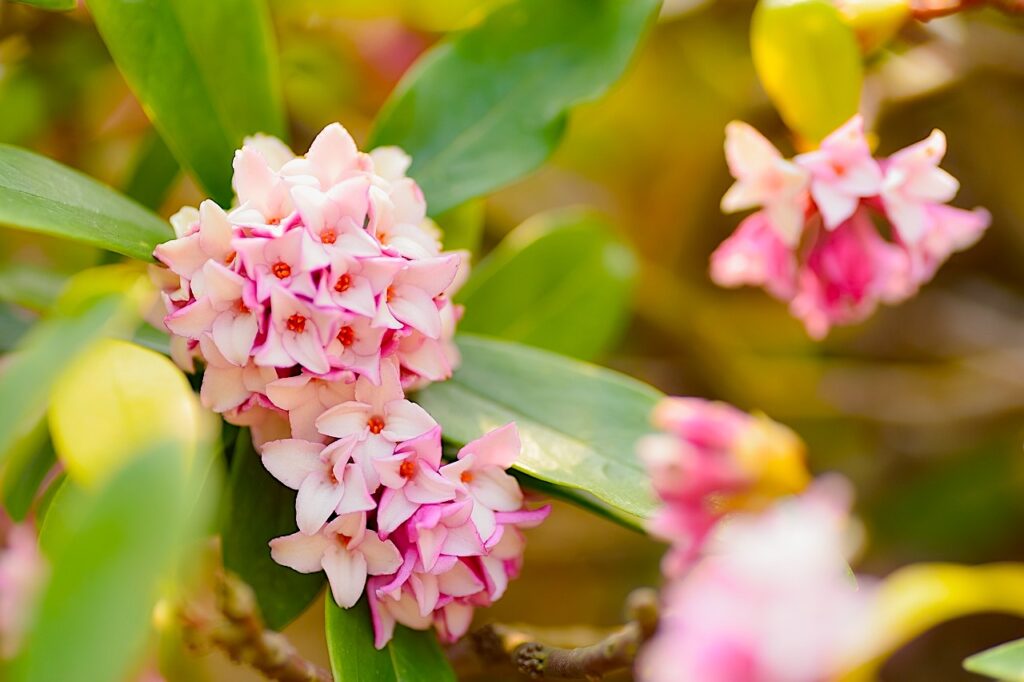
Daphne is a small, slow-growing shrub that rewards with its intensely fragrant flowers in late winter to early spring. The blooms are typically white or pink and stand out against the shrub’s dark green leaves. Daphnes do well in partial shade and require well-drained soil to avoid root rot. Reaching about 3 feet in height, Daphne is best placed where its delightful fragrance can be appreciated, such as near entryways or along shaded paths. I love planting them near front doors in large containers and adding shade-loving spring bulbs to the container as well.
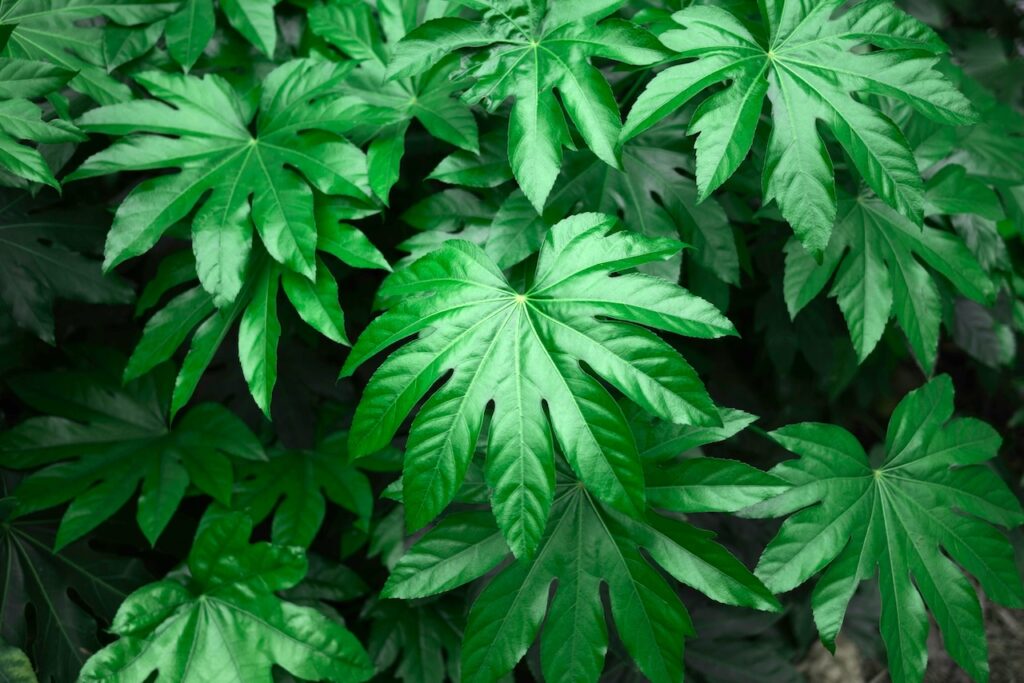
Fatsia, also known as Japanese aralia, brings a tropical look to shaded gardens with its large, glossy, deeply lobed leaves. Although it looks tropical it’s a bulletproof beginner shrub that’s nearly impossible to kill and has practically no pests in the UK!
It’s an evergreen shrub that grows up to 6 to 10 feet tall and produces small, creamy-white flowers in late autumn, followed by black berries. Fatsia tolerates full to partial shade and prefers well-drained, moist soil. It’s an excellent choice for adding bold texture and an exotic flair to shade gardens or as a backdrop for smaller shade plants.
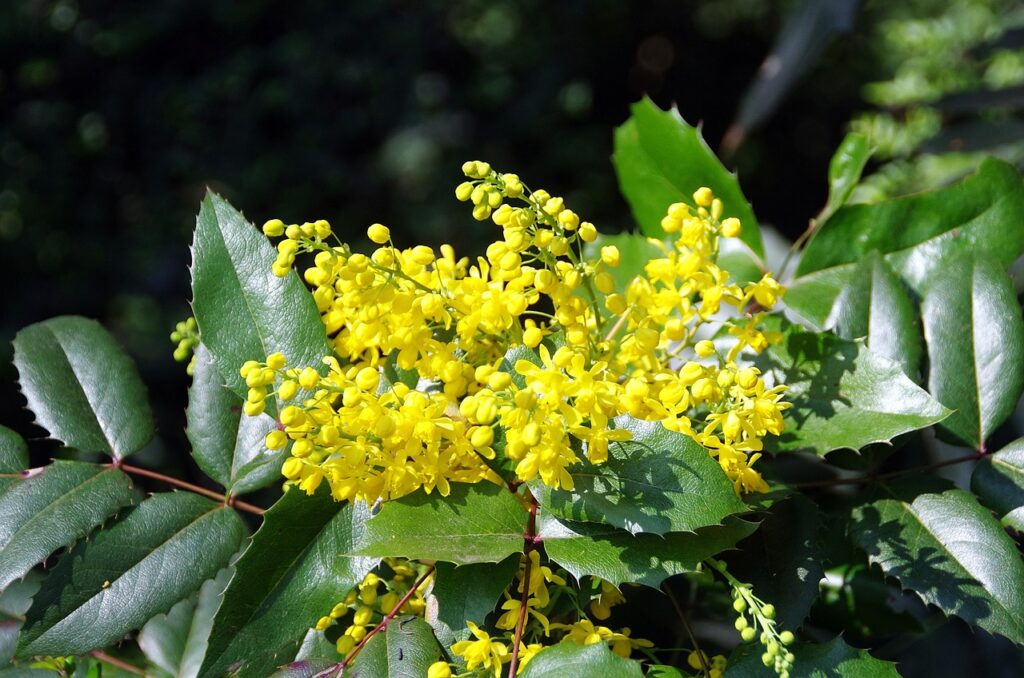
Known as Oregon grape holly, Mahonia has distinctive, spiky, holly-like leaves that turn a deep bronze-purple in winter, adding seasonal interest. In late winter to early spring, it produces clusters of fragrant yellow flowers, which are followed by dark blue berries that attract birds. Mahonia is low-maintenance and grows well in full to partial shade. This hardy shrub can reach up to 5 feet in height and is perfect for naturalising in woodland gardens.
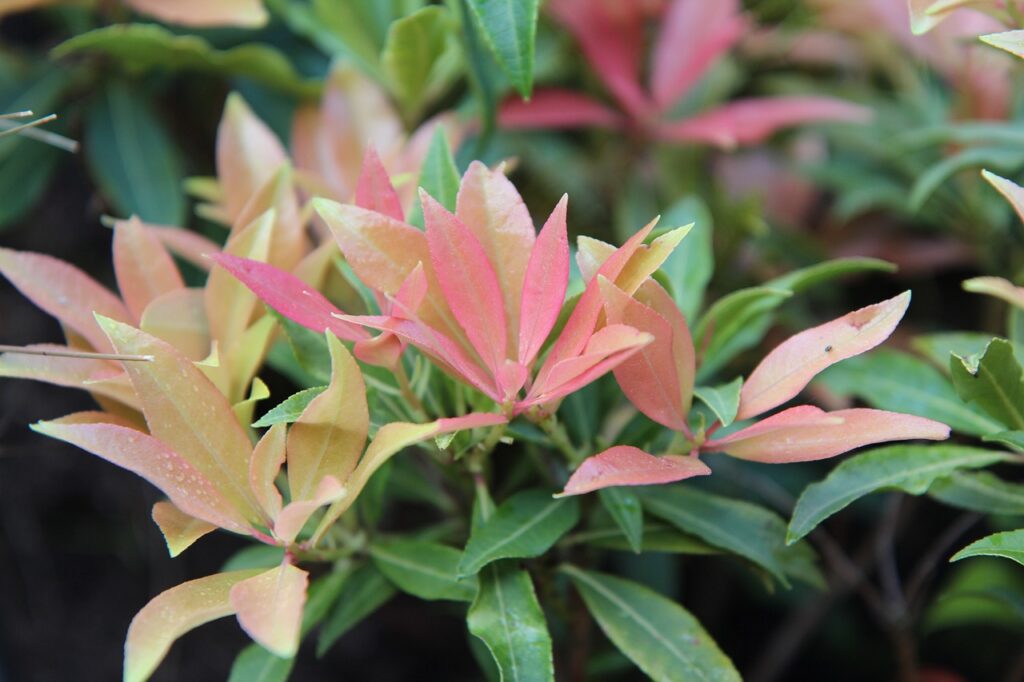
Also known as Andromeda, Pieris is an evergreen shrub that produces cascading chains of white or pink, bell-shaped flowers in early spring. Its new growth often emerges in shades of red or bronze before maturing to green, adding year-round interest. Pieris thrives in partial shade and acidic, well-drained soil. This shrub typically grows 4 to 8 feet tall and works well in borders, woodland gardens, or shaded foundation plantings.
Be careful not to hard prune Pieris as they take years to recover. Be very tentative with pruning as they are slow growing and don’t respond well. What can be lovely is to crown lift the shrubs so the branches and trunk are bare with the top showing the foliage — mini bonsai if you will!
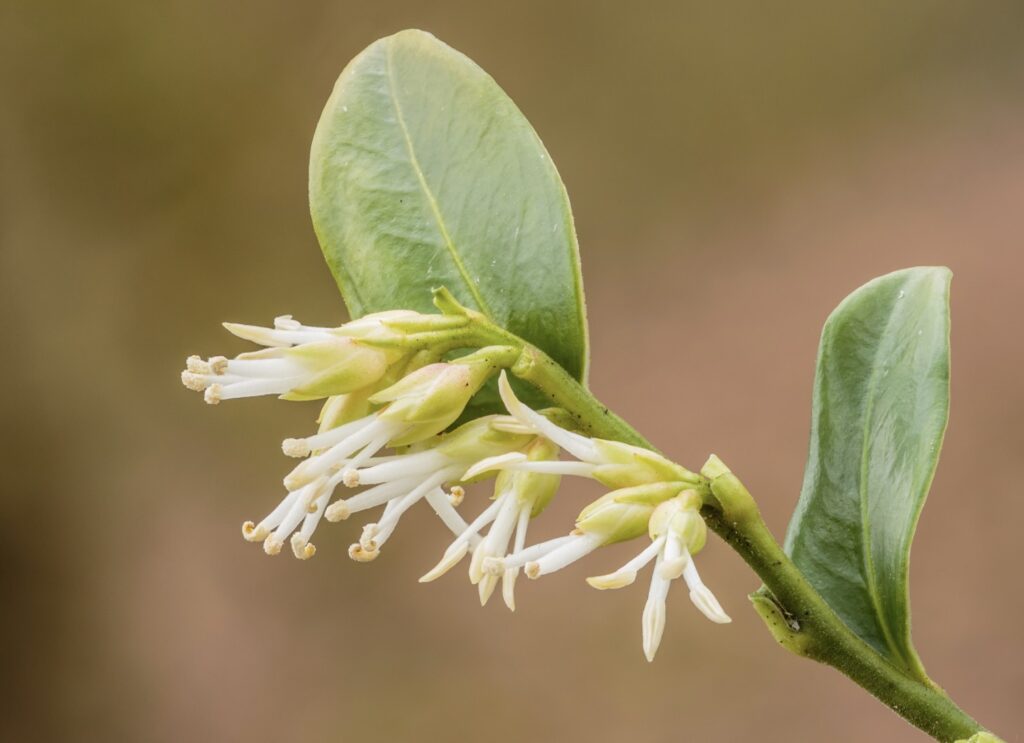
Sweet Box is a shade-loving evergreen known for its compact form and small, fragrant white flowers that bloom in late winter to early spring. The flowers are followed by shiny black berries, adding further interest. Sweet Box grows slowly to about 2 to 4 feet in height and spreads to form a dense, low-maintenance ground cover in shaded spots. It thrives in well-drained soil and is ideal for planting along shaded paths or under trees where space is limited.
While we’ve examined the different kinds of plants for shade, it is important to assess the level of shade your garden experiences to choose the best shade-loving plants. Below are the three main types of shade you may be dealing with. A shady garden may have several of these types of shade, so it’s worthwhile noting what shade levels each area receives on an average day.
i) Deep Shade
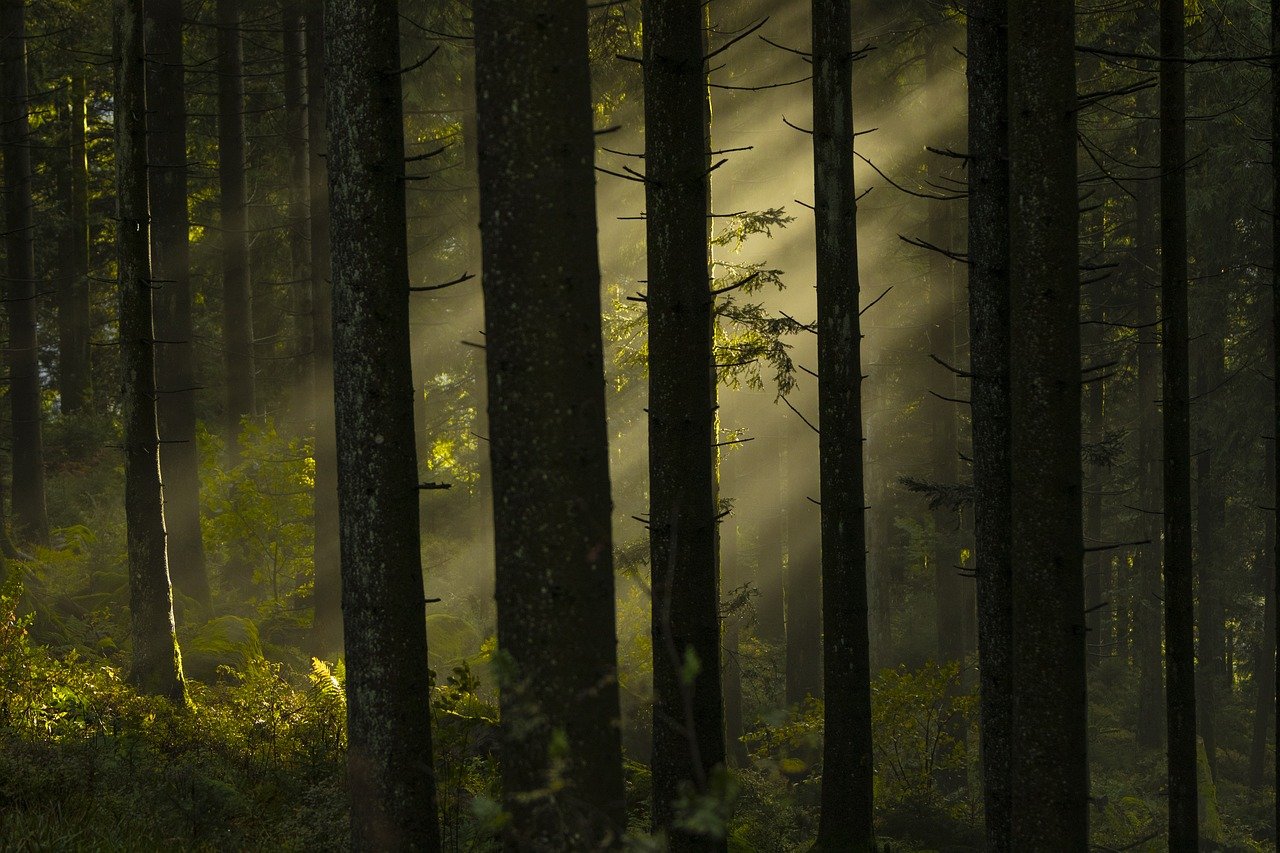
These gardens will likely be North Facing, surrounded by tall overhanging trees or adjacent buildings. The deep shade will also mean they will be drier, given that rain and other moisture will have difficulty reaching the lower areas. These areas also tend to be cold and dry. The plants you choose should be fully shade-loving, not just tolerant for these areas eg Hostas, Ferns and Ivy are great in deep shade.
ii) Dappled Shade
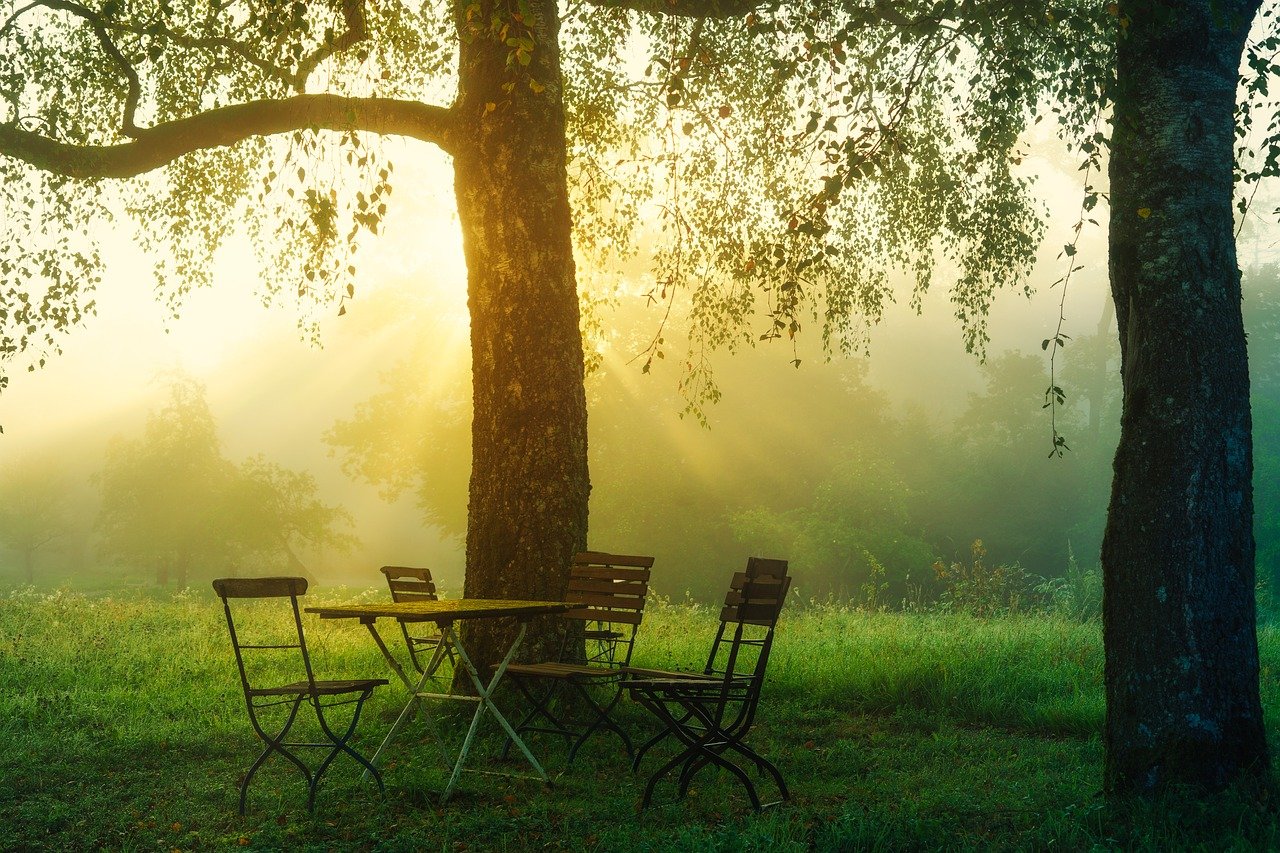
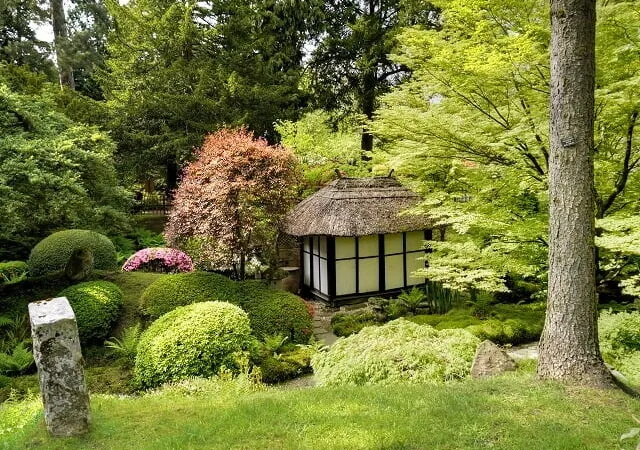
These gardens may have some trees or buildings which, as the sun moves, cast shade over the garden in pockets. During the summer, when the trees are in full flower, the shade will be heavier, but in Autumn and spring, some light will get through.
These conditions are similar to woodland aspects, so woodland plants ideally work best here. It would be best if you looked for shade-tolerant plants. Flowering plants like Primulas are best as they flower before the trees develop their leaves. Snowdrops and Anemones are also good choices.
iii) Partially Shaded
Nearly all gardens experience shade in parts, and the partially shaded areas can be used to their best advantage. Even a south facing garden will have some shade cast by trees, buildings or structures so make sure you review where the shade is in your garden.
Frequently Asked Questions About Plants for Shade
What is the difference between deep shade, dappled shade, and partial shade?
Deep shade receives almost no direct sunlight and is typically found beneath dense tree canopies, against north-facing walls, or between closely built structures. Dappled shade shifts throughout the day as sunlight filters through moving tree branches, creating a woodland-floor effect. Partial shade means an area receives some direct sun, usually between two and four hours per day, but is shaded for the rest of the time. Understanding which type your garden has is the single most important step before choosing any plants, because planting a damp-shade lover into deep dry shade will almost always end in failure regardless of how well you care for it.
Can I improve the soil in a shaded border before planting?
Yes, and it is well worth doing before you plant anything. Shaded borders under trees are often bone dry because the tree canopy intercepts rainfall and the roots compete aggressively for moisture. I always dig in a generous quantity of well-rotted compost or leaf mould before planting, which improves both water retention and soil structure. Mulching after planting with a 5 to 7cm layer of bark or leaf mould locks in that moisture and gradually feeds the soil as it breaks down. Even the toughest dry-shade plants will establish faster and perform better in improved soil.
Why won’t anything grow under my tree?
This is one of the most common questions I get asked, and the honest answer is usually a combination of three factors working against you at once: deep shade, very dry soil, and root competition from the tree itself. Most plants struggle with any one of these conditions in isolation, so all three together creates a genuine planting challenge. The solution is to choose plants specifically bred or adapted for this exact situation, such as Epimediums, Pachysandra, or Lamium, to improve the soil before planting, and to water new plants thoroughly every week for the first full growing season. Once established, the right plants will quietly thrive in these spots for years.
Do shade-loving plants still need watering?
Yes, especially in the first year after planting. There is a common misconception that because shaded borders feel cooler and damp-looking, the soil must be moist. In reality, areas under tree canopies or along north-facing walls are frequently drier than you might expect because rainfall is blocked or diverted. I always water new shade plants deeply once a week during their first growing season even if the weather has been overcast. Once fully established, many shade-tolerant plants become largely self-sufficient, but they will still appreciate a good soak during any prolonged dry spell in summer.
Which shade plants are best for heavy clay soil?
Heavy clay soil combined with shade is a challenging but very solvable combination. Plants that cope well include Hostas, Astilbes, Ligularia, Polygonatum (Solomon’s Seal), Alchemilla mollis, and most ferns including the Japanese Painted Fern. These plants tolerate the waterlogging and poor drainage that clay brings, and some actually prefer the moisture-retentive conditions. I would avoid Epimediums and Hellebores in very heavy wet clay, as both prefer free-draining conditions even when growing in shade. Improving clay soil with grit and organic matter before planting makes a significant difference to establishment and long-term performance.
Can I grow flowering plants in deep shade?
Yes, although your options are more limited than in dappled or partial shade. In genuinely deep shade I always lean heavily on foliage interest first and treat flowers as a welcome bonus. That said, Hellebores flower reliably in deep shade during winter and early spring, Astilbes produce their feathery plumes even in quite dark conditions, and Pulmonaria flowers freely before the tree canopy fills out in spring. Thalictrum ‘Black Stockings’ is one of my personal favourites for adding height and flower interest to a deeply shaded border where most guides would give up entirely. The key is managing expectations and designing primarily around foliage texture, colour, and form rather than relying on constant flower colour.
When is the best time to plant shade-loving plants?
Autumn is my preferred time to plant the majority of shade-loving perennials and shrubs in the UK. The soil is still warm from summer, which encourages root establishment before winter, and the cooler wetter weather reduces the watering burden considerably. Spring is also a perfectly good time to plant, particularly for later-establishing specimens like Hostas and Astilbes. The one time I would avoid is midsummer, when the combination of heat, drought, and root competition from nearby trees gives newly planted specimens a very difficult start. If you have to plant in summer, water daily for the first fortnight and mulch immediately after planting.
Are there any evergreen plants for shade?
Plenty, and they are invaluable for keeping a shaded border looking structured and cared for through winter when deciduous plants have died back. My go-to evergreen shade plants include Pachysandra terminalis, Sarcococca (Sweet Box), Skimmia japonica, Fatsia japonica, Heucheras, Carex ‘Evergold’, and Mahonia. For shaded borders where year-round structure really matters, I will always anchor the planting with at least two or three evergreen specimens before filling in around them with deciduous perennials. This approach means the border looks intentional and considered even in the depths of January.
Take your Garden Design to the Next Level
Looking to create your own unique garden designs or even design gardens for others? My Garden Design for Beginners Course is here to help!
This course offers step-by-step guidance from me, Lee Burkhill—award-winning garden designer and presenter on BBC1’s Garden Rescue. In this course, you’ll go from a garden design novice to a confident designer equipped to tackle any green space.
Planting Techniques – Select and arrange plants like a pro.
Design Styles & Layout Options – Explore different styles to suit every garden.
Course Features:
20 Hours of Study Time
Flexible Online Learning
Engaging Video Lessons & Quizzes
Real-World Case Studies
Certification upon Completion
Taught by Award-Winning Designer Lee Burkhill
Enrol now for just £199 and start your journey toward garden design mastery!
29
Garden Design Examples for Small Gardens: 30 Design Templates & Planting Plans
Garden Design Examples for Small Gardens: 30 Design Templates & Planting Plans: In this online gardening course, I’ll walk you through 30 fantastic garden designs, explaining the logic behind the layout, the plant choices, and take-home tips for applying them in your own garden.
Weekend Garden Makeover: A Crash Course in Design for Beginners
Learn how to transform and design your own garden with Lee Burkhills crash course in garden design. Over 5 hours Lee will teach you how to design your own dream garden. Featuring practical design examples, planting ideas and video guides. Learn how to design your garden in one weekend!
Garden Design for Beginners: Create Your Dream Garden in Just 4 Weeks
Garden Design for Beginners Online Course: If you want to make the career jump to becoming a garden designer or to learn how to design your own garden, this is the beginner course for you. Join me, Lee Burkhill, an award-winning garden designer, as I train you in the art of beautiful garden design.
Whether in dappled shade or dry full shade, this list of plant heroes offers more choices for those awkward borders. By understanding your garden’s shade, you can choose plants that work for your exact conditions. Don’t just settle for the bare minimum; use this guide to help you pick beautiful floriferous or foliage plants that grow in any shade.
If you liked this article, why not check out my social media, where you can Tweet, Facebook, or Instagram me? Why not pay a visit to my YouTube channel for garden design hints and tips? I’d love to hear from you!
Your subscription could not be saved. Please try again.
Your subscription has been successful.
Lee Burkhill
Lee Burkhill, known as the Garden Ninja, is an award-winning garden designer and horticulturist with over 30 years of gardening experience and 15 years as a professional garden designer. A qualified RHS (Royal Horticultural Society) professional, Lee specialises in sustainable garden design and practical horticultural advice. He designs and presents on BBC1’s Garden Rescue and in leading gardening publications. Lee combines three decades of hands-on gardening knowledge with professional design qualifications to help gardeners create beautiful, functional outdoor spaces.
Hi, wonder if you can help me please? I have a bed which is south west facing but I have two very large pine trees which cast shade and cover everything in pine needles as soon as the wind blows! Also the bed is at the end of the path that runs down the side of the house so the bed gets lots of wind. I’ve tried planting shade loving plants as it’s mostly in the shade but it does get a fair amount of hot sun in the summer so those plants really struggle, but it’s not sunny enough for sun lovers. Can you suggest some plants I could try for acid loving soil, many thanks















Hi, wonder if you can help me please? I have a bed which is south west facing but I have two very large pine trees which cast shade and cover everything in pine needles as soon as the wind blows! Also the bed is at the end of the path that runs down the side of the house so the bed gets lots of wind. I’ve tried planting shade loving plants as it’s mostly in the shade but it does get a fair amount of hot sun in the summer so those plants really struggle, but it’s not sunny enough for sun lovers. Can you suggest some plants I could try for acid loving soil, many thanks