For the garden you’ve already got, not the one you’re starting from scratch. Seven checklists and video lessons from BBC Garden Rescue’s Lee Burkhill, built to help you work out what’s worth keeping before you spend a penny.
69


Quick Answer
August is one of the most productive gardening months in the UK. Sow hardy annuals like sweet peas, cornflowers and larkspur direct outside for spring flowers. Sow winter veg including pak choi, spinach, kale and winter lettuce. Plant autumn bulbs, take semi-ripe cuttings of shrubs, pot up strawberry runners, and plant container-grown fruit trees while the soil is still warm. The key is acting before mid-August for best results.
August often gets dismissed as a month for garden maintenance rather than creation, with many gardeners assuming the growing season is winding down and focusing solely on watering, deadheading, and harvesting existing crops. This couldn’t be further from the truth! Whilst others are taking their gardening foot off the pedal, I’m ramping up propagation activities here at Garden Ninja HQ because I know August is actually one of the most productive months for establishing plants that will deliver spectacular results next year.

The combination of warm soil, reduced day length, and approaching autumn rains creates perfect conditions for germination and establishment that savvy gardeners capitalise upon, while their neighbours miss out entirely. So come join me as I show you what you can start growing in August, whether for this year’s harvests or to reap your rewards next year!
Jump To
This page contains affiliate links (see full details here). If you purchase through these links, I may earn a small commission at no extra cost to you.
Most gardeners in August have a well-deserved break. However, some gardeners, particularly beginners, think that this is the end of the growing year, but I’m here to advise you that this is not the case, Ninjas.
Late summer presents unique opportunities that many gardeners overlook:
Professional gardeners and designers understand that August plantings often outperform their spring counterparts. The reduced competition from weeds, combined with ideal growing conditions, creates a window of opportunity that the most successful gardens capitalise upon. So what are you waiting for, Ninjas?
August is prime time for sowing hardy annuals that will provide breathtaking spring colour. Annuals grow and flower within a year, then die off. They can create great pops of colour in a garden! These reliable performers form the backbone of cutting gardens and cottage-style borders, delivering maximum impact for minimal investment.
These are fabulous plants that can be directly sown outside in flower beds ready for next year, though do make sure you label them so you don’t weed them out come spring. Alternatively, you can sow these seeds in containers in a cold frame or greenhouse if you prefer.
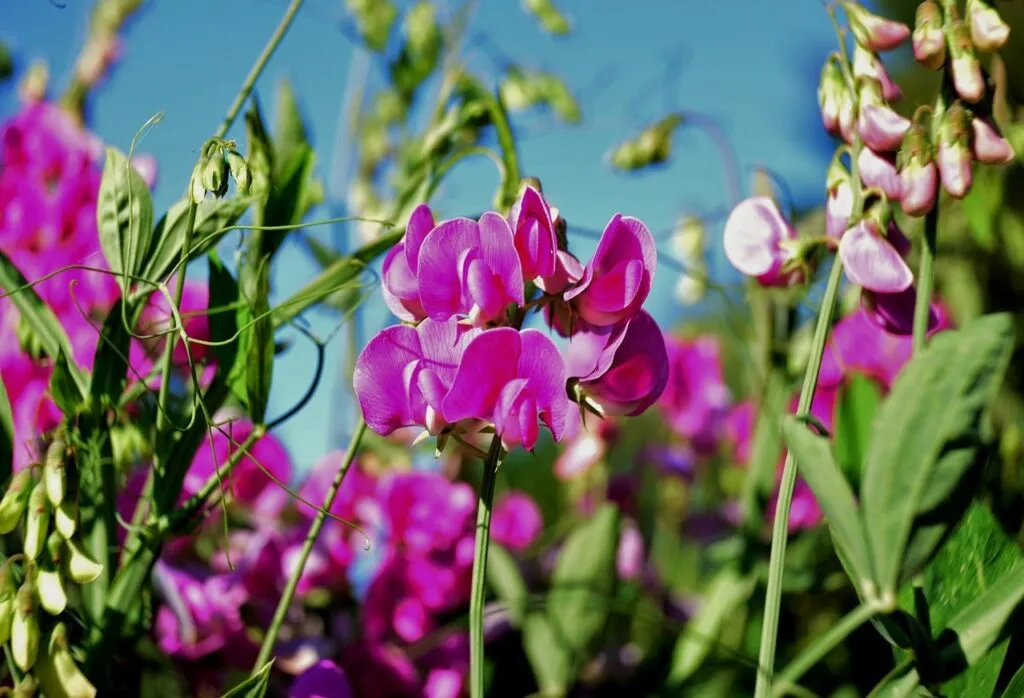
Sweet Peas (Lathyrus odoratus) deserve pride of place in any August sowing programme. These climbing beauties, when sown now, develop extensive root systems over winter and burst into fragrant flower from early spring. Choose varieties like ‘Cupani’ for heritage appeal or ‘Winston Churchill’ for robust stems perfect for cutting.
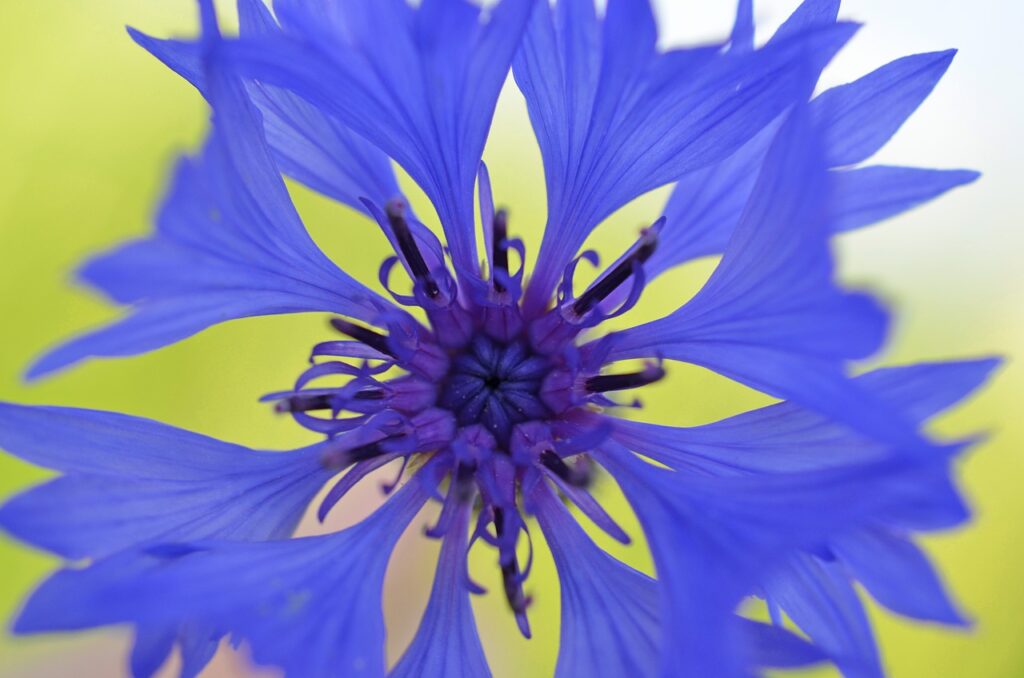
Cornflowers (Centaurea cyanus) sown in August create sturdy plants that tower over their spring-sown relatives. The extended growing period produces stronger stems and more abundant flowers. ‘Blue Boy’ remains the classic choice, whilst ‘Black Gem’ offers sophisticated dark burgundy blooms that garden designers adore. These flowers always remind me of the true British cottage garden and are a great plant for beginners, as they are so easy to grow and they self-seed everywhere. Basically, free plants forever!
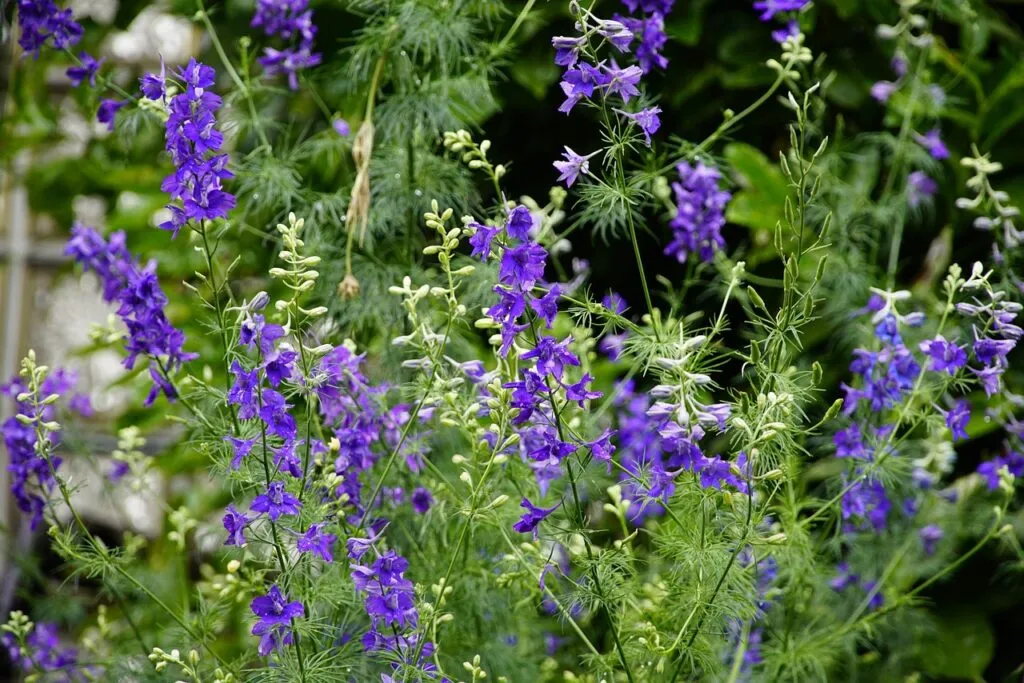
Larkspur (Consolida ajacis) becomes a towering spectacle when autumn sown. These architectural annuals reach impressive heights and self-seed freely, creating naturalistic drifts that look effortlessly wild yet perfectly planned. These add much-needed height to your flower beds, which new gardeners often forget. If everything is the same height in flower beds, they can look lacklustre and a bit of a one-hit wonder, hence the need to layer plants.
For gardeners with protected growing space, August opens up additional possibilities, as you can start off seeds that need protection as the colder autumn months start. Greenhouses and cold frames extend the growing season, so if you have the space, it’s a wise move to set one up. It enables you to sow seeds earlier and later in the season, and it also gives you a place to dodge the rain in the garden.
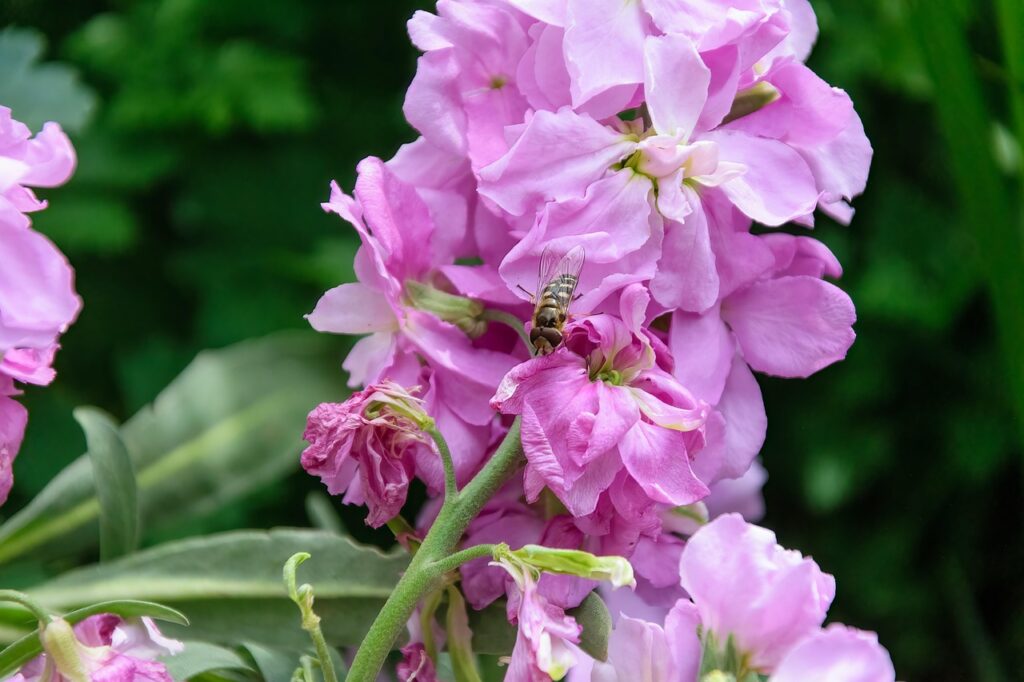
Stocks (Matthiola incana) sown now and overwintered in cold frames produce earlier, more substantial flower spikes. The perfume from these beauties on warm spring evenings is simply unmatched. They remind me of the old granny’s garden styling, which I love. They will make your neighbours green with envy!
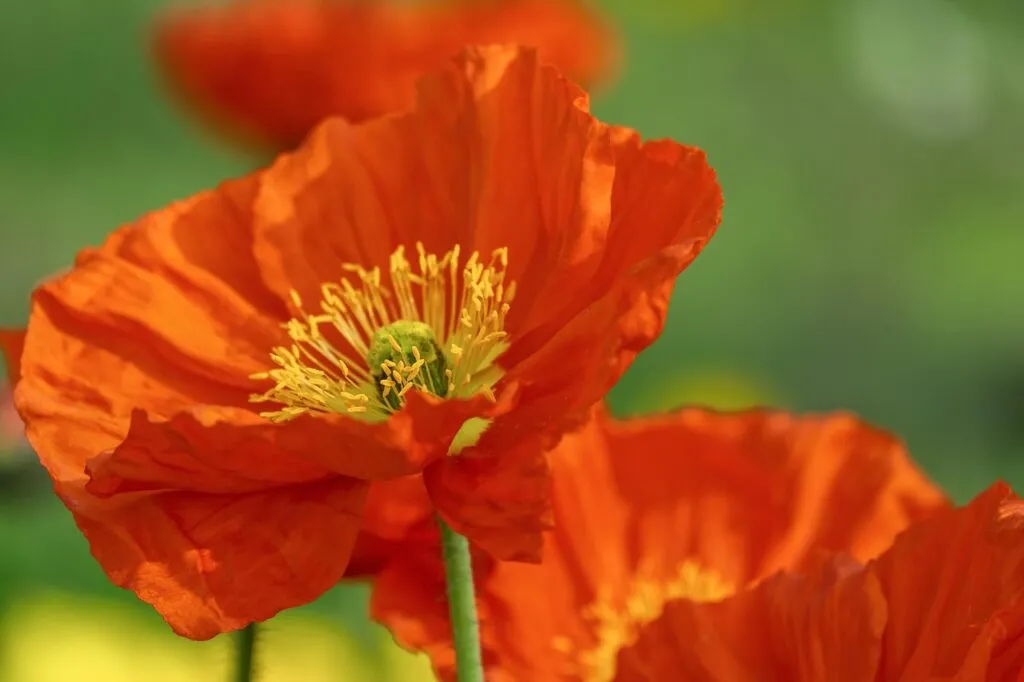
Annual Poppies, including Shirley varieties, can be started in modules for planting out in early autumn. This technique produces more controlled displays whilst avoiding the unpredictability of direct sowing. Seedbombs are a great way to sow these, especially with children! Again, once you have poppies, they will self-seed each year, and you’ll never need to resow them.
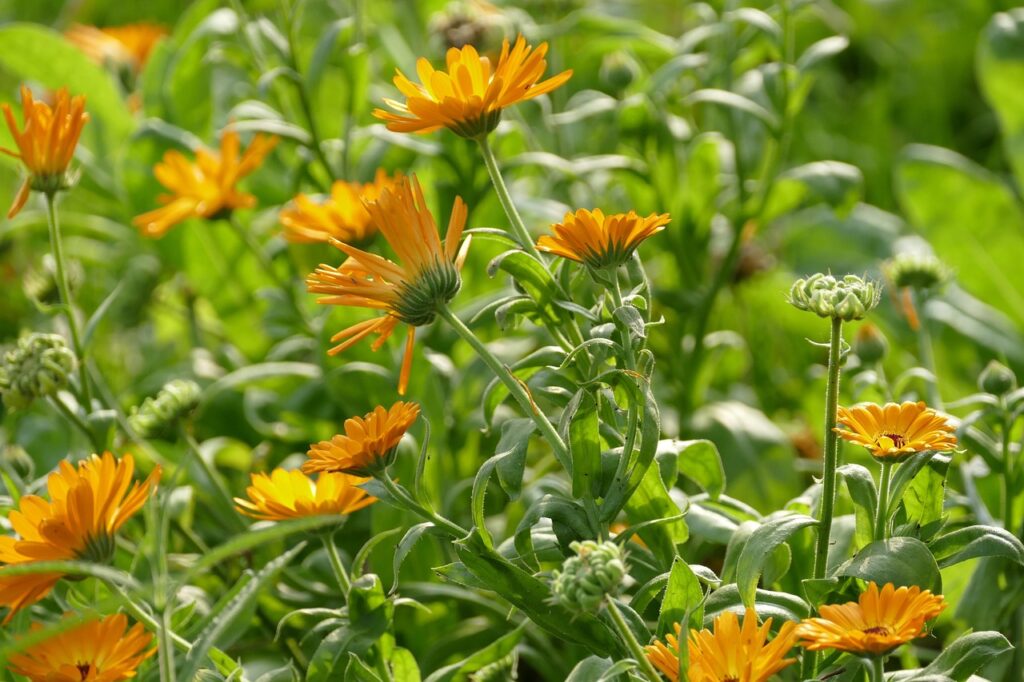
Calendula (Pot Marigold) thrives from August sowings, producing robust plants that flower continuously from autumn through to spring. Art Shades’ offers sophisticated apricot and cream tones, whilst ‘Indian Prince’ provides deep orange blooms with dark centres that create stunning focal points. You can also eat the leaves of this bright orange annual, which help deter pests such as aphids. They can be used as sacrificial lambs in your raised allotment beds, so pests like slugs eat them first.
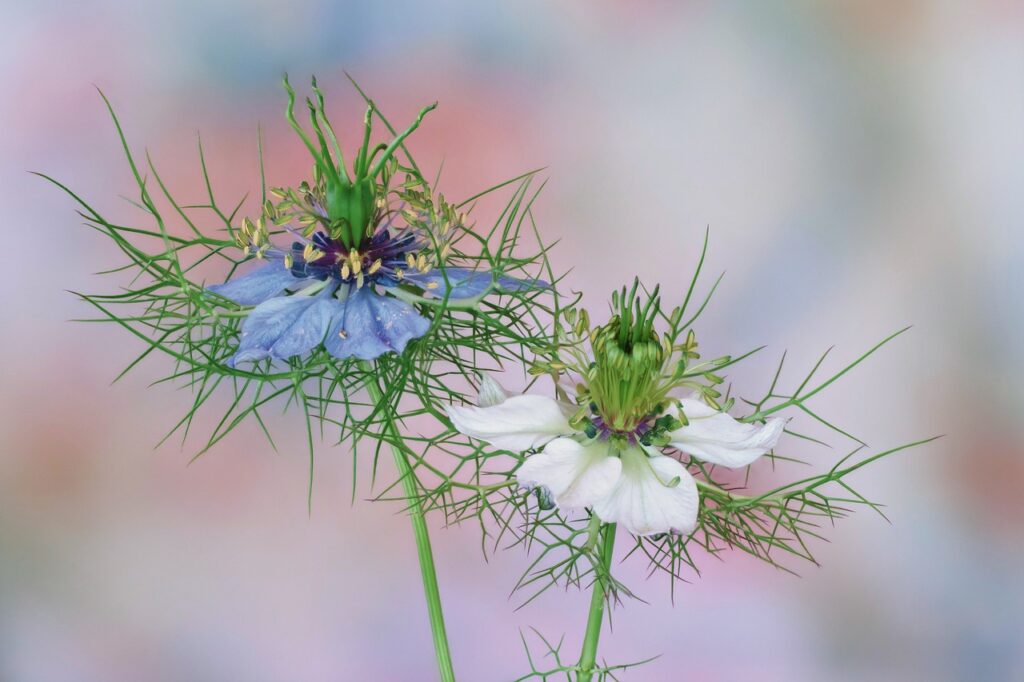
Nigella (Love-in-a-Mist) sown now develops into substantial plants that self-seed prolifically. ‘Miss Jekyll’ remains the classic blue choice, whilst ‘Persian Jewels’ provides a rainbow mix that naturalises beautifully in cottage garden settings. These plants make amazing cut flowers for bouquets and vases too!
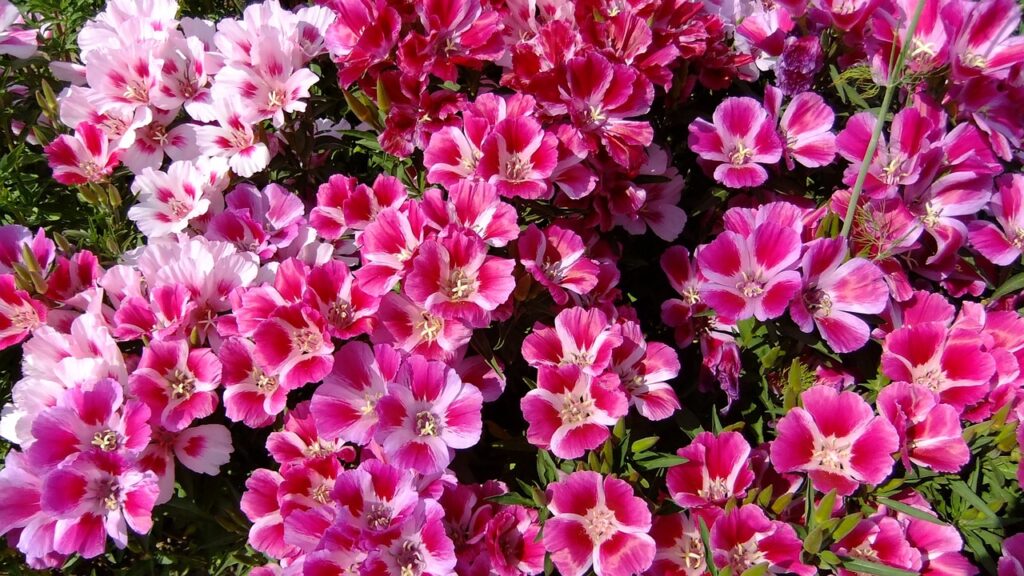
Clarkia produces elegant flower spikes when autumn-sown, reaching impressive heights that dwarf spring sowings. These understated beauties prefer cooler conditions and often struggle in hot summer weather, making August the perfect timing for establishment.
Sometimes it is referred to as Godetia clarkia, which creates spectacular displays when sown in August. These satiny-flowered annuals produce masses of blooms in spring, and autumn sowings develop stronger root systems that support more abundant flowering.
Established perennials form the architectural bones of successful garden design along with suitable garden shrubs. Herbaceous perennials in particular can help bring succession planting to your garden, making it look better for longer and providing much-needed pollen and nectar, which annual plants often struggle to provide abundantly, for bees and wildlife.
August presents the ideal window for establishing these repeat-flowering gardening troopers, allowing them to settle before winter and emerge strongly the following season. You then get the jump on growing next year, and every garden should have at least 50% of its plants as herbaceous perennials!
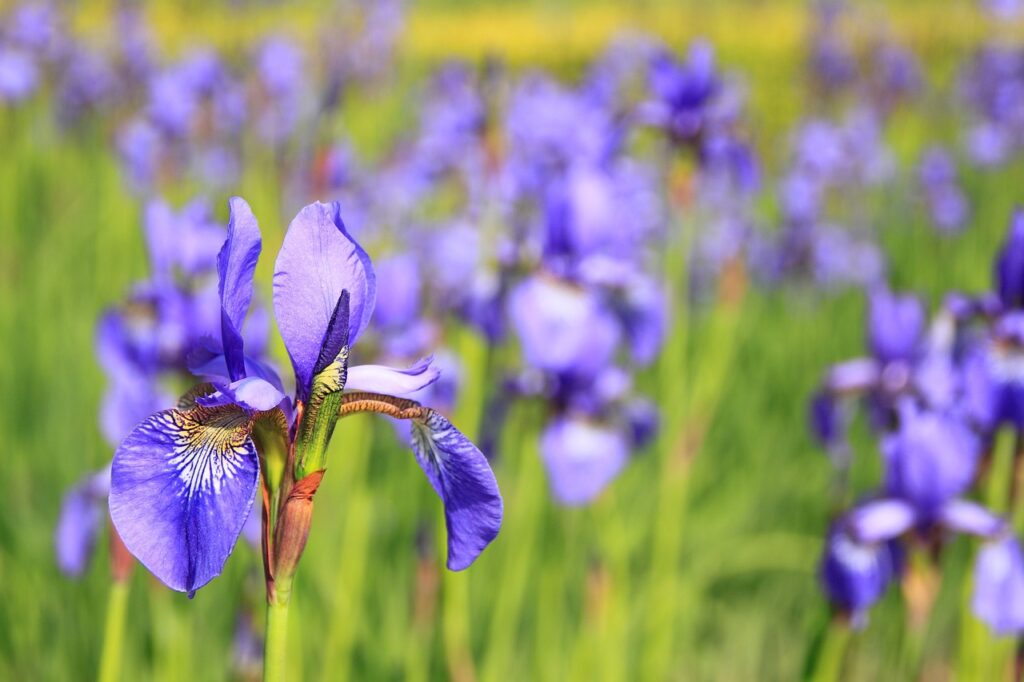
Iris division becomes a priority task this month. These rhizomatous perennials benefit from regular division every three to four years. August timing allows new divisions to establish themselves before dormancy. Lift entire clumps, divide with a sharp knife, and replant with the rhizome surface level with the soil.
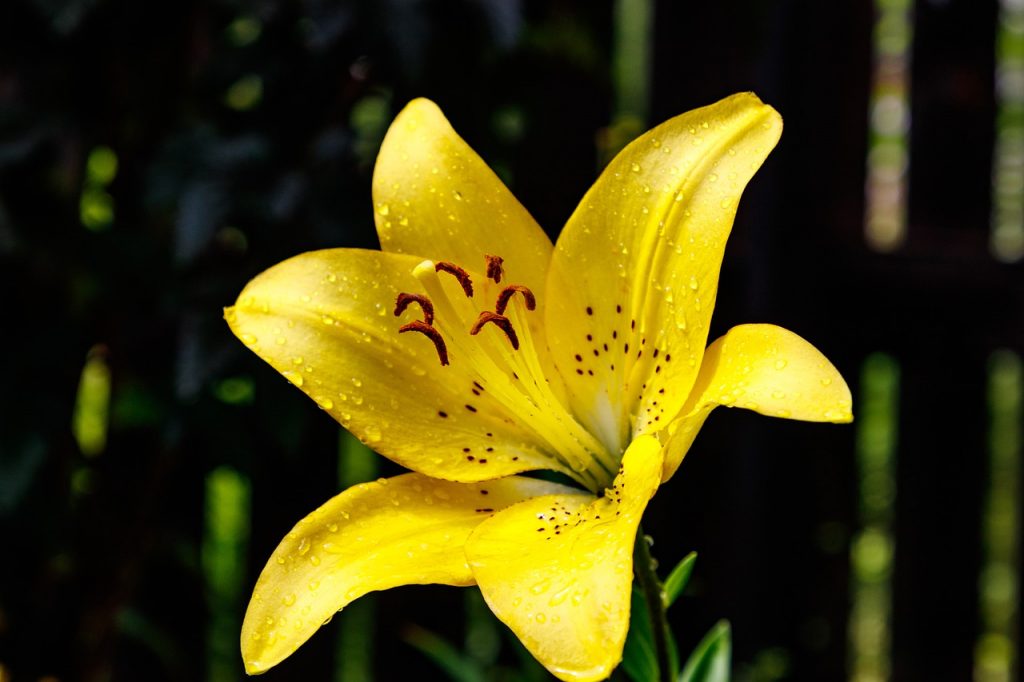
Daylilies (Hemerocallis) respond brilliantly to August division, which lets you create more plants for free with just half an hour’s work. These reliable perennials multiply rapidly, and division not only increases your stock but rejuvenates flowering performance. Each division should contain both roots and growing points for successful establishment.
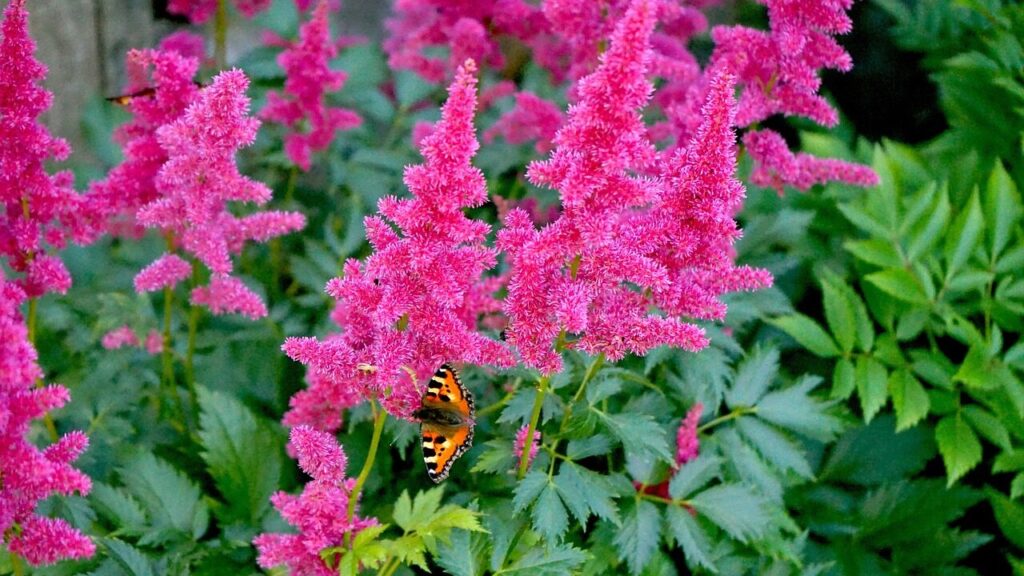
Astilbe clumps that have become congested benefit from division now. These shade garden champions appreciate the cooler conditions that autumn brings and establish quickly when divided during their active growth phase. Children love them as their colouration is super bright and gives a sweet shop feel even to the shadiest of spots, but don’t let them dry out!
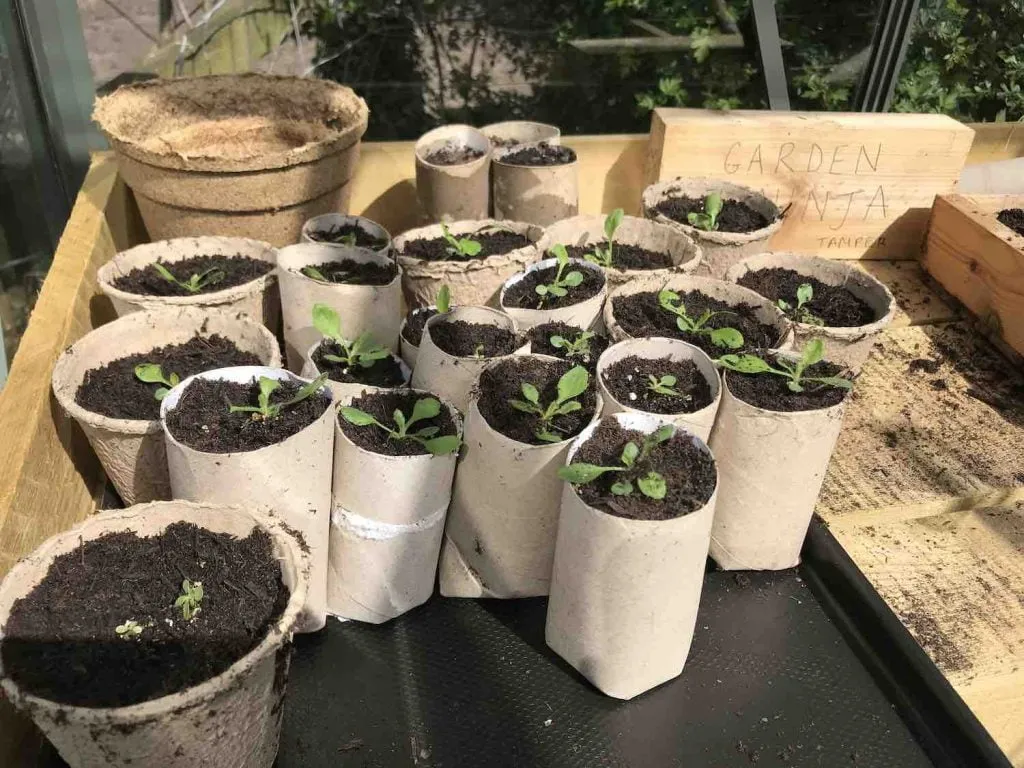
Container-grown perennials planted in August have distinct advantages over spring plantings, as their root system gets a kick-start. The key to remember when sowing perennials is that the germination window is longer and slower than that of annuals. However, I would urge all of you to try your hand at growing perennial plants from seed. It’s the best way to really get to know your garden plant species and become a better gardener! Let’s have a look at what you can sow under some protection now, ready for next year.
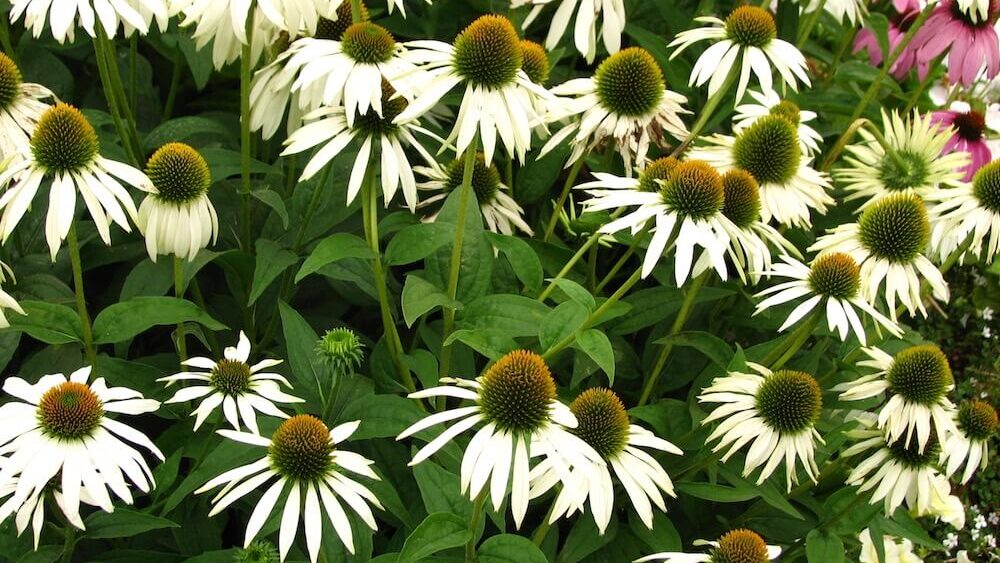
Echinacea (Purple Coneflowers) establish magnificent root systems when planted now, resulting in earlier flowering and increased drought tolerance. Echinacea can take up to six weeks to germinate, so please be patient; however, it is well worth the wait. Alba is the white specimen that is the most hardy alongside purple coneflowers.
Rudbeckia varieties, including ‘Goldsturm’ and ‘Cherokee Sunset’, create stunning autumn displays when planted this month. These North American natives thrive in August conditions and often continue flowering well into October. These are one of my favourite all-time plant species!

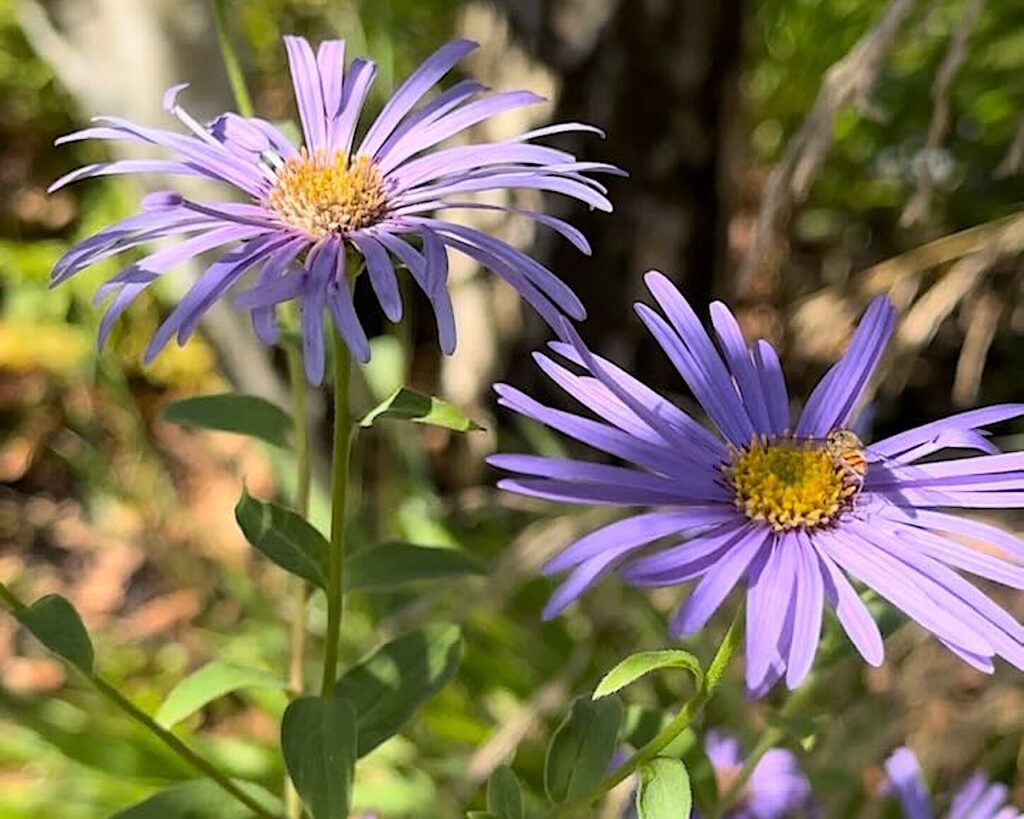
Asters deserve special mention for August planting. These late-season stars provide crucial nectar sources for pollinators when little else is flowering. Symphyotrichum novae-angliae varieties create spectacular autumn focal points that wildlife absolutely adores. These flowers emerge late august and fill the gap before autumn shrubs start to steal the show!
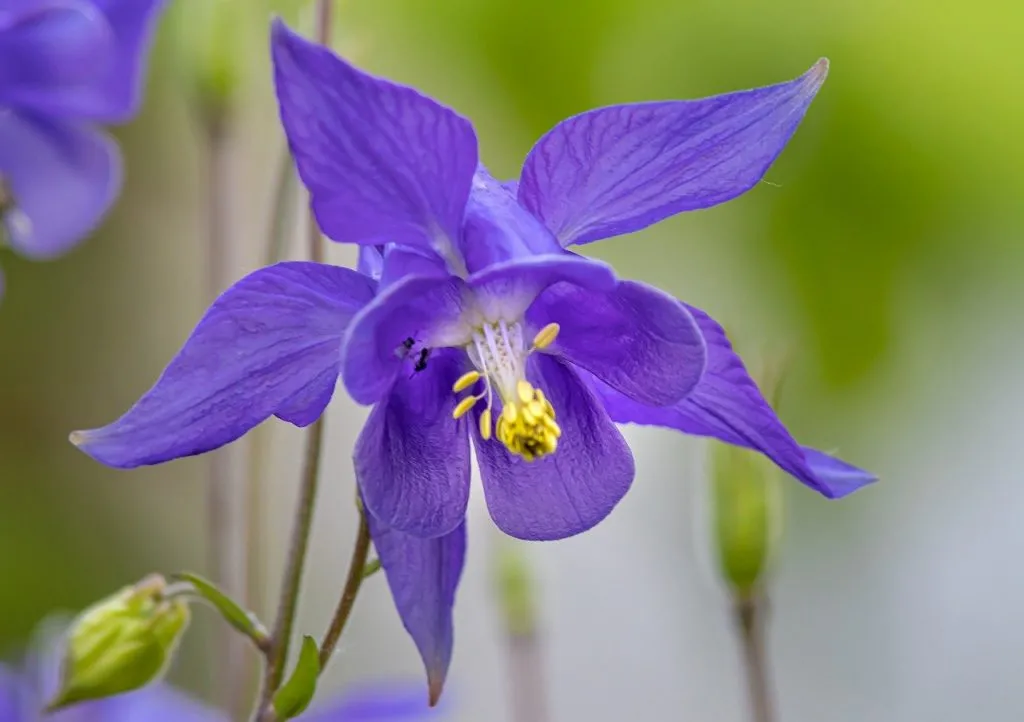
Aquilegia or Granny’s Bonnets (Columbine) seeds sown fresh in August germinate far more successfully than stored seed. These cottage garden favourites self-seed freely once established, creating naturalistic colonies that look effortlessly planned. ‘McKana Giants’ produces large flowers in mixed colours, whilst ‘Nora Barlow’ offers unique double flowers with ruffled petals.
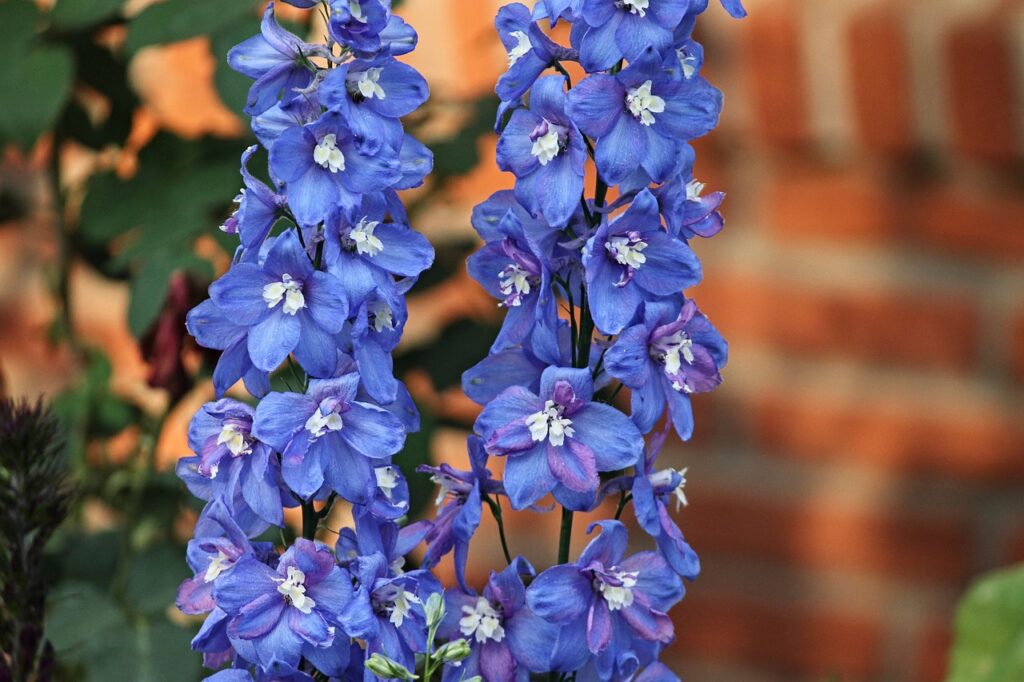
Delphinium seeds require the cold stratification that winter provides, where seedlings need a dramatic drop in temperature before they can germinate, making August sowing ideal as the winter cold snap provides that. These architectural perennials take two years to reach full flowering potential, but August-sown plants often produce small flower spikes in their second summer. Pacific Giant strains create towering spires that dominate herbaceous borders.
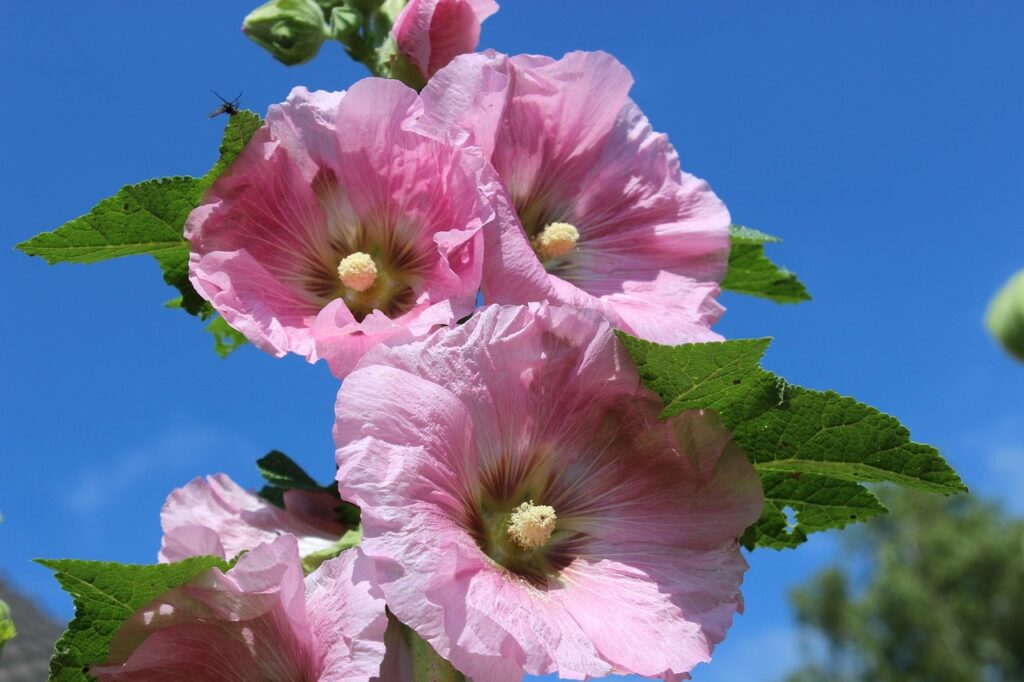
Hollyhocks (Alcea rosea) establish magnificent taproots when sown in August. These cottage garden classics are technically biennials but often persist for several years when well-established. Chater’s Double’ produces perfect rosette flowers, whilst single varieties like ‘Single Mixed’ attract beneficial insects more effectively.
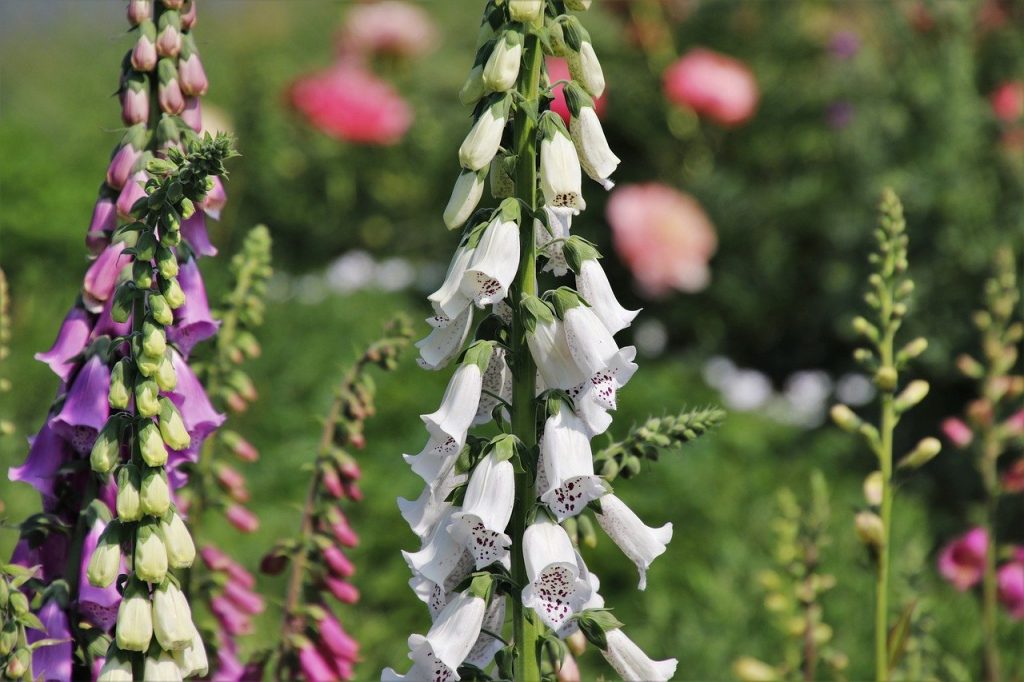
Foxgloves (Digitalis purpurea) sown now create substantial rosettes that produce towering flower spikes the following summer. These woodland natives thrive in partial shade and self-seed freely in suitable conditions. Excelsior’ hybrids offer flowers around the entire stem, whilst ‘Camelot’ provides compact plants perfect for smaller gardens.
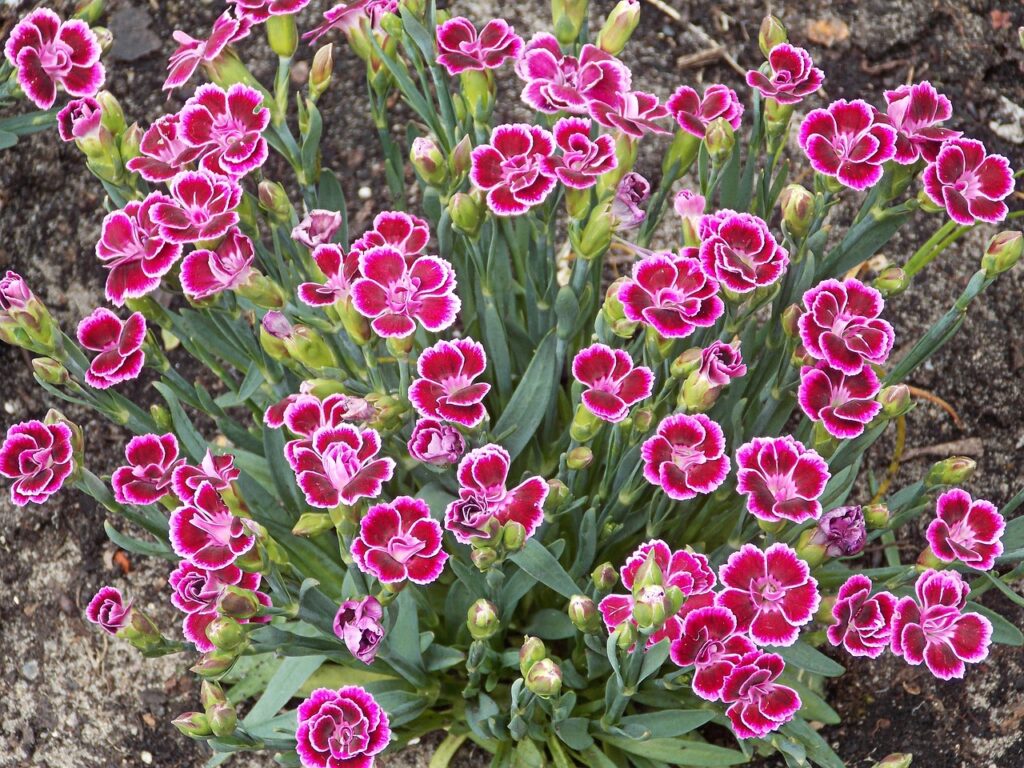
Sweet William (Dianthus barbatus) develops strong root systems from August sowings that support exceptional flowering performance. These fragrant biennials provide cottage garden charm and excellent cutting material. ‘Auricula Eyed’ offers intricate colour patterns, whilst ‘Sooty’ provides almost black flowers that garden designers adore.
August vegetable sowing focuses on crops that thrive in cooler conditions and provide fresh harvests when shop-bought alternatives are at their most expensive. Strategic succession planting and sowing ensures continuous harvests well into winter, which can help extend the seasons in your allotment or kitchen garden. Don’t listen to anyone who says that you can’t grow edibles from autumn into winter, you can Ninjas.
The brassica family dominates August sowing schedules for good reason. These cool-season crops establish beautifully in late summer conditions and provide essential fresh greens throughout the darker months.
Winter Cabbage varieties sown now mature perfectly for Christmas harvests. ‘January King’ develops stunning purple-tinged leaves that are not only delicious but provide ornamental value in winter vegetable plots. ‘Tundra’ offers exceptional cold tolerance and stores well after harvest.
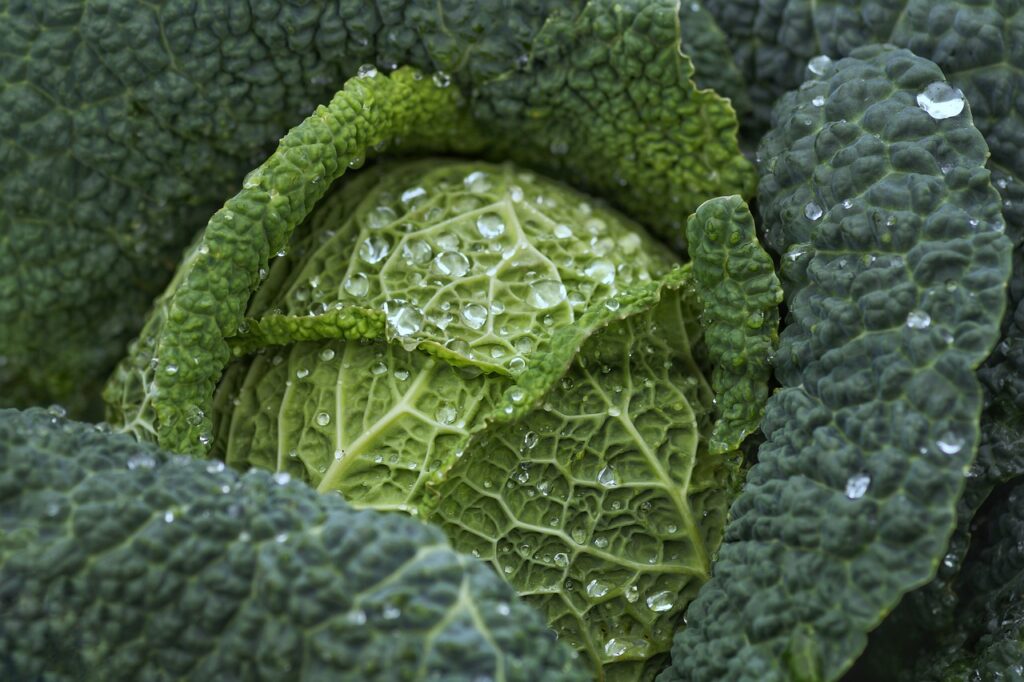
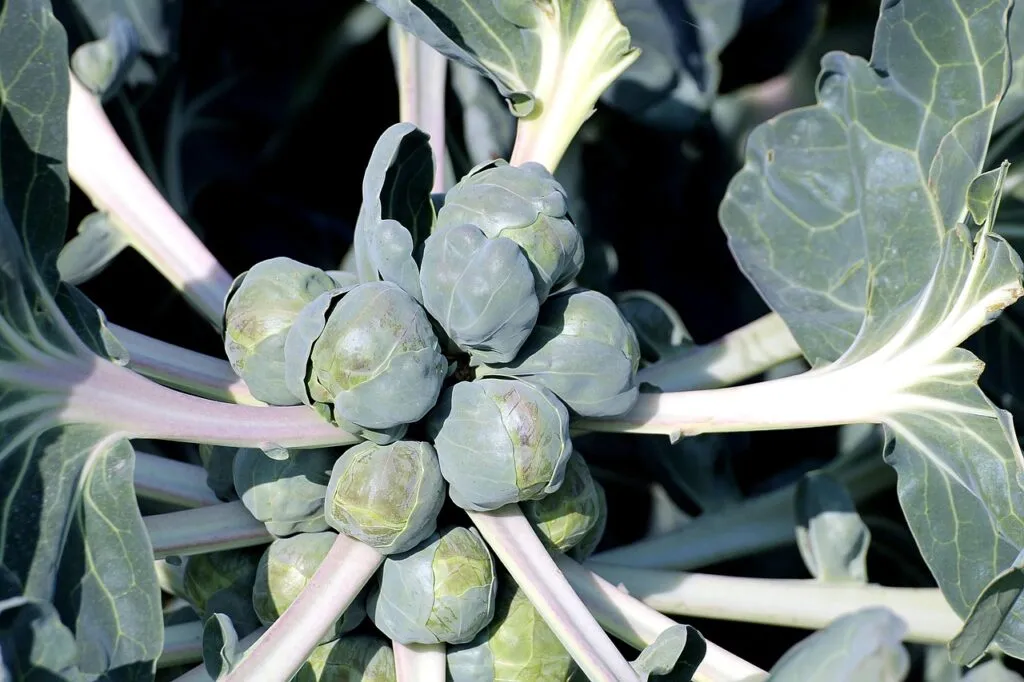
Brussels Sprouts require a long growing season, making August sowings crucial for Christmas dinner preparations. Modern F1 varieties like ‘Revenge’ produce uniform, tight sprouts that mature in succession rather than all at once.
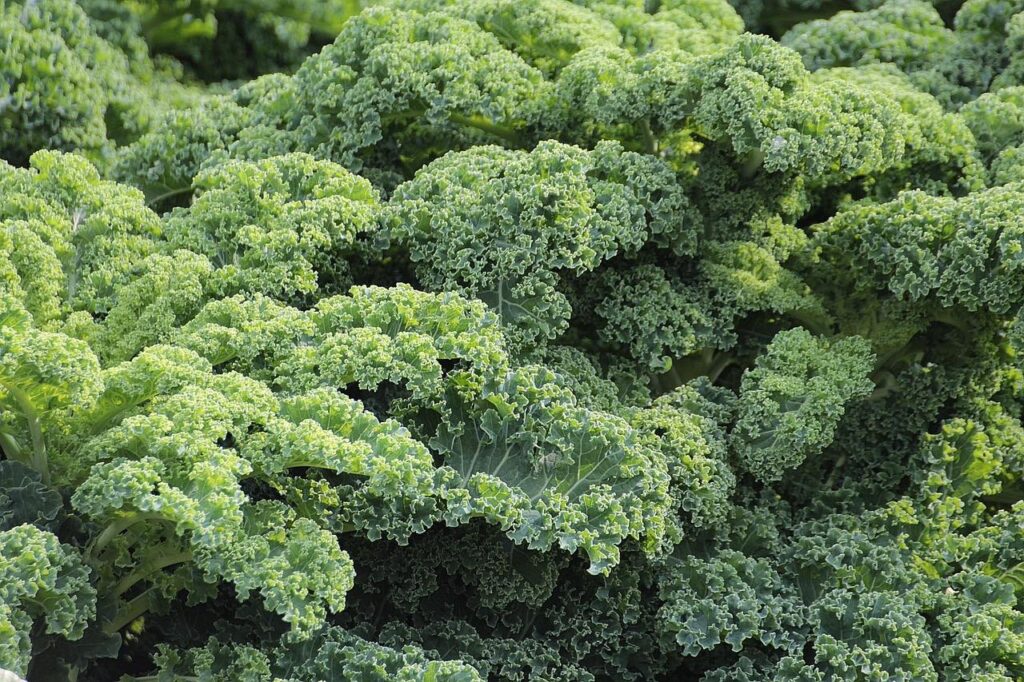
Kale varieties sown in August develop into substantial plants that harvest continuously throughout winter. ‘Nero di Toscana’ (Cavolo Nero) provides architectural structure whilst ‘Redbor’ adds burgundy foliage interest to ornamental vegetable gardens.
Quick crops are vegetables that can be grown from seed and harvested in as little as 6-8 weeks. which is why they are known as ‘catch crops’.
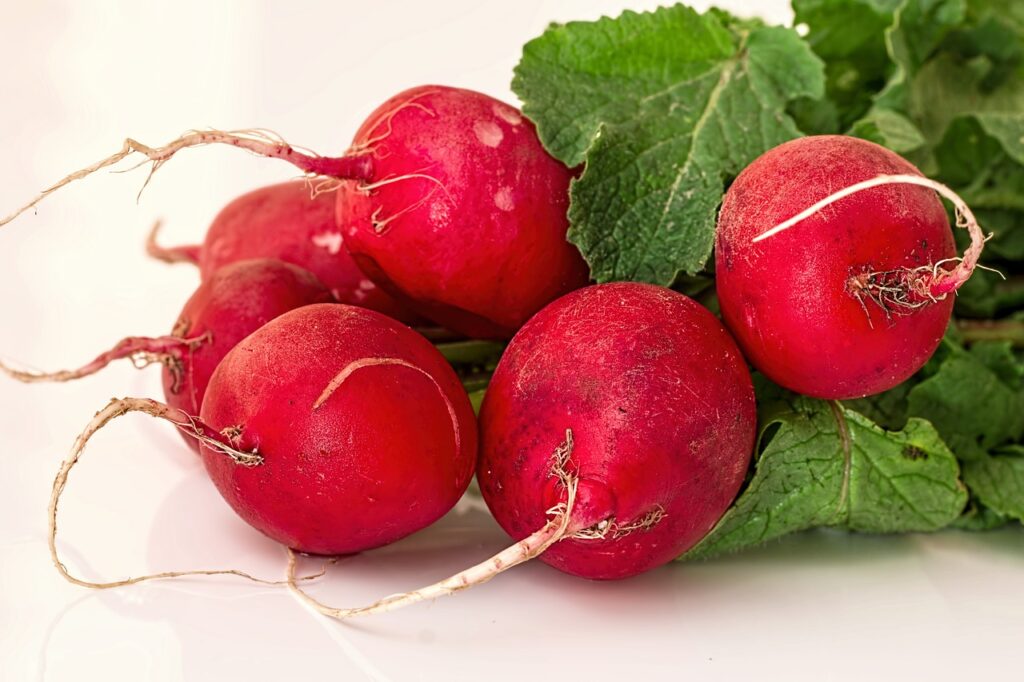
Radishes sown in August benefit from cooler conditions that prevent the peppery heat development common in summer sowings. ‘Cherry Belle’ and ‘French Breakfast’ varieties mature rapidly and can be succession sown every two weeks for continuous harvests.
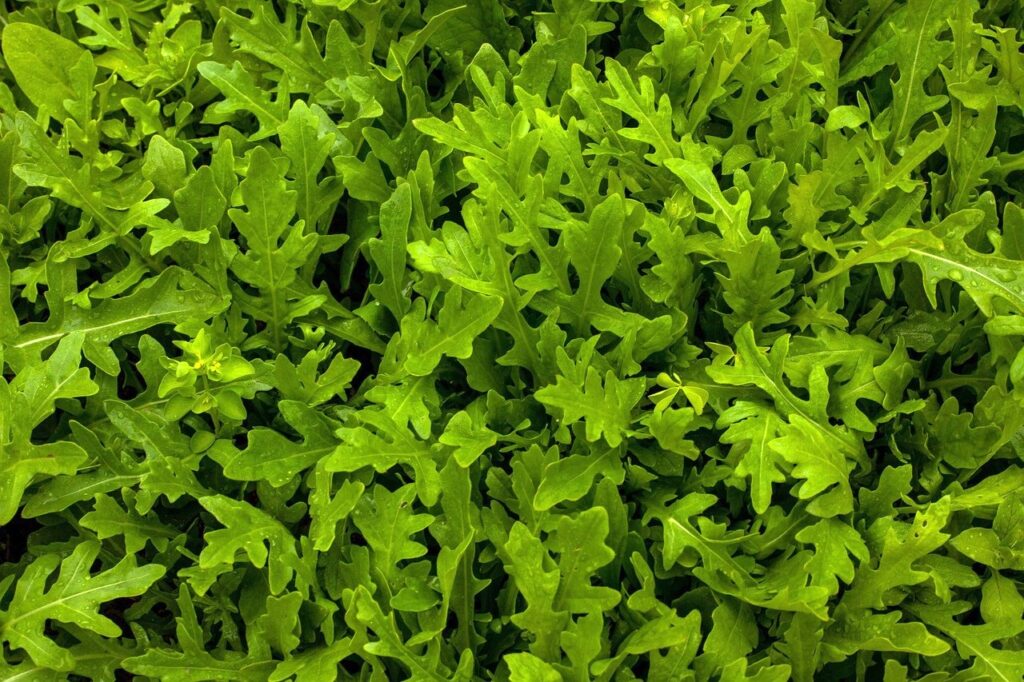
Rocket (Arugula) absolutely thrives in August conditions. This peppery salad green actually prefers cooler weather, and August sowings often outperform spring plantings. Wild rocket varieties self-seed freely, creating self-sustaining salad patches.
Spinach varieties like ‘Medania’ and ‘Space’ germinate reliably in August soil temperatures. These sowings bridge the gap between summer and winter crops, providing fresh leaves when lettuce begins to struggle.
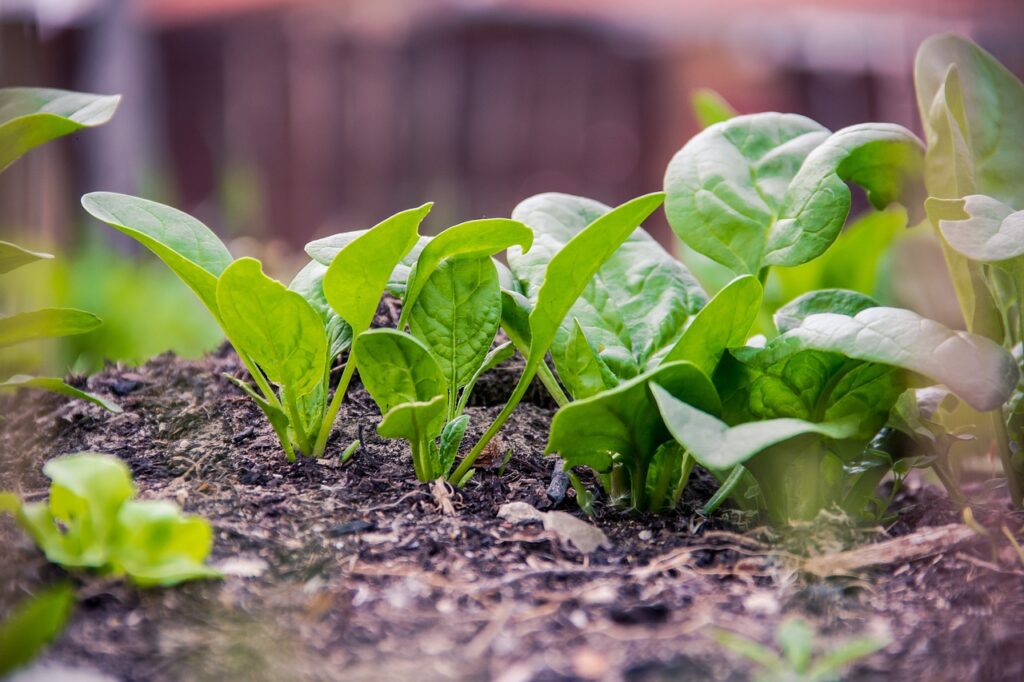
Pak Choi and other Asian greens excel when sown in August. These fast-growing vegetables appreciate the moderating temperatures and reduced day length. ‘Green Fortune’ produces succulent stems whilst ‘Purple Top’ adds ornamental appeal.
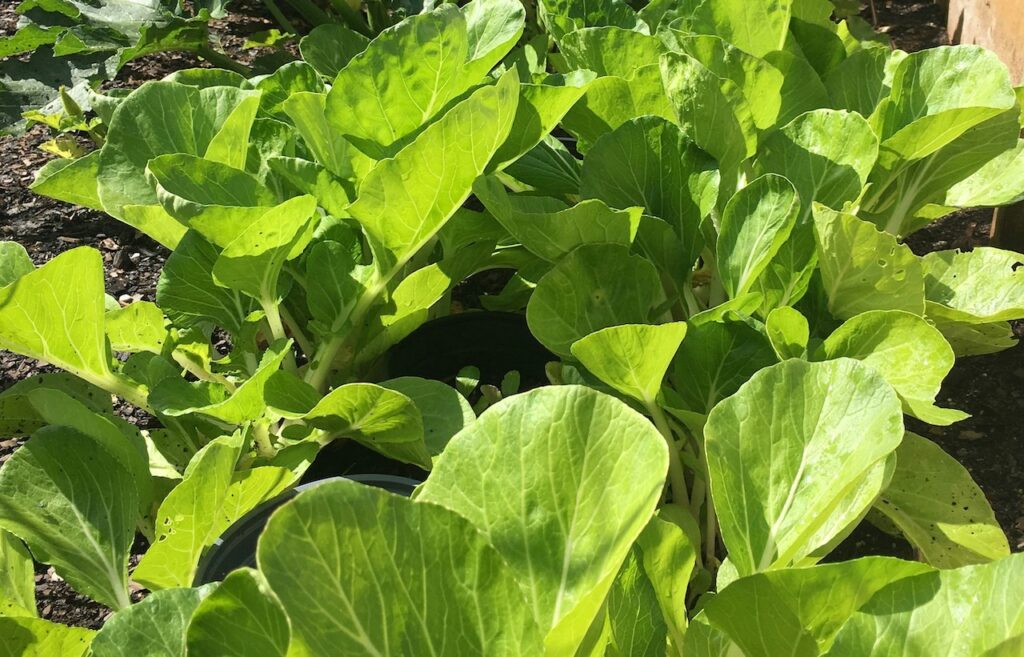
Chinese Cabbage varieties, including ‘Wong Bok’, form tight heads when sown now for autumn harvest. These vegetables require consistent moisture but reward careful cultivation with exceptional flavour and texture.
Standard summer lettuce varieties will not survive the cold, so choosing the right variety is everything here. August sowing of winter-specific lettuce varieties gives you fresh salad leaves well into December and, in milder areas or with cloche protection, through to February. Competitors consistently miss this nuance, sending gardeners to buy the wrong seed entirely.
The varieties that perform consistently well from August sowings include ‘Winter Gem’ (a compact little gem type that copes with frost), ‘Arctic King’ (an incredibly hardy butterhead that survives temperatures down to -8°C), and ‘Winter Density’ which sits between a cos and butterhead type with crisp, sweet leaves. Sow thinly in rows or modules, thin to 25cm apart, and cover with fleece or cloches from October. Under protection these varieties often produce pickings right through winter. 🛒 Buy winter lettuce seeds from Amazon UK
This is one of August’s most productive and underused opportunities. Japanese overwintering onion varieties sown from seed in August will produce bulbs by June next year, a full six to eight weeks ahead of spring-sown onions. Getting ahead on onions makes a genuine difference to the kitchen garden calendar, especially for gardeners who grow their own for most of the year.
Sow thinly in rows 30cm apart, about 1cm deep. The young plants will establish through autumn, sit through winter as small seedlings, and then surge away in spring to produce well-sized bulbs by early summer. ‘Senshyu Yellow’ is the most widely grown Japanese autumn onion and rarely disappoints. ‘Radar’ is another reliable performer with excellent winter hardiness. Both are suitable for most UK regions though they benefit from a sheltered, well-drained bed. 🛒 Buy autumn onion seeds from Amazon UK
Alternatively, autumn onion sets (small bulbs) are available from September, which gives even more reliable results for beginners. But sowing from seed in August is cheaper per plant and gives you the satisfaction of growing from scratch.
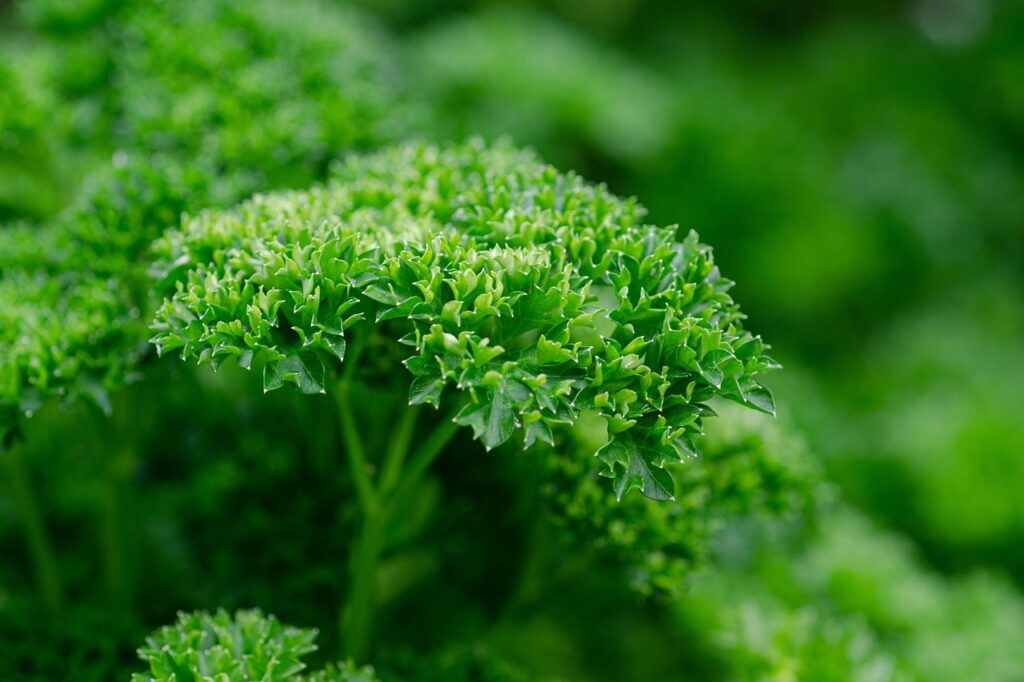
Parsley sown in August establishes beautifully before winter and provides fresh leaves throughout the cold months. Flat-leaf varieties like ‘Giant of Italy’ offer superior flavour for cooking, whilst curly types like ‘Champion Moss Curled’ provide attractive garnish and container appeal.
Coriander thrives in August conditions, with the moderating temperatures preventing the rapid bolting common in hot weather. ‘Leisure’ offers slow-bolting characteristics, while ‘Confetti’ provides finely cut leaves that are perfect for garnishing.
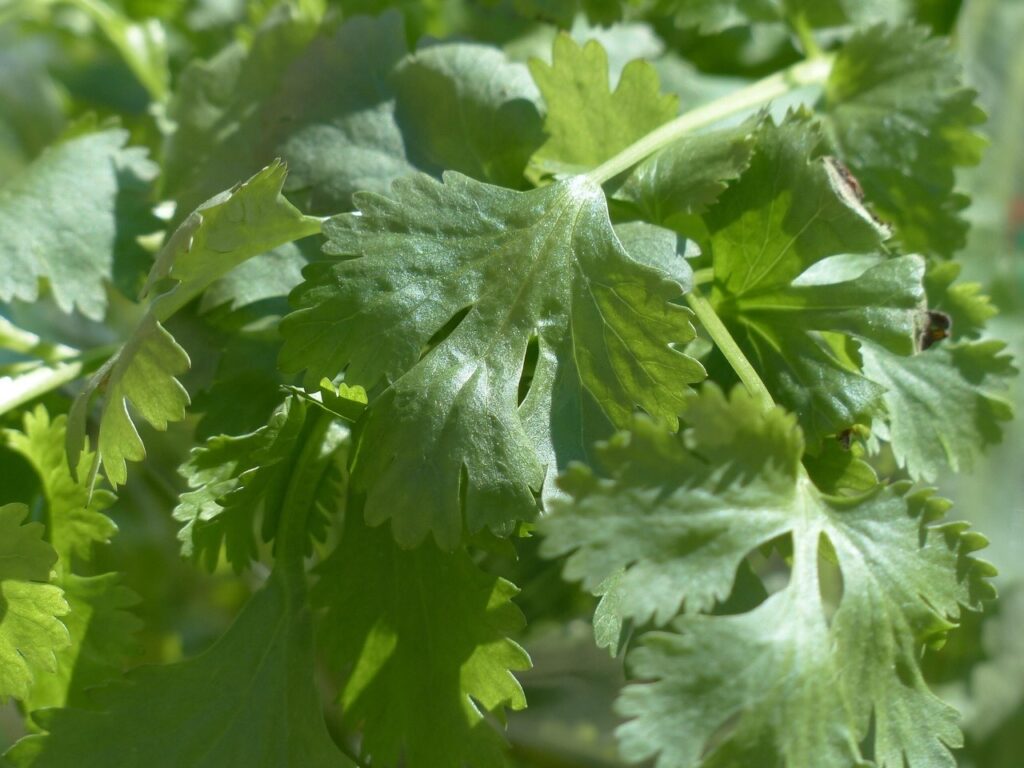
Chervil establishes perfectly from August sowings, creating delicate ferny foliage that adds sophistication to winter salads. This gourmet herb struggles in hot weather but thrives in the cooling conditions of late summer and autumn.
Winter Savory sown now develops into compact perennial bushes that provide aromatic leaves throughout winter. This Mediterranean herb offers pine-like flavours that complement bean dishes perfectly and attracts beneficial insects with its late summer flowers.
Mizuna and Mibuna excel from August sowings, providing tender leaves for salads and stir-fries throughout autumn and winter. These Japanese mustards offer mild flavours that become more pronounced in cold weather, creating versatile harvesting options.
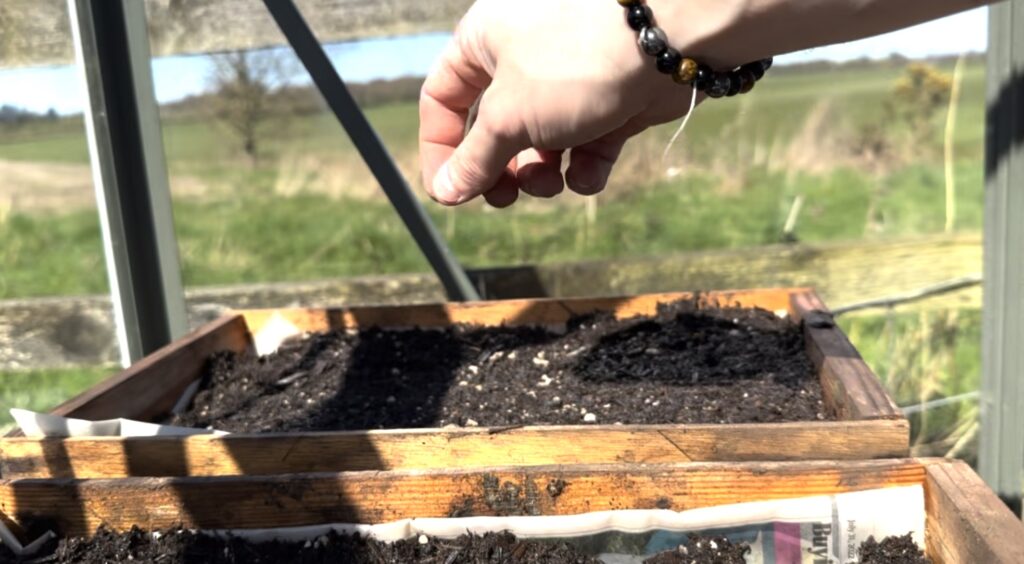
Land Cress provides watercress-like flavour without requiring running water. August sowings establish quickly and provide harvests throughout winter. This hardy annual thrives in partial shade and offers excellent nutritional value.
Corn Salad (Lamb’s Lettuce) creates rosettes of tender leaves perfect for winter salads. ‘Vit’ offers large leaves and excellent cold tolerance, whilst ‘Trophy’ provides compact rosettes ideal for container growing.
August represents the optimal window for establishing new fruit plantings. Container-grown fruit trees and soft fruit bushes planted now develop extensive root systems before dormancy, resulting in earlier cropping and improved long-term performance.
Apple Trees planted in August have significant advantages over those planted as bare-root winter stock. Container-grown specimens establish quickly in warm soil, and August planting allows root development throughout autumn. Choose disease-resistant varieties like ‘Discovery’ for early cropping or ‘Egremont Russet’ for exceptional flavour.

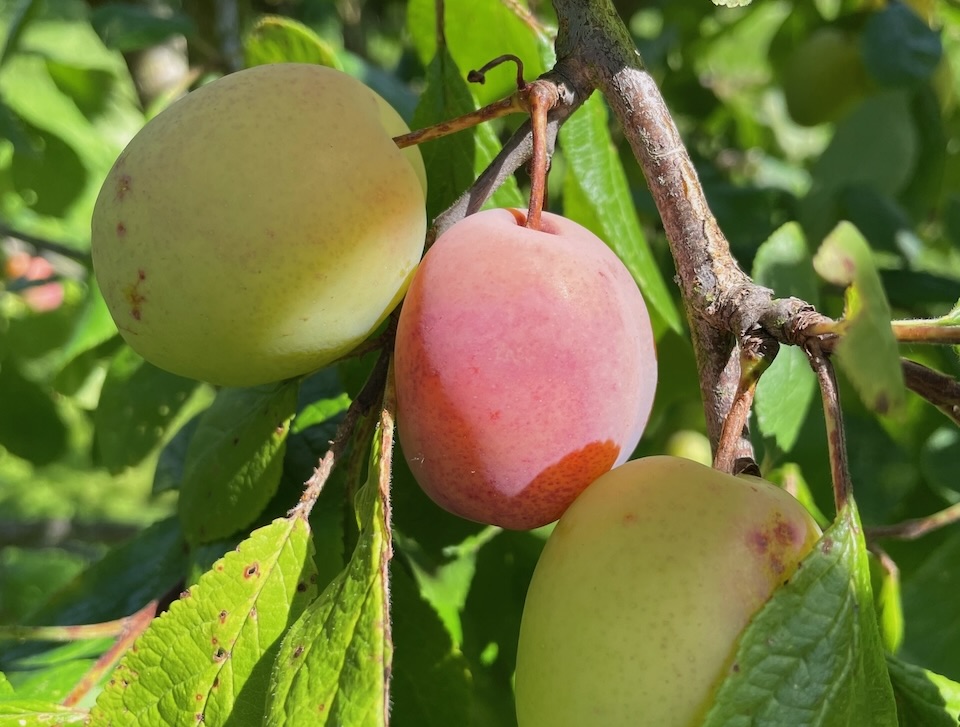
Plum Trees benefit enormously from August planting. These stone fruits can be temperamental when moved during dormancy, but container-grown trees planted now settle beautifully. ‘Victoria’ remains the reliable choice for British gardens, whilst ‘Opal’ offers exceptional disease resistance. My absolute favourite weird and wonderful plum tree is the ‘Mirabelle’ plum, small, sweet, yellow and delicious.
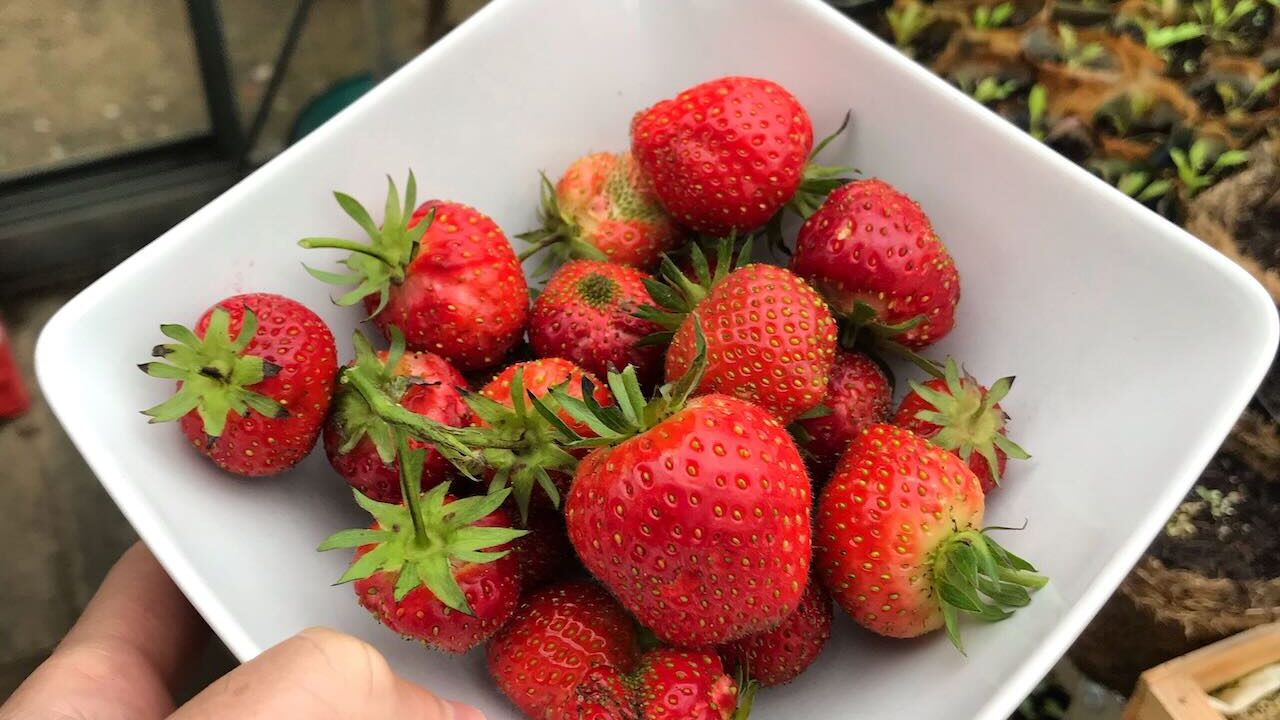
Strawberry planting in August ensures vigorous plants that crop heavily the following summer. August-planted strawberries develop substantial crown systems and often produce a few berries in their first autumn. ‘Cambridge Favourite’ provides reliability whilst ‘Mara des Bois’ offers exceptional flavour.
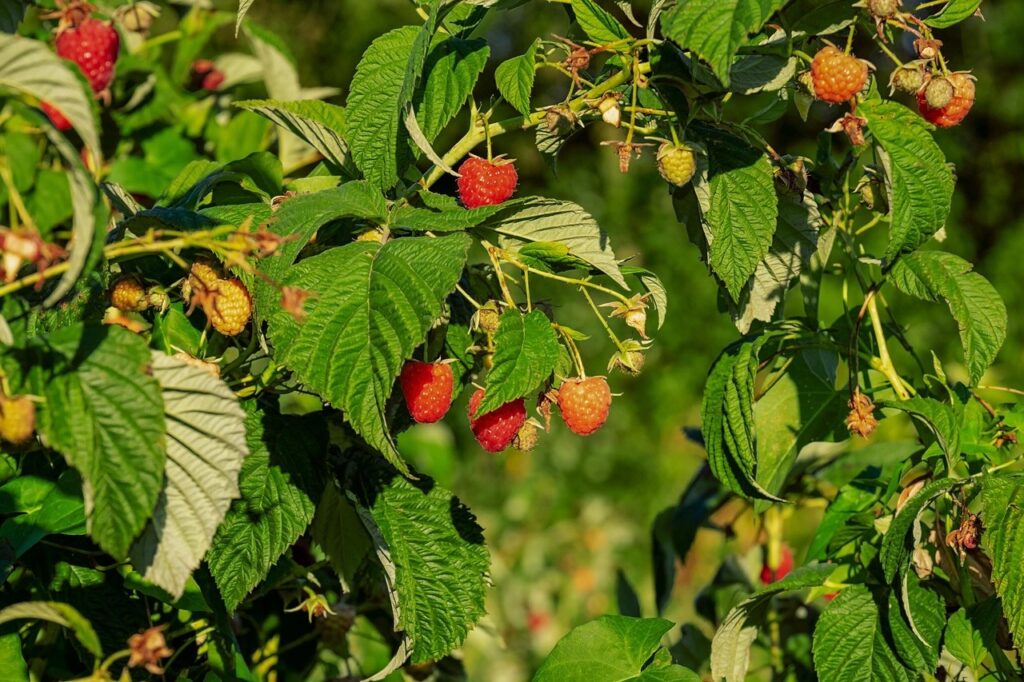
Raspberry Canes planted now establish vigorous root systems that support heavy cropping. Autumn-fruiting varieties like ‘All Gold’ and ‘Heritage’ can even provide a small crop in their first autumn when planted early in August.
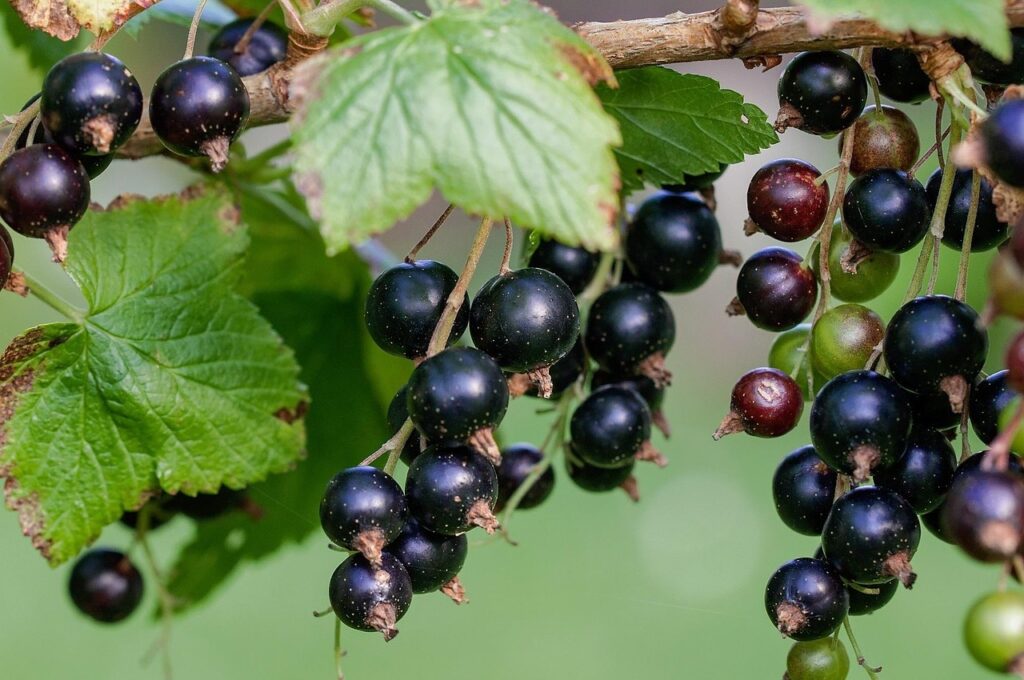
Blackcurrant Bushes respond magnificently to August planting. These vitamin C powerhouses develop extensive root systems when planted in warm soil. ‘Ben Hope’ offers disease resistance whilst ‘Big Ben’ produces exceptional fruit size.
August is the best time to propagate strawberry runners, and it is genuinely one of the easiest propagation tasks in the entire gardening calendar. A single healthy strawberry plant can produce four to six runners in a season, each one capable of becoming a productive fruiting plant for next year. This is free plant multiplication at its most satisfying.
Look for the long, horizontal stems growing out from the parent plant. Each runner will have a small plantlet at one or more points along its length, identifiable by tiny leaves emerging from a central crown. Pin the plantlet into a small pot of compost placed alongside the parent plant, using a piece of bent wire or a hairpin, and keep it attached to the parent until it has clearly rooted, usually four to six weeks. You’ll know it has rooted when you see new leaf growth and feel gentle resistance if you give it a very light tug.
Once rooted, cut the runner connecting it to the parent and pot the new plant on. Plants propagated this way and kept in pots over winter, then planted out in March, will be cropping heavily by their first summer. Runners from plants that are three or more years old should be discarded rather than propagated, as older plants carry diminished vigour and can harbour soil-borne diseases. Use those runners as compost and replace with young plants from your own best performers.
💡 Top Tip
Only take runners from your most productive and disease-free plants. If a plant has been suffering from any leaf spotting, crown rot, or poor fruiting, do not propagate it. You will simply multiply the problem. Save runners from your best performers and compost everything else.
Most gardeners think of bulb planting as an October job, but August is actually the best month for several key bulbs that give spectacular results. Getting them in now while the soil is still warm accelerates root development, which is the single most important factor in a strong spring display. Think of it as giving your bulbs a head start that spring-planted alternatives simply can’t match.
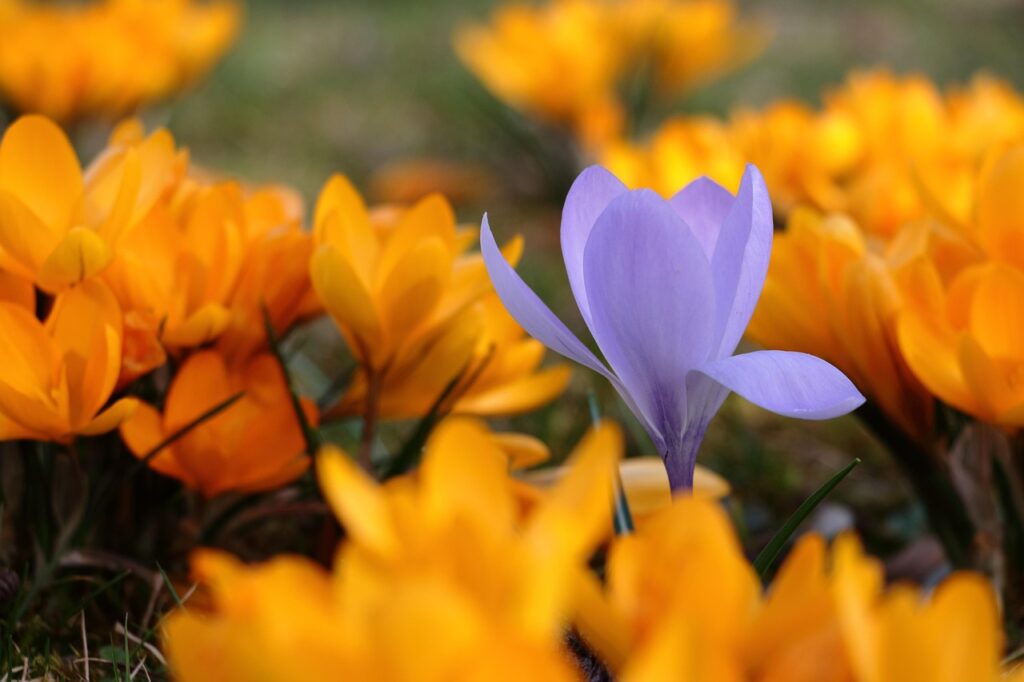
Colchicum (Autumn Crocus) must go in during August because they will literally flower within weeks of planting, with no foliage at all initially. The blooms appear on bare stems, earning them the nickname “naked ladies.” Plant the large corms 10cm deep in a sunny spot with good drainage. ‘Waterlily’ is a spectacular double-flowered form in rosy lilac, while ‘Album’ provides clean white flowers that look stunning against autumn foliage.
🛒 Buy Colchicum bulbs from Amazon UK
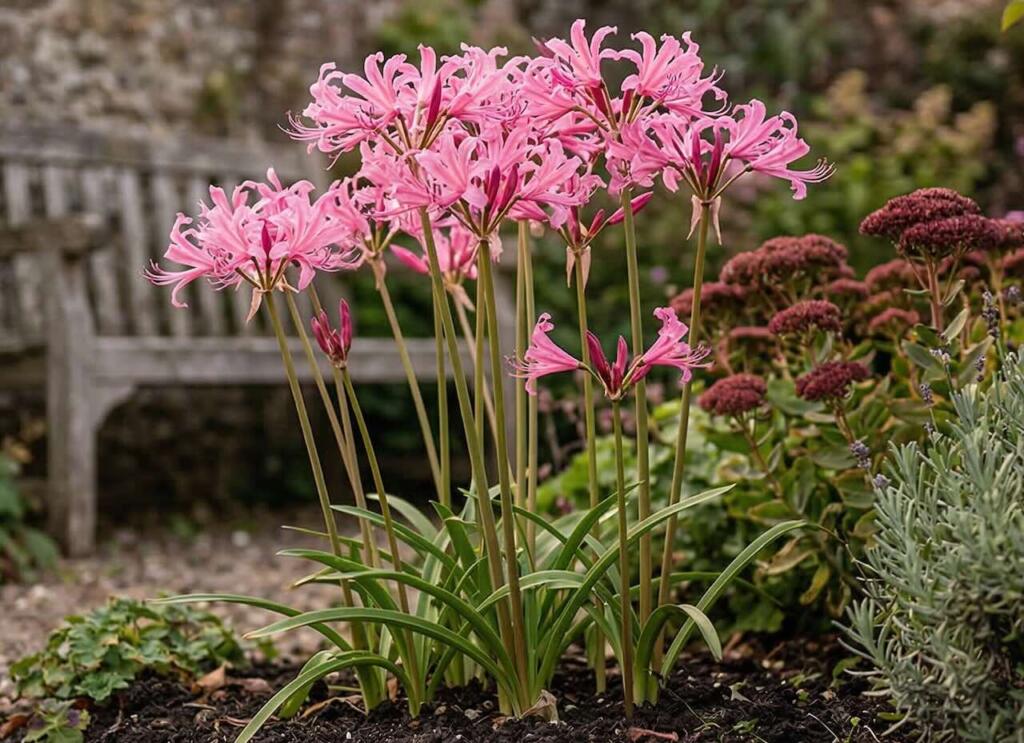
Nerine bowdenii planted now will reward you with shocking pink spider-like flowers in October and November when almost nothing else is blooming. These South African beauties need a sunny, sheltered spot against a south-facing wall in most UK gardens, planted with the neck of the bulb just at soil level. Once established they positively resent being disturbed, so choose their home carefully.
🛒 Buy Nerine bulbs from Amazon UK
While most spring bulbs are traditionally planted in September and October, ordering them in August and planting the earliest varieties as soon as they arrive gives them an important advantage. Alliums, crocus, and the smaller narcissus varieties all benefit from August to early September planting while soil temperatures remain above 10°C for reliable root establishment.
💡 Top Tip
For a container display that flowers from March through to June, create a bulb lasagne in a large pot now. Layer alliums at the base (15cm deep), tulips in the middle (12cm), then crocus at the top (5cm). Come spring, you’ll have three successive waves of flowers from one pot. Fill with John Innes No. 2 compost and raise on pot feet for drainage.
The key alliums to order and plant in late August include ‘Gladiator’ for tall purple globes, ‘Purple Sensation’ for deep violet drama, and ‘Mount Everest’ for white architectural flower heads that look spectacular in contemporary borders. 🛒 Buy Allium bulbs from Amazon UK
This is honestly one of the most valuable gardening activities you can do in August and yet it’s completely overlooked by most home gardeners. Taking semi-ripe cuttings costs nothing and can multiply your most valued garden shrubs many times over. The wood is at the perfect stage, firm at the base but still pliable at the tip, and the warm soil temperatures mean cuttings root quickly and reliably.
After years of working with clients on BBC Garden Rescue, this is the propagation trick I share most often, because it transforms expensive plants into something you can afford to use more generously throughout the garden. One lavender plant becomes twenty. One hebe becomes a dozen. The economics are brilliant.
The technique is the same for all the shrubs listed above. Take your cutting in the morning when the plant is well hydrated. Using clean, sharp secateurs, cut a shoot of the current year’s growth where the base has just started to firm up and turn slightly woody, whilst the tip is still green and flexible. This is semi-ripe wood and it’s ideal for propagation.
Remove the lower leaves from the bottom third of the cutting, leaving two or three sets of leaves at the top. Dip the cut end in hormone rooting powder or gel, then insert into a small pot of free-draining cutting compost. A mix of 50% perlite and 50% multipurpose compost works very well. Water in gently and place in a sheltered spot out of direct sun, or in a cold frame. Most cuttings will have rooted by October and can be overwintered in the cold frame before planting out next spring.
💡 Top Tip
Invest in a small heated propagator for cuttings that benefit from bottom heat, such as choisya and hydrangea. A soil temperature of around 18-20°C dramatically speeds up rooting and improves success rates. You can use the same propagator for starting seeds in spring, making it one of the most cost-effective pieces of equipment in the garden.
🛒 Buy rooting hormone from Amazon UK
🛒 Buy propagation module trays from Amazon UK
August plantings succeed or fail based on soil preparation quality. Late summer soil often requires some improvements after the demands of the growing season, as plants have consumed most of the nutrients.
August soil can be deceptively dry beneath the surface. Deep watering before planting ensures that adequate moisture reserves are available for root establishment of your precious plants. Consider installing simple irrigation systems for newly planted areas, particularly important for tree and shrub plantings.
Mulching becomes crucial for August plantings. Organic mulches conserve moisture whilst suppressing weeds that compete with establishing plants. Composted bark, leaf mould, or well-rotted manure all provide excellent results.
August plantings benefit from modest soil improvement rather than heavy feeding. Fresh compost or well-rotted manure incorporated into planting areas provides slow-release nutrition perfect for establishment.
Heavy clay soils may require drainage improvement before August planting. Adding horticultural grit or coarse sand improves structure, whilst organic matter enhances water retention in sandy soils.
British gardening success requires understanding regional variations that significantly impact August planting success. Coastal gardens face different challenges than inland locations, whilst northern gardens operate on different timescales than southern counterparts. It’s worthwhile considering where you live or garden and adjusting your growing practices accordingly. For example, up north, your winters come a bit quicker than down south, and the springs a bit later, too.
Scottish and northern English gardens benefit from slightly earlier sowings in August to maximise establishment time before harsh winter conditions. Hardy varieties become particularly important, and protection strategies like fleece or cold frames often prove essential.
Southern gardens can extend August sowing later into the month, whilst coastal locations must consider salt tolerance when selecting varieties. Wind protection becomes particularly important for new plantings in exposed coastal situations.
The lawn is often forgotten in August as gardeners focus on borders and veg plots, but late summer is actually the best time to assess your lawn’s condition and prepare for the most important lawn care month of the year, which is September. What you do now determines how well your lawn performs through winter and into next spring.
Start by giving the lawn a close assessment on a dry day. Look for bare patches, compaction (evidenced by moss and slow drainage after rain), thatch buildup, and weed coverage. These observations will inform your September programme of scarification, aeration, overseeding, and feeding.
In August itself, keep mowing but raise the cutting height slightly if the weather has been dry. Scalping a drought-stressed lawn causes damage that takes months to recover from. Set your mower to around 4-5cm rather than the summer height of 2.5-3cm during any dry spells, then return to your normal height once conditions improve.
If you have bare patches from summer wear or drought, August is a good time to start preparing them for overseeding in September. Rake out any dead material, loosen the soil surface, and keep the area watered. For a full guide to everything your lawn needs through autumn, including scarification timing, aeration, top dressing and feeding, have a read of my lawn care month by month guide.
Further Lawn Reading
Even experienced gardeners can fall into August planting traps, resulting in more frustration than smiles. Moreover, trying to do too much is the undoing of any gardener, so less is more. Understanding these common pitfalls prevents disappointment and ensures maximum results from your efforts.
August’s perfect conditions can lead to overenthusiastic planting programmes that become overwhelming. Start with manageable areas and expand success gradually rather than attempting a comprehensive garden transformation in one season. There is nothing worse than feeling like you can’t keep up with the demands on your garden!
August plantings require consistent moisture during establishment, but many gardeners underestimate the commitment required. Establish realistic watering routines before planting rather than hoping for convenient rainfall. This is especially true if you’re going on holiday, always prepare to fit drip irrigation or ask a reliable friend or neighbour to come water the necessary plants or your greenhouse.
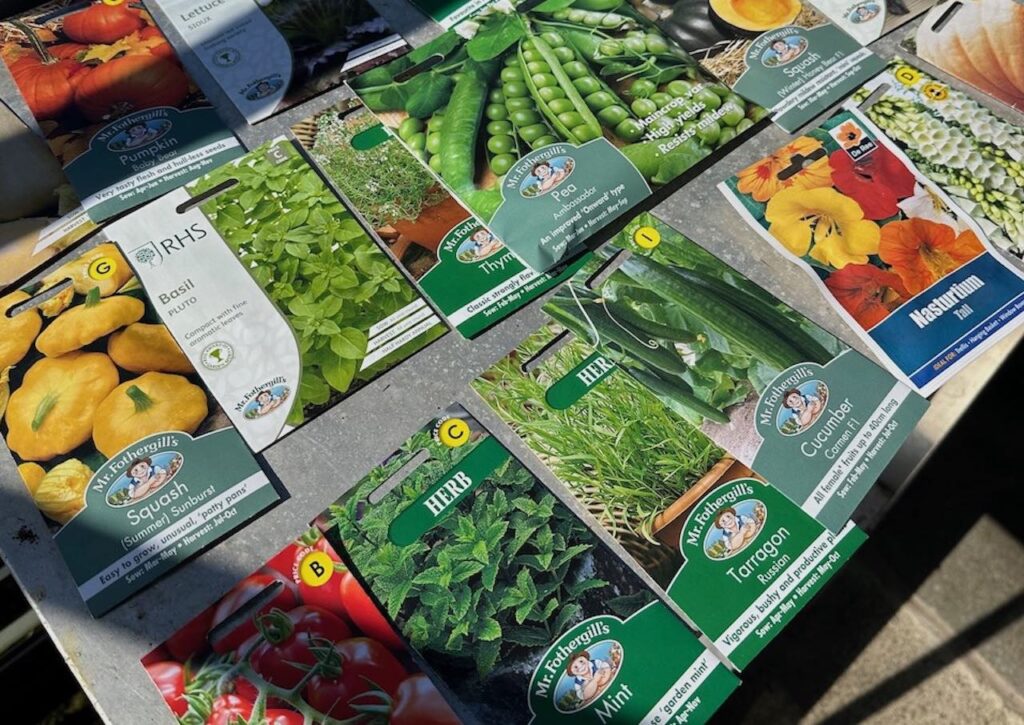
Not all varieties perform equally from August sowings. Research variety-specific recommendations rather than assuming all cultivars within a species perform similarly. Seed packet information often provides crucial timing guidance.
August plantings create momentum that carries gardens successfully through autumn and into spring. The satisfaction of harvesting home-grown Brussels sprouts on Christmas morning or cutting armfuls of sweet peas in April makes August efforts worthwhile.
Consider August as the foundation month for next year’s garden success. Plants established now often outperform their spring-planted counterparts, creating the backbone of truly spectacular seasonal displays.

Plan succession sowings throughout August to extend harvest periods and maintain continuous interest. Many crops benefit from staggered sowings that provide harvests over extended periods rather than overwhelming gluts.
Transform this guidance into garden success with a systematic approach that ensures nothing important is overlooked. I love to always start from the ground up with my soil Ninjas. Successful gardeners work methodically through their seasonal priorities rather than attempting to do everything simultaneously.
Ready to elevate your gardening expertise beyond August sowings? Garden Ninja’s comprehensive online courses can accelerate your journey from enthusiastic beginner to confident garden creator in just weeks rather than years. With courses starting from just £29, you can access award-winning garden design knowledge from BBC Garden Rescue presenter Lee Burkhill without the expense of traditional garden design education.
Why Garden Ninja courses deliver rapid results:
For the garden you’ve already got, not the one you’re starting from scratch. Seven checklists and video lessons from BBC Garden Rescue’s Lee Burkhill, built to help you work out what’s worth keeping before you spend a penny.
Garden Design Examples for Small Gardens: 30 Design Templates & Planting Plans: In this online gardening course, I’ll walk you through 30 fantastic garden designs, explaining the logic behind the layout, the plant choices, and take-home tips for applying them in your own garden.
Learn how to transform and design your own garden with Lee Burkhills crash course in garden design. Over 5 hours Lee will teach you how to design your own dream garden. Featuring practical design examples, planting ideas and video guides. Learn how to design your garden in one weekend!
Garden Design for Beginners Online Course: If you want to make the career jump to becoming a garden designer or to learn how to design your own garden, this is the beginner course for you. Join me, Lee Burkhill, an award-winning garden designer, as I train you in the art of beautiful garden design.
Choose your perfect course:
Garden Design Examples for Small Gardens: 30 Design Templates & Planting Plans (£29) – Master space-maximising designs with ready-to-implement planting schemes perfect for compact gardens.
Weekend Garden Makeover: A Crash Course in Design for Beginners (£69) – Transform your outdoor space with five hours of intensive design training that delivers immediate results.
Garden Design for Beginners: Create Your Dream Garden in Just 4 Weeks (£199) – The comprehensive foundation course that takes you from complete novice to confident garden designer with professional-level skills.
Whether you’re planning your August plantings or dreaming of complete garden transformation, these courses provide the expertise and confidence to create stunning outdoor spaces that reflect your personal vision whilst maximising every planting opportunity throughout the year.
For comprehensive guidance on seed sowing techniques and successful potting-on methods, Lee Burkhill’s detailed growing guides on www.gardenninja.co.uk provide invaluable step-by-step instructions that transform seed packets into thriving plants. These expert resources cover everything from germination troubleshooting to transplanting timing that ensures maximum success rates.
How to Sow Seeds – Beginners Guide – The complete foundation guide covering everything from seed selection to germination timing, perfect for building confidence with August sowings.
Seed Germination for Beginners – Understanding the science behind germination ensures higher success rates with your August plantings, covering troubleshooting tips for different seed types.
How to Pot On & Prick Out Seedlings – Essential techniques for transplanting your August-sown seedlings as they develop, ensuring strong, healthy plants for garden establishment.
Plastic Free Gardening: Growing Plants Without Plastic – Sustainable growing methods using biodegradable pots and eco-friendly techniques perfect for environmentally conscious August gardening.
How to Create a Wildflower Meadow – Growing perennial wildflowers from seed, many of which benefit from August sowing for establishment before winter.
Having the right equipment makes August gardening significantly more productive and enjoyable. I’ve found that a few well-chosen tools do more work than a shed full of cheap ones, and every item below earns its place through August and well into autumn.
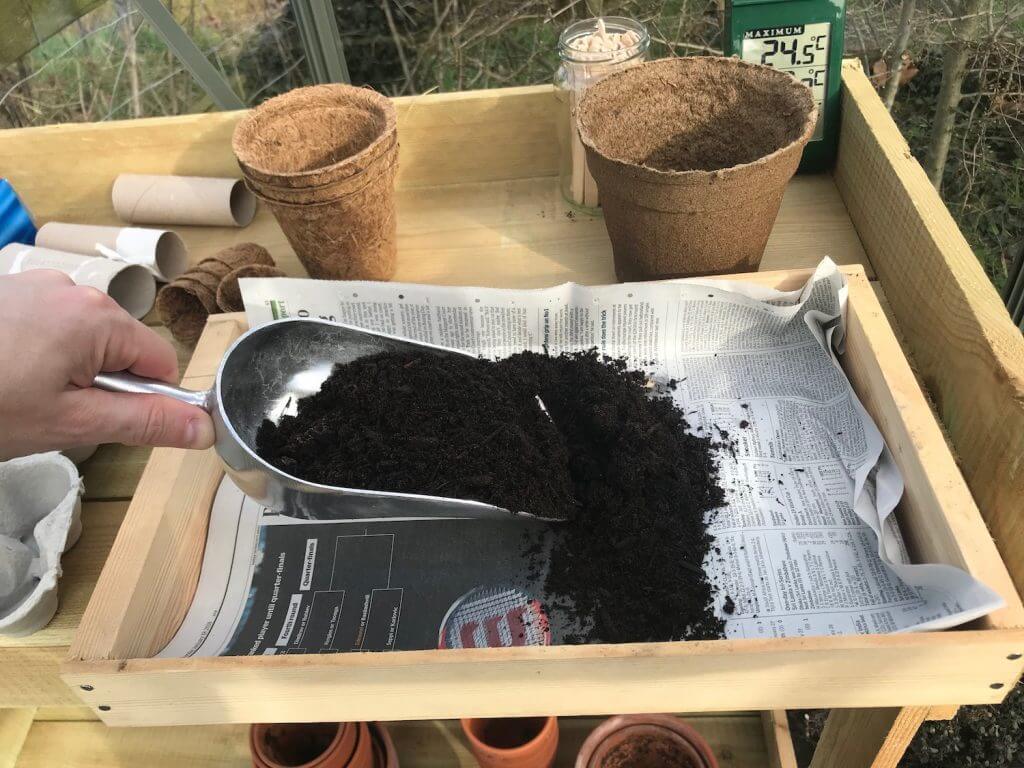
Module trays and seed trays are the backbone of any August sowing programme. For annuals and perennials going into modules, a 40-cell tray is ideal for most seeds. Deeper root trainers are particularly good for sweet peas, which develop long taproots and resent transplanting from shallow trays.
🛒 Buy seed and module trays from Amazon UK
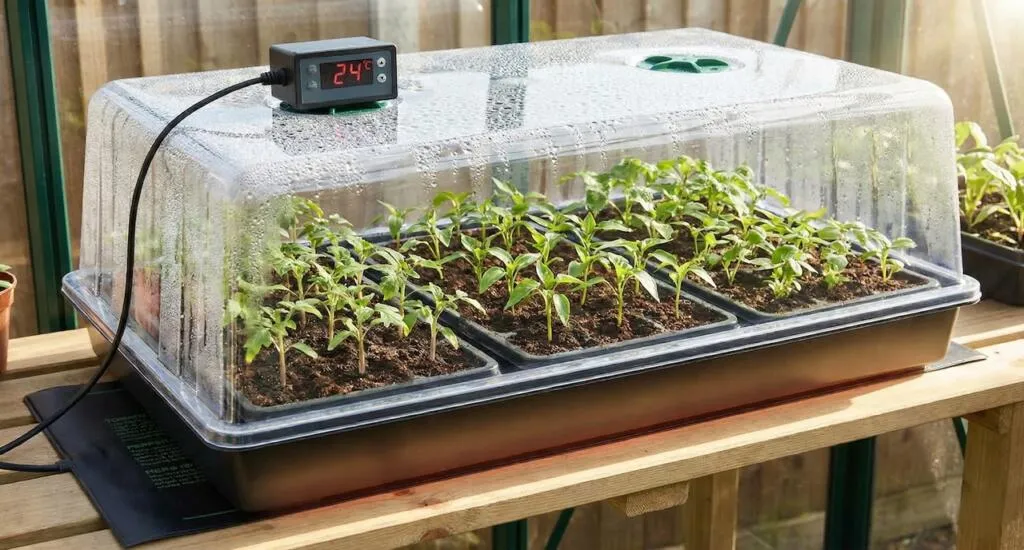
A heated propagator extends what you can achieve in August considerably. Even a basic model with a simple heat mat dramatically improves germination rates for perennial seeds and rooting success for cuttings. If you’re starting seeds that benefit from warmth to germinate, like delphiniums and echinacea, bottom heat makes the difference between frustrating failure and reliable success.
🛒 Buy a heated propagator from Amazon UK
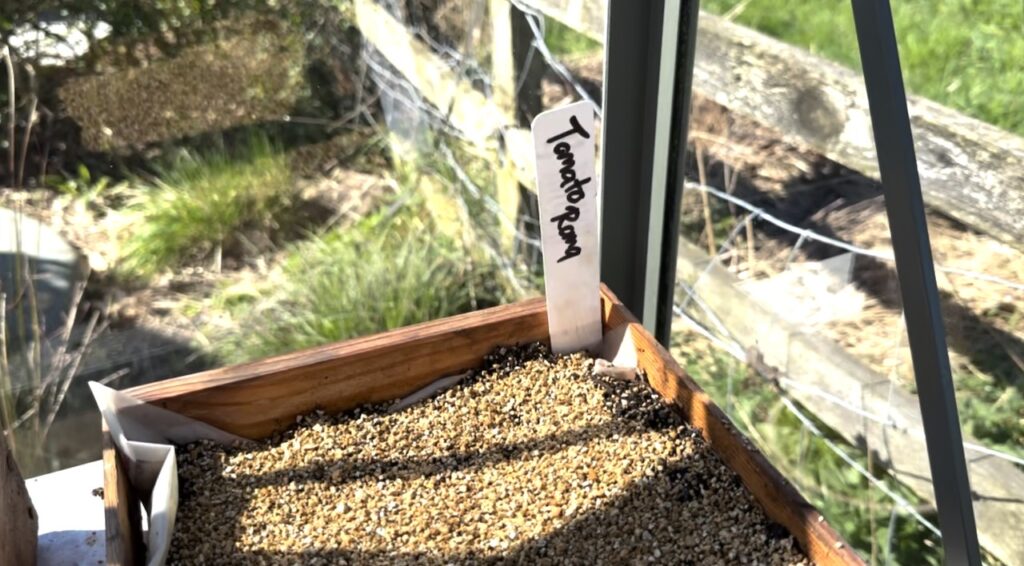
Plant labels and a waterproof marker pen might seem trivial, but become absolutely essential when you have multiple August sowings on the go simultaneously. Dried seedlings of sweet peas, larkspur, and cornflowers look remarkably similar at the two-leaf stage, and unlabelled trays lead to guesswork that wastes effort. I use aluminium labels with a pencil for pots that go in the ground, because pencil writing survives the weather better than felt tip.
🛒 Buy plant labels from Amazon UK
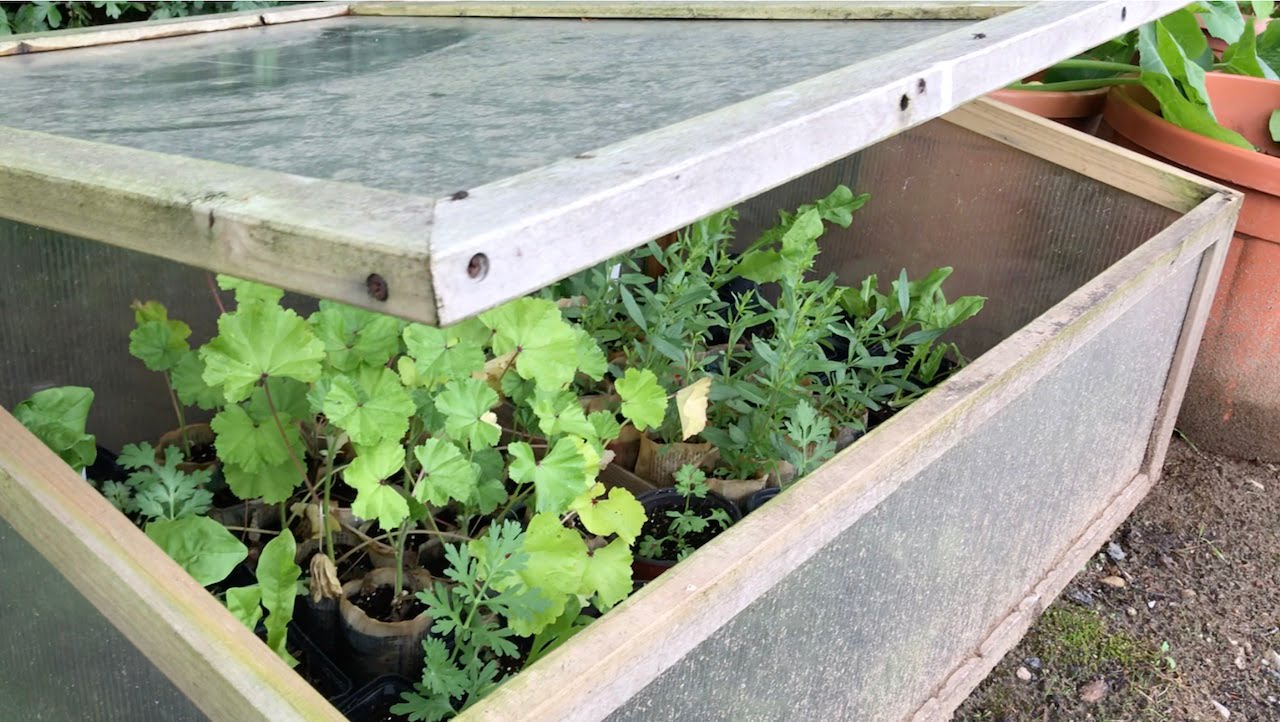
A cold frame bridges the gap between greenhouse and open garden and is invaluable for August sowings that need a little protection as autumn arrives. Seedlings hardening off, cuttings establishing, and half-hardy perennials overwintering all benefit enormously from a cold frame’s shelter. A basic timber-and-glass model costs relatively little but repays its cost many times over.
🛒 Buy a cold frame from Amazon UK
Sharp secateurs are essential for semi-ripe cuttings. A clean cut made with sharp blades gives cuttings the best possible start, because a crushed or ragged cut heals poorly and invites disease. I recommend bypassing anvil-type secateurs for cutting propagation material, as I show in my snips guide here, because the clean slicing action is far gentler on plant tissue.
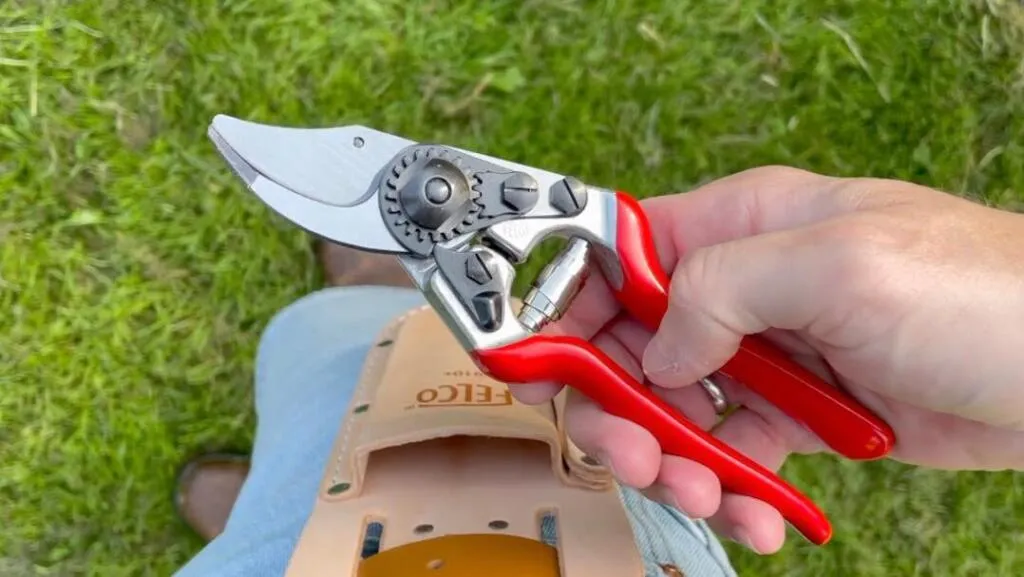
🛒 Buy my favourite Felco secateurs here
One of the biggest advantages successful gardeners have over beginners is understanding timing. Not everything should go in on the same day. Staggering your sowings across August ensures a succession of harvests rather than everything maturing at once. Use this calendar as your guide for when to sow each crop through the month.
⚠️ Timing Note
The earlier in August you sow, the better the establishment before the cold arrives. Crops sown after the 20th August have less time to root before temperatures drop, so keep an eye on conditions and be ready to provide some protection with fleece or cloches from late September onwards. In Scotland and northern England, treat all August deadlines as two weeks earlier than given here.
August gardening can reward careful planning with brilliant results that provide satisfaction for the next gardening year. Although often overlooked, I love the fact that August allows you to get the jump on next year’s planting and also continue enjoying being outside when the weather is still nice!
Whether you’re sowing sweet peas for next spring’s cutting garden or planting fruit trees for future harvests, this month’s efforts create the foundation for gardening success. After all, who doesn’t want a garden thats brimming with beautiful flowers or produce next year?
Happy Gardening!



Lee Burkhill, known as the Garden Ninja, is an award-winning garden designer and horticulturist with over 30 years of gardening experience and 15 years as a professional garden designer. A qualified RHS (Royal Horticultural Society) professional, Lee specialises in sustainable garden design and practical horticultural advice. He designs and presents on BBC1’s Garden Rescue and in leading gardening publications. Lee combines three decades of hands-on gardening knowledge with professional design qualifications to help gardeners create beautiful, functional outdoor spaces.
View all posts by Lee Burkhill







JOIN THE NINJAS

Be the first in line for new Guides, Discount codes and Offers