For the garden you’ve already got, not the one you’re starting from scratch. Seven checklists and video lessons from BBC Garden Rescue’s Lee Burkhill, built to help you work out what’s worth keeping before you spend a penny.
69


The result is the same in both cases: a lawn that limps through spring looking pale and thin, struggles to resist weeds and moss, and never quite achieves the lush, thick sward that every UK gardener is hoping for. I want to change that for you with this complete guide to lawn feeding.
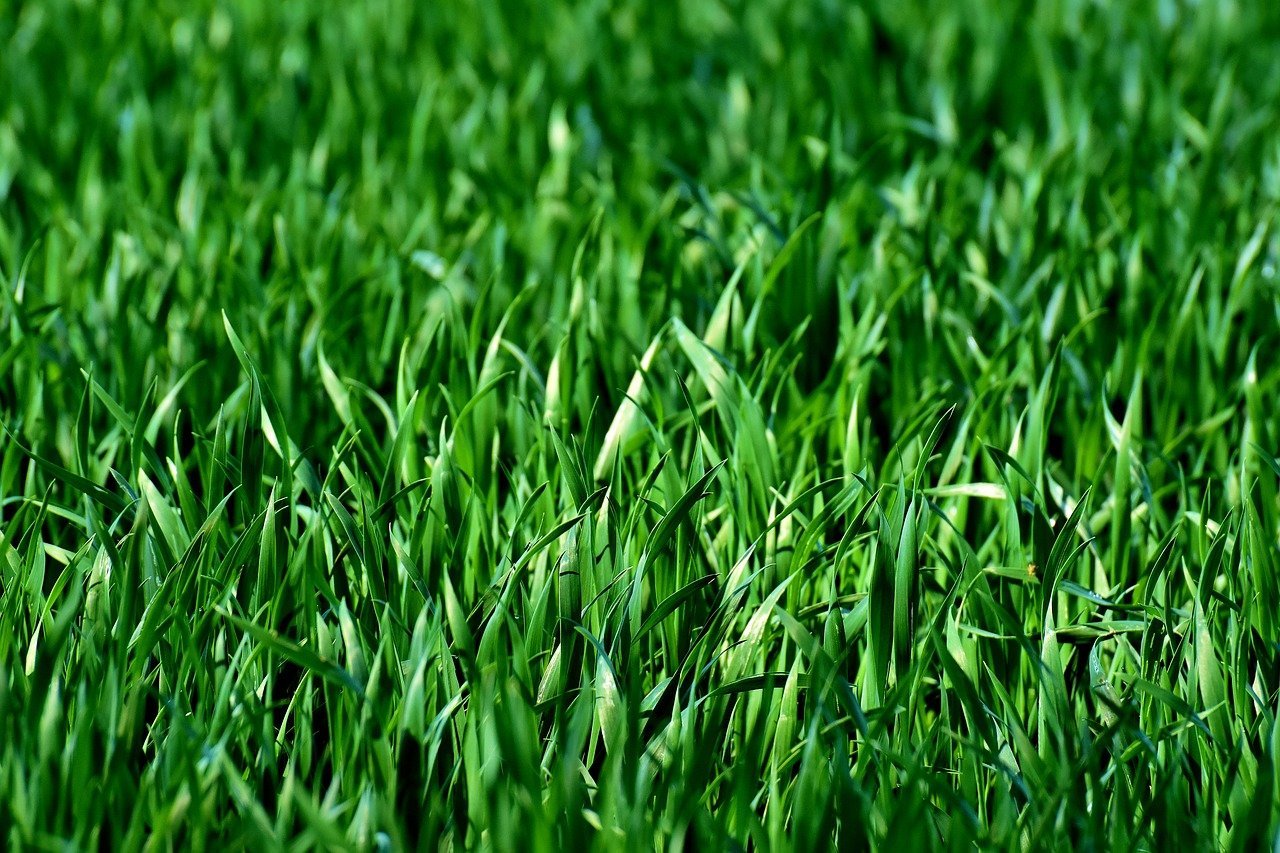
This guide covers everything: what NPK ratios actually mean for your grass, when and how to apply different fertiliser types through the seasons, which products I recommend and why, how to avoid the common mistakes that burn lawns or create more problems than they solve, and how a simple spreader can transform your results. Whether your lawn is a patchy nightmare or already looking reasonable and you want to take it to the next level, this is the guide for you.

This page contains affiliate links for products I use and trust. If you make a purchase after clicking a link, I may earn a small gardening commission at no extra cost to you, which helps keep the Garden Ninja blog free for everyone.
Quick Answer
Feed your lawn four times a year for best results: a high-nitrogen spring feed in March or April to kick-start growth, a balanced summer feed in June, a low-nitrogen autumn feed high in potassium in September, and an iron-rich winter tonic in November to harden grass against frost and moss. Always apply to damp soil and water in if rain is not forecast within 48 hours.
Jump To
Grass is a living plant, and like every plant in your garden, it needs nutrients to grow, stay healthy, and fight off competition. The difference with a lawn is that you are managing hundreds of thousands of individual grass plants packed tightly together, all competing for the same resources in the same patch of soil. Without regular feeding, the weakest plants thin out first, and the gaps they leave are immediately colonised by weeds, moss, and coarse grasses that you definitely did not invite.
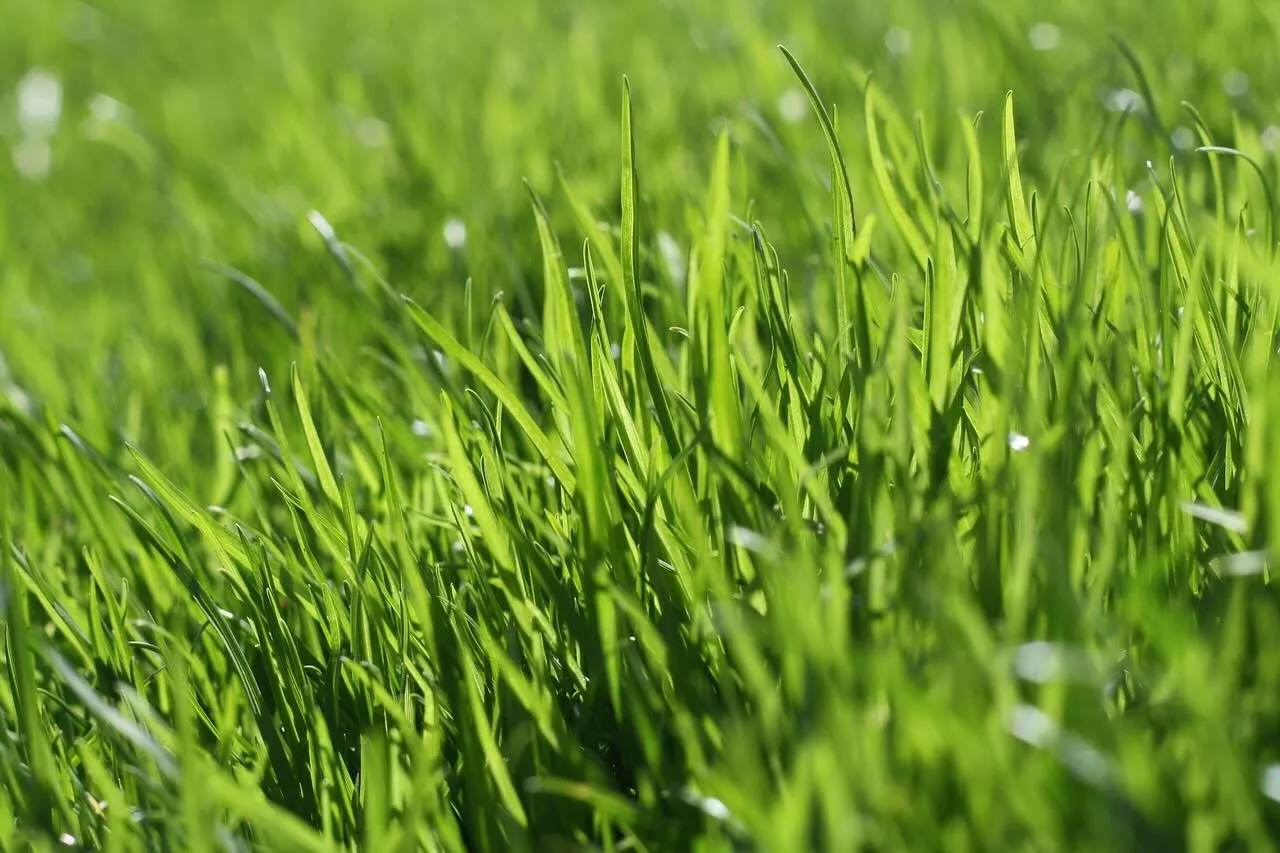
UK soils are naturally leached by our rainfall. Every time it rains, water percolates through the root zone, carrying soluble nutrients downward and away from where grass roots can reach them. In a border, you can compensate by adding organic matter and mulching. In a lawn, you cannot mulch without smothering the grass, so regular fertiliser applications are the only reliable way to replenish what rain takes away.
A well-fed lawn is genuinely your best defence against moss and weeds. Thick, vigorous grass simply does not leave the gaps that moss and weeds need to establish. I have seen lawns transformed from mossy, weed-riddled patches into genuinely beautiful turf purely through consistent feeding, without any other intervention whatsoever. It is not glamorous advice, but it is honest.
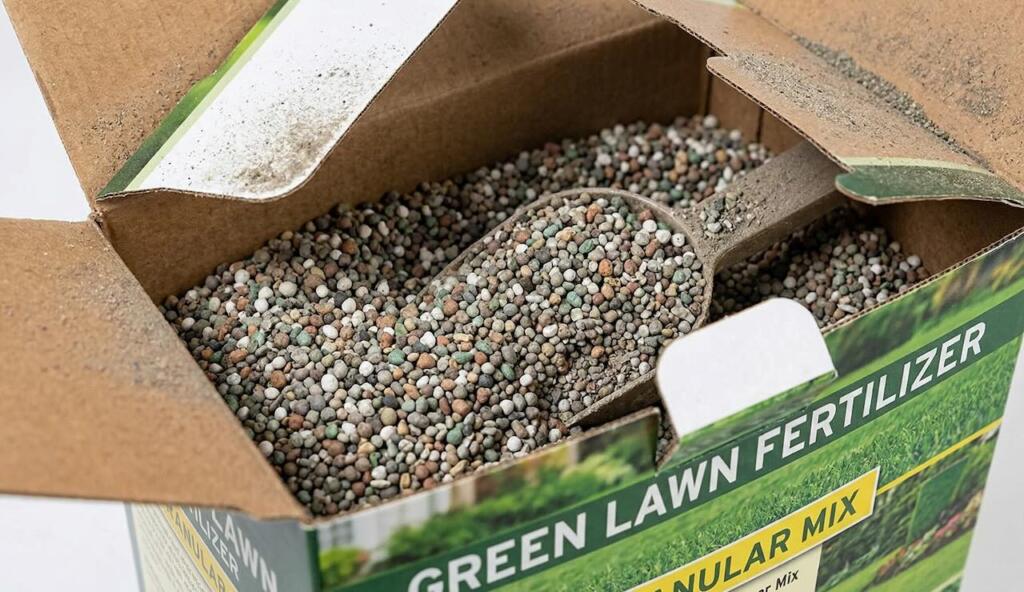
There is also the question of colour. Nitrogen-deficient grass turns a sickly yellow-green that no amount of mowing will fix. The deep, rich green that makes a lawn look professionally maintained comes almost entirely from adequate nitrogen levels in the soil. When people tell me their lawn just does not look right despite regular mowing and watering, the culprit is almost always nutrition.
Every bag of lawn fertiliser carries three numbers separated by hyphens, such as 12-4-8 or 6-5-10. These are the NPK ratios: the percentage of nitrogen (N), phosphorus (P), and potassium (K) in the product. Understanding what each one does for your grass will completely change how you choose lawn feeds, and it is genuinely simpler than it looks.
Nitrogen (N) is the growth and colour nutrient. High-nitrogen feeds produce rapid green growth and are what you want in spring and early summer, when you are trying to push the lawn out of dormancy and thicken it up. Too much nitrogen in autumn or winter, however, produces soft, lush growth that is highly susceptible to frost damage and fungal disease, which is why the seasonal balance matters so much.
Phosphorus (P) supports root development. You will see higher phosphorus ratios in products marketed for new lawns or turf establishment, where the priority is getting the root system down quickly. For an established lawn being fed through the seasons, phosphorus is less critical than nitrogen and potassium, but it still plays a supporting role in overall plant health.
Potassium (K) is often called the hardening nutrient. It strengthens cell walls, improves drought and frost resistance, and helps grass recover from wear. Autumn feeds are deliberately high in potassium precisely because you want to toughen the lawn up before winter arrives. A grass plant with good potassium levels going into November is significantly more resilient than one that has been pushed with high nitrogen feeds right through to October.
Iron (Fe) deserves special mention here because it does not appear in the NPK ratio but is arguably as important as any of the others for UK lawns. Iron sulphate greens up grass dramatically, suppresses moss, and hardens cell walls without promoting excessive top growth. This is why I recommend an iron-based liquid tonic as part of every lawn care programme, and it is the active ingredient in the moss-killer products I cover in my complete guide to getting rid of moss in lawns.
Iron deserves its own section because it affects how you choose and apply a product, and the risks are real enough to be worth knowing about before you open a bag. Many of the most popular UK lawn feeds now include iron sulphate alongside the NPK nutrients, and it does two distinct things.
First, it intensifies colour. Iron gives grass a deep, rich green that nitrogen alone cannot quite achieve. If you have ever wondered why a professionally maintained lawn looks so much darker and more lush than one that is simply well-fed, iron is often a significant part of the answer. Second, it suppresses and kills moss. Iron sulphate is toxic to moss at the concentrations used in lawn products, which is why so many all-in-one feeds combine it with NPK nutrients to feed the grass and attack moss at the same time.
Where it gets more complicated is in the application. Iron can scorch grass if it is applied unevenly or at too high a rate, particularly on dry lawns in warm weather. I have seen this happen on client lawns when gardeners apply an iron-containing feed by hand rather than with a spreader and end up with concentrated patches where granules have clumped together. The result is dark burned streaks across the lawn that can take several weeks to grow out. Always use a spreader with any iron-containing product, and never apply to bone-dry grass in full sun.
The other thing worth knowing is that iron stains paving, concrete, and timber a deep rust colour that is very difficult to remove once it has fixed. Before applying any feed containing iron, sweep or blow all hard surfaces adjacent to the lawn so that any stray granules can be cleared before they dissolve. This is the kind of lesson that tends to stick after someone has newly laid a patio, which is not the ideal time to find out.
💡 Top Tip
If your lawn does not currently have a moss problem, you do not necessarily need an iron-containing feed. A straight NPK fertiliser without iron will give you perfectly good results with less risk of staining and scorch. Save the iron-containing products for lawns where moss control is genuinely part of the brief.
This is something almost no lawn feed guide covers but it makes a genuine practical difference, particularly if you are new to using a spreader. Lawn fertiliser granules come in two broad sizes, fine and coarse, and they behave quite differently in use.
Fine granules distribute more evenly and give a more uniform finish across the lawn, which is what you want for consistent feeding with no patchy areas. The downside is that they are less forgiving. If you accidentally overlap a pass or create a gap, the difference shows more clearly than it does with larger granules. Fine granules also flow through spreader apertures more quickly, which means calibration matters more.
Coarser granules are more beginner-friendly. They are easier to see on the grass surface, which makes it simpler to judge your coverage, and they are less likely to cause scorch if you slightly overlap a run because the concentration per granule is lower. My recommendation for most domestic gardeners is to start with a product that uses larger granules until you are confident with a spreader, then move to finer products once you have a feel for the pace and spacing that gives you even coverage on your specific lawn.
Spring is the most important feeding window of the entire year. After months of dormancy through a UK winter, your grass plants are hungry, the soil is slowly warming, and the roots are starting to become active again. Getting a good spring feed down at the right moment is the difference between a lawn that explodes into life by April and one that drags along looking yellow and thin until June.
The right timing for a spring lawn feed in the UK is when soil temperatures consistently reach 8 to 10°C, usually between mid-March and mid-April, depending on where you live.
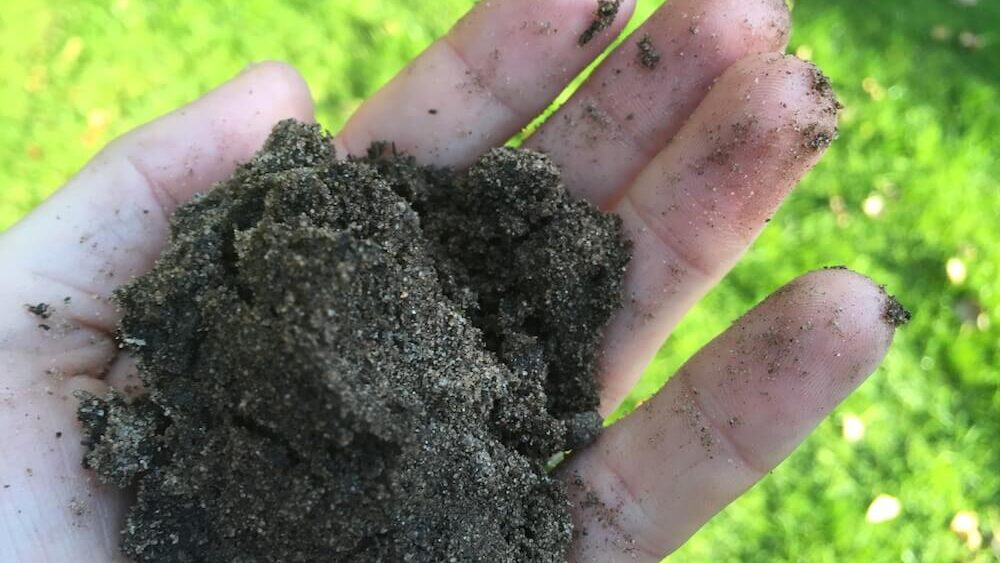
In northern England and Scotland, you may be looking at early to mid-April for reliable soil temperatures. In the south and south-west, late March is often viable. Do not be tempted by a sunny February day to apply spring feed early. If the soil is still cold, the grass roots cannot take up the nutrients, and you will simply be wasting your money while potentially encouraging a flush of soft growth that gets hammered by a late frost.
💡 Top Tip
Use a soil thermometer to take the guesswork out of spring feeding timing. Push it into the lawn at a depth of 5cm in the morning before the sun has warmed the surface. Once you consistently read 8°C or above over five consecutive mornings, the soil is ready for spring feed. Inexpensive soil thermometers are available on Amazon and they are genuinely one of the most useful tools in any gardener’s kit bag.
For spring feeding, you want a granular fertiliser with a high nitrogen ratio, ideally around 12-4-8 or higher in nitrogen. Granular feeds are generally easier to apply evenly across a lawn than liquids, and slow-release granular formulations continue feeding the grass for eight to twelve weeks, which means you get consistent results without the risk of burning from over-application.
Apply spring feed at the manufacturer’s recommended rate and use a spreader for even coverage. Uneven application is one of the most common causes of patchy, striped, or burned grass, and it is entirely avoidable. I cover spreaders in detail further down this guide, but the short version is: even a basic push spreader makes an enormous difference to the quality of your results.
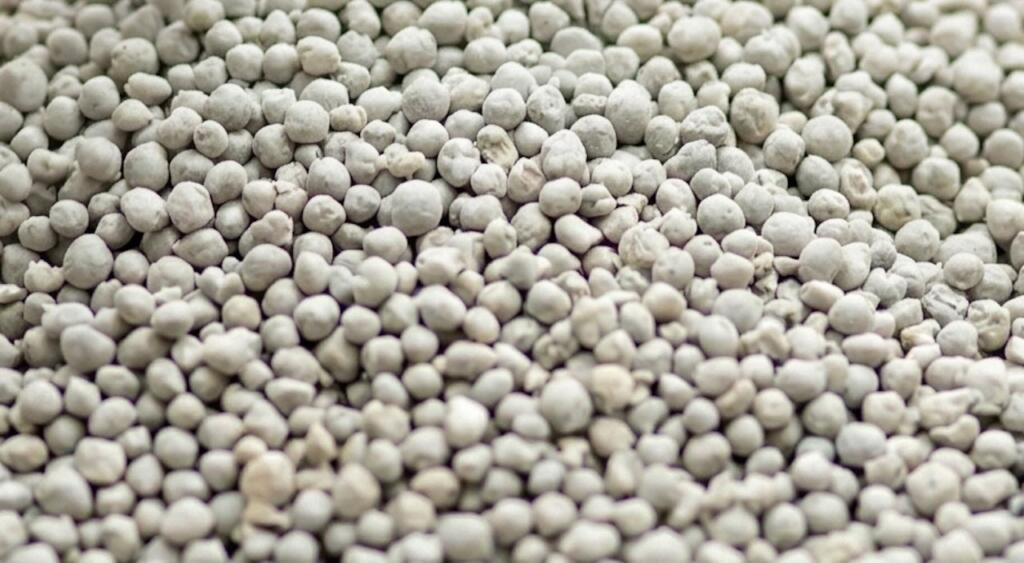
Apply the feed to damp grass rather than dry, and water it in afterwards if no rain is forecast within the next 24 to 48 hours. This helps the granules dissolve and reach the root zone, where they can actually do some good, rather than sitting on the surface where they can scorch the grass blades in sunshine.
🛒 Buy Spring Lawn Feed on Amazon UK
Many gardeners feed in spring and then forget about the lawn until autumn, assuming the spring feed has it covered. This is a missed opportunity. By June, a single spring feed has generally run its course, and grass going into the summer months without support will start to thin out, lose colour, and become more susceptible to drought stress and weed invasion.
Summer lawn feeding is different in character to spring feeding. You are not trying to push rapid growth at this stage. You are sustaining what you have built through spring and keeping the grass strong enough to cope with the stresses of a UK summer, which might mean drought, heavy wear from children and dogs, or the kind of prolonged wet spells that encourage moss and fungal problems.
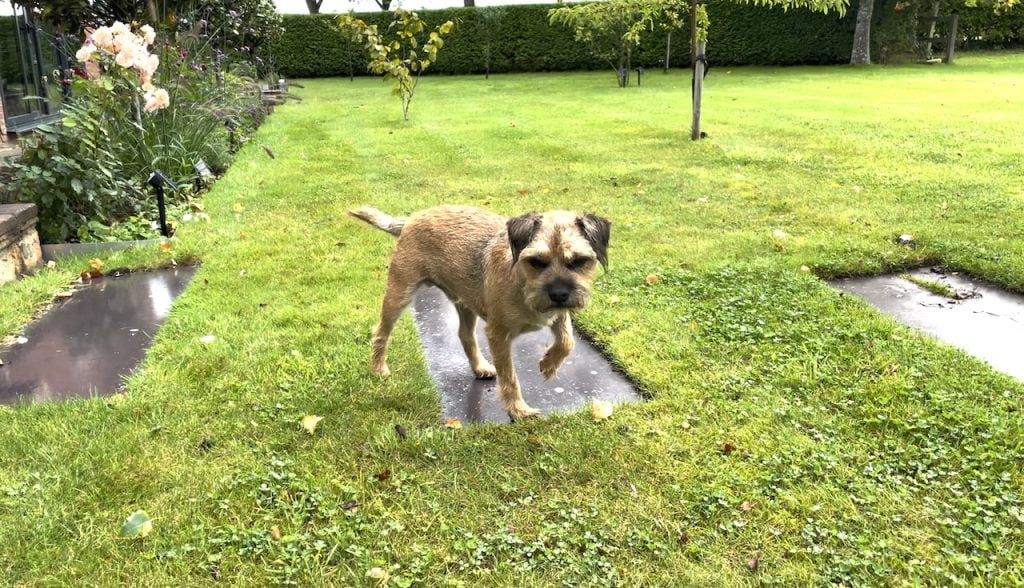
For summer, choose a balanced fertiliser with a roughly equal NPK ratio, or one where nitrogen is only slightly higher than potassium. Avoid very high-nitrogen feeds in June and July as they produce soft, sappy growth that is more vulnerable to disease and burns badly if a dry spell follows application. The goal in summer is steady, consistent grass health rather than the dramatic green flush you are chasing in spring.
Timing your summer application matters more than many guides acknowledge. Apply on a cool, overcast day when rain is expected within 24 hours. Never apply summer feed during a heatwave or dry spell. Granules sitting on dry soil in full sun with no irrigation will do nothing positive and may burn the grass surface. If you miss the ideal June window due to a dry spell, wait for a settled period of mild weather rather than pressing ahead regardless.
💡 Top Tip
If your lawn turns brown and dormant during a summer drought, do not apply feed to dormant grass. It simply cannot take up the nutrients and you risk root damage. Wait until the lawn breaks dormancy after the first autumn rains, then feed properly. Grass recovers remarkably quickly once rain returns, and a good autumn feed will restore colour faster than you might expect.
🛒 Buy Summer Lawn Fertiliser on Amazon UK
This is an area that most lawn feeding guides skip entirely, but it matters enormously if you are planning to overseed bare patches or carry out a full autumn renovation. The wrong product applied before overseeding can actively prevent your new seed from germinating, which is a deeply frustrating outcome after spending an afternoon on your hands and knees spreading grass seed.
The key point is this: never apply a weed-and-feed or a feed-and-moss-killer product before overseeding. The herbicide components in these products are specifically designed to prevent seeds from germinating, including grass seed. Applying them before sowing and then wondering why nothing has come through is one of the most common and entirely avoidable lawn renovation mistakes I come across. Leave at least six weeks between applying any herbicide-containing lawn product and sowing seed.
What you actually want before overseeding is a pre-seed fertiliser with a higher phosphorus content than a standard spring feed. Phosphorus drives root development, which is exactly what a germinating grass seedling needs in its first weeks of life. A typical spring feed might have a ratio of 10-4-4; a good pre-seed product will have a ratio closer to 6-9-6, with phosphorus as the dominant nutrient rather than nitrogen.
💡 Top Tip
Apply a pre-seed fertiliser two to three weeks before overseeding and rake it lightly into the top centimetre of soil. This gives the nutrients time to reach the root zone where germinating seedlings will need them, rather than sitting on the surface where they may wash away before the seed has even been sown.
A1 Lawn’s pre-seed product is the one I come back to most often when preparing lawns for overseeding. The high phosphorus formulation gives germinating seedlings the root establishment support they need, and the homogeneous granule means you get consistent nutrient delivery across the whole area rather than the uneven distribution that blended products can produce. Apply it, rake it in, wait a fortnight, then sow your grass seed.
🛒 Buy A1 Lawn Pre-Seed Fertiliser on Amazon UK
If I had to choose just one lawn feed to apply per year, I would choose the Autumn feed every single time. Most gardeners instinctively reach for spring feeds because that is when the lawn looks its worst, and they want a quick fix. But the autumn feed is actually doing the most important structural work of the entire lawn care year, and neglecting it leaves your grass poorly prepared for everything winter throws at it.
Autumn lawn feed should be applied in September or early October while the soil is still warm enough for grass roots to take up nutrients. Once soil temperatures drop below 8°C, root activity slows dramatically, and the grass cannot absorb fertiliser efficiently. This is why timing is so critical in Autumn. Miss the September window, and you are largely wasting your product. Apply it in August, and you risk stimulating too much soft, leafy growth before the frosts arrive.
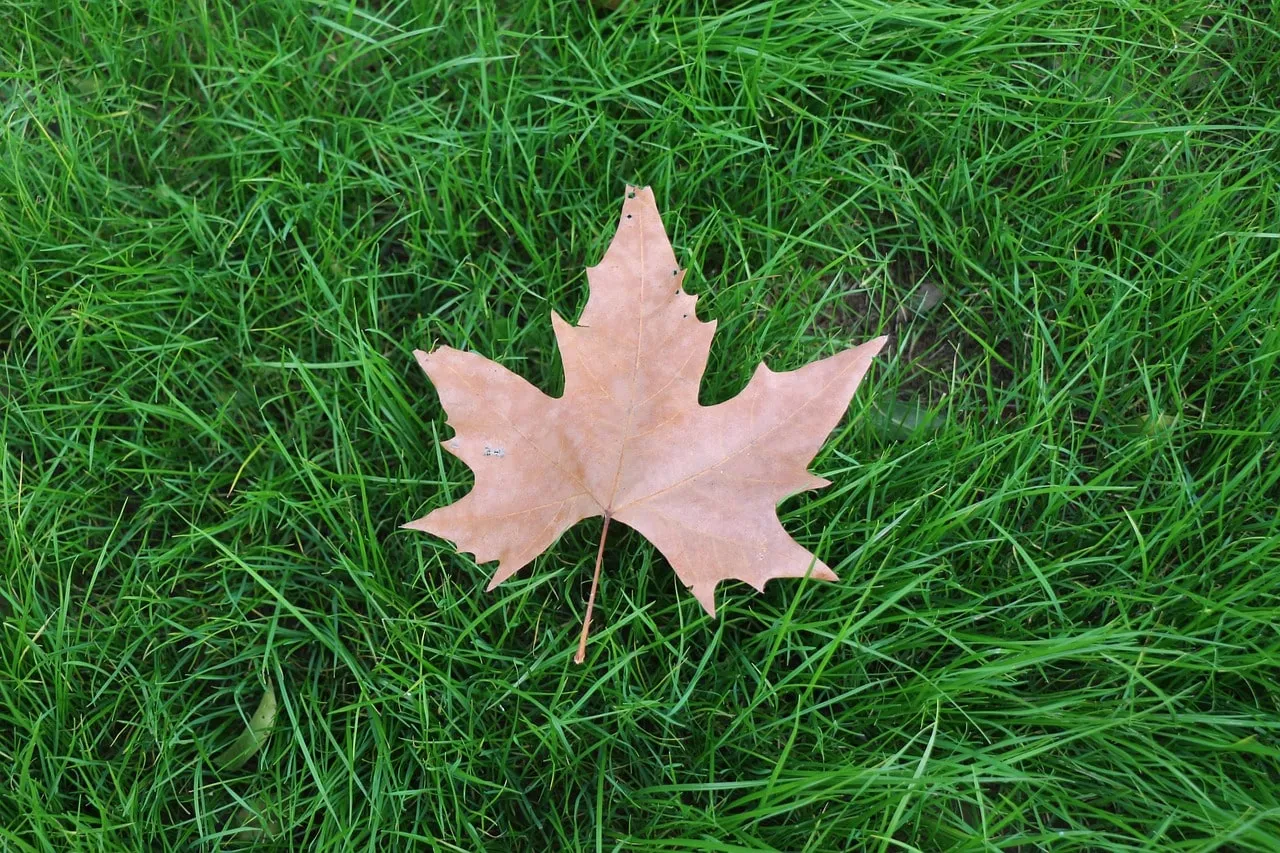
Autumn feeds have a deliberately low nitrogen content and a high potassium content. This combination tells the grass plant to stop putting energy into top growth and start investing it in root development and cell wall strengthening. The result, come November and December, is a lawn that holds its colour longer into winter, shrugs off frost more effectively, and emerges in spring looking substantially better than a lawn that received no autumn feed.
There is a secondary benefit to autumn feeding that is often overlooked: a well-nourished, healthy lawn going into winter is considerably more resistant to moss. Moss thrives in thin, weakened turf. Thick, vigorous grass reinforced by a good autumn feed gives moss far fewer opportunities to establish, meaning you need to do less remedial moss treatment the following spring. It is one of those gardening virtues that rewards patience and planning.
Never use a spring or summer feed as a substitute for an autumn formulation. I know it is tempting when you have half a bag of spring feed left and you want to use it up. The high nitrogen content in spring feeds applied in autumn will push exactly the kind of lush, vulnerable growth that gets destroyed by the first sharp frost. Autumn lawn feed is inexpensive and the right product genuinely makes a measurable difference. Do not cut corners on this one.
🛒 Buy Autumn Lawn Feed on Amazon UK
This is not a feeding step in the traditional NPK sense. An iron sulphate winter tonic does not push growth or build roots. What it does is green the lawn up noticeably, harden the grass against frost, and actively suppress moss at a time of year when moss is at its most opportunistic. I apply an iron tonic to my own lawn every November without fail, and I recommend it to every client whose lawn care I consult on.
Iron sulphate works by lowering the local pH around moss plants, which kills or severely stresses them, while grass is tolerant of the slightly more acidic conditions it creates. The iron also bonds with the grass cells and makes them physically tougher, which is exactly what you want heading into the coldest months. The visual effect is striking: within seven to ten days of application, even a slightly tired-looking winter lawn takes on a noticeably deeper green colour.
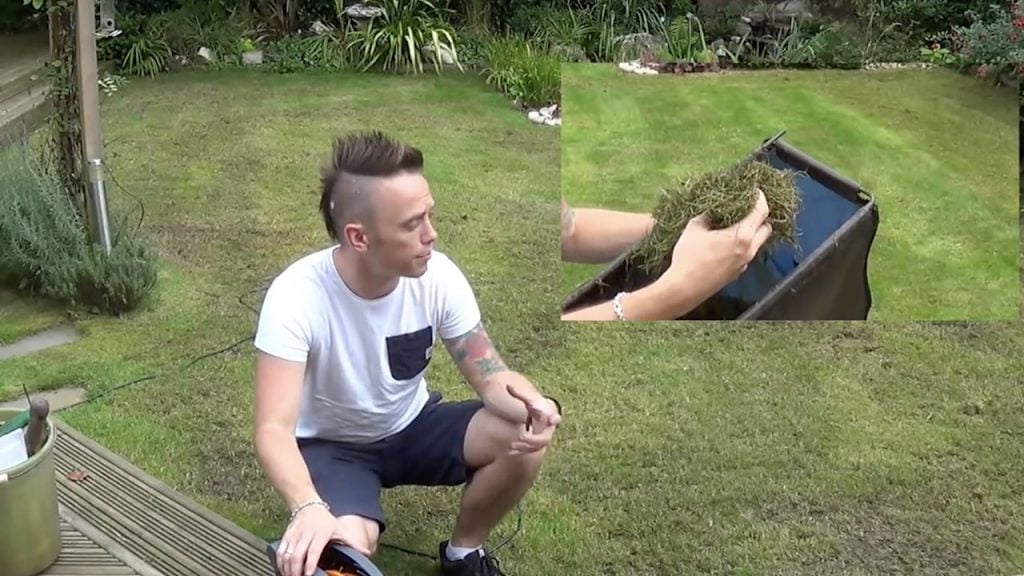
Apply iron sulphate as a liquid solution in November, ideally on a dry day when no frost is forecast for the following 24 hours. You can buy it as a granule but I find the liquid form easier to apply evenly with a watering can or pressure sprayer. Dilute it according to the manufacturer’s instructions. It stains concrete, paving, and clothing a deep orange-brown, so be careful around hard surfaces and wear old clothes.
One client of mine was convinced her lawn was dying every autumn because it turned yellow and then looked generally miserable throughout November and December. She was on the verge of having it dug up and replaced with decking. I persuaded her to try a liquid iron tonic before making any drastic decisions. She sent me a photograph a fortnight later of a genuinely green, healthy-looking lawn that she was delighted with. Decking can wait.
🛒 Buy Liquid Iron Sulphate Lawn Tonic on Amazon UK
Weed and feed products combine a lawn fertiliser with a selective herbicide that kills broadleaf weeds like dandelions, clover, and plantain without harming grass. They are enormously popular in the UK, partly because of aggressive marketing and partly because they genuinely work reasonably well for lawns with a moderate weed problem. But they come with some important caveats that most product packaging does not make clear.

Weed and feed products are only worth using if your lawn has a genuine weed problem alongside a nutrition deficit. If your lawn is fairly weed-free and you simply want to feed it, a standard fertiliser is more cost-effective, and you avoid introducing herbicide chemistry you do not need. The weed-killing component does add cost to the bag, and in my experience, the fertiliser formulations in combined products are rarely as good as those in dedicated lawn feeds.
The timing restrictions on weed-and-feed products are also stricter than many gardeners realise. Most require dry conditions for at least 24 hours after application so that the herbicide component can be absorbed through the weeds’ leaves. Rain washing the product off prematurely means you get some fertiliser benefit but little weed control. In a UK spring, guaranteeing a 24-hour dry window is not always straightforward.
If you have significant weed coverage, I would actually recommend treating the weeds separately with a spot-applied selective herbicide or by hand weeding, and then feeding the lawn independently. This gives you better control over both elements. However, if your lawn has a light scattering of weeds and you want a convenient one-step approach in spring, a quality four-in-one weed-and-feed product is a perfectly reasonable choice. For comprehensive guidance on identifying and removing lawn weeds, see my lawn weeds identification guide.
🛒 Buy Weed and Feed Lawn Treatment on Amazon UK
To make the decision simpler, here is a quick reference for when a weed-and-feed product genuinely makes sense and when a dedicated feed is the better call:
On that last point: if you have dogs or young children on the lawn, Westland SafeLawn is the product I recommend as a pet-safe spring feed. It uses a plant-based nitrogen source derived from feather meal which releases slowly and carries a much shorter exclusion period than conventional granular feeds. Conventional lawn fertilisers can cause digestive irritation in dogs that eat grass shortly after application. SafeLawn removes that concern without meaningfully compromising on results, though the green flush in the first fortnight is gentler than a synthetic high-nitrogen product.
🛒 Buy Westland SafeLawn Pet-Safe Lawn Feed on Amazon UK
This is a question I get asked frequently, especially as more gardeners try to reduce the amount of synthetic chemicals in their gardens. The honest answer is that both have genuine merit, and the right choice depends on what you are trying to achieve and how much time you have.
Synthetic lawn feeds release their nutrients quickly and predictably. You apply them, rain or irrigation takes them into the soil, and the grass responds within days. This predictability makes synthetic feeds easier to time around specific events, such as a lawn renovation programme or an overseeding project. They are also generally cheaper per unit of nutrient than organic alternatives.
Organic lawn feeds work more slowly because they rely on soil microbes to break down organic matter and release the nutrients it contains. This is actually an advantage in the right context, because it means a more sustained, gentle nutrient release that is less likely to produce the boom-and-bust growth cycle that synthetic feeds can create. Organic feeds also improve the soil’s structure and biology over time, paying dividends for lawn health over several years.
The downside of organic feeds is timing. Because they need microbial activity to release nutrients, they work best when soil temperatures are above 10°C. Apply an organic feed too early in spring or too late in Autumn and you will see limited benefit because the soil biology simply is not active enough to process it efficiently. They are also more expensive and often harder to apply evenly due to varying particle sizes.
My personal approach is a pragmatic combination. I use a quality slow-release synthetic for the spring feed because the timing is precise and the results are reliable. I use organic matter as a lawn top dressing in Autumn to improve soil biology over the long term. This hybrid approach gives me the best of both worlds: reliable spring results and steadily improving soil health over several seasons.
Application technique is where many good lawn feeding programmes fall apart. You can buy the best lawn fertiliser available, get the timing perfect, and choose exactly the right formulation for the season, and still end up with a patchy, streaked, or burned lawn if you apply it unevenly. Getting the application right is just as important as choosing the right product.
The golden rule of lawn feed application is this: always apply to damp grass, never to dry grass in direct sunshine. Granules or liquid sitting on dry grass blades in warm sunshine act as a magnifying agent and can scorch the grass, leaving you with brown stripes or patches that can take weeks to recover from. Apply in the early morning or evening, or on a cool, overcast day. If the grass is dry, water it lightly first and wait for the surface moisture to settle before applying.
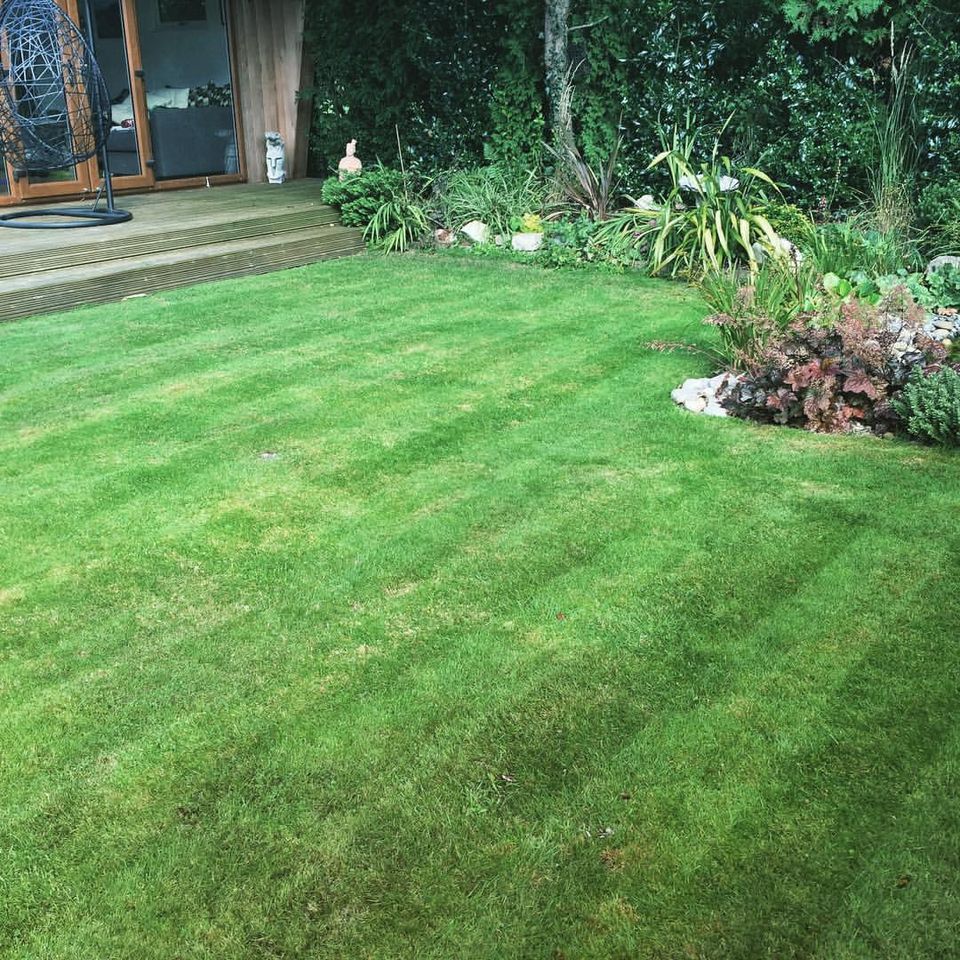
Measure your lawn before you buy. This sounds obvious, but an astonishing number of gardeners either overbuy (wasteful and expensive) or underbuy (and then apply too little per square metre to make a meaningful difference). Walk the perimeter of your lawn, measure the length and width in metres, and multiply them together to get the area in square metres. Most fertiliser bags state the coverage area on the packaging, so you can work out exactly how much you need.
For granular feeds, apply in two passes at half the recommended rate. Make the first pass walking in one direction, then apply the second pass at 90 degrees to the first. This cross-hatching technique dramatically reduces the risk of visible striping from uneven coverage. It is the same approach professional lawn care technicians use, and it makes a genuinely noticeable difference to the final result.
Water in any granular feed within 24 to 48 hours if no significant rain is forecast. This dissolves the granules and moves the nutrients into the root zone, where the grass can actually use them. Granules left on the surface in dry conditions can sit there for weeks doing nothing. A light watering with a hose or sprinkler is all that is needed. You do not need to drench the lawn, just enough to dissolve the granules and wet the top few centimetres of soil.
If you are applying lawn feed by hand, scattering granules from a bucket or bag as you walk, you are almost certainly producing uneven coverage, whether you can see it or not. Humans simply cannot maintain a consistent distribution by hand across any meaningful lawn area. A spreader removes this problem entirely, and the difference in results is immediately visible.
There are two main types of spreaders to consider for a domestic lawn. A handheld rotary spreader is a small, inexpensive device you carry in one hand and crank with the other. It is perfectly adequate for smaller lawns up to about 50 square metres and is very affordable. A push rotary spreader, which you walk behind as it broadcasts the granules in a wide arc, is better suited to medium and larger lawns and gives the most consistent coverage of all the domestic options.
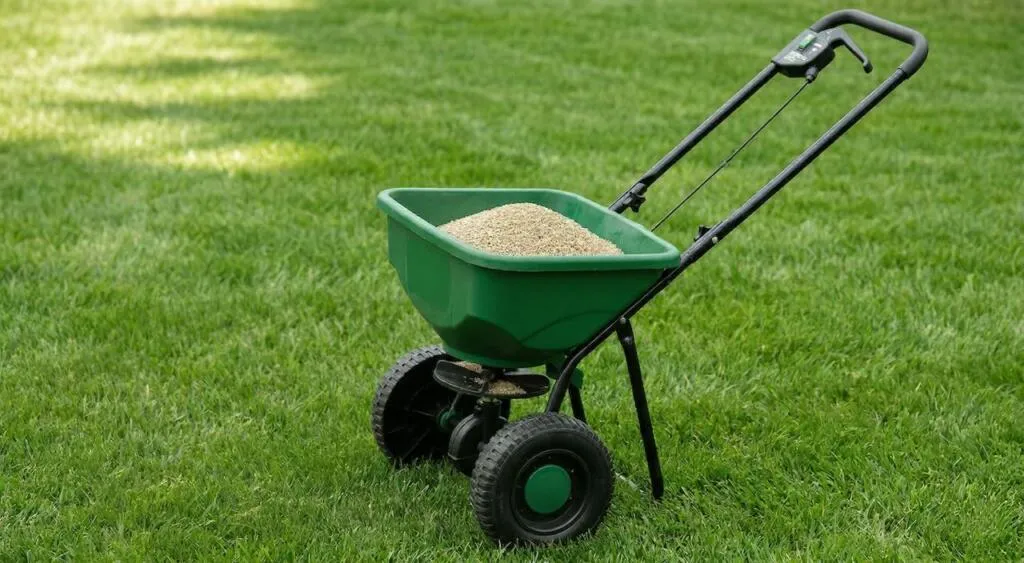
Calibrate your spreader before each application. Most push spreaders have an adjustable aperture dial that controls how much product is released per pass. Manufacturers typically provide a recommended setting for their products, but these are a starting point rather than a guarantee. Test your spreader setting on a hard surface before using it on the lawn, and adjust as needed. A small amount of time spent calibrating saves a great deal of remedial work later.
Always overlap your passes slightly to avoid visible gaps in coverage. With a push spreader, aim to overlap the last wheel track by about 10 to 15 centimetres on each successive pass. Make sure you turn the flow off when you stop or turn at the end of each row. The most common cause of over-application (and the burning patches it causes) is granules pooling at the turning points where the operator has paused or slowed down without closing the hopper.
🛒 Buy a Lawn Spreader on Amazon UK
Consistency over time is what separates good lawns from great ones. A single feed applied haphazardly whenever you remember it is substantially less effective than a simple, structured programme followed reliably each year. Here is the feeding calendar I use and recommend, adapted for UK conditions across all regions.
For a full month-by-month breakdown of every lawn task beyond feeding, including mowing heights, aeration timing, and seasonal maintenance, see my complete lawn care month-by-month planner.
In over two decades of garden design and consultancy work, I have seen every possible lawn-feeding mistake at least once. Here are the ones I encounter most regularly, along with how to avoid them.
Feeding too early in spring is the most common error. Cold soil cannot deliver nutrients to the grass roots, so early application is largely wasted. It also risks stimulating tender growth before the last frost, as I learned to my cost in my own garden. Patience pays here. Wait for the soil temperature, not the calendar date.
Using a spring feed in Autumn is the second most common mistake and causes real damage. High nitrogen in Autumn pushes soft, lush growth that is highly vulnerable to frost and fungal disease. If you only buy one season-specific product, make it your Autumn feed. Use the correct formulation, and the grass will reward you with a noticeably better spring recovery.
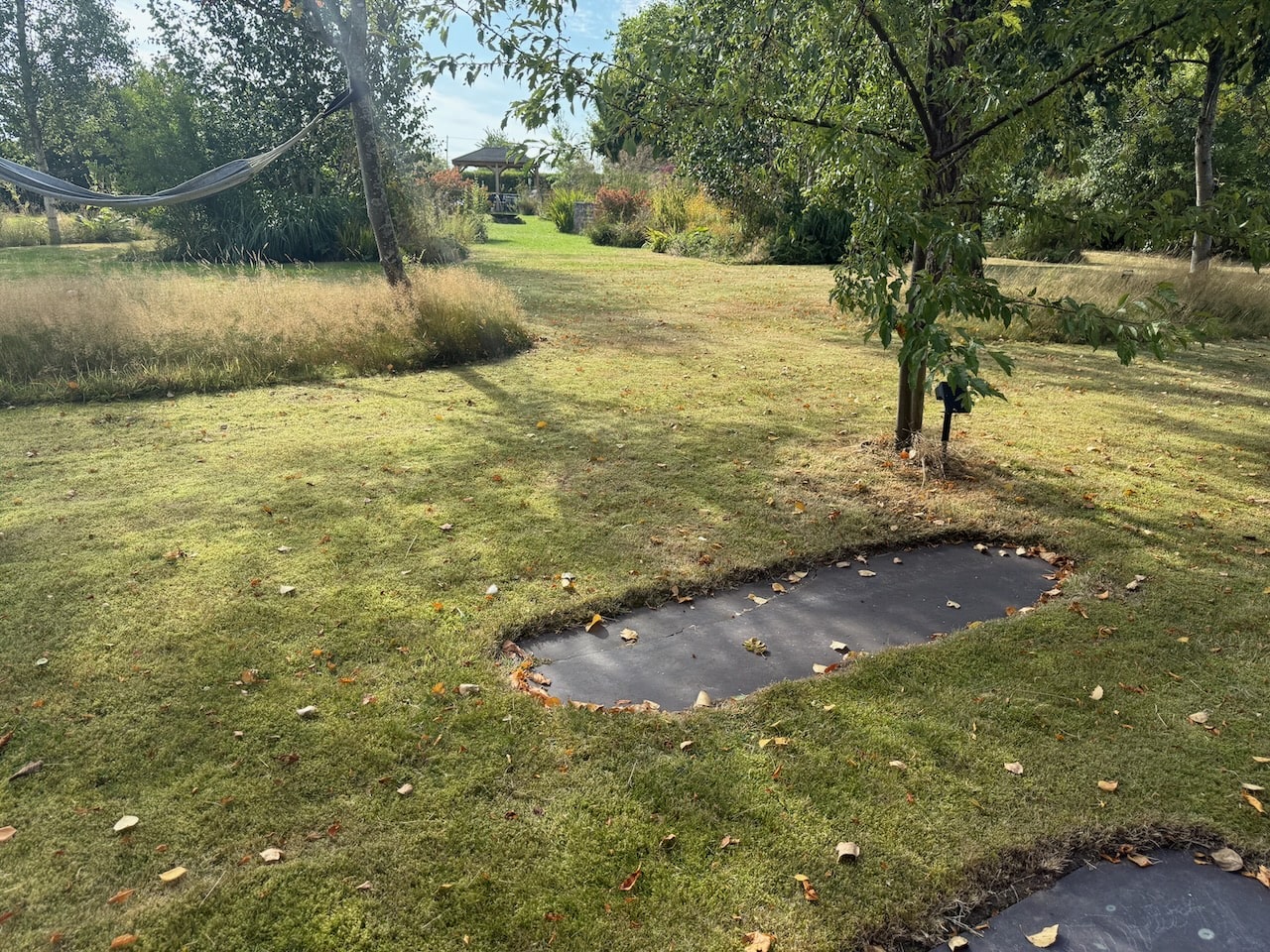
Over-application, based on the belief that more feed means more results, is a persistent problem. Doubling the recommended rate does not double the results. It burns the grass, locks up nutrients in the soil chemistry, and can kill patches of lawn entirely. Always follow the manufacturer’s stated rate and resist the temptation to add a little extra for good measure.
Feeding a dry lawn in sunshine is one of the fastest ways to ruin it. Granules on dry grass blades in full sun will cause contact scorch within hours. If conditions are dry and bright, either water the lawn first and wait for the surface to settle, or postpone the application until an overcast day or early morning when dew is present.
Neglecting the Autumn feed in favour of doubling down on spring feeds is a choice I see regularly among gardeners who are primarily focused on how the lawn looks in summer. The Autumn feed is not glamorous. It does not produce a dramatic visual result within days, the way a spring feed does. But it is doing the structural work that underpins everything else, and skipping it consistently year after year results in a lawn that deteriorates noticeably over time.
Finally, feeding a lawn with underlying problems like severe compaction, waterlogging, or very deep shade will not fix them. It will simply keep a struggling lawn alive at significant expense without ever resolving the root cause of its decline. If your lawn is in poor condition, investigate why before spending money on feeding. Aeration, scarification, and improved drainage will often do more good than any amount of fertiliser. See my guide to scarifying lawns and my complete moss removal guide for advice on addressing those underlying issues first.
These are the products I have used, tested, or recommended to clients through my consultancy work. I am not paid by any of these brands to promote them, which means you are getting my honest assessment of what actually works in UK conditions rather than a sponsored recommendation.
A1 Lawn make specialist lawn products that perform consistently well. Their spring formulation has a well-balanced NPK ratio with a strong nitrogen content appropriate for the season, and the granule size is consistent enough to apply well through a push spreader. It is competitively priced, coverage rates are generous, and results are visible within 10 days on a healthy lawn. This is the spring feed I have recommended most consistently to clients over the past few years.
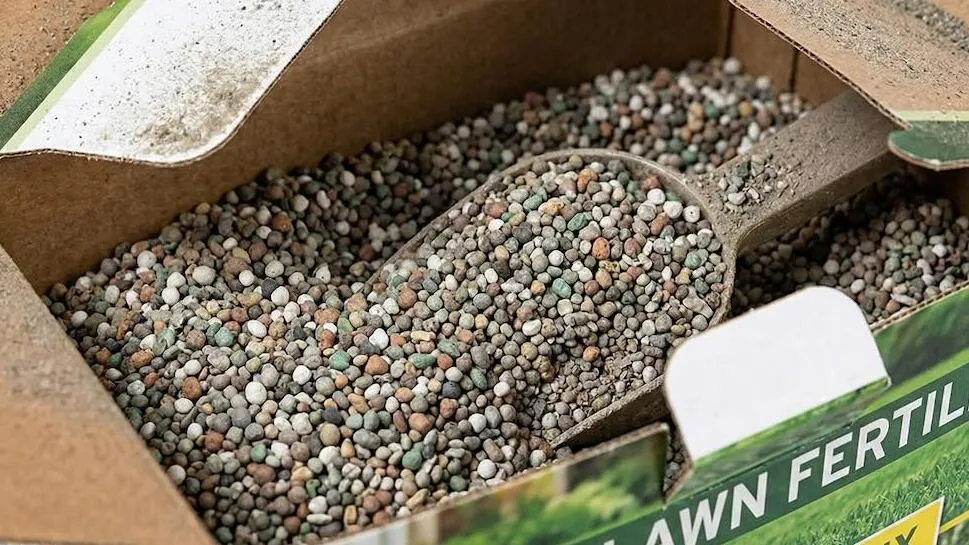
🛒 Buy A1 Lawn Spring Feed on Amazon UK
For gardeners who want a more convenient approach, particularly if they have a lawn with a moderate weed problem alongside a nutrition deficit, the EverGreen Complete is a solid choice. It combines fertiliser, weed control, moss control, and a soil conditioner in one product. The results are not as precisely tuned as a dedicated lawn feed, but for a general spring or early summer application on a lawn with mixed issues, it does a reliable job and the instructions are clear. Just be sure to follow the dry-weather application window carefully.
🛒 Buy EverGreen Complete on Amazon UK
A1 Lawn’s autumn and winter formulation is the one I have come back to year after year as my preferred recommendation for the September application. The NPK ratio is correctly calibrated for autumn use with low nitrogen and elevated potassium and phosphorus to support root hardening and winter preparation. The results in spring are consistently noticeable on lawns where it has been applied versus those where gardeners skipped the autumn feed. It is inexpensive relative to the improvement it delivers.
🛒 Buy A1 Lawn Autumn Feed on Amazon UK
Pro-Kleen’s liquid iron sulphate is available in various concentrations, and it is one of the best value products in the entire lawn care category. A litre of concentrated solution treats a very generous area of lawn when diluted correctly, and the liquid form mixes and applies much more reliably than powder alternatives, which can clump and block watering cans.
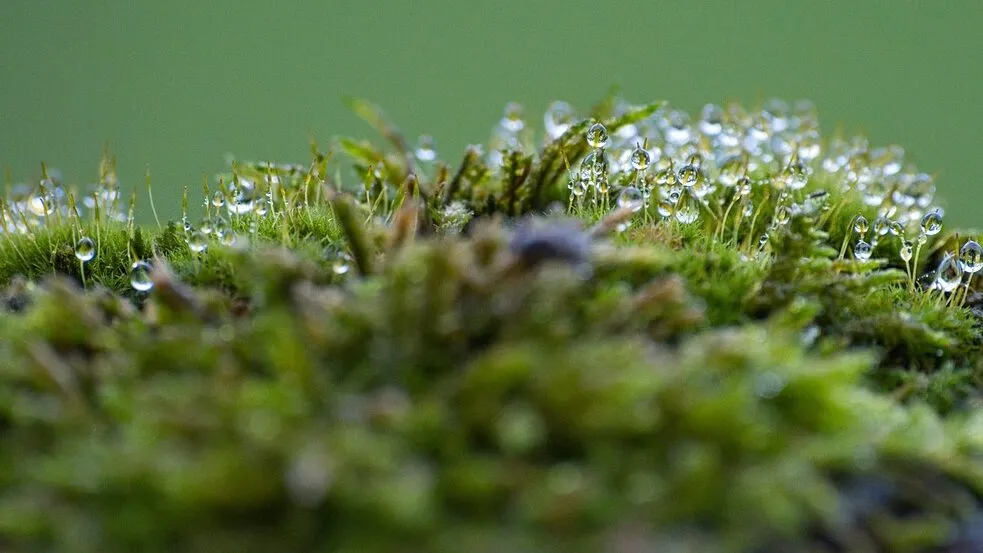
The greening effect is visible within a week of application, and the moss suppression lasts well through the winter months. This is the iron tonic I reach for in my own garden.
🛒 Buy Pro-Kleen Iron Sulphate on Amazon UK
For medium lawns, the Gardena Comfort handheld rotary spreader is excellent value and well-made enough to last many seasons. The capacity is sufficient for most domestic lawns and the settings dial is intuitive. For larger lawns over about 100 square metres, step up to a push spreader. The Einhell push spreader is a solid entry-level option that applies granules consistently without the build quality compromises you sometimes see at the budget end of the market.
🛒 Buy a Gardena Spreader on Amazon UK
💡 Top Tip
Buy your autumn feed in September alongside your spring feed in March. Having both products in the shed at the start of the season removes the temptation to skip the autumn application because you cannot remember what you need or where to find it. Spending ten minutes planning the whole year’s lawn feeding programme in March genuinely makes you significantly more likely to follow through on each application at the right time.
Most lawn feed guides list products without doing the arithmetic on what they actually cost to use. The sticker price on a bag tells you almost nothing useful. A small bag that covers 100 square metres at a certain price is far more expensive per square metre than a larger bag covering 285 square metres at a slightly higher price. Here is how the main products compare on a cost per 100 square metres basis, based on typical Amazon UK pricing at the time of writing. Always check current pricing as these fluctuate.
The honest conclusion from this comparison is that A1 Lawn products offer excellent value once you buy in the larger bag sizes, sitting between the budget organic options and the premium supermarket brands while matching or outperforming most on formulation quality. Lawnsmith is genuinely premium and you pay for it, but on a 200 square metre lawn the additional annual cost versus A1 Lawn is probably under £15. That is a reasonable investment if you are serious about your turf. Chicken manure pellets remain the best value organic option by a significant margin if you can tolerate the smell for a couple of days. Buying larger bags almost always reduces the cost per square metre substantially, so check what size options are available before buying the small bag.
🛒 Buy A1 Lawn Autumn Feed on Amazon UK
🛒 Buy Lawnsmith Autumn Winter Fertiliser on Amazon UK
Feed your lawn four times per year for the best results: a high-nitrogen spring feed in March or April, a balanced summer feed in June, a low-nitrogen autumn feed in September, and an iron sulphate winter tonic in November. This programme covers all the nutritional needs of a UK lawn through the growing and dormant seasons without over-complicating the process.
Yes, and the consequences are unpleasant. Over-feeding causes nitrogen burn, which manifests as brown or yellow patches and streaks across the lawn. Severely over-fed areas may take weeks to recover. Always follow the manufacturer’s stated application rate and use a spreader to ensure even coverage. More is never better with lawn fertiliser.
Always feed after scarifying, not before. Scarifying removes thatch and dead material from the lawn surface, which stresses the grass. Applying feed to stressed, freshly scarified turf in reasonable conditions helps it recover quickly and fill in the gaps. Feed applied before scarifying is partially wasted because the process that follows disrupts the root zone and removes material you have just fed. See my complete scarifying guide for full timing details.
Yes, for spring feeding in particular. Slow-release formulations deliver nutrients steadily over eight to twelve weeks, which produces more consistent grass growth and reduces the risk of burning from too much nutrient reaching the roots at once. They are slightly more expensive per kilogram but the reduced risk and sustained effect make them worth the extra investment, especially for gardeners who feed less frequently than four times per year.
Shaded lawns benefit from lower nitrogen feeds than full-sun lawns because shade-tolerant grass varieties already grow more slowly and need less stimulation. A balanced or slightly lower nitrogen formulation suits shaded areas well. More importantly, address the shade problem itself where possible: lift lower tree branches to allow more dappled light to reach the lawn, and consider whether overseeding with a dedicated shade grass mix might help thicken the turf in persistently difficult areas.
Chicken pellet fertiliser can be used on lawns and provides a gentle, organic nitrogen boost. However, the nutrient release is slow and unpredictable compared to a dedicated lawn fertiliser, the odour can be unpleasant in warm weather, and the coverage is difficult to apply evenly without a spreader. For a dedicated organic feeding approach, purpose-made organic lawn fertilisers are formulated specifically for even application on turf and will give you more predictable results.
Yes, if no significant rain is forecast within 48 hours of application. Watering dissolves the granules and carries the nutrients down into the soil where grass roots can access them. Without water, granules sit on the surface where they can scorch the grass in warm conditions and deliver little nutritional benefit. A light watering is all that is needed, approximately equivalent to 5mm of rainfall, which is about ten minutes with a standard garden sprinkler.
Now you know how to keep your lawn looking green and healthy why not consider taking your skills to the next level with some online design training? My Garden Design for Beginners Course is here to help take your garden from average to extraordinary with an affordable online course, no matter how little your experience with plants.
This course offers step-by-step guidance from me, Lee Burkhill, award-winning garden designer and presenter on BBC1’s Garden Rescue. In this course, you’ll go from a garden design novice to a confident designer equipped to tackle any green space.
Enrol now for just £199 and start your journey toward garden design mastery!
For the garden you’ve already got, not the one you’re starting from scratch. Seven checklists and video lessons from BBC Garden Rescue’s Lee Burkhill, built to help you work out what’s worth keeping before you spend a penny.
Garden Design Examples for Small Gardens: 30 Design Templates & Planting Plans: In this online gardening course, I’ll walk you through 30 fantastic garden designs, explaining the logic behind the layout, the plant choices, and take-home tips for applying them in your own garden.
Learn how to transform and design your own garden with Lee Burkhills crash course in garden design. Over 5 hours Lee will teach you how to design your own dream garden. Featuring practical design examples, planting ideas and video guides. Learn how to design your garden in one weekend!
Garden Design for Beginners Online Course: If you want to make the career jump to becoming a garden designer or to learn how to design your own garden, this is the beginner course for you. Join me, Lee Burkhill, an award-winning garden designer, as I train you in the art of beautiful garden design.
Lawn feeding does not need to be complicated, but it does need to be consistent. The gardeners I see with genuinely impressive lawns are rarely doing anything extraordinary. They are simply applying the right product at the right time of year, using a spreader to get even coverage, and repeating that programme reliably season after season. That is it. No secret ingredients, no expensive treatments, no specialist knowledge beyond what you now have from reading this guide.
To recap the essentials: a high-nitrogen spring feed in March or April to push growth and restore colour, a balanced summer feed in June to sustain momentum, a low-nitrogen autumn feed high in potassium in September to harden the grass before winter, and a liquid iron sulphate tonic in November to suppress moss and carry the lawn through the coldest months looking its best. Four applications, four products, one straightforward annual programme.
The autumn feed is the one most gardeners skip, and it is the one that makes the greatest difference to how the lawn looks the following spring. If you only take one thing from this guide, make it that. Buy your autumn feed in September, apply it before mid-October while the soil is still warm, and watch how much better your lawn emerges the following March compared to previous years.
Feeding is one part of a healthy lawn care programme, but it works best alongside the other key annual tasks. If you have not scarified recently, moss and thatch will be undermining everything you feed into the lawn. If your soil is compacted, nutrients cannot reach the root zone effectively however good your fertiliser is. And if thin patches are not overseeded after treatment, weeds will colonise them faster than fresh grass can establish. Lawn care works as a system, and feeding is the engine that powers the rest of it.
For the complete picture of what your lawn needs and when, take a look at these related guides on the Garden Ninja blog:
👉 How to Get Rid of Moss in Your Lawn: The UK Complete Guide
👉 How to Scarify a Lawn: The Complete UK Guide
👉 Lawn Weeds Identification Guide: Common UK Lawn Weeds and How to Remove Them
👉 Lawn Care Month by Month: Your Complete UK Planner
👉 How to Lay Turf: Complete Guide to Installing a Perfect Lawn
Happy gardening!


Lee Burkhill, known as the Garden Ninja, is an award-winning garden designer and horticulturist with over 30 years of gardening experience and 15 years as a professional garden designer. A qualified RHS (Royal Horticultural Society) professional, Lee specialises in sustainable garden design and practical horticultural advice. He designs and presents on BBC1’s Garden Rescue and in leading gardening publications. Lee combines three decades of hands-on gardening knowledge with professional design qualifications to help gardeners create beautiful, functional outdoor spaces.
View all posts by Lee Burkhill









JOIN THE NINJAS

Be the first in line for new Guides, Discount codes and Offers