For the garden you’ve already got, not the one you’re starting from scratch. Seven checklists and video lessons from BBC Garden Rescue’s Lee Burkhill, built to help you work out what’s worth keeping before you spend a penny.
69


Quick Answer
UK gardens grow around a dozen distinct rose types, from hybrid teas and floribundas to climbers, ramblers, shrub roses, English roses and tiny patio varieties. Each has different height, flowering habits and maintenance needs, so the right choice depends on your space, your soil and how much pruning you fancy taking on.
From the time honoured elegance of Old Garden Roses to the modern sophistication of Hybrid Tea roses, the world of roses is a captivating tapestry of colours, fragrances, and forms for your garden. Whichever type of rose you choose to grace your garden, each rose brings unique character and beauty.
As you explore the diverse spectrum of rose types, you’ll find yourself immersed in a world of enchantment and wonder that has captivated gardeners and dreamers throughout history. I’ve been designing gardens professionally for over 15 years now, and roses are still one of the plants clients ask me about most, usually because they’ve inherited a tired old bush from a previous owner and have no idea whether to keep it, move it, or rip it out entirely.

Whether you’re a seasoned gardener or just starting to delve into the world of roses, this guide will help you navigate through the various types of roses and discover their captivating diversity. Let’s look at each type of rose to help you choose the perfect one for your garden’s size, maintenance level and what you want from your rose, whether you prefer more colour or scent.
Jump To
This page contains affiliate links for products I use and love. If you take action (i.e. subscribe, make a purchase) after clicking a link, I may earn some gardening commission which helps me keep the Garden Ninja Blog free for all.
There are many different types of garden rose. All share that classic rose shaped flower made up of layers of petals with protective petals encasing them, also known as sepals.
However, each type of rose has different characteristics and they have been bred to have different features depending on the type. Such as how big you want the rose to grow, how many flowers it produces, how floriferous it is, if they include scent, whether single or double flowered, climbing or free standing. The options when it comes to rose types can feel endless.
Beyond their visual and olfactory, scented, appeal, rose flowers carry rich symbolism and cultural significance. They have been used for centuries to convey emotions such as love, passion, beauty, and even sorrow. Different colours of roses are associated with specific meanings, allowing people to communicate sentiments through the language of flowers.
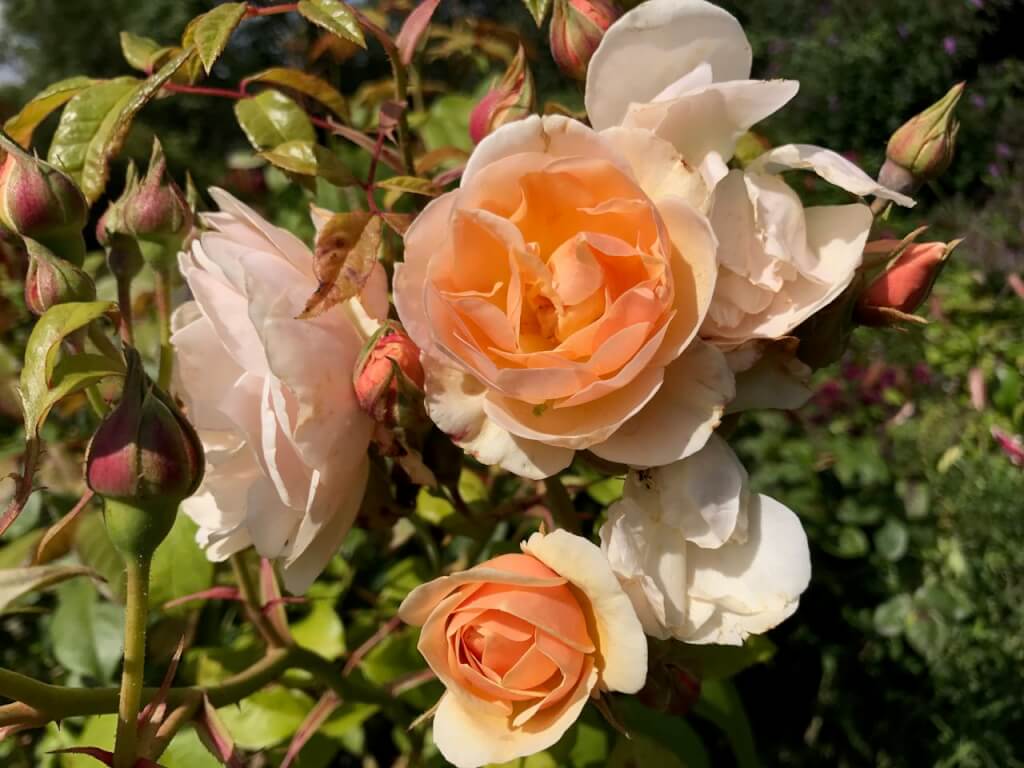
So let’s look closer at the types of roses, their benefits, and the maintenance required of you, the gardener, so that you can pick the perfect type for your garden.
Before we dive into each type in detail, here’s a quick comparison table I use with clients when they’re trying to decide which rose fits their garden and their appetite for maintenance.
| Type | Height | Flowering | Maintenance | Best For |
| Species/Wild | 1m to 3m+ | Once, early summer | Low | Wildlife, informal planting |
| Tea | 1m to 1.5m | Repeat, summer to autumn | Medium | Collectors, fragrance |
| Hybrid Tea | 1m to 1.2m | Repeat, May to September | Medium | Cut flowers, bold colour |
| Shrub/Polyantha | 1m to 1.5m | Repeat | Low | Borders, casual gardeners |
| Patio | 30cm to 45cm | Repeat | Very low | Containers, small gardens |
| Miniature | 20cm to 40cm | Repeat | Low | Pots, edging, windowsills |
| Old Garden (Gallica/Damask) | 1m to 1.5m | Once, early summer | Medium | Heritage gardens, scent |
| Bourbon | 1.5m to 2m | Repeat | Medium to high | Cottage gardens, fragrance |
| English (David Austin) | 1m to 1.5m, climbers 3m to 4m | Repeat | Medium | Fragrance with modern repeat flowering |
| Climbing | 3m to 5m | Repeat | High | Walls, pergolas, arches |
| Rambling | 4m to 10m | Once, early summer | Medium | Trees, large structures |
| Floribunda | 60cm to 1.2m | Repeat, prolific | Low | Mass colour, beginners |
| Ground Cover | 30cm to 60cm, wide spread | Repeat | Very low | Banks, weed suppression |
| Standard/Tree | Stem 0.9m to 1.4m plus head | Varies by grafted variety | Medium to high | Formal focal points, pots |
Before any of the roses below were bred, there were species roses, sometimes called wild roses. These are the naturally occurring Rosa species that every cultivated rose ultimately descends from, things like Rosa canina, our native dog rose found in hedgerows across the UK, or Rosa glauca with its striking plum toned foliage. Species roses have simple, single flowers, usually five petals, followed by a generous crop of hips in autumn that birds absolutely love.
I often recommend a species rose to clients who want something that looks like it has always been part of the landscape, particularly in wildlife friendly or naturalistic planting schemes. They flower once, usually in early summer, but what they lack in repeat flowering they make up for in toughness, disease resistance and the sheer volume of pollen and hips they offer to wildlife.
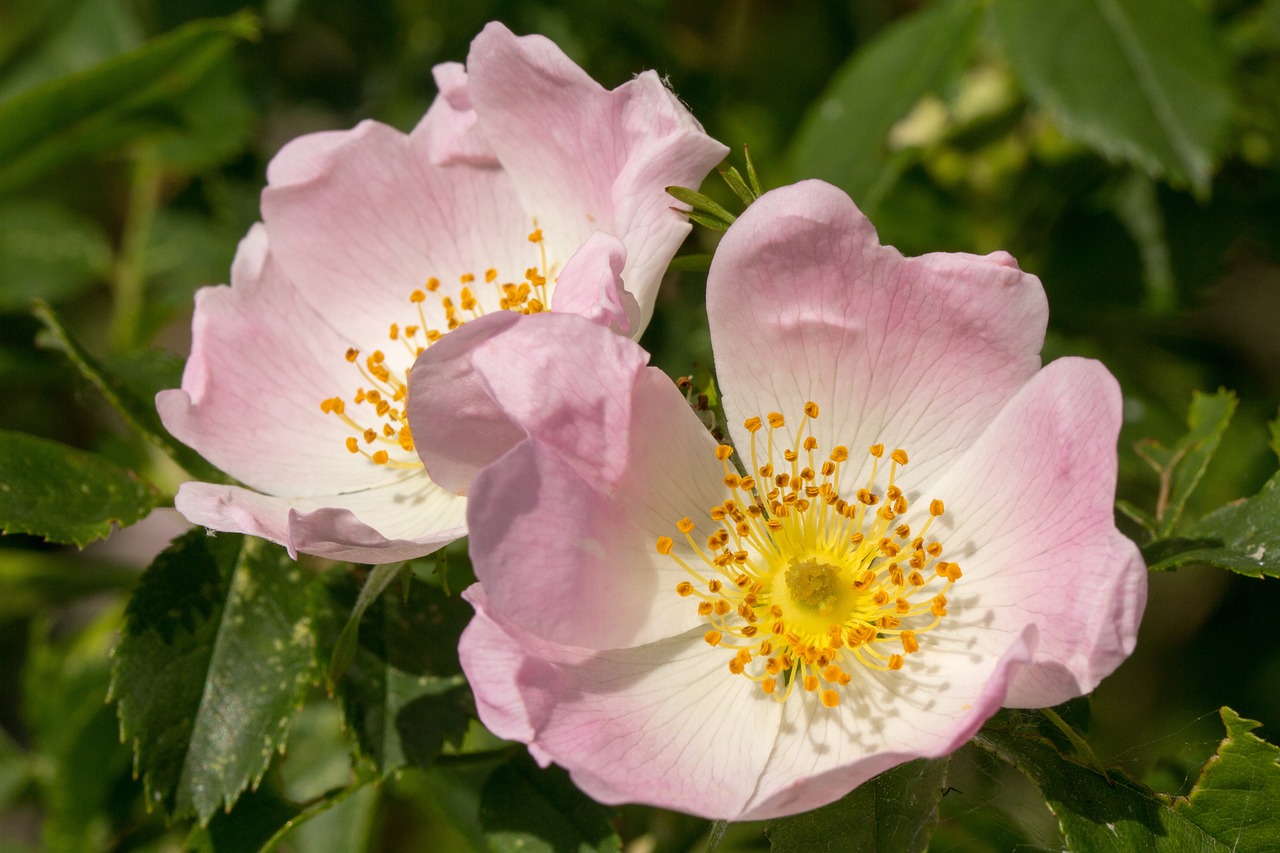
Species roses are low maintenance. Little to no pruning is needed beyond removing dead or crossing growth, and they generally shrug off pests and disease that would trouble more highly bred roses.
The true Tea rose (Rosa chinensis) is the predecessor to modern Hybrid Tea roses. These hybrid roses came when Rosa chinensis was crossed with Rosa gigantean to form Rosa x odorata. Tea roses are admired for their large, exquisite blooms and a wide range of colours.
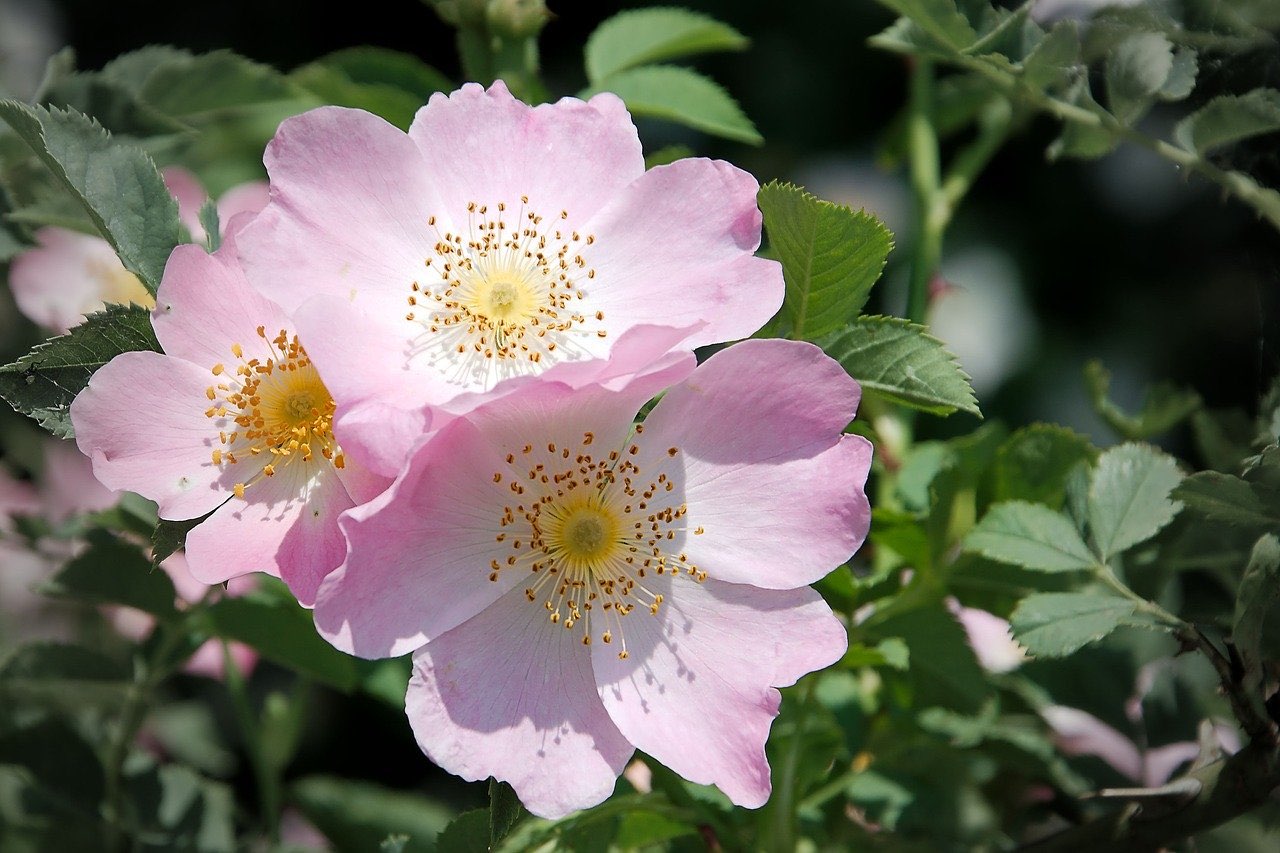
Tea roses originated in China and were introduced to the Western world in the 19th century. Their introduction was a significant event in the history of rose breeding, as they brought a new level of fragrance and beauty to the rose world. However, because their original genetic pool was limited, they might be considered rare in comparison to more widely cultivated rose types.
True Tea Roses have open flowers, visible stamens and anthers, and are dainty. They are fantastic for honey bees and pollinating insects.
True Tea roses have intermediate maintenance requirements in both winter pruning and feeding. They will require careful looking after to stop them from becoming congested or leggy without careful pruning.
Did you know that you can take my course and learn how to become a Garden Ninja yourself? Click here for details
Hybrid tea roses are probably the most popular rose in garden centres and plant nurseries. They take the original Rosa x odorata tea rose and cross it with another species to create a hybrid. Hybrid tea roses take the best parts of two plants and merge them together, allowing the thousands of cultivars of rose plants that we see in garden centres based on this merging of different species. Almost an endless variety.
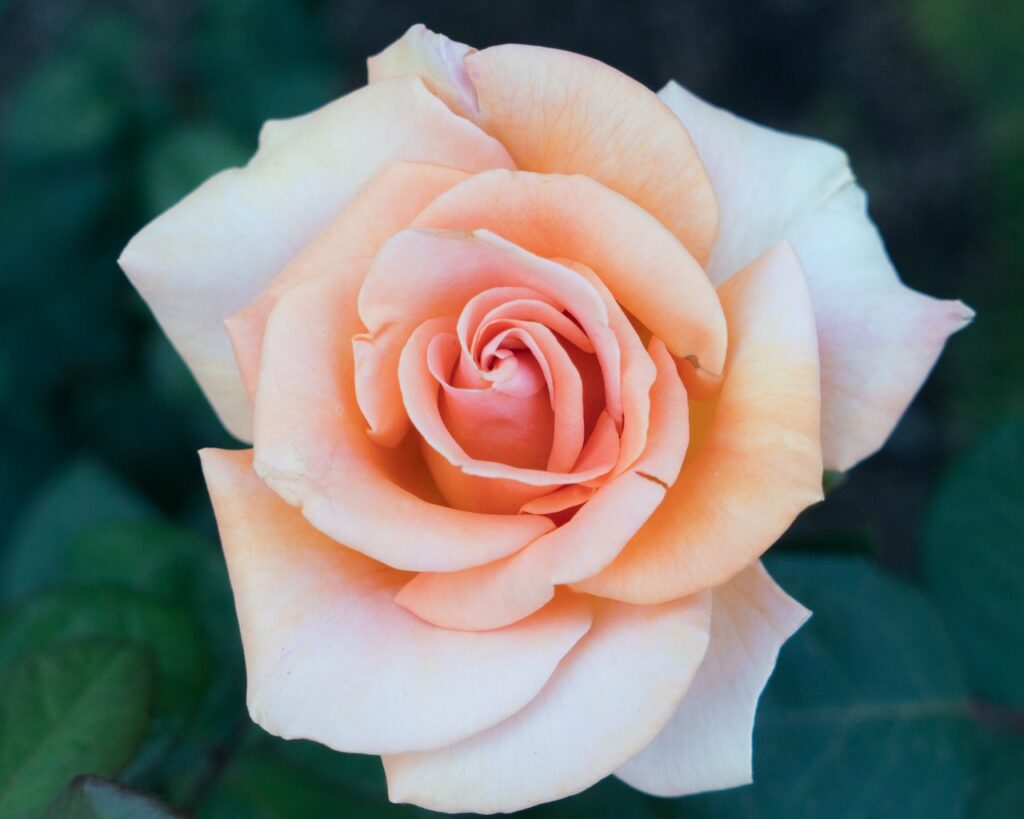
Hybrid tea roses usually bloom on a single stem and have large blousey flowers with a milder scent of tea. More often than not there’s so many petals the internal pollen sexual structures of the rose are hidden or hard for bees to get to.
Hybrid tea roses have that old classic cartoon rose shape everyone recognises, lots of large layered petals.
In milder climates with deadheading and feeding, they can bloom from May until September with care. In the winter, these roses bare their thorny stems, exposing gaps in your garden borders if you don’t have a mixed flower bed layout.
Hybrid tea requires careful winter pruning before flowers appear in summer. Ensuring that the plants are kept in an open goblet shape and pruned to an outward facing bud.
Hybrid tea roses are available in the widest variety of colours and sizes compared to other rose types. Choosing a hybrid tea rose over other types of rose often comes at the expense of less scent and, in some double flowering roses, lack of pollen for bees and wildlife.
Hybrid teas are medium maintenance requiring multiple liquid feeds and winter pruning to keep them looking their best, along with deadheading when flowering. I class them as the intermediate gardener rose.
Shrub roses, otherwise known as Polyantha, are characterised by their bushy growth habit and diverse flower forms, colours, and fragrances. Shrub roses are a versatile category due to their low maintenance when pruning, making them a popular choice for casual gardeners and experienced enthusiasts. These roses are known for their resilience, ease of care, and ability to adapt to various growing conditions.
They are referred to as shrub roses as they take up the spaces in flower beds where shrubs would be placed, such as in the middle to the back of a border. Their shape resembles a shrub, being round and squat, perfect when covered with flowers and to help bring some weight to a flower bed or garden border.
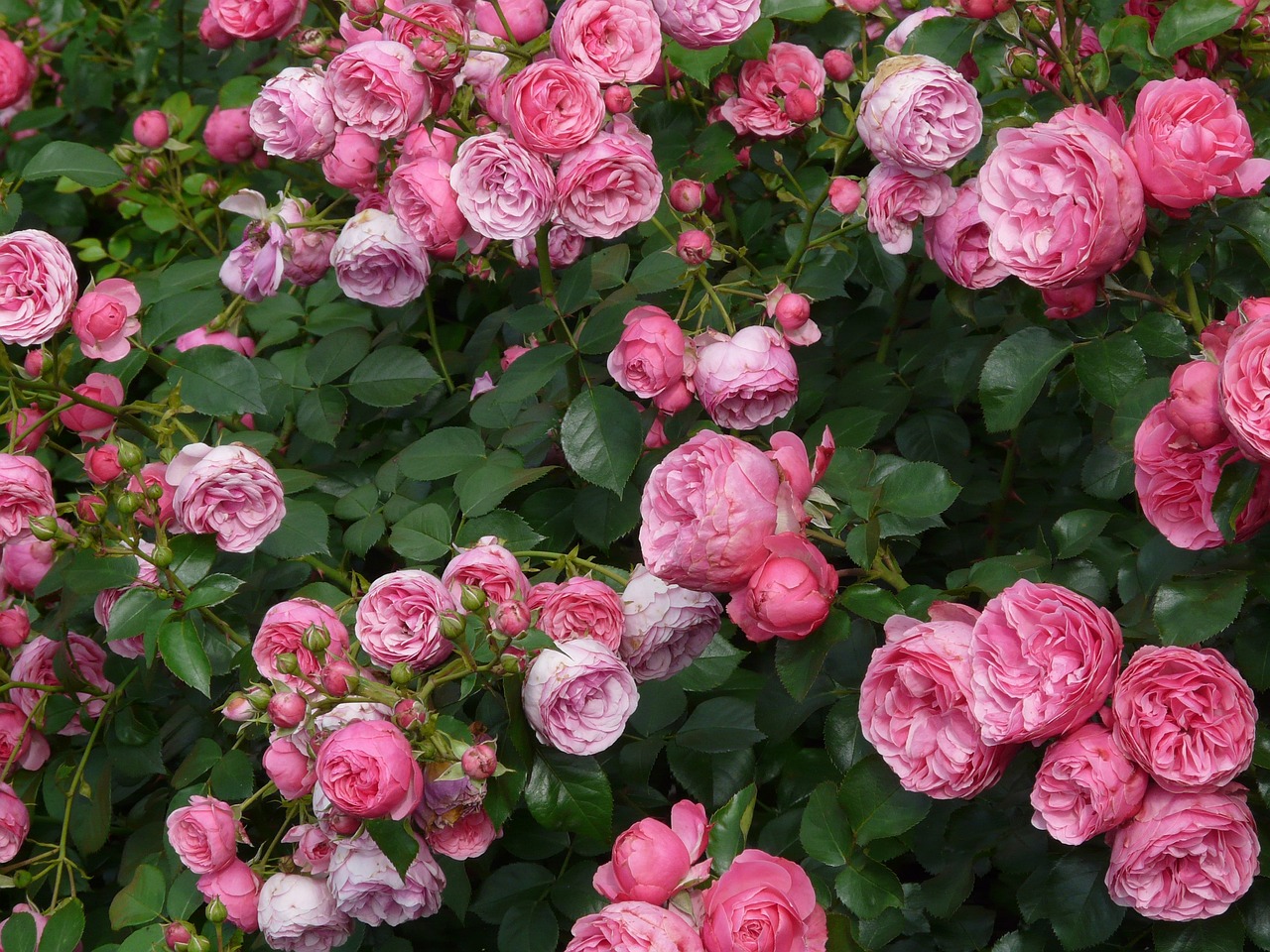
Shrub roses are a low maintenance rose. Simply prune them back with hand shears after they flower. Feed in spring with a thick peat free mulch or during flowering with liquid plant food.
Patio roses are very similar to shrub roses but far smaller. They are great for containers, balcony gardens or where space is limited. They are hardy, will survive frosts and wet summers, often floriferous, full of flowers, and easy to shape and prune. These smaller specimen roses are great for small gardens or where space is limited. Allowing any garden to have a rose or two.
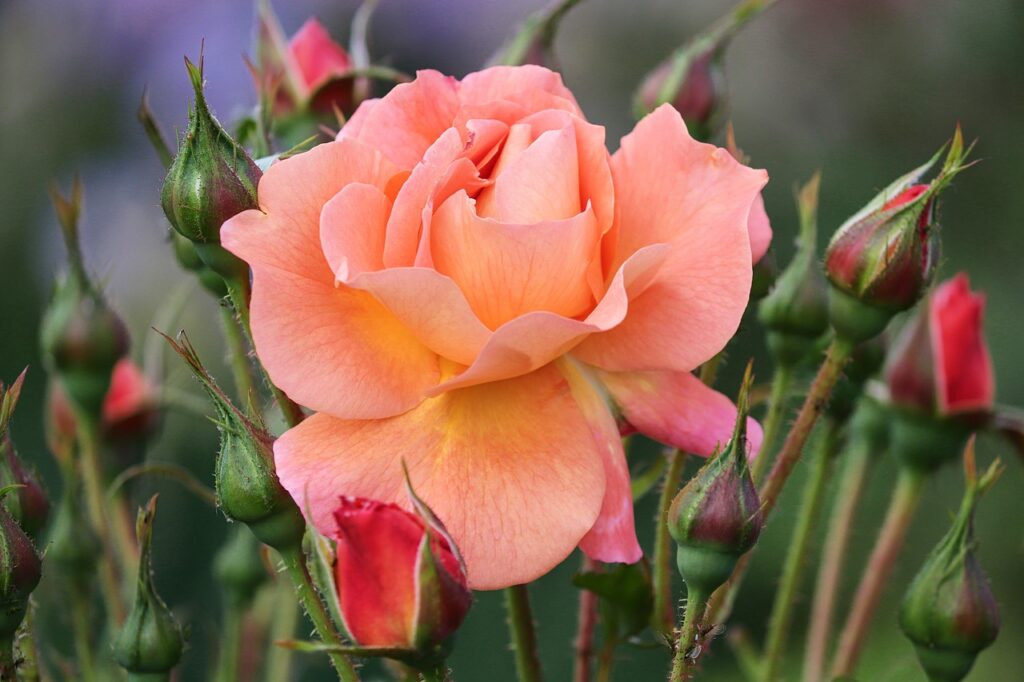
Patio roses are the least fussy of all roses. Feed twice a year with liquid feed and deadhead after flowering. They are super low maintenance.
Miniature roses are often confused with patio roses, and I get asked the difference all the time on client visits. Patio roses are essentially scaled down shrub or floribunda roses, whilst true miniatures are bred specifically to keep every part of the plant in proportion, tiny leaves, tiny thorns, and perfectly formed miniature blooms often no bigger than a two pence coin. They rarely exceed 40cm and many stay under 25cm, which makes them brilliant for windowsills, the front of a border, or even growing indoors in a bright spot for part of the year.
I’ve used miniature roses to edge a formal knot style border for a client with a tiny courtyard garden in Manchester, where anything larger would have swamped the space within a season. They gave that same rose shaped flower and scent without overwhelming the proportions of a garden the size of a large rug.
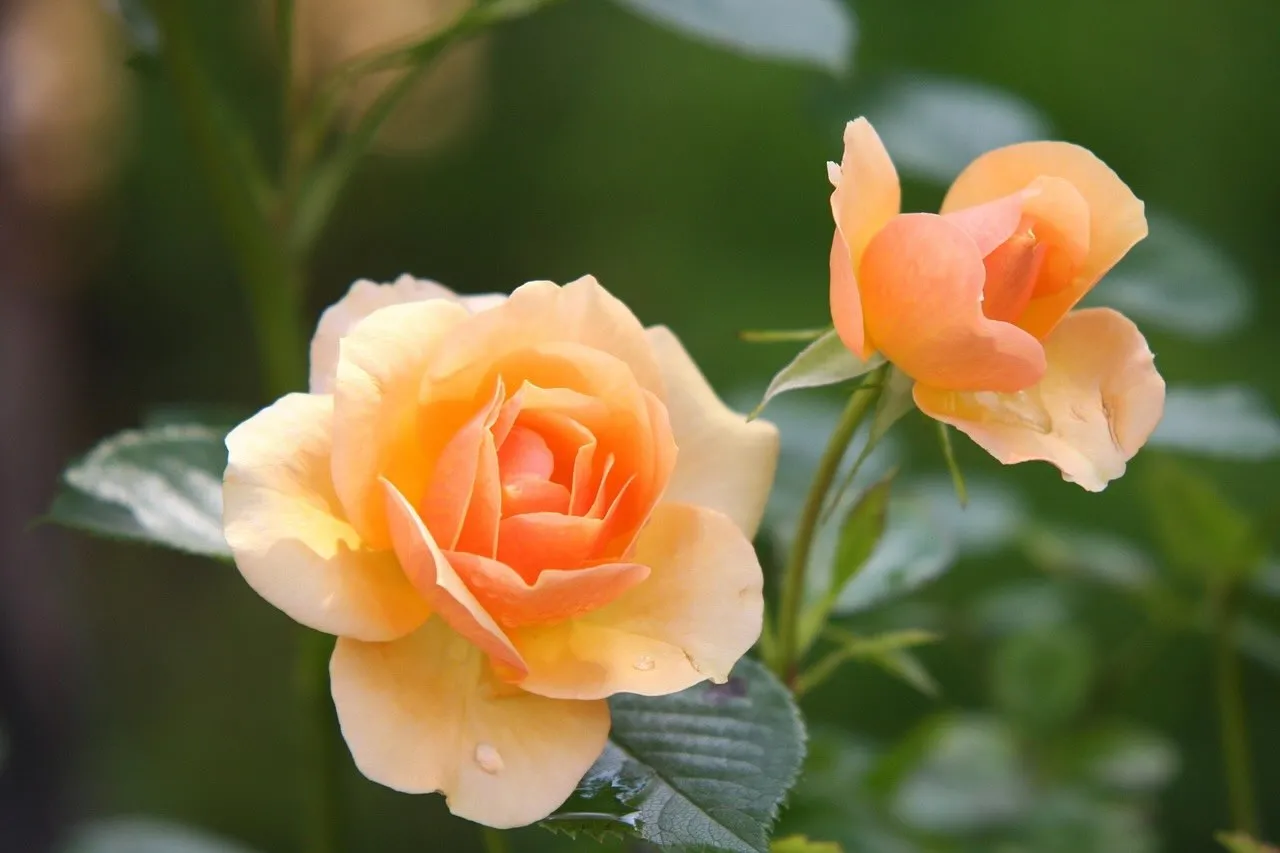
Miniature roses are low maintenance but do need slightly more frequent watering than larger roses since their compact root systems dry out faster, particularly in containers. A light trim after flowering and an occasional liquid feed is usually all they need.
Old Garden Roses are a treasure trove of history and romance. These roses were cultivated before the 19th century, have interesting foliage and heavy scents. Old garden roses are classified into several groups.
Gallica Roses
With vibrant colours and strong fragrances, Gallica roses are known for their lush, densely petalled flowers and distinctive grey green foliage.
Damask Roses
Renowned for their intense and heady scent, Damask roses offer semi double to double blooms in shades of pink and white. They were used in perfumery and rosewater production.
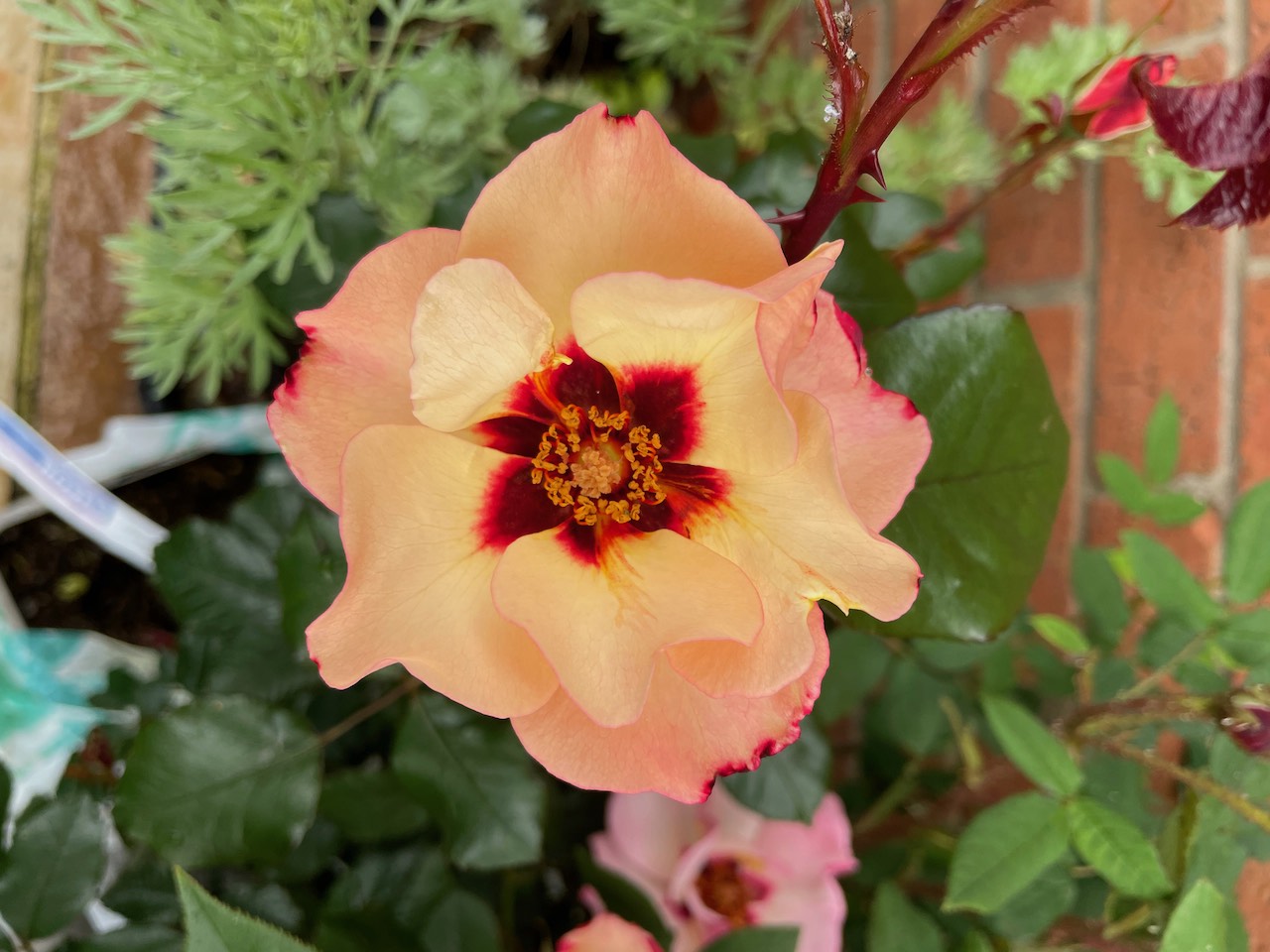
These are medium maintenance roses, requiring deadheading, pruning after flowers have finished, and winter rose pruning to keep their shape.
These roses bring a touch of elegance with their repeat flowering habits, rich colours, and delightful heady fragrances. They’re a chance hybrid between the Old Garden Damask rose, and the Chinese tea rose, Rosa chinensis, around 1800, originally from Bourbon Isle, now named Reunion, in the Indian Ocean between Madagascar and Mauritius.
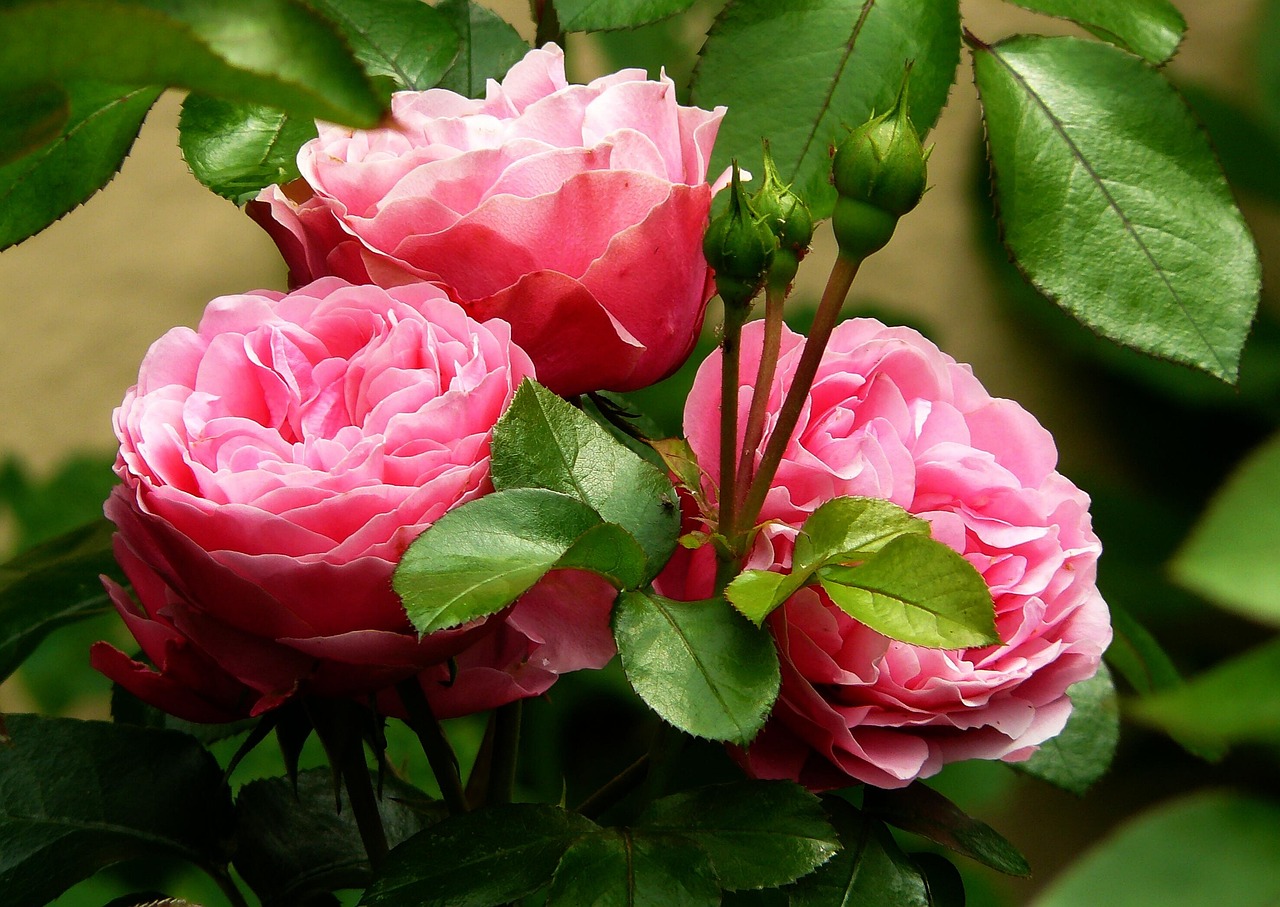
These are intermediate in terms of maintenance. Winter pruning, heavy feeding and staking the large flowers are all required to look after this rose.
No guide to rose types would be complete without English roses, and I can’t believe I hadn’t given them their own section before now. Bred by David Austin in Shropshire since the 1960s, English roses were created to combine the romantic, densely petalled, old fashioned flower form and heavy fragrance of Old Garden Roses with the repeat flowering habit and disease resistance of modern hybrids. They are, in effect, the best of both worlds, and it’s why they’ve become so dominant in UK gardens over the last two decades.
I’ve specified David Austin roses on several client projects over the years, including a show garden adjacent piece I worked on near Chelsea, where the brief was fragrance and romance without the fussy high maintenance reputation that hybrid teas can carry. Gertrude Jekyll and Munstead Wood are two varieties I return to again and again for their scent alone, and clients are always surprised at how forgiving they are compared to the tea roses their parents grew.
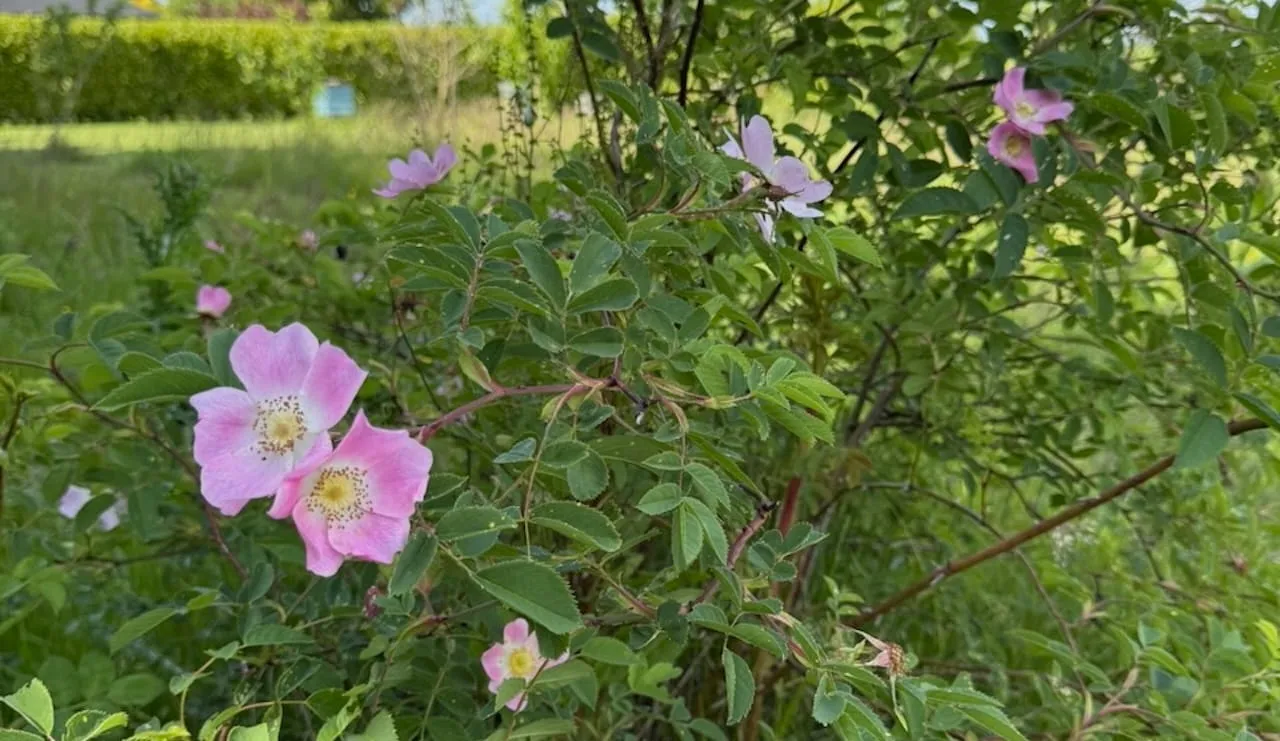
English roses are sold as shrubs but many varieties can also be trained as short climbers against a wall or obelisk, giving you flexibility that few other rose types offer from a single plant.
English roses are medium maintenance. They benefit from a proper winter prune, a spring mulch, and regular feeding through summer to keep the repeat flowering going, but they are noticeably more disease resistant than older Hybrid Tea varieties, meaning less spraying and fussing overall.
Climbing roses take the rose to new heights as these specimens can easily be trained against walls, pergolas, buildings, rose arches and sheds. Climbing roses send up long, strong vertical growth and flower off horizontal side shoots. This is why pruning and training these vertical shoots sideways is important. If not, you end up with long tall whippy growth with a few flowers rather than full horizontal coverage full of flowers.
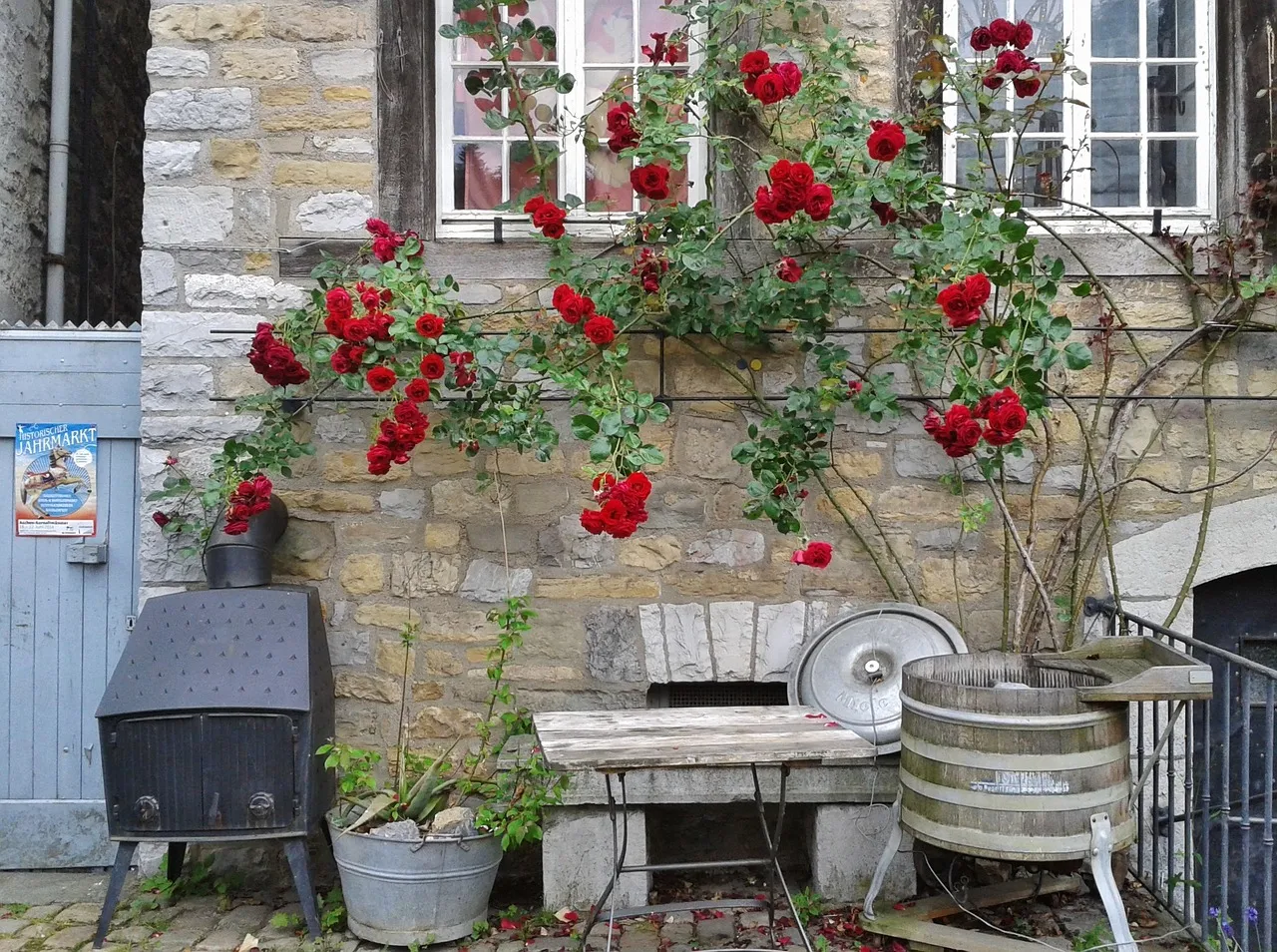
Most climbing roses need wires, a trellis or a support to grow over which then requires they are tied in. See the metal framework above that the climbing rose is carefully tied to and pruned against? I trained a very similar climber up an old brick wall for a client in Yorkshire a few years back, and it took a full two seasons of careful tying in before it finally covered the wall properly. Patience really is the name of the game with climbers.
Climbing roses are high maintenance in terms of pruning, shaping and feeding. They can quickly become out of control and require harsh maintenance pruning once their horizontal shape is lost. They are best grown by intermediate to advanced gardeners. Beginners should look at rambling roses first.
A rambling rose is a type of climbing rose known for its vigorous growth, long canes, and abundant, sprawling clusters of flowers. These roses are characterised by their exuberant and natural growth habit, often producing a mass of blooms at one period in the year that create a stunning visual spectacle.
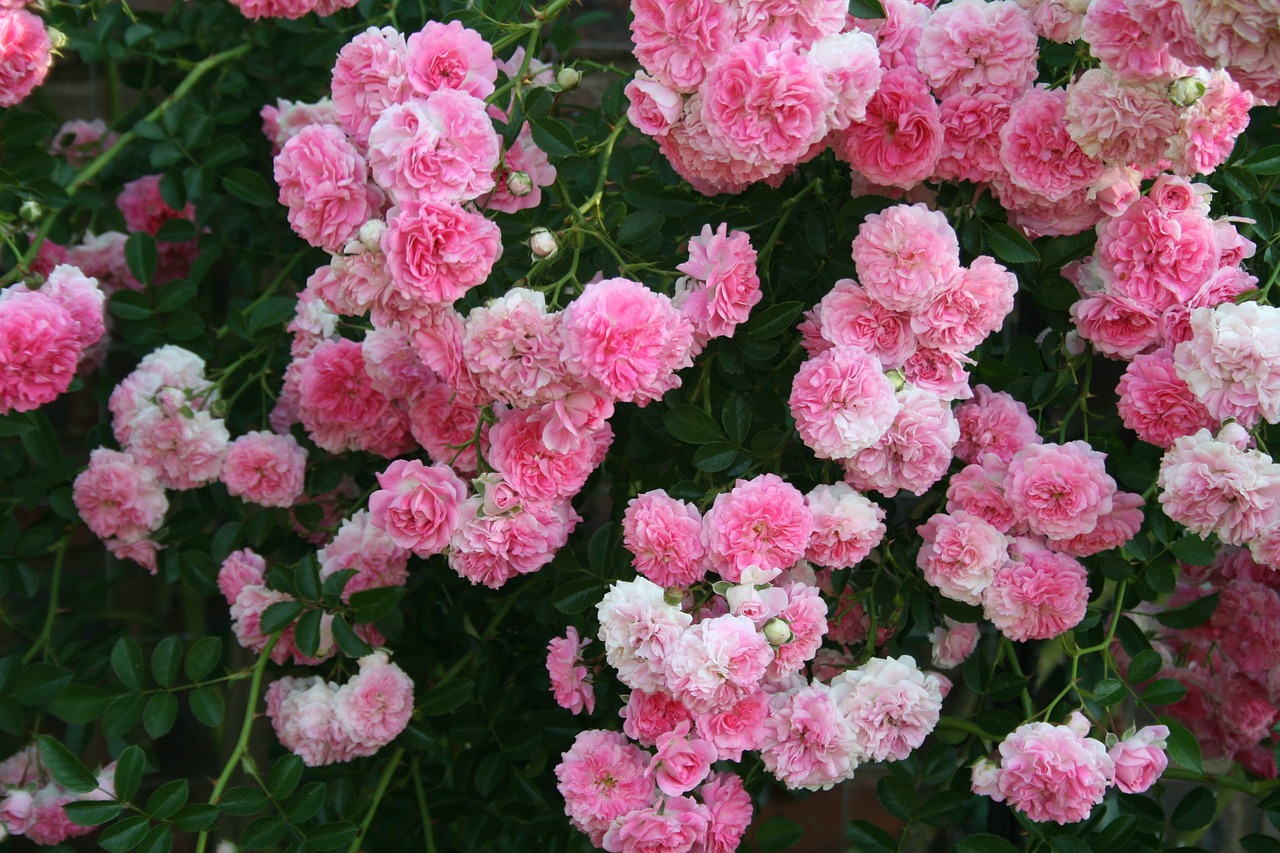
Rambling roses have a more informal and naturalistic appearance compared to other climbing roses. Their sprawling growth pattern gives them a wild and romantic charm, making them a popular choice for cottage gardens and more relaxed landscaping styles. They often only flower once but can be easily pruned straight after flowering with a pair of garden shears and require less formal training than climbing roses.
Rambling roses are intermediate maintenance, requiring pruning once a year and some tying in.
A floribunda rose is a type of modern garden rose known for its abundant clusters of flowers and its ability to provide a profusion of blooms throughout the growing season. Floribunda roses are the result of hybridising two types of roses: Hybrid Tea roses and Polyantha roses.
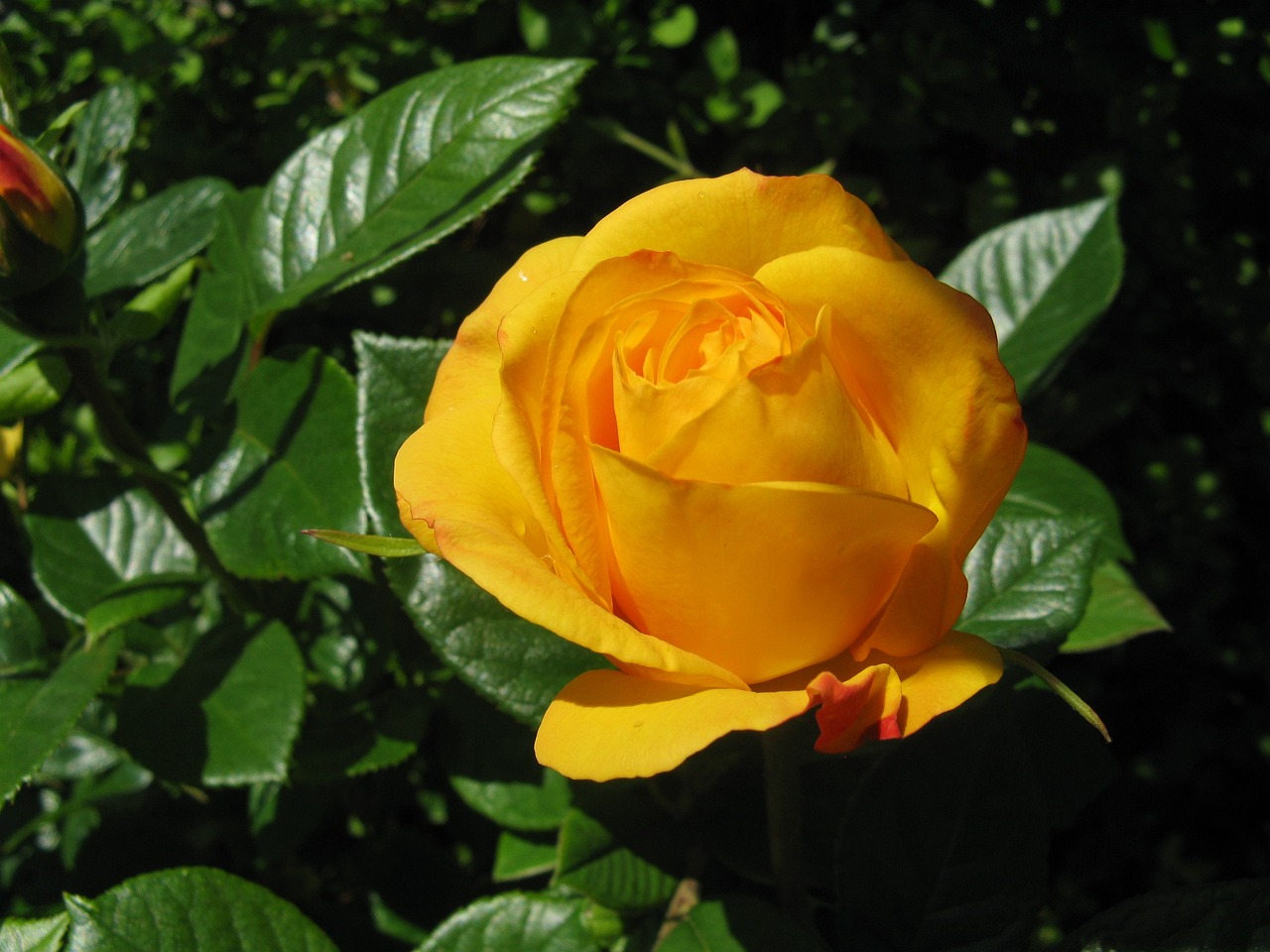
This hybridisation has led to a rose category that combines the elegance and flower form of Hybrid Teas with the repeat flowering trait of Polyanthas.
As the name floribunda suggests, Latin for many flowering, these roses are celebrated for their prolific blooming habit. Each stem can carry multiple blossoms, creating a stunning display of colour and fragrance.
One of the defining features of floribunda roses is their ability to produce multiple waves of flowers throughout the growing season. This rose characteristic ensures that your garden remains colourful and vibrant for an extended period, which is so great for beginner gardeners.
Floribunda roses are low maintenance as they have been bred to be more resilient and easy to look after than Tea roses or Climbing roses.
Ground cover roses are one of the most underused rose types in domestic gardens, and I think that’s a real shame because they solve a problem so many clients bring to me, a sloped bank, a large bare border, or an awkward spot where nothing seems to thrive without constant weeding. Bred to spread wide rather than grow tall, varieties like the Flower Carpet series stay low, usually under 60cm, whilst covering a metre or more of ground with dense, repeat flowering blooms.
Because they knit together so densely, ground cover roses naturally suppress weeds once established, which makes them a properly low effort choice for tricky spots. I’ve used them on a sloped front garden where mowing was becoming a hazard for an elderly client, and within two seasons the bank was a self sufficient carpet of colour that needed nothing more than an annual trim.
Ground cover roses are very low maintenance. An annual trim with shears or a hedge trimmer after the main flush of flowers is usually all that’s required, along with a spring mulch.
A standard rose, sometimes called a tree rose, isn’t technically its own rose type in the way the others on this list are. Instead, it’s a growing form, where any rose variety, often a patio, floribunda or hybrid tea, is grafted onto a tall, bare stem so the flowering head sits at eye or waist height. They make superb formal focal points either side of a doorway, along a path, or in matching pairs framing a patio, and they were a favourite trick of mine on more than one Garden Rescue transformation where we needed instant height and structure without waiting years for a shrub to mature.
Because the entire weight of the rose sits on one narrow stem, standards are more vulnerable to wind rock and frost damage at the graft point than any other rose form, so staking properly at planting time matters far more here than with any other type on this list.
Standard roses are medium to high maintenance. They need a sturdy stake for the life of the plant, winter pruning of the head to maintain a balanced shape, and extra care to protect the graft union from frost in exposed gardens.
Roses thrive in well draining, fertile soil that provides essential nutrients and proper aeration for their roots. The best soil for growing roses is a combination of factors that create an optimal environment for their growth and development.
Clay soil is often the best soil for roses as it’s nutrient rich, as long as the clay doesn’t get waterlogged and freeze in winter. If so, you must position the roses further away from the waterlogged area or plant in a raised bed.
Here are the key characteristics of the ideal soil for roses.
Roses don’t like to sit in waterlogged soil, which can lead to root rot and other issues. Ensure the soil has good drainage to prevent water accumulation around the roots. The converse also occurs if you have sandy soil that’s too free draining, roses will struggle to get the nutrients and moisture they need.
Loam soil is a balanced mixture of sand, silt, and clay particles. It provides good drainage while retaining adequate moisture and nutrients. Adding organic matter like compost can improve the soil structure, making it ideal for roses. So well balanced soil with organic matter is the best for growing most roses.
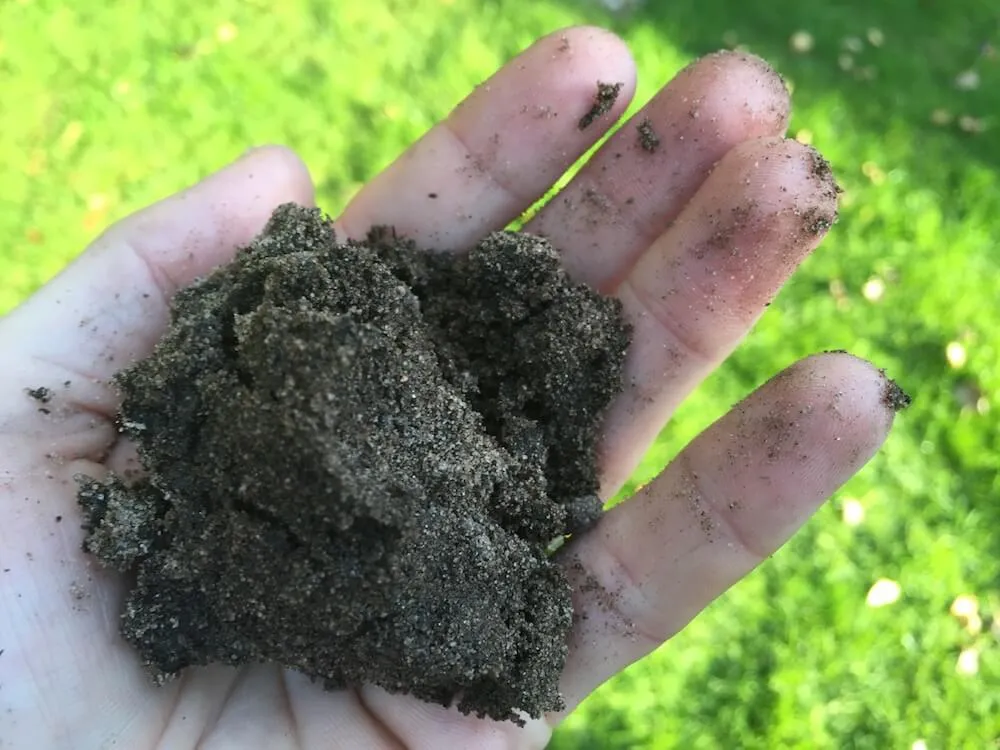
Roses generally prefer slightly acidic to neutral soil with a pH range of 6.0 to 7.0. Soil pH affects nutrient availability, so it’s important to test your soil and amend it as needed to achieve the desired pH level.
Roses are heavy feeders and require a steady supply of nutrients. Incorporate well rotted compost, aged manure, or balanced organic fertilisers into the soil before planting to ensure a good nutrient foundation.
Applying a layer of organic mulch, such as compost, manure or leaf mould, around the base of the rose plants helps conserve moisture, suppress weed growth, and regulate soil temperature. Mulch also gradually breaks down, enriching the soil with organic matter. This mulch can help roses thrive in the garden.
If your soil has poor drainage, consider planting roses in raised beds or mounds to elevate their root zone. This helps prevent waterlogged conditions and promotes healthy root development.
Whichever type of rose you choose, a few essentials make the difference between a rose that sulks for a season and one that establishes quickly and rewards you with flowers in its first year. This is where I’ve updated my own toolkit since I first wrote this guide, so here’s what I actually reach for now.
Bare root roses should be planted between November and March whilst the plant is dormant, giving the roots a full winter to establish before spring growth begins. Container grown roses can technically go in at any time of year, but I still favour fine autumn planting or a mild spell in early spring so the plant isn’t fighting to establish roots and produce flowers at the same time.
I never plant a bare root rose these days without sprinkling mycorrhizal fungi into the planting hole. It’s a natural fungus that colonises the roots and effectively extends the plant’s own root system, helping it take up water and nutrients far more efficiently whilst it’s establishing. The RHS have endorsed it after years of trials, and it’s a one off application that lasts the life of the plant.
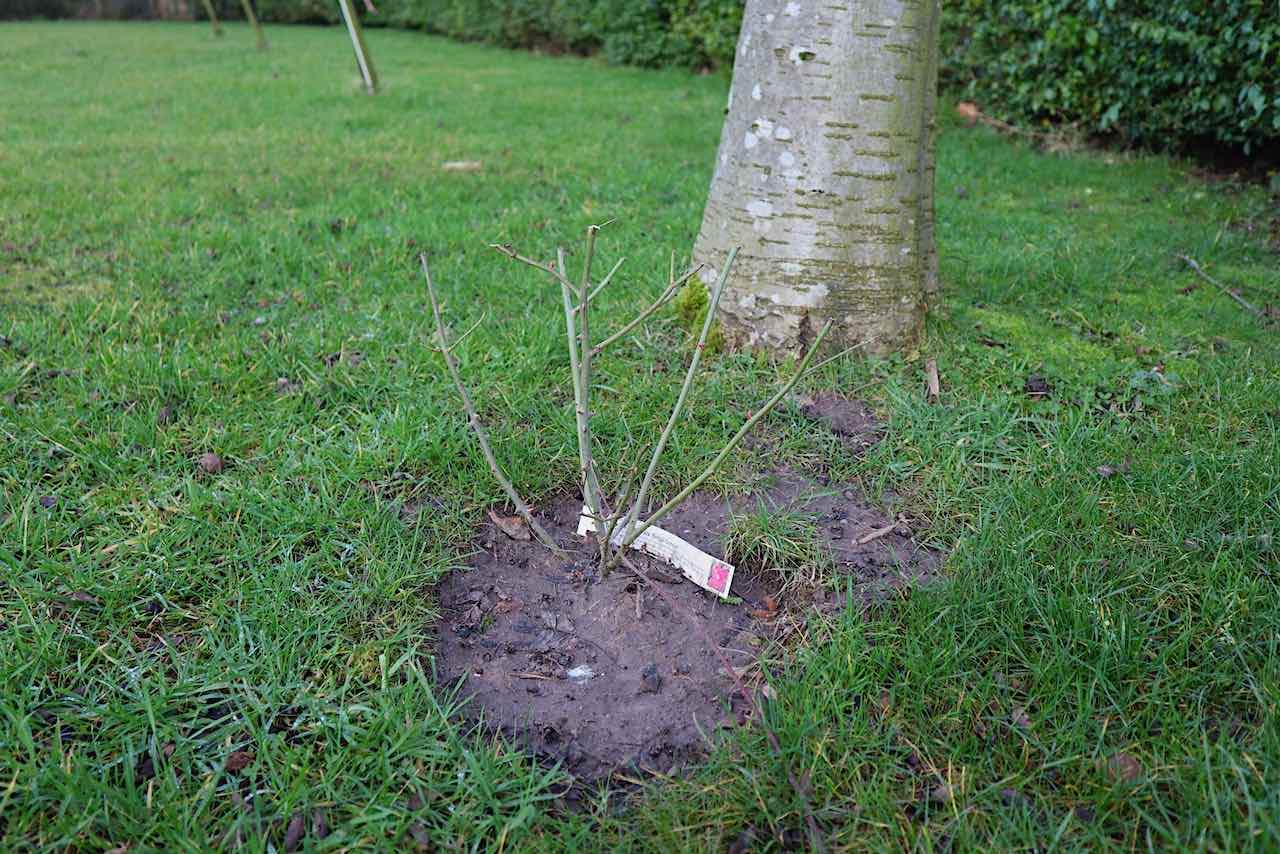
🛒 Buy RHS approved mycorrhizal fungi from Amazon UK
As covered above, roses are hungry plants. For a straightforward granular feed that I scatter around the base of established roses in spring, a dedicated rose and shrub feed does the job without any mixing or fuss, or alternatively organic chikcne pellets make great slow release feeds, just scatter from May onwards around the base of your roses.
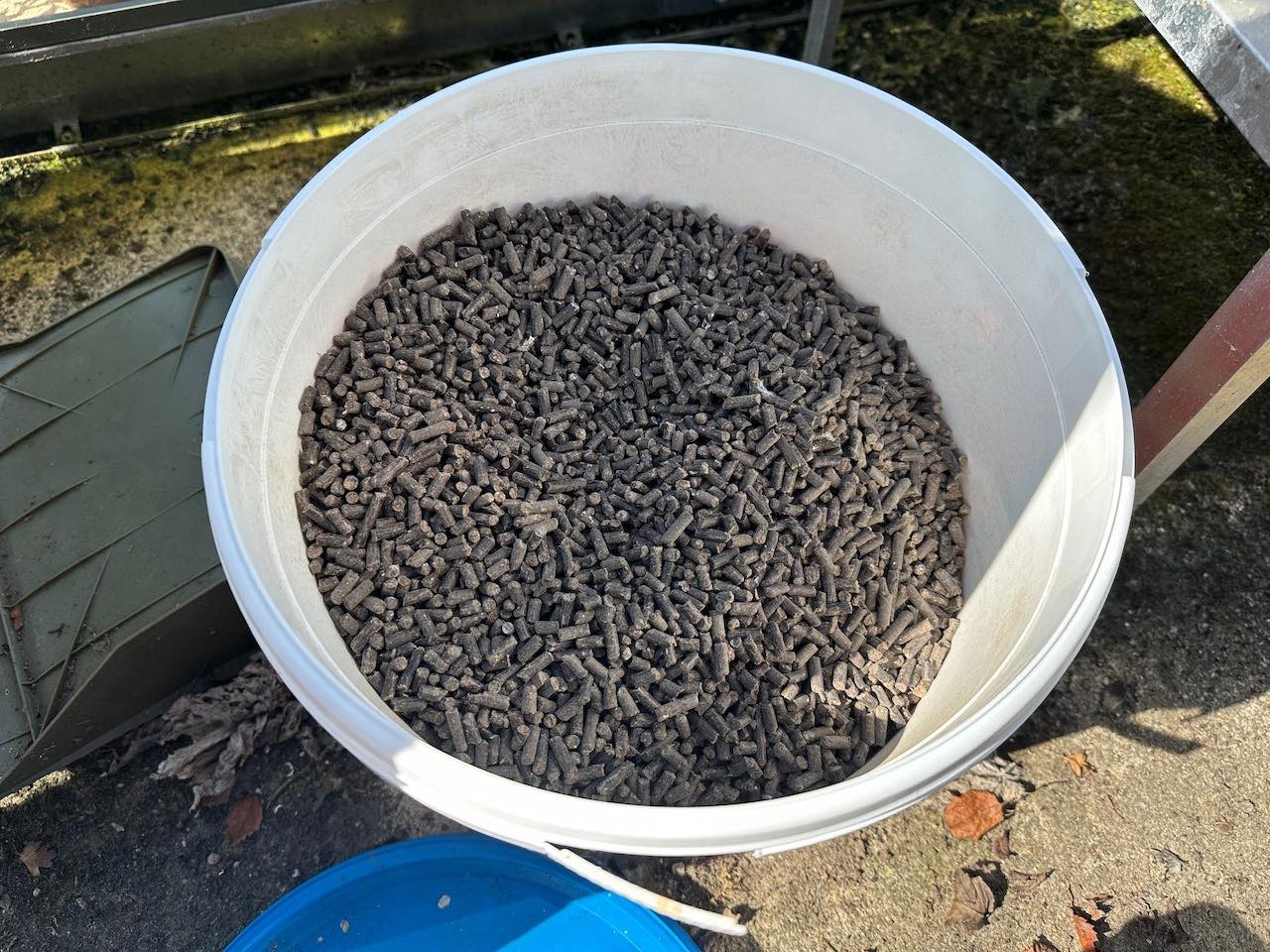
🛒 Buy granular rose and shrub feed from Amazon UK
For a quicker acting boost during the flowering season, I switch to a liquid rose feed applied with a watering can roughly once a fortnight, which is easily absorbed and gives a visible improvement in flower colour and vigour within a couple of weeks.
🛒 Buy organic liquid rose feed from Amazon UK
A sharp, clean pair of secateurs makes every pruning and deadheading job faster and healthier for the plant, since a clean cut heals quicker than a ragged one from blunt blades. I’ve covered my full recommendations in my secateurs guide, but my go to pair for rose work are the Felco 2, which have never let me down on even the thickest of old Bourbon stems.
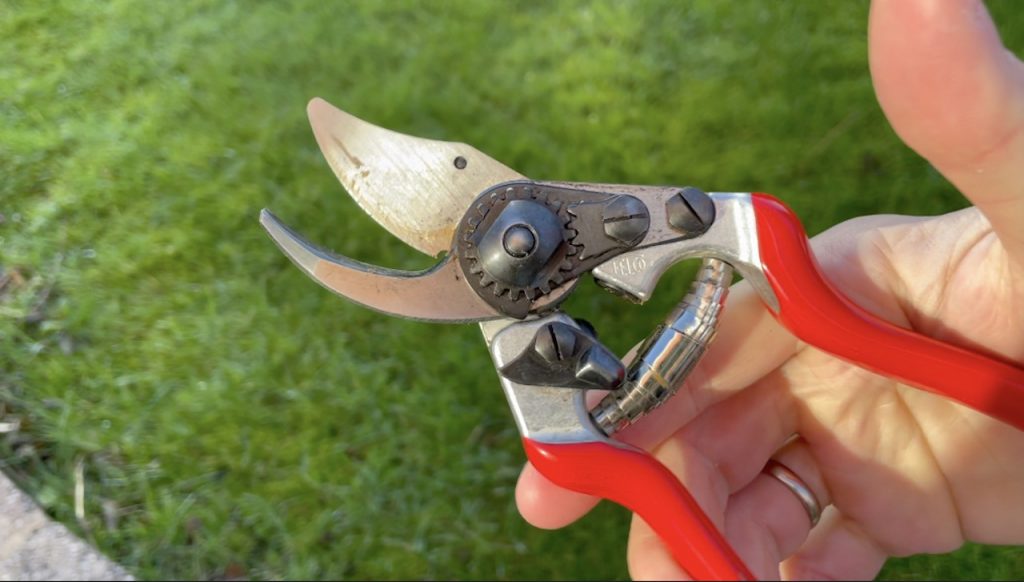
🛒 Buy Felco 2 secateurs from Amazon UK
And please don’t attempt a rose prune without a proper pair of thorn-proof gauntlet gloves. I’ve tested a fair few over the years, which you can see in my gardening gloves review, and a long, elbow length gauntlet is the only thing standing between you and a very cross climbing rose.
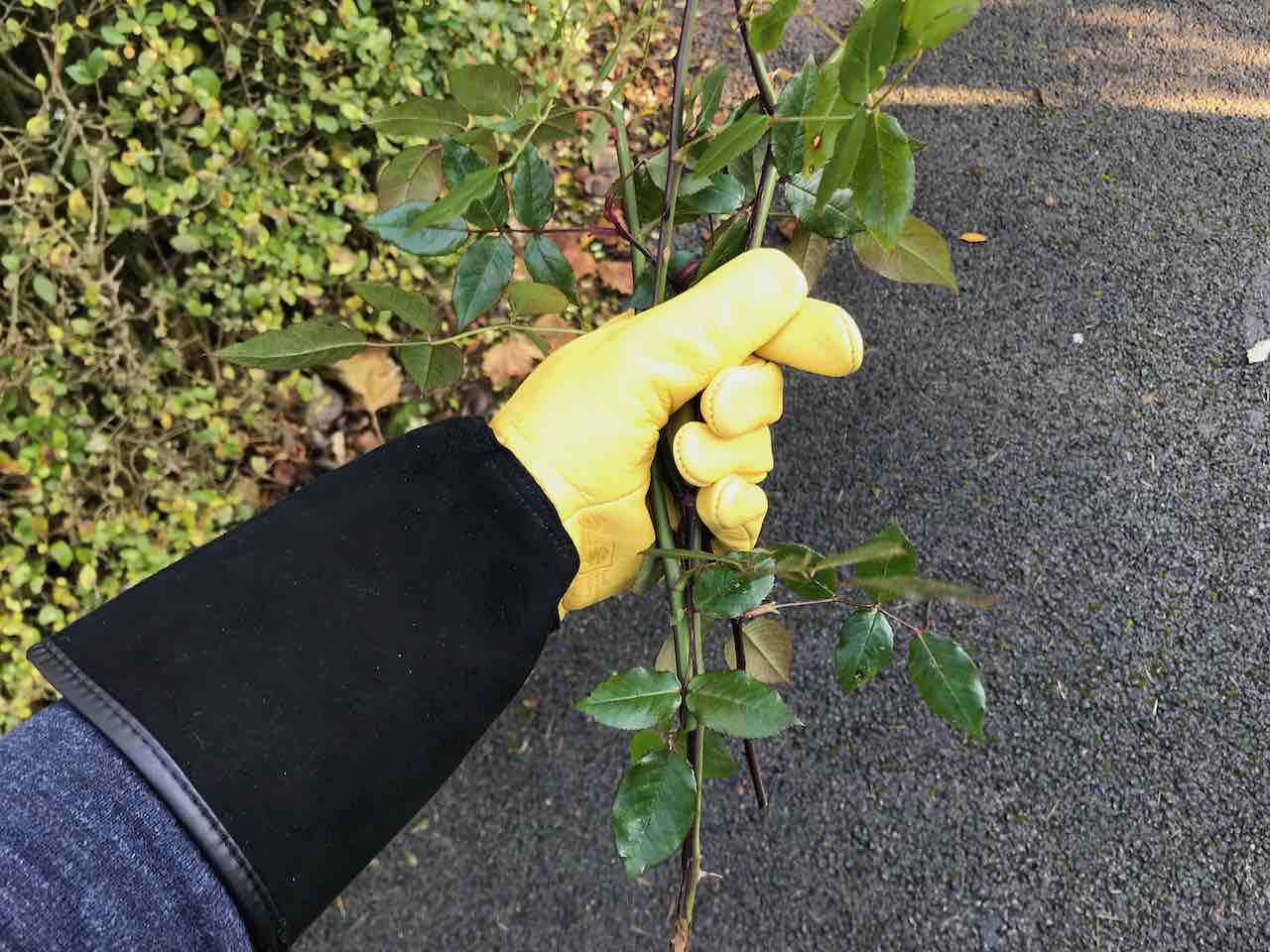
🛒 Buy thorn proof rose pruning gauntlet gloves from Amazon UK
There’s a lot of confusion around tea roses and Hybrid tea roses. Often the term is used interchangeably.
Finding a true tea rose is difficult as Hybrid teas have flooded the market over the last 100 years. A true tea rose is the Chinese rose, Rosa chinensis, which smells of freshly opened tea, crossed with Rosa gigantean, a large sprawling white rose found growing up tree canopies. These are known as Rosa x odorata.
A hybrid tea rose is Rosa x odorata then crossed with another rose resulting in Rosa x hybrida.
Confused? Don’t worry, many people are.
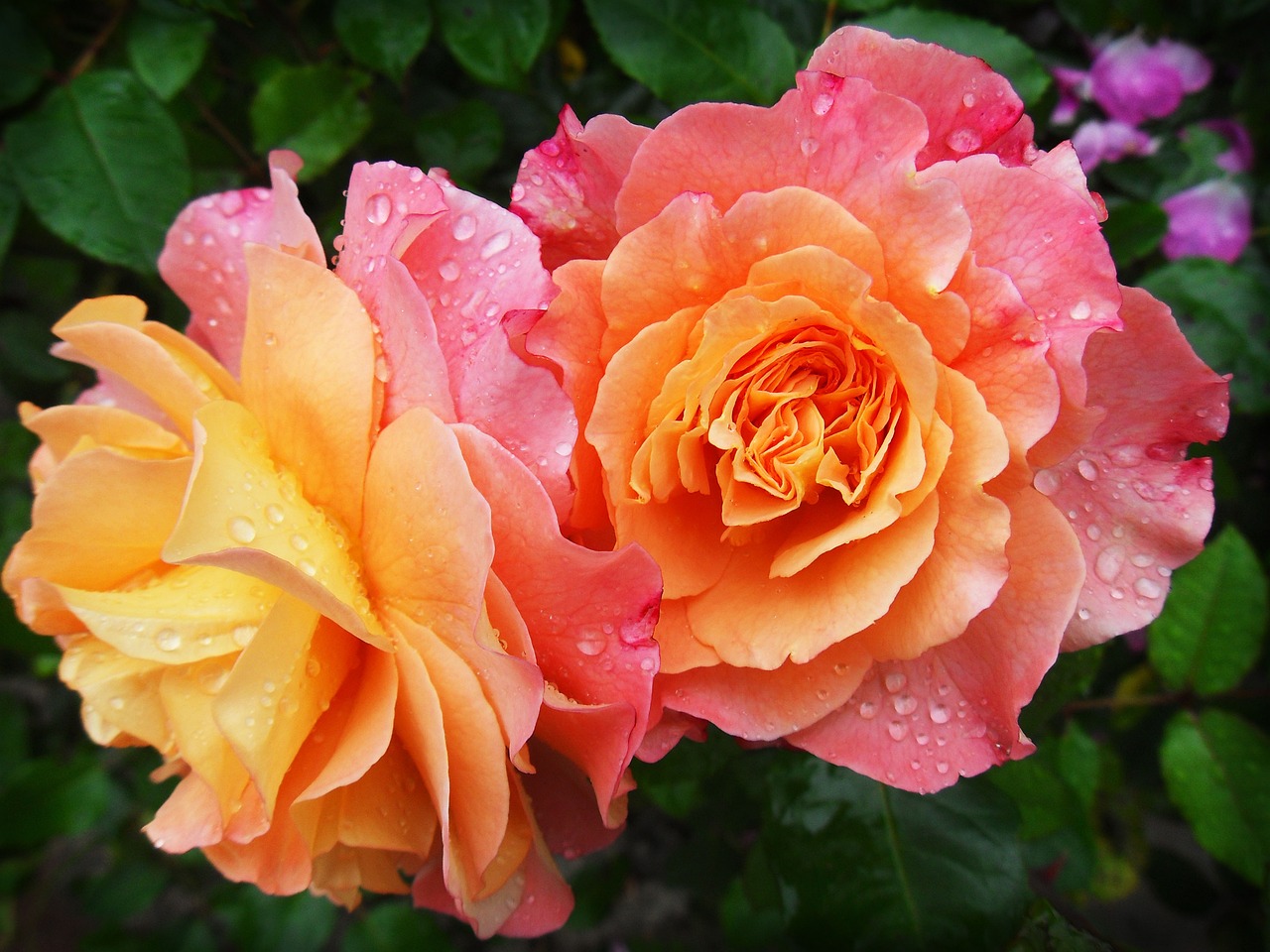
All you need to know is that hybrid tea roses are always a mix or cross breed of roses with the original tea rose. A true tea rose comes from Rosa chinensis and Rosa gigantean only, and is called Rosa x odorata, which is far harder to find and less common.
If in doubt when trying to identify a tea rose, it’s more than likely a hybrid and not a true tea rose.
This is the other confusion I get asked about constantly. Climbing roses tend to repeat flower through summer, need formal training and tying in against a support, and are best suited to walls, pergolas and arches within reach of secateurs. Rambling roses are far more vigorous, usually flower just once in early summer in one spectacular flush, and are happiest scrambling through a large tree or over a big structure where you can leave them largely to their own devices.
The patio rose is the smallest low maintenance rose, as it can be pruned back after flowering with secateurs in minutes. If your patio rose is in a container, make sure that you feed it twice a year. Those in the ground only need feeding with a thick peat free compost mulch in late spring when they are putting on new growth. Ground cover roses run a close second, needing little beyond an annual trim.
The rambling rose is the next lowest in terms of rose maintenance. Cut these back after flowering using garden shears and then give a liquid plant feed. They come after patio roses as they are much more vigorous, so cutting them back depending on their size can take some time.
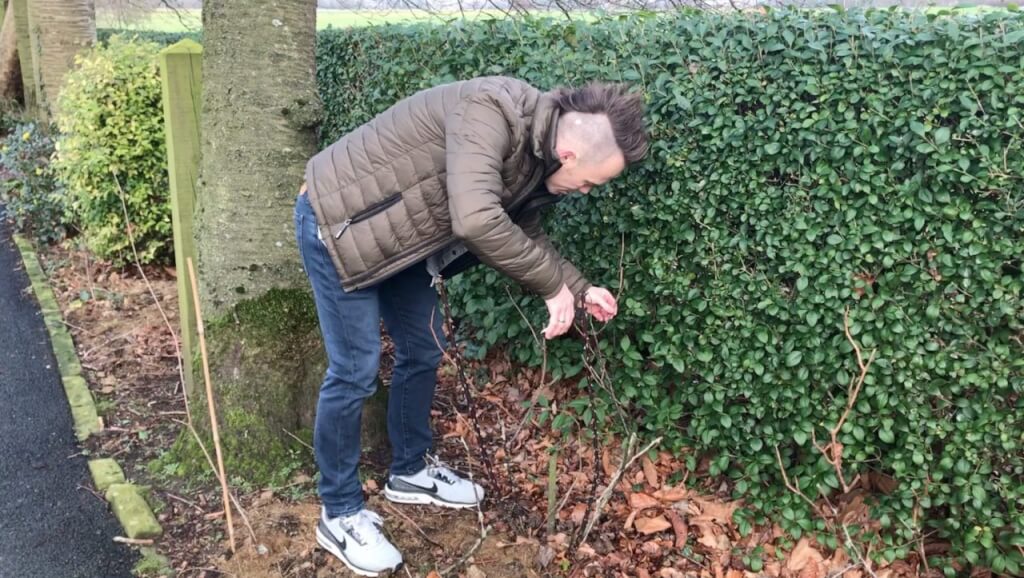
The Tea, Hybrid Tea and Standard roses have the highest maintenance requirements. Tea and Hybrid Teas are not as prolific as the climbers or ramblers and grow on new growth from this season, meaning winter pruning is required. They also have a habit of growing tall and spindly if not pruned or will be lacklustre unless fed correctly during the year. Standard roses add the extra burden of staking and frost protection at the graft union.
All tea roses will require the following maintenance.
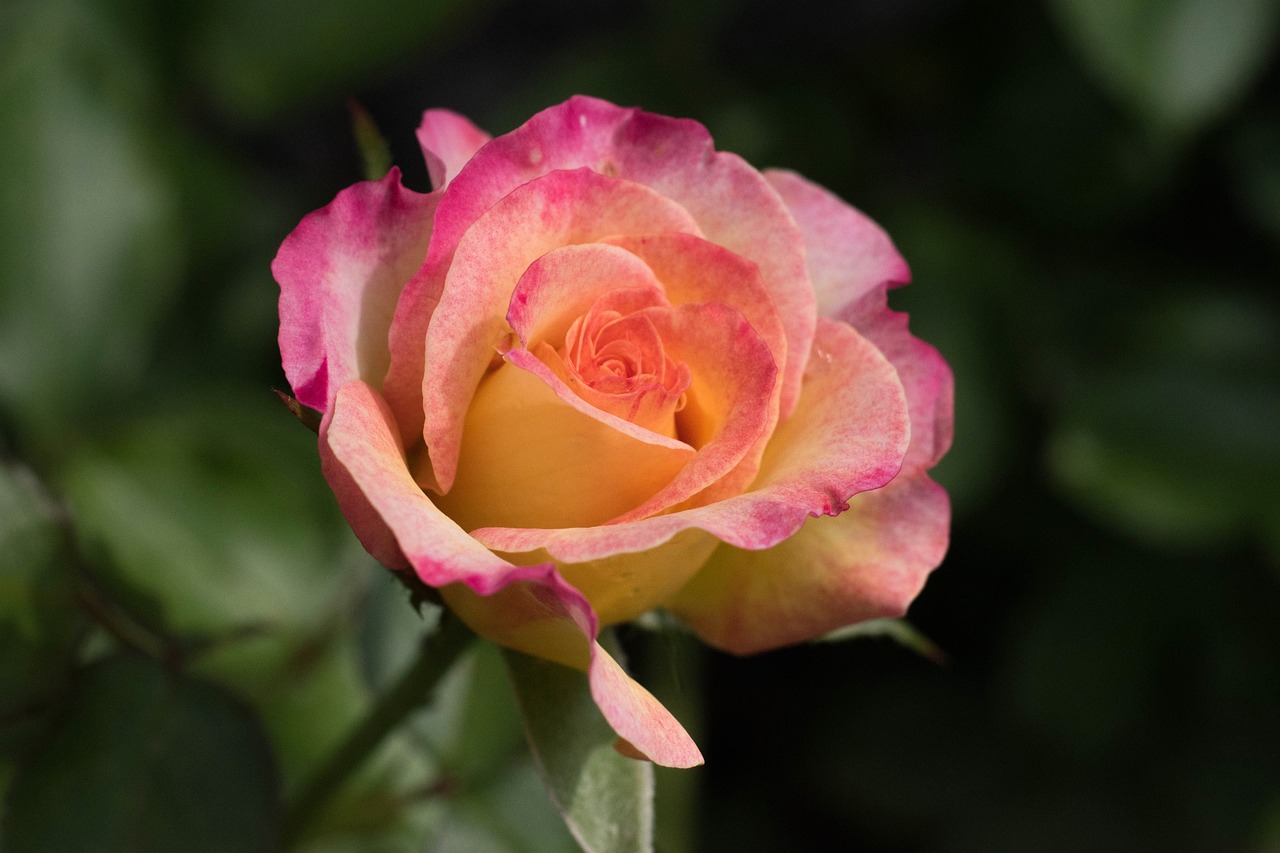
Removing the spent flowers of a rose is known as deadheading. Deadheading roses acts as a boost to your rose plant’s energy stores. Hence, it keeps producing flowers by conserving energy that would otherwise go into creating rose seeds or hips and channelling that energy back into making more flowers.
Deadheading roses is a clever way to keep your rose plant producing flowers for longer and a simple pruning technique to follow. Cut back to the next strong side shoot with 5 leaflets, not 3. Look below the flower; you will often see sets of three leaflets. Trace the stem further down until you reach the first strong set of five leaves. This is where the cane is strongest and best able to support new flowering growth.
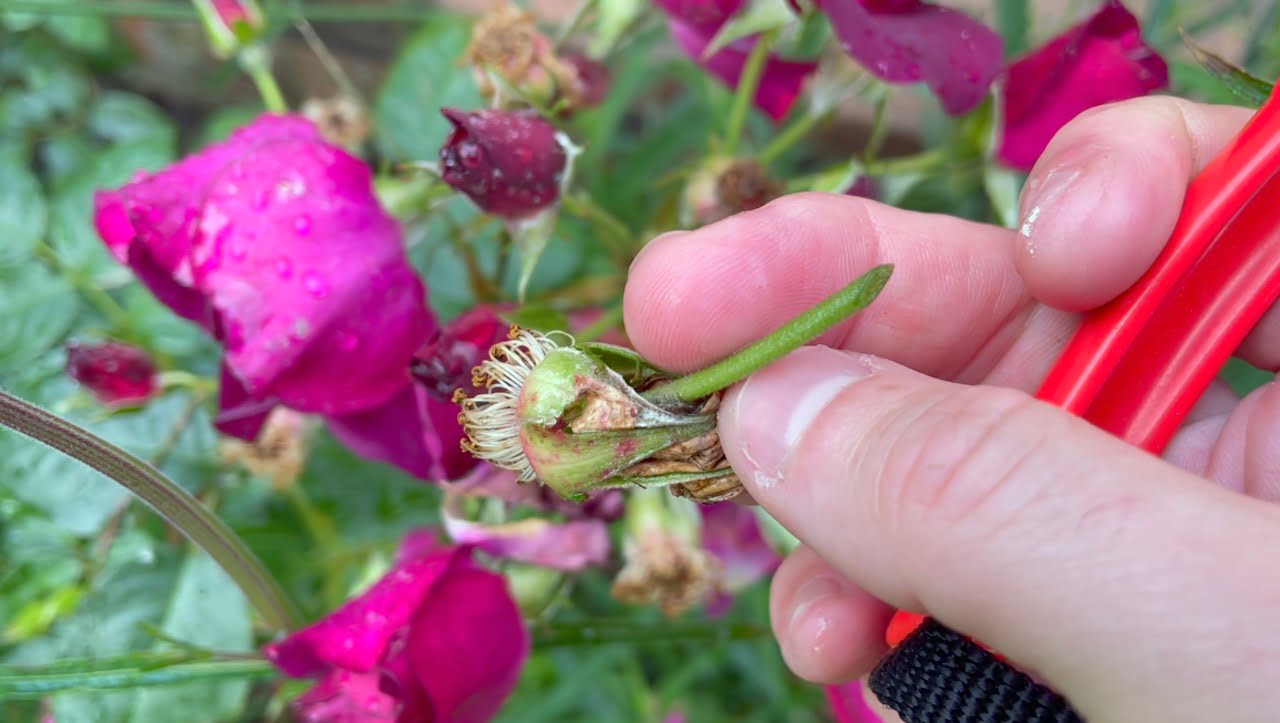
Deadhead roses each time the flower finishes and leaves the beginnings of a rose hip. Cut this back to the next set of leaves beneath it to conserve energy further down the plant to create more flowers.
Roses are hungry plants and need rich, fertile soil with plenty of potassium and nitrogen to flower throughout the summer. This is why roses are an excellent plant for clay soil, which is full of nutrients as long as there is some drainage.
Roses need feeding when they flower and at the beginning and end of the growing season. In fact, I’d go so far as to say that during the spring and summer, it’s nearly impossible to overfeed roses once established; the key is to spot-feed so you don’t overfeed plants around them.
The best time to feed roses is when they are actively flowering in summer. Use a liquid feed high in potassium or a balanced 7:7:7, Nitrogen, Phosphorous and Potassium, feed. Chicken manure pellets, tomato liquid feed or comfrey tea are excellent rose feeds to use.
Mulching roses in Spring and then Autumn, at the beginning and end of the rose growing season, with well rotted farmyard manure or high quality compost also helps give them a slow release feed over the winter or when they are coming out of dormancy in spring.
The best rose feed is high in potash, potassium, or K, for when they are flowering. Comfrey tea is an excellent rose feed and can be brewed at home organically. In early spring, a high nitrogen feed helps the rose put on its leafy growth. The best way to feed roses is with a liquid plant feed using a watering can.
No. Species roses, ground cover roses and rambling roses all get by with minimal or no annual pruning beyond removing dead or damaged growth. It’s the highly bred repeat flowering types, Hybrid Teas, Floribundas, Climbers, English roses and Standards, that really need a proper annual prune to keep flowering well and stay in shape.

Join over 100,000 gardeners on YouTube
Free gardening videos from the Garden Ninja, with 8 million views and counting.
Subscribe on YouTube, it’s freeReady to transform your gardening skills beyond just plopping plants in pots on your balcony? Garden Ninja’s expertly crafted online courses will fast track your development from keen amateur to skilled garden designer in months rather than years. Starting at just £29, you’ll gain access to professional garden design expertise from BBC Garden Rescue’s Lee Burkhill, delivered at a fraction of traditional horticultural education costs.
For the garden you’ve already got, not the one you’re starting from scratch. Seven checklists and video lessons from BBC Garden Rescue’s Lee Burkhill, built to help you work out what’s worth keeping before you spend a penny.
Garden Design Examples for Small Gardens: 30 Design Templates & Planting Plans: In this online gardening course, I’ll walk you through 30 fantastic garden designs, explaining the logic behind the layout, the plant choices, and take-home tips for applying them in your own garden.
Learn how to transform and design your own garden with Lee Burkhills crash course in garden design. Over 5 hours Lee will teach you how to design your own dream garden. Featuring practical design examples, planting ideas and video guides. Learn how to design your garden in one weekend!
Garden Design for Beginners Online Course: If you want to make the career jump to becoming a garden designer or to learn how to design your own garden, this is the beginner course for you. Join me, Lee Burkhill, an award-winning garden designer, as I train you in the art of beautiful garden design.
What makes Garden Ninja courses so effective:
Roses are just the bee’s knees when it comes to garden flowers, and there are oodles of reasons why they’re such darlings in gardens all around the globe. From their drop-dead gorgeous looks to their swoon-worthy scents, roses are like the rockstars of the garden. Having specified roses in client gardens from tiny courtyards to country plots over the years, I can honestly say there is a rose type for every single one of them; you just need to match the plant to the space and the effort you’re willing to put in.
Given the fact there are so many different types of roses for all gardener levels and sizes, what’s stopping you from introducing them to your garden?
Make sure you visit my YouTube channel for more gardening guides. You can also check out my Tweet, Facebook or Instagram for more garden help and tips.
Happy gardening.


Lee Burkhill, known as the Garden Ninja, is an award-winning garden designer and horticulturist with over 30 years of gardening experience and 15 years as a professional garden designer. A qualified RHS (Royal Horticultural Society) professional, Lee specialises in sustainable garden design and practical horticultural advice. He designs and presents on BBC1’s Garden Rescue and in leading gardening publications. Lee combines three decades of hands-on gardening knowledge with professional design qualifications to help gardeners create beautiful, functional outdoor spaces.
View all posts by Lee Burkhill





JOIN THE NINJAS

Be the first in line for new Guides, Discount codes and Offers