For the garden you’ve already got, not the one you’re starting from scratch. Seven checklists and video lessons from BBC Garden Rescue’s Lee Burkhill, built to help you work out what’s worth keeping before you spend a penny.
69


Quick Answer
Snake plant drooping is almost always down to overwatering and root rot, underwatering, poor light, temperature stress, a rootbound pot, or occasionally pests. Check the soil first, then the roots. Correct the cause and firm new growth usually appears within weeks, since snake plants are tough succulents that recover well once the underlying problem is fixed.
Spotted your usually proud and upright snake plant (Dracaena trifasciata) looking more like a deflated balloon than the architectural statement piece it should be? Before you start questioning your plant parent credentials and consider rehoming your green friend, take a deep breath. Don’t panic, snake plants are one of the toughest house plants ever, and I have helped many people remedy a saggy or flopping snake plant.
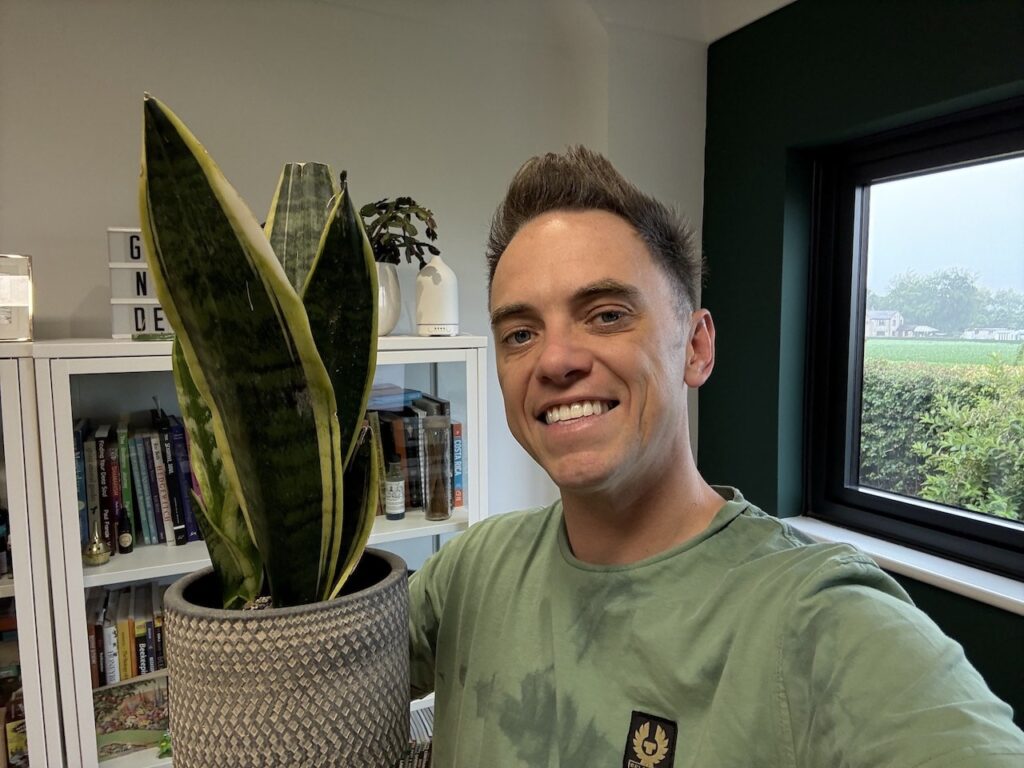
Whether you’re dealing with one sad, floppy leaf or an entire plant that’s given up on standing tall, this guide will help you understand exactly what’s happening to your snake plant and how to restore those magnificent, upright leaves.
Your snake plant’s drooping doesn’t mean it’s time to compost the plant for good. These drooping leaves are actually your plant’s way of telling you something’s wrong with its care routine or environment. From the dreaded root rot to lighting issues, I’ll guide you through the most common culprits behind snake plant drooping and provide you with practical, tried and tested solutions that actually work. By the end of this guide, you’ll know exactly how to diagnose your plant’s problem and prevent future drooping disasters.
Jump To
This page contains affiliate links (see full details here). If you purchase through these links, I may earn a small commission at no extra cost to you. I only recommend products I personally use and trust at Garden Ninja HQ.
Snake plant drooping, whilst distressing to plant parents, can stem from several interconnected factors. Understanding these causes is crucial because the solution depends entirely on accurate diagnosis. Treating the wrong problem can actually make things worse for your struggling plant.
Most snake plant drooping falls into seven main categories.
The key is learning to read the subtle differences in how drooping presents itself, as each cause creates distinct patterns, timing, and accompanying symptoms. Not all saggy snake plants have the same issues, so understanding them is key.
Unlike outdoor plants that face seasonal challenges, indoor snake plants experience relatively controlled conditions as the gardener provides them with their position, food and water requirements. Which means drooping is usually a direct response to care issues rather than environmental factors. This actually works in your favour, once you identify and correct the problem, recovery can be remarkably swift.
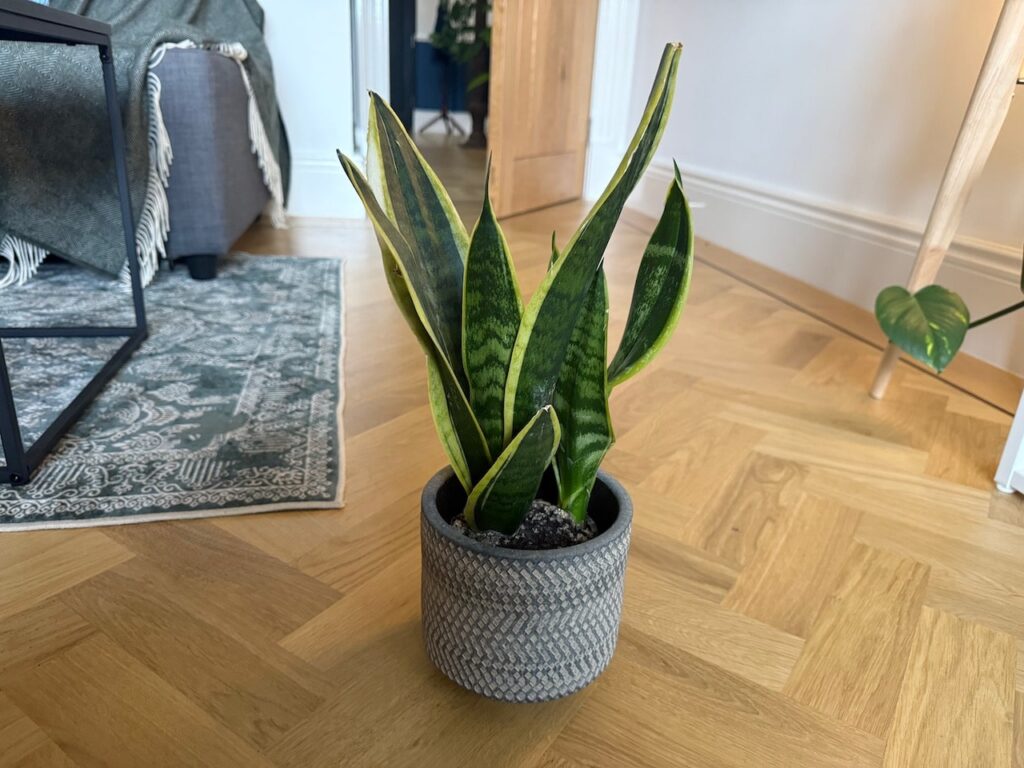
Your snake plant’s drooping pattern tells a detailed story. Sudden drooping of multiple leaves suggests overwatering or root problems. Gradual drooping of older leaves indicates natural ageing or slight underwatering. Drooping combined with yellowing points to serious root issues. Drooping with wrinkled leaves suggests severe dehydration.
Understanding your plant’s normal appearance helps you spot problems early. Healthy snake plants should have thick, rigid, upright leaves that feel firm and substantial to the touch. Any deviation from this strong architectural form, whether drooping, softening, or bending, indicates your plant needs immediate attention.
Remove completely soft, mushy, or rotted leaves immediately to prevent them from becoming infection sites or spreading problems to healthy parts of the plant. Cut as close to the soil line as possible using clean, sharp secateurs to avoid damage. However, if the leaves are simply drooping but still firm and green, treat the underlying cause first before removing them. These leaves may recover their upright posture once the problem is resolved.
Root rot from overwatering ranks as the most devastating cause of snake plant drooping, responsible for roughly 85% of the severe drooping cases I encounter. This problem is particularly insidious because snake plants are succulents that store water in their thick leaves and prefer to dry out completely between waterings. This is the problem with overly enthusiastic gardeners wanting to give their snake plant too much love, and water.
Snake plants evolved in arid African conditions with excellent drainage and infrequent rainfall. When soil remains consistently wet, its roots literally suffocate and begin to rot, leading to dramatic drooping as the plant loses its ability to support its heavy, water storing leaves.
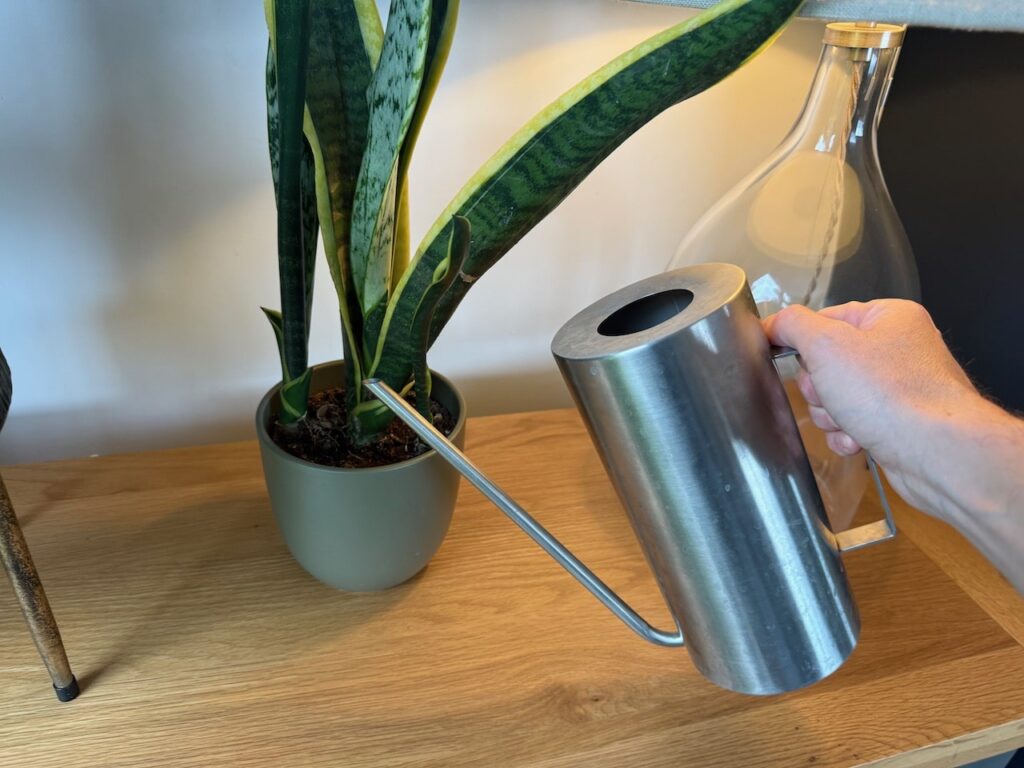
This problem develops gradually but accelerates rapidly once established. By the time drooping becomes obvious, significant root damage may already have occurred, making swift intervention crucial for plant survival.
Root rot drooping typically affects multiple leaves simultaneously and progresses rapidly from firm, upright leaves to completely collapsed, soft stems. The drooping leaves often feel mushy or soft when squeezed, quite different from the firm texture of healthy snake plant leaves.
Check your soil by inserting a finger 5 to 7 centimetres deep. If it feels consistently wet or waterlogged days or weeks after watering, you’re definitely dealing with overwatering issues. Healthy snake plant soil should feel completely dry before the next watering.
Look for these additional root rot warning signs: foul, musty odour from the soil, black or brown mushy areas at the base of leaves, yellow or brown discolouration moving up from the soil line, and fungus gnats flying around the plant. Advanced cases show leaves that fall over completely and may detach easily from the base.
Act immediately upon suspecting root rot, as this condition can kill snake plants within weeks if left untreated. Remove your snake plant from its pot and carefully examine the root system and leaf bases.
Healthy snake plant roots should be white or cream coloured and firm to the touch. Any black, brown, mushy, or foul smelling roots indicate rot and must be removed immediately with sterilised scissors or secateurs.
Cut away all damaged roots and any affected leaf bases, cutting back to healthy, firm tissue. This might seem drastic, but snake plants can recover from extensive root pruning when done correctly. Remove any leaves that are completely soft or have rotted bases. Use clean, sharp secateurs like the pair I’m cleaning and sharpening below, great for houseplants and all garden pruning too.
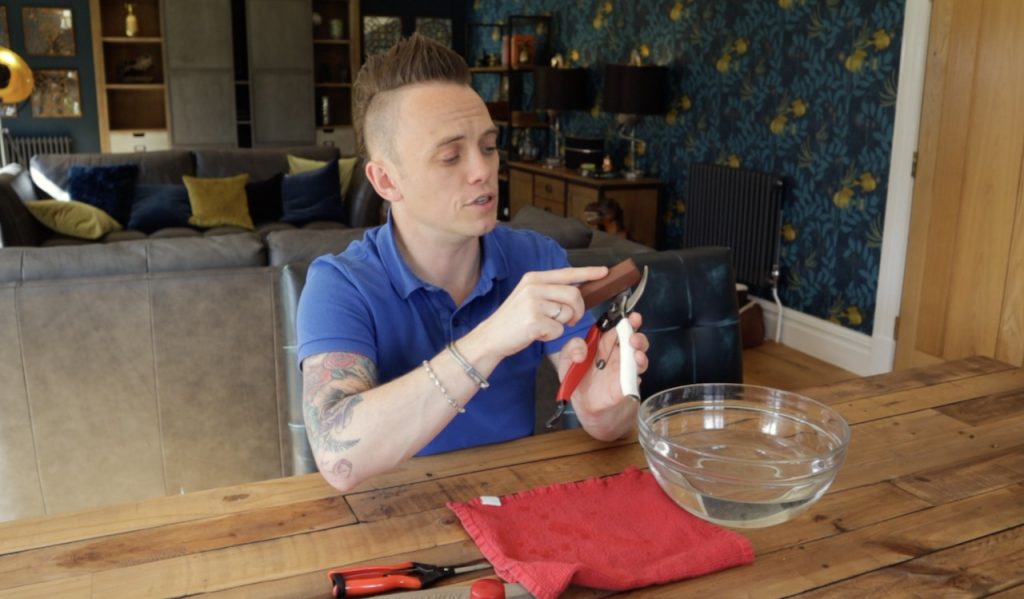
🛒 Buy Felco 2 secateurs from Amazon UK
Allow the cleaned plant to dry for 24 to 48 hours before repotting, giving cut surfaces time to callus over and prevent further infection. This drying period is crucial for successful recovery.
Repot in fresh, extremely well draining potting mix. Use a cactus and succulent compost or create your own mix with regular potting soil, perlite, and sand. Never reuse old soil that’s been waterlogged, as it may harbour fungal spores. The grittier the soil, the better.
Recovery from root rot requires patience and strict water discipline. Don’t expect immediate improvement, it may take several weeks for new roots to develop and the plant to regain its structural strength.
Significantly reduce watering frequency after treatment. Water only when the soil is completely dry and the pot feels light when lifted. This might mean watering every 3 to 4 weeks in winter and every 2 to 3 weeks in summer.
Monitor remaining leaves carefully for signs of continued rot. If new soft spots or yellowing appear, you may need to repeat the treatment process with additional leaf and root removal.
Moving forward, prevent root rot by ensuring excellent drainage, using an appropriate soil mix, and allowing complete drying between waterings. Snake plants prefer slight neglect to excessive care.
Whilst overwatering gets more attention, severe underwatering can also cause snake plant drooping, particularly during warmer months or in very dry indoor environments. However, snake plants are remarkably drought tolerant, so underwatering drooping usually indicates prolonged neglect.
Underwatered snake plants typically show different drooping patterns than overwatered ones. The leaves remain firm but may appear wrinkled, slightly folded, or curved rather than completely collapsed. This drooping often affects older, outer leaves first. If you spot crinkly wrinkly leaves that look like they need some moisturiser, it’s drought causing the sagging.
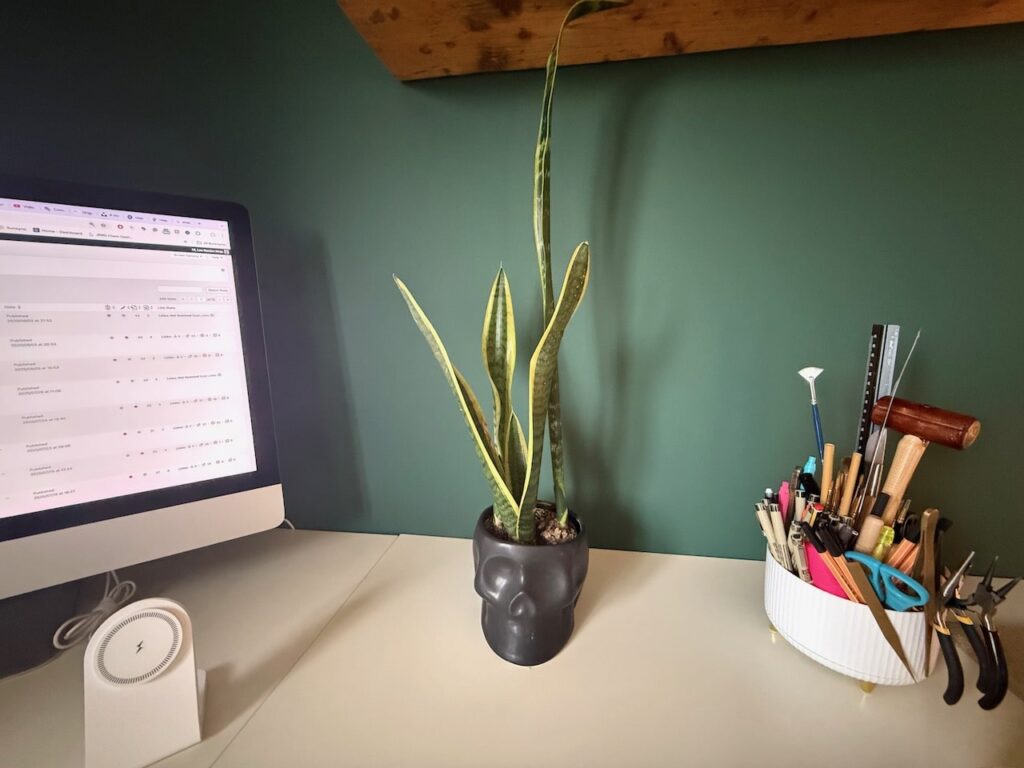
Snake plants store substantial water in their thick leaves, enabling them to survive extended periods of drought. However, when these reserves are exhausted, the plant begins to sacrifice older leaves to preserve newer growth, resulting in selective drooping. This is the easiest snake plant drooping problem to fix, though.
Underwatering, characterised by drooping, usually develops gradually over weeks or months, rather than the rapid collapse seen with root rot. The affected leaves feel firm but may appear slightly wrinkled or puckered along their surface.
Physical symptoms include leaves that droop but maintain their thickness, soil that’s bone dry and may have pulled away from pot edges, and the entire pot feeling extremely light when lifted. The plant may also show slower growth and duller leaf colouration.
Unlike overwatering, underwatered snake plants often show rapid improvement once watering resumes. However, severely stressed leaves may not fully recover their original upright posture.
Begin by giving your snake plant a thorough, deep watering, adding water until it flows from drainage holes. Don’t flood the plant, steady, thorough watering allows proper soil saturation without shocking the root system. Sometimes, setting the pot in a sink with 3 inches of water in the bottom and leaving it for an hour is the best option.
Establish a more consistent monitoring routine going forward. Check soil moisture every 2 to 3 weeks during the growing season and monthly during winter. Water thoroughly when the soil feels completely dry.
Consider environmental factors that increase water consumption. Central heating, air conditioning, bright light, and active growth all increase water needs. Adjust your watering frequency based on seasonal changes and indoor conditions.
Learn your plant’s seasonal rhythm. Snake plants grow more actively in spring and summer, requiring more frequent watering during this period. Winter growth slows dramatically, and watering needs decrease accordingly.
Use the lift test to gauge watering needs. A properly watered snake plant pot feels substantially heavier than when dry. This weight difference becomes more noticeable with experience and provides reliable watering guidance.
Snake plants are remarkably adaptable to various light conditions, however, inadequate light can gradually weaken the plant’s structure, causing it to droop over time. Unlike dramatic root rot, which droops dramatically, light related drooping develops slowly and affects the plant’s overall vigour. In my experience, snake plants will grow in considerable shade, but if there’s no light, such as when a computer monitor blocks it, they will eventually start to droop.
Insufficient light causes snake plants to stretch toward available light sources, creating weak, elongated growth that cannot support itself properly. The thick, rigid structure that makes snake plants so architectural gradually softens in poor light conditions.
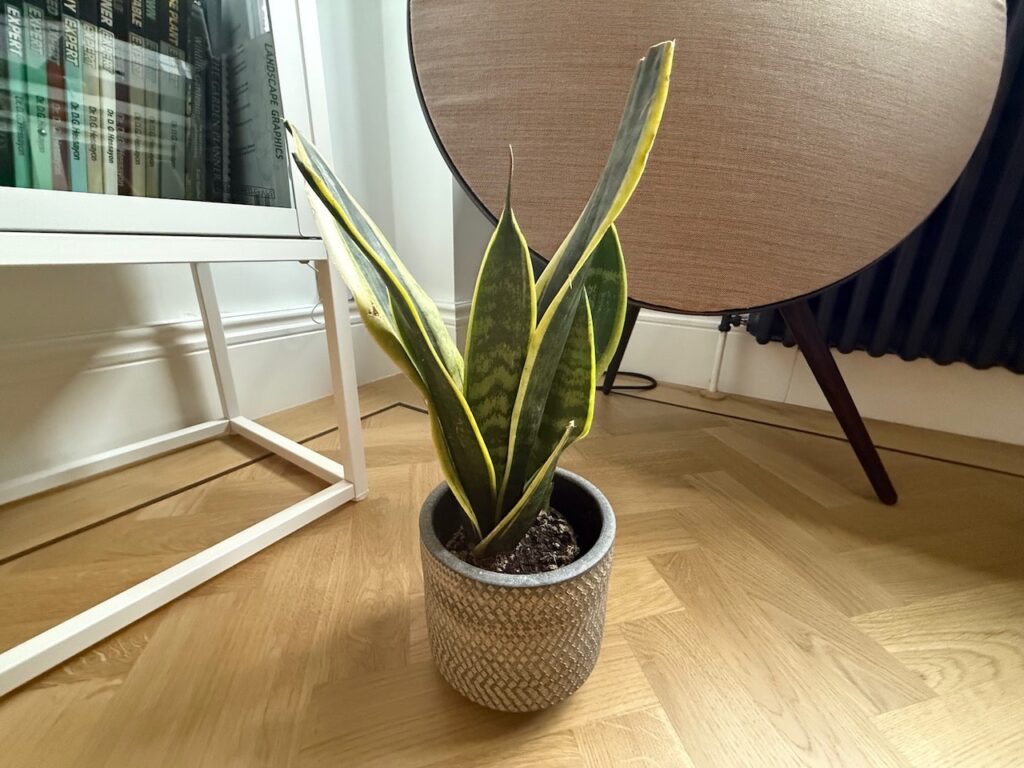
Extended low light conditions also slow the plant’s metabolism, reducing its ability to process water efficiently and maintain the internal pressure that keeps its leaves upright and firm.
Light related drooping typically affects the entire plant gradually rather than individual leaves suddenly. The plant may appear generally less robust, with leaves that bend or lean rather than standing perfectly upright.
Affected plants often show pale or dull colouration, slower growth, and a general soft appearance despite proper watering. New growth may be thinner and weaker than established leaves, unable to support its own weight. Sometimes sending up tall, skinny, thin shoots.
Snake plants in inadequate light may also show etiolation, stretching toward light, creating tall, weak growth that topples or bends under its own weight.
Position your snake plant in bright, indirect light near but not directly in front of windows. East or west facing windows provide excellent conditions, whilst south facing windows may require some distance or filtering.
Avoid sudden light changes that might shock the plant. If moving from low to bright light, do so gradually over several weeks, increasing exposure incrementally to prevent stress.
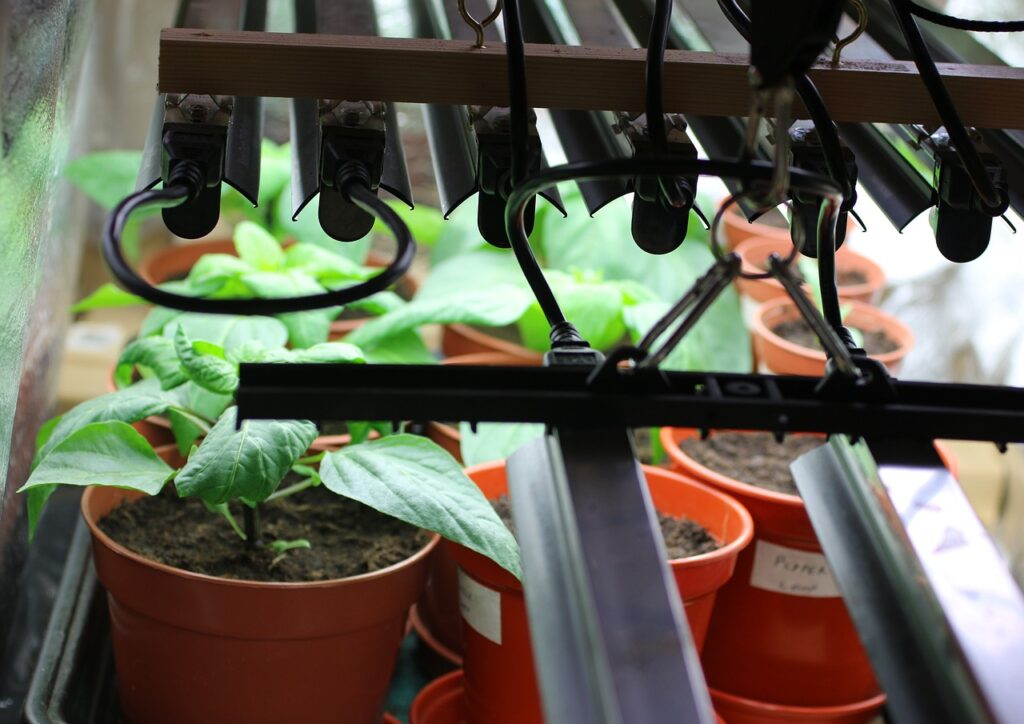
Consider supplemental lighting during the winter months or in darker homes. LED grow lights positioned 30 to 60 centimetres above the plant provide excellent support for healthy growth and structural integrity. I’ve used these LED grow lights in low light level rooms to help supplement the darker months, Ninjas, and they’re good value too.
🛒 Buy LED grow lights for indoor plants from Amazon UK
Rotate your plant weekly to ensure even light exposure on all sides. This prevents leaning toward light sources and promotes balanced, upright growth throughout the plant.
Snake plants prefer stable temperatures between 18°C and 24°C and can suffer drooping when exposed to temperature extremes or sudden changes. Cold drafts, hot air from heating vents, or dramatic temperature swings can all trigger drooping responses.
Temperature stress often combines with other factors to create drooping problems. Cold stressed plants become more susceptible to overwatering damage, whilst heat stressed plants may show dehydration symptoms even with adequate watering.
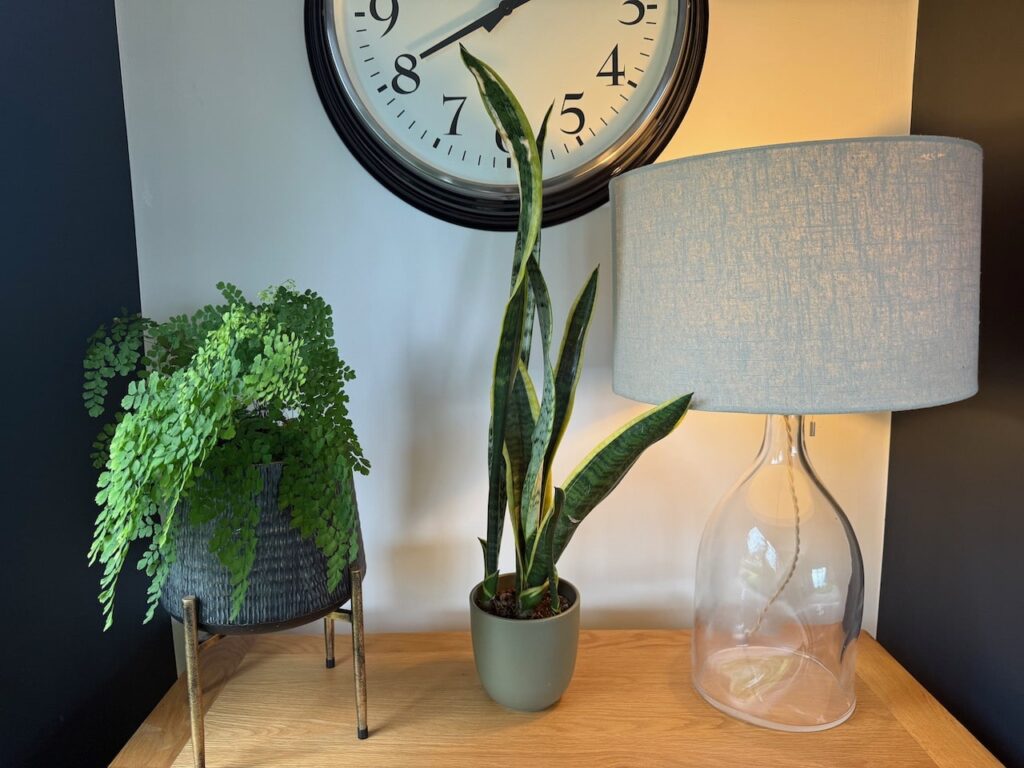
Winter heating and summer cooling systems create particular challenges for indoor snake plants, as they often produce dramatic temperature and humidity fluctuations that stress plants.
Temperature stress drooping often appears suddenly following exposure to extreme conditions. Cold stress may cause leaves to become soft and droop rapidly, whilst heat stress typically creates gradual drooping with possible leaf curling.
Look for environmental clues: plants near cold windows in winter, positions near heating or cooling vents, or locations that experience dramatic day and night temperature variations. These positions commonly cause temperature related drooping.
Temperature stressed plants may also exhibit colour changes, with cold stress causing yellowing or darkening, while heat stress may result in a pale or bleached appearance.
Move your snake plant away from direct heat or cold sources immediately. Avoid positions near radiators, air conditioning vents, drafty windows, or exterior doors that create temperature fluctuations.
Maintain consistent temperatures between 18°C and 24°C when possible. Snake plants tolerate brief temperature variations but struggle with prolonged extremes or constant fluctuations. Below 10°C, the snake plant will start to get stressed and droop.
Monitor seasonal changes that might affect plant placement. Windows that provide perfect conditions in summer may become too cold in winter, requiring plant repositioning during the heating season. Many guides mention humidity trays and misters, but snake plants simply don’t need these fussy additions. So save your money, Ninjas.
Not all drooping of a snake plant indicates care problems; some drooping results from physical damage or natural ageing processes. Understanding these everyday occurrences prevents unnecessary worry and inappropriate treatments. The example below was damaged during the move of the plant, so the side of the leaf shows damage; the rest is fine, though, so I decided to live with it.
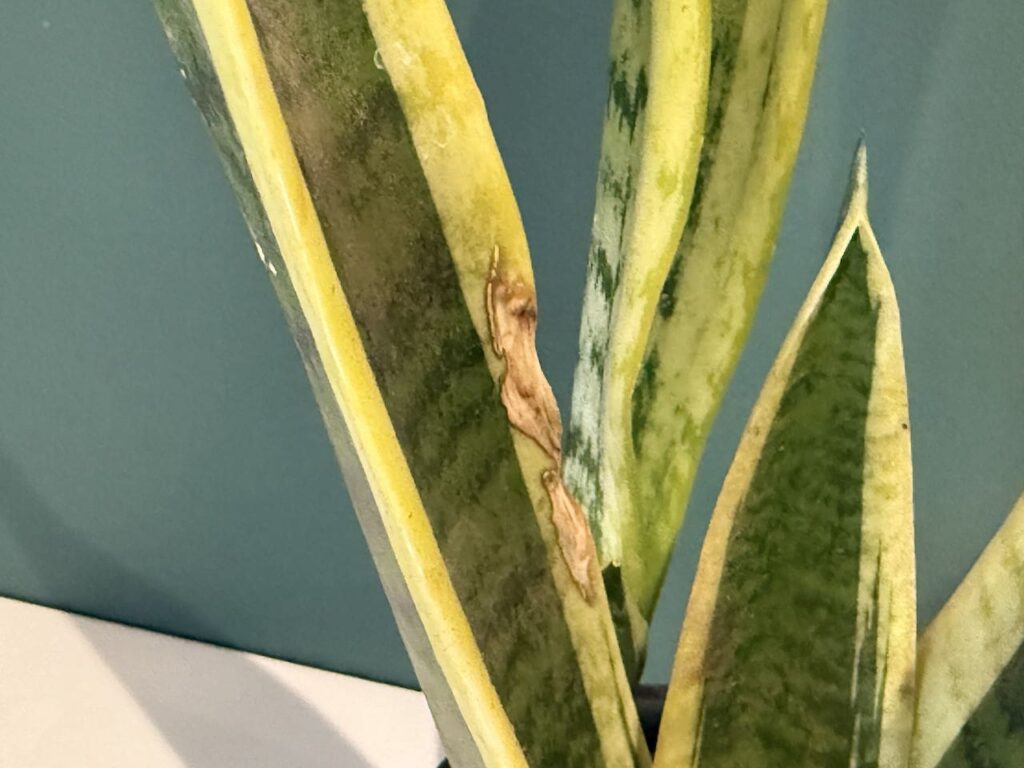
Natural ageing typically affects the oldest, outermost leaves first. These leaves gradually lose their structural integrity and begin to droop before eventually yellowing and dying back. This process is entirely normal and healthy.
Physical damage from handling, pets, or environmental factors can also cause localised drooping. Unlike systematic care issues, damage related drooping usually affects specific leaves rather than the entire plant.
Natural ageing drooping typically affects one or two of the oldest leaves at a time, progressing slowly over weeks or months. The drooping leaves may remain green initially before gradually yellowing from the tip downward.
Physical damage shows clear patterns related to the injury source. Pet damage creates obvious bite or scratch marks, whilst handling damage may show as bent or creased areas that lead to drooping. Pets can be a problem, particularly cats that love to swipe at snake plants for some reason.
Healthy plants experiencing natural ageing continue producing new growth whilst older leaves decline. If new growth stops or multiple leaves droop simultaneously, investigate care issues rather than assuming natural ageing.
Remove naturally ageing leaves once they become completely yellow or brown. Cut cleanly at the base of the leaf using sterilised tools to prevent infection and maintain plant appearance.
For physically damaged leaves, assess the extent of damage. Minor damage may heal and the leaf may recover, whilst severely damaged leaves should be removed to prevent energy waste and potential infection sites.
Prevent future physical damage by positioning plants away from high traffic areas, protecting them from pets, and handling them carefully during maintenance and cleaning routines.
Focus energy on encouraging new growth through proper care rather than trying to save severely damaged or naturally ageing leaves.
Various pests can weaken snake plants and contribute to drooping, although this is less common than issues related to watering or environmental conditions. These problems often go undetected until damage becomes visible through drooping or other symptoms.
Common pests of the snake plant include spider mites, scale insects, and mealybugs. These pests weaken plants by feeding on plant juices, reducing the plant’s ability to maintain proper water pressure and structural integrity. If you’re using really free draining potting mixes, these pests are very rare, as they like moist, organic, rich soil. In my 30 years of gardening experience, I’ve never had a snake plant damaged, even with fungus gnats or mealybugs. They are incredibly tough. However, if your snake plants are in very wet soil, you may experience pest outbreaks.
Pest problems often exacerbate other issues, with stressed or overwatered plants becoming more susceptible to pest infestations, which can then contribute to drooping problems.
Pest related drooping often accompanies other symptoms like sticky honeydew deposits, visible insects, or stippled or damaged leaf surfaces. The drooping typically develops gradually as pest populations build.
Check carefully for small insects, webbing, or sticky residues on leaf surfaces and in leaf crevices where pests commonly hide. Use a magnifying glass if necessary to spot tiny pests like spider mites.
Pest related drooping may affect individual leaves or sections of the plant rather than showing the systematic patterns typical of watering or environmental problems.
Begin treatment immediately upon discovering pests, as indoor populations can multiply rapidly in favourable conditions. Isolate affected plants to prevent spread to other houseplants.
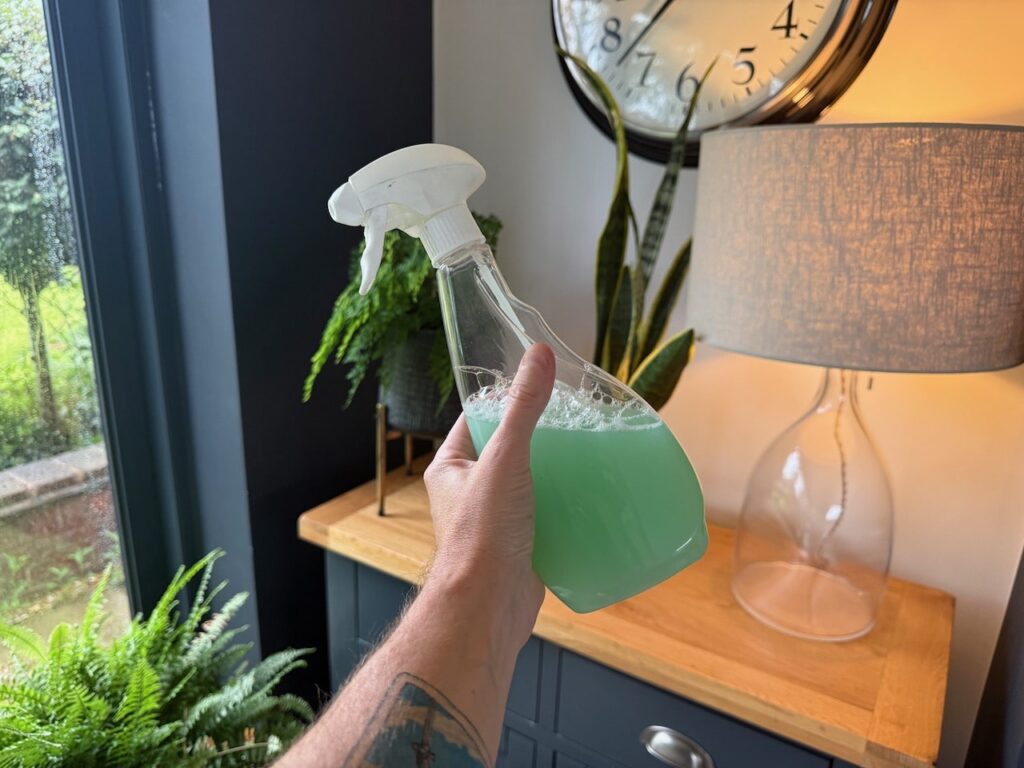
For most pest issues, start with gentle solutions like a simple solution of washing up liquid to water at a 1 to 4 ratio, seen below in my mixer spray, which effectively controls many houseplant pests. Spray directly onto the pests, not just all over the plant. The soap blocks the spiracles and kills off the pests without damaging the plant.
🛒 Buy a fine mist plant spray bottle from Amazon UK
Wipe leaves regularly with damp cloths to remove pests physically and monitor for reinfestation. This mechanical removal often proves more effective than chemical treatments for small pest populations, and you can tie it into your general housekeeping, Ninjas.
Monitor treated plants closely for several weeks, as pest populations often require multiple treatments to be completely eliminated.
This is a cause I see missed time and again, and it’s worth checking before you assume you’re dealing with a watering problem at all. If your snake plant hasn’t been repotted for three to five years, the roots may have completely filled the pot, leaving nowhere for water to be absorbed properly. A severely rootbound plant will often droop even when you’re watering it correctly, simply because the compacted root ball can no longer take up moisture efficiently.
Snake plants are unusual in that they generally prefer being slightly rootbound, and I wouldn’t rush to repot a plant just because the roots are visible. However, there is a tipping point. If water runs straight through the pot and out of the drainage holes within seconds, if roots are pushing the plant up out of the compost, or if growth has stalled completely despite good light and sensible watering, it’s time to check the root ball.
Gently ease the plant from its pot. If you’re greeted by a dense mass of roots with barely any compost visible, and the roots are circling tightly around the inside of the pot, your plant is rootbound. Healthy rootbound roots should still be white or pale and firm, this is different from the black, mushy roots of root rot, so don’t panic if the roots simply look crowded rather than rotten.
Choose a new pot only one size larger than the current one, going too big encourages the compost to hold excess moisture around roots that aren’t yet filling the space, which risks tipping you straight into root rot territory instead. Gently loosen the outer roots by hand before repotting, and use a fresh, gritty, well draining compost mix as described in the root rot section above.
Repotting is also the perfect opportunity to divide an overcrowded clump if you’d like more snake plants for free, simply separate healthy sections with their own roots and pot them individually. Water lightly after repotting and hold off on a full watering for around a week, allowing any disturbed roots to settle without sitting in excess moisture.
Understanding the recovery process of snake plants helps set realistic expectations and prevents premature panic when improvement seems slow. Different drooping causes have different recovery timeframes, and patience is crucial for successful plant rehabilitation. Nothing will rectify itself overnight, but here are some timescales to put your worried minds at rest.
Correctly diagnosed and treated problems often show stabilisation within days. Root rot recovery takes longer, but the spread of damage should stop once proper treatment begins.
Don’t expect drooping leaves to return to perfect upright posture immediately. Focus on preventing further drooping and encouraging new healthy growth rather than trying to restore damaged leaves.
Remove severely affected leaves promptly, but leave marginally drooping leaves if they’re still firm and green. These leaves may recover some structural integrity as the plant’s overall health improves.
New growth appearance signals successful problem resolution. Healthy new shoots emerging from the soil indicate your snake plant is recovering and redirecting energy toward future growth.
Growth rates vary seasonally, with spring and summer recovery occurring faster than autumn or winter rehabilitation. Be patient with winter recovery, as reduced light and cooler temperatures naturally slow plant processes.
Continue consistent care during recovery, avoiding the temptation to help with extra fertiliser or frequent watering. Stressed plants need stability more than intensive intervention.
Complete recovery to pre problem health may take several months, particularly for severely affected plants or those that required extensive root pruning. This extended timeline is normal and expected for major interventions.
Monitor overall plant health rather than focusing on individual leaves. Steady new growth, improving leaf quality and structure, and general vigour indicate successful recovery even if some older damage remains visible.
Stop dreaming about stunning gardens and start designing them. Lee Burkhill’s online garden design courses are your shortcut from complete beginner to confident designer, all from the comfort of your sofa.
For the garden you’ve already got, not the one you’re starting from scratch. Seven checklists and video lessons from BBC Garden Rescue’s Lee Burkhill, built to help you work out what’s worth keeping before you spend a penny.
Garden Design Examples for Small Gardens: 30 Design Templates & Planting Plans: In this online gardening course, I’ll walk you through 30 fantastic garden designs, explaining the logic behind the layout, the plant choices, and take-home tips for applying them in your own garden.
Learn how to transform and design your own garden with Lee Burkhills crash course in garden design. Over 5 hours Lee will teach you how to design your own dream garden. Featuring practical design examples, planting ideas and video guides. Learn how to design your garden in one weekend!
Garden Design for Beginners Online Course: If you want to make the career jump to becoming a garden designer or to learn how to design your own garden, this is the beginner course for you. Join me, Lee Burkhill, an award-winning garden designer, as I train you in the art of beautiful garden design.
For more plant care advice and troubleshooting help, explore these helpful resources from the Garden Ninja community.
Whether you’re dealing with drooping leaves, root rot, watering issues, or any other plant challenge, the Garden Ninja community is here to help. Don’t hesitate to ask questions in the forum or browse the extensive library of plant care guides.
A single old, outer leaf drooping and yellowing whilst the rest of the plant produces healthy new growth is entirely normal and part of the natural ageing process. Multiple leaves drooping at once, or drooping that keeps spreading, is not normal and needs investigating using the causes in this guide.
Yes, if the leaf is still firm and green and the drooping is caused by underwatering or mild light stress, it can often regain much of its upright posture once the underlying problem is corrected. Leaves that have gone soft, mushy, or badly wrinkled rarely recover fully and are better removed to redirect the plant’s energy into new growth.
Yes, use clean, sharp secateurs to cut soft, mushy, or badly damaged leaves as close to the soil line as possible. Leave firm, green, merely drooping leaves in place until you’ve treated the cause, since they may well recover.
Water only when the soil is completely dry, which usually works out at every 2 to 3 weeks in spring and summer and every 3 to 4 weeks, sometimes longer, in autumn and winter. Always check the soil with your finger rather than watering to a fixed schedule, since light, temperature, and pot size all affect how quickly it dries out.
Intense, prolonged direct sun, particularly through south facing glass in summer, can scorch and stress leaves, contributing to drooping alongside dehydration. Bright, indirect light is the safest choice for most homes, with only gentle morning or evening direct sun being well tolerated.
Signs include water running straight through the pot without being absorbed, roots visible at the drainage holes or pushing the plant upward, and growth that has stalled despite good light and sensible watering. Ease the plant from its pot to check, a dense mass of pale, firm roots with little compost visible confirms it’s time to repot.
Mild cases from underwatering or light issues often stabilise within one to two weeks of correcting the cause. Root rot recovery is slower, typically two to eight weeks for new growth to appear, with full restoration to the plant’s previous health taking two to six months in severe cases.

Join over 100,000 gardeners on YouTube
Free gardening videos from the Garden Ninja, with 8 million views and counting.
Subscribe on YouTube, it’s freeRescuing a drooping snake plant is all about accurate diagnosis and responding calmly rather than panicking at the first sign of drooping. Remember, most drooping problems are fixable with the right approach, and these resilient plants can recover beautifully from most issues.
The secret to snake plant success? Less is more every time. These plants prefer slight neglect to excessive care, thriving with infrequent watering, stable conditions, and minimal fussing. Your plant wants to stand tall and proud, so create the right conditions and resist the urge to overwater.
Each challenge you overcome builds confidence and plant knowledge that benefits your entire houseplant collection. Whether it’s your first drooping leaf or nursing a severely affected plant back to health, most snake plant problems are fixable with patience, proper diagnosis, and consistent care.
Happy Snake Plant Growing, Ninjas.

Lee Burkhill, known as the Garden Ninja, is an award-winning garden designer and horticulturist with over 30 years of gardening experience and 15 years as a professional garden designer. A qualified RHS (Royal Horticultural Society) professional, Lee specialises in sustainable garden design and practical horticultural advice. He designs and presents on BBC1’s Garden Rescue and in leading gardening publications. Lee combines three decades of hands-on gardening knowledge with professional design qualifications to help gardeners create beautiful, functional outdoor spaces.
View all posts by Lee Burkhill






JOIN THE NINJAS
Be the first in line for new Guides, Discount codes and Offers