25 Best Small Garden Trees UK: A Garden Designer’s Complete Guide
Lee Burkhill: Award Winning Designer & BBC 1's Garden Rescue Presenters Official Blog
Beginner level
Choosing the right tree for a small or medium-sized UK garden is one of the most rewarding decisions you can make as a gardener. Trees give you height, structure, wildlife value, and seasonal interest that all gardens need to succeed. If you're struggling to know which tree to plant in your garden then this guide will help you choose the very best low fuss tree!
I’ve been working as a professional garden designer and presenter on BBC Garden Rescue for over 20 years, and choosing the right trees has always been the first element I consider in any new design. Get the tree right and everything else falls into place around it. The common fear is that trees are only for big gardens. That simply is not true. Even a courtyard or a compact urban garden can accommodate a beautiful specimen, provided you choose a variety suited to the space’s scale.
The list below shows you my tried and tested, amazingly diverse small garden trees. I use these in nearly all of my urban designs. This guide gives you 25 trees that I would recommend, covering a range of sizes, seasons of interest, and garden conditions across the UK. There really is a tree for everyone!
Quick Answer
The best small garden trees for UK gardens include Amelanchier lamarckii, Malus ‘Evereste’, Acer palmatum, Sorbus ‘Joseph Rock’, and Betula utilis ‘Jacquemontii’. Each offers multi-season interest within a manageable size, and all perform reliably in the UK climate. Multistem forms keep trees compact and are ideal for smaller spaces.
This page contains affiliate links for products I use and love. If you take action (i.e. subscribe, make a purchase) after clicking a link, I may earn some gardening commission, which helps me keep the Garden Ninja Blog free for all.
What to look for when choosing a small garden tree
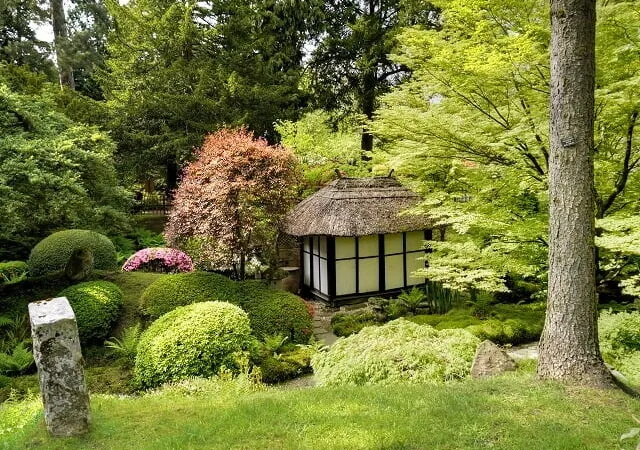
Before looking at specific trees, it is worth clarifying what “small” actually means in this context. In the horticultural world, a small tree is generally one that reaches up to 6 metres at maturity, while medium trees reach 6 to 12 metres.
Both categories are suitable for average-to-generous UK gardens. For the smallest urban gardens or courtyards, you are looking at the compact end of the small category, ideally under 4 metres, or a tree trained into multistem form to keep growth more lateral than vertical.
The most important thing I tell every client on Garden Rescue is to research the ultimate size of a tree before falling in love with one at the garden centre. A tree that reaches 15 metres will not stop growing just because your garden is 8 metres long. Always check the mature height and spread for your specific cultivar, since named cultivars of the same species can vary enormously in ultimate size.
💡 Top Tip
Look for trees with the RHS Award of Garden Merit (AGM). This means the tree has been trialled by the RHS and found to perform reliably in UK conditions. Most of the trees in this list carry that award, and it is one of the most useful quality filters available when buying.
Also consider multi-season interest. A tree that flowers in spring but does nothing else for the rest of the year is less valuable in a small garden than one that offers blossom, summer structure, autumn colour, and winter bark. Many of the trees in this list earn their place across all four seasons, which is exactly what you want when you only have room for one or two specimens.
What you need to plant a tree: the essential kit
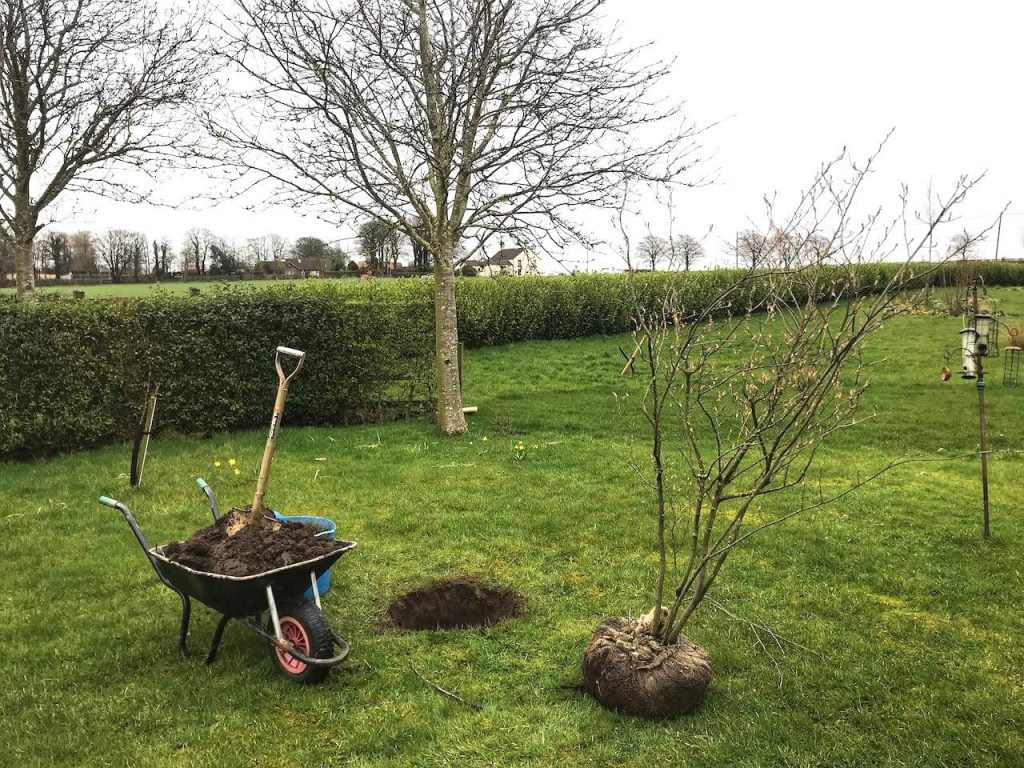
Before your tree arrives, make sure you have the right equipment ready. A poorly planted tree is one of the most common causes of failure, and the difference between getting it right and getting it wrong often comes down to a few basic items used well. I cover the full planting process in detail in my complete guide to how to plant a tree, but here is the essential kit you will need.
🌳 Essential Tree Planting Kit
Item
Why you need it
Mycorrhizal fungi
Dusted onto roots at planting, dramatically speeds up establishment by extending the root’s reach for water and nutrients
Tree stake and rubber tie
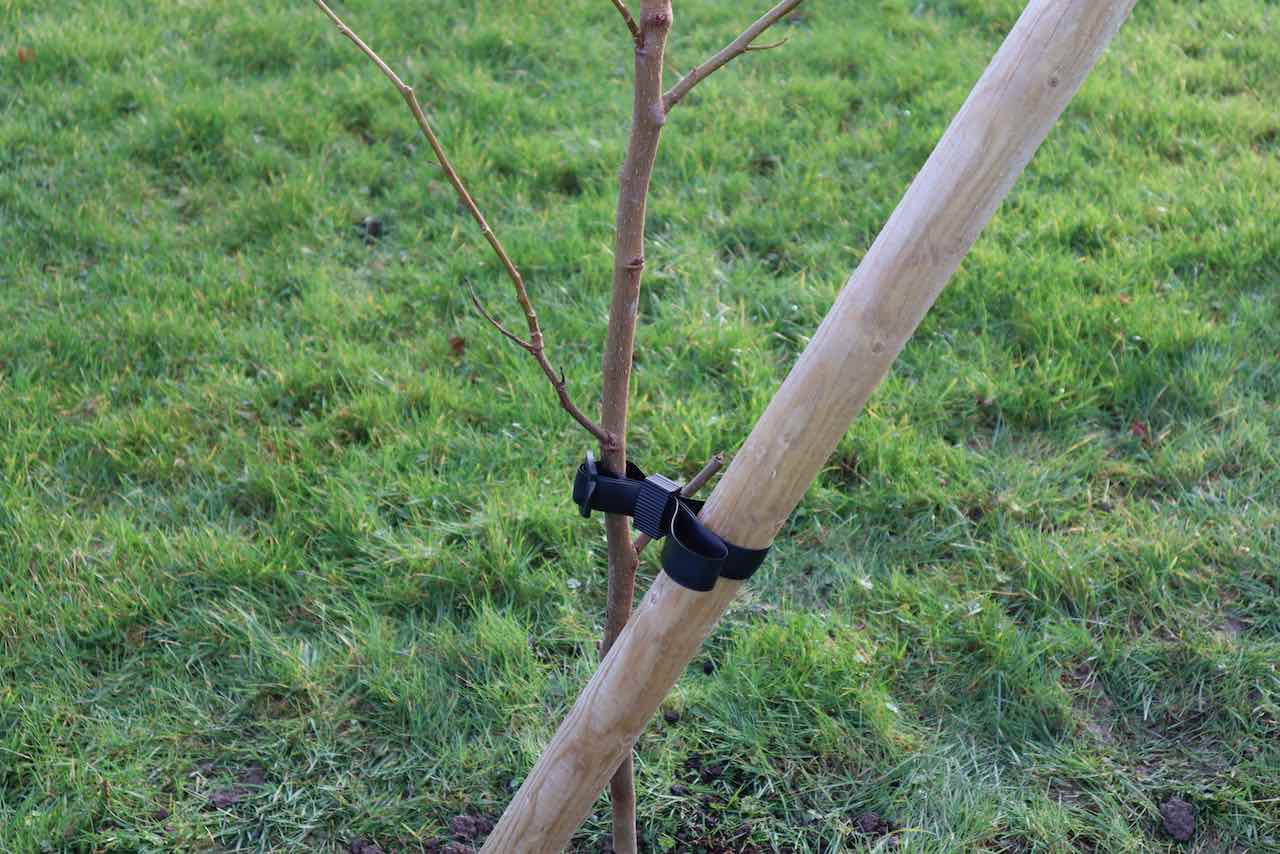
Anchors the root ball while new roots establish. Rubber ties prevent bark damage as the trunk thickens
Peat-free compost mulch
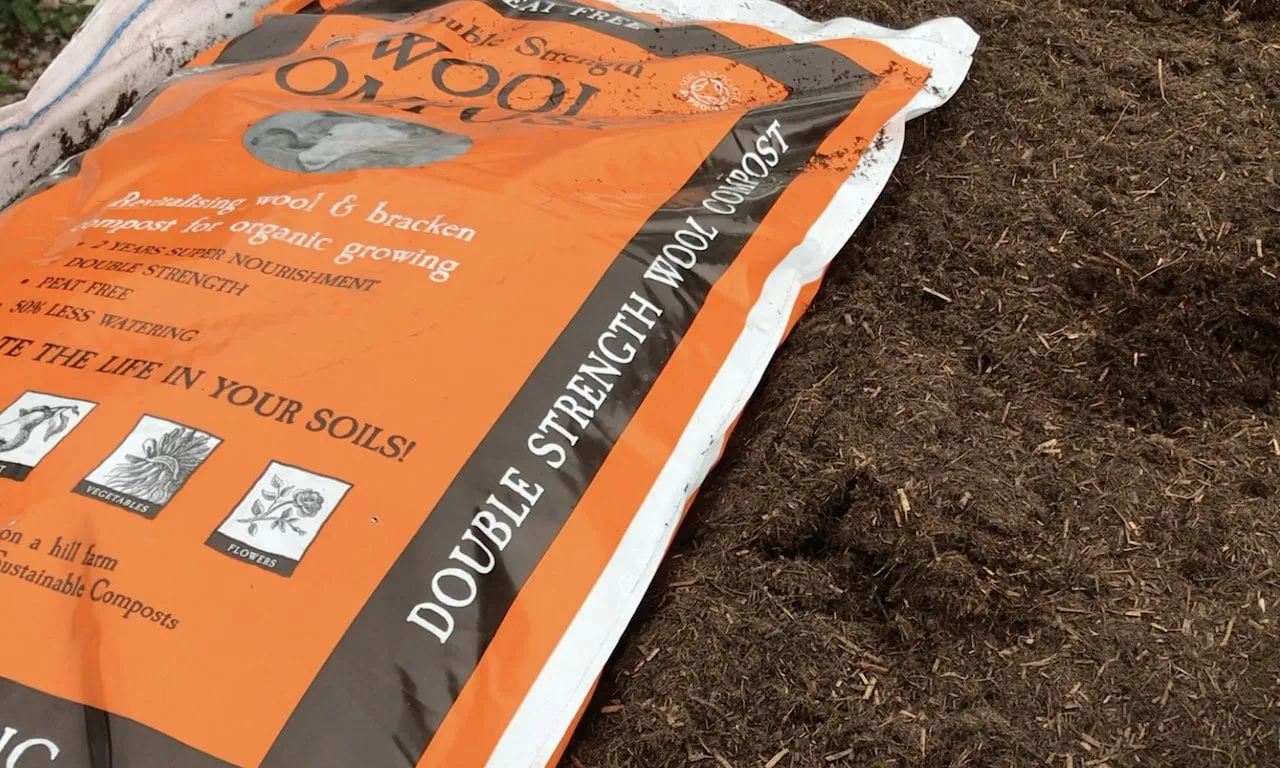
Applied to the surface after planting to retain moisture, suppress weeds and insulate roots
For digging the hole wide enough (1.5x the root ball width)
Watering can or hose
Thorough watering after planting is essential; new trees need 3 x weekly for the first month
The single most impactful addition to your planting kit that many gardeners overlook is mycorrhizal fungi. These naturally occurring fungi form a symbiotic relationship with tree roots, massively extending their effective reach into the surrounding soil and dramatically improving establishment rates. I use RHS-endorsed Rootgrow on almost every tree I plant professionally and in my own garden. You simply dust the granules directly onto the roots before lowering the tree into the hole.
The 25 best small to medium garden trees for UK gardens
Every tree on this list has been chosen because I would use it professionally or already use it in my own garden and client designs. Where relevant, I have noted whether a multistem form is available, since for smaller gardens this is often the smarter choice than a standard single-stem tree.
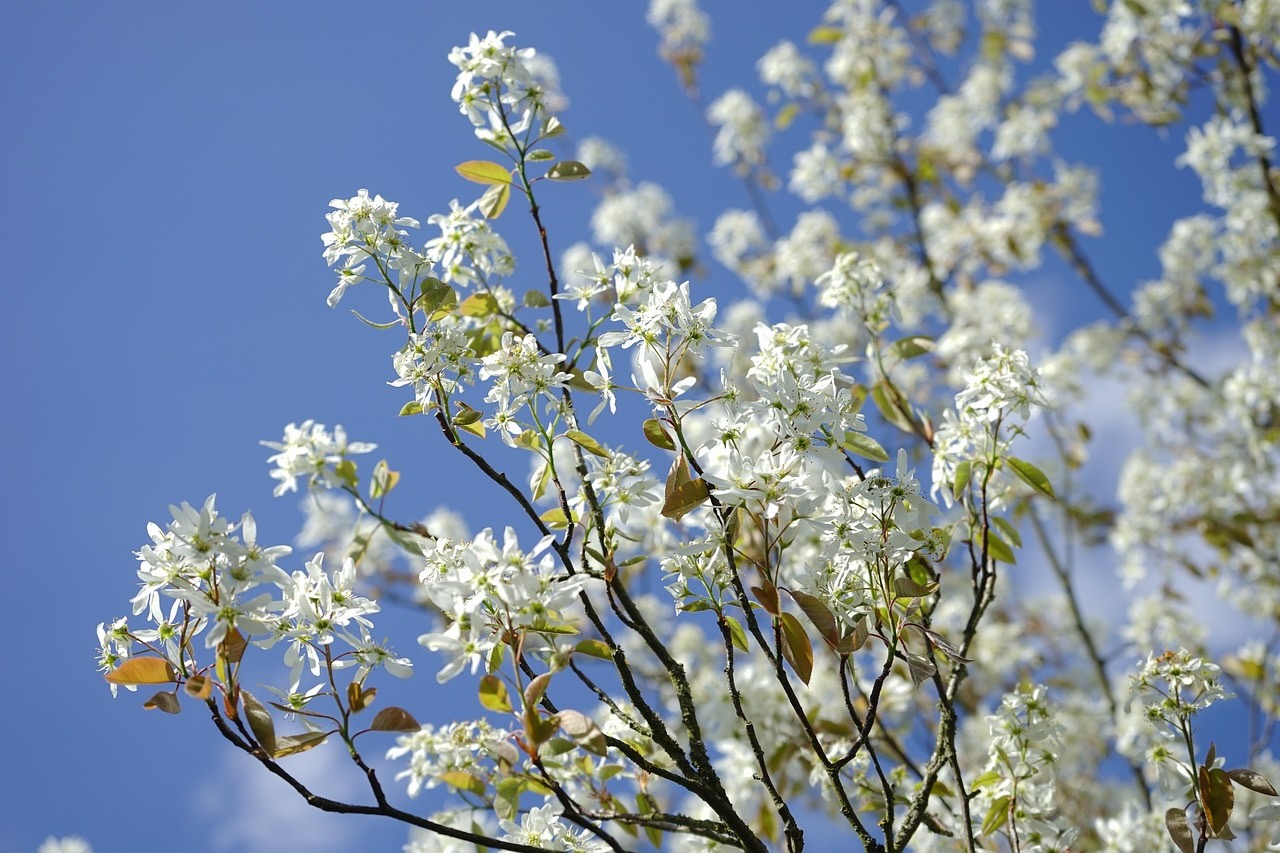
If I could only recommend one small garden tree, this would probably be it. Amelanchier lamarckii is what every garden designer reaches for when a client wants year-round interest from a compact specimen. In April, the entire tree erupts in a cloud of delicate white star-shaped flowers just as the new leaves emerge bronze-tinged. By summer, it settles into a graceful green canopy that provides dappled shade. Autumn brings genuinely spectacular colour in shades of orange, red and purple that rival any Japanese maple. In winter, the bare structure of a multistem form has real architectural quality.
The multistem form is the one to go for in smaller gardens. It has multiple slender trunks rather than a single dominant stem, which keeps the overall height more manageable and gives you an open, airy quality that works in almost any garden style. It is robust, unfussy, tolerates clay soil, and holds the RHS Award of Garden Merit. In all my years of designing gardens, I have never had a client regret planting one.
🌿 At A Glance: Amelanchier lamarckii
Botanical Name
Amelanchier lamarckii
Plant Type
Deciduous small tree / large shrub
UK Hardiness
H6 (hardy to -20°C)
Height / Spread
4–6m / 3–4m (multistem smaller)
Season of Interest
Spring blossom, summer berries, autumn colour
Best Conditions
Full sun or partial shade, most soils including clay
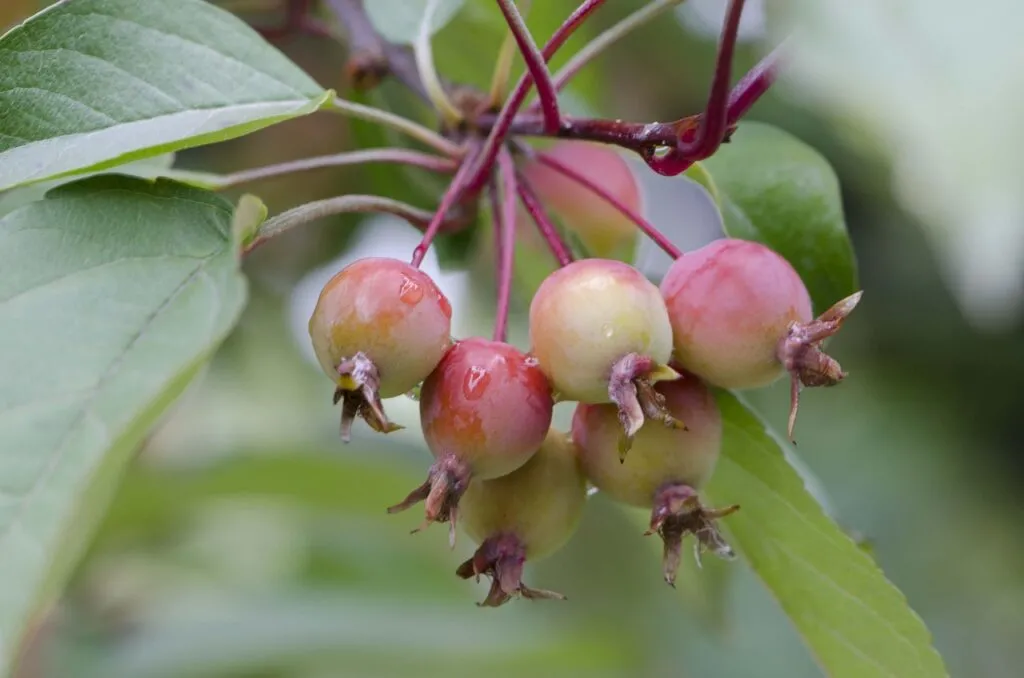
Crab apple trees are some of the most generous garden trees you can plant, and Malus ‘Evereste’ is the one I recommend most often. In spring it smothers itself in scarlet buds that open to pure white flowers, creating a spectacular display that bees absolutely love. This matters more than many gardeners realise: crab apples are among the most important early pollen sources for honey bees before other perennials have woken up.
Through summer, the foliage is a reliable dark green. By Autumn, masses of small orange-red fruits develop that persist on the branches well into December, providing food for blackbirds and fieldfares during the colder months. The fruits are edible and make an excellent crab apple jelly. ‘Evereste’ is disease-resistant, tolerates most soil conditions, including chalk, and is pollution-tolerant, which makes it a good choice for urban gardens.
🌿 At A Glance: Malus ‘Evereste’
Botanical Name
Malus ‘Evereste’
Plant Type
Deciduous small tree
UK Hardiness
H6 (hardy to -20°C)
Height / Spread
5–6m / 4m
Season of Interest
Spring blossom, autumn and winter fruit
Best Conditions
Full sun or partial shade, most soils, chalk tolerant
3. Acer palmatum ‘Sango-Kaku’ (Coral Bark Japanese Maple)
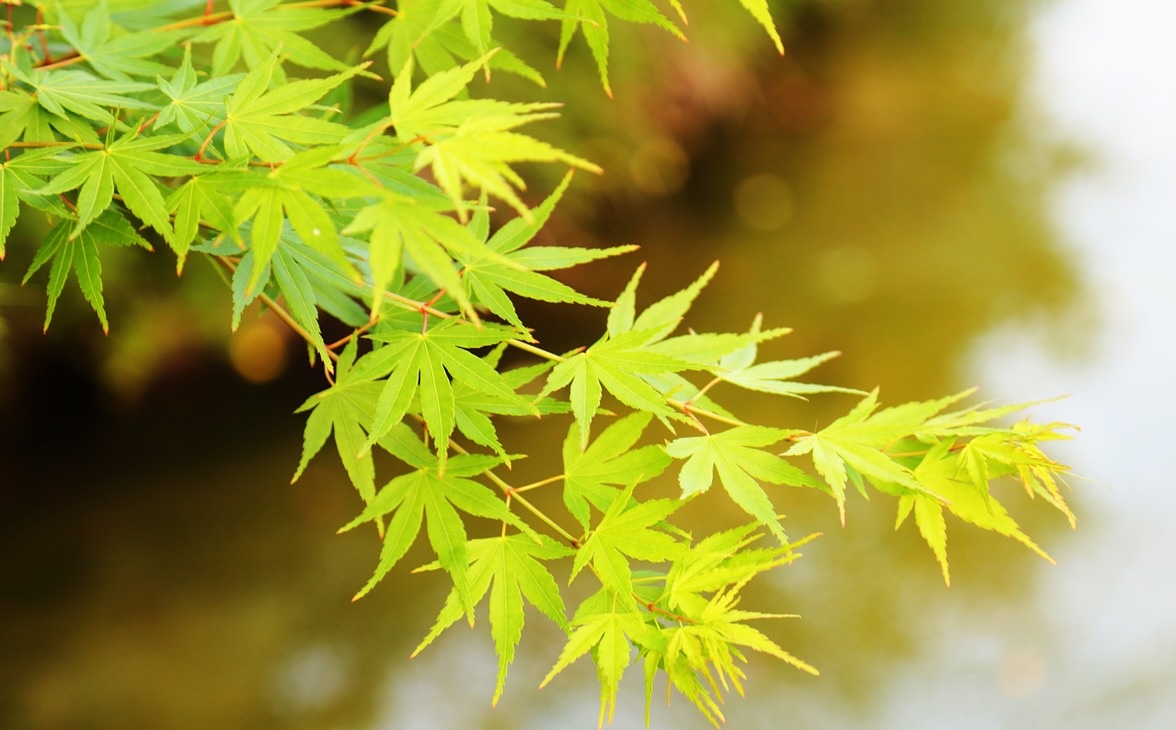
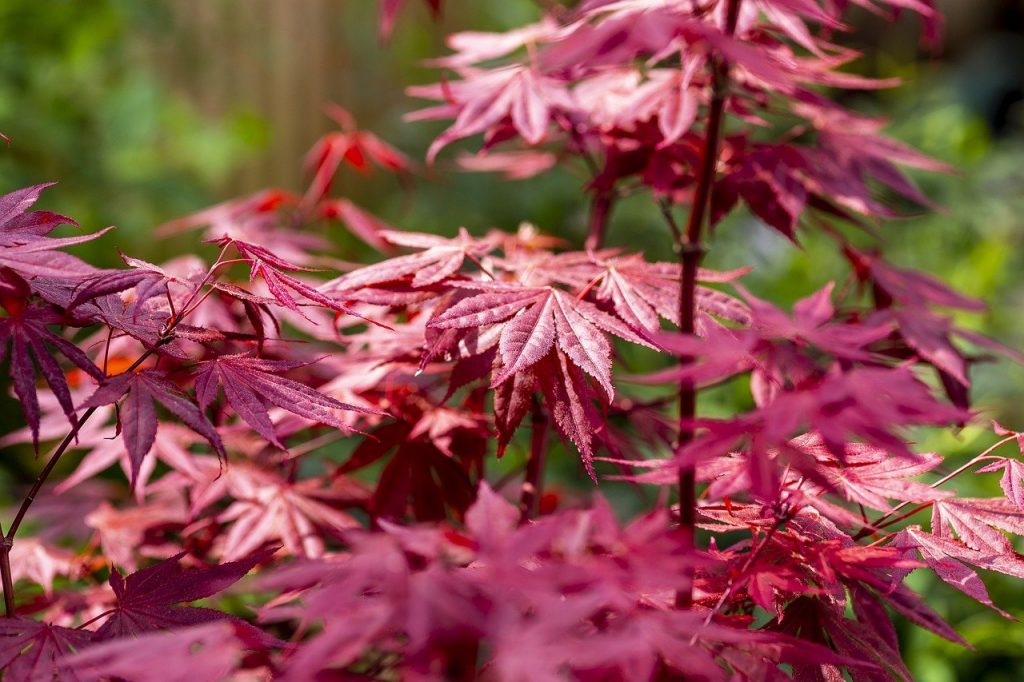
Japanese maples are one of those trees that genuinely earn their place all year round. Acer palmatum ‘Sango-Kaku’, the coral bark maple, is particularly special because its interest does not end when the leaves fall. The delicate, finely cut foliage opens as pale pinkish-yellow in spring, matures to soft green through summer, then turns a warm golden-yellow in autumn before dropping to reveal the tree’s most striking feature: vivid coral-red stems that glow throughout winter, especially beautiful against frost or a grey sky.
The key to success with acers is choosing the right position. They need shelter from strong winds, which will scorch and shred the delicate foliage. Dappled shade is ideal, though they will grow in full sun provided they have sufficient moisture. Avoid alkaline soils as acers prefer a slightly acidic, free-draining growing medium. In heavy clay, grow in a large container with ericaceous compost. They are genuinely one of the most versatile focal point trees available for smaller UK gardens.
🌿 At A Glance: Acer palmatum ‘Sango-Kaku’
Botanical Name
Acer palmatum ‘Sango-Kaku’
Plant Type
Deciduous small tree
UK Hardiness
H5 (hardy to -15°C)
Height / Spread
5–6m / 3–4m (slow growing)
Season of Interest
All four seasons: foliage spring to autumn, coral stems in winter
Best Conditions
Sheltered, dappled shade or sun; moist, well-drained, acidic soil
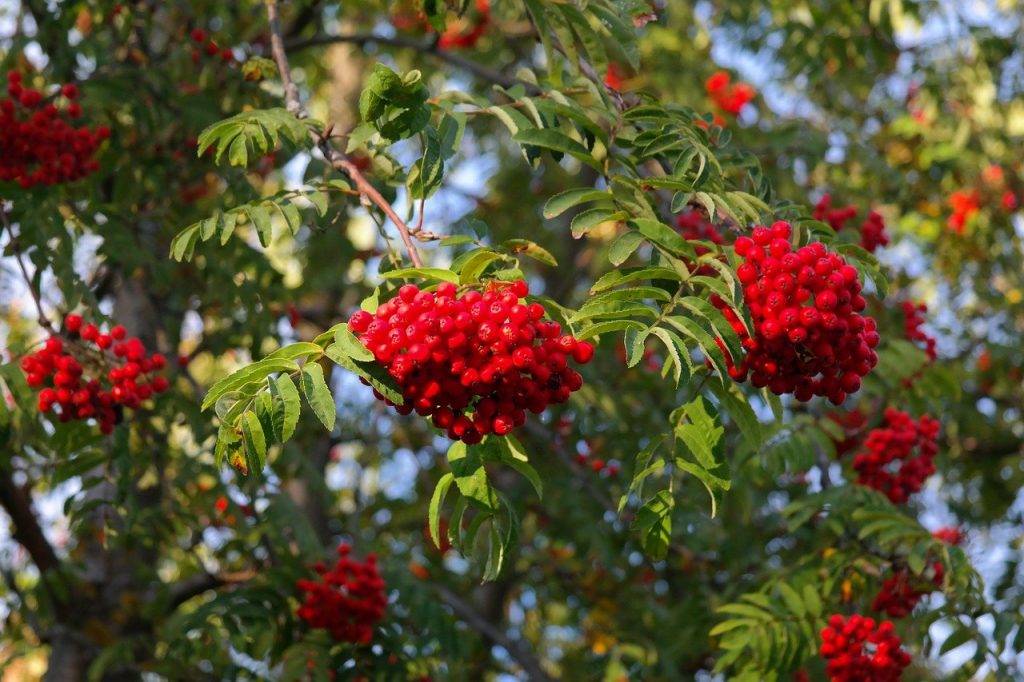
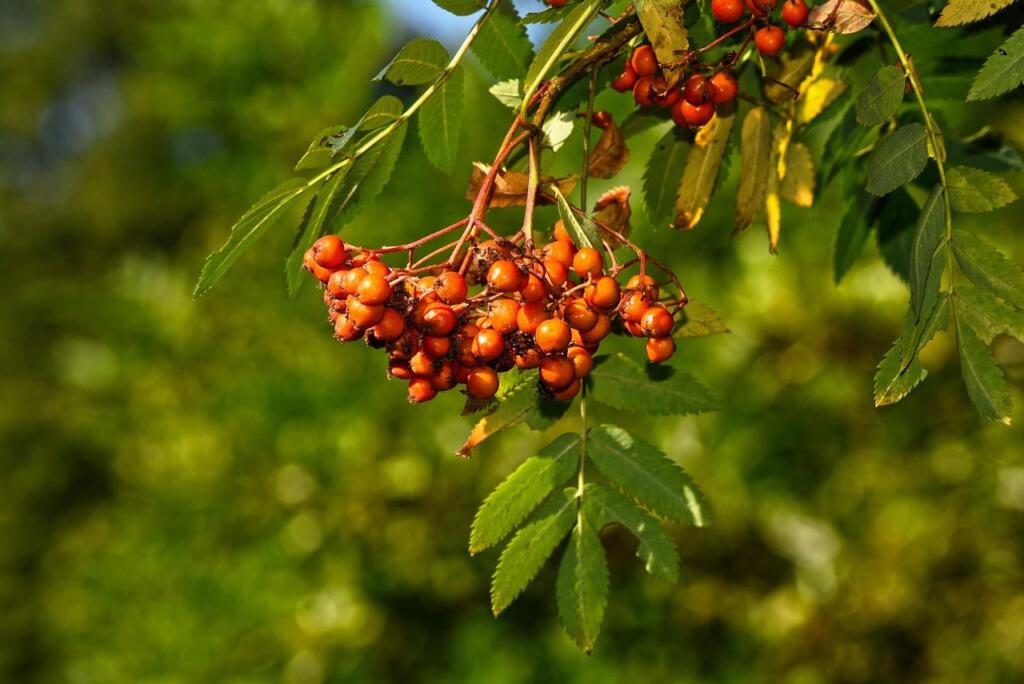
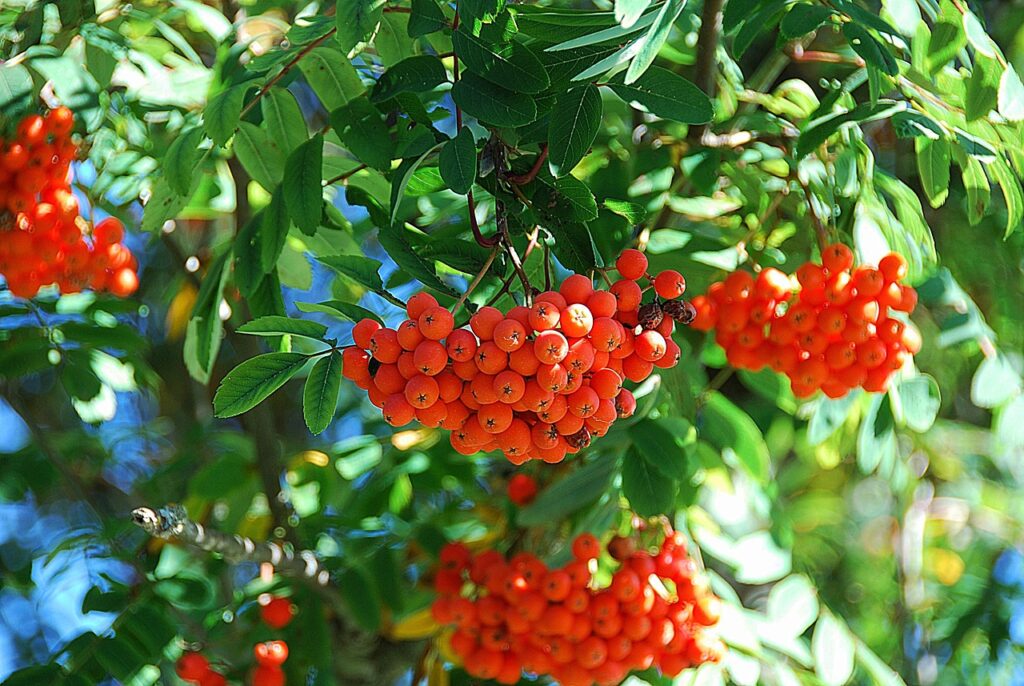
Rowan trees have been woven into British garden culture and folklore for centuries, and with good reason. Sorbus ‘Joseph Rock’ is one of the finest varieties available, distinctive for its clusters of amber-yellow berries in late summer that gradually deepen to a warm orange as the season progresses. Unlike the red-berried varieties, the yellow berries tend to be left by birds for longer, meaning you get an extended display well into winter.
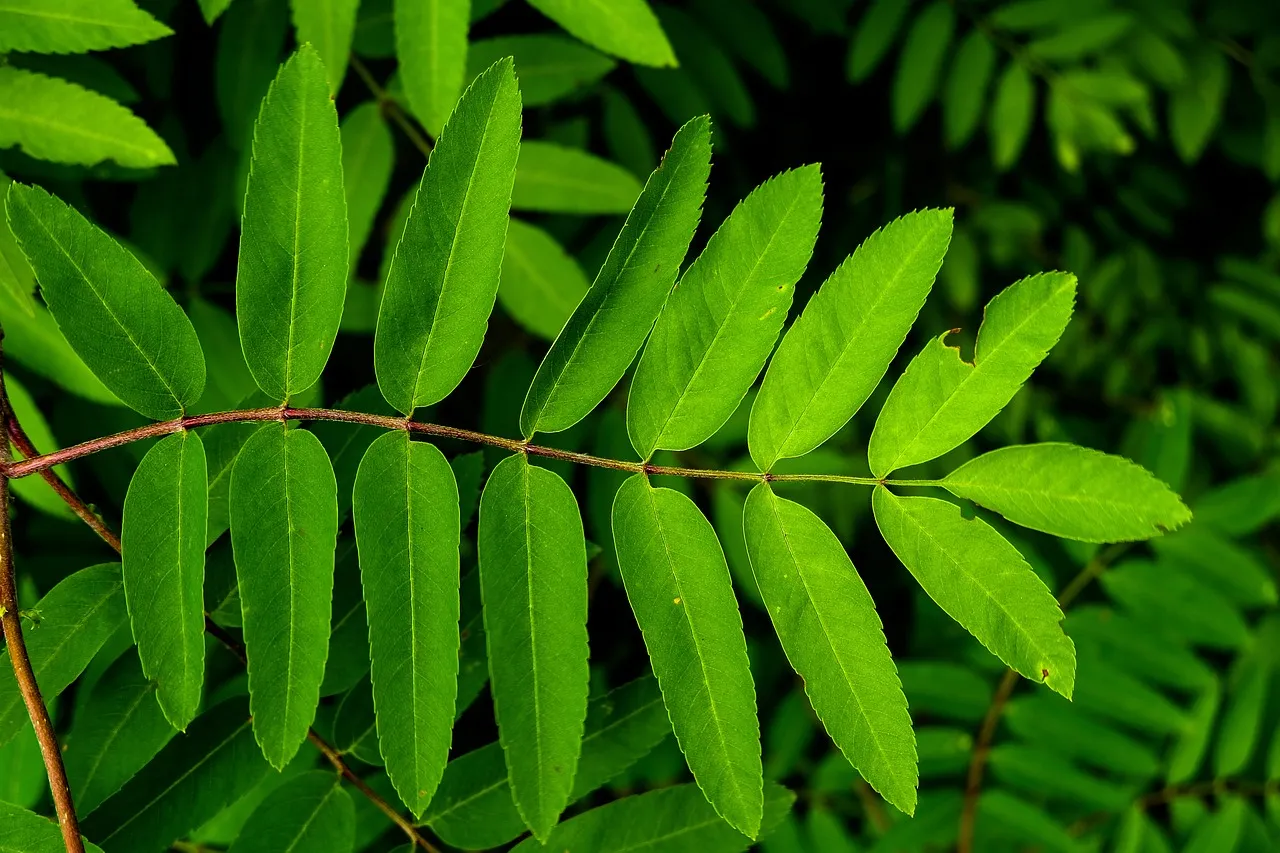
The foliage is elegantly pinnate, fern-like in texture, and turns a fiery mix of red, orange and purple in autumn. Spring brings clusters of creamy-white flowers that are excellent for pollinators. Rowan trees are native to the UK and as a result are enormously beneficial to wildlife, supporting moths, birds, and various insects throughout the year. They grow well in most soils, cope well with exposed and windy positions, and are a reliable choice for northern gardens where many ornamental trees struggle.
🌿 At A Glance: Sorbus ‘Joseph Rock’
Botanical Name
Sorbus ‘Joseph Rock’
Plant Type
Deciduous small tree
UK Hardiness
H6 (hardy to -20°C)
Height / Spread
6–8m / 3–4m (upright habit)
Season of Interest
Spring flowers, late summer to winter amber berries, autumn colour
Best Conditions
Full sun or partial shade, most soils, good in exposed positions
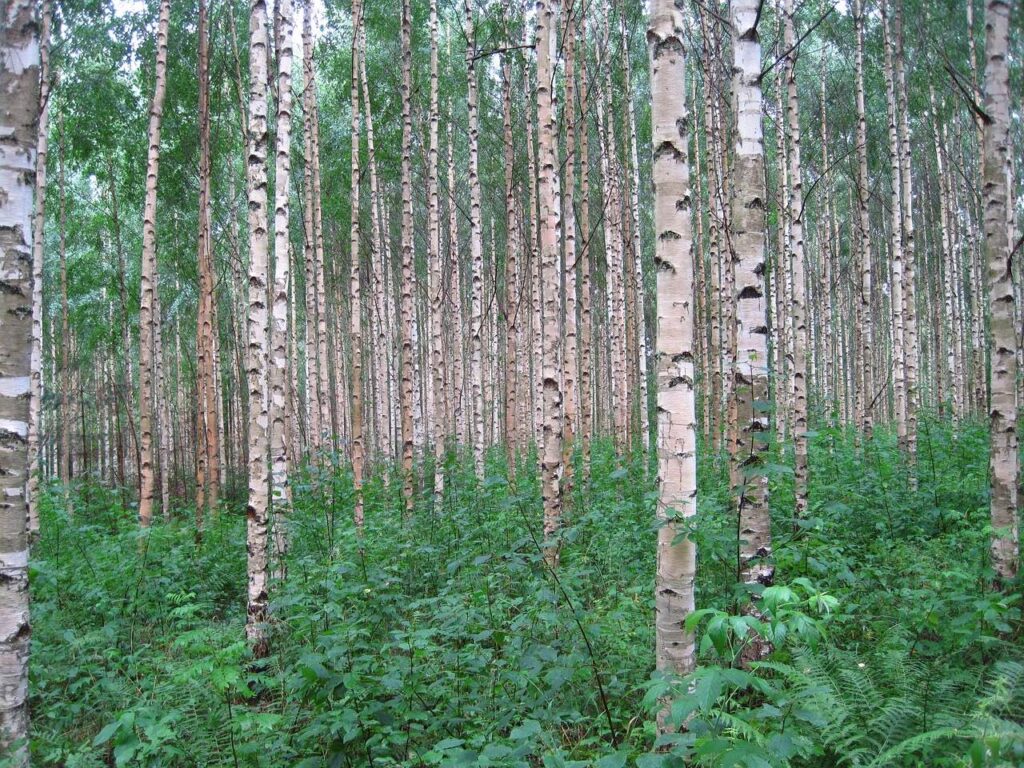
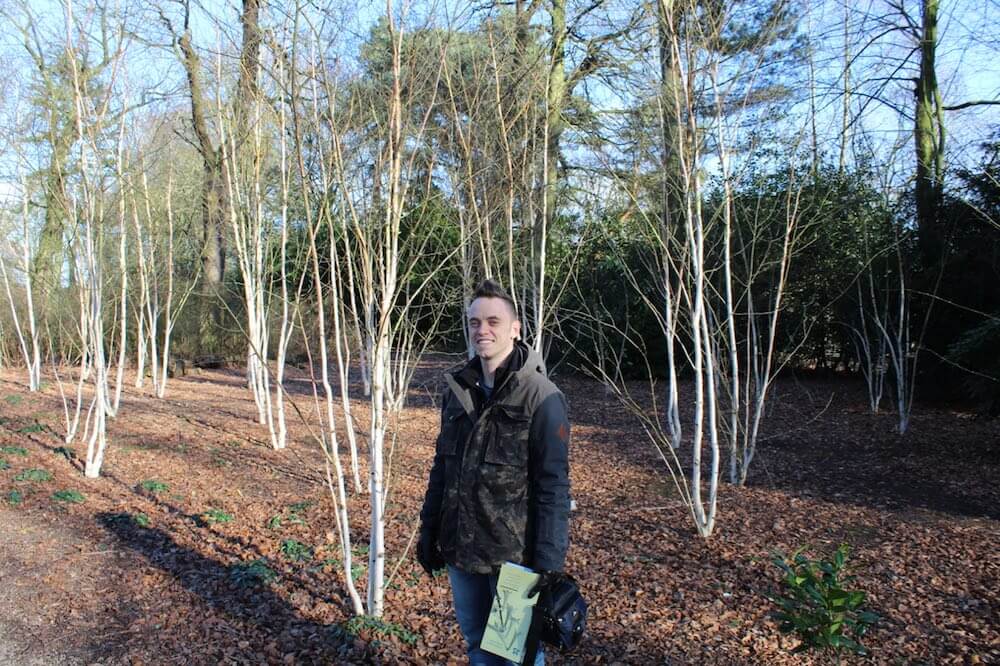
If you want a tree with genuine winter wow factor, the Himalayan birch is the answer. Betula utilis ‘Jacquemontii’ has almost pure white bark that seems to glow on a winter’s day, particularly striking in frost or low winter light. As the bark matures, it peels in papery layers to reveal fresh white beneath, giving it a quality that actually improves with age. It is one of those trees that looks just as good, if not better, when it has no leaves on it.
As a garden designer, I often use groups of three multistem birches as a structural backbone for a planting scheme. Grouped together, their white stems create a striking focal point that provides interest from every angle and in every season. In spring, long yellow catkins appear. Summer brings delicate green foliage that creates a lovely dappled light. Autumn colour is a soft, warm yellow. Then winter reveals the stems again. Planted in multistem form, this is a genuinely medium-sized tree that most gardens can accommodate.
🌿 At A Glance: Betula utilis ‘Jacquemontii’
Botanical Name
Betula utilis ‘Jacquemontii’
Plant Type
Deciduous medium tree
UK Hardiness
H7 (hardy to -20°C and beyond)
Height / Spread
8–12m / 4–5m (multistem 6m / 5m)
Season of Interest
All four seasons; white bark outstanding in winter
Best Conditions
Full sun or partial shade, most soils, avoid chalk
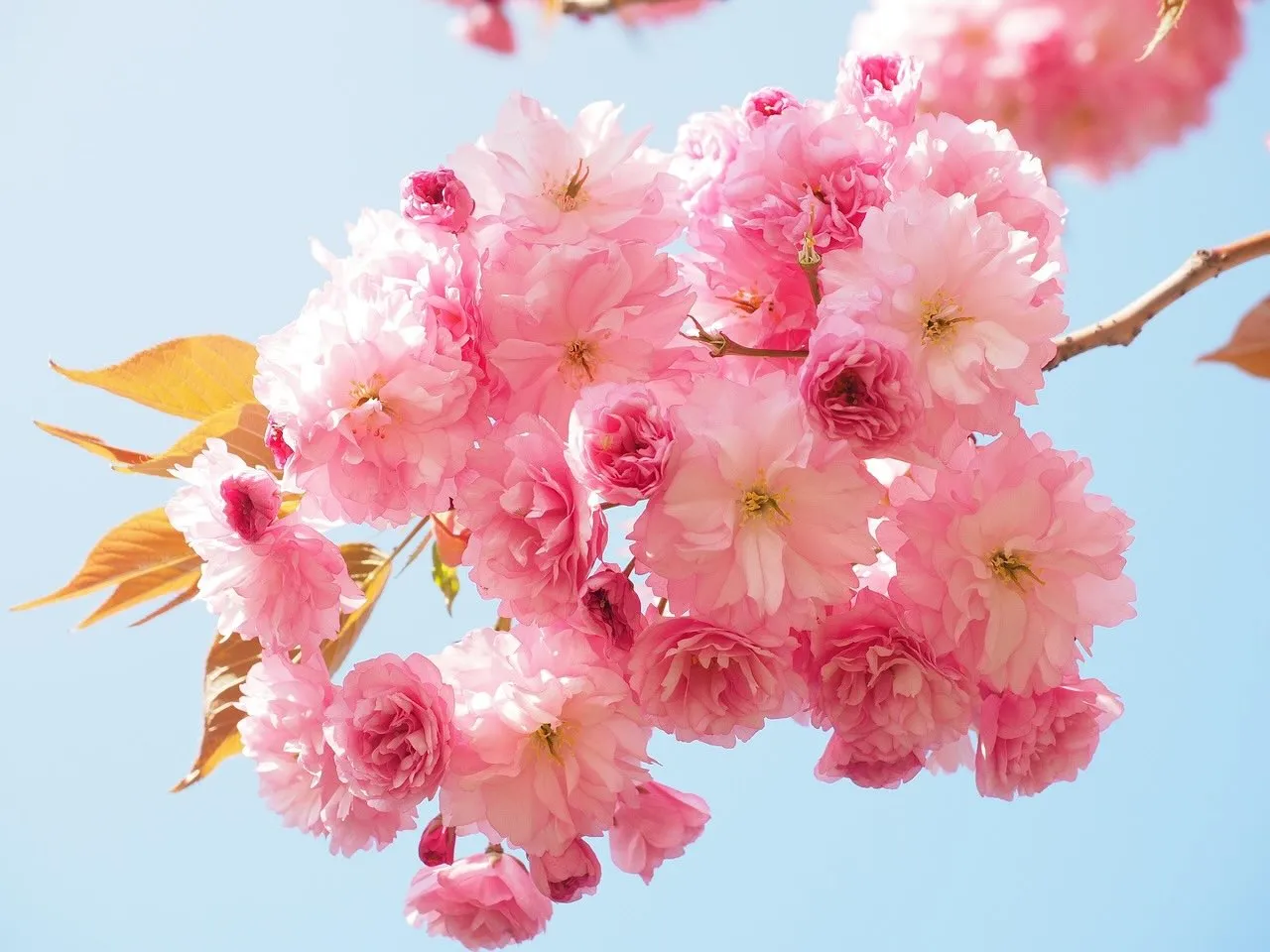
There are dozens of ornamental cherries available for UK gardens, but this weeping form has a particular elegance that sets it apart. Prunus ‘Kiku-shidare-zakura’, also known as Cheal’s Weeping Cherry, produces cascading branches that are completely smothered in deep pink double flowers in spring. The effect is genuinely dramatic and stops people in their tracks. For a small garden focal point, this tree is hard to beat for sheer spring impact.
Because of its weeping, contained habit it stays relatively compact at around 3 metres tall and wide, which makes it one of the best choices for a courtyard or small garden where you want a specimen tree without the scale implications of an upright variety. It does best in full sun in a well-drained soil and requires very little maintenance beyond removing any crossing or dead wood in summer to reduce the risk of silver leaf disease.
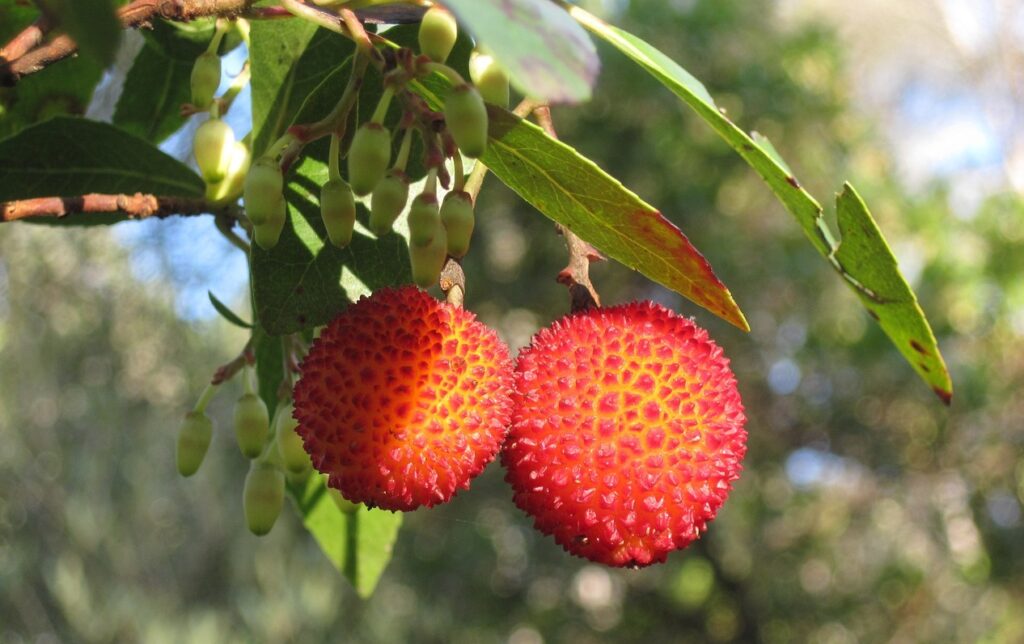
The strawberry tree is one of the most unusual and rewarding evergreen trees you can grow in a UK garden. Arbutus unedo is native to the Mediterranean and to the west coast of Ireland, which makes it tougher in the UK climate than its exotic appearance suggests. What makes it special is that it flowers and fruits simultaneously in Autumn and winter: clusters of small white urn-shaped flowers appear alongside the previous year’s red strawberry-like fruits, creating a remarkable display when most other trees are bare.
The rough, reddish-brown bark is ornamental in itself, and the dark evergreen leaves provide year-round structure. It prefers full sun and will grow in most soils, including chalk. In a multistem form, it makes a beautiful focal point and is more accommodating than its ultimate single-stem height of 8 metres would suggest. In southern and coastal gardens, it is a particularly reliable performer.
🌿 At A Glance: Arbutus unedo
Botanical Name
Arbutus unedo
Plant Type
Evergreen small tree
UK Hardiness
H4 (hardy to -10°C)
Height / Spread
5–8m / 4–5m (multistem smaller)
Season of Interest
Evergreen all year; flowers and fruit simultaneous in autumn
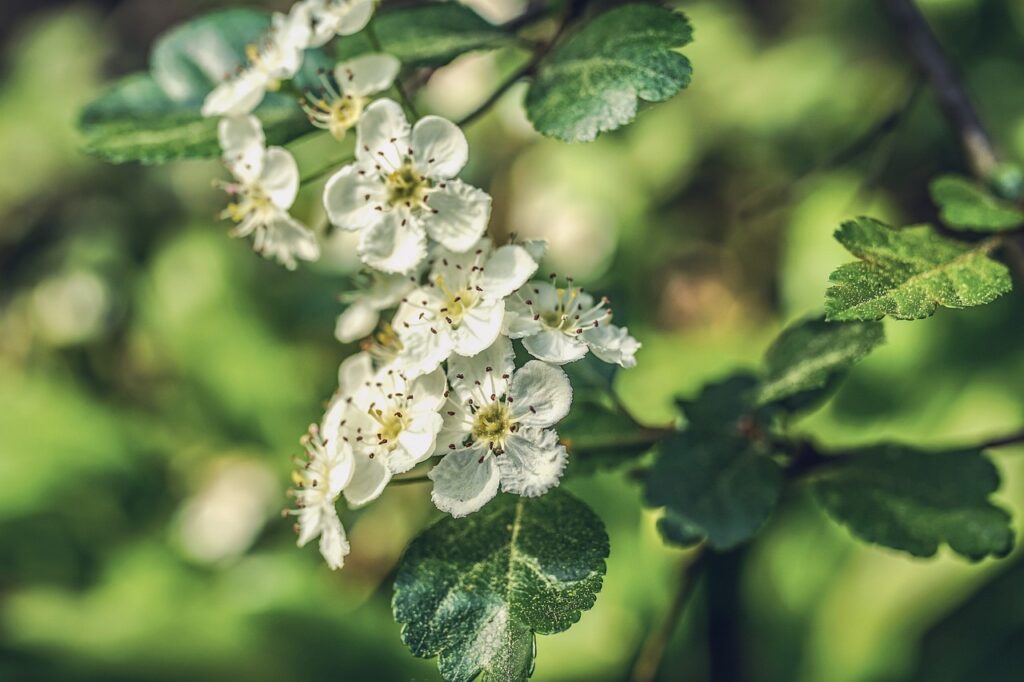
If you want a tough, wildlife-friendly tree with spectacular spring blossom, hawthorn should be on your list. Crataegus laevigata ‘Paul’s Scarlet’ is the showiest of the hawthorns, producing masses of deep crimson-pink double flowers in May that are hard to beat for spring colour. It is a native tree in spirit, and the red berries (haws) that follow are one of the most valuable Autumn food sources for birds, including thrushes and redwings arriving from Scandinavia.
Hawthorns are among the toughest garden trees available. They cope with exposed positions, coastal conditions, heavy clay soils, and air pollution. They can be hard-pruned to maintain a smaller size, and their thorny branches make them naturally effective as a security screen when required. For a wildlife garden or a naturalistic design, this is one of the first trees I would recommend.
🌿 At A Glance: Crataegus laevigata ‘Paul’s Scarlet’
Botanical Name
Crataegus laevigata ‘Paul’s Scarlet’
Plant Type
Deciduous small tree
UK Hardiness
H7 (extremely hardy)
Height / Spread
5–6m / 5m
Season of Interest
Spring blossom, autumn berries for wildlife
Best Conditions
Full sun or partial shade, most soils, exposed positions fine
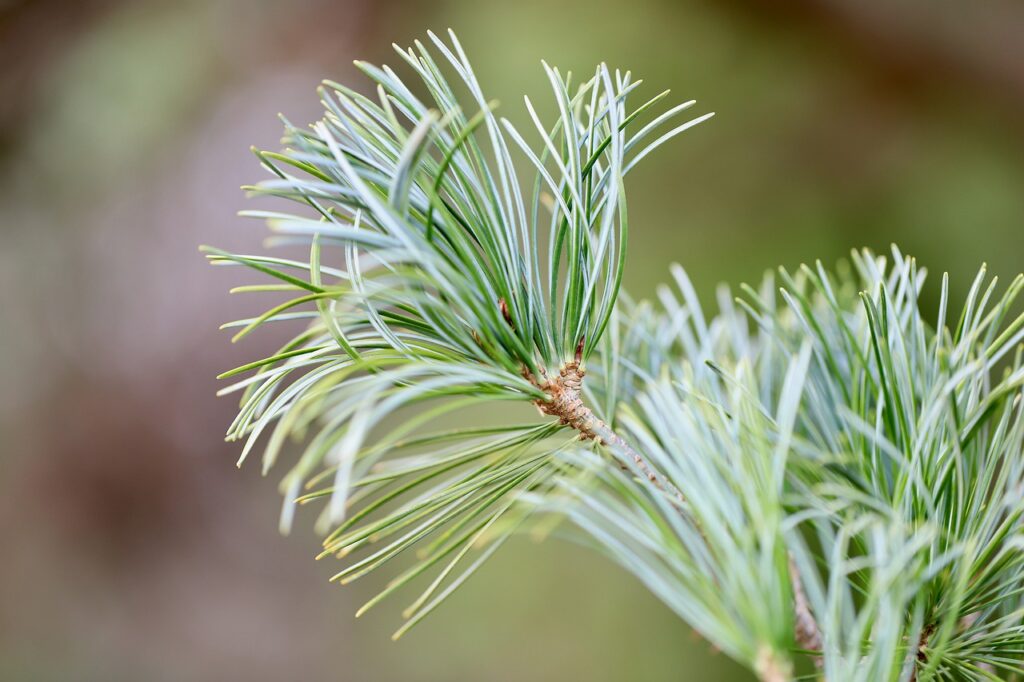
Pinus mugo is one of the most useful trees for very small gardens and courtyard spaces. It grows at a genuinely slow pace of only 2 to 5cm per year, depending on the cultivar, which means that, unlike most conifers, it will not swallow your garden within a decade. It is an evergreen that provides year-round structure, and the chunky, architectural quality of pine foliage gives it a presence that belies its compact size.
I particularly recommend it for Japanese-inspired garden designs, rock gardens, or as a specimen in a large container where its slow growth and evergreen structure make it a supremely low-maintenance choice. It is extremely hardy and will tolerate exposed, windy positions without complaint. Cultivars such as ‘Mops’ remain tight globes at around 1 metre in height and spread, making them among the few true micro-garden trees available.
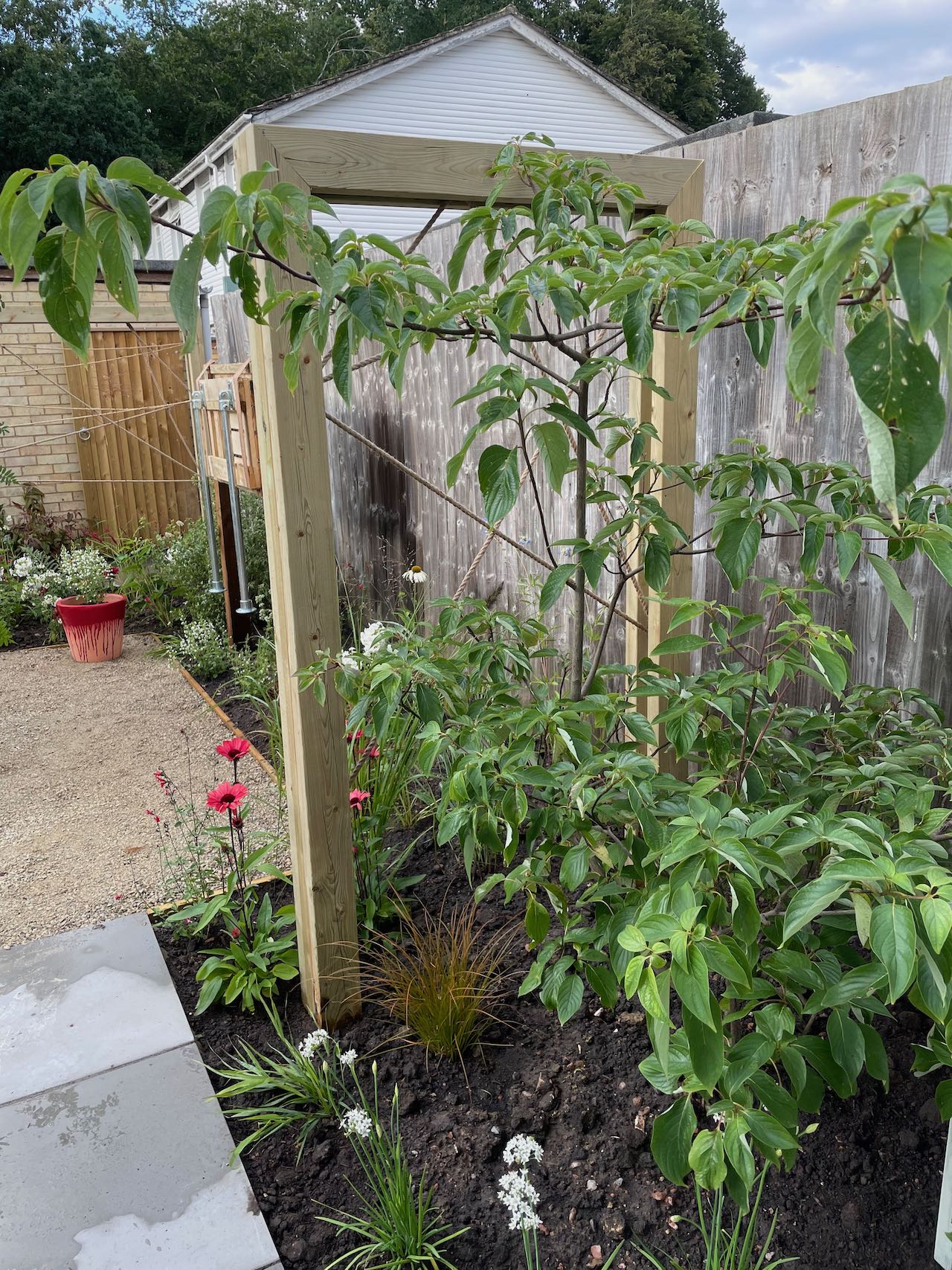
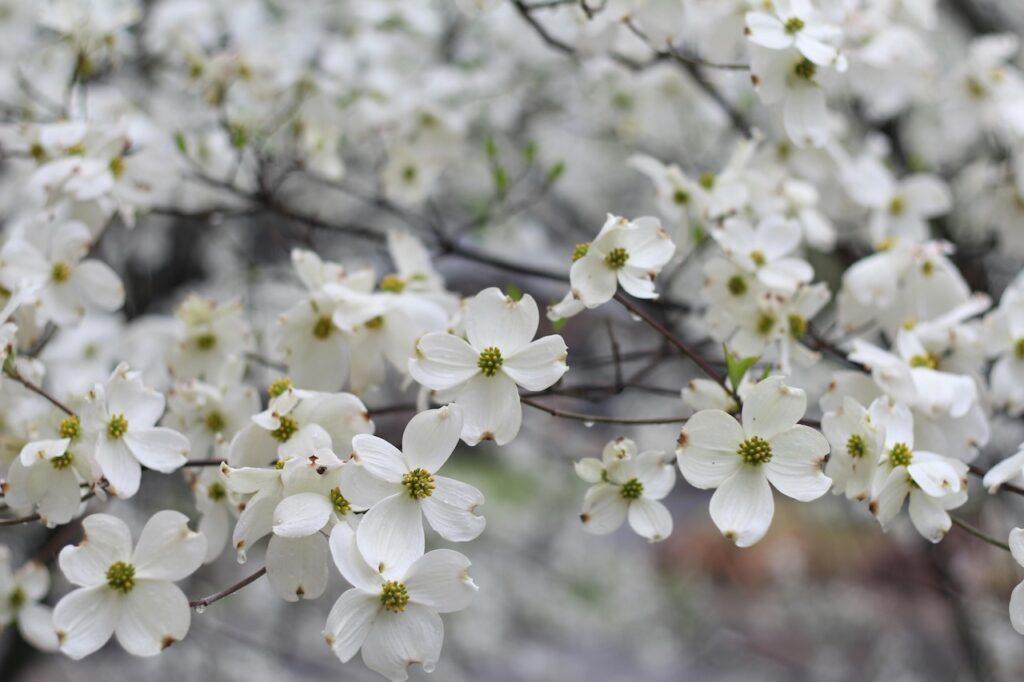
Cornus kousa is one of the most beautiful and underused small trees in British gardens. It flowers in late spring and early summer, producing large creamy-white bracts (which are not petals but modified leaves surrounding the true flowers) that cover the horizontal branches in a dramatic tiered display. This horizontal layering habit is one of its most appealing qualities, giving it a sculptural quality even without the flowers.
In Autumn it produces strawberry-like red fruits that are edible, though not particularly exciting to eat. The foliage turns a rich red and purple before falling, and on mature specimens, the bark develops an attractive mosaic of flaking patches in grey and tan. It prefers a sheltered position in sun or partial shade, and does best in a moist, well-drained, slightly acidic soil. Worth every bit of attention it needs to establish.
🌿 At A Glance: Cornus kousa
Botanical Name
Cornus kousa
Plant Type
Deciduous small tree
UK Hardiness
H5 (hardy to -15°C)
Height / Spread
5–7m / 5–7m
Season of Interest
Summer blossom, autumn fruit and colour, ornamental bark
Best Conditions
Sun or partial shade, moist well-drained acidic soil, sheltered
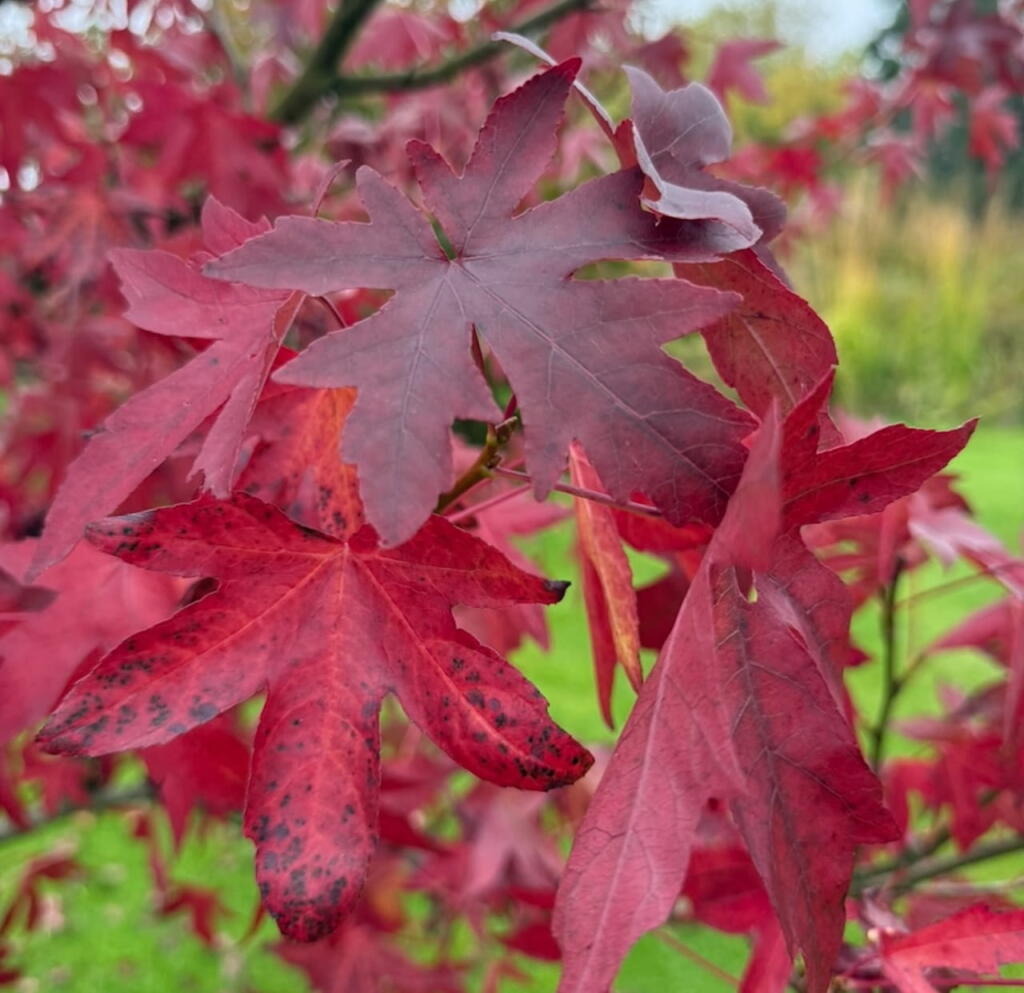
I planted a Liquidambar styraciflua in my own garden, and it has become one of the most commented-on trees I have. The star-shaped leaves emerge fresh green in spring and remain through summer before turning, in Autumn, into the most spectacular combination of purple, crimson, orange and gold you will see on any single tree. It is arguably the finest Autumn colour tree you can grow in the UK.
It does take a few years to establish and begin putting on its full Autumn show, so this is a tree for patient gardeners who are thinking long-term. Once established, it is vigorous and largely care-free. The ‘Worplesdon’ cultivar is one of the most reliably colourful and is slightly more compact than the species, reaching around 12 metres in 20 years in ideal conditions. In a medium or generous garden, this is one of the most rewarding trees you can plant.
🌿 At A Glance: Liquidambar styraciflua
Botanical Name
Liquidambar styraciflua
Plant Type
Deciduous medium tree
UK Hardiness
H5 (hardy to -15°C)
Height / Spread
10–15m / 5–6m (‘Worplesdon’ smaller)
Season of Interest
Outstanding autumn colour; good spring and summer foliage
This is the rowan for the most compact of spaces. Sorbus vilmorinii is a genuinely small tree that rarely exceeds 5 metres in height, with the most elegant, fern-like pinnate foliage of any rowan. The individual leaves are much finer and more delicate than those of the common mountain ash, giving the whole tree a lighter, more airy quality. The deep green summer foliage turns to outstanding shades of purple and red in autumn.
In spring, the white flowers attract pollinators, and in late summer, clusters of rose-pink berries develop, gradually fading to almost white by mid-winter. Because birds tend to eat orange and red berries first, these pale berries persist on the tree for an exceptionally long time, providing winter interest long after most other trees have been stripped bare. It is one of my favourite small garden trees for its quiet, year-round elegance.
🌿 At A Glance: Sorbus vilmorinii
Botanical Name
Sorbus vilmorinii
Plant Type
Deciduous small tree
UK Hardiness
H6 (hardy to -20°C)
Height / Spread
4–5m / 4–5m
Season of Interest
Spring flowers, autumn colour, persistent pink-white winter berries
Best Conditions
Full sun or partial shade, most soils except chalk
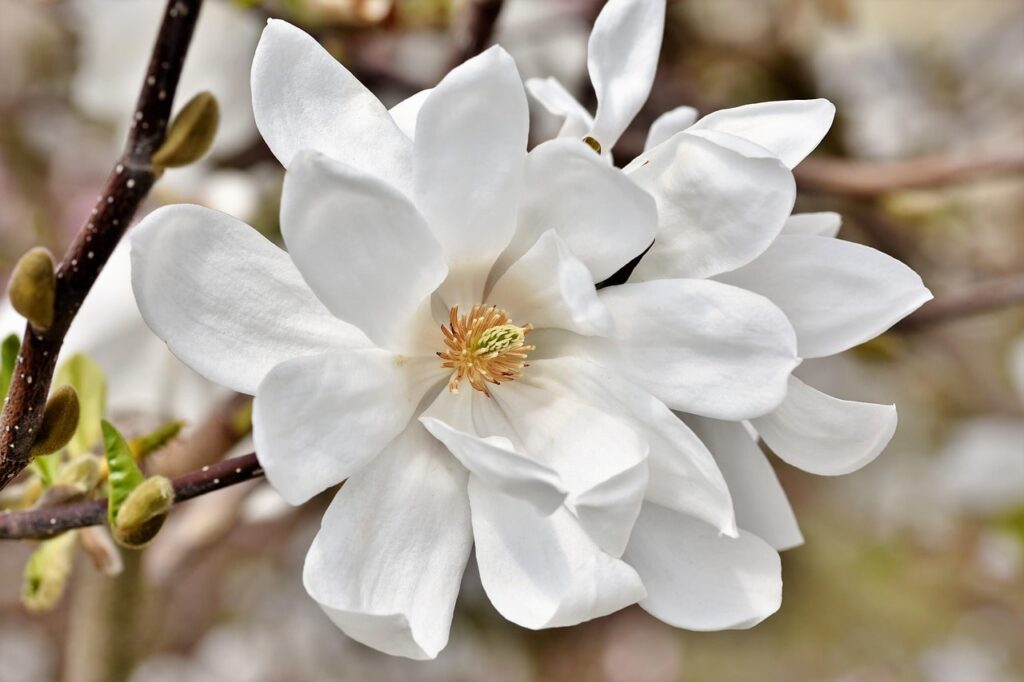
Magnolia stellata is the magnolia for gardens with genuinely limited space. Unlike the large spreading magnolias that can reach 10 metres or more, the star magnolia stays naturally compact at 2 to 3 metres, often wider than it is tall, making it more of a large shrub in character. In early spring, before any other tree has dared to open, it produces masses of star-shaped white flowers from silky silver buds. The effect on a bright spring morning is extraordinary.
The main consideration with star magnolia is late frost, which can damage the flowers if they open early in an exposed position. Choose a sheltered south or west-facing spot, and you will largely avoid this problem. It is slow-growing, which suits smaller gardens, and requires very little pruning, other than removing any dead or damaged wood after flowering. A truly beautiful choice for a sheltered courtyard or small front garden.
🌿 At A Glance: Magnolia stellata
Botanical Name
Magnolia stellata
Plant Type
Deciduous small tree / large shrub
UK Hardiness
H5 (hardy to -15°C)
Height / Spread
2–3m / 3–4m
Season of Interest
Spectacular early spring blossom before leaves
Best Conditions
Sheltered, full sun or partial shade, moist well-drained neutral to acid soil
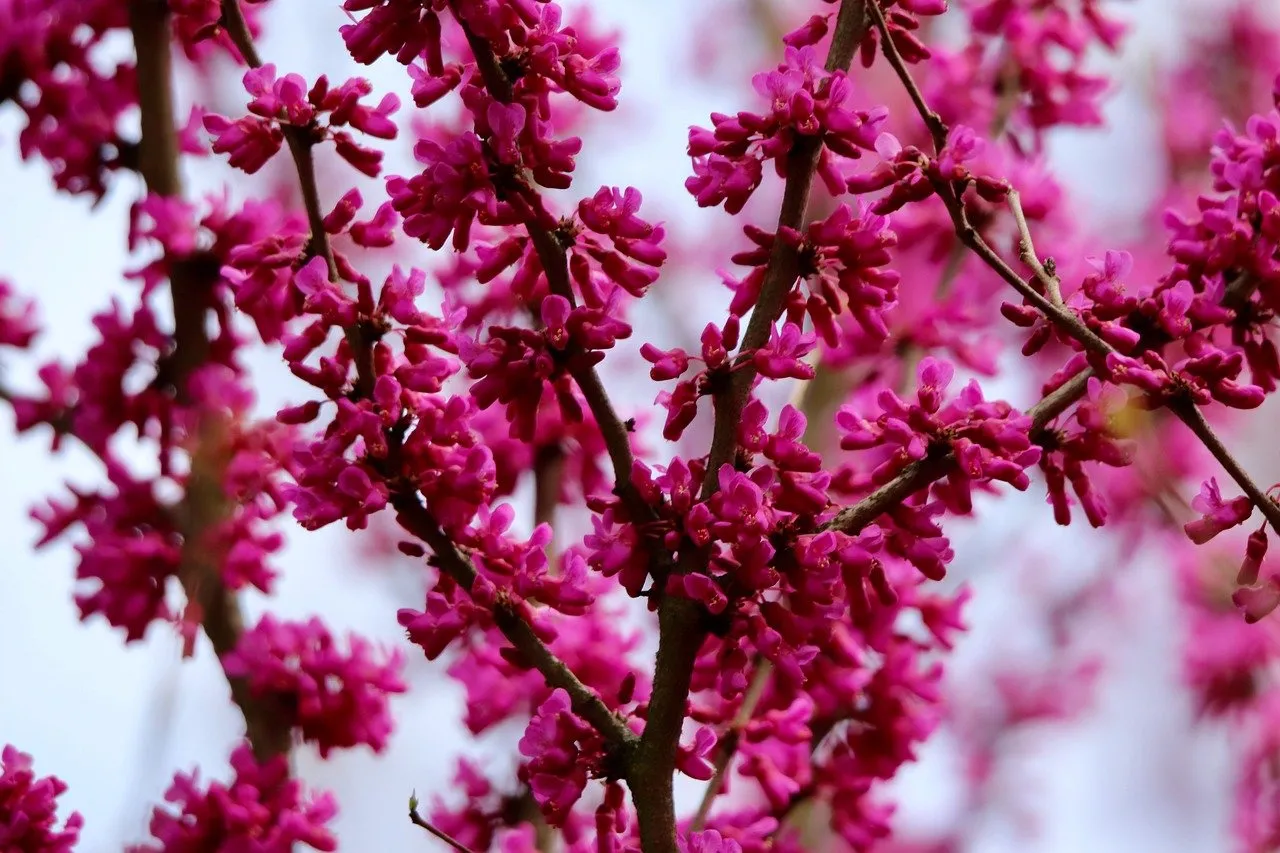
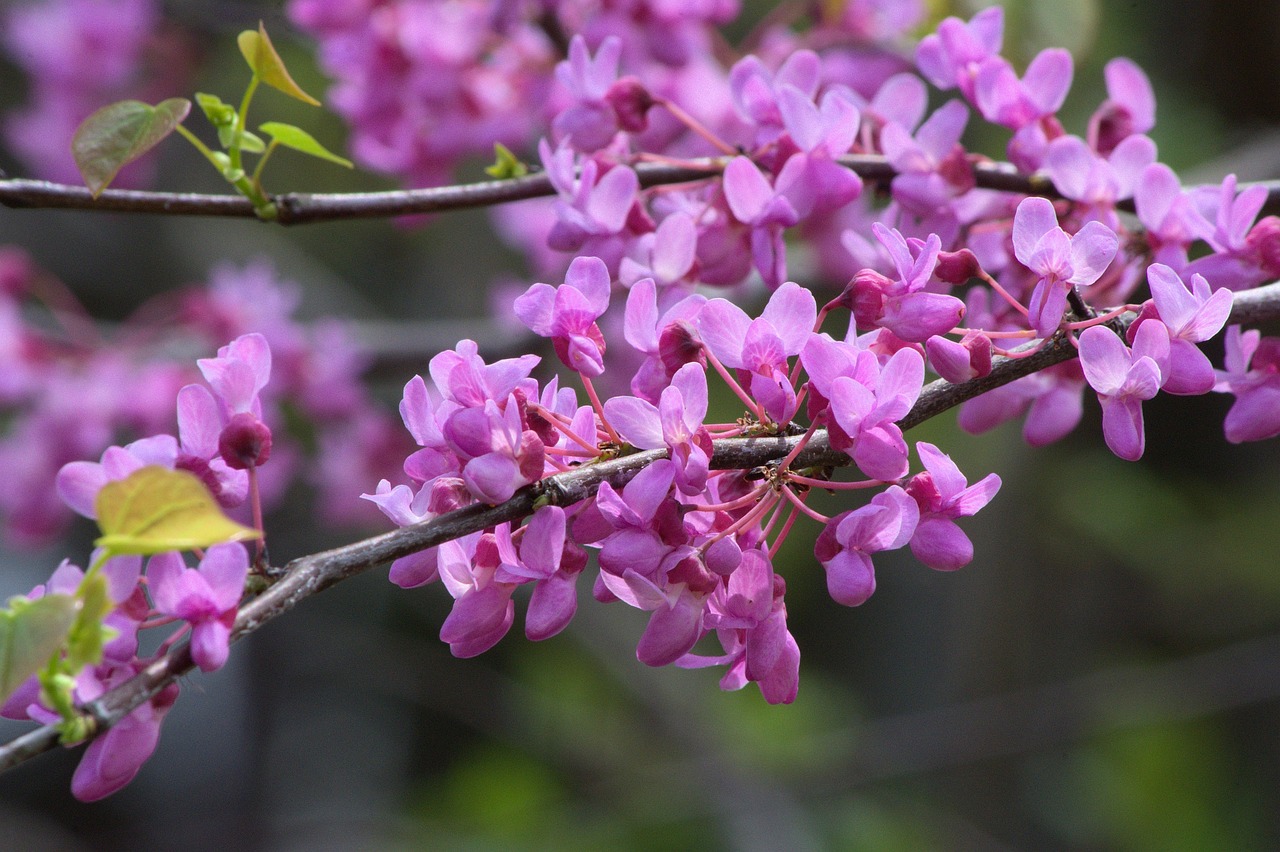
The Judas tree is one of the most striking early-flowering trees available for sheltered UK gardens. In April and May, before the leaves emerge, the bare branches are smothered in clusters of vivid rose-pink flowers that bloom directly from the old wood of the trunk and branches, as well as from the younger growth. This flowering directly from the bark is called cauliflory, and it makes the display look quite unlike anything else in the spring garden.
The blue-green heart-shaped leaves that follow are handsome through summer, and flat, purplish seed pods add interest in autumn. Cercis siliquastrum needs a warm, sheltered position and well-drained soil to perform at its best. It is most reliable in southern England and in sheltered urban gardens. Slow-growing and ultimately around 8 metres, it is well-suited to medium gardens where you want something genuinely unusual.
🌿 At A Glance: Cercis siliquastrum
Botanical Name
Cercis siliquastrum
Plant Type
Deciduous small to medium tree
UK Hardiness
H4 (hardy to -10°C)
Height / Spread
6–8m / 6–8m
Season of Interest
Spectacular spring blossom from bare branches; handsome summer foliage
Best Conditions
Warm sheltered position, full sun, well-drained soil; best in southern UK
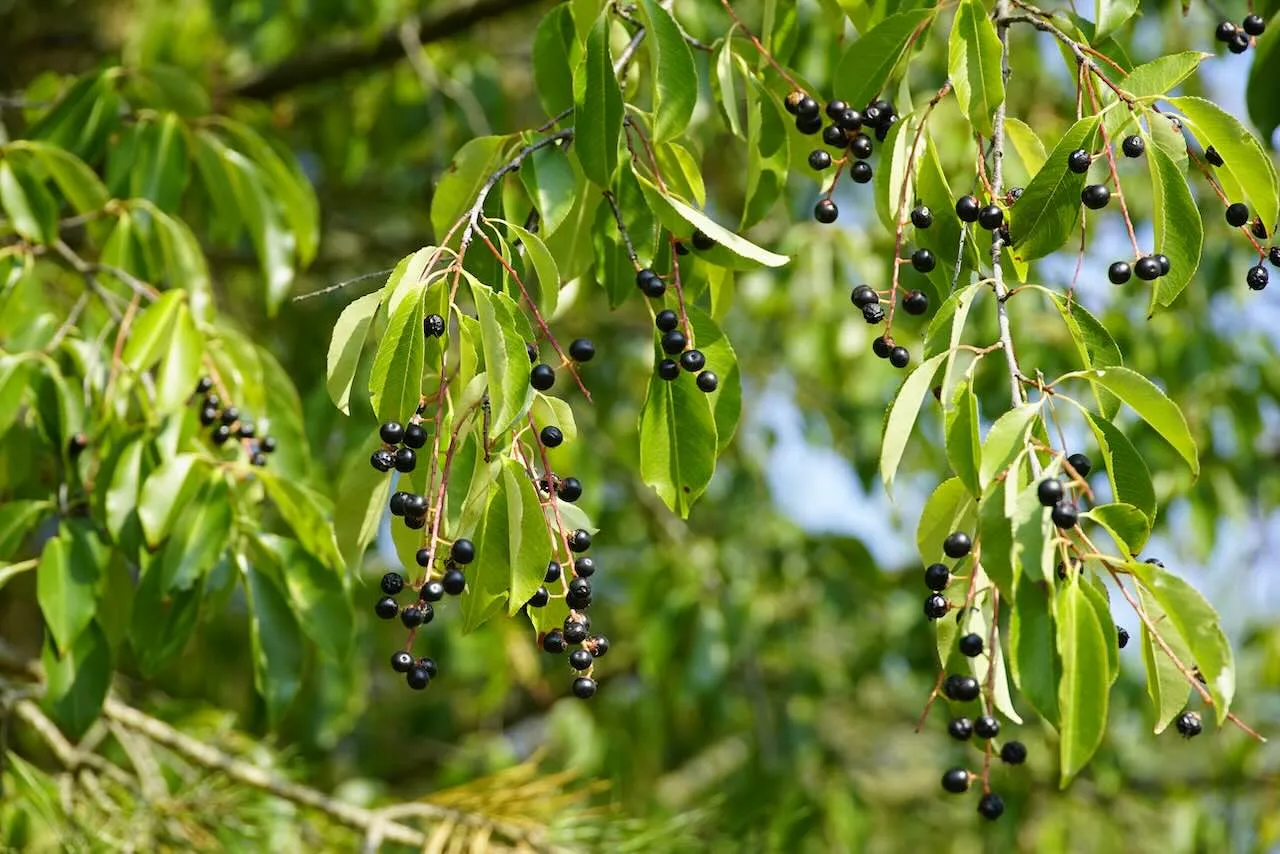
Prunus padus, the bird cherry, is a native UK tree that deserves far more use in garden planting than it currently gets. In May, it produces long, drooping racemes of white, almond-scented flowers unlike any other cherry, giving it a more graceful and naturalistic quality than the showier ornamental cherries. The flowers are followed by small black cherries that birds absolutely adore, making this one of the best wildlife trees you can plant.
It grows quickly, which is useful if you want screening or a sense of established structure relatively quickly. It tolerates most soils, including heavy clay and wet conditions, which sets it apart from most ornamental trees. Hardy throughout the UK, including Scotland, it is an excellent choice for northern gardens, exposed positions, and anyone looking to plant something that will genuinely support local wildlife.
🌿 At A Glance: Prunus padus
Botanical Name
Prunus padus
Plant Type
Deciduous small to medium tree
UK Hardiness
H7 (extremely hardy)
Height / Spread
8–12m / 8m (responds well to pruning)
Season of Interest
Scented spring blossom, summer fruit for birds
Best Conditions
Full sun or partial shade, most soils including clay and wet
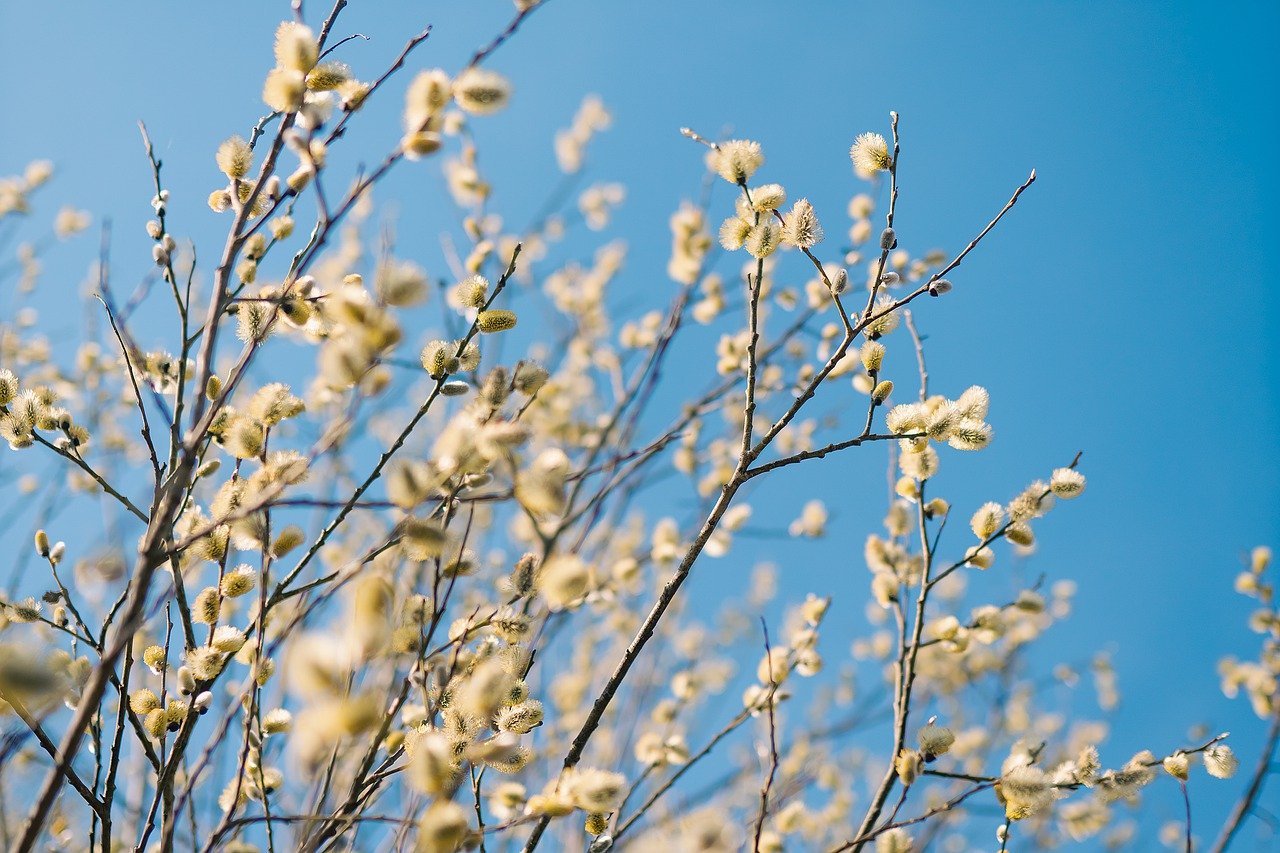
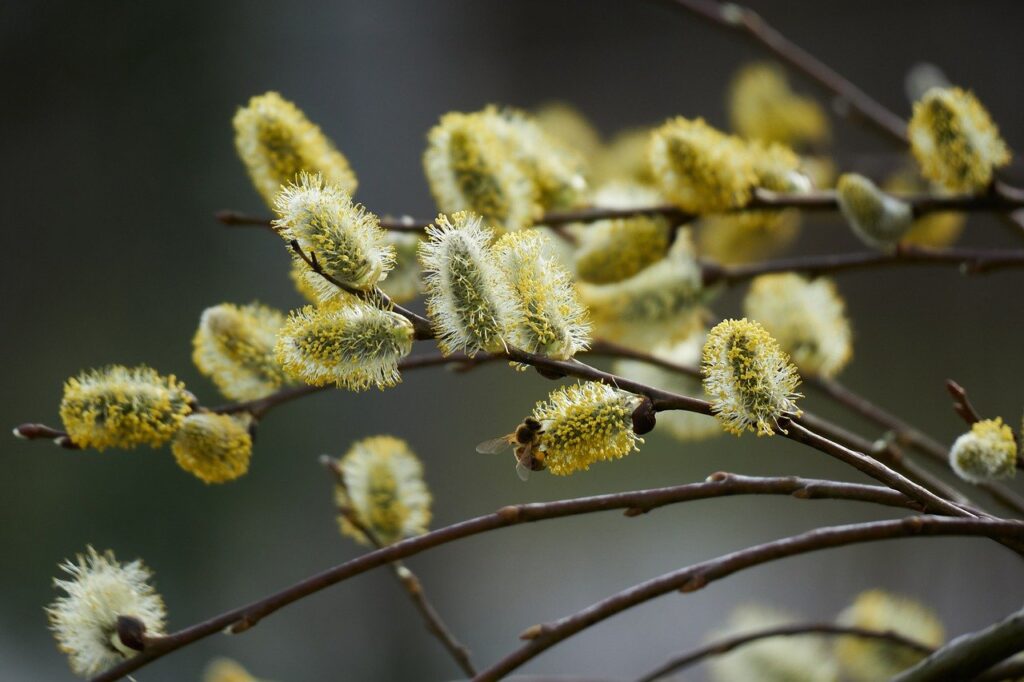
If you have a very small garden or a spot that you want to fill with something that will not grow beyond a predictable size, the Kilmarnock willow is one of the most useful trees available. Salix caprea ‘Kilmarnock’ is a weeping standard grafted at a specific height, so it will never grow taller than the point of the graft, typically around 1.5 to 2 metres. All its energy goes into producing the weeping, cascading branches that hang to the ground in a graceful curtain.
In late winter and early spring, before the leaves appear, the bare weeping stems are covered in large, fluffy silver catkins, among the best early pollen sources for bees. The catkins turn yellow as the pollen is released, giving the tree a two-tone quality for a few weeks. This is a tree for a contained spot, a container, or a small front garden where you want something with a formal, defined presence.
🌿 At A Glance: Salix caprea ‘Kilmarnock’
Botanical Name
Salix caprea ‘Kilmarnock’
Plant Type
Deciduous weeping standard tree
UK Hardiness
H7 (extremely hardy)
Height / Spread
1.5–2m fixed height / 1.5–2m spread (grows wider not taller)
Season of Interest
Winter and early spring catkins outstanding; weeping structure all year
Best Conditions
Full sun or partial shade, most soils, tolerates damp
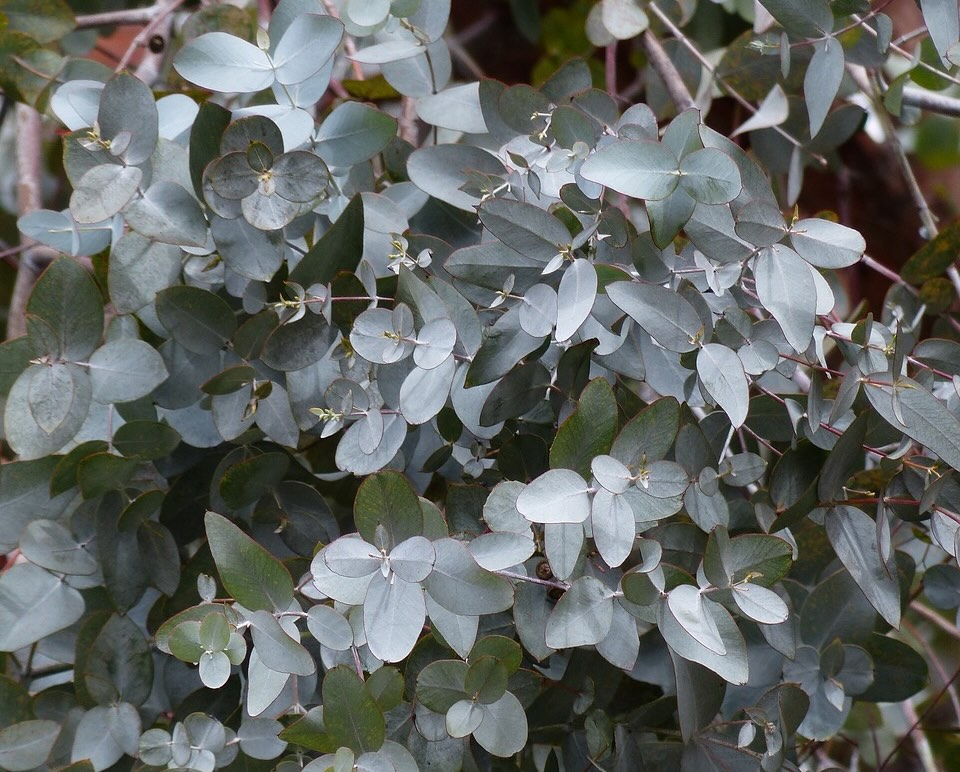
Eucalyptus gunnii is the most commonly grown eucalyptus in the UK and one of the most versatile. Left to its own devices, it will grow quickly into a large specimen, but coppiced or pollarded hard each spring, it produces masses of the beautiful, round, silver-blue juvenile foliage that is so popular with florists and in contemporary garden design. Managed this way, it stays as a large shrub or multi-stem at around 2 to 3 metres, which makes it entirely suitable for a medium garden.
The silver-blue foliage provides year-round interest and contrast with green or flowering plants around it. It is fast-growing, drought-tolerant once established, and one of the most architectural plants you can use in a modern or contemporary design. The aromatic foliage is an added bonus. Be aware that if you do not coppice it regularly, it will grow large quite quickly, so this is a tree that rewards management.
🌿 At A Glance: Eucalyptus gunnii
Botanical Name
Eucalyptus gunnii
Plant Type
Evergreen medium tree (manageable by coppicing)
UK Hardiness
H5 (hardy to -15°C)
Height / Spread
Up to 20m+ if not managed; 2–3m coppiced annually
Season of Interest
Evergreen silver-blue foliage all year
Best Conditions
Full sun, well-drained soil, sheltered from cold winds when young
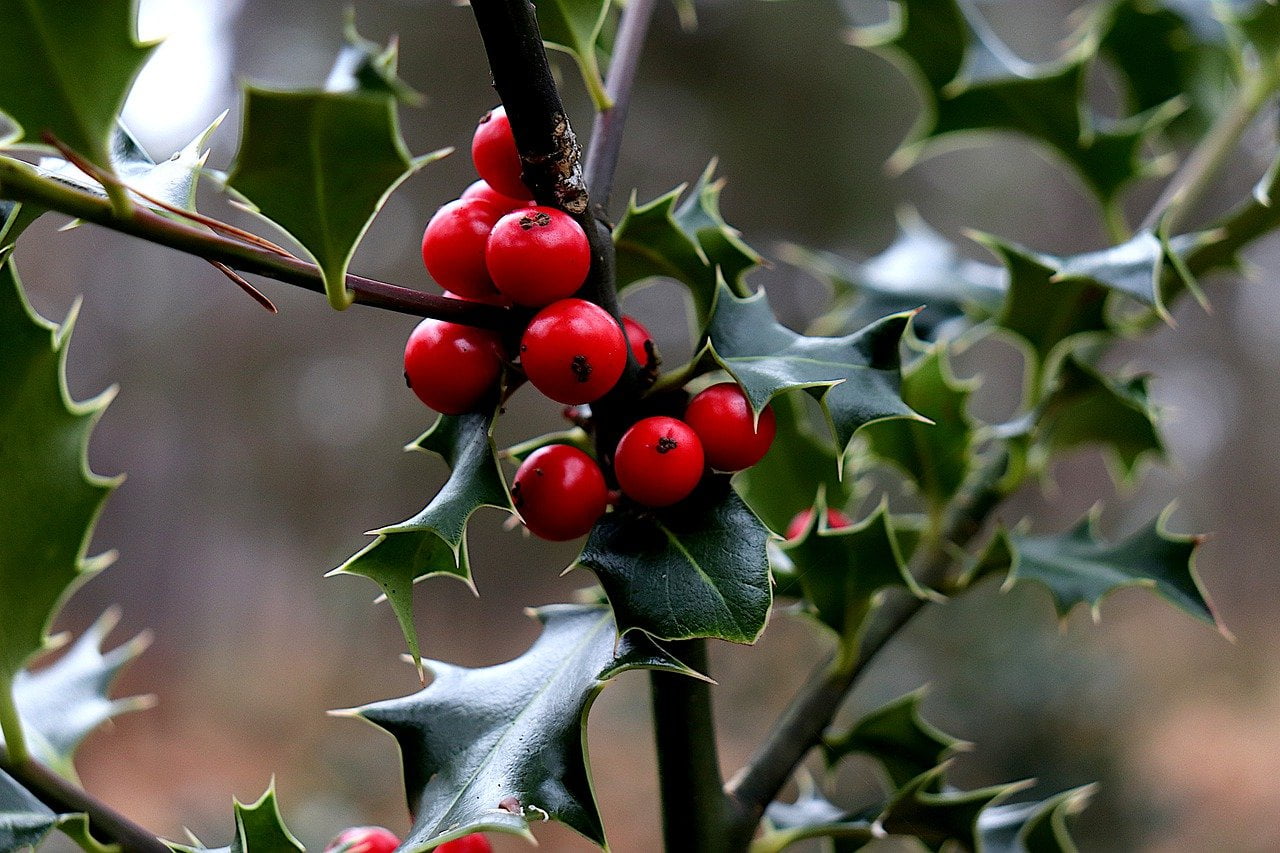
Holly is one of the most undervalued garden trees in the UK, perhaps because it is so familiar that gardeners overlook its genuine qualities. Ilex aquifolium is native to Britain, fully hardy, provides year-round evergreen structure and screening, and in Autumn and winter, the berried forms produce one of the most valuable food sources available to winter thrushes and other berry-eating birds.
There are hundreds of named cultivars, from the classic spine-leafed forms to variegated varieties with cream or yellow edges, to the smooth-leaved ‘JC van Tol’, which reliably produces berries without needing a male pollinator nearby. Holly responds well to clipping and can be trained as a formal specimen, kept as a standard, or allowed to grow naturally into a characterful multi-stem tree. It is tolerant of shade, most soils, and exposed positions.
🌿 At A Glance: Ilex aquifolium
Botanical Name
Ilex aquifolium
Plant Type
Evergreen tree / large shrub
UK Hardiness
H6 (hardy to -20°C)
Height / Spread
3–15m / 3–5m (clip to any size)
Season of Interest
Evergreen all year; winter berries outstanding for wildlife
Best Conditions
Sun or shade, most soils, very tolerant of exposed positions
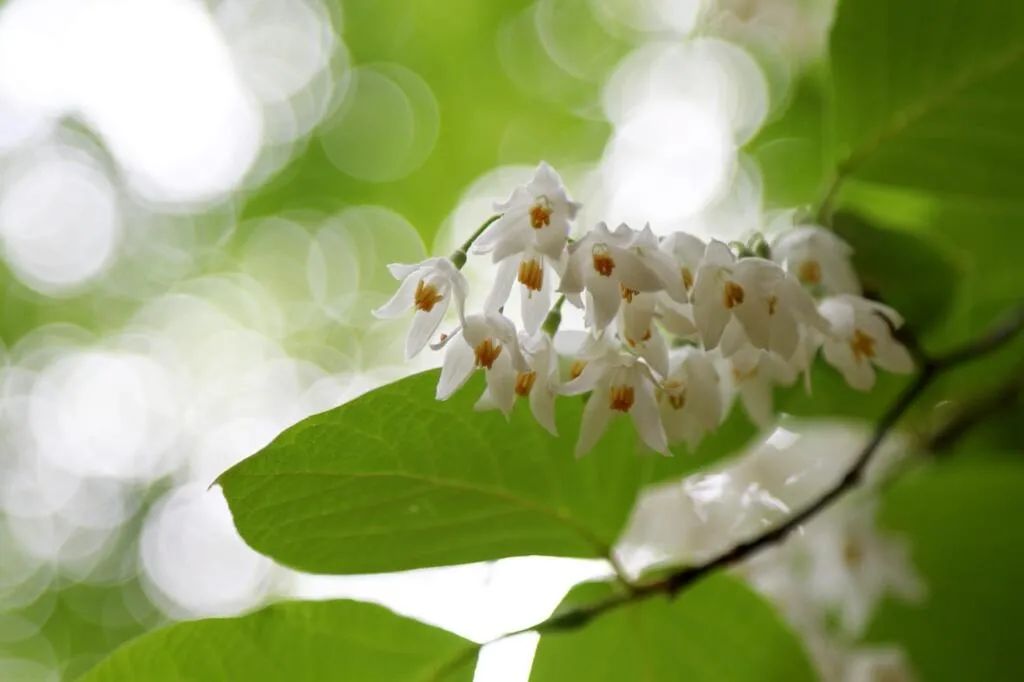
Styrax japonicus is one of the most beautiful small trees you can grow in a UK garden, and it is enormously underused. In June, the branches are hung with clusters of small white bell-shaped flowers that dangle beneath the foliage, giving the effect of a canopy of tiny lanterns. The flowers are lightly fragrant and attract bees. The horizontal branching habit gives the tree a beautiful, layered quality similar to that of a dogwood, making it visually interesting even when not in flower.
It is slow-growing and compact, reaching around 5 to 6 metres at maturity over many years. The foliage turns yellow in Autumn, and on established specimens, the grey-brown bark develops an attractive diamond pattern. It needs a sheltered position in sun or light shade, and a moist, well-drained, acidic soil. It will not thrive on chalk. This is very much a tree for a garden where you can give it the right conditions, but in those conditions, it is truly lovely.
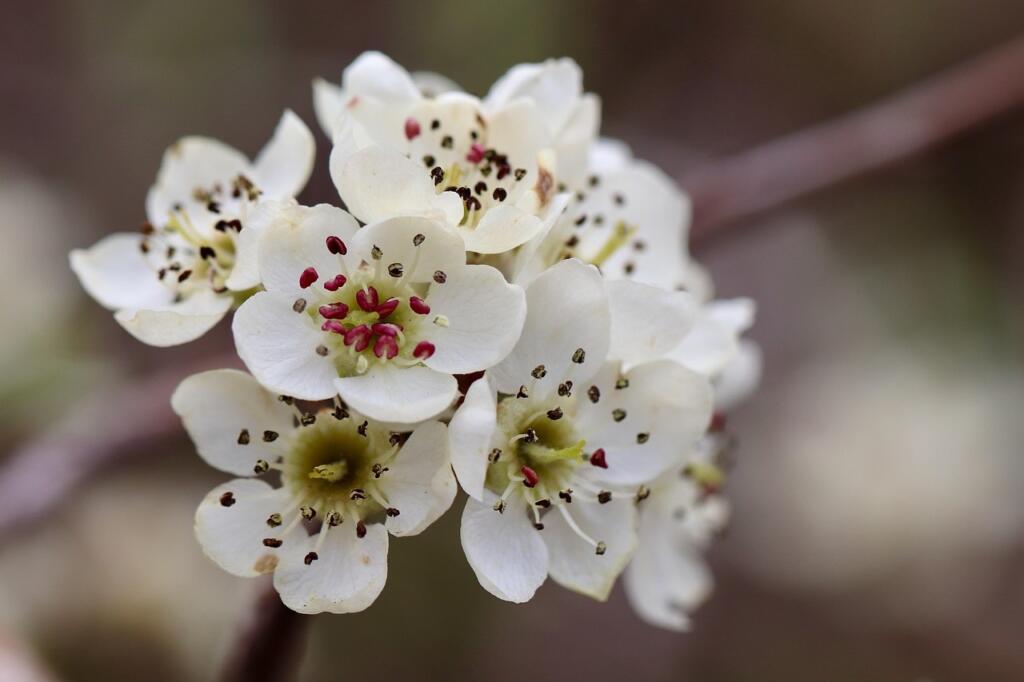
Pyrus salicifolia ‘Pendula’ is a classic garden tree that has been used in formal and cottage garden designs for generations, and with good reason. The weeping habit creates a dome of narrow, willow-like silver leaves that catch the light and move beautifully in the breeze. In spring, clusters of white flowers appear before the leaves fully develop. The overall effect is romantic and elegant, and it associates beautifully with traditional planting of roses and herbaceous perennials.
It stays compact at around 5 metres in height and spread, and tolerates dry and chalky soils better than most ornamental trees. It is unfussy, reliable, and genuinely beautiful. For a formal or cottage garden where you want a weeping focal point, this is one of the most dependable choices available and far more refined than a weeping willow in a confined space.
🌿 At A Glance: Pyrus salicifolia ‘Pendula’
Botanical Name
Pyrus salicifolia ‘Pendula’
Plant Type
Deciduous small weeping tree
UK Hardiness
H6 (hardy to -20°C)
Height / Spread
4–5m / 4–5m
Season of Interest
Silver foliage spring to autumn; spring blossom
Best Conditions
Full sun, most soils including chalk, drought tolerant once established
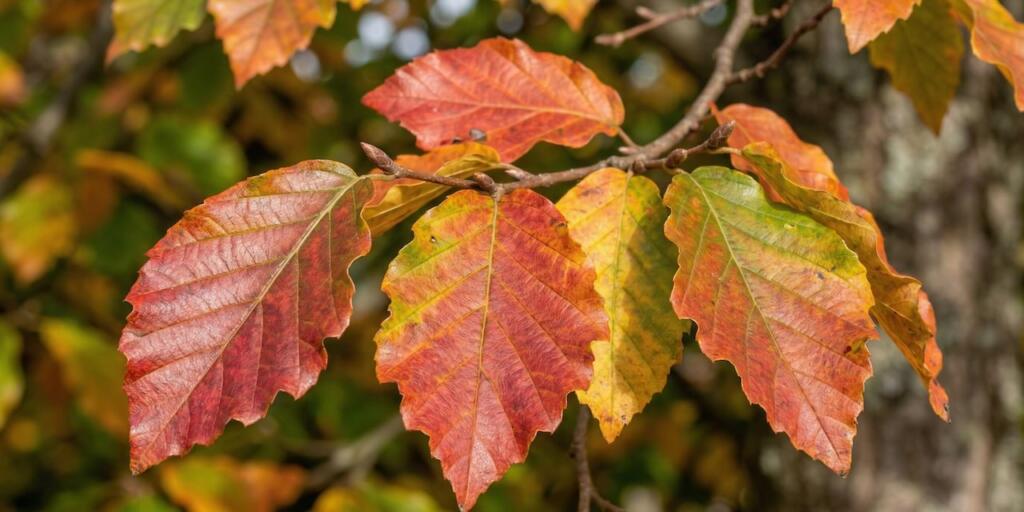
Parrotia persica is one of the best multi-season trees available for UK gardens, and it is still not as widely planted as it deserves to be. In late winter, before the leaves appear, small but striking crimson flowers with prominent red stamens appear directly from the bark. The foliage emerges with a faint purple tint before settling to green for summer. Then in Autumn it delivers one of the finest and most sustained colour displays of any tree, with leaves turning through yellow, orange, amber, and crimson over several weeks.
On mature specimens, the bark develops a distinctive flaking pattern in grey, cream and fawn that is beautiful in winter. It has a spreading, broadly spreading habit that can be managed by removing lower branches to raise the crown. Tough and adaptable, it grows well in most soils and is tolerant of urban conditions. For a medium garden looking for a single specimen with genuine four-season interest, this is one of my top recommendations.
🌿 At A Glance: Parrotia persica
Botanical Name
Parrotia persica
Plant Type
Deciduous small to medium tree
UK Hardiness
H6 (hardy to -20°C)
Height / Spread
6–8m / 8–10m (broad spreading)
Season of Interest
All four seasons: winter flowers, good summer foliage, outstanding autumn colour, ornamental bark
Best Conditions
Full sun or partial shade, most soils, avoid waterlogging
If the white-flowered crab apples feel too traditional, Malus ‘Royalty’ offers something more dramatic. The foliage is a rich, deep purple throughout the growing season rather than green, making it a striking contrast in a mixed scheme. In spring, it is smothered in deep crimson-pink flowers that complement the purple foliage beautifully. In autumn, dark red-black fruits develop that persist well into winter and are taken by birds.
It has a slightly more upright habit than ‘Evereste’, which makes it useful where space is limited but height is acceptable. Like all crab apples, it is hardy, tolerant of most soils, and valuable to pollinators in spring. I have used it regularly in contemporary garden designs where the darker foliage is needed to add depth and contrast to a planting scheme that might otherwise feel too uniformly green.
🌿 At A Glance: Malus ‘Royalty’
Botanical Name
Malus ‘Royalty’
Plant Type
Deciduous small tree
UK Hardiness
H6 (hardy to -20°C)
Height / Spread
5–6m / 4–5m
Season of Interest
Purple foliage spring to autumn; spring blossom; winter fruit
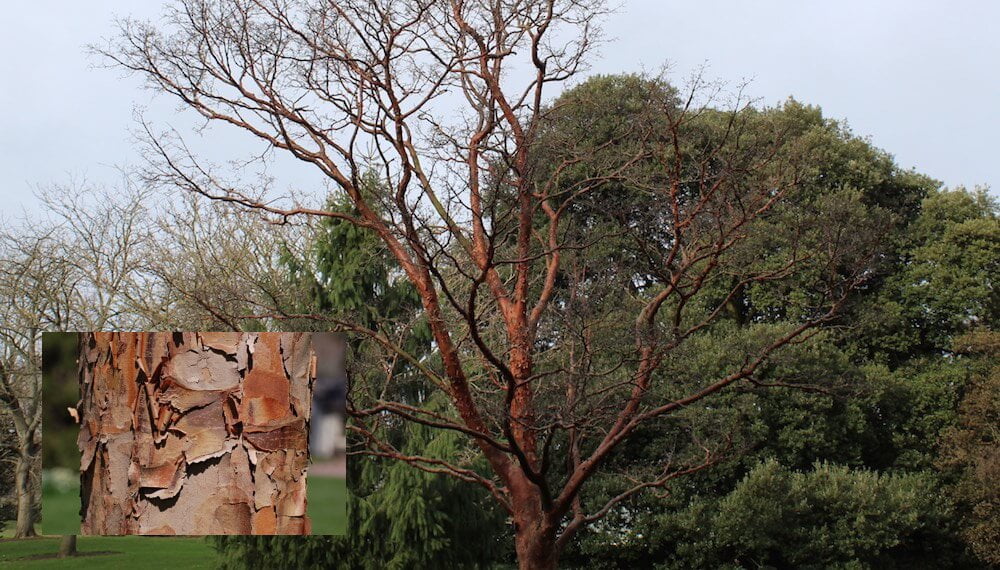
If the Himalayan birch is the champion of white bark, then Acer griseum is the champion of cinnamon bark. The paper bark maple has some of the most beautiful and distinctive bark of any tree: warm cinnamon-brown that peels in papery strips to reveal fresh, gleaming new bark beneath. In winter sunlight, it is genuinely breathtaking, and the effect only improves as the tree matures.
It is slow-growing and compact, reaching around 6 to 8 metres over many years, making it suitable for most gardens where it can be given a prominent position. The trifoliate leaves turn brilliant red in autumn, adding a second season of real interest. It grows best in a position with some sun but will tolerate partial shade. It prefers moist, well-drained, neutral-to-slightly acidic soil. This is a tree that patience rewards enormously, as its finest qualities develop over time rather than immediately.
🌿 At A Glance: Acer griseum
Botanical Name
Acer griseum
Plant Type
Deciduous small to medium tree
UK Hardiness
H6 (hardy to -20°C)
Height / Spread
6–8m / 4–6m (slow growing)
Season of Interest
Outstanding peeling bark all year; brilliant red autumn colour
Best Conditions
Sun or partial shade, moist well-drained soil, neutral to acid
For a genuinely tropical look in a UK garden, the Canary date palm is hard to beat. Phoenix canariensis is hardier than many people realise, tolerating temperatures down to around -5°C once established, which makes it viable in most parts of southern and western England and in sheltered positions further north. It is a slow-growing palm, particularly in its early years, and its pace of growth, combined with the ability to move it under glass during harsh winters, makes it an excellent choice for a large container.
The architectural quality of its arching, feathery fronds makes it a highly effective focal point, and it works particularly well in Mediterranean-style or contemporary designs. Maintenance is minimal: just remove any dead or yellowing fronds at the base to keep it tidy. In warm coastal gardens, it may eventually produce small date fruits, though the UK climate rarely obliges consistently. As a specimen tree for bold structural impact, there is nothing quite like it.
🌿 At A Glance: Phoenix canariensis
Botanical Name
Phoenix canariensis
Plant Type
Evergreen palm tree
UK Hardiness
H3 (hardy to -5°C; protect in harsh winters)
Height / Spread
5–10m+ / 4–6m (very slow in UK)
Season of Interest
Architectural interest all year
Best Conditions
Full sun, well-drained soil, sheltered from cold winds; best in southern UK
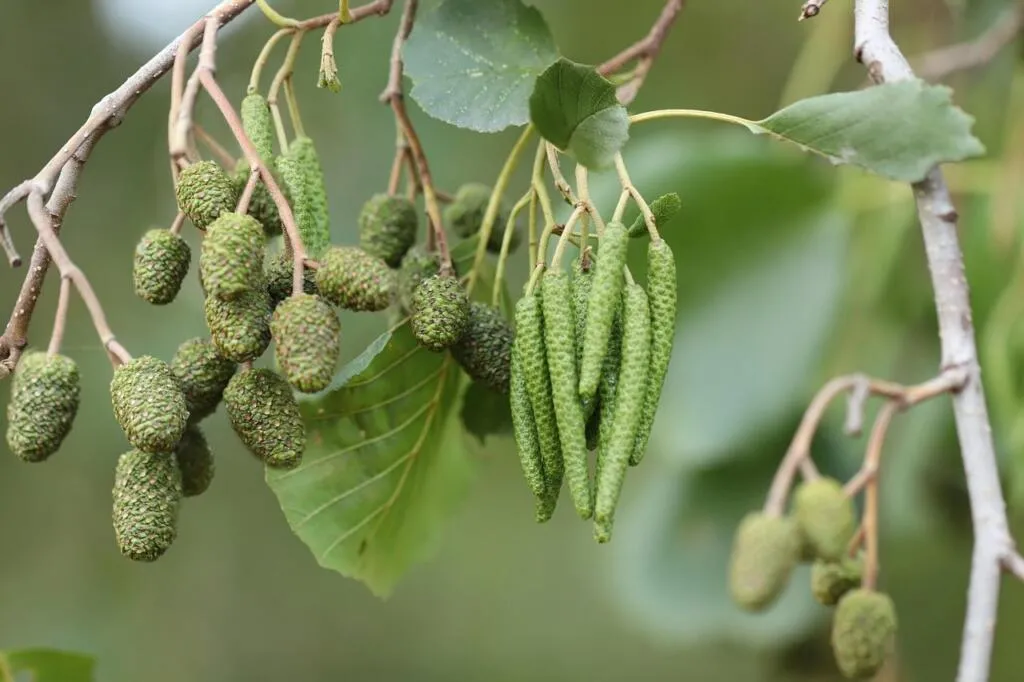
The common alder might seem an unusual choice to close this list, but I include it because it solves a problem that many other trees on this list do not: truly waterlogged, boggy, or heavy clay ground. Alnus glutinosa is native to the UK and thrives in wet conditions that would kill most other trees. If you have a persistently wet corner of the garden, a low-lying spot, or ground that stays saturated through winter, the alder is one of the very few trees that will not just tolerate these conditions but positively thrive.
It has attractive, rounded leaves and produces ornamental catkins in early spring that are a valuable early pollen source. In Autumn, small woody cones develop that persist through winter, providing seeds for siskins and redpolls. It is fast-growing, so it responds well to hard pruning if you need to keep it contained. It can also fix nitrogen in the soil, genuinely improving the ground it grows in over time. For wildlife gardens, wet sites, or naturalistic designs, it is a genuinely useful and beautiful native tree.
🌿 At A Glance: Alnus glutinosa
Botanical Name
Alnus glutinosa
Plant Type
Deciduous medium tree
UK Hardiness
H7 (extremely hardy)
Height / Spread
15–20m / 5–6m (responds well to pruning)
Season of Interest
Spring catkins; ornamental cones in winter; wildlife value all year
Best Conditions
Full sun or partial shade, wet and waterlogged soils; riverside and boggy sites
Your subscription could not be saved. Please try again.
Your subscription has been successful.
Frequently asked questions about small garden trees
What is the best small tree for a UK garden?
Amelanchier lamarckii is probably the most reliably excellent small garden tree for the UK overall. It offers four seasons of interest, tolerates most soil conditions, including clay, is fully hardy throughout the UK, and in multistem form stays at a manageable size for most gardens. If you can plant only one tree and want the maximum return throughout the year, this is my top recommendation.
How far from the house should I plant a tree?
As a general guide, keep small trees at least 3 to 5 metres from the house, and medium trees at least 5 to 8 metres from the house. The key factor is not the tree’s current size but its ultimate size and whether the root system could affect foundations or drains. Trees such as willows with aggressive root systems should be kept at a greater distance. If you are uncertain, consult a qualified arborist before planting near the house, drains, or boundary walls.
What is the fastest-growing small garden tree?
Prunus padus (bird cherry) and Alnus glutinosa (common alder) are among the fastest growing of the trees in this list. Eucalyptus gunnii will also grow quickly if not coppiced. However, faster growth often means a shorter lifespan and less structural quality as a specimen tree. For a garden focal point, I would generally prioritise the right tree for the right place over raw growth speed.
What is the best tree for a small garden with clay soil?
Amelanchier lamarckii, Sorbus species, Alnus glutinosa, Crataegus (hawthorn), and Prunus padus all perform reliably in clay soil. Malus ‘Evereste’ also tolerates heavy clay well. Avoid acers in very heavy clay as they prefer free-draining conditions, and keep Japanese maples in containers if your soil is problematic.
Can I plant a tree in a container?
Yes, many of the trees on this list will grow successfully in large containers for many years. Acer palmatum in particular does well in containers with ericaceous compost, and the Kilmarnock willow and star magnolia are both naturally compact enough to thrive in a generous pot. Container growing requires more regular watering and feeding, and the tree will eventually need repotting or transplanting to the ground. Use a pot of at least 60 litres for any tree you intend to keep in a container long-term.
What trees are good for wildlife in a small garden?
Crataegus (hawthorn), Prunus padus (bird cherry), Sorbus (rowan), Ilex (holly), and Malus (crab apple) are the most valuable trees for wildlife in this list. All offer a combination of spring flowers for pollinators and autumn or winter fruit for birds. Native species such as hawthorn, bird cherry, rowan, and alder will support the broadest range of native insects, moths, and birds.
🌳 Garden Ninja Summary: Best Small Garden Trees UK
Every garden, no matter what size, deserves at least one tree. Trees give you height, wildlife value, seasonal change, and a sense of permanence that no amount of border planting can replicate. The 25 trees in this list cover everything from the tiniest courtyard to a generous medium garden, and across every soil type and aspect found in UK gardens. Start with the right tree for your conditions, plant it well, stake and mulch it properly, and it will reward you for decades.
For the full step-by-step guide to getting your new tree in the ground correctly, read my complete guide to how to plant a tree. Happy Gardening Ninjas! Lee.
Transform Your Garden Knowledge with Garden Ninja’s Expert Resources
Ready to elevate your gardening beyond basic tasks? My comprehensive online courses provide the expertise to transform you from enthusiastic beginner to confident garden creator.
With courses starting from just £29, you gain access to award-winning design knowledge.
29
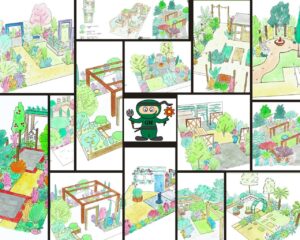
Garden Design Examples for Small Gardens: 30 Design Templates & Planting Plans
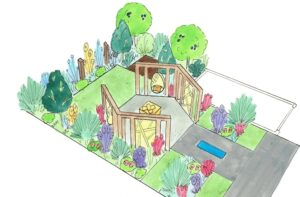
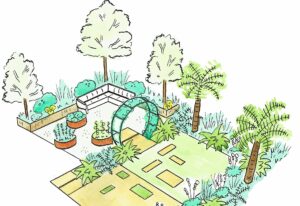
Garden Design Examples for Small Gardens: 30 Design Templates & Planting Plans: In this online gardening course, I’ll walk you through 30 fantastic garden designs, explaining the logic behind the layout, the plant choices, and take-home tips for applying them in your own garden.
Weekend Garden Makeover: A Crash Course in Design for Beginners
Learn how to transform and design your own garden with Lee Burkhills crash course in garden design. Over 5 hours Lee will teach you how to design your own dream garden. Featuring practical design examples, planting ideas and video guides. Learn how to design your garden in one weekend!
Garden Design for Beginners: Create Your Dream Garden in Just 4 Weeks
Garden Design for Beginners Online Course: If you want to make the career jump to becoming a garden designer or to learn how to design your own garden, this is the beginner course for you. Join me, Lee Burkhill, an award-winning garden designer, as I train you in the art of beautiful garden design.
Your subscription could not be saved. Please try again.
Your subscription has been successful.
Lee Burkhill
Lee Burkhill, known as the Garden Ninja, is an award-winning garden designer and horticulturist with over 30 years of gardening experience and 15 years as a professional garden designer. A qualified RHS (Royal Horticultural Society) professional, Lee specialises in sustainable garden design and practical horticultural advice. He designs and presents on BBC1’s Garden Rescue and in leading gardening publications. Lee combines three decades of hands-on gardening knowledge with professional design qualifications to help gardeners create beautiful, functional outdoor spaces.