For the garden you’ve already got, not the one you’re starting from scratch. Seven checklists and video lessons from BBC Garden Rescue’s Lee Burkhill, designed to help you decide what’s worth keeping before you spend a penny.
69


Quick Answer
The most effective ways to get rid of slugs in a UK garden are: beer traps set correctly at soil level, copper tape barriers, wool pellets around vulnerable plants, nematode biological treatments (Nemaslug), hand-picking at night, and encouraging natural predators like frogs, hedgehogs, and ground beetles. No single method works alone. Combining three or four approaches consistently reduces slug damage dramatically within two to three weeks.
Slugs and snails can be controlled effectively without chemicals by using physical barriers, setting traps, encouraging natural predators, applying biological treatments, and creating less hospitable conditions. Beer traps, copper tape, wool pellets, and nematodes all work brilliantly when used correctly. But it’s up to you to decide the ethics of beer traps!
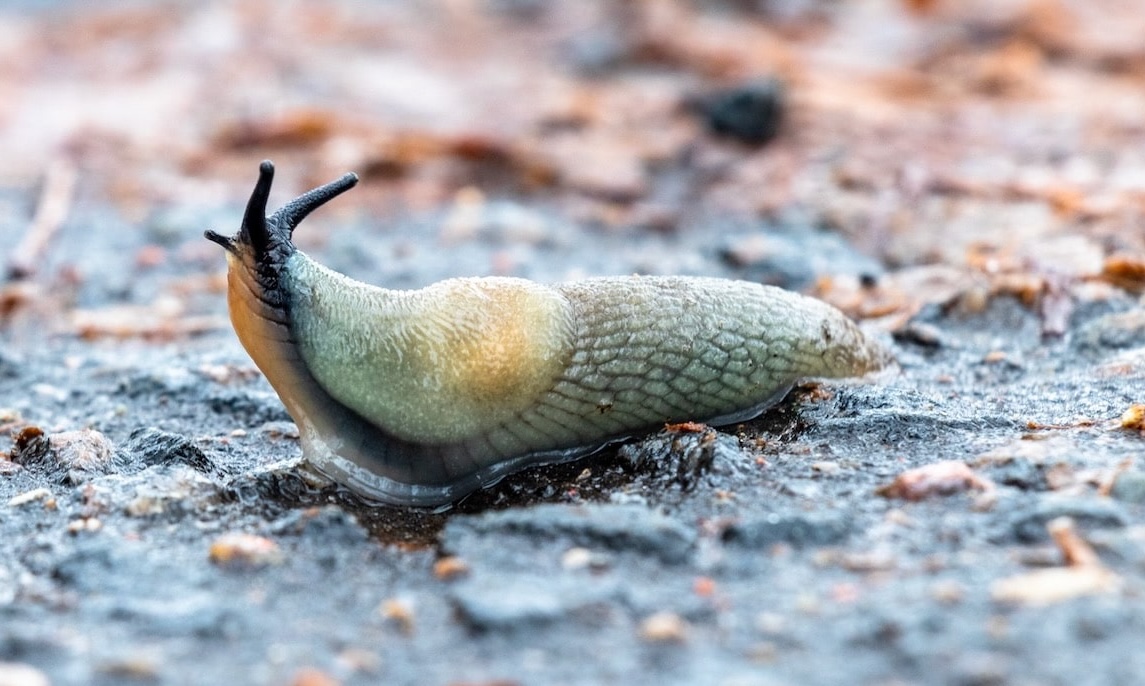
If you’ve ever woken up to find your freshly planted seedlings reduced to stumps and slime trails, you’ll know the fury. Slugs cause more beginner gardeners to give up than any other single problem. Most advice is either old wives’ tales or involves chemicals that do more harm than good.
The breakthrough came when I started understanding slug behaviour properly. Once you grasp what attracts them, when they’re most active, and which deterrents genuinely work, controlling them becomes straightforward. You’ll never completely eliminate slugs, and you shouldn’t want to. They’re part of the ecosystem. What you’re aiming for is reducing their numbers to manageable levels. For plants slugs naturally avoid, check my guide to slug-proof garden plants.
Jump To
This page contains affiliate links for products I use and love. If you take action (e.g., subscribe or make a purchase) after clicking a link, I may earn a gardening commission, which helps me keep the Garden Ninja Blog free for all.
Before we get into the detail of how each method works, here is a summary of every product I recommend in this guide. All of these are things I use or have tested personally. You don’t need all of them; pick the two or three that suit your garden and slug situation, and use them consistently.
Understanding slug behaviour prevents you from wasting time on useless methods like coffee grinds (which I’ve never had any success with) or ultrasonic devices. Slugs and snails are most active in damp conditions, hiding during hot or dry weather under pots, amongst vegetation, under stones, or buried in soil.
They’re predominantly nocturnal, emerging after dark or during overcast days to feed. This hiding behaviour is key because it tells you where to look and when to act. A single grey field slug can produce up to 90,000 grandchildren in its lifetime, which puts the stakes into perspective. This is not a creature you want to leave unmanaged in a vegetable garden.
The large Spanish slug is particularly problematic because it’s voracious and breeds prolifically. Field slugs attack root crops from underground, which is why surface barriers alone don’t always solve the problem. Garden snails climb remarkably well. Knowing which species you’re dealing with helps target your control methods effectively.
Slugs and snails lay hundreds of eggs in moist soil during autumn and spring. These eggs look like tiny translucent pearls clustered under pots or in compost. Young slugs are more damaging than adults because they feed constantly while establishing. Spring and autumn control efforts have a disproportionately large impact by preventing the next generation from establishing. Find those egg clusters in autumn and expose them to birds, and you’ve stopped hundreds before they’ve even started.
Beer traps are genuinely effective when set up properly. The yeast attracts slugs from a wide area; they crawl in and drown overnight. The crucial technique: the container rim must sit level with the soil surface. I use empty yoghurt pots sunk into soil with an inch of cheap beer inside, replacing them every few days. Position traps near vulnerable plants but not directly underneath. Check and empty traps every morning.
However, there is an ethical dilemma with beer traps. Firstly, they are considered very cruel as the slug basically drowns. Secondly, they can attract other beneficial wildlife, which also falls in and drowns. So whilst I detail how to use them, I personally don’t use them for those reasons.
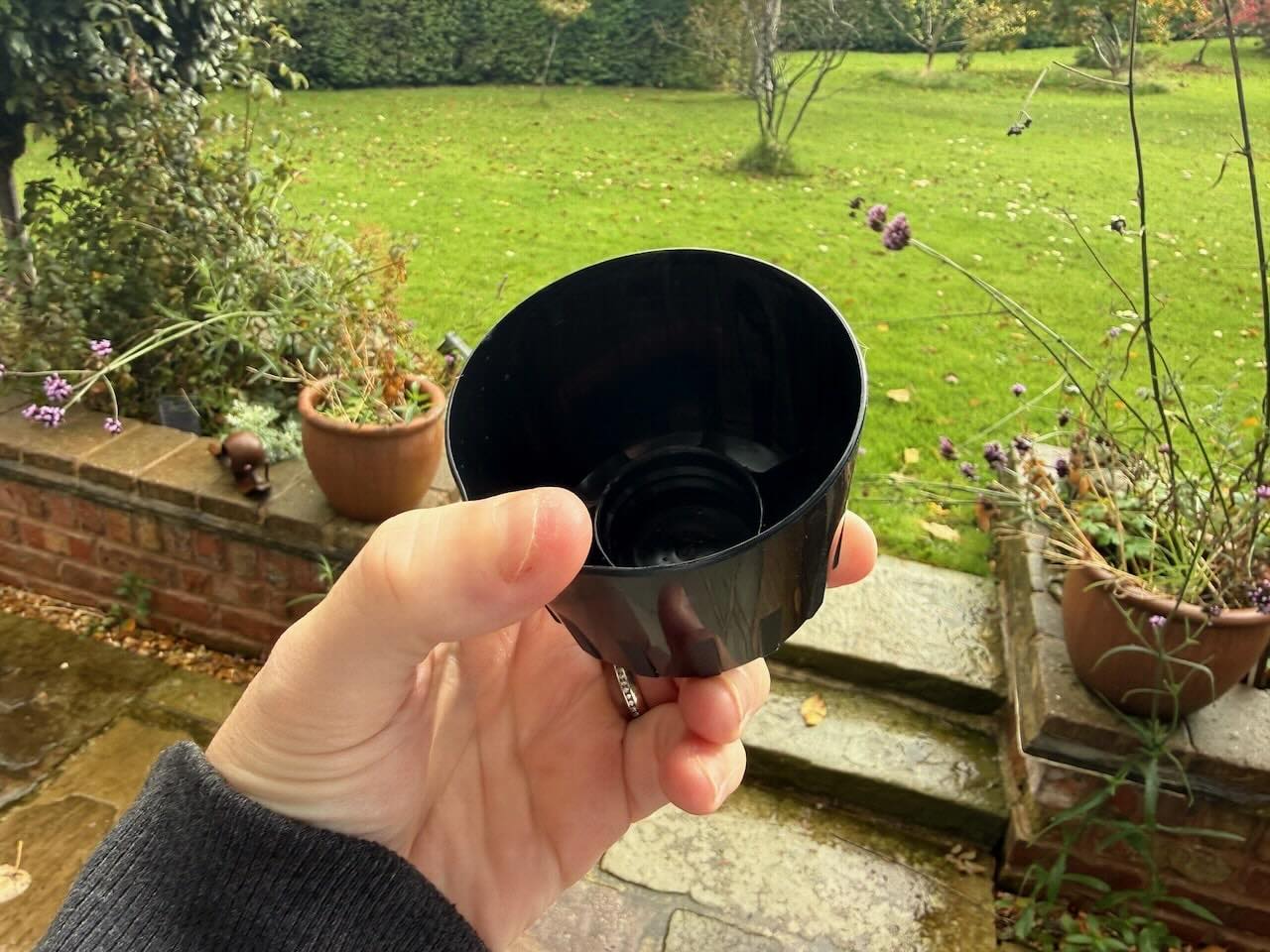
Dig a hole so the container rim sits exactly level with the surrounding soil. This is crucial; if the rim is above ground level, slugs will turn away. I would advise six to eight traps around a medium-sized vegetable garden near particularly vulnerable crops. Fill each trap with an inch of cheap lager. The yeast is what attracts them, so you can make a substitute using two tablespoons of sugar with a teaspoon of baker’s yeast in a pint of warm water. Check traps every morning and empty into your compost bin. Refill with fresh beer daily. After two weeks of consistent trapping, catches diminish dramatically. Emptying them is also remarkably gross, just so you know.

When slugs attempt to cross copper, their slime reacts with the metal, creating a tiny electrical charge they find highly unpleasant. I’ve had brilliant results using self-adhesive copper tape around raised beds and pots as a continuous barrier at least two inches wide with absolutely no gaps. Great for balcony gardens or small spaces where containers are used, though not so practical for large herbaceous borders.
💡 Top Tip
When applying copper tape, clean the surface of the pot first and ensure the tape overlaps itself by at least 2cm to close the circuit. Any gap, however small, and determined slugs will find it. Check the seal once a month as tape can lift at the edges in wet weather.
🛒 Buy copper slug tape from Amazon UK

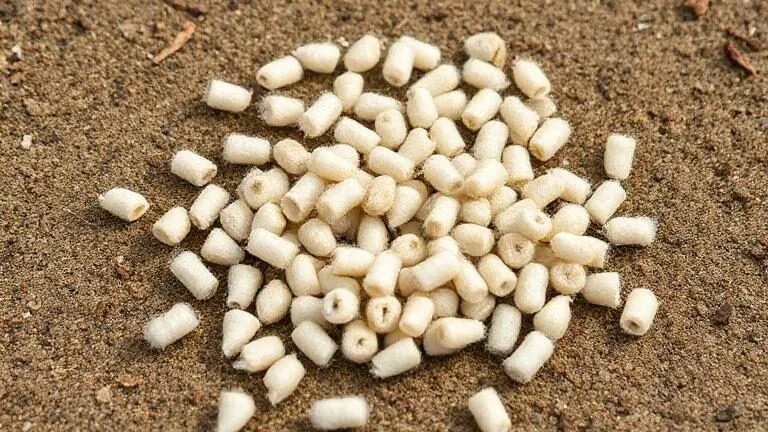
Crushed eggshells aren’t sharp enough when damp. The real winner is wool pellets. When wet, these swell into an impenetrable mat, preventing slugs from crossing, while breaking down slowly to enrich the soil with nitrogen. They are an excellent ethical way to reduce slug damage, but they can be quite costly if you have many plants to protect.
🛒 Buy wool pellets for slug control from Amazon UK
This is the method I reach for when slug pressure is severe, particularly in vegetable gardens and for protecting hostas in borders where copper tape and pellets can’t practically cover every plant. Nematodes are microscopic worms that occur naturally in soil and are entirely harmless to children, pets, birds, and wildlife. The specific product for slugs is called Nemaslug, which contains the nematode species Phasmarhabditis hermaphrodita. These microscopic creatures seek out slugs in the soil, enter through a natural opening, release a bacterium, and the slug stops feeding within three days and dies underground within a week. You won’t see piles of dead slugs lying around because they expire underground. The evidence of success is simply fewer holes in your hostas.
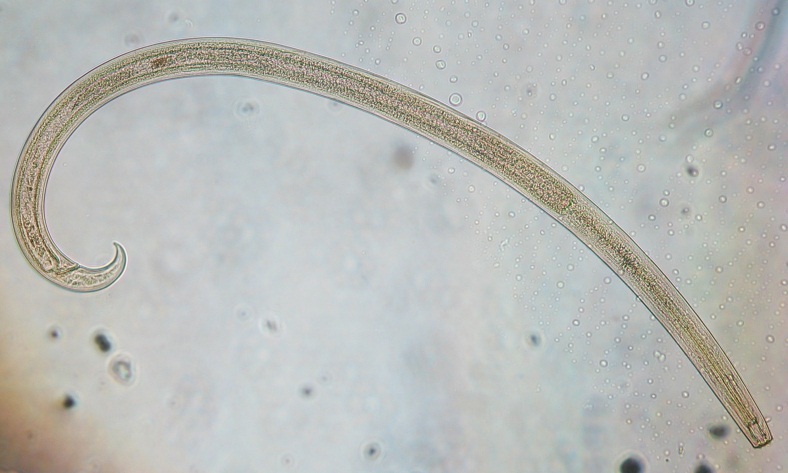
The RHS recommends nematodes as an effective biological control option, and I have to agree from my own use of them. They are particularly effective against the underground-dwelling field slug and keeled slug, which are the species that surface barriers simply cannot reach. Nemaslug can be applied any time soil temperature is above 5°C, which in the UK means roughly March through to October. Apply every six weeks throughout the growing season for consistent protection.
💡 How to Apply Nematodes
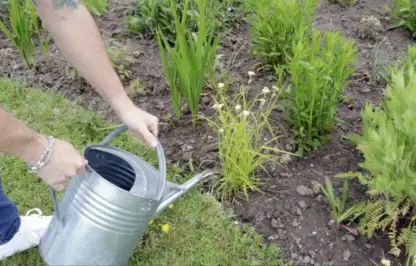
Mix the nematode powder with water in a bucket and apply through a watering can fitted with a coarse rose, or a hose-end feeder for larger areas. Apply to moist soil in the evening, then water in well. Store unused nematodes in the fridge and use before the expiry date on the pack. One pack of Nemaslug treats 40 square metres and provides approximately six weeks of protection.
🛒 Buy Nemaslug slug nematodes from Amazon UK
I know what you’re thinking. You didn’t get into gardening for this. But hand picking slugs on a warm damp evening, armed with a head torch and a bucket of soapy water, is one of the most satisfying and immediate ways to reduce slug pressure in a small garden. One hour of evening hand picking can remove more slugs than two weeks of other methods combined if your population is high. The key is to go out an hour or two after dark, when slugs are at peak activity.
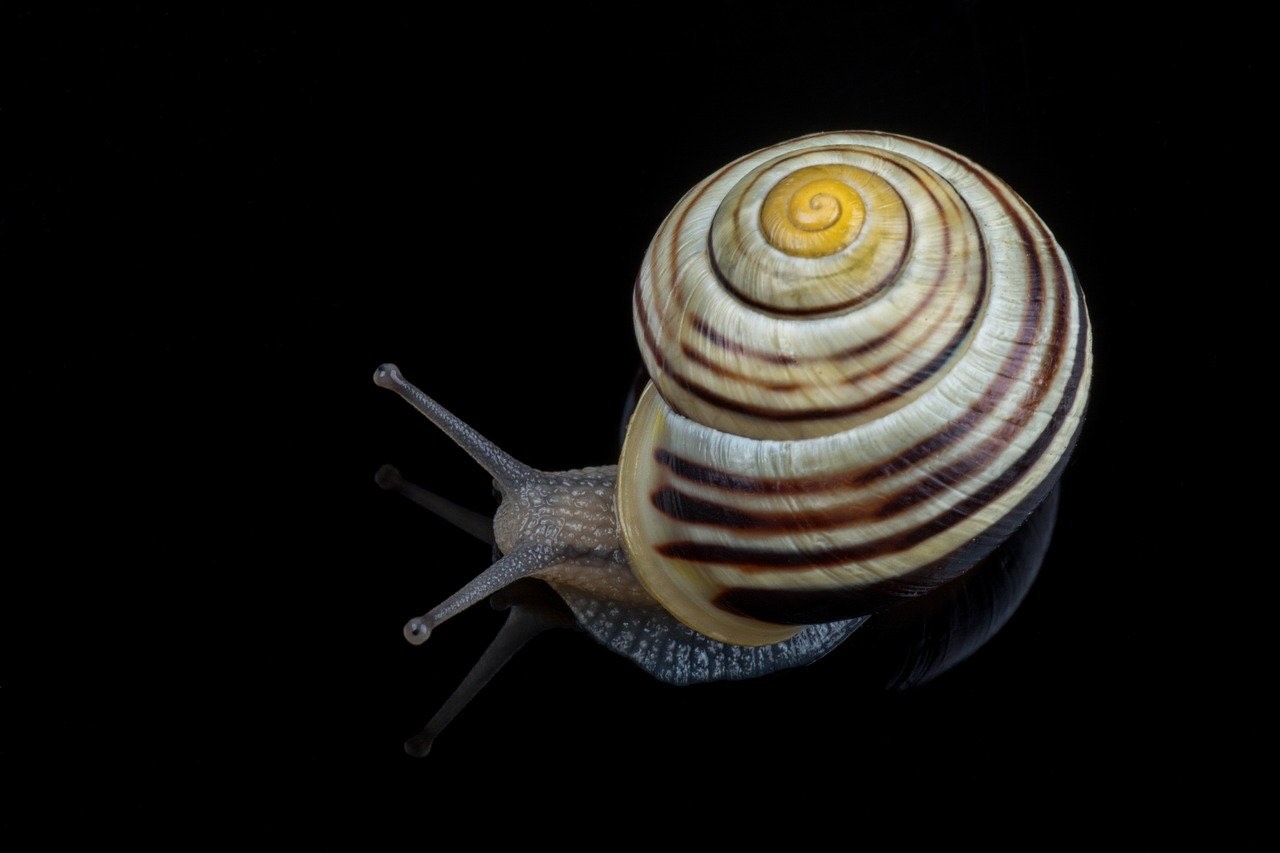
You’ll need a decent head torch to keep your hands free, and a pair of gloves unless you have a particularly high tolerance for slime. I use a bucket with a small amount of soapy water. Drop the slugs in, and that’s that. Some gardeners prefer to relocate them to a field or woodland far from the garden rather than killing them, which I respect as a stance, provided you’re taking them a genuinely significant distance away rather than next door’s garden, which I suspect counts as neither ethical nor neighbourly.
🛒 Buy a head torch for night slug patrol from Amazon UK
🛒 Buy Gold Leaf DRY TOUCH Gardening Gloves from Amazon UK (my top-rated gloves for this kind of work)
The single most effective modification is clearing slug hiding places near vulnerable plants. Empty pots at bed ends are perfect slug hotels. Old planks left with damp crawl spaces beneath them are slug hotels. Keep areas surrounding vegetable beds relatively clear, and stack pots upside down or elevated on a few bricks to allow light and air underneath.
The edges of wooden raised beds, where soil meets the wood and leaf litter accumulates, are where most slugs will be hiding during the day. While I usually advocate for leaving leaves to rot down as mulch, this should be the exception if you’re growing delicate crops or hostas in raised beds.
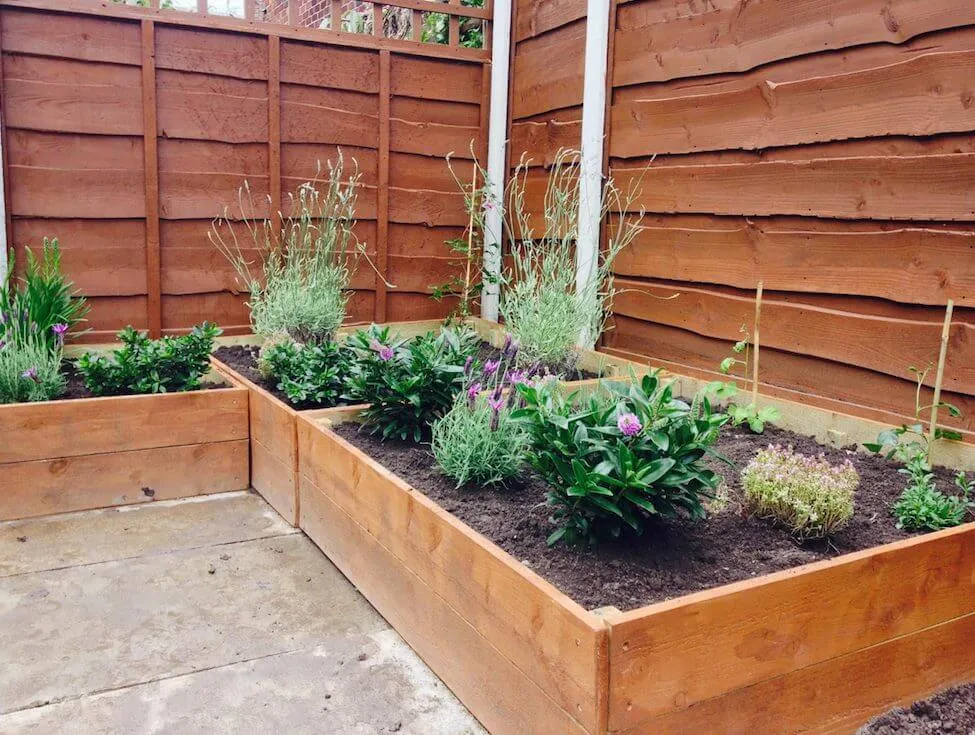
Slugs need moisture to move, so water your crops and gardens in the morning rather than the evening. Soil surfaces dry out by nightfall when slugs become active. In slug-prone areas, morning watering genuinely and measurably reduces damage. For more watering guidance, check my garden watering tips.
Slugs dislike strongly scented plants like garlic, chives, and aromatic herbs. I often plant cheap lettuce at bed edges as sacrificial crops, checking daily for slugs which I remove by hand. This concentrates slug activity where you can manage it, rather than letting them roam your entire vegetable patch at will.
Creating habitat for creatures that eat slugs is the most satisfying long-term control method, and it has the benefit of improving your garden’s biodiversity at the same time. Frogs and toads are phenomenal slug predators, with a single toad eating hundreds of slugs over a season. Even a small pond the size of a washing-up bowl attracts these predators. I’ve seen dramatic reductions in slug damage after introducing ponds and places where frogs and birds can feed and take up habitat.
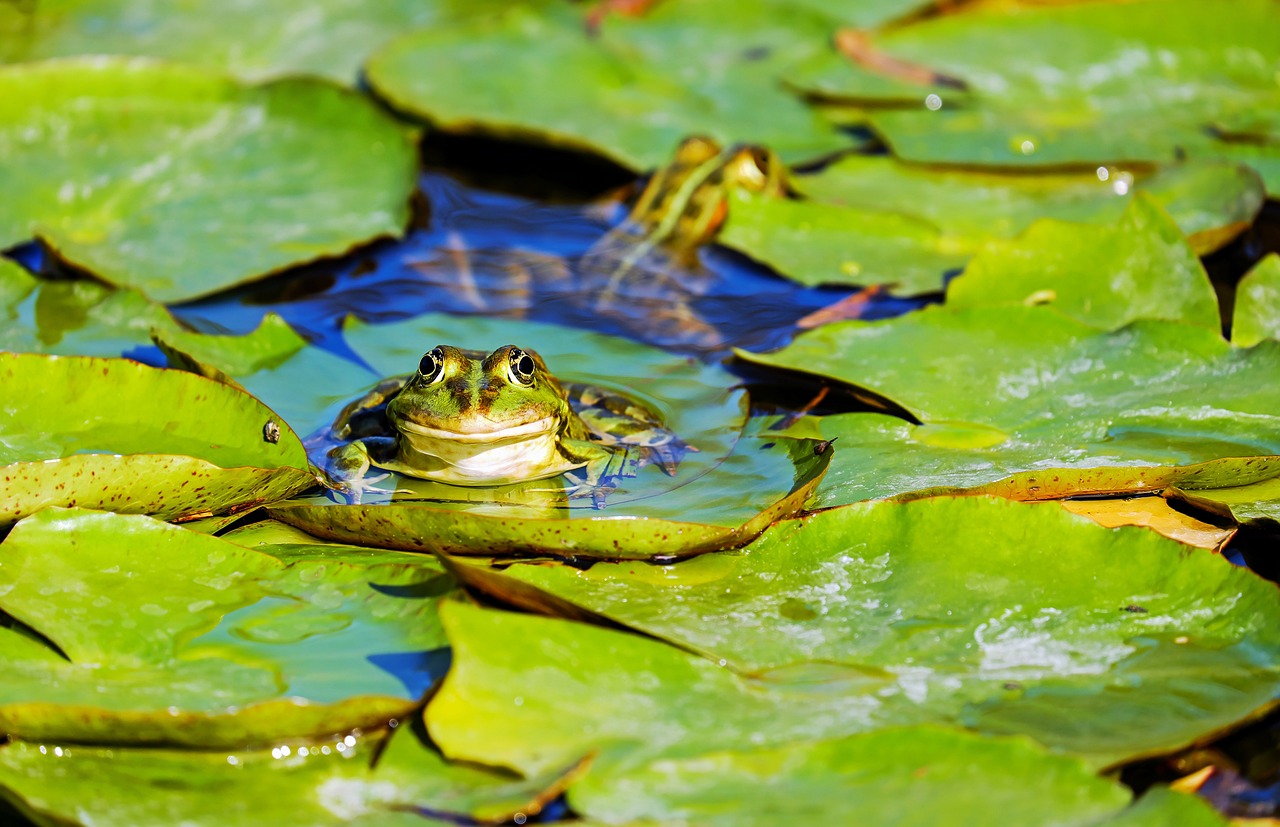
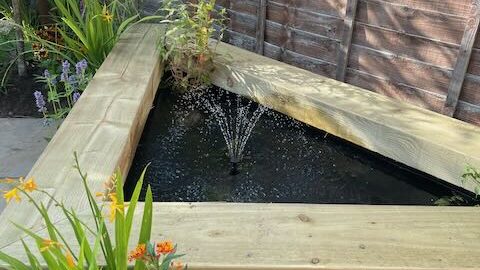
A small pond is one of the single most impactful things you can do for your garden’s entire ecosystem, not just for slug control. You don’t need anything elaborate. A container pond made from a half barrel or a shallow butler’s sink, filled with a couple of aquatic plants and accessible to wildlife via a ramp or stones, will attract frogs, toads, newts, and drinking birds within a season. I’ve installed hundreds of ponds over my career and the transformation they bring to a garden’s wildlife population is extraordinary. For detailed construction guidance, see my complete pond building guide.
🛒 Buy a half barrel pond kit from Amazon UK
🛒 Buy garden pond liner from Amazon UK
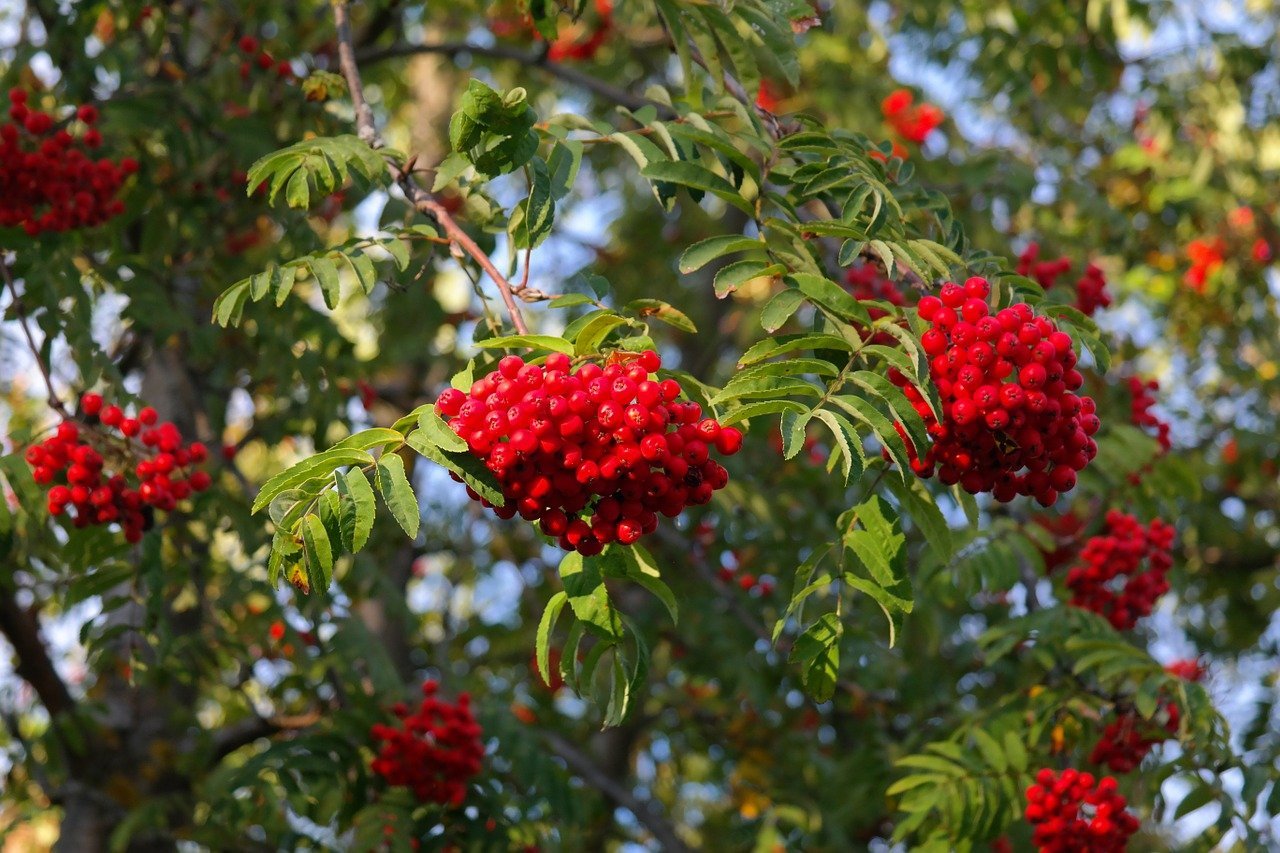
Thrushes, blackbirds, starlings, and robins all eat slugs enthusiastically. Thrushes in particular are specialists at smashing snail shells on stones, a sound that is deeply satisfying when you’ve just lost a row of lettuce to the overnight brigade. Attracting birds to your garden through feeders, bird tables, and berry-rich planting is one of the most effective passive slug controls available. Position a bird feeder in an open area of garden where birds feel safe to feed, not right next to dense planting where cats can lurk.
🛒 Buy a garden bird feeder from Amazon UK
🛒 Buy a garden bird table from Amazon UK
Ground beetles are unsung heroes, with both adults and larvae feeding extensively on slug eggs and young slugs. You attract them by providing daytime hiding places like log piles, stone heaps, and areas of longer grass at garden edges. Notice how this is the opposite of removing hiding places near crops? You’re creating predator habitat away from the vegetables, which draws beetles toward the areas you need them to patrol.
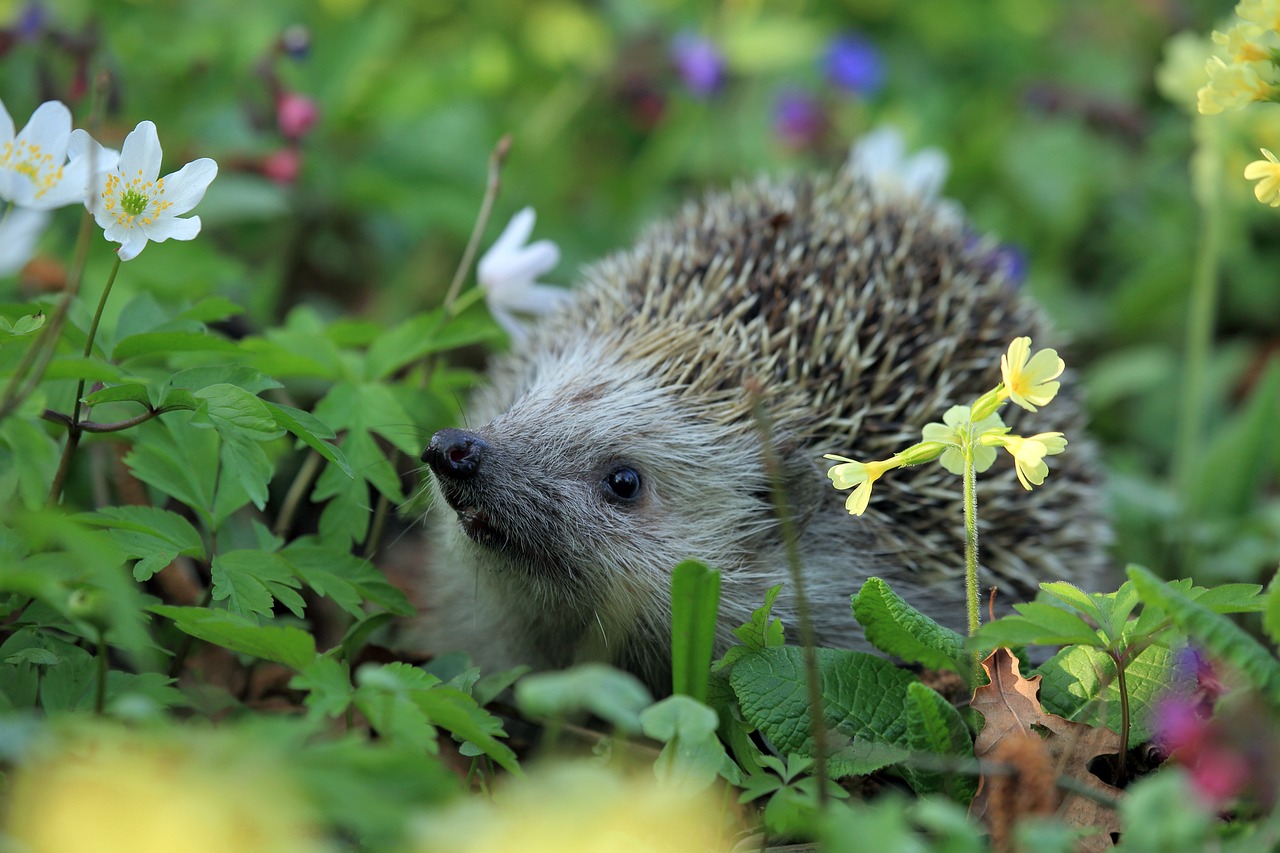
Hedgehogs are brilliant slug predators, though sadly declining across the UK. Make your garden hedgehog-friendly with access holes cut at ground level in boundary fences, avoiding any pesticide use, and providing shelter in the form of a log pile or dedicated hedgehog house. I’ve installed hedgehog highways in dozens of client gardens, and feedback consistently reports reduced slug problems alongside having these charming visitors. Laying a slate or flat stone in a sheltered area also attracts slow worms, which eat a remarkable quantity of slugs and are completely harmless.
🛒 Buy a hedgehog house from Amazon UK
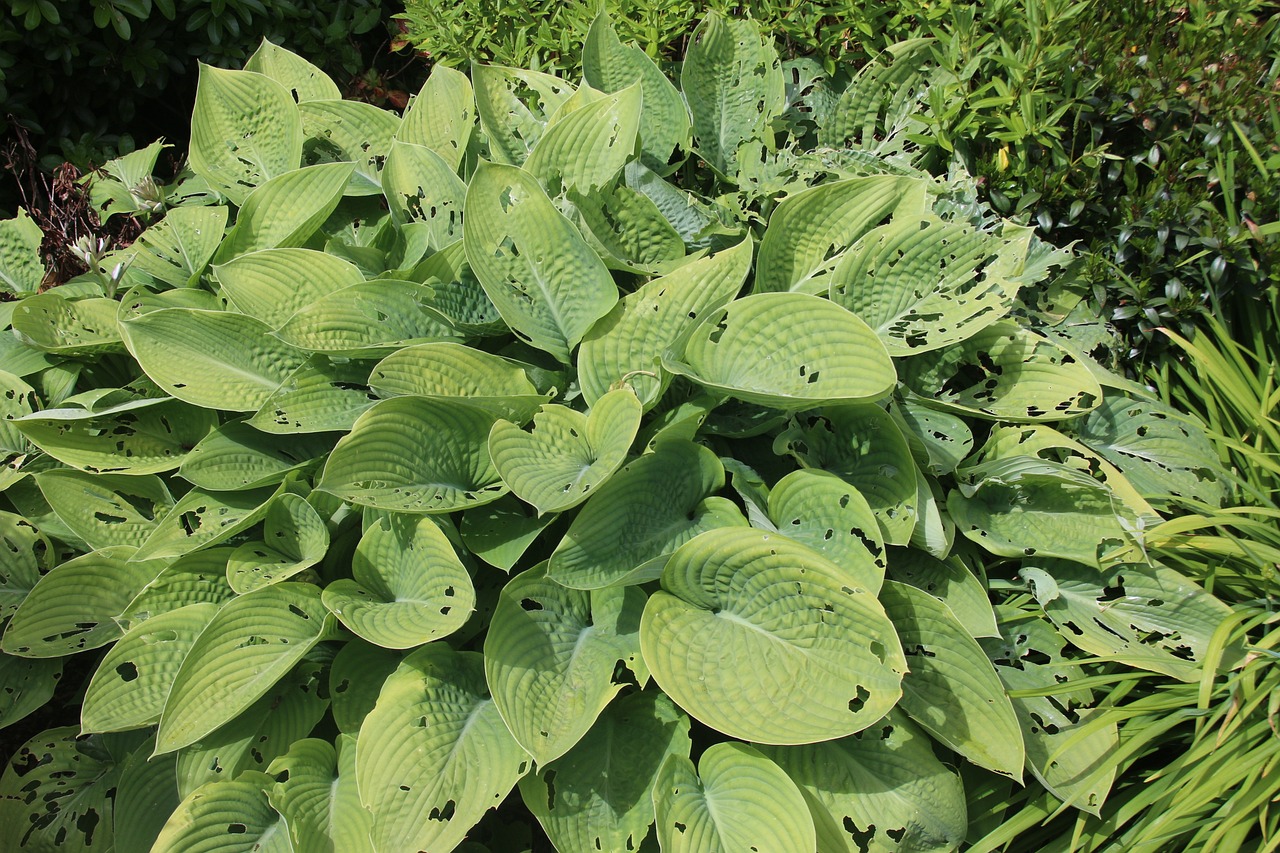
Some plants need specific protection beyond garden-wide control. Hostas are famously vulnerable, which is why they’re often grown in containers where copper tape can completely encircle them. If growing hostas in borders, surround each plant with wool pellets, diatomaceous earth, or deeply set beer traps. In severe cases, use all three simultaneously. For comprehensive hosta care, my complete hostas guide covers everything including detailed slug protection.
Diatomaceous earth, a naturally occurring powder made from fossilised aquatic organisms, works by its abrasive texture causing slugs discomfort as they attempt to cross it. Apply it as a ring around vulnerable plants at least 5cm wide. The key limitation is that it only works when dry, so you’ll need to reapply after heavy rain. It’s entirely safe for wildlife, pets, and children, which makes it a useful tool in the arsenal.

🛒 Buy diatomaceous earth for slug control from Amazon UK
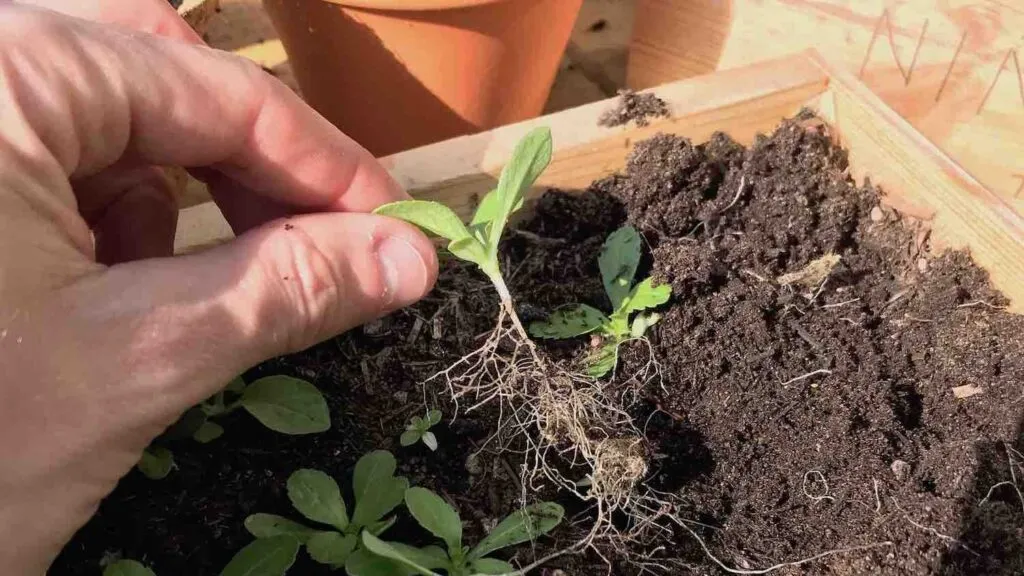
Young seedlings and transplants are particularly vulnerable because tender growth is exactly what slugs prefer. I protect vulnerable seedlings using clear plastic bottle cloches made from cutting the bottoms off large drinks bottles and pushing them into the soil around each plant. Once plants develop tougher stems and leaves they become less appealing, and you can remove the protection.
Salad crops need continuous protection throughout their growing season. I use a combination approach: beer traps around bed perimeters, wool pellet barriers directly around plants, and militant morning checks where I physically remove any slugs I find. It takes only a few minutes daily, and the difference in crop quality is remarkable. For vegetable growing guidance, check my beginner’s vegetable garden guide.
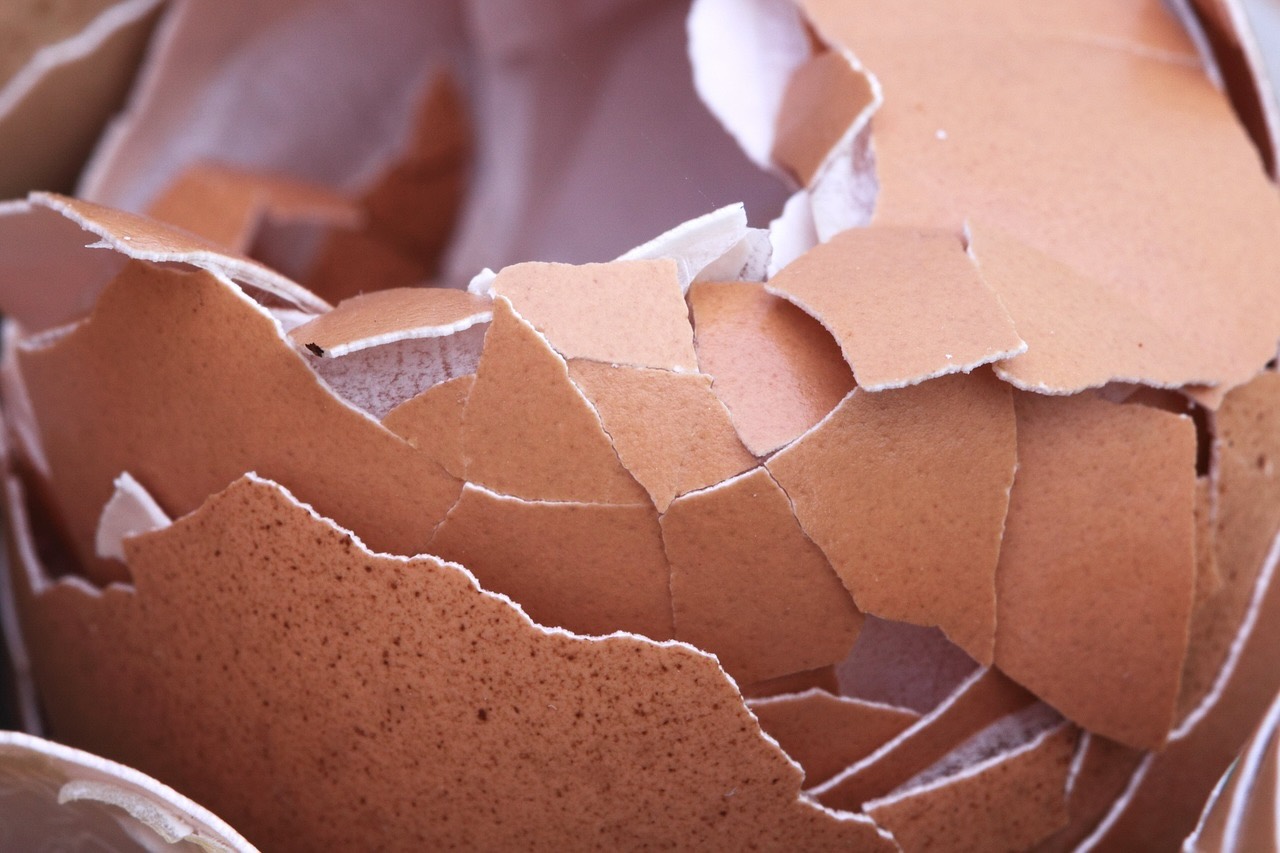
Let me save you the time and money I wasted trying methods that sound convincing but deliver disappointing results. Crushed eggshells are probably the most commonly recommended slug deterrent that genuinely doesn’t work effectively. Eggshells aren’t nearly sharp enough when damp, and determined slugs cross them without hesitation. I’ve watched this happen countless times in my own garden. Eggshells are brilliant compost material, but don’t waste time on them for slug control.
Coffee grounds face similar issues despite frequent online recommendations. The caffeine concentration in used coffee grounds is far too low to have any practical deterrent effect in real garden conditions. Like eggshells, coffee grounds are valuable compost material, but they won’t protect your hostas no matter how thickly you spread them. Beginners often start with these free solutions, become disappointed, and give up instead of trying methods that actually work.
Ultrasonic repellers have shown no effectiveness in independent testing. Various granular barriers often perform poorly after rain. Simple beer traps properly positioned, copper barriers, wool pellets, and nematodes consistently outperform expensive gadgetry in my extensive testing over 20 years of professional garden design.
Spring is critical because newly hatched slugs are feeding voraciously whilst your seedlings are at their most vulnerable. I intensify control from April through June. Set up beer traps as you’re planting out, apply nematodes to the soil, maintain physical barriers, and conduct regular morning patrols. Apply your first dose of Nemaslug as soon as soil temperature reaches 5°C, which is typically from mid-March in most parts of the UK.
Summer control depends heavily on the weather. I reduce beer trap frequency during dry spells but keep them positioned ready for rain. Morning coffee and slug checks make a satisfying daily ritual in a way that evening gardening doesn’t quite replicate.
Autumn brings a second surge as slugs prepare for winter by feeding heavily and laying eggs. Control efforts now prevent next spring’s problems. Do a thorough tidy up, move stacked pots, clear vegetation from bed edges, and check under anything that might harbour slugs. Finding and exposing egg clusters in autumn prevents hundreds from emerging the following spring.
I’ve focused on non-chemical methods because they work brilliantly and avoid harm to pets and wildlife. However, severe infestations sometimes justify using slug pellets as part of an integrated approach. If you’re dealing with enormous slug populations or facing crop failure despite trying everything else, pellets can provide breathing space but do check carefully which type you are using. Metaldehyde pellets are harmful to birds and amphibians, and I would avoid them entirely.
Newer ferric phosphate-based products are far safer. Products containing ferric phosphate carry organic certification and are approved for wildlife-friendly gardening. Even with these, use them sparingly: one or two pellets every 15cm around vulnerable plants rather than handfuls spread everywhere. Apply in the evening when slugs are active. For the most planet-friendly approach, treat pellets as a last resort rather than a first response.

🛒 Buy organic ferric phosphate slug pellets from Amazon UK
The fastest immediate reduction comes from hand picking at night combined with beer traps set at soil level. Go out two hours after dark with a head torch, remove every slug you find into a bucket of soapy water, and set multiple beer traps simultaneously. Within three nights you will notice a significant drop in damage. For sustained control, apply Nemaslug nematodes to the soil to target slugs underground and repeat every six weeks through the growing season.
Slugs dislike copper, which creates a mild electrical reaction with their slime. They also dislike dry conditions, rough abrasive surfaces, and strongly scented plants like garlic, lavender, and rosemary. Slug nematodes are lethal to them specifically. Physically, slugs are most deterred by barriers they cannot cross rather than scents or granular materials, which is why copper tape and properly applied wool pellets outperform most other deterrents.
No, not in practice. Eggshells are too soft when damp for slugs to find them painful, and the caffeine concentration in used coffee grounds is too low to deter slugs in a real garden setting. Both are useful compost materials, but neither provides reliable slug control. They’re worth trying only if you have them to hand and no other options, with very low expectations.
Yes. Slug nematodes like those in Nemaslug are completely safe for children, pets, birds, and all other wildlife. They are specific to molluscs and occur naturally in soil anyway. Even if a bird eats a slug that has been treated with nematodes, the bird is completely unaffected. This makes nematodes one of the most garden-friendly slug control options available.
Apply Nemaslug when soil temperature is above 5°C, which in most of the UK means from mid-March onwards. Apply in the evening to moist soil and water in well. Repeat every six weeks through the growing season for continuous protection. Spring and early autumn applications are the most impactful as they target slugs during their peak breeding periods.
For hostas in containers, apply a continuous band of copper tape around the pot at least 5cm wide with no gaps. For hostas in borders, use a combination of wool pellets spread around the crown of each plant, apply nematodes to the surrounding soil in spring, and consider diatomaceous earth as an additional dry-weather barrier. Check plants every evening in spring and remove any slugs by hand. The key is layering multiple methods rather than relying on one alone.
Salt does kill slugs by dehydration, but I would strongly advise against using it in the garden. Salt damages soil structure, kills beneficial microorganisms, and harms plants. Even a small amount of salt scattered regularly will impair the health of your soil over time. Use one of the methods above instead, all of which are both more effective at scale and have no negative impact on your soil.
The single most effective action is to create or install a small pond, even one the size of a washing-up bowl. Frogs and toads need standing water to breed and will find even tiny ponds reliably. Provide shelter in the form of log piles, stone heaps, and areas of long grass at garden edges. Stop using any pesticides, which kill the insects frogs feed on and can harm the frogs directly. Create a hole at ground level in at least one fence boundary to allow access from neighbouring gardens and wild areas. Once established, a frog or toad population is self-sustaining and provides genuine, continuous slug control.
Ready to transform your gardening skills beyond basic maintenance? Garden Ninja’s expertly crafted online courses will fast-track your development from keen amateur to skilled garden designer in months rather than years. Starting at just £29, you’ll gain access to professional garden design expertise from BBC Garden Rescue’s Lee Burkhill, delivered at a fraction of traditional horticultural education costs.
For the garden you’ve already got, not the one you’re starting from scratch. Seven checklists and video lessons from BBC Garden Rescue’s Lee Burkhill, designed to help you decide what’s worth keeping before you spend a penny.
Garden Design Examples for Small Gardens: 30 Design Templates & Planting Plans: In this online gardening course, I’ll walk you through 30 fantastic garden designs, explaining the logic behind the layout and plant choices, plus take-home tips for applying them in your own garden.
Learn how to transform and design your garden with Lee Burkhill’s crash course in garden design. In over 5 hours, Lee will teach you how to design your dream garden. Featuring practical design examples, planting ideas and video guides. Learn how to design your garden in one weekend!
Garden Design for Beginners Online Course: Want to become a garden designer or design your own garden? This beginner course is for you. Join me, Lee Burkhill, an award-winning garden designer, as I train you in the art of beautiful garden design. Enjoy 20 hours of online study and video lessons, along with quizzes and a completion certificate.
Effective slug control isn’t about achieving total elimination but about reducing populations to manageable levels where occasional nibbled leaves are acceptable rather than having entire crops destroyed. The gardeners I know who are most successful with slugs have accepted that some damage will occur and made peace with that reality. They focus protection on particularly vulnerable crops and plants, tolerate minor damage on tougher specimens, and maintain consistent control methods.
The methods I’ve shared genuinely work when applied correctly and consistently. Beer traps positioned at soil level catch hundreds of slugs over a season. Copper barriers installed correctly create impenetrable boundaries for containers. Wool pellets provide excellent protection when maintained. Nematodes tackle the underground species that surface methods can’t reach. The combination of these approaches, supported by encouraging natural predators and adding a small pond, keeps slug populations manageable without requiring expensive products or excessive time commitment.
Start with one or two methods that suit your garden, apply them properly, and you’ll see dramatic improvements within weeks. Come winter, do a thorough clear up to remove overwintering sites and egg clusters. Slug control is seasonal work requiring different intensities at different times, but it is absolutely manageable once you understand the rhythm of it.
Now get out there and show those slugs who’s boss! Set up those beer traps properly, install copper barriers around vulnerable plants, apply some nematodes to the soil, and stop wasting time on methods that don’t actually work. Your hostas, lettuce, and seedlings will thank you.
Happy gardening!



Lee Burkhill, known as the Garden Ninja, is an award-winning garden designer and horticulturist with over 30 years of gardening experience and 15 years as a professional garden designer. A qualified RHS (Royal Horticultural Society) professional, Lee specialises in sustainable garden design and practical horticultural advice. He designs and presents on BBC1’s Garden Rescue and in leading gardening publications.
View all posts by Lee Burkhill








JOIN THE NINJAS

Be the first in line for new Guides, Discount codes and Offers