For the garden you’ve already got, not the one you’re starting from scratch. Seven checklists and video lessons from BBC Garden Rescue’s Lee Burkhill, built to help you work out what’s worth keeping before you spend a penny.
69


Quick Answer
Lawn care changes with the seasons. Feed and aerate in spring, mow weekly through summer without cutting too short, scarify and feed again in autumn, then let the grass rest from November to January. Follow this month by month planner and your lawn will stay thick, green and far less work than the adverts would have you believe.
Each month of the year asks something different of a lawn. It is not as simple as cutting the grass once a week and hoping for the best. There is scarifying, feeding twice a year, aerating your turf, and knowing when to leave it well alone, and getting the timing right on each of these matters helps you achieve that lush lawn look!
This planner takes you through what to do from January right through to December, alongside links to my full guides on scarifying, moss removal and aeration, so you are never doing the wrong job at the wrong time of year.
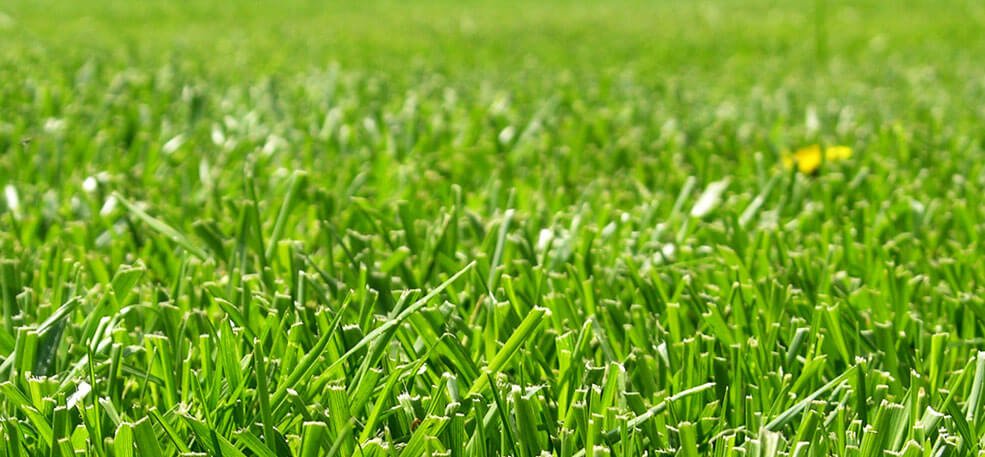
Lawns and turf remain a staple of gardens on both sides of the Atlantic, and lawn care has become a sizeable industry in its own right off the back of that popularity. That does raise a fair question, though: do you really need to buy every product on the shelf and fuss over your lawn as much as the marketing suggests?
In my opinion, no, you do not, but there are a handful of jobs worth doing at the right point in the calendar to get the most from your lawn without turning it into a second job.
Lawns are so common in garden design because they provide a permeable surface that is easy to walk on, soft underfoot, and adds a wash of green to even the most basic gardens. The lawn is one of the truly multifunctional elements of nearly every garden design I put together. Popular as they are, lawns are also among the parts of a garden that can turn from serene green to patchy, mossy, and brown the fastest without proper yearly and monthly attention.
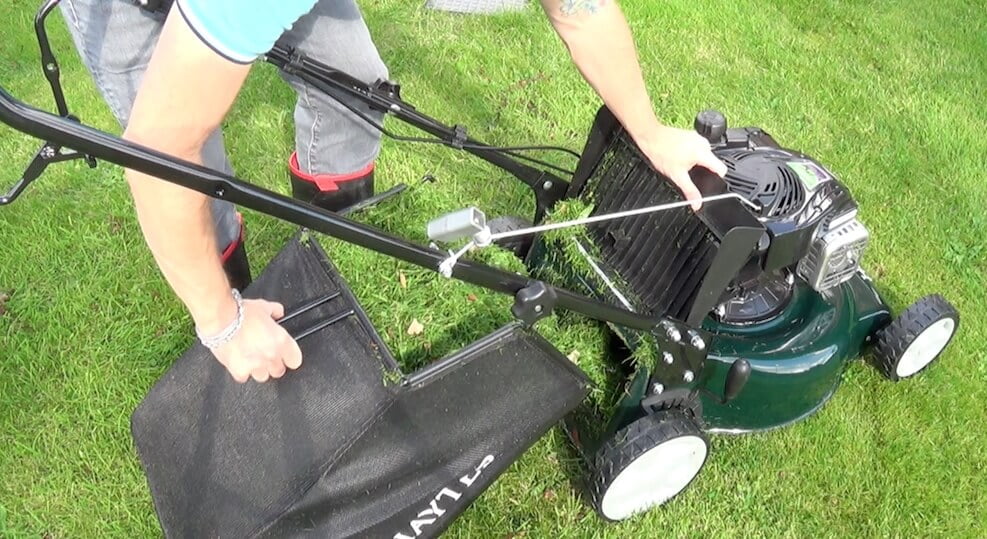
This guide shows what to do to your lawn each month of the year to keep it looking and feeling its best. What tends to surprise people is that a little bit of lawn care goes a long way and will make your garden the envy of the street.
Jump To
This article contains affiliate links which help keep the Garden Ninja blog free to use. Buying through any of these links earns me a small commission at no extra cost to you.
Regular lawn care is what stands between you and the common problems that plague neglected turf: moss invasion, soil compaction, and the dead patches that leave a lawn looking uninviting rather than the calm green backdrop a garden needs.
A well-maintained lawn gives you a dense, uniform surface that lifts the whole garden’s appearance while creating turf resilient enough to withstand foot traffic and the usual British weather swings. Here are the main reasons lawn care earns its place on the calendar rather than being an optional extra.
Moss thrives in damp, compacted, nutrient-starved lawns, and it will happily take over weak or neglected grass given the chance. You can usually tell moss has moved in because the lawn feels bouncy and springy underfoot and stays noticeably damp even through summer. Moss tends to outcompete grass over time, so what started as a lawn with a bit of moss becomes a moss patch with a bit of grass.
Regular aeration, proper drainage, and seasonal feeding all help keep moss infestations down, which in practice means more grass and less spongy moss taking over the space.
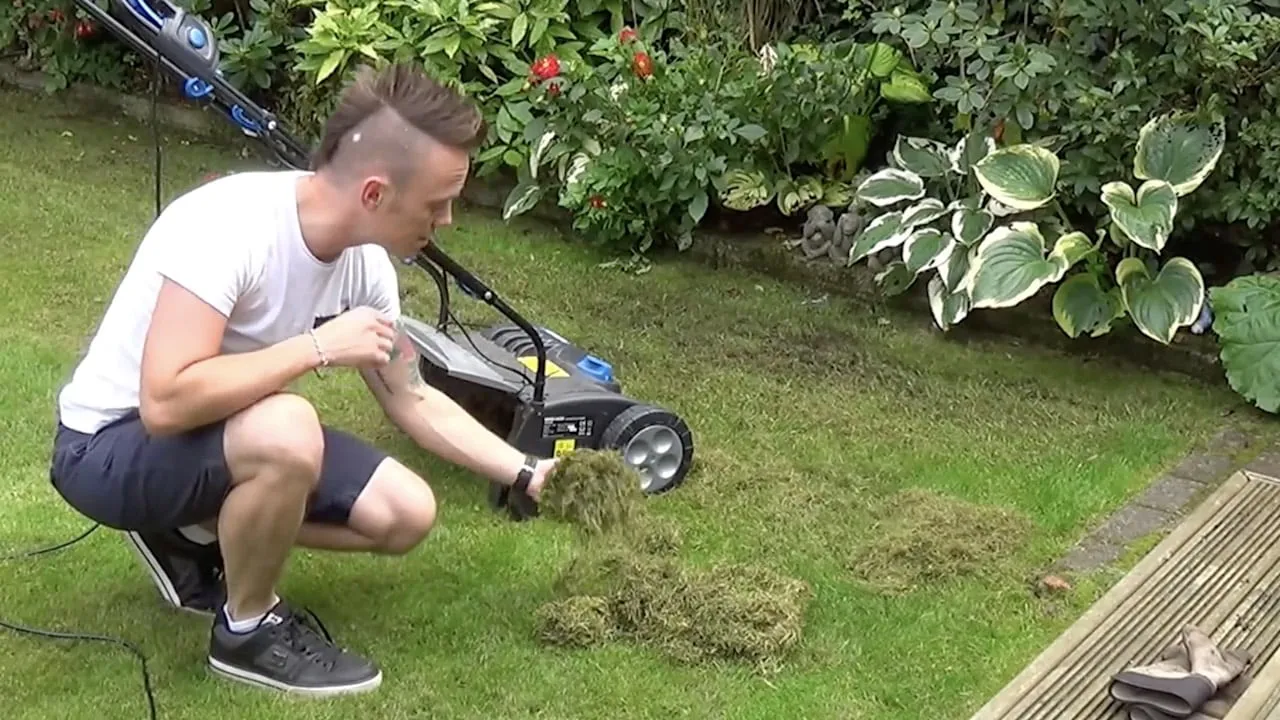
Heavy foot traffic and poor drainage lead to soil compaction, which restricts root growth and cuts off the water and oxygen roots need. That is exactly what causes a lawn to look tired or for bare patches to appear where the roots simply cannot get through the soil.
Aerating a lawn at least once a year relieves that compaction, which in turn encourages deeper roots and stronger grass growth overall.
Dead patches typically result from pet urine, fungal disease, drought stress, or poor soil, and they are common on lawns that have not been maintained for a while. These yellow, brown or bare patches are unsightly at best. Pet urine in particular causes bright yellow scorch marks, and that colour draws the eye to exactly the wrong part of a garden design.
Regular overseeding, proper watering, and enriching the soil with organic matter all help prevent those unsightly brown patches and keep the lawn thick and green.
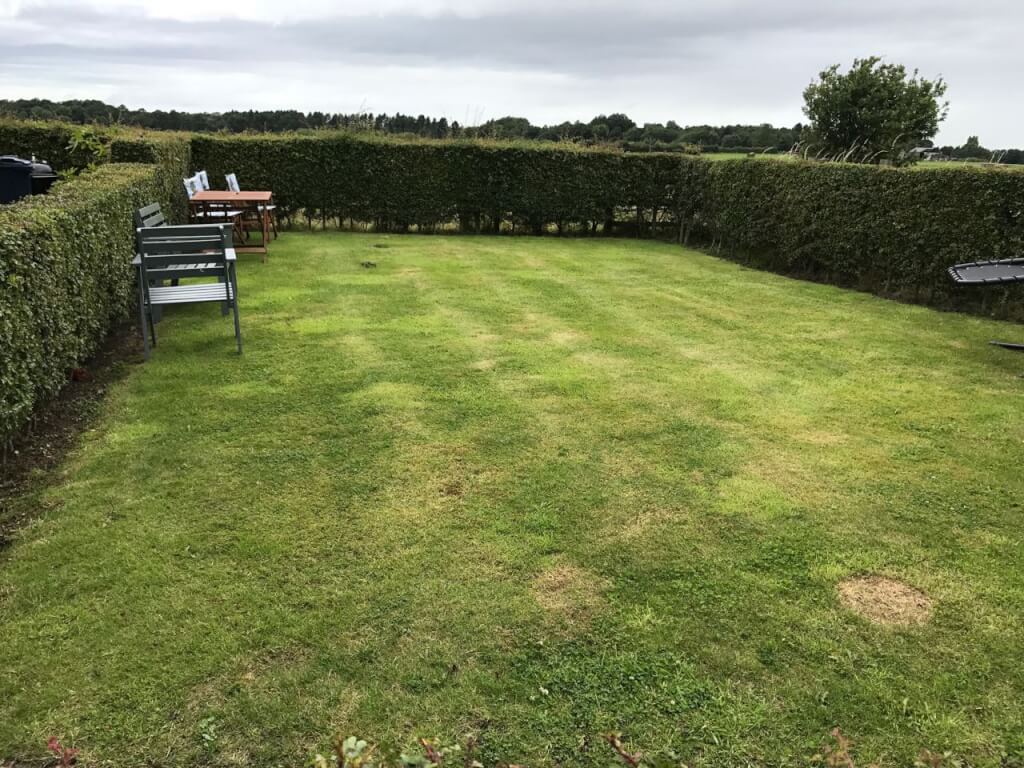
Choosing the right grass species matters if you want a properly thick, healthy lawn. Whenever you seed or overseed, use a proper quality seed mix rather than a single variety, since lawns are made up of blends of different grass seeds working together to give a lush, dense sward.
When picking a seed mix, look for a blend that includes some or all of these species:
Combine the right grass species with a regular care routine, and you end up with a resilient, lush lawn that stays healthy year-round rather than patching up in places every few months.
One rule I wish more gardeners knew before they got the mower out: never remove more than a third of the grass blade’s length in a single cut. Scalping a lawn back hard in one go shocks the grass, exposes the crown to sun and drought stress, and is one of the most common reasons a lawn goes brown after a bank holiday mow. If your lawn has got away from you, bring the height down gradually over two or three mows a few days apart rather than dropping the deck straight to its lowest setting.
As a rough guide in real measurements rather than mower dial numbers, set the blade around 4cm for the first cuts of spring, then settle at 3 to 4cm through the growing season. Raise that blade height back to 4 to 5cm during a hot, dry spell, since longer grass shades the soil and copes with drought far better than a lawn scalped short. For the final cut of the year, lift the height back up to around 4cm so the grass carries a bit of extra length into winter.
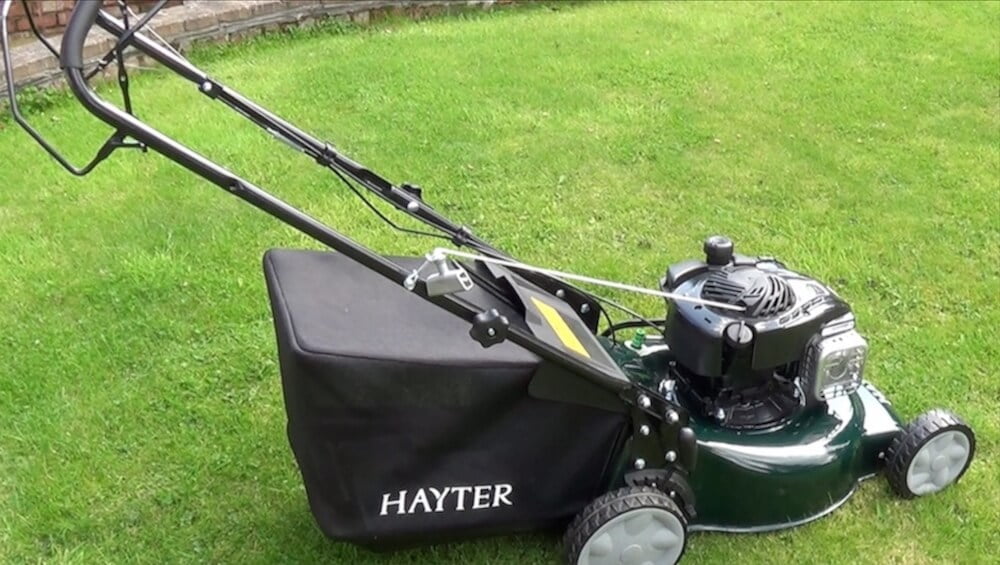
This is also why I recommend a decent mower with a reliable height adjustment, since fiddling with a stiff or worn height lever tempts people into leaving it on one setting all year rather than adjusting for the season, as this guide recommends.
Here is a high-level view of what lawn maintenance tasks belong to which month, so you can see at a glance what deserves your time and what is best left alone.
| Month | Tasks |
|---|---|
| January | Inspect for moss, service tools and mowers, and start planning spring lawn repairs. |
| February | Treat moss where needed, fit any lawn edging while the grass is dormant, and note bare patches for spring. |
| March | First, mow on a high setting, apply nitrogen-rich spring feed, aerate compacted areas, and reseed patches. |
| April | Mow weekly but not too short, tidy lawn edges with a half-moon edger, scarify lightly, and overseed thin areas. |
| May | Mow once a week, water newly laid areas deeply but infrequently, spot-treat weeds, and apply an organic lawn tonic. |
| June | Keep mowing and trim edges, but otherwise sit back and enjoy the lawn rather than fussing over it. |
| July | Reduce mowing height in hot weather, water early morning or evening only if needed, apply a summer feed, and keep heavy foot traffic to a minimum. |
| August | Leave a browning lawn alone through a heatwave, monitor for dry patches and pests, and lightly fork over high-traffic areas if needed. |
| September | Begin autumn renovations with scarifying and aerating, apply an autumn feed, reseed worn areas, and start reducing mowing frequency. |
| October | Perform the final proper mow, clear fallen leaves regularly, aerate high-traffic areas, and improve drainage with a hollow-tine aerator if needed. |
| November | Let the lawn rest, keep heavy traffic off it, clean and store equipment, and plan any garden design changes for next year. |
| December | Leave the lawn well alone, research eco-friendly pest control such as nematodes for leatherjackets, and enjoy the garden’s winter shape. |

🛒 Buy MossOff Chemical Free Moss Killer from Amazon UK
🛒 Buy EverEdge Steel Lawn Edging from Amazon UK
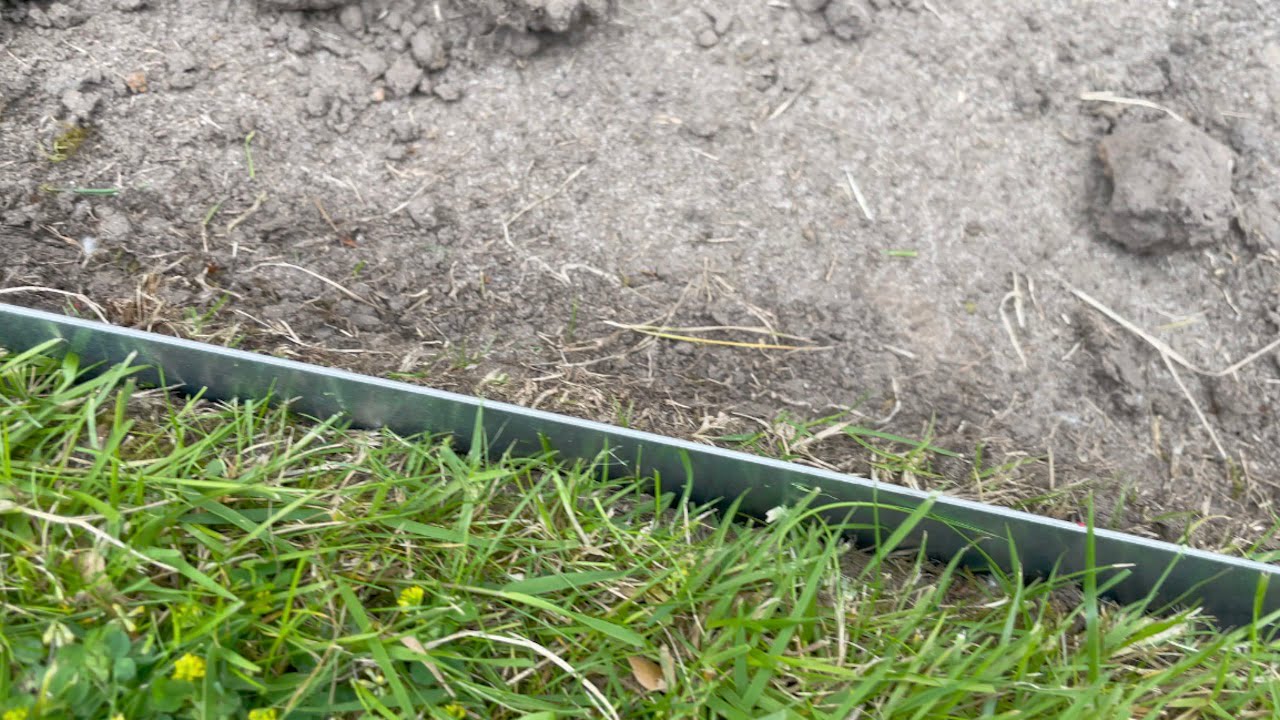
For the full method, my guide to installing lawn edging walks through fitting both metal and plastic edging step by step.
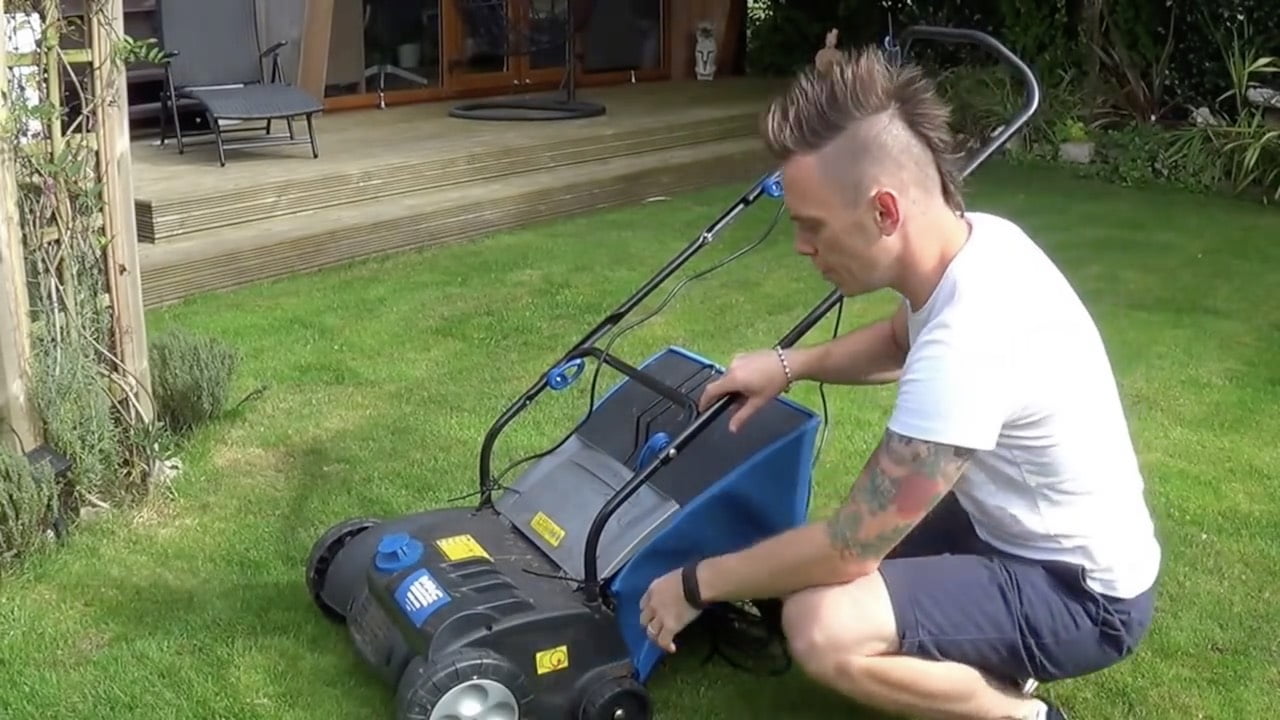
🛒 Buy envii SeaFeed Xtra Organic Seaweed Fertiliser from Amazon UK
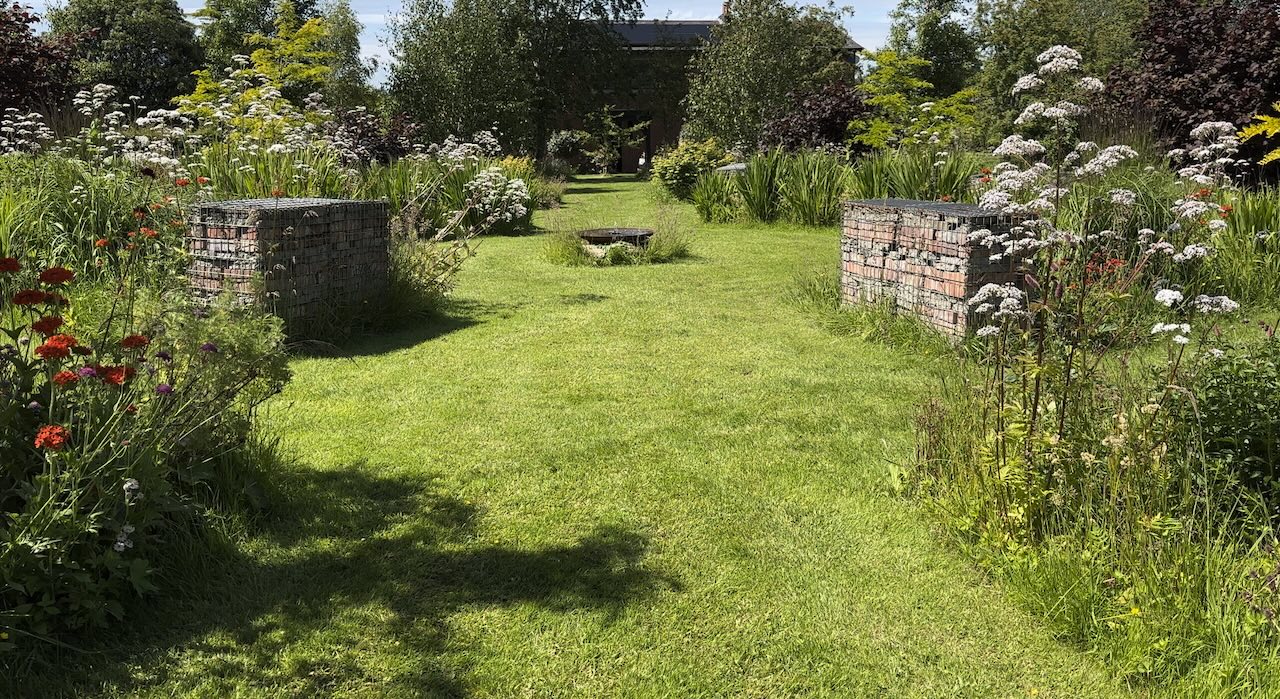
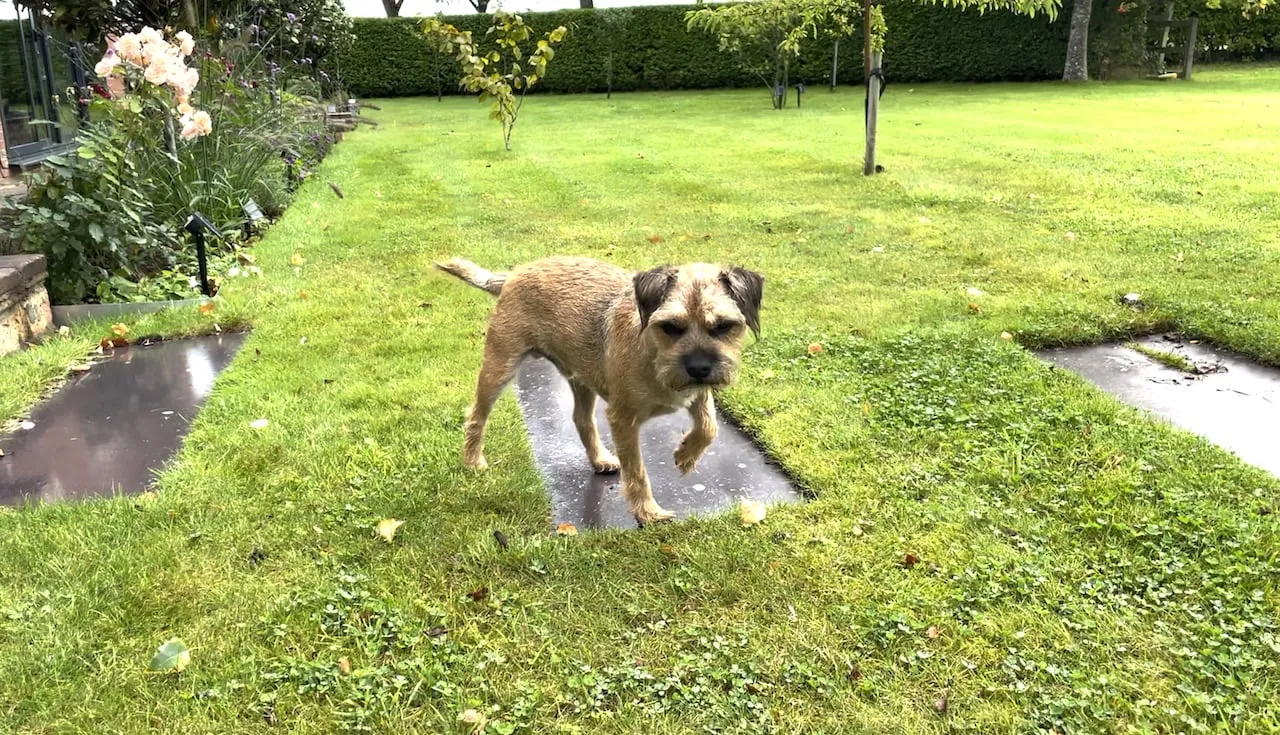
🛒 Buy Nemasys Leatherjacket Killer Nematodes from Amazon UK
Sometimes the only real way to revive an old, worn-out lawn that has not been looked after is to scarify hard and reseed the whole area. It sounds drastic, but this is far kinder to the environment than having the existing lawn stripped out and relaid with rolled turf. With an old patchy lawn, a proper autumn reseed can transform a garden for a weekend’s effort and a couple of boxes of utility lawn seed, and it avoids the waste involved in laying turf from scratch when the existing ground is largely sound.
Reseeding a lawn at the right time is what separates a lush, dense result from a patchy one. Get the timing right and the new grass establishes quickly, outcompetes weeds, and blends in with the existing lawn rather than sitting as an obvious lighter green patch for a season.
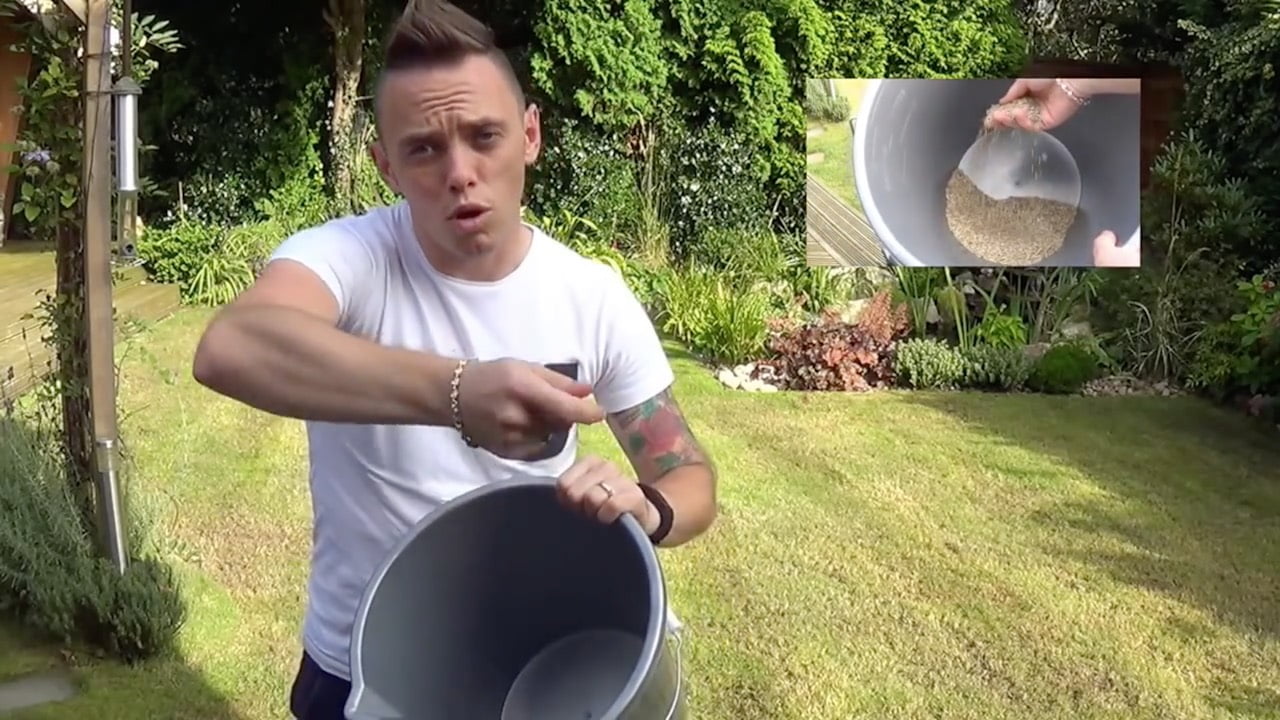
The ideal window for reseeding is during the cooler, moist conditions of early autumn or mid spring. Autumn is my preferred choice, since the soil is still warm from summer, which gives excellent conditions for seed germination. The extra rainfall and reduced weed pressure both help young grass establish before winter dormancy sets in.
Spring is also a workable option, particularly for patching thin areas, though weeds are more aggressive at that time of year, so new seedlings need a bit more care to avoid being outcompeted. I would not recommend spring or summer reseeding for most amateur gardeners, since the babysitting needed to get seed to germinate and survive in those conditions is usually more trouble than it is worth.
Reseeding at the peak of summer or the depths of winter rarely works well. High summer temperatures cause excessive evaporation, making it hard to keep seedlings moist, while freezing winter conditions stop growth altogether. If reseeding has to happen in summer because of bare patches, keep watering consistent and provide light shade to prevent the seed drying out before it has a chance to germinate.
Before reseeding, scarify the lawn deeply to remove thatch and create a clean seedbed. This is the most laborious part of reseeding and should take up around 80% of the time and effort involved. If you have not already, read my full guide on scarifying a lawn or watch the video below before you start.
Aeration can further improve soil conditions, letting roots establish more efficiently. From there it is a case of spreading seed lightly in one direction, then again at ninety degrees to the first pass. Less is more when sowing lawn seed, so resist the urge to overseed, since too much seed just creates competition and reduces the overall germination rate.
Lightly rake the seed into the soil and keep it consistently moist for the first few weeks, since that is what strong germination really comes down to.
September is the best month for a deep autumn scarify, since the soil is still warm and there is time for the lawn to recover before winter. A lighter scarify in April works too if you missed the fixture in spring, though I would not scarify hard twice in the same year on an already thin lawn.
Never remove more than a third of the grass blade’s length in a single cut. Taking off more than that in one go stresses the grass and often leads to a lawn browning off, particularly in hot or dry weather.
Most UK lawns are happiest kept between 3cm and 4cm through the growing season. Raise this to 4 to 5cm during a hot, dry spell, since longer grass shades the soil and holds moisture far better than a lawn cut short.
Weekly through the height of the growing season in late spring and summer, dropping to once every ten to fourteen days as growth slows in autumn, and stopping altogether once frosts set in. Go by growth rather than by day of the week: if the grass has grown past a third taller than your last cut, it is time to mow again.
Give the lawn its final proper mow of the year on a slightly higher setting, clear fallen leaves regularly so they do not smother the grass, aerate high traffic areas once more, and spike the lawn if drainage is poor.
Early autumn is the best window, when the soil is still warm and rainfall is more reliable. Mid spring is a workable second choice for patching thin areas, though weeds are more competitive at that time of year.
Twice a year covers most gardens: a nitrogen rich spring feed in March to encourage leafy growth, followed by an autumn feed in September that is higher in potassium and phosphorus to strengthen roots ahead of winter.
Not usually. Most established lawns cope perfectly well without watering after their first year, even through a dry spell, and will green back up on their own once rain returns. Watering with a sprinkler is largely a waste of a limited resource for what is normally a temporary, cosmetic issue.

Join over 100,000 gardeners on YouTube
Free gardening videos from the Garden Ninja, with 8 million views and counting.
Subscribe on YouTube, it’s freeA lawn is only ever one part of a garden, and if this planner has you thinking about the wider design rather than just the grass, my online courses take you further. Whether it is reworking a worn lawn edge into a proper border or planning a full garden design from scratch, I built these courses to pass on the same thinking I use on client projects and on BBC1’s Garden Rescue.
Courses start from just £29, with the full Garden Design for Beginners course at £199 for anyone ready to plan a whole garden with confidence.
For the garden you’ve already got, not the one you’re starting from scratch. Seven checklists and video lessons from BBC Garden Rescue’s Lee Burkhill, built to help you work out what’s worth keeping before you spend a penny.
Garden Design Examples for Small Gardens: 30 Design Templates & Planting Plans: In this online gardening course, I’ll walk you through 30 fantastic garden designs, explaining the logic behind the layout, the plant choices, and take-home tips for applying them in your own garden.
Learn how to transform and design your own garden with Lee Burkhills crash course in garden design. Over 5 hours Lee will teach you how to design your own dream garden. Featuring practical design examples, planting ideas and video guides. Learn how to design your garden in one weekend!
Garden Design for Beginners Online Course: If you want to make the career jump to becoming a garden designer or to learn how to design your own garden, this is the beginner course for you. Join me, Lee Burkhill, an award-winning garden designer, as I train you in the art of beautiful garden design.
Following this month by month lawn care planner will keep your grass looking lush, healthy and resilient right through the year. Whether you are dealing with a small patch of turf or a sprawling lawn, consistency at the right time of year matters more than any single treatment. Lawns are a genuine asset in British gardens, but remember there are alternatives too, such as deeper flower beds or a full garden redesign, so do not feel limited to a lawn in the middle of the garden with a strip of narrow border around the edge. Let your imagination run with it.
If you would like extra help, get in touch with me for a garden design consultation. It can save you hours of frustration in getting the right layout, planting choices and material decisions from the start.
Happy gardening!


Lee Burkhill, known as the Garden Ninja, is an award-winning garden designer and horticulturist with over 30 years of gardening experience and 15 years as a professional garden designer. A qualified RHS (Royal Horticultural Society) professional, Lee specialises in sustainable garden design and practical horticultural advice. He designs and presents on BBC1’s Garden Rescue and in leading gardening publications. Lee combines three decades of hands-on gardening knowledge with professional design qualifications to help gardeners create beautiful, functional outdoor spaces.
View all posts by Lee Burkhill







JOIN THE NINJAS

Be the first in line for new Guides, Discount codes and Offers