-
Garden Fertiliser Explained: Beginners guide to plant food
 Lee Burkhill: Award Winning Designer & BBC 1's Garden Rescue Presenters Official Blog
Plant food is big business when it comes to growing bigger crops and more flowers in the garden. However, many gardeners often use the wrong fertilizer, too much of it or feed plants when they really don't need it. This guide is going to tell you everything you need to know about plant food and fertiliser to make an informed decision when deciding when and what to feed your garden plants or allotment crops.
Quick Answer
Plant fertilisers supply the three key nutrients plants need: nitrogen (N) for leaf and shoot growth, phosphorus (P) for root development, and potassium (K) for flowers and fruit. Remember the mnemonic shoots, roots and fruits. Organic fertilisers such as compost, seaweed, and chicken manure pellets are always preferable to synthetic alternatives, as they improve soil structure as well as feeding plants. Most established garden plants need no regular feeding at all if you apply an annual compost mulch.
Jump To
Plant food and fertiliser can be somewhat confusing if you are new to gardening or even an experienced gardener. With the many different types of fertiliser, from shop-bought to homemade plant foods, it can be tricky to work out what to feed which plant, when to feed, and by how much.
Often, gardeners just feed plants consistently, adding far more food than the plant ever needs, wasting money and resources in the garden. Did you know that overfeeding plants can actually harm their growth and vegetable yields?
From designing hundreds of gardens and growing my own fruit and veg for years, I have learned that less is genuinely more when it comes to plant feeding. The key is understanding what your plants actually need and when they need it. Let us dig deeper into plant feed and fertiliser to work out what, if anything, your plants need and when to provide it.
This page contains affiliate links for products I use and love. If you take action (i.e. make a purchase) after clicking a link, I may earn some gardening commission, which helps me keep the Garden Ninja blog free for all.
Types of plant fertiliser explained
Surely all garden fertilisers and plant foods are basically the same thing, you might ask? Well, it is not quite that simple. When it comes to garden fertilisers and plant feeds, there are various options, all offering different nutritional values, release speeds, application methods, and manufacturing techniques. Then there is the price point, from relatively cheap homemade plant foods to expensive synthetic manufactured fertilisers that can target specific nutritional requirements of your plants.
The two main categories of fertiliser are organic fertilisers and synthetic (inorganic) fertilisers. Within those two categories, there are further types based on their form and how they release nutrients: slow-release fertilisers, liquid fertilisers, granular fertilisers, and foliar feeds. Let us take a closer look at each type.
1. Organic Fertilisers
Organic fertilisers come from natural sources, such as animal manure, compost, seaweed, and bone meal. They release nutrients slowly and improve soil structure, water-holding capacity, and aeration. This is the key benefit that sets organic feeds apart from synthetic ones: they feed the plant and improve the soil at the same time. Organic plant fertilisers are derived from natural, organic sources such as plant or animal materials and are typically used to provide essential nutrients to plants and improve soil fertility in a sustainable and environmentally friendly manner.
Compost
Compost is one of the most widely used organic fertilisers and is super easy to make at home using old plant or lawn waste. Kitchen scraps are usually used as part of your compost and can cut down on waste sent to landfill. Compost is created through the decomposition of organic matter, such as food waste, garden trimmings, and other plant materials, by microorganisms.
Compost is rich in organic matter, which provides a wide range of nutrients for plant growth, improves soil structure, enhances water retention, and promotes beneficial microbial activity in the soil.
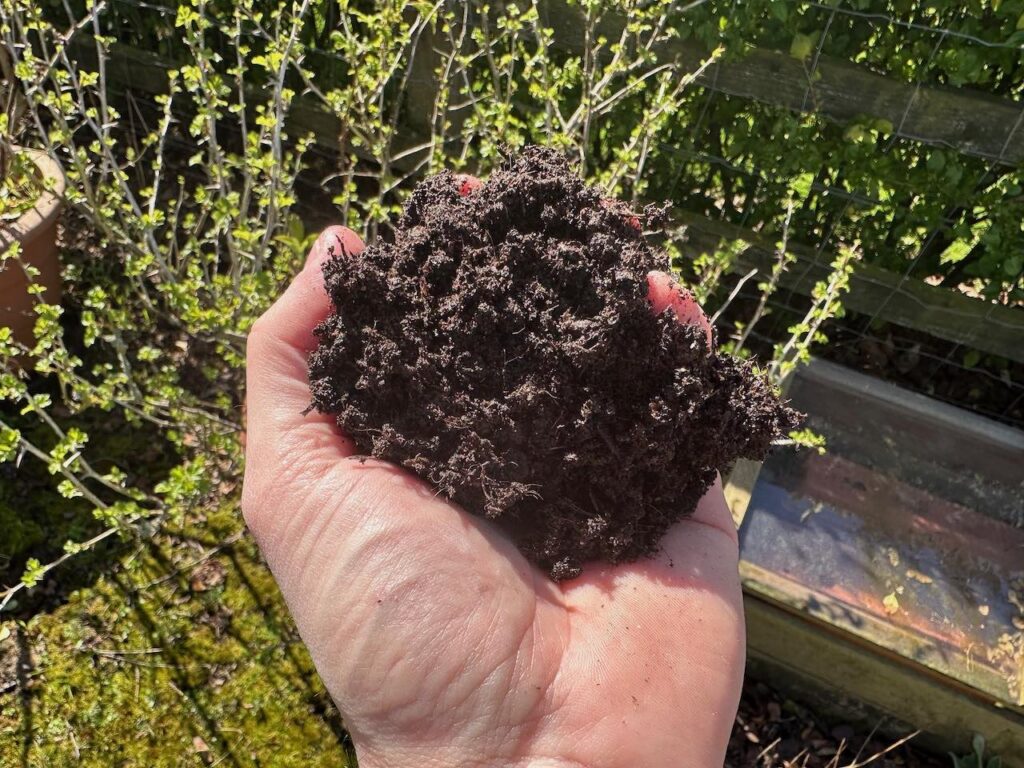
You may hear compost being called ‘black gold’ by gardeners, as it is probably the best all-round plant food and soil improver available. It is also the cheapest, essentially free if you make it yourself.
🛒 Buy peat-free compost from Amazon UK
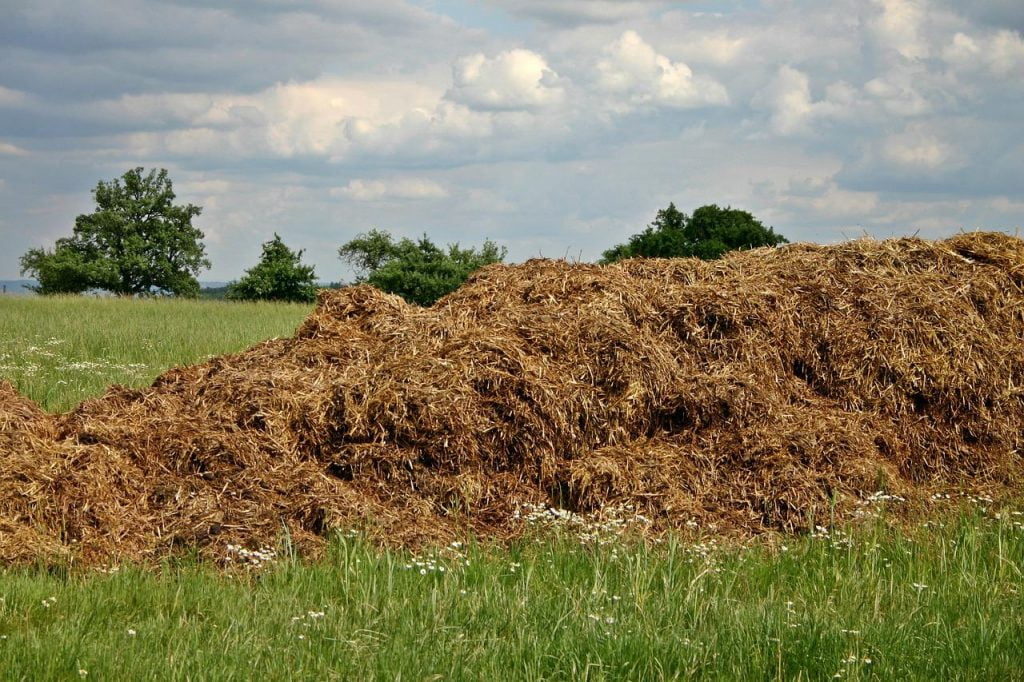
Well Rotted Manure
Animal manure, such as cow, horse, poultry, or sheep, is another common organic fertiliser and a good source of nutrients, including nitrogen, phosphorus, and potassium, as well as organic matter. However, manure should be properly aged before use in the garden or composted before application. This is to avoid potential issues with ammonia, burning of plant roots, pathogens, odour, and weed seeds. Always leave manure for 6 months until it has only an earthy smell remaining before applying it to your beds.
🛒 Buy well-rotted manure from Amazon UK
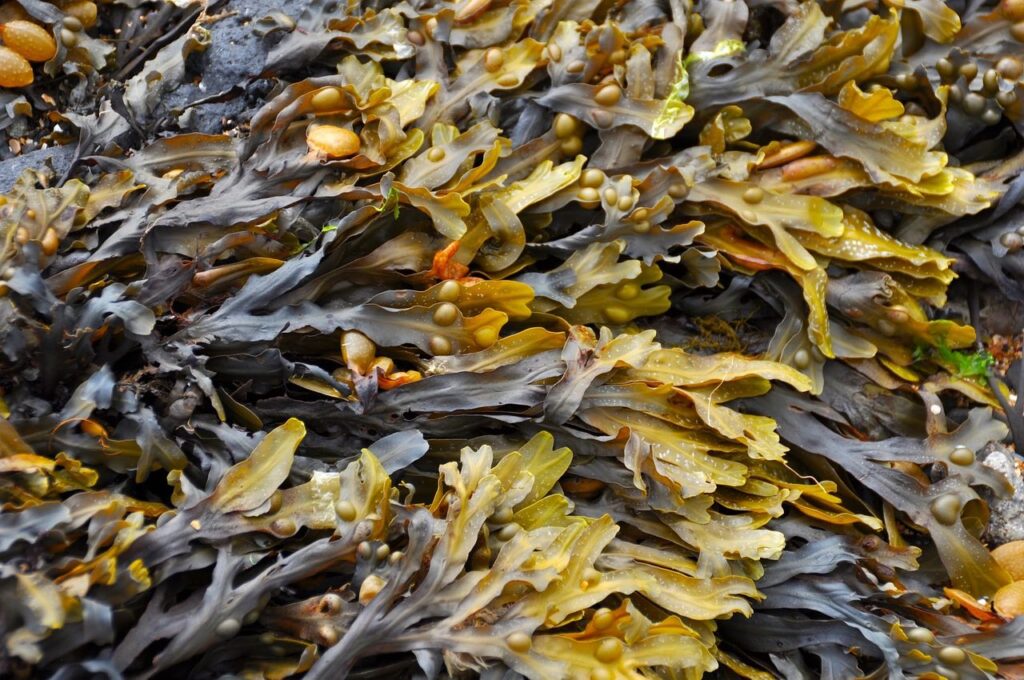
Seaweed / Kelp
Seaweed or kelp is a type of marine algae that can be used as an organic fertiliser. It is rich in a wide range of nutrients, including nitrogen, phosphorus, potassium, and trace minerals. Seaweed or kelp can be used as a foliar spray or incorporated into the soil to improve plant growth and overall soil fertility. Seaweed organic plant food is often used on lawns as it can be easily applied as a liquid feed, ensuring even coverage. It contains an excellent mix of balanced nutrients for grass, making it a fantastic lawn fertiliser as well as a general plant food.
🛒 Buy seaweed fertiliser from Amazon UK
Green Manure
Green manure refers to the practice of growing cover crops, such as legumes, clover, or alfalfa, and then ploughing or tilling them back into the soil as a source of organic matter and nutrients. Green manure helps improve soil structure, add organic matter, and release nutrients as the cover crop decomposes. It works by using these short-lived crops to capture atmospheric nitrogen and fix it in the soil through nodules on their roots.
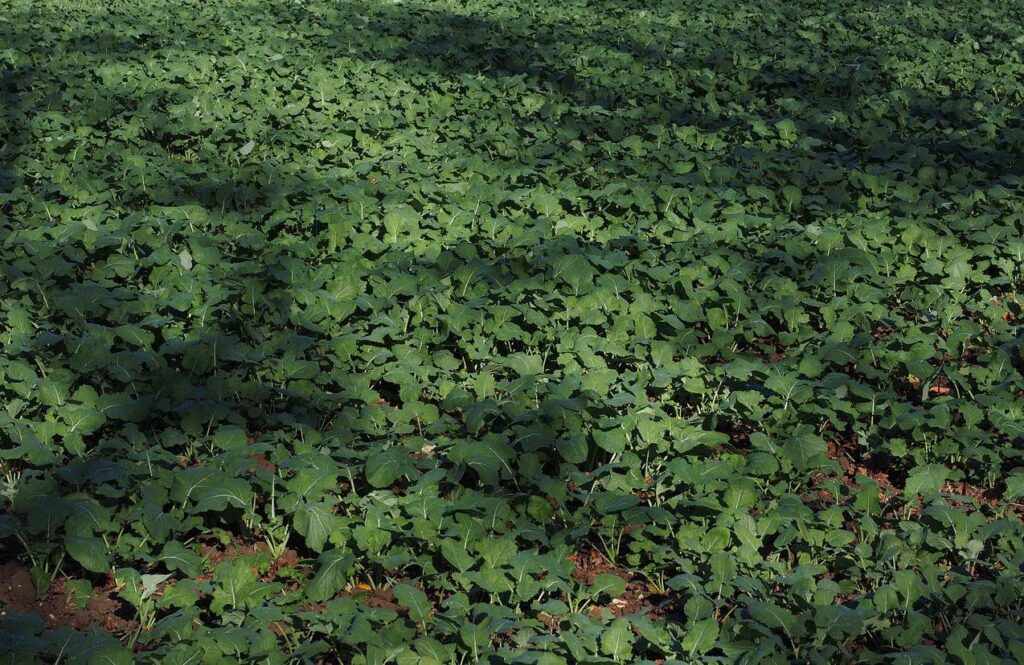
Usually, green manure is used on allotments or vegetable gardens and is sown in between growing seasons like autumn and spring to help add nutrients back to the raised beds. You apply it by sowing the seeds and then hoeing them back into the ground before they flower and set seed, recycling the nutrients they have absorbed from the atmosphere rather than the soil.
🛒 Buy green manure seeds from Amazon UK
Organic Plant Food and Soil Structure
Organic fertilisers are typically slower to release nutrients compared to synthetic or man-made fertilisers. This means less of a sudden boost in food, which then stops suddenly. Organic feeds provide long-term benefits to soil health, plant growth, and environmental sustainability. However, the key benefit to organic over inorganic plant foods is that they are also fantastic at improving soil structure. In the instance of clay soil, they add more air to the structure, reducing waterlogging. They also retain moisture and nutrients in sandy soil. So organic plant foods not only feed the plant but improve your soil in the process.
2. Inorganic (Synthetic) Fertilisers
This type of fertiliser is manufactured and often contains synthetic chemicals or compounds. Inorganic fertilisers release nutrients quickly and are often used to correct nutrient deficiencies in the soil. These are the main types of shop-bought fertilisers often seen in boxes or bottles lined up in garden centres. These man-made plant foods deliver nutrition in varying amounts depending on the formulation.
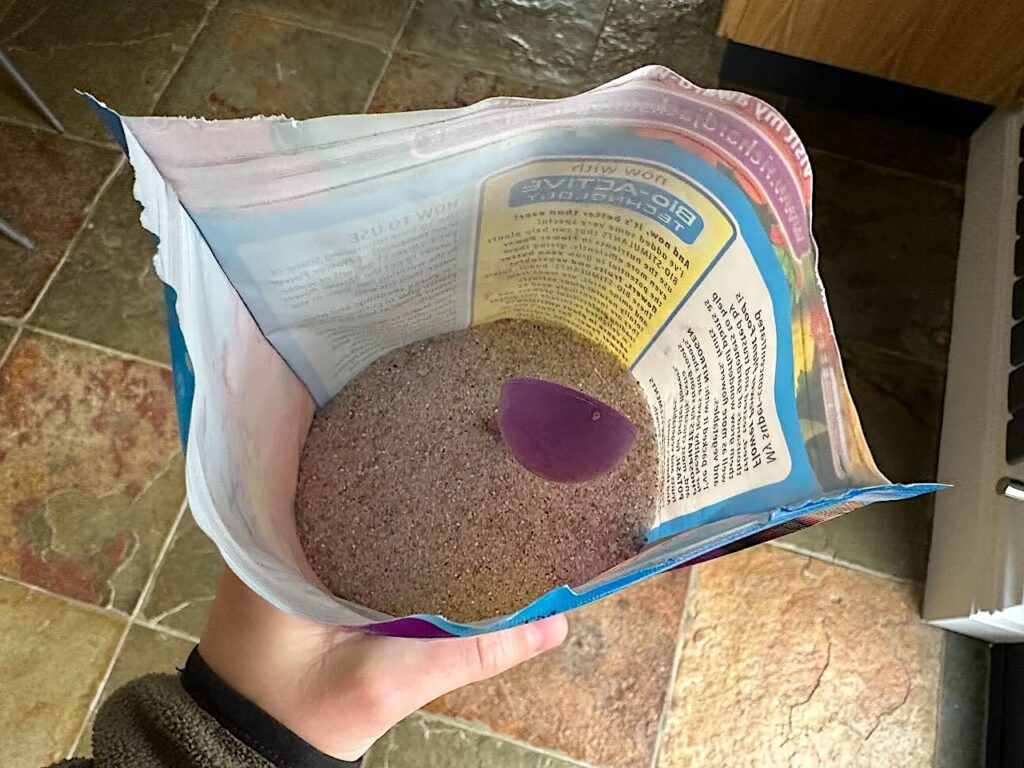
The biggest drawbacks of inorganic fertilisers are that they are expensive to produce and buy, they do not improve soil structure, they often leach into waterways, and they can be hard to apply at the correct dosage. As an ethical gardener, I avoid synthetic chemical fertilisers wherever possible and rely primarily on home-made compost, chicken manure pellets, and comfrey tea instead.
3. Slow-Release Fertilisers
These are fertilisers that release nutrients over a longer period of time. They are often used for container plants and can last for several months. These include both organic forms, such as fish, blood and bone, and synthetic man-made slow-release fertilisers. They are a good halfway house if you want the convenience of infrequent application without the sharp nutrient spikes of a standard liquid feed.
💡 Top Tip
Slow-release fertilisers are ideal for container plants and hanging baskets. The compost in pots typically exhausts its base fertiliser within three to four weeks, so mixing in a slow-release granule at planting time provides continuous nutrition without the need for weekly liquid feeding. Mix it into the compost before planting for best results.
Fish, Blood and Bone Meal (Organic Slow-Release)
This is a compositional plant feed of nitrogen, phosphorus, and potassium from deceased animals. It is a byproduct of the livestock and fishing industries. Bone meal is made from crushed and powdered animal bones, typically from livestock or fish, and is a good source of phosphorus, which is essential for root development, flowering, and fruiting in plants. Blood is a good nitrogen source, important for leaf growth and overall plant vigour. Blood meal is also high in protein and contains trace minerals. Together, fish, blood and bone covers all three major nutrients in one application.
🛒 Buy fish, blood and bone from Amazon UK
Polymer-Coated Fertilisers (Inorganic Slow-Release)
These are granular fertilisers coated with a thin layer of polymer that controls the release of nutrients. The polymer coating gradually breaks down over time, releasing the enclosed nutrients into the soil. The release rate can be controlled by coating thickness, enabling customisation of fertiliser release to match the plant’s nutrient requirements over a season. These are very popular for patio containers and hanging baskets.
🛒 Buy slow-release granule fertiliser from Amazon UK
4. Liquid Fertilisers
These are fertilisers that come in liquid form and are applied to the soil or foliage as a spray or watered in. These feeds are mixed with water to create the feed or are manufactured in liquid format. Liquid feeds make measuring fertilisers far more straightforward than granular feeds, as you dilute them based on how much water your watering can holds. For example, if you have a liquid feed that needs 1 part fertiliser to 9 parts water and you have a 10-litre watering can, you would add 100ml of liquid feed to 900ml of water.
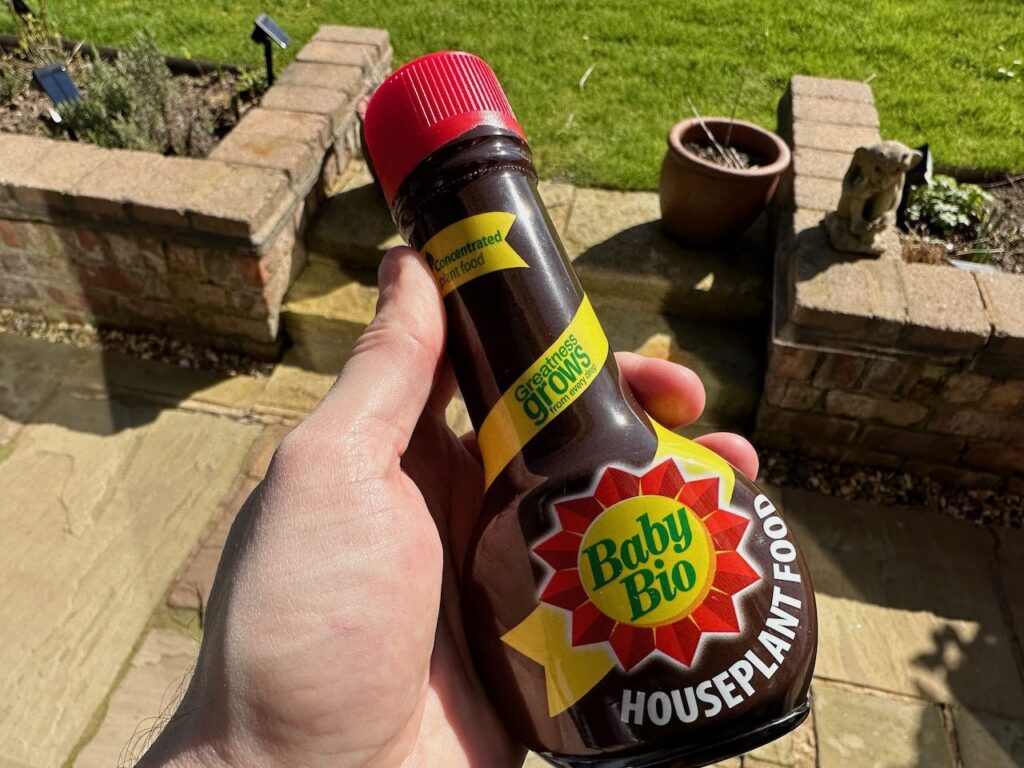
The benefit of liquid plant feed is that plants quickly absorb them and they are often used to provide a quick nutrient boost. So if your plants are sickly or producing fruit and need a fast boost of nutrients, these are the best option. Probably the best-known liquid plant feed is either tomato food, which is super high in potassium for fruits, or Baby Bio, the liquid plant feed for houseplants.
The other liquid feed worth knowing about is comfrey tea, which has an extraordinary amount of potassium, far more than tomato food. It is an excellent feed for fruit, vegetables, and poor soil. Best of all, you can make it yourself at home each year for free.
The main drawback with liquid feeds is that they are short-lived, lasting at most two weeks before needing to be reapplied, and they can leach out of the soil quickly. They are best used as a targeted boost during the active growing season rather than as a primary feeding method.
🛒 Buy liquid plant food from Amazon UK
5. Granular Fertilisers
These are fertilisers that come in small granules and are applied to the soil. They release nutrients slowly over time and are often used for lawns and large garden areas where they can be scattered quickly, saving time. These granular plant foods are often labelled ‘multi-purpose plant food’ because they contain a balance of nitrogen, phosphorus, and potassium. They can be man-made or organic.
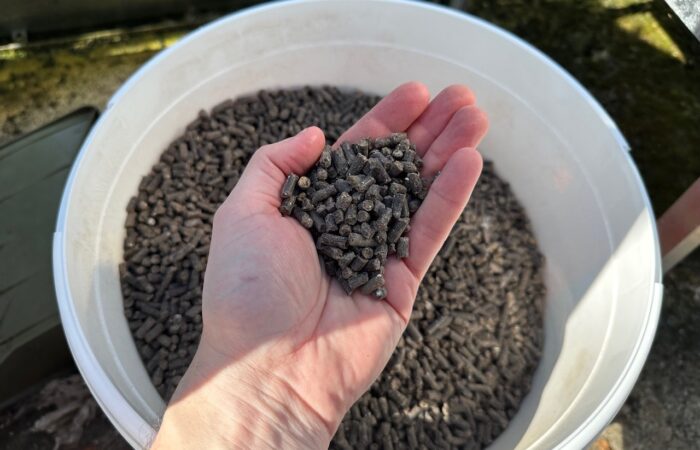
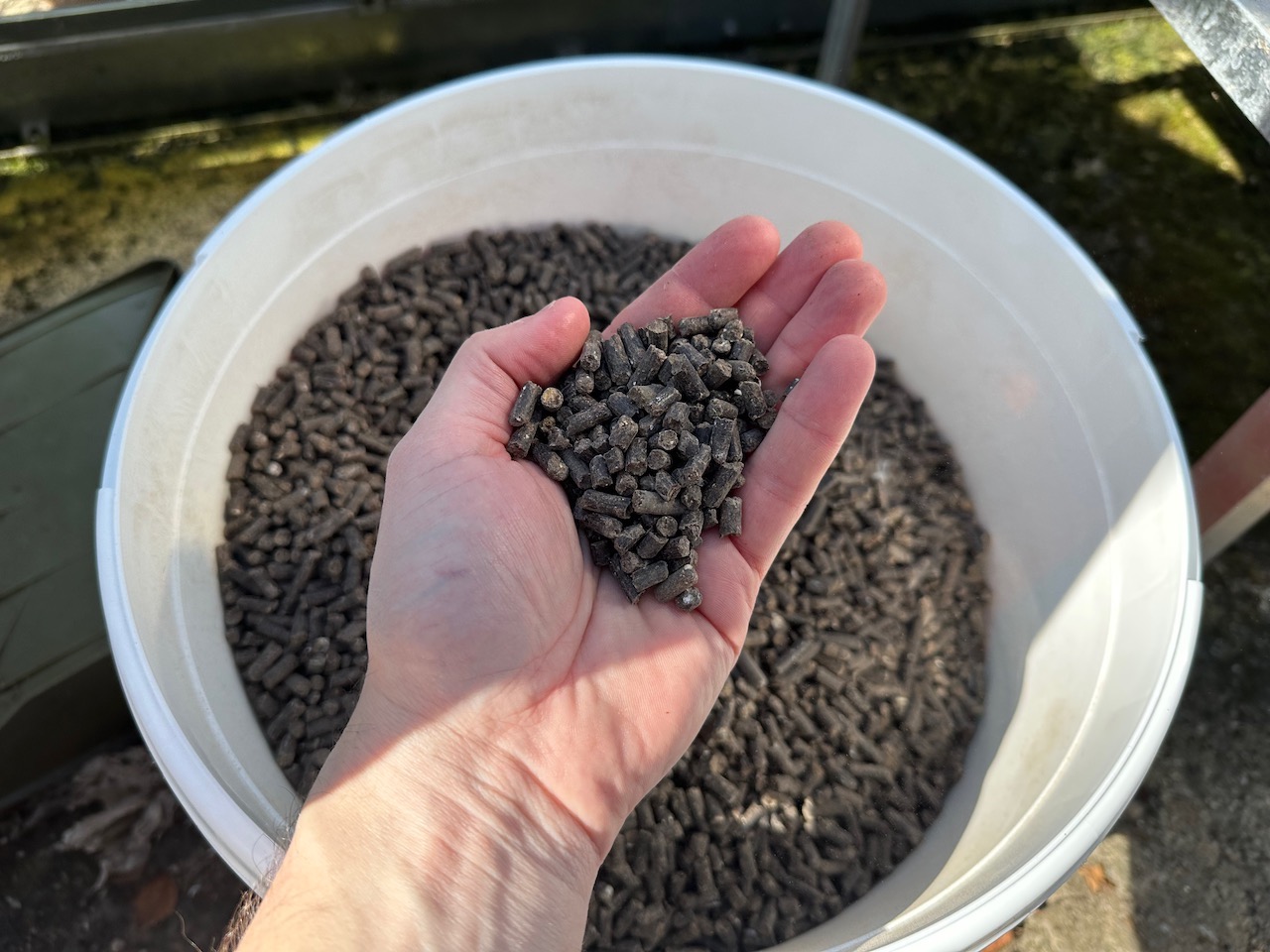
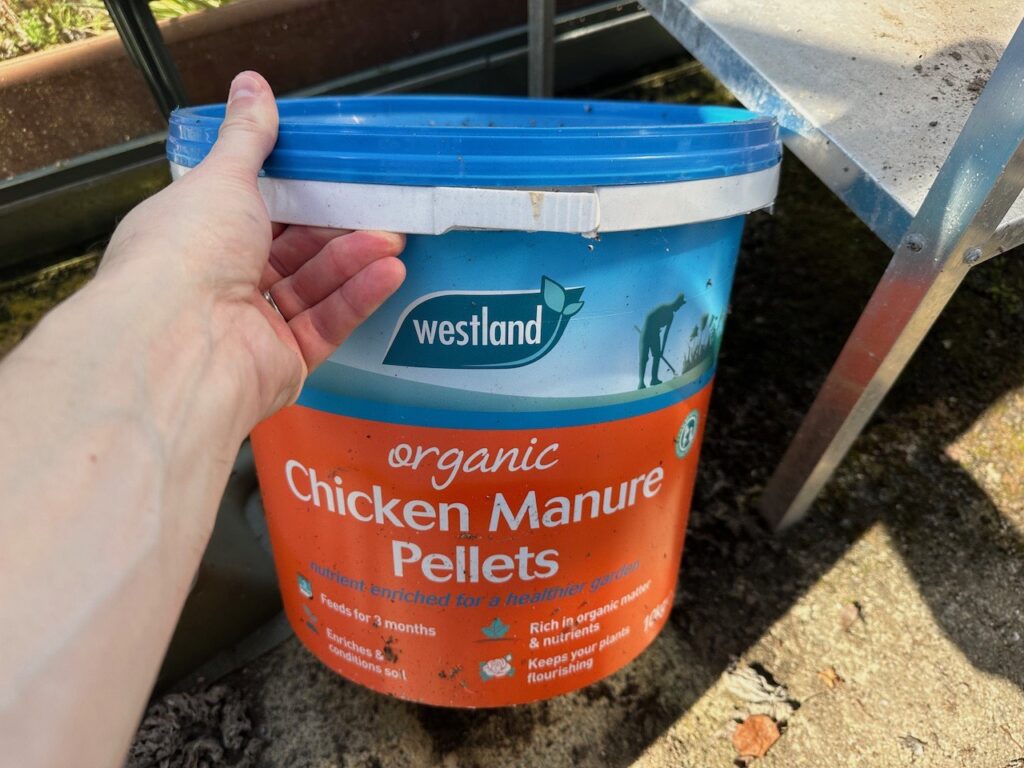
One of the best granular feeds comes in pellet form and is chicken manure that has been processed as pellets. This organic feed can be scattered over flower beds or vegetable patches and provides a slow-release, high-nutrient feed for plants. As it is organic, it breaks down and has the lowest manufacturing impact compared to synthetic fertilisers, as it recycles chicken waste rather than creating synthetic chemicals.
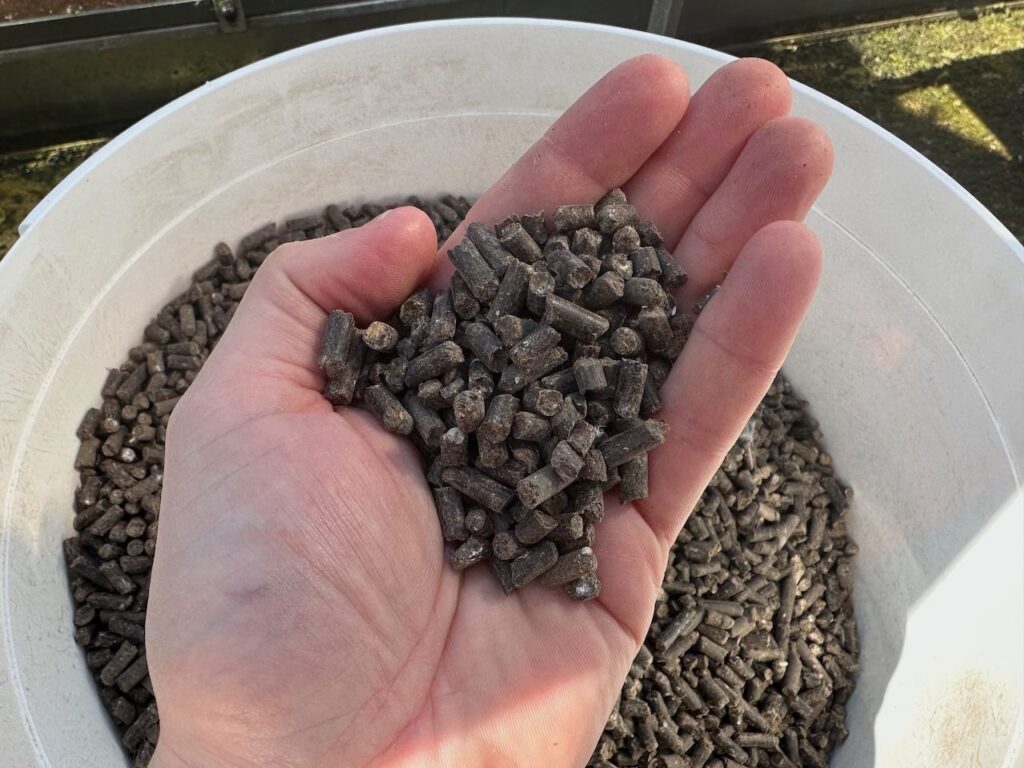
🛒 Buy chicken manure pellets from Amazon UK
6. Foliar Fertilisers
These are fertilisers applied directly to plant leaves. They are quickly absorbed by the plant and often used to correct nutrient deficiencies or provide a quick nutrient boost. Foliar feeds are absorbed by the stomata (breathing cells) of the plant leaves, so the plant often uses foliar feeds far faster than a root feed.
Foliar feeds are mainly used to treat deficiencies such as chlorosis of the leaf, where yellowing indicates iron or magnesium deficiency. These foliar feeds can be applied quickly to help reverse the plant ailment. Foliar feeds also do not leach onto other plants, so they are considered targeted fertilisers. They are particularly useful for treating specific problems quickly rather than as a general feeding method.

Fish Emulsion Feed (Liquid Organic)
Fish emulsion is a liquid organic fertiliser made from fish waste or fish remains. It is a good source of nitrogen, phosphorus, and potassium, as well as trace minerals. Fish emulsion is typically used as a foliar spray or soil drench and is readily absorbed by plants. It has the added advantage of being derived from a waste product of the fishing industry, so it recycles existing materials rather than requiring intensive manufacturing.
What does NPK mean on plant food?
NPK stands for Nitrogen (N), Phosphorus (P), and Potassium (K), which are the three most important nutrients required by plants to grow. The NPK ratio on plant food indicates the relative amounts of these three nutrients present in the fertiliser. For example, a fertiliser with an NPK ratio of 10-10-10 contains 10% nitrogen, 10% phosphorus, and 10% potassium by weight.
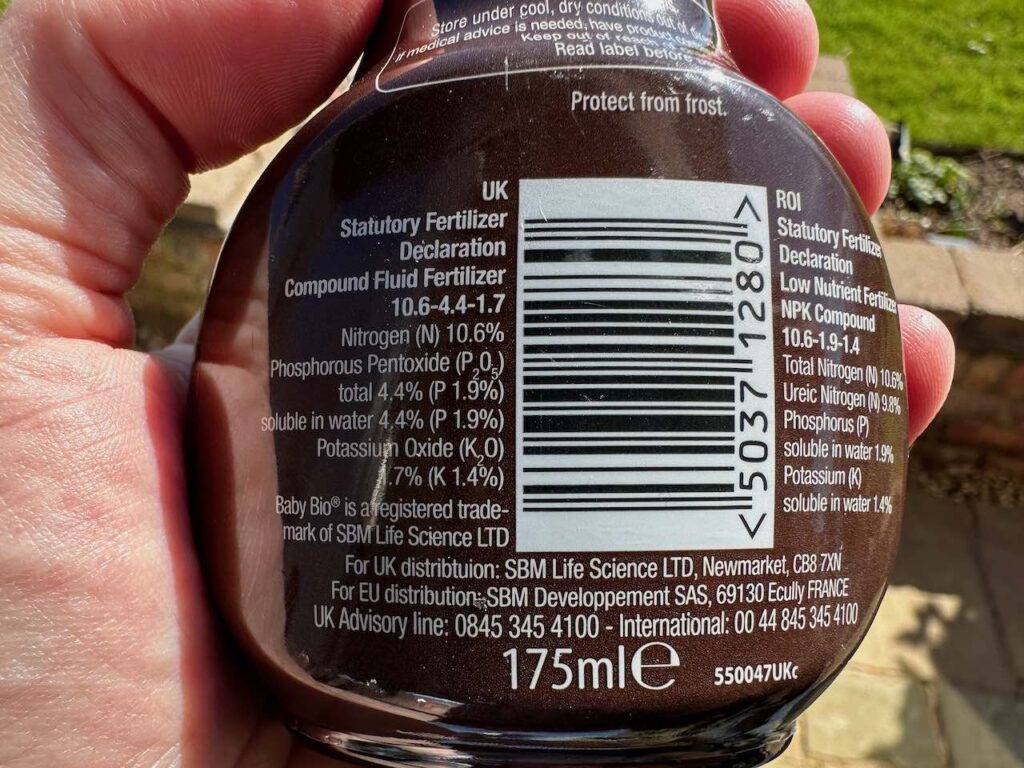
Each of these nutrients has a specific function in plant growth and development. Nitrogen (N) is essential for the growth of leaves and stems. Phosphorus (P) is important for root development, flowering, and fruiting. Potassium (K), also known as potash, helps plants to resist disease and stress and also improves fruit quality and yield.
Gardeners use the mnemonic for NPK: ‘Shoots, roots and fruits’ to remember which nutrients apply to which part of the plant. Nitrogen for shoots (leafy growth), phosphorous for roots, and potassium for fruits. There is a little crossover between the last two, but that is the easiest way to remember what each nutrient does in plant food. It is also helpful to understand that potassium is sometimes referred to as potash in plant feeds.
Choosing a fertiliser with the appropriate NPK ratio for your plants’ needs is important. Plants grown primarily for their foliage, such as lettuce or spinach, require a fertiliser with a higher nitrogen content. On the other hand, plants grown for their flowers or fruit, such as roses or tomatoes, require a fertiliser with a higher phosphorus and potassium content.
💡 Top Tip
When buying a plant feed, always check the NPK ratio on the label before purchasing. A high first number (N) is good for leafy vegetables and lawns in spring. A high third number (K/potash) is what you want for tomatoes, roses, and any flowering or fruiting plant. A balanced ratio like 7-7-7 is suitable as a general all-purpose feed for mixed borders.
Organic vs synthetic fertilisers: a quick comparison
One of the most common questions I get asked is whether organic or synthetic plant food is better. The short answer is that organic is almost always preferable for the home gardener, both for your plants and for the environment. But the full picture is more nuanced than that. Here is a comparison of both approaches to help you decide what to use in your garden.
Is organic plant feed better than manufactured fertiliser? The quick answer is yes, organic plant food is always preferable to synthetic or mass-produced chemical fertilisers for the home gardener. Organic plant feeds can be made at home with a low carbon footprint, help recycle garden and kitchen waste, improve soil structure, tend to be more slow-release, are lower cost, and reduce our need for high-energy-intensive manufacturing. We can also see exactly what we are feeding our plants.
What are the key micronutrients for plant growth?
Micro plant nutrients, also known as micronutrients or trace elements, are essential nutrients required in smaller amounts by plants for their proper growth and development. While macronutrients such as nitrogen (N), phosphorus (P), and potassium (K) are needed in larger quantities, micronutrients are equally important for plant health, even though they are needed in much smaller amounts. The most commonly recognised micronutrients for plant growth are iron, manganese, zinc, copper, boron, molybdenum, and chlorine.
These micronutrients are required in small quantities, but their deficiency can lead to various nutrient-related disorders and reduced plant growth and yield. However, for the most part, using a balanced organic plant food, such as peat-free compost or well-rotted manure, ensures that all these micronutrients are adequately present for your plants.
I only ever add specific micronutrient feeds if a plant is sick or needs treatment for a very specific cause, such as treating iron-deficiency chlorosis in an ericaceous plant growing in too-alkaline soil.
What is the best plant food for vegetables?
Now that we understand what NPK (Nitrogen, Phosphorous and Potassium) means, remembered as shoots, roots and fruits, we can quickly work out what plant food our vegetables need. Vegetables have a high requirement for potassium, given that they produce edible fruit or produce. So a high-potassium or potash food is required for most vegetable crops.
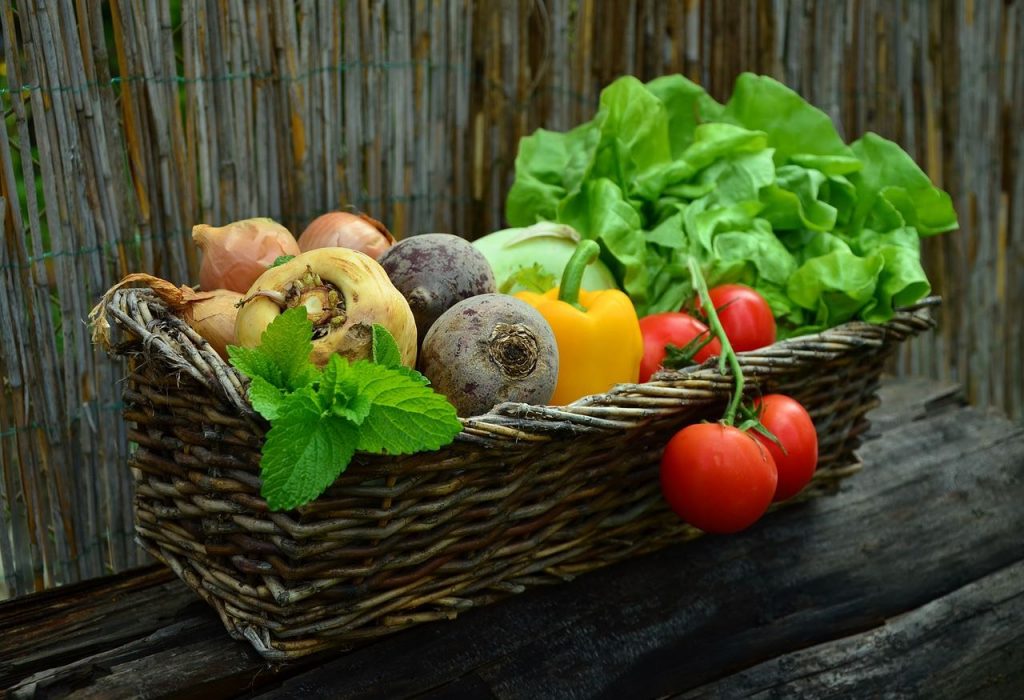
I use three different types of plant food for my allotment and vegetable patches. These all contain a good balance of NPK but have higher potassium levels for fruiting. So they are great all-rounders. Tomato liquid feed is also good, but I prefer these organic fertilisers when growing my own produce to eat. The above plant foods help feed vegetables throughout the season, resulting in bumper crops. None of them are synthetic, and all break down back into the soil, creating as minimal a carbon footprint as possible.
🛒 Buy tomato liquid feed from Amazon UK
When to feed plants
The best time to feed your garden plants and vegetables is when they are actively growing and about to fruit. There is no point in feeding plants in winter when they are dormant. It is a waste of fertiliser, and it squanders resources in the garden.
I feed plants from April through to July here in my own garden. But I only feed plants when they actually need it. Most of my herbaceous perennials get no food whatsoever. That is because, with a yearly compost mulch, they simply do not need anything else.
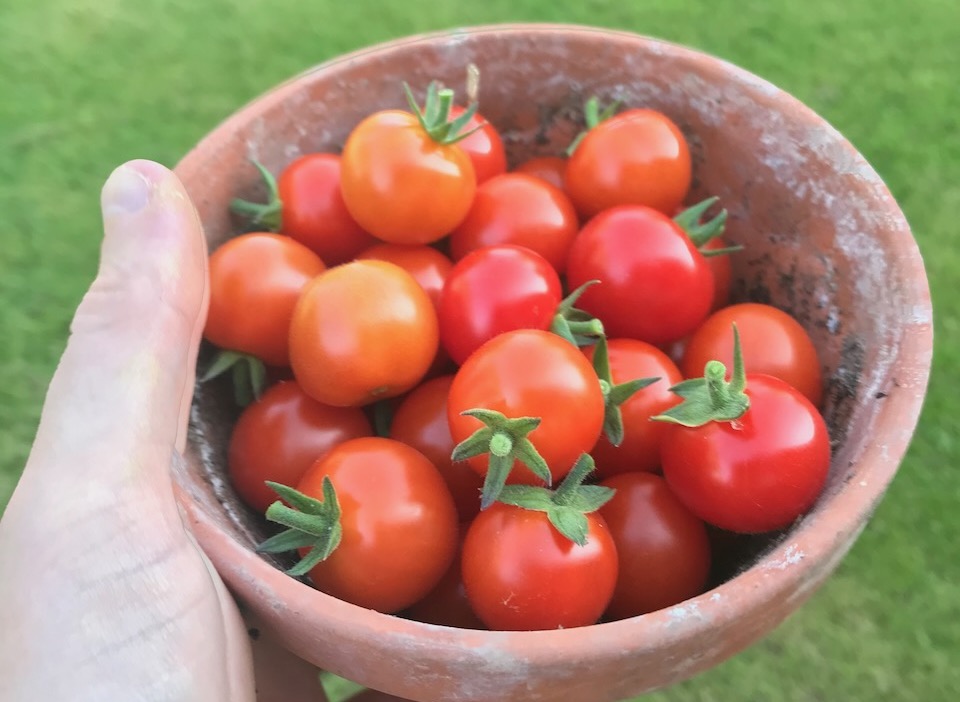
For fruit, vegetables, and high-demand flowers like roses, I start feeding them in April, when they are actively growing. For fruiting vegetables, like tomatoes or squashes, I give a high-potassium feed, such as my homemade comfrey tea. For root vegetables, I apply homemade compost or chicken manure.
💡 Top Tip
One of the most common mistakes gardeners make is feeding plants in autumn and winter. Plants are mostly dormant during cold months and cannot use the nutrients. Feeding in winter is a waste of money and can contribute to nutrient runoff into waterways. Start feeding in April and stop by August at the latest for most UK garden plants.
Which fertiliser should I use for which plant?
One of the most practical questions I get asked in the forum is not what the fertilisers are, but which one to actually use for a specific plant. Here is a quick reference guide based on my experience designing and planting hundreds of gardens, and on years of growing my own fruit and veg.
The table above is a starting point. Always remember that plants growing in well-improved garden soil with regular compost mulching will need far less supplementary feeding than plants in containers or on allotments where the same soil is used repeatedly. If in doubt, test your soil first with an inexpensive soil test kit before buying any fertiliser, as you may find your soil already has adequate levels of the nutrients you are about to add.
How to make your own plant food
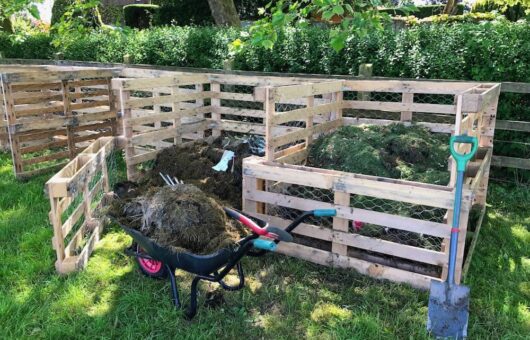
The best way to make your own plant feed is to make homemade compost or comfrey tea. Compost is probably one of the easiest plant feeds to make and the least expensive. If you want to know how to make your own compost, check out this guide and watch the video below on how to easily make your own compost bins for hot composting.
Composting is a natural process that decomposes organic materials into nutrient-rich humus, which can be used as a valuable soil amendment for gardening. Best of all, it is free. Here are the key steps to making your own compost.
- Start by choosing a composting method that suits your available space: traditional open-air composting, composting in bins or containers, or vermicomposting using worms.
- Then gather compostable materials. Composting requires a mix of brown (carbon-rich) and green (nitrogen-rich) organic materials. Brown materials include dry leaves, straw, wood chips, sawdust, and shredded paper.
- Green materials include fruit and vegetable scraps, grass clippings, coffee grounds, tea leaves, and fresh plant trimmings. Avoid meat, dairy, oily foods, and pet waste as they can attract pests and slow down the process.
- Chop or shred larger materials into smaller pieces to speed up decomposition, then layer the materials, alternating brown and green layers.
- Moisten the compost pile as you go, aiming for a damp but not soggy consistency.
- Turn or aerate the pile regularly with a pitchfork to introduce oxygen, which is essential for the aerobic microorganisms that break down the organic materials.
- Monitor and adjust for moisture and smell. If the pile smells foul, turn it to improve aeration. Composting typically takes several months to a year.
- Once the compost is dark, crumbly, and earthy-smelling, it is ready to use.
Can I overfeed my plants?
Yes, you can, and more often than you might think. Sometimes, overfeeding a plant can be worse than not feeding it at all. That phrase, “killing them with kindness,” certainly applies to plants. Plants will only grow at a certain rate so overfeeding them will not speed this up or make them flower earlier. We need to be mindful not to always try to rush nature. Plant food is a supplement to get the best out of our plants, not a shortcut.
Overfeeding plants, whether with synthetic or organic fertilisers, can cause a variety of symptoms that indicate nutrient imbalances or toxicity. Here are the most common symptoms to look out for.
1. Leaf burn or scorch
Overfeeding plants can result in leaf burn or scorch, where the edges or tips of the leaves turn brown or yellow and may become dry and crispy. This can occur when excessive salts or nutrients accumulate in the soil, leading to osmotic stress and damage to the plant’s cells. It is particularly common with synthetic granular fertilisers applied in excessive quantities.
2. Leaf distortion or curling
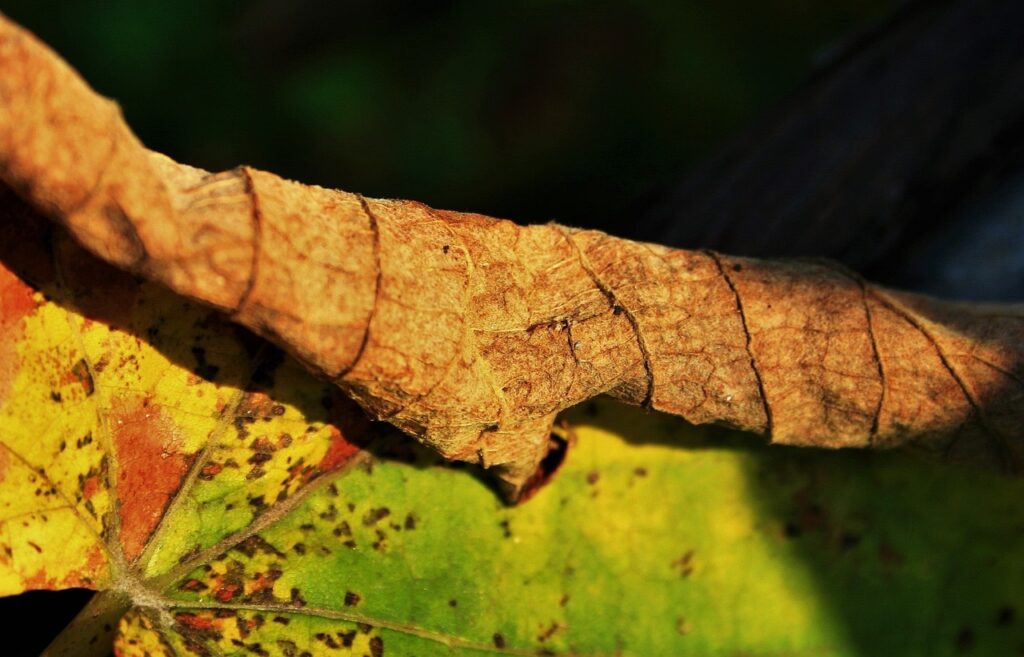
Overfeeding can cause leaf distortion or curling, which may indicate nutrient imbalances or toxicity. For example, excessive phosphorus can cause leaf distortion or curling, while excessive manganese or zinc can cause similar symptoms.
3. Reduced or stunted growth
Overfeeding can negatively affect plant growth, leading to reduced or stunted growth. This can occur when excessive nutrients inhibit the plant’s ability to take up water and nutrients properly, leading to impaired growth and development. This is particularly common when high-nitrogen feeds encourage excessive lush, soft, leafy growth that is vulnerable to pests, disease, and frost.
4. Accumulation of salts on the soil surface
Over time, overfeeding can result in the accumulation of salts on the soil surface, visible as white or yellowish crusts on the soil surface or around the plant’s base. Salt accumulation can disrupt soil structure, reduce water penetration, and affect plant root health. If you see this, flush the compost or soil with plain water and hold off feeding for several weeks.
5. Unusual or altered flowering and fruiting
Overfeeding can affect the flowering and fruiting of plants. Excessive nitrogen, for example, can promote lush foliage growth at the expense of flowering or fruiting. Additionally, nutrient imbalances caused by overfeeding can result in poor fruit quality, abnormal fruit shape or colour, or reduced fruit production. This is a very common problem with roses and tomatoes that have been over-fertilised with nitrogen.
How are nitrogen, phosphorous, and potassium made synthetically?
If you are looking at buying synthetic plant feeds, it is worth understanding how they are made. This will help you decide whether you agree with the high carbon footprint and energy use required to produce these synthetic chemicals at mass scale. With mass-produced fertiliser, the three main nutrients for plants, NPK, are chemically synthesised from a few key materials on an industrial scale in factories worldwide.
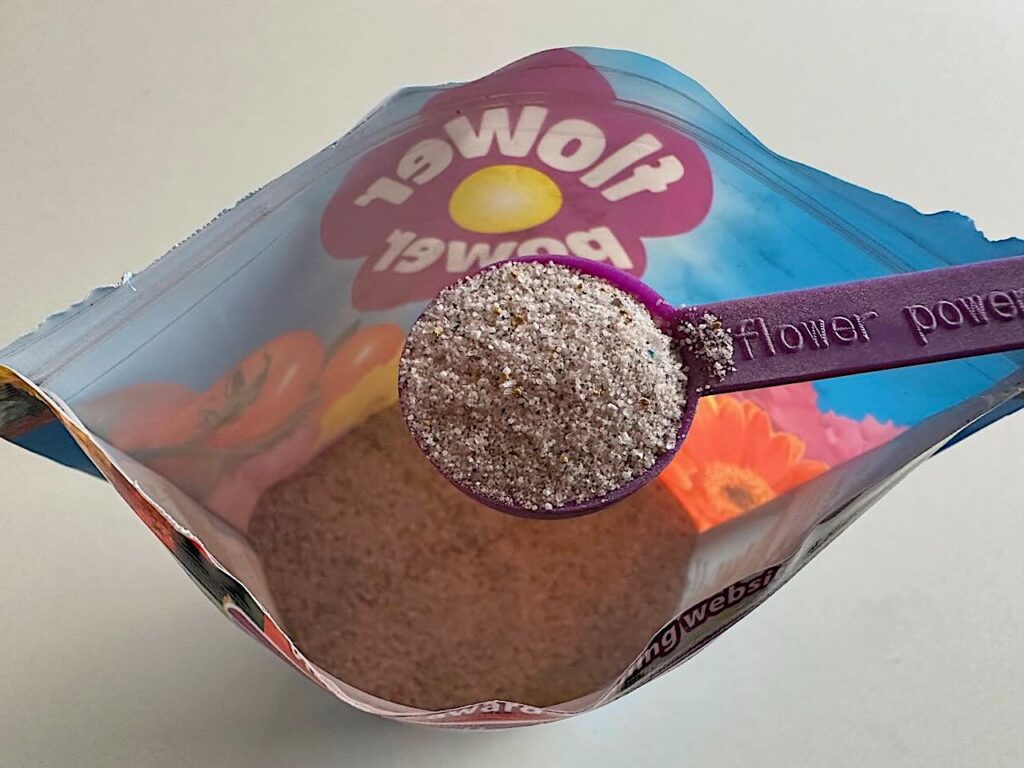
Nitrogen (N) is most commonly obtained from ammonia (NH3) or urea via the Haber-Bosch process. It involves reacting atmospheric nitrogen gas with hydrogen gas to produce ammonia, which is then used as the basis for many nitrogen fertilisers. The process is carried out at high temperatures (400 to 500°C) and high pressure (150 to 300 atmospheres) using iron-based catalysts. This is the main process behind the nitrogen in agriculture and farming.
Phosphorus (P) can be derived from phosphate rock, a sedimentary rock mined from phosphate deposits. Sometimes it is used to produce phosphoric acid by reacting phosphate rock with sulfuric acid (the wet process) or by smelting phosphate rock with coke to produce phosphorus pentoxide (the thermal process), which is then converted to phosphoric acid.
Potassium (K) can be obtained from potassium chloride (KCl) or potassium sulfate (K2SO4). These raw materials undergo chemical reactions, such as neutralisation and hydrolysis, to transform them into the desired nutrient forms. Though again it must be stressed that homemade compost or comfrey tea can provide all of these nutrients without the need for intensive manufacturing processes. As an ethical gardener, I avoid synthetic chemical fertilisers wherever possible.
Frequently asked questions about plant fertiliser
What is the difference between plant food and fertiliser?
Plant food and fertiliser are used interchangeably in gardening, but technically, plant food refers to the nutrients a plant produces itself through photosynthesis, while fertiliser is what we add to the soil or leaves to supplement those nutrients. In common gardening use, both terms mean the same thing: products you add to support plant growth.
Do all plants need fertilising?
No. Most established plants growing in good garden soil that receives an annual compost mulch do not need regular fertilising. Drought-tolerant and Mediterranean plants actively dislike rich feeding, as it encourages soft growth that is more vulnerable to frost and drought. The plants that benefit most from fertilising are fruit and vegetables, container plants, roses, lawns, and young plants establishing in their first season.
When should I stop feeding plants in the UK?
Stop feeding most garden plants by the end of August at the latest, and ideally by late July. Feeding plants late in the season encourages soft, lush, frost-tender growth that can be damaged by early autumn frosts. For lawns, switch to an autumn feed formula (low nitrogen, higher potassium and phosphorus) from September onwards to encourage root development rather than top growth.
Is it better to feed plants with liquid or granular fertiliser?
Both have their uses. Liquid feeds act quickly, making them ideal for plants showing deficiency symptoms, for container plants during the growing season, and for fruiting vegetables that need a rapid potassium boost. Granular feeds are slower-acting and lower-maintenance, making them better for lawns, flower beds, and vegetable patches at the start of the season. In my garden, I use granular organic feeds (chicken manure pellets and compost) as the foundation, and liquid comfrey tea as a targeted boost for fruiting plants.
What is the NPK ratio and why does it matter?
NPK stands for Nitrogen (N), Phosphorus (P), and Potassium (K), the three primary macronutrients in plant food. The NPK ratio on a fertiliser label tells you the percentage of each nutrient by weight. A 10-10-10 fertiliser is balanced, a 20-5-5 is high-nitrogen (good for leafy plants and lawns), and a 5-5-15 is high-potassium (good for fruiting plants and roses). Remember the mnemonic: shoots (N), roots (P), fruits (K).
Can I use the same fertiliser for indoor and outdoor plants?
In many cases, yes, but the formulation and dosage matter. Liquid feeds designed for houseplants are typically diluted at a gentler ratio to avoid overfeeding in small pots. General-purpose liquid feeds, when used at the recommended dosage, can be used for both indoor and outdoor plants. Granular and manure-based feeds are best kept to outdoor use only, as the smell and potential for mess make them unsuitable for indoor plants.
Summary: Plant Fertilisers Explained
Plant feeds and fertilisers are an essential part of becoming a successful gardener, but applying them without knowledge is a waste of money and resources and can ultimately harm your plants. By understanding the different plant feeds, from organic to inorganic, you can make better-informed choices about whether to feed your plants and what you are adding into the food chain.
Remember that NPK is shoots, roots, and fruits. Organic feeds like homemade compost, chicken manure pellets, seaweed, and comfrey tea are almost always preferable to synthetic alternatives. Feed only during the active growing season (April to August), only the plants that genuinely need it, and always at the correct dosage. Creating fertilisers is big business, but by recycling our own garden and kitchen waste we can help close the loop and provide plants with more natural food, all whilst feeding the soil for the long term.
If you found this guide useful, make sure you visit my YouTube channel for more gardening guides, and do share your garden questions on Facebook or Instagram. Happy Gardening!





Lee Burkhill
Lee Burkhill, known as the Garden Ninja, is an award-winning garden designer and horticulturist with over 20 years of professional design experience and RHS qualifications. He designs and presents on BBC1’s Garden Rescue and has won multiple awards at the Chelsea Flower Show. Lee combines hands-on horticultural expertise with a genuine passion for sustainable, low-carbon gardening advice.
View all posts by Lee Burkhill







Categories
Other posts
-

Start here: to begin your gardening journey! Read more
-
How to prune roses: the beginner’s guide to easy pruning Read more
-
How to Grow Salvias UK: The Complete Guide to Hardy & Tender Varieties Read more
-
How to make an easy compost bin from wooden pallets Read more
-
How to Crown lift a tree: stop trees shading your house Read more
-
Garden aspects: understanding the direction your garden faces Read more