Blog
-

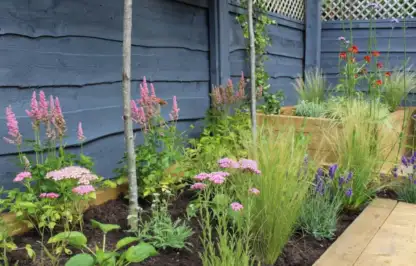
Japanese Anemone: Top 10 Varieties & How to Grow Them
Quick Answer Japanese anemones flower from late summer into November when almost everything else in the border has finished, thriving in full sun, part shade and even dry shade under trees. They are also some of the toughest perennials you can plant, spreading steadily by rhizome once established, so choose their spot with intent rather […]
Read more -
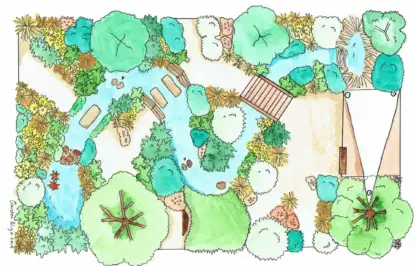
Garden Design Software and Apps UK 2026: A Garden Designer’s Honest Guide
Quick Answer For a free start, Gardena’s myGarden planner draws a simple 2D layout on a metre grid, and SketchUp is the software I would move on to for 3D. Before you download anything, draw your garden by hand with a scale ruler and graph paper, because no app teaches proportion or shows every plant […]
Read more -
How to Grow Peonies: Planting, Care and Cutting Back (UK Guide)
Quick answer: Plant herbaceous Peonies in autumn as bare roots, or any time the ground isn’t frozen from pots, in full sun and fertile, well-drained soil. Keep the buds no more than 2.5cm (1in) below the surface, as planting too deep is the main reason Peonies don’t flower. Support the stems in spring, deadhead after […]
Read more -
How and When to Prune Hydrangeas in the UK (By Type)
Quick answer: When you prune a Hydrangea depends on its type. Mophead and lacecap Hydrangeas are pruned in March, cutting the old flower heads back to the first pair of fat buds and no further. Paniculata and Annabelle Hydrangeas flower on new growth, so cut them back hard in late February or March. Climbing Hydrangeas […]
Read more -

Why Is My Wisteria Not Flowering? 10 Causes and How to Fix Them
Quick answer: The most common reasons a Wisteria won’t flower are missing the summer and winter prunes, a plant that is too young or grown from seed, too much nitrogen feed, not enough sun, and dry soil in late summer when next year’s flower buds are forming. Fix the pruning first: five or six leaves […]
Read more -

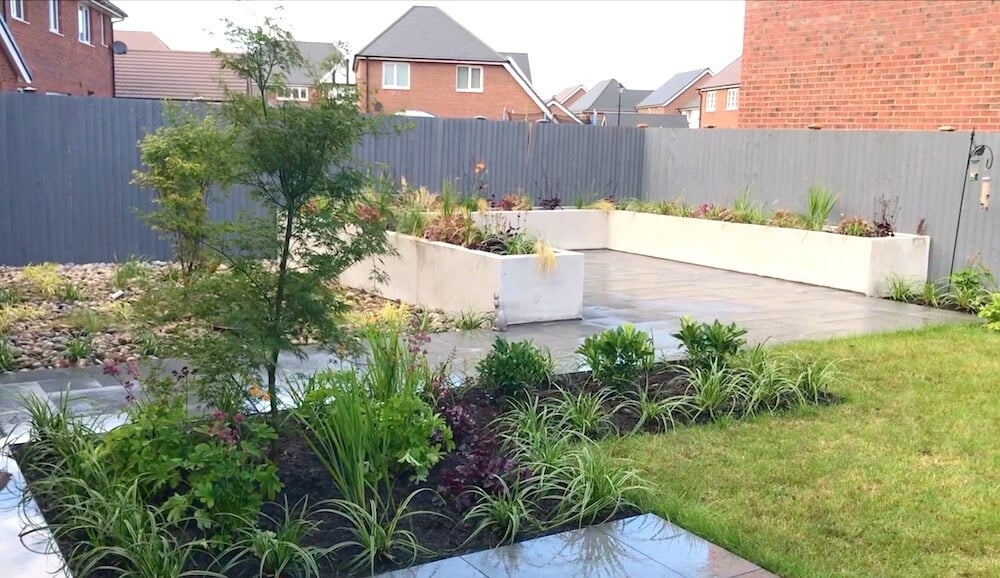
Modern Garden Ideas: A Garden Designer’s Guide for UK Gardens
Quick answer: A modern garden comes down to restraint. Use clean, straight lines that take their scale from the house, one or two hard landscaping materials such as porcelain or sawn stone, and plants repeated in blocks rather than dotted about. Add rendered walls or Corten steel for structure, light it well and keep the […]
Read more -
The Best Raised Beds to Buy 2026: That You Can Build at Home
Quick Answer The best raised beds for most UK gardeners are galvanised steel (20 to 30 years), pressure-treated timber kits (10 to 15 years, most affordable) or composite WPC beds (15 to 20 years, minimal maintenance). Check the inside dimensions before buying: 1.2m wide at most, and at least 30cm deep for vegetables. Raised beds […]
Read more -
Hellebores: How to Grow, Plant and Care for Them (UK Guide)
Quick Answer Hellebores are hardy, evergreen perennials that flower from December to April. Plant them in autumn or late winter in partial shade, in humus-rich soil that stays moist but drains freely, with the crown level with the soil surface. Cut off the old leaves as the flower buds emerge in midwinter, mulch each autumn, […]
Read more -

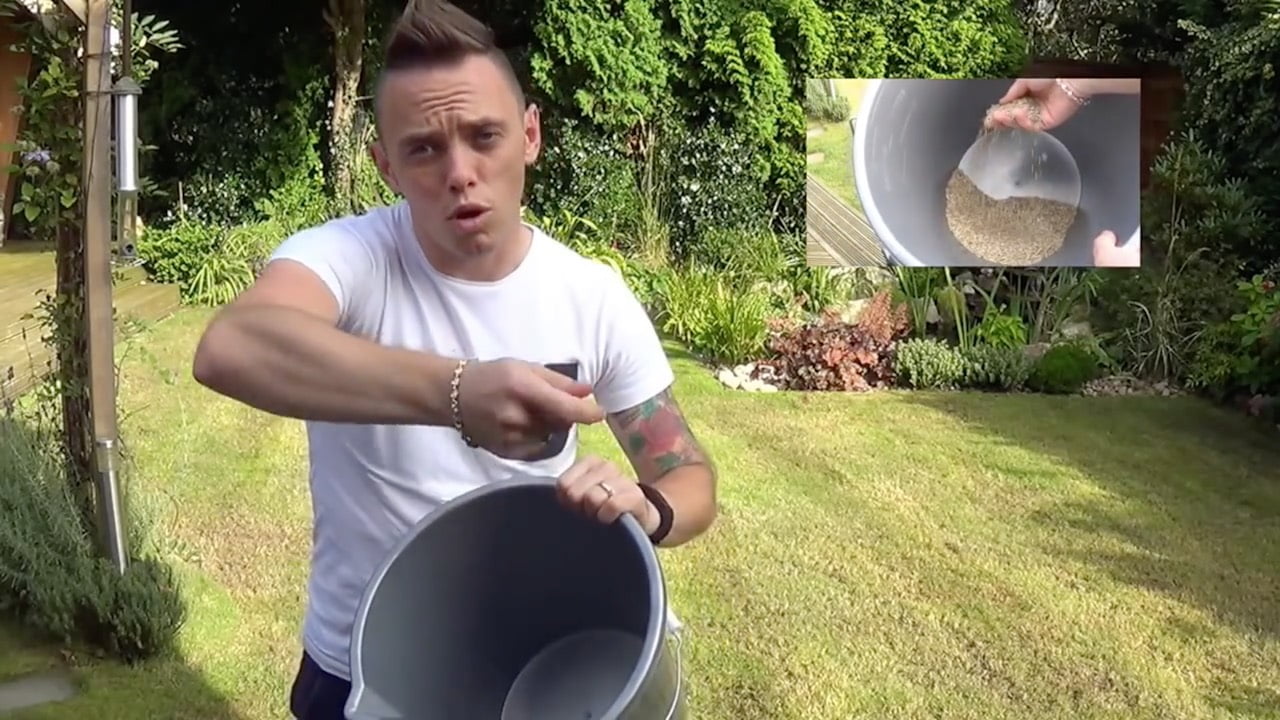
How to Sow Grass Seed: When and How to Start a New Lawn (UK)
Quick Answer The best time to sow grass seed in the UK is late August to the end of September, with mid April to May as the second window. Sow when the soil is above 8°C. Prepare a weed-free, level, firm seedbed, sow 35 to 50g per square metre in two passes at right angles, […]
Read more -

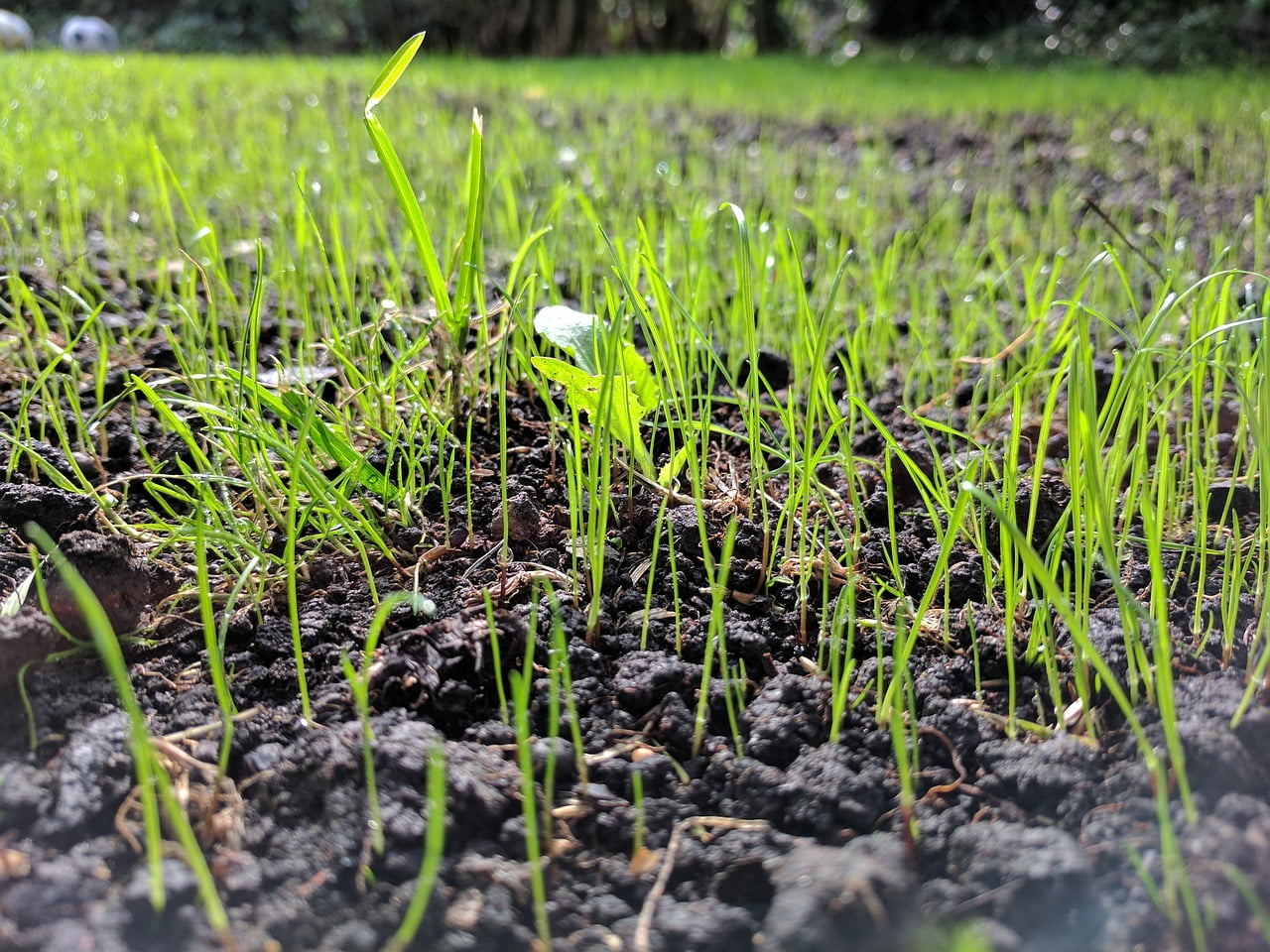
How Long Does Grass Seed Take to Grow in the UK? A Week by Week Timeline
Quick Answer Grass seed takes 7 to 21 days to germinate in the UK when the soil is above 8°C and kept moist. Perennial Ryegrass appears first, in 5 to 10 days, Fescues take 7 to 14 days and Bents 10 to 21 days. A new lawn is usually ready for its first cut after […]
Read more