For the garden you’ve already got, not the one you’re starting from scratch. Seven checklists and video lessons from BBC Garden Rescue’s Lee Burkhill, designed to help you decide what’s worth keeping before you spend a penny.
69

Quick Answer
The best time to sow grass seed in the UK is late August to the end of September, with mid April to May as the second window. Sow when the soil is above 8°C. Prepare a weed-free, level, firm seedbed, sow 35 to 50g per square metre in two passes at right angles, rake in lightly and keep it moist until it germinates in 7 to 21 days.
I have sown lawns from seed in my own garden and on client projects for years, and the same few things decide whether you get a thick green lawn or a patchy one: sowing at the right time, preparing the seedbed properly, using the right amount of seed and keeping it moist and safe from birds until it is up. This guide covers each of those in the order you will need them.
This guide covers starting a brand-new lawn on bare soil. If you want to thicken a tired lawn you already have, you’ll need my guide to overseeding an existing lawn.
Jump To
This page contains affiliate links for products I use and trust. If you buy through one, I may earn a small commission at no extra cost to you, which helps keep the Garden Ninja blog free for everyone.
🛒 Find a lawn seed spreader on Amazon UK
Before you buy anything, make sure seed is the right route. Here is the same quick comparison I include in my turf guide, so you can weigh the two side by side.
🌿 Grass Seed vs Turf at a Glance
| Grass seed | Rolled turf | |
|---|---|---|
| Cost per m² | Around 20p to 60p | About £4 to £5.50 delivered for a typical order |
| Time to use | Light use in 8 to 12 weeks | Light use in 3 to 4 weeks |
| When to do it | Spring or early autumn only | Any time the ground is workable |
| Watering | Light and frequent until it germinates | Heavy soaks for the first month |
| Choice of grasses | Any mix, including shade and fine lawns | Limited to the supplier’s mix |
| Birds and weeds | Birds eat seed and weeds can race it | Not an issue |
If you want a usable lawn in a few weeks, or you need to start outside the sowing windows, my guide on how to lay turf covers rolled turf step by step. The turf cost calculator compares the cost of both for your lawn size.
The best time to sow grass seed in the UK is from late August to the end of September. The soil is still warm from summer, autumn rain keeps it moist, and weeds slow down, so your grass has a clear run. Seedlings sown then have all autumn and the following spring to root deeply before summer drought.
The second best window is mid-April to the end of May, once the soil has warmed up. Spring sowing works well, but it needs more watering because a dry fortnight in May can kill seedlings, and it faces more weed competition because weeds germinate at the same time as your grass.
Soil temperature matters more than the calendar date.
Grass seed will germinate at about 6°C, but it will be slow and patchy. For quick, even germination, aim for 8°C or more at 5cm deep, and a cheap soil thermometer takes the guesswork out.
Gardens in the South West and coastal areas often stay warm enough into October, while northern and upland gardens can turn too cold by early October.
🌿 When to Sow Grass Seed: Month by Month
| Month | Typical soil temperature | Rating | Notes |
|---|---|---|---|
| January and February | Below 5°C | Avoid | Seed sits dormant, rots or is eaten by birds. |
| March | 5 to 7°C | Risky | Only in mild southern gardens. Germination is slow and frost can kill seedlings. |
| April | 7 to 10°C | Good from mid month | Warming soil. Water if the weather turns dry. |
| May | 10 to 14°C | Good | Fast germination but daily watering in dry spells. |
| June and July | 14 to 18°C | Only with irrigation | Germinates quickly, then struggles in heat and drought. |
| August | 15 to 18°C | Good from late August | Warm soil. Water until autumn rain arrives. |
| September | 12 to 16°C | Best | Warm soil, reliable rain and fewer weeds. |
| October | 8 to 12°C | South and West only | Fine early in the month if the soil is above 8°C. |
| November and December | Below 8°C | Avoid | Too cold for reliable germination. |
The soil temperatures in the table are typical UK averages. Use them as a guide and check your own soil before you sow, because a sheltered, south-facing garden in Cornwall and an exposed garden in the Pennines can be weeks apart.
Preparing a seedbed is very similar to preparing for turf, with one big difference. Turf hides small imperfections and smothers some weeds. Seed hides nothing. Every lump shows, every weed competes with your seedlings, and every soft spot sinks. Here is how I prepare a seedbed.
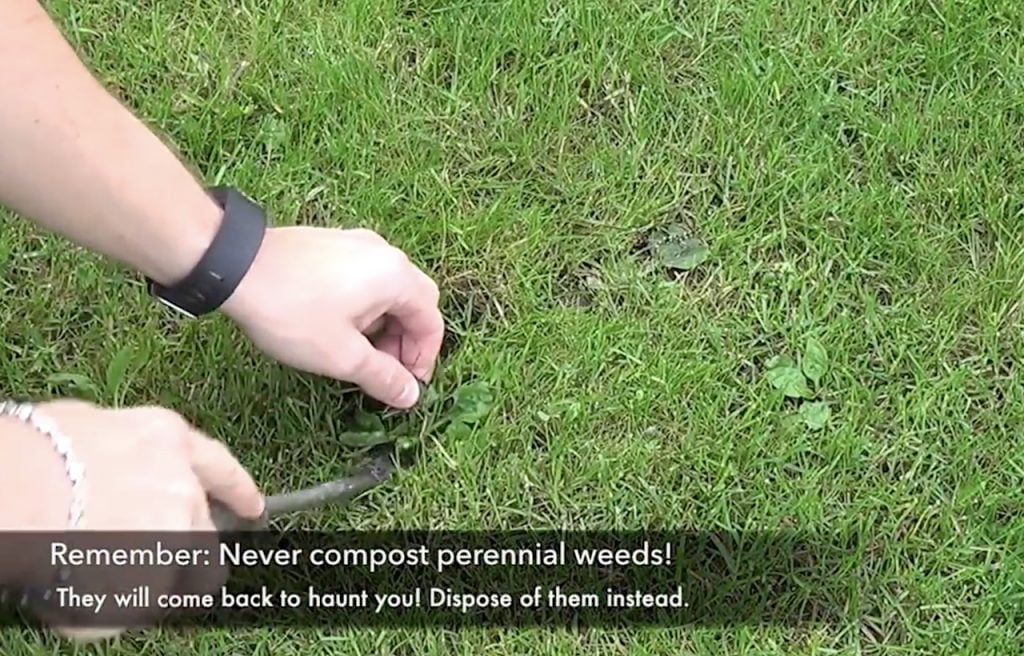
Dig out or treat perennial weeds such as Couch grass, Bindweed, Dock and Dandelion, picking out every bit of root you can find. Then use the stale seedbed method: prepare the soil, leave it for two to three weeks so the weed seeds in it germinate, then hoe them off on a dry day before you sow. With seed, this single step makes a bigger difference than any other, because it removes the first flush of weeds that would otherwise come up alongside your grass.
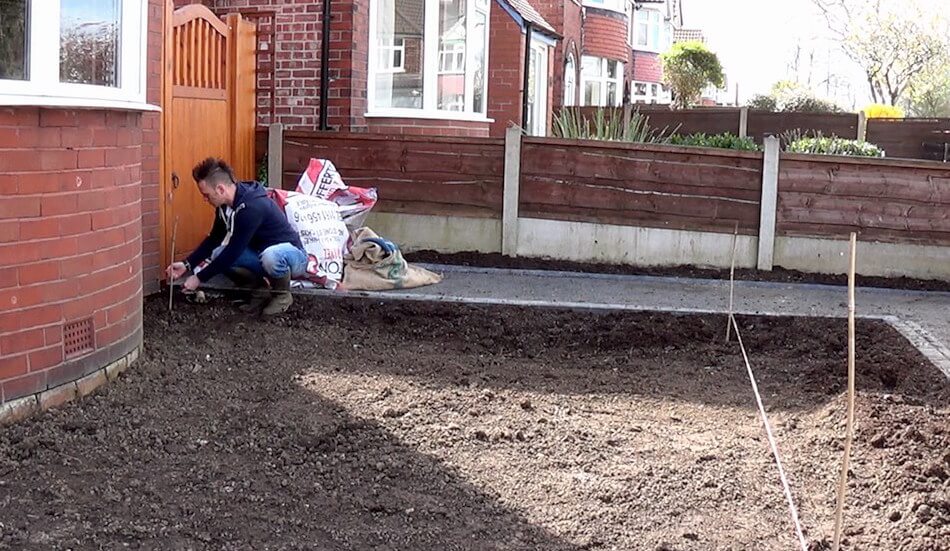
Dig or fork the area to about 15cm to break up compaction, working in compost if the soil is poor or heavy. Rake it level, removing stones as you go, and check for dips with a plank and spirit level. If you need to build up the level or the soil is very thin, spread good topsoil first. My how to lay turf guide covers digging, topsoil depths and levelling in more detail, and my guide on how to level a lawn helps with slopes and bumps.
Shuffle across the whole area on your heels, one direction then the other, to firm the soil and remove air pockets. Fill any dips that appear and tread again. A firm seedbed holds moisture near the surface where the seed is and prevents the lawn from sinking unevenly later.
Finish by raking the top centimetre into a fine, crumbly tilth, first one way and then at right angles. Rake in a pre-seed or pre-turf fertiliser at the rate on the pack to give young roots phosphate to get going. The surface should look like fine breadcrumbs, with no clods bigger than a pea. That fine surface is what lets the seed settle into contact with the soil.
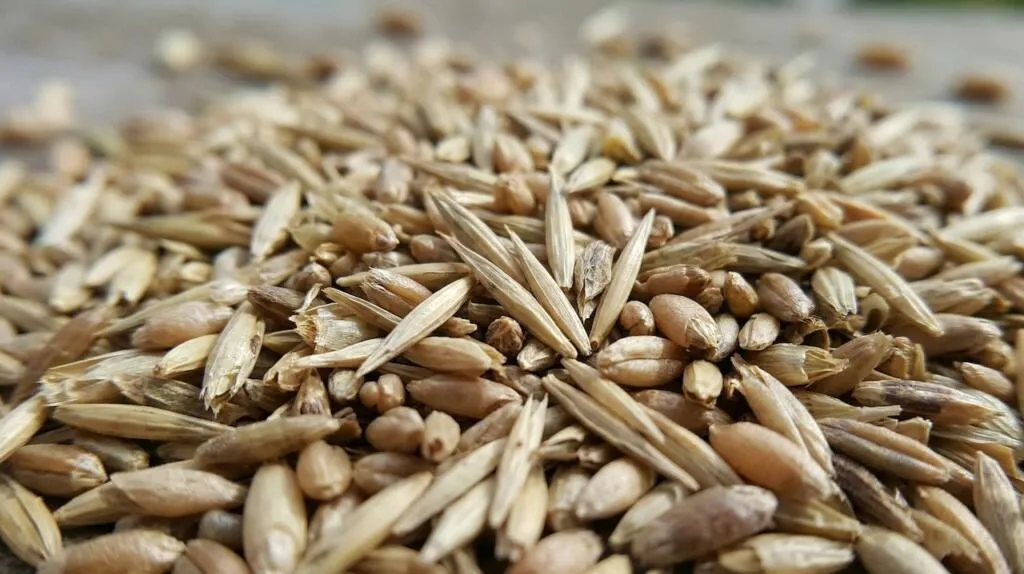
Lawn seed is almost always sold as a mix of several grasses, because each brings something different. The mix balance determines how your lawn will look and how much wear it will take. The four groups you will see on packets are these:
As a general rule, the more Ryegrass a mix contains, the tougher it is. The more Fescue and Bent it contains, the finer it looks and the more care it needs. Below are three typical mixes to show you what to look for.
🌿 Typical Lawn Seed Mixes
| Lawn type | Typical mix | Best for |
|---|---|---|
| Hard wearing family lawn | Perennial Ryegrass 50 to 80%, Creeping Red Fescue, Smooth-stalked Meadow Grass | Children, dogs, football and general use |
| Fine ornamental lawn | Chewings Fescue and Creeping Red Fescue around 80%, Browntop Bent around 20%, no Ryegrass | Front lawns and show lawns that are kept short and cared for |
| Shade lawn | Hard Fescue, Creeping Red Fescue and Smooth-stalked Meadow Grass, sometimes Poa supina | Lawns under trees or beside north facing walls |
Fresh seed from a reputable brand is worth the small extra cost, because cheap seed often contains more Ryegrass than you want and older seed germinates poorly. In my guide, I compare the mixes worth buying for each job with the best grass seed in the UK.
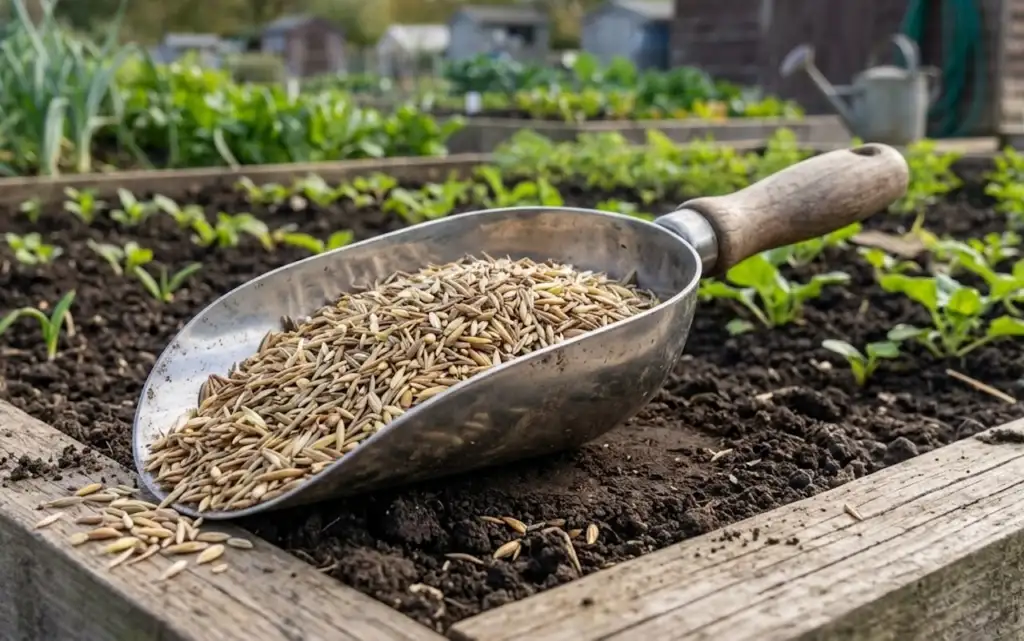
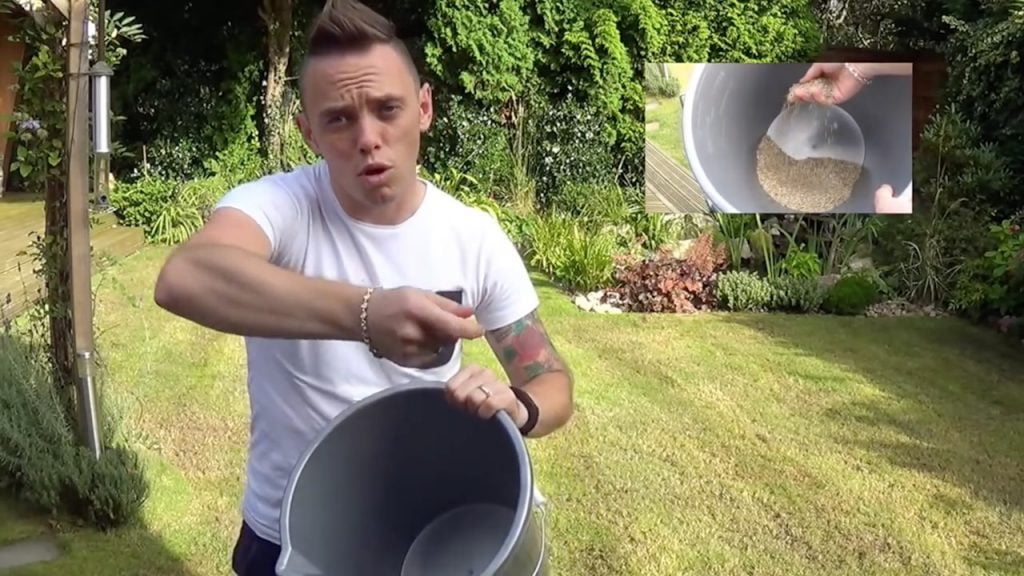
For a brand-new lawn on bare soil, sow 35 to 50g of seed per square metre, or follow the rate on your packet if it differs. Use the lower end for fine Fescue mixes, which have smaller seeds, and the upper end for Ryegrass mixes and for patching. Sowing more than this does not give you a thicker lawn. Overcrowded seedlings compete for light and water and are more prone to disease.
🌿 Grass Seed Rates at a Glance
| Job | Seed rate | Notes |
|---|---|---|
| New lawn on bare soil | 35 to 50g per m² | Split into two equal passes at right angles. |
| Patching bare areas | 50g per m² | Fork and level the patch first. |
| Overseeding a thin lawn | 25 to 35g per m² | See my overseeding guide for the full method. |
To work out how much to buy, multiply the area in square metres by the rate. A 40 square metre lawn sown at 35g per square metre needs 1.4kg of seed. Most packets also tell you how many square metres they cover, so check that figure against your lawn size and buy a little extra to patch any gaps once the lawn is up.
Seed is where a lawn from scratch gets cheap. Most good quality mixes work out at roughly 20p to 60p per square metre at the sowing rates above, depending on the brand and the bag size.
A 40 square metre lawn sown with a mid-priced mix costs around £15 to £20 in seed, against roughly £170 to £220 for the same area in delivered turf. Add the cost of compost, topsoil and a pre-seed fertiliser if your soil needs them, and my turf and seed cost calculator will run the numbers for your exact lawn.
💡 Top Tip: weigh a handful
If you sow by hand, weigh out 35g of seed in a cup and pour it onto one square metre marked with canes. Seeing what the right rate looks like on the ground takes the guesswork out of sowing the rest of the lawn.
Choose a still, dry day when the soil surface is dry enough not to stick to your boots but moist underneath. Wind blows seed about, and wet soil clogs spreaders and gets churned up underfoot.
Weigh out the total amount of seed you need and split it into two equal halves. On larger lawns, mark the area into square-metre or two-metre sections with canes and string so you can measure out seed for each section. It sounds fussy, but it stops you running out with a third of the lawn still bare.
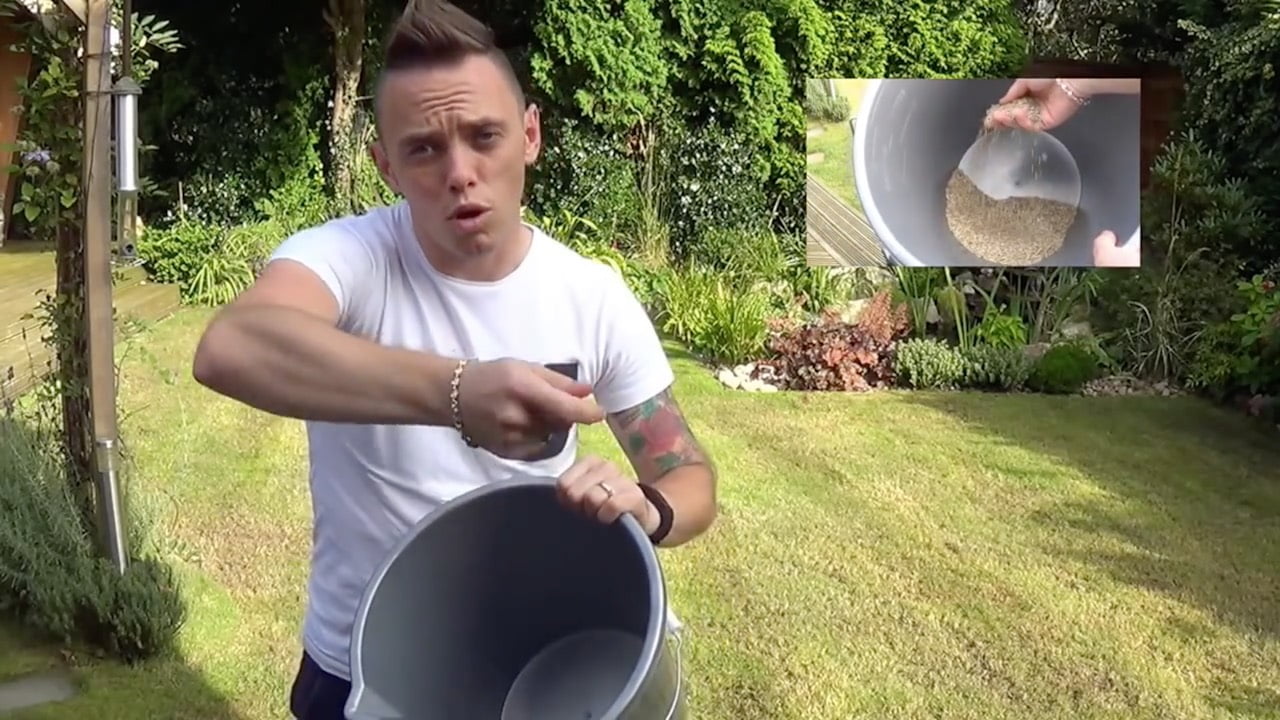
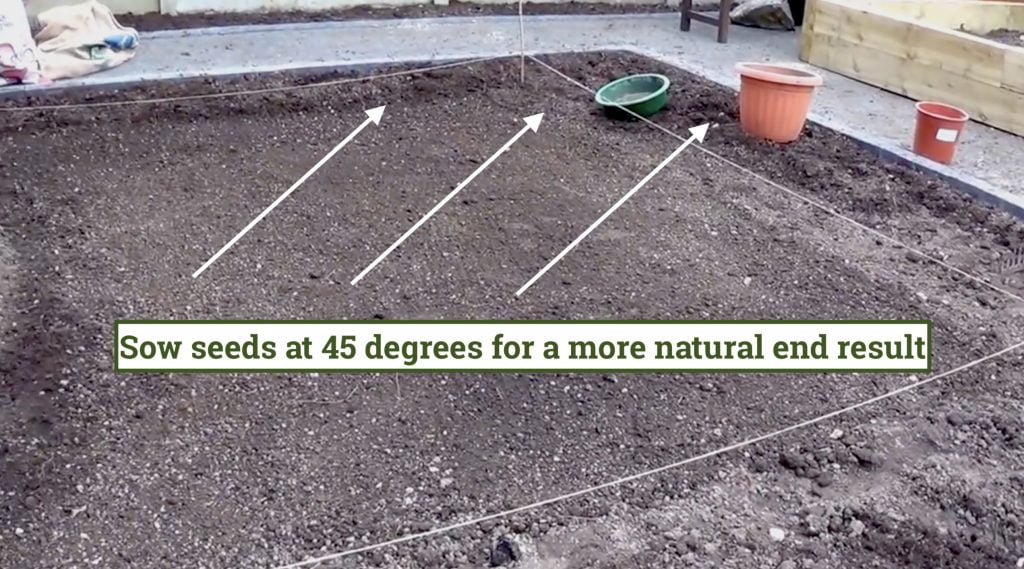
Sow the first half walking up and down the lawn in parallel lines. By hand, scatter the seed in a low sweeping arc close to the ground. Mixing the seed with an equal volume of dry sharp sand makes it easier to spread evenly and lets you see where you have been.
Sow the second half walking across the lawn at right angles to the first pass. Two passes in different directions fill in the gaps that a single pass always leaves, and it is the simplest way to avoid stripy, uneven germination.
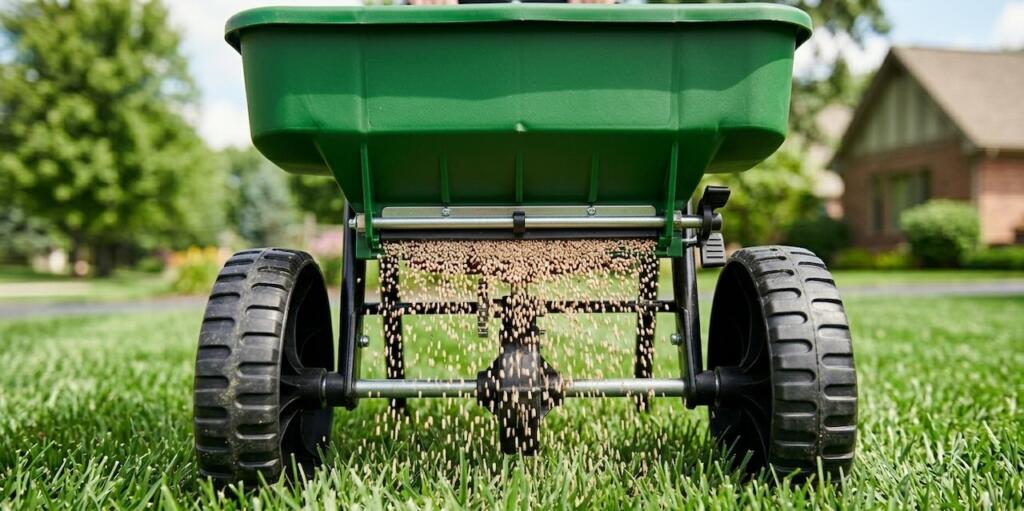
For lawns over about 50 square metres, a spreader gives much more even coverage than hand sowing and saves time. A drop spreader puts seed exactly where the hopper passes, which helps create neat edges. A rotary or broadcast spreader throws seed in a wide arc, which is quicker on big lawns. Set it to the rate on the seed packet, do a test run on a sheet or patio, then make your two passes at right angles. My guide to the best lawn spreaders compares the models I would buy.
Once the seed is down, lightly rake the surface with the back of a spring-tine rake, or a landscaping rake held almost flat. The aim is to settle the seed into the top few millimetres of soil, not to bury it. Grass seed needs good contact with moist soil to germinate, and seed buried deeper than about 1cm runs out of energy before it reaches the surface, so most seeds should still be just visible after raking.
This is where my method differs slightly from the packet instructions. After raking in, I sieve a very thin layer of spent compost over the seeded area, just enough to dust the surface and partly cover the seed, no more than a few millimetres deep. Spent compost from last year’s pots and containers is ideal because it is fine, it holds moisture around the seed, and it is free.
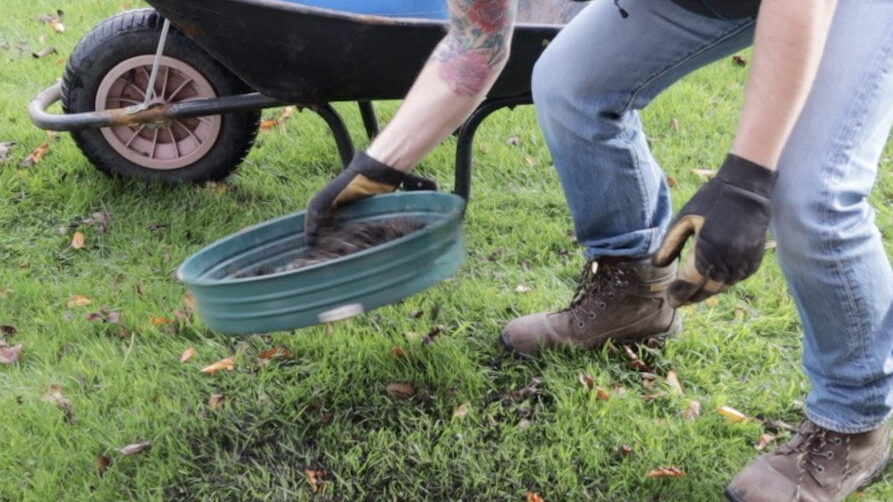
That light covering does three jobs. It keeps the seed from drying out between waterings, hides some of it from birds, and stops heavy rain from washing the seed into puddles. Avoid burying grass seed under a thick layer of soil, because seed buried more than about 1cm deep struggles to reach the surface.
Water straight after sowing with a fine spray, using a sprinkler or a watering can with a fine rose. A heavy jet washes the seed into clumps and leaves bare patches. Then keep the surface consistently moist until the seed germinates. In autumn, rain often does this for you.
In a dry spring, that can mean watering lightly every day, or even twice a day in warm, windy weather.
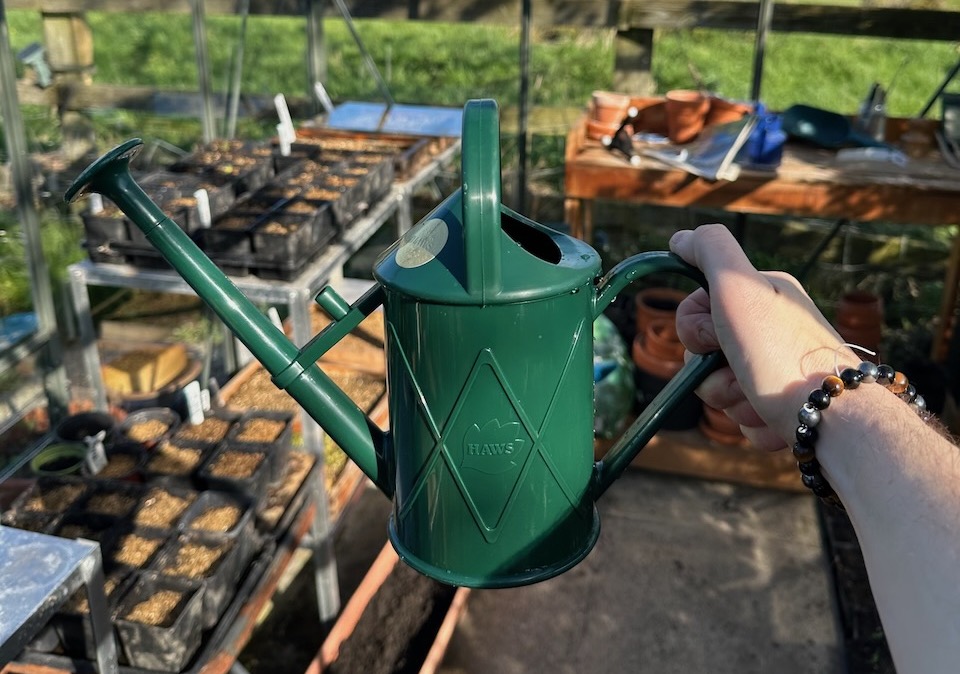
The seed only needs the top centimetre, or two, kept damp, so frequent light watering is right at this stage. Once the grass is up and about 2.5cm tall, switch to less frequent but deeper watering, which encourages the roots to grow down. If the seedbed dries out completely after the seeds have swollen, many will die, so do not let it go a day in hot weather without checking.
Pigeons, sparrows and finches find a freshly sown lawn within hours. You will always lose some seed to birds, and that is fine if you have sown at the right rate. The aim is to stop them stripping whole patches.
If birds still clear a patch, simply resow it once the rest of the lawn has germinated. Some seeds come with a coating that makes them less attractive to birds and helps them retain water, which can be worth it in gardens with a big pigeon population.

In warm, moist soil you will usually see the first green shoots in 7 to 10 days, with the whole lawn up in two to three weeks. Ryegrass appears first, and Fescues and Bents follow, so a mixed lawn often looks uneven for the first fortnight before it evens out. My guide on how long grass seed takes to grow has a week-by-week timeline and a checklist for when seed does not come up.
Keep off the new lawn as much as possible until it has had its first two or three cuts. If you must cross it, lay down a plank to spread your weight. Pull out any large weeds by hand while the soil is moist, but leave small annual weeds. Most of them die out once you start mowing regularly. Do not use any weedkiller or weed-and-feed product for at least six months, as these can kill young grass.
Keep off it as much as you can until after the second or third cut, usually eight to twelve weeks, and lay planks if you need to reach a tap or shed. I explain why, and when children and dogs can go back on, in my guide to how long grass seed takes to grow.
Heavy clay and light sandy soils both need a little extra thought, and they are the two soil types I get asked about most on the Garden Ninja forum.
On clay, timing and drainage are everything. Clay stays cold and wet in spring and bakes hard in summer, so early autumn sowing gives you the best chance. Dig the soil when it is moist but not sticky, work in plenty of compost or composted bark to open it up, and if you can, spread 5 to 10cm of good topsoil on top. Choose a mix with deep-rooting grasses such as Fescues and Smooth-stalked Meadow Grass, which cope better with clay’s extremes than a pure Ryegrass mix.
Sandy soil is the opposite problem. It warms up quickly and drains fast, so seed germinates early, but the seedbed dries out within hours on a sunny day. Dig in plenty of organic matter to help the soil hold water, sow in early autumn when rain is reliable, and lean towards a fescue-rich mix, because Fescues are the most drought-tolerant lawn grasses. That light covering of sieved compost after sowing makes a big difference on sand.
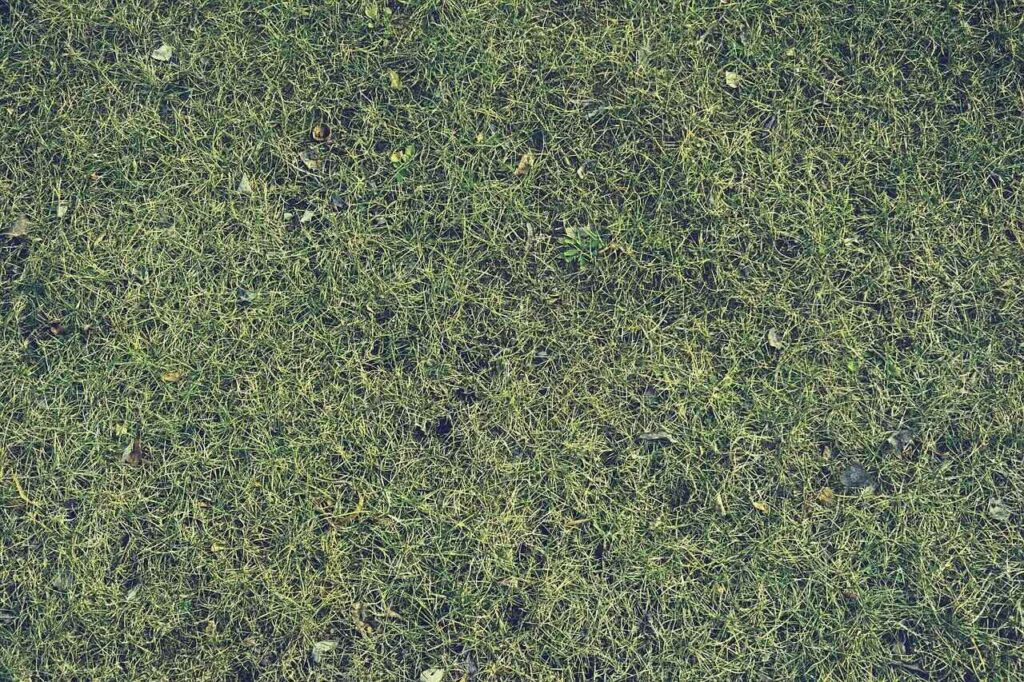
Most failed lawns from seed come down to the same handful of mistakes. I see them again and again, and every one is easy to avoid.
The first is sowing too late in autumn. Seed sown in mid-October in a northern garden often sits in cold soil until spring, and by then birds and rot have taken most of it. If the soil has dropped below 8°C, wait until April. The second is skipping the weeding. Weeds grow faster than grass seedlings, and a seedbed full of weed seeds becomes a weed bed within a month.
The third is uneven sowing. Throwing seed from a standing height in one pass gives you thick clumps and bare stripes. Two measured passes at right angles fix that. The fourth is letting the seedbed dry out. Seed that has swollen and started to germinate dies if it dries out, which is why you need daily checks in dry weather for the first 2 to 3 weeks.
The last is mowing too early or too low. Cutting a new lawn short, or with blunt blades, rips young grass out by the roots. Wait until it is 5 to 7cm tall, take off just the top third and keep the mower blades sharp. Get those five things right, and you are well on the way to a thick, healthy lawn.
Give the new grass its first cut when it reaches 5 to 7cm tall, which is usually four to eight weeks after sowing. Before you mow, lightly firm the lawn by rolling it with the back roller of a cylinder mower with the blades raised, or by treading gently. This presses any seedlings lifted by frost or worms back into the soil.
Set your mower blades high and take off only the top third of the grass, so a 6cm lawn is cut to about 4cm. Make sure the blades are sharp, because blunt blades tear and pull young grass out by the roots. Mow when the grass is dry and collect the clippings. Over the following weeks you can gradually lower the height to your normal cutting height. My guide to choosing a lawn mower covers which mowers suit new lawns best.
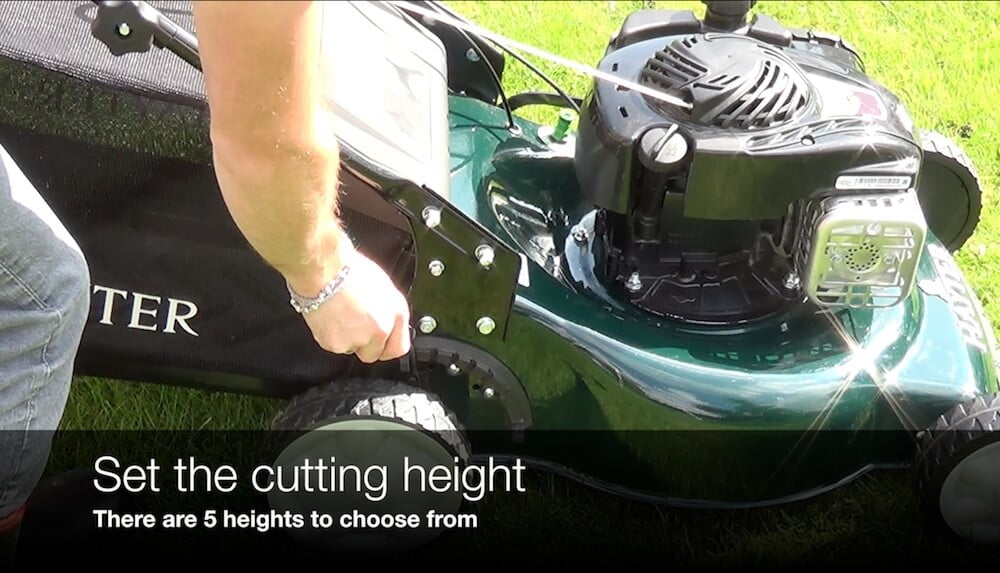
For an autumn sown lawn, you may only get one or two cuts before winter. That is fine. Keep it at about 4 to 5cm through the winter and it will thicken up quickly in spring. Feed it for the first time the following spring with a balanced lawn feed, and see my guide on how to feed your lawn for timings.
You can, but most of it will not grow. Seed scattered onto an existing lawn sits on top of the thatch, dries out or gets eaten by birds. For good results, mow short, rake or scarify to expose the soil, then sow and rake in. On bare ground, the soil needs to be weeded, levelled, firmed and raked to a fine tilth first.
No, grass seed should not be buried, but a very light covering helps. Rake the seed into the top few millimetres of soil, or sieve a thin dusting of compost over it. That keeps the seed moist, hides some of it from birds and improves soil contact. Seed buried deeper than about 1cm struggles to reach the surface.
Some will, because grass seed only needs moisture, warmth and air to germinate. But seed left loose on the surface dries out quickly, washes away in heavy rain and is easy pickings for birds, so germination is patchy. Raking it in lightly so it is in firm contact with moist soil gives a much more even result.
Yes, grass seed slowly loses viability over time. Stored somewhere cool, dry and sealed from mice, it usually germinates well for two to three years, after which fewer seeds come up. To test old seed, scatter twenty seeds on damp kitchen paper in a sealed tub. If fewer than half sprout within two weeks, buy fresh.
Standard lawn seed is not toxic to dogs, but keep them off a newly sown lawn until it is established, because digging and running will ruin the seedbed. Check the label on coated seed or seed mixed with fertiliser, as these can upset a dog’s stomach if eaten. Keep pets off until any fertiliser has been watered in.
In warm, moist conditions grass seed germinates in 7 to 21 days, and the lawn is usually ready for its first cut in four to eight weeks. It can take light use after around eight to twelve weeks, and a lawn sown in early autumn is normally ready for full family use by the following spring.

Join over 100,000 gardeners on YouTube
Free gardening videos from the Garden Ninja, with 8 million views and counting.
Subscribe on YouTube, it’s freeA new lawn is often the first step in a much bigger project. If you are starting with a blank plot, my online garden design courses walk you through planning the whole space, from the shape of the lawn to the borders, paths and planting around it.
With courses from £29, you can learn the same design process I use with clients and get the layout right before you sow a single seed.
For the garden you’ve already got, not the one you’re starting from scratch. Seven checklists and video lessons from BBC Garden Rescue’s Lee Burkhill, designed to help you decide what’s worth keeping before you spend a penny.
Garden Design Examples for Small Gardens: 30 Design Templates & Planting Plans: In this online gardening course, I’ll walk you through 30 fantastic garden designs, explaining the logic behind the layout and plant choices, plus take-home tips for applying them in your own garden.
Learn how to transform and design your garden with Lee Burkhill’s crash course in garden design. In over 5 hours, Lee will teach you how to design your dream garden. Featuring practical design examples, planting ideas and video guides. Learn how to design your garden in one weekend!
Garden Design for Beginners Online Course: Want to become a garden designer or design your own garden? This beginner course is for you. Join me, Lee Burkhill, an award-winning garden designer, as I train you in the art of beautiful garden design. Enjoy 20 hours of online study and video lessons, along with quizzes and a completion certificate.
Sowing a lawn from seed is cheap and simple if you get the basics right. Sow from late August to the end of September, or mid April to May, when the soil is above 8°C. Clear the weeds, use the stale seedbed trick, dig, level and firm the ground, then rake a fine tilth.
Sow 35 to 50g per square metre in two passes at right angles, rake in lightly, dust with sieved compost and keep the surface moist until the grass is up. Keep the birds off with a string grid and give the lawn its first gentle cut at 5 to 7cm. For the right mix for your garden, see my guide to the best grass seed, and if you would rather have an instant lawn, my turf guide has you covered.
Happy Gardening!


Lee Burkhill, known as the Garden Ninja, is an award-winning garden designer and horticulturist with over 30 years of gardening experience and 15 years as a professional garden designer. A qualified RHS (Royal Horticultural Society) professional, Lee specialises in sustainable garden design and practical horticultural advice. He designs and presents on BBC1’s Garden Rescue and in leading gardening publications. Lee combines three decades of hands-on gardening knowledge with professional design qualifications to help gardeners create beautiful, functional outdoor spaces.
View all posts by Lee Burkhill






JOIN THE NINJAS
Be the first in line for new Guides, Discount codes and Offers