-
When Can You Cut Hedges? UK Nesting Season Law
 Lee Burkhill: Award Winning Designer & BBC 1's Garden Rescue Presenters Official Blog

When it comes to pruning hedges and trees, there are a few clear times of the year when we need to be careful about nesting birds. Wildlife should be at the forefront of our minds when ethically gardening. This guide will give some top tips on when to cut your hedges to ensure we don't disturb birds vital to a healthy garden.
Every year, right around the time the weather turns and clients start ringing me about getting their hedges sorted for summer, I have some version of the same conversation. Someone wants a hedge cut back hard, right now, and I have to explain why we’re either waiting a few weeks or checking very carefully first. Birds are one of the most important parts of a healthy garden ecosystem, and getting the timing wrong on a hedge cut can do real damage, to the birds, and to you legally.
Quick Answer
UK bird nesting season runs roughly from March to August. It isn’t a blanket cutting ban, but under the Wildlife and Countryside Act 1981 it’s an offence to damage or destroy an active nest, so you must check a hedge thoroughly before cutting it during this window. The safest time to cut most garden hedges is September to February, once nesting has finished. If you find an active nest mid-cut, stop immediately and leave that section until the chicks have fledged, usually two to three weeks.
This guide covers everything you need to know: when nesting season actually runs, what the law does and doesn’t say, how to check a hedge properly before you touch it, what to do if you find an active nest, and a full cutting calendar broken down by hedge type so you know exactly when it’s safe to get the shears out.
Jump To
This page contains affiliate links for products I use and love. If you take action (i.e. subscribe, make a purchase) after clicking a link, I may earn some gardening commission which helps me keep the Garden Ninja Blog free for all.
When do birds nest in the UK?
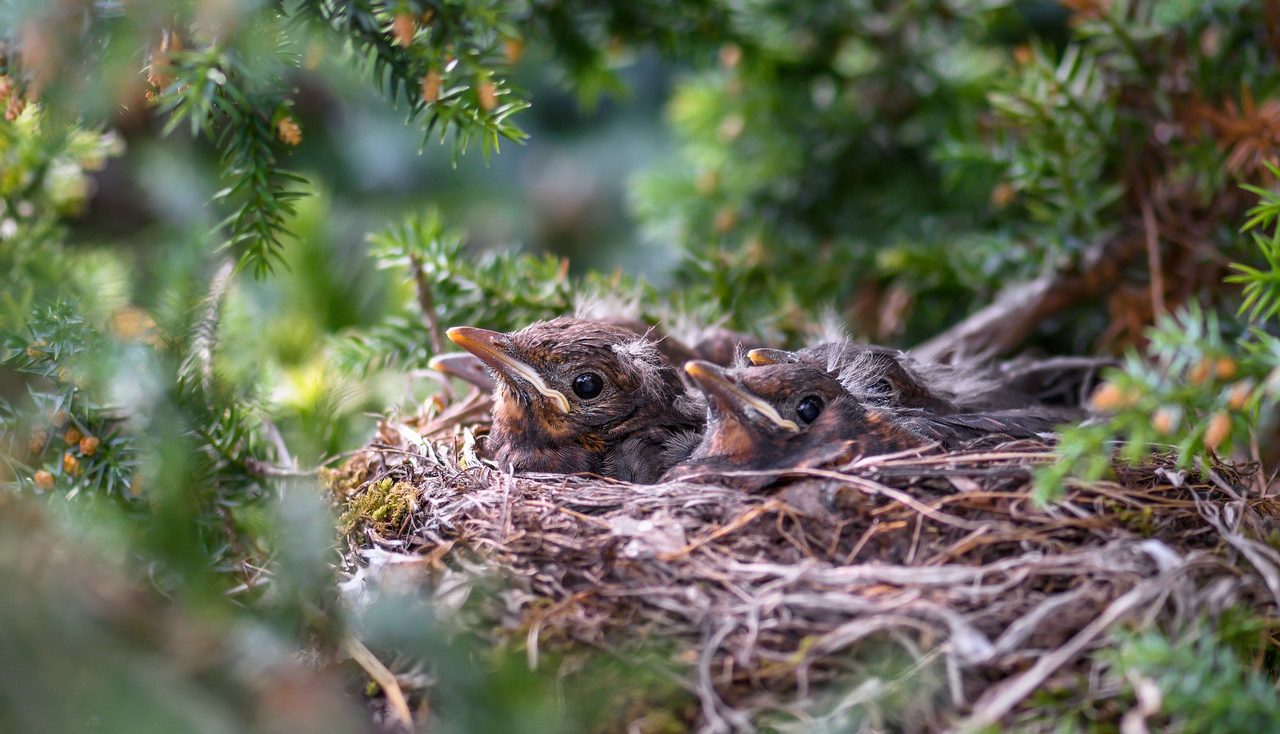
The nesting season in the UK is an exciting time for nature lovers, as it means a whole range of birds and other garden wildlife are coming together to raise their young. As with any period of life, though, it’s important that we respect and protect these creatures, especially when they’re building their nests in trees and hedges.
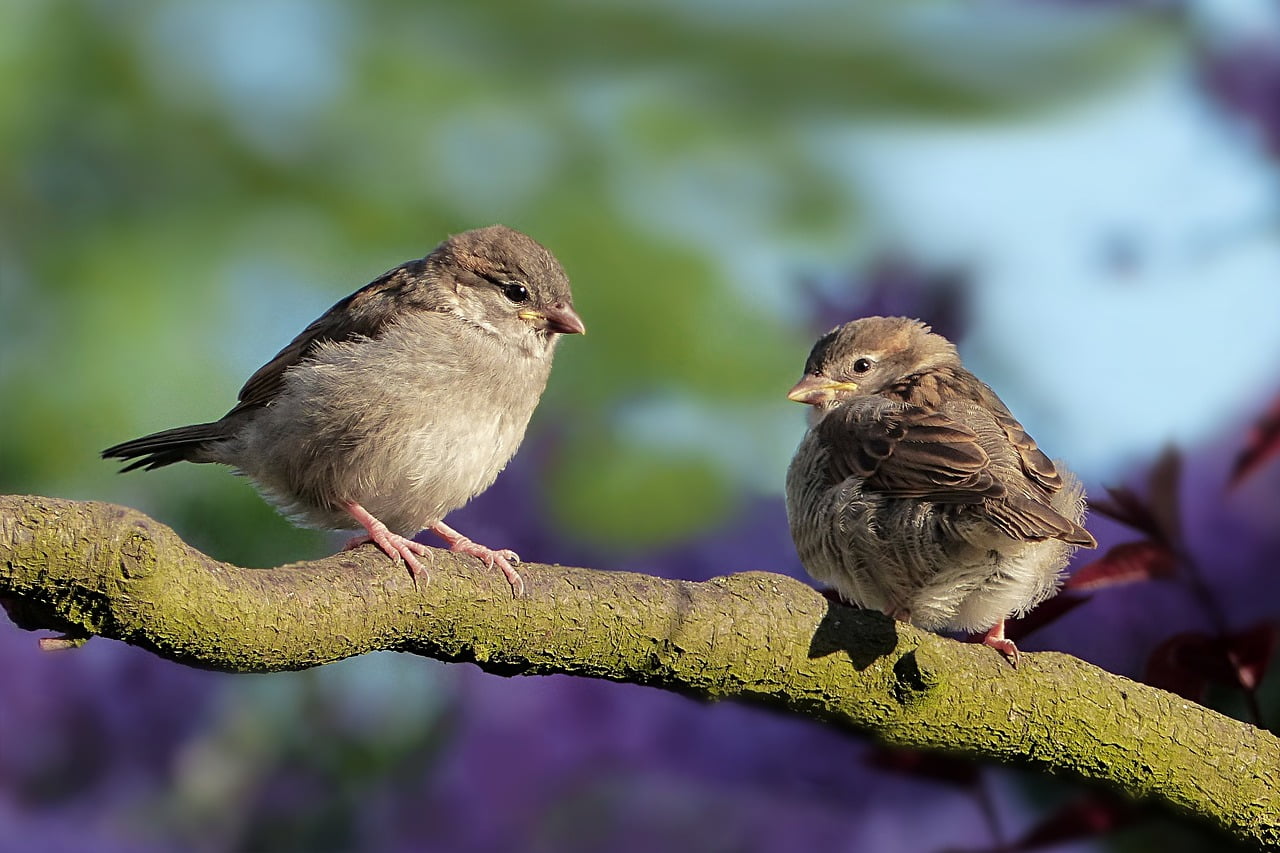
There isn’t an official start and end date for “nesting season” as such, but it usually runs from March to August, which gives birds plenty of time to find the right spot, build a nest, and raise their brood. This can be anywhere from hollow trees and old buildings to garden hedges, climbers, and dense shrubs. In a mild year, I’ve seen blackbirds starting to nest as early as late February, so I always treat the window as a guide rather than a hard rule either side.
When it comes to pruning trees or cutting hedges anywhere in this window, it’s important to be aware of any signs that there may be an active nest present. It’s against the law to disturb or damage an active nest, and doing so causes real distress and harm to the birds using it, so a bit of patience up front saves a lot of grief later.
Is it illegal to cut hedges during nesting season?
This is the question I get asked most often, and the honest answer surprises a lot of people. Cutting a hedge between March and August is not automatically illegal. There’s no blanket calendar ban on domestic garden hedges. What the law actually protects is the nest itself, and the birds, eggs and chicks in it, while it’s in use or being built.
Under the Wildlife and Countryside Act 1981, it’s an offence to intentionally damage, destroy, or take a wild bird’s nest while it’s being built or in use, or to intentionally kill, injure or take a wild bird or its eggs. Penalties can include an unlimited fine and up to six months in prison. That’s a properly serious outcome for what usually amounts to someone not checking a hedge before switching the trimmer on.
⚠ Important
The legal test is whether there is an active nest, not what the calendar says. That means you can, in principle, cut a hedge in May if you’ve thoroughly checked it and there’s nothing nesting in it. What you cannot do is take a trimmer to a dense hedge without looking, on the assumption it’s probably fine. If damage occurs and there’s no evidence you made any effort to check, “I didn’t know” is not a defence.
It’s also worth untangling a bit of confusion I hear a lot from clients. There are separate hedgerow cutting restrictions, from 1 March to 31 August, that apply to farmland hedgerows under agricultural cross-compliance rules and the Hedgerow Regulations 1997. These govern countryside hedgerows and agricultural land, not a domestic garden hedge. Your boundary privet or Leylandii in a residential garden isn’t covered by those specific rules, but the Wildlife and Countryside Act’s protection of active nests applies everywhere, garden or field. If a hedge falls within a conservation area or has a Tree Preservation Order attached to any trees within it, there can be additional restrictions too, so it’s always worth a quick check with your local council if you’re planning anything substantial.

I had a client a few years back who was adamant that her Leylandii boundary needed a hard cut back in May, before a family gathering. I went out, spent twenty minutes watching the hedge properly rather than just glancing at it, and found a blackbird going in and out of the same spot every few minutes. We left that section entirely, tidied the rest of the hedge that was clearly clear, and went back in September to finish the job properly. She wasn’t thrilled about the wait at the time, but she was truly pleased a few weeks later when she watched the fledglings leave the nest from her kitchen window. That’s the trade-off I try to help clients see: a few weeks’ patience against a fine, a criminal offence, and a dead brood of chicks.
How to check if it’s safe to cut hedges for birds
You can check if birds have nested in your hedges simply by observing them properly. Grab a brew and take 20 minutes to sit and watch the hedge during the day, ideally when birds are most active, early morning or early evening. This is a habit I’ve built into every hedge job I take on, whether it’s a five-minute domestic trim or a full day’s work on Garden Rescue. It costs you almost nothing and it can save you a serious problem.
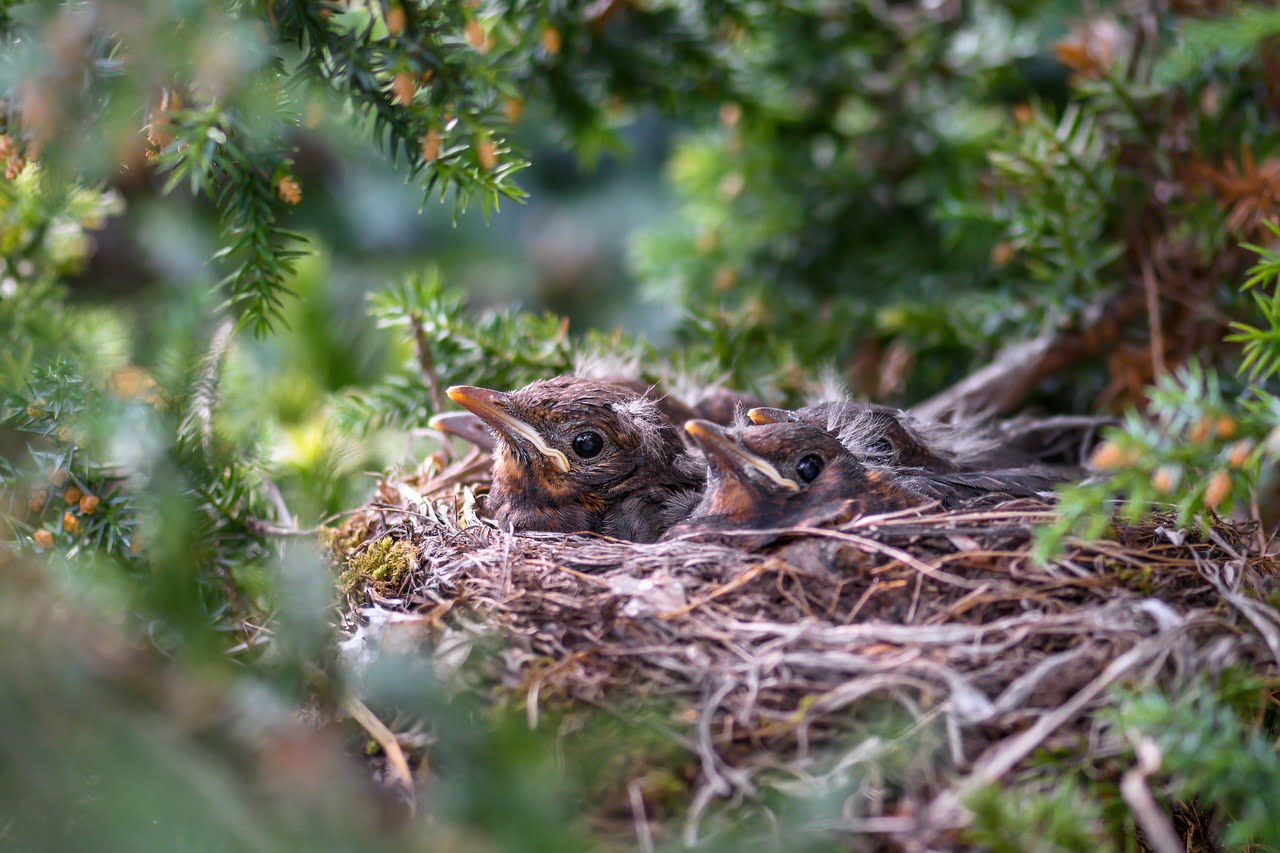
A decent pair of binoculars makes this a lot easier, particularly for a tall hedge or a nest tucked well into the middle where you can’t get close without disturbing it yourself. Watching from a distance rather than pushing your face into the foliage is always the better approach.
🛒 Buy compact binoculars from Amazon UK
Worth remembering that hedges aren’t only home to nesting birds. The base of a dense hedge, especially anywhere with leaf litter, long grass or a woodpile nearby, is a favourite spot for hedgehogs to shelter and even hibernate. Strimmers and the lower reaches of powered hedge trimmers are one of the most common causes of accidental hedgehog injury in UK gardens, so it’s worth having a quick look and a gentle poke around the base of a hedge with a cane before you start, particularly if you’re strimming or clearing growth at ground level rather than just trimming the top and sides.
Signs of an active nest
It’s always best practice to check for signs of an active bird’s nest before pruning any tree or hedge. If you spot evidence of a nesting bird during the course of your work, you must immediately stop.
Keep an eye out for a few things that can indicate the presence of an active nest:
- Birds or other wildlife repeatedly coming and going from the same area, especially with material in their beak on the way in and nothing on the way out.
- Twigs, moss and leaves gathered around a particular branch or section of hedge.
- Holes in a trunk or dense gaps in foliage where birds appear to be entering and exiting.
- Feathers on or near the ground beneath the hedge or tree.
- Alarm calling or a bird repeatedly circling the same spot rather than passing through, which is often a parent trying to draw attention away from a nearby nest.
When examining a hedge or tree for nests, be aware of your surroundings and take care not to disturb any wildlife that may be present, as this could cause them to abandon the nest even without you touching a single branch. If possible, take photos from a distance to document a potential nest rather than getting close to it. If you do come across a live nest in a tree, remember that giving it space is the most helpful thing you can do.
During this season, you’ll see an array of different species looking for somewhere safe to raise their young, including woodpeckers, blackbirds, robins, and wood pigeons. If you’re lucky, you might even catch a glimpse of something rarer, like a sparrowhawk or kestrel.
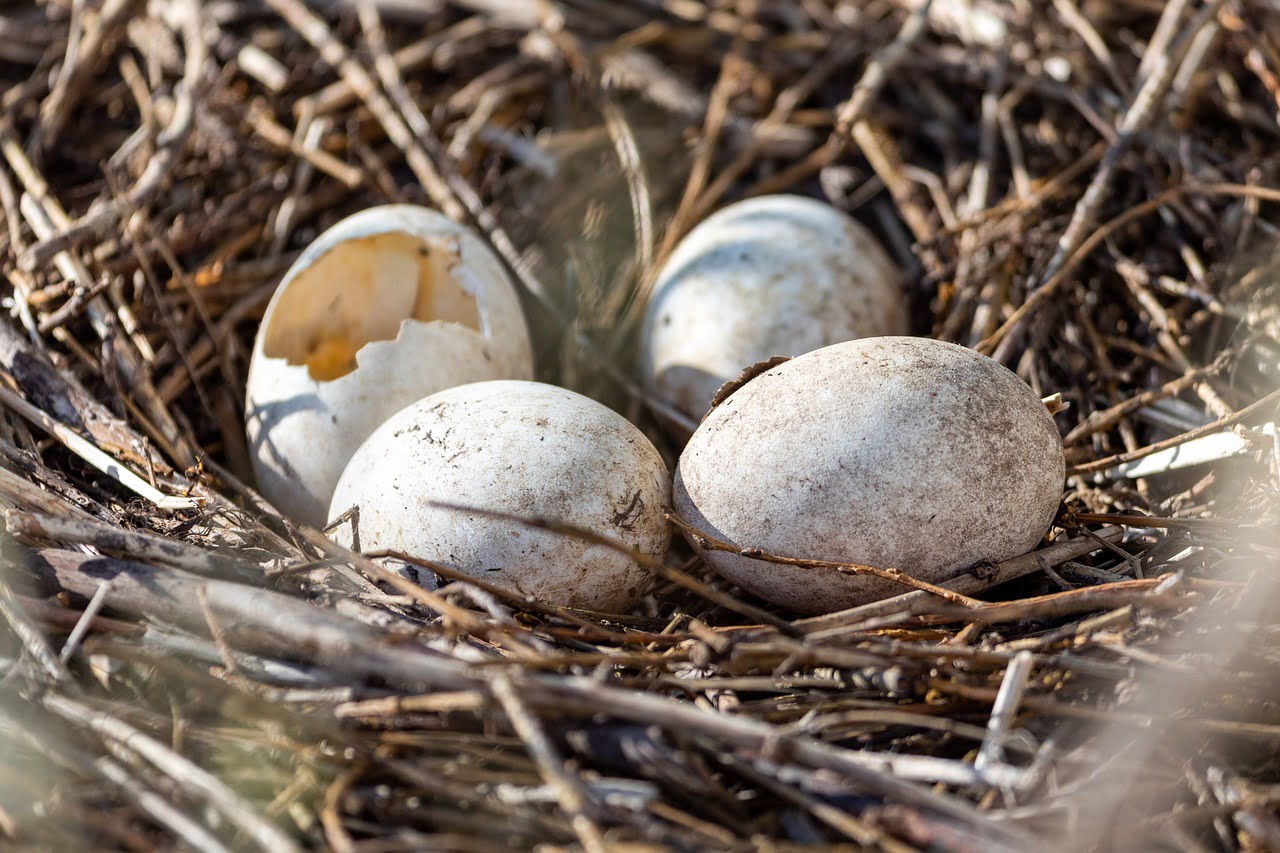
I’ve found an active nest, what do I do now?
Stop what you’re doing immediately, and don’t be tempted to just quickly finish that one section. Put the tools down, step back, and leave the area around the nest completely undisturbed. Cut the rest of the hedge only if you can honestly do it without going anywhere near the nesting section, and if there’s any doubt, leave the whole hedge until later in the year.
Most garden birds fledge within two to three weeks of hatching, so the wait is usually shorter than people expect. Keep half an eye on the nest from a distance over that period rather than checking it up close every day, since repeated close visits can be almost as disruptive as the original disturbance. Once you stop seeing activity and the chicks have clearly fledged, it’s safe to finish the job.
If you find a nest that’s been damaged, or a chick or fledgling that appears injured or orphaned, don’t attempt to intervene yourself beyond moving it somewhere safe from immediate danger like a cat or the road. Contact the RSPCA or a local wildlife rescue for advice, since young birds often look abandoned when a parent is simply feeding elsewhere and can be harmed if handled unnecessarily. If work has already caused damage to an active nest, my honest advice is to stop entirely, document what happened with photos, and take advice from the RSPB or your local council’s ecology team before doing anything further with that hedge this season.
Hedge cutting calendar by type
Once nesting season is behind you, the exact timing still matters depending on what kind of hedge you’re dealing with. Some hedges want cutting once a year, others need two or three passes to stay tidy, and a few, like beech and hornbeam, have their own quirks worth knowing about. Here’s the calendar I actually work on for client gardens.
Whatever the type, September through to February remains the safest and most reliable window across the board, since it sits comfortably outside nesting season for every UK species you’re likely to have in a garden hedge. If a hedge is entered into an agri-environment scheme, different and often stricter dates apply, so check your scheme’s terms rather than relying on this table if that applies to you.
For a full breakdown of technique on top of timing, my complete hedge cutting and clipping guide covers everything from tool choice to getting a professional, level finish, and if box or formal topiary is what you’re dealing with, I’ve written a dedicated guide on pruning box hedges that goes into the blight prevention side of things too.
Steps to pruning safely, once you’ve confirmed the hedge is clear
Once you’ve properly checked and there’s no active nest anywhere in the hedge, here’s how I approach the actual cut.
- Start with a plan. Take a few minutes to assess the shape you’re aiming for before you begin cutting. This helps you avoid accidentally removing too much foliage or causing damage you can’t easily undo.
- Make sure you have the right tools to hand. Sharp shears, secateurs and loppers get the job done efficiently and avoid the accidental injuries that come from forcing dull tools through woody growth. If you’re covering more than a short stretch of hedge, a cordless hedge trimmer makes the whole job faster and less tiring than hand shears alone, and I’ve written a full cordless hedge trimmer guide and a hands-on Ryobi OHT1855R review covering the model I use most on client gardens.
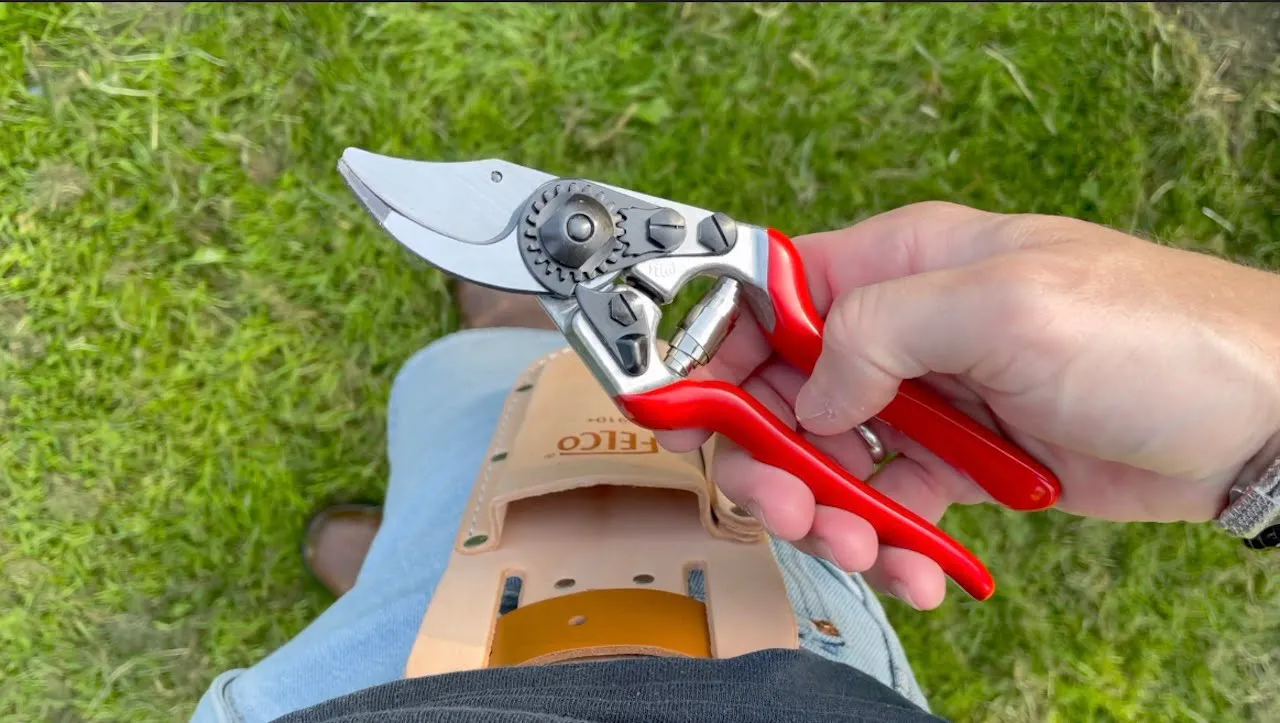
🛒 Buy sharp secateurs from Amazon UK
- Cut at a 45-degree angle where you can. This helps promote healthy new growth by letting more sunlight and rain run off, reaching the interior branches and leaves of your tree or hedge rather than pooling on a flat cut.
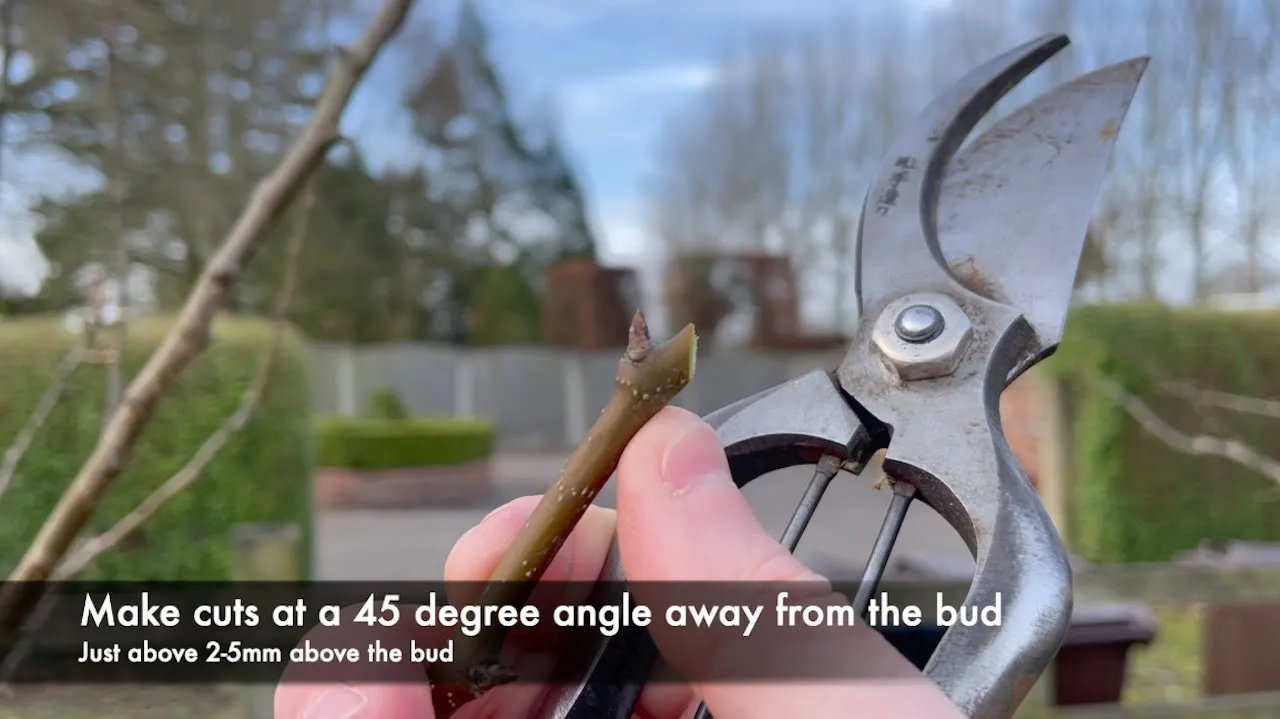
- Remove dead, diseased and damaged branches first. Getting rid of these helps keep the plant healthy and stops the spread of any disease to the rest of the hedge.
- Don’t rush it. Take your time and stay aware of exactly where each cut is landing, since accuracy makes a bigger difference to the finished look than speed ever does.
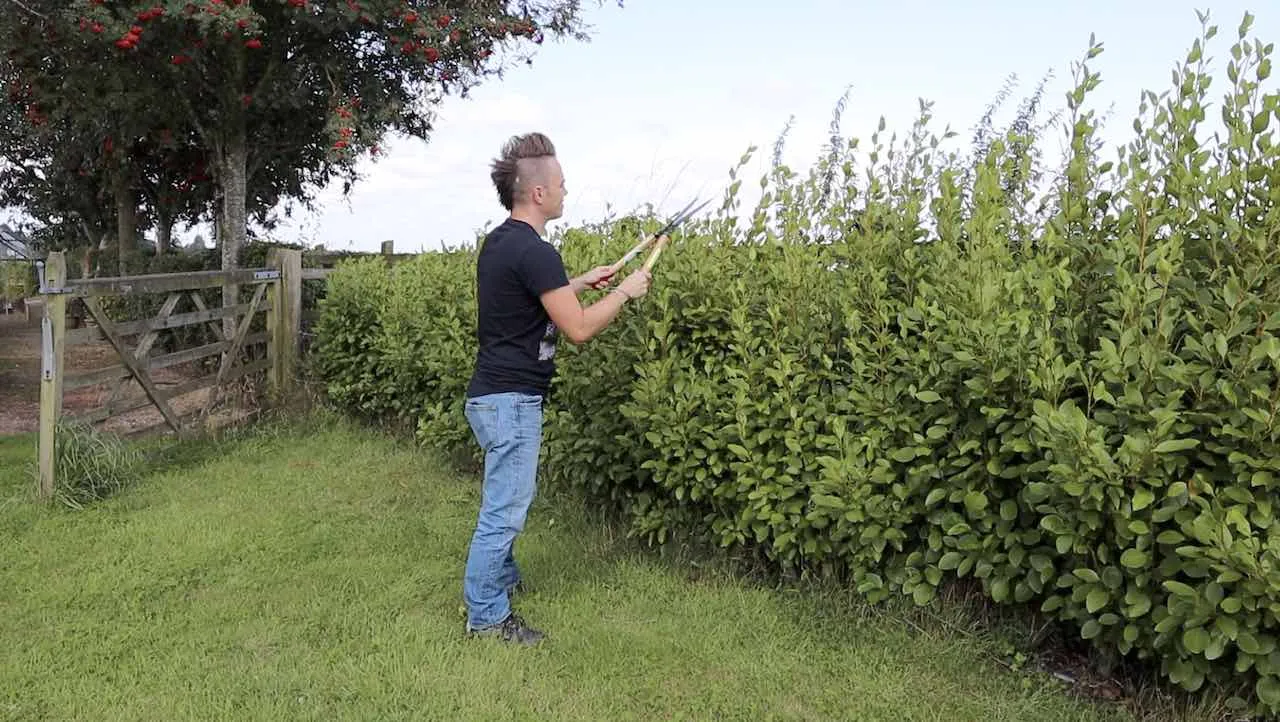
With these steps, you should be able to work through your hedge quickly and cleanly once you’ve confirmed there’s nothing nesting in it. Just remember to stay safe while you’re doing it, wear a decent pair of gardening gloves and eye protection, particularly if you’re using a powered trimmer, since cut twigs and debris fly back at you far more than you’d expect.
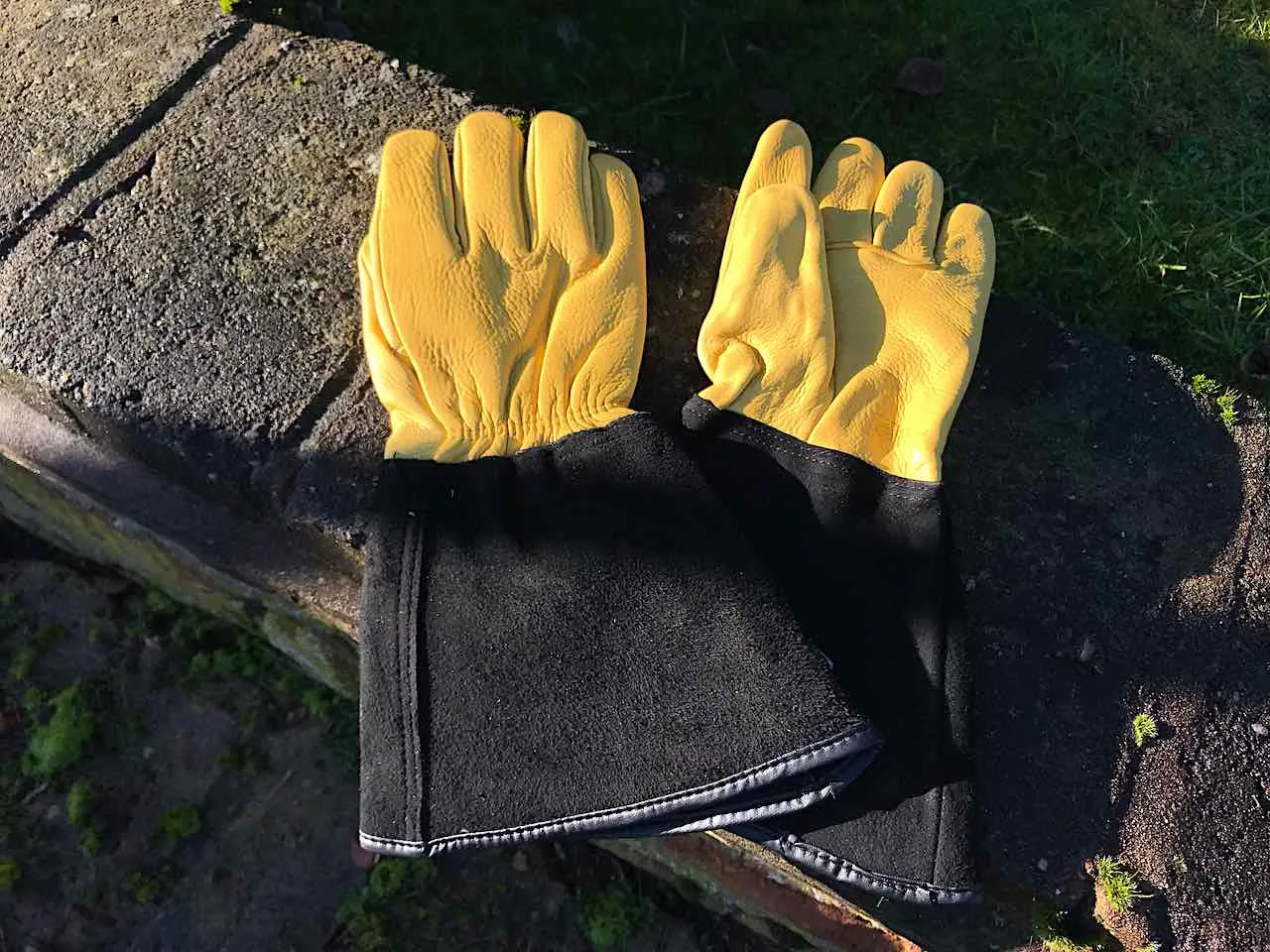
🛒 Buy gardening gloves and eye protection from Amazon UK
Watch my full hedge clipping guide below for a walk-through of how to cut hedges cleanly once you’ve established there are no birds present.
Encouraging birds to nest safely in your garden
Beyond simply avoiding disturbance, there’s a lot you can do to actively encourage birds into your garden and give them somewhere better to nest than the middle of a hedge you need to cut every few months. Putting up a nest box away from your main hedges gives birds a safe, undisturbed spot, and it means you can carry on with routine hedge maintenance elsewhere without the same level of risk.
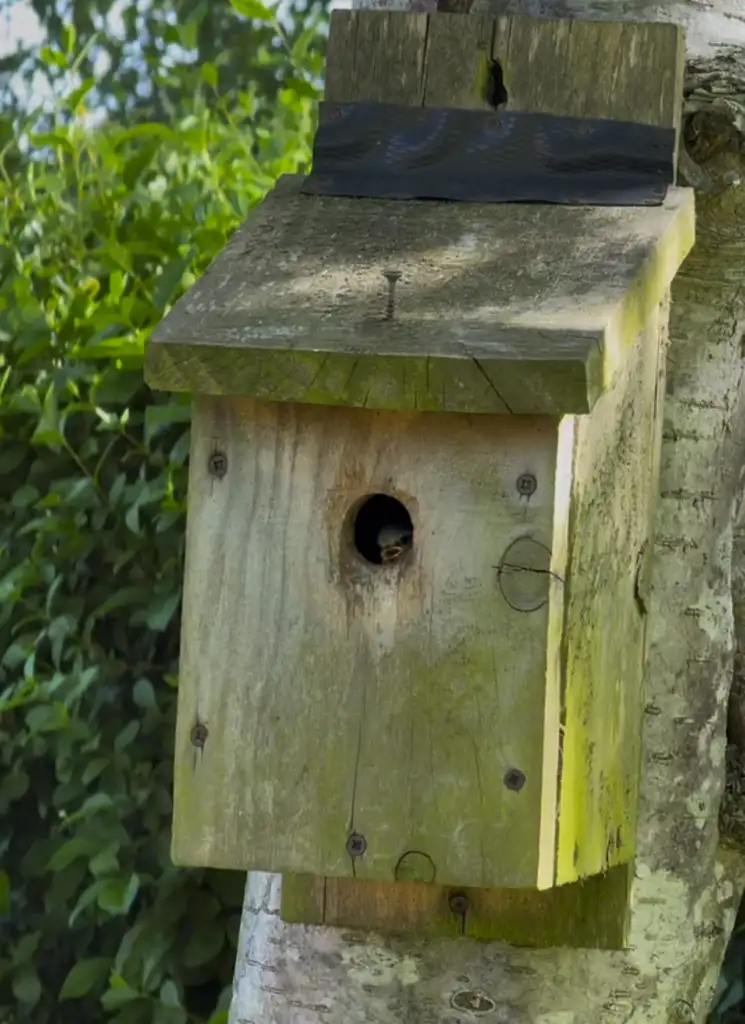
Position boxes out of direct afternoon sun, ideally facing between north and east, at least two metres off the ground, and away from bird feeders where there’s a lot of general traffic that can put nesting birds off. Different species prefer different hole sizes, so it’s worth checking what’s commonly nesting in your area before you buy. I’ve put up several boxes around Garden Ninja HQ over the years, and it’s properly one of the simplest, cheapest things you can do for garden wildlife.
🛒 Buy a wild bird nest box from Amazon UK
If you can, leave at least one section of hedge or a patch of dense shrub properly untouched through nesting season rather than trimming everything to the same neat line. A slightly wilder corner is exactly what a lot of species are looking for, and it costs you nothing beyond a bit of tidiness for a few months of the year.
Frequently asked questions about nesting season and hedge cutting
Is it illegal to cut a hedge in nesting season?
Not automatically. There’s no blanket ban on cutting a domestic garden hedge between March and August. What’s illegal is damaging or destroying an active bird’s nest, under the Wildlife and Countryside Act 1981. In practice, because most hedges are dense enough to hide a nest easily, the safest and most common approach is to avoid heavy cutting in that window unless you’ve thoroughly checked the hedge first.
Can I do a light trim in June or July if the hedge is empty?
Yes, provided you’ve checked thoroughly and there’s honestly no nesting activity. A light trim of a fast growing hedge like leylandii or privet in early summer is common and lawful when the hedge is confirmed empty. Watch it properly for twenty minutes beforehand rather than a quick glance, since nests can be surprisingly well hidden.
What happens if I accidentally disturb a nest?
Stop work immediately and leave the area undisturbed. Accidental disturbance where you can show you took reasonable care beforehand is treated very differently to carelessly cutting a hedge with no checks at all, but the priority either way is to stop causing further harm. If a nest has been damaged, contact the RSPB or your local council’s ecology team for advice on what to do next.
How long do baby birds stay in the nest?
Most common garden species fledge, meaning the chicks leave the nest, within two to three weeks of hatching. Add in a week or two either side for building and egg laying, and a full nesting cycle in a hedge typically runs around four to six weeks from start to finish.
Does the nesting season law apply to my own garden hedge, or just farmland?
The Wildlife and Countryside Act’s protection of active nests applies everywhere, gardens included. The separate 1 March to 31 August hedgerow cutting restriction under agricultural cross compliance and the Hedgerow Regulations 1997 applies specifically to farmland hedgerows, not domestic garden hedges, but the underlying nest protection is universal regardless of where the hedge is.
What is the best month to cut a hedge in the UK?
September is generally the sweet spot for most hedge types. Nesting season has finished, the weather is usually still mild enough for good regrowth before winter, and the hedge has time to settle before the coldest months arrive. Beech and hornbeam are the main exception, as they’re often best cut in August so they retain their coppery winter leaves.

Join over 100,000 gardeners on YouTube
Free gardening videos from the Garden Ninja, with 8 million views and counting.
Subscribe on YouTube, it’s freeSummary
Pruning trees and hedges during UK nesting season can feel like a minefield, but it really comes down to one habit: check before you cut. With that in place, it’s entirely possible to safely prune your trees and hedges without causing any harm to the birds using them as nesting sites, whatever month it happens to be.
Be aware of the law, take twenty minutes to properly observe a hedge before you touch it, and if you do find an active nest, be patient and leave it be. By carrying out hedge work responsibly, you get to enjoy a tidy garden all year round without breaking any rules or damaging wildlife that’s relying on your garden right now.




Lee Burkhill
Lee Burkhill, known as the Garden Ninja, is an award-winning garden designer and horticulturist with over 30 years of gardening experience and 15 years as a professional garden designer. A qualified RHS (Royal Horticultural Society) professional, Lee specialises in sustainable garden design and practical horticultural advice. He designs and presents on BBC1’s Garden Rescue and in leading gardening publications. Lee combines three decades of hands-on gardening knowledge with professional design qualifications to help gardeners create beautiful, functional outdoor spaces.
View all posts by Lee Burkhill







Categories
Other posts
-

How to learn Garden Design: most cost-effective learning methods Read more
-
Start here: to begin your gardening journey! Read more
-
Rose Black Spot: Symptoms, Causes & Treatment UK Guide Read more
-
Help, Why Is My Snake Plant Drooping? Your Complete Rescue Guide Read more
-
Help My Fiddle Leaf Fig Has Brown Spots: Your Complete Rescue Guide Read more
-
Help my monstera is yellowing and dying: Your complete rescue guide Read more
-
How to Make Your Own Organic House Plant Pest Spray: The Complete Garden Ninja Guide Read more