-
How to design a garden on a budget: 10 discount garden hacks!
 Lee Burkhill: Award Winning Designer & BBC 1's Garden Rescue Presenters Official Blog

Gardening is an additive, beautiful and sometimes expensive activity. When it comes to gardening the sky is the limit on the amount you can spend. When looking for inspiration online it can feel like everyone has hundreds of thousands of pounds to spend. However, there's a trick to creating just as beautiful a space by using budget friendly gardening tips and hacks. Let me show you how to garden savvy!
Quick Answer
Plan your layout before spending anything, and grow as much as you can from seeds, cuttings, and divided plants rather than buying mature stock. For hard landscaping, the most expensive part of any garden, choose gravel or reclaimed materials over new paving slabs, and check Facebook Marketplace and local salvage yards before buying new. Mulch and compost to cut down on ongoing costs, and be patient: a budget garden fills in and improves with every passing season.
Gardening is a wonderful and fulfilling hobby that allows you to connect with nature, reduce stress, and design a beautiful outdoor space. However, many people believe that creating a beautiful garden requires a hefty budget, spending thousands to create a gorgeous garden. What doesn’t help is searching on Pinterest, Instagram or watching the Chelsea Flower Show, where gardens that cost sometimes hundreds of thousands of pounds can grab your attention, but be unrealistic for most people!
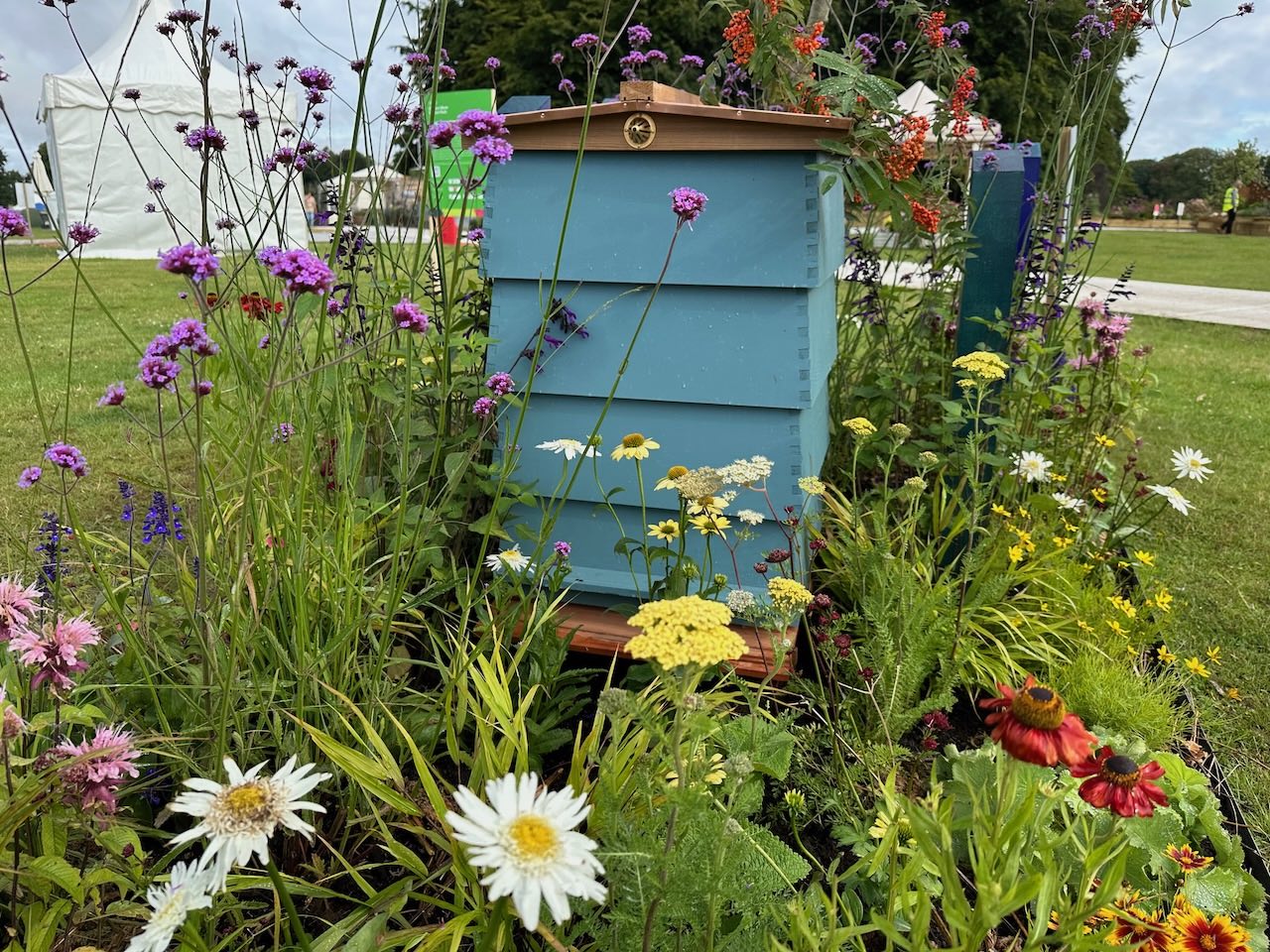
The truth is, with a bit of creativity and careful planning, you can design a stunning garden even on a tight budget. In this article, I’ll show you some practical tips and ideas to help you create a flourishing garden without breaking the bank!
Jump To
This page contains affiliate links for products I use and love. If you take action (i.e. subscribe, make a purchase) after clicking a link, I may earn some gardening commission which helps me keep the Garden Ninja Blog free for all.
1. Plan Your Garden Layout
Before you start digging or buying plants, planning your garden layout carefully is crucial. Consider the following steps:
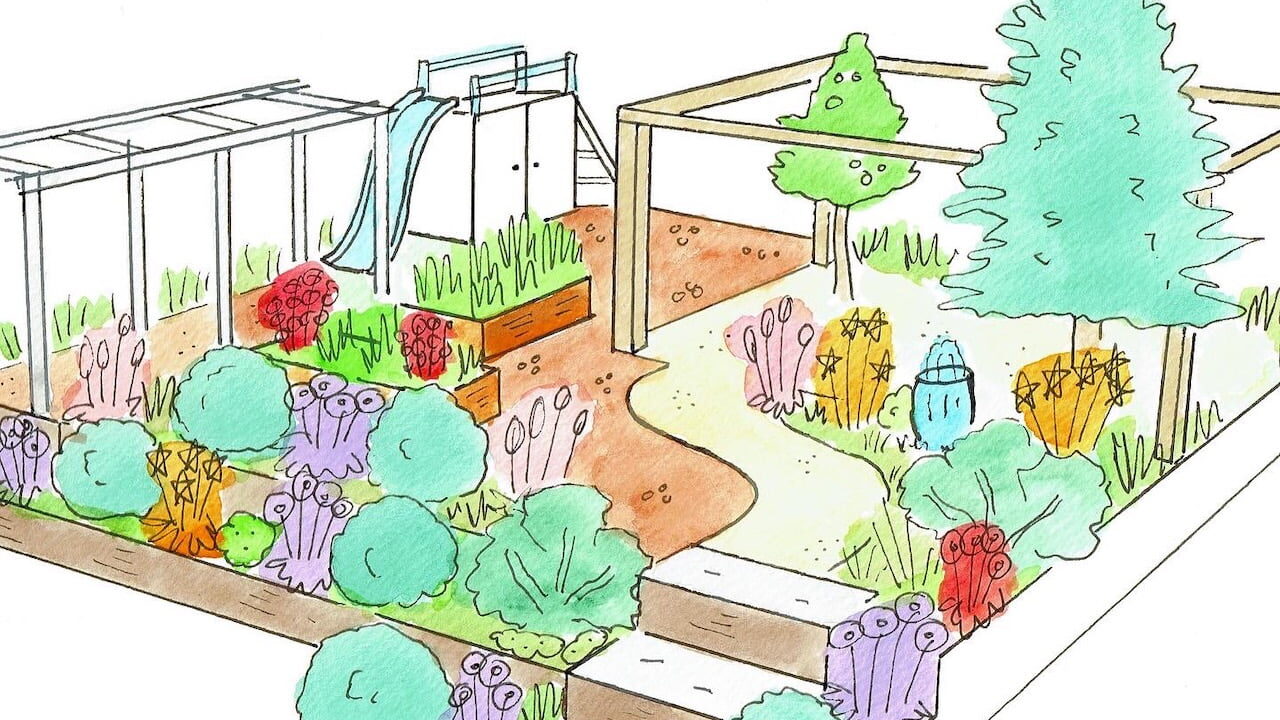
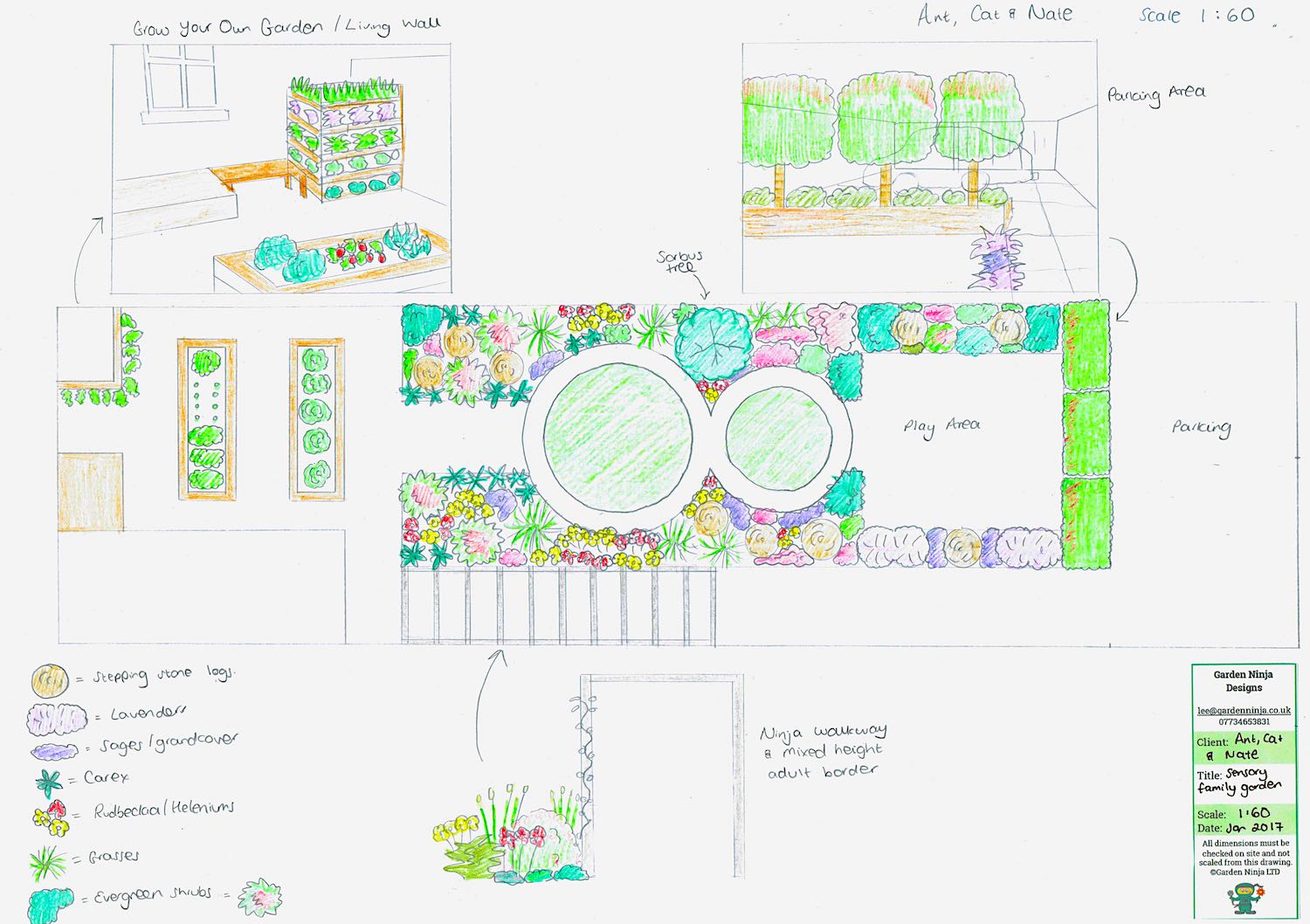
a. Measure your garden area: Determine the size and shape of your garden space. This will help you make efficient use of your available space. If you can, draw a scaled sketch of your garden, allowing you to plan out your choices on paper and make your mistakes with a pencil, not a spade!
b. Define your garden’s purpose: Decide whether you want a vegetable garden, a flower garden, a relaxing space, or a mix of these elements. Knowing your garden’s purpose will guide your design choices. Make sure you design your garden based on how you will use it 90% of the time.
c. Create a rough sketch: Draw a simple sketch of your garden, including the location of pathways, focal points, and plant beds. This will serve as your blueprint for the project. It also means you can check where everything is. If they are in the right place or whether you’ve got too much going on in your garden design.
I still sketch every single project I work on, professional fee or not, because it’s the cheapest insurance policy in the whole process. A pencil costs pennies. A skip full of paving you’ve changed your mind about does not. I’ve sat with countless homeowners on Garden Rescue who’d already bought materials before they’d properly worked out where anything should go, and untangling that is always more expensive and more stressful than spending an hour with a notepad first would have been.
2. Set a Realistic Budget
Determine how much you’re willing to spend on your garden project. Be realistic and set a budget that you can comfortably afford. Your budget should cover plants, materials, and any necessary tools. A budget-conscious garden can still look stunning with the right choices. It’s about carefully considering the garden’s overall look and using budget-friendly ways to achieve this!
Numbers help more than vague reassurance, so let me give you some real ones. A full border replant typically costs £50 to £150 and can turn a tired bed around in a single afternoon. Gravel laid over a membrane runs at roughly £8 to £15 per square metre, a fraction of natural stone paving, and is one of the fastest ways to replace bare soil or a struggling lawn. Turf itself costs around £20 per square metre if you lay it yourself, and a single tin of fence or shed paint at around £15 to £20 will transform the backdrop of an entire garden. None of these are guesses. They’re the kind of figures I work with on real client projects, and they should give you something concrete to plan against rather than just a feeling that “budget” gardening will somehow work itself out.
If you want a fuller breakdown of where the money actually goes on a real project, I’ve written up the honest costs of a small garden makeover, including what changes between a fully DIY approach and bringing in a professional designer.
To help you plan properly, here’s how the main costs in a typical UK budget garden project break down. These are realistic 2026 ballpark figures for materials and labour if you’re sourcing things yourself, not inflated showroom prices, so use them as a sense check against any quotes you’re given.
The pattern running through that table is consistent: anything you can do yourself rather than pay a landscaper for is where the real savings live, since labour alone makes up well over half the cost of most hard landscaping projects. Materials matter, but your own time and effort matters more.
🛒 Browse essential garden tools from Amazon UK
Remember, you don’t need to complete the entire garden in one go.
I’ve worked on full professional garden builds running into tens of thousands of pounds, and on tiny terrace transformations done for under £200, and the honest truth is the second type often brings me more satisfaction to design. A tight budget forces good decisions. It stops you splurging on a fountain you’ll regret and makes you think properly about what the space actually needs. Some of my favourite Garden Rescue gardens were the ones with the smallest budgets, because the homeowners had to be properly clever rather than simply throwing money at the problem.
You can divide the garden design into rooms or ‘zones’ to which you can assign a budget. As a rule of thumb, hard landscaping is the most expensive part of any garden design, second to plants and your time!
3. Save on Hard Landscaping
Since hard landscaping is where most garden budgets get blown, it deserves its own section rather than a passing mention. Paving, decking, and walling are where pounds disappear fastest, so this is the area where a bit of strategic thinking saves you the most money overall.
a. Choose gravel over paving slabs where you can. Loose gravel is by far the cheapest hard surface available, and laying it is a realistic DIY weekend job. A weed-suppressing membrane underneath, a bit of edging to keep it contained, and you’ve got a low-cost surface that also helps with drainage, something solid paving simply can’t do. It won’t suit every part of the garden, but for paths, side returns, or informal seating areas it’s hard to beat on price.
b. Use stepping stones with planting or gravel between them rather than a solid run of paving. This halves the amount of material you need for a path whilst still giving you a clear, walkable route through the garden. It also looks considerably softer and more natural than a hard, unbroken surface.
c. Check reclamation yards, Facebook Marketplace, and Gumtree before buying anything new. Reclaimed bricks, old paving slabs, and even broken concrete that can be relaid as crazy paving are constantly being given away or sold cheaply by people clearing gardens or finishing their own projects. I’d always check these sources first before placing an order with a builders’ merchant, since the savings can be considerable and it keeps perfectly good material out of landfill.
d. Be strategic about where you spend on quality. Use your nicest, most expensive paving or stone only where it will actually be seen and admired, such as a key seating area by the back door. Round the side of the house, under the shed, or in a bin storage area, a basic concrete slab does exactly the same job for a fraction of the cost.
e. Keep the hard landscaped area smaller than you first imagined. It’s almost always better to reduce the footprint of a patio or path and use materials you truly love, than to stretch a tight budget across a larger area with materials that disappoint you every time you look at them.
4. Start with Seeds and Cuttings
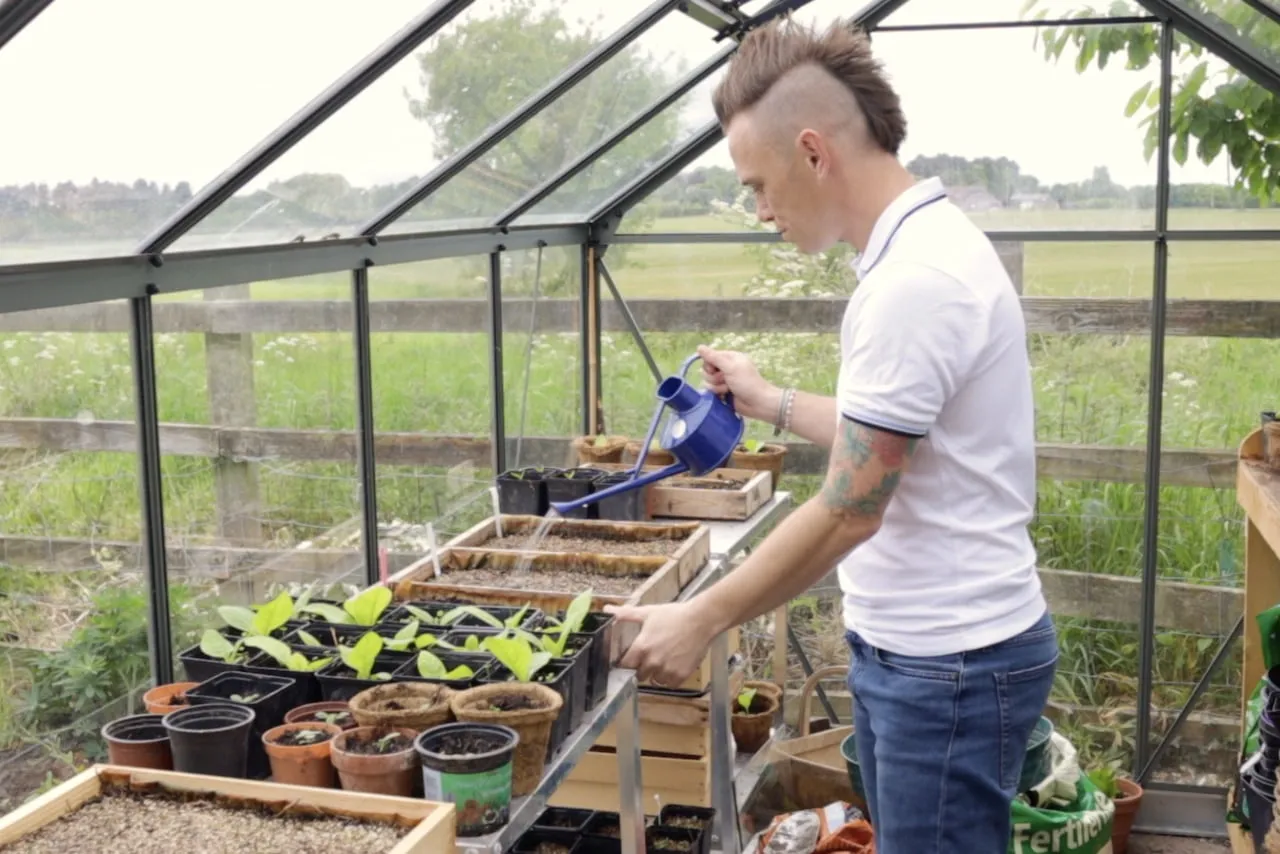
One of the most cost-effective ways to fill your garden with beautiful plants is to start from seeds or cuttings. Many flowers, vegetables, and herbs can be easily grown from seeds or propagated from cuttings. This not only saves you money but also allows you to nurture your garden from its very beginning.
I still remember my first proper attempt at growing from seed in my teens, when I had next to nothing to spend and a windowsill full of yoghurt pots doing the job of a proper propagator. Half of what I sowed didn’t make it, but the half that did taught me more about how plants actually work than any amount of buying ready-grown stock from a garden centre ever could. That’s the bit nobody tells you: seed sowing isn’t just the cheapest route into gardening, it’s also the fastest way to actually become a decent gardener, because you see every stage of a plant’s life rather than just the finished, flowering version someone else has nursed along for you.
Growing from seed also allows you to get to know and understand your plants on a deeper level. Seed sowing saves you money and makes you a far better gardener in the process! Cuttings are just as good a shortcut. If a neighbour or fellow Ninja has a plant you admire, ask them for a cutting before you ever consider buying the same thing from a nursery. I’ve built whole borders from material that started life as a few inches of stem pinched from someone else’s garden, and there’s a particular kind of satisfaction in that which a bought plant simply doesn’t give you.
5. Shop for Discounted Plants
When purchasing plants, be savvy about where and when you buy them. Buying smaller plug plants can save you a fortune. Don’t be fooled into thinking you must buy those expensive, larger-in-bloom flowers from the garden centre. They are expensive as they are in flower and ready to go.
Choose plants that truly suit your garden (by knowing your soil type and garden aspect) by doing your research before you hit the shops. I’ll be honest, this is the section where I see budget gardeners undo all their own good work. People will happily spend an hour finding a free pallet, then walk into a garden centre and buy a single mature shrub in full flower for £35 without batting an eyelid. The flower is doing the selling, not the plant’s actual value to your garden. A plug plant a tenth of the size and a tenth of the price will catch it up within two seasons, and you’ll have had ten times the satisfaction of watching it grow rather than just buying the finished result. Patience in the plant aisle is worth more to your budget than patience almost anywhere else in this whole guide.
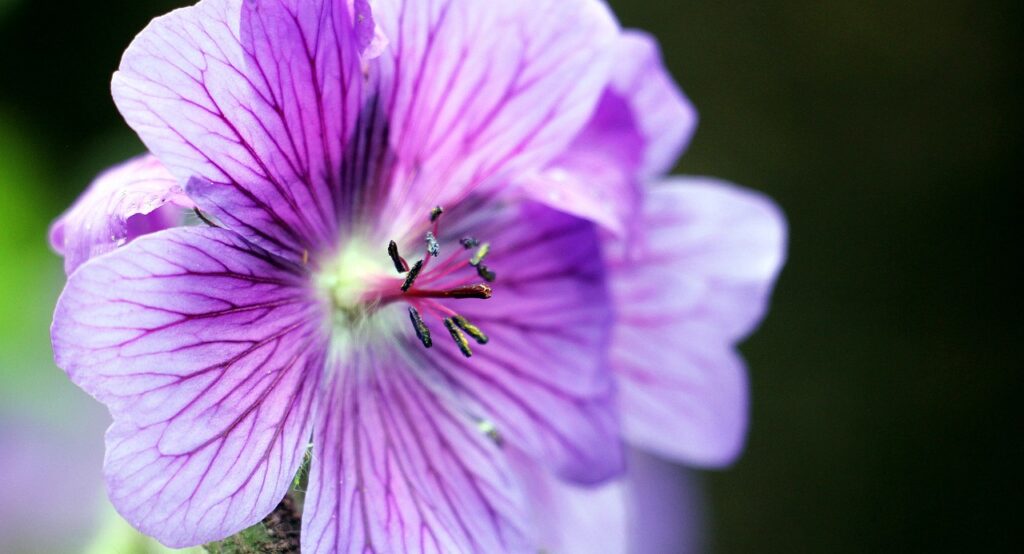
🛒 Browse hardy geranium plug plants from Amazon UK
There are other ways to save money when buying plants:
a. Look for discounts and sales: Garden centres often have sales at the end of the season, where you can find discounted plants and gardening supplies.
b. Consider online options: Online plant nurseries can offer a wide variety of plants at competitive prices. Just be sure to check reviews and ratings before making a purchase.
c. Exchange plants with friends and neighbours: Swap plants with fellow gardeners in your community to diversify your garden without spending money.
6. Choose Perennial Plants (they come back!)
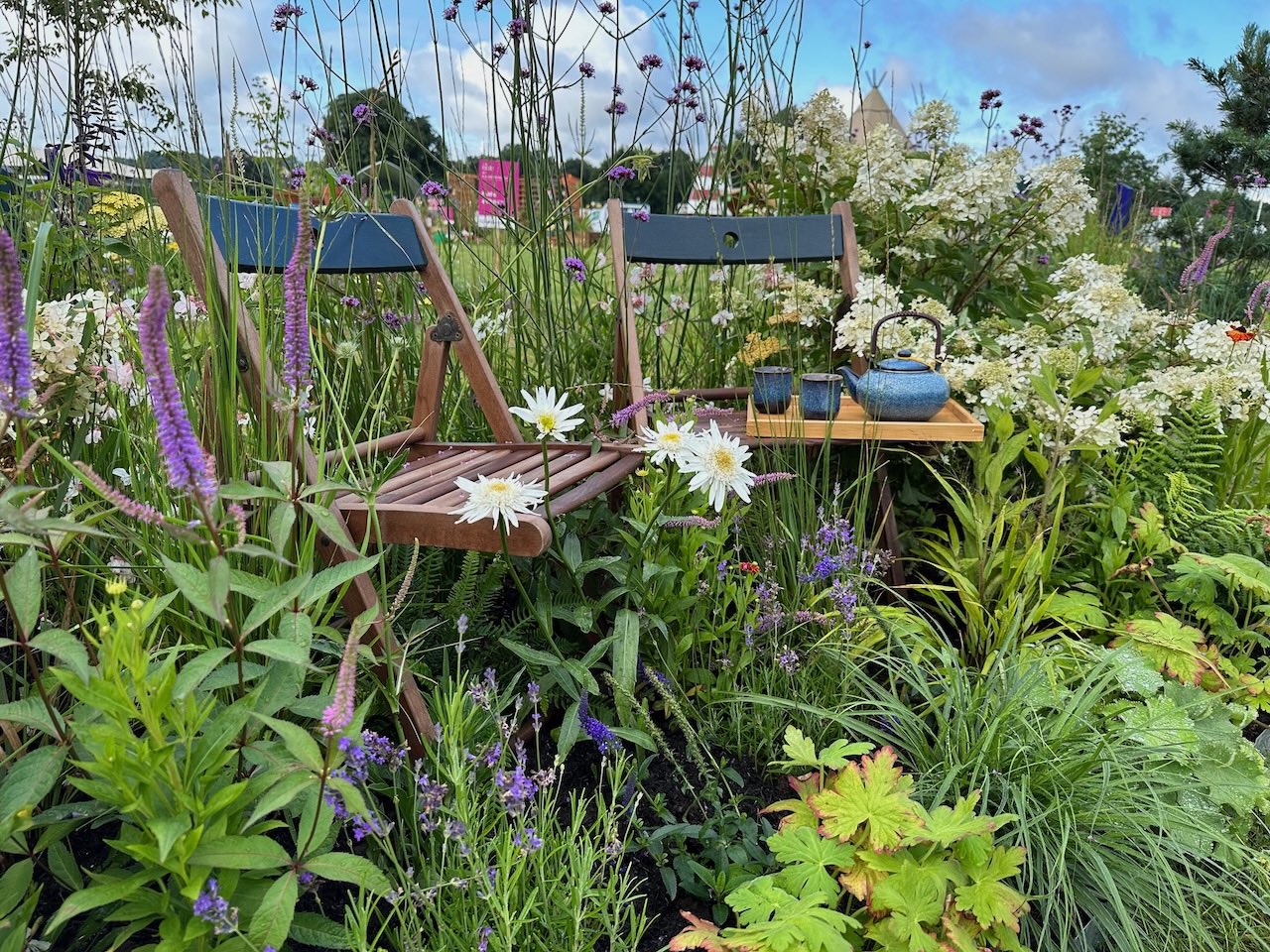
Perennial plants are an excellent investment for budget gardeners as they come back each year, unlike annuals, which must be replanted yearly. Perennial plants provide long-term beauty, reduce garden waste and provide excellent value.
Some popular perennial options include ornamental grasses, Rudbeckia, Roses, Shrubs, Lavenders and trees.
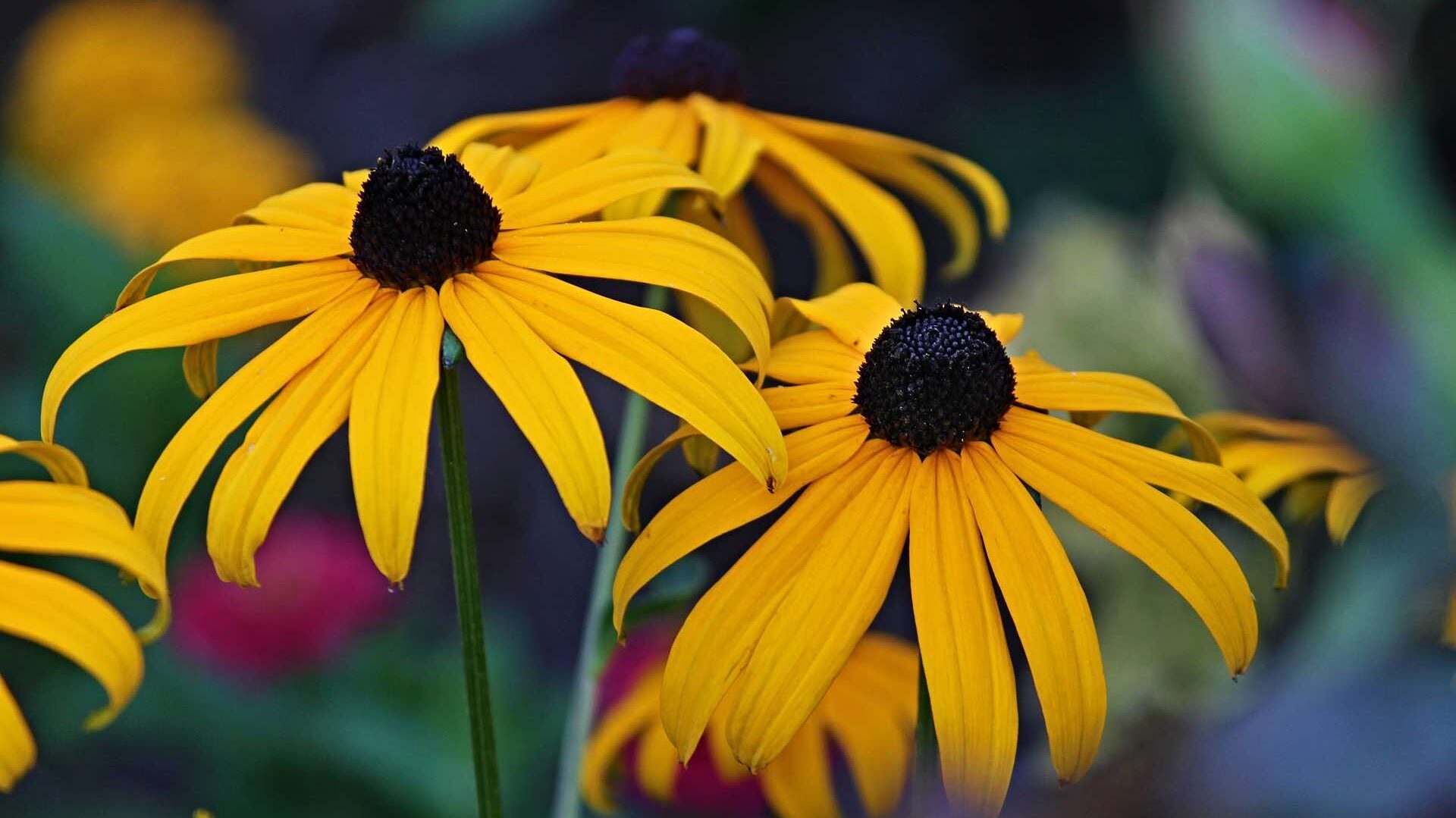
🛒 Browse Rudbeckia plants from Amazon UK
Here are some of the advantages of incorporating perennial plants into your outdoor spaces:
a) Longevity: Perennials come back year after year, providing enduring beauty and value to your garden. Unlike annuals, which must be replanted each season, perennials offer a more sustainable and long-term solution.
b) Low Maintenance: Many perennial plants are relatively low maintenance once established. They require less attention and effort compared to annuals, which often need constant replanting and care.
c) Cost-Effective: Although perennial plants may have a slightly higher initial cost compared to annuals, they quickly pay for themselves over time due to their longevity. You won’t need to purchase new plants every year.
d) Biodiversity: Perennials contribute to biodiversity by providing a stable habitat for beneficial insects, pollinators, and other wildlife. They help support local ecosystems and promote ecological balance.
e) Water Efficiency: Once established, many perennial plants have deep root systems that make them more drought-resistant. This reduces the need for frequent watering, saving both time and water resources.
f) Erosion Control: Perennials, especially ground-covering varieties, can help control soil erosion by stabilising the soil with their root systems and dense growth.
g) Year-Round Interest: Perennials often have different stages of growth and bloom throughout the year, providing year-round visual interest in your garden. Some even have attractive foliage during the non-blooming seasons.
h) Naturalising: Many perennials self-seed or spread gradually, creating naturalised areas in your garden. This can give your garden a more relaxed, natural appearance.
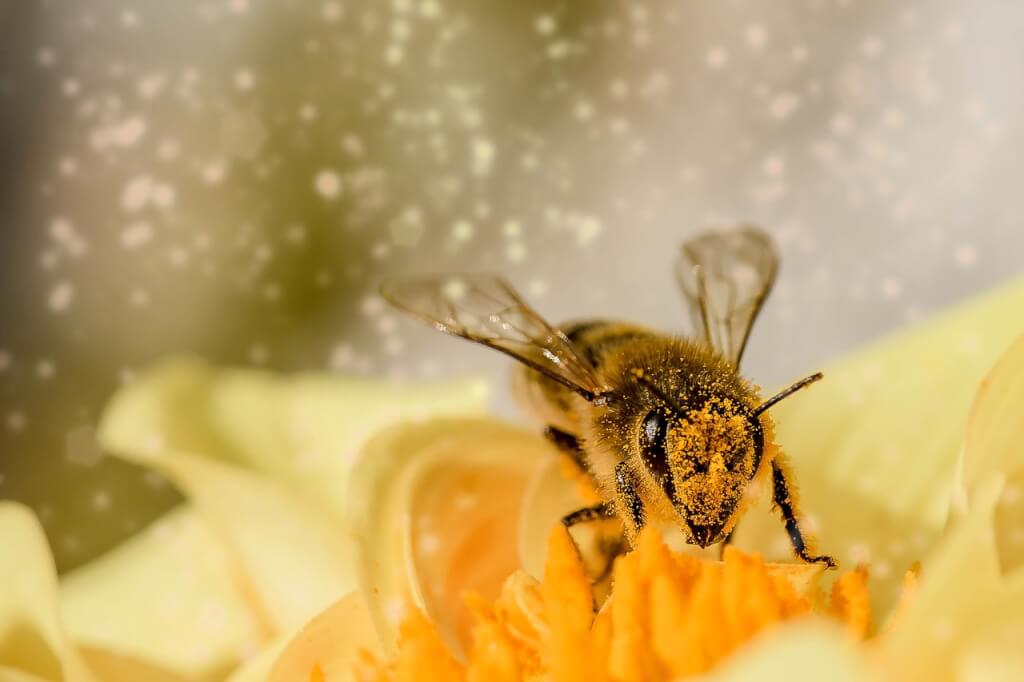
i) Wildlife Attraction: Perennials that produce flowers and seeds often attract a variety of wildlife, including butterflies, bees, birds, and beneficial insects, which can contribute to a healthy and vibrant ecosystem in your garden.
j) Reduced Weeding: Once established, perennials can form dense growth that shades the soil, reducing weed competition. This means less time spent weeding your garden beds.
k) Improved Soil Health: Many perennial plants contribute organic matter to the soil through the decomposition of their leaves and stems. This improves soil structure, fertility, and microbial activity over time.
j) Environmental Benefits: Using perennials reduces the carbon footprint associated with gardening, as they require fewer resources for cultivation and transportation compared to annuals.
If you want to find out which perennial plants are bulletproof, then watch my handy guide below, which gives you a mix of different good-value plants that slugs will avoid!
7. DIY Garden Decor
Add personality to your garden with DIY garden decor. You can repurpose old items, such as pallets, crates, or even tyres, to create unique planters and garden art.
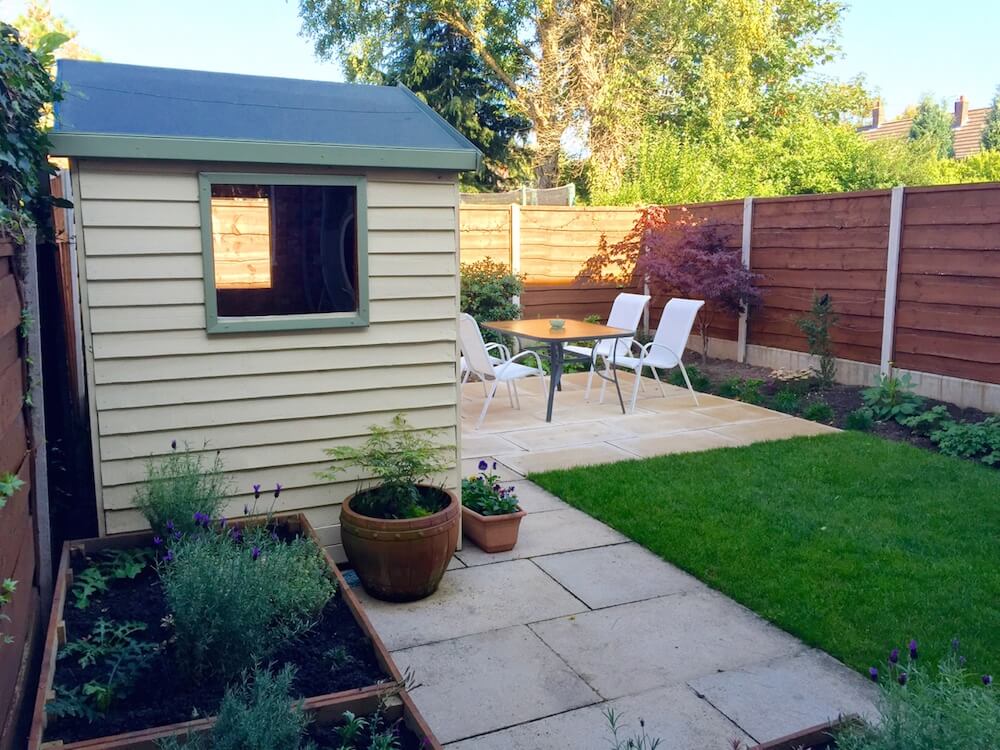
One of the best ways of doing this is painting your shed to pull your focus to it. If your shed dominates the garden and looks awkward, why not use a careful selection of bright or calming paint colours to help it blend in with your planting scheme? This is a great low-cost weekend project to liven up even the most tired gardens.
I’ve done this on more Garden Rescue builds than I can count, and it’s always the cheapest, fastest transformation on the list. A tired, grey shed that’s clearly seen better days can look completely intentional with a coat of deep bottle green or charcoal paint, the same colours you’ll see on far pricier garden buildings in the glossy magazines. It costs a tin of paint and an afternoon, yet it changes how the whole garden reads, because suddenly that shed looks like a deliberate design choice rather than something you’re apologising for. I’d always pick a colour from your planting scheme too, so the shed recedes into the garden rather than fighting against it.
🛒 Browse exterior shed paint from Amazon UK
8. Mulch and Compost
Mulch not only improves soil health but also helps to retain moisture, reducing the need for constant watering. It helps feed your soil, meaning your plants will thrive, live longer and need less maintenance.
If I had to pick one single job that gives the best return for the least effort in a budget garden, it’s mulching, every single time. I see so many gardeners spend their limited budget on plants and then nothing at all on feeding the soil those plants are sat in, which is a bit like buying a lovely car and never putting fuel in it. A thick layer of well-rotted mulch in spring does the watering can’s job for you through summer, suppresses the weeds that would otherwise cost you hours, and slowly feeds the soil as it breaks down. It’s the closest thing to free magic that gardening has to offer.
Additionally, composting kitchen scraps and garden waste can provide free, nutrient-rich soil for your garden. This allows you to improve your soil at next to no cost by recycling all of your own organic waste! Many local councils also offer free or subsidised compost bins to encourage home composting, so it’s always worth a quick check of your council’s website before buying one outright.
🛒 Browse compost bins from Amazon UK
9. Easy Maintenance & Care
Invest time in maintenance and care to keep your budget garden looking its best. Regularly weeding, pruning, and mulching can help your garden thrive without costly interventions. Doing a little often lets you keep your garden looking fantastic without needing expensive gardening services or contractors.
Choose the following for low-maintenance gardens:
- Evergreen shrubs for year-round colour
- Lawn edging to save on cutting your lawn edges every month
- Eradicate the lawn for a low-fuss flower bed
- Perennial succession planting that can be left through the winter
- No dig approach to flower beds and vegetables
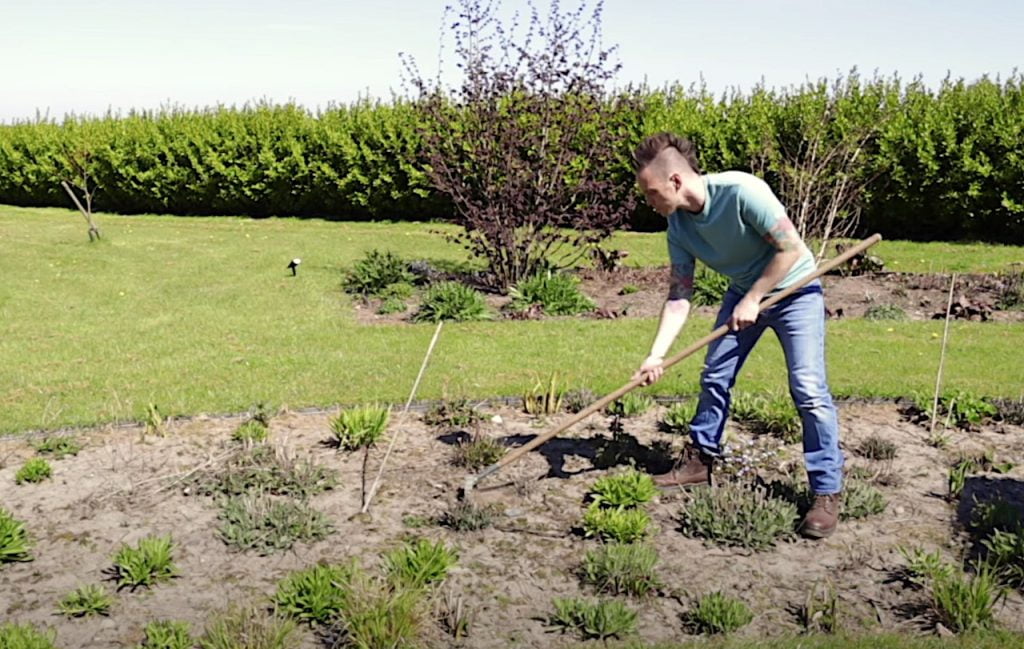
- Use a garden hoe to make weeding super fast & easy
🛒 Browse oscillating garden hoes from Amazon UK
10. Use Repurposed Materials
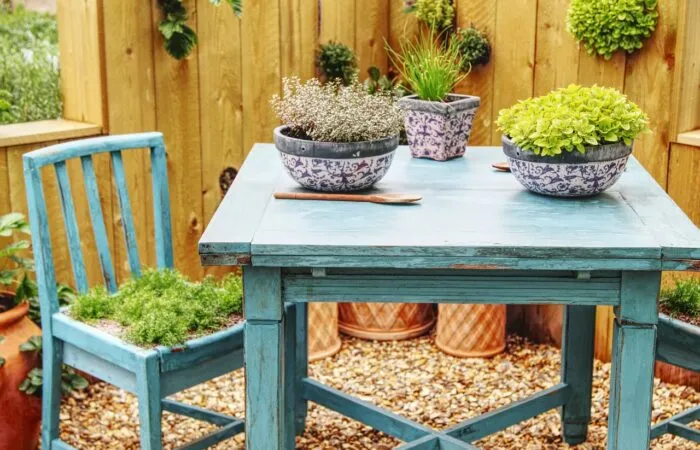
Incorporating repurposed materials into your garden design can add a unique and eclectic charm to your space. Bringing a function to your outdoor room by repurposing old furniture, giving it a second lease of life. This means that stuff you already have can be turned into a garden feature with very little cost.
Here are some ideas to consider:
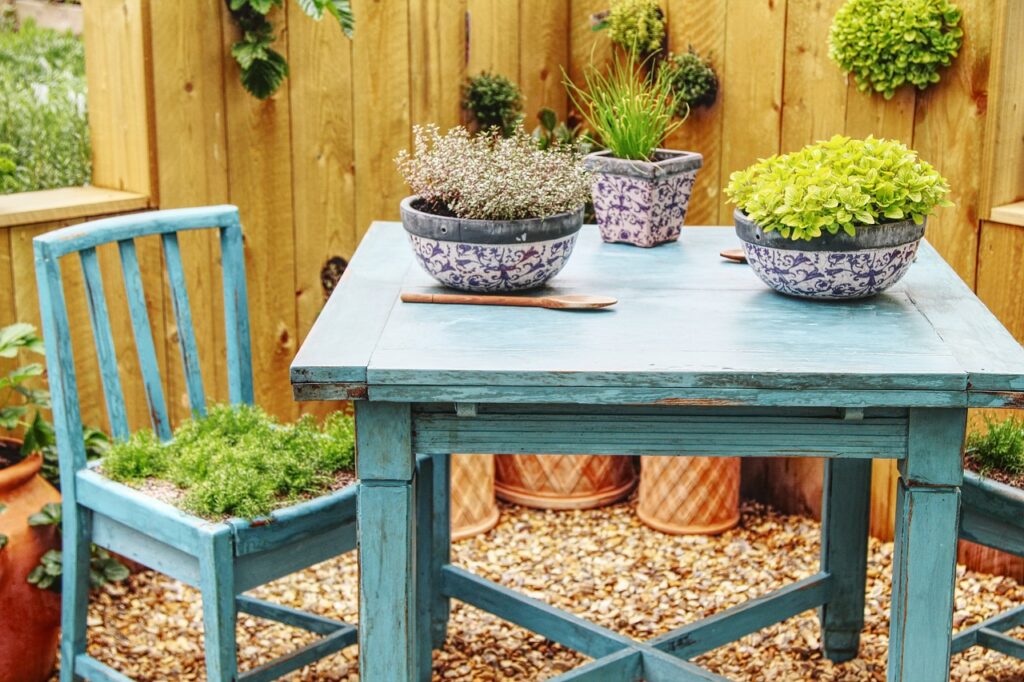
- Old furniture: Don’t throw away that dilapidated chair or table just yet. With a fresh coat of paint and a bit of creativity, you can transform them into quirky garden pieces.
- Pallets: Wooden pallets are versatile and can be turned into vertical planters, raised beds, or even a rustic fence. They’re often easy to find for free or at a low cost.
- Broken pottery: If you have broken clay pots lying around, don’t discard them. Instead, use the pieces to create a mosaic pathway or decorative border.
- Tyres: Old tyres can be painted and stacked to make colourful planters for flowers or herbs. They’re sturdy and long-lasting, making them a budget-friendly option. If you’re worried about toxins leaching out, you can always line them or avoid growing veg in them to be sure.
Unusual Planters Worth Trying
Beyond furniture and pallets, almost anything that can hold soil and drain water can become a planter, and there’s a lot of fun to be had here. Old wellies, wheelbarrows past their working life, galvanised buckets, ceramic sinks, and even a single decorative shoe by a front door are all fair game. With a few drainage holes drilled into the base and some decent compost, you’d be amazed what will happily grow in something that started life as household junk.
💡 Top Tip
Restraint is what separates a designed garden from a jumble sale. Pick one or two unusual planter types and commit to them properly, rather than scattering a tyre, a welly, an old sink, and a teapot across the same border. A repeated idea reads as a deliberate choice. A mix of everything reads as clutter, no matter how charming each individual piece is on its own.
This is honestly one of the biggest differences I see between a budget garden that looks designed and one that looks like it’s been collecting donations. The instinct is to throw the whole kitchen sink at it, one of everything you’ve been given or found, but that’s exactly the wrong approach. A single large, characterful container, an old dolly tub or a reclaimed water trough, will have far more visual impact sitting on its own than a cluster of five mismatched small ones crammed together, even though the small ones probably cost you nothing and the trough cost a tenner from a farm sale. Bigger and fewer nearly always beats smaller and more when you’re working with reclaimed material.
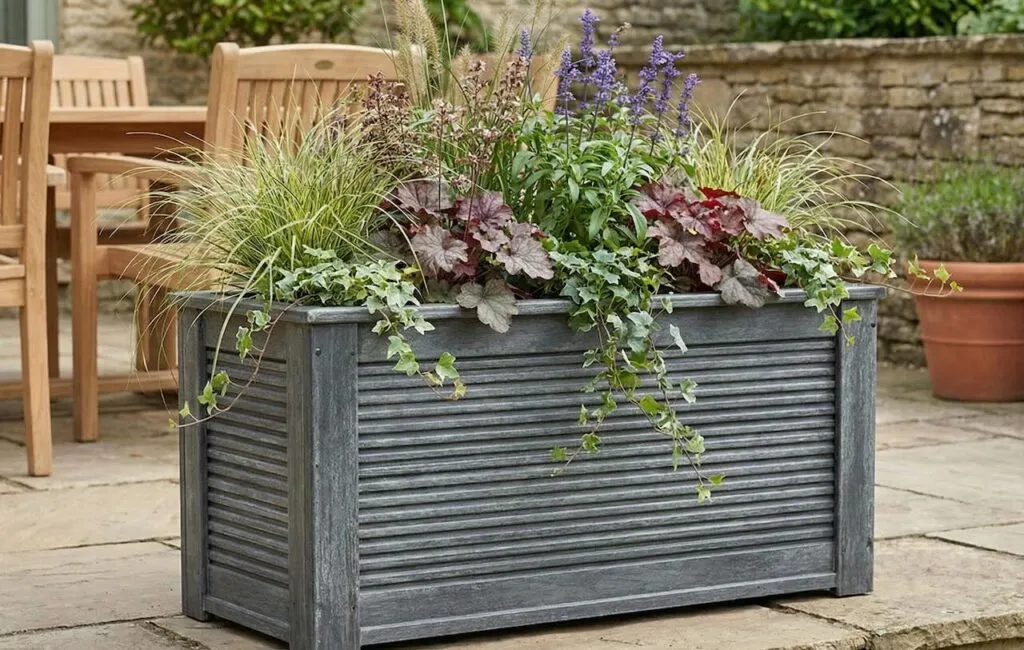
The other trick that costs almost nothing but makes a huge difference is paint. If you do end up with a genuine mix of container types, an old tin bath, a couple of terracotta pots, a wooden crate, painting every single one the same colour pulls them together as a set instantly. It doesn’t matter that the shapes and materials are completely different underneath. Once they’re unified in colour, your eye reads them as a considered grouping rather than a random collection, and that one tin of paint does more design work than buying three more matching planters ever would.
Before buying anything new, it’s also worth checking Facebook Marketplace, Freecycle, Gumtree, and local salvage yards. People clearing or finishing garden projects regularly give away or sell furniture, paving, bricks, and pots at a fraction of retail price, and snapping these up keeps perfectly good material out of landfill too.
🛒 Browse outdoor furniture paint from Amazon UK
11. DIY Water Features
A garden water feature can provide a soothing ambience and enhance the overall aesthetic of your garden. Instead of buying an expensive fountain, consider creating your own with affordable materials like a recycled barrel or large ceramic pot. Simply add a small pump, some decorative stones, and aquatic plants for a tranquil DIY water feature that won’t break the bank.
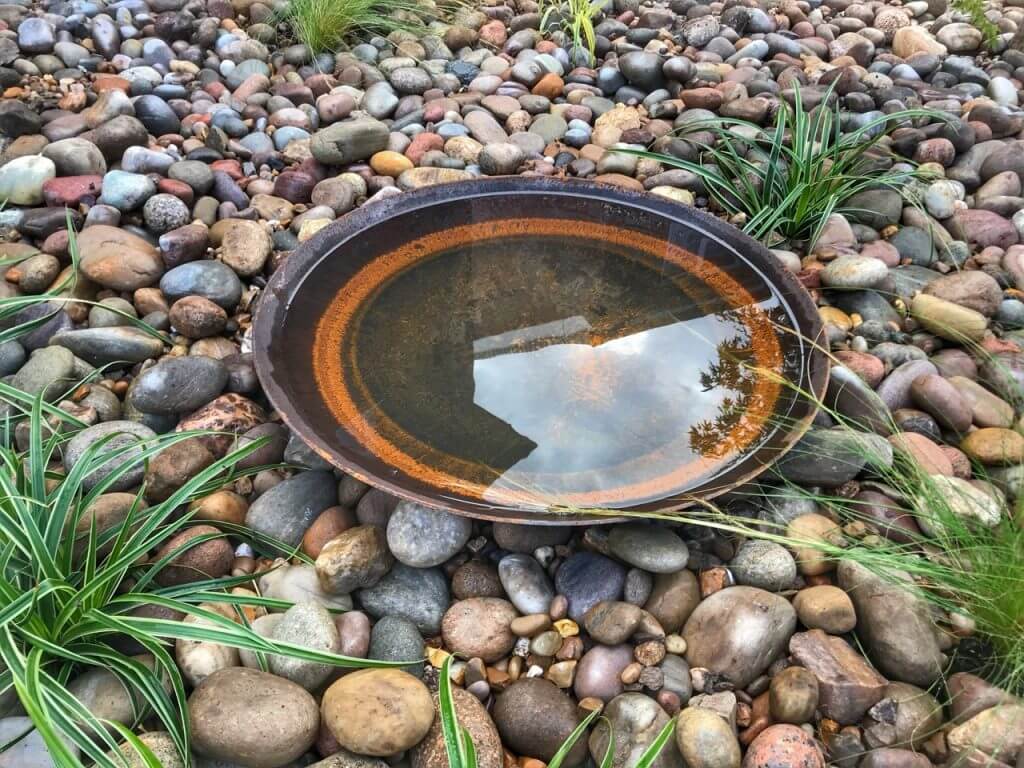
A simple metal water bowl below adds calm to this garden, all for around £50.
This particular water bowl is one I’ve used in my own modernist back garden design, and it’s done more heavy lifting for the design than its price tag would suggest. Even on a tight budget, I’d always try to find a little money for some form of moving or reflective water, because the sound and the light it throws around the garden really changes how a space feels to sit in, far more than another plant or another pot ever would. You don’t need a pond with a pump system and liner costing hundreds, a bowl, a barrel, or even an old ceramic sink with a tiny solar fountain will do the job.
🛒 Browse corten steel water bowls from Amazon UK
12. Divide and Multiply Plants for Free
Save money on new plants by dividing and propagating existing ones. Splitting plants doubles your plant stocks and it’s completely free!
Many perennials, like hostas and irises, can be divided into multiple plants. Carefully dig up the plant, separate the root clumps, and replant them in different areas of your garden. This not only saves money but also helps your garden fill in faster.
I really think this is the most underused trick in budget gardening. People will happily spend £15 on a single perennial without ever realising that the one they bought three years ago could be lifted, split into four or five separate plants, and replanted for nothing. I do this every spring with my own clumps of hardy geraniums and grasses, and it’s oddly satisfying watching a single original plant slowly multiply into a whole drift over a few seasons. It’s the closest thing in gardening to getting something for free, and your back will be the only thing that complains about the effort.
13. Start a Compost Bin
One of the best things you can do in a garden is reduce or completely eradicate garden waste going to landfills, which immediately saves you and the planet a small fortune!
Composting is not only eco-friendly but also a great way to enrich your garden soil without spending extra money on fertilisers. Collect kitchen scraps like fruit and vegetable peels, coffee grounds, and eggshells to create nutrient-rich compost. Over time, your compost pile will produce valuable organic matter that can be used to improve soil quality.
You can even make a compost bin out of old pallets to save you even more money. As mentioned above, also check whether your council offers a free or subsidised compost bin scheme before buying one new.
My own compost bin is nothing fancy, just three pallets screwed together at Garden Ninja HQ, and it’s produced years of free, crumbly compost that’s gone straight back onto my beds. There’s something quietly satisfying about watching a season’s worth of kitchen scraps and prunings turn into the exact material your plants need to thrive, completely free of charge and completely free of plastic bags. If you only do one thing from this entire guide, make it this one. It pays you back every single year, not just once.
14. Prioritise Native Plants
Native plants are not only well-adapted to your region’s climate and soil but also tend to require less maintenance and water. By choosing native plants for your garden, you’ll reduce the need for costly interventions and create a garden that thrives in harmony with its surroundings.
Up here in Manchester, I’ve learned the hard way which plants sulk in our heavier clay and grey skies, and which ones simply get on with it regardless. Native and near-native planting is rarely the most exciting choice on the page of a glossy plant catalogue, but it’s almost always the one that survives your first proper winter without a fight, and that’s worth more to a budget gardener than anything labelled exotic or rare.
Take a walk around your local area and see what’s working and growing well in other people’s gardens. Take photos and you’ll often see the same plants coming up time and time again. These plants clearly like the climate and conditions, so you would be wise to consider them in your own garden! This takes the risk out of knowing whether that plant will survive in your own garden.
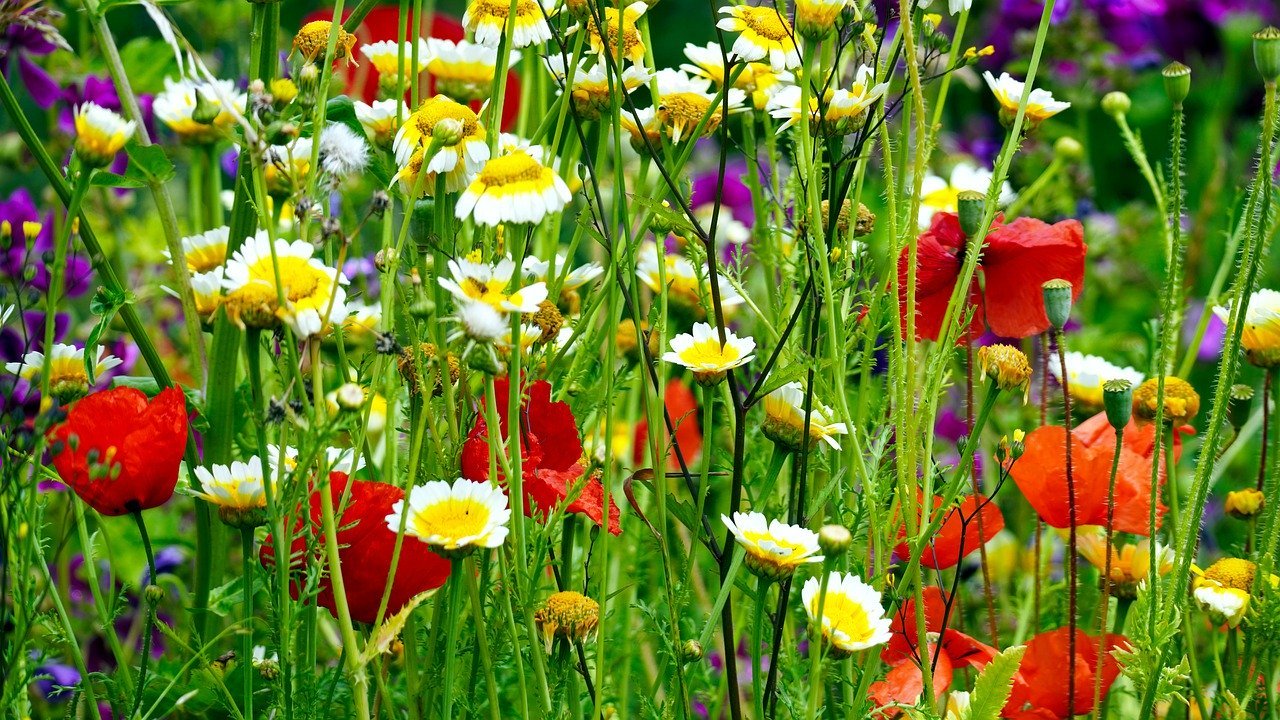
Have a look at this list of native UK plants to get you started!
15. Join Gardening Communities
Engaging with local gardening communities can provide you with valuable resources, advice, and even free or low-cost plants. Look for local gardening clubs, online forums, or community gardening projects in your area. These networks can be a treasure trove of knowledge, plant swaps, and camaraderie.
Joining gardening groups (or even online ones on Facebook) allows you to meet like-minded individuals and even have access to plant swaps. More plants for free. It’s an excellent way to upskill yourself as you share your knowledge and experience.
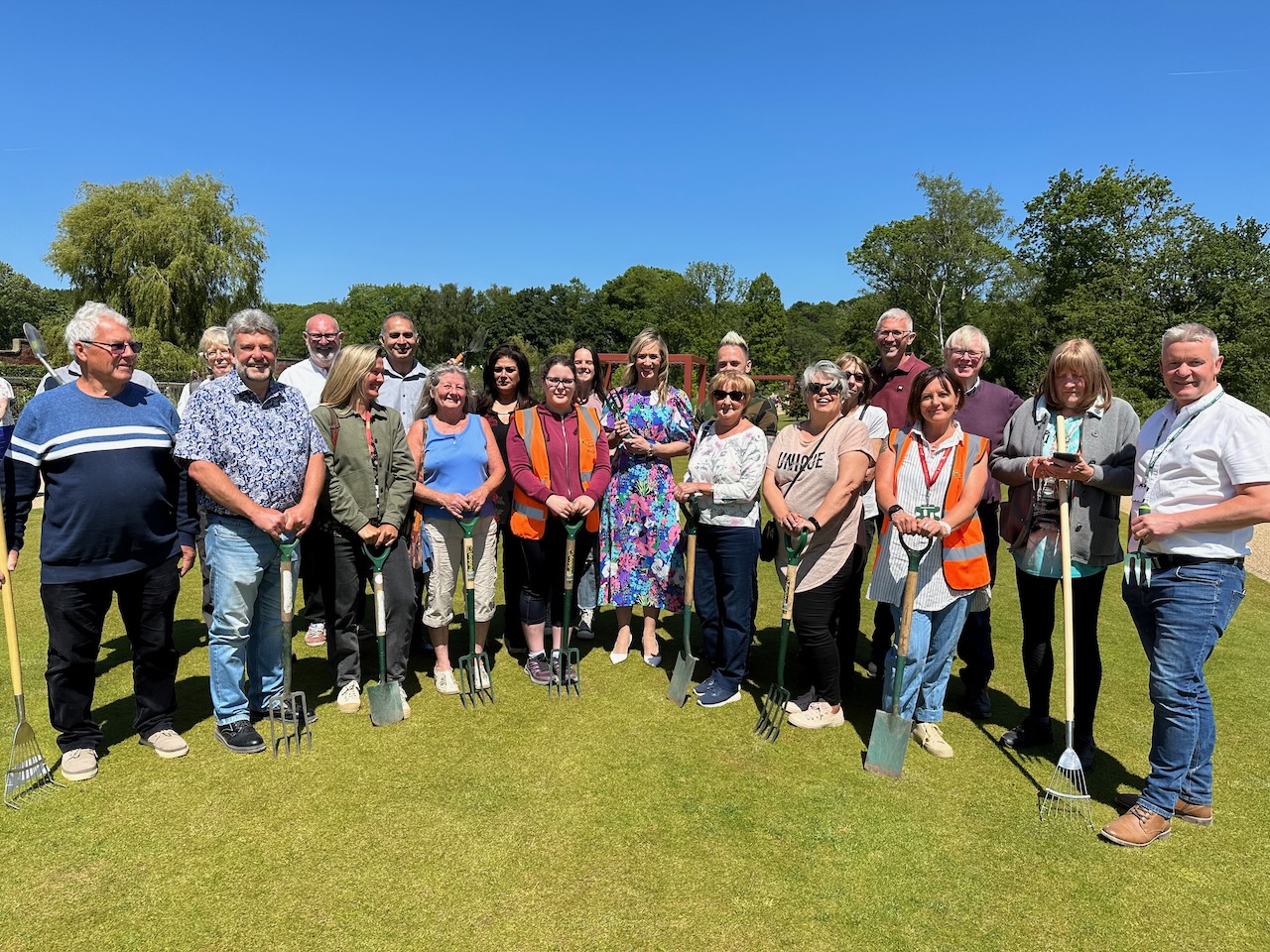
Some of the best gardens I’ve helped on through the Northern Star community project at RHS Tatton were built almost entirely on shared knowledge and donated plants, not big budgets. Gardeners as a tribe are generous by nature, and there’s a real community spirit running through this hobby that you don’t always find elsewhere. Don’t be shy about turning up to a local club meeting or posting in a Facebook group asking if anyone’s got a spare division of something. More often than not, someone will, and you’ll have made a friend in the process too.
16. Embrace Patience
Lastly, remember that creating a beautiful garden on a budget may take time. Plants will grow, fill in spaces, and become more lush with each passing season. Be patient and enjoy the journey of watching your garden evolve into the peaceful oasis you envisioned. Patience pays off by allowing you to develop and mature as a gardener, so think of it less as time waiting and more as time evolving!
Make sure you visit my YouTube channel for more gardening guides. You can also check out my Tweet, Facebook or Instagram for more garden help and tips.
Happy gardening!
Frequently Asked Questions
What is the cheapest way to landscape a garden?
Gravel is by far the cheapest hard landscaping material, since it costs a fraction of paving slabs and is straightforward to lay yourself over a weekend with a weed-suppressing membrane and some edging. Beyond materials, checking Facebook Marketplace, Gumtree, and local salvage yards before buying anything new will save you considerably more than shopping around for the best price on new stock.
How can I get free plants for my garden?
Dividing existing perennials such as hostas and irises is completely free and doubles your plant stock in an afternoon. Joining a local gardening club or an online community group also opens up plant swaps, where fellow gardeners exchange surplus divisions, seedlings, and cuttings rather than buying new.
Should I buy plug plants or larger, established plants?
For a budget garden, plug plants are the smarter choice. You’re paying a premium for a garden centre’s time and compost when you buy a plant already in flower, and a plug plant will usually catch up within a season or two at a fraction of the cost.
Is it cheaper to grow vegetables from seed than to buy plants?
Yes, growing from seed is significantly cheaper than buying young plants, particularly for vegetables and annual flowers where you need multiples of the same variety. A single packet of seeds can produce dozens of plants for the price of two or three pot-grown specimens, and you don’t need an expensive greenhouse, a warm windowsill is enough to get most seeds started.
How do I keep a budget garden looking good with minimal ongoing spend?
Choose perennials over annuals so you’re not replanting every year, mulch beds annually to suppress weeds and feed the soil for free, and pick evergreen shrubs for year-round structure. A little regular maintenance, weeding and light pruning little and often, keeps a budget garden looking cared for without ever needing to call in paid help.





Lee Burkhill
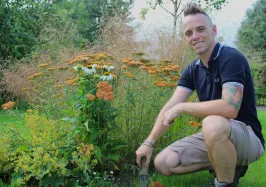
Lee Burkhill, known as the Garden Ninja, is an award-winning garden designer and horticulturist with over 30 years of gardening experience and 15 years as a professional garden designer. A qualified RHS (Royal Horticultural Society) professional, Lee specialises in sustainable garden design and practical horticultural advice. He designs and presents on BBC1’s Garden Rescue and in leading gardening publications. Lee combines three decades of hands-on gardening knowledge with professional design qualifications to help gardeners create beautiful, functional outdoor spaces.
View all posts by Lee Burkhill





Categories
Other posts
-

Start here: to begin your gardening journey! Read more
-
35 Red Flowering Plants for UK Gardens: Transform Your Borders with Bold Crimson Blooms Read more
-
Garden Soil Testing for Beginners: Do You Really Need It? Read more
-
How to prune Ornamental grasses the easy way Read more
-
Garden Rescue Behind the Scenes: a look behind how the TV show is made Read more
-

Sloped Garden Design: Terracing, Steps, and How to Design on a Gradient Read more