How to Create the Occult Cottage Garden: The Witches’ Floromancy Flower Beds
Lee Burkhill: Award Winning Designer & BBC 1's Garden Rescue Presenters Official Blog
Intermediate level
There is a garden that sits somewhere between horticulture and history, between the practical and the profoundly mysterious. I think it might be the most exciting planting scheme you have never considered. The occult cottage garden draws on centuries of British folk magic, plant divination, and the quiet knowledge of village wise women who understood that the green world held more than just pretty flowers.
These are plants with stories woven through Anglo-Saxon charms, Druid ritual, Tudor love spells, and the extraordinary tradition of floromancy, the art of reading the future in petals and blooms. What I love about this as a garden designer is that every single one of these plants earns its place on pure horticultural merit. They are beautiful, wildlife-friendly, and overwhelmingly suited to UK growing conditions. The magical folklore is a magnificent bonus.
Quick Answer
An occult cottage garden draws on centuries of British folk magic, plant divination, and floromancy to create a planting scheme that is as beautiful as it is historically meaningful. The plants below earn their place on pure horticultural merit while carrying extraordinary folklore traditions stretching back through Anglo-Saxon charms, Druid ritual, and Tudor love spells.
I have spent over twenty years designing gardens and studying horticulture through the RHS, and one thing I have learned is that the best planting schemes always tell a story. A witch’s cottage garden tells one of the oldest stories in these islands. So let us dig in.
This page contains affiliate links for products I use and recommend. If you purchase after clicking a link, I may earn a small gardening commission, which helps me keep the Garden Ninja blog free for everyone.
1. Floromancy and the old ways of reading flowers
Before we get our hands dirty with soil and planting plans, it is worth understanding what floromancy actually is, because it is genuinely fascinating. Floromancy, from the Latin flores (flowers) and the Greek manteía (divination), is the practice of reading omens, fortunes, and messages through flowers. You have almost certainly practised it yourself without knowing.
Every child who has plucked daisy petals chanting “he loves me, he loves me not” is performing floromancy. That tradition is astonishingly old: the earliest printed record dates to 1471, when the Augsburg nun Clara Hätzlerin included “The Daisy Oracle” in her songbook, calling daisies plucking flowers.
The French took it further with their effeuiller la marguerite, offering a whole spectrum of answers from “a little” through to “madly” and “not at all.” Goethe immortalised the practice in Faust, where Margaret plucks a star-flower and lets the petals decide her heart. But floromancy extends far beyond daisy petals. Victorian lovers would pair two un-bloomed flowers, inscribe the initials of two sweethearts on the stems, hide them for ten days, and check whether the flowers had intertwined as a sign of coming marriage.
Finding the first flower of spring on a Monday promised good fortune; on a Wednesday, a wedding. Young women placed sprigs of yarrow, thyme, rosemary, and lavender beneath their pillows to dream of future husbands. St John’s Wort plucked on Midsummer Eve would reveal marriage prospects by morning, with fresh blooms meaning yes and wilted meaning not yet.
This is the tradition that the great Doreen Valiente, widely recognised as “the Mother of Modern Witchcraft,” championed throughout her extraordinary life. Valiente, who lived in Brighton and whose ashes were scattered beneath her favourite oak on the Sussex Downs, wrote in her 1975 bookNatural Magic that magic is all around us in stones, flowers, stars, the dawn wind, and the sunset cloud. Her work consistently drew on the botanical knowledge of village wise women who had used plants for centuries.
In her famous Charge of the Goddess, she wrote of the divine as “the beauty of the green earth” and “the Soul of Nature, who giveth life to the universe.” Valiente’s vision of witchcraft was fundamentally a nature religion, rooted in the English landscape, in hedgerows and herb gardens, in the old cottage garden plants that our grandmothers grew. It is in that spirit, respectful of the art and grounded in real horticulture, that I want to help you create a garden that honours these traditions.
2. Designing your occult cottage garden: getting the bones right
As with any garden I design, we start with function and structure rather than just throwing plants at the ground and hoping for the best. An occult cottage garden follows the classic cottage garden principles I have advocated for years, but with intentional plant choices drawn from the magical tradition. Here is how I would approach the design.
First, understand your garden’s aspect, which direction it faces, because this determines everything. Many of the Mediterranean herbs in the witch’s garden, including lavender, rosemary, thyme, and rue, demand full sun and sharp drainage. The woodland and hedgerow plants such as foxglove, primrose, monkshood, and comfrey thrive in dappled shade with moist soil. Getting the right plant in the right place is not just good design. It is the difference between a garden that thrives and one that limps along looking miserable.
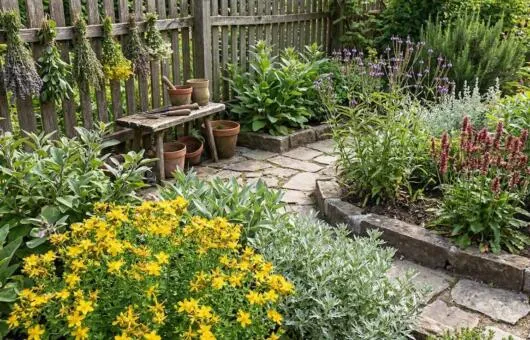
The layout should feel informal and abundant, with gently curving paths of weathered brick or old stone and borders planted right up to the edges so herbs and flowers spill across the path. Traditional cottage gardens mixed everything together: flowers, herbs, vegetables, and fruit in a gorgeous productive jumble. I would suggest creating distinct zones based on growing conditions rather than trying to fight nature.
Group your drought-tolerant, sun-loving herbs together in the driest, sunniest spot. Place your moisture-lovers where the soil stays reliably damp, perhaps near a water feature or in the shadow of a north-facing wall. Meadowsweet, comfrey, angelica, valerian, monkshood, and primrose all fall into this category.
Vertical elements are essential. A rustic arch smothered in honeysuckle marks a threshold, which feels appropriately liminal for a witch’s garden. A hawthorn hedge makes the perfect boundary: it is the fairy tree of British folklore, it supports over 300 insect species, and its thorns create a genuinely impenetrable barrier. Elder can be coppiced to keep it manageable while still producing those extraordinary creamy flower heads in June.
For structure through the lean months, rely on the evergreen herbs: rosemary, thyme, lavender, and rue provide year-round form and foliage. Leave the architectural seed heads of mullein, angelica, and yarrow standing through winter. They look stunning, rimmed with frost, feed the goldfinches, and carry the garden’s character until spring returns.
3. The sacred herbs: mugwort, vervain, and the Druid’s garden
Some plants sit at the very heart of British magical tradition, and any occult cottage garden worth its salt begins here.
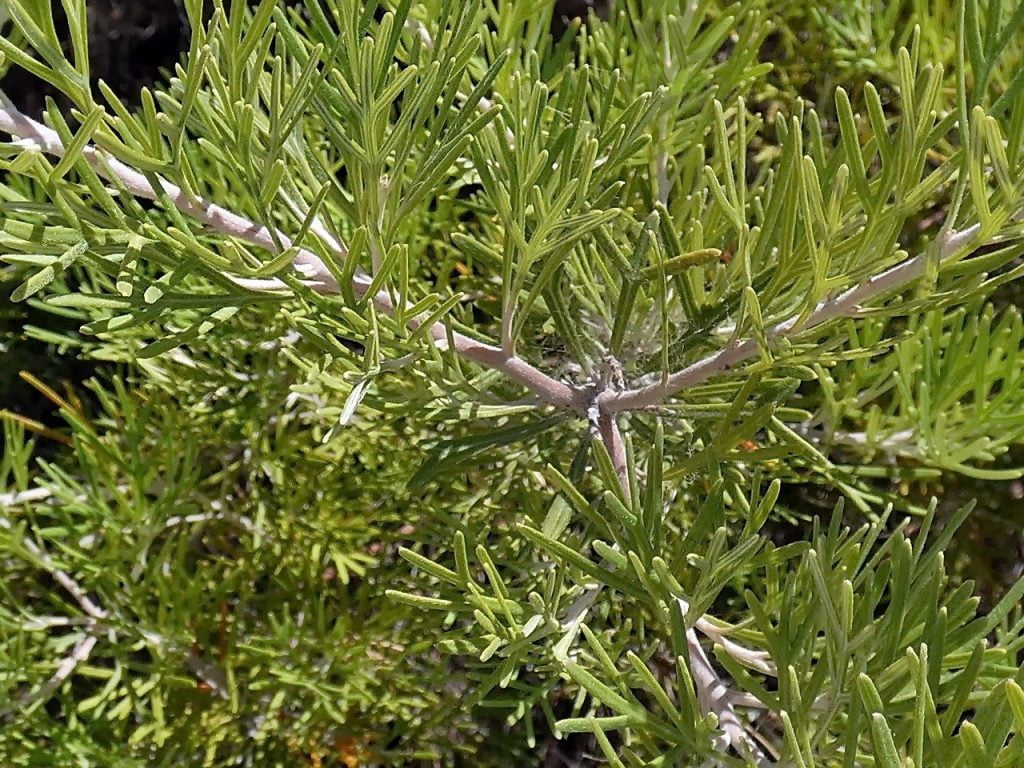
Mugwort (Artemisia vulgaris)
Mugwort was called “the oldest of plants…mighty against evil” in the 10th-century Anglo-Saxon Lacnunga, also known as the Nine Herbs Charm, which is one of the earliest English texts we have. Named for the moon goddess Artemis, it earned the folk names Cronewort, Felon Herb, and Mother of All Herbs. On Midsummer Eve, garlands of mugwort were worn across Britain for protection against evil spirits, and it was placed under pillows to induce prophetic dreams, a direct form of floromancy through dream divination.
In your garden, mugwort is spectacularly easy to grow. It is a native wildflower, fully hardy at H7, happy in any well-drained soil in sun or partial shade, and reaches 60–150cm tall with attractive silver-backed foliage. The only challenge is containing its enthusiasm. It self-seeds freely and can spread, so consider root barriers or a dedicated wild corner where it can do its thing.
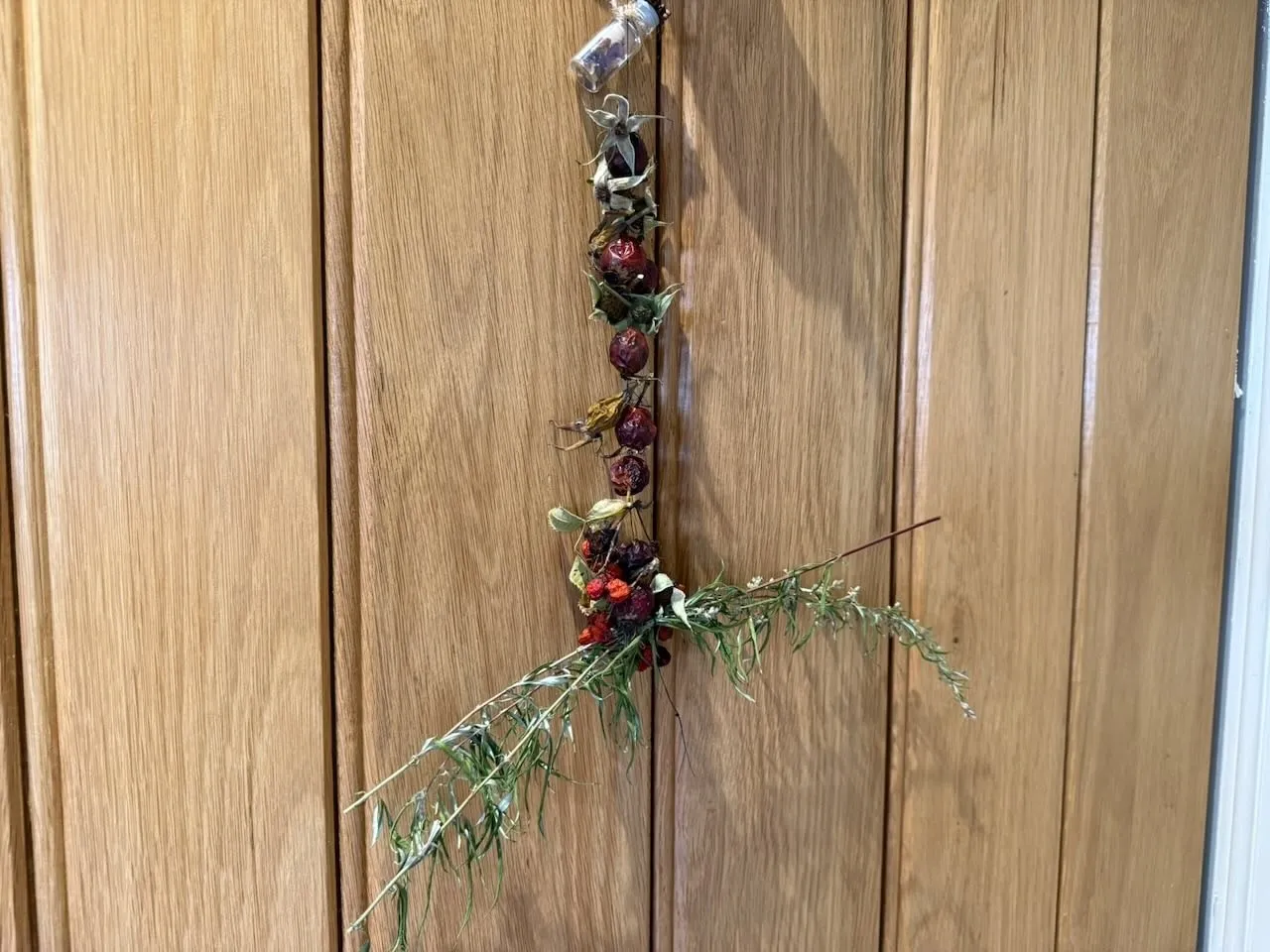
Rose hip and mugwort have been combined in folk protection charms across Britain for centuries
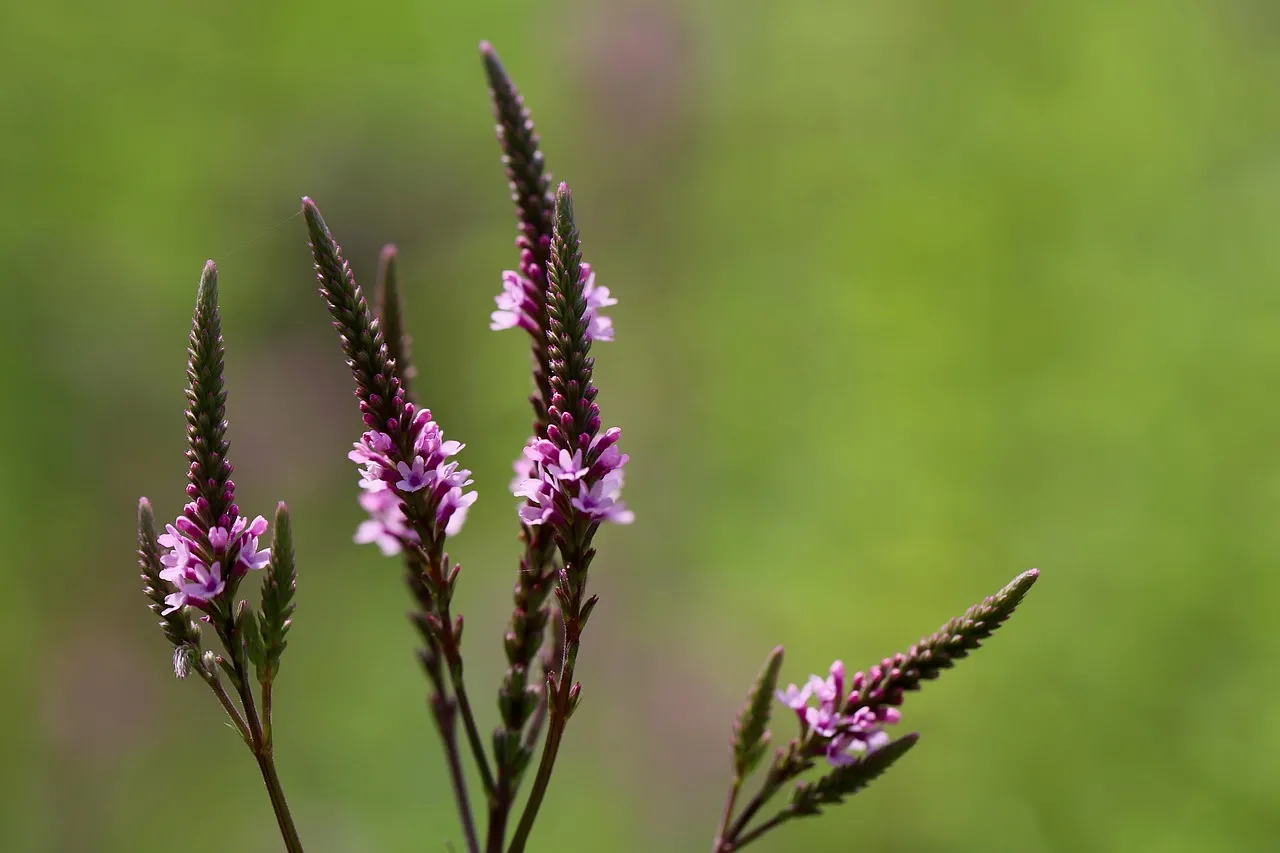
Vervain is perhaps the most sacred herb in the entire European magical tradition. (Not to be confused as it regularly is with Verbena bonariensis – different plants althogether Ninjas!) Pliny recorded that it was one of four herbs venerated by the Druids, harvested at the dark of the moon with the star Sirius rising, cut with a sickle and raised aloft in the left hand, followed by offerings of honey to the earth. The Romans called it Herba Sacra and swept the altars of Jupiter with its sprigs.
An old English saying captures its dual nature perfectly: “Vervain and Dill, hinder witches from their will.” Yet it was equally valued by practitioners. Anointing the eyes with a mixture of vervain, St John’s Wort, and dill was believed to grant second sight. In the garden, vervain is a slender, wiry native plant growing 30–80cm tall with delicate pale lilac flower spikes from June to September. It wants full sun and well-drained soil, including chalk. Plant in groups for impact, as individual plants are subtle.
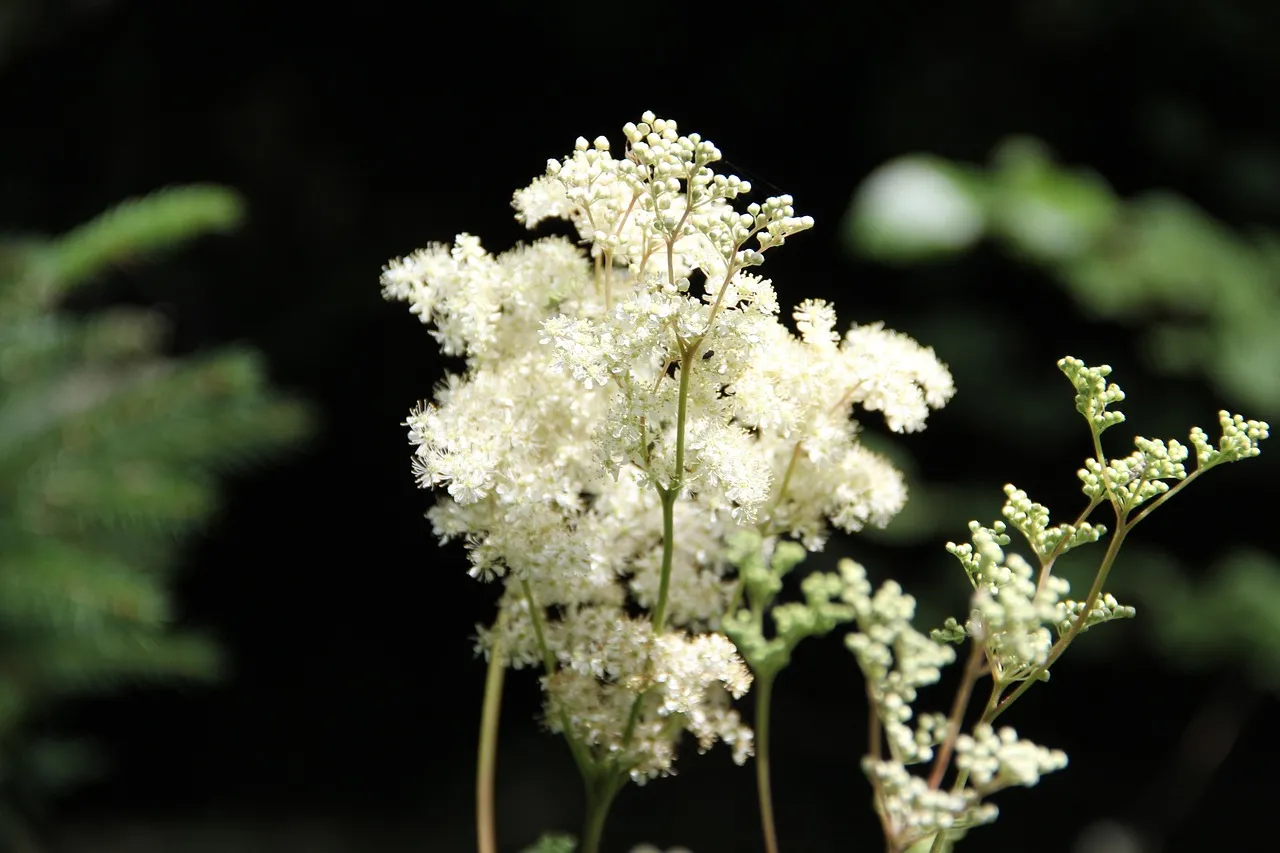
Meadowsweet completes the Druidic trio, with Mrs Grieve’s A Modern Herbal confirming that meadowsweet, water-mint, and vervain were the three herbs held most sacred by the Druids. This is a plant with Bronze Age credentials: it has been found in burial cairns in Wales and Scotland, and features in the world’s oldest known mead recipe from Ashgrove, Fife, dating to roughly 1000 BCE. I adore this plant and have it all over my meadow and at Garden Ninja HQ, you can even eat the flowers or make cordials with them.
Meadowsweet (Filipendula ulmaria) thrives at pond margins and in reliably moist borders
In the Welsh Mabinogion, the wizards Math and Gwydion created the flower-maiden Blodeuwedd from oak blossoms, broom, and meadowsweet. Its folk name “Courtship and Marriage” captures a wonderful dual scent: sweet, intoxicating flowers symbolising courtship, and sharper-scented leaves representing married life. Meadowsweet needs moist to wet, fertile soil and is superb for stream banks, pond margins, or any reliably damp border.
4. The fairy flowers: foxglove, primrose, thyme, and hawthorn
British fairy lore and plant folklore are inseparable, and some of the most enchanting cottage garden plants carry fairy associations stretching back centuries.
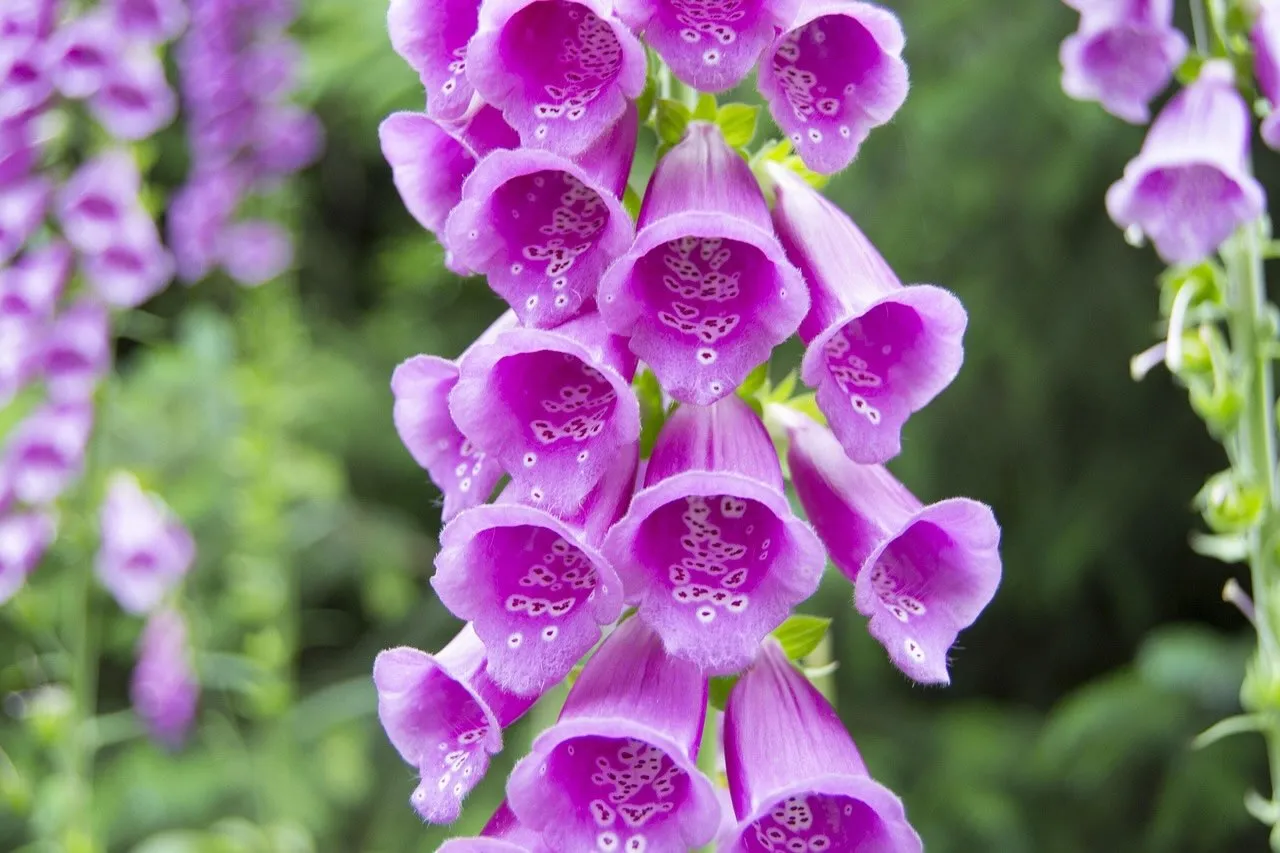
Foxglove (Digitalis purpurea)
Foxglove takes its name from “Folk’s Glove”, meaning the folk being the fairy folk, who supposedly wore the bell-shaped blossoms as gloves, thimbles, and caps. In the West Country, foxgloves that bob and sway on windless days are said to be bowing to invisible fairies as they pass. A curious folk practice involved boiling foxglove juice to create a black dye painted in crossed lines on cottage stone floors to ward off evil.
Foxglove (Digitalis purpurea) is a statuesque native biennial steeped in fairy folklore
As a garden plant, foxglove is utterly magnificent. It is a native biennial reaching up to 200cm with those iconic purple-pink spires in June and July. It thrives in partial shade with moist, humus-rich soil, making it perfect for woodland edges and the shadier parts of your border. Sow seed in spring or summer for flowers the following year as its a biennial, and leave some seed heads to ensure a self-perpetuating colony. All parts are highly toxic, so site with care if children use the garden.
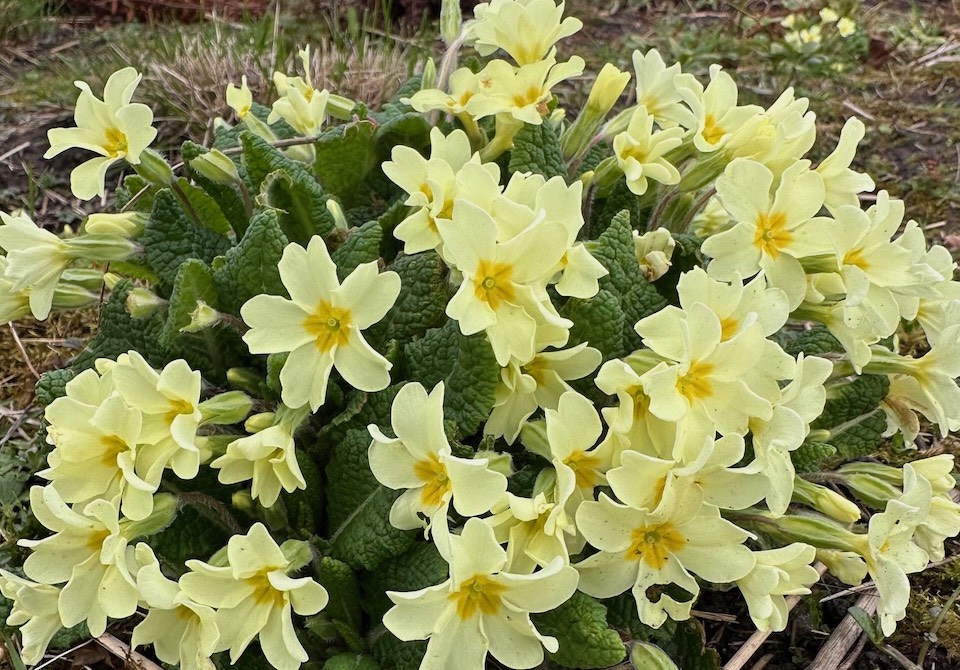
Primrose is one of the foremost fairy flowers of British and Irish tradition. Large patches of primroses were believed to mark gateways to the fairy realm, and in County Kerry a verse instructs that the fairies are said not to be able to pass over or under a string of primroses hung on the first three days of May. Eating primrose blossoms was supposed to grant the ability to see fairies, and touching a fairy rock with the right number of primroses in a posy would open it to reveal treasure, though the wrong number meant doom.
Primroses (Primula vulgaris) were believed to mark gateways to the fairy realm in British and Irish tradition
Primroses are among the first flowers of the year, appearing from February to May, and they are ideal for shady borders and under deciduous trees. They want moist, humus-rich soil in partial to dappled shade. Mulch with leaf mould and divide congested clumps after flowering.
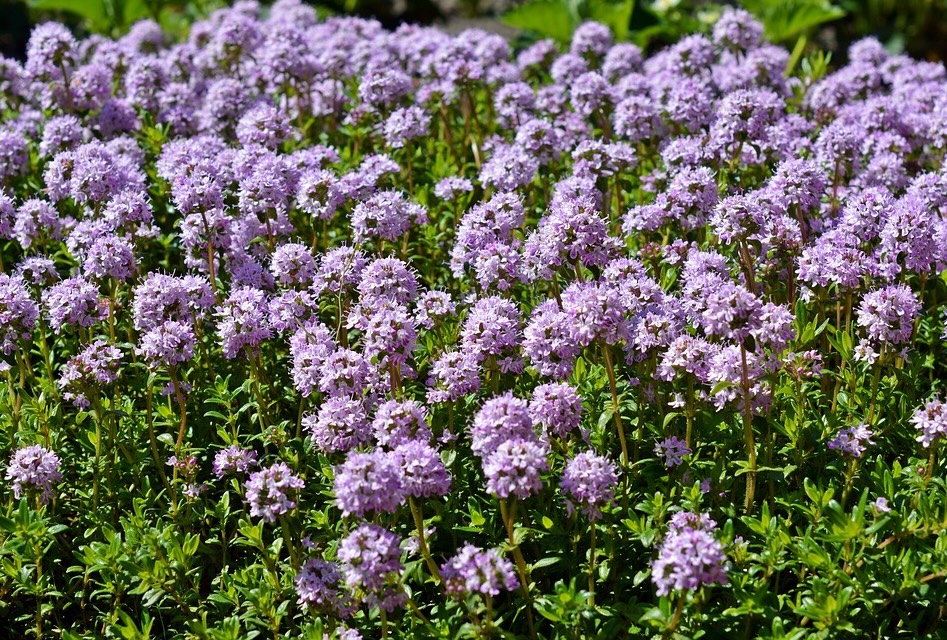
Thyme is the fairy herb par excellence. Shakespeare placed Titania’s bower on “a bank where the wild thyme blows,” and in Elizabethan England, a patch of wild thyme in the woods was proof that fairies had danced there overnight. A potion containing thyme taken at the Summer Solstice was said to open the veil to the fairy realm, and gardeners planted it specifically to invite fairy visitors.
Thyme (Thymus vulgaris) was planted specifically to invite fairy visitors in Elizabethan England
In practical terms, thyme is a low-growing Mediterranean evergreen sub-shrub that demands full sun and excellent drainage. It is perfect for path edges, cracks in paving, and dry walls. Trim lightly after flowering, but never cut into old wood. Replace plants every three to four years as they become woody. It’s one of those ‘one size fits all’ witchcraft plants that can be used both for love, protection, harmony and healing – bit like Roses or Mugwort!
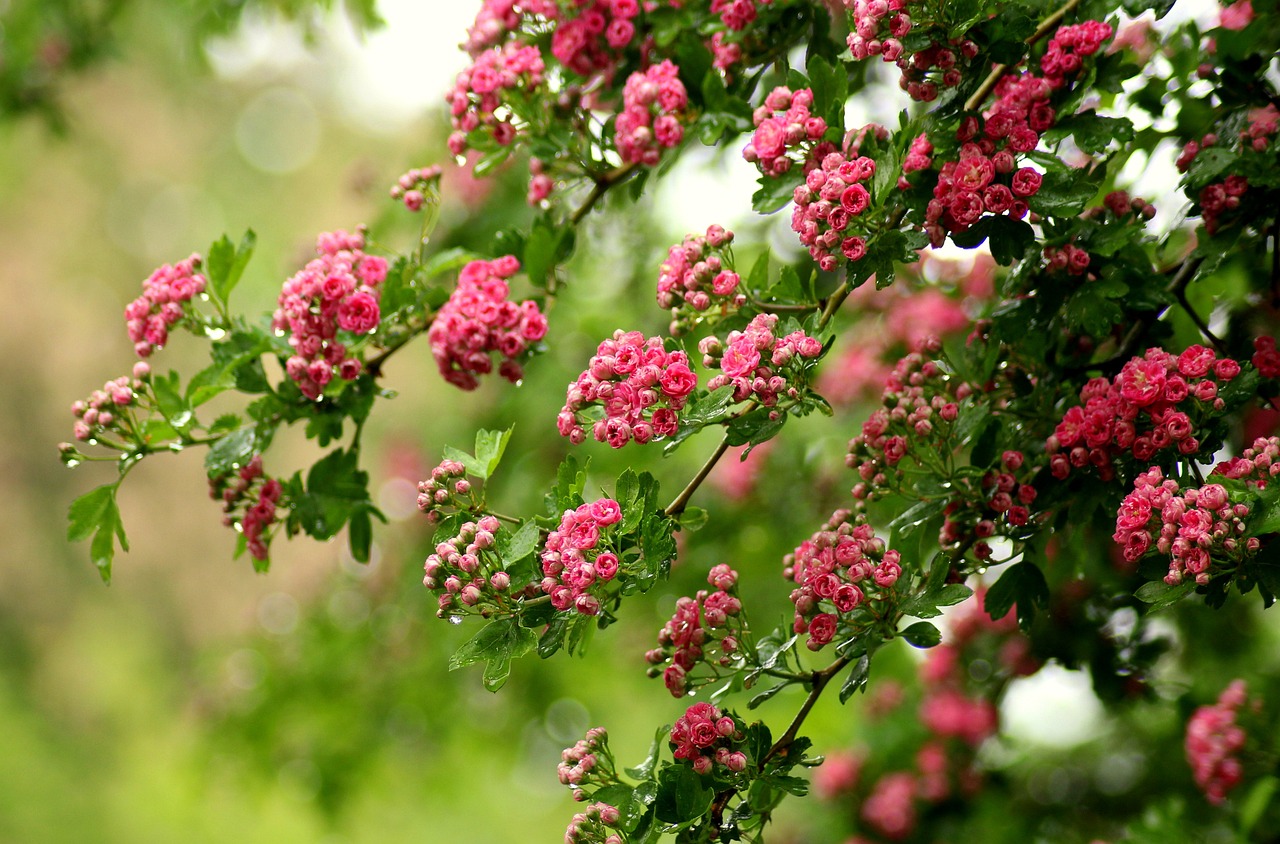
Hawthorn deserves a place as your garden’s structural backbone. The 13th-century Scottish poet Thomas the Rhymer met the Fairy Queen beneath a hawthorn and was taken to Fairyland for seven years. Lone hawthorns in fields were considered protected by the Sidhe, and cutting one down was believed to invite catastrophe. May Day traditions centred entirely on hawthorn blossom, with young women bathing their faces in its dew to ensure beauty. However, never bring Hawthorn inside without seeking the faeries or Faes permission, it’s incredibly unlucky!
As a garden plant, hawthorn is supremely tough. It grows in any soil, including heavy clay, is fully hardy, and is ideal for hedging at 1–3m. Plant bare-root whips 30cm apart in autumn for a cost-effective boundary that will outlive us all. If you see a lonely Hawthorn in a garden, folklore would tell you to beware, this is likely the entrance to the realm of the Fae, so take caution!
Hawthorn (Crataegus monogyna) carries some of the deepest fairy associations in British folklore
5. The witch’s pharmacopoeia: love herbs, dream plants, and divination flowers
This is where floromancy meets the flower bed in the most direct sense. Many of these plants were used specifically in love divination, prophetic dreaming, and fortune-telling. Best of all most of them are super easy to grow here in the UK even for beginners and intermediate gardeners!
Yarrow (Achillea millefolium)
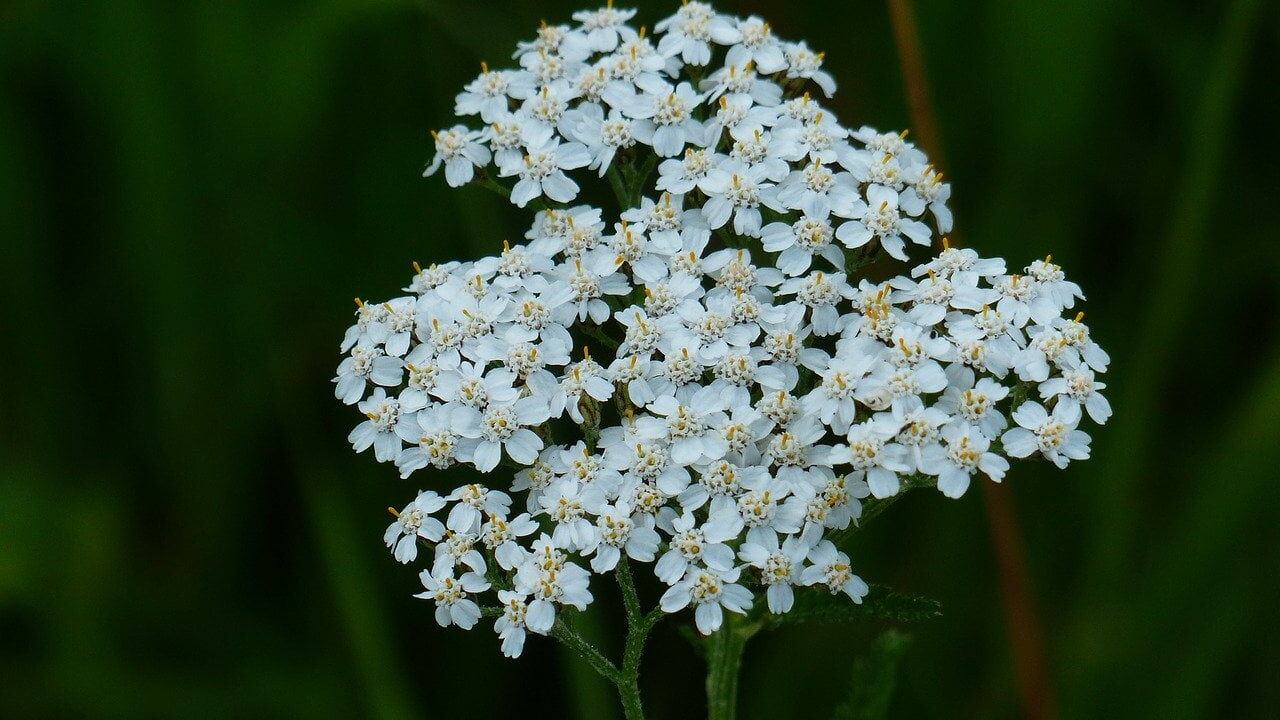
Yarrow may be the single most documented divination herb in British folklore. Throughout the British Isles, young women sewed an ounce of yarrow in flannel, placed it under their pillows, and recited: “Thou pretty herb of Venus’ tree, thy true name it is Yarrow; now who my bosom friend must be, pray tell thou me to-morrow.” In the Hebrides, holding a yarrow leaf to the eyes was said to grant second sight. In China, yarrow stalks have been used for I Ching divination for over five thousand years.
Yarrow (Achillea millefolium) is one of the most documented divination herbs across the entire British Isles
In the garden, yarrow is one of the most obliging plants you will ever grow. Any well-drained soil in full sun, drought-tolerant, vigorous to the point of needing occasional control, and flowering from June to September with flat corymbs that pollinators adore. Deadhead for prolonged blooming and divide clumps every two to three years.
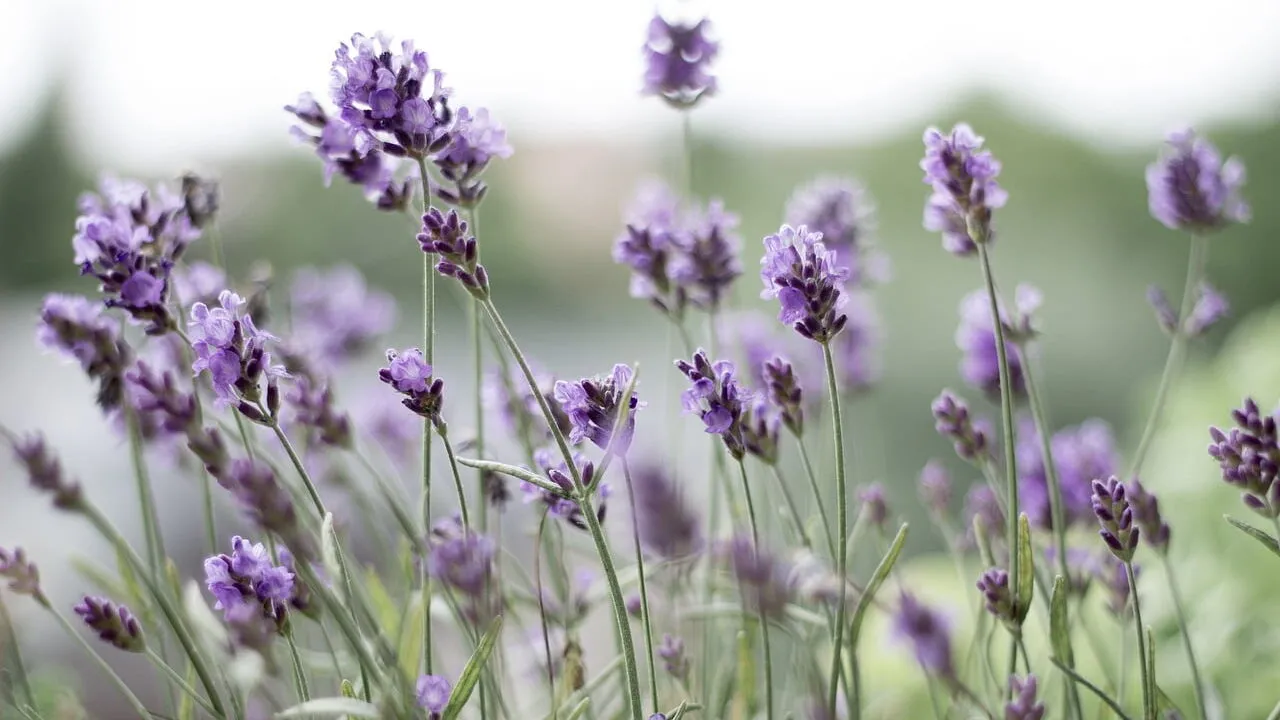
Lavender carries its own love divination traditions. Tudor girls would sip lavender tea and chant: “St Luke, St Luke, be kind to me. In my dreams, let me my true love see.” Alpine girls tucked it under sweethearts’ pillows to turn thoughts to romance, and dream pillows filled with dried lavender were a widespread folk practice for encouraging prophetic dreams. I have designed more gardens with lavender edging than I can count, and the principles never change.
Lavender (Lavandula angustifolia) carries Tudor love divination traditions and is one of the most evocative cottage garden plants
Give it full sun, well-drained soil, and an annual clip after flowering into green growth but never into bare wood. ‘Hidcote’ and ‘Munstead’ remain the workhorses for UK gardens. Replace plants every five to eight years as they become increasingly woody and open.
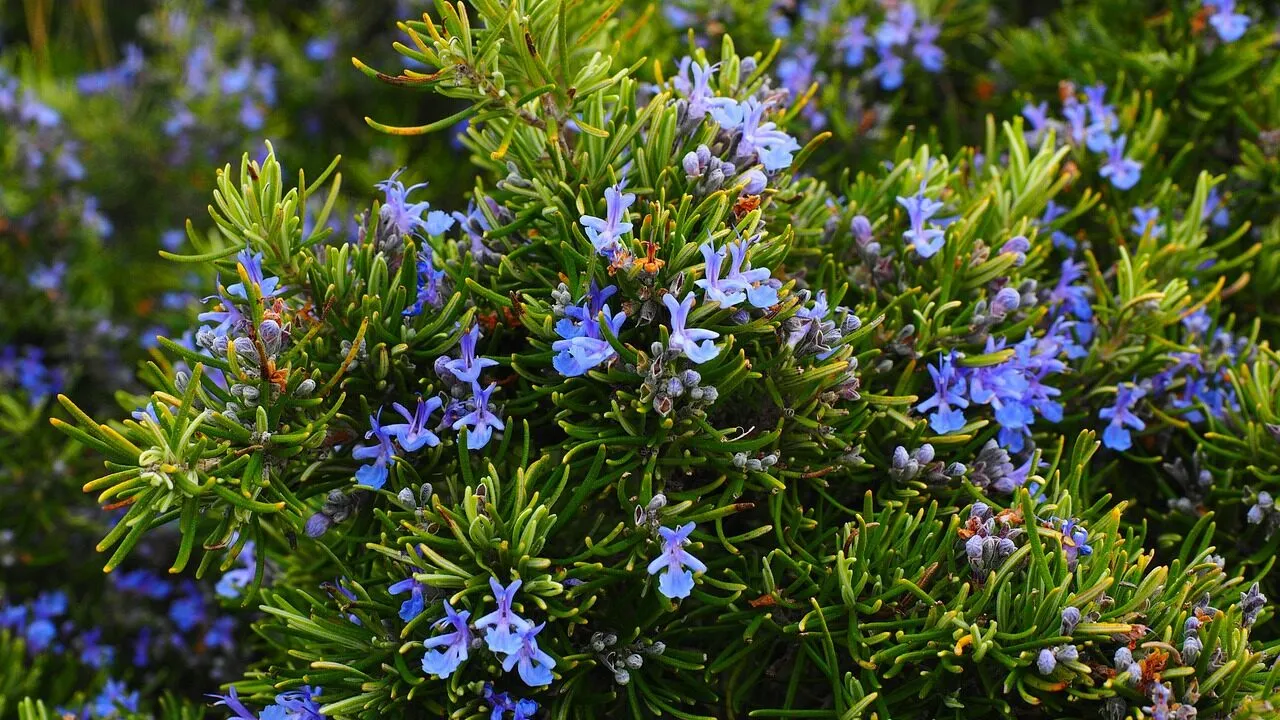
“There’s rosemary, that’s for remembrance,” as Shakespeare’s Ophelia declares. For love divination, separate rosemary sprigs were planted and named for different suitors; whichever grew strongest indicated the best match. On Midsummer’s Eve, a girl could place a dish of flour under a rosemary bush, and by morning her future husband’s initials would appear written in it.
Rosemary (Salvia rosmarinus) planted at the front door was said to bar passing witches from entering
The delightful proverb “where rosemary grows, the woman rules” was so well-known that 16th-century husbands reportedly tore up their bushes to avoid the implication. Rosemary planted by the front door was said to compel passing witches to stop and count every leaf before entering, effectively barring them. Give it a sunny, sheltered spot with excellent drainage, and it will reward you generously. Rosemary sprigs are also fabulous in cocktails as a garnish and can bring some uber-feminine energy to your cocktail, ladies!
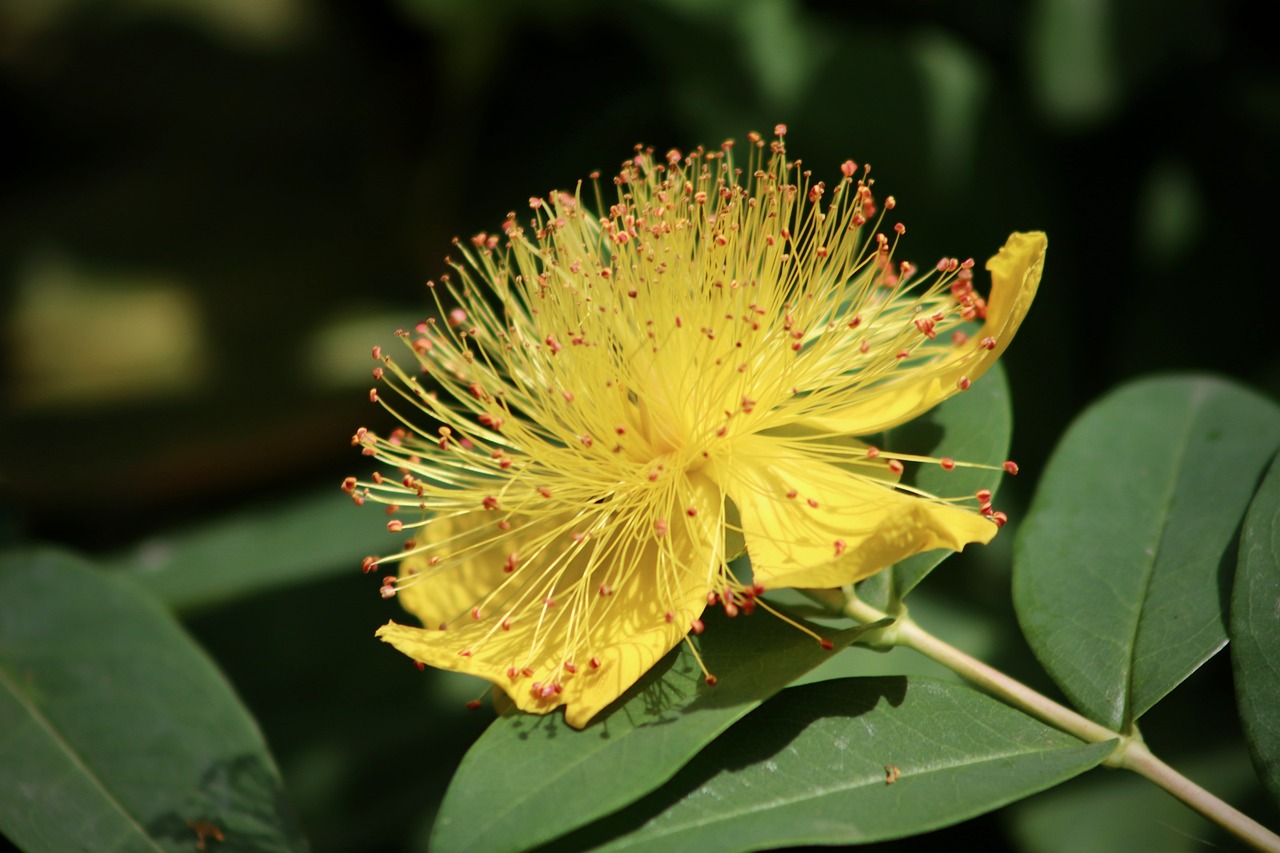
St John’s Wort is the quintessential Midsummer herb, blooming around the summer solstice and considered a living embodiment of the sun. For divination, young girls would pluck a sprig on Midsummer’s Eve. If the flowers stayed fresh by morning, marriage was likely. If they wilted, the outlook was poor. An old Welsh custom involved hanging a sprig for each family member on Midsummer Eve, with whichever wilted most by morning foretelling that person’s approaching death. This is decidedly grim but historically documented, and rather wonderfully British in its cheerful fatalism.
St John’s Wort (Hypericum perforatum) is the quintessential Midsummer herb, blooming around the summer solstice
It is a vigorous native, happy in any well-drained soil in sun or partial shade, and spreads by runners. Best planted in wilder parts of the garden where it can establish a colony without overwhelming more restrained neighbours. Though once you have one, the birds after eating the late summer berries will help propogate them for you via their bird droppings!
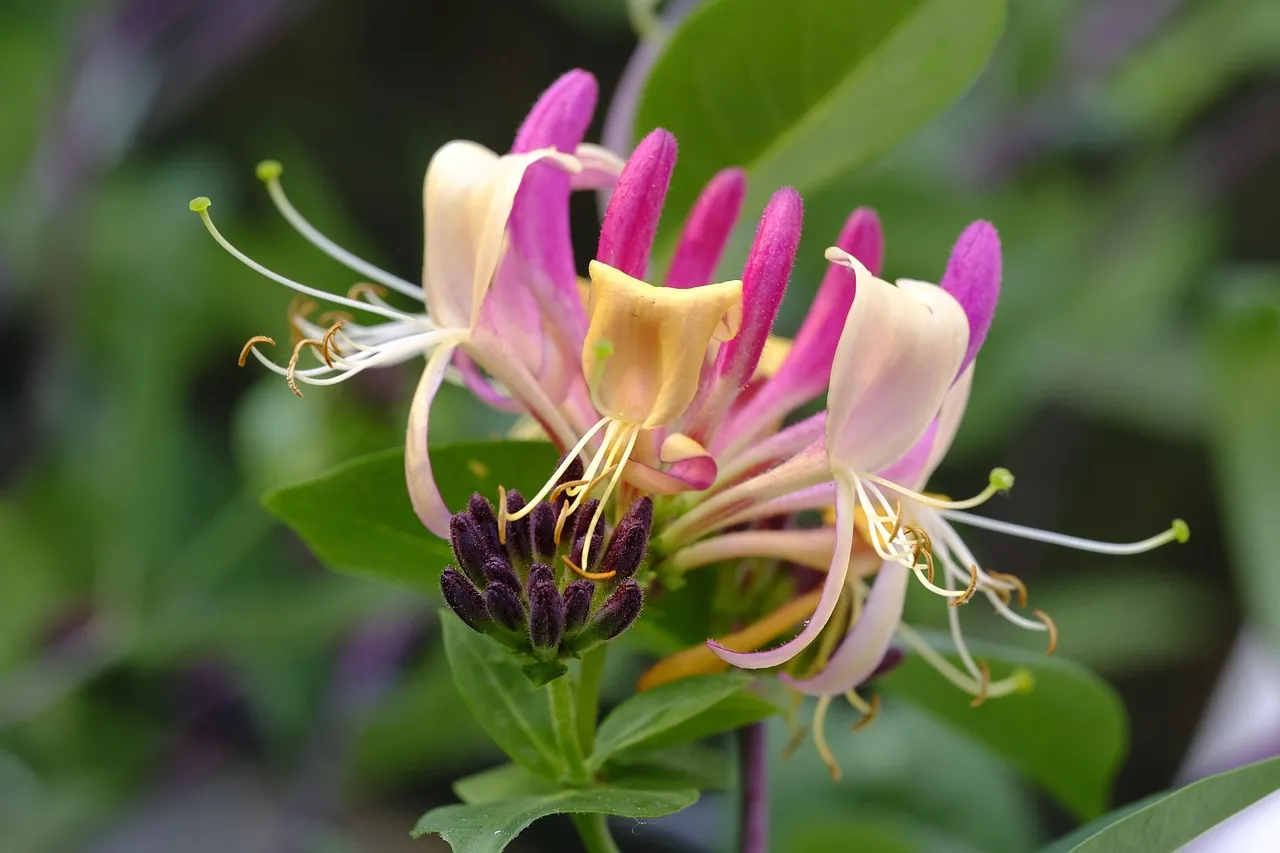
Honeysuckle, traditionally called woodbine, carries deep associations with love and fidelity. Shakespeare placed Titania sleeping in a bower “quite over-canopied with luscious woodbine” in A Midsummer Night’s Dream. Lightly crushing fresh flowers and rubbing them on the forehead was said to heighten psychic powers and aid divination. Victorian parents forbade teenage girls from bringing honeysuckle indoors because it was believed to induce erotic dreams.
Honeysuckle (Lonicera periclymenum) scents the evening air and was associated with psychic powers in folk tradition
In the garden, this native climber wants its roots in shade and its head in sun, which makes it perfect for a north-facing wall base with growth reaching up into the light. It will reach 4–7m, is intensely fragrant in the evening, attracting long-tongued moths, and provides red berries for birds in autumn.
🌿 At A Glance: Honeysuckle
Botanical Name
Lonicera periclymenum
Plant Type
Deciduous climber
UK Hardiness
H6 (hardy to -20°C)
Height / Spread
4–7m
Flowering Period
June to September
Best Conditions
Roots in shade, top growth in sun; any reasonable soil
6. The dark garden: plants of the witches’ flying ointment
I want to be honest here: some of the most historically significant plants in the witch’s tradition are seriously dangerous, and I would think very carefully before growing them. I grow them here at Garden Ninja HQ for my own occult practices, but I really know what I’m doing when I harvest and touch them. SO do take utmost caution, on your own head be it! That said, understanding their folklore is part of understanding this tradition with integrity.
Belladonna (Atropa belladonna)
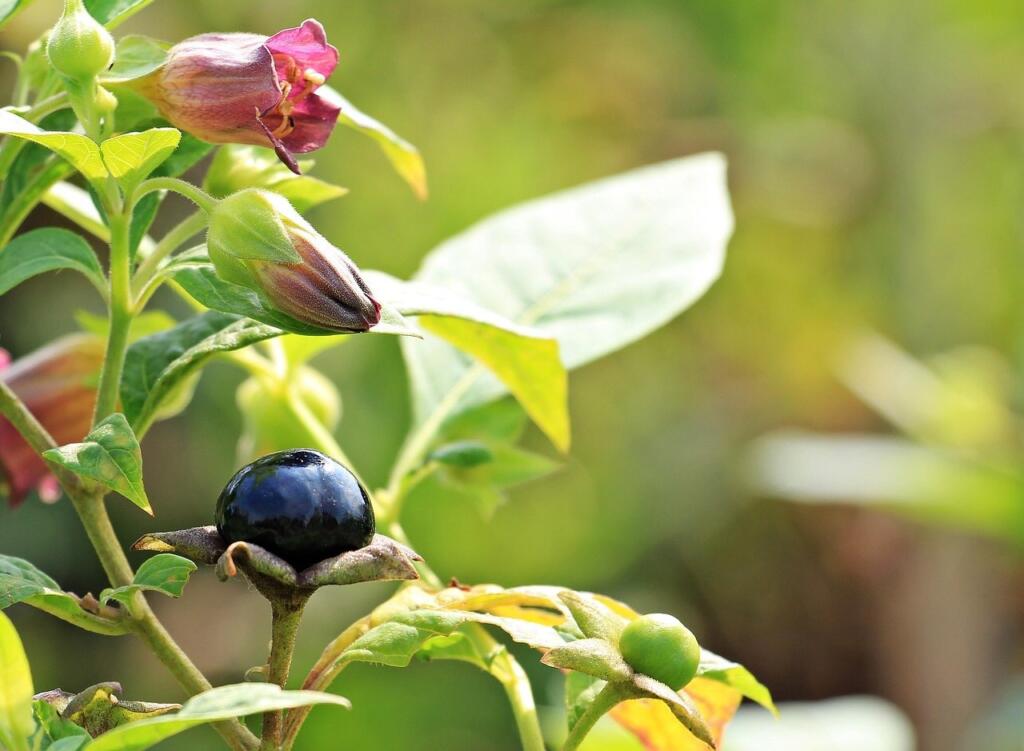
Deadly Nightshade was among the most notorious ingredients in the legendary flying ointments. Named for Atropos, the Greek Fate who cuts the thread of life, its tropane alkaloids were absorbed through the skin when mixed with animal fat and applied to pulse points, producing vivid hallucinations. The 16th-century physician Andreas de Laguna analysed a confiscated witch’s ointment and found nightshade alongside hemlock, mandrake, and henbane.
It is actually native to Britain, though rare, found naturally on chalk and limestone in southern England. All parts are extremely toxic and the glossy black berries are particularly dangerous because they look appealing and taste sweet. This is a specialist’s plant, and entirely unsuitable for gardens where children or pets have access.
🌿 At A Glance: Belladonna
Botanical Name
Atropa belladonna
Plant Type
Hardy herbaceous perennial
UK Hardiness
H5 (hardy to -15°C)
Height / Spread
100–150cm / 90cm
Flowering Period
June to August
Best Conditions
Partial shade, chalk or limestone soil
Mandrake (Mandragora officinarum)
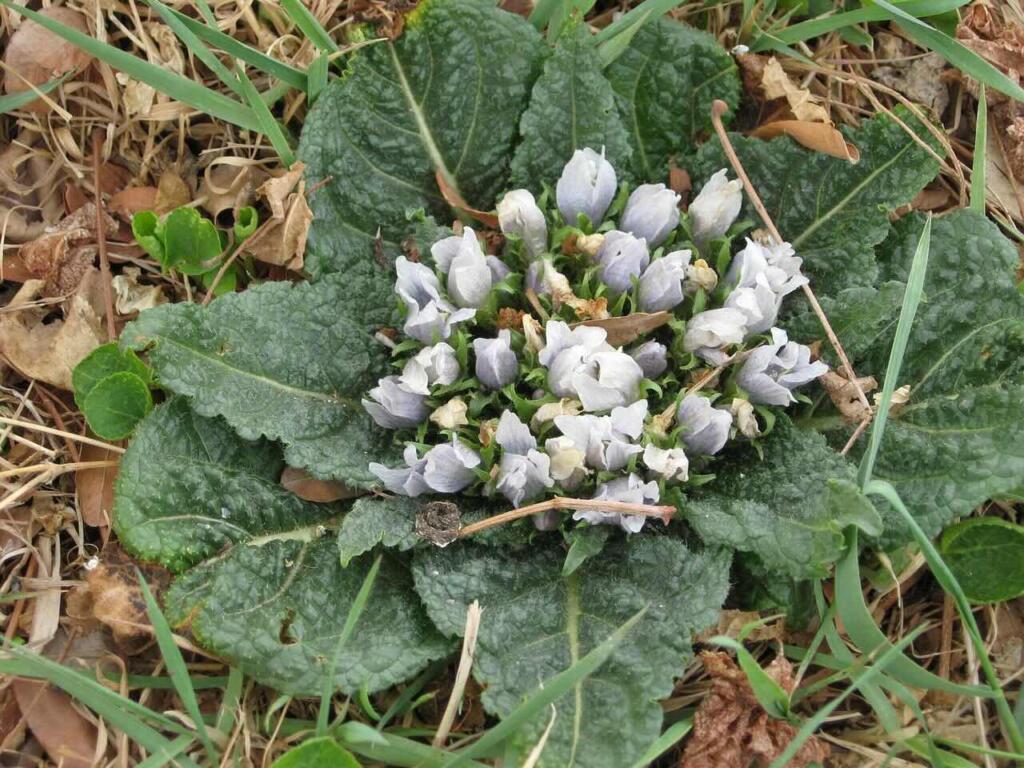
Mandrake is the most legendary magical plant in European tradition. Its forked, humanoid root generated extraordinary harvest rituals. The medieval belief that it screamed when uprooted, killing anyone who heard it, necessitated tying a starving dog to the root and luring it away with meat. According to widespread European lore, mandrake grew beneath gallows from the bodily fluids of hanged criminals.
It does not grow naturally in Britain, but it can be cultivated in southern UK gardens with a warm, sheltered spot and sharp drainage. A south-facing wall base or deep container works well. All parts are poisonous, so handle with gloves and site carefully.
Monkshood (Aconitum napellus) and Wormwood (Artemisia absinthium)
Elder is magically ambivalent, simultaneously feared as a witch-tree and revered as a protector. A spirit called the Elder Mother was believed to dwell in the trunk, and before cutting any wood, you had to recite: “Old Woman, give me some of thy wood and I will give thee some of mine when I grow into a tree.” In the Isle of Man, every cottage had an elder by the front door to ward off witches.
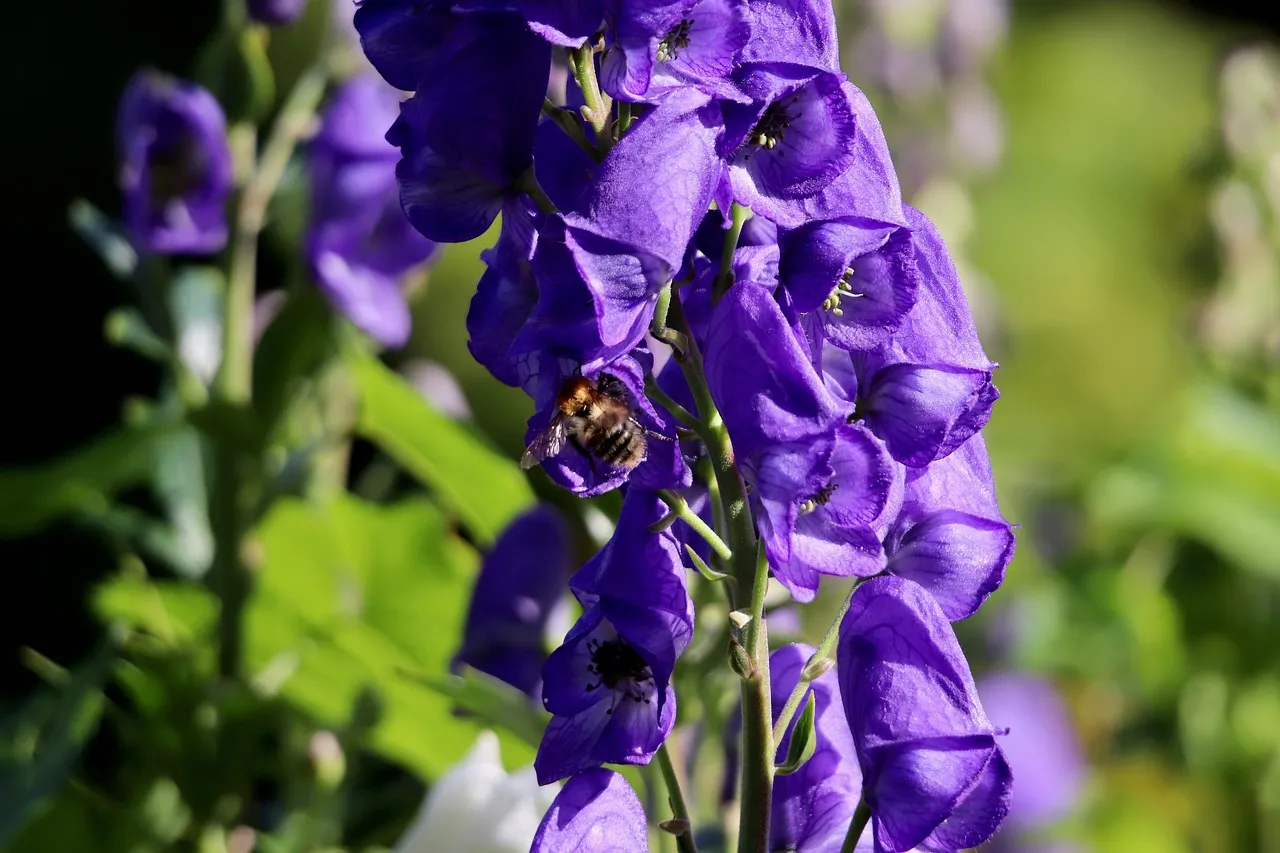
Monkshood (Aconitum napellus) produces magnificent blue flowers but always wear gloves as it is toxic through skin contact
Henbane’s hallucinogenic properties likely fuelled the flying-witch motif itself. Monkshood, which Pliny called “the most prompt of all poisons,” was sacred to Hecate, goddess of witchcraft, and its alkaloids supposedly produced sensations of wearing fur or feathers, linking it to werewolf traditions. Wormwood, the key ingredient in absinthe, was burned as a fumigant to summon spirits and aid necromancy, and combined with marigold and thyme in an old love charm spoken on St Luke’s Day.
Of these, wormwood is the most garden-friendly, grown for its stunning silver-grey foliage. It is fully hardy, drought-tolerant, and makes a beautiful structural plant. The cultivar ‘Lambrook Silver’ is outstanding. Monkshood is genuinely magnificent in a shady border with deep, moist soil, producing some of the finest blue flowers available for late summer. Always wear gloves when handling it, as it is toxic through skin contact.
7. Protection and purification: the guardian herbs
Every witch’s garden needs its protectors, and these are some of the most beautiful and practical plants in the entire scheme. Protection is often mentioned in beginner witchcraft books, and I’d like to give some context. Practising witchcraft, the old ways, or occult practices with nature does not immediately open you up to harm or any sinister forces.
However, as you become more in tune with the other realms, understanding what plants can help keep you safe is a bit like wearing a seatbelt. It’s just good practice. So don’t panic, newbie hedge witch, about having protection all the time, but these plants look gorgeous and can add a bit of a crash net in case any nefarious spirits decide to pay you a visit!
Elder (Sambucus nigra)
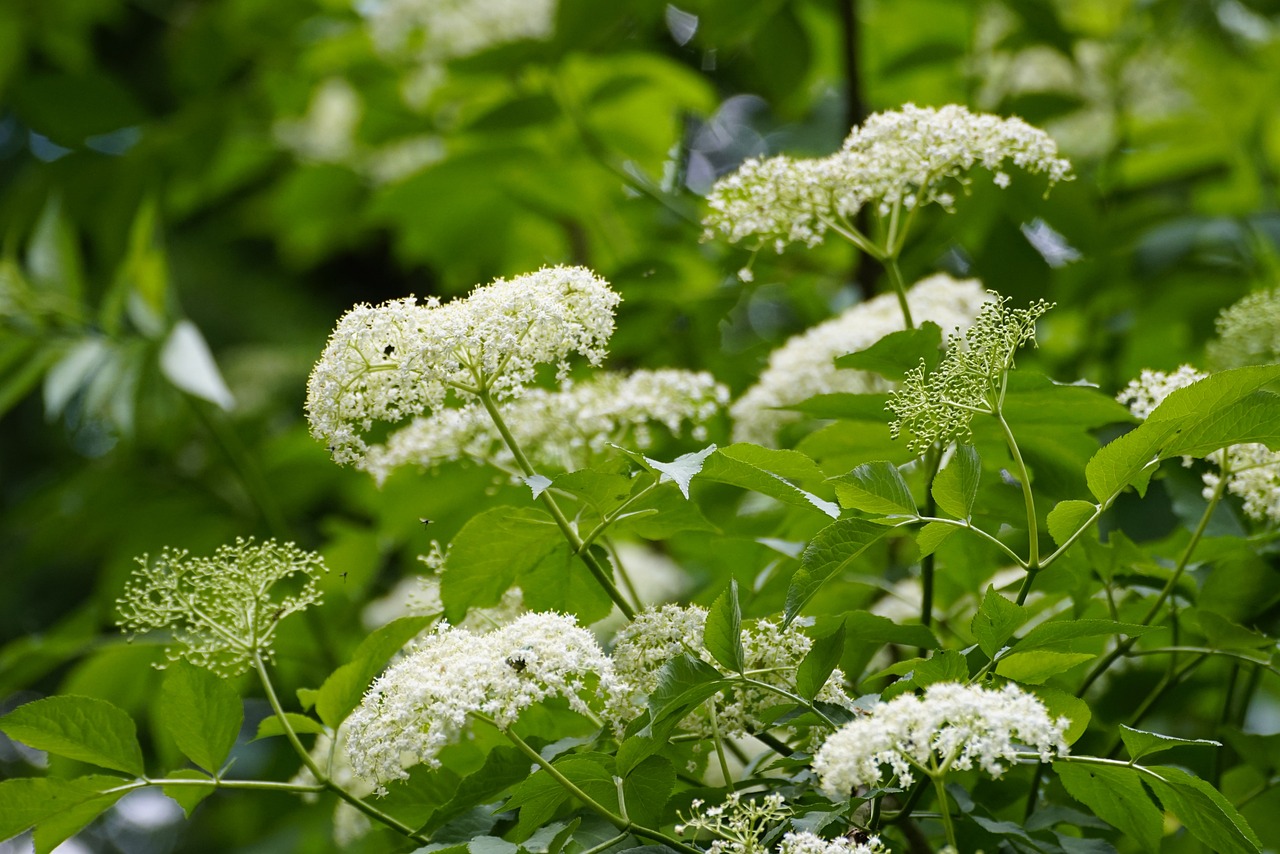
Elder is spectacularly useful in the garden. Fast-growing, tolerant of almost any soil, it produces clouds of creamy flowers in June for cordial and champagne, then dark berries in September for wine and syrup. Coppice it hard in winter to keep it compact and encourage vigorous new growth. Purple-leaved cultivars like ‘Black Lace’ are particularly ornamental and give the garden a suitably Gothic mood.
Elder (Sambucus nigra) was planted beside cottage doors across Britain to ward off witches
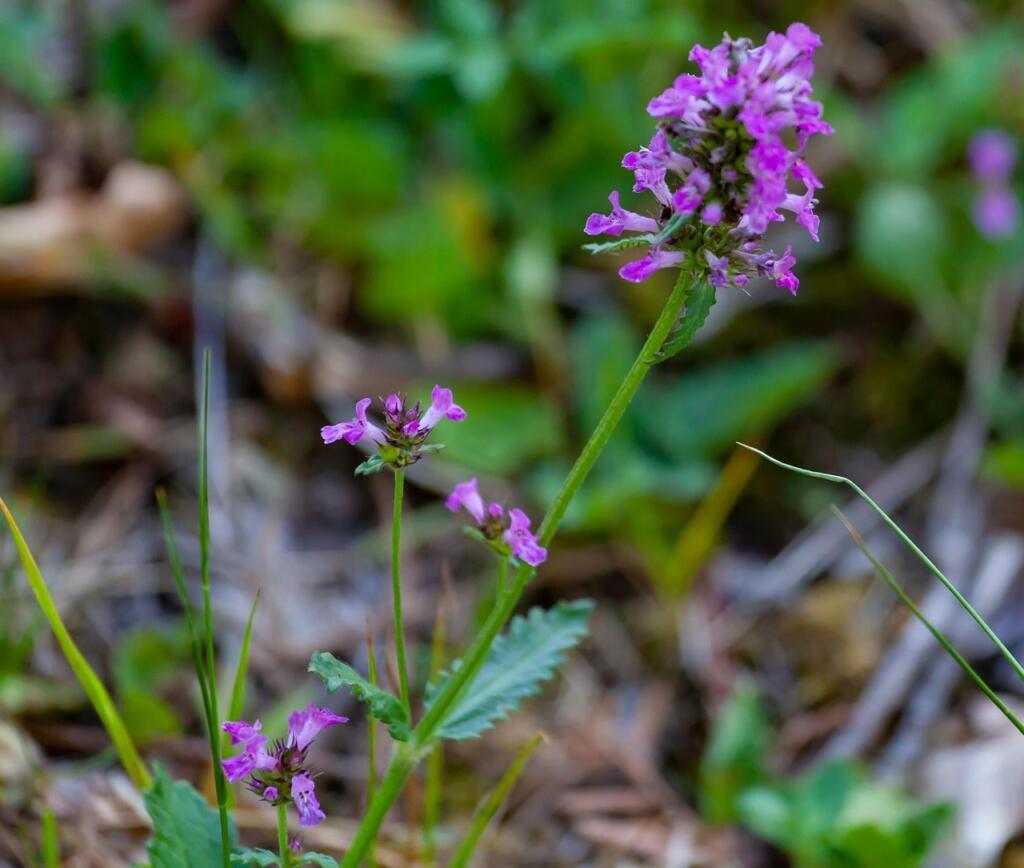
Betony was the most revered protective herb in medieval Britain, planted extensively in churchyards to ward off evil. Pliny declared it “more highly esteemed than any other” plant, and the Anglo-Saxon Herbal recommended its infusion to prevent “frightful nocturnal goblins and terrible sights and dreams.” The Italian proverb Venda la tunica e compra la betonica, meaning sell your coat and buy betony. That says everything about the esteem in which it was held.
In the garden, betony is an absolute gem: a mat-forming native perennial with bright purple-pink flower spikes from June right through to October. Outstanding for bees, excellent ground cover, and one of the longest-flowering native perennials available for any UK garden.
Shakespeare’s “Herb of Grace” was paradoxically both a witch’s herb and a witch-repellent. People carried bunches to keep witches away, yet during the Middle Ages it was rumoured to be a secret recognition sign among practitioners. Judges at English assizes had sprigs placed on the bench to ward off gaol fever, a tradition so established that ceremonial herb bouquets are still presented to judges in some courts today.
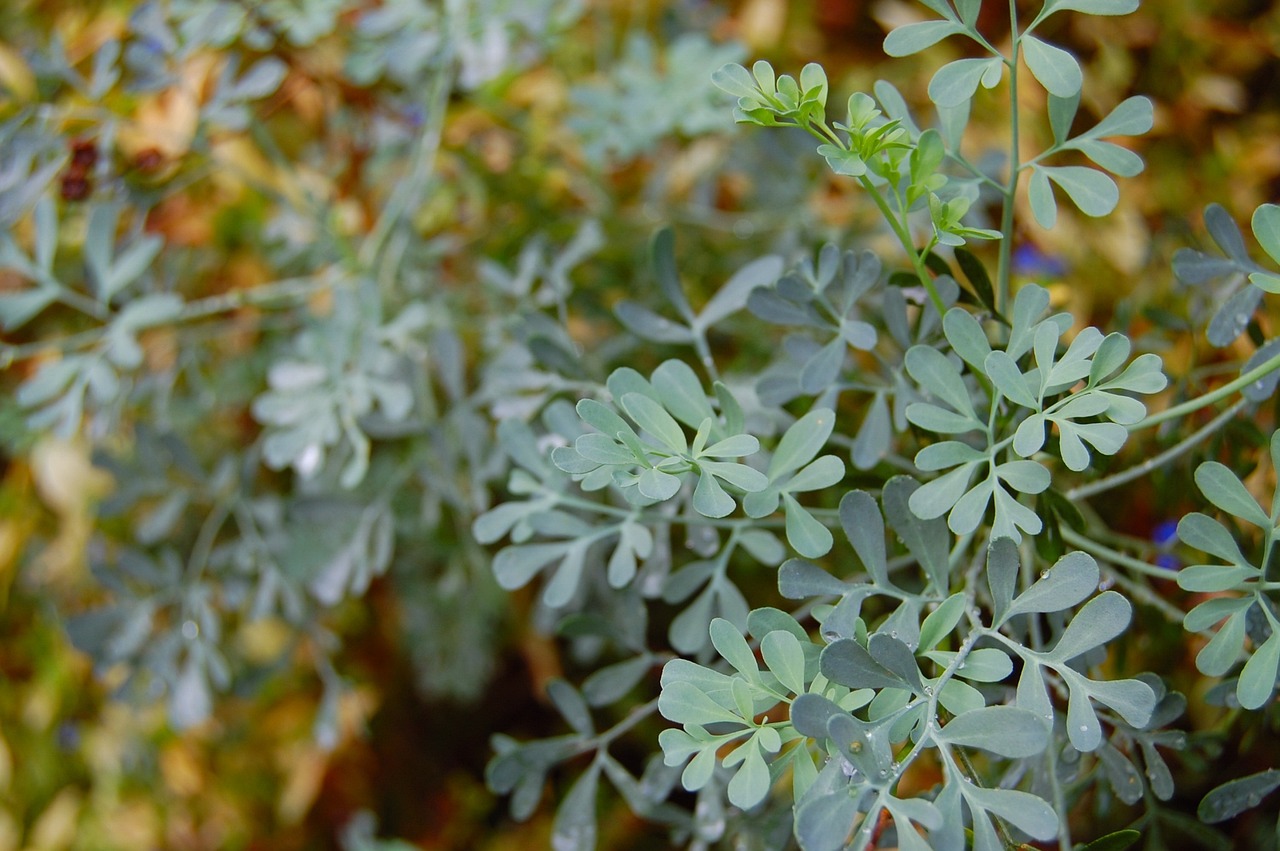
Rue (Ruta graveolens) was Shakespeare’s Herb of Grace and is a beautiful evergreen sub-shrub with striking blue-green foliage
Rue is a beautiful evergreen sub-shrub with blue-green, finely divided foliage. ‘Jackman’s Blue’ is the finest cultivar. A critical safety note: rue sap causes severe phytophotodermatitis, so always wear gloves and long sleeves when handling it, especially in sunshine.
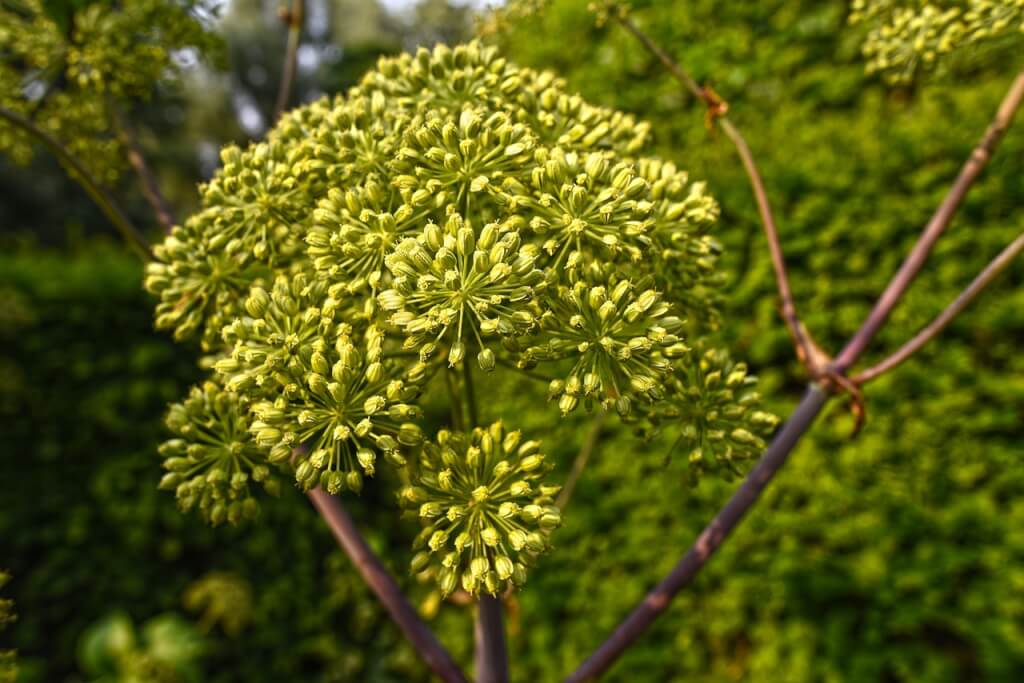
Angelica takes its name from the legend that the Archangel Michael revealed it as a plague cure in a dream. Gerard’s 1597 Herball confirms the root would “prevent witchcraft and inchantments.” It is a dramatic architectural biennial reaching up to 250cm with massive domed flower heads. It is one of the most spectacular plants you can grow in a moist, shady border.
Angelica (Angelica archangelica) is one of the most dramatic architectural plants for a moist, shady border
Sow seed fresh in autumn, as viability drops quickly. Allow one plant to self-seed before removing spent growth to ensure a succession of plants from year to year.
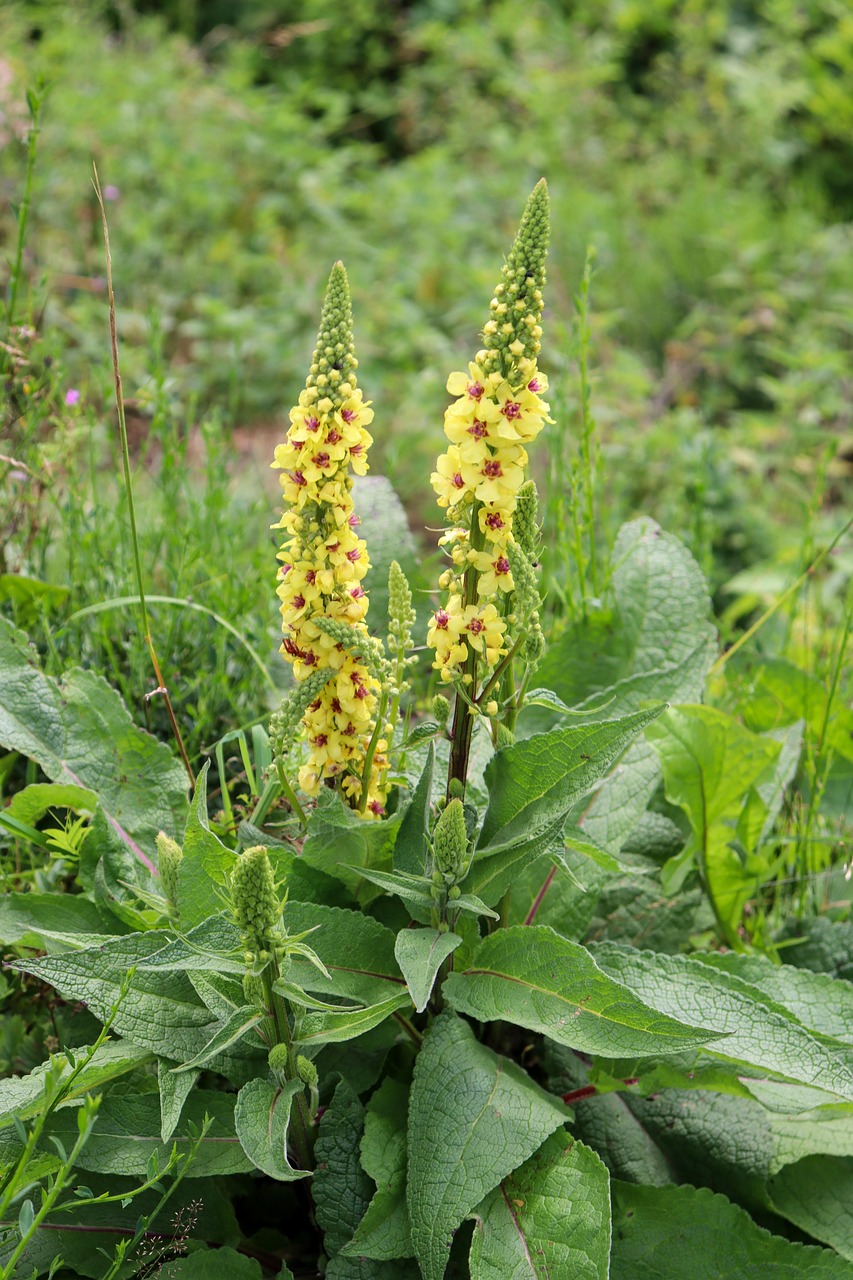
Mullein’s folk name “Hag’s Taper” refers to the ancient practice of dipping its tall dried flower stalks in tallow to create torches for nocturnal rituals, earning the name the witch’s candle. Burned during Samhain, mullein torches served as beacons for ancestral spirits. It is a statuesque biennial that loves the driest, poorest soil you can offer, making it perfect for gravel gardens and sun-baked spots. The woolly grey-green rosette in year one and the dramatic 200cm flowering spike in year two are both magnificent.
Mullein (Verbascum thapsus), known as the Hag’s Taper, demands the driest, poorest soil you can offer and rewards with dramatic 200cm spires
8. Planting for year-round magic: a seasonal guide
One of the core principles I always advocate is planning for continuous interest, and this plant palette delivers beautifully across every season.
Spring (February to May) opens with primroses in the shade and rosemary flowering against sunny walls from March. Mandrake produces its strange, pale violet blooms from the ground in March and April. Hawthorn bursts into its famous May blossom. Underplant throughout with snowdrops, crocuses, and native daffodils for early nectar and that sense of something stirring beneath the surface of the garden.
Summer (June to August) is the crescendo. Foxgloves and mullein send up their spires. Lavender, yarrow, and betony fill the middle ground with colour and fragrance. Honeysuckle scents the evening air from whatever wall or arch you have given it. Elder flowers appear for harvesting into cordial. Meadowsweet froths along the damp margins. St John’s Wort blooms for midsummer, the perfect moment for a floromancy ritual if you are so inclined.
Autumn (September to November) brings the hedgerow harvest: rose hips on the dog roses, haws on the hawthorn, elderberries for wine. Leave seed heads of yarrow, mullein, and angelica standing through these months. They provide extraordinary architectural silhouettes as the light fades and feed the birds through the hungry weeks ahead.
Winter (December to February) relies on the evergreen structure of rosemary, thyme, lavender, and rue, the frosted seed heads that catch every shaft of low winter light, and the stark beauty of hawthorn’s thorny framework against a December sky.
💡 Top Tip
Group your plants by their moisture requirements from the outset. A sun-loving herb corner of lavender, thyme, rosemary, rue, wormwood, yarrow, and vervain will thrive and need very little attention once established. A damp-loving corner of meadowsweet, comfrey, angelica, and monkshood will equally look after itself if the conditions are right.
9. A note on respect for the craft
I want to close with something important. Witchcraft in Britain has a long, complex, and often painful history. Real people, overwhelmingly women, were persecuted, tried, and killed. Doreen Valiente spent her life reclaiming the word “witch” and the practices behind it, writing that magic requires nothing more than nature, intention, and will. As Ralph Harvey said at her eulogy, “Wiccans were the original green party.”
Her ashes were scattered beneath an oak on the Sussex Downs, and those present picked acorns from the tree and had them cast in silver, a final act of natural magic that I find profoundly moving. Creating an occult cottage garden is an act of remembrance and connection. It honours the generations of herbalists, cunning folk, and wise women who understood these plants intimately, their healing properties, their seasonal rhythms, and their deeper meanings.
When you plant vervain and yarrow and mugwort, you are participating in a tradition that stretches back through the Anglo-Saxon Nine Herbs Charm, through the Druids, through Bronze Age burial cairns in Wales. That deserves our respect.
It also makes for a spectacularly beautiful garden. The colour palette alone, silver artemisias, purple monkshood, golden mullein spires, pink foxglove towers, white meadowsweet froth, and blue lavender haze, is one of the finest you could assemble. Add the scent of honeysuckle and thyme on a summer evening, and I think you will have created something magical in every sense of the word.
Design the Occult Garden You’ve Always Wanted
Ready to stop guessing and start designing with confidence with your witchcraft garden? My Garden Design for Beginners online course takes you from blank canvas to brilliant layout, step by step.
I’m Lee Burkhill, award-winning garden designer and BBC1’s Garden Rescue presenter, and I’ve built this course around the same principles I use for every client garden — practical, honest, and designed to actually work in the real world.
In 20 hours of flexible online study you’ll cover:
Design principles that make any garden work
How to select and arrange plants like a professional
Styles and layouts to suit every size and shape of space
Video lessons, real-world case studies, quizzes, and a certificate on completion — all for just £199.
Enrol today and start designing your dream garden.
29
Garden Design Examples for Small Gardens: 30 Design Templates & Planting Plans
Garden Design Examples for Small Gardens: 30 Design Templates & Planting Plans: In this online gardening course, I’ll walk you through 30 fantastic garden designs, explaining the logic behind the layout, the plant choices, and take-home tips for applying them in your own garden.
Weekend Garden Makeover: A Crash Course in Design for Beginners
Learn how to transform and design your own garden with Lee Burkhills crash course in garden design. Over 5 hours Lee will teach you how to design your own dream garden. Featuring practical design examples, planting ideas and video guides. Learn how to design your garden in one weekend!
Garden Design for Beginners: Create Your Dream Garden in Just 4 Weeks
Garden Design for Beginners Online Course: If you want to make the career jump to becoming a garden designer or to learn how to design your own garden, this is the beginner course for you. Join me, Lee Burkhill, an award-winning garden designer, as I train you in the art of beautiful garden design.
An occult cottage garden is one of the most historically rich and horticulturally rewarding planting schemes you can create. Every plant in this guide earns its place on pure gardening merit while carrying extraordinary stories stretching back centuries. Start with the easiest trio of lavender, rosemary, and yarrow, and build out from there as your confidence and space allow.
Key principles to remember: group plants by moisture requirements, allow the garden to feel informal and abundant, leave seed heads standing through winter for wildlife and winter interest, and always wear gloves when handling toxic species such as monkshood and rue.
Lee Burkhill, known as the Garden Ninja, is an award-winning garden designer and horticulturist with over 20 years of professional garden design experience. A qualified RHS professional, Lee specialises in sustainable garden design and practical horticultural advice. He designs and presents on BBC1’s Garden Rescue and in leading gardening publications.