Garden aspects: understanding the direction your garden faces
Lee Burkhill: Award Winning Designer & BBC 1's Garden Rescue Presenters Official Blog
Beginner level
Garden aspect is the single most important factor determining which plants will thrive in your outdoor space. This article will help you understand the UK's aspects and how the shade will generally lie in your garden. Revealing exactly what your garden aspect means for plant selection, sun patterns throughout the day, and design possibilities. Let me show you how!
Working out which direction a garden faces is one of the first things I do when I’m designing new gardens as a garden designer. I do this before anything else, and I am going to explain why every gardener needs to follow this step!
After decades of designing gardens, this is the one thing that even some garden designers forget to work out as their first step. Leading to garden designs and planting plans that never get off the ground.
The aspect is a crucial part of garden planning, as it refers to the position the sun moves through your garden. If you ignore the position of the sun in the garden, you will struggle to find the correct plants. It also means you may not choose the best seating areas or plan paths that are then shady, damp and slippery.
Understanding which direction your garden faces
It’s key that you understand and plan your garden design based on the direction your garden faces first. When designing and planting a garden, you can accommodate virtually any aspect/compass direction if you understand it. If you skip this step, then anything you plan in the garden is based on guesswork, and thats no way to garden successfully!
This page contains affiliate links for products I use and love. If you make a purchase after clicking one of these links, I may earn a small commission, which helps keep the Garden Ninja blog free for everyone. The products I recommend are ones I have used personally, and I only suggest things I genuinely believe in.
What is Garden Aspect?
Garden aspect refers to the compass direction your garden faces—north, south, east, or west. This determines the amount of sunlight your garden receives, the angle at which it receives it, and the time of day. Understanding your garden’s aspect is essential for choosing the right plants and positioning seating areas.
Depending on which way your garden faces, you will receive varying amounts of sun at different angles and times of day. By understanding this, you can make the best design choices for where to locate seating areas, garden features, and best of all, plants!
How to work out your garden aspect
Open the compass app on your smartphone
Stand with your back against the rear wall of your house
Face outward into your garden
Note the compass direction you’re facing—this is your garden’s aspect
To find out the aspect of your garden, take a compass, or a compass app on your smartphone, and then point it out towards the back of your garden. As if you are facing away from the house and into the garden. This gives you the main aspect.
If you have a wrap-around garden, then each side will give you another compass direction. This means you can tailor each side to the light levels and the sun’s movement in your garden.
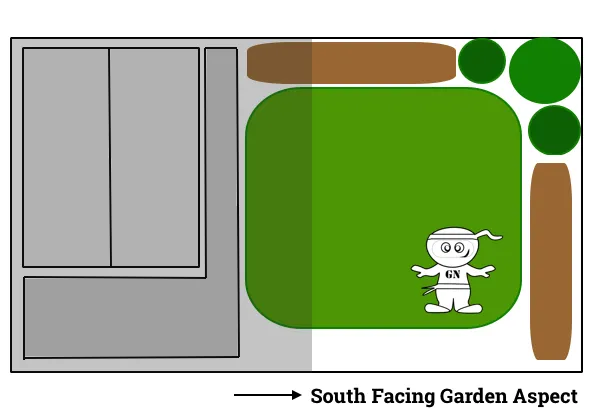
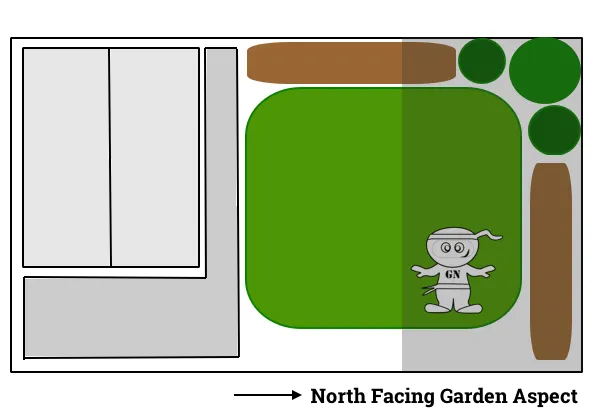
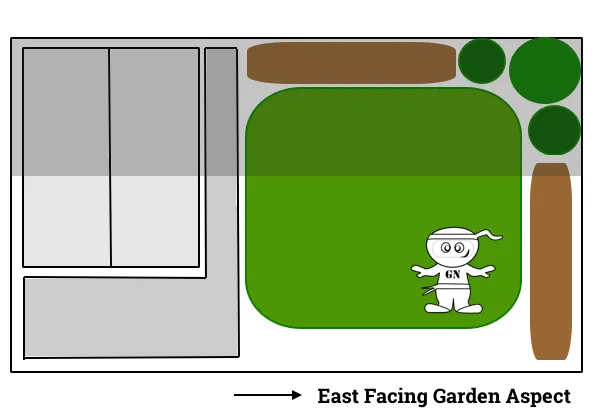
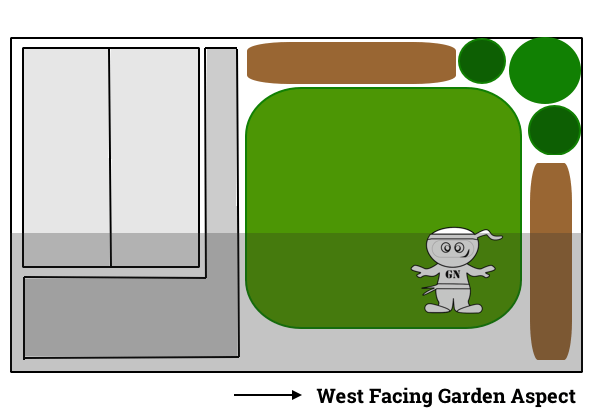
The sun rises in the East and sets in the West. This is because the Earth spins in a counterclockwise direction. The diagrams below are for Gardens in the Northern Hemisphere; Southern Hemisphere aspects need to be switched.
Garden Aspect Comparison at a Glance
Understanding how different aspects of your garden affect your planting choices and garden usability makes an enormous difference to your success.
This comparison table shows exactly what to expect in each direction, helping you work with your garden’s natural conditions rather than fight against them.
I’ve designed gardens in every possible aspect over the past twenty years, and these patterns hold true regardless of garden size or style.
Evening entertaining, heat-tolerant plants, dining areas
Perfect for evening use, warm atmospheric light, morning shade for comfort
This table provides a starting point, but remember that every garden has its own microclimate influenced by surrounding buildings, trees, walls and fences.
A west-facing garden sheltered by a tall fence might behave quite differently from an exposed west-facing plot with no screening.
The hours of sunlight also vary dramatically between summer and winter, with south-facing gardens maintaining reasonable light levels year-round, whilst north-facing gardens can become quite dim during the shortest days.
Garden Sunlight Guide
Each compass point will provide different amounts of sunlight during the day and evening. It’s worth noting that garden shade will move throughout the day as the sun arcs over your property. Below are the four main aspects your garden will face and how that affects the shade and sunlight during the day.
These guides are to give you an idea of where the shade will predominantly lie. This means that the shaded areas will be colder and receive less light than the non-shaded areas. It is also affected by neighbouring properties, trees, fences and other obstructions.
1. South facing gardens
Receive more sunlight and are usually brighter.
Tend to be hotter and warm up earlier in the season.
May require more watering as they tend to have drier soils.
Can require more planning for shady seating areas they can get super warm!
South Facing Gardens
✓
Maximum sunlight throughout the day receiving direct sun from morning through evening during summer months
✓
Warmest possible growing conditions enabling you to grow the complete range of sun loving plants from Mediterranean species through to tender vegetables
✓
Extended growing season with consistent heat warming soil earlier in spring and maintaining warmth into autumn
✓
Perfect for vegetable growing with crops ripening weeks earlier than shadier aspects and significantly improved yields
✓
Reliable conditions enable confident plant selection without uncertainty that variable shade patterns create
✓
Pleasant outdoor spaces remain warm even during cooler months, providing useable areas beyond height of summer
✗
Uncomfortable heat during summer with gardens becoming too warm during afternoons, requiring shade structures for comfortable seating
✗
Limited plant palette to drought tolerant species, with many beautiful shade loving plants impossible to grow
✗
Intensive moisture management crucial as gardens dry out far faster than other aspects, demanding consistent watering
✗
Higher maintenance requirements with rapid growth and moisture stress demanding regular attention
✗
Lawn problems often becoming scorched and patchy without intensive irrigation
✗
Increased pest pressure as aphids and red spider mite thrive in hot, dry conditions
Another helpful tip is to see what plants and trees are flourishing in your next-door neighbour’s gardens to each side. This can be a good trick to work out what kind of plants work well in your aspect. Take your time when planning your garden, really work out where the sun moves to and from.
Think about your garden design and where you would like to sit, eat, relax and sunbathe. The same goes for your plant choices, a few carefully considered planting groups will work much better than a ‘pick and mix’ have-a-go planting scheme.
Why your garden aspect matters when designing a garden
Understanding the impact of your garden aspect on all of your garden design choices. By knowing where the sun falls in the garden at different times of the day, you can better plan your garden design. Resulting in a far more successful design than if you just guess.
1. Sunlight Exposure
The aspect of a garden determines how much sunlight different areas receive, affecting plant growth and health. Allowing you to carefully choose plants that will thrive rather than struggle
2. Plant Selection
Sun-loving and shade-tolerant plants should be selected based on the garden’s aspect to thrive. Ignoring this is at your peril. Understanding the aspect allows you to take this into consideration.
3. Microclimates
Different aspects create microclimates within the garden, influencing temperature, humidity, and wind exposure. Allowing you to avoid putting planting beds or a seating area in a frost pocket for example.
4. Seasonal Changes
Aspect affects how sunlight and shade patterns shift throughout the day and across seasons, impacting plant growth cycles. This is especially true for greenhouses, which require more sunlight in summer than in winter, allowing you to position them more effectively.
5. Energy Efficiency
Understanding the garden’s aspect helps in positioning structures and features for optimal energy efficiency, such as placing outdoor seating in sunny spots for warmth.
6. Visual Aesthetics
The play of light and shadow created by the garden’s aspect adds visual interest and depth to the landscape design. It may influence your positioning of trees or trellis screening to enable shadows to be cast on certain parts of the garden.
7. Functional Zones
Aspect influences the layout of functional zones within the garden, such as positioning outdoor entertaining areas to maximise sunlight during the day or avoid being baked in the middle of summer!
8. Wildlife Habitat
Certain aspects may attract or deter wildlife, impacting biodiversity and ecosystem health in the garden. You don’t want a bug hotel in full sun, for example, a pond in complete shade.
9. Micro gardening Opportunities
Different aspects provide opportunities for micro gardening techniques like vertical gardening or creating shade gardens in sunny spots.
10. Environmental Impact
By working with the garden’s aspect, gardeners can reduce water usage, minimise erosion, and create sustainable landscapes that harmonise with the natural environment.
What’s the best direction for a garden to face?
Most people are aware of the ‘South-facing’ garden and how this is the holy grail for horticulturists. This is because south-facing gardens usually get full sun all day long. A south-facing garden gives you the widest possibilities for both design and planting.
You can always create shade in a south-facing garden if it gets too hot, but you can’t create sunlight in a shaded north-facing garden. This is why south-facing gardens are often highly sought after.
A south-facing garden is not the be-all and end-all though. I’m going to help explain using diagrams and examples of how to work out the aspect of your garden. I’ll also be sharing hints and tips in the guide below on garden aspects to help you get the most out of your garden.
Taking buildings, trees and other garden obstructions into consideration
One thing that lots of gardeners and even garden designers fail to consider is buildings, trees, or other structures that will change the shade levels in the garden.
For example, a designer may use their compass to work out a new client’s garden that is south-facing. They note it down on the garden survey and then proceed to design a full-sun garden. However, they fail to take into account a summer house next door that, in the afternoon, completely shades the back part of the garden where they have built a patio.
This is where using a shade plan is essential. Let’s have a look at how you can create a shade map of your garden.
How to create a shade map of your garden
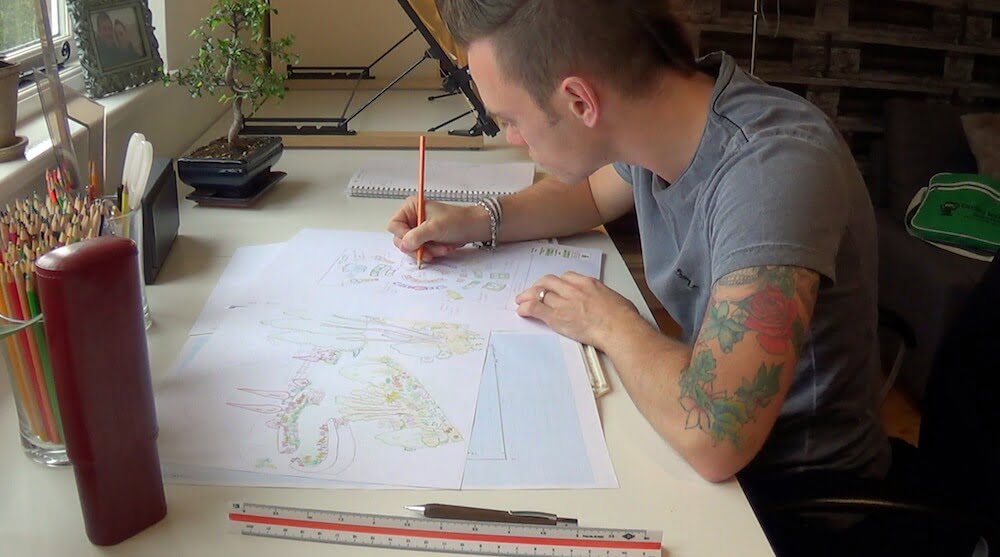
A shade map lets you easily see where the sun or shade is at 3-hour intervals during daylight hours. It can enable far better design decisions. It’s created by taking a scaled outline of your garden (a pencil sketch will do) and marking the sun or shade on the paper at 3-hour intervals in the daytime. That way, you can see where the sun and shade may be. Saving costly mistakes with garden planning!
Drawing up a shade map of your garden can be a helpful tool for planning the placement of plants and structures. Here’s a detailed guide on how to create one:
1) Gather Materials
Collect materials such as graph paper, a ruler, a pencil, an eraser, and colored pencils or markers.
2) Measure Your Garden
Using a tape measure, determine the dimensions of your garden area. Record the length and width in feet or meters.
3) Draw the Outline
On the graph paper, draw a rough outline of your garden space to scale. Each square on the graph paper can represent a certain measurement, such as one foot or one meter. Use the ruler to ensure accuracy.
4) Identify Structures
Mark the location of any permanent structures in your garden, such as buildings, fences, walls, or large trees. Use a different colour or symbol to differentiate these structures from the rest of the map.
5) Indicate Direction
Note the orientation of your garden, including the direction of north, south, east, and west. This information will help determine where the sun shines at different times of the day.
6) Observe Shade Patterns
Spend time in your garden throughout the day to observe how sunlight moves across the space. Note areas of full sun, partial shade, and full shade at different times, such as morning, noon, and afternoon.
7) Record Shade Patterns
On your map, use coloured pencils or markers to shade in areas of partial or full shade. Use different colours to represent different levels of shade intensity.
8) Label Shade Patterns
Add labels or annotations to indicate the time of day when each shaded area occurs. For example, you could label a shaded area as “morning shade” or “afternoon shade.”
9) Add Planting Zones
Based on the shade patterns, identify suitable planting zones for different types of plants. Shade-tolerant plants can thrive in areas of partial or full shade, while sun-loving plants require more sunlight.
10) Finalise the Map
Review your shade map to ensure accuracy and clarity. Make any necessary adjustments or corrections. Once you’re satisfied with the map, consider laminating it or placing it in a protective sleeve for future reference.
By following these steps, you can create a detailed shade map of your garden to guide your planting decisions and maximise the use of available sunlight.
Many gardens contain more than one aspect, particularly larger plots or corner gardens where boundaries face different directions. If you want to understand the best plant choices for every part of your outdoor space, take a look at my comprehensive set of garden aspect guides below, or carry on for a snapshot of what plants will work in your garden!
With a south-facing garden choose plants that enjoy full sun and warm temperatures. There are obviously plants that will cope with a bit of dappled shade, too, but here are some full sun worshipers! A few examples to get you started would be:
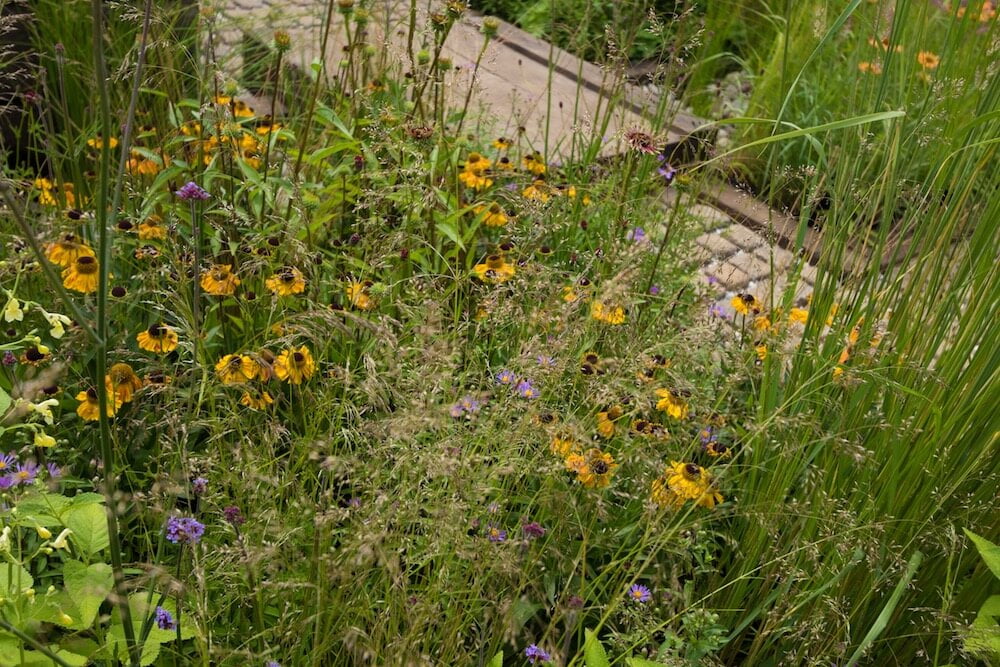
Echinacea and Heleniums love hot south facing gardens
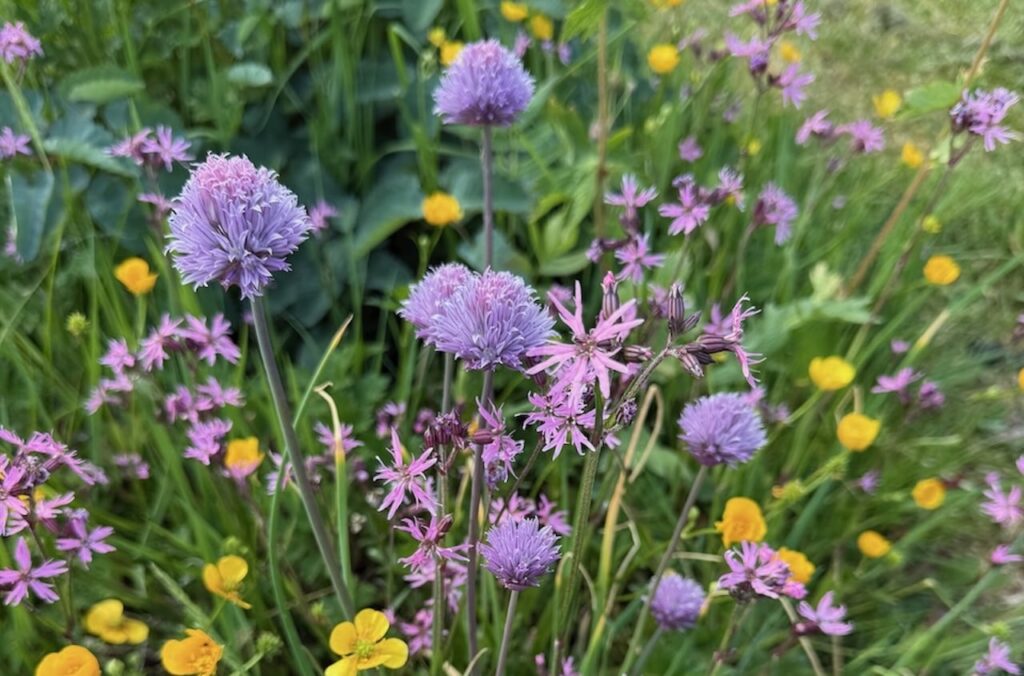
Prairie planting schemes will work incredibly well in these gardens as they love full sun and a mix of moist & dry conditions. Grasses will tolerate dry and damp conditions whilst Prairie plants like Heleniums love a damp sunny spot. Have a look below at how even a small garden can benefit from a prairie border scheme.
Plants for a North Facing Garden
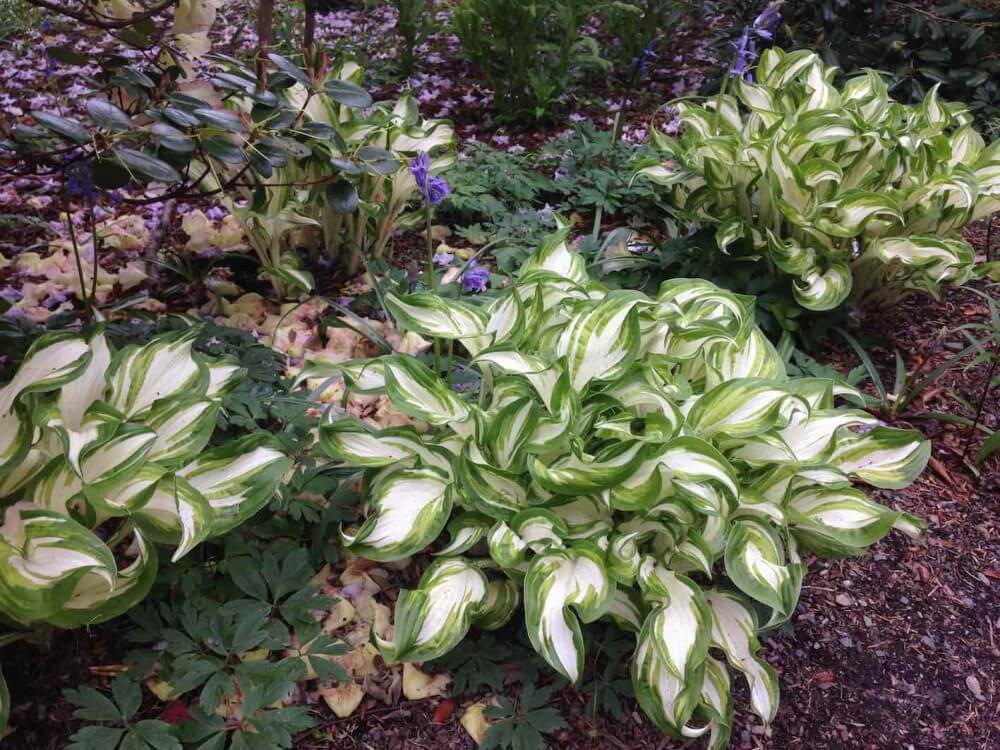
Any plant that thrives in shade or cooler conditions will love a North Facing Garden. Given the fact that north-facing gardens receive the lowest light levels, you’re going to need plants that enjoy these conditions in the wild.
A selection of popular north-facing garden plant examples are:
If you have a shady garden work with it. Choose shade-loving plants that will thrive.
East and West Facing Garden Plants
Now for East and West, it’s not quite as critical as you are going to get a mix of light and shade. The best advice would be to choose plants carefully for parts of the garden that feature more heavily in the shade or full sun. You really have the best of both worlds!
As east-facing gardens get morning sun, plants that need it will also need to be positioned where the most light falls. Conversely, west-facing gardens usually get the evening sun at the end of the garden, so plants that need sun will be better placed there.
Don’t forget also that any structures you include in the garden will create shade even in a south-facing garden.
Choosing the right plant for the right place is the most sensible approach to garden design planting. As hard as you try, you are not going to get a shade-loving plant to thrive in full sun or vice versa. The RHS website is an excellent resource for locating plants for aspects and soil types. It’s also essential if you’re designing your own garden to work out a consistent theme or feel for the garden.
The best place to start is by working out if you prefer a formal or informal garden design. Then the sky is the limit, let your creative juices flow!
Garden Aspect Questions Answered
After years of designing gardens across every conceivable aspect and answering countless forum questions about sun patterns, I’ve noticed the same concerns cropping up time and again. These are the questions I’m asked most frequently about garden aspects, and the answers come from practical experience rather than textbook theory.
Do North-Facing Gardens Get Any Sun?
Absolutely, though perhaps not in the way you’re hoping! North-facing gardens receive indirect sunlight throughout the day rather than direct sun, which creates what I call “bright shade” conditions.
During summer months, you’ll catch early morning sun from the northeast and late evening sun from the northwest, with the garden remaining pleasantly bright but never scorching during the middle hours.
This indirect light is actually brilliant for a whole host of plants that would struggle in south-facing positions. Your garden stays cooler and more comfortable for sitting out during hot spells.
The real challenge comes in winter when north-facing gardens can feel quite gloomy, but strategic planting with evergreens and plants offering winter interest makes an enormous difference. I’ve designed some absolutely stunning north-facing gardens that clients initially thought were hopeless cases.
What Plants Grow Best in an East-Facing Garden?
East-facing gardens are absolute goldmines for woodland plants and anything that appreciates morning sun with afternoon shade.
Think hostas, astilbes, Japanese anemones, and bleeding hearts, all of which perform spectacularly with this aspect. The morning sun gives these plants the energy they need without the scorching afternoon heat that can damage their foliage.
Hydrangeas absolutely thrive in east-facing positions, producing those magnificent flower heads without the stress of intense afternoon sun.
For structure, Japanese maples create stunning focal points, their delicate foliage protected from afternoon scorch whilst still receiving enough light for good autumn colour.
I always tell clients with east-facing gardens that they’ve got the perfect conditions for creating those lush, layered borders that look straight out of a cottage garden magazine.
Is a South-Facing Garden Good for Vegetables?
South-facing gardens are absolutely brilliant for vegetable growing, offering the maximum possible sunlight hours throughout the growing season.
This extended sun exposure creates the warmest possible growing conditions. You can grow everything from sun lovers like tomatoes, peppers, aubergines and courgettes through to reliable staples like beans, peas, carrots and brassicas.
The consistent heat warms soil earlier in spring, extending your growing season at both ends.
However, the intense summer sun does present challenges during heatwaves, when even sun-loving crops can suffer stress. I always recommend mulching heavily in south-facing vegetable plots to conserve moisture.
Position taller crops like sweetcorn or climbing beans to provide some afternoon shade for lettuce and other greens. South-facing plots dry out considerably faster than other aspects, but with proper soil preparation and consistent watering, you’ll achieve harvests that north-facing gardeners can only dream about.
How Do I Make the Most of a West-Facing Garden for Entertaining?
West-facing gardens are absolutely perfect for entertaining because they come into their own during those golden evening hours when you actually want to be outside enjoying your space.
The afternoon and evening sun creates that magical warm glow perfect for summer barbecues and relaxed gatherings, whilst mornings remain pleasantly shaded for those who prefer cooler conditions.
Position your main seating area where it captures that evening sun, typically towards the house end of the garden where you’ll also benefit from shelter.
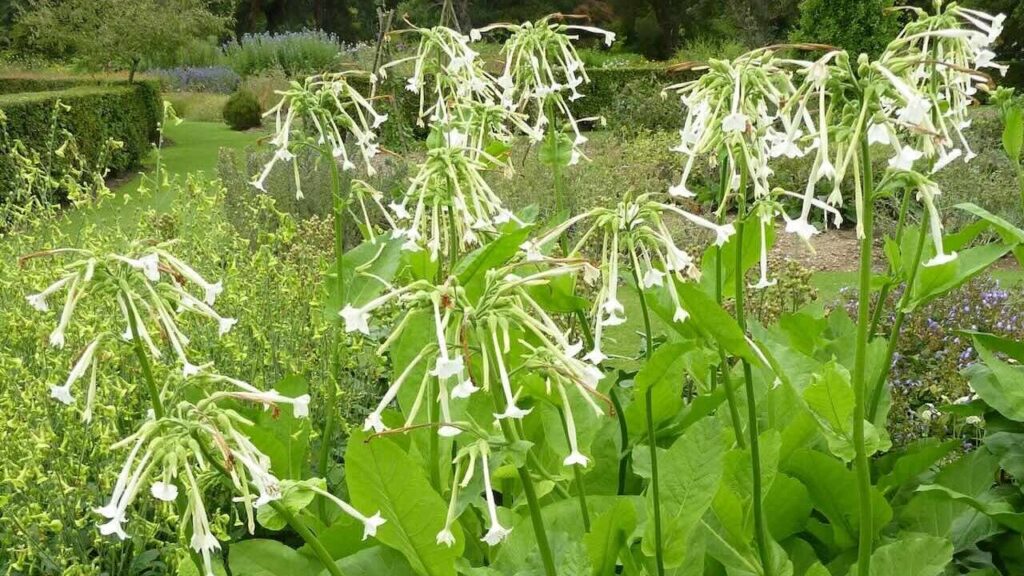
Plant scented evening flowers like Nicotiana and night-scented stock near seating areas, as their fragrance intensifies during the cooler evening hours.
For the morning shade, create utility areas like sheds, compost bins and vegetable storage where you won’t miss the sun. The planting beds benefit from a mix of shade-tolerant plants towards the house and sun lovers towards the garden’s far end.
I’ve designed countless west-facing gardens for clients who entertain regularly, and they consistently report that their gardens feel more usable than friends’ south-facing plots that become uncomfortably hot during summer afternoons.
Which Direction Gets the Most Sun Throughout the Day?
South-facing gardens receive the most direct sunlight throughout the day, with the sun arcing across the sky from east to west whilst remaining predominantly in the southern portion.
During summer months, south-facing gardens might receive 8 to 10 hours of direct sunlight, compared to east or west-facing gardens getting perhaps 4 to 6 hours, and north-facing gardens receiving mainly indirect light.
However, more sun isn’t automatically better for every gardening situation. That intense south-facing exposure can actually limit your plant palette to drought-tolerant species, create higher watering demands, and make outdoor spaces uncomfortably hot during summer peaks.
The “best” direction depends entirely on your priorities, whether that’s growing vegetables, wildlife gardening, entertaining, or creating lush woodland planting schemes.
I’ve worked with plenty of clients who initially thought they wanted maximum sun, only to realise their dream garden actually needed some shade for comfort and plant diversity.
Can I Grow Roses in a North Facing Garden?
Growing roses in north-facing gardens is certainly possible, but requires careful variety selection and realistic expectations about performance.
Traditional hybrid tea roses and floribundas generally struggle in reduced light, producing weaker growth and fewer flowers. However, certain rose varieties cope remarkably well with shadier conditions.
The Rugosa roses are particularly tolerant, with varieties like ‘Roseraie de l’Haÿ’ producing fragrant flowers even in limited sun. Species roses and some old-fashioned varieties, including albas and damasks, manage north-facing positions reasonably well.
The key is understanding that roses in shade put more energy into producing foliage to capture available light, meaning you’ll get larger plants with fewer flowers.
Position them in the sunniest spots within your north-facing garden, typically towards the boundaries where they might catch early morning or late evening sun. Improve the soil generously with organic matter to compensate for the challenging light levels.
Growing Vegetables and Edibles in Different Aspects
Your garden’s aspect doesn’t just affect ornamental planting choices; it fundamentally shapes which vegetables and edibles will thrive in your plot.
After years of designing productive kitchen gardens in every possible direction, I’ve learned that working with your aspect rather than fighting it transforms vegetable growing from a frustrating struggle into abundant success.
South-Facing Vegetable Gardens: Maximum Production
South-facing gardens offer vegetable growers the absolute jackpot, with maximum sunlight hours enabling you to grow the full spectrum from tender heat lovers through to traditional, reliable crops.
Root vegetables including carrots, parsnips and beetroot perform brilliantly, though warm soil can encourage forking if stony
Sweetcorn demands maximum heat for reliable cropping in the UK climate, making south facing gardens essential
Managing South-Facing Challenges
The intense sun creates challenges requiring strategic management. Lettuce, spinach and salad leaves bolt rapidly in hot conditions, going to seed before producing decent harvests.
Grow these crops in spring and autumn when temperatures moderate, or position them where taller crops like sweetcorn provide afternoon shade.
Key South-Facing Tips
Mulch heavily to conserve moisture
Position heat lovers against south-facing walls for maximum warmth
Water deeply and consistently during rapid growth phases
Use taller crops to provide afternoon shade for salad leaves
North facing gardens present genuine challenges for vegetable growing, with reduced light levels limiting your crop choices significantly.
However, several valuable crops positively prefer the cooler conditions shade provides. The key is embracing crops that thrive in partial shade rather than attempting to grow sun lovers that will inevitably disappoint.
Best Crops for North-Facing Gardens
Salad leaves excel where they’d bolt and turn bitter in full sun, producing tender, sweet leaves over extended periods
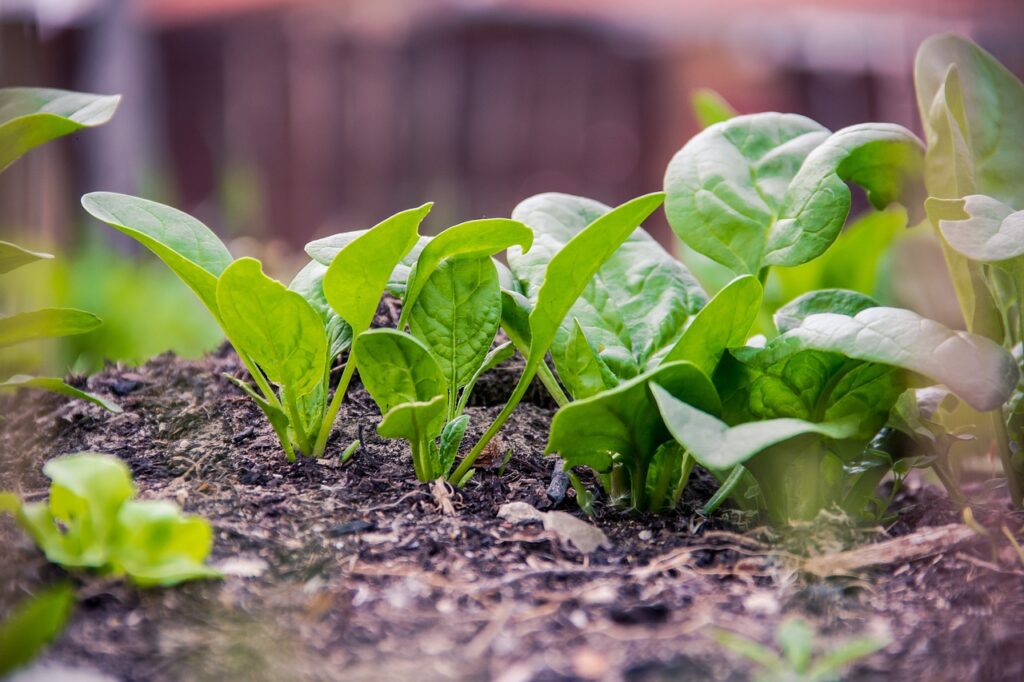
Spinach thrives in cooler conditions, remaining productive through summer when plants in sunnier aspects have bolted
Brassicas including kale, cabbage, Brussels sprouts cope remarkably well despite reduced sunlight
Oriental vegetables including pak choi, mizuna appreciate cooler conditions, avoiding bolting that plagues them in hot positions
The fundamental reality remains that north-facing gardens simply cannot match the productivity of south-facing plots for most vegetable crops.
Sun-demanding plants like tomatoes, peppers, courgettes and beans produce disappointing harvests or fail completely in deep shade. So rather than wish for the best, I would avoid wasting time on these and always opt for vegetables that are known to thrive in shade! Box clever, Ninjas!
Key North-Facing Tips
Improve soil generously with organic matter
Ensure good drainage to prevent winter waterlogging
Use cut-and-come-again harvesting for salad leaves
Grow spinach through summer when sun-grown plants have bolted
Accept reduced yields but celebrate extended cropping seasons for suitable crops
East and West Facing Vegetable Gardens: The Versatile Middle Ground
East and west-facing gardens offer that perfect compromise for vegetable growing, providing adequate sunlight for most crops without the challenges extreme aspects create. In my opinion, these are the best aspects for growing the largest variety of edibles.
These directions enable you to grow a remarkably wide range of vegetables, from sun lovers that cope with partial shade through to shade-prefering crops that benefit from protection during the hottest hours.
East Facing Gardens: Gentle Morning Sun
East-facing vegetable plots receive that gentle morning sun, perfect for encouraging strong growth without the stress of intense afternoon heat.
Peas and broad beans perform particularly well, producing heavy crops without heat stress that reduces pod set
Why not consider expanding your plant and garden design knowledge with one of my online gardening courses? My Garden Design for Beginners Course is here to help you transform your garden from average to exceptional with an affordable online course, no matter how little your experience with plants.
This course offers step-by-step guidance from me, Lee Burkhill—award-winning garden designer and presenter on BBC1’s Garden Rescue. In this course, you’ll go from a garden design novice to a confident designer equipped to tackle any green space.
Planting Techniques – Select and arrange plants like a pro.
Design Styles & Layout Options – Explore different styles to suit every garden.
Course Features:
20 Hours of Study Time
Flexible Online Learning
Engaging Video Lessons & Quizzes
Real-World Case Studies
Certification upon Completion
Taught by Award-Winning Designer Lee Burkhill
Enrol now for just £199 and start your journey toward garden design mastery!
29
Garden Design Examples for Small Gardens: 30 Design Templates & Planting Plans
Garden Design Examples for Small Gardens: 30 Design Templates & Planting Plans: In this online gardening course, I’ll walk you through 30 fantastic garden designs, explaining the logic behind the layout, the plant choices, and take-home tips for applying them in your own garden.
Weekend Garden Makeover: A Crash Course in Design for Beginners
Learn how to transform and design your own garden with Lee Burkhills crash course in garden design. Over 5 hours Lee will teach you how to design your own dream garden. Featuring practical design examples, planting ideas and video guides. Learn how to design your garden in one weekend!
Garden Design for Beginners: Create Your Dream Garden in Just 4 Weeks
Garden Design for Beginners Online Course: If you want to make the career jump to becoming a garden designer or to learn how to design your own garden, this is the beginner course for you. Join me, Lee Burkhill, an award-winning garden designer, as I train you in the art of beautiful garden design.
Ignoring the aspect of your garden is often at your peril. As much as you may want that Fig tree to fill your garden with Mediterranean summery sunshine, if your plot is a damp North-facing garden, then you may need to readjust your planting requirements! That’s not to say you can’t have an incredible garden; it just needs a more selective plant approach.
The next thing I must urge you to check before designing a new garden is the soil type you have. Without understanding your soil, your best-laid garden design plans may fail to launch. Check out my guide to soil types here.
Your subscription could not be saved. Please try again.
Your subscription has been successful.
Lee Burkhill
Lee Burkhill, known as the Garden Ninja, is an award-winning garden designer and horticulturist with over 30 years of gardening experience and 15 years as a professional garden designer. A qualified RHS (Royal Horticultural Society) professional, Lee specialises in sustainable garden design and practical horticultural advice. He designs and presents on BBC1’s Garden Rescue and in leading gardening publications. Lee combines three decades of hands-on gardening knowledge with professional design qualifications to help gardeners create beautiful, functional outdoor spaces.
Hi Jill, Thanks for the feedback on my garden design blog! I’m glad my garden aspects post has helped you to understand the positioning of your garden correctly.
You can plant hostas in sun but you may find you need to water them more regularly and they may turn slightly yellow if in real heat and sun. Garden Ninjas advice would be to plant them under a tree or somewhere with at least some shade then you can get the best out of them. It also adds a nice foliage rich texture to shady areas! Or plant it in a pot and see how it does in the sun one year before committing it to the ground!
I’m thinking of buying a house with a north/west garden, as a keen gardener and sun lover is this going to be a big no no? I keep looking at your fab aspect guides but I’m still confused! Help!
Hi Nicky, No of course it isn’t! It’s all about the right plant for the right place. Unless you really want to grow flowers and plants that will only survive in full sun then I wouldn’t be put off a North / West garden. You need to balance off the right house and right garden. There’s a huge selection of plants you could use. However, if you’re tick list of must-haves is all day sun (when we get it in the UK) then maybe you do need to consider a different property! All the best with your new house hunt! Lee
Hi.
Your website is fab. Trying to understand if I buy a south east garden lined by large trees at the bottom inc. One with a tpo and what looks like young silver birches planted along the remainder. How much sun I would get? Are these silver birch type trees fast growing. This is 10m from back of house.
I love gardening and being out doors do nervous!! Currently live in a west facing garden which I love and has no blockage from trees etc close by.
Great to hear from you and I’m really glad you like the site!
If you’re going to buy a house with large trees the best way to see how much sunlight you would get is to book a viewing both in the morning and the early evening before the sun sets. That’s the best way to truly see where the shade lies. Birch are not mega fast growing and are usually chose by designers as they don’t cast huge amounts of shade. Birch (Betulas) canopies are usually quite thin when compared to say a large leafed variety tree such as Horse Chesnut (Aesculus hippocastanum).
Defo go and have a nosey around during those times. Other than that I’d say also think about how much time you spend outside vs inside too. You can always find a sunny spot in most gardens. Don’t give up on your dream house just because of the aspect. There’s plenty of plants for shade! Hope that helps! Lee
Great article, very useful! As few gardens are truly N, E, S or W facing it would be great if you could update (with diagrams!) to consider gardens that are SE, NW etc.
Hello Ninja!
Greetings from Northwestern Washington State. I’m so lucky that our gardening zones are similar. Just bought my first house & I have no idea what I’m doing in the garden. Your videos and blogs are great! I had to transplant a rose out of season – actually in the dead of summer – because of the move. It was hard pruned and replanted the same day. I used some root stimulator and have been feeding it worm casings. It hasn’t died – yet. But I’m worried if it will survive the winter. Is there anything I can do to help it through the cold season?
Thank you!
Hi Mary, Great to hear from you. It sounds like you’ve followed all the advice I would give you on how to transplant a rose. Cutting it back is essential along with keeping it watered. I’d give it a thick compost mulch during the winter. I’d also follow my rose pruning vlog here in late winter to make sure it bounces back! Thanks for your kind comment on my vlog and check back soon for more from me, the Garden Ninja! Happy Gardening. Lee https://youtu.be/-Occ2WuIBnU
























Thanks Garden Ninja, I never understood aspects before and used to get so confused on what garden aspects actually referred to!
I love Hostas but have a very open south east facing garden, can I plant them in full sun?
Jill.
Hi Jill, Thanks for the feedback on my garden design blog! I’m glad my garden aspects post has helped you to understand the positioning of your garden correctly.
You can plant hostas in sun but you may find you need to water them more regularly and they may turn slightly yellow if in real heat and sun. Garden Ninjas advice would be to plant them under a tree or somewhere with at least some shade then you can get the best out of them. It also adds a nice foliage rich texture to shady areas! Or plant it in a pot and see how it does in the sun one year before committing it to the ground!
All the best
Lee
I’m thinking of buying a house with a north/west garden, as a keen gardener and sun lover is this going to be a big no no? I keep looking at your fab aspect guides but I’m still confused! Help!
Hi Nicky, No of course it isn’t! It’s all about the right plant for the right place. Unless you really want to grow flowers and plants that will only survive in full sun then I wouldn’t be put off a North / West garden. You need to balance off the right house and right garden. There’s a huge selection of plants you could use. However, if you’re tick list of must-haves is all day sun (when we get it in the UK) then maybe you do need to consider a different property! All the best with your new house hunt! Lee
Hi.
Your website is fab. Trying to understand if I buy a south east garden lined by large trees at the bottom inc. One with a tpo and what looks like young silver birches planted along the remainder. How much sun I would get? Are these silver birch type trees fast growing. This is 10m from back of house.
I love gardening and being out doors do nervous!! Currently live in a west facing garden which I love and has no blockage from trees etc close by.
Any advice would be much appreciated. Thanks 🙂
Hi Rebecca,
Great to hear from you and I’m really glad you like the site!
If you’re going to buy a house with large trees the best way to see how much sunlight you would get is to book a viewing both in the morning and the early evening before the sun sets. That’s the best way to truly see where the shade lies. Birch are not mega fast growing and are usually chose by designers as they don’t cast huge amounts of shade. Birch (Betulas) canopies are usually quite thin when compared to say a large leafed variety tree such as Horse Chesnut (Aesculus hippocastanum).
Defo go and have a nosey around during those times. Other than that I’d say also think about how much time you spend outside vs inside too. You can always find a sunny spot in most gardens. Don’t give up on your dream house just because of the aspect. There’s plenty of plants for shade! Hope that helps! Lee
Great article, very useful! As few gardens are truly N, E, S or W facing it would be great if you could update (with diagrams!) to consider gardens that are SE, NW etc.
Hello Ninja!
Greetings from Northwestern Washington State. I’m so lucky that our gardening zones are similar. Just bought my first house & I have no idea what I’m doing in the garden. Your videos and blogs are great! I had to transplant a rose out of season – actually in the dead of summer – because of the move. It was hard pruned and replanted the same day. I used some root stimulator and have been feeding it worm casings. It hasn’t died – yet. But I’m worried if it will survive the winter. Is there anything I can do to help it through the cold season?
Thank you!
Hi Mary, Great to hear from you. It sounds like you’ve followed all the advice I would give you on how to transplant a rose. Cutting it back is essential along with keeping it watered. I’d give it a thick compost mulch during the winter. I’d also follow my rose pruning vlog here in late winter to make sure it bounces back! Thanks for your kind comment on my vlog and check back soon for more from me, the Garden Ninja! Happy Gardening. Lee https://youtu.be/-Occ2WuIBnU
Hi. Thanks for your video about aspect.
Very confused, as the shaded areas seem to be in the opposite areas i thought they would be.
Thank you.
Emma