For the garden you’ve already got, not the one you’re starting from scratch. Seven checklists and video lessons from BBC Garden Rescue’s Lee Burkhill, built to help you work out what’s worth keeping before you spend a penny.
69


Quick Answer
Pyracantha (firethorn) is a tough, thorny evergreen shrub that grows in sun or shade on almost any soil, flowers white in early summer and carries red, orange or yellow berries through autumn and winter. Prune it lightly after flowering, then shorten new growth in late summer to show off the berries, always checking for nesting birds first. Choose the disease-resistant Saphyr varieties to avoid scab and fireblight.
Pyracantha is the shrub I recommend more than any other to people living on busy suburban streets. I grow it here at Garden Ninja HQ, and it is one of my favourite prickly evergreen shrubs for a hedge or a specimen. Its long, needle-sharp thorns make it one of the best deterrents you can plant for anyone tempted to wander where they should not, whether that is over a side fence, under a front window or through a gap in a boundary. And the birds absolutely love it: they nest deep inside the thorny branches where cats cannot follow, and in autumn and winter they strip the berries.
It is also a plant that generates a lot of questions. My forum threads on cutting back a Pyracantha hedge and Pyracantha problems have had over 2,700 visits from Google between them, mostly from people wondering when to prune without losing the berries, and why their plant has gone black and scabby. This guide answers both and gives you everything you need to choose, plant and train a Pyracantha that will last for decades.
Jump To
Before you go anywhere near a Pyracantha with secateurs, get a pair of thorn-proof gauntlets such as Gold Leaf Tough Touch gardening gloves, which cover your forearms, because the thorns go straight through ordinary gloves.
| Pyracantha At A Glance | |
|---|---|
| Botanical Name | Pyracantha (firethorn) |
| Plant Type | Thorny evergreen shrub |
| RHS Hardiness | H6 for most varieties |
| Height and Spread | 2 to 4m each way, depending on variety, easily kept smaller by pruning |
| Flowering Period | May to June, clusters of small white flowers |
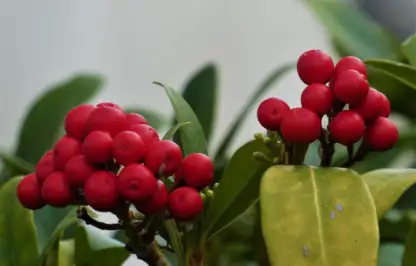
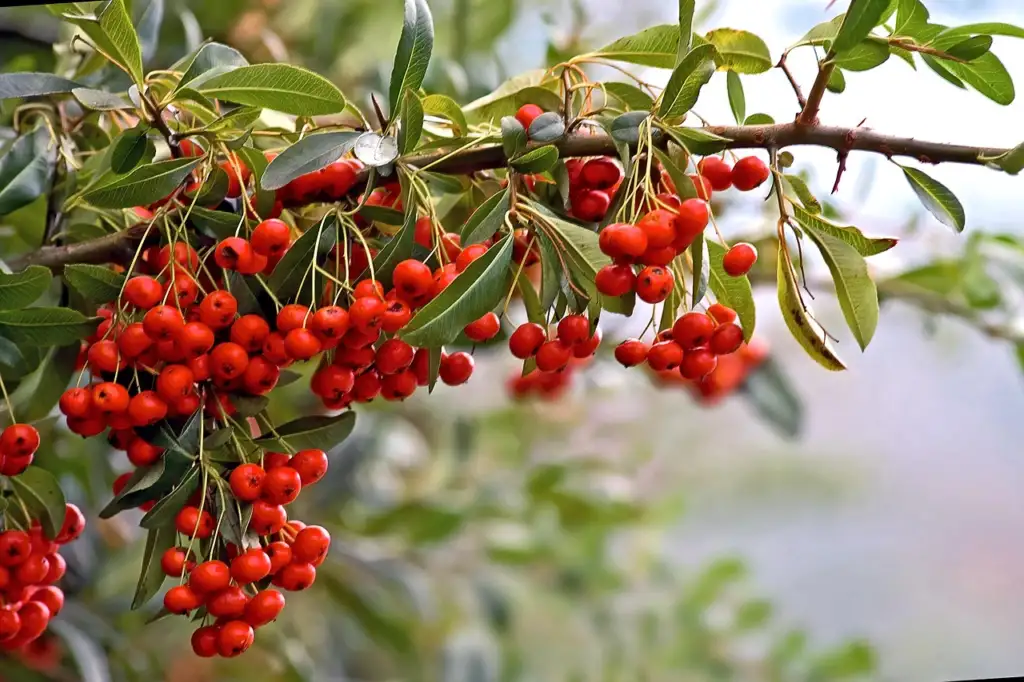
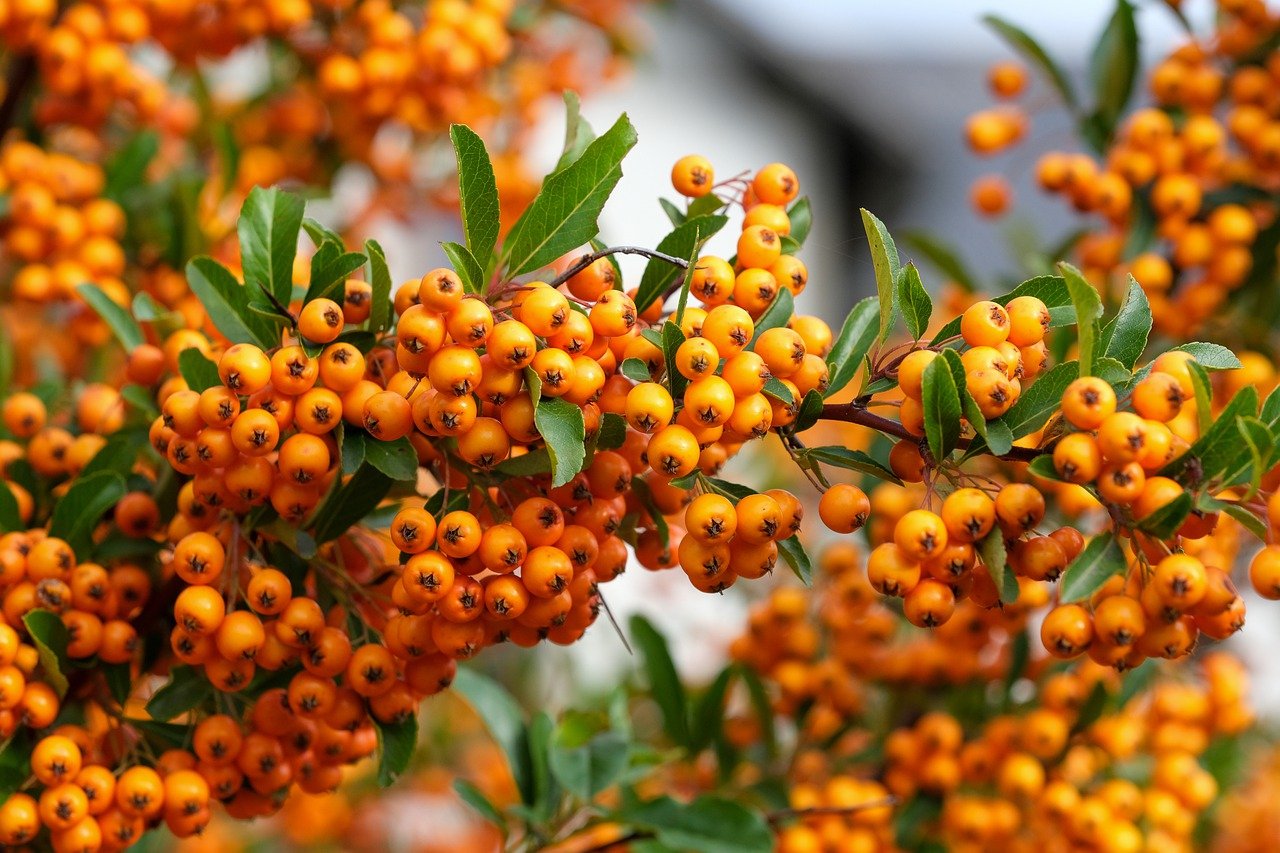
| Berries | Red, orange or yellow, September to winter |
| Growing Conditions | Full sun to full shade, any reasonably drained soil including clay and chalk |
Very few shrubs work as hard as Pyracantha across a whole year. In late spring it is covered in frothy white blossom that hums with bees and hoverflies. Through summer it is a dense, glossy evergreen that screens a fence or wall. From September the berries colour up in great heavy clusters, and they carry on through the winter until the birds finish them off. It is one of the few shrubs that will do all of that on a north-facing wall. If you have an ugly, awkward spot or a gap in a patchy hedge, this shrub will fill it without asking for much maintenance, apart from thick gloves when you prune or trim it!
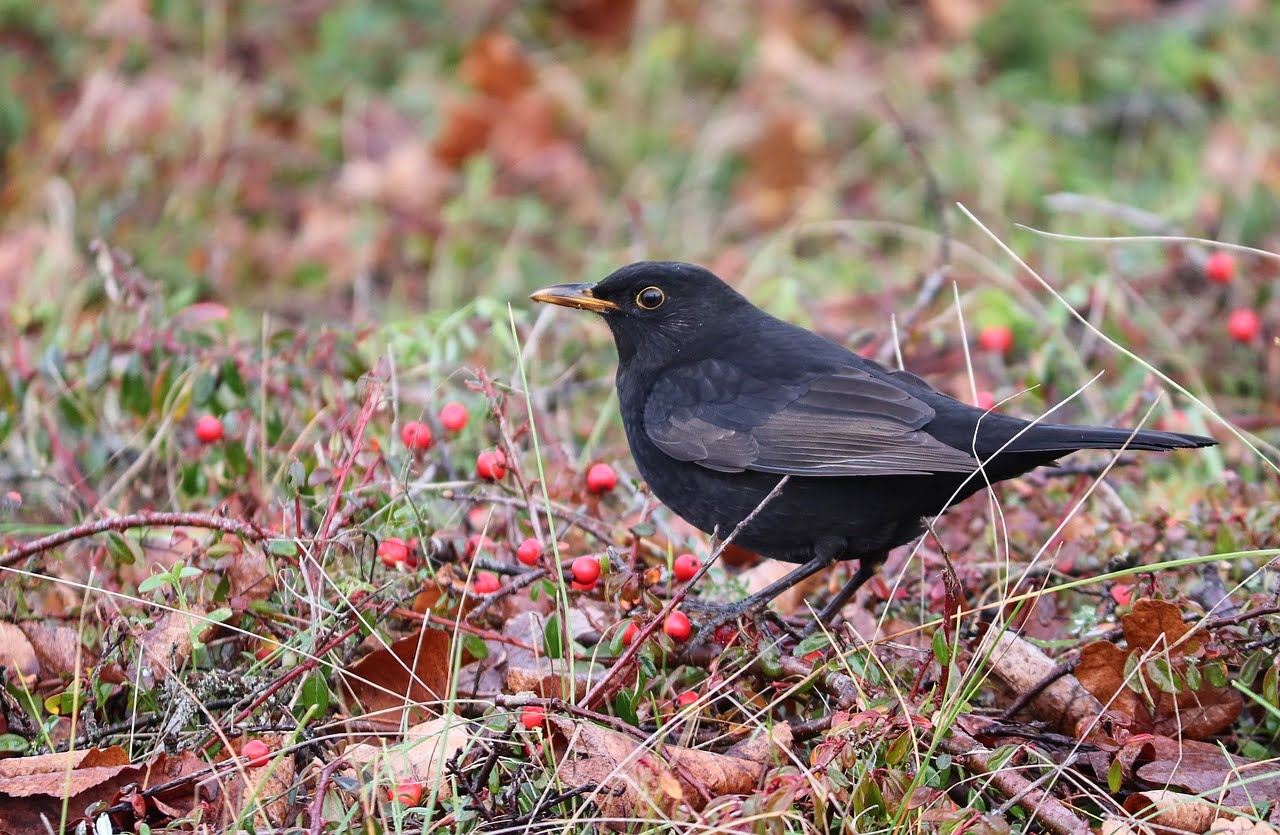
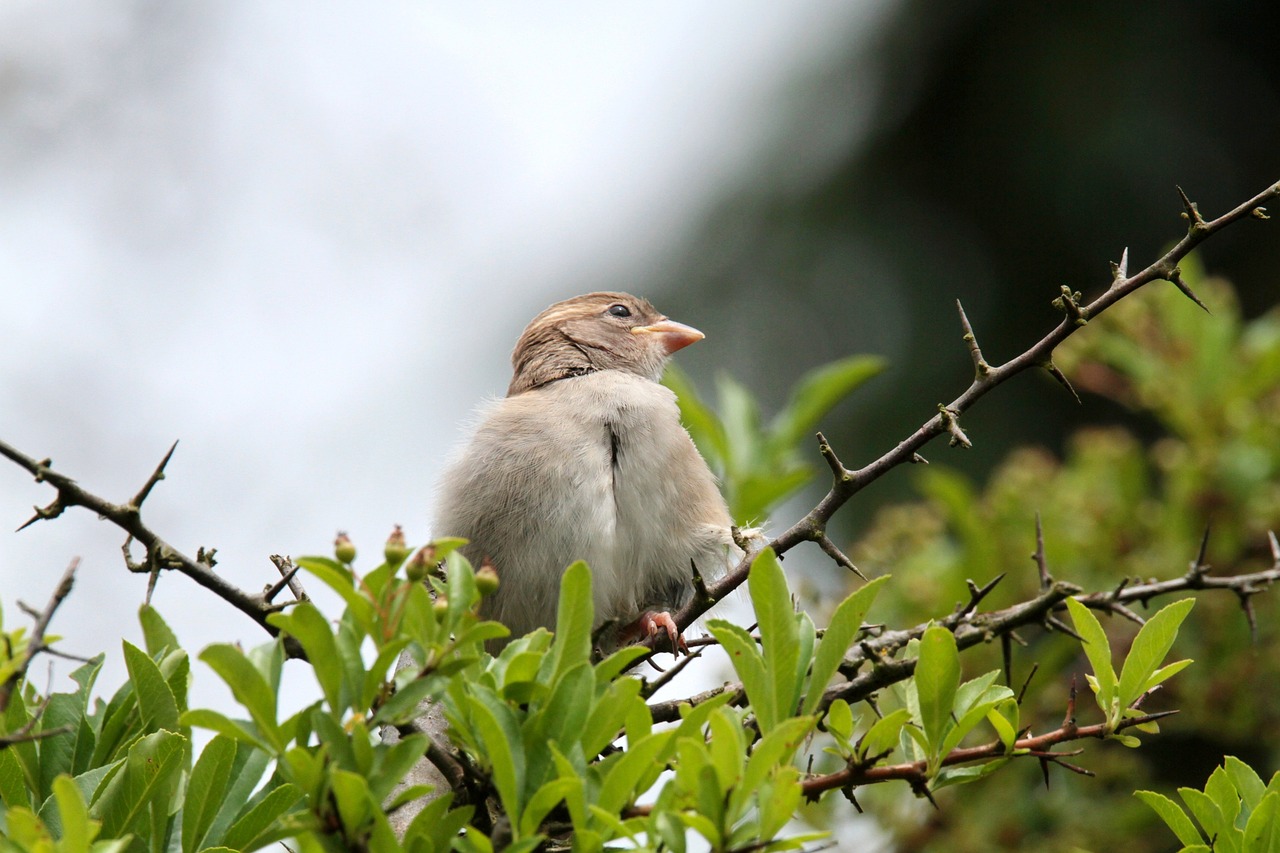
For wildlife it is hard to beat. The flowers feed pollinators in early summer, and the dense, thorny framework gives nesting birds a safe place to raise a brood, out of reach of cats and magpies. Then the berries feed blackbirds, thrushes and other garden birds through the leanest months. Birds favour red and orange berries over yellow ones, so a yellow variety keeps its display for longer if you want to enjoy the berries yourself.
If you are planting for wildlife, Pyracantha sits well alongside the other shrubs in my wildlife garden guide, and I talk through shrubs for wildlife in the video below.
This is the reason I suggest Pyracantha to so many people living in suburban areas. A mature Pyracantha is a wall of thorns that nobody wants to push through, climb over or hide behind, and it does the job while looking good and feeding the birds, which is more than you can say for a fence topped with spikes. Defensive planting like this is regularly recommended in home security advice for exactly that reason.
The places where it makes the biggest difference are:
Keep it trimmed below the level of the windows so you can still see out, and keep it clear of paths and bins so you are not the one getting spiked. For a thorny boundary with a different look, my guides to Berberis and fast-growing hedges cover some other good options.
The single most important thing when choosing a Pyracantha is disease resistance. Older varieties are prone to Pyracantha scab, which turns the leaves and berries black, and some are vulnerable to fireblight. The Saphyr series was bred for resistance to both, and it is what I recommend to anyone planting a new Pyracantha today.
| Variety | Berry colour | Habit | Why choose it |
|---|---|---|---|
| Pyracantha Saphyr Rouge (‘Cadrou’) | Red | Dense, bushy | Disease resistant, the birds’ favourite |
| Pyracantha Saphyr Orange (‘Cadange’) | Orange | Dense, bushy | Disease resistant, heavy crops |
| Pyracantha Saphyr Jaune (‘Cadaune’) | Yellow | Dense, bushy | Disease resistant, berries last longer as birds eat them last |
| Pyracantha ‘Red Column’ | Red | Upright, narrow | Hedging and narrow spaces |
| Pyracantha ‘Orange Glow’ | Orange | Vigorous, upright | Large walls and security hedges |
| Pyracantha ‘Soleil d’Or’ | Yellow | Spreading | Wide walls and fences |
If you only plant one, make it Pyracantha Saphyr Rouge, which gives you red berries for the birds without the scab problems of older varieties.
Pyracantha is about as unfussy as shrubs get. It grows in full sun or full shade, on clay, chalk or sandy soil, and in exposed spots, as long as the ground does not sit waterlogged. It flowers and berries best with at least a few hours of sun a day, but it will still perform on a north-facing wall, where very few berrying shrubs do.
Plant between October and March. Bare-root plants are the cheapest way to plant a hedge and establish quickly in autumn and winter, while container-grown plants can go in at any time as long as you keep them watered. My guide to planting bare-root hedging covers bare-root planting step by step.
For a hedge, plant in a single row with plants 45 to 60cm apart. They knit together within a few years into a dense, impenetrable barrier. Water newly planted Pyracantha through dry spells for the first summer, particularly against walls. Once established, it rarely needs watering or feeding.
This is where most people go wrong with Pyracantha, and it is the reason for so many forum questions. The key thing to understand is that Pyracantha flowers and berries on shoots produced the previous year. Cut all of last year’s growth off in spring and you cut off this year’s flowers and berries with it.
Pyracantha is one of the most popular nesting shrubs in any garden, and it is an offence to damage or destroy an active nest. The main nesting season runs from March to August, so before you prune at any point in that window, look carefully inside the plant and hold off if there is a nest in use. My nesting season pruning guide explains what to look for.
A free-standing Pyracantha needs very little pruning. In spring, remove any dead, damaged or crossing branches and cut back any shoots growing out of shape to a side shoot. That is all.
Trim hedges lightly once flowering has finished in early summer, once you are sure there are no active nests, to keep them tidy while leaving plenty of flowered shoots to carry berries. Then, in late summer, shorten the long new shoots that have grown since, cutting back to just above the berry clusters so the berries are on show rather than hidden behind a wall of leaves.
Do not feel you have to do this every year. Pyracantha is nowhere near as fast growing as deciduous hedges such as Hawthorn or Beech, and in my experience I sometimes only prune mine every other year and happily leave them shaggy in between. A slightly loose, shaggy Pyracantha carries more flowers and berries and gives the birds more cover, so unless it is blocking a path or a window, a year off does it no harm at all.
The loppers I use are the Felco 221-80 long reach loppers, which let you reach deep into a thorny hedge and cut thicker stems without putting your arms in harm’s way.
When pruning Pyracantha you really need proper gauntlets, such as Gold Leaf gloves, plus loppers or a sharp pair of shears. Electric hedge trimmers tend to snag on the sharp thorns and the tough, woody stems, so a manual prune is best. It is slower, but it also lets you pick out the flowered shoots you want to keep for berries, which a hedge trimmer cannot do.
| Pyracantha Pruning Kit At A Glance | |||
|---|---|---|---|
| Tool | What I use | Why you need it | Buy |
| Thorn-proof gauntlets | Gold Leaf Tough Touch | Deerskin with an extended cuff, stops thorns reaching your wrists and forearms | Gents | Ladies |
| Long reach loppers | Felco 221-80 | Reach into the middle of a hedge and cut stems up to thumb thickness without leaning in | Buy on Amazon |
| Compact loppers | Felco 211-60 | Easier to manoeuvre on wall-trained plants and in tight corners | Buy on Amazon |
| Secateurs | Felco Model 2 | Clean cuts on flowered shoots and fiddly wall-trained side shoots | Buy on Amazon |
| Hand shears | Japanese steel hedge shears | Trimming the outer face of a hedge after flowering | Buy on Amazon |
| Safety glasses | Clear safety glasses | Protect your eyes when cutting at head height, when thorns can spring back | Buy on Amazon |
My guides to the best loppers and best gardening gloves cover the tools I use, and my video on trimming hedges below shows the technique.
Trained flat against a wall or fence, Pyracantha makes one of the best wall shrubs you can grow, with a formal, clipped look in summer and a sheet of berries in winter. You can train it loosely as a fan, or formally as an espalier with horizontal tiers of branches along wires.
A vine eye and wire trellis kit is the simplest way to put up horizontal support wires on a wall or fence.
Fix horizontal wires 30 to 45cm apart up the wall, held about 5cm away from the surface with vine eyes, so air can circulate behind the plant. My forum thread on choosing vine eye screws covers which fixings to use on brick and fence posts.
Tie the main shoots onto the wires as they grow, spreading them out evenly, and remove any shoots growing straight out from the wall or back into it. Each year after flowering, shorten the side shoots growing away from the wall to two or three leaves beyond the flower clusters, then in late summer trim back any new growth that is hiding the berries. It takes a few years to build the framework, but once it is in place, maintenance is a quick tidy twice a year.
Pyracantha responds well to hard pruning, which is good news if you have inherited a monster. You can cut an overgrown plant back hard, even down to a framework of old stems, and it will regrow. The best time to do this is late winter, in February, before the birds start nesting and while the plant is not in active growth.
If you want to keep some flowers and berries, spread the work over two or three years, cutting a third of the oldest stems back hard each winter. If you are happy to lose a year of berries, cut the whole plant back at once. Either way, feed and mulch it in spring to help it regrow, and wear your thickest gloves and eye protection, because the thorns on old wood are brutal.

If you are planting a defensive hedge, Pyracantha is not the only option. This is how it compares with the other thorny shrubs I use most often in suburban gardens.
| Shrub | Evergreen? | Thorns | Wildlife value | Best for |
|---|---|---|---|---|
| Pyracantha | Yes | Long, very sharp | Flowers for bees, berries and nesting for birds | Walls, fences and security hedges in sun or shade |
| Berberis | Mostly | Short, sharp and dense | Flowers and berries | Low to medium hedges and under windows |
| Hawthorn | No | Sharp | Excellent, a native for birds and insects | Rural and native boundary hedges |
| Holly | Yes | Spiny leaves | Berries on female plants, nesting cover | Slow, dense, long-lived evergreen hedges |
| Blackthorn | No | Long and vicious | Early blossom, Sloes, nesting cover | Wildlife hedges in larger gardens |
Pyracantha wins for most suburban gardens because it is evergreen, grows faster than Holly, trains flat against walls where Hawthorn and Blackthorn will not, and puts on a far bigger berry display than Berberis. For a native, wildlife-first boundary, though, Hawthorn is hard to beat. My bare-root hedging guide covers planting all of them.
In small gardens, I use Pyracantha mostly as a wall shrub, because trained flat it takes up almost no ground space while covering a bare wall or fence in green all year. An espalier-trained Pyracantha on a house wall, with its horizontal tiers picked out in berries every autumn, looks deliberately designed rather than just planted, and it gives the eye something to rest on in winter.
On open-plan front gardens, a low Pyracantha hedge along the boundary marks the edge of the property without the harshness of a fence, and it keeps people and dogs from cutting across the lawn. In wilder back gardens, I let it grow more loosely as part of a mixed boundary with Hawthorn, Holly and native shrubs, where the birds make full use of it.
It also works in a large pot, which is useful for a courtyard or patio where there is no soil against the wall. Use a pot at least 45cm across, filled with a loam-based compost such as John Innes No. 3, and water it regularly, because potted Pyracantha against a wall dries out fast.
| Season | What the plant is doing | What to do |
|---|---|---|
| Winter (Dec to Feb) | Berries on show, birds feeding | Hard prune overgrown plants in February, before nesting starts |
| Spring (Mar to May) | New growth, flower buds, birds nesting | Light tidy of dead or crossing shoots only, check for nests, mulch |
| Early summer (May to Jun) | White blossom, busy with bees | Trim hedges and wall shrubs after flowering, once nests are clear (every other year is often enough for hedges) |
| Late summer (Jul to Sep) | Berries colouring up | Shorten new growth to show the berries, take semi-ripe cuttings |
| Autumn (Oct to Nov) | Full berry display | Best time to plant, rake up scab-infected leaves |
Pyracantha is sold as bare-root hedging in winter, and in pots all year round, often ready-trained on a small cane fan for wall planting. For a hedge, bare-root plants 40 to 60cm tall are the best value and establish quickly. For a wall, a pot-grown plant already trained on a fan gives you a head start on the framework.
Check the label for the variety name and choose a Saphyr variety if you can, because an unnamed “orange Pyracantha” could be an older, scab-prone type. Look for plants with healthy green leaves and no black spots, and avoid any showing brown, scorched-looking shoot tips, which can be an early sign of fireblight.
Against a wall, Pyracantha pairs beautifully with a late-flowering Clematis such as a Viticella type scrambling through it, which adds summer colour without smothering the berries. At its feet, shade-tolerant ground cover such as Hardy Geraniums, Bergenia or Vinca keeps the dry soil at the base of the wall covered. In a mixed security hedge, combine it with Berberis and Holly for a boundary that is thorny, evergreen and full of berries for the birds.
Pyracantha is tough, but when it goes wrong it tends to look dramatic. These are the problems I see most often on the forum, including in the Pyracantha problems thread.
| Problem | What you see | What to do |
|---|---|---|
| Pyracantha scab | Black or olive-brown scabby spots on leaves and berries, leaves dropping, berries black and shrivelled | Prune out badly affected shoots, clear fallen leaves, replant with a Saphyr variety if it recurs every year |
| Fireblight | Sudden wilting, shoots and flowers turning brown and looking scorched, often in warm, wet weather | Cut affected shoots back to at least 30cm below the damage into healthy wood, clean tools between cuts |
| Pyracantha leaf miner | Silvery, blister-like trails on the leaves | Mostly cosmetic, pick off the worst leaves, no treatment needed |
| Woolly aphid | White, fluffy wax on stems and in cracks in the bark | Brush off with a stiff brush, encourage birds and ladybirds |
| Drought at the base of a wall | Yellowing, leaf drop and poor berries on wall-trained plants | Water deeply in dry spells, mulch, plant further from the wall next time |
| Waterlogging or honey fungus | Whole plant yellowing and dying back, sometimes with toadstools at the base | Improve drainage; for honey fungus, remove the plant and its roots |
Scab is the most common reason a Pyracantha looks sick. It is a fungal disease, closely related to Apple scab, that thrives in wet springs. It rarely kills the plant, but it spoils the look and ruins the berries. The RHS does not recommend fungicides for it. Instead, prune out the worst affected shoots, rake up fallen leaves in autumn, and improve air flow through the plant. If it comes back badly every year, the best long-term fix is to replace the plant with one of the resistant Saphyr varieties.
Fireblight is a bacterial disease that also affects Apples, Pears, Hawthorn and Cotoneaster. It moves fast, killing shoots so they look as if they have been burnt, and it can kill a whole plant. Cut out affected shoots well below the damage as soon as you spot it, disinfecting your secateurs between every cut, and bin or burn the prunings rather than composting them.
This is the other big question I get. The usual culprits are:
Pyracantha berries are not considered seriously poisonous, and the birds eat them without any problem. The seeds contain compounds that can cause stomach upsets if eaten raw in quantity, though, so treat them as not edible and discourage young children from eating them.
The thorns are the bigger risk, not the berries. They are long, sharp and quite capable of going through a thin glove, and a deep puncture can become sore and inflamed. Always wear thick gauntlets when pruning, wear eye protection when working at head height, and clean any puncture wound properly. It is also worth thinking twice before planting Pyracantha right next to a path, a play area or a gate that children use every day.
Pyracantha roots easily from semi-ripe cuttings taken from July to September. Take 10 to 15cm cuttings from this year’s growth, remove the lower leaves and any thorns near the base, dip the ends in hormone rooting powder if you have it, and insert them into a pot of gritty compost. Keep them in a cold frame or a sheltered spot, and they should root by the following spring. Named varieties do not come true from seed, so cuttings are the way to go.
The video below shows my method for taking softwood cuttings. The technique is the same for semi-ripe Pyracantha cuttings, you just take them a little later in the summer, once the base of the new shoots has started to firm up.
Prune Pyracantha lightly after it flowers in early summer, then shorten new growth in late summer to expose the berries. Pyracantha flowers on shoots made the previous year, so avoid heavy pruning in spring. Always check carefully for nesting birds between March and August before cutting.
You can, but I would not. Electric hedge trimmers tend to snag on Pyracantha’s sharp thorns and tough stems, and they cut off the flowered shoots that carry the berries. A manual prune with loppers, secateurs or sharp hand shears, wearing thorn-proof gauntlets, gives a cleaner result and keeps more berries.
Plant scab-resistant varieties such as the Saphyr series, Golden Charmer or Teton. On existing plants, prune out badly affected shoots, rake up fallen leaves in autumn and improve air flow through the plant. The RHS does not recommend fungicides for Pyracantha scab.
Yes. Pyracantha is one of the best shrubs for defensive planting. Its long, sharp thorns make a dense barrier that deters people from climbing fences or approaching windows. Plant it along boundaries, under ground floor windows and beside side gates.
Yes, blackbirds, thrushes and other garden birds eat Pyracantha berries through autumn and winter, and many birds nest inside the thorny branches. Birds prefer red and orange berries, so yellow varieties usually hold their berries for longer.
Pyracantha grows at a moderate rate, usually 30 to 50cm a year once established, which is slower than most deciduous hedging. Most varieties reach 2 to 4m if left unpruned, and because growth is steady, many hedges only need trimming every other year.
Yes. Pyracantha grows in full sun to full shade and is one of the few berrying shrubs that performs on a north-facing wall. It flowers and berries most heavily with a few hours of sun each day.
Plant Pyracantha at least 45 to 50cm away from a wall or fence, angled back towards it. The soil right at the base of a wall is very dry, and planting further out gives the roots access to rain.
Yes, Pyracantha responds well to hard pruning and can be cut back to a framework of old stems. Do it in late winter before birds start nesting, and spread the work over two or three years if you want to keep some flowers and berries.

Join over 100,000 gardeners on YouTube
Free gardening videos from the Garden Ninja, with 8 million views and counting.
Subscribe on YouTube, it’s freeShrubs like Pyracantha show how much a well-chosen boundary can do: security, privacy, wildlife and colour in one planting. My online garden design courses teach you how I plan boundaries, borders and structure in real gardens, so every plant earns its place. Courses start from £29 and you keep lifetime access.
For the garden you’ve already got, not the one you’re starting from scratch. Seven checklists and video lessons from BBC Garden Rescue’s Lee Burkhill, built to help you work out what’s worth keeping before you spend a penny.
Garden Design Examples for Small Gardens: 30 Design Templates & Planting Plans: In this online gardening course, I’ll walk you through 30 fantastic garden designs, explaining the logic behind the layout, the plant choices, and take-home tips for applying them in your own garden.
Learn how to transform and design your own garden with Lee Burkhills crash course in garden design. Over 5 hours Lee will teach you how to design your own dream garden. Featuring practical design examples, planting ideas and video guides. Learn how to design your garden in one weekend!
Garden Design for Beginners Online Course: If you want to make the career jump to becoming a garden designer or to learn how to design your own garden, this is the beginner course for you. Join me, Lee Burkhill, an award-winning garden designer, as I train you in the art of beautiful garden design.
Pyracantha is one of the hardest-working shrubs you can plant. It grows almost anywhere, flowers for the bees in early summer, feeds and shelters birds through the winter, and its thorns turn a boundary into a deterrent that nobody wants to tackle. Choose a Saphyr variety to avoid scab and fireblight, plant it away from the base of the wall, and prune after flowering rather than in spring.
Get the timing right, always check for nests before you cut, and it will reward you with berries every autumn for decades. If yours is struggling, post a photo on my Pyracantha problems thread and I will help you work out what is going on.
Happy Gardening!


Lee Burkhill, known as the Garden Ninja, is an award-winning garden designer and horticulturist with over 30 years of gardening experience and 15 years as a professional garden designer. A qualified RHS (Royal Horticultural Society) professional, Lee specialises in sustainable garden design and practical horticultural advice. He designs and presents on BBC1’s Garden Rescue and in leading gardening publications. Lee combines three decades of hands-on gardening knowledge with professional design qualifications to help gardeners create beautiful, functional outdoor spaces.
View all posts by Lee Burkhill






JOIN THE NINJAS

Be the first in line for new Guides, Discount codes and Offers