For the garden you’ve already got, not the one you’re starting from scratch. Seven checklists and video lessons from BBC Garden Rescue’s Lee Burkhill, designed to help you decide what’s worth keeping before you spend a penny.
69


Quick Answer
There is no single route to becoming a garden designer, since it is not a regulated profession in the UK. The most reliable path combines classroom or online courses for foundational design and plant knowledge, books for structured theory, and volunteering with a professional designer for real world experience. A blend of formal study and hands on practice works better than relying on any one method alone.
Garden design is both an art and a science, blending creativity with practicality to create outdoor spaces that are beautiful, functional, and sustainable, with a strong focus on the right plant choices and hard-landscaping materials. However, learning the ins and outs of garden design can feel daunting, especially if you’re new to plants/horticulture, drawing scaled plans, technical specifications, or client requirements. I’ll explain how to train and learn to design gardens for yourself!
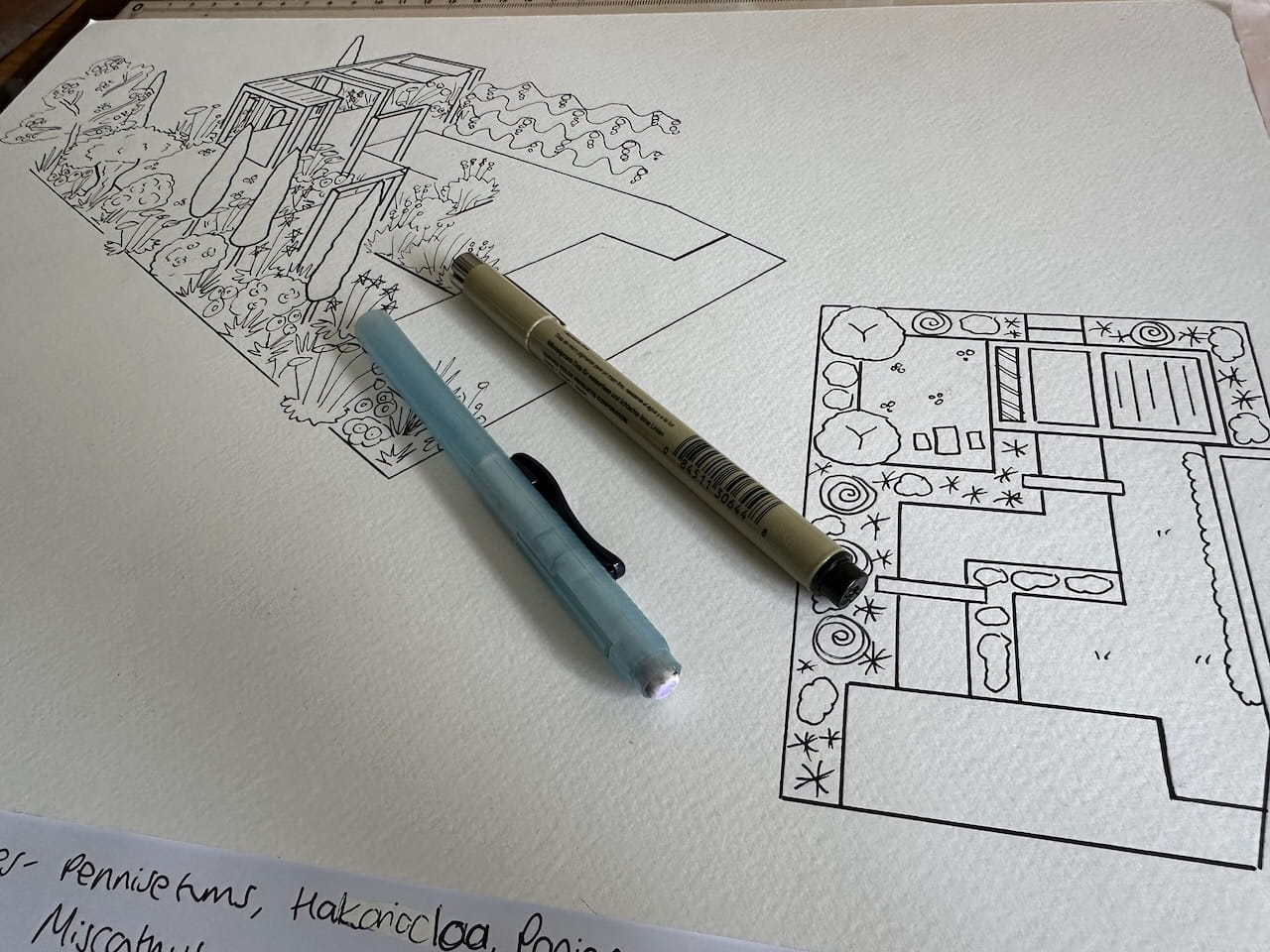
Becoming a garden designer is not a profession you fall into by accident. It takes training and plenty of experience to become qualified and competent. Thankfully, there are plenty of affordable ways to learn garden design, depending on your budget and how much time you have.
In this blog, I’ll explore the most cost-effective ways to learn garden design, from in-person classroom courses to online design courses, and share my top tips for success, including why investing in the right resources can save you time and money in the long run. I’m a prime example of how to retrain as a garden designer and do rather well. This article shares my honest opinion to help you avoid expensive traps and save your valuable time, dear aspiring garden designer.
If you already know you want to learn online, you can compare all my online garden design courses in one place, from the £29 design templates to the full beginner course.
Let’s dig in!
Jump To
This page contains affiliate links for products I use and love. If you take action (i.e. subscribe, make a purchase) after clicking a link, I may earn some gardening commission, which helps me keep the Garden Ninja Blog free for all.
Training to become a garden designer is an utterly fantastic, creative, and sometimes scientific process. However, it’s not the dreamy, Instagram-worthy, lush life that you may see on TV. I’ve written this guide to give you the warts-and-all account of how to learn garden design, and also what to watch out for. Starting a new career as a garden designer or horticulturalist is exciting but incredibly hard, both because of what you have to learn and the awfully low wages in our profession.

I’m sometimes known as a ‘career change garden designer’, compared to those who came straight out of A-levels and went into garden design (there are very few of them). Nearly all the garden designers I know are career changers later in life.
For some reason, it’s become a prefix for us, and I don’t really agree with that. I think the old horticulture and landscape architecture hierarchy uses it to try to separate us. Take my experience and ignore the term, just like you would if you switched from being a project manager to a coffee shop owner; you don’t need a ‘career changer’ moniker to make you feel less capable than those who have done it forever.
I’ve been a gardener since I was a child, but never considered it a viable career (and if I’m honest, there are plenty of easier ways to make a living, but it is my passion). After many years in a high-paying but high-stress IT job, I decided to make this career change to follow my true passion for design and plants. After speaking with a few people, I saw how difficult it is to earn a living while retraining as a garden designer.
I chose to study part-time at Edinburgh Botanical Gardens through their distance courses so I could keep working. Sadly, online training didn’t exist back then, or I would have been all over that. I also volunteered A LOT for other designers, helping out at shows and on jobs. It was a graft, to say the least.
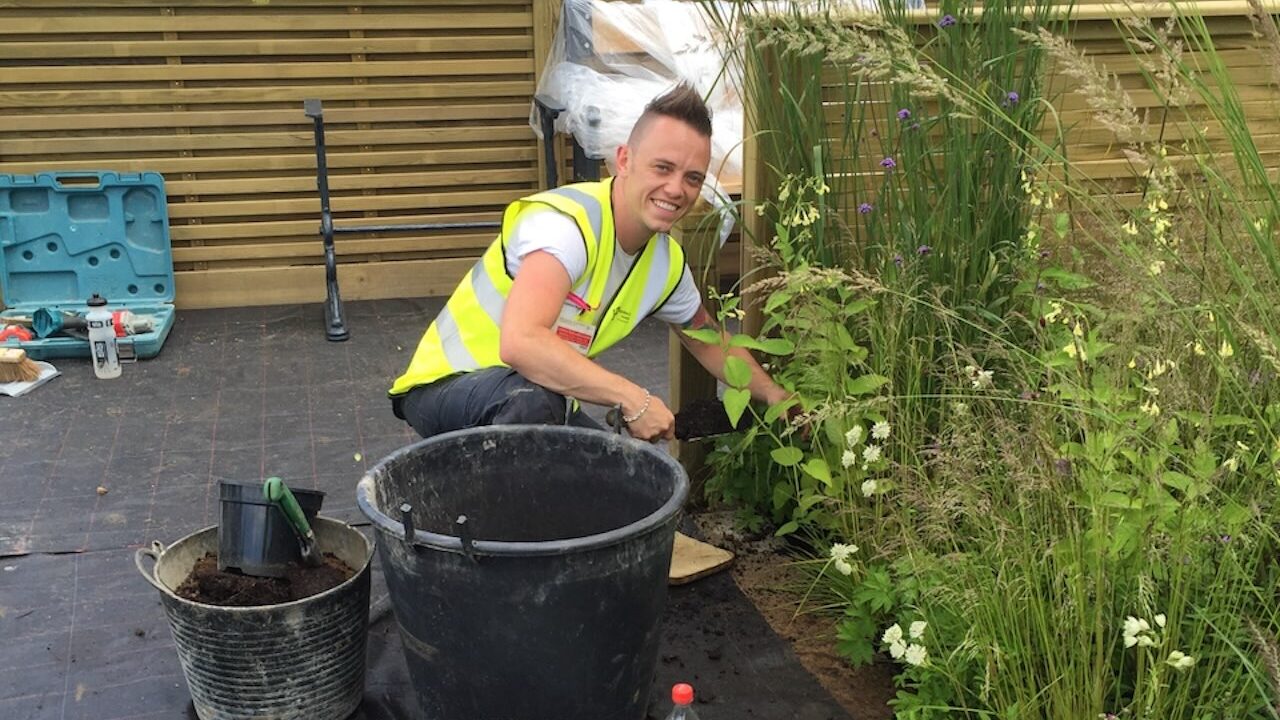
I started at the very bottom. I worked nonstop, took every opportunity and smiled even when clients paid me in cake, brews or goodwill as a new designer. All to get enough experience and confidence to then move into properly paid garden design. Below is me on my very first show, garden beaming, after all the hard work had started to pay off.
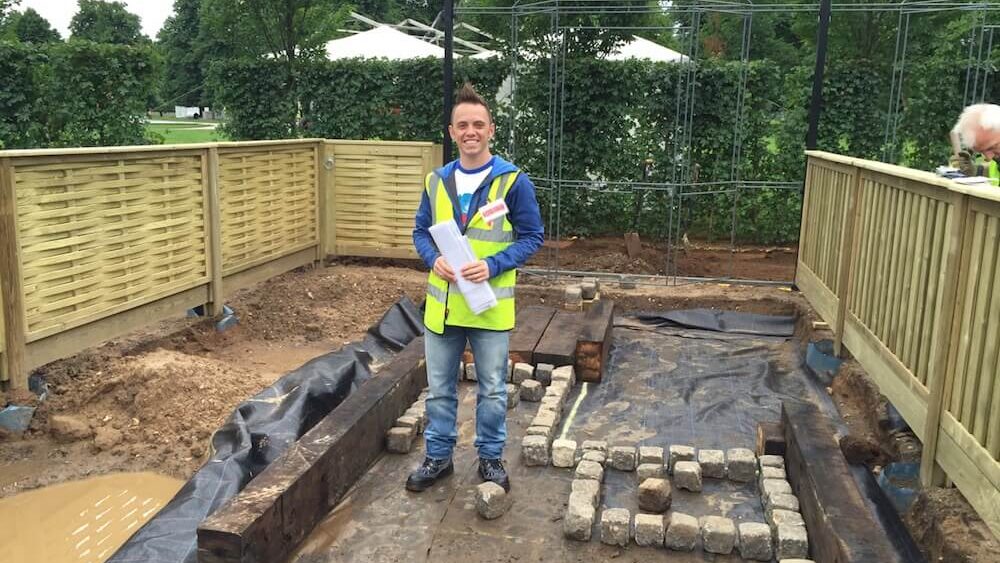
Serendipitously, around the same time I started charging for my design work, I won an RHS and BBC Garden Design competition to create a show garden (see above). The design world called, and I jumped at the chance to see where this creative journey would take me and the rest, as they say, is history!
This article is based on my experience, so you can see how I got to my position as one of the UK’s most infamous garden designers (the mainstream media’s title, not mine). I don’t want to put anyone off this fantastic career in learning how to design gardens, but being honest about the challenges will make you a better designer and businessperson, since the two go hand in hand.
I share advice at the bottom of this article on how to make money as a garden designer. (If you want the full picture on salary expectations and the career path itself, I’ve covered it in depth in my how-to-become-a-garden-designer guide, which pairs nicely with this one.)
This article will show you the various ways to learn garden design and become a garden designer, whether for pleasure, recreation (e.g., designing for friends), or to turn your new skills into a garden design business.
Let’s jump in with the first type of learning: in-person classes and courses.
For some people, classroom courses ‘in person’ meet their best needs, especially for people who learn better in a group of other students. These courses often run as full-time programs, like levels or degree courses, or more often as part-time, weekend, or evening courses spread out over a few years. I recommend classroom courses if you have the time and resources, as they provide in-depth knowledge. Still, they aren’t available to everyone, especially if you have budget or time constraints.
For some students, learning garden design in a classroom setting is the best option. Others benefit from learning alongside other students in a more formal, structured setting. Let me explain the benefits of paying for a classroom-taught garden design course.
Immediate Feedback: In-person courses let garden design students ask questions and get instant, tailored feedback from experienced design instructors. There’s no waiting or ambiguity about the answer. Tutors often have portfolios to show examples of strong garden design practices.
Mentorship Opportunities: Engaging face-to-face with garden design tutors and experts often builds rapport. These design experts can usually offer guidance and career advice and may help open up doors to gardening opportunities.
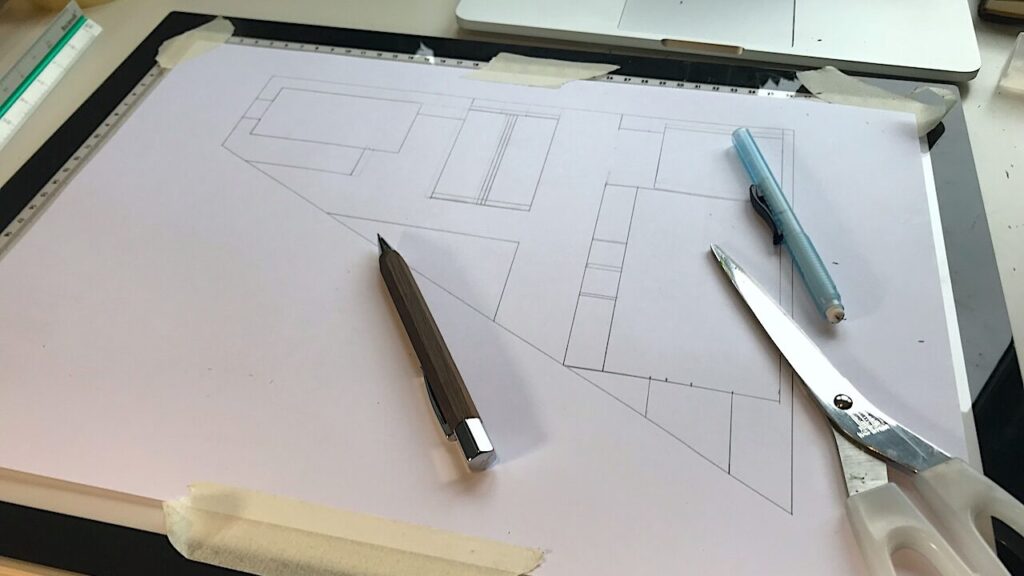
Comprehensive Curriculum: Classroom courses often follow a well-organised schedule covering essential aspects of garden design, including design principles, planting, and project management.
Time Commitment: A set timetable ensures consistent progress and helps students stay on track. It also structures your garden design training, especially if you have struggled to stay focused on self-learning in the past.
Fewer Distractions: Classroom learning helps students stay focused compared to the potential distractions of at-home learning.
Accountability: Regular attendance fosters discipline and accountability, leading to higher completion rates.
Potential Practical Experience: Some in-person courses include drafting plans, using design software, creating real-life mock-ups, and conducting site surveys and garden visits. This can build experience and confidence in garden design.
Access to Tools and Resources: On-site learning provides access to professional-grade tools, equipment, and studio spaces, which can often be expensive to license when you’re starting out as a garden designer. So, accessing tools like SketchUp, Vectorworks, or Adobe Photoshop through a university license can help you decide which tool is best for you without the immediate cost of licensing it yourself.
If you’re drawing by hand, which is still how I start every design, it’s worth reading my garden design drawing equipment guide to see what’s worth buying versus what gathers dust in a drawer.
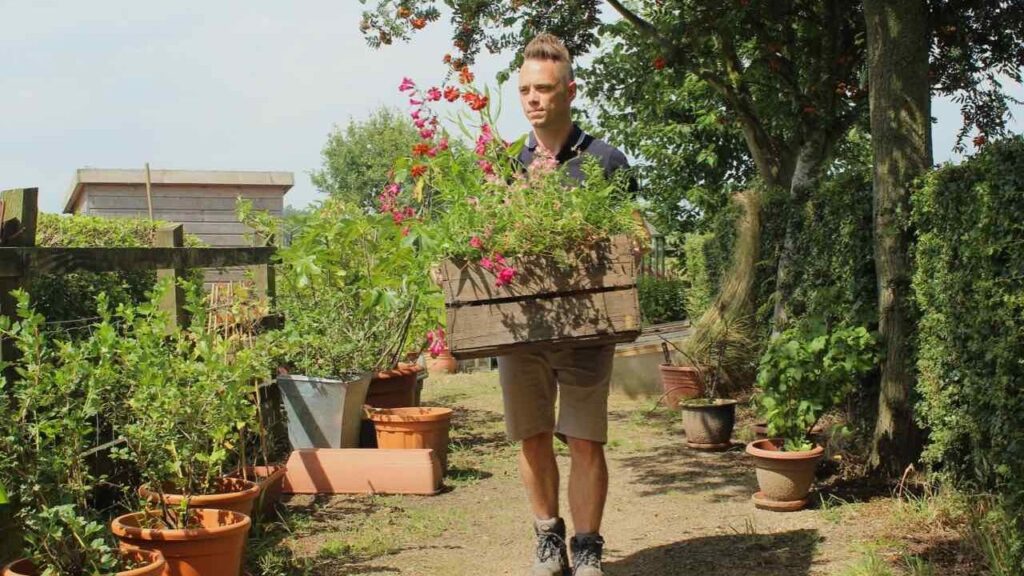
Networking with Trainee Designers: Garden Design Students can collaborate with peers, exchange ideas, and learn from different perspectives. When I was studying, it was fascinating to see other new garden designers’ ideas, layout suggestions, and artistic flair when designing on the same plot with the same garden design brief!
Team Projects: Group work simulates real-world scenarios where trainee garden designers collaborate with clients and contractors. This can help new designers see the bigger picture and determine what they need to start their own garden design practice.
Specialised Campuses: Institutions like Kew Gardens or RHS Wisley provide access to botanic gardens, design studios, and libraries that enrich the learning experience. To put learning into practice, when I studied at the Royal Botanic Garden Edinburgh, classes were often moved outside, where students could demonstrate principles and plant knowledge firsthand. It was invaluable.
Case Studies: Some courses involve studying existing gardens or working on-site to solve design challenges. Some campuses even have trial beds for growing flowers or run a design competition each year, with the winning design built on-site to demonstrate strong garden design principles. It can be a fantastic experience that boosts your confidence and helps you apply your garden designs in the real world.
Recognised Qualifications: Many in-person courses offer industry-recognised diplomas or certifications that improve employability. The RHS Level 2, for example, is the industry standard for any ‘gardening professional’. So it is a good qualification if you want to work in gardening or design.
Some of these are essential for finding employment. Still, others are less important, in my opinion, when finding clients (I believe a strong portfolio, reviews, and the occasional award are far more appealing to clients than academic certificates).
Preparation for Accreditation: Certain programs prepare students for memberships in professional bodies like the Society of Garden Designers (SGD). These accreditations can provide customers with proof when searching for a garden designer, but they can also be incredibly expensive and exclusive to join. More on that later in the article.

While in-person classroom garden design courses offer many benefits, they may not suit everyone because of certain drawbacks. Unless you have an endless pot of resources at your fingertips, these courses may prove problematic, if not impossible, for a new garden designer. Here are five main disadvantages:
Tuition Fees: In-person courses typically cost significantly more than online alternatives because they require more resources, facilities, and staff. This is the biggest drawback of classroom learning. Most courses cost anywhere from £3,000 to £13,000 per year, which you then have to weigh against the value you’ll get, especially if you want to become a full-time garden designer.
Additional Expenses: Students often need to pay for travel, accommodation (if the course is far from home), materials, and sometimes field trips or site visits, adding to the overall cost. You’ll be amazed at what lunches, coffees, and car fuel can do to your wallet when training. Remember, while you’re training, you probably won’t earn much unless you’re employed part-time elsewhere.

Fixed Schedules: Classes are usually held at set times, making it challenging for individuals with full-time jobs, family commitments, or irregular schedules to attend. This can be difficult for people who still need to work whilst studying, as it can limit your options depending on your employer. This is the biggest hurdle for most aspiring garden designers, and it is the time needed for training before you can start earning. Like any career change, it’s a big decision, especially if you need to stop working while you are learning.
Location Dependency: If courses are unavailable nearby, students may have to relocate or commute, which can be inconvenient and expensive. Sadly, most garden design courses are based in London or scattered throughout the UK. So, unless you live in the capital city, you may have to travel a fair distance to study. I travelled to Edinburgh for my studies for over two years, a considered effort with many sacrifices along the way.
Full-Time Focus: Many classroom courses require significant time, which can be impractical for those juggling other responsibilities. For many people, giving up work to study full-time for an uncertain career as a garden designer is too risky. That is why part-time, online, and distance courses are becoming much more popular, as they are less risky and let you keep working in the meantime.
Unless you have wealthy parents or are a career changer with some money in the bank, full-time education simply isn’t an option for most people. This is a real shame, as garden design is a fantastic skill to acquire in so many ways!
Slower Pace for Independent Learners: Students who can absorb content quickly might find the pace of structured classroom learning slower than self-paced online courses. They may feel stuck or held back by other students.
Restricted Resources: Unlike many online courses that offer lifetime access to lectures, videos, and materials, in-person classes often limit access to learning resources after the course ends. This is a big niggle, as with any new subject matter, returning to lessons and materials is key for some students to fully absorb the knowledge. Sometimes, online courses with unlimited access (like my courses) are a better alternative if you need more time to absorb and internalise information.
Note-Taking Reliance: Students may rely heavily on their notes during lessons, increasing the risk of missing key details. I used to spend hours rewriting my notes and condensing my learning into cue cards, which can be a good way to check your progress.
Group Dynamics: In larger classes, instructors may not have enough time to focus on students’ specific needs or questions. Building rapport with your tutor is also important, as they can help you build your knowledge and prepare you for exams or real-life design clients.
Diverse Skill Levels: Classes with mixed abilities can sometimes leave advanced learners unchallenged and beginners struggling to keep up. It depends on your learning style: some students like lectures, others want practical examples, and others prefer to read and then digest the information.
Classroom courses do have their place, and I learnt a lot from an in-person course with a distance element when I was training years ago. I urge you to find some form of in-person learning, especially for practical gardening skills like pruning, seed sowing, and maintenance. This is especially true if your garden design business will include maintenance. Many do so to help with the winter slowdown in design work and to fill gaps if your client book becomes empty!
If you’re looking to learn garden design in a classroom setting in the UK, several top-rated courses cater to different levels of experience and career goals. Here are some of the best options for studying garden design here in the UK, in no particular order:
Located in London, KLC offers part-time and full-time garden design diplomas. These courses emphasise technical skills (like surveying, CAD software, and construction documentation) and creative design approaches. A unique feature is its collaborative projects with prestigious events like the Hampton Court Garden Festival, giving students real-world exposure and the chance to create show gardens. The course also includes career workshops and portfolio guidance to help launch your career in garden design.
The Royal Horticultural Society (RHS) offers highly regarded gardening and horticulture courses, ideal for aspiring garden designers building foundational knowledge. These classes are available at several RHS gardens, such as Wisley and Harlow Carr, and combine theoretical lessons with hands-on experience in stunning outdoor settings.
I took the Level 2 RHS exam as my first qualification and can’t recommend it highly enough. It gives you a solid foundation in plants, soil, garden design layouts and other considerations. In fact, I’m not sure anyone could study garden design without Level 2 under their belt, given the course’s plant-heavy nature.
It takes you from knowing nothing about Latin to feeling comfortable with plant taxonomy in 1-2 years of training. Each module has an exam at the end. Once you’ve sat and passed the exams, you know you’re fully competent with the subject matter, and it’s universally accepted in horticulture.
Myerscough offers a wide range of garden design and horticulture courses for beginners and professionals looking to build their skills. These programs blend theory with practical application in a hands-on learning environment. They’re a great college, and I even had them feature their students on my Northern Star showgarden at RHS Tatton!
The Level 3 Diploma in Horticulture (Garden Design Focus) is an excellent starting point for those new to the field. This course typically takes 1–2 years to complete, depending on study intensity. It is free for students aged 16–18, while adult learners can expect fees ranging from £1,500 to £3,000, with Advanced Learner Loans available. The program provides a strong foundation in horticulture, including essential garden design principles, plant care, and sustainable landscaping practices.
For those pursuing a professional path, the Foundation Degree (FdSc) in Landscape Design and Management offers an ideal blend of landscape theory, practical design skills, and management training. You can complete this program in 2 years full-time or 4 years part-time, with tuition fees of about £9,000 per year for UK students. Tuition loans are available.
The BSc (Hons) in Landscape Design and Management (Top-up) is designed for individuals with prior qualifications who wish to advance their expertise. This program is available as a 1-year full-time or 2-year part-time course and costs around £9,000 for UK students. It emphasises advanced design concepts, environmental sustainability, and project management, equipping students with the skills needed to excel as professional garden designers.
Myerscough’s Preston campus offers these programs and boasts excellent facilities, including ornamental gardens, greenhouses, and modern studios, ensuring a comprehensive and immersive learning experience.
The SGD maintains a list of accredited garden design programs across the UK. These courses meet high professional standards and are offered at universities and specialised design schools. Programs often include modules on professional practice, sustainable landscaping, and client engagement, setting you on the path to becoming a Registered Member of the Society.
The London College of Garden Design (LCGD) provides intensive diplomas for those with a serious interest in garden design. Courses focus on landscape design, planting schemes, and integrating environmental practices, with support from industry professionals to help graduates find work opportunities. Andrew Fisher Tomlin is an excellent chap who has been championing new designers for decades and is a brilliant tutor on this course.
The course at LCGD records every lecture and provides all handouts and presentations digitally, so students have lifetime access to the course material. They also run a programme of free and very low-cost events (lectures and visits) exclusive to graduates, so they can update their skills on subjects like Biodiversity net gain requirements for design (BNG) as they are introduced.
Worth a mention alongside the classroom options above, and one that gets overlooked far too often, is the apprenticeship route. Modern Apprenticeships and their equivalents across the UK nations combine paid, on-the-job training with a formal qualification, so you earn while you learn rather than the other way around.
They’re structured around competency-based units alongside technical knowledge, and pathways typically cover landscaping, parks and green spaces, or garden maintenance rather than pure design, but they can be a useful foot in the door if full-time study isn’t realistic for you.
I’d treat an apprenticeship as a strong route into the wider industry and a good way to build horticultural knowledge and contacts, with design specialisation layered on afterwards through one of the routes above once you’re established.
All the above garden design courses vary in duration, cost, and specialisation, so choose one that aligns with your career goals and learning preferences. Whether you’re starting fresh or upskilling, these programs are an excellent investment in your future as a garden designer and can be the stepping stone you need to become a fabulous, well-respected garden designer. But if you can’t attend a classroom garden design course, what are your options?
Let’s take a look at alternatives.
Online courses are one of the most flexible and cost-effective ways to learn garden design without sacrificing years of your life to a classroom schedule or risking your job. They often provide in-depth tutorials, downloadable resources, and step-by-step guidance, all without the high costs of in-person workshops or private consultations. By learning garden design online, you can avoid the high costs of classroom courses and study at your own pace. In my view, it’s a more measured, risk-free way to retrain as a garden designer at your own pace.
I’m not saying you can learn everything you need to be an amazing and competent garden designer online. However, you can cover a large portion of the theory and then focus your resources on any gaps you may have, such as shorter courses or on-the-job experience.
Online garden design courses are a cost-effective alternative to traditional design schools or in-person professional consultations. They typically cost a fraction of formal education, making them an accessible choice for aspiring garden designers on a budget. Many online courses let learners pay in instalments through flexible payment solutions like Klarna or similar services that Garden Ninja offers in his shop, making learning as affordable as possible.

For example, spreading payments over several months lets you invest in your education without a significant upfront financial commitment. This flexibility enables you to focus on learning without the stress of immediate financial strain. Additionally, online courses often eliminate extra travel, accommodation, and materials costs, further enhancing their value.
Online garden design courses combine affordability with practical payment options, making them ideal for learners seeking high-quality, budget-friendly, and flexible education.
Online garden design courses offer unmatched flexibility, letting you learn on your own schedule. Whether you’re balancing a busy career, family commitments, or personal projects, online courses enable you to fit lessons into your lifestyle. This means you can dive into modules in the evenings, during weekends, or even in short bursts throughout the day, whatever suits your rhythm.
Many online platforms offer pre-recorded video tutorials, downloadable resources, and live Q&A sessions, letting you control how and when you engage with the material. This flexibility is ideal for those who may not have the time or ability to commit to fixed classroom hours. You can also revisit course content as often as needed, reinforcing your learning without pressure or deadlines.
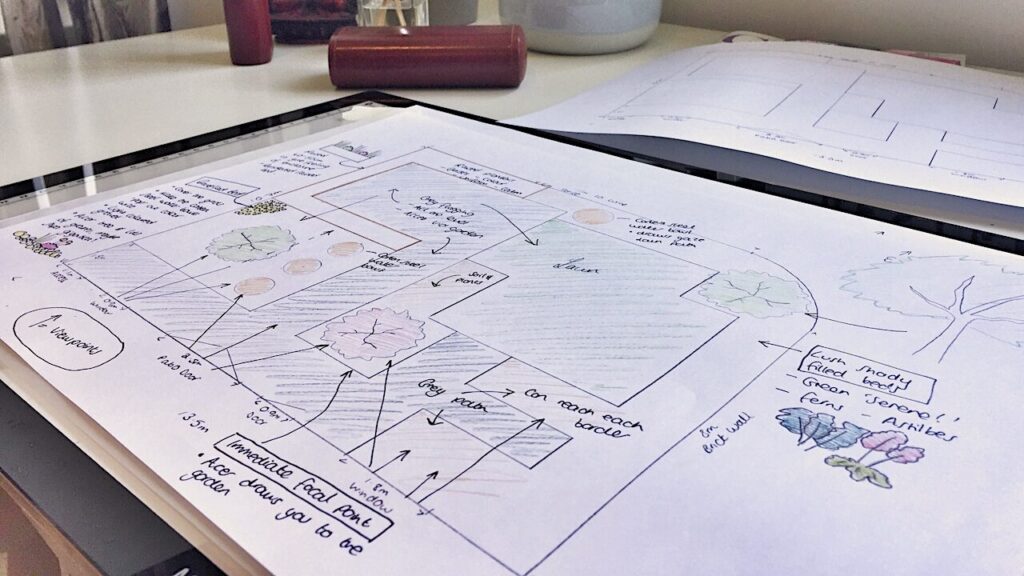
Many online garden design courses are crafted and taught by award-winning garden designers (like me!) who bring firsthand expertise and unique perspectives. These instructors often share technical knowledge, real-world insights, and industry secrets that are difficult to find in textbooks or generic tutorials.
Learning directly from expert garden designers with proven success gives you access to creative approaches, problem-solving strategies, and tips honed through years of their practical experience in horticulture and design. Award-winning designers often draw on their own projects, using case studies and behind-the-scenes stories to deepen your understanding.
This direct connection to a garden design expert helps you build foundational skills and gain the inspiration to approach design with a professional mindset. They have walked the walk and dealt with a myriad of garden design issues, so you can fast-track your knowledge by learning from them.
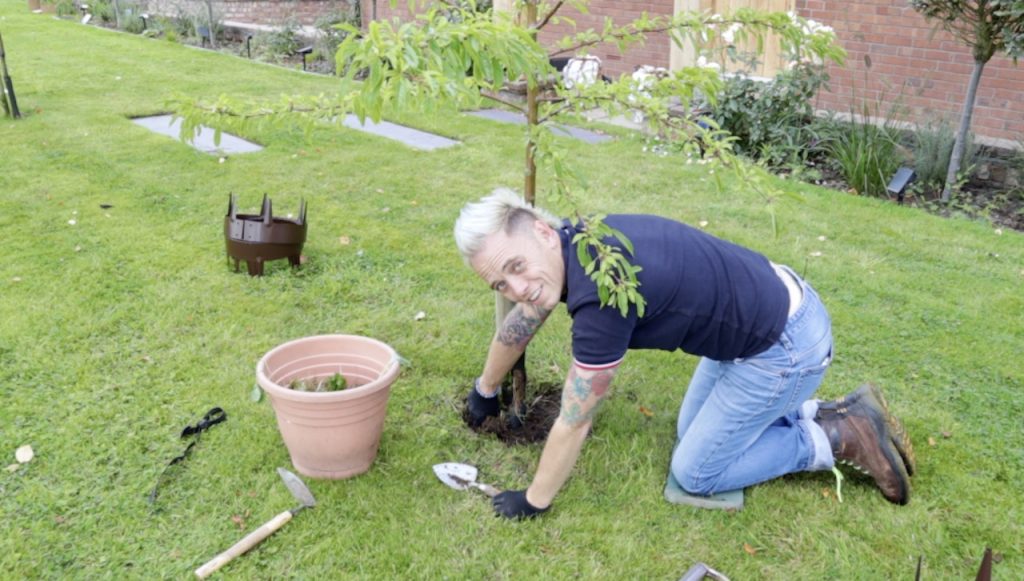
Many online garden design platforms offer lifetime access to their course materials, an invaluable benefit for learners at any stage of their journey. This flexibility lets you revisit lessons, tutorials, and design exercises as often as you need. This reinforces key concepts over time. Unlike traditional classroom settings, where access to lectures and resources is limited to the course duration, lifetime access lets you learn and grow at your own pace.
I offer lifetime access to my courses because I find it helpful to revisit both the lessons and the example designs. To this day, I still go back to some of my old design notes from class. I wanted to make sure my online garden design courses had this opportunity, too!
As your skills and confidence grow, revisiting these materials can solidify foundational knowledge, refresh advanced techniques, and spark new ideas. This feature is especially helpful for those who may need to pause their studies because of other commitments, as it removes the pressure to complete everything within a set timeframe.
Lifetime access turns an online course into a long-term investment, letting you keep refining and expanding your garden design expertise without additional costs.
Nothing is more heartbreaking than hearing from aspiring designers who paid £13,000 for a year of classroom training, only to find out after a few lectures that it may not be the career for them. Sometimes, the giddiness of change makes us overlook the practicalities of a career change. No judgment here, Ninjas.
This is where an online course can really save money. If you realise you don’t want to commit to the career change, you have lost maybe a few hundred pounds and learned a few things you can use in your own garden. Rather than taking out an educational loan or going into debt for a course you know you’ll never repay.
It’s also worthwhile looking for bundles that combine multiple courses for a discounted rate. For example, my 3-Course Garden Design Online Bundle is a comprehensive, budget-friendly option for anyone who wants to master garden design without breaking the bank.
Another often under-utilised way to learn garden design is through online video guides and tutorials. Platforms like YouTube also offer a treasure trove of free garden design tutorials if you know where to look and check the accreditations or qualifications of the designers on there. You’ll find plenty to explore, from basic concepts to advanced techniques.
Free content is always the most ‘cost-conscious’ method of learning garden design, but it is also the most hit-and-miss. Finding the right videos, with the right design principles and qualified instructors, can feel like a minefield. If you want to learn garden design on YouTube, here are some tips.
Search for beginner-friendly videos on topics like garden layout, plant selection, and soil preparation. Use the chapters in garden design books to structure your learning; you will soon get lost in the world of horticulture, plant and design rabbit holes!
Stick to reputable channels with expertise in garden design (like my Garden Ninja YouTube channel!) to ensure you get accurate, practical advice.
Use free tutorials to complement paid courses, fill in gaps, or reinforce what you’ve learned, but I urge caution: a well-structured course will help keep you on the right track by teaching the right concepts in the right order. The risk with YouTube is that you end up down a rabbit hole of content, learning bits and bobs but never fully connecting the learnings into true design.
While free resources are invaluable, they often lack structure. Pair them with a more organised learning method to progress faster.

Books remain one of the best ways to dive deep into garden design theory and techniques. Whether you prefer physical copies or e-books, you’ll find plenty of affordable options, and unlike online videos, books offer a solid table of contents to follow.
Beginner garden design books can help you learn the basics by providing solid examples of design and planting. The big difference between books and garden design courses is that books simply explain the principles without testing your knowledge. Classroom or online garden design courses have assessments and quizzes to ensure you have fully learnt the fundamentals.
These assessments or quizzes can show gaps in your knowledge, so you know where to go back and learn more. Books will never give you this feedback and can leave you feeling like you know what you’re doing, only to come unstuck when you hit the design board or try to hold your first client consultation! Several fantastic beginner garden design books can supplement your learning in a classroom or online course. Here are a few I have used over the years (links are affiliate, so if you buy them, I receive a small kickback).
Below are some of the books I still lean on during creative droughts or when I need reassurance on a garden design problem or pickle that keeps me up at night. I highly recommend you read them, or even try to reserve them from a library if you’re on a tight budget.
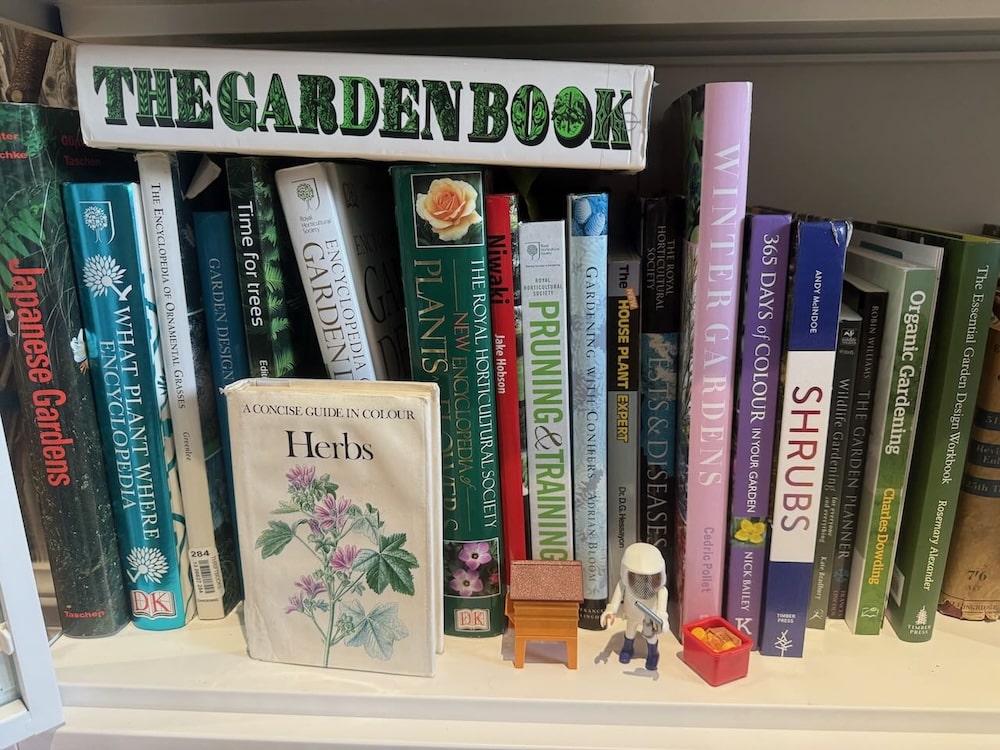
In no particular order, these books have proven invaluable for my students and me over the years.
Learning garden design from social media influencers can seem appealing; they’re relatable, accessible, and often present beautifully crafted gardens that inspire creativity. However, this is where garden design learning can quickly get stuck, as influencers and content creators often push content for engagement rather than real education.
The biggest risk is taking their words or examples as gospel, only to find they don’t work in the real world of garden design, so you need to take them with a pinch of salt. I’ve included the details below to highlight the pitfalls.
Relying solely on influencers for education, whether that be on TikTok or Instagram, can come with several challenges. This approach may not always be the best path to mastering garden design, and in my experience, I wouldn’t use social media influencers to build your garden design knowledge in the first instance unless they have a credible garden design CV to back it up. Always watch guides or reels with a pinch of salt because of these niggles in influencer learning in garden design.

Influencers often focus on aesthetics rather than the core principles of garden design. While they may share tips and trends, their content is typically curated for entertainment or inspiration rather than teaching. This can leave you without a strong foundation in essential skills like site analysis, sustainable practices, and plant science.
Most influencers cater to a broad audience, so their advice may lack the specificity your garden’s unique conditions require. What works for their climate, soil, or style may not be practical for your own garden. They may also base their ‘advice’ on learned experience but lack a grasp of the fundamental principles of garden design or horticulture. I.e., trial-and-error gardening, which, while important, shouldn’t form the basis of professional-level design training.
As a result, influencer garden design short guides may not work when you try to replicate them, or worse, they may be made-up tips for clicks.

Social media platforms are saturated with differing opinions and advice, making it hard to discern which tips are credible or compelling. Influencers may prioritise popular trends over timeless design principles, which can lead to poor long-term results.
Unlike structured courses, influencer content usually doesn’t offer personalised feedback or one-on-one guidance. This can hinder your progress because no expert is available to correct mistakes or answer specific questions.
While social media posts can inspire quick ideas, they often lack the depth needed for real skill-building. True garden design requires understanding concepts like proportion and symmetry and how to create a garden that evolves beautifully over time. Many influencers are paid to promote products, which can skew their recommendations. This might lead you to invest in tools, plants, or materials that aren’t the best fit for your project.
Volunteering with professional garden designers is a fantastic way to complement your formal training and gain real-world garden design experience. I can’t speak highly enough about my time with multiple expert garden designers on jobs or on their show gardens at RHS shows. You will learn far more on the job than in a course, and this is where you can put your formal knowledge into practice in the real world. Here’s why this approach is invaluable for knowing how to learn garden design:
Volunteering puts you directly into garden design, where you can see how professional designers plan, execute, and manage projects. Unlike theoretical lessons, you’ll face challenges like unpredictable weather, client expectations, and site-specific issues, giving you a practical understanding of the industry. These experiences enrich your classroom learning by showing how concepts like spatial planning and planting design work in practice. They can also give you a real-world sense of what it’s like to run your own garden design business.
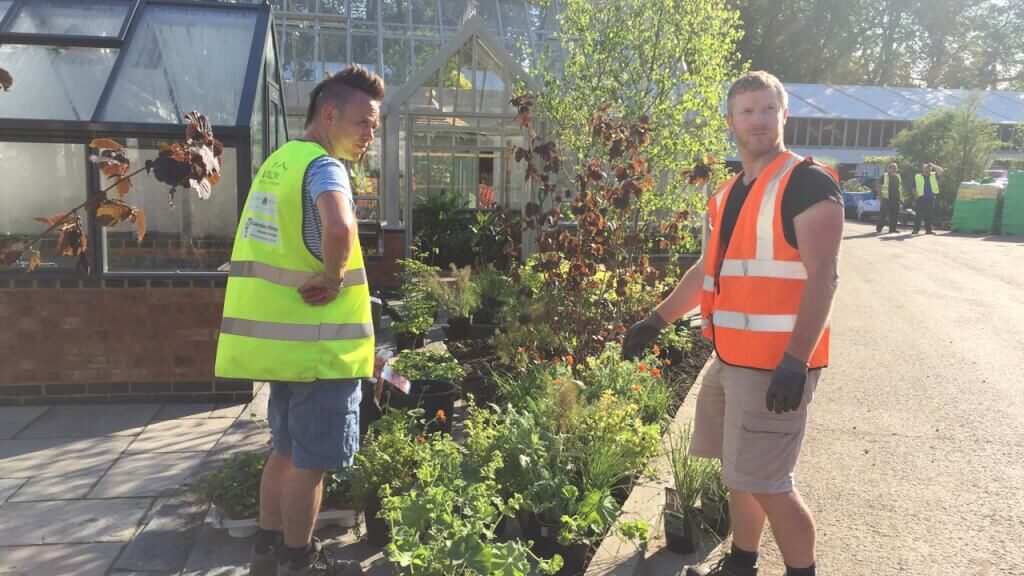
By assisting a professional garden designer, you’ll likely encounter a range of garden styles and scales, from small urban spaces to sprawling country landscapes. This variety broadens your perspective and helps you identify the types of projects you enjoy most. You’ll also see how professionals tailor their designs to suit different clients and settings, an essential skill for success.
Volunteering allows you to build relationships with industry professionals and other volunteers, which can lead to future job opportunities or mentorship. I have met so many people by helping garden designers show gardens, andit’ss a fast track to building this essential business network. These connections often open doors that courses alone cannot, especially when you’re just starting out. Building a reputation for reliability and enthusiasm can help establish you as a promising talent and get your face seen (a mohawk can help, too!).
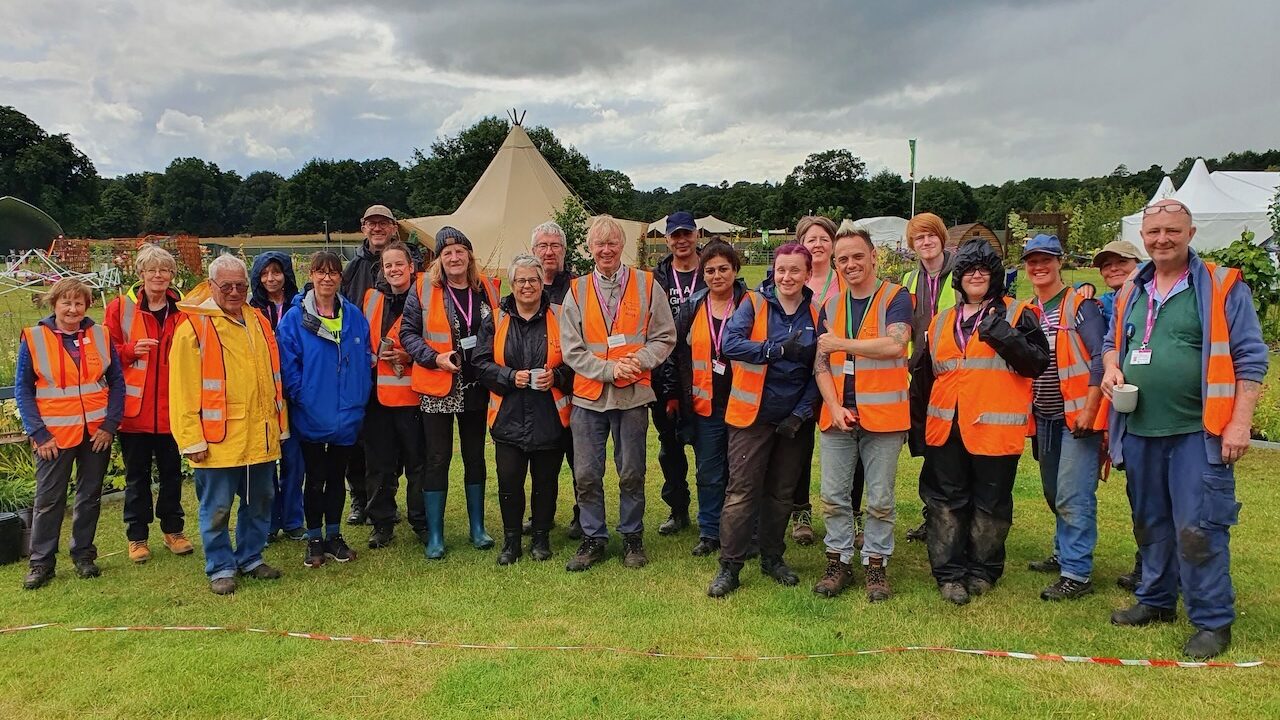
Professional garden designers juggle more than creativity; they also handle client relations, budgeting, and project management. Volunteering gives you a glimpse into these aspects, which training courses rarely cover in depth. Understanding the business behind the design prepares you to run your own practice one day or to decide whether you would prefer to work for a larger garden design consultancy rather than take on the risk of self-employment.
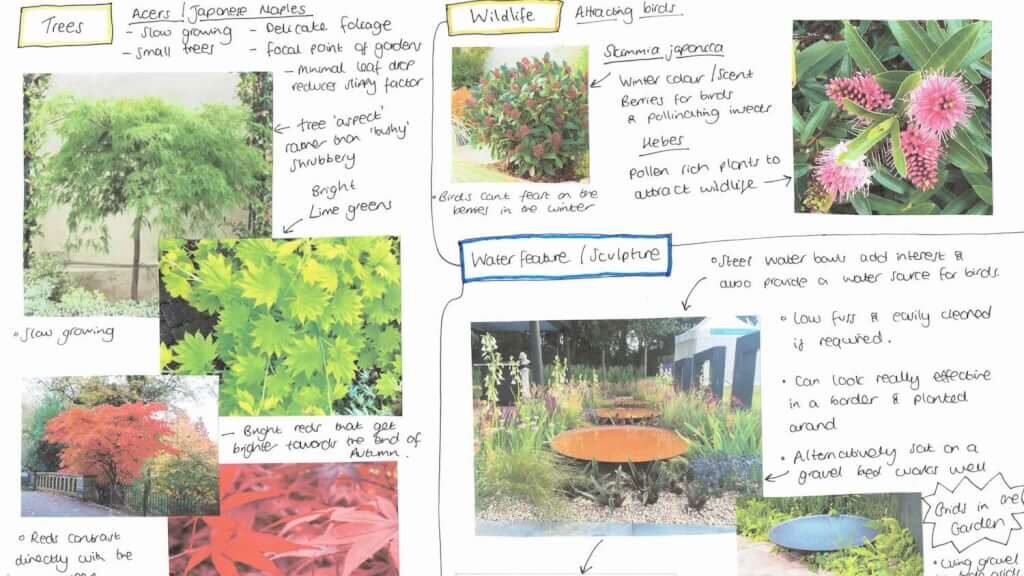
From planting techniques to sourcing materials, volunteering lets you get your hands dirty and refine practical skills. I learnt a lot about plant combinations from gold-medal-winning garden designers and show gardens. It helped me bulk up my plant knowledge when I first started out. I acted like a sponge, soaking up all this new learning while volunteering. Watching experienced designers problem-solve on the spot offers valuable lessons in decision-making and adaptability, so you’re better prepared for real-world challenges.
While free resources such as online free garden design templates are valuable, investing in a well-structured course or book can save you money in the long run. Poor planning or lack of knowledge can lead to costly mistakes, such as:
My final thoughts are that you need a mix of classroom and online training to give you well-rounded knowledge of garden design. In my experience, this is the perfect blend without taking on debt, giving up years of your life, or taking risks. By learning the fundamentals of garden design affordably, you’ll gain the skills to create a stunning garden without the trial-and-error expense.
Starting with an online garden design course can also help you temperature-check whether this is the career for you. It may even lead you to other areas of horticulture such as garden maintenance, arbourism (tree management), floristry or even becoming a garden tutor yourself!
If you want the whole picture on one screen, here’s how each route stacks up on cost, time, and the feedback you’ll actually get. The figures are typical ranges, not quotes, so always check current fees with the provider before you commit.
Reading across the rows, you’ll notice the cheapest routes give you the least feedback, and feedback is what turns knowledge into competence. That’s exactly why I recommend blending a structured course with time spent volunteering alongside a working designer, rather than leaning on free content alone.
No, garden design isn’t a regulated profession in the UK, so you don’t need a single qualification before taking on clients. That said, formal training gives you a genuine head start, building your plant knowledge, teaching you to draw and present designs professionally, and giving you a network of tutors and fellow students. Most successful designers I know have a mix of formal study and hard-won experience, rather than one or the other alone.
It depends entirely on the route you choose. A part-time diploma might take one to two years, RHS Level 2 typically takes one to two years alongside other study, and a degree can take three to four years. Self-directed learning through books, online courses and volunteering has no fixed timeline, and most designers, myself included, would say the learning never really stops once you’re working with clients.
Yes, absolutely. Many of the most respected garden designers I know came up through diplomas, RHS qualifications, online courses and plain hard graft rather than a university degree. A degree can open certain doors, particularly in larger practices or landscape architecture, but it isn’t a prerequisite for building a successful garden design business.
It depends on your career stage and budget. SGD membership can reassure prospective clients that you meet a recognised professional standard, but it costs money and isn’t essential for finding work. Early on, I’d prioritise building a strong portfolio and genuine client reviews over chasing accreditation, and revisit SGD membership once your business is established.
Garden designers typically work on private residential gardens, while landscape architects more often work on larger-scale public or commercial projects and usually hold a specific accredited degree. The terms get used loosely, but if you’re aiming to design private gardens for individual clients, the garden design training routes covered in this guide are the right starting point rather than a landscape architecture degree.

Join over 100,000 gardeners on YouTube
Free gardening videos from the Garden Ninja, with 8 million views and counting.
Subscribe on YouTube, it’s freeIf you want to start your journey to train as a garden designer, my Garden Design for Beginners Course is here to help!
This course offers step-by-step guidance from me, Lee Burkhill, award-winning garden designer and presenter on BBC1’s Garden Rescue. In this course, you’ll go from garden design novice to confident designer, equipped to tackle any green space.
Enrol now for just £199 and start your journey toward garden design mastery!
For the garden you’ve already got, not the one you’re starting from scratch. Seven checklists and video lessons from BBC Garden Rescue’s Lee Burkhill, designed to help you decide what’s worth keeping before you spend a penny.
Garden Design Examples for Small Gardens: 30 Design Templates & Planting Plans: In this online gardening course, I’ll walk you through 30 fantastic garden designs, explaining the logic behind the layout and plant choices, plus take-home tips for applying them in your own garden.
Learn how to transform and design your garden with Lee Burkhill’s crash course in garden design. In over 5 hours, Lee will teach you how to design your dream garden. Featuring practical design examples, planting ideas and video guides. Learn how to design your garden in one weekend!
Garden Design for Beginners Online Course: Want to become a garden designer or design your own garden? This beginner course is for you. Join me, Lee Burkhill, an award-winning garden designer, as I train you in the art of beautiful garden design. Enjoy 20 hours of online study and video lessons, along with quizzes and a completion certificate.
Hopefully, this article has given you plenty to think about as you learn garden design. Whether through a classroom-based course or online resources, choose the learning method that best suits you. Whether it is due to time constraints, budget, or personal preference, take your time and learn steadily. You can’t rush the garden design experience, so enjoy the learning process. You will also find many gems along the way as you train to become a garden designer that will pique your interest.
Lastly, you will never learn everything about garden design or plants, and that is the beauty. Everyone specialises; the gardening community is a fantastic resource for sharing its combined knowledge. So if you don’t know something, find someone who does, and most of the time, they will be willing to help share that gardening knowledge.
Happy Gardening!


Lee Burkhill, known as the Garden Ninja, is an award-winning garden designer and horticulturist with over 30 years of gardening experience and 15 years as a professional garden designer. A qualified RHS (Royal Horticultural Society) professional, Lee specialises in sustainable garden design and practical horticultural advice. He designs and presents on BBC1’s Garden Rescue and in leading gardening publications. Lee combines three decades of hands-on gardening knowledge with professional design qualifications to help gardeners create beautiful, functional outdoor spaces.
View all posts by Lee Burkhill








JOIN THE NINJAS

Be the first in line for new Guides, Discount codes and Offers