For the garden you’ve already got, not the one you’re starting from scratch. Seven checklists and video lessons from BBC Garden Rescue’s Lee Burkhill, built to help you work out what’s worth keeping before you spend a penny.
69


I always remember standing in my own garden one May morning a few years back, coffee in hand, looking at a potting bench absolutely groaning with tomato plants, sweet peas, dahlia tubers and courgette seedlings, all waiting to go out. The garden felt like it was holding its breath. By the end of that weekend, every last one of them was planted (well, in my mind, there were no doubt a few that didn’t get planted in lieu of an afternoon celebratory cocktail). May is the gardening month that I believe leaves you feeling satisfied that things are looking up!

This guide covers everything you can sow, plant, and do in May across vegetables, flowers, fruit, and the lawn, with regional notes for UK gardeners further north, where the season runs a week or two behind the south. Whether you have a raised bed, a balcony, an allotment or a traditional border, May has something for you.
Quick Answer
May is the UK’s best planting month. After the last frost risk passes (mid-May for most areas, end of May in northern England and Scotland), you can plant out tender crops including tomatoes, courgettes, beans and dahlias. Directly sow hardy and half-hardy annuals, herbs, salads and brassicas. Continue hardening off seedlings raised indoors. Mow lawns regularly, deadhead spring bulbs, stake perennials, and plant hanging baskets once frosts have gone.
Jump To
This page contains affiliate links for products I use and love. If you take action (i.e. subscribe, make a purchase) after clicking a link, I may earn some gardening commission, which helps me keep the Garden Ninja Blog free for all.
The golden rule for May planting is simple: watch the forecast, not the calendar. For the majority of England and Wales, the last frost risk passes around the middle of May. In the Midlands, northern England and the higher ground of Wales, I always advise waiting until the final week of May before trusting tender plants outside. For Scotland and Northern Ireland, the end of May and even early June is safer for the most sensitive crops.
A single unexpected frost can wipe out weeks of careful seed raising overnight. I have seen it happen too many times to be cavalier about it. Tomatoes, courgettes, basil, dahlias, French and runner beans are all killed or severely set back by even a light frost. Keeping a supply of horticultural fleece to hand costs almost nothing and can save a whole season’s worth of plants. Check the forecast each evening through the first three weeks of May and be ready to cover anything tender if the temperature looks like it will drop below 2°C.
⚠️ Frost Warning
Never plant out tomatoes, courgettes, runner beans, basil, dahlias or any tender bedding before your local last frost date has passed. In the North of England and Scotland this can be as late as the end of May or early June. When in doubt, wait another week. A delayed planting rarely loses you much time, but a frost-killed crop can cost you the entire growing season for that plant.
🛒 Buy horticultural fleece from Amazon UK
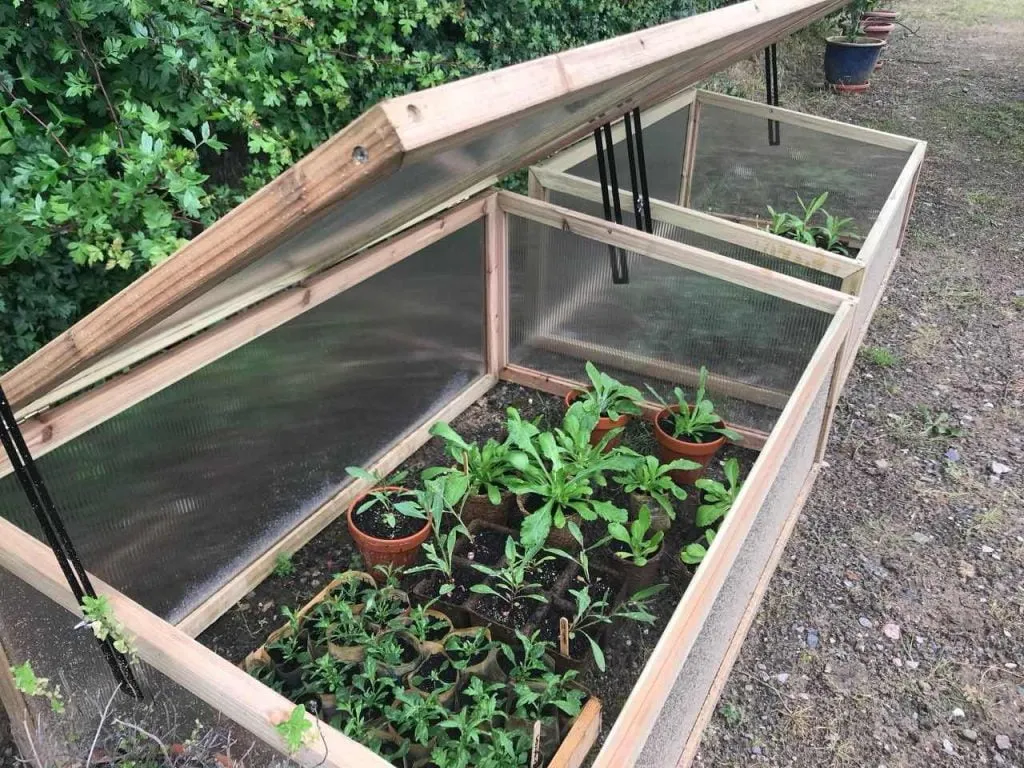
If you have raised seedlings indoors or in a heated greenhouse, they need a period of gradual acclimatisation before going outside permanently. This process is called hardening off, and skipping it is one of the most common reasons why carefully raised plants fail in their first week outdoors.
The method is simple and reliable. Begin by placing seedlings outside in a sheltered spot during the warmest part of the day, then bring them back in before evening.
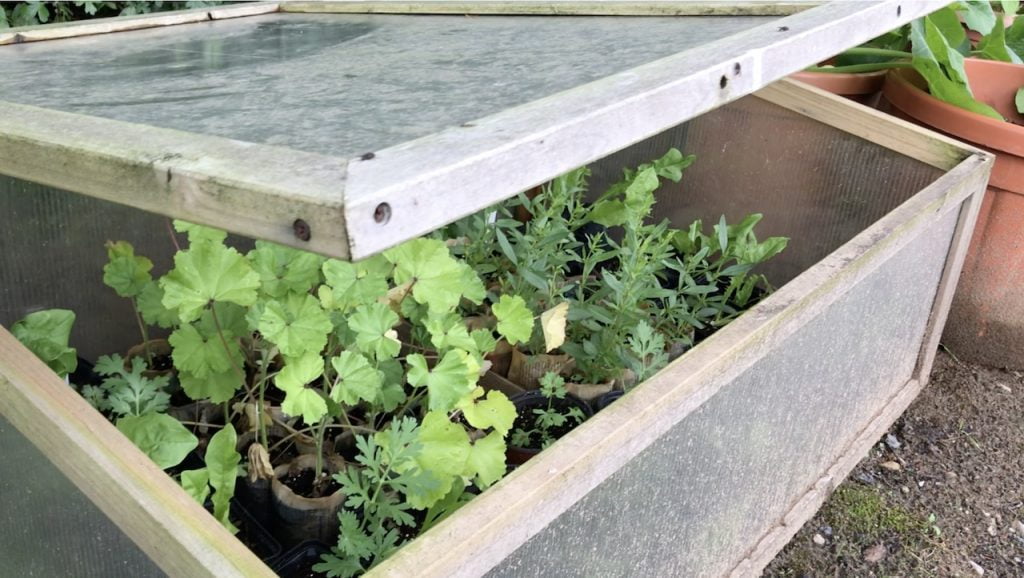
Do this for 10 to 14 days, gradually increasing the time they spend outside and introducing them to a little wind and direct sun. By the end of the period, they should be able to stay out overnight without protection. A cold frame makes the whole process considerably easier and is one of the most useful investments a kitchen gardener can make.
💡 Top Tip
Even plants described as fully hardy on their label benefit from a hardening off period if they have been raised under glass or on a warm windowsill. The issue is not just cold temperatures but the dramatic difference in humidity, wind exposure and light intensity between indoors and outside. Give everything at least a week of transition and your survival rates will be dramatically better.
🛒 Buy a cold frame from Amazon UK
May is peak season for vegetable planting. Once your last frost date has passed, the doors open wide for a huge range of crops. Here is what to plant and when.
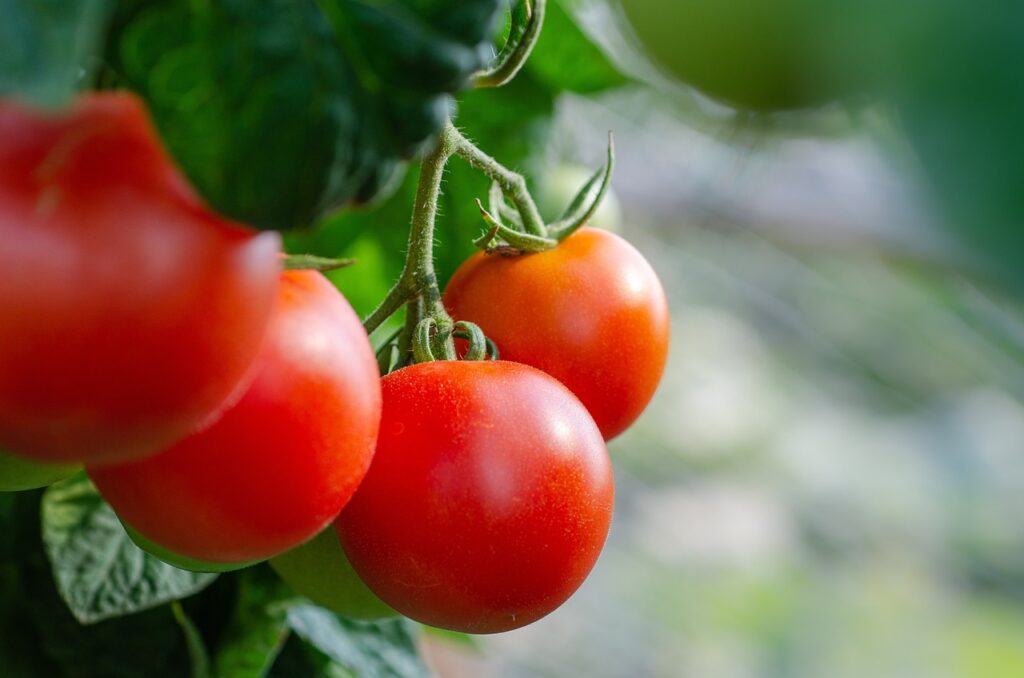
Tomatoes are the most eagerly anticipated May planting for most kitchen gardeners, and rightly so. Plant them out into their final positions once all frost risk has passed. I always grow mine in the greenhouse until mid-May and then move the hardiest varieties outside once the nights are reliably warm. Choose a sheltered, sunny spot and plant deeply, burying the stem up to the lowest set of leaves. This encourages strong root formation along the buried stem and gives the plant a much more robust foundation than a shallow planting.
Cordon (indeterminate) varieties need a cane for support and will need their side shoots pinched out regularly as the season progresses. Bush varieties are more self-managing. Both types benefit enormously from a consistent watering regime and a weekly high-potash feed once the first flowers appear.
🛒 Buy tomato plants from Amazon UK
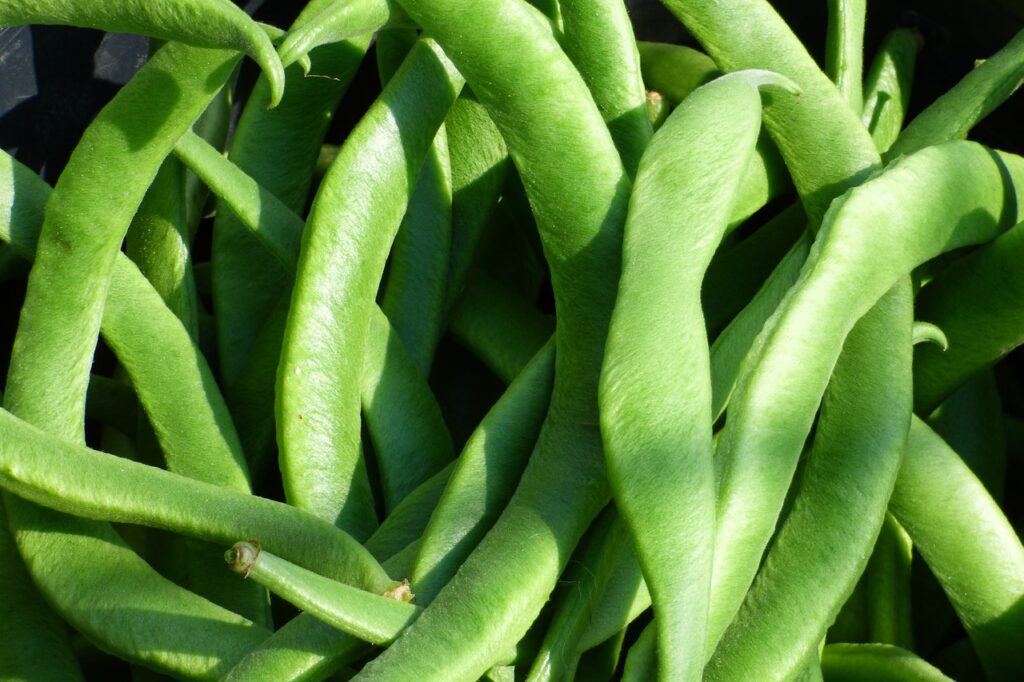
Beans are May’s most satisfying planting. Runner beans in particular are spectacular plants, fast-growing, productive and covered in orange or red flowers that the bees absolutely love. Do not plant them out until all frost risk has passed, since even a light frost will blacken the leaves and set the plants back significantly.
Both runner and French beans need a sunny, sheltered position and moisture-retentive soil. They are thirsty plants and should not be allowed to dry out, particularly once the pods start to form. Set up your support structure (canes, bean poles, or netting) before you plant so you do not disturb the roots later. For runner beans, a wigwam of eight canes tied at the top works beautifully and looks good in the garden too. Sow two seeds per station and remove the weaker seedling once both have germinated.
🛒 Buy runner bean seeds from Amazon UK
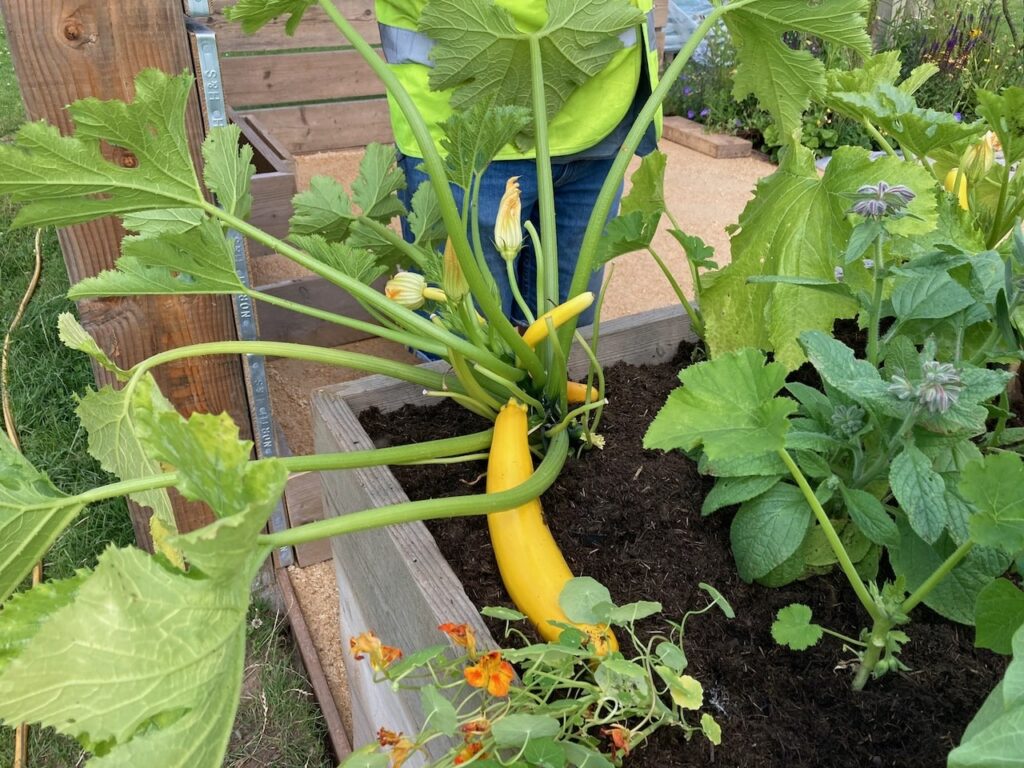
Courgettes are one of the easiest and most rewarding vegetables a beginner gardener can grow, and May is exactly the right time to plant them out. They need space, around 90cm between plants, and they will fill it with startling speed. A single courgette plant can produce more fruit than a family of four can easily consume. If you are new to growing your own, this is the plant I would always recommend you start with.
Plant in a sunny spot with rich, moisture-retentive soil. Courgettes are hungry and thirsty plants. Work in plenty of compost at planting time and water generously throughout the growing season, ideally at the base of the plant rather than over the leaves. Pumpkins and squashes follow the same basic care requirements but need considerably more space to sprawl.
🛒 Buy courgette seeds and plants from Amazon UK
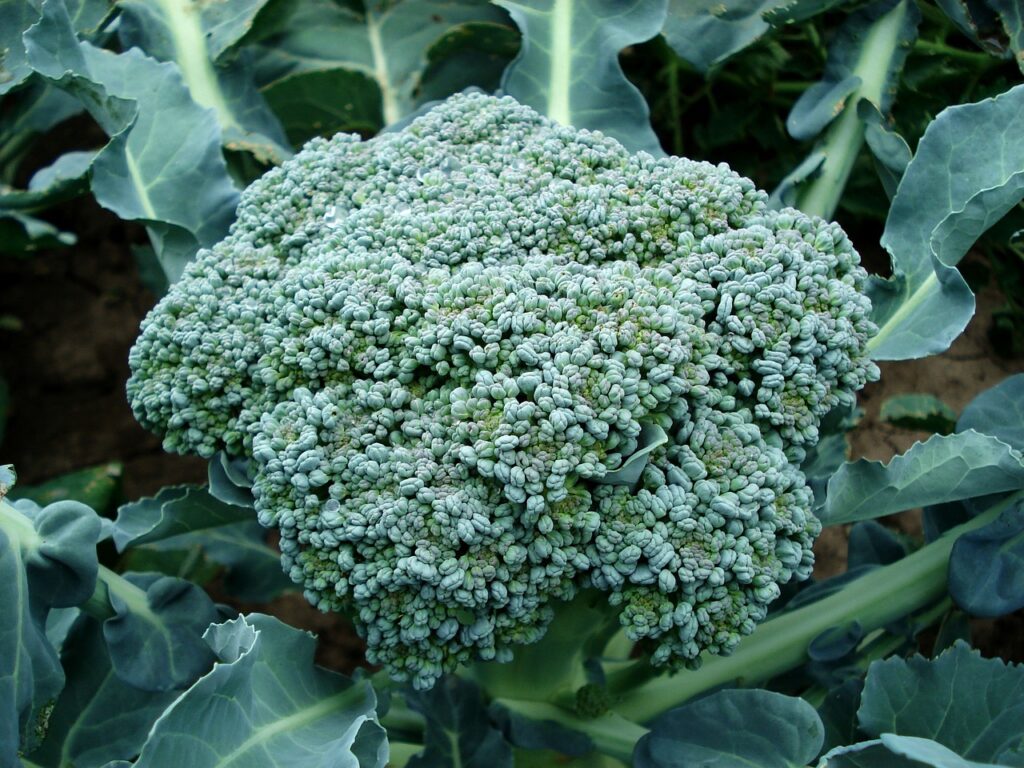
May is an excellent time to plant out brassica seedlings raised indoors earlier in spring, and to sow brassicas directly for autumn and winter harvests. Broccoli, Brussels sprouts, kale, spring cabbage and cauliflower all do well planted out now. Firm the plants in well and protect them with netting from the moment they go in. Cabbage white butterflies are already on the wing in May and will lay eggs on brassica leaves almost immediately if given the chance. A fine-mesh or butterfly net is your best protection and can save a lot of heartache later.
🛒 Buy brassica plug plants from Amazon UK
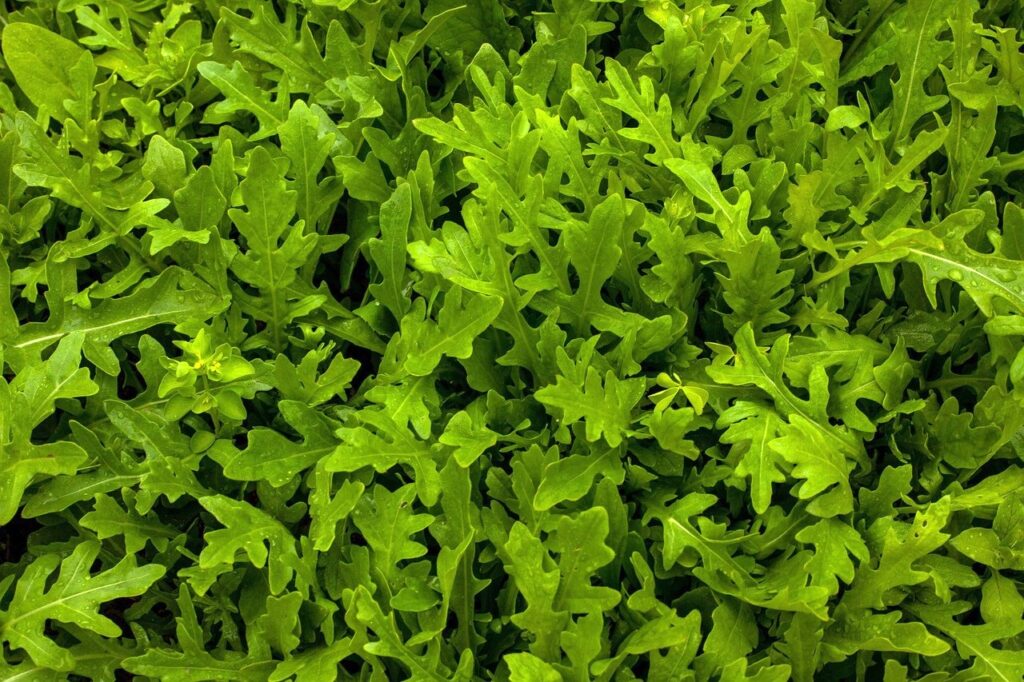
Salad is a May gardening staple and the easiest crop in the kitchen garden. Sow directly into the ground or into containers, rake in lightly, water, and watch them appear within days in the warm May soil. Sow a small row or pot every two to three weeks through May and into June for a continuous cut-and-come-again supply. Lettuce, rocket, spinach, mustard leaves and mixed salad blends all perform brilliantly at this time of year. Keep the soil consistently moist and provide light shade if temperatures climb, as many salad leaves bolt quickly in sustained heat.
🛒 Buy salad leaf seeds from Amazon UK
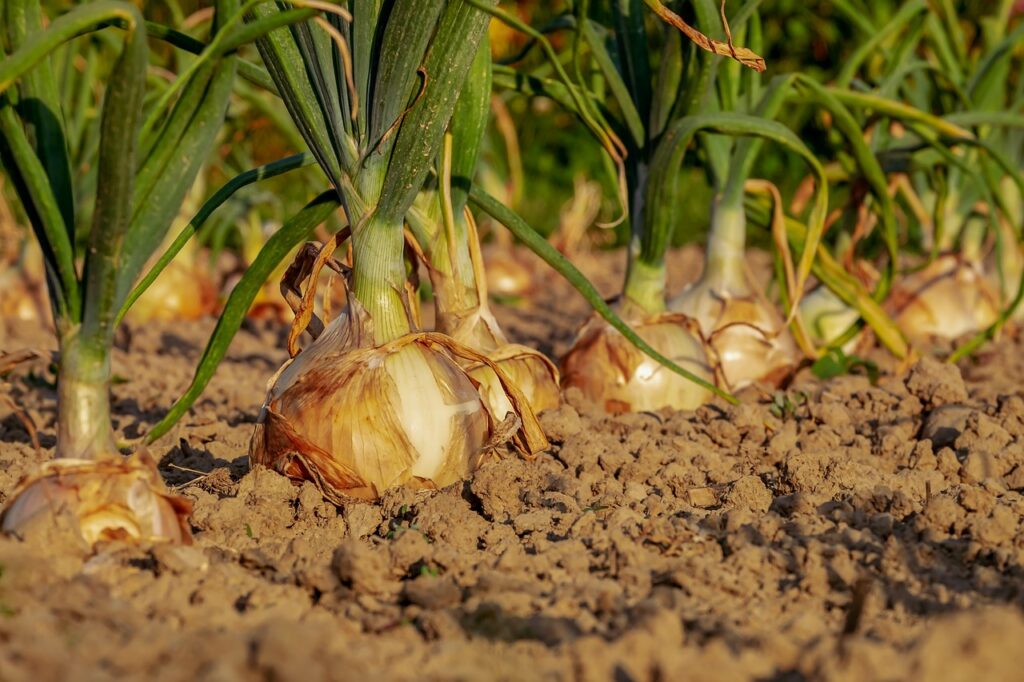
Leek seedlings raised from indoor sowings can be transplanted out in May, dropping them into holes made with a dibber and watering in rather than backfilling the hole. This traditional planting method encourages straight, well-blanched stems. Onion sets planted in April will be growing away now and just need regular weeding around them. Any garlic not yet in the ground can still go in during the first half of May, though later plantings tend to produce smaller bulbs.
🛒 Buy leek and onion sets from Amazon UK
This is the section that most May planting guides skip, and I think it is one of the most useful things I can tell you. Every year, garden centres fill their shelves in early May with beautifully grown plants that look ready to go straight outside. Some of them are. But quite a few are not, and the packaging rarely tells you the whole story.
The plants below should be kept under cover or on a sheltered windowsill until all frost risk has definitively passed, and in most of the UK, that means the second half of May at the earliest. In the North of England and Scotland, several of these crops are better off waiting until early June, regardless of what the weather feels like in a warm spell. A week’s patience is far preferable to replacing a whole tray of plants.
⚠️ Hold These Back Until Frosts Have Gone
Chillies and sweet peppers: need truly warm soil and air temperatures to perform. Even a night at 5°C is enough to check their growth significantly. Keep them in the greenhouse or on a warm windowsill and plant out only once nights are reliably warm.
Aubergines: More tender than tomatoes, these need the warmest and most sheltered spot in the garden, and ideally should be grown in a greenhouse or polytunnel in most UK regions. If you do plant them outside, wait until June in northern areas.
Melons: These are greenhouse or polytunnel crops in the UK. Outdoor growing is possible in the very warmest, most sheltered southern gardens but rarely reliable. Do not risk them outside without full protection in place.
Tender bedding plants from garden centres in early May: These have been raised in heated glasshouses and will not have been hardened off. Even hardy-sounding plants like pelargoniums and lobelias need at least ten days of gradual acclimatisation before going out permanently.
Cannas and ginger lilies: These tropical-looking plants need the soil to be warm, not just frost-free. Cold wet soil will cause the tubers to sit and rot rather than grow. Wait until late May or early June and plant into well-drained, warm ground.
The overriding principle is this: if a plant originates from a warm climate and the label describes it as tender or half-hardy, give it more time under cover rather than less. The growing season lost by a week’s delay is far smaller than the setback caused by a cold night on an unprotected plant.
May is when the flower garden truly comes alive and where the most exciting planting decisions get made. From dramatic dahlias to the fragrant tumble of sweet peas, this is the month that defines the entire summer border.
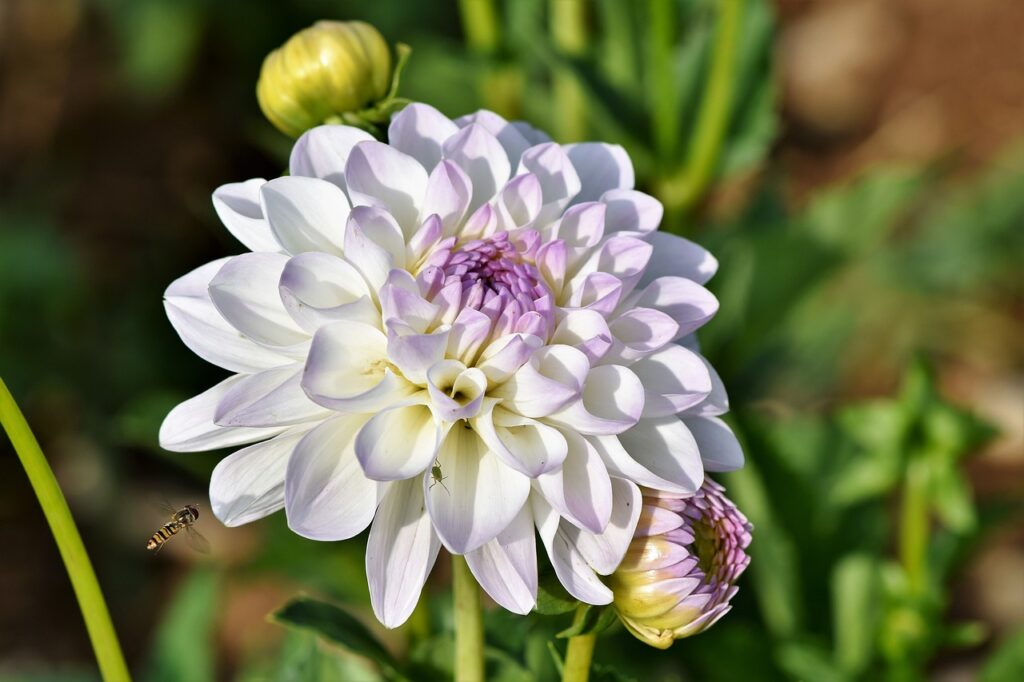
Dahlias are, without question, my favourite May planting for high impact in your flower beds. I have grown them for years in clients’ gardens; they bring that late-season August and September high drama when the rest of the garden is feeling more quiet. Dahlias are fantastic for beginner gardeners to and are easy to grow.
Plant dahlia tubers once the soil has warmed and all frost risk has passed, around 10 to 15cm deep with the old stem pointing upwards. They are not fussy about soil, but they do need a sunny position, and they will need staking as they grow, so put your support in at planting time to avoid damaging the developing tubers later.
In the North of England, where I garden, I wait until the very end of May to plant dahlias out. The tubers can sit comfortably in trays of compost in the greenhouse until then, already producing strong growth. This slightly later planting costs nothing in the end since dahlias grow extraordinarily fast once conditions are right.
🛒 Buy dahlia tubers from Amazon UK
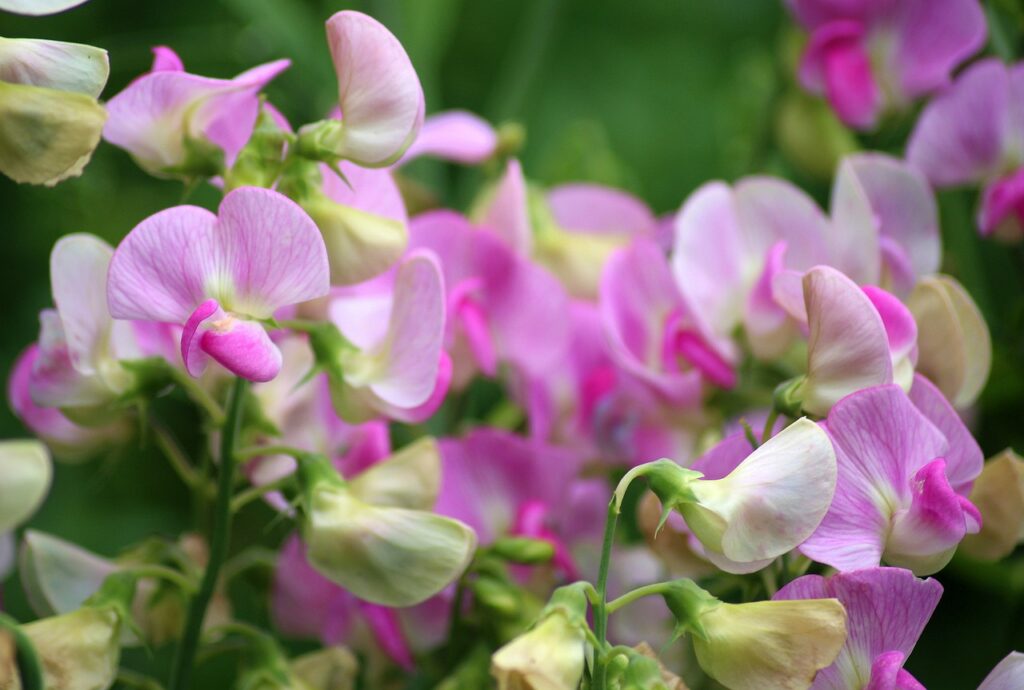
Sweet peas started indoors in February and March should be robust and ready to plant out in May after hardening off. They are reasonably hardy and will tolerate cooler conditions better than most tender annuals. Plant them at the base of their support, whether that is a wigwam of canes, pea sticks, a trellis or netting. Sweet peas are exceptional because the more you pick, the more they flower. If you let the seed pods develop, the plant considers its reproductive job done and slows down. Cut them regularly, bring them inside and enjoy them in a vase, and they will reward you with flowers well into September.
🛒 Buy sweet pea seeds from Amazon UK
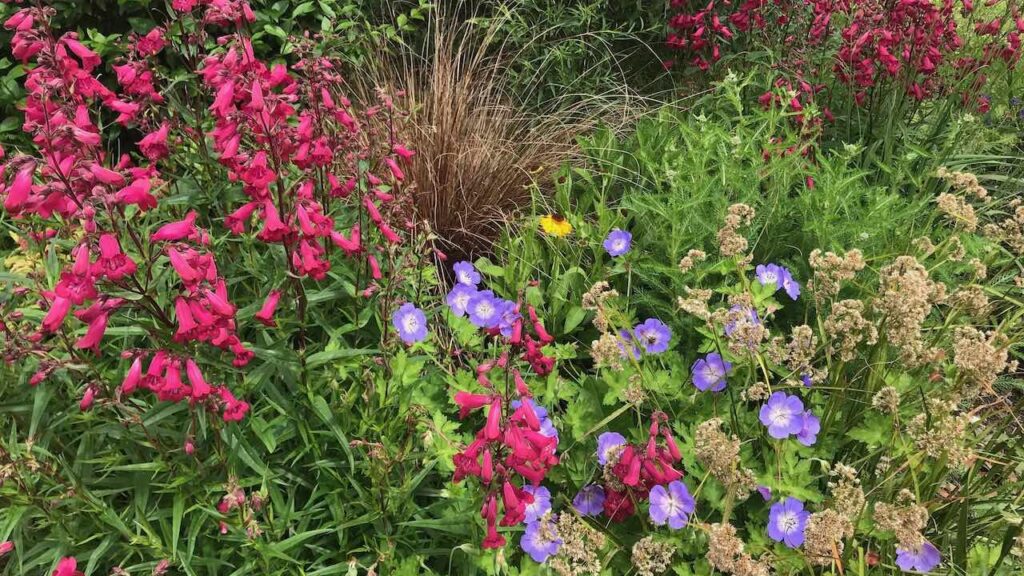
May is an excellent time to plant out container-grown hardy perennials. The soil is warm, the plants have time to establish before summer heat arrives, and any you buy from garden centres now will have been growing in outdoor conditions already and should not need hardening off. Geraniums, salvias, echinacea, heleniums, verbena bonariensis and penstemons all establish readily when planted now. Water them in well and apply a compost mulch around the base to retain moisture throughout the first summer.
🛒 Buy hardy perennial plants from Amazon UK
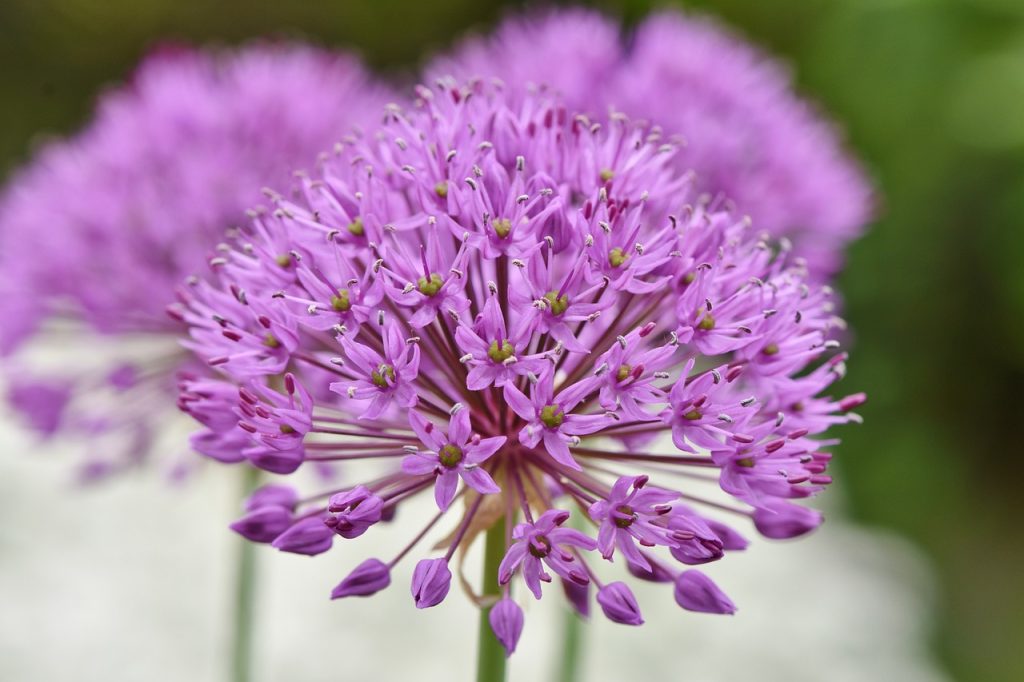
If you planted allium bulbs in autumn, May is when they put on their most spectacular display. The giant purple drumstick heads of Allium hollandicum and the multi-headed clusters of Allium schubertii are among the most dramatic garden moments of the year, and they need absolutely nothing from you at this point except admiration. They are magnificent combined with the emerging foliage of herbaceous perennials, which conveniently hides the alliums’ rather untidy dying leaves.
🛒 Buy allium bulbs from Amazon UK
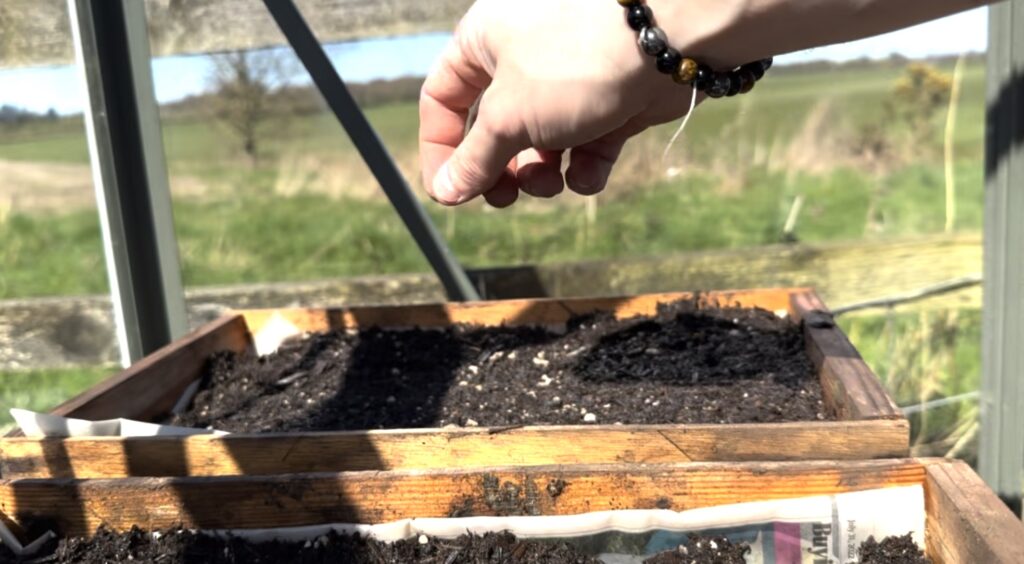
Direct-sow hardy annuals like cornflowers, nigella, calendula, nasturtiums and sunflowers directly into their flowering positions in May. The soil is now warm enough for rapid germination and these plants strongly dislike being transplanted, so sowing direct gives the best results. Half-hardy annuals, including zinnias, cosmos and antirrhinums, can be planted out from pots raised earlier, once frost risk has passed. Sow in small batches every few weeks to extend the flowering season rather than putting everything in at once.
🛒 Buy hardy annual seeds from Amazon UK
May is one of the last chances to establish strawberry plants for a harvest this year, and an excellent time to plant out most soft fruit. Container-grown fruit trees and bushes can go in at any time of year as long as you water them well through their first season.
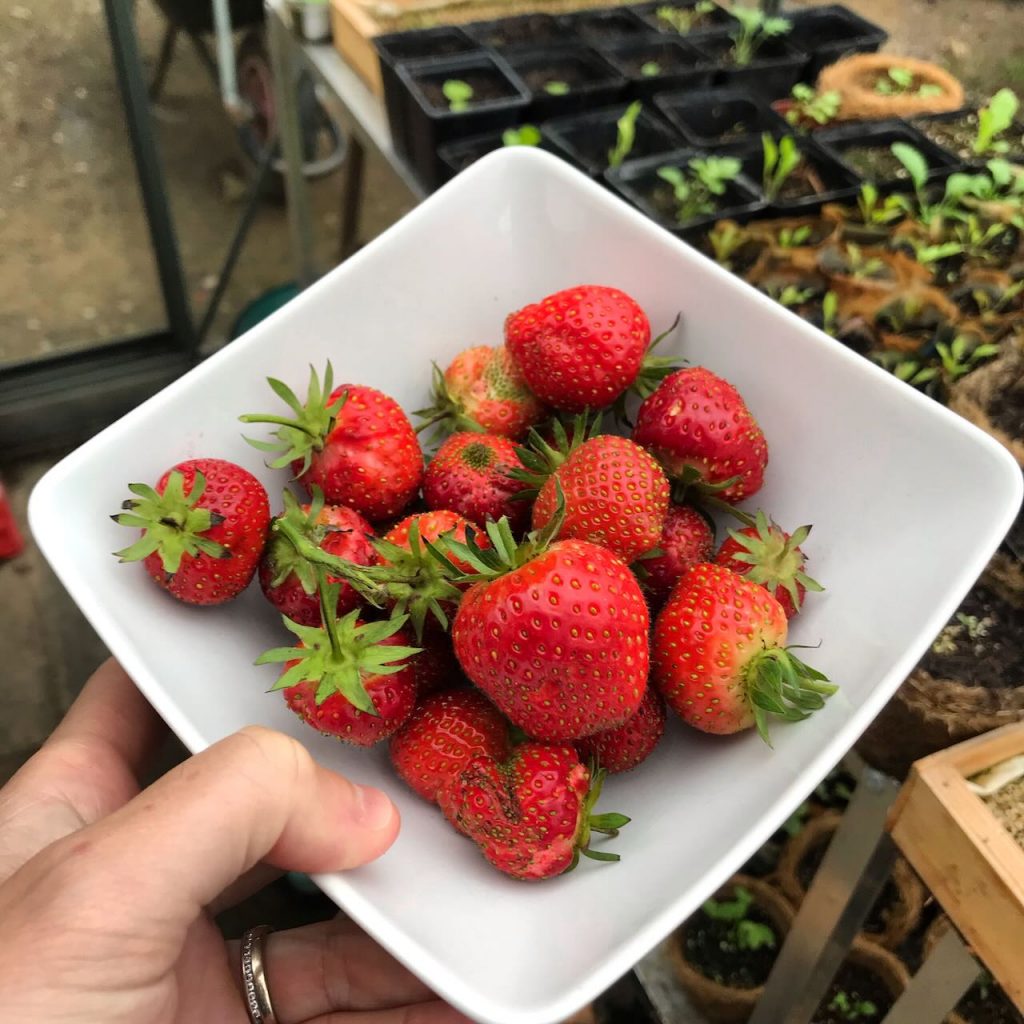
Strawberry plants are at their most readily available in garden centres through May, and planting this month gives you a chance of a small harvest this year and a full crop next summer. Plant them with the crown sitting just at soil level, neither buried nor raised.
Bury the crown, and it will rot; plant it too high, and the roots will dry out. Add plenty of compost to the planting hole, and mulch around the plants with straw once they are established to keep the fruits clean and suppress weeds. Net them once the fruits begin to colour, since birds will find them before you do.
🛒 Buy strawberry plants from Amazon UK
Container-grown currants and gooseberries can be planted throughout May. They are forgiving plants that establish reliably in most soil types, though they all prefer a reasonably fertile, well-drained soil and some degree of sunshine. Gooseberries in particular will tolerate more shade than most fruit, making them useful for partially shaded spots that would not suit soft fruit. Keep them well-watered through their first summer.
🛒 Buy soft fruit plants from Amazon UK
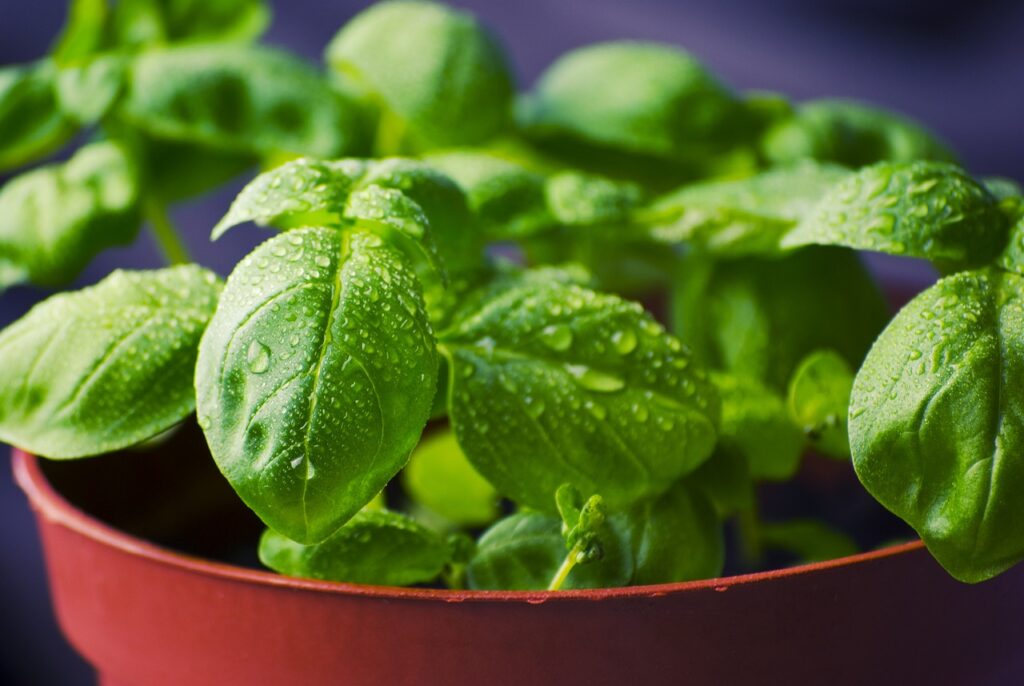
May is herb season. Almost every culinary herb either benefits from being planted out now or can be direct-sown into warm, open ground. Basil is the most popular and the most sensitive, needing truly warm soil and a sheltered position. I never put basil outside until the end of May in the North of England and keep it in the warmest, most sheltered corner of the garden even then. Parsley, chives, coriander, dill, fennel and mint can all go out much earlier in the month. Perennial herbs including rosemary, thyme, sage and oregano can be planted now and will establish quickly.
💡 Top Tip
Grow basil near your tomato plants. The two are traditional companion planting partners and basil is said to improve the flavour of neighbouring tomatoes. Whether you believe that or not, it makes practical sense because both crops need the same warm, sheltered, sunny conditions. Having them close together in the garden means you water them together, feed them together and protect them from the same adverse weather at the same time.
🛒 Buy herb plants from Amazon UK
Beyond the transplanting, May offers the UK gardener a huge range of direct sowing opportunities. The soil is warm and conditions are close to ideal for rapid germination.
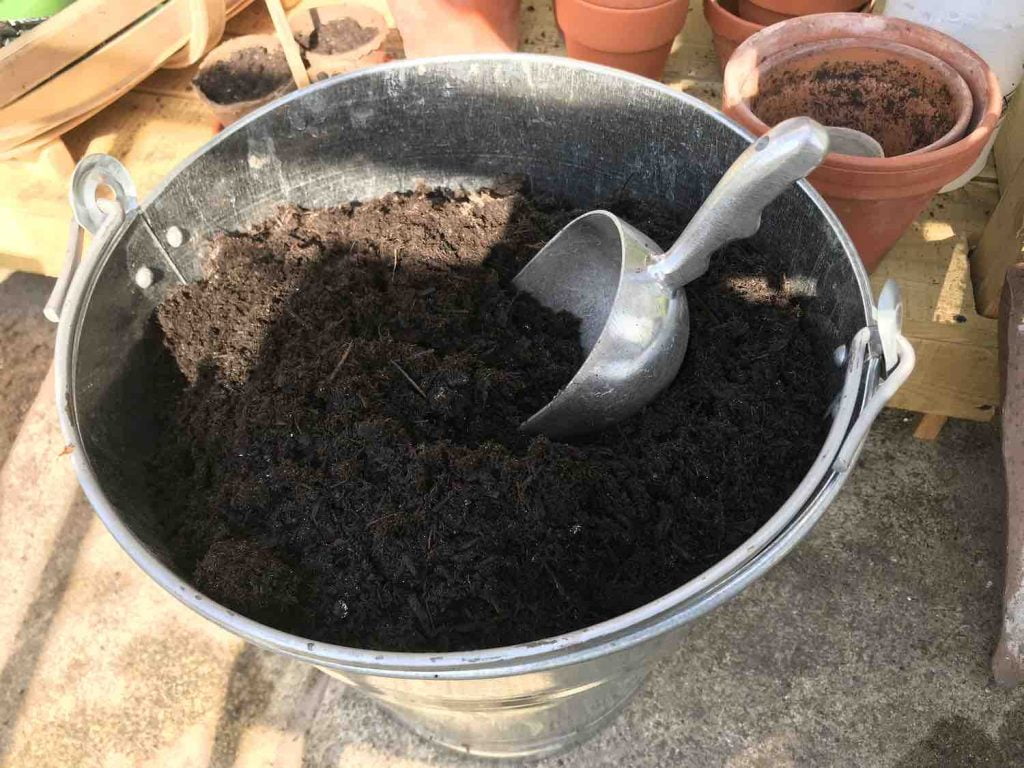
The following can all be sown directly into their growing positions from the start of May, or from mid-May in northern areas: carrots, beetroot, spinach, Swiss chard, peas, mangetout, turnips, radishes, spring onions, nasturtiums, cornflowers, sunflowers, calendula, nigella, borage, phacelia and clarkia. Prepare the ground beforehand by raking to a fine tilth and watering if the soil is dry. Sow thinly, cover lightly with soil, and thin to the correct spacing once the seedlings are large enough to handle.
🛒 Buy vegetable seed collections from Amazon UK
Some crops still benefit from the protection of indoor sowing even in May. Ridge cucumbers, melons and aubergines can be sown indoors now for planting out in early June. Outdoor cucumbers can be sown inside in early May and planted out once all frost risk has definitely passed. Biennials including wallflowers, foxgloves, sweet Williams and forget-me-nots should be sown indoors or in a cold frame now if you want strong plants for next spring’s display. May-sown biennials have the whole summer to develop into robust plants before facing their first winter.
If you have a greenhouse, May is one of its busiest months. The rush of spring sowing has slowed and the focus shifts to management: keeping temperatures in check, watering intelligently, potting on, and making space as plants grow rapidly in the improving light.
Ventilation is the most important job of the month. As outside temperatures climb, greenhouses can overheat dramatically on sunny May days, and temperatures above 30°C will stress most crops and cause tomatoes to drop their flowers before they can set fruit. Open vents and doors by mid-morning on warm days and check that automatic vent openers are set at the right temperature if you have them. Aim to keep the interior below 27°C during the day. I once lost the first flush of flowers on my tomato plants in a late May heatwave because I left the greenhouse closed while I was away for a weekend. A lesson I only needed to learn once.
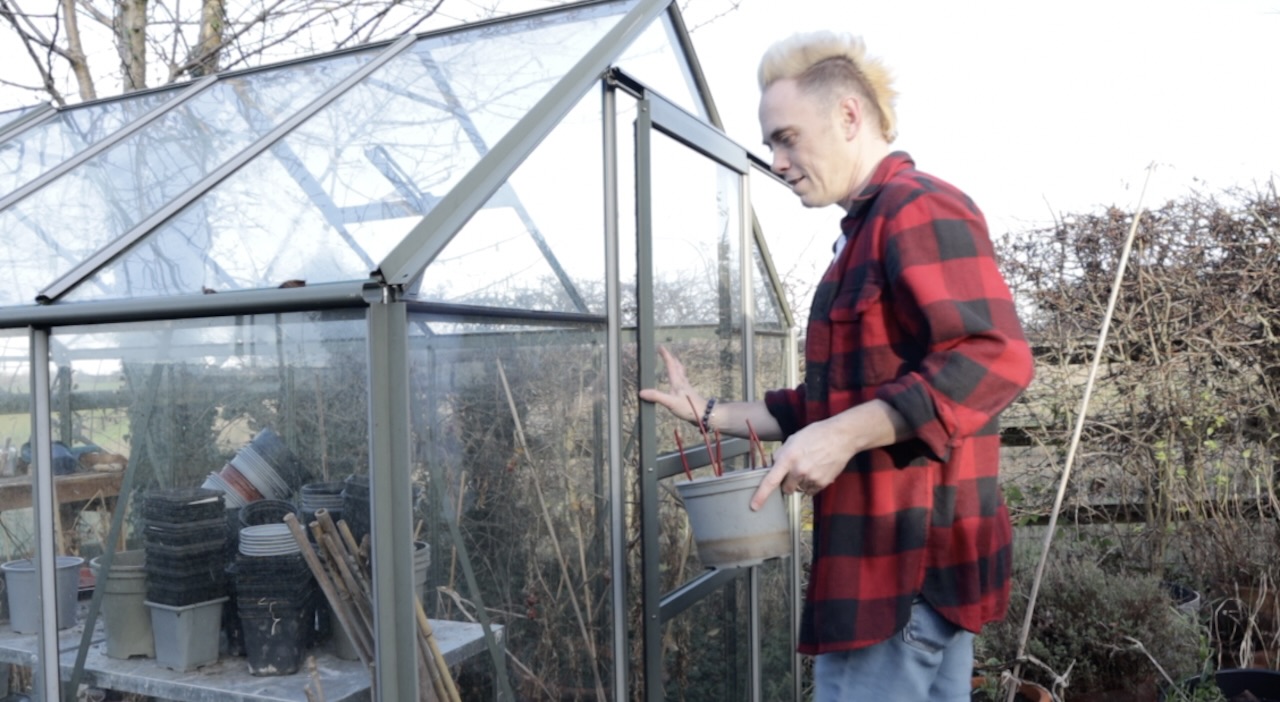
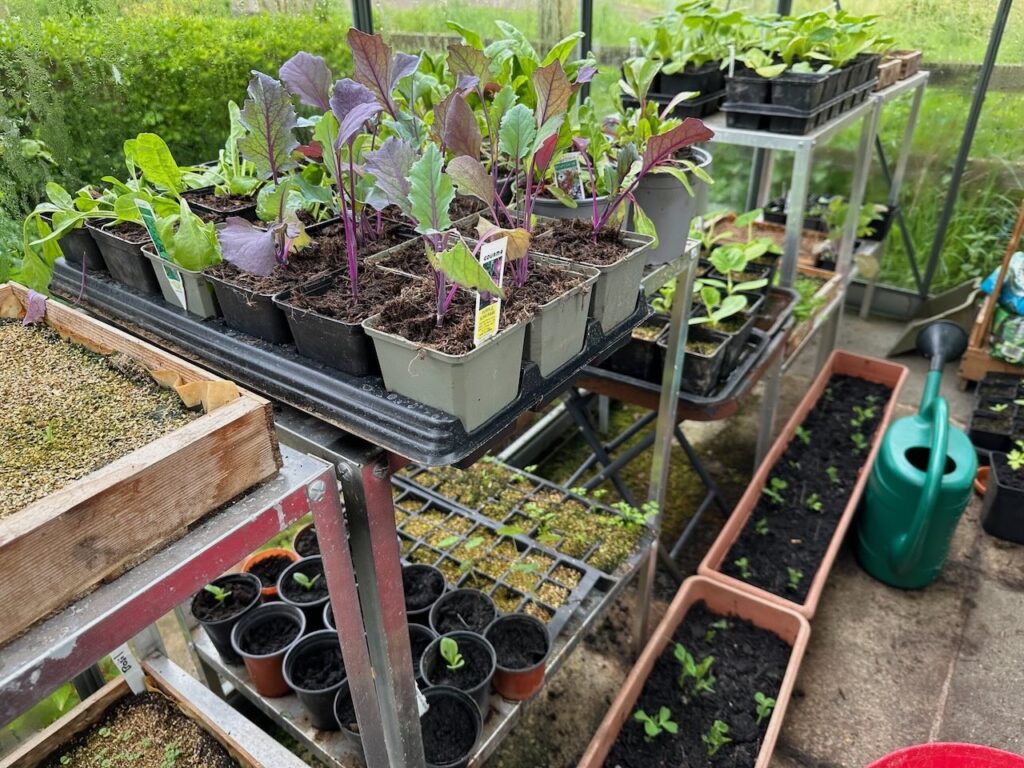
Continue potting on any seedlings that have outgrown their current containers. A root-bound seedling will stall rather than grow and it is far better to give it more space than to leave it sitting in compost it has completely exhausted. Tomatoes in particular should be moving into their final growing positions, whether that is a large pot, a grow bag or directly into a greenhouse border. Begin feeding tomatoes and other fruiting crops with a high-potash liquid feed as soon as the first flowers open.
Remove any winter crops that have run to seed or finished producing: lettuces, spinach, overwintered salads. This frees up bench and border space. Wash empty pots and seed trays with warm soapy water before reuse, as disease spores from the previous season can persist in dirty pots and infect new plantings. Watch for early signs of red spider mite, which thrives in warm dry greenhouse conditions and can become a serious problem very quickly. A daily misting of the floor and staging to maintain humidity is one of the most effective preventive measures.
🛒 Buy high-potash tomato feed from Amazon UK
May and early June are the best time of the entire year for taking softwood cuttings, and it is a technique more gardeners should be using. The principle is simple: you take a short piece of this season’s young, green, flexible growth, remove the lower leaves, and root it in compost. From a single plant you can create ten, twenty, thirty new ones for nothing. I have propagated hundreds of plants this way over the years and it never stops feeling like a minor miracle.
The plants that root most readily from softwood cuttings in May include penstemons, salvias, fuchsias, pelargoniums, osteospermums, argyranthemums, verbena and most tender perennials. Deciduous shrubs including hydrangeas, philadelphus and buddleja can also be propagated this way, though they are slightly slower to root than the soft-stemmed perennials.
Take cuttings in the morning when plants are at their most hydrated. Select a shoot tip of around 7 to 10cm, cutting just below a leaf node with a clean, sharp knife or secateurs. Remove the lower two thirds of the leaves, leaving only two or three leaves at the tip. If the remaining leaves are large, cut them in half to reduce water loss while the cutting is establishing its root system.
Fill small pots or a seed tray with a free-draining cutting compost or a 50/50 mix of peat-free compost and perlite. Insert the cuttings around the edge of the pot, where the compost is coolest and best-draining. Water in, cover loosely with a clear plastic bag or a propagator lid to maintain humidity, and place in a bright spot out of direct sun. Most softwood cuttings root within three to five weeks in May’s warm conditions. You will know they have rooted when you see new growth appearing at the tips or feel a gentle resistance when you tug the cutting lightly.
💡 Top Tip
Softwood cuttings are one of the best ways to build up a stock of plants like penstemons and salvias, which are not fully reliably hardy in northern UK gardens. Taking cuttings in May gives you a backup supply of young plants that can be overwintered frost-free, meaning you never lose a favourite variety to a hard winter. Five minutes of work in May can protect years of planting.
🛒 Buy perlite and cutting compost from Amazon UK
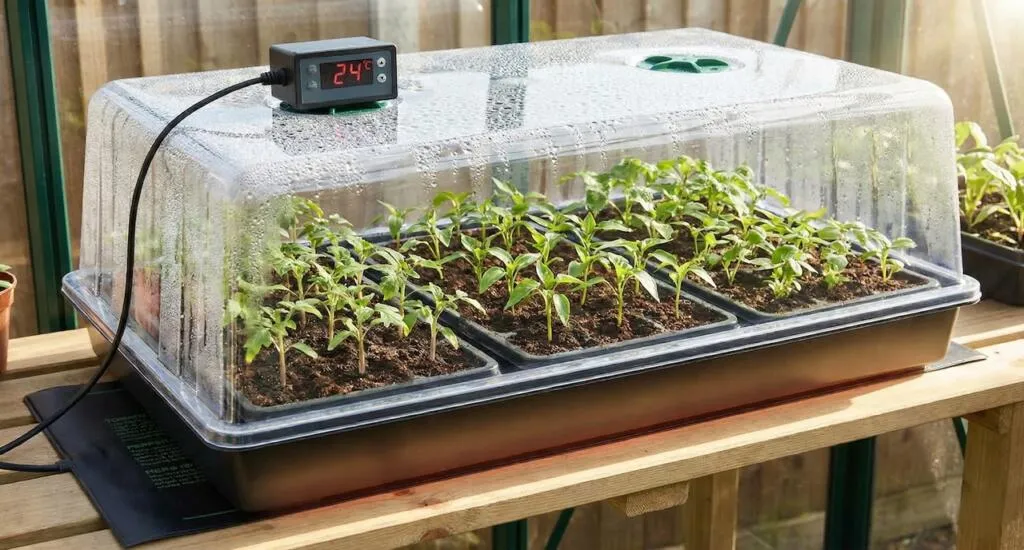
🛒 Buy a heated propagator from Amazon UK
May is also a useful month for dividing certain perennials. Spring-flowering plants like pulmonaria and doronicum can be divided immediately after flowering, before the summer heat arrives. The divisions establish quickly in warm soil and will bulk up nicely through the season.
Use two garden forks back-to-back to prize the root clump apart, keeping the younger outer portions and discarding the older, woody centre. Replant divisions at the same depth as the parent plant, firm in well and water thoroughly. Within a few weeks they will be growing away as if nothing happened.
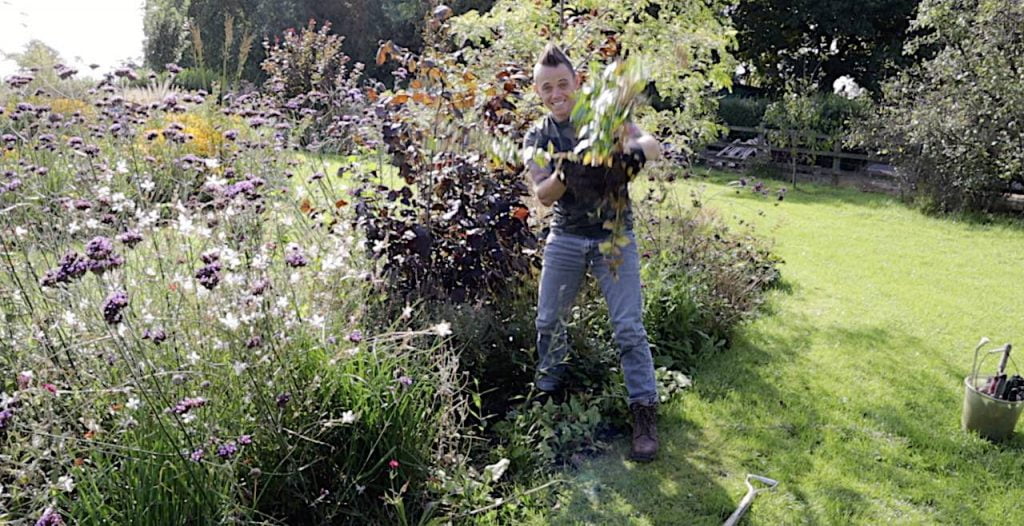
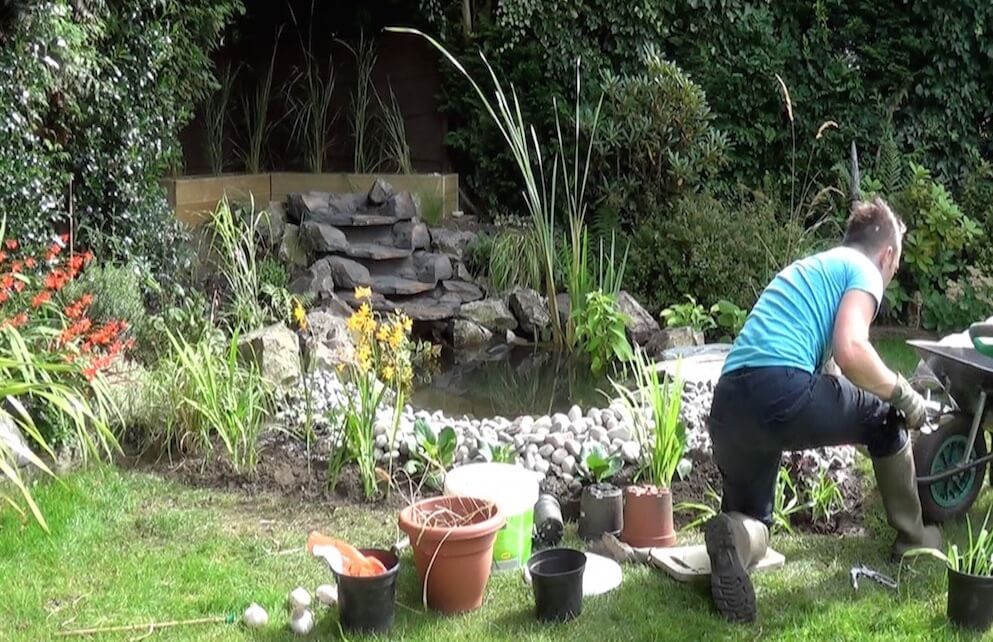
If you have a pond or water feature, May is when it truly comes alive. Frogs, newts and toads that have been breeding since March are now well established, dragonfly nymphs are active, and pond skaters and water beetles are making their presence felt. This activity is one of the great rewards of having water in the garden, so May is a good month to pause by the pond and simply observe rather than immediately reaching for a net or fork.
That said, there are jobs to do. Any pond plants that have become overcrowded or are spreading aggressively need thinning now, before the main growth rush of summer. Marginals like iris, typha (bulrush) and caltha that have filled their baskets to bursting should be lifted, divided and replanted in fresh aquatic compost. Oxygenating plants like hornwort can be trimmed back if they are clogging the surface, removing no more than a third at a time to avoid disrupting the pond’s ecological balance. Top up water levels if a dry spring has lowered them, using rainwater from a butt where possible rather than tap water, which can encourage algal blooms.
May is also the ideal month to add new aquatic plants. Water lilies in particular establish beautifully when planted in May as the water temperature rises. Place them in aquatic baskets filled with heavy loam-based aquatic compost, not ordinary peat-free compost which will float away and cloud the water. Lower the basket gradually over several weeks, starting in shallower water and moving progressively deeper as the plant grows towards the surface.
A well-planted pond with a mixture of oxygenators, marginals, floating plants and deep water aquatics will largely look after itself and provide habitat for more wildlife than almost any other garden feature.
💡 Top Tip
Do not move frogspawn or pond water from one garden pond to another, even with the best of intentions. This can spread invasive plant species and waterborne diseases between ponds. Wildlife will find a new pond remarkably quickly on its own. Pond skaters and diving beetles can arrive within days, and frogs and newts often appear in the first summer without any human assistance at all.
🛒 Buy aquatic pond plants from Amazon UK
May is when pest pressure really starts to build. Warm temperatures and rapid plant growth create ideal conditions for a range of insects and diseases, and catching problems early in May saves considerable effort and heartache later in the season. A quick scan of plants two or three times a week takes only minutes but makes an enormous difference.
These are the number-one enemies of May plantings. Young, soft seedlings are at their most vulnerable in the first two weeks after going outside, and a single slug on a warm, damp night can devastate an entire row. Go out after dark with a torch on the first warm, wet evening, and you will discover why your plants are disappearing. Biological nematode controls applied now while soil temperatures are above 5°C are highly effective and completely wildlife-safe.
Copper tape around pots, beer traps, and hand collection during evening patrols all help. Hostas, dahlias, sweet peas, lettuce and young brassicas are the most vulnerable.
🛒 Buy slug nematodes and biological controls from Amazon UK
Blackfly (black bean aphid) colonises the soft growing tips of broad beans in May, sometimes in astonishing numbers. The single most effective preventive measure is pinching out the top 7 to 10cm of each plant once four flower trusses have set. This removes the soft growth the aphids prefer and redirects the plant’s energy into pod development. If aphids are already present, squash them with your fingers or knock them off with a strong jet of water. Resist spraying if you can, since broad bean flowers attract bumblebees heavily, and you risk harming both pollinators and the pest.
Tiny round holes appearing in the leaves of young brassica seedlings are the calling card of flea beetle. These small, jumping beetles are most active in warm, dry weather and can seriously weaken young plants if populations are high. The best protection is an insect-proof mesh placed over the bed at the time of sowing or planting, creating a physical barrier that the beetles cannot penetrate. Established brassica plants with good root systems will grow through light flea beetle damage without serious problems. The risk period is during the seedling stage. Once plants are well-established, flea beetle rarely causes significant harm.
Carrot root fly is a soil-dwelling pest whose larvae tunnel into carrot roots, causing extensive damage that is invisible until harvest. The adult fly lays eggs at soil level, so the most effective deterrent is a fine-mesh or fleece barrier placed immediately after sowing and kept in place until harvest. Alternatively, grow carrots in raised beds or containers above the low-flying adult’s typical flight height of around 60cm. Avoid thinning carrots during the warmest part of the day when adult flies are most active, since the scent released by disturbed foliage attracts them.
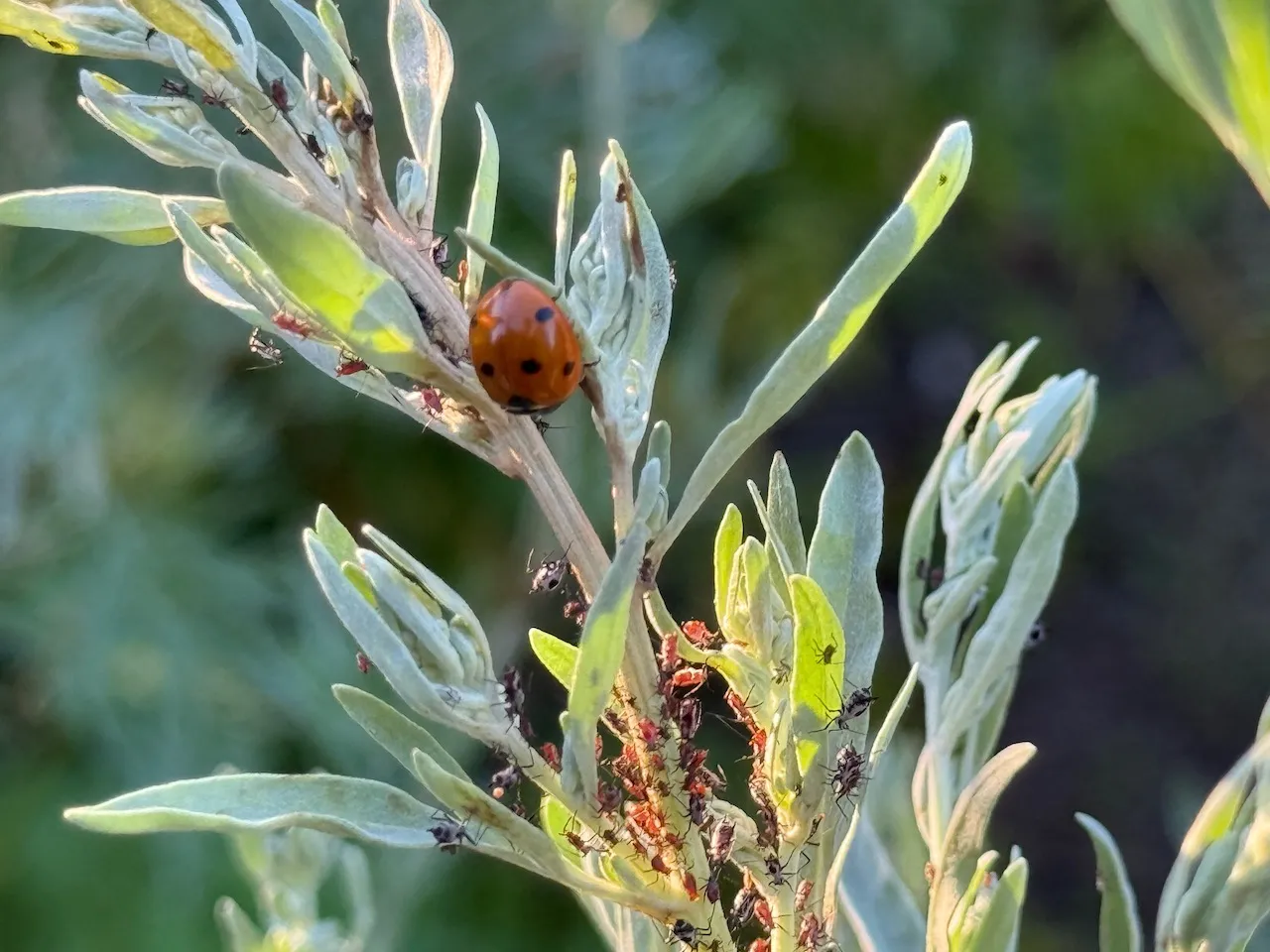
Greenfly and blackfly colonies build rapidly on rose buds, young perennial shoots and new growth on shrubs in May. A strong blast of water from the hose will knock most of them off and should be your first response. Encourage natural predators by avoiding broad-spectrum insecticides that kill ladybirds, lacewings and hoverflies alongside the aphids.
These beneficial insects arrive in significant numbers in May and a healthy population will control most aphid infestations without any chemical intervention. Spray only as a last resort, and if you must spray, use insecticidal soap, which breaks down quickly and is far less harmful to beneficial wildlife.
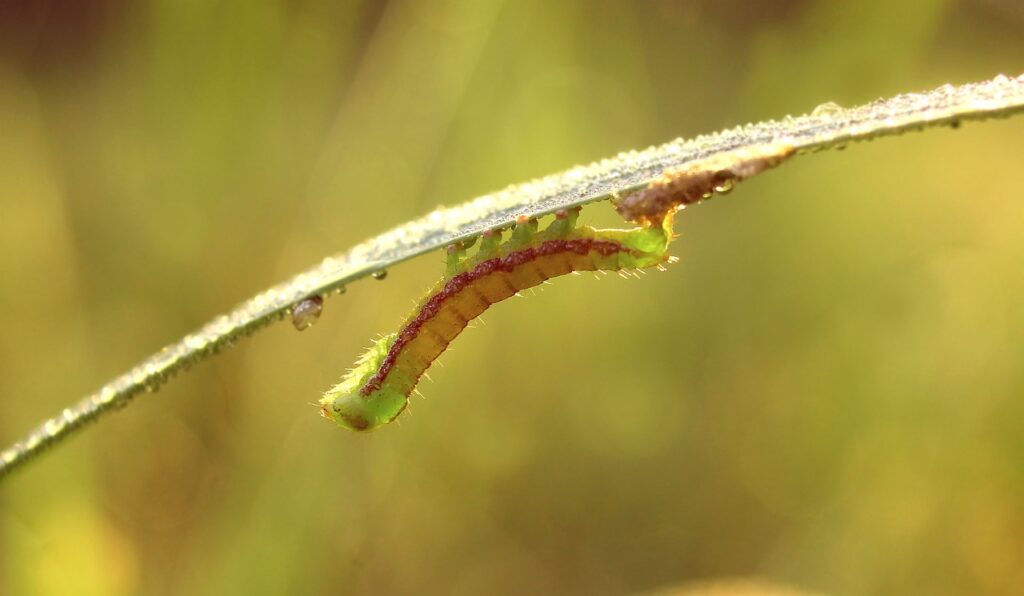
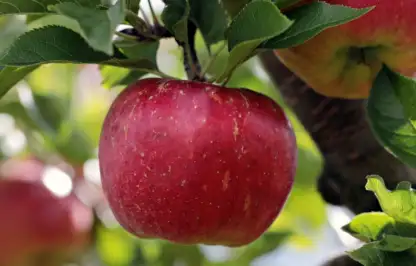
Codling moth is the cause of the maggot inside the apple, and May is the month to put up pheromone traps to catch the adults before they lay eggs. Hang one trap per tree in the canopy in mid-May. The traps use a synthetic female pheromone to attract and trap male moths, thereby reducing the mating population and, in turn, the number of eggs laid. They are not a complete control, but they significantly reduce damage and are entirely safe for wildlife and humans. Check and replace the sticky inserts as directed on the packet.
🛒 Buy codling moth pheromone traps from Amazon UK
Pigeons will strip young brassicas and pea shoots to bare stalks in a single morning, given the chance. Net everything at planting time using fine-gauge netting supported on a frame or hoops, ensuring the net is secured at the edges to prevent birds from getting underneath. Netting is essential in most UK gardens if you want to actually harvest what you sow. A scared pigeon will return within minutes of any deterrent other than a physical barrier.
🛒 Buy garden netting from Amazon UK
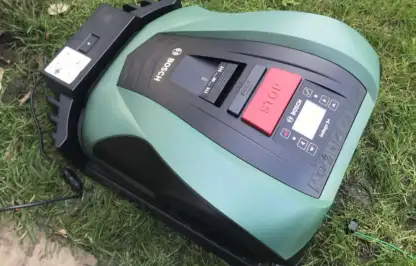
The lawn needs more attention in May than almost any other month. Growth is at its fastest, and the mowing schedule needs to keep up with it. As a general guide, mow at least once a week now, gradually lowering the cut height if you want a finer finish, but never removing more than a third of the grass blade in a single cut. Scalping a lawn in the pursuit of a bowling green finish actually weakens the grass and makes it more vulnerable to drought, weeds and moss.
May is also an excellent time to overseed any bare or patchy areas. The soil temperature is now warm enough for rapid germination, and there is enough growing season ahead for the new grass to establish before summer. Scratch the bare area lightly with a fork or wire rake, scatter seed generously, rake in and keep the area moist. New seedlings should appear within ten to fourteen days under May conditions.
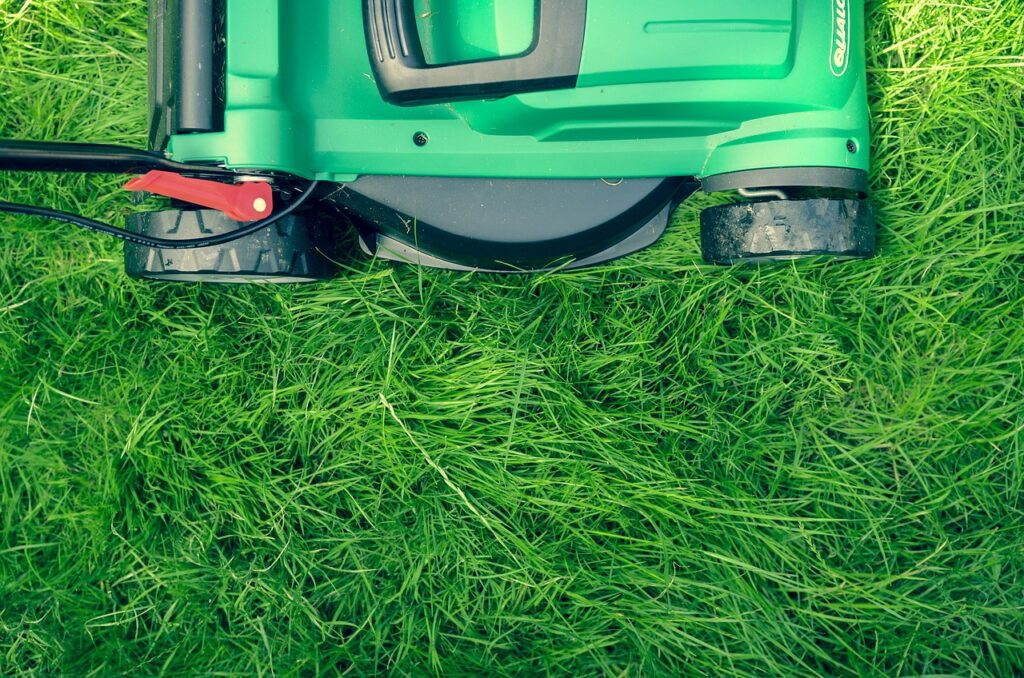
If you have not yet applied a spring lawn feed, do it now rather than leaving it until June. A balanced lawn fertiliser applied in May provides the grass with the nitrogen it needs for strong, green growth throughout the coming summer months. Keep an eye out for weeds that are rapidly establishing in warm conditions, and deal with them while they are still small.
🛒 Buy spring lawn fertiliser from Amazon UK
🛒 Buy lawn grass seed from Amazon UK
Beyond planting and sowing, May brings a specific set of time-sensitive garden maintenance tasks that make a real difference to how the garden performs for the rest of the year.
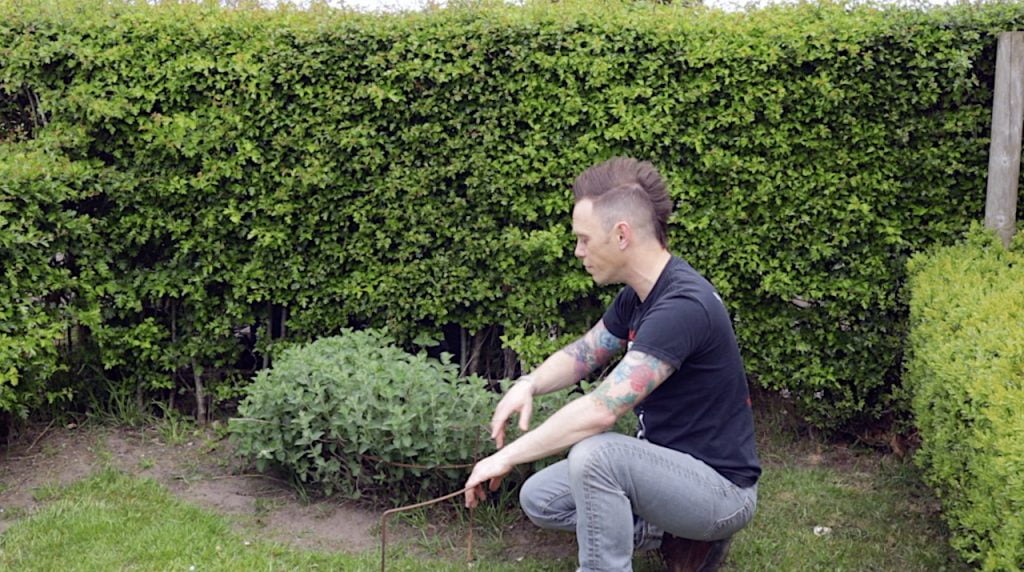
This is the garden task most gardeners leave slightly too late, including me. Peonies, delphiniums, salvias, echinacea and taller perennials need their supports in place before they grow too tall to be easily staked. Put supports in while the plants are still at half their ultimate height, and the plants will grow through them and hide the structure by flowering time. Wait until the plants are leaning or have already flopped, and you are fighting a losing battle with canes and string.
🛒 Buy plant supports and stakes from Amazon UK
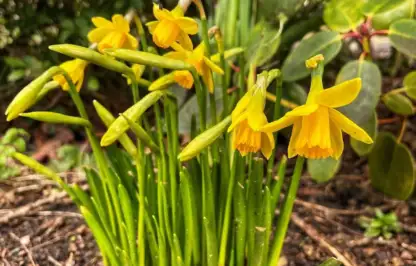
As tulips and daffodils finish flowering, remove the spent flower heads promptly to prevent the plant from wasting energy on seed production. This is especially important for tulips if you want to lift and store them. However, do not remove the foliage. Those green leaves are busy photosynthesising and sending energy back down into the bulb to fuel next year’s flowers. Leave the foliage to die down naturally, even if it looks untidy. Six weeks of untidy leaves is a fair trade for another season of spectacular flowers.
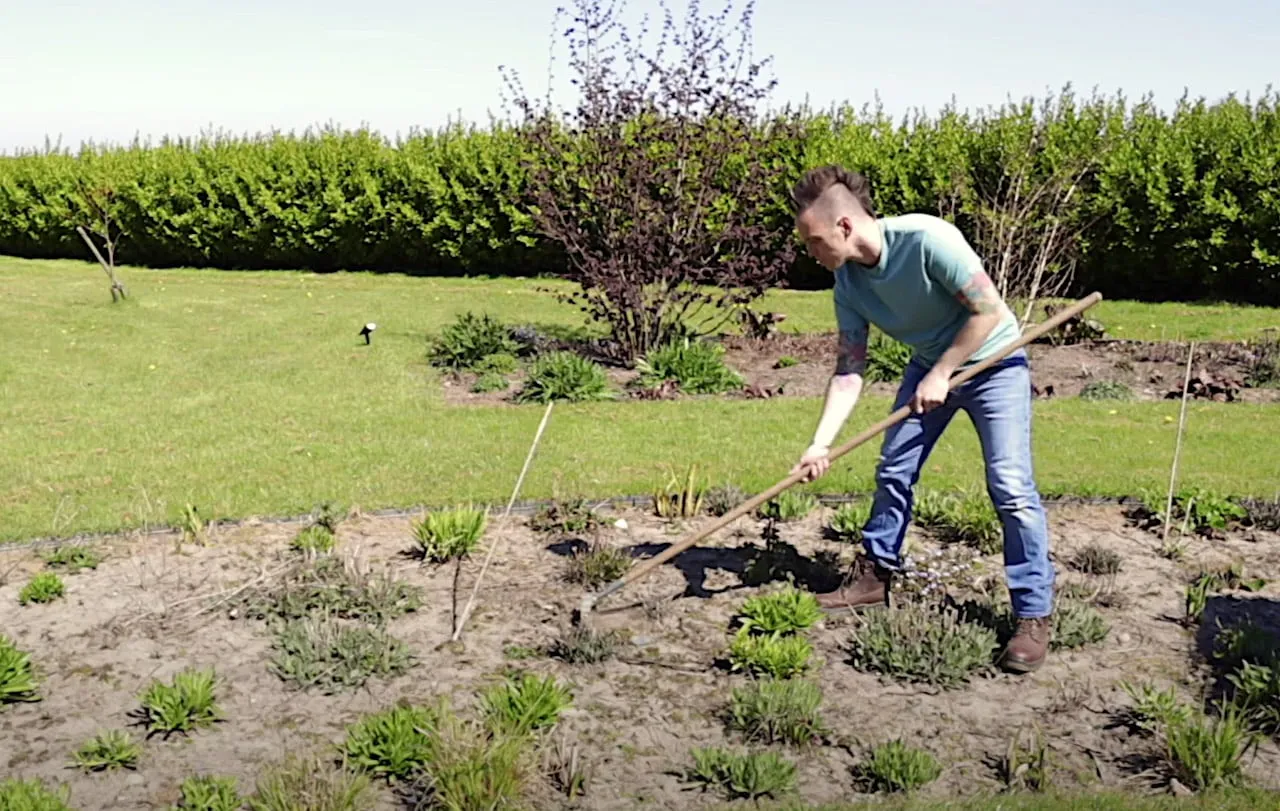
The warm, moist conditions of May are as good for weeds as they are for garden plants. A hoe used regularly on a dry day will keep annual weeds from establishing with minimal effort. Perennial weeds like bindweed, couch grass and ground elder need to be removed by the root while the soil is still workable. Five minutes of weeding now prevents five hours of weeding in July when those same weeds have seeded themselves across the entire garden.
🛒 Buy a garden hoe from Amazon UK
If you have not yet mulched your borders, do it in May while the soil is still moist from spring rain. A 5 to 8cm layer of peat-free compost, bark or well-rotted manure around your plants will suppress weeds, retain moisture through the coming summer months and feed the soil as it breaks down. Keep mulch away from the stems and crowns of plants to prevent rot. Mulching in May is one of the highest-value garden jobs of the entire year in terms of effort versus return.
🛒 Buy peat-free mulch and bark from Amazon UK
Named for its timing around the Chelsea Flower Show at the end of May, the Chelsea Chop is a pruning technique applied to certain late-flowering herbaceous perennials to delay or stagger their flowering, create bushier plants and prevent the need for staking.
The technique involves cutting back the stems of suitable perennials by roughly a third to a half of their current height. You can chop the whole plant back for a single, later flush of flowers, or chop only half the stems on each plant to create a staggered display that extends the flowering season. Plants that respond well to the Chelsea Chop include heleniums, echinacea, phlox, asters, sedums, Rudbeckia and salvias. Do not apply it to plants that flower in spring or early summer, as you would simply remove the existing flower buds.
💡 Top Tip
Try the Chelsea Chop on just half your heleniums or echinacea to see the result before committing the whole border to it. The chopped half will flower later and shorter than the unchopped half, extending the display from perhaps three weeks to six or seven weeks. Once you have seen the result for yourself, you will apply it far more confidently in future years.
🛒 Buy garden secateurs from Amazon UK
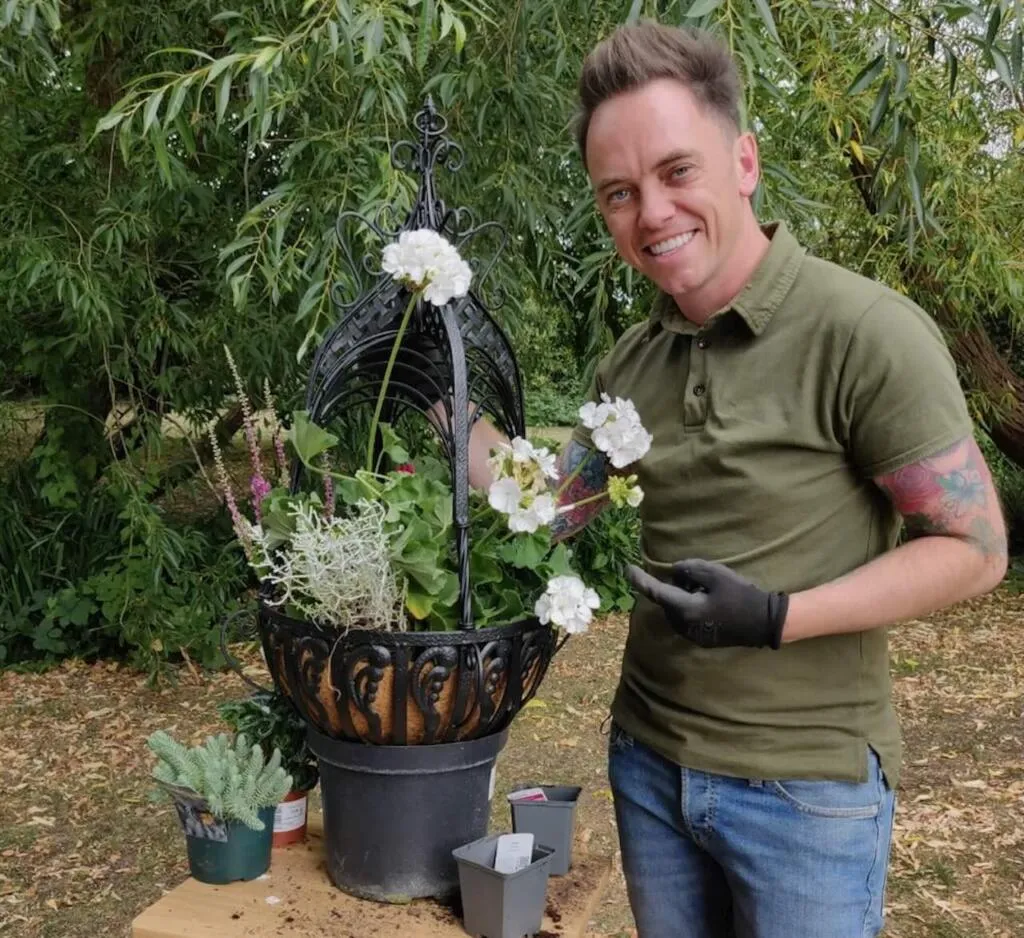
Hanging baskets planted before all frost risk has passed will need to be brought indoors on cold nights or protected with fleece. The easiest approach is to wait until the last frost date has passed before planting baskets with tender bedding, then hanging them in their final position. The plants will establish quickly in warm May temperatures, and you will avoid the hassle of covering or moving them.
For containers, May is when the full summer planting gets underway. Use a good peat-free compost, plant generously and add slow-release fertiliser granules to the mix to save yourself a lot of feeding through the season. Containers need watering far more frequently than border plants, sometimes daily in warm weather, so position them somewhere you can reach easily with a watering can or hose.
🛒 Buy peat-free container compost from Amazon UK
🛒 Buy slow-release fertiliser granules from Amazon UK
🛒 Buy hanging basket plants from Amazon UK
The UK’s climate varies considerably from south to north. The general rules given in this guide apply to most of England and Wales, but gardeners in the North of England, Scotland and Northern Ireland should adjust as follows.
I garden in the North of England, and I run approximately two weeks behind the planting guides written for southern gardeners. This is not a disadvantage, merely a different rhythm. The growing season is slightly shorter, but the summer light is extraordinary, and many plants grow with terrific vigour once established.
Never feel pressure to match the timing of gardening programmes or magazines that are based primarily on growing conditions in the South East. Your local garden centre and a reliable long-range weather forecast are the best guides to timing in your own garden.
Not at all. May is actually one of the best months for direct sowing since soil temperatures are finally warm enough for rapid germination. Many crops, including carrots, beetroot, salad leaves, beans, peas, courgettes, sunflowers and hardy annuals, are better sown in May than in March or April when the soil is still cold. You will often find May-sown seeds germinate in a third of the time that March-sown seeds took.
Yes, but not before your local last frost date has passed. For most of England and Wales, this is around mid-May, but in the North of England and Scotland, it can be late May or even early June. Tomatoes are killed by even a light frost, so always check the forecast and keep fleece to hand for the first few weeks after planting out.
May is the best month for establishing summer colour. Plant dahlias, sweet peas, hardy perennials, cosmos, zinnias, antirrhinums, nasturtiums and bedding plants such as petunias and pelargoniums once frost risk has passed. Direct-sow cornflowers, sunflowers, calendula and nigella. For immediate impact, pot-grown geraniums and fuchsias planted now will bloom within days.
Remove the spent flower heads to prevent seed setting, but leave the foliage entirely alone. The leaves feed the bulb through photosynthesis, building the energy reserves needed for next year’s flowers. Allow the foliage to die down naturally over six to eight weeks. You can then lift and store tulip bulbs if you want to rotate your planting, or leave most of the bulbs in the ground, where they will naturalise over the years.
Yes, May is an excellent time to feed. Apply a general balanced fertiliser to borders and vegetable beds. Switch tomatoes and other fruiting plants to a high-potash feed once the first flowers open. Feed container plants weekly with a liquid feed, as pot compost exhausts its nutrients rapidly. Apply a spring lawn fertiliser if you have not already done so. Hold off feeding plants that have just been planted or transplanted since their root systems need to establish first.
This depends entirely on your soil type, rainfall and what you are growing. Newly planted or sown items need consistent moisture until they are established. Containers need to be checked daily in warm weather and may need watering every day. Established plants in the open ground usually need watering only during dry spells of a week or more. Water deeply and infrequently rather than giving a little every day, as this encourages roots to go deep in search of moisture and makes plants much more drought-tolerant.
Why not consider expanding your plant and garden design knowledge with one of my online gardening courses? My Garden Design for Beginners Course is here to help you transform your garden from average to exceptional with an affordable online course, no matter how little your experience with plants.
This course offers step-by-step guidance from me, Lee Burkhill, award-winning garden designer and presenter on BBC1’s Garden Rescue. In this course, you’ll go from a garden design novice to a confident designer equipped to tackle any green space.
Enrol now for just £199 and start your journey toward garden design mastery!
For the garden you’ve already got, not the one you’re starting from scratch. Seven checklists and video lessons from BBC Garden Rescue’s Lee Burkhill, built to help you work out what’s worth keeping before you spend a penny.
Garden Design Examples for Small Gardens: 30 Design Templates & Planting Plans: In this online gardening course, I’ll walk you through 30 fantastic garden designs, explaining the logic behind the layout, the plant choices, and take-home tips for applying them in your own garden.
Learn how to transform and design your own garden with Lee Burkhills crash course in garden design. Over 5 hours Lee will teach you how to design your own dream garden. Featuring practical design examples, planting ideas and video guides. Learn how to design your garden in one weekend!
Garden Design for Beginners Online Course: If you want to make the career jump to becoming a garden designer or to learn how to design your own garden, this is the beginner course for you. Join me, Lee Burkhill, an award-winning garden designer, as I train you in the art of beautiful garden design.
May is the month that rewards every hour of patient seed sowing, propagation and planning from the darker months. The soil is warm, the days are long, and the garden is ready for plants. Check your region’s last frost date, properly harden off your indoor-grown seedlings, and plant with confidence. Tomatoes, beans, courgettes, dahlias, sweet peas, herbs and a full range of direct-sown vegetables and flowers are all waiting for May conditions to hit their stride.
Get the greenhouse ventilated, net your brassicas and peas, protect your seedlings from slugs, take softwood cuttings of your favourite tender perennials, and pause by the pond to appreciate the wildlife that has arrived. May gardening well done well sets up the entire growing season.
Happy Gardening!
PS – Looking for more seasonal guides? Take a look at my month-by-month lawn care guide and my guide to 25 best plants to grow from seed.



Lee Burkhill, known as the Garden Ninja, is an award-winning garden designer and horticulturist with over 30 years of gardening experience and 15 years as a professional garden designer. A qualified RHS (Royal Horticultural Society) professional, Lee specialises in sustainable garden design and practical horticultural advice. He designs and presents on BBC1’s Garden Rescue and in leading gardening publications. Lee combines three decades of hands-on gardening knowledge with professional design qualifications to help gardeners create beautiful, functional outdoor spaces.
View all posts by Lee Burkhill




JOIN THE NINJAS
Be the first in line for new Guides, Discount codes and Offers