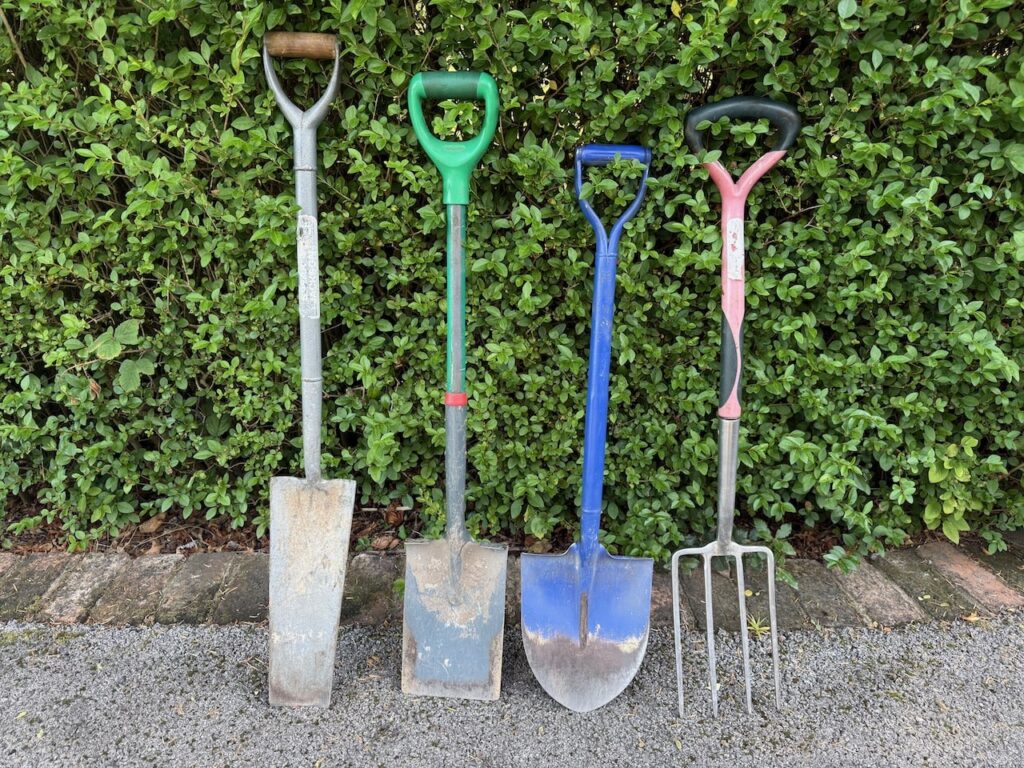
The Best Garden Spades and Forks to Buy: 2026 Complete Tool Guide
Lee Burkhill: Award Winning Designer & BBC 1's Garden Rescue Presenters Official Blog
Beginner level
Looking to upgrade your garden tools but overwhelmed by the options? Choosing the right garden spade and fork can transform your gardening from back-breaking work to effortless soil cultivation. Whether you're battling heavy clay, creating pristine edges, or establishing new beds, the perfect tools become your most trusted companions. This guide reveals exactly what to look for, helping you avoid costly mistakes and find the ideal match for your soil type and gardening needs. We'll cut through the marketing hype to deliver practical advice for tools that will serve you reliably for decades.
When I first started gardening in my teens, I made the classic rookie mistake of thinking any old spade or fork would do the job. Mainly because I had zero funds and was working with whatever I had in my shed. How wrong I was! After years of designing gardens on BBC1’s Garden Rescue and countless hours working with every type of tool imaginable, I can tell you that your spade and fork are the foundation of your gardening toolkit. Get these right, and everything else becomes easier. Get them wrong, and you’ll be fighting an uphill battle every time you step into the garden.
Quick Answer
For most UK gardens, a stainless steel digging spade with an ash handle and a four tine stainless steel digging fork will cover nearly every job. Choose a border spade and border fork instead if you are under 5’6″, gardening in raised beds, or working in tight borders between established plants. Spend at least £30 to £50 per tool, since cheaper spot welded versions bend and snap under real use.
This comprehensive guide will walk you through the best garden spades and forks available in the UK, covering everything from budget-friendly options to professional-grade tools that’ll last a lifetime. I’ll share which brands consistently deliver and, most importantly, how to choose the perfect tools for your gardening style, your height, and your soil type.
Before we dive into specific products, let me explain why investing in quality digging tools is one of the most intelligent decisions you’ll make as a gardener. Having used everything from bargain basement tools to premium handcrafted implements, the difference is night and day.
The key benefits of quality tools include:
Better efficiency
Reduced pain and strain
A tool that outlasts its cheaper counterparts, AKA ‘Value for money’.
Better performance means you’ll get more done with less effort. A sharp, well-balanced spade cuts through soil like butter, whilst a flimsy one will have you hacking away like you’re trying to dig through concrete. The difference is efficiency, which, as you garden more, is a huge benefit. Less effort: more results.
Reduced strain on your body is also crucial for long-term enjoyment of gardening. Proper ergonomics, balanced weight distribution, and comfortable grips can help prevent back pain and fatigue that often deter people from gardening. It also prevents annoying, red, blistered, or sore palms from awkward, cheap handles that can scratch or cut into you. I’ve seen too many keen gardeners give up simply because they were using tools that worked against them rather than with them.
Longevity makes quality tools an investment rather than an expense. A well-made spade or fork can last for decades with proper care, while cheap alternatives may need replacing every few seasons. When you calculate the cost per year of use, quality tools often prove to be more affordable in the long run.
Professional results come from professional tools. Whether you’re creating planting holes, turning over beds, or lifting plants, quality tools help you work more precisely and achieve better results.
Understanding Spade and Fork Materials
The material your tool is made from affects everything from durability to weight to performance. You may think all spades and forks are made from stainless steel or some form of ‘metal’ but each option will be made from varying quality metals and alloys, so it’s worthwhile knowing what your potential tool is made of before splashing the cash. Having tested tools made from various materials over the years, here’s what you need to know.
💡 Top Tip
No manufacturer currently makes a solid forged stainless steel spade or fork. If you want true solid forged strength (the blade and socket made from a single piece of metal, with no weld point to fail), you need carbon steel. Stainless steel tools are always either pressed or welded at the neck, which is the first place they will fail under heavy leverage.
A) Carbon Steel: The Traditional Choice
Carbon steel has been used for garden tools for centuries, and for good reason. It’s incredibly strong, holds a sharp edge well, and can be resharpened when needed. However, you do need to keep them clean, or they will rust quickly and become prone to flaking and damage. They do weigh more, so that needs to be taken into consideration for shorter or smaller gardeners like myself who don’t want to burn their arms out when digging plant holes!
Advantages of carbon steel tools:
Exceptionally strong and durable
Can be sharpened to maintain cutting performance
Excellent for heavy-duty work
Traditional forged tools often last for generations
Good value for money
Disadvantages to consider:
More prone to rust than stainless steel
Requires regular maintenance
Can be heavier than modern alternatives
May stain if not properly cared for
B) Stainless Steel: The Modern Alternative
Stainless steel tools have become increasingly popular, offering excellent resistance to rust and easier maintenance. However, they can quickly blunt and need sharpening if you’re using your spade to dig through hard ground, roots or turf. If you hit large stones, roots or rocks, they can chip more easily compared to carbon steel.
Advantages of stainless steel tools:
Excellent rust resistance
Easy to clean, since soil doesn’t stick as readily
The handle material affects comfort, durability, and the overall feel of your tool. It’s your first point of contact, and trust me when I say that a cheap plastic handle with a slight scratch line from where it’s been heat-sealed together will soon start to grate when it catches your fingers or hands each time you use it. In contrast, a beautiful wooden handle is smooth and a pleasure to work with, even if it stains far quicker!
Ash wood handles are the traditional choice and remain popular for good reasons. They’re strong, flexible enough to absorb shock, and feel warm in your hands. Quality ash handles can last decades if properly maintained.
Fibreglass and aluminium handles offer lighter weight and complete weather resistance. They’re excellent for people who struggle with heavier tools or who leave tools outside occasionally.
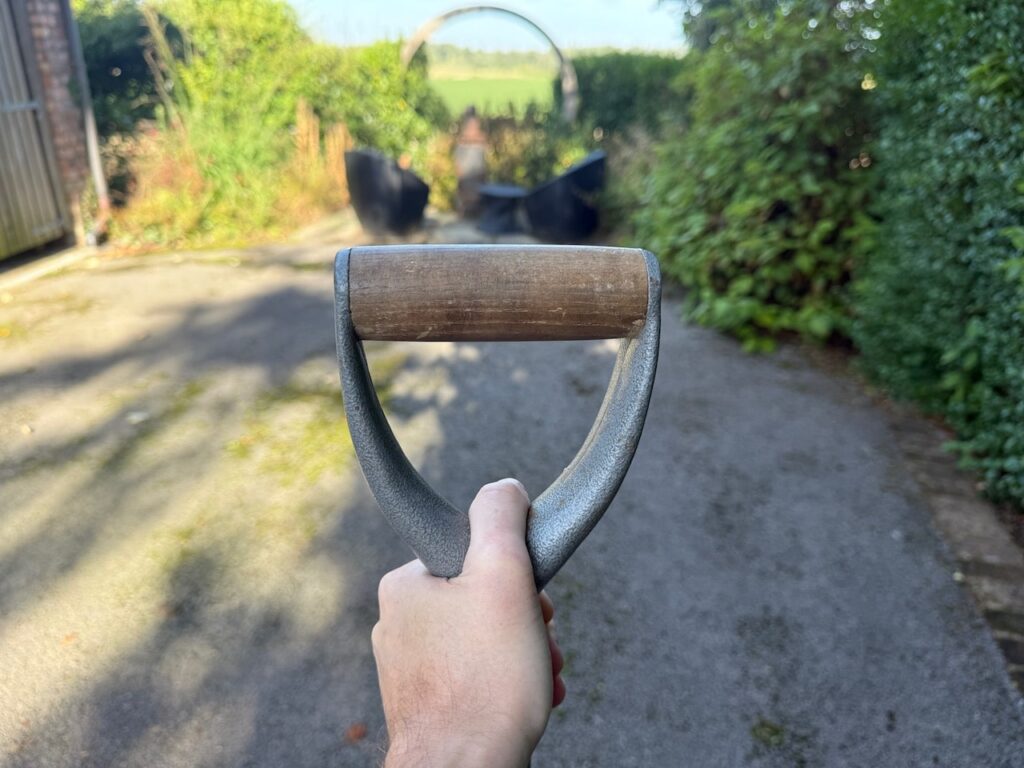
Steel handles are virtually indestructible but can be cold to the touch and may vibrate more than wood or composite materials. It’s key that there are no obvious seams or joins on this handle type, which can make them uncomfortable.
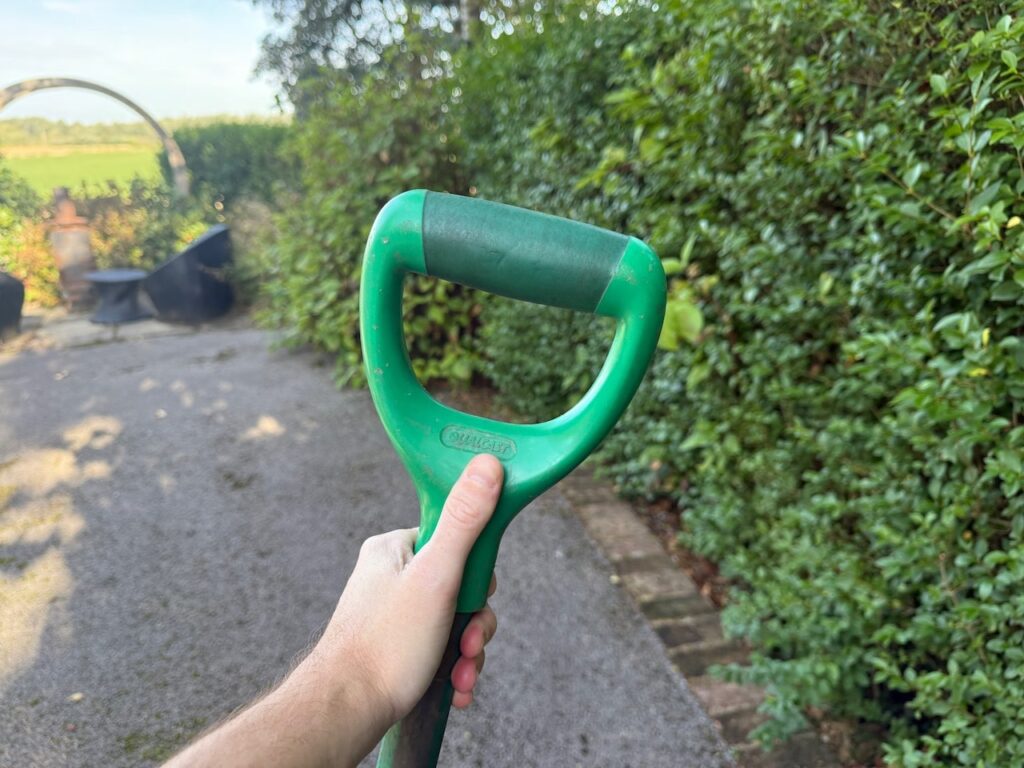
Plastic handles are cheap and cheerful and often coated with a rubber grip around them. They also come in bright colours to help you find your spade or fork. However, the big issue is friction and snags where the rubber and plastic meet, often causing a nip or a pinch on the skin unless you wear gardening gloves all the time.
Digging Spades vs Border Spades: Which Type Do You Actually Need?
This is a question I get asked constantly, both on the forum and on set for Garden Rescue, and it’s one that even fairly experienced gardeners get muddled. Most people only ever own one spade, so they assume one type fits every job. In reality, the two main styles of UK garden spade are built for distinctly different work, and choosing the wrong one is a common reason people think they “just don’t get on” with digging.
A digging spade is the standard, full-size spade most of us picture when we think of the tool. It has a wide, flat blade, typically 28 to 30cm long and around 18 to 19cm wide, with a long handle. It’s designed for preparing large areas of soil, turning over beds, and the heavier work of cutting through turf or tough ground. If you’re working an allotment, digging a new border from scratch, or moving a significant volume of soil, a digging spade is the right tool.
A border spade is essentially a smaller, lighter version of the same tool. The blade is narrower and the handle shorter, which makes it far easier to manoeuvre between established plants, in raised beds, or in a tight border without accidentally slicing through a neighbouring plant’s roots. I find a border spade indispensable when I’m planting into an already established bed on a Garden Rescue build, where there simply isn’t room to swing a full-size digging spade without doing damage.
There’s also a third, less common type worth knowing about: the Irish spade, which has a narrower blade and a longer handle than a standard digging spade. It was developed for stonier, harder UK and Irish ground, and it lets you put more leverage through a smaller blade footprint. You won’t need one for most gardens, but if you’re regularly fighting flinty or rubble-strewn soil, it’s worth seeking out.
Digging: large beds, allotments, new borders. Border: raised beds, tight spaces, planting between shrubs.
Weight
Digging: heavier, more leverage. Border: lighter, easier on the back and shoulders.
Best suited to
Digging: gardeners 5’6″ and above with larger plots. Border: shorter gardeners, smaller gardens, anyone with joint or back limitations.
The Best Garden Spades for Every Need
Let’s start with spades, which are the workhorses of any garden toolkit. In fact, I would argue that if I could only have one garden tool, a sharp spade would be my preference (apart from pruning tools that is, given how infamous my pruning guides are!) A good spade should feel like an extension of your arm, making even heavy digging feel manageable.
Spear & Jackson Traditional Stainless Steel Range – Classic Quality
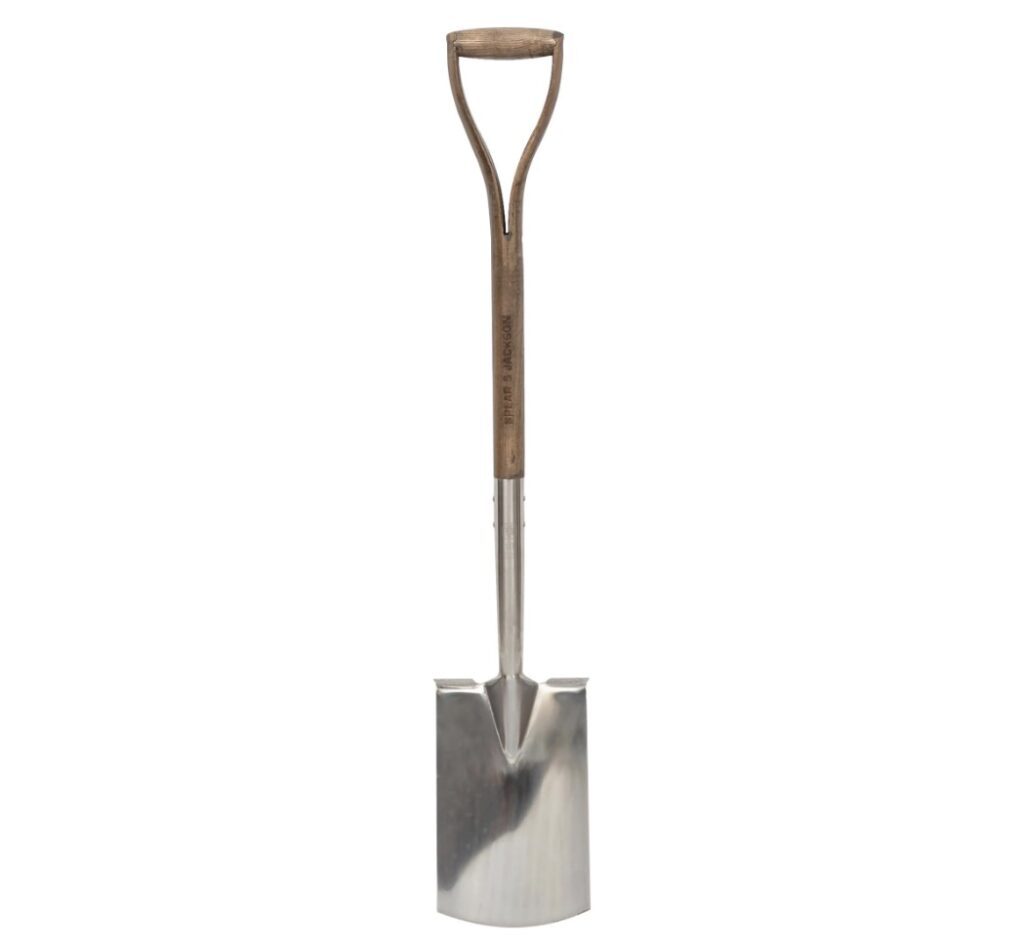
Spear & Jackson has been making quality tools since 1760, and their Traditional range combines modern materials with time-tested design principles. These are the excellent all-rounder tools that I’ve used over the years. Not so expensive that losing them makes you cry, but not so cheapo that you abuse them or feel like they are not worth looking after, they are! Their flat-edge spade with a wooden handle is a joy to use, and I’d recommend it without hesitation.
They also offer a curved spade tip version, which is better suited for harder ground or planting trees. I prefer a curved spade head. I find it easier for the copious amounts of planting I do, vs the straight head, but every gardener is different!
Most gardeners wanting traditional quality at a fair price
Key Features:
Mirror-polished stainless steel head for minimal soil adhesion
Weather-proofed hardwood shaft for durability
Traditional wishbone handle design
Manufactured to exceed British Standard load tests
10-year manufacturer guarantee
What customers say: Reviews consistently praise these spades as “well-made,” “comfortable to use,” and “excellent for cutting through ground.” Many customers note the razor-sharp blade and appreciate the traditional craftsmanship.
Best for: Gardeners who want traditional quality with modern materials. Ideal for those who appreciate classic design and are willing to invest a bit more in long-term durability.
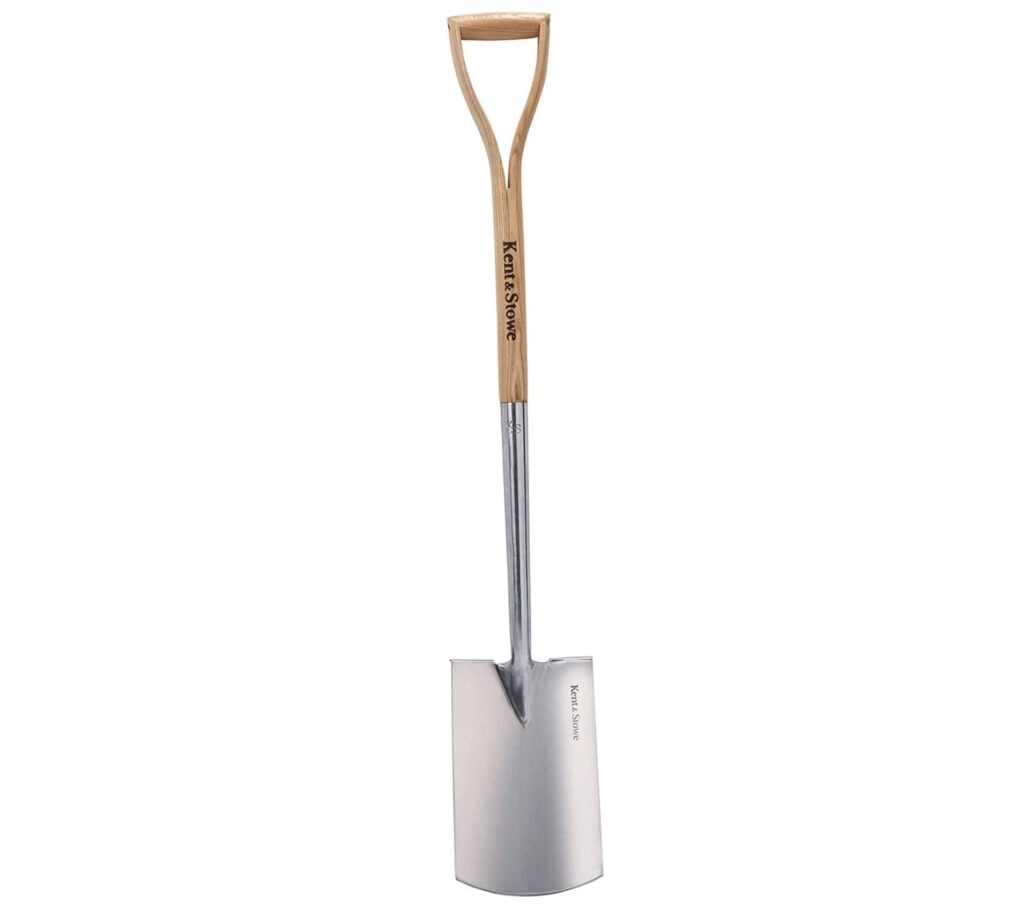
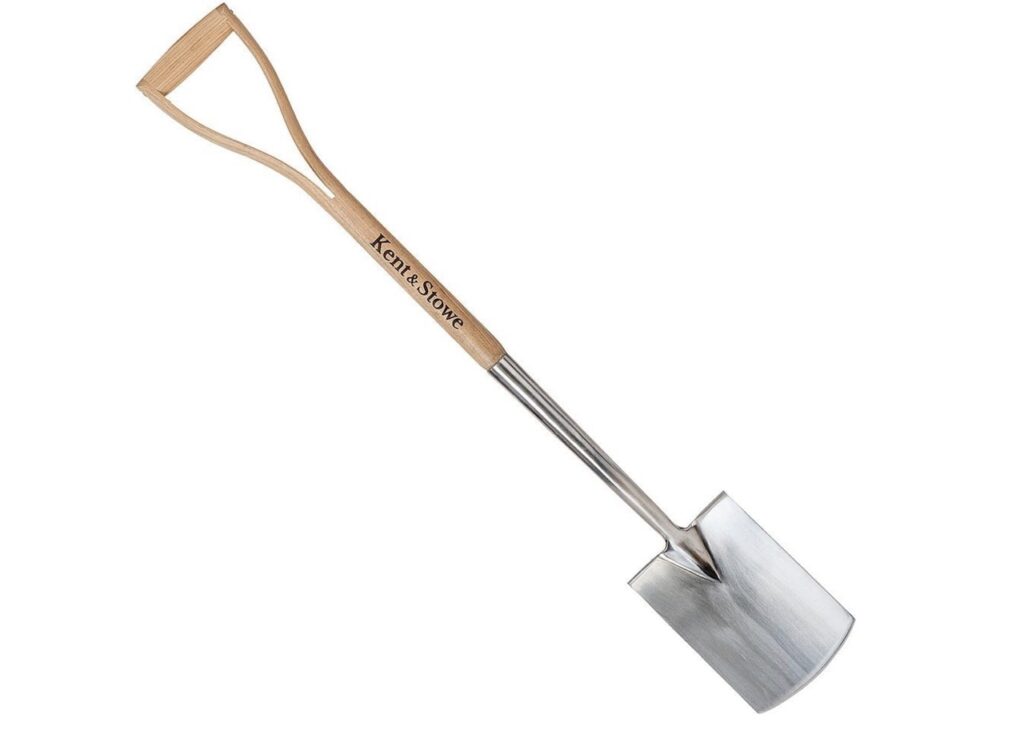
Kent & Stowe Stainless Steel Digging Spade – Premium Performance
Kent & Stowe tools are designed with today’s gardener in mind, combining traditional British design with modern manufacturing techniques. I think of them as the high-quality classics, where the materials are well-constructed and they are super durable. This spade has the traditional sharp rectangular head and is slightly longer than the others. Making digging larger holes much easier, or if you need to lift and shift a lot of soil in your garden or allotment.
Customer feedback: Users appreciate the “comfortable” design and “excellent quality,” though some note occasional quality control issues with welding on certain batches.
Best for: Gardeners seeking a balance of traditional design with modern ergonomic features.
Kent & Stowe Garden Life Range – Lightweight Champion
For those who find standard spades too heavy or cumbersome, the Garden Life range offers 40% lighter tools without compromising on quality. This is the lightweight version of the Kent and Stowe spade above and is excellent for us smaller gardeners. You won’t believe how much easier it is to use a smaller spade when you’re under 5ft 7! It has a nice balance, even though it’s slightly smaller, and I’ve found that using this spade for emptying tonne bags of top soil or compost is super easy, as the handle doesn’t get stuck in the bag like larger spades.
Shorter gardeners, senior gardeners, anyone with mobility limitations
Key Features:
40% lighter than standard spades
Compact size perfect for smaller gardeners
Full stainless steel construction
Ash wood handle
Same strength as full-size equivalents
Customer feedback: Users describe these as “perfect for smaller people,” “lightweight,” and “easy to use.” Particularly popular with senior gardeners and those with mobility issues.
Best for: Senior gardeners, those with mobility issues, or anyone who prefers lighter tools for extended use, especially shorter gardeners like me!
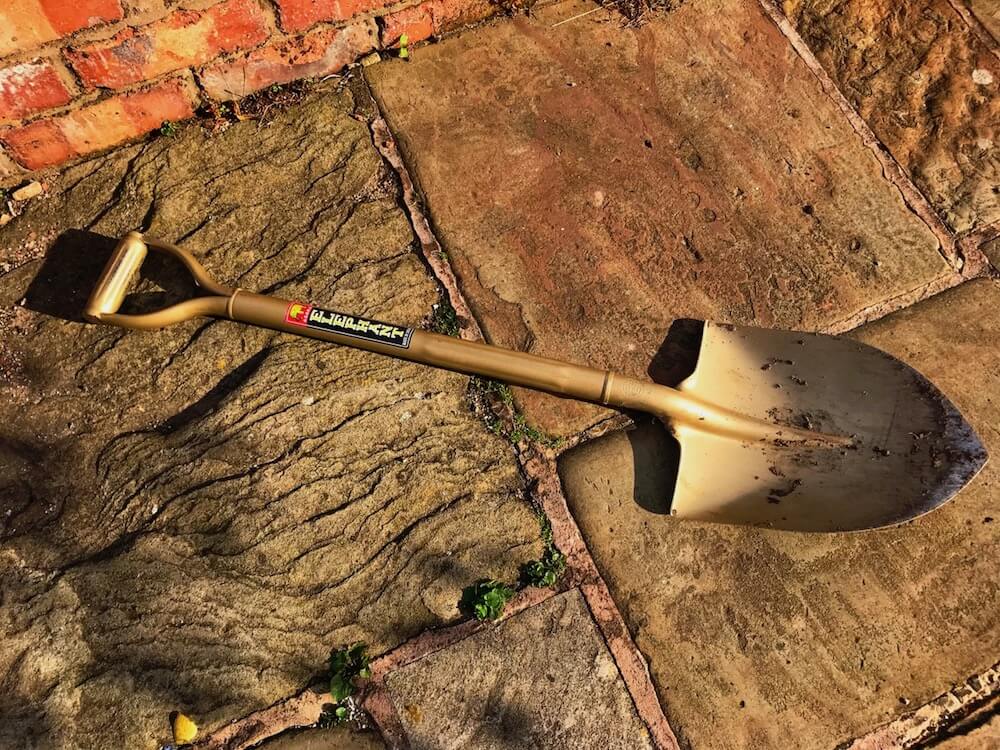
Niwaki Golden Spade – My Personal Go-To for Over a Decade
I have to share my personal favourite here. The Niwaki Golden Spade has been my go-to tool for over ten years, and it’s absolutely transformed how I approach digging work. This Japanese-crafted beauty isn’t just gorgeous to look at (though that golden finish certainly turns heads in the garden); it’s incredibly functional and built to last. The best part is it’s like a feather to lift and cuts through nearly everything. They arrive with a gold coloured plating (not real, unfortunately) and are unmistakable in the garden.
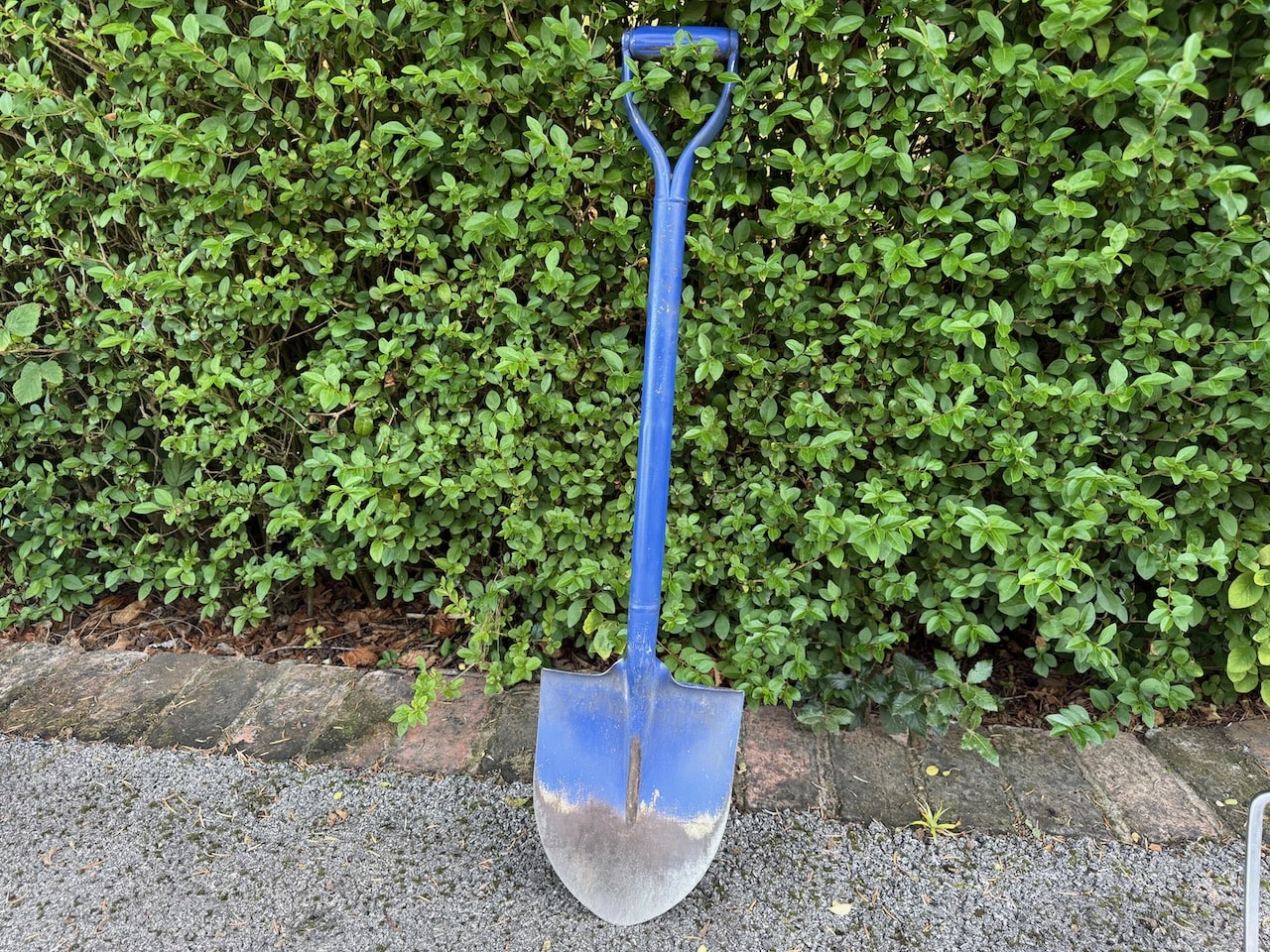
I’ve had mine for over a decade, and until a recent respray, it has kept its gold sheen. It’s also remained razor sharp for digging through roots. I sprayed mine blue, as someone else on Garden Rescue bought one, and mine was very well-worn, so I thought it needed a quick glow-up with some blue spray paint!
🔧 At A Glance
Material
All-steel construction, tubular steel handle
Weight
Approximately 1.75kg
Shaft length
97cm (shorter shaft, good for precise work)
Best for
Professional gardeners and serious enthusiasts wanting a tool for life
Take a look at my Niwaki spade below, now celebrating its 10th anniversary with a vibrant Majorelle blue respray!
What others say: BBC Gardeners World Magazine awarded it high marks, praising its “light, balanced feel and ability to slice through difficult ground quickly and easily.” Customers consistently describe it as “incredibly strong,” “lethally sharp,” and “surprisingly light.”
Key Features:
Incredibly strong yet surprisingly light (only 1.75kg for standard size)
Lethally sharp, pointed blade that slices through anything
All-steel construction with tubular steel handle
Firm tread for comfortable foot placement
Rigid steel pipe shaft that won’t flex or break
Beautiful golden coating (develops character as it wears)
My experience: Having used this spade professionally for over a decade, I can honestly say it’s worth every penny. It cuts through roots, stones, and the most challenging ground with ease. The short shaft (97cm) might divide opinion, but I find it perfect for precise work and brilliant in tight spaces. Yes, its all-metal construction means it can feel cold in winter, but the performance more than makes up for it. The balance is absolutely spot-on, and at under 2kg, you can work with it all day without fatigue.
Best for: Professional gardeners and serious enthusiasts who want the ultimate precision digging tool. Not the cheapest option, but a tool for life.
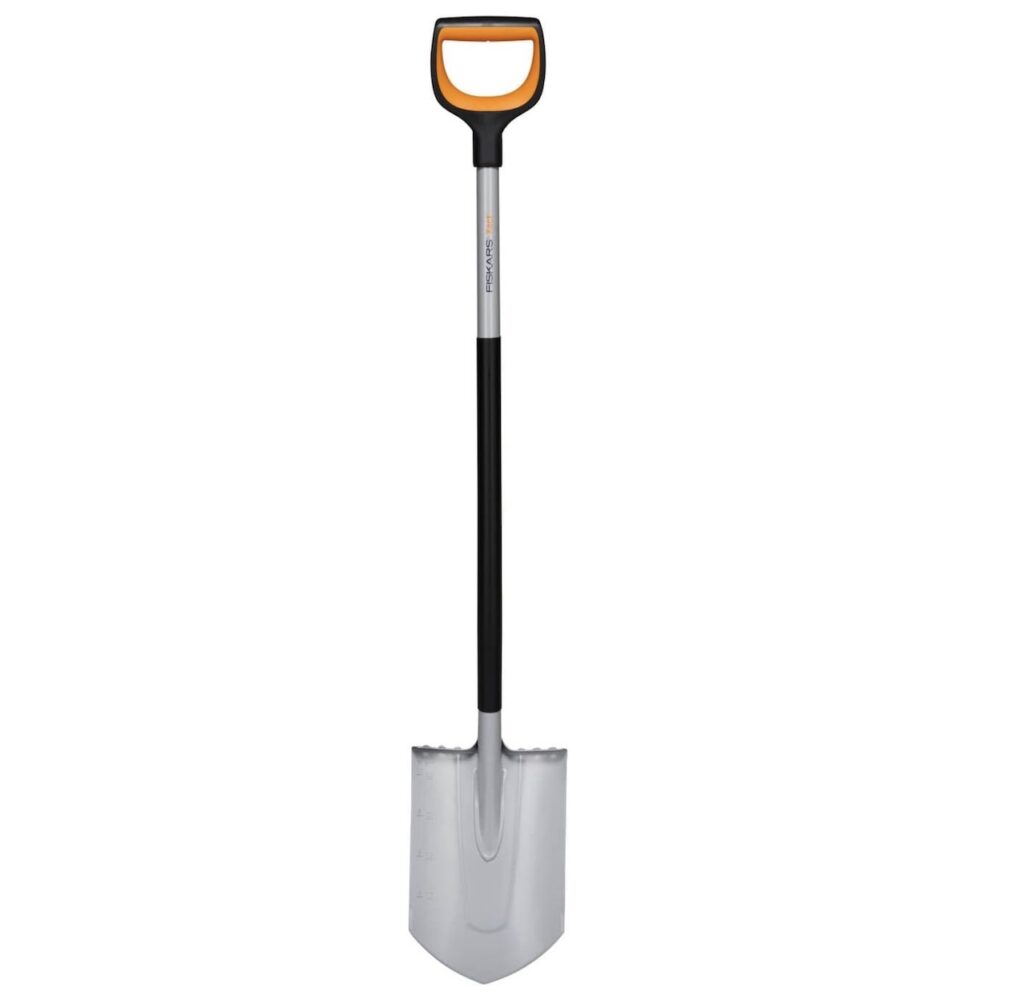
Fiskars Solid Digging Spade
Fiskars brings Finnish engineering excellence to garden tools with its solid construction and ergonomic design. They have a distinctive grey and bright orange brand and colouration, making their spades and tools easy to find in the garden. The pointed Xact spade is the one Fiskars model I’ve used on larger builds, and it’s extremely tough, as the price reflects, making it one of the more expensive spades in this review. The great thing with this range, in my experience, is the larger foot plates to help drive the spade into the soil. These footplates are the top section of the spade blade, allowing you to apply extra pressure to the spade when digging or lifting soil.
If you need a spade that can handle abuse, such as shifting 4 tonnes of gravel, then Fiskars models are tough enough to cope. My only niggle is the plastic handles, which I’m not a fan of personally, but they are otherwise incredibly well-made tools.
Best for: Gardeners who appreciate modern engineering and want tools backed by comprehensive warranties and the all-important foot plates for strength when digging poor or compacted soil.
The Best Garden Forks for Every Garden
Garden forks are essential for breaking up soil, lifting plants, and working in areas where a spade might be too aggressive. Where a spade lifts and moves, a fork breaks up and aerates the soil. I would argue that a spade has a few limited functions of cut, dig and move, whereas garden forks are much more nuanced. Garden forks enable you to aerate lawns, lift and divide plants carefully, or help break up compost heaps or loosen heavy, fudgy soil.
Whilst I said my garden spade was my one go-to tool, in reality, a garden fork is a very close second, allowing me to garden in every condition and with every plant requirement. Let me show you how to choose a garden fork and which one will best suit your budget and needs.
But first, let me break down the key differences between garden spades and forks.
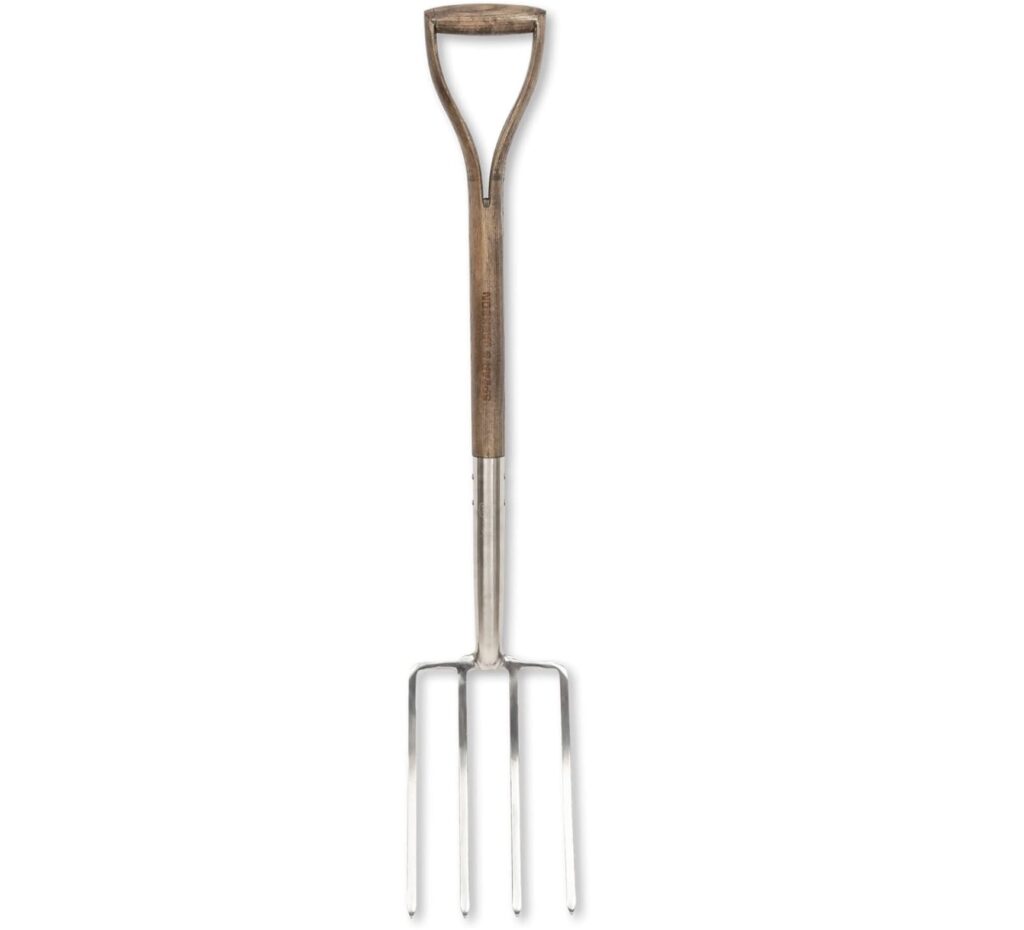
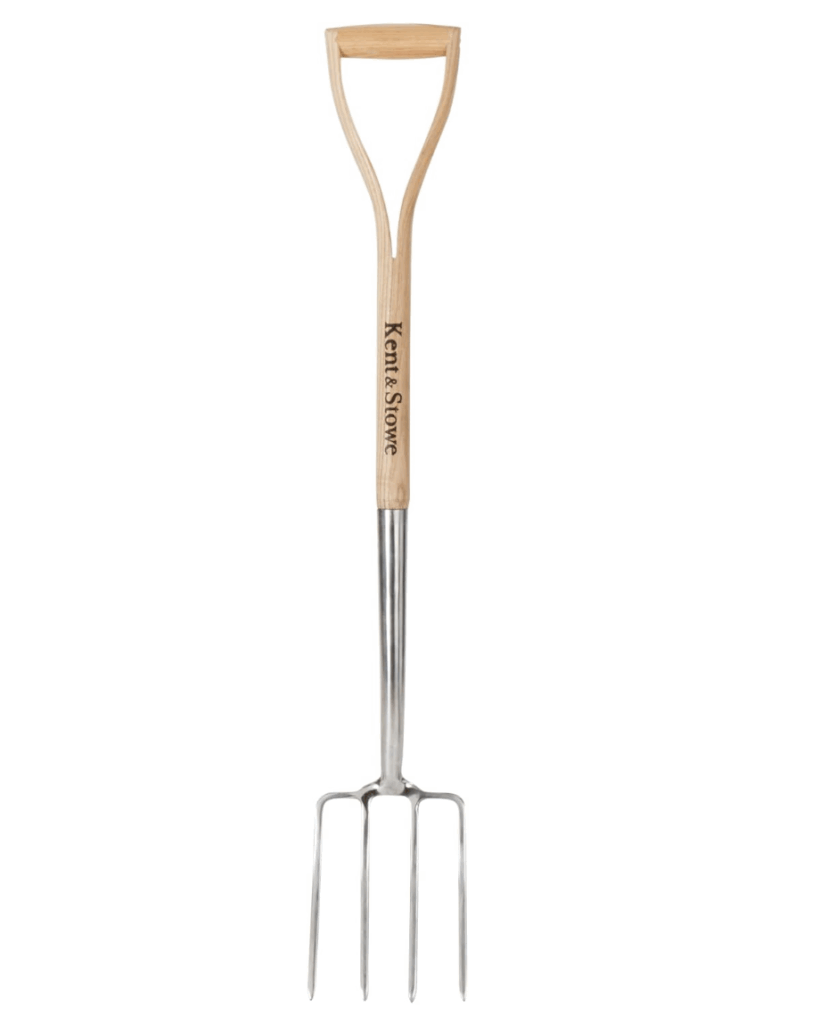
Spear & Jackson Traditional Stainless Steel Digging Fork – The Gold Standard
This Spear and Jackson fork combines traditional craftsmanship with modern materials, such as stainless steel, to create a tool that’s both beautiful and highly functional for occasional or weekend use. The wooden shaft is warm to the touch and lovely to look at. This good beginner fork enables you to lift herbaceous perennials and most shrubs, but it won’t tackle super heavy-weight work, such as tree roots or really rocky or gley soil, so bear that in mind. I’m not sure, having used one, that it would last if used for professional gardeners, but then it’s not built or priced for that requirement.
If, however, you’re working with raised beds, super fluffy allotment soil or other friable ground, then this fork is a great starting point.
🔧 At A Glance
Material
Mirror-polished stainless steel tines, ash handle
Award
British Growing Awards winner, 2022
Best for
Raised beds, allotments, friable soil, occasional use
Key Features:
Mirror-polished stainless steel tines
Weather-proofed hardwood shaft
Traditional wishbone handle
Manufactured to British standards
10-year guarantee
Customer feedback: Users consistently praise this fork as “well-made,” “beautiful,” and “excellent value.” The British Growing Awards winner for 2022, it scores 4.5 stars with hundreds of positive reviews.
Best for: Gardeners who want a traditional, high-quality fork that will last for decades with proper care and for occasional use.
Spear & Jackson Select Stainless Steel Digging Fork – Modern Convenience
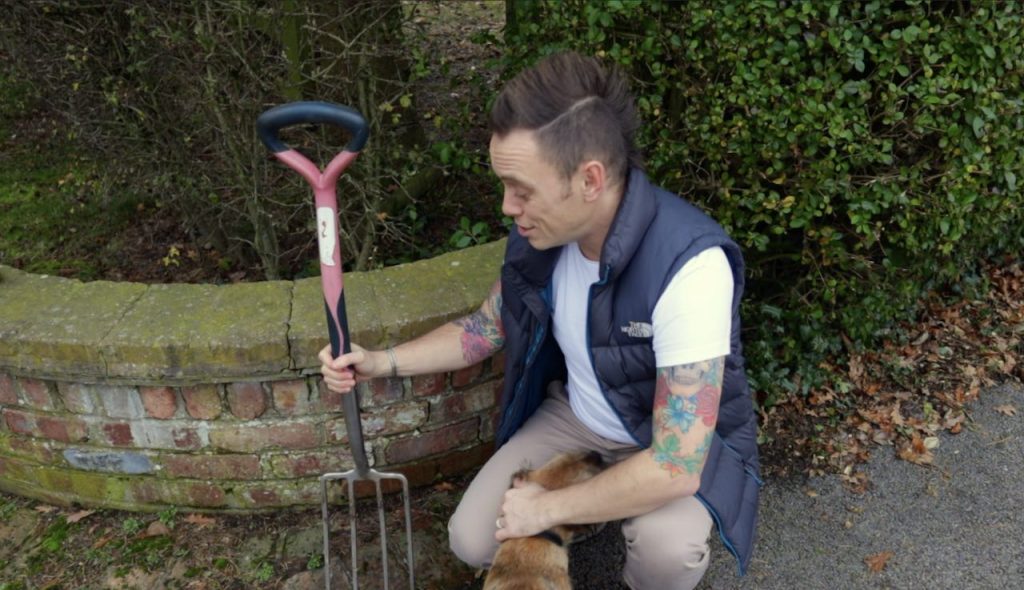
The Spear & Jackson digging fork, seen below, is a no-nonsense work tool for heavy-duty gardening. It’s useful for those who prefer a more contemporary handle design; the ‘Select range’ offers polypropylene shafts with ergonomic features such as the rubberised handle grip. The primary advantage of these man-made handles and shafts is their clean appeal, as they can be washed and wiped down, whereas wood can stain quickly and is more challenging to clean thoroughly.
For some reason, when using forks to turn compost or improve soil, they become filthy, even compared to spades. I’m not sure whether it’s because you’re breaking apart more soil or the fact that you’re usually transplanting with forks rather than spades.
As a result, I opt for an easy-to-clean tool like this fork every now and then. I’ve owned this Spear and Jackson fork now for over a decade, and it’s still going strong. You can see my sunbleached one below! You’ve probably also seen it being used in my many YouTube video gardening guides.
I know that I usually complain about plastic handles. Still, this rubberised one manages to get past my qualms with plastic in the garden (which you can read about here). I usually opt for more eco-conscious materials, and plastic is difficult to recycle and can often crack or appear lacklustre after a few years’ use, unlike wood, which retains a timeless appearance.
🔧 At A Glance
Material
Stainless steel tines, polypropylene shaft
Handle style
Forward-tilting, rubberised grip
Best for
Heavy compost or muddy work where an easy-clean handle matters
Key Features:
Mirror-polished stainless steel head
Polypropylene shaft with grip
Forward-tilting handle for ideal digging angle
Exceeds British Standard load tests
Ergonomic extra-wide handle
Customer feedback: Users appreciate the “lovely lightweight” design and “comfortable” handle, though some note durability concerns with heavy use in rocky conditions.
Best for: Gardeners who prefer modern handle materials and ergonomic design features. Additionally, if you drop it, the rubber handle and heavy-duty polyurethane shaft prevent it from rattling, and it bounces back more!
Kent & Stowe Garden Life Digging Fork – Compact Excellence
Perfect for gardeners who find full-size forks too cumbersome, this compact Kent & Stowe fork offers professional performance in a more manageable package, which is a godsend for us smaller gardeners. Like its sister spade above, the ‘Garden Life’ range make tools that suit the shorter gardener, and because there’s less strain working with oversized tools, you stay busier longer in the garden, enough said.
Ideal for gardeners who struggle with heavier tools
Customer feedback: Users describe it as “well-made,” “lightweight,” and “perfect for senior female gardeners.” Particularly praised for border work and precision tasks.
Best for: Smaller gardeners, those with mobility issues, or anyone working primarily in beds and borders rather than large open areas.
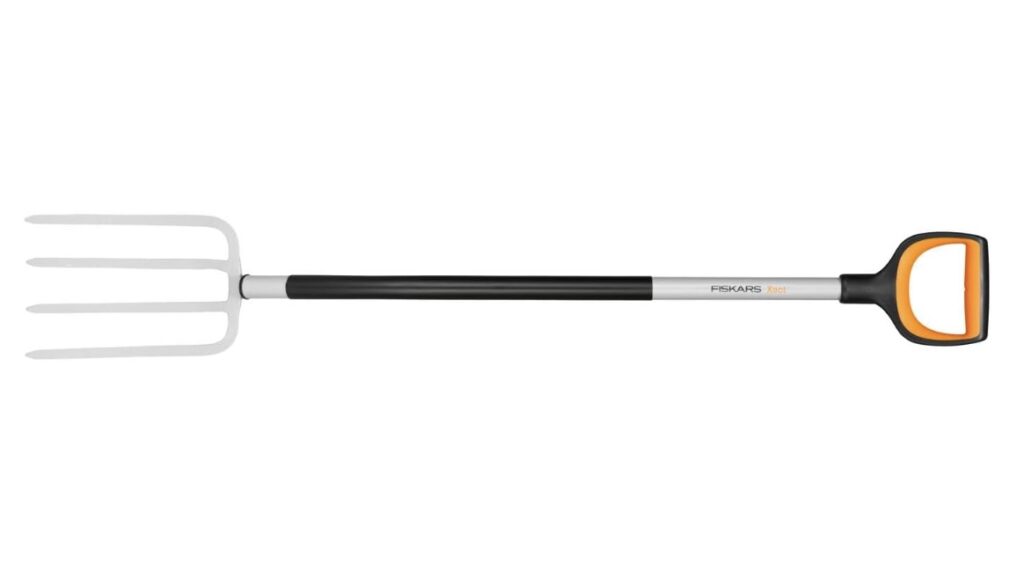
Fiskars Garden Fork – Finnish Engineering
Fiskars’ classic, super-hard-working garden fork is absolutely fab to use in new build clay soil with debris and unknowns popping up in it! It’s manufactured using their usual tough construction method, making this heavy-duty fork ideal for larger jobs involving tree roots, heavier stony soil, or lifting large clods of clay soil. If you need to call in the big guns, then this is the fork for you, and the price reflects that. Perfect for jobbing gardener professionals and planting experts alike! Lastly, that bright orange handle means it’s super easy to spot when you put it down to grab your brew!
Clay soil, tree roots, heavy stony ground, professional use
Key Features:
Four high-quality boron steel tines
Ergonomic handle design with a 7-degree lifting angle
Non-slip rubber grip
120cm length suitable for most users
Powder-coated finish for rust resistance
Customer feedback: Users praise it as “strong,” “excellent quality,” and “well worth the price.” Some note it’s heavier than expected, but appreciate the robust construction.
Best for: Gardeners who appreciate ergonomic design, need to lift all sorts of horrors out of the soil and want a tool that reduces physical strain during extended use.
What’s the Best Cheap Spade and Fork?
Not everyone needs professional-grade tools, but you still want reliable performance and something that doesn’t rust and fall to pieces in the first year alone. Here, in my experience, is the best budget option for gardeners just starting out.
Draper Carbon Steel Tools
Draper offers good value tools that perform well for occasional gardening tasks, such as weekend gardeners or those just starting out. This double set costs less than £30 and gives you both a spade and a matching fork with bright green handles, making them easy to spot. The drawbacks are the handles; in my experience, having handled a few of these, they are uncomfortable for longer stints in the garden, and you probably will require decent leather gardening gloves to mitigate that.
Occasional gardeners and beginners on a tight budget
Key Features:
Carbon steel construction
Epoxy coating for rust resistance
Affordable pricing
Suitable for light to medium use
Best for: Occasional gardeners or those just starting out who want reliable tools without the premium price tag. However, not the most comfortable or ergonomic of tools, but the price reflects that.
Why I Wouldn’t Pay Less Than £30 for a Spade or Fork
It’s a false economy to buy cheap, mass-produced spades and forks that have been spot-welded together or made from very flimsy materials. Once a fork gets bent out of shape, you’re struggling to straighten it without a heat lamp and a workbench. If your spade blade starts to flake, it will stay rusty and have clods of dirt in it, making gardening a very mucky and unenjoyable experience! At a minimum, for a set of two, I’d pay £30 (a fork-and-spade combo) or £15 each, separately, to ensure you have workable tools.
Sizing Your Spade and Fork to Your Height
This is one of the most overlooked aspects of buying digging tools, and it’s a common reason people find a spade or fork uncomfortable and assume the tool itself is at fault, when actually it’s simply the wrong length for them. A spade or fork that’s too long for you forces you to bend or reach awkwardly, while one that’s too short has you stooping over with every dig, which is a recipe for back strain over a long session.
📏 Sizing Guide by Height
Under 5’2″
Border spade or a shorter shrubbery spade, plus a compact border fork
5’2″ to 5’6″
Border spade and border fork, or a lightweight digging spade such as the Kent & Stowe Garden Life range
5’6″ to 5’11”
Standard digging spade and digging fork, the most common sizing
Over 6′
A long-handled digging spade and fork, to avoid stooping and the back strain that comes with it
If you can, try a tool in a garden centre before buying online. Stand it upright next to you with the blade or tines on the ground and check where the top of the handle sits. As a rough guide, the handle top should sit somewhere between your hip and your lower ribs, never up at your shoulder or down at your thigh.
How to Choose the Perfect Spade and Fork
With so many excellent options available, how do you choose the right tools for your needs? It can be easy to get lost down a rabbit hole online, on Amazon or any one of the thousands of gardening supply shops and sites. However, sometimes you need to stop and consider what your requirements are before jumping in and buying tools on a whim.
Here’s my tried-and-tested approach from years of garden design work.
A) Consider Your Physical Requirements
Your height, strength, and any physical limitations should drive your tool selection. There’s no point having the “best” tool if it’s uncomfortable for you to use.
For shorter gardeners (under 5’6″): Look for compact or border tools like the Kent & Stowe Garden Life range. These are perfectly proportioned for smaller frames and won’t cause back strain. I’ve used this spade multiple times as I’m only a short gardener and it makes light work of the ground!
For taller gardeners (over 6′): Standard or long-handled tools are essential. Short tools will force you into uncomfortable positions that lead to back problems.
For those with mobility issues: Lightweight tools with ergonomic handles are crucial. The Garden Life range and Fiskars ergonomic tools are excellent choices.
B) Match Tools to Your Soil Type
Different soil types require different approaches, and your tools should reflect this. So many gardeners forget this and either buy over the top expensive spades for super lightweight sandy soil or the converse, where someone buys a £15 spade for heavy clay only for it to bend and even snap with use.
Heavy clay soils: You need robust tools with sharp edges. Solid forged carbon steel spades work best, as they can handle the leverage required without bending or breaking.
Light sandy soils: Lighter tools are perfect here. Stainless steel options work beautifully, and you can get away with more compact designs.
Rocky or root-filled areas: Go for the strongest construction possible. Solid forged tools with strong handles are essential.
C) Think About Your Gardening Style
Your approach to gardening should influence your tool choices. If you plan to grow a wide variety of vegetables and fruits, invest in more heavy-duty tools. Whereas maintaining a modern garden, which has light soil, may allow you to use lighter, more decoratively finished tools instead!
Intensive vegetable gardening: You’ll be using your tools constantly, so invest in the best you can afford. Professional-grade tools pay for themselves quickly with allotment and kitchen gardens.
Weekend gardening: Mid-range tools offer the perfect balance of quality and value. You want reliability without paying for features you won’t use. You may even opt for ‘prettier’ solid wood tools as they look nicer to display in greenhouses, sheds or orangeries.
Casual maintenance: Budget-friendly options are perfectly adequate. Focus on comfort and ease of use rather than ultimate durability, opting for stainless steel that can be rinsed clean and stored away, rather than carbon steel that requires filing and oiling.
Tool Maintenance for Longevity
Even the best tools require proper care to perform at their best and last the longest. We’ve all been guilty of just whacking the tools away in the shed after using them, but please try to spare 5 minutes to clean them beforehand so they are ready to go the next time you need them. Here’s how to keep your spades and forks in top condition.
i) Regular Cleaning
Clean your tools after each use, especially if you’ve been working in clay or other sticky soils. A simple rinse with the hose and a brush is usually sufficient to remove stubborn soil. For stainless steel tools, this also prevents any mineral stains from setting in.
ii) Rust Prevention
For carbon steel tools, wipe them dry after cleaning and apply a light coat of oil occasionally. WD-40 or even cooking oil will work. Stainless steel tools require less maintenance but still benefit from being kept dry and gently wiped down with a clean cloth after use.
iii) Handle Care
Wooden handles should be checked regularly for splinters or cracks. Sand lightly if needed and apply linseed oil annually to prevent the wood from drying out and cracking. Synthetic handles just need occasional cleaning with warm, soapy water. It goes without saying, put your tools away and don’t leave them out in the rain where they will rust and become damaged!
iv) Sharpening Spades and Forks
Keep your spade edges sharp for easier cutting. A simple file or sharpening stone works well. Sharp tools require less effort and produce better results. If in doubt, find a local tool sharpening service; some of them offer on-the-drive services to make it really easy!
v) Storage and Safety
Store spades and forks tines or blades down, or hang them on a wall rack, rather than leaning them blade up against a wall or fence where they can topple. I’ve lost count of the number of forum questions over the years from gardeners who’ve stepped on an upturned fork left lying in long grass. Wipe off heavy soil before storage, since damp soil left clinging to the metal is what actually causes most of the rust I see on tools brought to me for advice.
Making Your Investment Count
Quality garden tools represent a significant investment, but they’re one of the best purchases you can make as a gardener. Here’s how to ensure you get maximum value:
Start with the Basics: Rather than buying a complete set of mediocre tools, invest in one excellent spade and one excellent fork. These two tools will handle 90% of your digging tasks, and you can add speciality tools as your needs develop.
Buy Once Philosophy: It’s better to spend £50 on a tool that will last 20 years than £20 on one you’ll replace in two years. Calculate the cost per year of use when making decisions.
Try Before You Buy: If possible, handle tools before purchasing. Many garden centres have display models you can hold to check the weight and balance. Online reviews are helpful, but nothing beats the feel of a tool in your hands.
Consider Warranties: Many premium tool manufacturers offer substantial warranties. These aren’t just marketing gimmicks, they reflect the manufacturer’s confidence in their product’s durability.
Frequently Asked Questions
What is the difference between a digging spade and a border spade?
A digging spade is full sized, with a blade around 28 to 30cm long, and is built for preparing large areas of soil. A border spade is smaller and lighter, with a narrower blade around 23cm long, and is designed for working in tighter spaces such as raised beds and borders without disturbing nearby plant roots.
Should I buy carbon steel or stainless steel tools?
Carbon steel is stronger and can be solid forged for maximum durability, but it needs regular cleaning and oiling to prevent rust. Stainless steel resists rust brilliantly and needs far less maintenance, but it’s typically welded rather than solid forged, so it’s slightly more prone to failing at the neck under very heavy leverage. For most UK gardens, stainless steel is the easier, lower maintenance choice. For heavy clay or allotment work, I’d lean towards carbon steel.
How do I know what size spade or fork I need?
Use your height as a starting guide. Under 5’2″, choose a border or shrubbery spade. Between 5’2″ and 5’6″, a border spade or lightweight digging spade works well. Between 5’6″ and 5’11”, a standard digging spade is right. Over 6′, look for long-handled versions. Stand the tool upright next to you. The top of the handle should sit roughly between your hip and lower ribs.
Can I use a fork instead of a spade for digging?
Not really, not for the same jobs. A fork’s tines penetrate soil more easily and are excellent for breaking up clods and lifting plants without slicing roots, but they cannot create the clean cuts or neat edges a spade provides. For digging planting holes, edging lawns, or cutting through turf, you need a spade. For aerating, dividing perennials, or turning compost, a fork does a better job.
How much should I spend on a garden spade and fork?
I would not go below £15 to £20 per tool, or £30 for a matching set, as anything cheaper tends to be spot welded and bends or snaps under real use. A good quality stainless steel or carbon steel spade and fork from a reputable British brand typically costs between £30 and £60 each, and will last for decades with basic care.
How often should I sharpen my garden spade?
I sharpen mine roughly once or twice a season, more often if I’ve been cutting through a lot of turf or rough ground. A simple flat file or sharpening stone run along the cutting edge at the existing bevel angle keeps the blade slicing cleanly through soil and roots, rather than forcing you to push and hack at the ground.
Unlock Your Garden Skills with Garden Ninja’s Expert Online Training
Ready to transform your gardening skills beyond just digging holes? Garden Ninja’s expertly crafted online courses will fast-track your development from keen amateur to skilled garden designer in months rather than years. Starting at just £29, you’ll gain access to professional garden design expertise from BBC Garden Rescue’s Lee Burkhill, delivered at a fraction of traditional horticultural education costs.
29
Garden Design Examples for Small Gardens: 30 Design Templates & Planting Plans
Garden Design Examples for Small Gardens: 30 Design Templates & Planting Plans: In this online gardening course, I’ll walk you through 30 fantastic garden designs, explaining the logic behind the layout, the plant choices, and take-home tips for applying them in your own garden.
Weekend Garden Makeover: A Crash Course in Design for Beginners
Learn how to transform and design your own garden with Lee Burkhills crash course in garden design. Over 5 hours Lee will teach you how to design your own dream garden. Featuring practical design examples, planting ideas and video guides. Learn how to design your garden in one weekend!
Garden Design for Beginners: Create Your Dream Garden in Just 4 Weeks
Garden Design for Beginners Online Course: If you want to make the career jump to becoming a garden designer or to learn how to design your own garden, this is the beginner course for you. Join me, Lee Burkhill, an award-winning garden designer, as I train you in the art of beautiful garden design.
Self-paced learning, study whenever suits you best, with no fixed timetables or classroom restrictions
Professional video tutorials from a qualified designer with extensive hands-on project experience
Engaging activities and real-world examples that strengthen understanding and boost your confidence
Unlimited access forever to course content, so you can return to lessons whenever needed
Professional certification, earning recognised qualifications that validate your garden design skills
Real-world application, putting your new knowledge into practice immediately on your own outdoor spaces
Exceptional value, premium education at a small percentage of conventional course fees
Linking to Your Complete Gardening Journey
Quality spades and forks are just the beginning of creating your dream garden. Once you’ve got your essential digging tools sorted, you might want to explore other aspects of gardening success.
For comprehensive guidance on creating beautiful garden spaces, check out my beginner’s guide to garden design, which shows you how to plan and implement stunning outdoor spaces.
If you’re interested in sustainable growing methods, my no-dig gardening guide demonstrates how to work with nature rather than against it whilst still achieving fantastic results.
Choosing the right garden spade and fork is one of the most important decisions you’ll make as a gardener. These tools will accompany you on every major project, from creating new beds to maintaining established plantings. They’ll help you work more efficiently, reduce physical strain, and achieve better results in everything you do.
Remember that gardening is supposed to be enjoyable, not a battle against inadequate tools. The right spade and fork will make even challenging tasks feel manageable, allowing you to focus on the creative and rewarding aspects of gardening rather than struggling with equipment that works against you.
Now get out there and start digging! Your garden (and your back) will thank you for choosing tools that are truly up to the task!
Your subscription could not be saved. Please try again.
Your subscription has been successful.
Lee Burkhill
Lee Burkhill, known as the Garden Ninja, is an award-winning garden designer and horticulturist with over 30 years of gardening experience and 15 years as a professional garden designer. A qualified RHS (Royal Horticultural Society) professional, Lee specialises in sustainable garden design and practical horticultural advice. He designs and presents on BBC1’s Garden Rescue and in leading gardening publications.