How to Start No Dig Gardening Beds on Top of Lawns & Grass
Lee Burkhill: Award Winning Designer & BBC 1's Garden Rescue Presenters Official Blog
Beginner level
Converting lawn to no dig beds is brilliantly simple. You're essentially smothering the grass with cardboard, burying it under compost, and planting straight away. No turf lifting, no soil turning, no wrestling with roots. Just layers doing the work whilst you get on with the fun bit: growing food. This guide will show you how to turn any part of your lawn into a no dig bed.
No-dig gardening works with natural soil processes rather than fighting against them, meaning more successful planting without the hard work of constantly digging over your garden. Traditional digging might look productive, but it actually creates a destructive cycle that damages soil biology, breaks down structure, and actually reduces long-term fertility. I’ve been a fan of no-dig gardening for over a decade and wrote about Charles Dowding years ago after spending some time with him. I love no dig gardening as there are so many more fun things to be doing in the garden other than digging!
The science is clear, with research from Rothamsted and agricultural universities showing measurable benefits from no-dig gardens.
When you stop digging, fungal networks spread throughout the soil, creating stable aggregates that somehow manage both excellent drainage and water retention simultaneously.
Digging destroys up to 90% of beneficial fungal networks, which then take months to re-establish. Earthworm populations in no-dig systems run three to eight times higher than in cultivated soil, creating natural drainage channels whilst depositing nutrient-rich castings.
The environmental benefits add weight to the practical advantages. Digging releases stored carbon dioxide as organic matter oxidises. No-dig systems maintain 15-25% higher soil organic matter after five years, improving both growing conditions and climate resilience. So let me show you how you can set up no-dig flower beds directly on top of turf to have you growing in no time!
Creating a No Dig Bed on Lawn
For gardeners ready to begin turning lawns into no dig beds, this summary provides the essential steps so you can dive straight into creating your first no dig flower or vegetable bed on top of an existing lawn. No dig makes garden set-up ridiculously simple and cost-effective, so if you’re wondering where the catch is, there isn’t one other than working out where to lay the cardboard and compost!
Basic Lawn Conversion Method (Suitable for Most Situations)
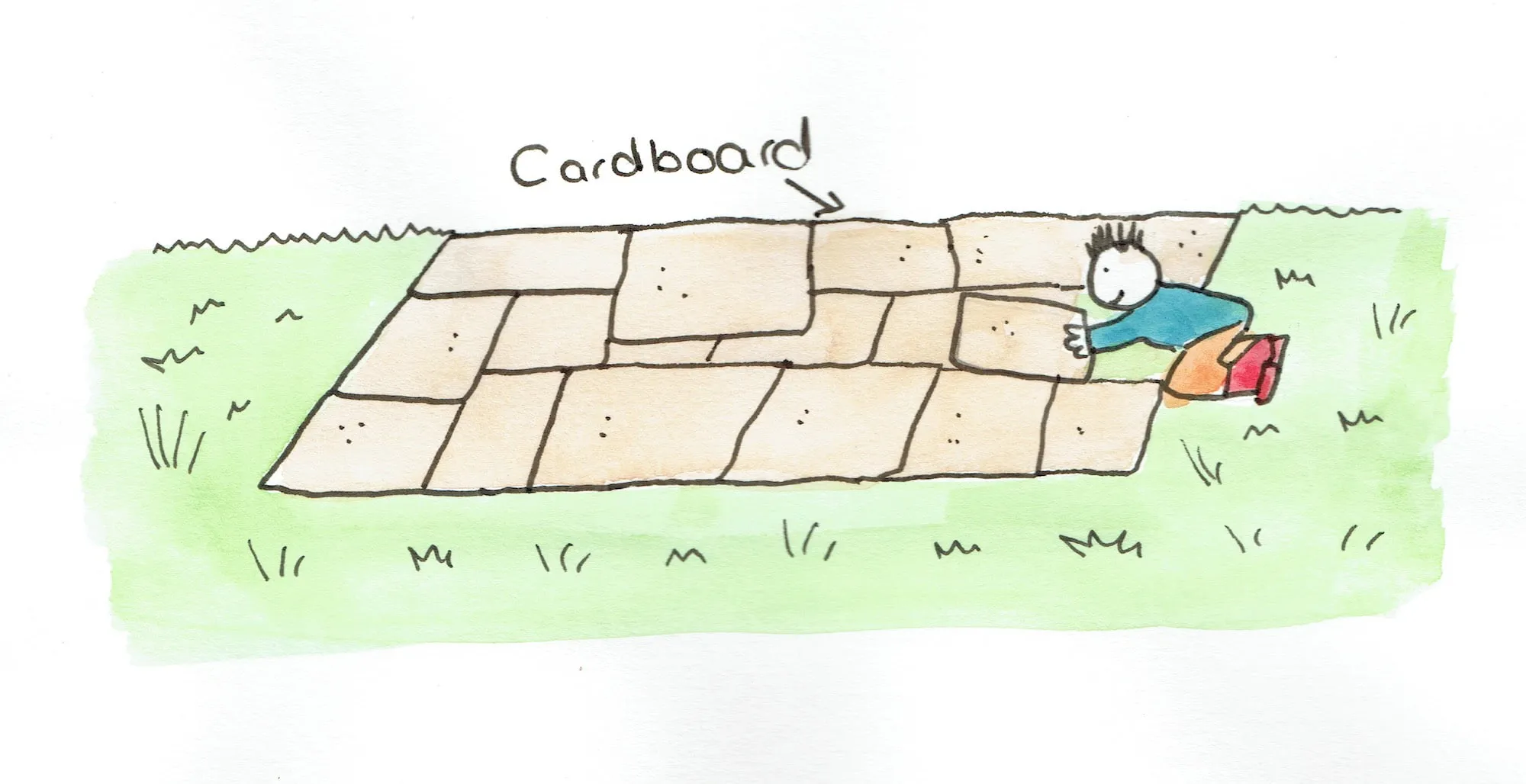
Lay cardboard: Use plain corrugated cardboard with a 15-20cm overlap; remove plastic tape
Wet thoroughly: Soak cardboard until water pools briefly on the surface
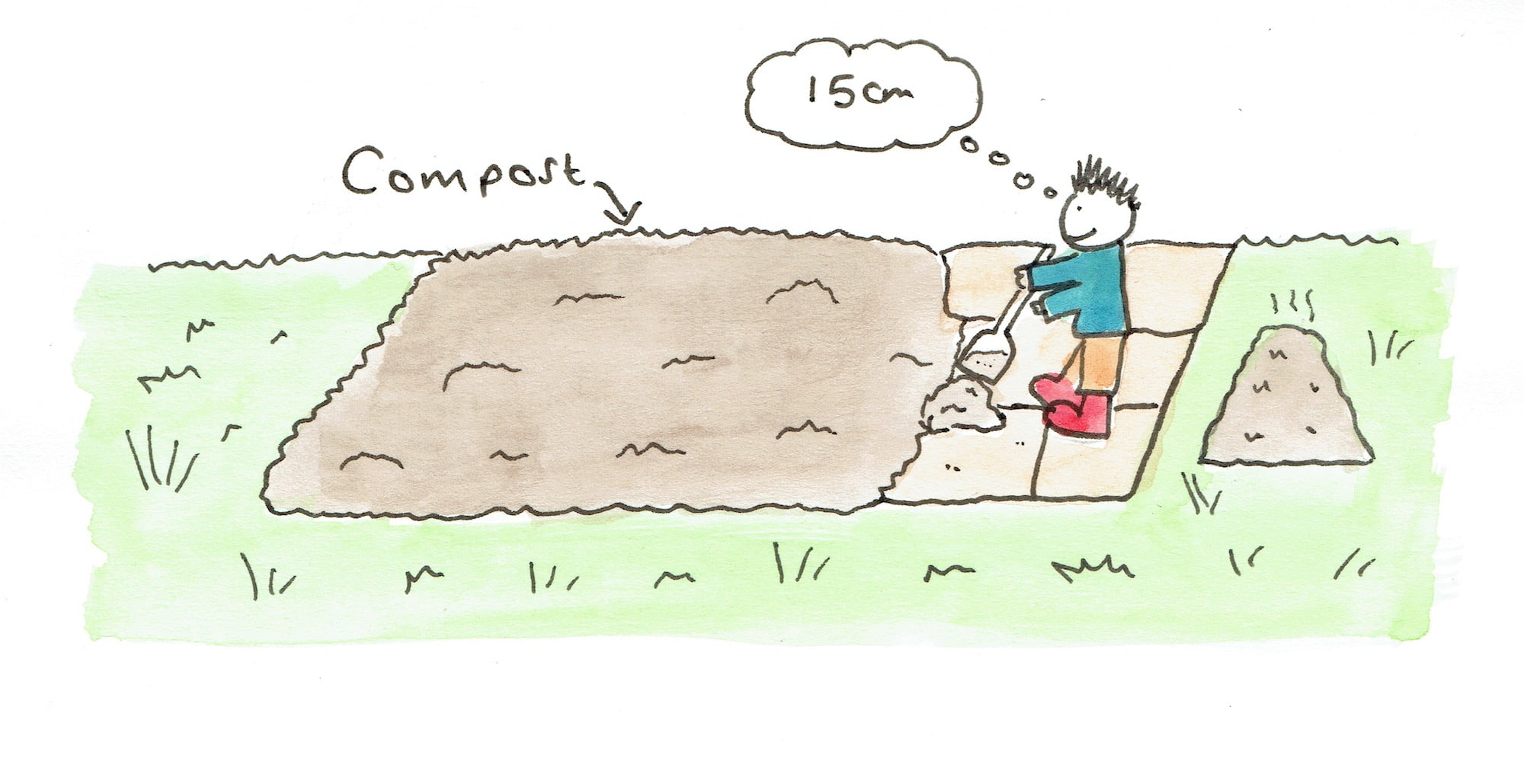
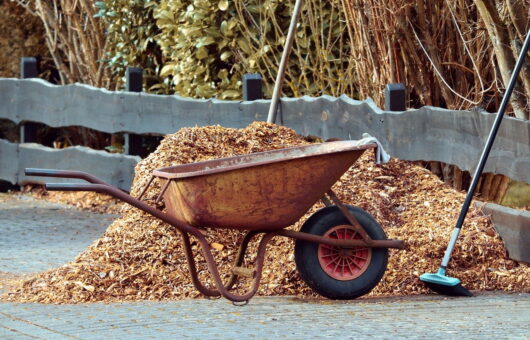
Apply covering: Spread 10-15cm of compost for immediate planting, or woodchip for paths/future areas
Plant or wait: Plant immediately into compost, or wait 6-12 months for full decomposition
Maintain annually: Top-dress with 3-5cm compost each spring
From Lawn to Growing Space with No Dig
If you’re new to gardening or growing vegetables, then lawn conversion is probably the easiest way to start with no-dig principles. Lawn conversion creates a flower or vegetable bed on part of your existing lawn. So you can choose an edge of your lawn that you never use or a section you’d like to renovate and create super productive growing flower beds directly on top of the lawn without removing the turf first.
The grass becomes valuable organic matter rather than waste in a matter of months, and flower or veg beds can be created in a weekend rather than a series of weeks. Source plain corrugated cardboard without glossy printing or plastic tape; the double-wall type works best. Mow your lawn grass short, removing clippings only if you’ve used herbicides in the last six months.
Lay cardboard directly on grass with generous 15-20cm overlaps—absolutely no gaps. The cardboard suppresses grass, blocks light, feeds organisms, and maintains structure simultaneously. Thoroughly soak it and make sure it correctly overlaps the layer beneath it. Sometimes I sue two layers just to make sure!
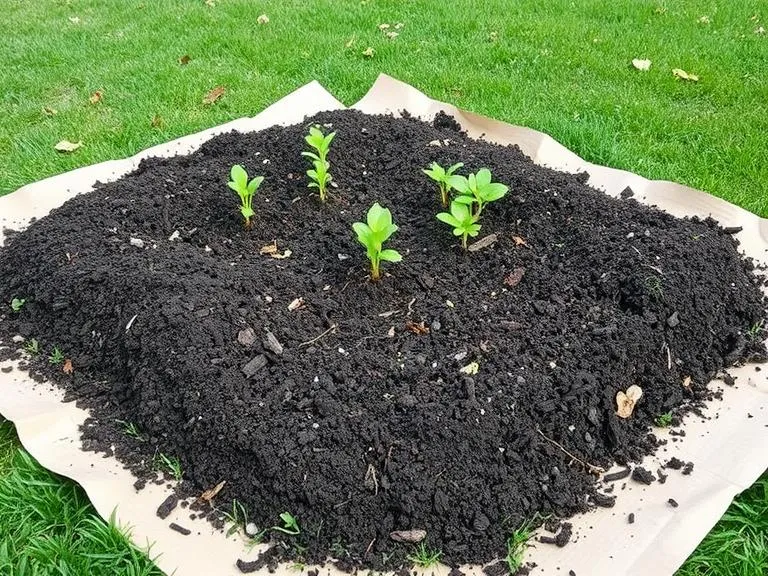
Then cover with 10-15cm fresh peat-free compost for immediate planting, or woodchip if waiting 6-12 months. You’ll find the grass underneath disappears within 4-8 months, leaving you with a fantastically productive flower bed without any digging!
10 Benefits of No Dig Lawn Conversion
Preserves Soil Ecology – Maintains beneficial fungi, bacteria, and microorganisms that take years to establish and are destroyed by digging.
Minimal Physical Effort – Eliminates backbreaking turf removal and digging, making conversion accessible to those with limited strength or mobility.
Improves Soil Structure – Decomposing materials and earthworm activity naturally create friable, well-aerated growing medium over time.
Sequesters Carbon – Keeps existing carbon locked in undisturbed soil rather than releasing it through cultivation.
Cost-Effective – Requires no machinery hire, skip fees, or turf disposal costs; uses free or cheap materials like cardboard.
Immediate Planting – Can plant directly into the top layer without waiting, unlike traditional methods requiring soil preparation time.
Reduces Water Requirements – Organic mulch layer retains moisture effectively, meaning less irrigation is needed once established.
Builds Fertility Rapidly – Layered organic matter provides rich nutrients as it breaks down, creating productive soil within months.
Environmentally Sustainable – Recycles waste materials, avoids chemical treatments, and works with natural processes rather than against them.
Best timing to start a no dig bed
Autumn (September-November) is the best time to start no-dig as the soil has active organisms, moist weather, and maximum decomposition before spring.Winter works for spring/summer crops but slows decomposition. Spring suits autumn and winter crops, which are prepared with thick compost for immediate planting, but you will need to water a lot more as the grass underneath will soon soak away moisture from your plants.
Existing Vegetable Plots Converting to No Dig
Converting dug plots offers faster results but faces substantial weed pressure, as years of cultivation have brought seeds to the surface. Clear the vegetable bed of any plants you want to save or replant. Still use the cardboard method to help suppress weeds and act as a barrier whilst the no-dig system is built up.
Then apply 8-10cm of peat-free high-quality compost directly on top of the soaked cardboard again. Initial weed germination will be heavy. Pull weeds regularly when small, 2-3 times weekly in spring and early summer. This depletes the seed bank over 2-3 seasons.
Staged conversion works brilliantly. Convert one-quarter to one-third yearly whilst keeping the rest productive. By year three, results typically convince even sceptics to accelerate remaining conversions.
Flower Border Conversion to No Dig
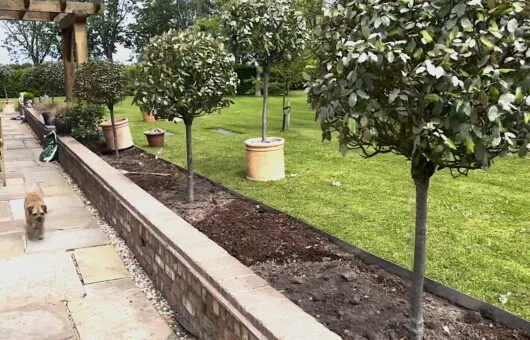
If you want to convert a flower bed to no-dig, then it’s pretty straightforward. Firstly, remove perennial and annual weeds along with any dead growth, such as herbaceous plants that have gone over. Now, maybe a good time to add an edge to your border so it looks neat, the additional compost mulch doesn’t spill out, and it’s easy to mow up to. Steel edging is a great option for this purpose. Fit cardboard between plants with overlaps as you would for a vegetable no-dig bed.
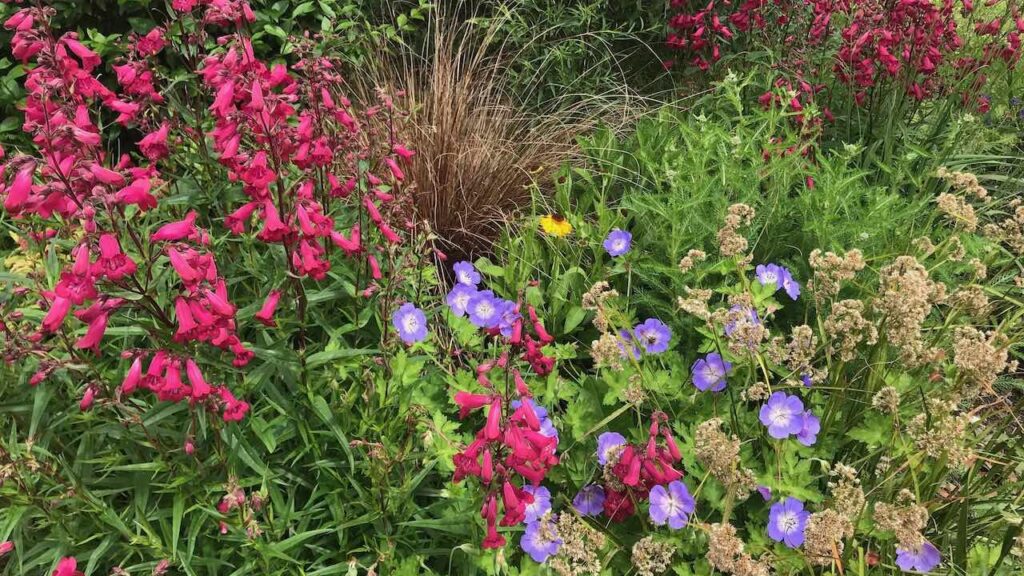
Cover with 3-5cm of compost or leaf mould, keeping 5-8cm away from the perennial crowns of plants like penstemons or bernebas, which can rot if covered too heavily with compost. Ensure the compost is 10-15cm from woody stems, also of shrubs or trees, for the same reason. Top-dress annually with a heavy mulch.
Can No Dig Be Used On Severely Compacted Ground?
Yes, no dig can work well with heavily compacted ground, but you will need to loosen the ground first or use my tried and tested method of cardboard and lawn clippings, like the video below—test compaction with a garden fork to see just how ‘concrete’ the soil is.
If the soil is rock solid, consider some initial intervention with a garden fork by creating fork holes at 30-40cm spacing to open fissures without lifting soil. Immediately apply cardboard and deep leaf mould, well-rotted manure or compost mulch. Normal no-dig management follows within 1-2 seasons, i.e in 6 months’ time, after that, once the underlying compacting soil has broken up.
Material Requirements & Costs of No Dig
Now it’s important to calculate accurately how much cardboard and compost you will need to create your no-dig bed. For a 10-15cm depth conversion, work on 100-150 litres per m² or 10-15 cubic metres for 100m² of compost. Home compost helps, but productive systems only produce 200-400 litres annually, maintaining 10-20m² intensive growing. Larger gardens will need external sources by bringing in fresh compost each year, so bear that in mind!
Material
Cost & Application
Key Information
Finished compost
£50-80 per m³ delivered; £30-50 collected. Use 10-15cm for conversion; 3-5cm annual
Excellent nutrition, ready for immediate planting in vegetable beds. Higher cost but quality varies between suppliers
Well-rotted horse manure
Free to £20 per m³. Use 10-15cm for conversion; 3-5cm annual
High fertility suits hungry crops. Must age 6-12 months. Watch for weed seeds, especially with straw bedding
Municipal green waste
£30-50 per m³ collected. Use 10-15cm for conversion
Economical bulk option for general growing. Quality varies enormously between batches—inspect first
Leaf mould
Free (DIY). Use 5-10cm
Excellent structure for ornamental borders. Free to make but requires 18-24 months production time
Woodchip
Free to £15 per m³. Use 8-10cm for paths; 15cm+ for suppression
Very economical for paths and long-term weed suppression. Age 12-18 months before using in planting beds
Straw/hay
£3-5 per bale. Use 10-15cm
Quick deployment for temporary mulch and winter protection. Short-term only, potential weed seeds
If you’re worried about spiralling costs, consider only using premium compost for immediate planting areas. Municipal green waste provides economical bulk, but the quality varies, so inspect before purchase. Horse manure requires ageing to prevent nitrogen lock-up, so if you’re going to use horse manure from stables, make sure it’s been well rotted for at least 6 months or it will burn your plants and seedlings!
Cardboard Layering: The Details That Matter
Cardboard provides the foundation for effective weed suppression and is the key to no-dig, as this cardboard, full of carbon, also feeds organisms as it decomposes. Use plain corrugated cardboard from packaging. Single-wall works for most applications, but I always recommend double-layering if using just single cardboard layers.
Double-wall or corrugated cardboard is best used for vigorous grass or extended suppression if you have a lot of weeds. Avoid glossy surfaces, plastic tape (remove it), waxed coatings, and heavily coloured printing. Common sense will enable you to work out what’s going to be a pain to break down and what’s not! Modern soy-based inks pose no contamination concerns, and the paper-based tape you find on most parcels these days decomposes with the cardboard. If in doubt, you can’t over cardboard, but you can definitely be too sparing with it, and the weeds pop through!
Cover your new bed immediately with decent compost, don’t wait until next week, as either the wind will blow the cardboard away or it will start to break down by itself! Use 10-15cm compost for planting areas or 8-10cm woodchip for paths. Never leave cardboard exposed as it dries out, decomposition stalls, and wind turns it into confetti.
Do I need to add compost every year to no dig beds?
The answer is yes. Every year, you will need to top up between 5 and 10cm of fresh peat-free compost. This is because plants and vegetables will have depleted the previous year’s supply. Remembering that compost is not the same as soil, it will be broken down each year, and the volume will reduce. Which is why having your own compost bin is essential unless you’re going to bring in compost every year, which can be expensive and increase your carbon footprint.
Dealing with Persistent Perennial Weeds
No-dig methods control even persistent perennials more effectively than digging, which will be music to many gardeners’ ears, as who wants to be weeding every week? Every time you dig bindweed or couch grass, you’re fragmenting rhizomes and creating multiple new plants.
No-dig exhausts energy reserves through preventing photosynthesis in most cases, which enables you to starve the weeds rather than multiplying them by ineffective manual methods like hoeing or raking garden beds.
Weed Species
Treatment Required
Key Considerations
Couch grass
Double thickness cardboard, 15-20cm covering
Relatively quick response to suppression (6-9 months). Monitor for breakthrough shoots
Bindweed
Double thickness cardboard, 15-20cm covering
Deep roots need extended treatment (12-18 months). Maintain consistent coverage without gaps
Benefits from drainage improvement (6-12 months). Common in heavy, poorly drained soils
Japanese knotweed
Triple thickness cardboard or heavy gauge fabric, 20-30cm covering
Consult local authority biosecurity officers (18-24 months). Legal implications around property boundaries
Horsetail
Double thickness cardboard, 15-20cm covering
Very persistent, requires vigilance (12-18 months). Extended suppression necessary
Dock
Double thickness cardboard, 15-20cm covering
Deep taproot requires consistent coverage (9-12 months). Watch for regeneration from root fragments
Bindweed’s deep roots extend well beyond practical digging depth. Extended light exclusion provides reliable control over 12-18 months. Some shoots may emerge through gaps—remove promptly and patch exposed areas. The key: maintain consistent suppression without gaps.
Ground elder, couch grass, and creeping buttercup respond well to 6-12 months suppression. Couch grass succumbs within 6-9 months to consistent suppression despite its formidable reputation.
Annual weeds in no-dig systems prove substantially easier. The seed bank depletes rather than replenishes. Established no-dig gardens typically experience 50-70% reduction in annual weed pressure after 2-3 seasons.
Crop Rotation in No-Dig Systems
Now that you have your first no-dig beds set up, it’s time to consider what you’re going to plant in them and how you’re going to manage diseases or pests, which is where crop rotation comes in. Crop rotation prevents pest and disease build-up whilst managing soil fertility, and it’s great to pair crop rotation when starting no dig. Permanent bed structure simplifies rotation as the entire beds rotate crop families annually.
Traditional four-year rotation:
Year 1, Bed 1: Brassicas (firm soil, benefit from lime)
Year 1, Bed 2: Legumes (fix nitrogen, improve fertility)
Year 1, Bed 3: Alliums & Roots (fine soil, moderate fertility)
Year 1, Bed 4: Potatoes & Cucurbits (freshly composted, heavy feeders)
Each bed advances to the next group annually. Continuous composting to all beds maintains good fertility throughout, whilst rotation prevents family-specific problems.
Three-bed rotations simplify for smaller gardens. Combine potatoes with roots or brassicas, maintaining separate legume sections. Plan main crops carefully whilst allowing flexibility for fast-maturing catch crops (radishes, salads, turnips) between main crops. Maintain the fundamental principle: avoid the same-family crops on the same ground in consecutive years.
Perennial vegetables (asparagus, artichokes, rhubarb) operate outside rotation, occupying permanent positions at bed ends or separate beds, so don’t worry about them, plant them up and forget about them!
Common Problems and Solutions
No-dig is not problem-free, and there are still some frequent issues when gardeners start new vegetable beds with this method. Which may surprise you, but any new flower bed or allotment bed in the first year or two will come across problems no matter how diligent you are! Let me detail the common issues you may encounter with no dig vegetable beds and how to fix them.
Problem
Cause
Solution
Increased slug/snail activity
Moist mulch creating ideal habitat
Reduce mulch near vulnerable crops; use copper barriers; handpick regularly; encourage predators. Problem moderates as predator populations establish
Waterlogging
Poor drainage, heavy soil, temporary organic matter saturation
Create raised beds 20-30cm high; improve drainage; allow time for soil structure development through earthworm activity
Nutrient deficiencies
Inadequate compost quality or quantity
Increase compost application rates; use well-rotted manure; add targeted amendments. Apply generous initial compost to prevent issues
Perennial weed breakthrough
Gaps in suppression, insufficient coverage period
Repair gaps immediately; extend suppression period; maintain vigilance during first year. Plan extended suppression for persistent species
Regular removal when small; maintain surface mulch; patience as seed bank depletes over 2-3 seasons
Surface compaction
Foot traffic, inadequate organic matter
Add more compost; create defined paths; avoid walking on beds. Use woodchip paths to protect soil structure
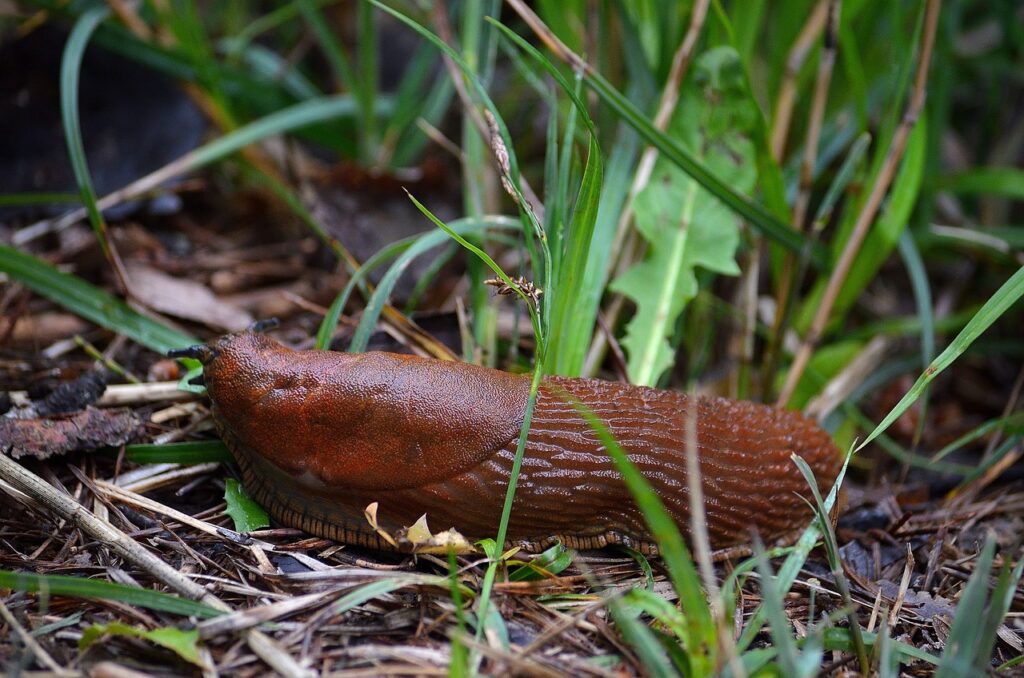
Slug problems commonly increase during initial conversion and creation of no-dig beds, and this is what 90% of all gardeners complain about. The problem of slugs in no-dig beds will calm down in year 2 and later as predator populations, such as ground beetles, centipedes, and other slug predators, colonise the bed. In the meantime, encouraging birds with feeders and water sources can help mitigate excess slugs and snails.
Slugs and snails in no dig usually emerge because of the wet cardboard and damp favoured conditions they enjoy, especially in wooden raised no dig beds where the wooden edging stays damp. Choosing slug proof plants can be a good way also to reduce their impact on your hard work!
Short-term management: reduce mulch depth around vulnerable crops, use copper barriers, handpick during evening, deploy beer traps where severe. Established no-dig gardens typically experience lower slug damage than cultivated gardens, though, so don’t give up in the first few years!
Physical Benefits and Accessibility
No-dig provides substantial physical benefits for all gardeners, particularly older people, those with mobility limitations, or back problems. Eliminating digging removes primary heavy labour. Working at surface level reduces bending and awkward positioning. These benefits extend gardening careers by decades. If you’re a time-poor gardener, then no-dig is both quick and labour-light, so you won’t return to work on Monday with a bad back like traditional allotment garden double-digging techniques.
Back and joint problems improve significantly through eliminating repetitive digging. The digging motion combines awkward bending with heavy lifting and twisting—precisely movements medical professionals advise avoiding. No-dig reduces these problematic movements substantially, replacing hours of digging with minutes of compost spreading.
Raised beds enhance accessibility further. Raised beds at 60-80cm height allow comfortable working from standing or seated positions, accommodating wheelchair users and those unable to bend. Tool requirements reduce dramatically—trowel, hand fork, pruning snips handle most tasks.
Best Vegetables for No Dig Gardens
Now it’s time for the fun part, planting up your no dig gardens. Here are a few of my tried and tested beginner-friendly vegetables to get you going in your first year or two. Don’t forget to consider crop rotation if you have 3 or more beds to help reduce soil pathogens and issues that can build up with yearly repeat plantings of the same plant family.
Climbing French Beans
Nitrogen-enriching legumes that fruit prolifically in the warmth of mulched beds with extended harvesting period.
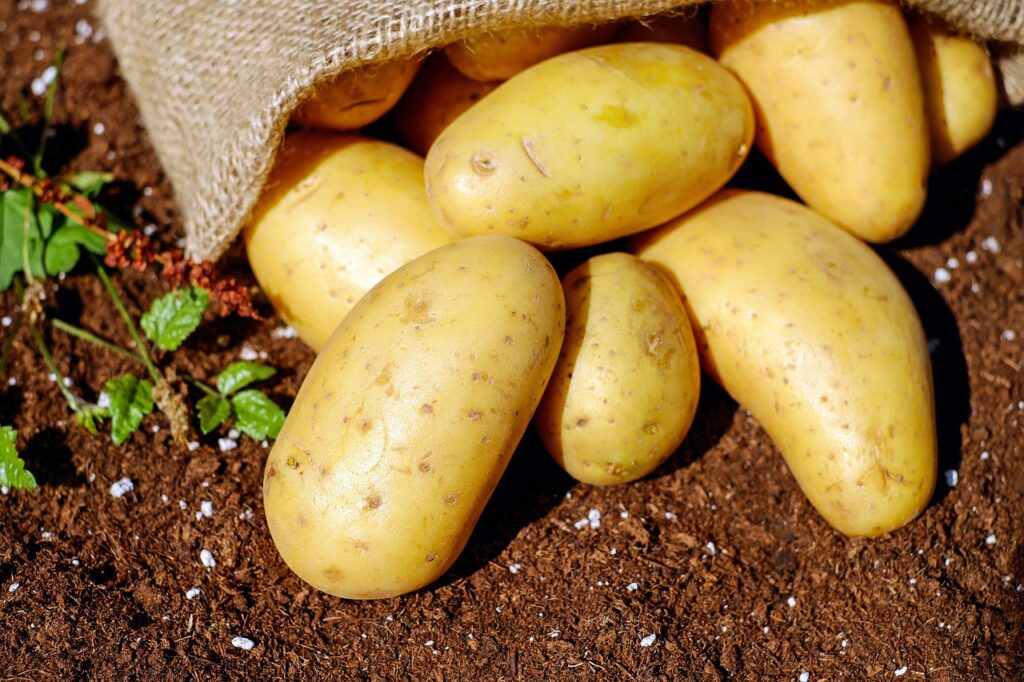
Potatoes
Their vigorous growth breaks up newly converted ground beautifully whilst tubers form in the fluffy organic matter without need for earthing up in traditional style.
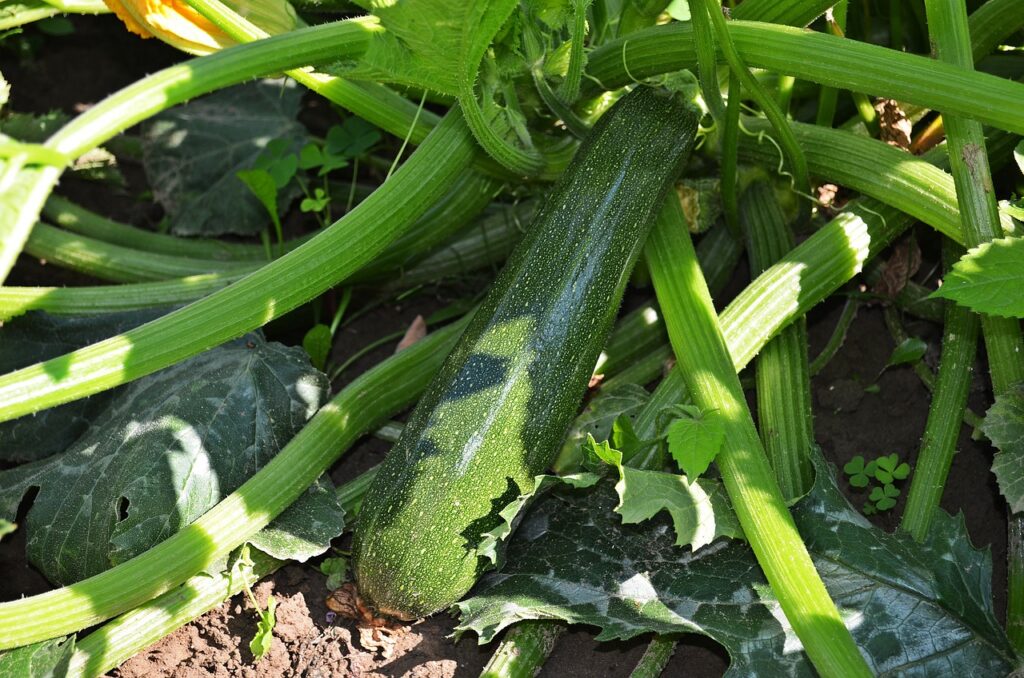
Courgettes
Absolutely thrive in the nutrient-rich conditions, producing abundantly from the fertility of decomposing materials with minimal fuss.
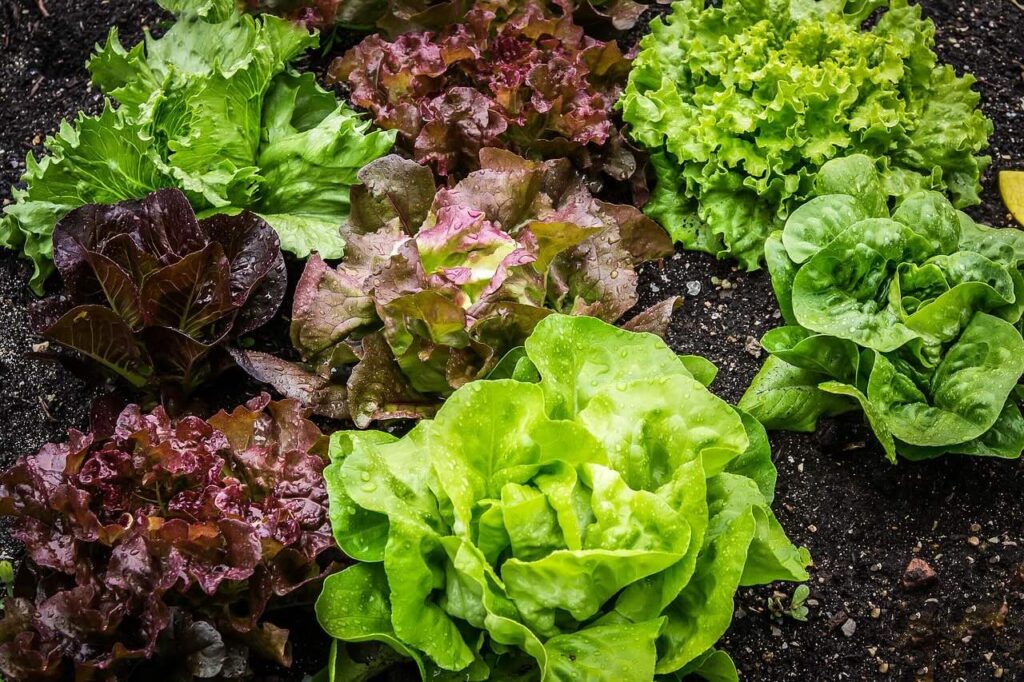
Salad Leaves
Shallow roots make them perfect for quick harvests from the top layer; succession sow throughout the season for continuous crops.
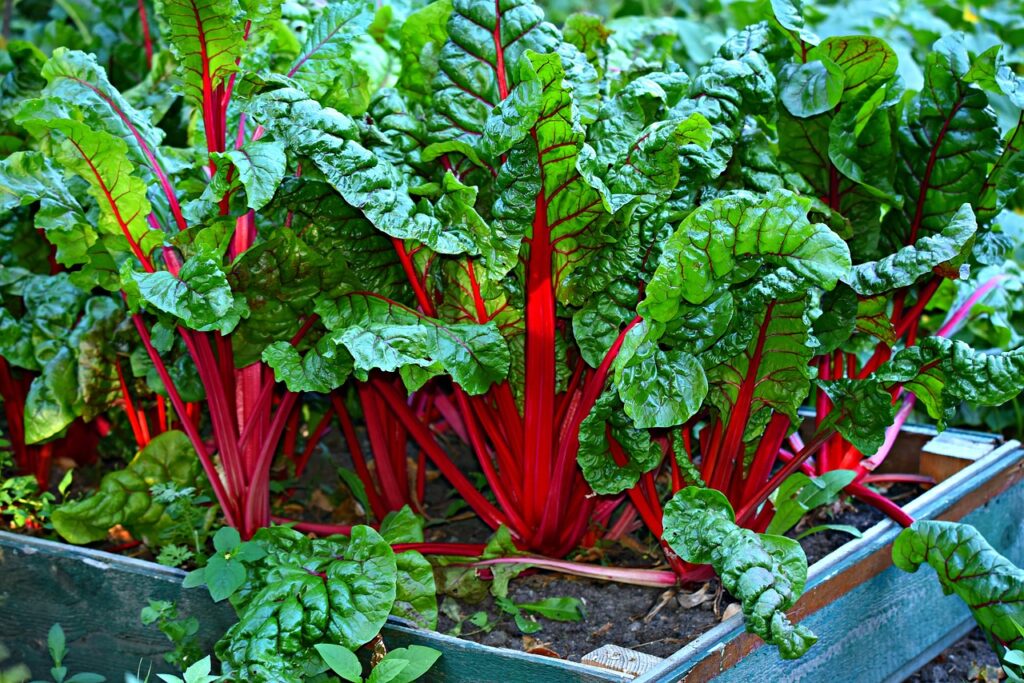
Chard
Remarkably tolerant of the settling soil in new no dig beds, producing colourful stems and leaves for months on end.
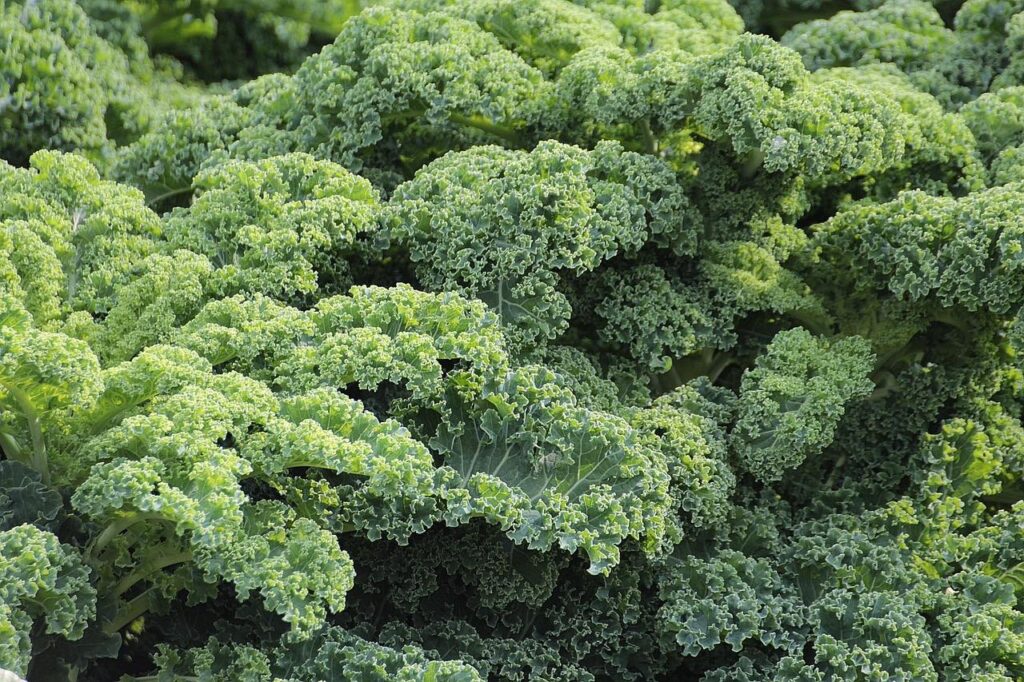
Kale
Hardy brassica that appreciates the steady moisture retention and establishes strong roots in undisturbed soil structure.
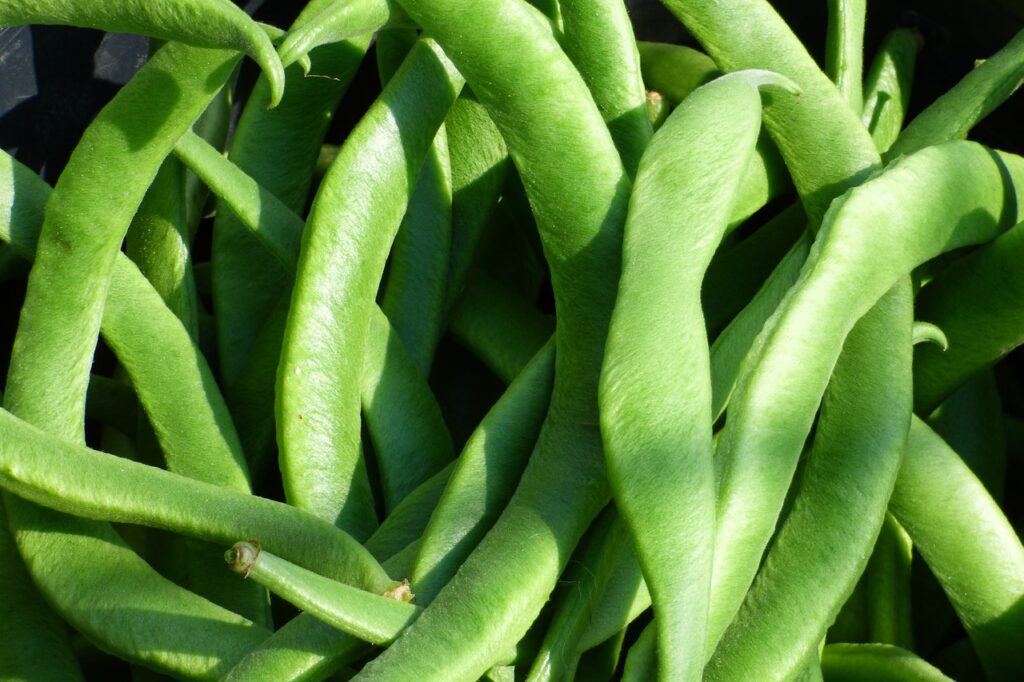
Runner Beans
Nitrogen-fixing roots enrich your no dig bed whilst plants scramble upwards, making excellent use of vertical space.
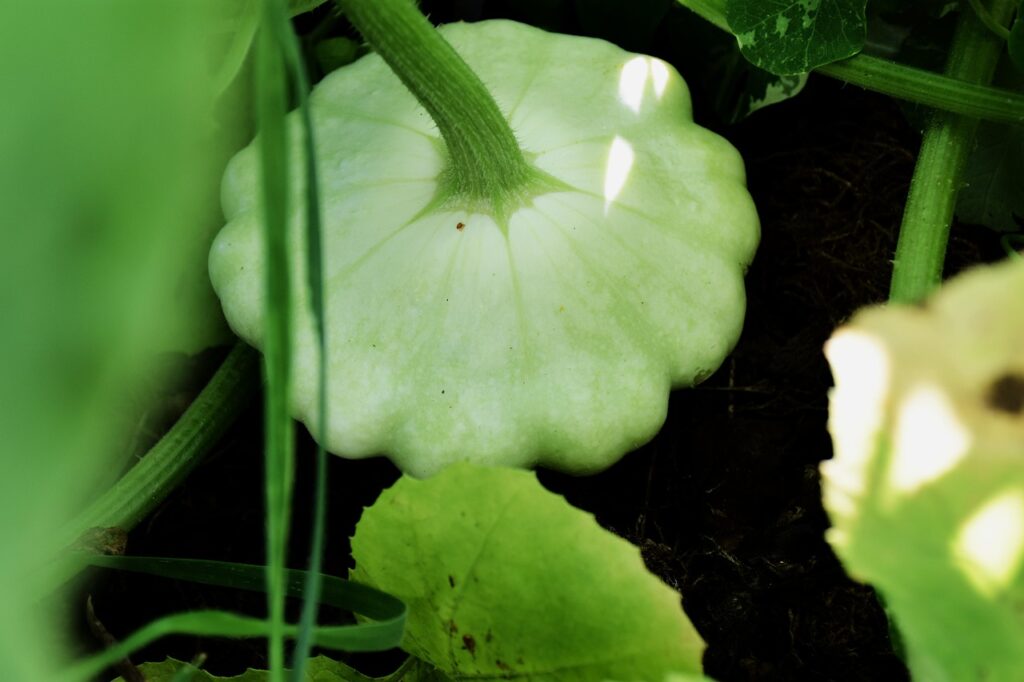
Squash
Sprawling habit suits wide mulched beds perfectly; heavy feeders relish the rich organic matter beneath them.
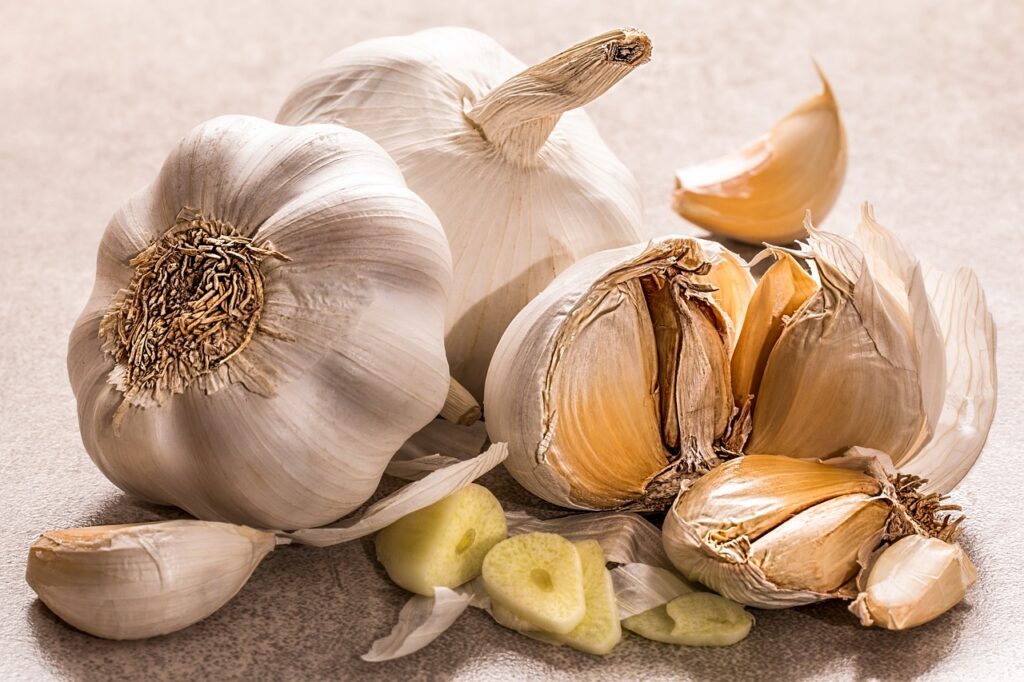
Garlic
Push cloves straight through cardboard in autumn; they’ll emerge in spring having suppressed weeds beautifully underneath.
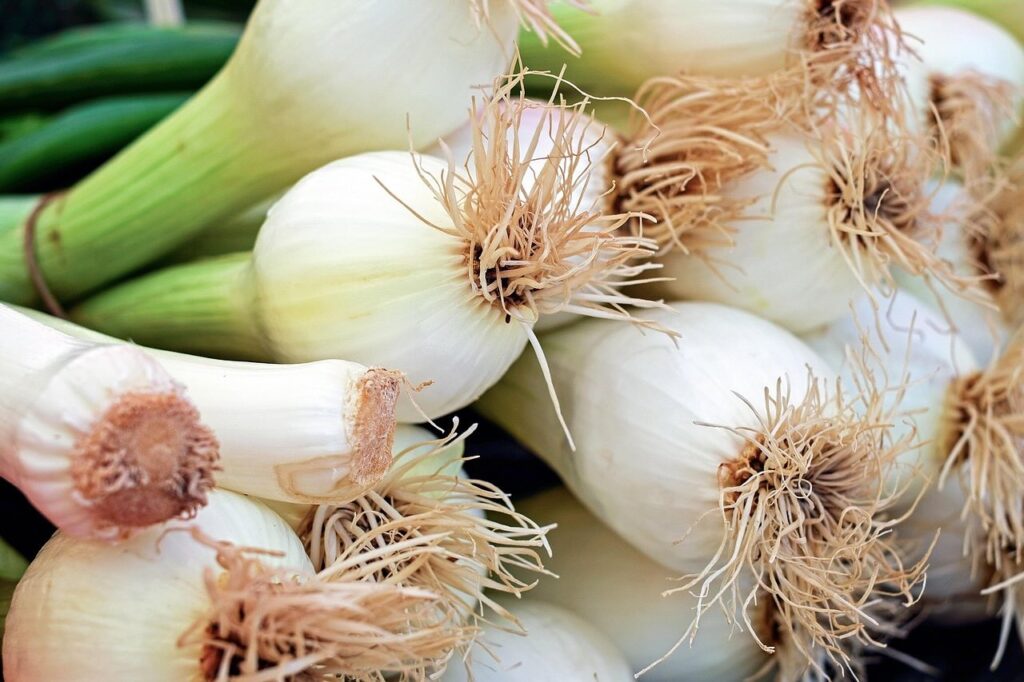
Spring Onions
Quick-growing alliums that slip easily into any gap, their shallow roots ideal for intercropping between larger plants.
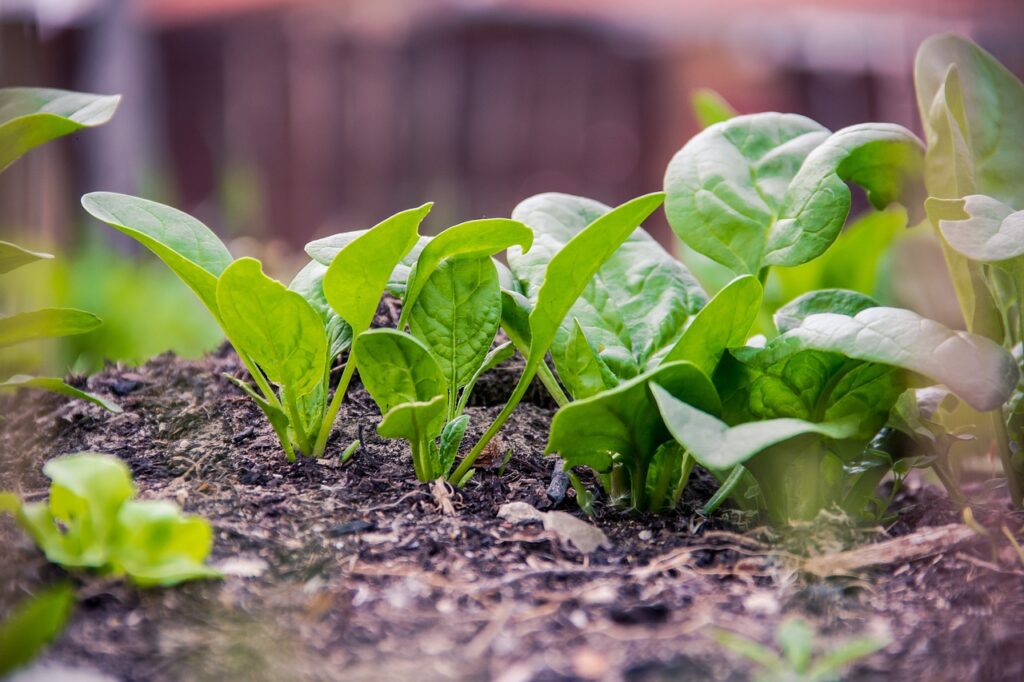
Perpetual Spinach
Cut-and-come-again nature means prolonged harvests, whilst deep taproots mine nutrients from decomposing lower layers.
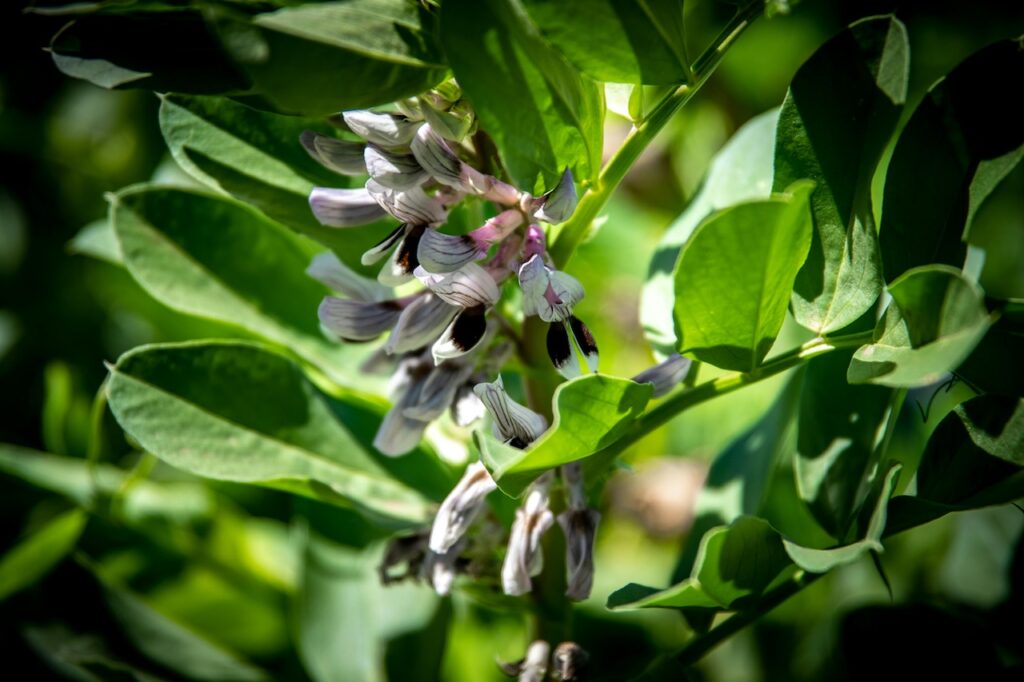
Broad Beans
Early spring sowing fixes nitrogen for later crops; robust plants establish well in fresh no dig beds.
Radishes
Lightning-fast maturity breaks up compacted areas, and their peppery roots indicate soil improvement as beds develop.
Beetroot
Develops sweet, tender roots in loose no dig soil without the forking caused by stones in cultivated ground.
Tomatoes
Deep root systems exploit the full depth of organic layers whilst consistent moisture prevents blossom end rot and splitting.
What to Expect in Year 2 with No-Dig Beds
Year 2 represents the validation phase of no-dig gardening, where all the hard work pays off. The dramatic transformation of year 1 gives way to steady, progressive improvements that build your confidence in the method. Changes are more subtle but clearly evident—better soil structure, reduced weeds, improved yields, and significantly easier maintenance. This is when the system proves itself and you start reaping real rewards for your initial investment.
Soil and Biological Improvements
The most apparent change is your soil, and you’ll immediately see it’s noticeably darker, more crumbly, and works far more easily than in year 1. Earthworm populations typically double, with castings visible on the surface. You’ll spot white mycelium threads when lifting mulch, which shouldn’t panic you that you’ve got a disease; it’s actually evidence of thriving fungal networks! The soil smells sweet and earthy rather than dead or sour.
Key improvements include:
Better moisture retention requires less frequent watering
Improved drainage as worm channels and root paths develop
Easier planting and transplanting through naturally friable soil
Natural slug control is improving as predator populations build
The Weed Situation Transforms
This is where you’ll really notice the difference, the sudden drop off in weeding. Annual weed pressure drops dramatically to around 40-60% fewer weeds germinating compared to year 1. The seed bank brought to the surface by previous cultivation is depleting fast. Any weeds that do appear come from the surface only and pull out effortlessly from loose compost.
Weed management becomes:
Weekly sessions are reduced from 20 minutes to 10 minutes per 10m²
Surface weeds only—no deep germination
Longer weed-free periods between maintenance
Perennial weed breakthrough is rare if year 1 suppression was adequate
You’ll spend less time worrying about weeds and more time actually growing food.
Crop Performance and Yields
Year 2 usually shows clear yield improvements with typically 5-10% across most crops, with some showing even better gains in my experience. Root crops particularly benefit from the improved structure, producing straighter carrots and easier-to-harvest potatoes. Disease problems usually reduce noticeably.
You’ll feel more confident once you get to year two with your raised beds and get some gardening experience under your belt, Ninja! Year 1 success builds trust in the method, making you more willing to experiment with different crops and techniques. You will develop better intuition about timing and observation skills for spotting problems early, too!
However, some challenges persist:
Slugs may still be problematic if predators are building, but not fully established
Occasional perennial weed may surprise you from insufficient year 1 suppression
Nutrient depletion is possible if the year 1 compost was inadequate
Dry spells still require irrigation despite improved moisture retention
Compost costs represent an ongoing expense
Realistic Expectations
Year 2 isn’t perfection. It’s a steady improvement. The beds still need regular attention despite reduced effort. Weeds decrease significantly but don’t disappear entirely. Slugs, aphids, and caterpillars remain present. Watering is still needed during dry periods. Individual beds may perform differently based on starting conditions.
Don’t worry about:
Occasional weeds appearing—completely normal and manageable
Some slug damage—predator populations still building
Variable performance between beds—different starting conditions
Compost disappearing quickly—good sign of biological activity
Do address:
Persistent waterlogging—may need drainage intervention
Severe nutrient deficiencies—increase compost rates
Perennial weed re-emergence—indicates inadequate year 1 suppression
Learn How to Design Your Own Garden
Now you know what’s involved in creating no dig beds on a lawn, why not consider taking your skills to the next level with some online design training? My Garden Design for Beginners Course is here to help take your garden from average to amazing with an affordable online course, no matter how little your experience with plants.
This course offers step-by-step guidance from me, Lee Burkhill, award-winning garden designer and presenter on BBC1’s Garden Rescue. In this course, you’ll go from a garden design novice to a confident designer equipped to tackle any green space.
Planting Techniques – Select and arrange plants like a pro.
Design Styles & Layout Options – Explore different styles to suit every garden.
Course Features:
20 Hours of Study Time
Flexible Online Learning
Engaging Video Lessons & Quizzes
Real-World Case Studies
Certification upon Completion
Taught by Award-Winning Designer Lee Burkhill
Enrol now for just £199 and start your journey toward garden design mastery!
29
Garden Design Examples for Small Gardens: 30 Design Templates & Planting Plans
Garden Design Examples for Small Gardens: 30 Design Templates & Planting Plans: In this online gardening course, I’ll walk you through 30 fantastic garden designs, explaining the logic behind the layout, the plant choices, and take-home tips for applying them in your own garden.
Weekend Garden Makeover: A Crash Course in Design for Beginners
Learn how to transform and design your own garden with Lee Burkhills crash course in garden design. Over 5 hours Lee will teach you how to design your own dream garden. Featuring practical design examples, planting ideas and video guides. Learn how to design your garden in one weekend!
Garden Design for Beginners: Create Your Dream Garden in Just 4 Weeks
Garden Design for Beginners Online Course: If you want to make the career jump to becoming a garden designer or to learn how to design your own garden, this is the beginner course for you. Join me, Lee Burkhill, an award-winning garden designer, as I train you in the art of beautiful garden design.
No dig lawn conversion offers the perfect solution for gardeners seeking a sustainable, effortless path from grass to productive growing space. Whether you’re creating vegetable beds, flower borders, or wildlife-friendly planting areas, this method protects soil health whilst dramatically reducing the physical work and costs associated with traditional lawn removal. Also you can start straight away with just cardboard and a lawn!
By working with nature rather than against it, you’ll build fertile, thriving garden beds that improve year after year, all whilst keeping carbon locked in the ground and beneficial soil life undisturbed. Suppose you’re ready to convert your lawn into a beautiful, productive garden without the backbreaking labour of digging. In that case, the no-dig method is easier and better for your soil, your back, and the environment. Start layering today and watch your garden transformation unfold naturally, proving that sometimes the best approach is to let nature do the heavy lifting.
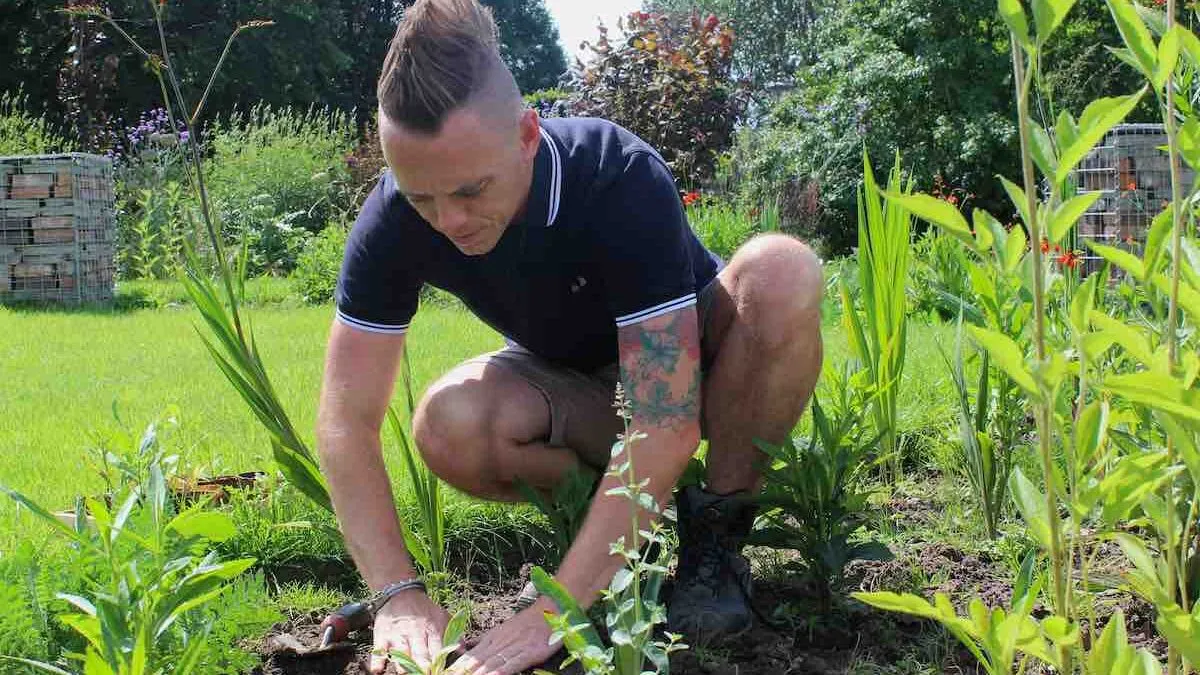
Lee Burkhill, known as the Garden Ninja, is an award-winning garden designer and horticulturist with over 30 years of gardening experience and 15 years as a professional garden designer. A qualified RHS (Royal Horticultural Society) professional, Lee specialises in sustainable garden design and practical horticultural advice. He designs and presents on BBC1’s Garden Rescue and in leading gardening publications. Lee combines three decades of hands-on gardening knowledge with professional design qualifications to help gardeners create beautiful, functional outdoor spaces.