-
How to design a cottage garden: Beginner plant guide
 Lee Burkhill: Award Winning Designer & BBC 1's Garden Rescue Presenters Official Blog
Cottage gardens are a romantic garden design and planting style that dates back to Elizabethian times. When cottage gardens would be jam-packed with fruit, herbs and decorative blowsy flowers for decoration. With high impact and high maintenance, these gardens are not for the time-poor gardener. If you want a super-rich floriferous garden then the cottage style may be for you!
Cottage gardens are becoming more popular in urban gardens as they are a magnet for wildlife. Cottage gardens are also suited well for small built-up spaces as they make the absolute most of the growing space both in the ground and with vertical planting.
If you’re interested in cottage gardens and want to know if they’re suitable for your garden space, then read on for more guidance on this wonderfully flower-rich design style!
- Where do cottage gardens come from?
- What is a cottage garden?
- Cottage garden features explained
- Cottage garden plant list
- Cottage garden trees & hedges
- Who are cottage gardens suitable for?
- How much maintenance is a cottage garden?
This page contains affiliate links for products I use and love. If you take action (i.e. subscribe, make a purchase) after clicking a link, I may earn some gardening commission, which helps me keep the Garden Ninja Blog free for all.
Where do cottage gardens originate from?
Cottage gardens originated in the UK in Elizabethan times. When workers would use their home’s garden to grow edibles like fruit and vegetables or herbs. They were also sometimes used to keep livestock to help supplement the workers’ meagre wages.
Making the best use of their small garden spaces. Growing decorative plants alongside edibles or livestock, such as honey bees, was commonplace, but even these ‘pretty’ flowers had a secondary use. As a medicinal or scent to mask other odours. Pretty much everything served a function or use.
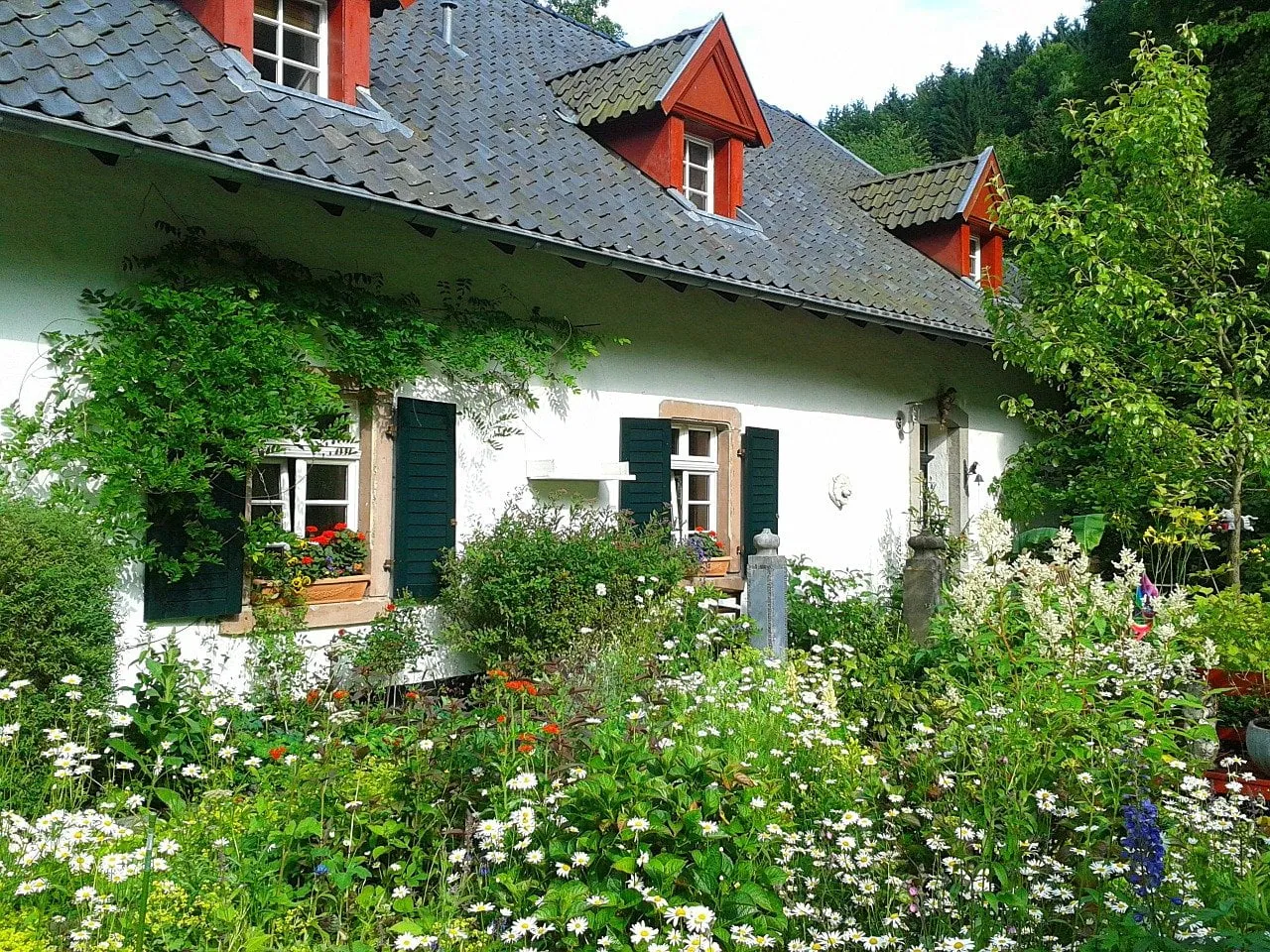
Cottage gardens are now more decorative than functional, but keep their densely planted high-impact charm! These spaces are packed with scented flowering perennials and edibles that are a feast not just for the eyes but for the kitchen table.
What is a cottage garden?
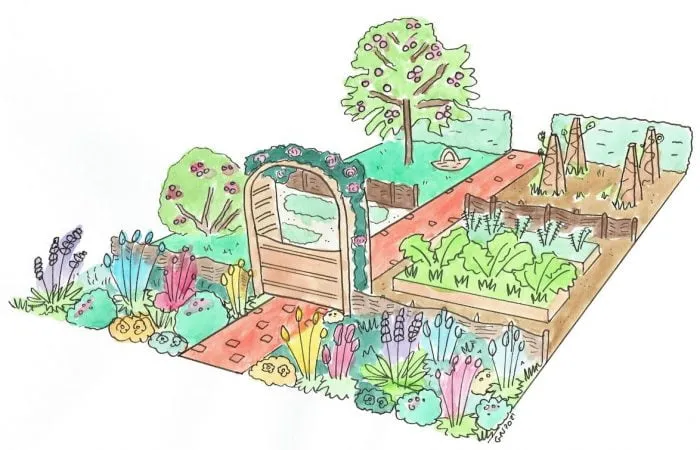
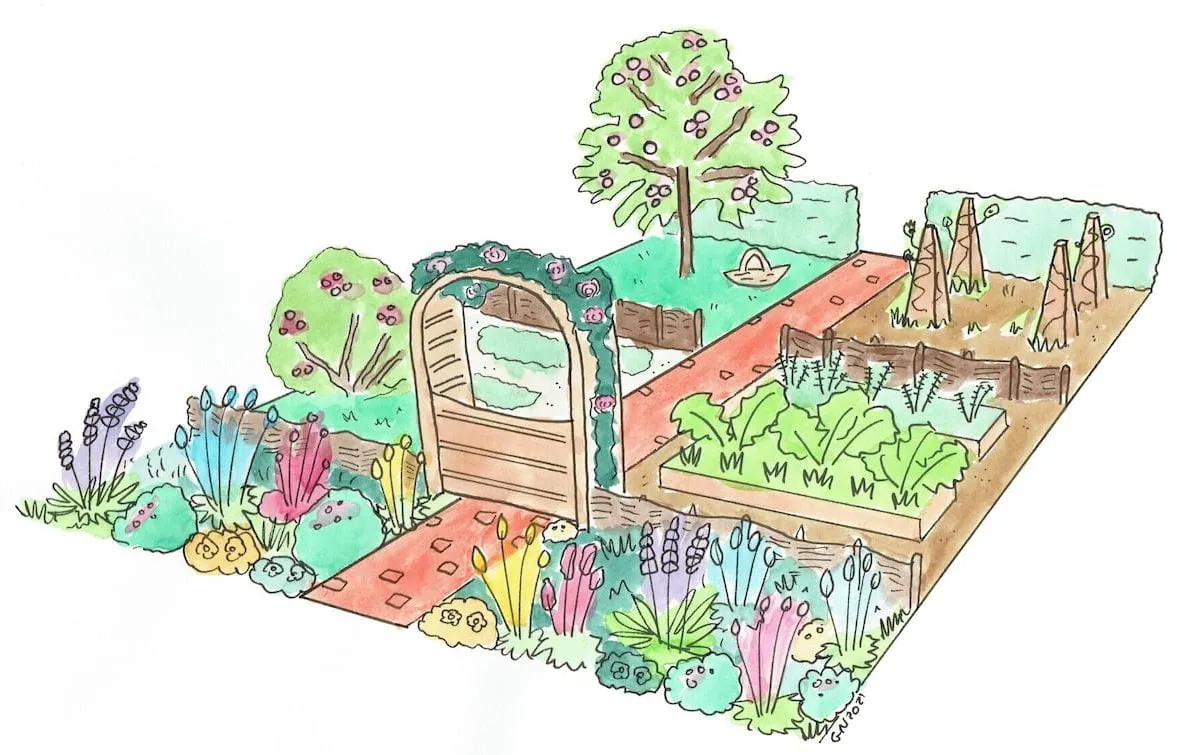
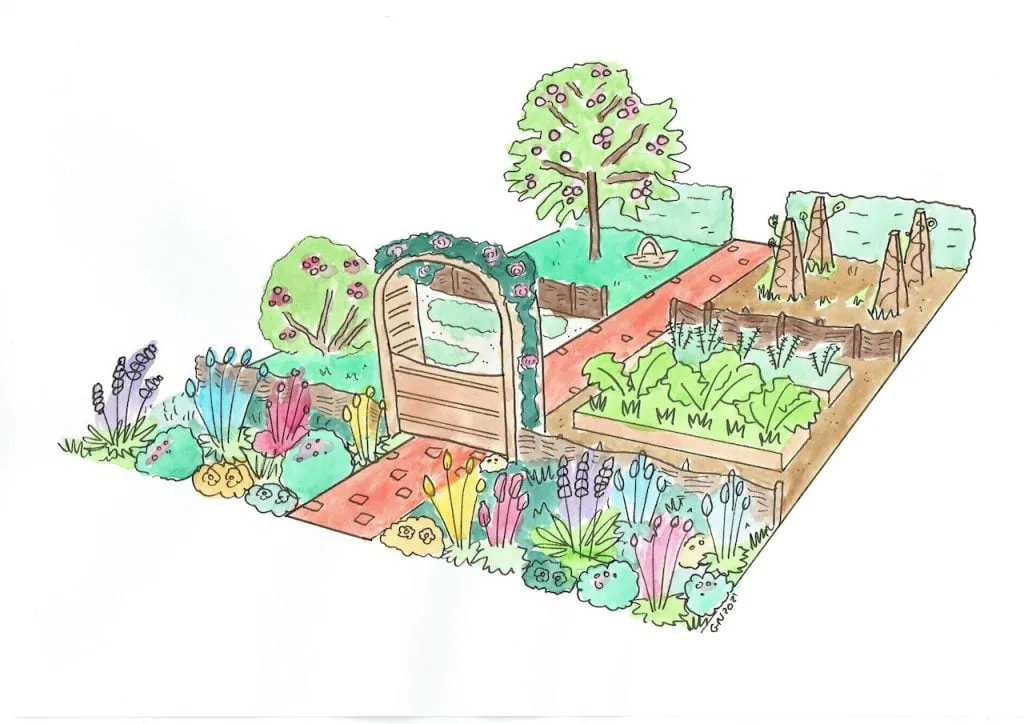
Cottage gardens feature densely packed flower beds full of decorative plants, vegetables, herbs, and climbing plants. Every space in the garden is used for growing, accessing plants, such as paths or making the most of vertical space by using arches and structures to grow plants up. They are usually informal rather than formal.
There is a certain charm to a cottage garden with a very relaxed flow of plants and little attention paid to colour blocking or sticking to set layouts. That is not to say they are lazy, far from it. Every plant in a cottage garden must earn its place and compete for limited resources. Due to the array of plants and flowers, they are considered high-maintenance to harvest, deadhead, and care for.
What I love about cottage gardens is the romance of having a very soft mixed planting palette. Every space is utilised either for plants or for navigating around the plants.
For me, cottage gardens are very plant-centric and designed for plant lovers. These rich plant schemes offer plenty of interest for plantaholics. It also means plenty of scope to improve your garden skills over the contrast of a low-maintenance modernist garden design scheme.
Cottage Garden Design Checklist
Cottage gardens usually utilise more naturalistic planting and materials, such as wood, clay pavers, bricks, or trellis made from willow. They are meant to complement the houses, not contrast with them. This is why you will rarely see shiny steel metals or glossy porcelain pavers in a true cottage garden design.
If you’re looking for a cottage-style garden, then the following checklist should help ensure you’re on the right track!
- Simple layout with paths and large, productive flower beds
- Traditionally, using warmer materials such as bricks and clay pavers
- Informal layouts with zero wasted or dead space
- Hedgerows or willow fences as boundaries
- Vegetables, fruit, and flowers live together to maximise growing space
- Rustic elements or functional furniture, such as handmade wooden arches/benches
Cottage Garden Plant List
As discussed above, cottage garden plants vary hugely from growing your own edibles, decorative plants, medicinal plants, and climbing plants. Perennial flowering plants were the most common due to their ‘come again’ each year nature.
Below is a common list of plants associated with the cottage garden style.(This is an affiliate link so if you do choose to buy receive a small commission that helps keep this blog free to use!)
Fragrant Flowers & Shrubs
Fragrance is the soul of a cottage garden. When I’m designing a cottage-style planting scheme, I always insist on at least three or four heavily scented plants positioned near seating areas, along paths, or close to doorways. The scent that drifts across the garden on a warm summer evening is what elevates a good garden into a truly memorable one. These classic fragrant plants have been staples of British cottage gardens for centuries, and there’s very good reason for that.
1) Roses
No cottage garden is complete without roses, and I mean that without any reservation. Roses are the absolute backbone of the cottage garden style — whether you’re working with a shrub rose in the border, a climbing rose scrambling over an arch, or an old-fashioned rambler spilling over a wall.
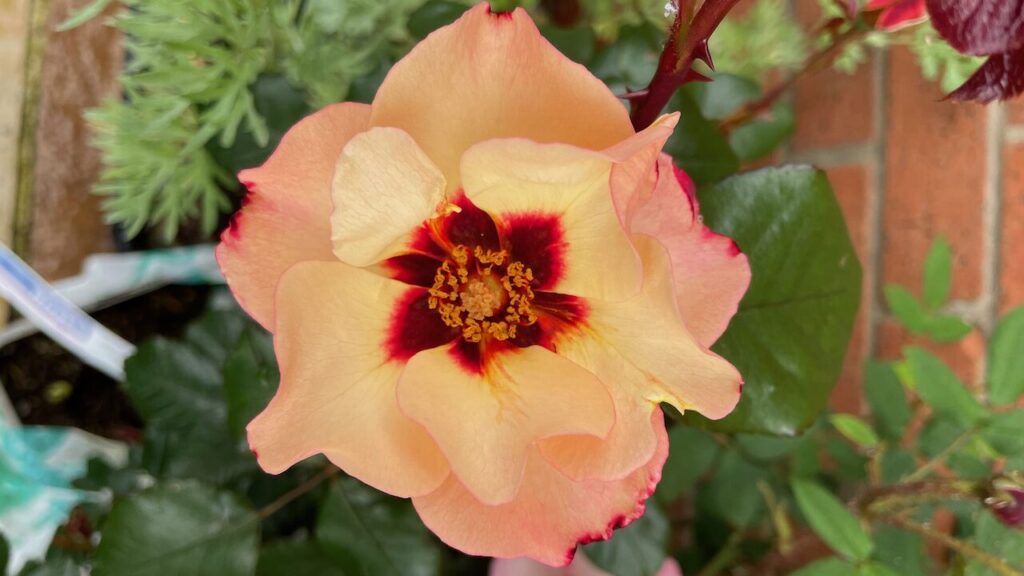
For cottage gardens specifically, I always gravitate towards English roses bred by David Austin, as they combine the old rose flower form and intense fragrance with repeat-flowering reliability. Varieties like ‘Gertrude Jekyll’, with its deep pink blooms and extraordinary scent, and ‘Graham Thomas’, which offers rich yellow flowers that don’t fade, are both exceptional performers in UK conditions.
Old roses only flower once, but deliver such an intense, heady scent that I never rule them out where space allows. For climbers, Rosa ‘Generous Gardener’ is one of my absolute favourites — soft pink, powerfully fragrant, and incredibly healthy. Plant all roses in a sunny position in rich, moisture-retentive but free-draining soil, feed with a dedicated rose fertiliser in spring and after their first flush, and follow my pruning guide to keep them performing year after year.
2) Peonies (Paeonia)
Peonies are one of those plants that clients ask me about constantly, and I completely understand the obsession. The blooms are quite frankly extraordinary — enormous, silky, and intensely fragrant, appearing in late spring and early summer in shades from the purest white through every shade of pink to deep crimson.
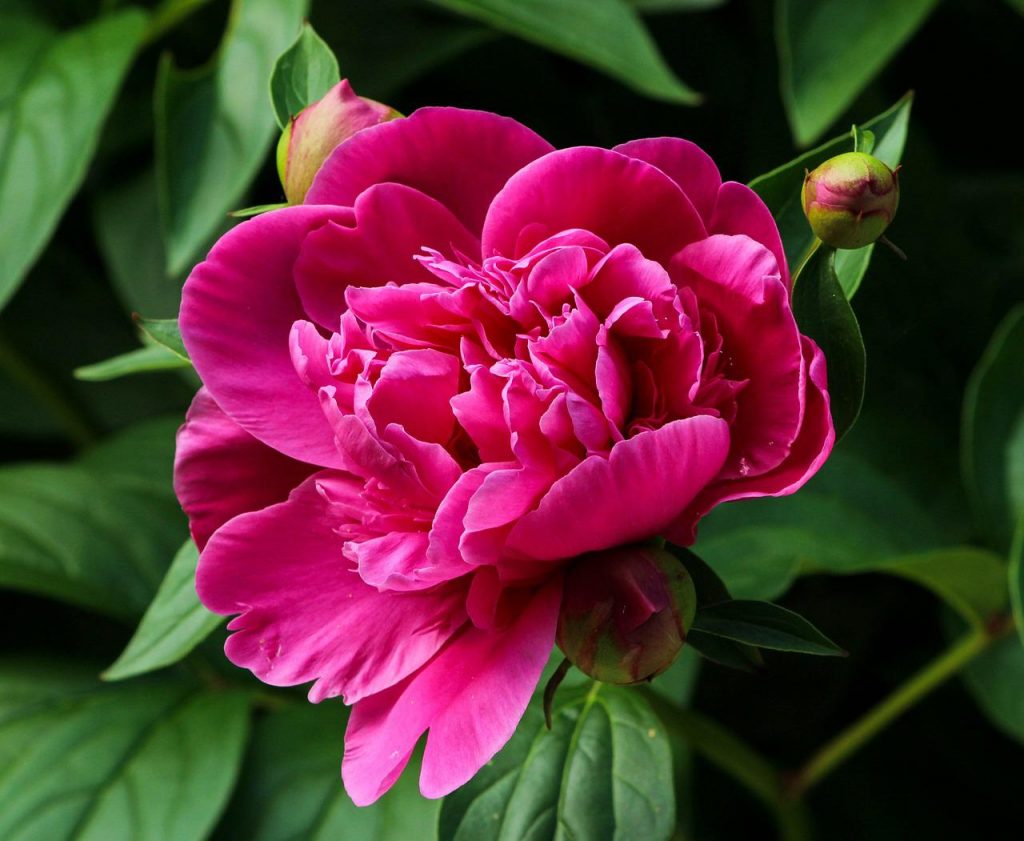
Herbaceous peonies are the most common choice for cottage borders; they die back completely in winter and return with vigour each spring, forming increasingly impressive clumps that can live for decades with almost no intervention. ‘Sarah Bernhardt’ is a classic choice with large apple-blossom pink flowers and a wonderful fragrance, whilst ‘Bowl of Beauty’ offers stunning single blooms in deep pink with a contrasting cream centre.
The golden rule with peonies is planting depth — plant the crown no more than 2.5cm below the soil surface, as too deep and they simply won’t flower. They resent disturbance once established, so choose your spot carefully and then leave them to get on with it. Full sun to light dappled shade suits them well, and they prefer a rich, moisture-retentive soil.
3) Hypericum (St John’s Wort)
St John’s Wort is a wonderfully reliable flowering shrub that deserves far more attention than it typically receives. Hypericum ‘Hidcote’ is the variety I recommend most frequently — it produces a succession of bright golden-yellow flowers from midsummer right through to autumn, followed by attractive berries that birds adore.
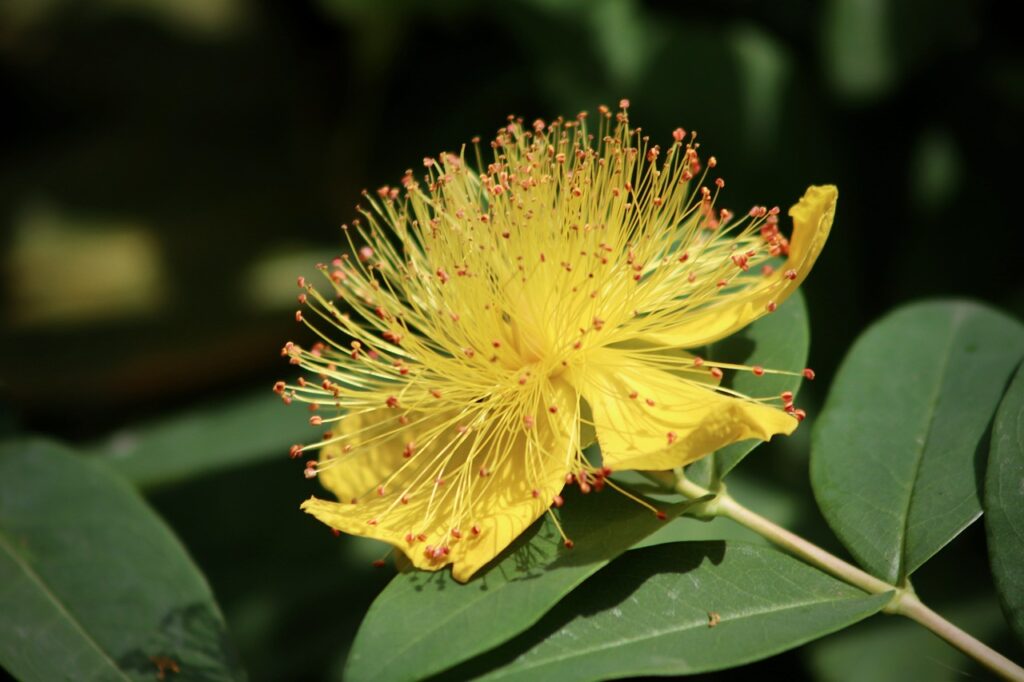
It’s semi-evergreen, handling most UK soils, including heavy clay, and tolerates partial shade with remarkable grace. In a cottage garden context, it works brilliantly as an informal hedge or as a back-of-border shrub, and the cheerful yellow flowers complement the pinks and purples of classic cottage perennials beautifully. It requires very little maintenance beyond a light tidy after flowering, making it ideal for gardeners who want maximum impact for minimum effort.
🛒 Buy Hypericum Hidcote on Amazon UK
4) Philadelphus (Mock Orange)
If I had to choose just one shrub for scent in a cottage garden, Philadelphus would give roses a very serious run for their money. The fragrance from a mature mock orange in full flower in June is almost tropical in its intensity — pure white blossom with a scent that carries astonishing distances across a garden.
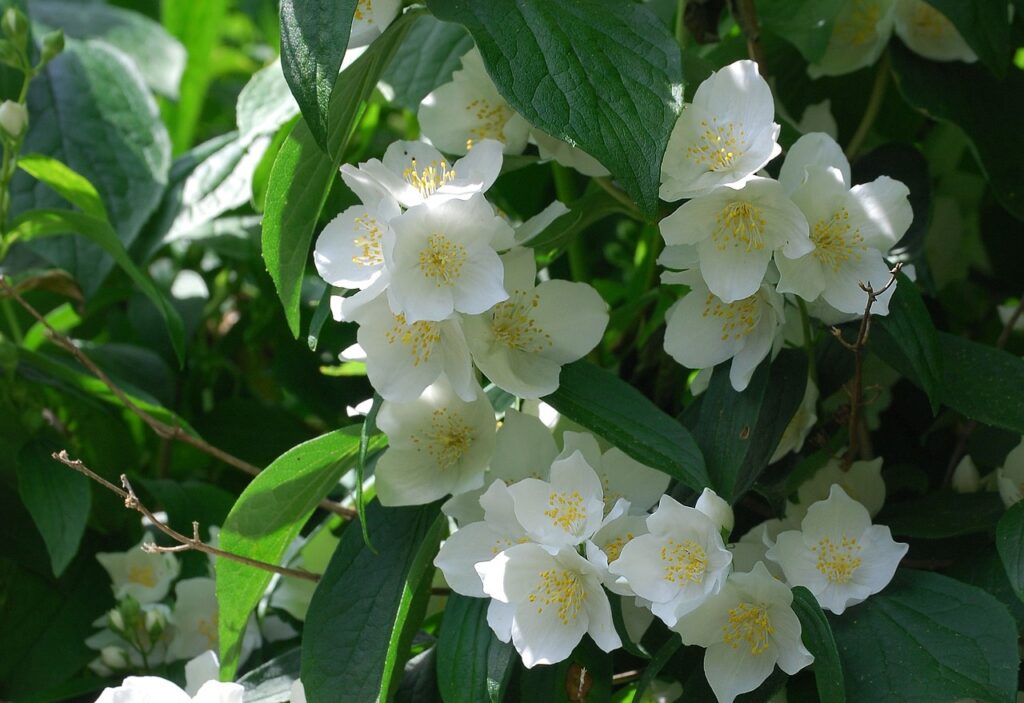
‘Belle Étoile’ is a compact variety that suits smaller gardens, producing single white flowers with a purple blush at their centre. ‘Virginal’ offers larger double flowers and greater height if you have the space. Philadelphus is unfussily easy to grow — it thrives in almost any well-drained soil in sun or partial shade, and once established it needs very little attention beyond a prune after flowering to remove the oldest third of the stems and keep it flowering freely. Plant near a path, a seating area, or an open window and prepare to be astonished.
🛒 Buy Philadelphus Mock Orange on Amazon UK
Herbaceous Perennials (Come back each year)
Herbaceous perennials are the workhorses of the cottage garden. They die back completely in winter and return each spring with renewed vigour, meaning you build up a more impressive display with every passing year without spending a penny. When I’m designing cottage-style planting schemes, I aim for a mix of heights, textures, and flowering times so that the border is interesting from April right through to the first frosts. These are the plants that give a cottage garden its romantic, abundant feel — and once established, many of them can be divided and shared with friends, which feels entirely in keeping with the spirit of cottage gardening itself.
1) Hollyhocks (Alcea rosea)
Hollyhocks are the quintessential back-of-border plant for cottage gardens, and they create that iconic image of tall flower spires leaning against a stone wall or cottage fence that defines the style so perfectly. Biennials, they flower in their second year from seed and then self-seed freely thereafter, so once you have them established, you effectively have them forever.
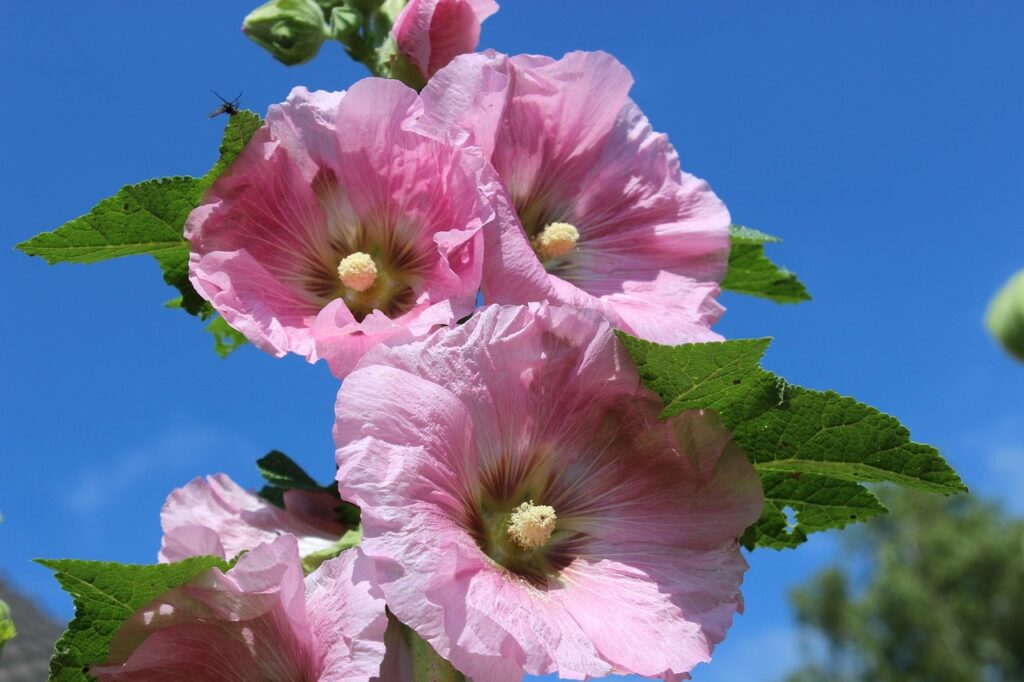
The flower spikes can reach 2 metres or more, producing saucer-shaped flowers in every shade from pure white, lemon yellow, and soft pink through to deep crimson and near-black. ‘Nigra’ with its almost black-purple flowers is a spectacular choice that looks extraordinary against the pale pastels of other cottage plants, whilst ‘Chater’s Double’ produces impressive, fully-doubled flowers in a range of colours.
Sow seed from April to August for flowers the following year, or buy young plants in spring and be patient — the wait is absolutely worth it. Plant in full sun in well-drained soil, and stake on exposed sites as the height makes them susceptible to wind damage.
2) Delphiniums
Nothing adds vertical drama to a cottage border quite like a well-grown delphinium. Those towering spires of blue, purple, white, and pink are like exclamation marks in the border, instantly drawing the eye and creating the layered, abundant look that cottage gardens are famous for.
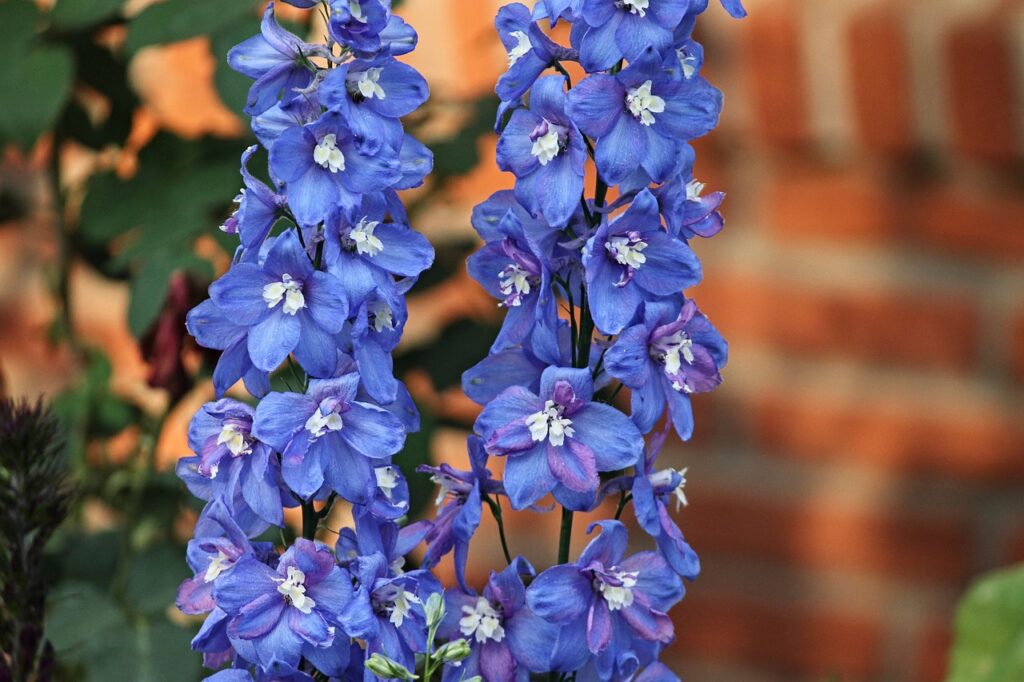
In my experience, the Pacific Giants series produces the most reliable tall spires, whilst ‘Black Knight’ offers deep violet-blue flowers with a striking black eye that looks sensational planted alongside pale pink roses and white foxgloves. Delphiniums prefer a rich, well-drained soil in full sun and absolutely must be staked even in sheltered positions, the flower spikes are heavy and will snap without support.
After the first flush of flowers, cut the main spikes down to encourage a second, smaller flush later in the season. Watch for slugs in spring when the new shoots emerge, as this is when they are at their most vulnerable.
🛒 Buy Delphiniums on Amazon UK
3) Sweet Williams (Dianthus barbatus)
Sweet Williams bring a spicy-sweet clove fragrance to the cottage border that is quite unlike anything else, and their densely packed flowerheads in rich reds, pinks, and bi-colour combinations are irresistibly cheerful.
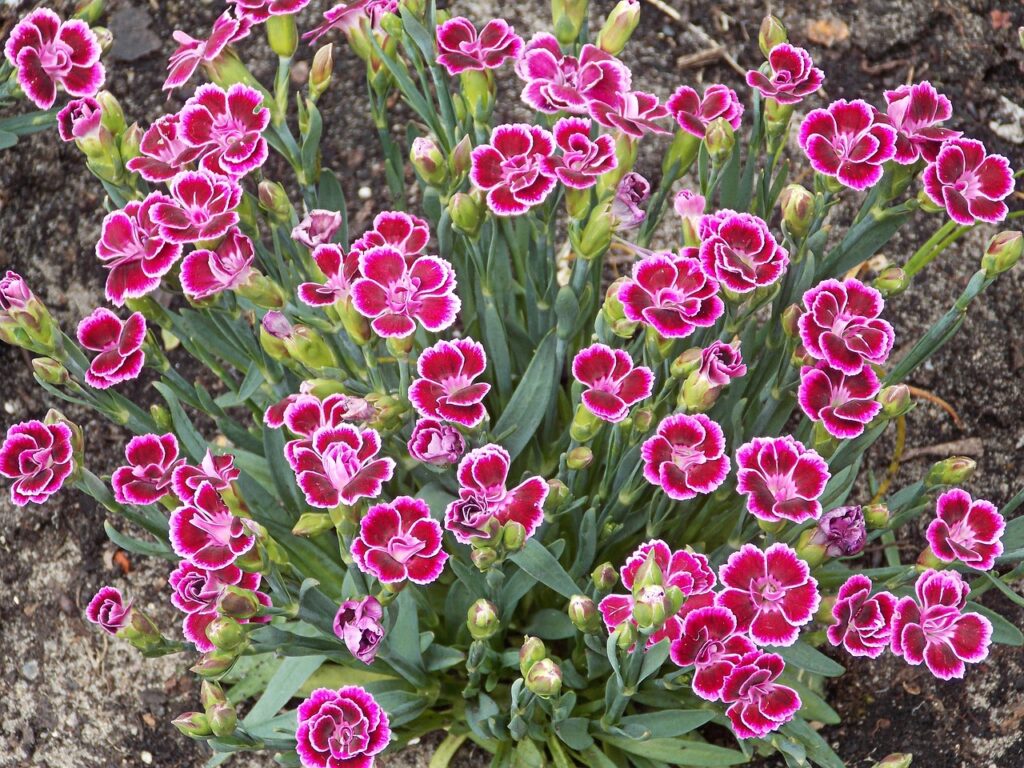
They’re technically biennials, sown one year to flower the next, but some modern varieties have been bred to flower in their first year from an early spring sowing. They work beautifully at the front or middle of a cottage border, and they’re exceptional cut flowers.
Bring them indoors, and the scent will fill a room. Auricula-Eyed Mixed’ produces classic patterned flowers with a contrasting ring of colour that look almost hand-painted, whilst ‘Sooty’ offers deep maroon-black flowers that add real depth to a planting scheme. They prefer full sun and a free-draining, slightly alkaline soil.
🛒 Buy Sweet Williams on Amazon UK
4) Foxgloves (Digitalis purpurea)
Foxgloves are arguably the most iconic cottage garden plant of them all. Those tall spires of tubular flowers in purple, pink, cream, and white, each one spotted inside like a tiny landing pad for bumblebees, create an atmosphere of romantic woodland abundance that no other plant quite replicates.
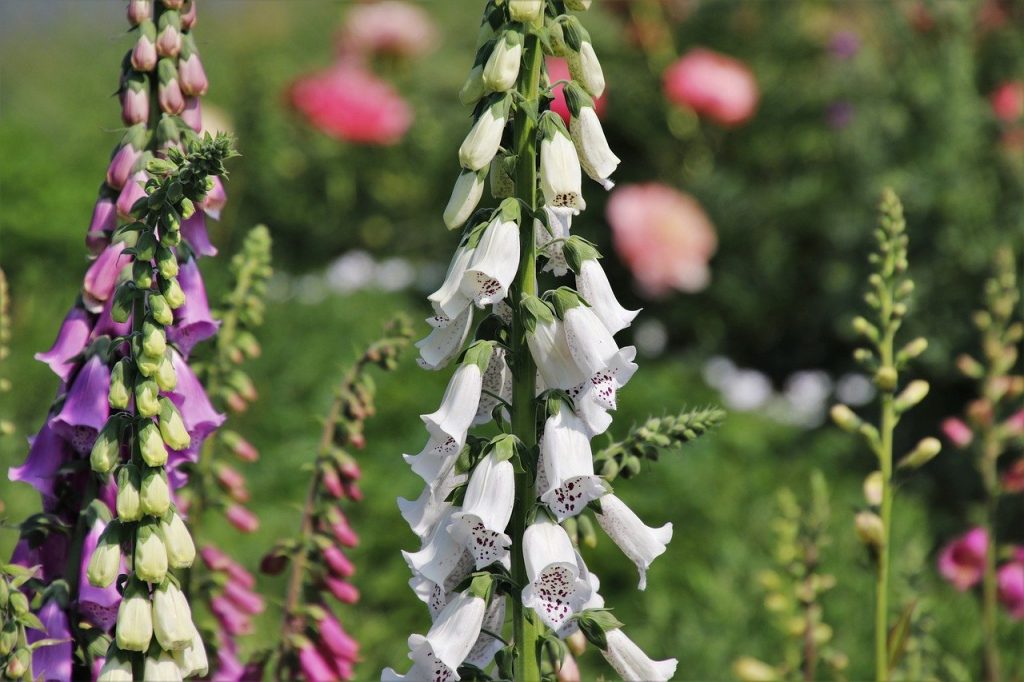
They’re biennials that self-seed with absolute abandon once established, which means that after the first few years you’ll have them popping up naturally all over the garden in that effortlessly casual way that is so characteristic of cottage style. The Excelsior Group produces magnificent blooms arranged all around the flower spike rather than just on one side, creating a much more impressive plant overall.
I always recommend removing the central spike after flowering to encourage multiple side shoots, which extends the season and gives you more flowers. A word of caution — every part of the foxglove is toxic, so keep them away from areas where children or pets might chew them.
5. Monkshood (Aconitum)
Monkshood is one of the great unsung heroes of the late summer cottage border. When many of the earlier flowering perennials are fading, Aconitum arrives with its distinctive hooded flowers in deep blue and purple on tall, elegant stems, providing colour and height from July through to September.
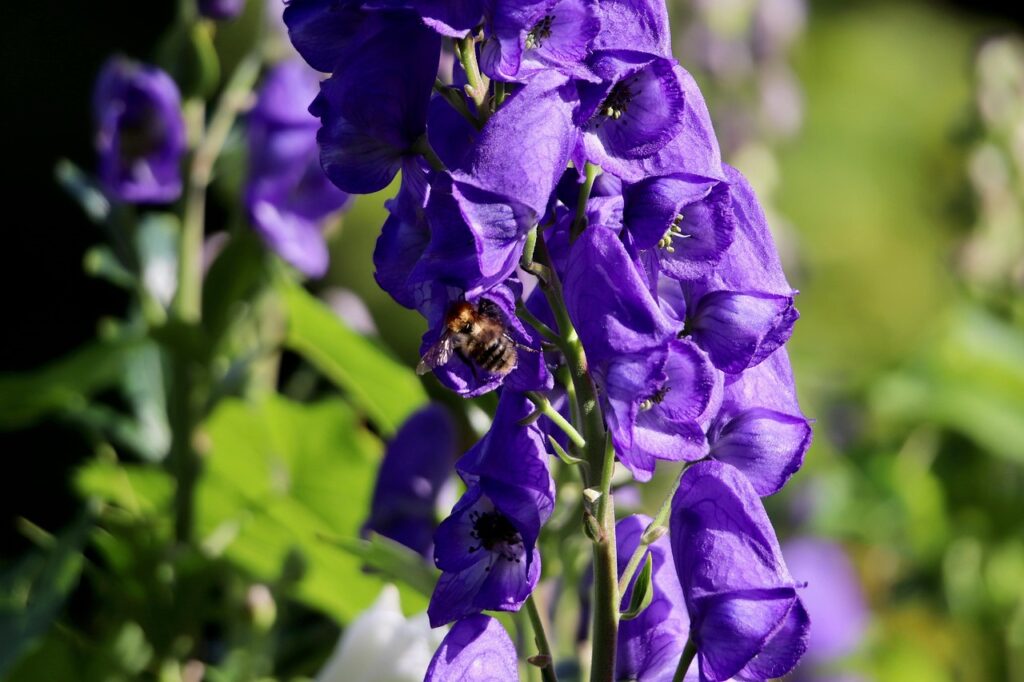
‘Spark’s Variety’ is a particularly good form with rich indigo-blue flowers, whilst ‘Stainless Steel’ offers an unusual metallic blue-grey that looks stunning in evening light. It tolerates partial shade better than most tall perennials, making it invaluable for darker spots in the cottage border. I should mention that monkshood is highly toxic — it’s actually one of the most poisonous plants in cultivation — so always wear gloves when handling it and wash hands thoroughly afterwards. With sensible precautions in place, however, it is a magnificent and worthy cottage garden plant.
🛒 Buy Monkshood Aconitum on Amazon UK
6. Tulips
Tulips are the spring backbone of the cottage garden, providing those first great waves of colour in April and May that set the tone for everything to come. For a cottage garden aesthetic, I always choose varieties with a slightly looser, more romantic feel rather than the rigid formality of formal bedding tulips.
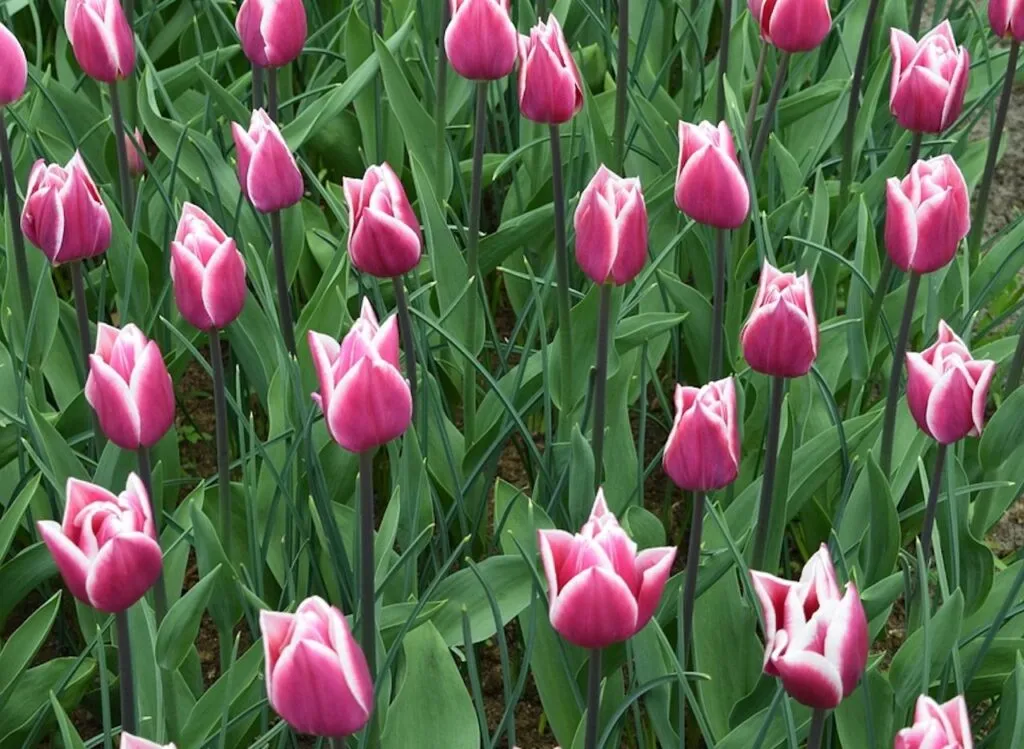
Parrot tulips with their feathered and ruffled petals are absolutely perfect — ‘Apricot Parrot’ and ‘Black Parrot’ are two of my absolute favourites. Lily-flowered tulips like ‘White Triumphator’ and ‘Ballerina’ also have exactly the right elegance for a cottage planting. Plant bulbs in November at a depth of around 15 to 20cm in free-draining soil — on heavy clay, add grit to the planting hole. Many varieties benefit from being lifted after the foliage has died down in June, stored dry over summer, and replanted in autumn for the best results
🛒 Buy Tulip Bulbs on Amazon UK
7. Solomon’s Seal (Polygonatum)
Solomon’s Seal is a genuinely beautiful plant for the shadier parts of the cottage garden, and one I recommend constantly for those tricky spots under trees or along north-facing walls where other plants struggle. The arching stems carry pairs of fresh green leaves and pendant white bells in late spring, creating a graceful, almost architectural effect that few other shade-tolerant plants can match.
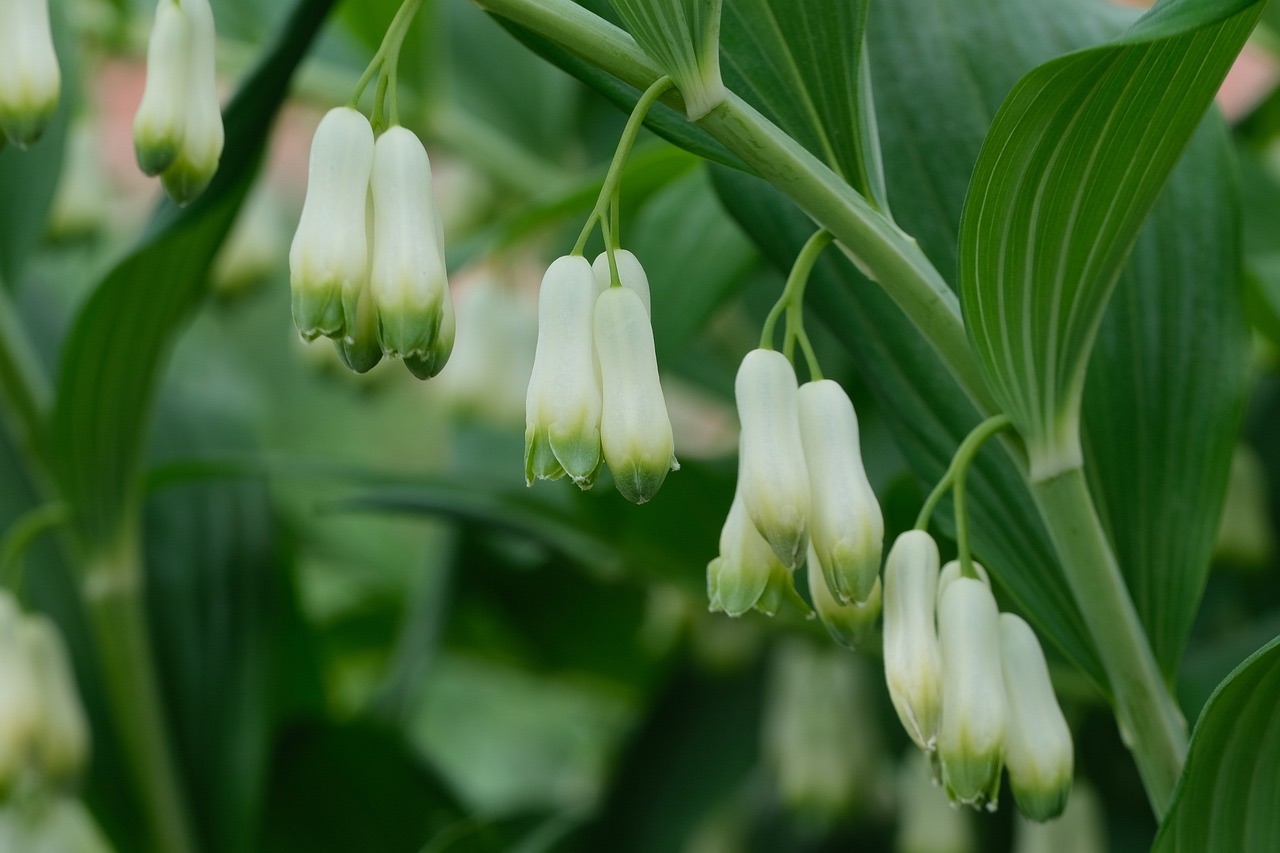
It spreads steadily by rhizome to form impressive colonies over time, making it excellent for naturalising under deciduous trees in the woodland-edge planting that sits so comfortably within cottage garden style. Polygonatum × hybridum is the most commonly grown form and reaches around 60 to 90cm in height. The main pest to watch for is the Solomon’s Seal sawfly, whose larvae can strip the leaves to bare stalks — pick them off by hand or spray with an appropriate pesticide if infestations are heavy.
🛒 Buy Solomon’s Seal on Amazon UK
8. Lily of the Valley (Convallaria majalis)
Few plants in existence carry as much scent for their size as Lily of the Valley. Those tiny white bells, produced in April and May, have a fragrance that is quite breathtaking in its intensity, and a small bunch brought indoors will scent an entire room. It spreads by rhizome to form dense ground-covering colonies in shade or semi-shade, naturalising beautifully under shrubs and trees where little else will grow.
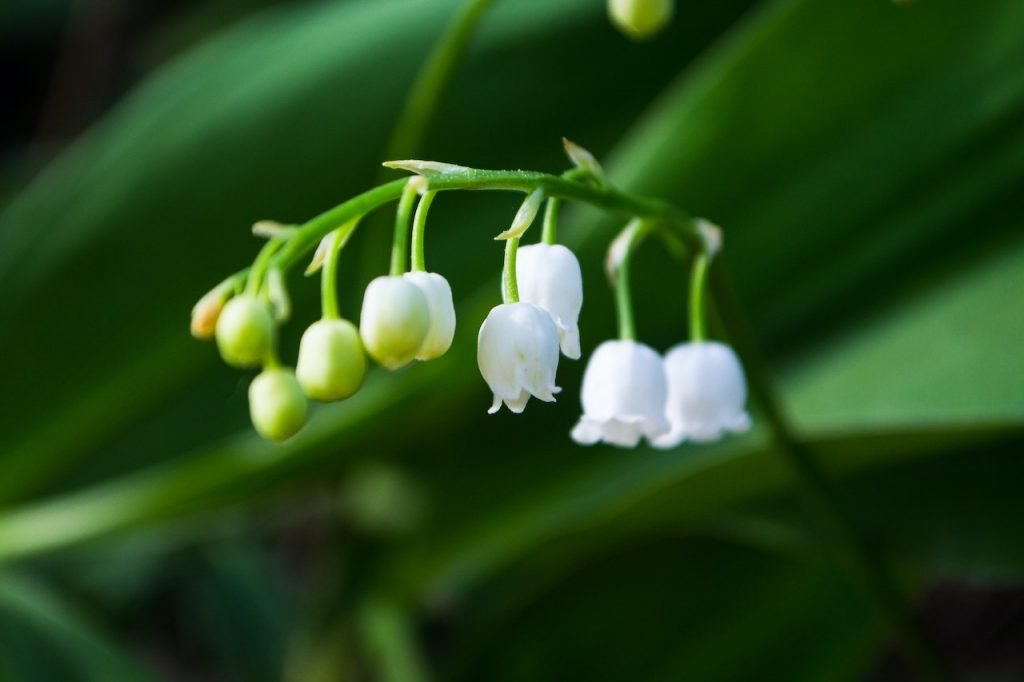
In a cottage garden, I particularly love it as an underplanting beneath roses or in a shaded corner where its glossy leaves provide handsome ground cover even after the flowers have faded. It can be vigorous once established, so think carefully about where you plant it — but in the right spot, it’s an absolute treasure. Plant the pips (rhizomes) just below the surface in autumn or early spring.
🛒 Buy Lily of the Valley on Amazon UK
9. Crocus
Crocus are the heralds of spring in the cottage garden, appearing in February and March when everything else is still dormant and providing that first vital burst of colour after a long winter. Naturalised in grass or planted in drifts along border edges, they create a charming, informal effect that is absolutely central to the cottage garden aesthetic.
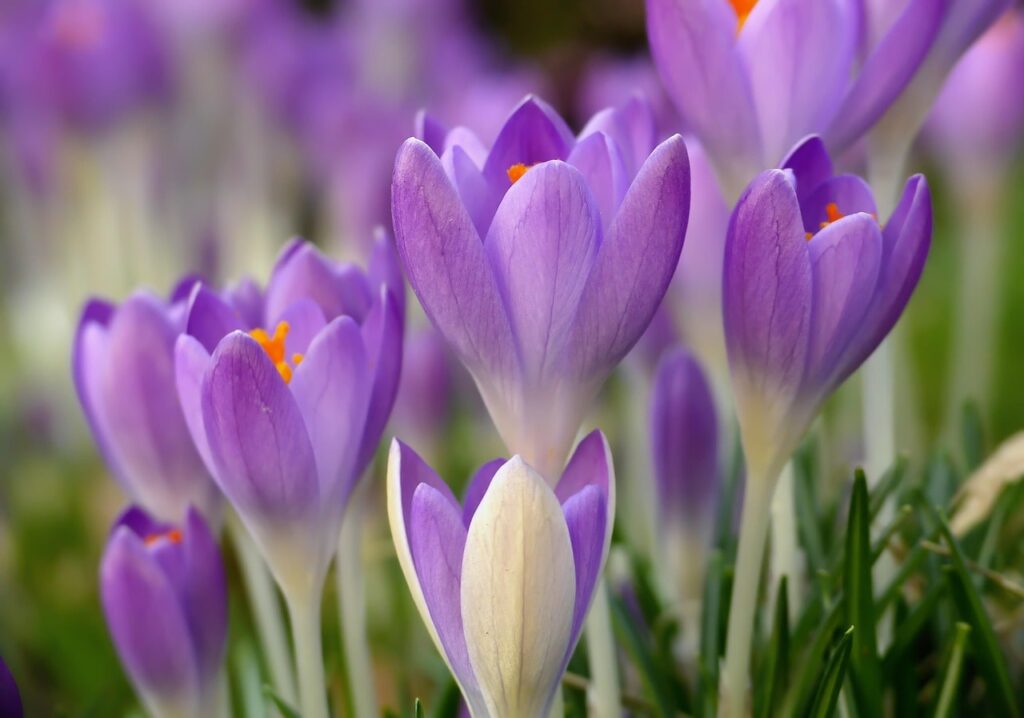
Crocus tommasinianus is one of my favourites for naturalising — its delicate lilac-purple flowers appear very early in the year and it self-seeds freely, spreading through the garden year after year. For richer colours, ‘Jeanne d’Arc’ offers pristine white flowers, whilst ‘Remembrance’ delivers deep violet-purple. Plant corms in autumn at around 8 to 10cm deep in any well-drained soil — they’re very tolerant and virtually indestructible once established.
🛒 Buy Crocus Bulbs on Amazon UK
10. Lilies (Lilium)
Lilies bring an almost exotic glamour to the cottage border in July and August, their large, often fragrant flowers creating a spectacular mid-season display that bridges the gap between early summer and autumn. Oriental lilies like ‘Casa Blanca’, with its enormous pure white flowers and heavenly scent, and ‘Stargazer’, with its vivid pink-and-white blooms, are two of the most dramatic choices for cottage-style planting.
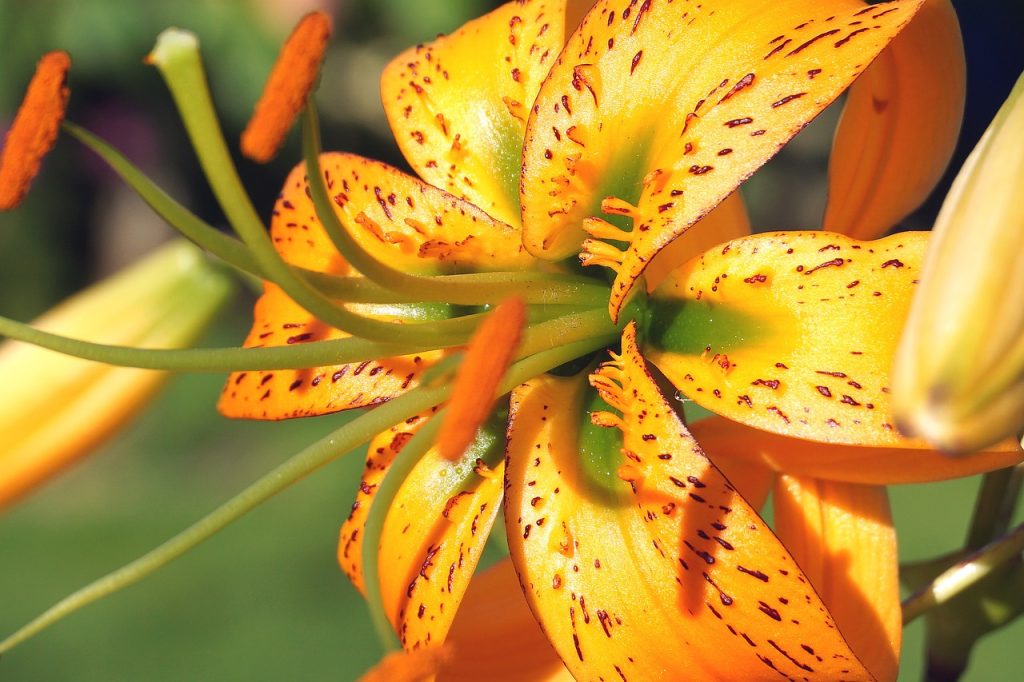
For reliability and scent, the Asiatic-Oriental hybrid ‘Anastasia’ is outstanding, reaching up to 1.5 metres with soft pink flowers. Lilies prefer a deep, well-drained soil with their roots in shade and their heads in sun, and they perform extremely well in large containers filled with a free-draining compost mix. Watch for the scarlet lily beetle, which can devastate plants — check regularly and remove adults and their larvae by hand.
11. Lavender (Lavandula angustifolia)
Lavender is the most versatile plant in the cottage gardener’s arsenal, serving simultaneously as a structural plant, a pollinator magnet, a fragrant path edging, and one of the most evocative sensory experiences a garden can offer.
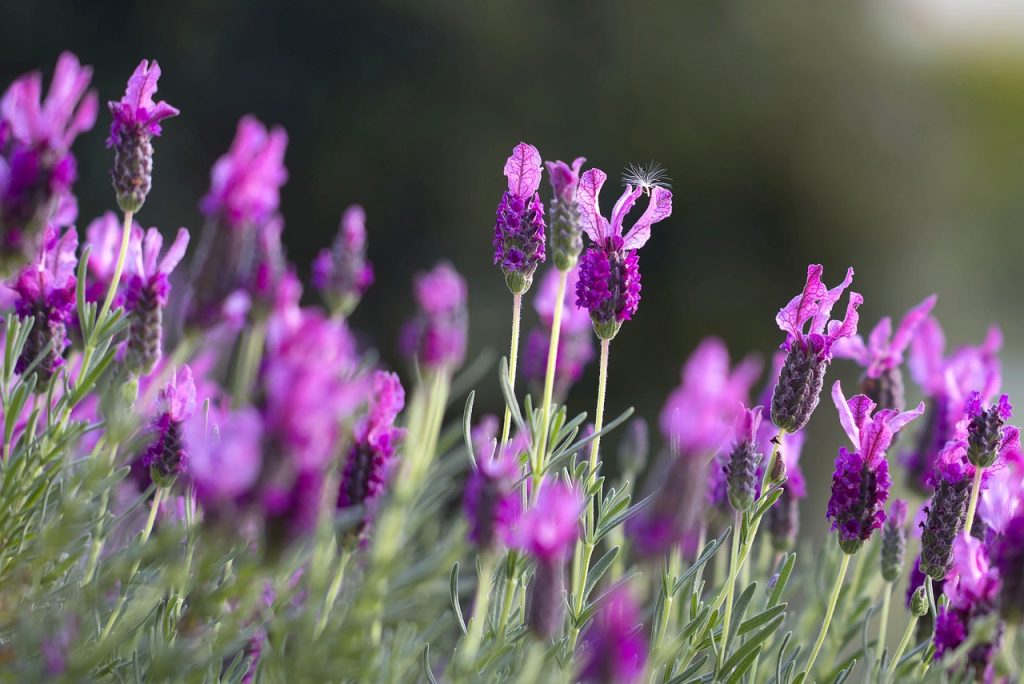
Running your hand along a row of lavender in full flower on a warm summer day is as close to a perfect garden moment as I can imagine. ‘Hidcote’ remains my go-to variety for its compact habit, deep purple flowers, and intense fragrance, whilst ‘Munstead’ offers an earlier flowering time and slightly looser growth. Edge paths with lavender to release its scent as visitors brush past, use it to create informal low hedges between garden rooms, or plant it in generous drifts at the front of sunny borders. Prune every year after flowering to prevent it from becoming woody and to maintain that neat, rounded shape — follow my lavender pruning guide for the best results.
12. Artemisia (Mugwort)
Artemisia is one of those plants that makes everything around it look better. The soft, silvery-grey foliage acts as the perfect foil for the richer pinks, purples, and blues of classic cottage garden flowers, toning down potential colour clashes and creating a sense of harmony throughout the border. It also has historical uses in witchcraft for protection! (Which is why I have it all over my garden here at Garden Ninja HQ!!)
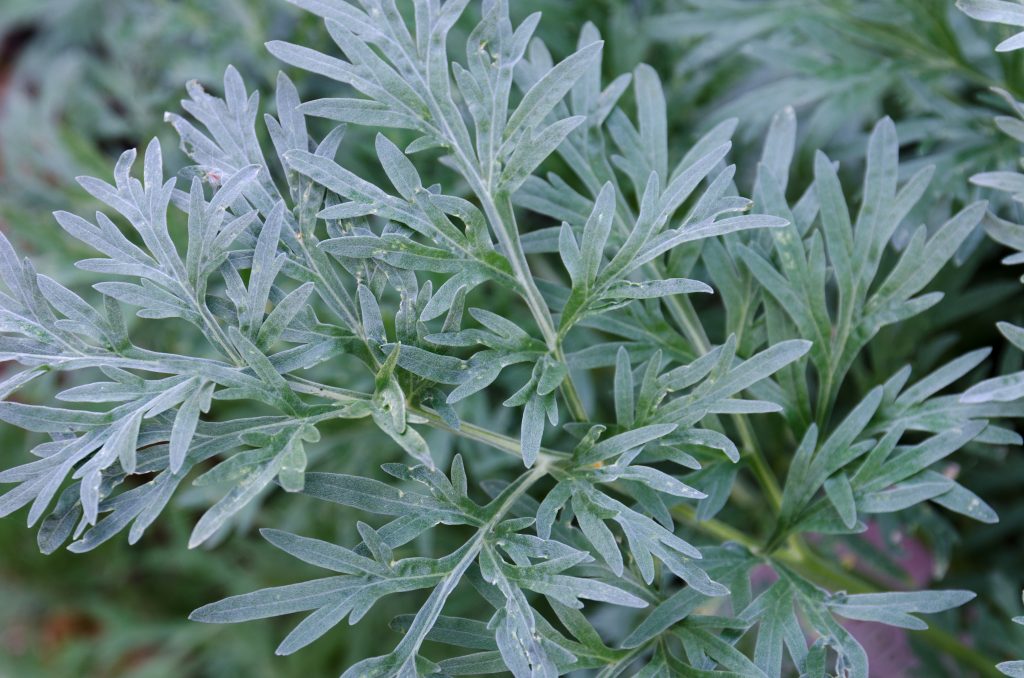
Artemisia ‘Powis Castle’ is the form I use most frequently — a semi-evergreen subshrub that forms a beautiful mound of finely cut silver foliage reaching around 60 to 90cm, providing year-round structure in the border. It’s exceptionally drought-tolerant once established, thriving in the poorest, free-draining soils in full sun, and the aromatic foliage has a pleasantly medicinal scent. Cut back in spring to encourage fresh growth and maintain a neat shape.
13. Rosemary (Salvia rosmarinus)
Rosemary has been a cottage garden staple for centuries, valued for its aromatic foliage, its masses of blue flowers in spring, and its extraordinary toughness in virtually any free-draining soil. In a cottage garden planting scheme, I use it both as a culinary herb and as an architectural evergreen shrub that provides year-round structure and interest.
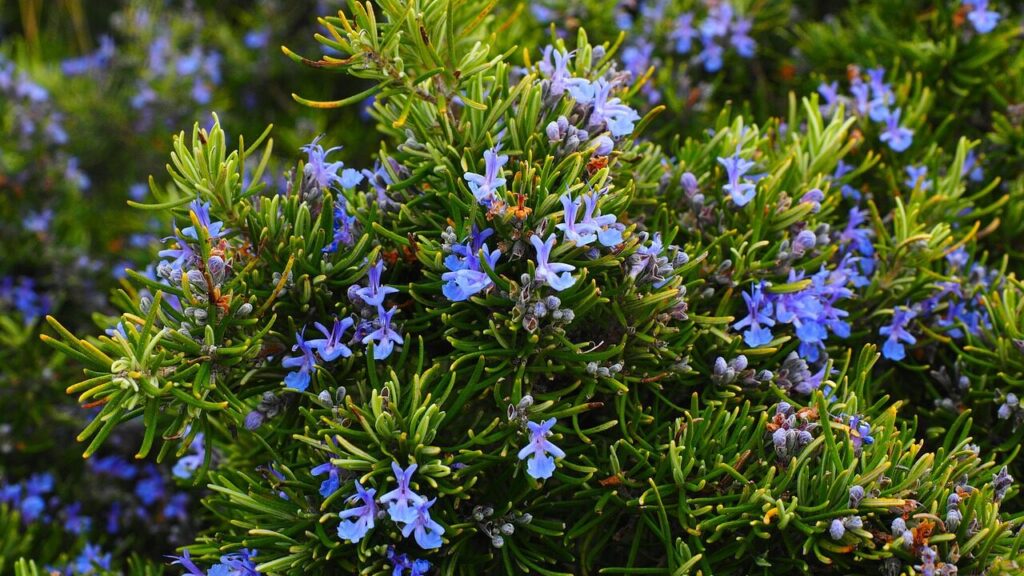
‘Miss Jessopp’s Upright’ makes an excellent informal hedge and reaches around 1.5 metres, whilst prostrate varieties like ‘Prostratus’ can be trained to cascade beautifully over low walls. The blue flowers appear as early as February in mild years and are absolutely beloved by early bumblebees — I genuinely can’t imagine a cottage garden without them. It requires minimal care beyond an occasional trim to keep it in shape, and it handles drought, poor soil, and coastal exposure without complaint.
14. Thyme (Thymus)
Thyme is an indispensable cottage garden plant that works beautifully both as a culinary herb and as an ornamental ground cover. Planted between paving stones or along path edges, creeping varieties like Thymus serpyllum release their aromatic scent with every footstep — one of those sublime sensory experiences that makes a garden truly special.
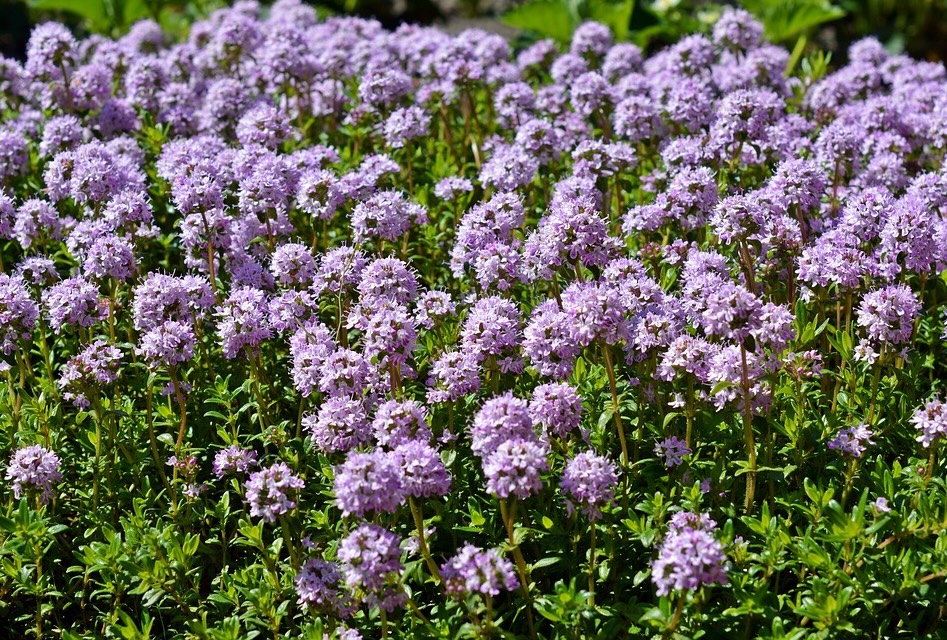
Thymus vulgaris is the culinary classic, whilst ‘Silver Queen’ with its cream-variegated foliage and Thymus serpyllum ‘Coccineus’ with its vivid crimson flowers both earn their place on ornamental grounds alone. All thymes need excellent drainage and full sun to thrive — on heavier soils, incorporate plenty of horticultural grit into the planting area. They flower from May to July, attracting bees in extraordinary numbers.
15. Primroses (Primula vulgaris)
Primroses are the quintessential British wildflower and one of the most charming plants you can include in a cottage garden. The native Primula vulgaris produces soft yellow flowers from February onwards, naturalising beautifully in dappled shade under trees and shrubs where they create drifts of spring colour. For more dramatic effect, the Primula ‘Gold Lace’ group offers extraordinary bicolour flowers in deep burgundy edged with gold, whilst the Barnhaven Primroses come in an astonishing range of colours from sky blue and pure white to deep purple and rich red.
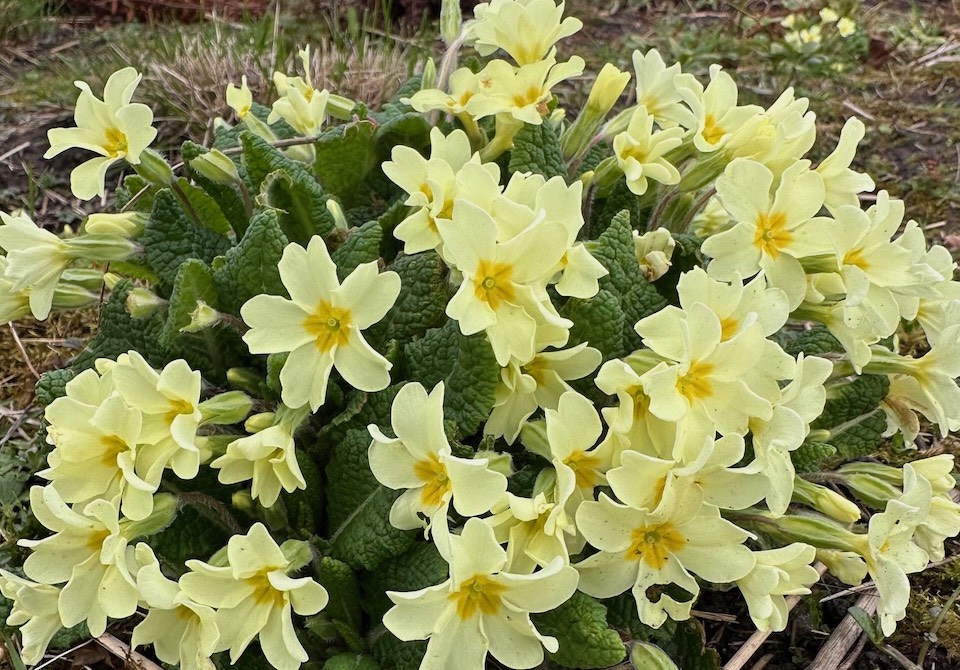
All prefer a cool, moisture-retentive soil in partial shade, making them ideal for north-facing borders and woodland-edge planting. They self-seed freely in the right conditions and can be divided after flowering to increase your stock for free.
Climbing Cottage Plants
Climbers are essential in any cottage garden design as they add height and drama without taking up precious border space, and they transform walls, fences, arches, and pergolas into flowering features that define the romantic character of the style. I always design cottage gardens with at least one or two climbers in mind from the outset, as the vertical element they provide is irreplaceable.
1. Honeysuckle (Lonicera periclymenum)
Native honeysuckle is one of my all-time favourite cottage garden climbers. The fragrance it produces in the evening is quite breathtaking — rich, sweet, and complex in a way that feels deeply evocative of traditional English gardens.
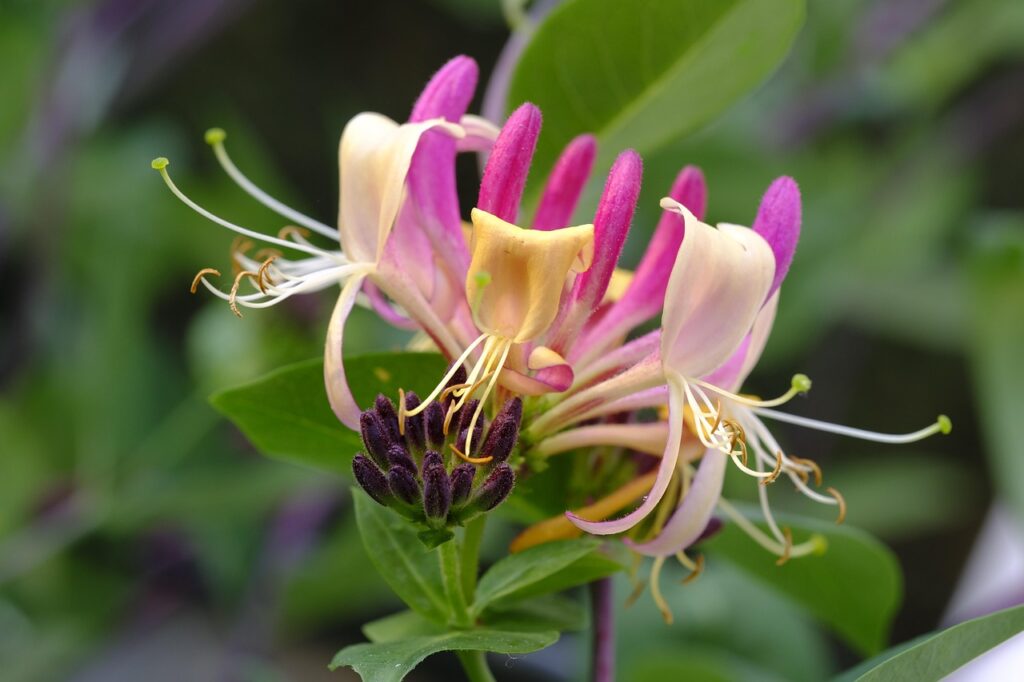
Lonicera periclymenum ‘Belgica’ (Early Dutch) flowers first in May and June with pink and yellow blooms, whilst ‘Serotina’ (Late Dutch) follows on from July to October, meaning that by planting both together, you can have honeysuckle in flower for five or six months continuously. They’re excellent for wildlife too, attracting moths on summer evenings and producing red berries in autumn that birds adore. Train over an arch, pergola, or trellis in any reasonable soil, in sun or partial shade. They do best with their roots in shade and their heads reaching towards the light, just as they naturally scramble through hedgerows.
🛒 Buy Honeysuckle on Amazon UK
2. Clematis
Clematis is the most versatile climbing plant in the cottage gardener’s repertoire. With different varieties flowering in almost every month of the year, and available in every colour from pure white through every shade of pink, purple, and blue to deep red, there is a clematis for every position and every planting scheme.
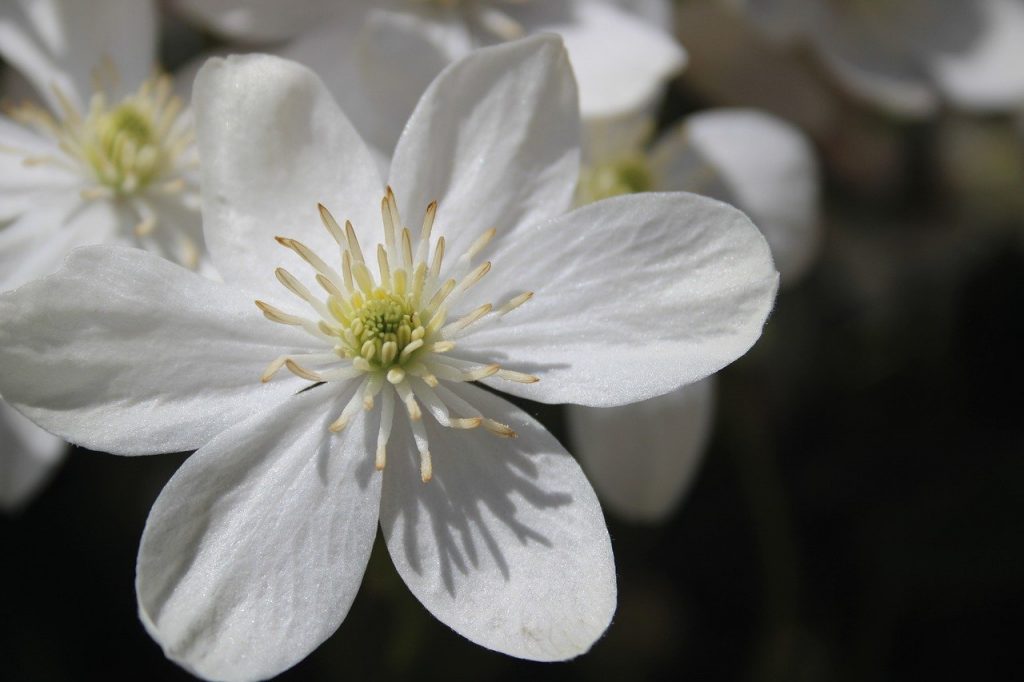
For a classic cottage garden feel, the large-flowered group 2 varieties are hard to beat — ‘Nelly Moser’ with its pale pink flowers striped with a deeper bar has been a cottage garden classic for over 150 years, whilst ‘The President’ offers rich purple-blue blooms from May right through to autumn. For a more contemporary take, Clematis viticella varieties like ‘Purpurea Plena Elegans’ — with its extraordinary pompon flowers in dusky purple — tumble through shrubs and over arches with great charm. Plant with the roots in shade, shade the lower stems with nearby planting, and always follow the correct pruning group for your variety.
3. Rosa ‘Alexandre Girault’ (Rambling Rose)
‘Alexandre Girault’ is one of the most magnificent rambling roses in existence, and utterly perfect for a cottage garden setting. In June it produces enormous cascading clusters of cupped, quartered flowers in a rich coral-pink that fades to a softer blush as the blooms age, creating extraordinary depth and complexity in the display.
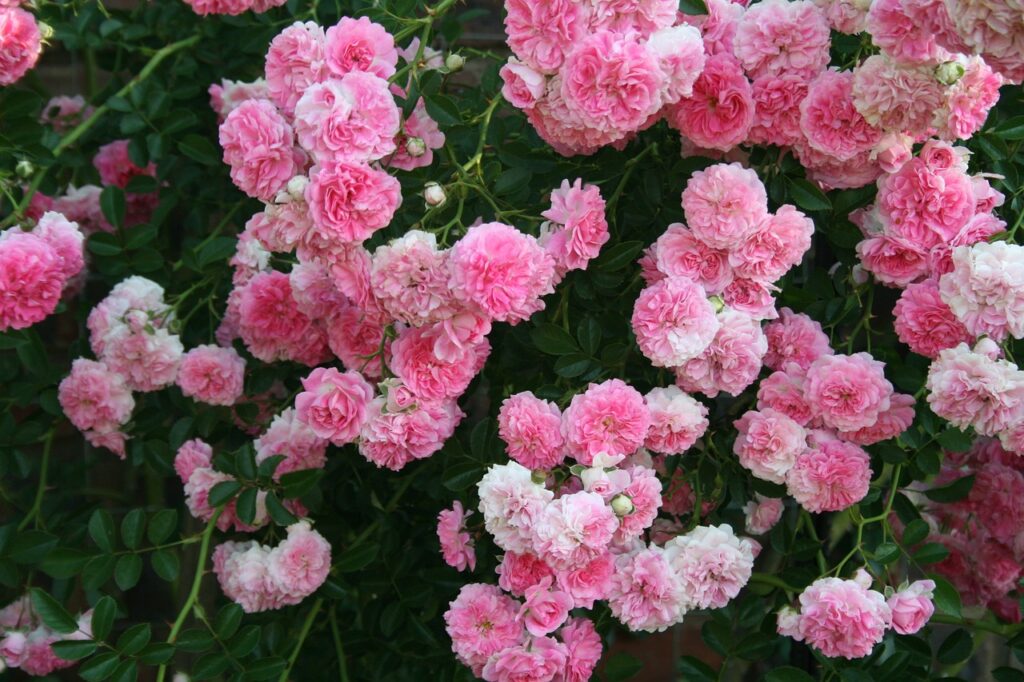
The flowers are lightly fragrant with a fruity apple scent, and the whole plant has a joyfully exuberant quality that is the very essence of the cottage garden spirit. It’s a once-flowering rambler, but the single flush in June is so spectacular that this is easily forgiven. Vigorous enough to cover a large arch, pergola, or substantial trellis — it will reach 5 to 6 metres in time — it needs a robust support structure. Prune after flowering by removing the oldest flowered stems to ground level and tying in the new growth that will carry next year’s flowers.
🛒 Buy Rambling Roses on Amazon UK
Annual Cottage Plants (Live for one year)
Annuals are the secret weapon for filling gaps, providing colour from early summer right through to the first frosts, and adding that casual, seed-itself-everywhere quality that makes a cottage garden look so effortlessly abundant. They’re also an excellent way to try new colour combinations without long-term commitment, and many of them are genuinely amongst the best cut flowers you can grow. I always encourage clients to scatter annual seeds liberally in their cottage borders — the results are invariably charming.
1. Calendula (Pot Marigold)
Calendula is one of the easiest, most cheerful, and most rewarding annuals you can grow, and it has been part of the British cottage garden since medieval times. Direct sow in March or April where you want it to flower, thin to 30cm apart, and it will be in bloom by June — producing a succession of orange and yellow daisy-like flowers right through to the first frosts.
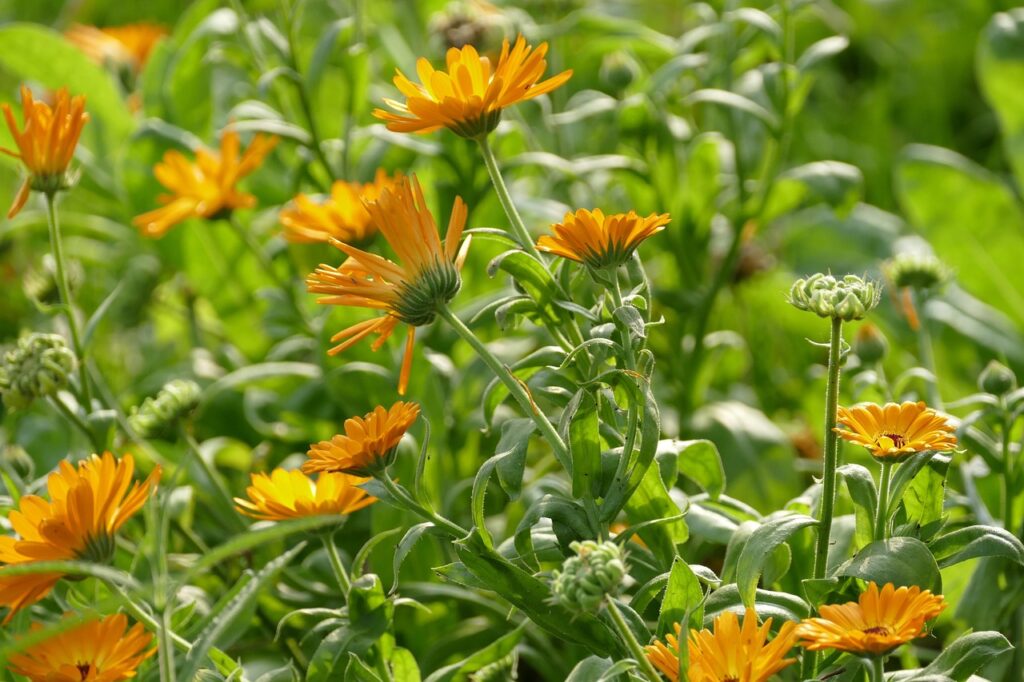
‘Indian Prince’ offers rich orange petals with a deep bronze reverse, particularly beautiful in low autumn light, whilst ‘Snow Princess’ creates a cool cream effect that works wonderfully alongside other pastel cottage flowers. Calendula self-seeds freely, so allow some plants to set seed at the end of the season and you’ll have fresh plants appearing of their own accord the following spring. The petals are edible and make a beautiful garnish for salads.
🛒 Buy Calendula Seeds on Amazon UK
2. Stocks (Matthiola incana)
Stocks are quite simply one of the most powerfully fragrant flowers you can grow in a British cottage garden. The heavy, spicy-sweet clove scent that drifts from a bed of stocks on a warm evening is quite extraordinary, and a few cut stems brought indoors will fill a room within minutes.
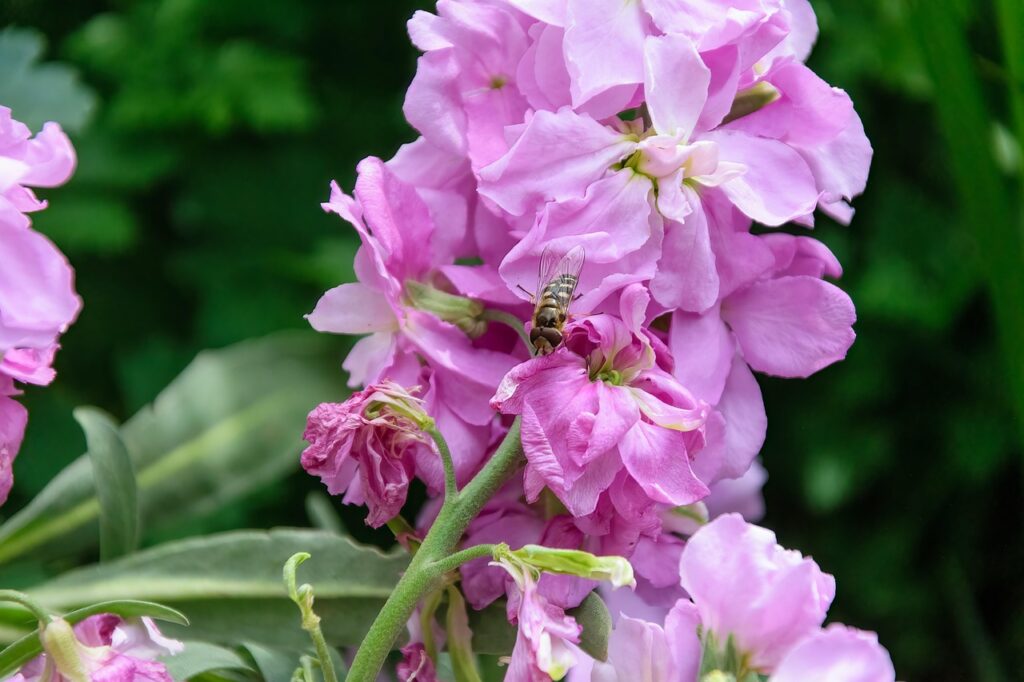
The dense spikes of flowers come in rich purples, deep pinks, creams, and whites — ‘Giant Imperial Mixed’ is a reliable tall-growing variety that makes an impressive border plant as well as a superb cut flower. Sow seed under cover in February or March for planting out in May, or sow directly in September for earlier flowering the following year. They prefer a fertile, well-drained soil in full sun and cool conditions — they tend to run to seed prematurely in a very hot summer, so a position with a little afternoon shade in warmer gardens suits them well.
🛒 Buy Stocks Seeds on Amazon UK
3. Violas
Violas have a delicate charm that is perfectly in keeping with cottage garden style, and their ability to flower from early spring right through to summer makes them invaluable for filling the garden with colour over a long period. Unlike their larger cousins the pansy, violas tend to flower more freely and continuously, producing masses of small blooms in a wide range of colours.
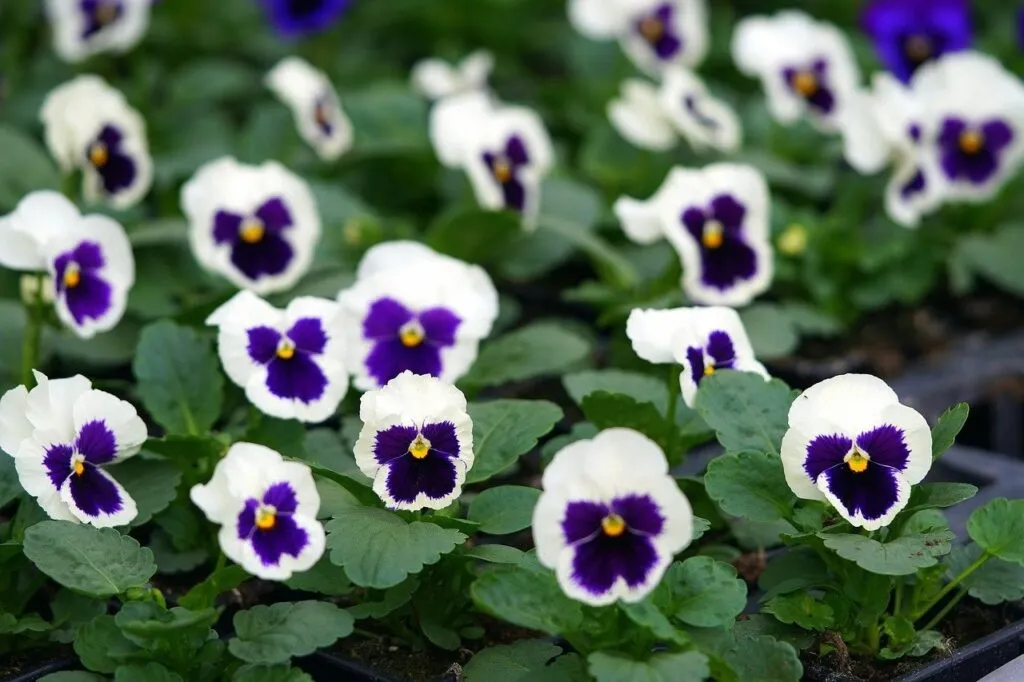
‘Jackanapes’ is a wonderful old cottage garden variety with bi-colour flowers in chestnut brown and golden yellow, whilst ‘Bowles’s Black’ offers near-black flowers with a tiny yellow eye that creates a fascinating visual contrast when planted alongside pastels. They prefer cool conditions and will self-seed around the garden in a pleasingly informal way. Deadhead regularly to prolong flowering, or allow them to set seed and enjoy the results the following year.
4. Pansies (Viola × wittrockiana)
Pansies bring a very particular kind of cheerfulness to the cottage garden that is quite irresistible. Their large, often elaborately patterned flowers in every conceivable colour have a face-like quality that makes them endlessly endearing, and modern varieties like the Ultima and Matrix series are extraordinarily free-flowering over a very long season.
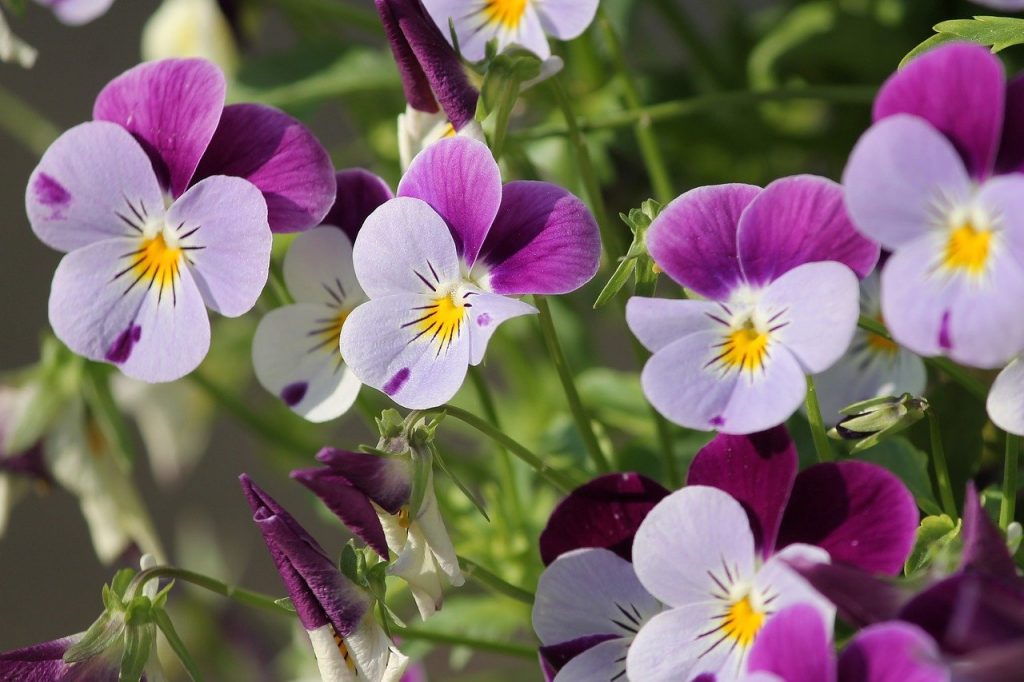
For a cottage garden planting scheme, I prefer the slightly smaller, more delicate-looking varieties over the very large-flowered modern hybrids — the ‘Swiss Giant Mixed’ or old-fashioned ‘Roggli’ strain have a more authentic cottage feel. Winter-flowering varieties planted in October will provide colour through even the harshest months, making them one of the few plants that genuinely brighten the garden between November and March.
Trees for Cottage Gardens
A cottage garden without at least one fruit tree is, in my view, missing something essential. Fruit trees provide spring blossom for pollinators, dappled summer shade for seating areas, wildlife habitat in their bark and cavities, and, of course, the incredible reward of homegrown fruit. They give the cottage garden a sense of permanence and history that no herbaceous plant can replicate, and even a small garden can accommodate a trained espalier or cordon apple on a south-facing wall.
1. Apple (Malus domestica ‘Bramley’s Seedling’)
Bramley’s Seedling is the great British cooking apple, producing enormous green fruits that make the finest apple pies, crumbles, and chutneys imaginable. The spring blossom is beautiful — large, pale pink-white flowers that open to great effect in April and May, covering the whole tree in a way that rivals any ornamental cherry.

As a cottage garden tree, it has genuine heritage and character, and a mature Bramley develops a wonderful spreading form that provides genuine structure to the garden. It’s a triploid variety, meaning it needs two pollination partners nearby, so plant alongside a pair of compatible varieties to ensure a good crop. For smaller gardens, ask your nursery about Bramley on a dwarfing rootstock such as M26, which keeps the tree to a very manageable 2.5 to 3 metres.
🛒 Buy Apple Trees on Amazon UK
2. Pear (Pyrus communis ‘Conference’)
Conference is Britain’s most popular pear variety for very good reason — it produces heavy crops of long, russet-green fruits with a sweet, juicy flavour, it’s largely self-fertile so doesn’t require a pollination partner, and it’s reliable even in cooler northern gardens.
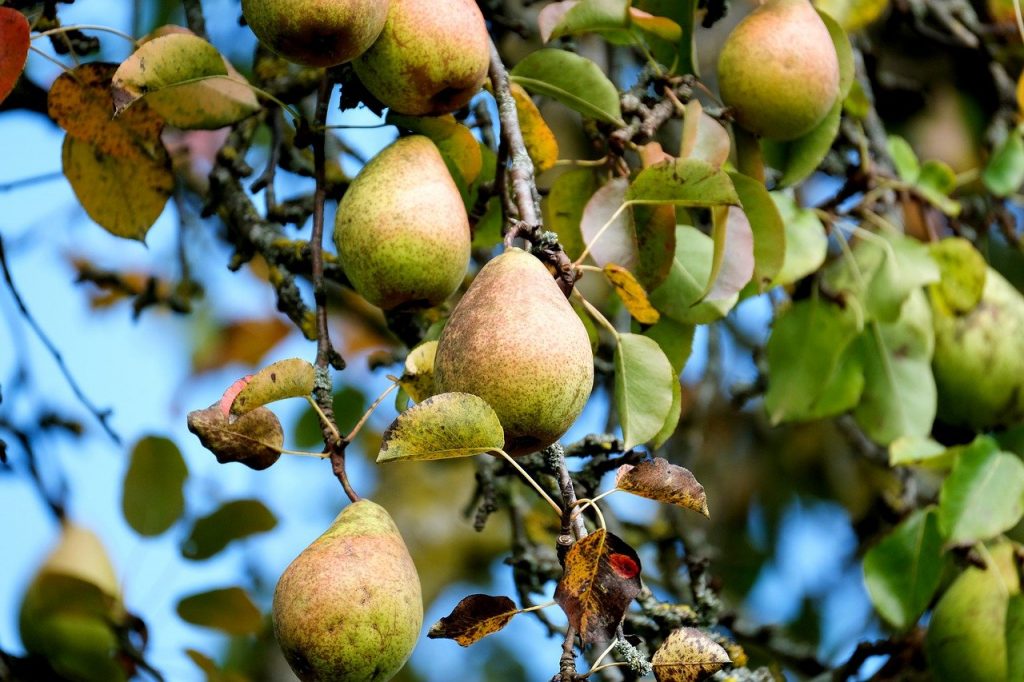
The spring blossom is delicate and beautiful, opening slightly earlier than the apple blossom and providing an important early nectar source for pollinators. Pears are slightly less tolerant of cold, exposed sites than apples, so give them a sheltered, sunny wall or fence where possible. In a cottage garden, they look wonderful trained as an espalier or fan against a warm wall — a centuries-old technique that maximises fruit production in limited space whilst creating a genuinely beautiful architectural feature.
3. Plum (Prunus ‘Mirabelle de Nancy’)
Mirabelle de Nancy is a French mirabelle plum that produces the most extraordinary golden-yellow fruits in August sweet, honeyed, and quite unlike any plum you’ll find in a supermarket. It’s a cottage garden treasure that most gardeners have never encountered, yet it grows well in UK conditions, crops reliably, and rewards you with fruit that can be eaten fresh, preserved as jam, or turned into a very fine French-style tart.
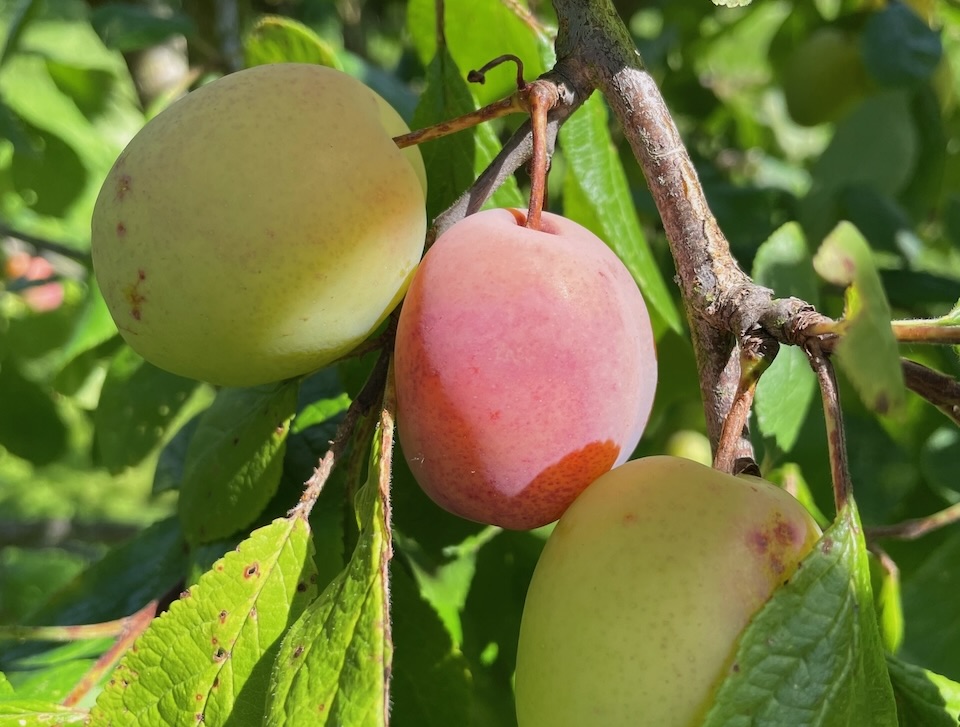
The tree is naturally compact, rarely exceeding 4 metres, and the spring blossom is absolutely beautiful with masses of pure white flowers that appear on bare branches in March, often the first blossom tree in the garden to flower. It’s largely self-fertile, which simplifies matters considerably. Plant in a sunny, sheltered spot in well-drained soil for the best results.
Cottage Garden Hedges & Trees
A Cottage garden wouldn’t be complete without trees for much-needed height and hedges for boundaries. The difference with a cottage garden is that both features usually produce fruit or provide wildlife benefits, such as berries. Meaning there’s an even larger potential to grow your own!
Fruit trees such as Apples, Pears, and Plums are used to add height and privacy. The beauty of fruit trees in a cottage garden is that they are available in a multitude of rootstock sizes, meaning even the smallest garden can accommodate them. Fruit trees bear gorgeous blossoms in early spring and are a valuable source of early pollen for bees, making them a great all-rounder in a garden.
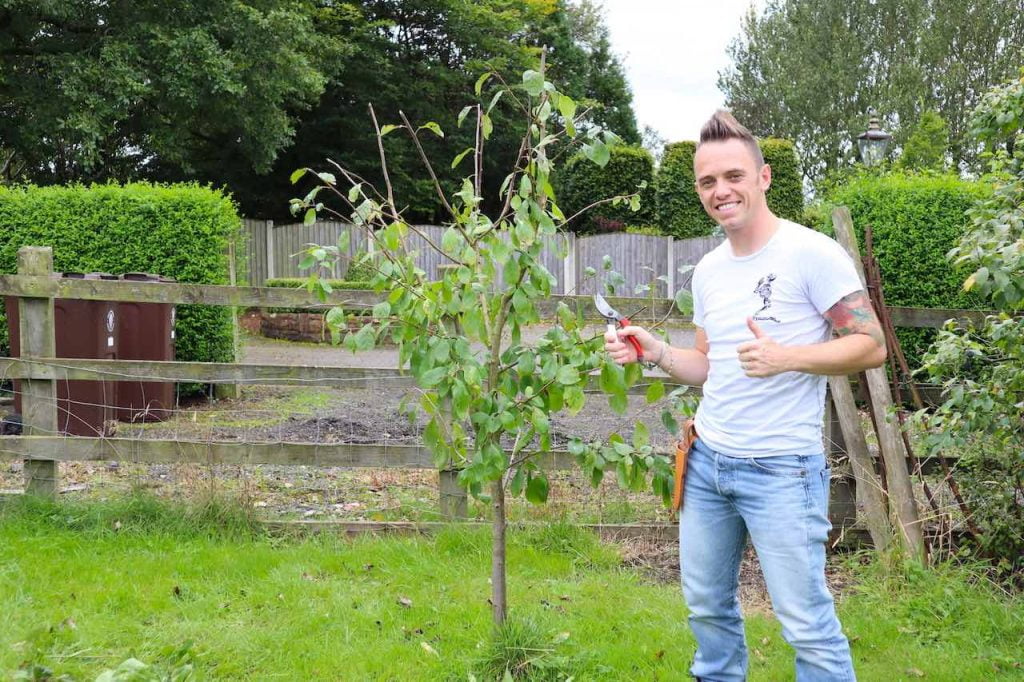
Hedges such as Hawthorn, Fuchsia, or Blackthorn (sloes) are used to provide both fruit and a habitat for wildlife. Nearly all cottage garden hedges will flower in spring before producing fruit. These hedges are more informal than their closely clipped box or privet counterparts. Remember that the cottage garden style is very much relaxed.
Who are cottage gardens suitable for?
Given the amount of maintenance that comes with a cottage gardener, they really are the reserve of the enthusiastic gardener. People who have a good few hours each week to spend tending and cropping their gardens. If you’re pushed for time, then a cottage garden will soon run away with itself, causing more drama than fun.
If you don’t have the time to tie up, deadhead, weed, and feed your garden each week from April to October, then a lower-maintenance option is probably best. A sharp pair of secateurs like these will be vital for maintaining a cottage garden.
For those with the time and enthusiasm for gardening, a cottage garden is certainly a quick way to become proficient. If you’re willing to get stuck in and learn from mistakes. Given that there is so much going on in a cottage garden, it’s a baptism of fire that, with perseverance, will allow you to level up your gardening skills in just a few years.
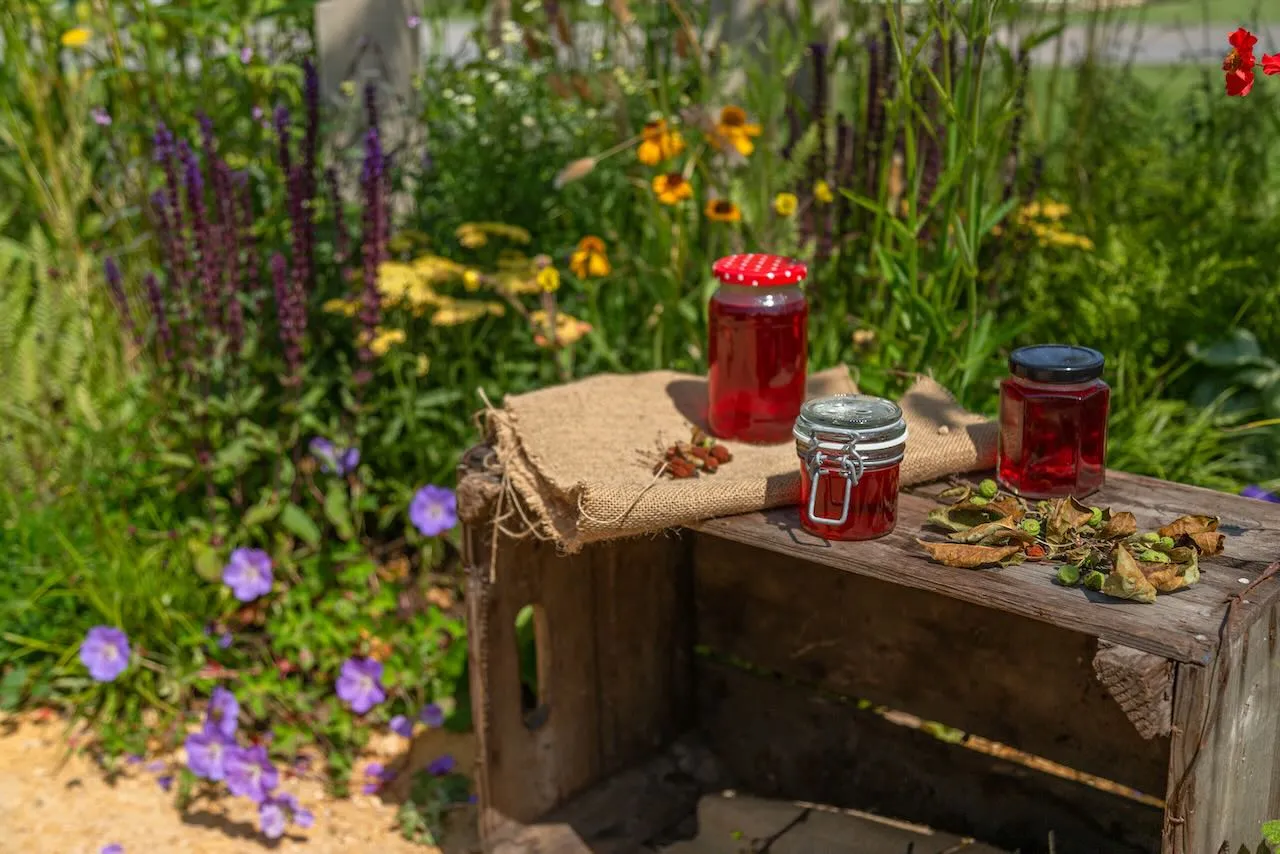
If you get easily frustrated or dissuaded if your growing efforts don’t produce results, then another garden design style is probably best. Cottage gardens do make excellent communal gardens where there are many eager gardeners. This is because the work is never done, and there’s enough tweaking and maintenance to go around!
How much maintenance is a cottage garden?
A cottage garden, depending on size, can take anywhere from a couple of hours a week to a full day to maintain in peak season.
If this is too much effort, then why not consider a modern cottage garden border rather than the full garden? This means you can isolate the cottage garden feel to one border that suits your skill and time allowances.
Summary
If you want a high-impact garden, then a cottage design style may be for you. By mixing fruit, veg, and ornamental plants, you really are making the most of any small urban garden space. Bear in mind, though, that all these rich flowers and edibles come at a cost in terms of high maintenance requirements.
If you have the time, though, this style is a must for any enthusiastic gardener who wants to get more hands-on with their garden!
I’d love to hear back from you on your grow-your-own journey! How have your seedlings been getting on? Why not get in touch on Social media? You can Tweet, Facebook or Instagram me. You can also check out the other guides and vlogs on my Youtube channel.





Lee Burkhill
Lee Burkhill, known as the Garden Ninja, is an award-winning garden designer and horticulturist with over 30 years of gardening experience and 15 years as a professional garden designer. A qualified RHS (Royal Horticultural Society) professional, Lee specialises in sustainable garden design and practical horticultural advice. He designs and presents on BBC1’s Garden Rescue and in leading gardening publications. Lee combines three decades of hands-on gardening knowledge with professional design qualifications to help gardeners create beautiful, functional outdoor spaces.
View all posts by Lee Burkhill






Categories
One thought on “How to design a cottage garden: Beginner plant guide”
Leave a Reply
You must be logged in to post a comment.
Other posts
-

Start here: to begin your gardening journey! Read more
-
Soil Types Explained: What soil type do I have? Read more
-
What’s the best Plastic Free Plant Pot? Read more
-
Artificial Turf Reviewed – is fake grass bad for the environment? Read more
-
Manchester garden design specialist Read more
-
Help, Stop My Tomato Plants Leaves Curling: Your Complete Rescue Guide Read more




we require a cottage garden full of colour and relax all on tight budget great blog