For the garden you’ve already got, not the one you’re starting from scratch. Seven checklists and video lessons from BBC Garden Rescue’s Lee Burkhill, built to help you work out what’s worth keeping before you spend a penny.
69

Quick Answer
Save water in the garden by watering with a can rather than a hose, collecting rainwater in a water butt, mulching to lock in moisture, and only spot watering the plants that truly need it. Water early morning or evening, leave an established lawn to look after itself, and choose drought tolerant plants so you need to water less overall.
Plants are incredibly tough, but during heat waves and summer, they may need a bit more help with hydration. If you’ve recently planted new shrubs, trees, or herbaceous plants, you’ll need to water them until they are established.
I’ve been designing and maintaining gardens professionally for over 15 years now, and if there’s one thing that separates a garden that sails through summer from one that limps through it, it’s not how much water gets used, it’s how cleverly that water gets used. I see the same handful of mistakes on client visits every single year, someone reeling out a hosepipe and soaking the whole border indiscriminately, or standing there with a sprinkler running for an hour because they assume more water is always better. It rarely is.
The truth is that most gardens are already holding more water than people realise, in the soil, in a water butt nobody’s fitted yet, in the washing up bowl heading down the plughole. Saving water in the garden isn’t really about restriction or making do with less, it’s about being deliberate with where that water goes and when. Get that right and you’ll use a fraction of the water, spend far less time standing there with a hose in your hand, and still end up with a garden that looks better for it. This guide walks through the ten habits I actually use myself, plus a couple of extras I’ve picked up over the years that are worth the initial effort.
If you’ve planted bedding plants, are container gardening or have house plants then making sure they have enough water at the right time is key for their survival. This guide will help you save water and time with your plants. After all, there’s no point in watering for the sake of it when you could be sitting and enjoying your plants inside or outside.
Jump To
This page contains affiliate links for products I use and love. If you take action (i.e. subscribe, make a purchase) after clicking a link, I may earn some gardening commission which helps me keep the Garden Ninja Blog free for all.
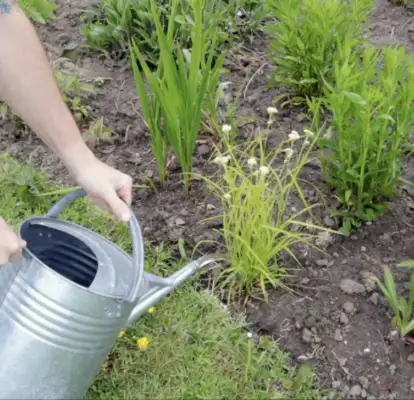
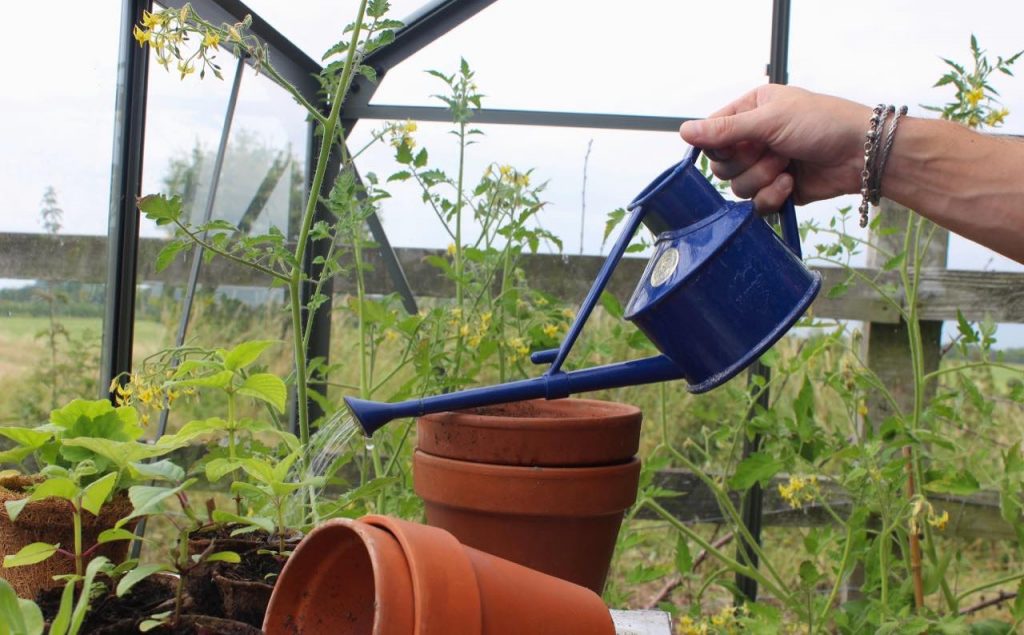
This swap will significantly reduce water usage, making you more aware of how much water you use. It also means you don’t have to lug long lengths of hose around the garden which inevitably will smash into plants near the edge. A running hosepipe can use up to 1,000 litres of water an hour, which puts the efficiency of a watering can into real perspective.
I learned this one the hard way years ago, dragging a hose across a newly planted border at a show garden and taking the head clean off a peony I’d only put in that morning. A watering can simply can’t do that kind of damage, since you’re carrying it, not dragging it, and you can see exactly where you’re putting your feet as you go.
Make sure you’re watering the base of the plant, not wasting effort spraying the foliage as well. Whilst this may help temporarily cool the plant down, it is actually pretty useless at enabling the plant to take up water. Most of this water simply evaporates before it gets a chance for the plants to take it up via their roots.
If you still need to use a hose from time to time, fitting a trigger nozzle means water flows only when you’re actually squeezing the handle, rather than running continuously as you walk between plants.
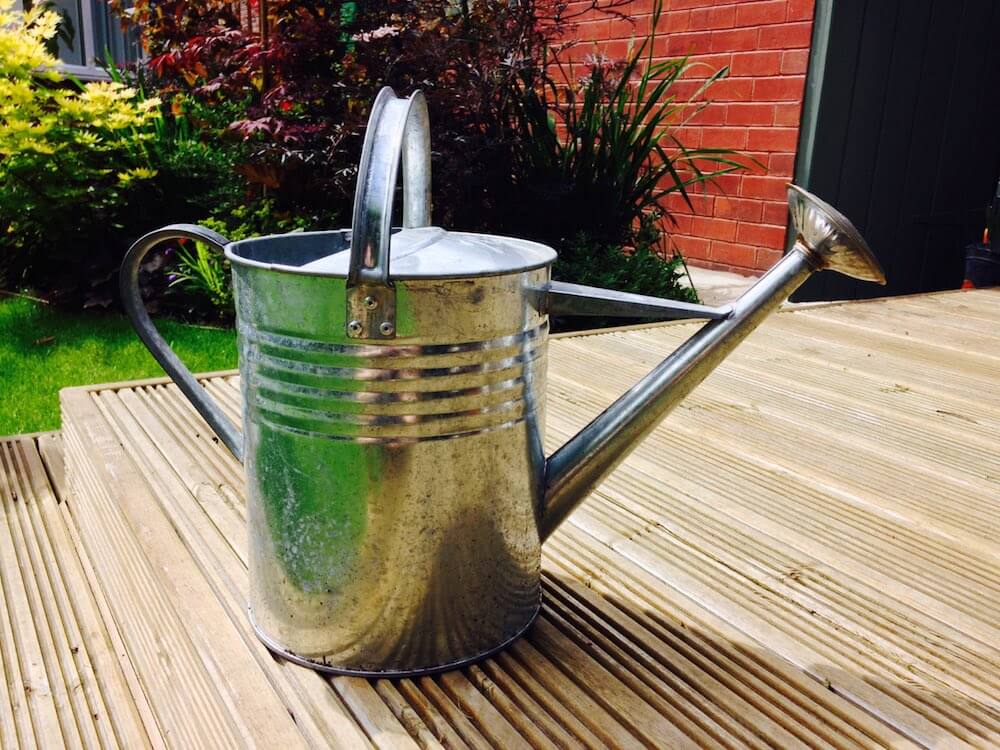
🛒 Buy a metal watering can with a fine rose from Amazon UK
This water is free and will be the ideal ambient temperature for your garden plants and seedlings. It’s a really good way to have some me time as you let the watering can fill up, providing a really mindful gardening activity.
So why not fit a water butt to part of your roof or shed guttering? An average UK roof sheds enough rainwater across a year to fill a standard water butt many times over, so even a modest shed or greenhouse roof can keep a butt topped up through most dry spells. Then you can collect rainwater to significantly reduce your water bills, and the stored rainwater is also handy for washing the car, since it’s naturally slightly softer than tap water.
I run two butts off the greenhouse at Garden Ninja HQ, connected together with a simple linking kit, and even through a fairly dry spring I rarely see them run completely empty. It’s one of those jobs that takes an afternoon to set up properly and then just quietly does its job for years afterwards.
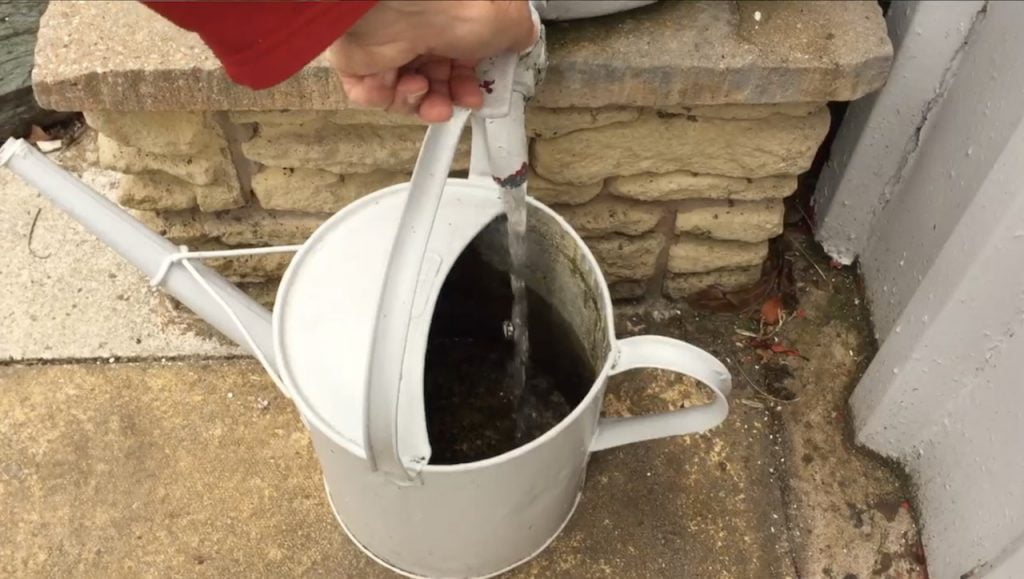
🛒 Buy a 200 litre water butt with stand and tap from Amazon UK
Trust me, that grass is one of the toughest of all garden plants and can survive periods of drought. Even if your lawn turns yellow or brown, it will recover, so save time, money and effort by leaving your lawn alone. No matter how crispy it gets, I’ve never seen a lawn that is totally killed by a heatwave; this browning is dormancy, not death.
I had a client message me in an absolute panic a couple of summers back, convinced her entire lawn had died and asking for a quote to relay the whole thing in turf. I talked her out of it and told her to simply leave it alone. Three weeks after the first proper rain, it was as green as it had ever been, and she’d saved herself a completely unnecessary bill in the process.
If you’ve just laid a new lawn, then that’s a different matter, and this will require water, since young grass hasn’t developed the root depth to cope with drought yet.
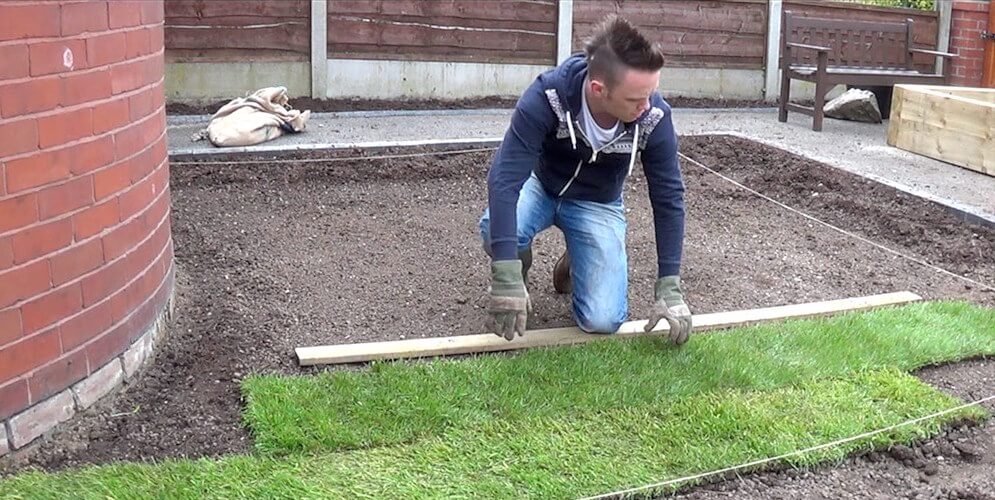
You’re better off letting an established lawn grow slightly longer and postponing cutting it. Raising your mower blades a notch or two during dry spells helps the grass shade its own roots and retain moisture, and leaving the clippings where they fall acts as a light natural mulch too. This saves you water and helps your lawn take a breather.
An added layer of either compost, bark or gravel will help stop excess water from evaporating, minimising the amount needed to water your plants. Mulching will also help your plants grow healthier and stronger by adding more nutrients to your soil. Aim for a layer around 5 to 7cm deep, applied while the soil is still moist, so you’re locking existing moisture in rather than sealing dry soil underneath.
On one client border I mulched heavily one spring purely to save myself weeding time, the soil underneath was still noticeably damp weeks later during a dry stretch that left neighbouring unmulched beds bone dry at the same depth. It’s one of those jobs that feels like extra effort at the time but pays that time straight back to you in reduced watering all summer.
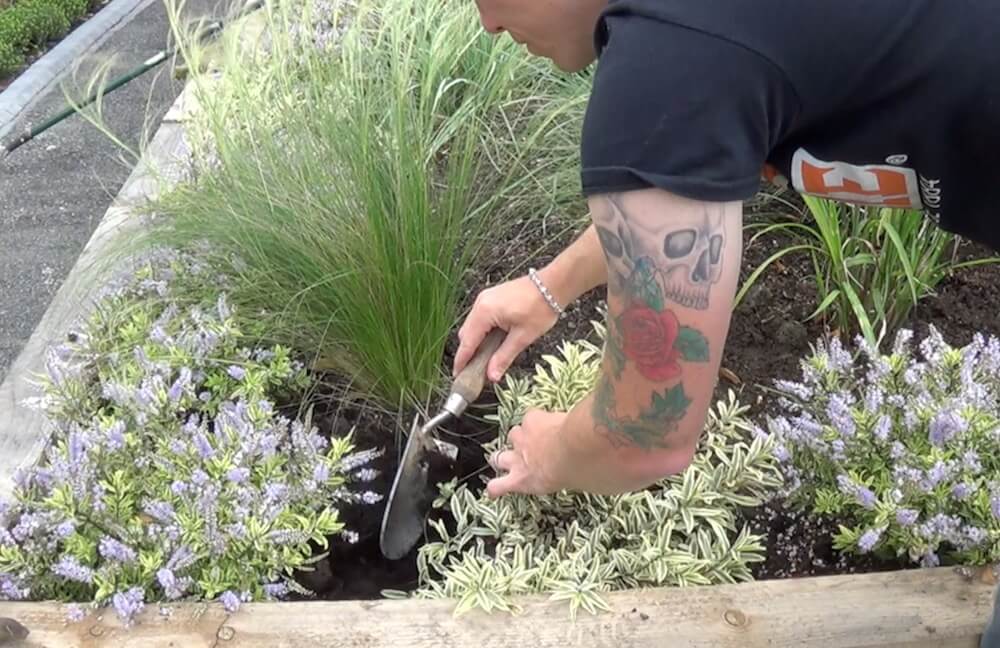
🛒 Buy peat free mulching compost from Amazon UK
Avoid watering plants in the middle of the day, when it’s warmest, to minimise water loss via evaporation. It also allows you to see your garden in the best soft light when colours look more vibrant.
Ignore the myth that watering in the day acts like a magnifying glass on leaves. This is false. It’s better to avoid trying to water plants when they are transpiring, using water, nutrients, and air to respire, the fastest, in other words, in the midday sun. Watering them when they are transpiring the slowest, first thing in the day, means they have a better chance of actively taking up the moisture.
Suppose you have house plants only water these when they start to dry out. The biggest killer of house plants is eagerly overwatering them, not underwatering.
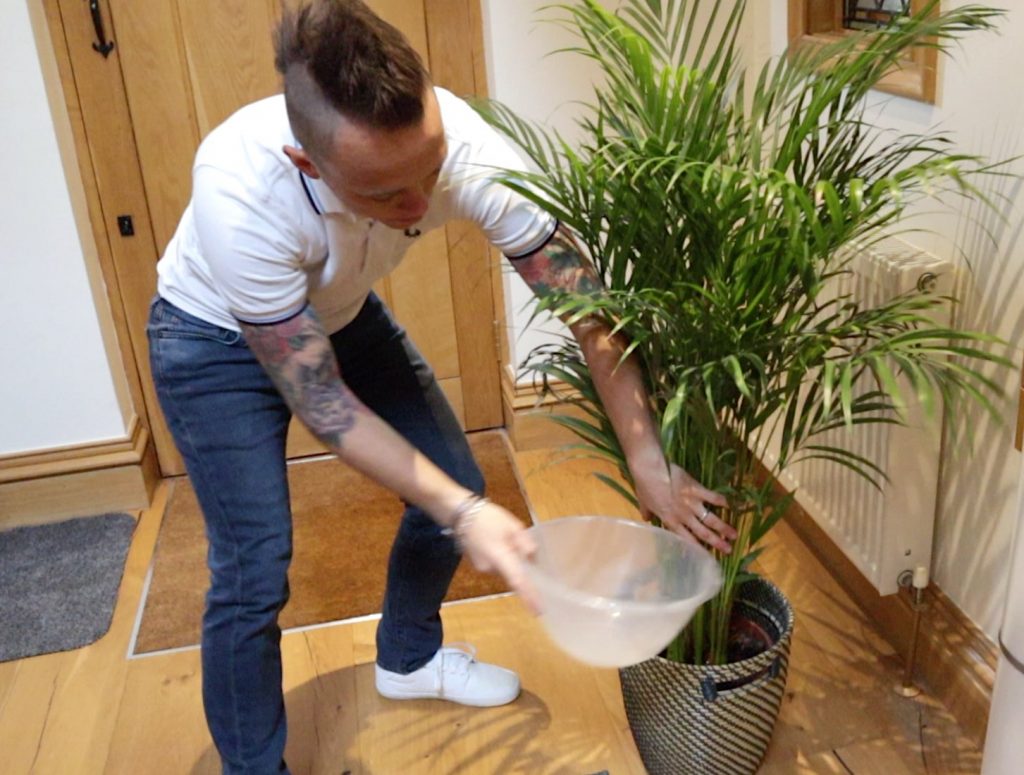
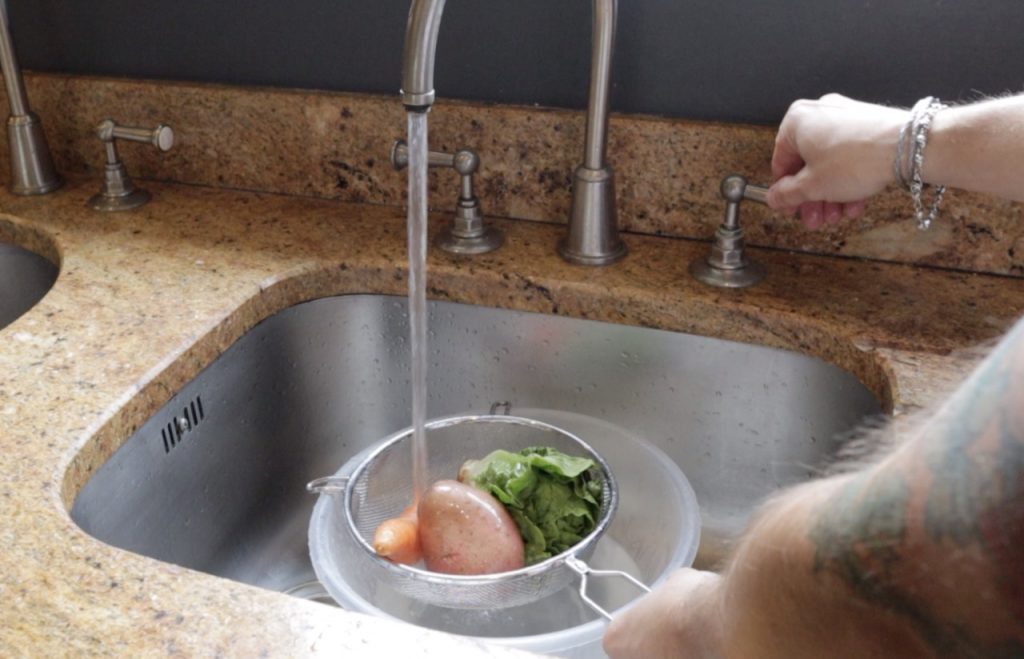
When you’re washing salad or fruit, capture the water and reuse it in the garden. It makes sense not to let that lovely freshwater disappear down the plughole. You can also use this for houseplants or container plants. So rather than let it flow down the drain, use a bowl and then help hydrate your balcony or indoor plants.
Washing up water, bath water and shower water can be used the same way on ornamental borders; just avoid anything containing bleach or strong chemicals, keep it away from edible crops, and let it cool before applying it to the soil.
While it doesn’t sound obvious at first, carry a bottle of water to sip throughout the day and pour any you don’t drink onto the garden. Gardening can be warm work, so stay hydrated.
The same goes for sun cream and taking a rest in the shade on hot days. Gardening is not an endurance sport, and I say that as someone who has definitely pushed through a filming day at Garden Rescue in blazing heat without stopping for water nearly as often as I should have.
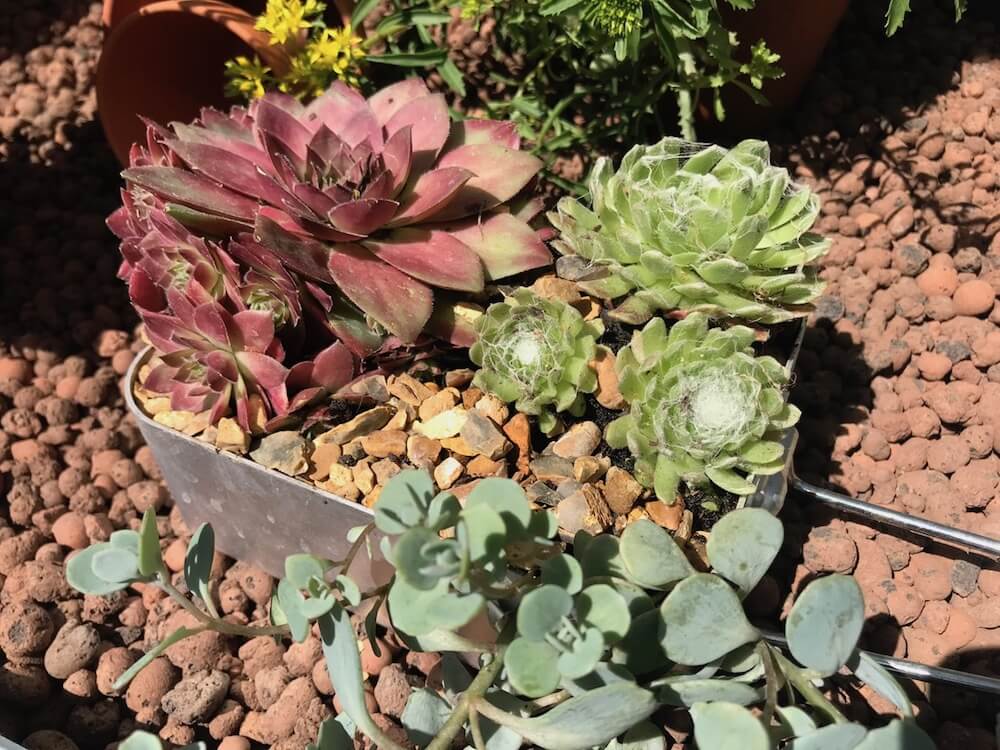
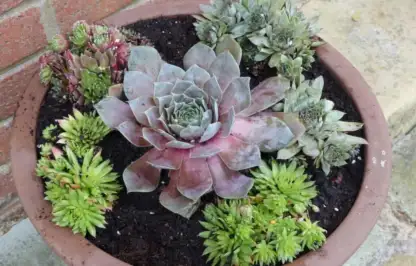
There are plants out there that thrive in more arid conditions. Examples include Lavender, Epimediums, Succulents, Nepeta, Rosemary and Salvia. Silver or grey leaved plants are usually a good visual clue, since that pale colouring reflects sunlight and reduces water loss through the leaf surface. By selecting plants suitable for your garden’s aspect and light levels it means you can relax more without needing to water as much.
I designed a gravel garden for a client a few years ago who specifically wanted something low input, and we filled it almost entirely with Mediterranean planting like this. Two summers on, she tells me she’s watered it by hand maybe twice, and only in the first few months while everything was establishing. That’s the real payoff of planting for your conditions rather than fighting them.
It’s also worth grouping plants with similar water needs together when you’re planning a border, sometimes called hydrozoning. Put your thirstier plants, like hostas or astilbes, together in one spot, and your drought tolerant Mediterranean plants together in another. This means you’re not stuck watering an entire bed just to keep one thirsty plant happy, and you can mulch each zone appropriately for what’s actually growing there.
If you are cleaning out a fish tank, the nutrients left in the water are great for promoting lush, healthy plants, saving the need to add extra fertiliser. Win, win.
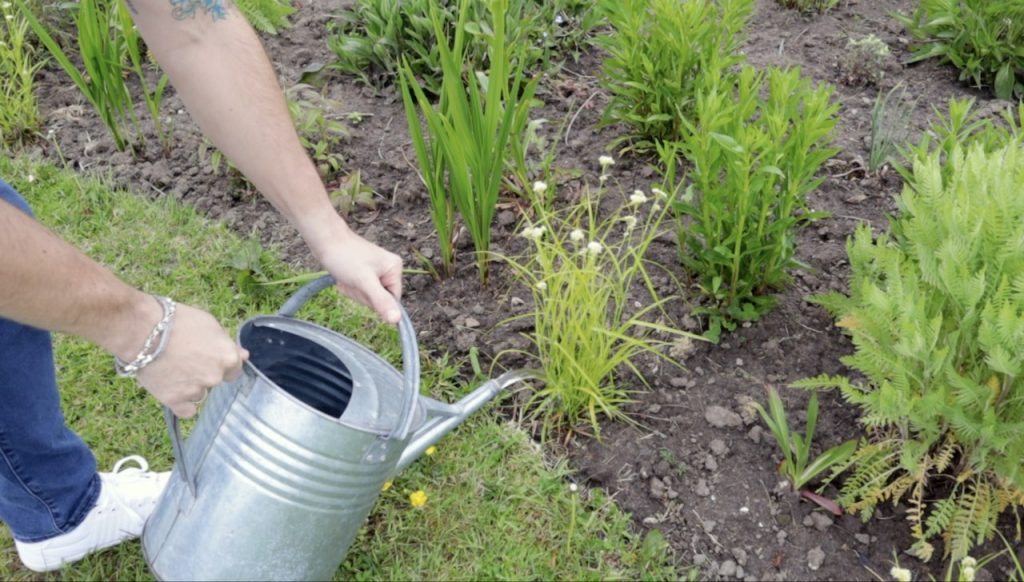
All pro gardeners use spot watering and often avoid needing to reel out a huge hose pipe each time they water the garden.
Spot watering means you only water plants that need it, rather than soaking the entire garden. Most established shrubs, trees and herbaceous plants can survive periods without watering as they have complex root systems. So only water those new plants or ones that look in need and leave everything else alone.
This was one of the first things I was taught as a young gardener working on show gardens, an old head gardener I worked under used to walk the beds each morning with nothing but a bucket and a trowel, checking soil by hand rather than watering on autopilot. It looked almost too simple to be useful at the time, but it’s a habit that’s saved me more time and water over the years than almost anything else in this list.
If you’re ever unsure whether a plant truly needs water or is just wilting in the midday sun, push a finger a few centimetres into the soil first. If it’s still damp down there, hold off, since watering on top of already moist soil wastes water and can encourage the shallow rooting we’re trying to avoid.
🛒 Buy a soil moisture meter from Amazon UK
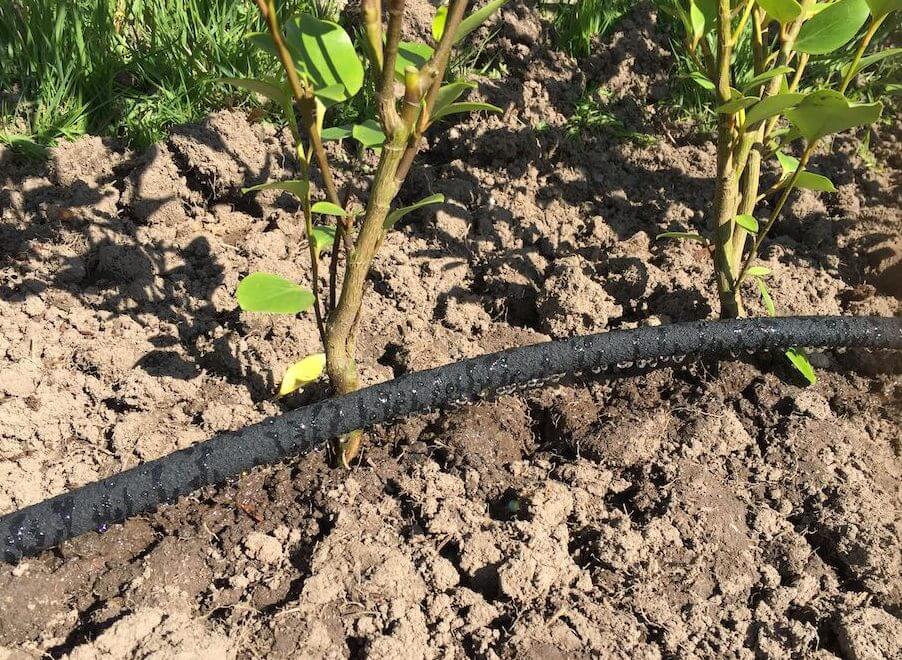
If you’ve got a vegetable bed, a row of new hedging, or a border you’re establishing, a soaker hose or drip irrigation kit is worth the initial setup effort. Rather than watering from above where much of it evaporates or runs off, these systems lay a porous or perforated hose along the base of your plants and let water weep out slowly and directly into the root zone.
Drip irrigation is reckoned to use up to 70% less water than watering with a hose or sprinkler, simply because so little is lost to evaporation or wasted on paths and gaps between plants. I’ve used soaker hose systems on client vegetable beds where daily hand watering just wasn’t practical, and once it’s laid out under a layer of mulch, you can connect a timer and largely leave it to get on with the job.
🛒 Buy a soaker hose drip irrigation kit from Amazon UK
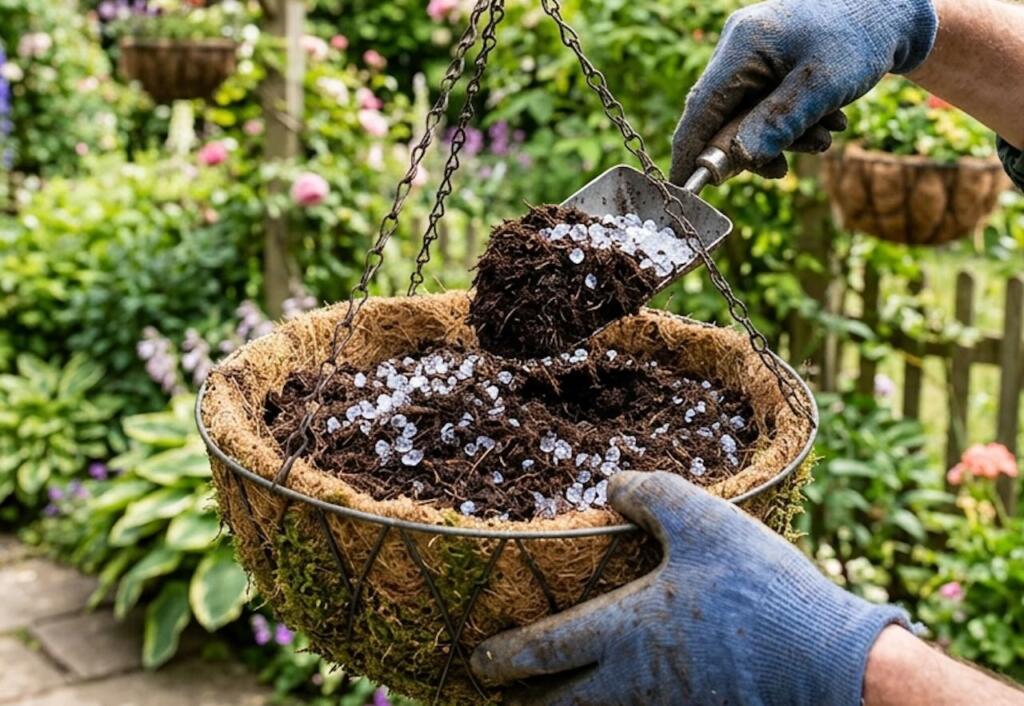
For hanging baskets and containers, which dry out faster than anything else in the garden, water retaining gel crystals mixed into the compost at planting time are a genuine time saver. The crystals swell up and store water, sometimes several hundred times their own dry weight, then release it gradually back into the compost as it dries, meaning you can go a day or two longer between waterings, or come home from a short holiday without a dead hanging basket waiting for you.
Mix the crystals in thoroughly when you’re first potting up a container, following the pack’s rate for the pot size, then water twice to fully charge them before planting. They’re not a substitute for regular watering during a proper heatwave, but they buy you valuable slack on the days you can’t get to the watering can.
🛒 Buy water retaining gel crystals from Amazon UK
Yes. A running hosepipe can use up to 1,000 litres of water an hour, and it’s very easy to leave one running while you get distracted elsewhere in the garden. A watering can forces you to be deliberate about how much water each plant actually gets, which naturally cuts overall usage.
Yes, for ornamental borders and containers, provided it isn’t full of strong detergent, bleach or fabric softener. Let it cool first, avoid pouring it directly onto edible crops, and don’t use it on ericaceous or acid loving plants if your water is heavily softened.
For most gardens, a 100 to 200 litre butt connected to a shed or garage downpipe is a sensible starting point. If you find yourself running dry between rainfall, connector kits let you link a second butt to increase your total storage without needing extra guttering.
Yes, when used correctly in containers and hanging baskets. They absorb and store water within the compost, then release it gradually as the compost dries out, which extends the time between waterings. They work best mixed thoroughly into fresh compost at planting time rather than added to an already established pot.
Yes. Anything planted within the last year has a small, shallow root system and needs regular watering to get established, regardless of how drought tolerant the variety eventually becomes. Established plants with deeper roots can generally cope with infrequent, thorough soaks rather than regular watering.

Join over 100,000 gardeners on YouTube
Free gardening videos from the Garden Ninja, with 8 million views and counting.
Subscribe on YouTube, it’s freeReady to transform your gardening skills beyond guessing? Garden Ninja’s expertly crafted online courses will fast track your development from keen amateur to skilled garden designer in months rather than years. Starting at just £29, you’ll gain access to professional garden design expertise from BBC Garden Rescue’s Lee Burkhill, delivered at a fraction of traditional horticultural education costs.
For the garden you’ve already got, not the one you’re starting from scratch. Seven checklists and video lessons from BBC Garden Rescue’s Lee Burkhill, built to help you work out what’s worth keeping before you spend a penny.
Garden Design Examples for Small Gardens: 30 Design Templates & Planting Plans: In this online gardening course, I’ll walk you through 30 fantastic garden designs, explaining the logic behind the layout, the plant choices, and take-home tips for applying them in your own garden.
Learn how to transform and design your own garden with Lee Burkhills crash course in garden design. Over 5 hours Lee will teach you how to design your own dream garden. Featuring practical design examples, planting ideas and video guides. Learn how to design your garden in one weekend!
Garden Design for Beginners Online Course: If you want to make the career jump to becoming a garden designer or to learn how to design your own garden, this is the beginner course for you. Join me, Lee Burkhill, an award-winning garden designer, as I train you in the art of beautiful garden design.
By gardening smarter, you can save not only time but money when conserving water. None of these ten habits require expensive kit or a complete overhaul of how you garden, most of them just ask you to be a little more deliberate about where your water actually goes, whether that’s a watering can instead of a hose, a butt catching rain that would otherwise run down the drain, or simply leaving a perfectly healthy dormant lawn well alone.
Start with whichever one or two feel easiest to fit into your routine, a watering can swap and a water butt cover most of the ground for most gardens, then build the rest in as they become habit. That way you can sit and enjoy the fruits of your labour whether it is admiring your house plants or sitting outside enjoying your bright colourful borders.
If you have questions or comments on saving water in the garden, why not let me know? You can Tweet, Facebook or Instagram me. You can also follow me on Youtube where I’ve got plenty of garden guide vlogs.
Happy Gardening.

Lee Burkhill, known as the Garden Ninja, is an award-winning garden designer and horticulturist with over 30 years of gardening experience and 15 years as a professional garden designer. A qualified RHS (Royal Horticultural Society) professional, Lee specialises in sustainable garden design and practical horticultural advice. He designs and presents on BBC1’s Garden Rescue and in leading gardening publications. Lee combines three decades of hands-on gardening knowledge with professional design qualifications to help gardeners create beautiful, functional outdoor spaces.
View all posts by Lee Burkhill



JOIN THE NINJAS
Be the first in line for new Guides, Discount codes and Offers