For the garden you’ve already got, not the one you’re starting from scratch. Seven checklists and video lessons from BBC Garden Rescue’s Lee Burkhill, built to help you work out what’s worth keeping before you spend a penny.
69


Quick Answer
To protect plants from frost in the UK, cover tender plants in the border with horticultural fleece on any night a frost is forecast, pegging the edges down so cold air cannot creep underneath, and take it off again once temperatures rise. Use cloches for individual plants and salads, a cold frame for pots and cuttings, and a thick mulch over the crowns of tender perennials left in the ground. Fleece can touch the leaves, but plastic should not.
Horticultural fleece is my favourite frost protection by far because you can target it exactly where you need it: draped over a single tender plant in situ, laid over the one frost pocket in a border where cold air settles, or pulled over a whole bed of young plants on a cold night. It’s probably the cheapest and most versatile frost protection method I use!
For anything in pots, I have always used cold frames, and they are brilliant for keeping container plants, cuttings and young plants dry and sheltered all winter.
This guide covers botplusith cloches, mulch,ing and wrapping, so you can protect plants in the grouand as in containers. For pots on the patio specifically, my guide to protecting container plants from winter frost goes into more detail.
Jump To
This page contains affiliate links for products I use and love. If you take action (i.e. subscribe, make a purchase) after clicking a link, I may earn some gardening commission which helps me keep the Garden Ninja Blog free for all.
🛒 Buy horticultural fleece for frost protection from Amazon UK
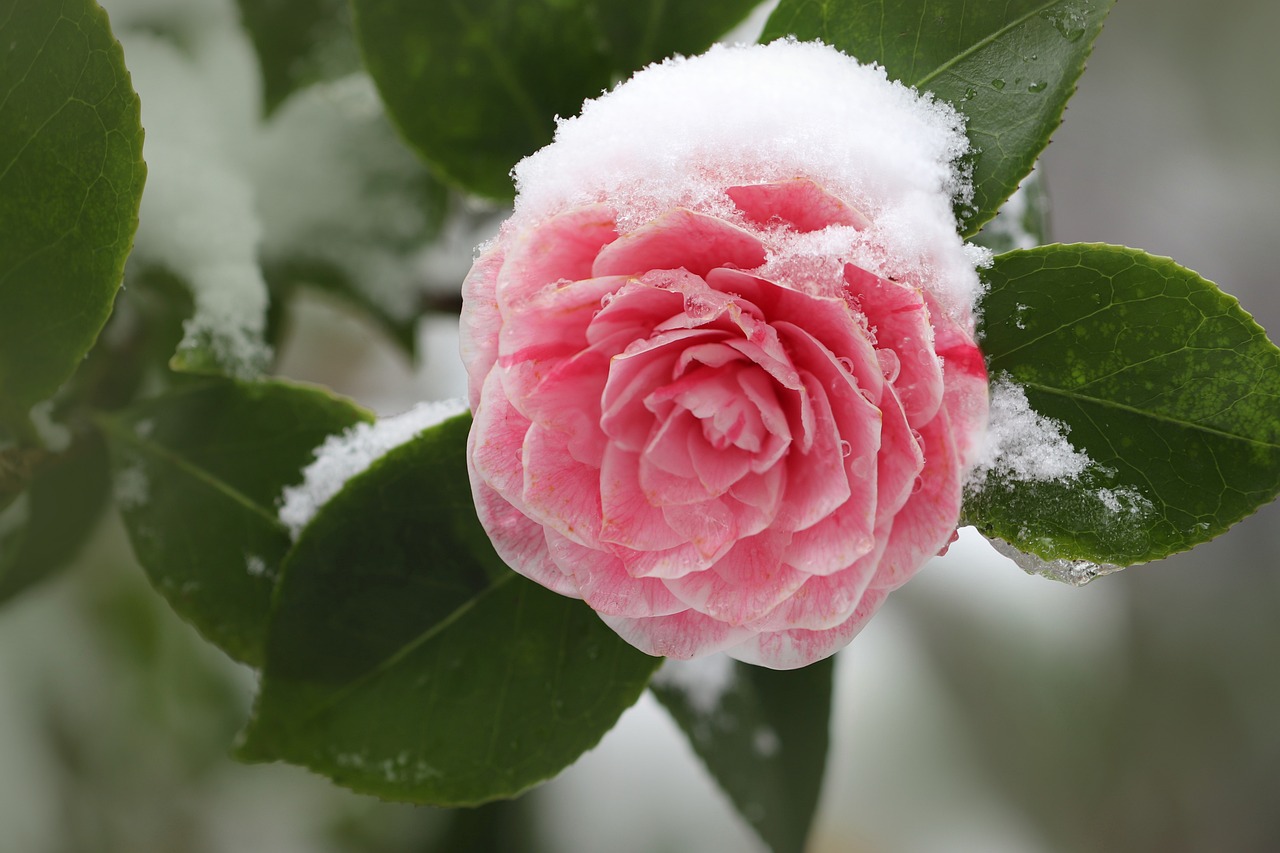
Frost damages plants when the water inside their cells freezes. Ice crystals rupture the cell walls, and when the plant thaws, the damaged tissue collapses and turns black, brown or translucent and mushy. Soft, sappy growth takes the hit hardest because it holds the most water, which is why new shoots, late flowers, and leafy plants suffer first.
It is not only the cold itself. A fast thaw in early morning sun does much of the damage, because frozen tissue warms too quickly to recover; east-facing plants that catch the first sun often look worst.
Cold, drying winds burn evergreen leaves, wet soil around the roots turns a mild frost into a killer for plants that need drainage, and repeated freezing and thawing can lift newly planted perennials and shrubs out of the ground, which gardeners call frost heave.

Every plant has an RHS hardiness rating that tells you roughly how cold it can tolerate, from H1 for tropical plants that need heated glass to H7 for the toughest plants in the country. My guide to plant hardiness ratings explains each one. As a rule, anything rated H3 or below needs protection in most UK winters, and H4 plants need help in cold, northern or exposed gardens.
Weather forecasts use several frost terms, and each one puts different plants at risk. A ground frost happens when the soil surface, grass, and leaves fall to 0°C or below while the air a metre up, where the official temperature is measured, is still above freezing.
An air frost is when the air temperature itself drops to 0°C or lower. Gardeners usually call anything below minus 4°C a hard frost, when borderline plants and compost in pots start to freeze through.
On a clear, still night, ground temperatures can run several degrees colder than the forecast, so a forecast low of 0°C to 4°C is enough to bring frost to low plants and seedlings. The table shows what each level means in the garden and what I do about it.
| Frost type | Typical temperature | What it does | What to do |
|---|---|---|---|
| Ground frost | Surface at 0°C or below, forecast low of 0°C to 4°C | Whitens the lawn and hits low growth, seedlings and bedding first | Fleece over seedlings, bedding and low plants |
| Light air frost | 0°C to minus 2°C | Blackens Dahlias, Cannas, Basil and other tender plants | Fleece over tender plants and move pots under cover |
| Moderate frost | Minus 2°C to minus 4°C | Damages soft new growth and borderline plants, and chills shallow roots in pots | Double up the fleece or add a cloche, and move pots into a cold frame |
| Hard frost | Below minus 4°C | Freezes the compost in pots and can kill exotics, Olives and young shrubs | Wrap exotics, put fleece jackets on shrubs, mulch crowns and shelter every pot |
The forecast covers your general area, and your own garden can run colder, especially in a frost pocket. A min-max thermometer placed at plant height in the coldest corner records the real overnight low, so after a couple of cold nights you know how much protection each part of the garden needs.
🛒 Buy a min-max garden thermometer from Amazon UK
You do not need to cover the whole garden. Most hardy perennials, shrubs and trees cope perfectly well, and some, such as Hellebores and winter-flowering shrubs, are at their best in the cold. But some tender plants really do need our help to survive. These are the groups worth protecting:
Cold air is heavier than warm air, so on a still night it flows downhill like water and pools in the lowest spots. A dip in the lawn, the bottom of a sloping garden, or the ground in front of a solid fence or hedge at the foot of a slope can be several degrees colder than a bed only a few metres away.
These frost pockets are where plants get caught out first, and they explain why a plant can survive happily in one part of a garden and die in another. This has often caught out many gardeners, especially if you’ve just moved house and haven’t yet worked out your garden’s winter frost pockets and nuances!
The easiest way to find yours is to walk the garden early on a frosty morning and see where the white lingers longest. That’s why fleece is my go-to: you can lay it over one cold corner of a border, or over a single plant sitting in a frost pocket, without covering everything eLonger
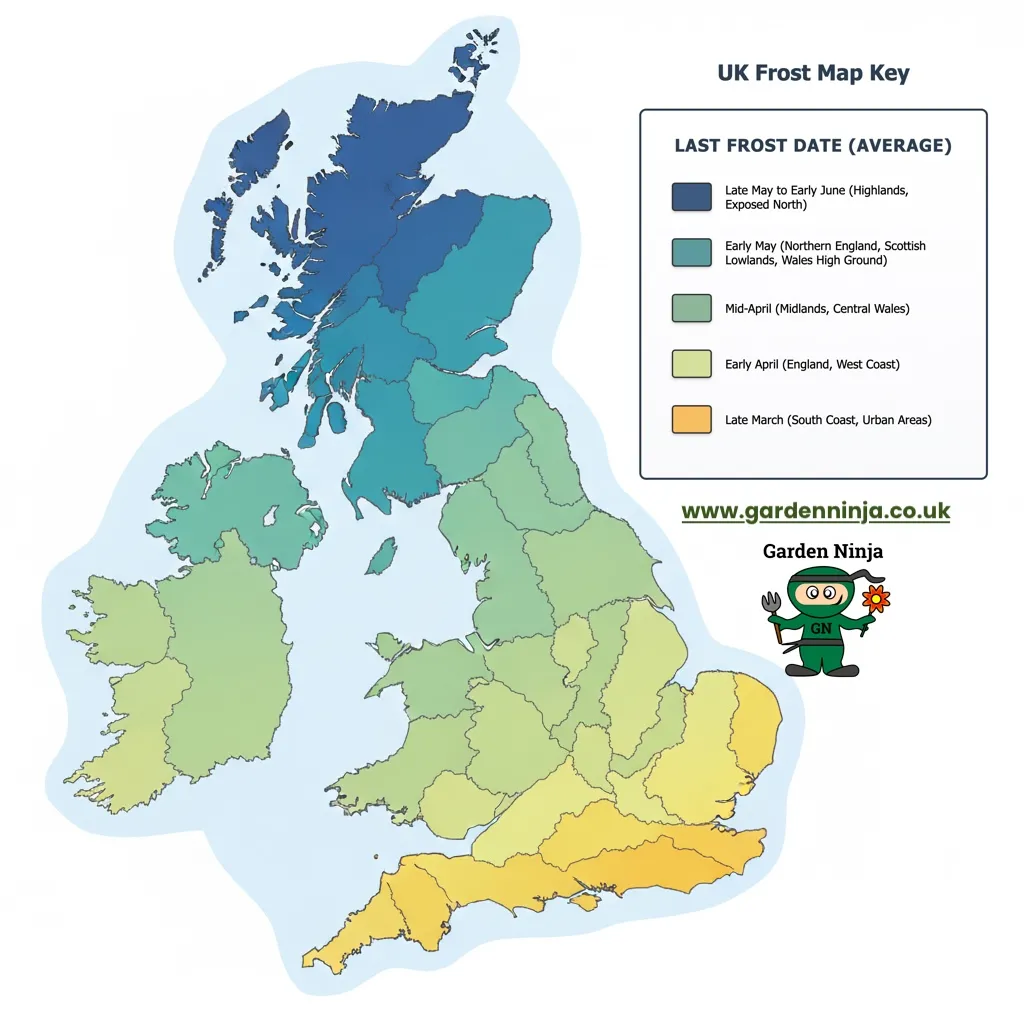
In the longer term, avoid planting tender plants in those spots, and if a solid fence or hedge at the bottom of a slope traps cold air, a gap at its base lets the cold drain away. The frost map above gives a rough guide to first frost dates across the UK.
Horticultural fleece is a lightweight, breathable fabric that lets light, air and water through while trapping a little warmth underneath. Draped over a plant, it keeps the frost off the leaves and holds in the heat rising from the soil, which on a clear night can be the difference between a plant surviving and turning to mush.
Its great strength is flexibility: you can drape it over a single plant in situ, lay it along a row of vegetables, wrap it round a shrub or pull it over a whole bed in minutes.
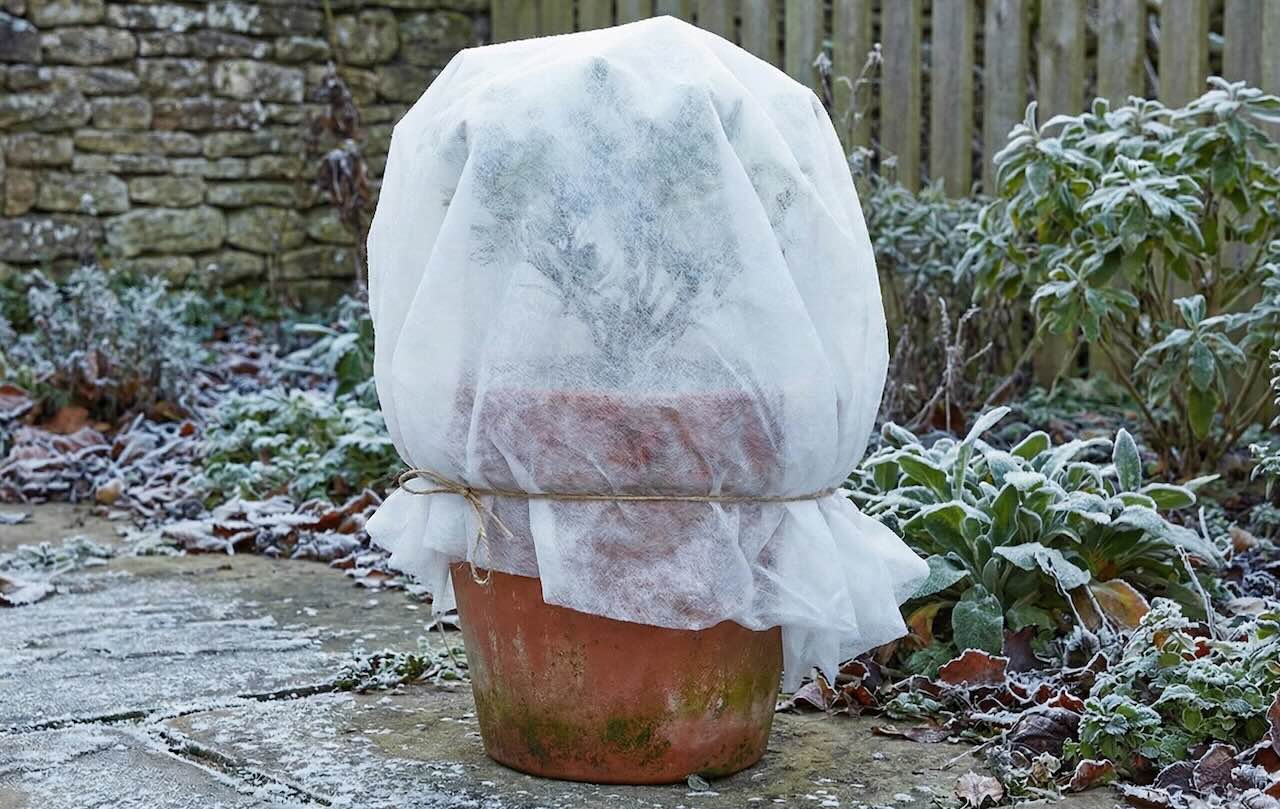
Fleece comes in different weights, measured in grams per square metre (gsm). A lightweight 17gsm fleece adds a couple of degrees of protection and lets plenty of light through, so it can stay on for longer spells, or double it up for even more protection.
A heavier 30gsm fleece gives more protection on hard nights, and heavyweight 50gsm or more is best kept for wrapping dormant exotics and shrubs through the coldest weeks. Doubling a light fleece over on the coldest nights works just as well as buying a heavier grade.
| Weight | Typical protection | Best for | Notes |
|---|---|---|---|
| 17gsm | About 2°C | Seedlings, early sowings, salads and blossom | Lets the most light through, so it can stay on for several days |
| 30gsm | About 3°C to 4°C | Tender perennials, bedding and newly planted shrubs | The standard winter weight for borders and vegetable rows |
| 50gsm and above | Up to about 5°C | Dormant exotics, tree ferns and wrapped shrub stems | Blocks more light, so use it on dormant plants and take it off in mild spells |
To use it in the border, drape the fleece loosely over the plant so it reaches the ground on all sides, then peg it down with garden staples or weigh the edges with stones or bricks. The aim is to trap the warm air rising from the soil, so leaving gaps at the base lets the cold creep in.
For taller or brittle plants, push in a few canes first, so the fleece sits over them rather than flattening the stems. Fleece jackets are ready-made drawstring bags of fleece and are handy for shrubs, olive trees, and standard plants because you just slip them over the top and tie them at the base. Super easy for the lazy gardener in all of us, Ninjas!
🛒 Buy fleece plant jackets from Amazon UK
Fleece is made from polypropylene; it’s a plastic, and I would rather be honest about that given how much I push for plastic-free gardening.
To make it suitable, buy a decent grade and look after it: shake it off, dry it, and fold it away in spring, and a good roll will last many winters. Be conscientious and reuse your fleece; don’t just bin it if it gets a bit wet or mucky—reuse it until it starts to fall apart! For wrapping tree ferns, bananas and shrub stems, natural hessian or jute is a good plastic-free alternative.
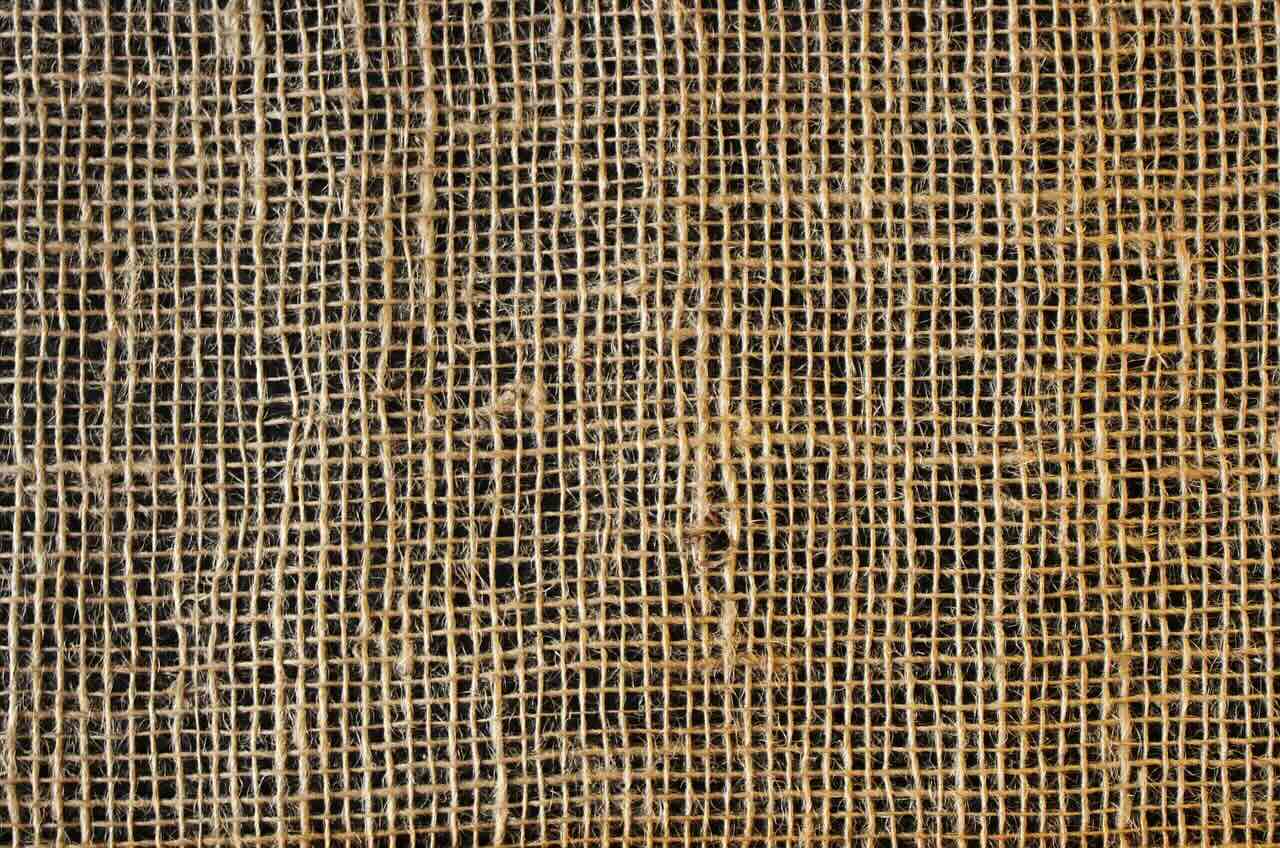
🛒 Buy natural hessian for wrapping plants from Amazon UK
A cloche is a small, portable cover that sits over individual plants or short rows. Glass cloches look beautiful and hold heat well, plastic and polycarbonate ones are lighter and cheaper, and tunnel cloches made from hoops and fleece or clear film protect whole rows of winter salads, young Brassicas or early sowings of Peas and Broad Beans.
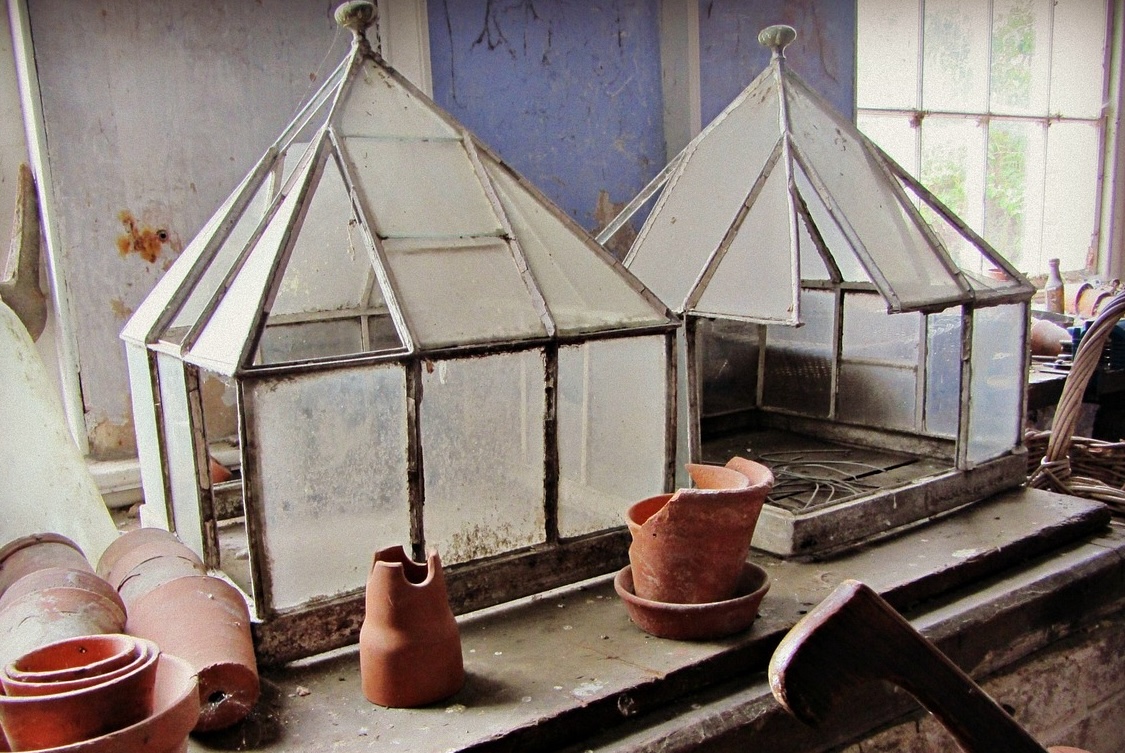
Cloches are excellent for warming the soil before an early sowing in late winter, for protecting a newly planted tender perennial through its first cold snap, and for keeping winter salads clean and growing.
The one thing to remember is ventilation: on a sunny day the air under a cloche heats up fast, so lift or tilt it to let the heat and moisture out, then put it back before dusk. Terracotta cloches have another job altogether, which is blanching and forcing Rhubarb, covered in my guide to forcing Rhubarb.
🛒 Buy a garden cloche from Amazon UK
I have always used cold frames, and for anything in pots they are the most useful bit of winter kit you can own. A cold frame is a low box with a clear, hinged lid, a bit like a mini greenhouse at ground level. You can even use it to germinate seedlings if you start later in the year or don’t have space for a full-sized greenhouse.
It keeps out the winter rain, which kills so many potted plants, shelters them from wind, and traps in enough warmth to keep the worst frost out on all but the hardest nights.
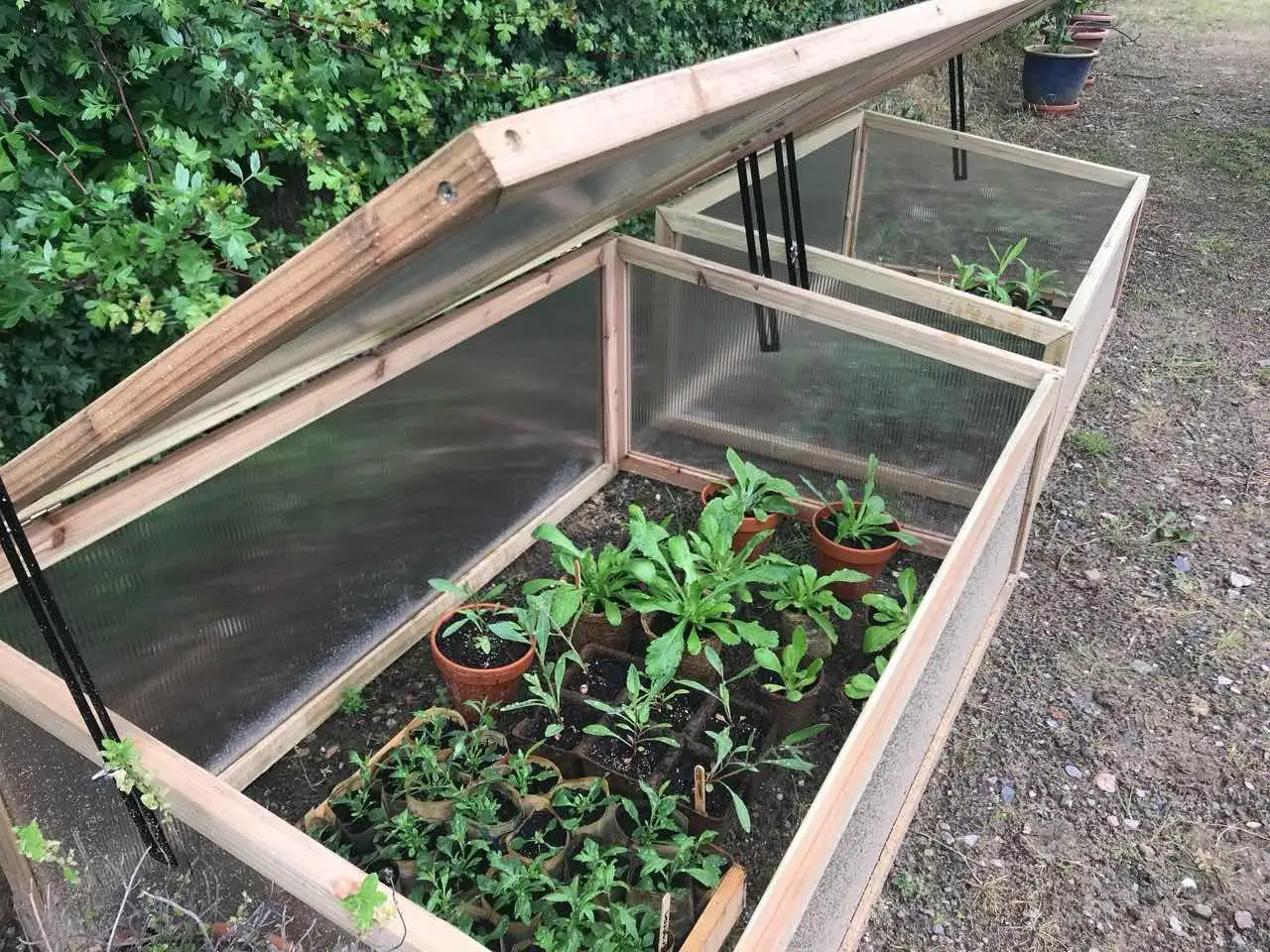
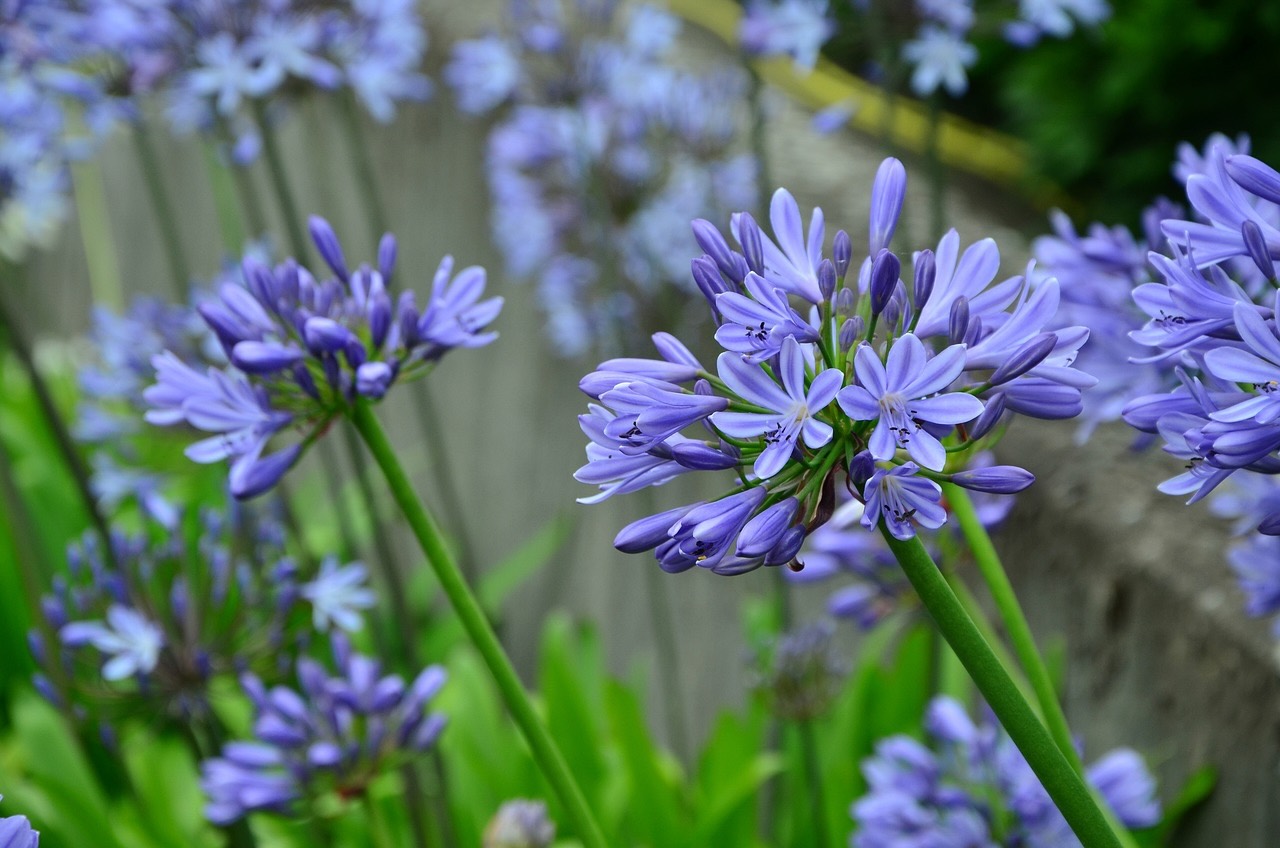
Use a cold frame to overwinter pots of borderline-hardy perennials, young plants and rooted cuttings, such as tender Salvias, Penstemons, Agapanthus in pots and the hardwood cuttings you took in autumn, along with plants grown from seed that are not big enough to go out into the border.
In late winter it is the perfect place for seeds that need a cold spell to germinate, and in spring it is where seedlings go to harden off before they are planted out, which ties in with my complete guide to sowing seeds. My guide to taking hardwood cuttings uses one too.
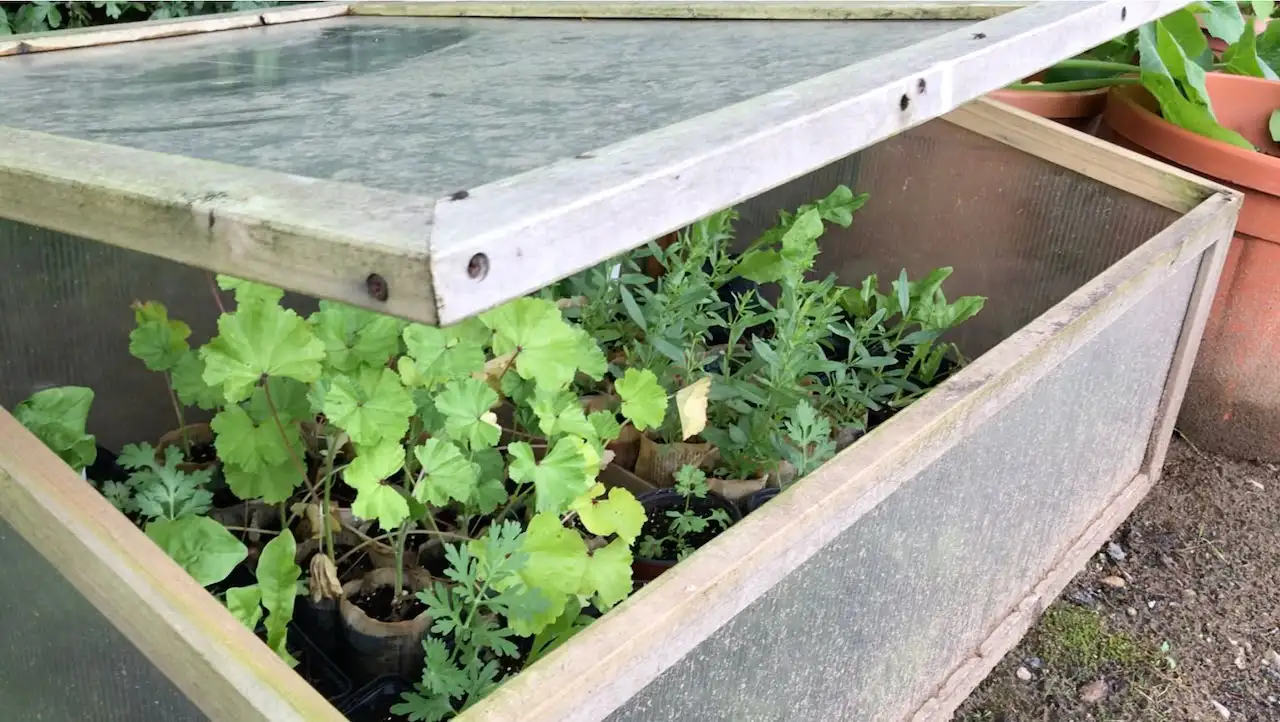
Site your cold frame somewhere sheltered and bright, ideally against a south or west-facing wall, which stores heat during the day and gives some of it back at night. Open the lid on mild, sunny days to stop the plants overheating and to let damp air out, and close it again by mid-afternoon.
On the coldest nights, throw a layer of fleece, an old blanket or a piece of bubble insulation over the top, and keep the pots inside on the dry side, since cold, wet compost does more harm than the cold alone.
🛒 Buy a garden cold frame from Amazon UK
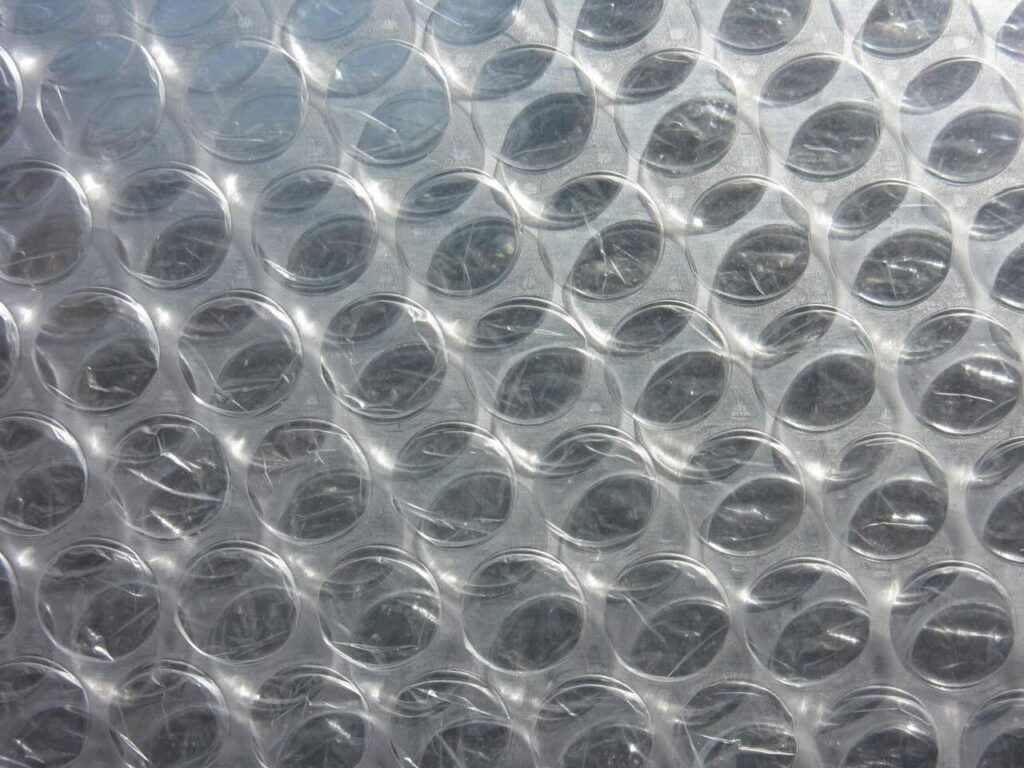
An unheated greenhouse keeps off the rain and wind, but it only holds a degree or two above the outside temperature, so on a hard night everything inside freezes along with the garden. Lining the glass with horticultural bubble wrap traps a layer of still air against it and cuts heat loss, which can lift the temperature by a few degrees.
Choose a large-bubble grade, which insulates better than small-bubble packaging, and secure it with clips made for the job so you can take it down in spring and reuse it.
🛒 Buy horticultural bubble wrap for greenhouses from Amazon UK
Keep tender plants in the middle of the greenhouse, away from the glass where it is coldest, and stand pots on staging or pot feet so they are off the cold floor. Water sparingly and in the morning, because cold, damp air encourages grey mould, and open a vent a crack on mild days.
For Pelargoniums, tender Salvias and citrus trees, a small frost-free heater on a thermostat costs less than replacing the plants, and my greenhouse heater guide compares the ones I use.
For tender perennials left in the ground, the most important part to protect is the crown, the point at soil level where next year’s shoots will come from. A deep, dry mulch of bark, straw or leaf mould, 10 to 15cm thick and spread over the crown once the top growth has died back, insulates it from the worst of the cold.
This works well for Agapanthus, Penstemons, hardy Fuchsias, tender Salvias and Dahlias in mild, free-draining gardens. My guide to mulching your garden covers the materials, and if you would rather lift your Dahlias, my guide to lifting and storing Dahlia tubers walks you through it.
The growing point of a tree fern sits right at the top of the trunk, and that is the part that must not freeze.
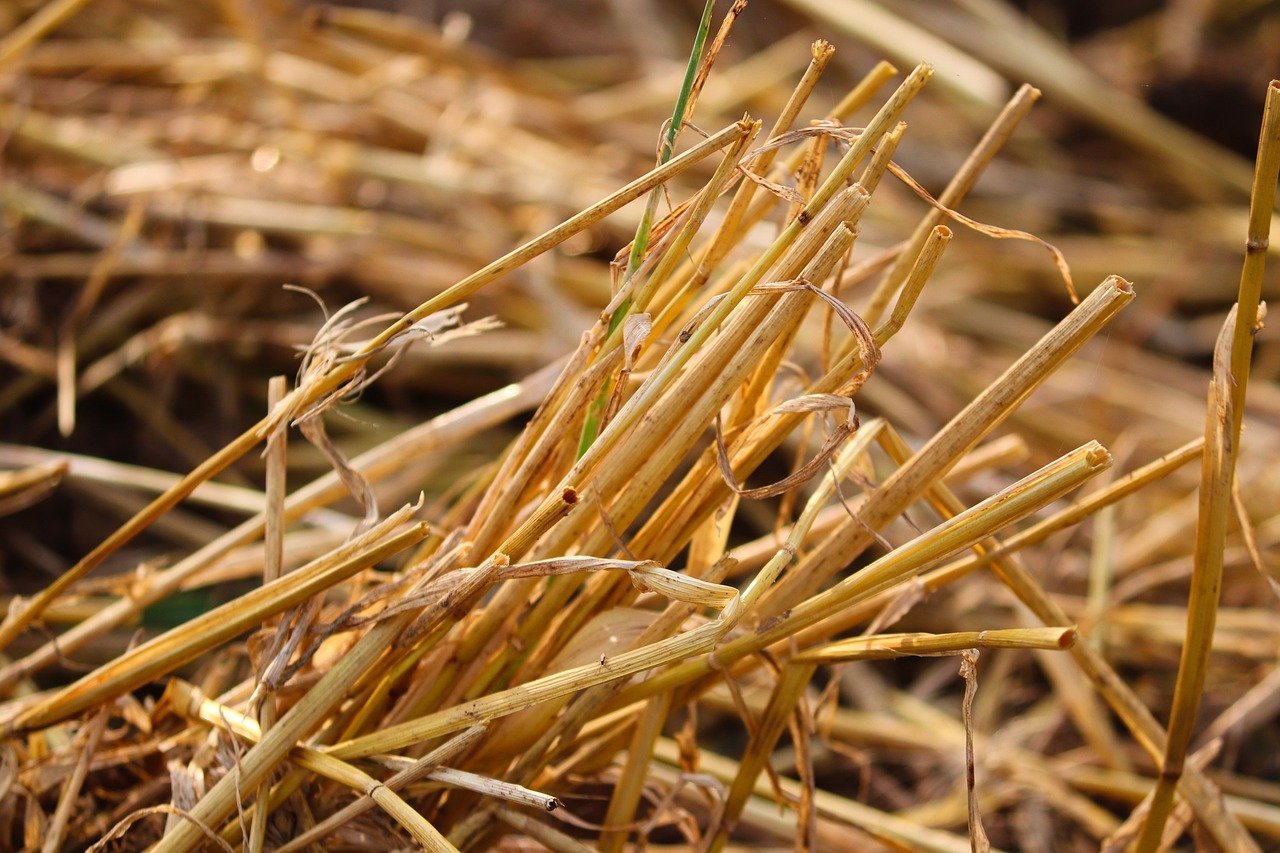
Once the fronds start to brown in late autumn, fold them over the crown, stuff the centre with dry straw, then wrap the top of the trunk and the folded fronds in hessian or heavy fleece and tie with soft twine. Unwrap it in spring once the hard frosts have passed.

Hardy bananas such as Musa basjoo usually die back to their trunk in a frost, but the pseudostem can survive if it is wrapped. Cut the leaves off, then wrap the stem in a thick layer of straw held in place with hessian or fleece, and cover the top to keep the rain out.
Smaller or more tender bananas are safer brought under cover; mine spend winter in the greenhouse. For Cordylines, gather the leaves up and tie them loosely around the growing point, then wrap with fleece in a hard frost. My greenhouse heater guide covers how I keep tender plants going under glass.
Evergreen Agapanthus and Olive trees are tougher than many people think, but they hate cold and wet together. In the ground, a dry mulch over Agapanthus crowns and a fleece jacket over an Olive on nights below about minus 5°C is usually enough. In pots, move them into a cold frame, greenhouse or against the house wall.
My guides to growing Agapanthus and growing Olive trees in the UK go into more detail on winter care for each. For a whole planting scheme built around sun-loving plants like these, see my guide to designing a Mediterranean garden.
Most winter vegetables, such as Kale, Leeks, Parsnips and Brussels sprouts, are hardy and some even taste sweeter after a frost. The ones that benefit from cover are winter salads, young Brassicas planted late, and autumn-sown Broad Beans and Peas in a hard winter. A fleece tunnel over cloche hoops or a row of cloches keeps them growing and clean. My guide to winter vegetables covers which crops cope best.
Fruit blossom is the other big frost risk, and the danger comes in spring rather than winter. Peaches, Apricots, early Pears and Plums flower while frosts are still likely, and a single frosty night can wipe out a year’s crop.
On nights when a frost is forecast during blossom time, drape fleece over wall-trained and small trees, then take it off in the morning so bees and other pollinators can reach the flowers.
In most of the UK, the first frosts arrive between mid-October and mid-November, and the last frosts finish between mid-April and late May, later in the north and in frost pockets.
Keep an eye on the forecast from October onwards, and cover tender plants in the late afternoon on any day when the night is forecast to drop to 2°C or below, before the warmth of the day escapes from the soil. Clear, still, starry nights are the riskiest, because there is no cloud to hold the heat in.
Take fleece off, or open it up, once the temperature rises above freezing the next day, so the plants get light and air. Lightweight fleece can stay on for a few days in a prolonged cold spell, but leaving it on for weeks in mild, damp weather encourages mould and soft growth.
Late spring frosts in April and May often do more damage than midwinter, because plants are full of tender new growth by then, so keep the fleece handy until the risk has passed. My UK winter garden jobs calendar shows where frost protection fits each month.
For the sowing and planting jobs that run alongside it, my guides to what to sow and grow in October and things to grow in November are the next stop, and if winter gardening is new to you, my winter gardening jobs for beginners is a gentle place to start.

Letting plastic touch the leaves. Clear plastic sheeting conducts cold straight through to any leaves it touches, and condensation underneath freezes onto the foliage, so it can do more harm than good. Fleece is designed to touch plants; plastic is not. If you use plastic, hold it clear of the plant on canes or a frame.
Leaving gaps at the base. Fleece works by trapping the warmth rising from the soil, so a cover that does not reach the ground and is not pegged down lets that warmth escape and the cold creep in.
Covering plants with bubble wrap. Bubble wrap is excellent for insulating pots and greenhouse glass, but wrapped round foliage it traps moisture and the plant sweats and rots. Keep it for pots.
Feeding and pruning late in the season. High nitrogen feeds and hard pruning in early autumn both encourage soft new growth that the first frost will kill. Stop feeding by late summer and leave most pruning of tender and borderline plants until spring.
Letting the morning sun hit frozen plants. A fast thaw does a lot of the damage. Avoid planting early flowering shrubs such as Camellias and Magnolias where the first morning sun hits them, and if a plant is frozen solid, leave it covered until it has thawed slowly.
Leaving pots sitting in water. Waterlogged compost freezes solid and kills roots, so raise pots on feet and keep containers on the dry side over winter. My beginners guide to container gardening covers drainage and pot choice in more detail.
If a frost catches you out, do not rush to cut the damage off. Blackened leaves and stems look awful, but they protect the healthy growth underneath from the next frost, so leave them in place until spring and cut back to healthy growth once the risk has passed.
Many plants that look dead after a frost are only damaged above ground and will shoot again from the base, so give them until early summer before giving up; my guide to telling whether a plant is dead or dormant helps you check.
Frost scorch is also a common cause of brown, crisp leaves on evergreens, and my diagnostic guides on why a Photinia goes brown, why a Ceanothus is dying and why an Acer is dying show how to tell frost damage from other problems.
Check newly planted perennials, bulbs and shrubs after a hard frost and firm them back in with your heel if frost heave has lifted them. Do not walk on frozen lawns, as the frozen grass blades break and leave brown footprints, and avoid digging or treading on frozen borders until they thaw.
My month by month lawn care planner covers what the lawn needs through winter. Leaving spent stems and seedheads standing until spring also gives insects and other wildlife somewhere to shelter, a habit I cover in my guide to creating a wildlife garden.
Horticultural fleece is the best cover for plants in the ground, because it lets light, air and water through, can touch the leaves safely, and can be draped over a single plant or a whole bed. Use cloches for individual plants and salads, and a cold frame for pots. In an emergency, an old bed sheet, hessian or a cardboard box over a plant will get it through a night.
Hardy plants will shrug off a frost without any help. Tender plants such as Dahlias, Cannas, Basil and bedding plants are usually damaged by even one night of frost, though the roots or crowns often survive and reshoot. Covering tender plants with fleece on the night a frost is forecast is usually enough to see them through a single cold night.
Tender plants such as Dahlias, Cannas, Basil and bedding start to blacken in a light frost between 0°C and minus 2°C. Plants rated H3 by the RHS cope with temperatures down to around minus 5°C, and H4 plants down to around minus 10°C, provided they are not sitting in wet soil or in a pot. Plants with a lower H rating need cover earlier in the winter.
A ground frost is when the soil surface, grass and leaves fall to 0°C or below while the air a metre up is still above freezing. An air frost is when the air temperature itself drops to 0°C or lower. On clear, still nights the ground can be several degrees colder than the forecast, so low plants and seedlings can be frosted even when the forecast reads 2°C to 4°C.
Yes, for a night or two. An upturned cardboard box over a small plant traps warmth from the soil just like fleece. Take it off the next morning so the plant gets light, and do not leave it out in the rain, because a soggy box collapses onto the plant.
Bubble wrap is excellent for insulating pots and the inside of greenhouse glass, but it should not be wrapped around foliage. It traps moisture against the leaves, which causes rot. Use fleece over the plant and bubble wrap around the pot.
Yes. Horticultural fleece is designed to rest directly on plants and is light enough not to damage them. Clear plastic is different, because it conducts cold to the leaves it touches, so keep plastic clear of foliage.
A lightweight 17gsm fleece adds roughly a couple of degrees of protection, and heavier 30 to 50gsm fleeces give more. Two layers of light fleece work well on very cold nights. The protection depends on the fleece reaching the ground and being pegged down, so the warmth from the soil is trapped underneath.
Cover tender plants in the late afternoon on any day when a frost is forecast, usually from mid October onwards in most of the UK. Clear, still nights are the coldest. Take the fleece off or open it up the next day once the temperature rises above freezing.
Moist soil holds more heat than very dry soil, so if the ground is dry, watering earlier in the day before a frost can help. Avoid watering in the evening, and never leave pots standing in water, because waterlogged compost freezes solid and damages roots.
Yes. Roots in a pot are far more exposed than roots in the ground, so a plant that is hardy in the border can be killed by frost in a container. Move pots against a house wall or into a cold frame, raise them on feet, and wrap the pots in bubble insulation or hessian. My guide to protecting container plants from frost covers this in detail.
Not straight away. Damaged leaves and stems help protect the growth below from the next frost, so leave them in place until the risk of frost has passed in spring, then cut back to healthy growth.

Join over 100,000 gardeners on YouTube
Free gardening videos from the Garden Ninja, with 8 million views and counting.
Subscribe on YouTube, it’s freeThe easiest frost protection of all is putting the right plant in the right place, which is a big part of what my online garden design courses teach. Knowing where your frost pockets and sheltered spots are, and planting to suit them, means far less wrapping and covering every winter.
With courses starting from just £29, winter is a good time to plan next year’s borders with the cold in mind.
For the garden you’ve already got, not the one you’re starting from scratch. Seven checklists and video lessons from BBC Garden Rescue’s Lee Burkhill, built to help you work out what’s worth keeping before you spend a penny.
Garden Design Examples for Small Gardens: 30 Design Templates & Planting Plans: In this online gardening course, I’ll walk you through 30 fantastic garden designs, explaining the logic behind the layout, the plant choices, and take-home tips for applying them in your own garden.
Learn how to transform and design your own garden with Lee Burkhills crash course in garden design. Over 5 hours Lee will teach you how to design your own dream garden. Featuring practical design examples, planting ideas and video guides. Learn how to design your garden in one weekend!
Garden Design for Beginners Online Course: If you want to make the career jump to becoming a garden designer or to learn how to design your own garden, this is the beginner course for you. Join me, Lee Burkhill, an award-winning garden designer, as I train you in the art of beautiful garden design.
Protecting plants from frost comes down to the right cover in the right place: fleece over tender plants and frost pockets in the border, cloches for individual plants and salads, a cold frame for pots and cuttings, and a thick dry mulch over the crowns of tender perennials left in the ground. Watch the forecast from October, cover in the late afternoon before a frost, and uncover once it warms up.
Fleece is the most flexible tool in the kit, because you can target it at a single plant or one cold corner, and a cold frame is the best home for anything in pots. Keep plastic off the leaves, keep pots on the dry side, and leave frost damaged growth in place until spring, and your garden will come through even a hard winter in good shape.
Happy gardening from The Garden Ninja! 🌿


Lee Burkhill, known as the Garden Ninja, is an award-winning garden designer and horticulturist with over 30 years of gardening experience and 15 years as a professional garden designer. A qualified RHS (Royal Horticultural Society) professional, Lee specialises in sustainable garden design and practical horticultural advice. He designs and presents on BBC1’s Garden Rescue and in leading gardening publications. Lee combines three decades of hands-on gardening knowledge with professional design qualifications to help gardeners create beautiful, functional outdoor spaces.
View all posts by Lee Burkhill



JOIN THE NINJAS
Be the first in line for new Guides, Discount codes and Offers