For the garden you’ve already got, not the one you’re starting from scratch. Seven checklists and video lessons from BBC Garden Rescue’s Lee Burkhill, built to help you work out what’s worth keeping before you spend a penny.
69


Quick Answer
For most UK gardens you need three feeds. A seaweed based tonic such as envii SeaFeed Xtra for general plant health, a balanced NPK feed like Growmore or fish, blood and bone for hungry beds and vegetable plots, and a specialist feed for anything that needs it, meaning an ericaceous feed for rhododendrons and camellias and a proper rose feed for your roses. Feed from March to September and stop by early autumn so plants harden off before winter.
I want to be honest with you from the start. There are hundreds of fertiliser products on the market, and the vast majority of them are variations on a handful of themes wearing different packaging. So rather than reviewing fifty products, I am going to walk you through the categories that actually matter for a UK garden, tell you which specific products I reach for in my own garden and on client jobs, and explain when each one earns its place. By the end you should be able to walk into a garden centre, ignore 90% of the shelf, and pick exactly what you need.
I know that a lot of the marketing companies behind plant, lawn and garden feed will be shaking their hands at this guide. Mainly because I’m going to demystify what the packaging means so you can stop the decision paralysis and reach for the exact feed your plants need. You may also find that, after reading this guide, you can simplify your garden feeding schedules, making life easier and reducing your overall costs!

Jump To
This page contains affiliate links for products I use and love. If you take action (i.e. subscribe, make a purchase) after clicking a link, I may earn some gardening commission which helps me keep the Garden Ninja Blog free for all.
Every fertiliser bag carries three numbers separated by dashes, such as 7 7 7 or 4 3 8, and they represent nitrogen, phosphorus and potassium in that order. I still remember a client on a design job in Cheshire asking me if the numbers were a secret code, and in a sense they are, because once you can read them you stop needing to trust the marketing on the front of the bag at all.
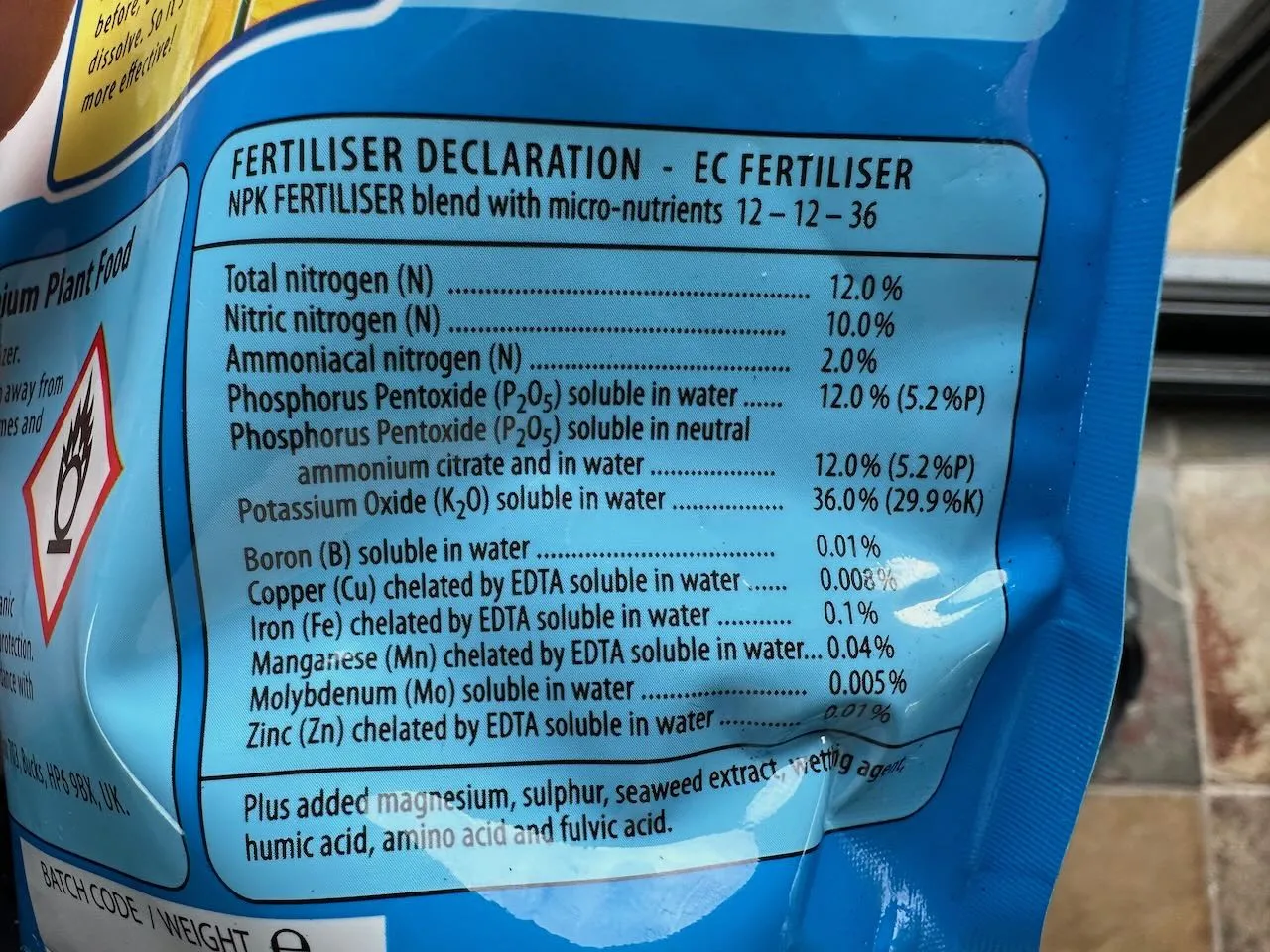
A balanced feed with roughly equal numbers, such as Growmore at 7 7 7, is a reasonable all-rounder for general beds and vegetable plots. A high potash feed is what you want when you are trying to encourage flowers or fruit rather than leaf. A high nitrogen feed belongs on the lawn and almost nowhere else in the ornamental garden, because too much nitrogen on a flowering shrub gives you soft, sappy growth and very few blooms, which is the exact opposite of what most people are paying for when they buy a rose feed in the first place.
💡 Top Tip
If a client asks me for the single best feed to keep in the shed for everything, I tell them a balanced NPK granular feed and a seaweed tonic will cover about eighty percent of a normal garden. Everything else on this list is for filling specific gaps, not for replacing those two.
Seaweed feed is the one product on this list that I use across literally every part of the garden, houseplants included, and it is also the one people are most sceptical about, mainly because the NPK numbers on the bottle look almost embarrassingly low next to a chemical feed. That scepticism is fair up to a point. Liquid seaweed typically carries an NPK somewhere around 1 0.5 2, which will not build you a prize marrow on its own. What it does instead is deliver more than sixty trace elements and naturally occurring plant hormones that support root development, help plants cope with stress such as transplanting or a dry spell, and generally make everything look glossier and more resilient without any risk of scorch.
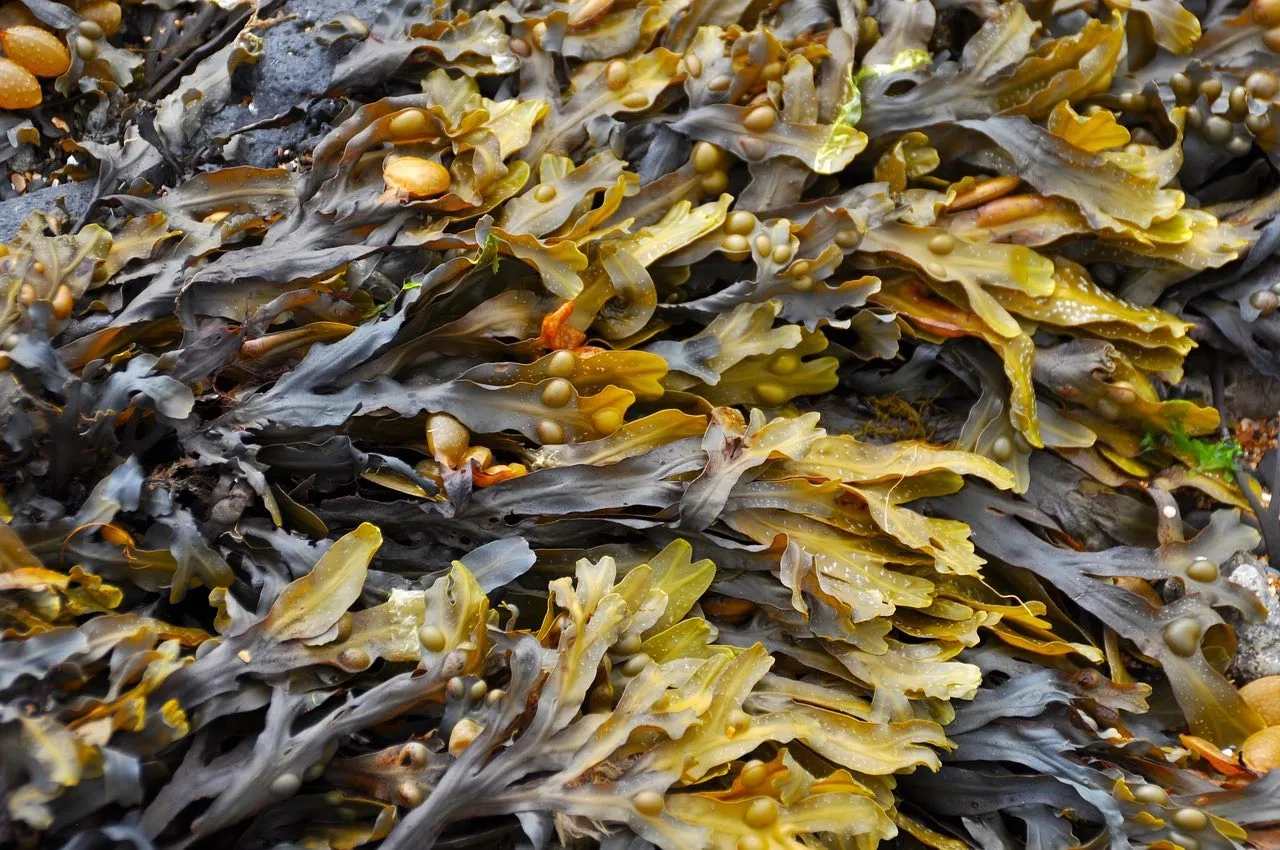
The product I actually use in my own garden, and the one I filmed with on Garden Rescue more than once, is envii SeaFeed Xtra Organic Seaweed Fertiliser. It is harvested from UK waters, it is certified organic and vegan-friendly, and the one-litre bottle makes up to five hundred litres of diluted feed, which sounds unbelievable until you actually do the maths on your watering can.
I used it exclusively on a shaded lawn for an entire year during a period when I wanted to see what seaweed alone could do without any other feed interfering, and even in poor light the grass held its colour far better than I expected. It will not replace a proper lawn feed if you want a bowling green, but as a gentle year-round tonic for beds, containers, houseplants and a stressed-looking shrub, it earns its place in my shed more than almost anything else I own.
Apply it as a foliar spray or a soil drench every couple of weeks through the growing season, and dilute it properly rather than being tempted to go stronger for a quick fix, because seaweed feed works on a little and often basis rather than a big single hit. If you keep chickens, bees, or a wormery, it is also one of the few feeds you can use without second-guessing what it might do to the wider ecosystem in your garden.
This is the category most people picture when they think of fertiliser, and it splits neatly into two camps. Traditional granular feeds such as Growmore are cheap, balanced and unglamorous, and I still keep a tub in the shed for waking up vegetable beds and new borders in spring. If you would rather stay organic, there is fish, blood and bone, which does a similar job through a slower, more natural route and has the added benefit of feeding the soil biology as it breaks down rather than just the plant in front of you.
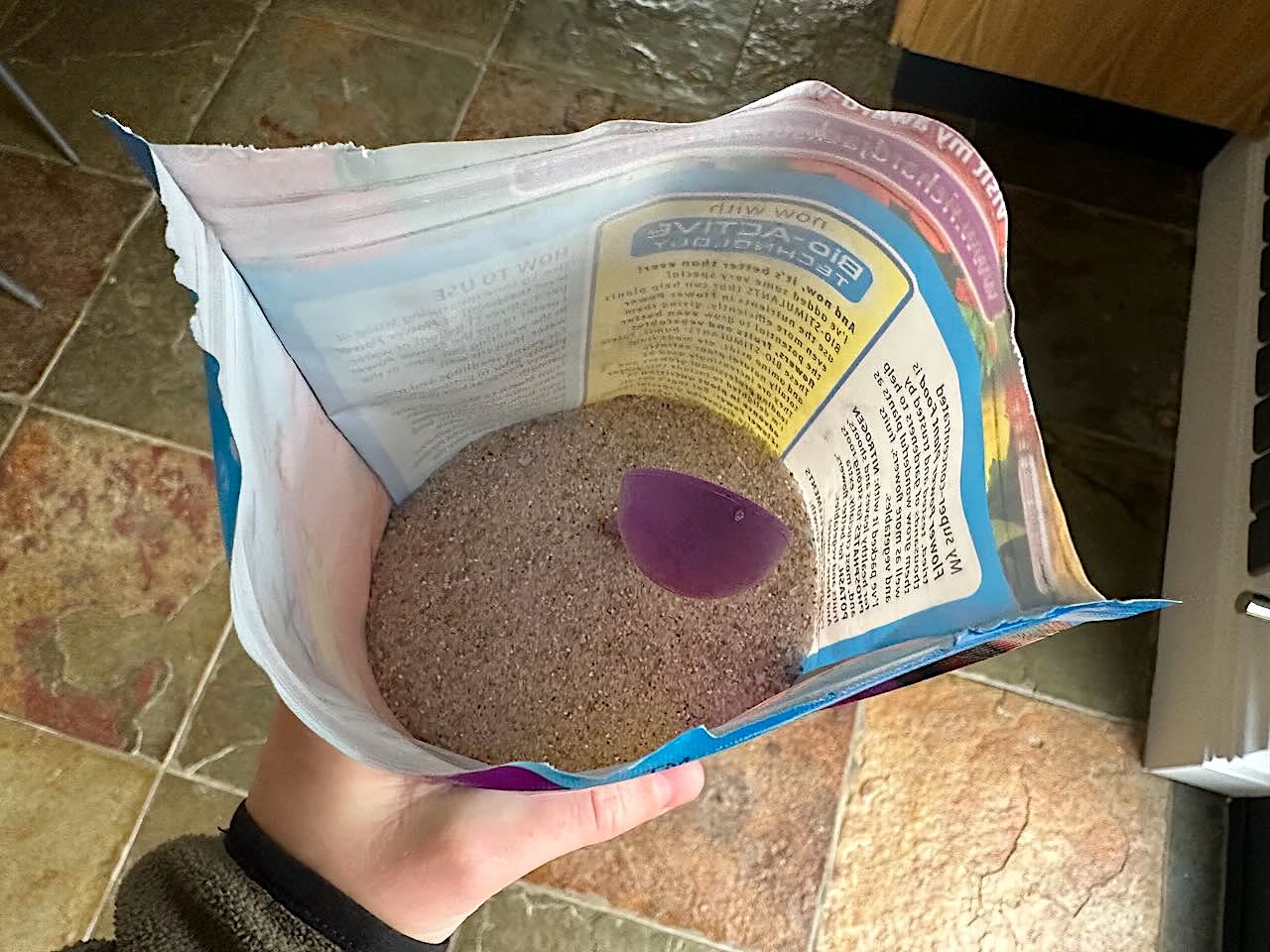
For a controlled release option that saves you remembering to feed every few weeks, I point clients toward Vitax Q4 Extended Release Fertiliser, which was originally developed for the horticultural trade and has quietly become one of the most reliable base feeds for new planting schemes. I use it whenever I am putting a new border in for a client, worked into the soil at planting time, because it releases steadily over several months rather than in one enthusiastic burst that the plant cannot use fast enough.
On one job in Manchester I had a client who insisted on doubling the recommended dose because he assumed more would mean faster results. His new hedge sat there sulking for most of the summer while a neighbouring bed fed at the correct rate romped away, which is about as clear a demonstration of the mistake as you will ever see in real time.
If you would rather stay entirely organic, Fish, Blood and Bone Organic Fertiliser is a good general purpose choice for beds, borders and vegetable plots, and it has the pleasant side effect of encouraging worm activity as it breaks down, though I will warn you it does smell exactly as advertised for the first day or two, so choose your moment before a garden party rather than after.
This is a question I get asked at almost every talk I give, usually by someone holding both a bag of granules and a bottle of concentrate in the garden centre, looking thoroughly torn. Granular feeds are slower to act because they need moisture and soil microbes to break them down before the plant can use them, but that slow release means fewer applications and less chance of overdoing it. They suit beds, borders, shrubs and anywhere you would rather feed a handful of times a year than remember a weekly routine.
Liquid feeds work faster because the nutrients are already dissolved and ready for the roots or leaves to take up almost immediately, which makes them the better choice for a plant that needs help now rather than in a fortnight, or for containers and hanging baskets where the compost volume is small and nutrients wash through quickly every time you water. My honest answer, after years of using both, is that most gardens benefit from a bit of each. A granular feed in spring to set beds and borders up for the season, and a liquid feed such as seaweed or a tomato-type feed kept on hand for containers, houseplants and anything that needs a quicker response.
If you have ever had a camellia or rhododendron with leaves turning a sickly yellow between the veins while the veins themselves stay green, that is almost always an iron deficiency brought on by alkaline soil or hard tap water, and it is exactly what ericaceous feeds are built to fix. I have lost count of the number of forum posts and Garden Rescue gardens where the answer was as simple as switching to an iron rich ericaceous feed rather than digging up and replacing an otherwise perfectly healthy plant.
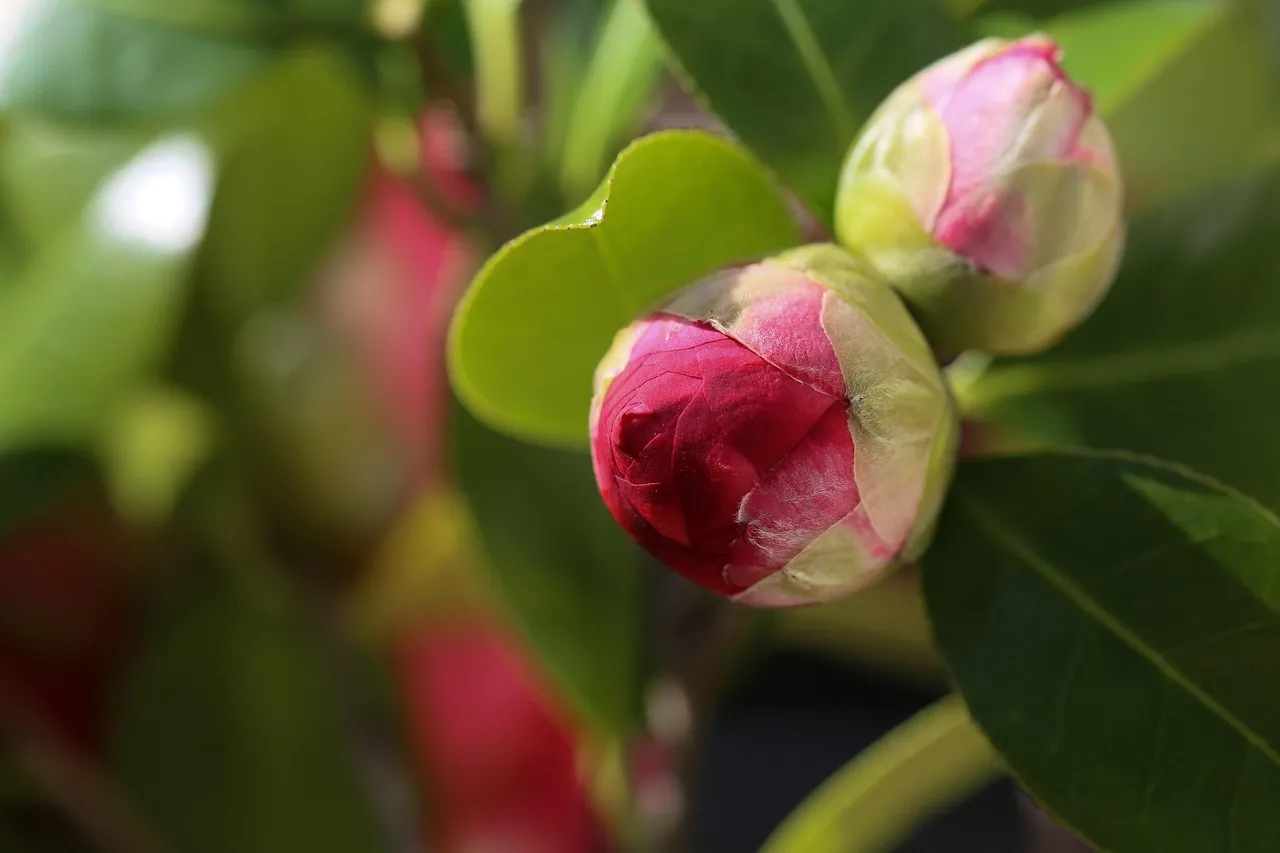
My usual recommendation is Miracle-Gro Azalea, Camellia and Rhododendron Continuous Release Plant Food, which feeds for up to six months from a single application and takes the guesswork out of remembering a feeding schedule. If you prefer a liquid feed for a faster visible response, or you are dealing with a plant that is already showing yellowing and needs help sooner rather than later, Vitax Azalea, Rhododendron and Shrub Fertiliser with added iron works well as an ready to use option that also covers heathers, magnolias, pieris, hydrangeas and blueberries, which is most of the acid loving shopping list in one bag.
I once designed a garden in Liverpool where the client had inherited three enormous, gorgeous rhododendrons from the previous owner and was convinced they were dying because two of them had gone yellow almost overnight. The soil test told the real story. The previous owner had been using hard tap water on them for years through an automatic irrigation system, which slowly nudged the compost toward alkaline. A course of ericaceous feed and a switch to rainwater from the butt brought them back within a single growing season, and the client still sends me photos of them every May, slightly smug, which I do not begrudge her at all.
If you are not sure whether a struggling acid lover is dealing with a feeding problem or a pH problem, a cheap soil pH testing kit from the garden centre will settle the argument in about two minutes. Anything above pH 7 is alkaline territory, and no amount of ericaceous feed will fully overcome soil that is fundamentally the wrong chemistry for the plant in question. In firmly alkaline soil, growing acid lovers in large containers of ericaceous compost, fed and watered as described above, is a far more reliable long term fix than fighting the native soil every single year.
Roses are one of the few plants in the garden that I think properly justify a dedicated feed rather than a general-purpose one, mainly because they are working so hard for so much of the year. A well-fed rose flowers from May through the first frosts, and that sort of stamina needs proper support. Rose feeds are typically high in potash (also known as Potassium), with added magnesium and iron to keep the foliage a healthy, deep green rather than the pale, tired look you get from a rose that is quietly starving. Roses do not need high nitrogen feeds!
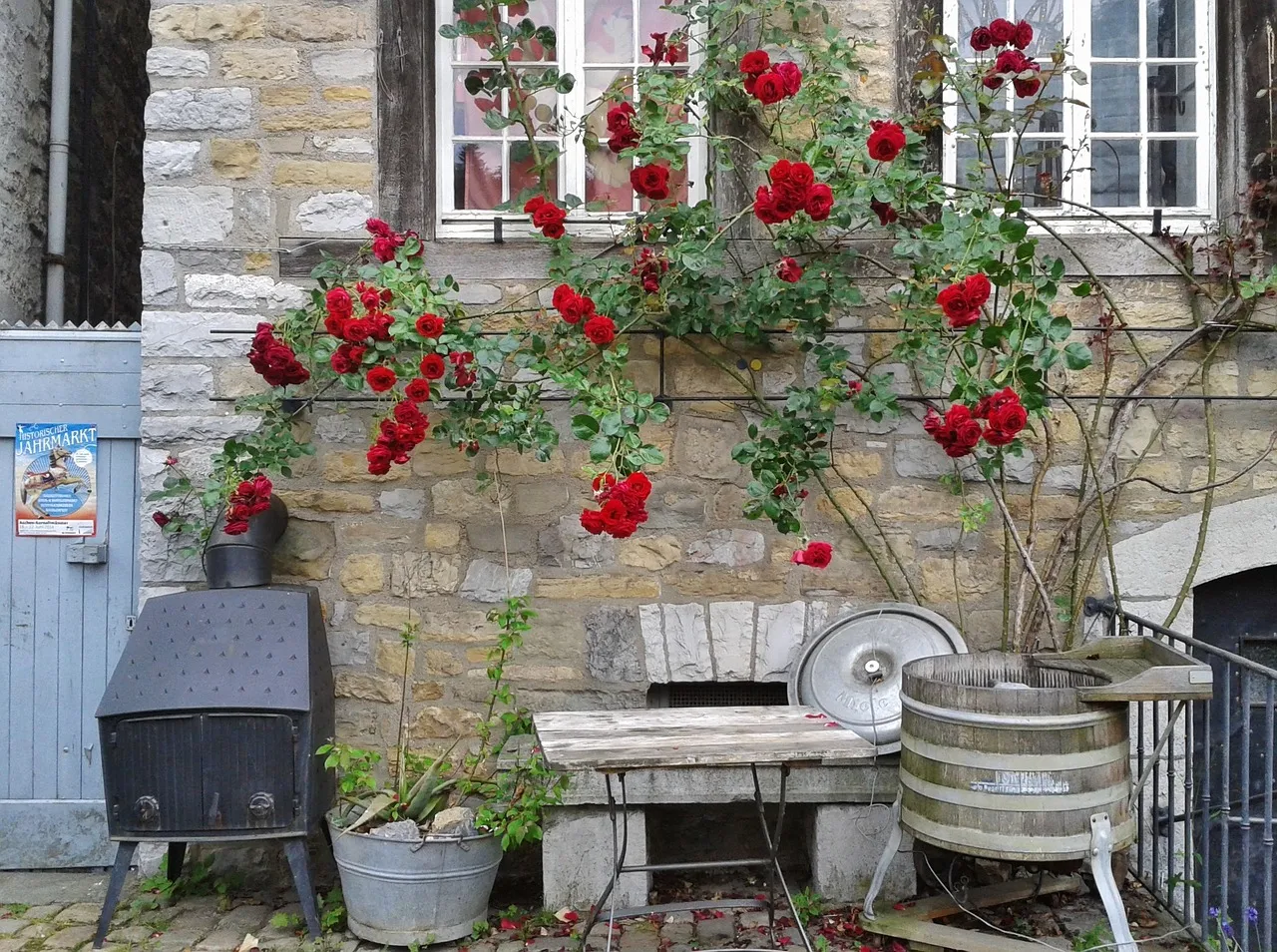
The product I keep coming back to for granular feeding is Toprose Rose and Shrub Feed, which is Britain’s best-selling granular rose food for good reason. It is simple to apply: scatter it around the base and lightly hoe it in, and the added iron and magnesium guard against the premature leaf drop and yellowing that undo so many otherwise well-pruned rose gardens by midsummer. If you would rather stay organic, Vitax Organic Rose Food offers a slow-release, poultry manure-based alternative that performs almost as well as synthetic inputs without any, which I use in any client garden where organic growing is part of the brief.
Feed established roses in early spring as growth begins, and again after the first flush of flowers in early summer, to keep the display going rather than letting it fizzle out after one glorious fortnight. New roses can have feed mixed into the planting hole, though go easy at that stage, since a rose that has not yet built a proper root system cannot make full use of a heavy feed and you risk more harm than good.
Lawn feeds are the one category where I think the timing matters more than the exact product you choose, because a high nitrogen spring and summer feed applied in October will push soft, sappy growth right before the cold weather arrives, and that soft growth is exactly what diseases like fusarium patch love to move into over winter. If you have already worked through my guides on scarifying and aerating your lawn, feeding is the step that actually lets that recovery work turn into new growth rather than sitting there as bare soil hoping for the best.
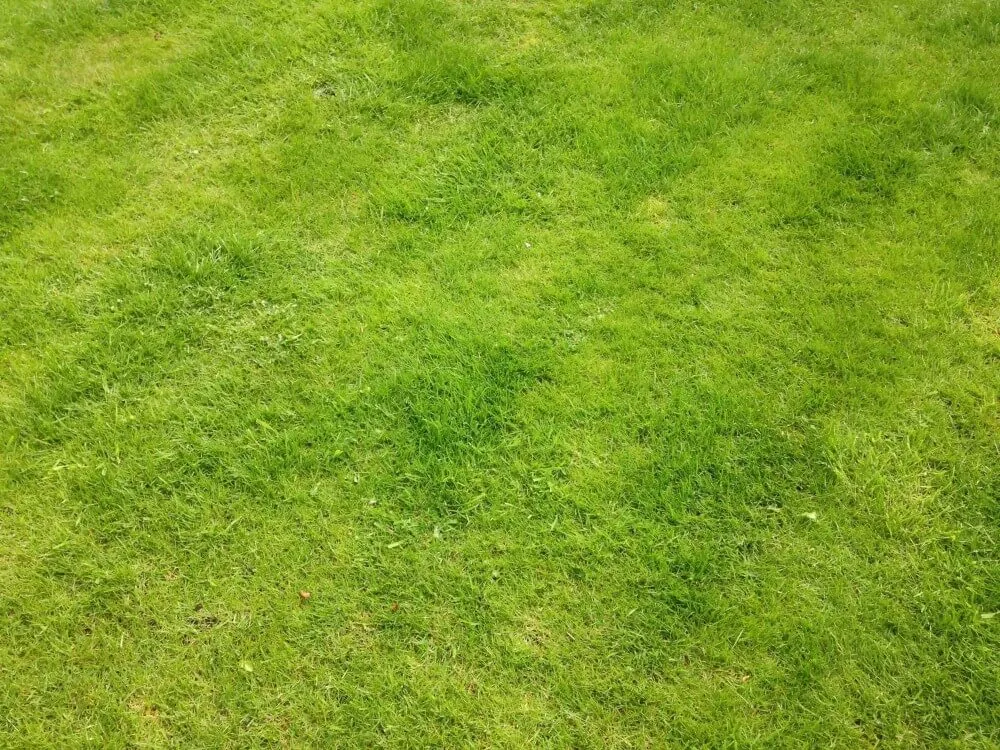
For spring and summer I use a high nitrogen granular lawn feed to push leaf growth and colour while the grass is actively growing, applied roughly every six to eight weeks. From September I switch to a low nitrogen, high potash autumn lawn feed, which hardens the grass off, strengthens roots and prepares it for winter rather than encouraging the kind of lush top growth that frost and disease both enjoy far too much. If you only remember one rule from this section, let it be that: feed for growth in the growing season, feed for resilience once it stops.
And for the gently damp seaweed enthusiasts among you, yes, you can use envii SeaFeed on the lawn too, applied through a watering can at the lawn dilution rate roughly every four weeks. It will not replace a dedicated feed if you are chasing a striped, magazine-cover lawn, but it is a properly useful supplement between proper feeds, particularly on a shaded lawn that struggles anyway.
The single biggest mistake is feeding too late in the year, which I have already covered above, but it is worth repeating because I see it constantly, usually from well-meaning gardeners trying to give a struggling plant one last boost before winter. Resist the urge. A hungry plant going into winter is in far less trouble than a plant pushed into soft new growth right before the first frost.
The second mistake is more feed rather than better timed feed. I mentioned the client who doubled his Vitax Q4 dose earlier, and he is far from alone. Overfeeding does not simply waste money; it actively scorches roots, burns foliage, and, in the case of high-nitrogen feeds on flowering plants, trades you flowers for leaf growth you did not ask for. Always follow the rate on the packet, and if in doubt, feed slightly less rather than slightly more.
The third, and the one that catches out even experienced gardeners, is feeding a plant that is under drought stress. Fertiliser needs water to move through the soil and into the roots, and applying a feed to bone dry compost or borders concentrates the salts right where the roots are trying to take up moisture, which can do more harm than good. Water first, let it soak in, then feed, rather than reaching for the fertiliser the moment you notice a plant looking sorry for itself in a heatwave.
The fourth mistake is one nobody likes to admit to, and that is forgetting containers entirely. A border plant can send its roots out to find nutrients that a rainstorm has washed deeper into the soil. A plant in a pot has nowhere else to go, and every time you water a container thoroughly, some of the nutrient in that compost washes straight out of the drainage holes with it. Containers and hanging baskets need feeding far more often than beds and borders, usually every one to two weeks through the growing season with a liquid feed, and it is the single most common reason a client tells me their patio pots looked wonderful in May and exhausted by July.
I get this question a lot from clients who want to garden more sustainably but are not sure whether swapping to organic feeds is worth the extra cost and, frankly, the extra smell in some cases. The plant itself cannot tell the difference between a nitrogen atom from a chemical granule and one from fish, blood and bone, because a nutrient is a nutrient once it has been broken down into a form the roots can absorb. Where organic feeds clearly pull ahead is in what they do for the soil around the plant. Organic matter feeds the fungi, bacteria and worms that build healthy soil structure over years, while a purely synthetic feed only ever addresses the plant in front of you and does nothing for the soil life underneath it.
My honest position, having gardened both ways across a great many client sites, is that organic feeds are the better long term choice for soil health, and synthetic or controlled release feeds still have their place when you need a fast, predictable result on a tight planting schedule, which is often the reality of a design and build job with a client waiting to move their furniture back onto the patio. Use what suits the situation rather than treating it as a moral choice, and your garden will not know or care either way.
You can, and a balanced NPK feed will keep most plants ticking over perfectly well. The reason I still recommend specialist feeds for roses and ericaceous plants is that they are working harder or have a specific nutrient need that a general feed does not fully address, so you will get noticeably better flowering and healthier foliage by matching the feed to the plant rather than treating everything the same.
As a general rule, granular feeds go down every six to eight weeks through the growing season, while liquid seaweed feeds work better applied lightly every two to three weeks. Controlled release feeds such as Vitax Q4 are the exception, since a single application can carry a plant through several months.
Not for hungry plants such as roses, vegetables or a lawn you want to look its best. Seaweed feed is a supporting tonic rather than a primary feed, since its NPK content is deliberately low. Use it alongside a balanced or specialist feed rather than instead of one, and you get the best of both.
This is almost always an iron deficiency caused by alkaline soil or hard tap water rather than a lack of feeding, so a standard balanced fertiliser will not fix it. Switch to a proper ericaceous feed with added iron, and where possible water with rainwater from a butt rather than tap water, since hard water gradually pushes even good compost toward alkaline over time.
No. Stop feeding by early autumn with a low-nitrogen, high-potash feed, and leave the lawn alone over winter. Feeding through winter encourages soft growth at exactly the point the grass needs to be hardening off, and it leaves the lawn far more vulnerable to disease and frost damage.
Yes, and I do for some of my own feeding, particularly comfrey tea, which is a fantastic homemade potash-rich feed for tomatoes and flowering plants. It takes more effort and a stronger stomach for the smell than a bottle from the shelf, so I use it as a supplement alongside the products in this guide rather than a full replacement.

Join over 100,000 gardeners on YouTube
Free gardening videos from the Garden Ninja, with 8 million views and counting.
Subscribe on YouTube, it’s freeEnrol in my online garden design courses and learn to create your perfect outdoor oasis from the comfort of your home. With engaging video lessons, interactive quizzes and expert tuition, you will uncover the secrets to designing stunning gardens tailored to your style and space.
Whether you are a beginner looking to develop your green thumb or an experienced gardener seeking fresh inspiration, my courses cater to all skill levels. Gain practical knowledge in layout, plant selection and maintenance, guided by my extensive expertise and passion for sustainable gardening practice.
By joining the Garden Ninja’s courses, you will acquire valuable insights and the confidence to transform any outdoor space into a vibrant sanctuary. Connect with a community of garden enthusiasts and embark on a journey to design and nurture a garden that reflects your personality and enhances your lifestyle.
For the garden you’ve already got, not the one you’re starting from scratch. Seven checklists and video lessons from BBC Garden Rescue’s Lee Burkhill, built to help you work out what’s worth keeping before you spend a penny.
Garden Design Examples for Small Gardens: 30 Design Templates & Planting Plans: In this online gardening course, I’ll walk you through 30 fantastic garden designs, explaining the logic behind the layout, the plant choices, and take-home tips for applying them in your own garden.
Learn how to transform and design your own garden with Lee Burkhills crash course in garden design. Over 5 hours Lee will teach you how to design your own dream garden. Featuring practical design examples, planting ideas and video guides. Learn how to design your garden in one weekend!
Garden Design for Beginners Online Course: If you want to make the career jump to becoming a garden designer or to learn how to design your own garden, this is the beginner course for you. Join me, Lee Burkhill, an award-winning garden designer, as I train you in the art of beautiful garden design.
Feeding a garden well does not need a shed full of bottles and bags. It’s about carefully selecting the right feed for the right plant. Just the right amount, no need to overdose or go nuts with it. In fact, usually more is less with feed and better for the environment. Pick your seaweed tonic, your balanced feed, and whichever specialist feed your roses or acid-loving plants are asking for; get the timing right, and everything else tends to follow. Happy Gardening Ninjas!
Happy gardening, and if you have a feeding question I have not covered here, drop it on the forum, and I will get back to you personally, usually with muddy hands and a cup of tea going cold beside the keyboard.


Lee Burkhill, known as the Garden Ninja, is an award winning garden designer and horticulturist with over 30 years of gardening experience and 15 years as a professional garden designer. A qualified RHS (Royal Horticultural Society) professional, Lee specialises in sustainable garden design and practical horticultural advice. He designs and presents on BBC1’s Garden Rescue and in leading gardening publications. Lee combines three decades of hands on gardening knowledge with professional design qualifications to help gardeners create beautiful, functional outdoor spaces.
View all posts by Lee Burkhill








JOIN THE NINJAS

Be the first in line for new Guides, Discount codes and Offers