For the garden you’ve already got, not the one you’re starting from scratch. Seven checklists and video lessons from BBC Garden Rescue’s Lee Burkhill, built to help you work out what’s worth keeping before you spend a penny.
69


Confused about when to plant what in your UK garden? You’re not alone. After twenty years of designing gardens across Britain and answering countless questions from bewildered gardeners on BBC1’s Garden Rescue, I’ve learned that timing truly is everything.
Quick Answer
UK planting times vary by region and season. Hardy vegetables like broad beans and onion sets can go in from March, tender crops such as tomatoes and courgettes wait until after the last frost in mid to late May, and autumn is the best time of year to plant trees, shrubs, and spring bulbs. Always check soil temperature, not just the calendar date.
This comprehensive monthly planting calendar will become your go-to reference, taking the guesswork out of UK gardening and helping you work with our unpredictable climate rather than against it.
📋 Jump To
This page contains affiliate links for products I use and love. If you take action (i.e. subscribe, make a purchase) after clicking a link, I may earn some gardening commission, which helps me keep the Garden Ninja Blog free for all.
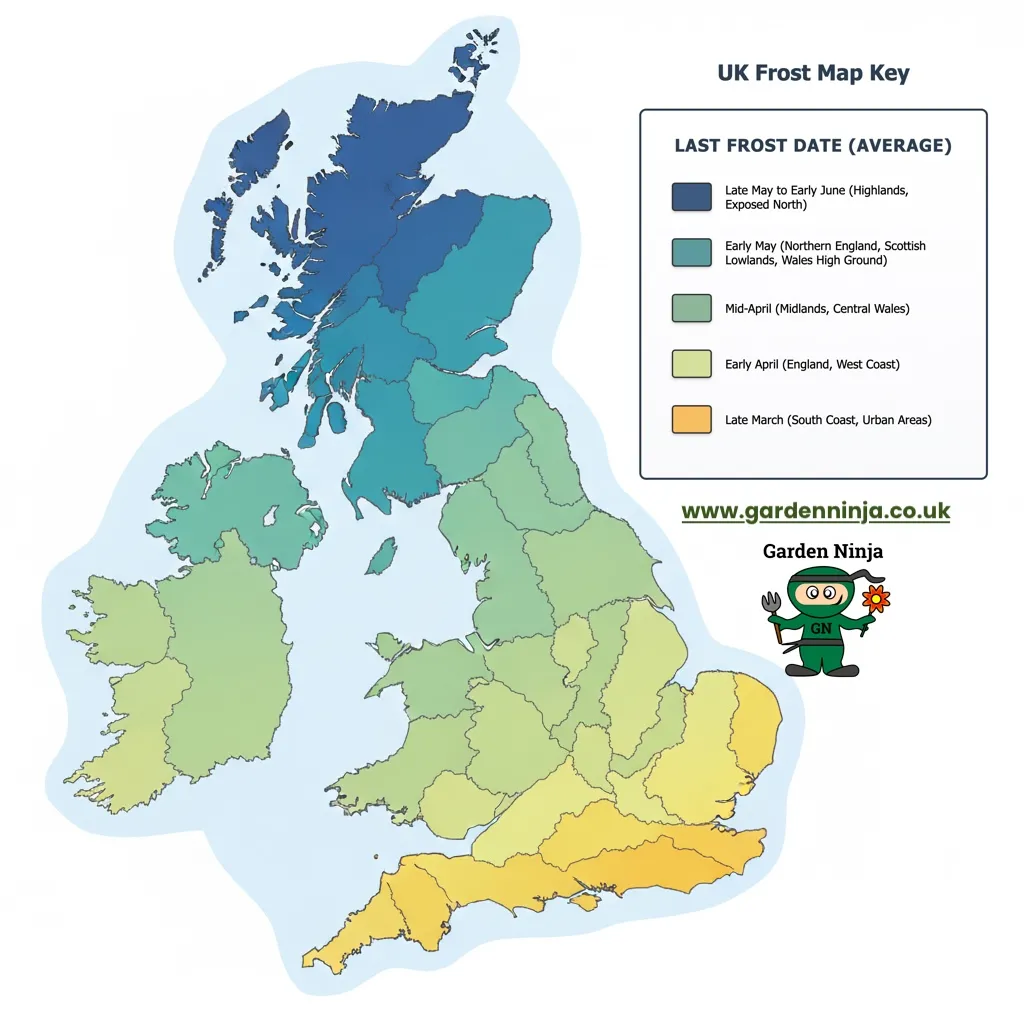
Before anything else, you need to know which frost zone you’re gardening in. Your frost zone determines every planting date in this guide, and getting this wrong is the single most common reason tender plants die in spring. I’ve seen it happen hundreds of times on Garden Rescue visits where keen gardeners have simply planted too early for their region.
💡 Top Tip
When in doubt about your last frost date, add two weeks to what any generic guide suggests. In twenty years of professional garden design, I have never regretted waiting; I have absolutely regretted planting too early.
Unlike countries with more predictable climates, British gardeners must navigate a complex interplay of temperature, daylight hours, and soil conditions that shift dramatically throughout the year. Our maritime climate means we rarely experience extreme heat or cold, but we do face persistent dampness, unpredictable frosts until late spring, and the ever-present possibility of a soggy summer that can scupper the best-laid planting plans.
The concept of “last frost date” becomes absolutely vital for UK gardeners. For most of the UK, the last frost typically falls between mid-April and late May, with northern Scotland often waiting until early June. Tender plants planted before this magical date risk catastrophic damage, whilst hardy plants can tolerate and even benefit from cold weather.
Similarly, understanding your “first frost date” in autumn — usually between late September and November, depending on your location — helps you make crucial decisions about protecting tender perennials. If you’re serious about extending your growing season, my guide on protecting plants from frost is essential reading.
Here’s something most gardening guides won’t tell you: the difference between gardening success and disappointment often comes down to just a few weeks of timing. I learned this the hard way during my first few years of vegetable gardening as a teenager, when I confidently planted out squashes in early May, only to watch them turn to mush after a late frost swept through Lancashire. That expensive mistake taught me to respect the UK’s microclimates and understand that gardening advice from warmer regions simply does not translate to British conditions.
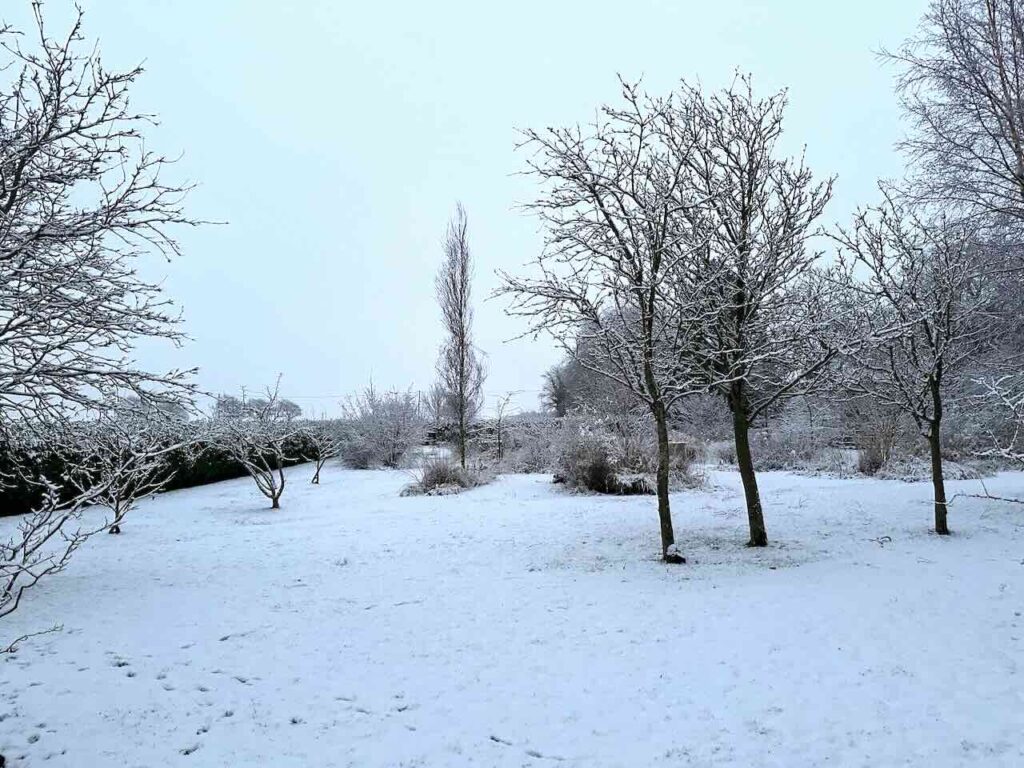
With all early-season planting (March to May), if in doubt, I always advise you to wait a few more weeks and check the weather app. This is also where cold frames come in supremely handy to protect things before planting them out.
Our UK climate is uniquely challenging with its maritime influence, unpredictable frosts, and regional variations that can span several hardiness zones from Cornwall to the Cairngorms. This guide focuses on timing that works for most UK gardeners, roughly USDA zones 8 and 9, with notes on adjustments for colder northern regions and milder coastal areas. Once you grasp these monthly rhythms, you’ll develop an intuition for your own garden’s quirks and microclimates that no generic guide can give you.
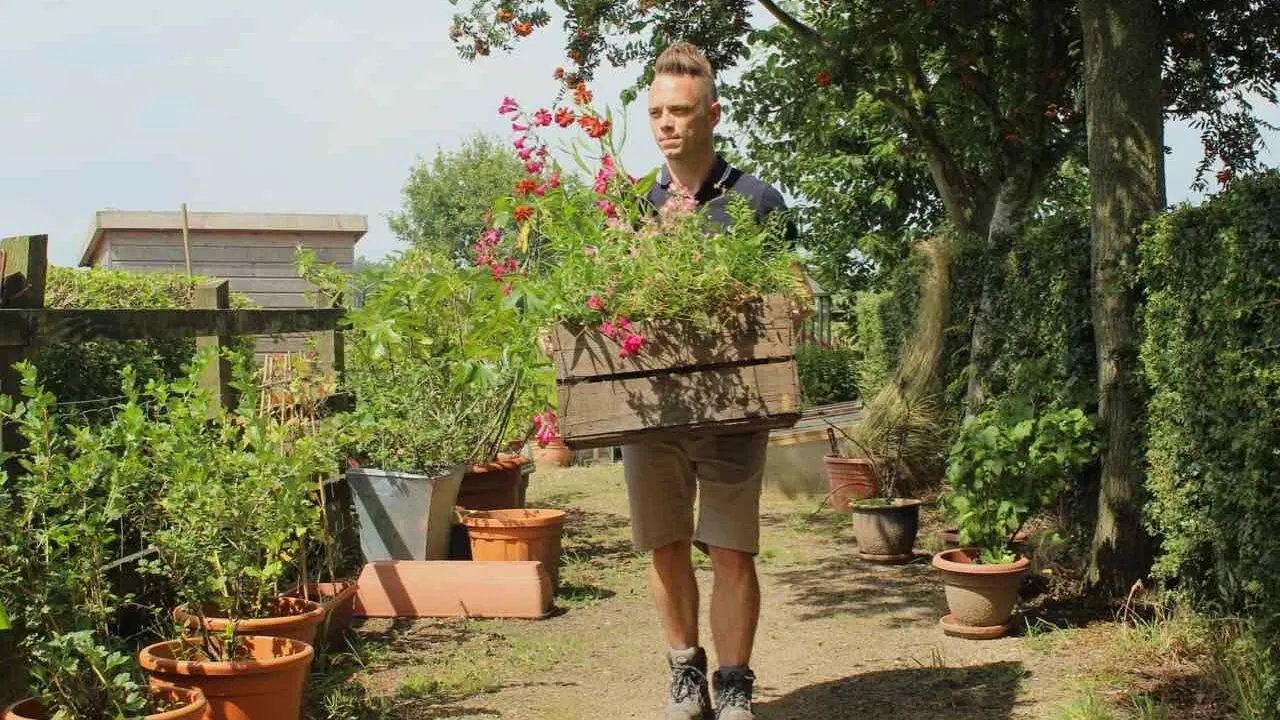
March marks the true beginning of the growing year when soil temperatures finally creep above the critical 6°C threshold needed for seed germination. This is when my design work shifts from planning to planting, and the excitement in clients’ gardens is palpable after months of bare soil and bare branches.
The key to March success is resisting the temptation to plant too early when those first warm days appear. Soil temperature matters far more than air temperature, and cold, wet soil will rot seeds rather than germinate them. Start your seed sowing under glass, in greenhouses or on windowsills, if you’re eager to get going.
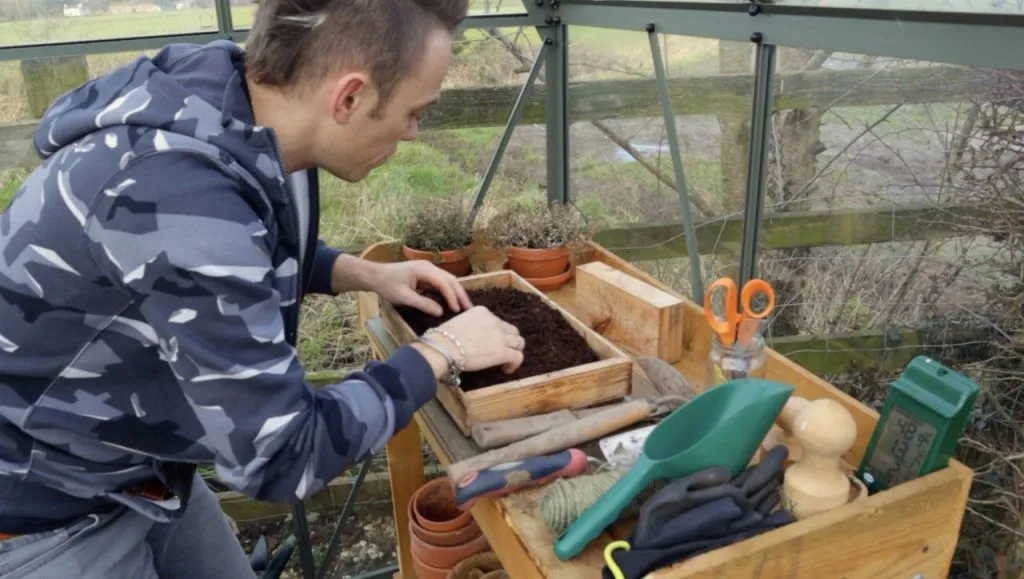
March is also the perfect time to prepare your vegetable beds if you haven’t already. Adding well-rotted compost or manure now allows it to settle before you start planting in earnest. I always recommend a soil test at this time of year to check pH and nutrient levels — it’s much easier to adjust before planting than trying to fix problems mid-season.
💡 Top Tip
Start chitting your seed potatoes indoors now if you haven’t already. Those green shoots need four to six weeks to develop before planting, giving you stronger, earlier crops.
Essential March kit: a good soil thermometer will tell you definitively when conditions are ready, saving you from costly mistakes with tender seedlings. A heated propagator is equally worthwhile for getting sweet peas and brassicas ahead on the windowsill.
🛒 Buy a soil thermometer from Amazon UK
🛒 Buy a heated propagator from Amazon UK
🛒 Buy seed compost from Amazon UK
🛒 Buy horticultural fleece from Amazon UK
April is possibly the most exciting month in the gardening calendar as growth accelerates exponentially and planting opportunities multiply almost daily. This is when the real work begins, and decisions made now will determine your summer harvest and floral displays. The soil has warmed sufficiently for most hardy crops, but tender plants still need protection. April is a marathon, not a sprint — there is so much to do that prioritising becomes essential.
April is when I get serious about succession planting. Rather than sowing entire packets of lettuce or radish seeds at once, sow small amounts every two weeks. This simple technique transforms your harvest from feast-or-famine to steady, continuous production — and it’s one of those professional habits that makes a massive difference.
💡 Top Tip
A cold frame is one of the best investments you can make for April gardening. It bridges the gap between indoor seed raising and outdoor planting, hardening off seedlings gradually without you having to carry trays in and out every night.
Essential April kit: a good set of seed trays, modular cell trays, and a quality dibber make the sowing process much less fiddly. If you’re starting dahlia tubers or cosmos, good quality peat-free compost with added perlite for drainage will make a real difference.
🛒 Buy seed trays and modular cells from Amazon UK
🛒 Buy a cold frame from Amazon UK
🛒 Buy peat-free compost from Amazon UK
🛒 Buy a garden dibber from Amazon UK
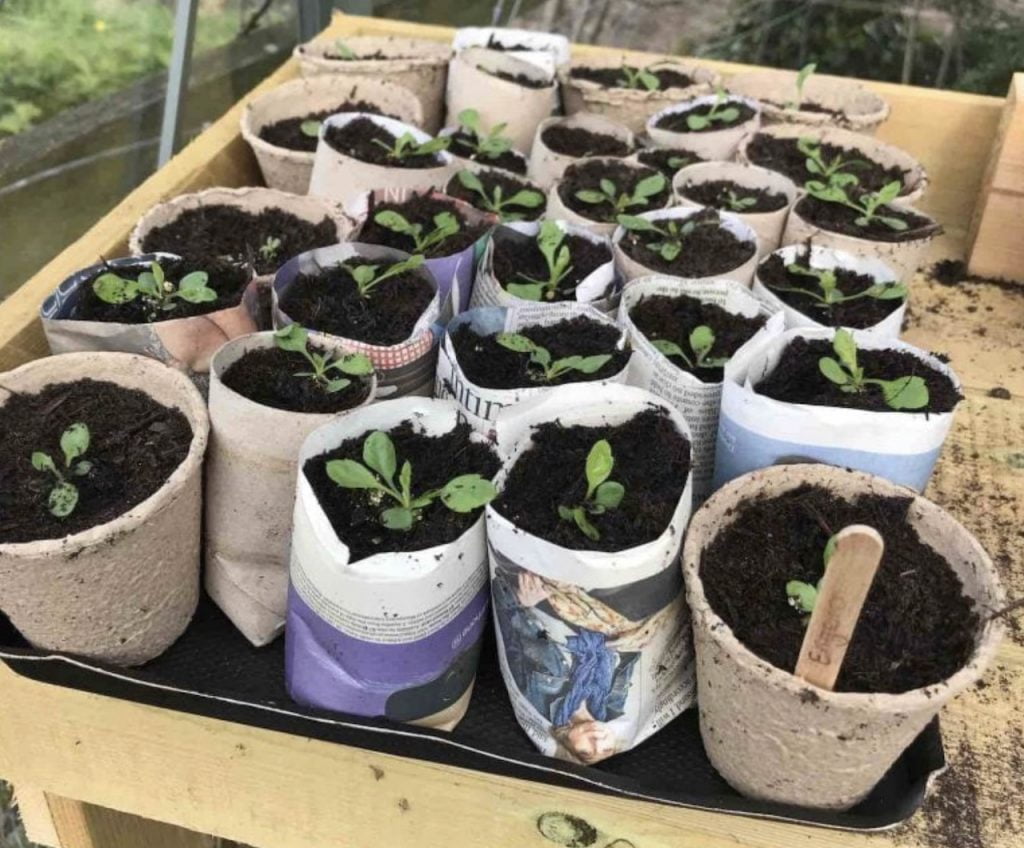
After the last frost, typically in mid to late May across most UK regions, the floodgates open for planting tender plants. This is the month when garden centres heave with eager gardeners loading up trolleys with bedding plants, and rightfully so. May offers the perfect combination of warming soil, lengthening days, and (hopefully) adequate rainfall to establish new plants.
However, be warned that late May can still bring surprise frosts in exposed areas, so keeping horticultural fleece handy remains wise until you are confident.
The key with tender crops like tomatoes and courgettes is hardening off properly — do not just move greenhouse-grown plants straight into the ground and expect them to thrive. Give them at least a week of gradually increasing outdoor exposure first, bringing them back under cover on cold nights.
Essential May kit: once tender plants go out, a quality liquid tomato feed starts earning its keep from day one. A good watering can with a fine rose head, along with bamboo canes and twine for supports, are also essentials this month.
🛒 Buy liquid tomato feed from Amazon UK
🛒 Buy bamboo canes from Amazon UK
🛒 Buy a garden watering can from Amazon UK
🛒 Buy bean and pea supports from Amazon UK
June shifts focus from initial planting to succession sowing and maintaining established plants. The concept of succession planting is now crucial for continuous harvests rather than glut-then-famine cycles. Sow lettuce, radishes, and salad leaves every two weeks, and you’ll enjoy fresh leaves from June through October.
This is also a prime time to plant out any remaining tender vegetables and start autumn crops. I often remind clients that whilst June feels abundant, it’s actually a pivotal planning month for what you want to harvest in autumn and winter.
June is when weeding becomes a full-time job if you let it. I’m a huge advocate of no-dig gardening methods precisely because they dramatically reduce weed pressure. Mulching heavily now, whilst the soil is still moist, creates a physical barrier that suppresses weeds and retains moisture through those inevitable dry spells we get in high summer.
Essential June kit: a good quality hoe makes light work of weeding before it gets out of hand. Fine mesh netting over vulnerable brassica seedlings is also worth investing in now, before cabbage whites discover your kitchen garden.
🛒 Buy a garden hoe from Amazon UK
🛒 Buy garden mulch from Amazon UK
🛒 Buy fine mesh brassica netting from Amazon UK
🛒 Buy organic slug control from Amazon UK
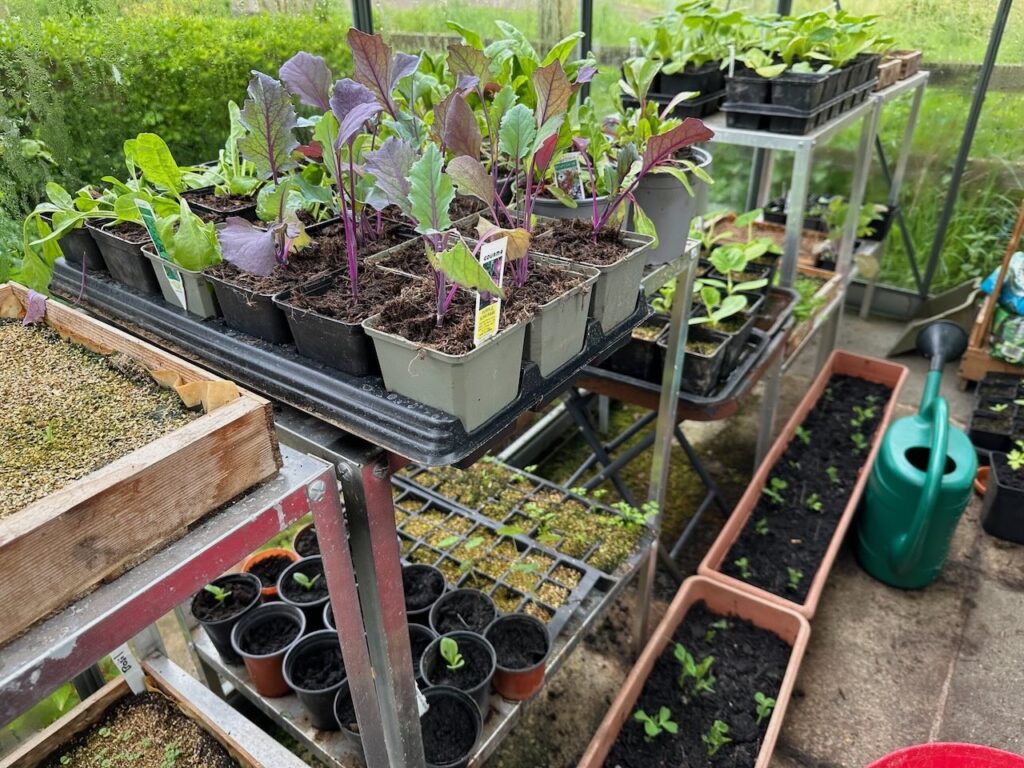
Whilst July might seem an odd time to think about Autumn, this is precisely when savvy gardeners begin planting for the cooler months ahead. The combination of warm soil and (theoretically) adequate moisture creates ideal conditions for establishing brassicas and other Autumn crops.
This is also your last realistic chance for many vegetables if you want a harvest before winter, so seize any remaining opportunities whilst soil and weather conditions remain favourable.
💡 Top Tip
Net your brassicas immediately after planting. Cabbage white butterflies are relentless in July and can devastate crops within days. I learned this lesson the hard way on an allotment project where an entire client planting was reduced to lace within a week.
July is also an excellent time for planting strawberry runners. These establish beautifully in summer warmth and will reward you with a bumper crop next June.
Essential July kit: with semi-ripe cuttings to take from lavender, rosemary, and salvias this month, a sharp pair of secateurs and some rooting hormone powder or gel will significantly improve your strike rate.
🛒 Buy rooting hormone from Amazon UK
🛒 Buy bypass secateurs from Amazon UK
🛒 Buy raised beds from Amazon UK
🛒 Buy crop protection netting from Amazon UK
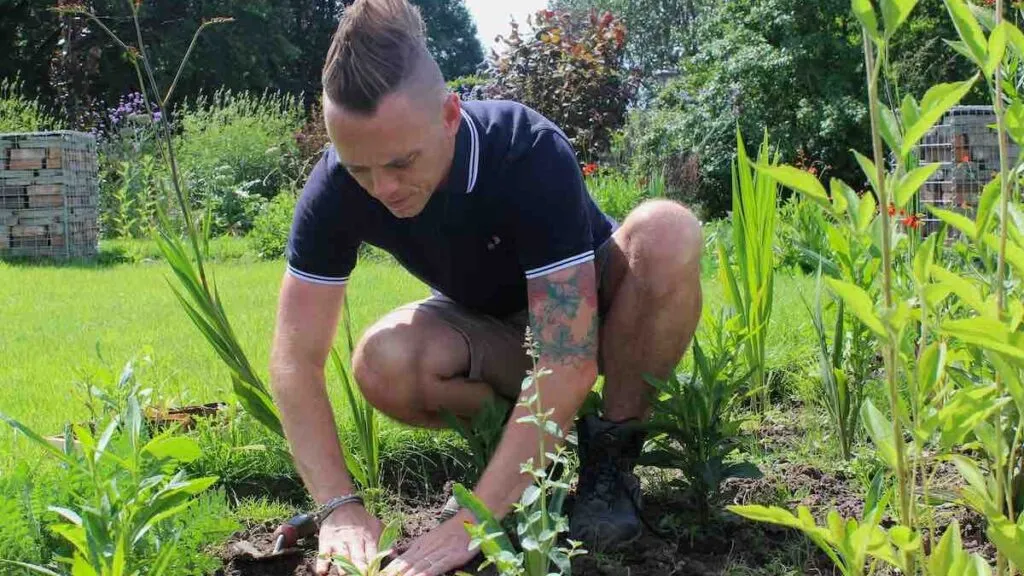
August marks the tail end of the main growing season, but there is still time for strategic plantings to extend your productive period. As summer bedding begins to fade, thoughts turn to autumn colour and overwintering crops. This is also an excellent time for planting perennials and shrubs, as warm soil combined with autumn rainfall gives them months to establish before winter dormancy.
This is the month I start planning Autumn garden installations with clients. The weather is still pleasant for outdoor work, but we’re thinking ahead to those structural plantings that will look fabulous come spring.
Essential August kit: if you’re planting perennials and shrubs now, a good planting mix with mycorrhizal fungi really helps roots establish before winter. A long-reach watering lance takes the effort out of watering new plantings without compacting the surrounding soil.
🛒 Buy mycorrhizal fungi from Amazon UK
🛒 Buy a watering lance from Amazon UK
🛒 Buy autumn bedding plug plants from Amazon UK
🛒 Buy spring bulb collections from Amazon UK
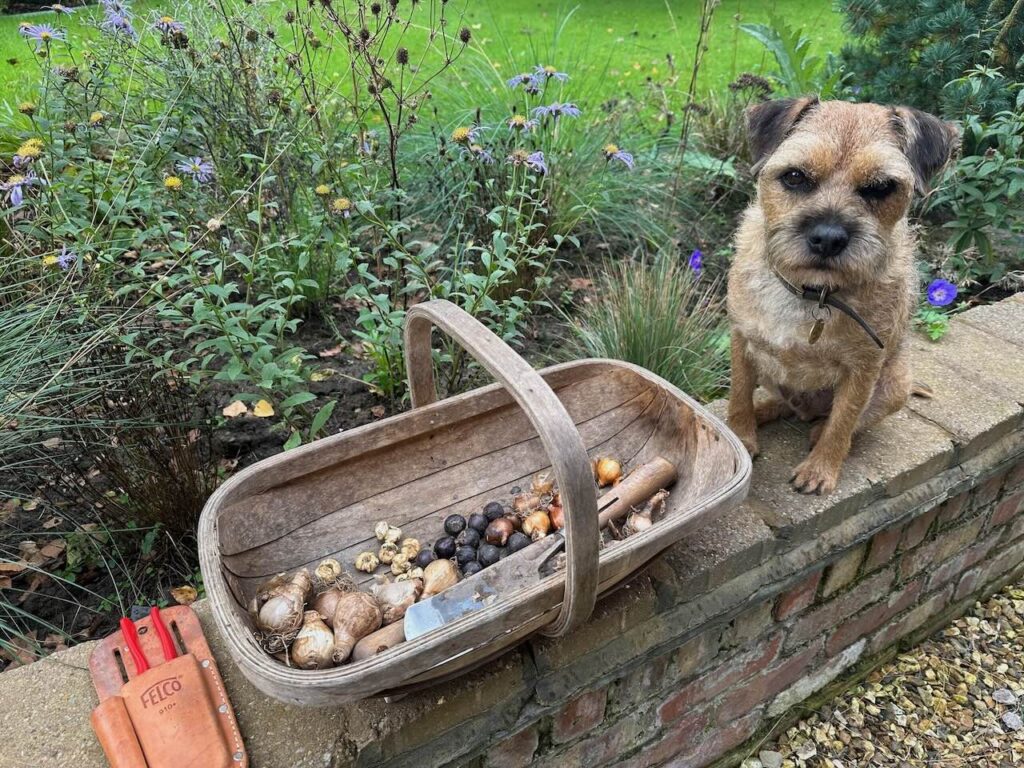
September is my favourite month for garden design installations because autumn planting almost always outperforms spring planting for trees, shrubs, and perennials. The soil retains summer warmth whilst autumn rains reduce watering demands, and plants establish extensive root systems over winter, ready to explode into growth come spring.
I’ve seen autumn-planted shrubs outgrow their spring-planted siblings by a full season simply because they had those extra months of root development. This principle applies equally to vegetables, with autumn plantings of onions, garlic, and broad beans invariably producing earlier and heavier crops than spring sowings. It is one of the best-kept secrets in professional horticulture.
Essential September kit: a good bulb planter saves you enormous time when you’re planting dozens of garlic cloves or daffodil bulbs. A soil improver or specialist planting compost worked into the base of each tree or shrub hole makes a significant difference to long-term establishment.
🛒 Buy a bulb planter from Amazon UK
🛒 Buy garlic bulbs for planting from Amazon UK
🛒 Buy daffodil bulb collections from Amazon UK
🛒 Buy planting compost for trees and shrubs from Amazon UK
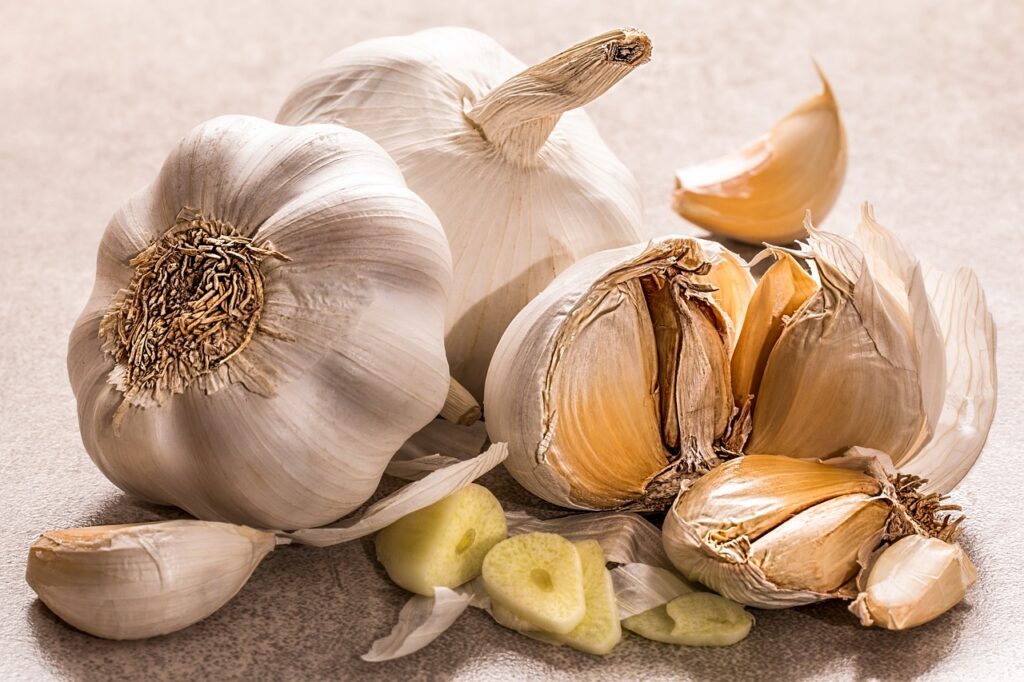
October is dominated by bulb planting, and for good reason. Spring bulbs need a cold period to trigger flowering, and planting them now ensures they receive adequate chilling whilst establishing roots before winter. This is also prime time for moving and dividing perennials, taking advantage of cooler temperatures and autumn moisture to minimise transplant shock.
Do not overlook October’s potential for planting vegetables either, particularly in milder regions where hardy salads and overwintering onions can be established before winter sets in.
If you’re planning a cottage garden or want that naturalistic meadow look, October is the time to plant your bulbs for spring impact. I use thousands of bulbs in my designs, naturalising daffodils in grass, layering tulips in borders, and tucking crocuses into unexpected corners of gardens that clients thought were past their best.
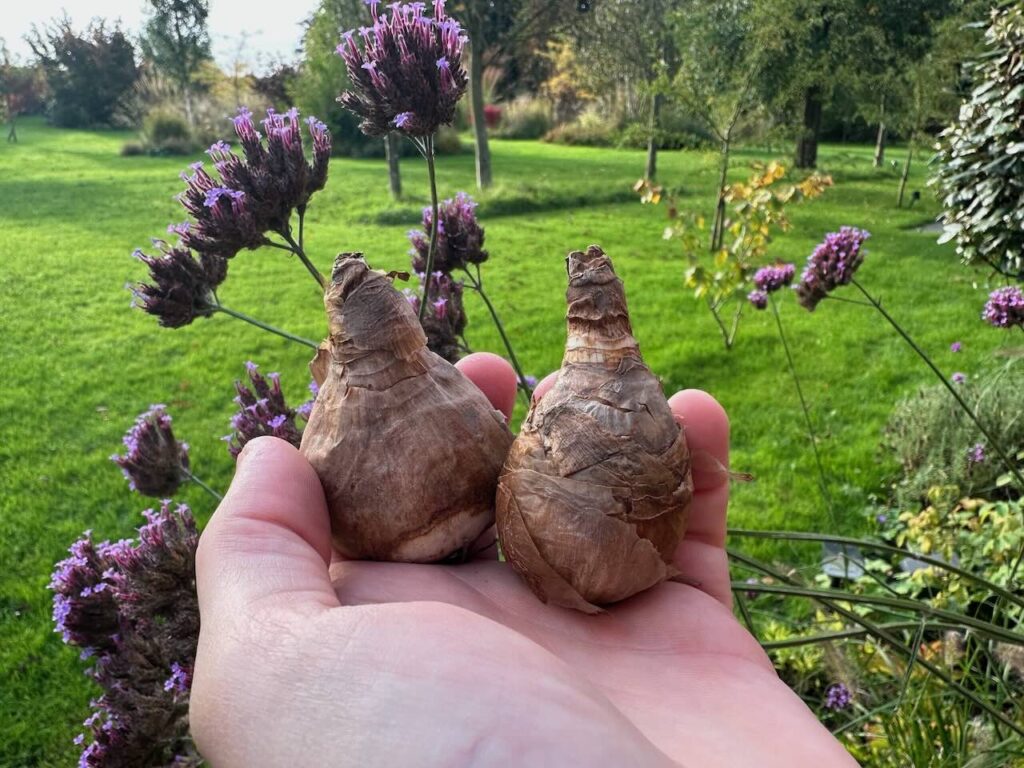
Essential October kit: a long-handled bulb planter is genuinely one of the best tools you can own. When you’re planting hundreds of tulips and alliums, your back will thank you. Rose food granules worked into the planting hole give bare-root roses the best possible start.
🛒 Buy tulip bulbs from Amazon UK
🛒 Buy allium bulbs from Amazon UK
🛒 Buy a long-handled bulb planter from Amazon UK
🛒 Buy rose fertiliser from Amazon UK
As winter approaches, planting opportunities narrow but don’t disappear entirely. November remains suitable for planting bare root trees and shrubs, and in mild areas, you can still establish hardy vegetables. November is also a great time for soil preparation, adding well-rotted manure or compost to beds that will be planted in spring — the worms will do the hard work of incorporating it for you over winter.
November is when I really appreciate wildlife-friendly garden design. Whilst planting slows down, providing habitat and food sources for overwintering creatures becomes paramount. Leaving seedheads standing, creating log piles, and ensuring winter-flowering plants are in place support biodiversity through the lean months.

Essential November kit: now is the time to clean, oil, and store tools properly before winter. A quality sharpening stone for secateurs and spades, combined with linseed oil for wooden handles, will extend the life of your tools enormously.
🛒 Buy a garden tool sharpener from Amazon UK
🛒 Buy linseed oil for tool maintenance from Amazon UK
🛒 Buy well-rotted manure from Amazon UK
🛒 Buy garden cloches from Amazon UK
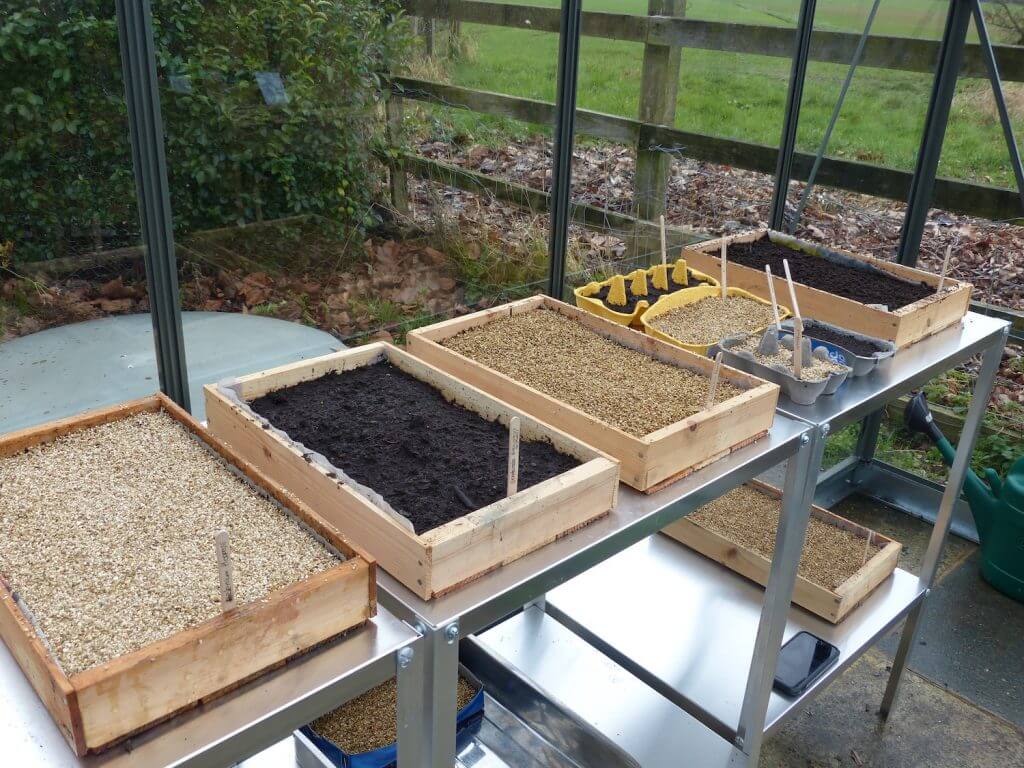
Winter might seem like downtime for planting, but these months offer crucial opportunities for planning, preparation, and strategic sowings. Whilst you cannot plant much outdoors, heated propagators and windowsills allow you to get ahead with early sowings that will pay dividends come spring. This is when serious gardeners gain their advantage, using protected environments to start crops weeks or even months before direct outdoor sowing becomes possible.
I spend winter evenings planning garden designs and ordering seeds, knowing that this groundwork directly determines success in the coming season. My dining room transforms into a propagation station come January and February, with heated mats, grow lights, and trays of seedlings everywhere. It drives my family mad, but there is something deeply satisfying about nurturing tiny seeds into vigorous plants whilst frost patterns the windows outside.
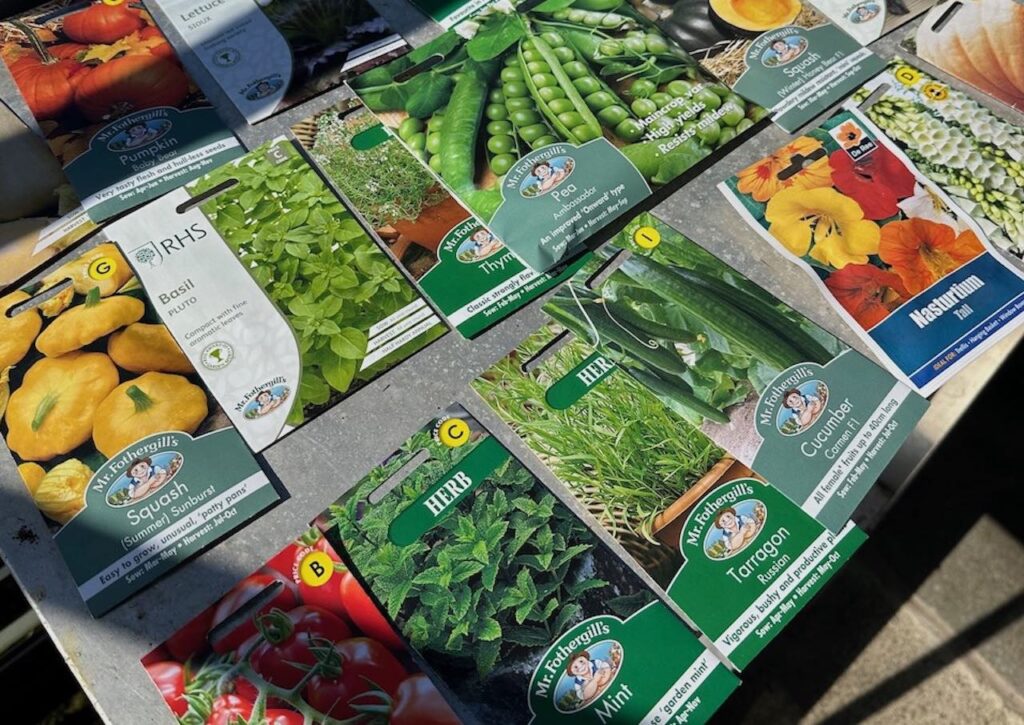
Essential winter kit: a quality grow light makes a transformative difference to leggy windowsill seedlings. Combined with a heat mat set to around 20°C, you can raise genuinely strong, stocky seedlings that go on to outperform anything bought from a garden centre.
🛒 Buy a grow light for seedlings from Amazon UK
🛒 Buy a heat mat for propagation from Amazon UK
🛒 Buy vegetable seed collections from Amazon UK
🛒 Buy seed potato chitting trays from Amazon UK
Remember these fundamental principles, and you’ll rarely go wrong. I’ve distilled these from two decades of professional garden design and more than a few hard-earned lessons along the way.
Whilst this calendar provides reliable timings for most UK gardeners, your specific location requires thoughtful adjustments. Gardens in Cornwall and the Isles of Scilly can often plant tender crops two to three weeks earlier than suggested, whilst Scottish Highland gardens might need to delay by the same period or longer.
Coastal gardens benefit from maritime moderation, rarely experiencing severe frosts but potentially suffering from salt-laden winds that damage tender growth. Urban gardens create heat islands that can extend growing seasons by several weeks at both ends, whilst rural gardens in frost hollows might need extra caution.
Understanding your garden’s microclimates makes a tremendous difference to planting success. South-facing walls create Mediterranean conditions perfect for tender plants and early sowings, whilst north-facing borders might remain too cold until significantly later. Observe where frost lingers longest in your garden, where snow melts first, and which areas dry out quickest after rain. These observations, accumulated over seasons, will teach you more about optimum planting times for your specific garden than any guide ever could.
It is also important to understand plant hardiness ratings — my guide to hardiness will help you determine exactly which plants will survive where in your garden.
For most warm-season crops like tomatoes, courgettes, and runner beans, mid-July is about the latest practical planting date in most UK regions. After this point, there simply isn’t enough growing season left before frosts arrive in Autumn. Hardy vegetables like kale, spinach, and spring cabbage can be sown as late as August in most areas, and garlic can go in right through to November in milder parts of the country.
This depends entirely on the time of year and your location. As a general rule, March to May suits hardy vegetables and early sowings under cover; May to July is the main planting season for tender crops; and August to October focuses on overwintering vegetables, garlic, and bulbs. Always check your region’s last frost date before planting tender crops outdoors.
September is my personal favourite for ornamental plants, trees, and shrubs, because the soil is warm from summer and autumn rains reduce watering requirements whilst plants establish. For vegetables, May is the most rewarding planting month as the growing season stretches ahead. For bulbs, September and October offer the best results for spring displays.
Yes, absolutely. November is excellent for bare-root trees, shrubs, roses, and hedging. It’s also fine for planting tulip bulbs, overwintering garlic in mild areas, and broad beans under cloches. Avoid planting in frozen or waterlogged soil, as this damages roots and can rot bulbs before they establish.
For most of England and Wales, the last frost typically occurs between mid-April and mid-May. In the South West and coastal areas, it can be as early as late March, whilst in Scotland and northern upland areas, frosts can occur into late May or even early June. Always check a local forecast before planting tender crops outdoors.
In early spring (March to April), focus on hardy crops direct-sown outdoors: broad beans, peas, onion sets, shallots, and early potatoes. Start tender crops under cover now, including tomatoes, peppers, and courgettes. By late spring (May onwards), once frost risk has passed, you can move tender plants outside and fill borders with bedding plants, dahlias, and summer bulbs.
Now you understand when to plant things out in your garden based on geography and microclimate knowledge, why not take your skills to the next level with some online design training? My Garden Design for Beginners Course is here to help take your garden from average to amazing with an affordable online course, no matter how little your experience with plants.
This course offers step-by-step guidance from me, Lee Burkhill, award-winning garden designer and presenter on BBC1’s Garden Rescue. You’ll go from a garden design novice to a confident designer equipped to tackle any green space.
Enrol now for just £199 and start your journey toward garden design mastery!
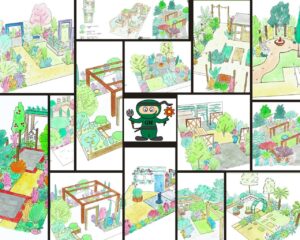
For the garden you’ve already got, not the one you’re starting from scratch. Seven checklists and video lessons from BBC Garden Rescue’s Lee Burkhill, built to help you work out what’s worth keeping before you spend a penny.
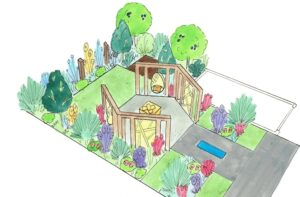
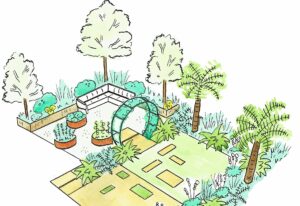
Garden Design Examples for Small Gardens: 30 Design Templates & Planting Plans: In this online gardening course, I’ll walk you through 30 fantastic garden designs, explaining the logic behind the layout, the plant choices, and take-home tips for applying them in your own garden.
Learn how to transform and design your own garden with Lee Burkhills crash course in garden design. Over 5 hours Lee will teach you how to design your own dream garden. Featuring practical design examples, planting ideas and video guides. Learn how to design your garden in one weekend!
Garden Design for Beginners Online Course: If you want to make the career jump to becoming a garden designer or to learn how to design your own garden, this is the beginner course for you. Join me, Lee Burkhill, an award-winning garden designer, as I train you in the art of beautiful garden design.
This comprehensive guide provides a framework, but successful gardening requires adapting these timings to your unique circumstances. Keep a garden journal, noting when you planted what and how it performed. Over time, you’ll develop an intuitive understanding of your garden’s rhythms that no book can teach.
Most importantly, don’t be afraid to experiment with pushing boundaries slightly. Protected sowings and strategic gambles sometimes pay off spectacularly, and even failures teach valuable lessons about your garden’s capabilities and limitations. The joy of gardening lies not in perfection but in the continuous learning process of working with nature’s rhythms to create beauty and productivity throughout the year.
If you found this guide helpful, you might also enjoy my other comprehensive guides on crop rotation and creating a garden design plan. They’re designed to work together as a complete reference library for UK gardeners at any level. Got questions about when to plant something specific? Drop a comment below or reach out on social media — I read every message and love hearing about your gardening adventures, successes, and occasional disasters!
Happy gardening!



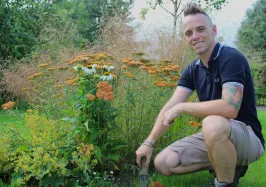
Lee Burkhill, known as the Garden Ninja, is an award-winning garden designer and horticulturist with over 30 years of gardening experience and 15 years as a professional garden designer. A qualified RHS professional, Lee specialises in sustainable garden design and practical horticultural advice. He designs and presents on BBC1’s Garden Rescue and in leading gardening publications.
View all posts by Lee Burkhill





JOIN THE NINJAS
Be the first in line for new Guides, Discount codes and Offers