For the garden you’ve already got, not the one you’re starting from scratch. Seven checklists and video lessons from BBC Garden Rescue’s Lee Burkhill, built to help you work out what’s worth keeping before you spend a penny.
69


Quick Answer
Plant spring bulbs such as Daffodils, Crocus and Alliums from September to October, and Tulips in November. Summer bulbs like Lilies, Gladioli and Dahlias go in from March to May, and autumn bulbs in July and August. Plant every bulb at three times its own height, pointed end up, in well-drained soil.
Every autumn I get the same question from Ninjas on the forum, in client gardens and on YouTube: when should I plant my bulbs? It’s a fair question, because the answer changes depending on which bulb you’re holding.
Get the timing right and bulbs are the easiest plants you’ll ever grow. Pop ’em in at the right depth, in the right month, and they’ll reward you with colour for years with very little help.
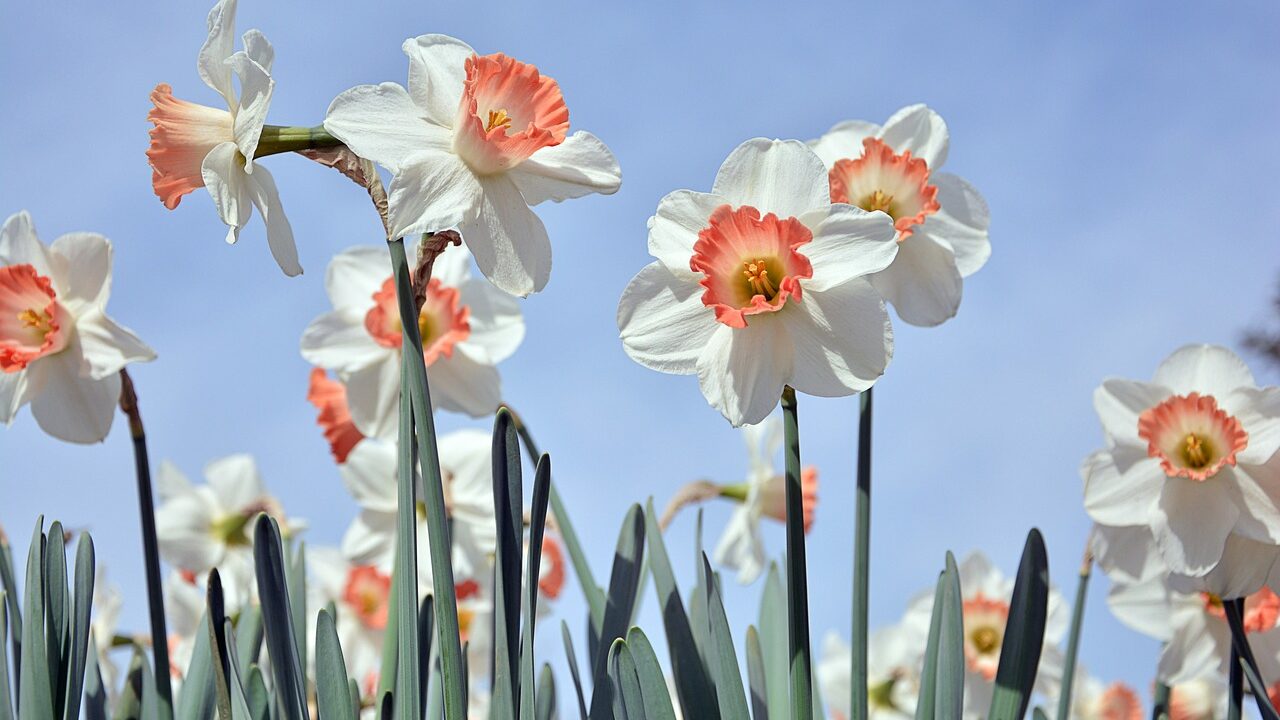
I plant bulbs in every one of my garden designs, because they bring colour and early nectar for bees at a time when most of the garden is still asleep.
In this guide I’ve pulled together the planting calendar I use, a depth chart for the bulbs you’re most likely to buy, and the method I’ve refined over years of planting thousands of them.
Where a bulb has its own dedicated guide on the blog, I’ve linked to it, so you can go deeper on the ones you’re planting this year.
Jump To
This page contains affiliate links for products I use and recommend. If you make a purchase after clicking a link, I may earn a small commission at no extra cost to you, which helps keep the Garden Ninja blog free for everyone.
If you’re planting more than a few dozen bulbs into a lawn, a long-handled bulb planter like the Fiskars will save your knees and your back.
The simplest rule is to plant bulbs about six months before you want them to flower. That’s why spring bulbs go in during autumn, summer bulbs go in during spring, and autumn-flowering bulbs go in during late summer.
Spring bulbs need a spell of winter cold to trigger flowering, so they have to be in the ground before the coldest weather arrives. Summer bulbs are the opposite. Many of them, like Dahlias and Gladioli, aren’t fully hardy, so they go in once the worst frosts are behind us.
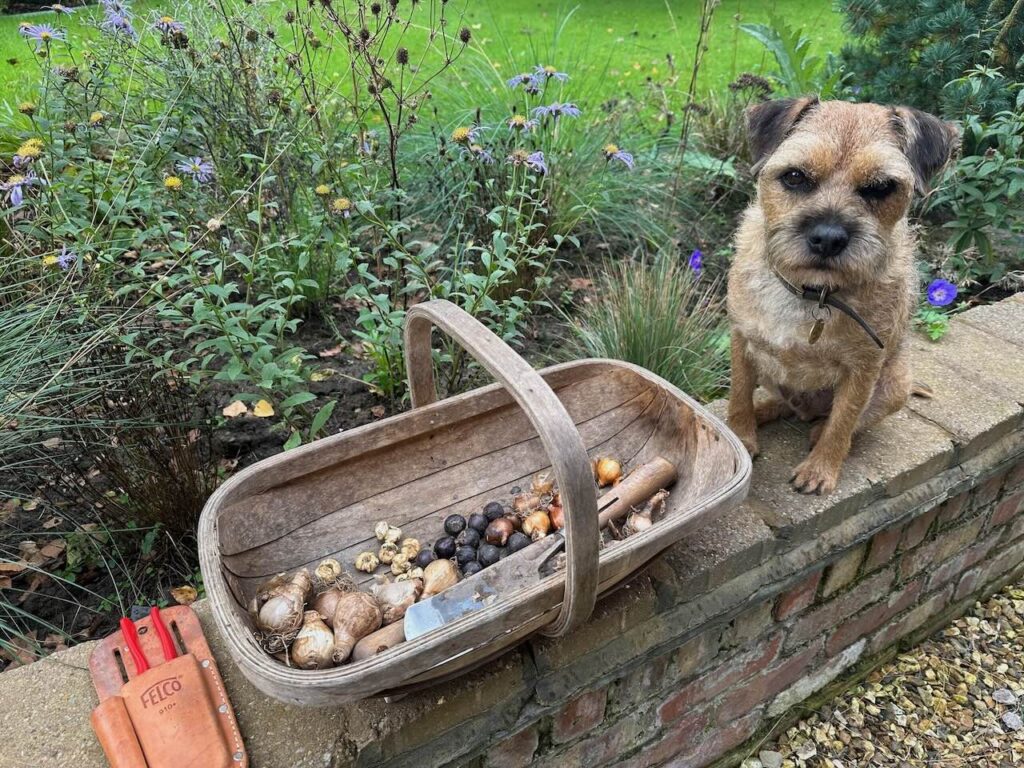
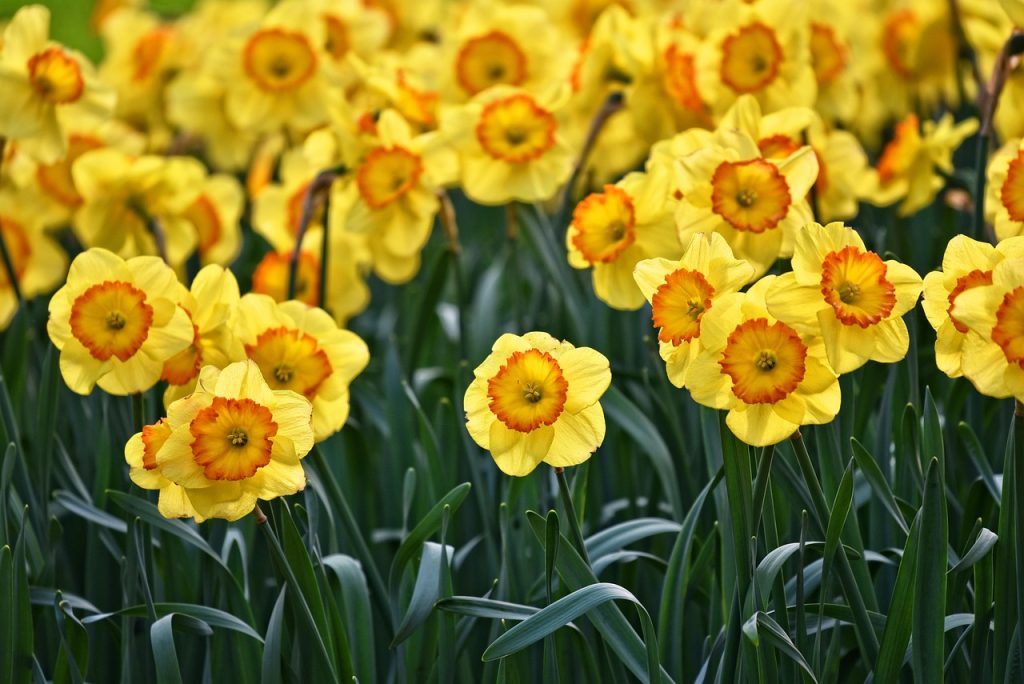
Plant spring-flowering bulbs such as Daffodils, Crocus, Hyacinths, Alliums, Muscari and Scilla from September to the end of October. This gives them six to eight weeks of warm soil to put down roots before winter.
You can carry on planting into November and even December, as long as the ground isn’t frozen. The bulbs will still flower, sometimes just a week or two later than usual in their first spring.
Tulips are best planted later than everything else, in November. The colder soil reduces the risk of Tulip fire, a fungal disease that thrives in warm, wet conditions, and you lose nothing in flowering time. I explain this in more detail in my guide on when to plant Tulip bulbs.
Summer-flowering bulbs, corms and tubers go in once the soil starts to warm in spring. Lilies can go into pots from February and into borders in March and April. Gladioli corms go in from late March to May, planted in batches a fortnight apart for a longer display.
Tender tubers such as Dahlias and Cannas can be started in pots under cover in March and April, then planted out once the risk of frost has passed, usually late May in most of the UK.
Autumn-flowering bulbs are the ones most people forget. Colchicums, Autumn Crocus and hardy Cyclamen hederifolium go in during July and August, and flower within a few weeks of planting, often before their leaves appear.
If you’re standing in the garden centre wondering what bulbs to plant now, this is the calendar I work to. Treat it as a guide, since a mild November in Cornwall is a very different month to a frozen one in Aberdeenshire.
| Month | What to Plant | Other Bulb Jobs |
|---|---|---|
| January | Forgotten spring bulbs, if the ground is workable | Order summer bulbs. Bring forced Hyacinths indoors. |
| February | Lilies in pots. Snowdrops and Winter Aconites in the green (late month) | Check stored bulbs for rot. |
| March | Snowdrops in the green, Lilies, Gladioli in mild areas | Start Dahlias in pots under cover. Feed spring bulbs as shoots appear. |
| April | Gladioli, Lilies, Crocosmia | Plant any sprouting spring bulbs you find straight away. |
| May | Dahlias and Cannas outside after the last frost | Deadhead Tulips and Daffodils. Leave foliage to die back. |
| June | Nothing much to plant | Lift and divide congested spring bulbs once leaves have yellowed. |
| July | Colchicums, Autumn Crocus, hardy Cyclamen | Store lifted Tulip bulbs somewhere cool and dry. |
| August | Colchicums, hardy Cyclamen, Madonna Lilies | Order spring bulbs while the full range is in stock. |
| September | Daffodils, Crocus, Alliums, Muscari, Scilla, Fritillaria, Iris reticulata | The best month for naturalising bulbs in grass. |
| October | Daffodils, Hyacinths, Alliums, Crocus, Anemone blanda | The best month for planting spring bulbs in pots. |
| November | Tulips, plus any remaining spring bulbs | Lift Dahlias once frost blackens the foliage. |
| December | Tulips and any remaining spring bulbs | Mulch newly planted areas. Check pots aren’t waterlogged. |
For month by month jobs across the whole garden, my October gardening guide and November gardening guide cover what else to plant alongside your bulbs. If you are planning the whole season, my autumn planting guide explains why autumn is the best time to plant almost everything.
The general rule for planting bulbs is three times their own height. So a Tulip bulb that’s 5cm tall goes in 15cm deep, measured from the base of the bulb to the soil surface. This works for almost every bulb, even if you’re not sure what you’re holding.
Planting too shallowly is one of the most common reasons bulbs stop flowering after a year or two. Shallow bulbs dry out in summer, get dug up by squirrels, and tend to split into lots of small offsets that don’t flower.
| Bulb | Planting Depth | Spacing | When to Plant |
|---|---|---|---|
| Tulip | 15 to 20cm | 10 to 15cm | November |
| Daffodil / Narcissus | 10 to 20cm | 8 to 15cm | September to November |
| Crocus | 8 to 10cm | 5 to 8cm | September to November |
| Hyacinth | 10 to 15cm | 8 to 10cm | September to November |
| Allium | 10 to 20cm (by bulb size) | 10 to 30cm | September to November |
| Snowdrop (dry bulb) | 5 to 8cm | 3 to 5cm | September to October |
| Scilla and Chionodoxa | 5 to 8cm | 5cm | September to October |
| Muscari | 5 to 8cm | 5cm | September to November |
| Fritillaria | 15cm (Crown Imperial 20cm) | 15 to 30cm | September to October |
| Anemone blanda (corm) | 5 to 8cm | 8 to 10cm | September to November |
| Lily | 15 to 20cm | 20 to 30cm | February to April |
| Gladioli (corm) | 10 to 15cm | 10 to 15cm | Late March to May |
| Dahlia (tuber) | 10cm to the crown | 45 to 60cm | Late May outdoors |
| Crocosmia (corm) | 8 to 10cm | 10 to 15cm | March to April |
As a rule of thumb, space bulbs two to three times their own width apart in borders. Bulbs multiply by producing small daughter bulbs around the parent, so they need a little room to spread.
On heavy clay, I stay at the shallower end of each range and add a handful of grit to the base of each hole. On light, sandy soil, go a little deeper so the bulbs don’t dry out.
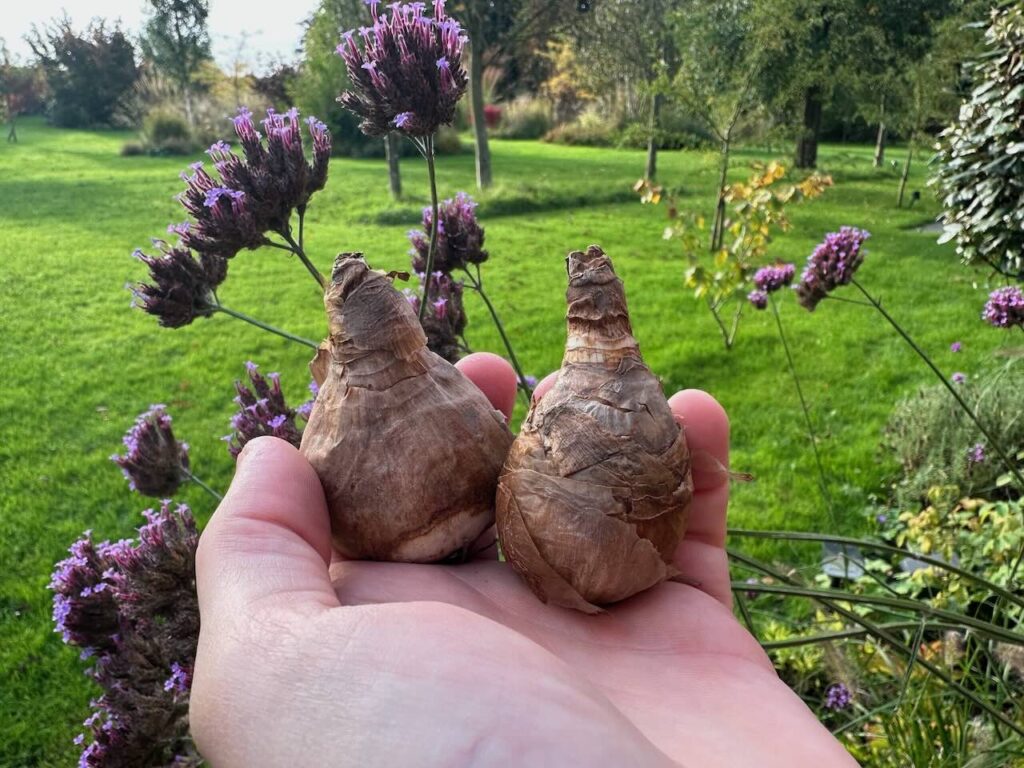
Before you get your trowel out, spend a minute checking your bulbs are worth planting. Firm bulbs are good bulbs. Give each one a gentle squeeze. It should feel solid and heavy for its size, a bit like a good onion.
Soft, squishy bulbs have rotted inside and should go straight in the compost bin. The same goes for bulbs with wet, slimy patches, a strong smell or green powdery mould, which is usually botrytis. A bit of papery skin flaking off is completely normal.
Sprouting isn’t the end of the world either. Bulbs with shoots of 2 to 3cm can still be planted, as long as you handle them carefully. Long, pale shoots mean the bulb has used up a lot of its energy, so it may flower poorly in the first year, but it’s still worth planting.
Buy from a reputable bulb specialist rather than bargain bags where you can. A larger, heavier bulb has more stored energy and nearly always gives a better display in its first spring. If you’re choosing varieties by colour, my guide to spring bulbs by colour groups sixty of them by hue.
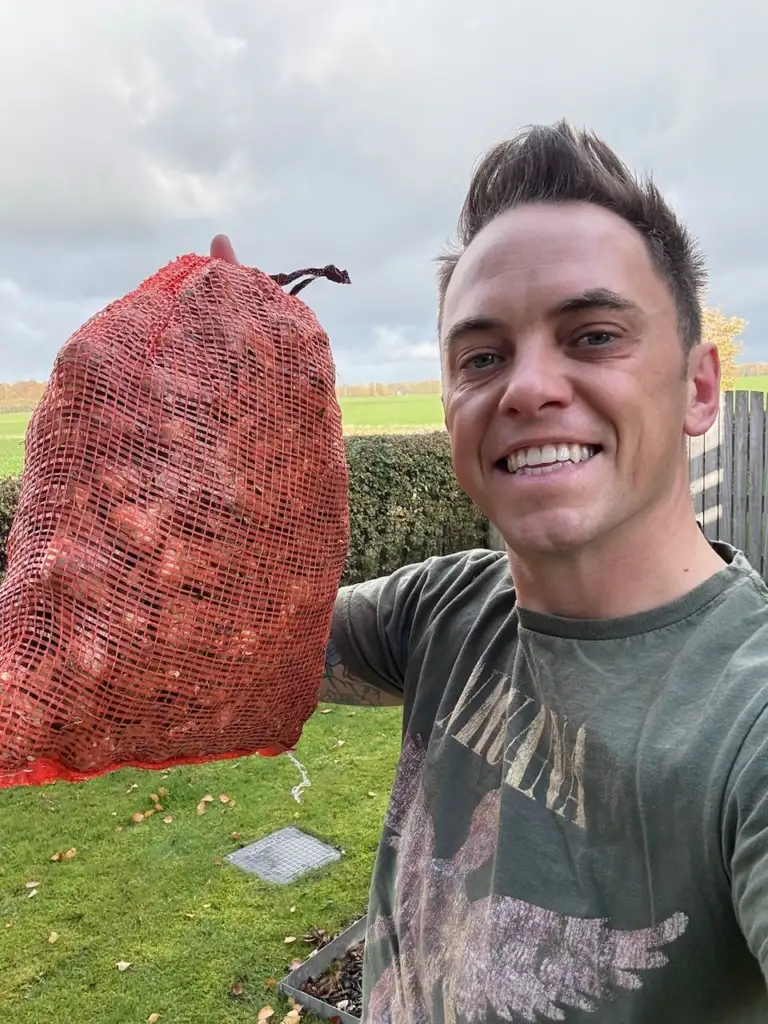
Most spring bulbs want well-drained soil and at least six hours of sun a day while they’re in leaf and flower. They don’t need sun all year round, which is why they do so well under deciduous trees.
Bulbs under trees flower and complete most of their growth before the tree canopy fills in and casts shade. It’s one of my favourite ways to bring early colour to a spot where little else will grow.
Drainage matters more than anything else. Bulbs sitting in cold, wet soil all winter will rot. If your soil is heavy clay, dig in grit and organic matter, plant into raised beds, or grow your bulbs in pots where you control the compost. Most bulbs are happy in a pH of 6 to 7, but they aren’t fussy.
The method is the same for almost every bulb. Here’s how I plant them in borders and lawns.
1. Prepare the soil. Remove weeds and loosen the soil. If it’s in good condition you don’t need to add anything, since the bulb already holds all the food it needs for its first flowering.
2. Dig the hole. Make it three times the height of the bulb. For a natural look, dig a wider hole and plant a group of five to ten bulbs together, rather than lining them up like soldiers.
3. Place the bulb pointed end up. The flat base with the old roots goes down. If you really can’t tell which way up it goes, plant it on its side and the shoot will find its own way to the surface.
4. Backfill and firm. Cover the bulbs with soil and firm gently with your hands or heel to remove air pockets.
5. Water in. This is the step most people miss. Water newly planted bulbs thoroughly, even if it’s been raining, to settle the soil and get the roots moving.
6. Mulch. A layer of leaf mould or peat-free compost conserves moisture, keeps weeds down and gives a little winter protection.
More than you think. In a border, plant in groups of at least seven to ten bulbs of one variety, repeated along the bed, rather than dotting single bulbs about. Odd numbers look more natural than even ones.
For naturalising in grass, drifts of fifty or more bulbs start to look like they’ve been there for years. That’s where buying in bulk sacks makes sense, since the cost per bulb drops right down.
If you can’t plant straight away, keep bulbs somewhere cool, dry and dark with some air movement, like an unheated garage or shed. Store them in paper bags, mesh bags or open trays, never sealed plastic, which traps moisture and causes rot.
Check them every week or so and throw out any that turn soft or mouldy. Storage should be a matter of weeks, not months. The longer bulbs sit out of the ground, the more energy they lose.
Bulbs are brilliant in pots, and containers give you colour exactly where you want it, by the front door or next to the patio. They follow the same planting calendar as bulbs in the ground, although October is my favourite month for potting them up. My bulb lasagne guide explains why I rarely layer them.
The two things that make the biggest difference are a pot with good drainage holes and a peat-free compost mixed with grit. You can also pack bulbs much closer together in a pot than in a border.
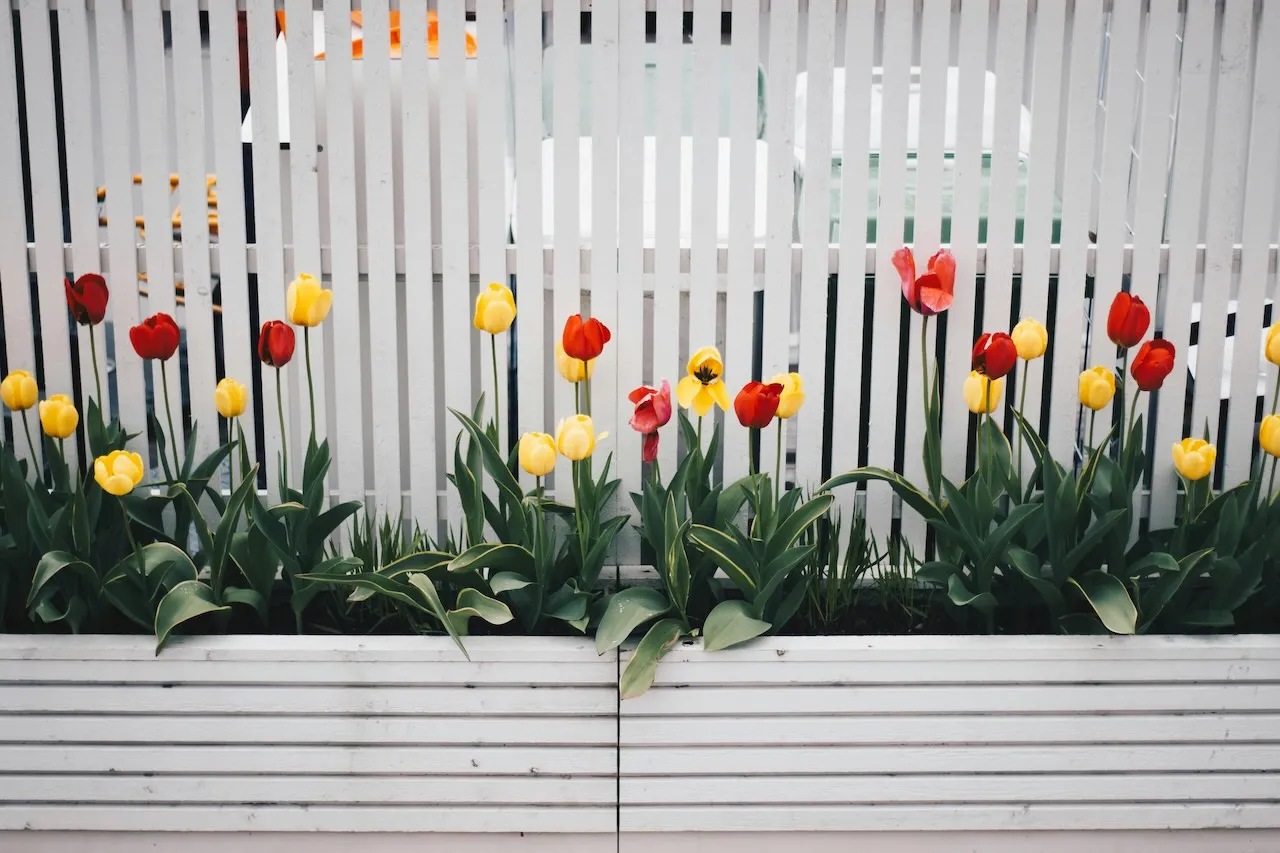
I’ve covered container bulbs properly in my guide on how to plant bulbs in pots, including the best compost, how deep to plant, winter care, and what to do with the bulbs once they’ve finished flowering.
Naturalising bulbs through a lawn or under trees is one of the most beautiful effects in gardening, and it’s simpler than most people think. Once established, the bulbs need almost no care and multiply every year.
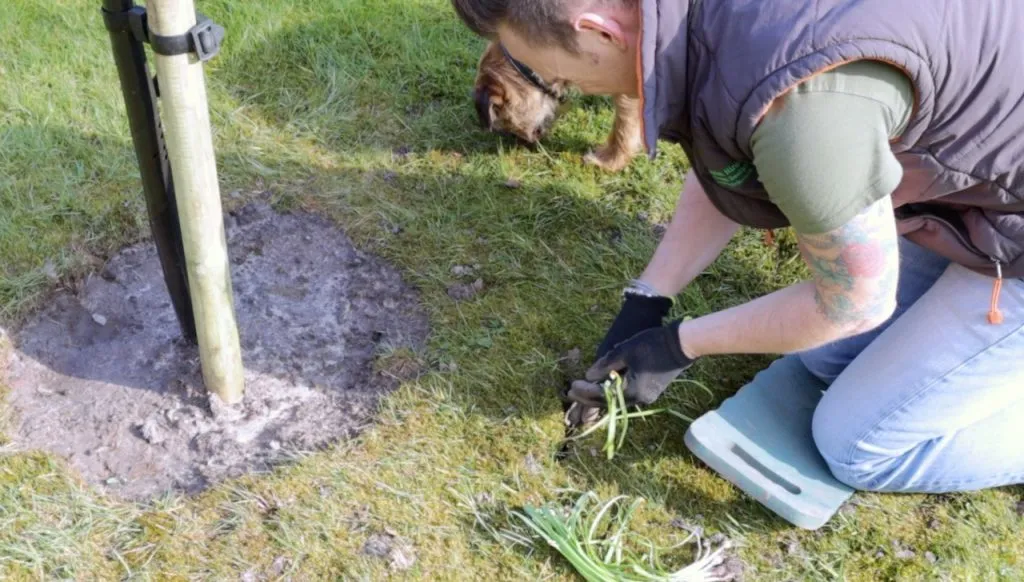
The key to a natural look is randomness. Take a handful of bulbs, scatter them across the grass and plant them roughly where they land. Crocus, Daffodils, Snowdrops and Scilla are all ideal. Tulips are less suited to lawns and tend to fade after a few years.
Leave the foliage to die back completely before you mow over it. The leaves are feeding the bulb for next year’s flowers. For Daffodils, that usually means waiting until June.
Crocus and Snowdrop leaves die back much faster, usually by April or early May. I mark naturalised areas with a small cane so nobody gets carried away with the mower.
You don’t need a shed full of kit. For lawns and large drifts, a long-handled bulb planter takes out a neat plug of soil with a push and a twist, and you can plant hundreds of bulbs without kneeling. I explain the technique in my guide on how to use a bulb planter.
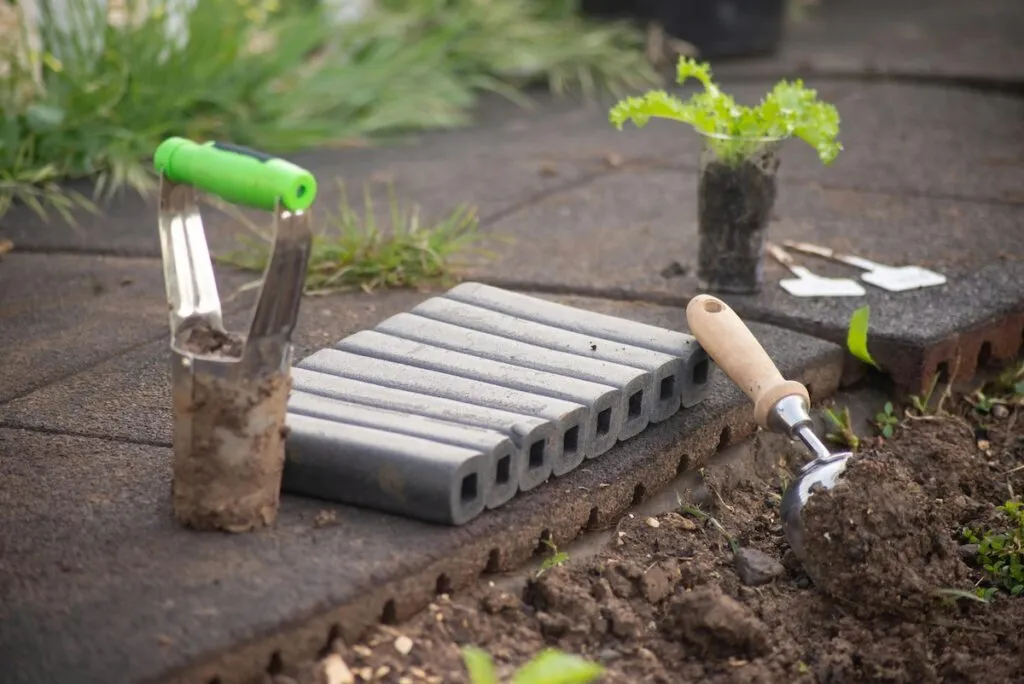
For borders, my go-to is a hori hori knife, a Japanese digging knife with depth markings on the blade. I use the Spear and Jackson hori hori, and there’s more on it in my hori hori guide.
A good trowel, a bucket to carry the bulbs and a garden kneeler cover everything else. Trust me, your knees will thank you the next morning.
🛒 Buy the Fiskars Long-Handled Bulb Planter on Amazon UK
Once they’re planted, bulbs in borders need very little from you. Water them in, keep an eye on them during a dry autumn, and let the winter rain do the rest.
Bulbs in borders aren’t heavy feeders. A yearly mulch of peat-free compost is enough for most of them. Bulbs in pots are different, because the compost runs out of nutrients.
For container bulbs, a high potash liquid feed, like tomato feed, straight after flowering helps them build energy for the following year.
No, leave the leaves for at least six weeks after flowering. They’re photosynthesising and sending food back down into the bulb. Cut them off to tidy things up and you’ll often get leaves but no flowers the following spring.
Plant later perennials such as hardy Geraniums or Hostas around your bulbs, and their new growth will hide the fading foliage.
Most do. Daffodils, Alliums, Crocus, Snowdrops, Scilla and Muscari are perennial and will return and spread for years if their foliage is left to die back naturally.
The main exception is Tulips, particularly the highly bred hybrids with frilly or unusual markings, which fade after a year or two. I prefer to plant the simpler varieties that come back, rather than treating bulbs as throwaway annuals.
Clumps that have become congested and stopped flowering can be lifted and split once the foliage has died down. My guide on when to lift and divide spring bulbs walks you through it.
Squirrels are the most common culprit, and they’re particularly fond of Tulips and Crocus. Lay chicken wire just below the soil surface over newly planted areas, or scatter thorny rose prunings over the top.
Daffodils and Alliums are mildly toxic, so squirrels, rabbits and deer tend to leave them alone. That makes them a good choice for rural gardens.
If you’ve had Tulip fire before, avoid replanting Tulips in the same bed for two to three years, and destroy any affected foliage rather than composting it. Buying healthy bulbs from a reputable supplier is the best long-term protection.
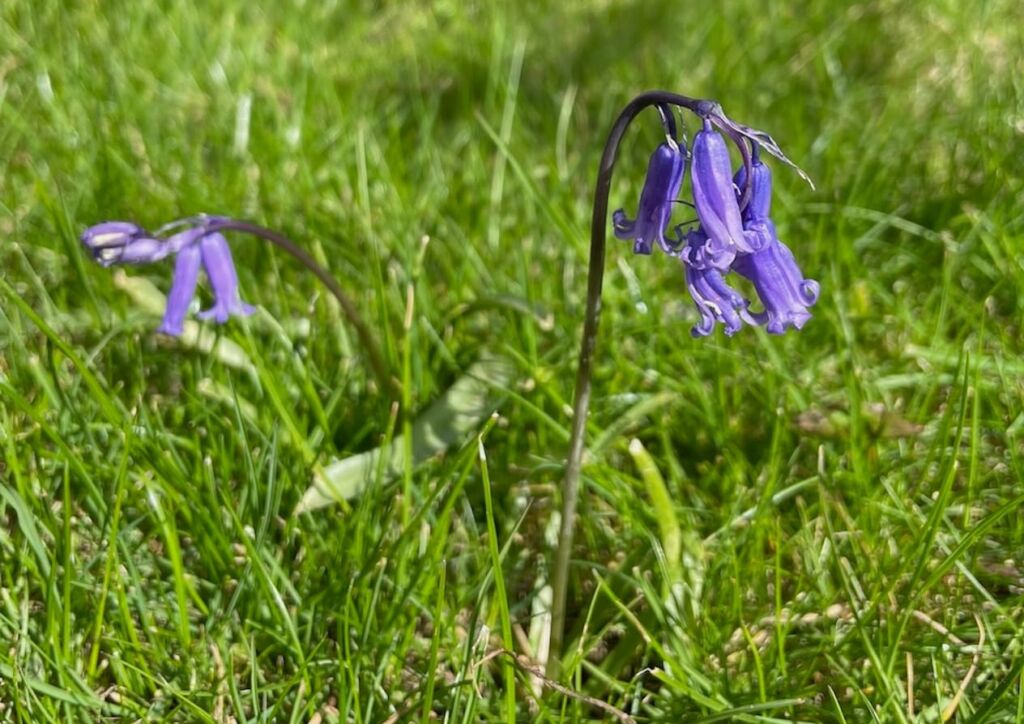
English Bluebells and Snowdrops often take a year or two to settle in before they flower. It isn’t a sign you’ve done anything wrong. If you’re not sure which bluebell you planted, my guide to English vs Spanish bluebells explains how to tell them apart. They’re putting their energy into roots first, especially when planted as dry bulbs in autumn.
Snowdrops establish much faster when planted in the green, just after flowering in late winter. I explain why in my guide to planting bulbs in the green.
Here are the ten spring bulbs I use most in garden designs, in rough order of flowering. Where I’ve written a full guide, I’ve linked to it.
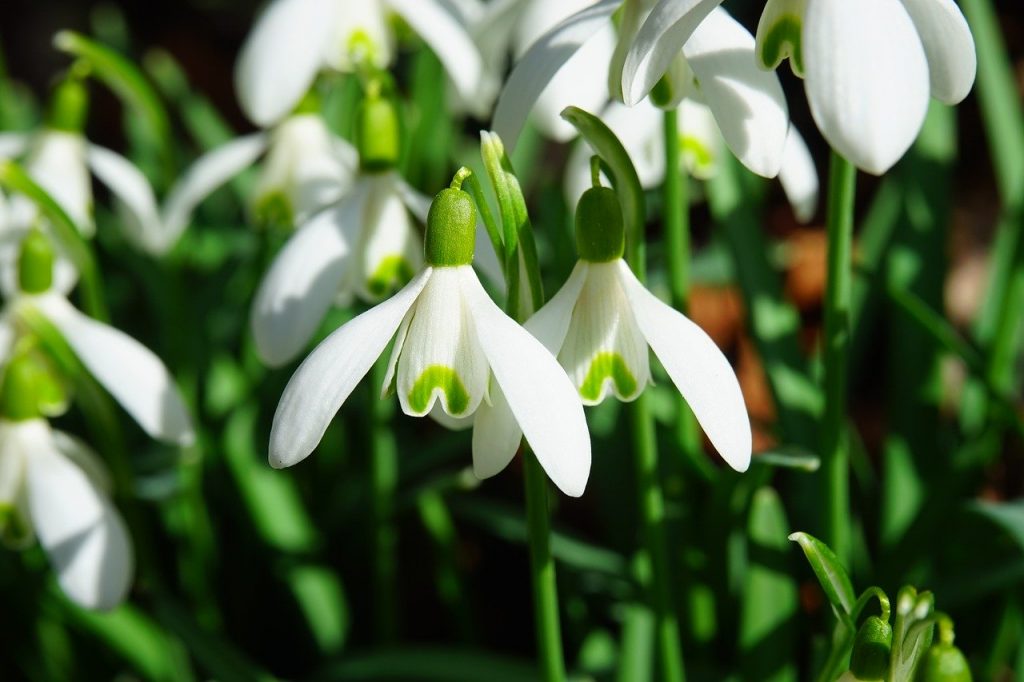
The first bulbs of the year, flowering from January through the last of the frost. Snowdrops are perfect under trees and hedges, and spread into thick clumps over time.
They establish best planted in the green in late winter, which I cover in my bulbs in the green guide. Dry bulbs are also available as Galanthus nivalis on Amazon UK.
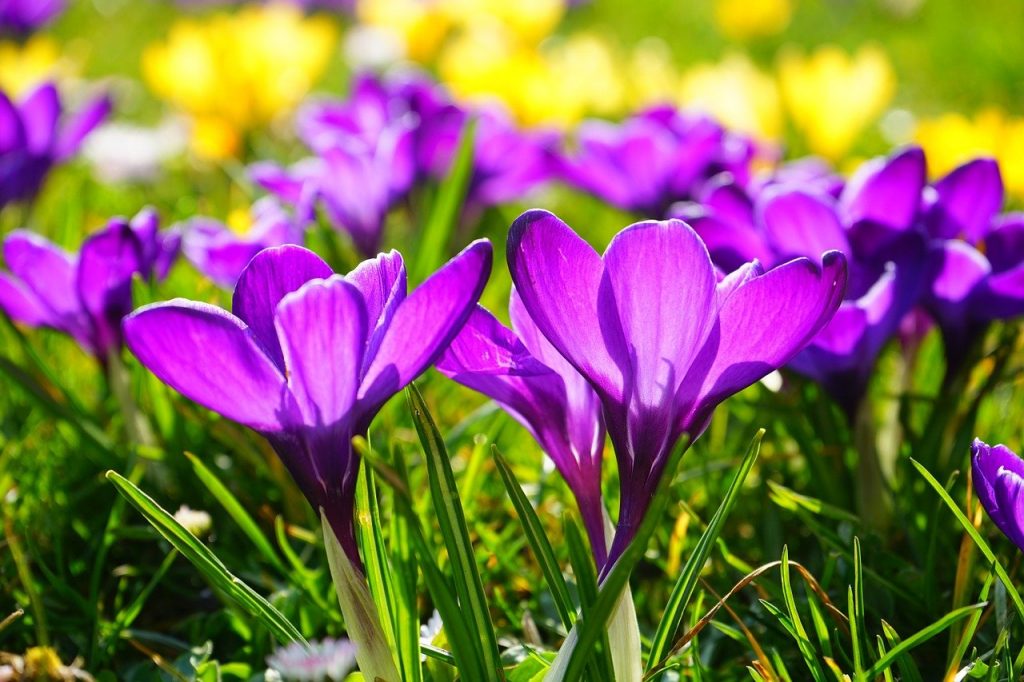
Crocus open from February and are one of the first sources of pollen for bees. They naturalise readily in lawns and form carpets of purple, white and yellow.
Plant them 8 to 10cm deep in September or October. I like Crocus ‘Cream Beauty’ for a softer colour.
The backbone of any spring garden. Daffodils are tough, perennial and ignored by squirrels, deer and rabbits, and they multiply into bigger clumps every year.
Plant them in September or October. My full guide on when to plant Daffodil bulbs covers timing, depth and the best varieties.
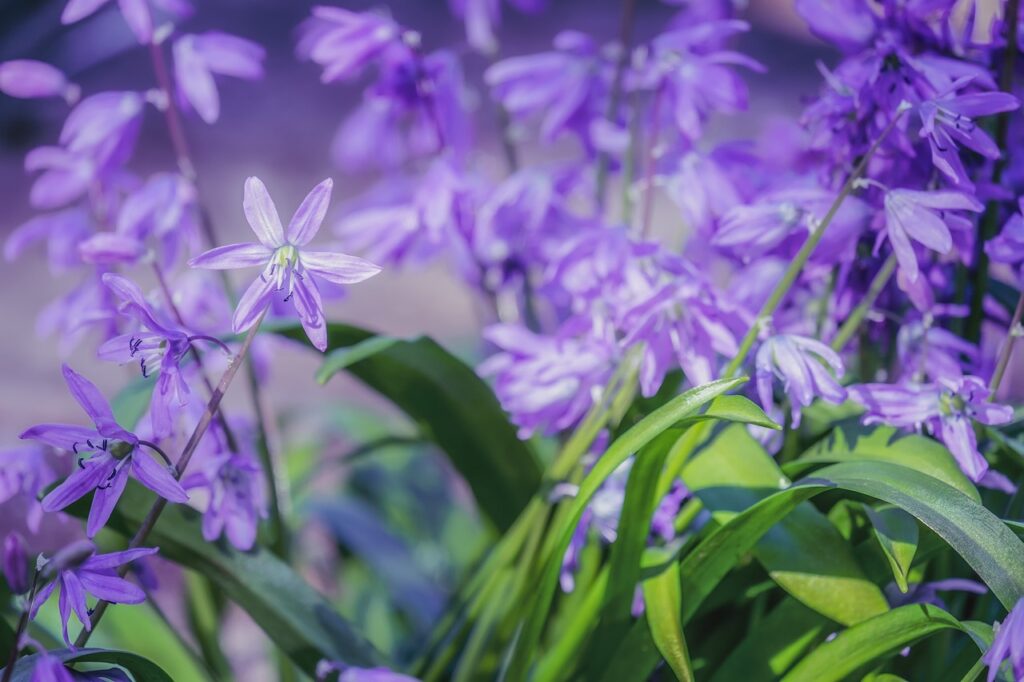
Small, star-shaped blue flowers that carpet the ground under trees in March. They’re easy, cheap and spread happily.
Plant 5 to 8cm deep in September. Scilla siberica has the most intense blue.
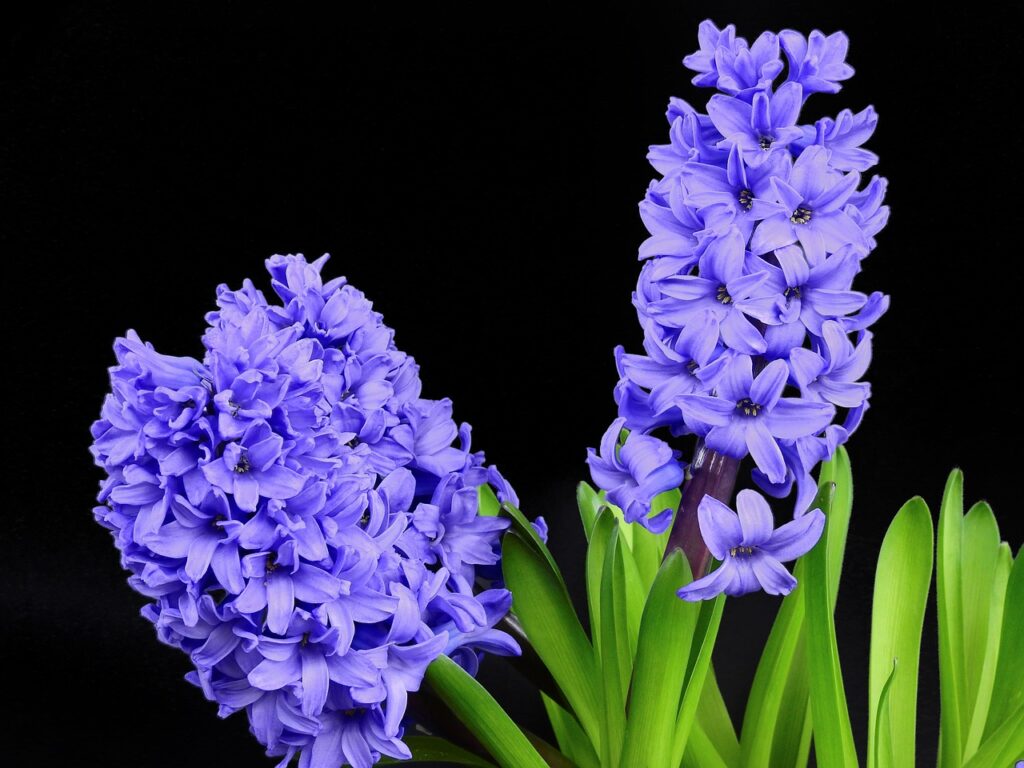
Dense spikes of flowers with a scent you’ll either love or hate. They’re ideal in pots near doors and seating, where you can enjoy the fragrance.
Plant 10 to 15cm deep from September to November. Hyacinth ‘Delft Blue’ is a reliable classic.
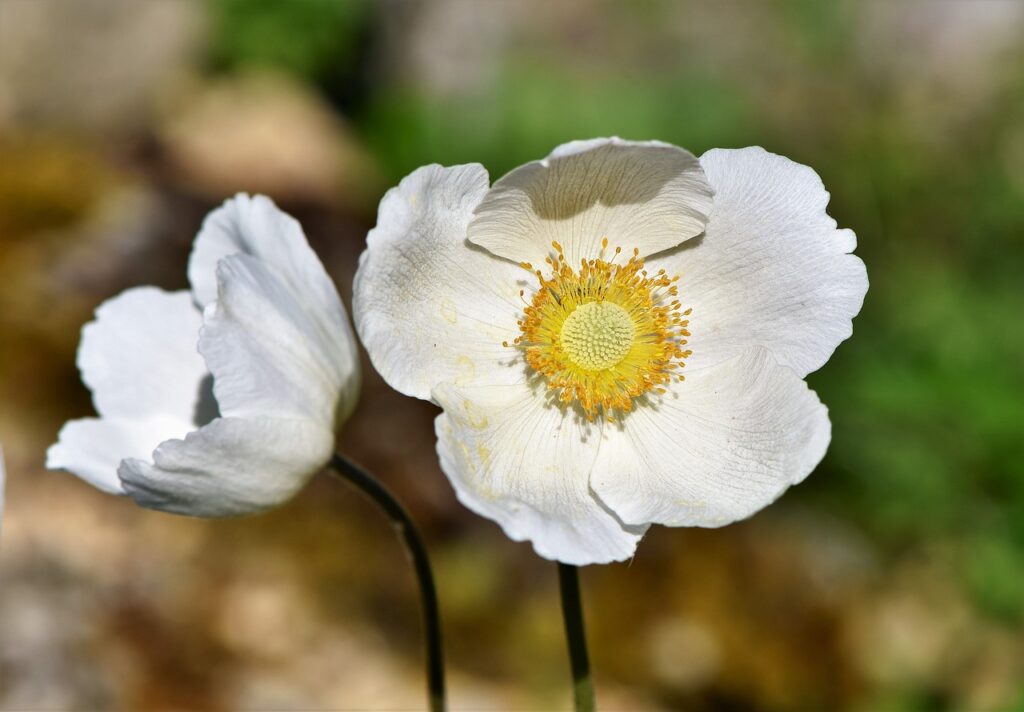
Daisy-like flowers in blue, pink and white that open in the spring sunshine. They’re lovely under shrubs and at the front of borders.
Soak the corms overnight before planting 5 to 8cm deep. Try Anemone blanda ‘Charmer’ for pink.
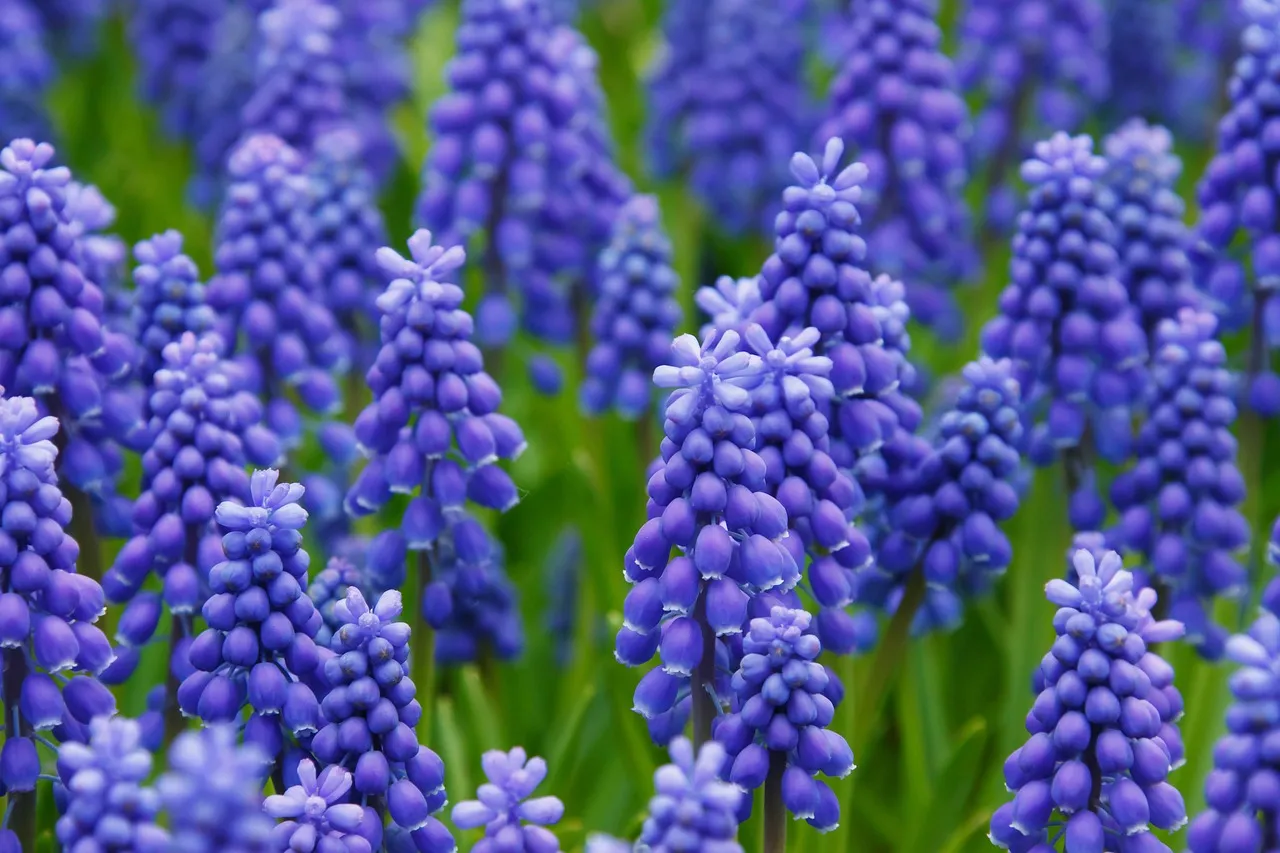
Clusters of blue flowers like tiny bunches of grapes, great for edging paths and borders. Be warned, once you have them you’ll never get rid of them, as they spread freely.
Plant 5 to 8cm deep. Muscari armeniacum is the classic blue.
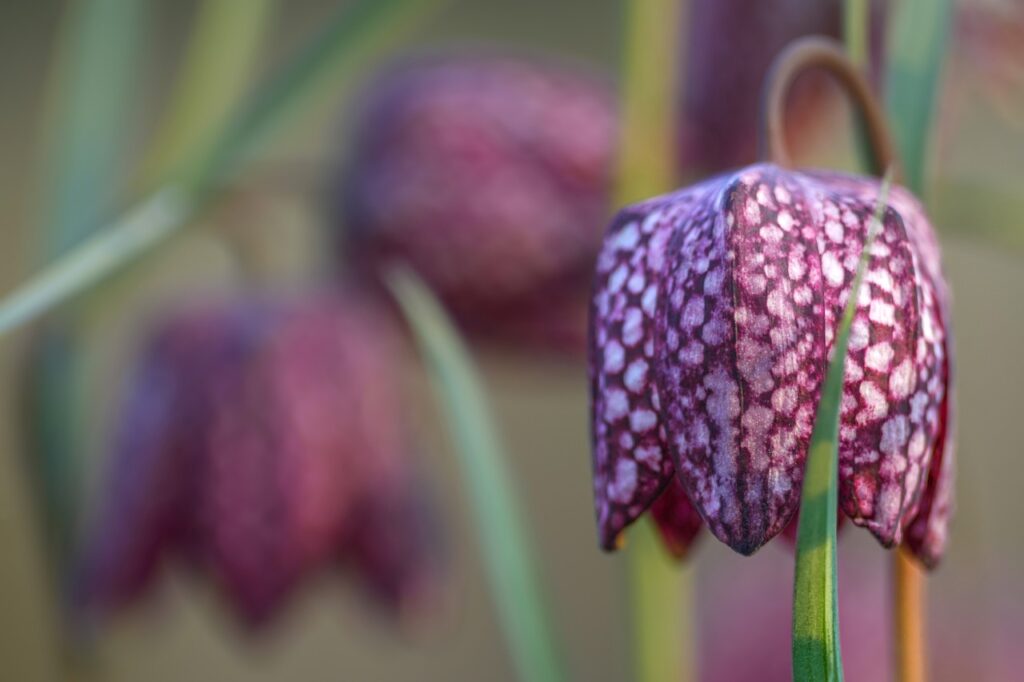
From the chequered Snake’s Head Fritillary, which loves damp grass, to the towering Crown Imperial, these bring a touch of drama in April.
Plant 15cm deep in September. Fritillaria meleagris is ideal for naturalising in grass.
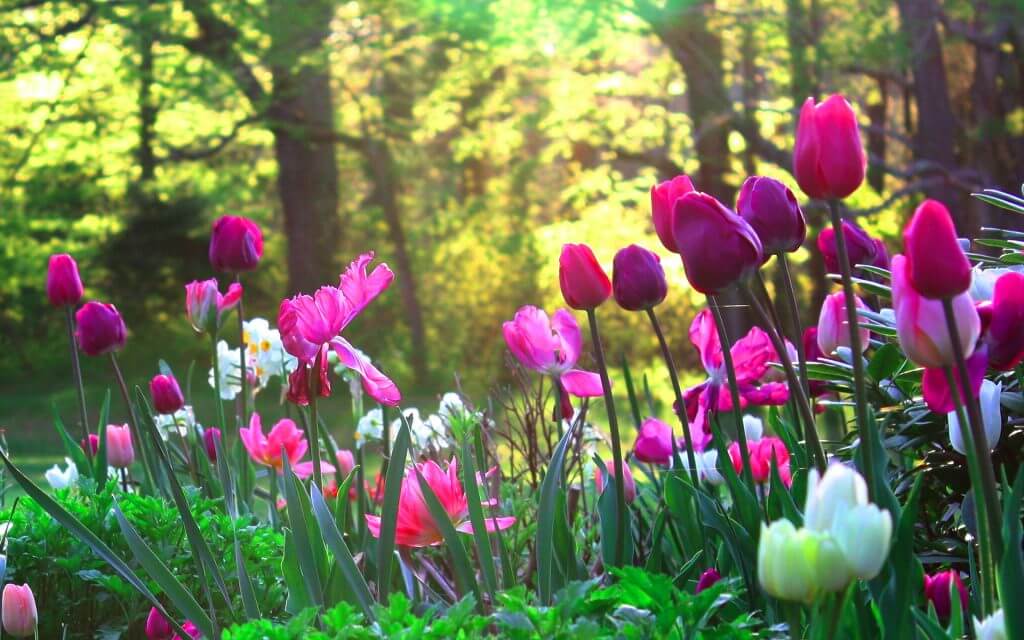
The most iconic spring bulb, with flowers in every colour you can think of, from April into May. Species Tulips and Darwin hybrids are the ones most likely to come back.
Plant them in November, 15 to 20cm deep. Everything you need is in my guide on when and how to plant Tulips.
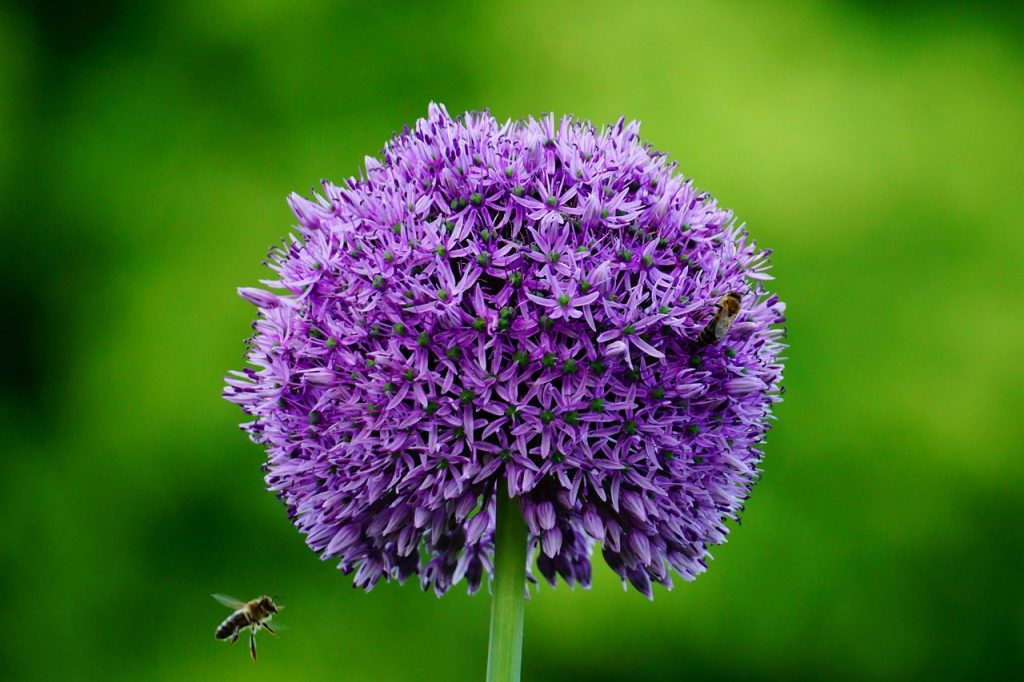
Architectural globes of purple, white and blue that bridge the gap between spring and summer. Bees love them, and the seed heads look good for weeks.
Plant them in September or October. My Allium growing guide covers varieties and the best companions.
Once you’ve got the spring bulbs in, don’t stop there. Summer and autumn bulbs carry the colour on through the year, and most of them are just as easy.
Scented, dramatic and brilliant in pots. Plant Lily bulbs 15 to 20cm deep from February to April, in a sunny spot with their roots in shade. Watch out for the bright red Lily beetle from spring onwards.
Tall spikes of colour for borders and cutting. Plant the corms 10 to 15cm deep from late March to May, a fortnight apart, for a longer display. In colder gardens, lift and store them over winter.
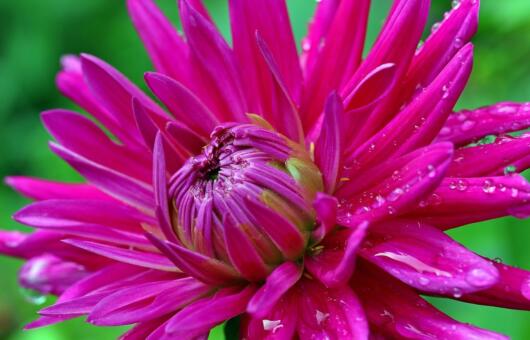
The stars of the late summer border. Start the tubers in pots under cover in March or April and plant out after the last frost, usually late May. In most gardens, lift them once frost blackens the foliage.
Arching sprays of orange and red flowers in late summer, loved by bees. Plant the corms 8 to 10cm deep in spring. They’re hardy and spread into large clumps.
Plant these in July and August for flowers in early autumn. Colchicums flower before their leaves appear, and Cyclamen hederifolium will carpet the dry shade under trees over time.
Life happens. Perhaps those bulbs have been sitting in the garage since September, or you’ve just found a bag at the back of the shed. Don’t bin them, and don’t store them until next autumn. Unplanted bulbs only last six to nine months out of the ground.
As long as the ground isn’t frozen solid, you can still plant spring bulbs. I’ve planted Tulips in December and Daffodils in January during a mild spell, and they still flowered, just a little later and a little shorter than usual.
Add a layer of mulch after planting late, to insulate the bulbs and stop them being lifted by frost. If the ground is frozen, plant them into pots of compost instead and move them into the border later.
If you’re finding bulbs in March or April, plant them the moment the soil is workable. They may not flower that first year, but they’ll build up their reserves for the following spring.
Late-planted bulbs haven’t had time to grow roots, so water them every two weeks until their leaves start to yellow. Essentially, you’re writing off this year’s flowers and setting them up for next spring.
If you want flowers indoors, Hyacinths and Paperwhite Narcissus can be forced in pots for winter colour. I cover this in my guide on planting bulbs in pots.
Plant spring bulbs such as Daffodils, Crocus, Hyacinths and Alliums from September to the end of October, and Tulips in November. Summer bulbs such as Lilies, Gladioli and Dahlias go in from March to May. Autumn-flowering bulbs such as Colchicums go in during July and August.
In September and October, plant Daffodils, Crocus, Alliums, Hyacinths, Muscari, Scilla and Fritillaria. In November and December, plant Tulips and any remaining spring bulbs. From March to May, plant summer bulbs such as Lilies, Gladioli and Dahlias.
Plant bulbs at three times their own height, pointed end up, and about two to three times their own width apart. A 5cm Tulip bulb goes in 15cm deep. Plant spring bulbs in autumn and summer bulbs in spring, in well-drained soil.
Most bulbs only last six to nine months out of the ground before they dry out and die. Store them somewhere cool, dry and dark in paper or mesh bags, and plant them as soon as you can. Never keep spring bulbs until the following autumn.
Yes, as long as the ground isn’t frozen. Spring bulbs planted in January will usually still flower, a little later and smaller than autumn-planted bulbs. Plant them at the normal depth and add a layer of mulch.
The pointed end goes up and the flat base, where the roots grow, goes down. If you can’t tell, plant the bulb on its side and the shoot will find its own way to the surface.
Yes. Water newly planted bulbs thoroughly, even if it’s been raining, to settle the soil and start root growth. After that, bulbs in borders rarely need watering over winter, but bulbs in pots should be checked during dry spells.
Yes, with some help. Add horticultural grit and organic matter to improve drainage, put a handful of grit in the base of each hole, and plant at the shallower end of the recommended depth. Alternatively, grow bulbs in raised beds or pots.
Lay chicken wire just below the soil surface over newly planted bulbs, or scatter thorny rose prunings over the top. Squirrels prefer Tulips and Crocus, while Daffodils and Alliums are mildly toxic and usually left alone.

Join over 100,000 gardeners on YouTube
Free gardening videos from the Garden Ninja, with 8 million views and counting.
Subscribe on YouTube, it’s freeBulbs are only one layer of a well-planned garden. If you’d like to plan the borders, structure and year-round planting that your bulbs sit within, my online courses teach the same design process I use for client gardens.
Courses start from £29, and you can work through them at your own pace.
For the garden you’ve already got, not the one you’re starting from scratch. Seven checklists and video lessons from BBC Garden Rescue’s Lee Burkhill, built to help you work out what’s worth keeping before you spend a penny.
Garden Design Examples for Small Gardens: 30 Design Templates & Planting Plans: In this online gardening course, I’ll walk you through 30 fantastic garden designs, explaining the logic behind the layout, the plant choices, and take-home tips for applying them in your own garden.
Learn how to transform and design your own garden with Lee Burkhills crash course in garden design. Over 5 hours Lee will teach you how to design your own dream garden. Featuring practical design examples, planting ideas and video guides. Learn how to design your garden in one weekend!
Garden Design for Beginners Online Course: If you want to make the career jump to becoming a garden designer or to learn how to design your own garden, this is the beginner course for you. Join me, Lee Burkhill, an award-winning garden designer, as I train you in the art of beautiful garden design.
The key points to remember are simple. Plant spring bulbs from September to October and Tulips in November, go three times the bulb’s height deep, water them in, and leave the leaves alone after flowering.
A small investment of time in autumn pays you back with colour, scent and food for pollinators from January right through to June. So grab a bag of bulbs, get planting, and enjoy the show next spring.
Happy Gardening!


Lee Burkhill, known as the Garden Ninja, is an award-winning garden designer and horticulturist with over 30 years of gardening experience and 15 years as a professional garden designer. A qualified RHS (Royal Horticultural Society) professional, Lee specialises in sustainable garden design and practical horticultural advice. He designs and presents on BBC1’s Garden Rescue and in leading gardening publications. Lee combines three decades of hands-on gardening knowledge with professional design qualifications to help gardeners create beautiful, functional outdoor spaces.
View all posts by Lee Burkhill






JOIN THE NINJAS
Be the first in line for new Guides, Discount codes and Offers