For the garden you’ve already got, not the one you’re starting from scratch. Seven checklists and video lessons from BBC Garden Rescue’s Lee Burkhill, built to help you work out what’s worth keeping before you spend a penny.
69


It can be highly frustrating when trying to create a garden where the plants you choose struggle, look limp or fail to live up to your expectations. We have all been there trying to grow plants that, no matter how much love we give them, they struggle for a while and then end up dying. This is where plants you can’t kill come in!
Whilst all plants need water, food and the right conditions, some plants are far hardier than others. Once established (the process of watering them until they send out further roots and are self-sufficient) these indestructible plants will flower, provide interest and allow you to focus your time on other parts of gardening. Perhaps learning how to grow fruit, or picking up some pruning and topiary skills instead!
Buying and growing plants can be an expensive hobby, and the more we fail to grow, the more disappointed and disenfranchised we can become with our gardens. Having designed hundreds of gardens over my career, I have seen firsthand how the wrong plant choices can derail even the most enthusiastic new gardener. This guide will help you grow a set of near-indestructible garden plants you can’t kill, to boost your confidence and allow you to truly excel as a gardener.
This page contains affiliate links for products I use and love. If you take action (i.e. subscribe, make a purchase) after clicking a link, I may earn some gardening commission which helps me keep the Garden Ninja Blog free for all.
The ultimate no-fuss herbaceous perennial is Alchemilla mollis. This wonder plant has limey-green leaves that bead water after it rains, a sight that never gets old, no matter how many times you see it. They produce acid-yellow flowers in summer and, if left to their own devices, will self-seed freely. Great for poor soil, rockeries or unloved shady spots. Slug-proof too, which makes it an absolute winner in my book.
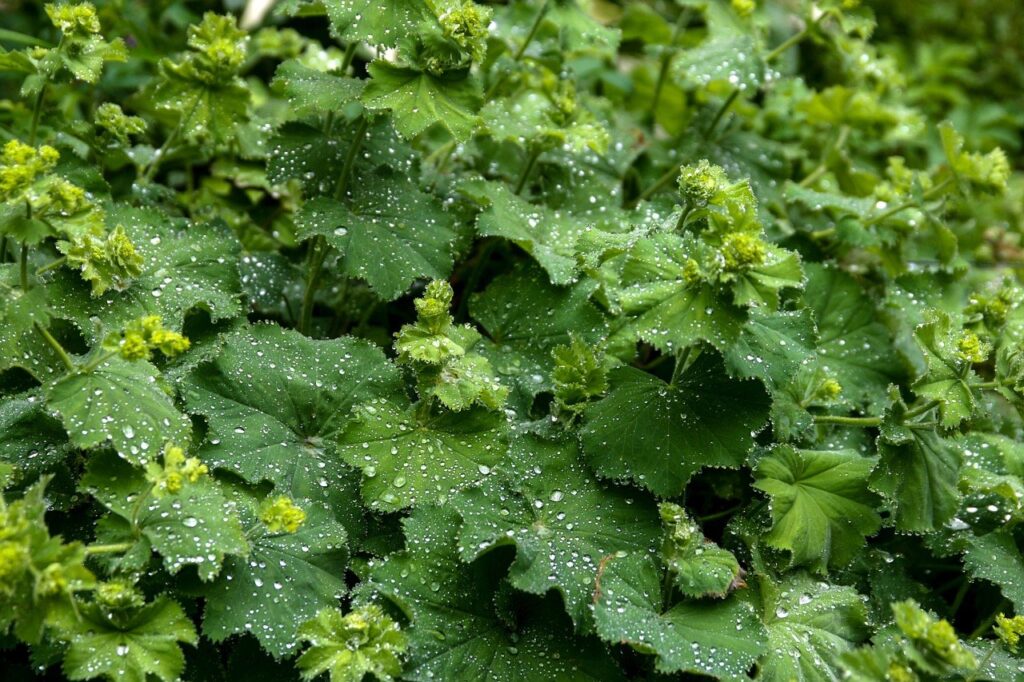
In over twenty years of garden design, I have yet to see anyone kill an established Alchemilla. Even when clients have neglected borders entirely, this plant has been there quietly thriving, still looking gorgeous come June. Cut it back hard after flowering if you want to avoid it spreading too aggressively, and you will be rewarded with a fresh flush of that beautiful lime green foliage almost immediately.
| 🌿 Alchemilla mollis At A Glance | |
|---|---|
| Plant Type | Hardy herbaceous perennial |
| UK Hardiness | Fully hardy (H7) down to -20°C |
| Height & Spread | 30cm x 60cm |
| Flowering Period | June to August |
| Best Growing Conditions | Sun or shade, most soil types including poor soil |
If you are looking for a shrub that can cope with severe neglect, exposure to high winds and something that doubles up as a security hedge, look no further than Berberis. Thorny, with bright red or orange fruits in Autumn, this no-nonsense shrub, once established, will sit quietly and get on with the job beautifully. It is not fussy about soil type and can cope with shade too, which is rare for a fruiting shrub.
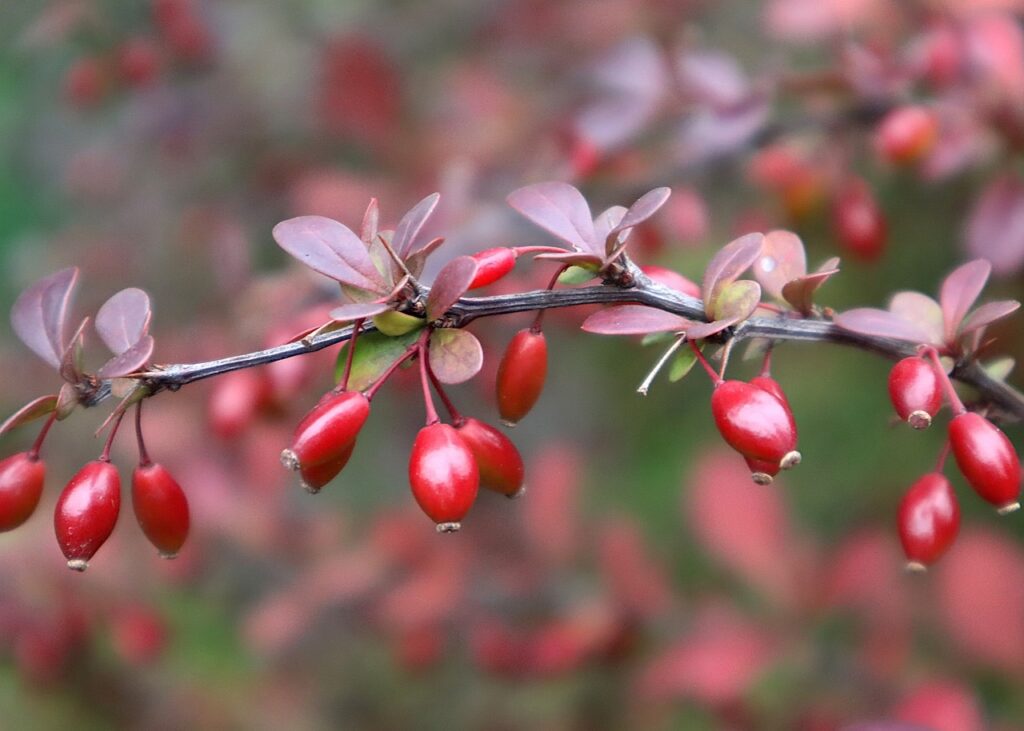
It will need occasional pruning whilst wearing very thick gloves such as Gold Leaf gauntlets, but that is a small price to pay for such a reliable garden performer. Wonderful as a boundary hedge to deter unwanted visitors, the dense thorny growth is simply impenetrable once mature. I use this regularly in my garden designs where clients need a security boundary that also looks brilliant in Autumn.
| 🌿 Berberis At A Glance | |
|---|---|
| Plant Type | Hardy deciduous or evergreen shrub |
| UK Hardiness | Fully hardy (H7) down to -20°C |
| Height & Spread | Up to 2.5m x 2.5m depending on variety |
| Flowering Period | April to May; berries in autumn |
| Best Growing Conditions | Sun or shade, most soil types, very exposure-tolerant |
Hardy Geraniums, such as Cranesbill, Pratense, or the magnificent Rozanne, are absolute troopers in the ground cover world, requiring pretty much no maintenance once established. In fact, they will soon bulk up and spill out, flowering for seemingly months at a time. Geranium Rozanne, in particular, is legendary amongst garden designers for its violet-blue flowers that just keep going from June all the way to November with virtually no effort on your part. Meaning you can then split them in years to come and propagate more of them for free via divisions!
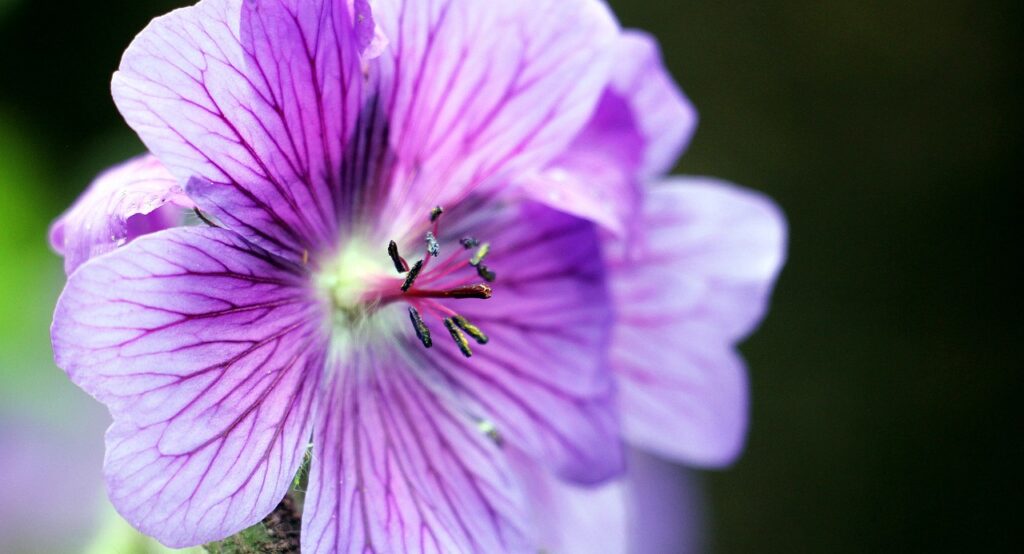
A great tip is to buy them as plug plants cheaply and then let them bulk up after two or three years. Plug plants require less initial watering and maintenance, so it is very much win-win in terms of cost and effort. After the first flush of flowers, simply cut them right back to the ground, and they will reward you with a fresh second flush within weeks. No deadheading needed, just one good cut-back per year, and they are off again.
| 🌿 Hardy Geranium At A Glance | |
|---|---|
| Plant Type | Hardy herbaceous perennial |
| UK Hardiness | Fully hardy (H7) down to -20°C |
| Height & Spread | 30–60cm x 30–60cm depending on variety |
| Flowering Period | May to November (variety dependent) |
| Best Growing Conditions | Sun or partial shade, most well-drained soils |
Did you know that you can take my course and learn how to become a Garden Ninja yourself? Click here for details
This grass-like plant is one of the least demanding foliage plants you will ever come across. Nearly all Carex are evergreen, and once planted, they sit there quite patiently, taking up their space without taking over or causing any drama. A great front or edge-of-the-border plant, the leaves offer beautiful texture, and even in the winter months, they provide genuine interest when most other perennials have retreated underground.
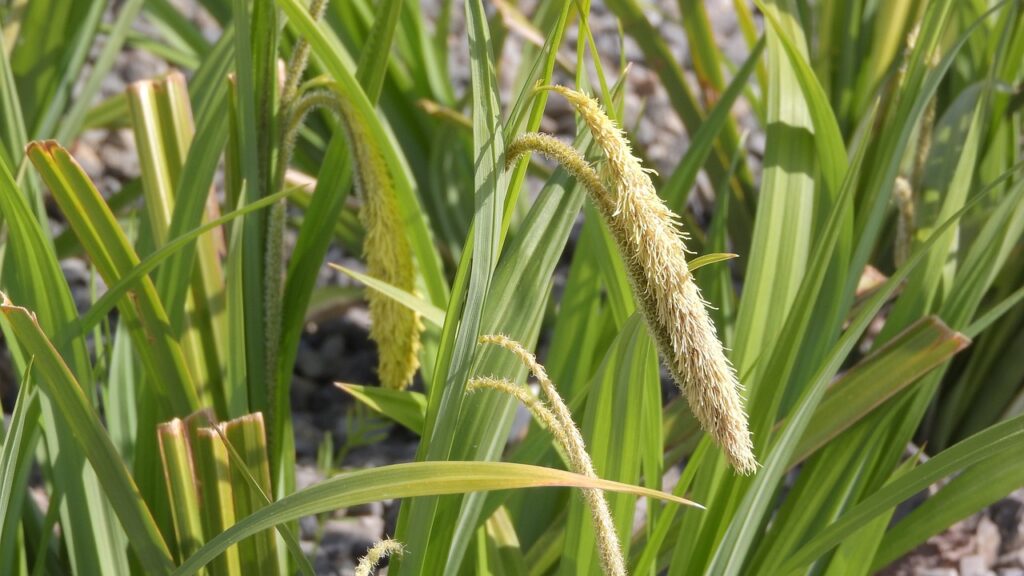
Carex ‘Everest’ offers green and white variegation, which works brilliantly to brighten shady spots or bring contrast to containers, pots or hanging baskets. Carex pendula is magnificent for damp or boggy soil and can happily bulk up a space that other plants simply won’t grow in. If you have a damp corner that defeats everything else you plant, Carex pendula is your answer.
| 🌿 Carex At A Glance | |
|---|---|
| Plant Type | Evergreen perennial sedge |
| UK Hardiness | Fully hardy (H6–H7) depending on variety |
| Height & Spread | 30–90cm x 30–60cm depending on variety |
| Interest | Year-round foliage interest |
| Best Growing Conditions | Shade or partial shade, moist to boggy soil |
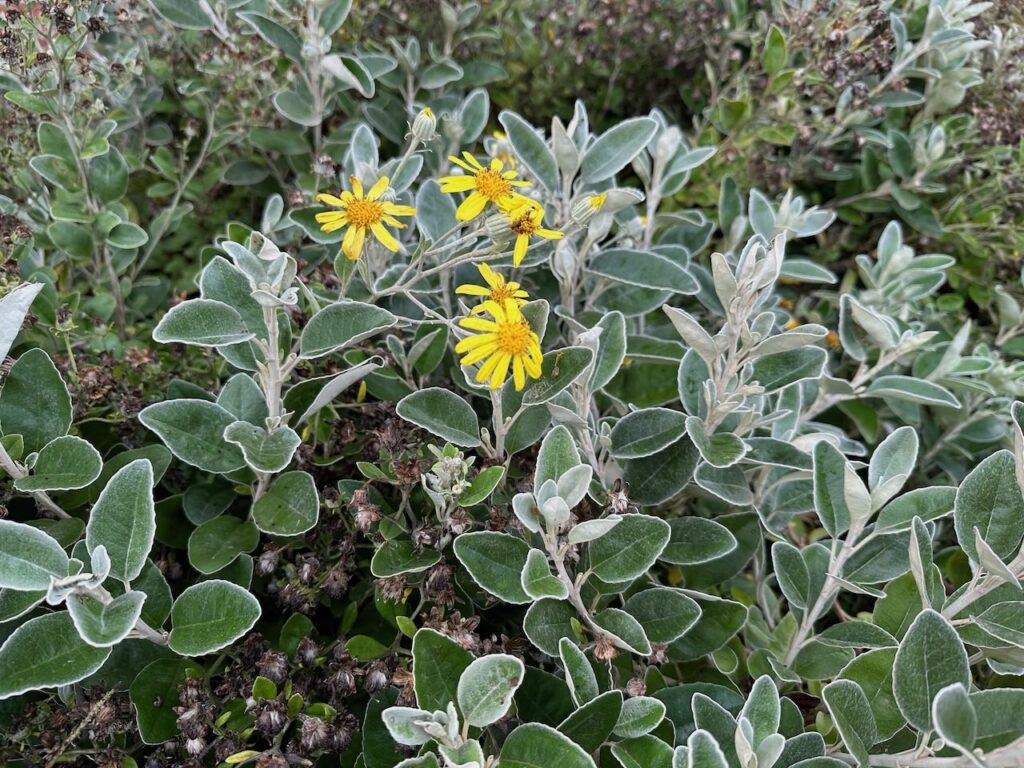
Dubbed the car park shrub, Brachyglottis has a slightly undeserved bad reputation. It has been a victim of its own success. It will survive pretty much anywhere with zero attention, hence the car park shrub moniker, but that resilience is actually one of the most useful qualities a garden plant can have! This silver-leaved shrub produces electric-yellow flowers and is a great filler plant for any garden, working particularly well in coastal or exposed sites where most other shrubs simply refuse to cooperate.
| 🌿 Bracchyglottis At A Glance | |
|---|---|
| Plant Type | Evergreen shrub |
| UK Hardiness | Hardy (H4) down to -10°C |
| Height & Spread | Up to 1.5m x 2m |
| Flowering Period | June to July |
| Best Growing Conditions | Full sun, well-drained soil, excellent in coastal gardens |
What if I told you there is a plant that will thrive in dry shade and literally requires zero maintenance? Well, it is Galium odoratum, or Sweet Woodruff. It will creep and cover large areas once established, rewarding you with dainty white flowers from May to June. This is a plant I specifically reach for when designing gardens with those awkward, deep-shade spots beneath mature trees where little else wants to grow.
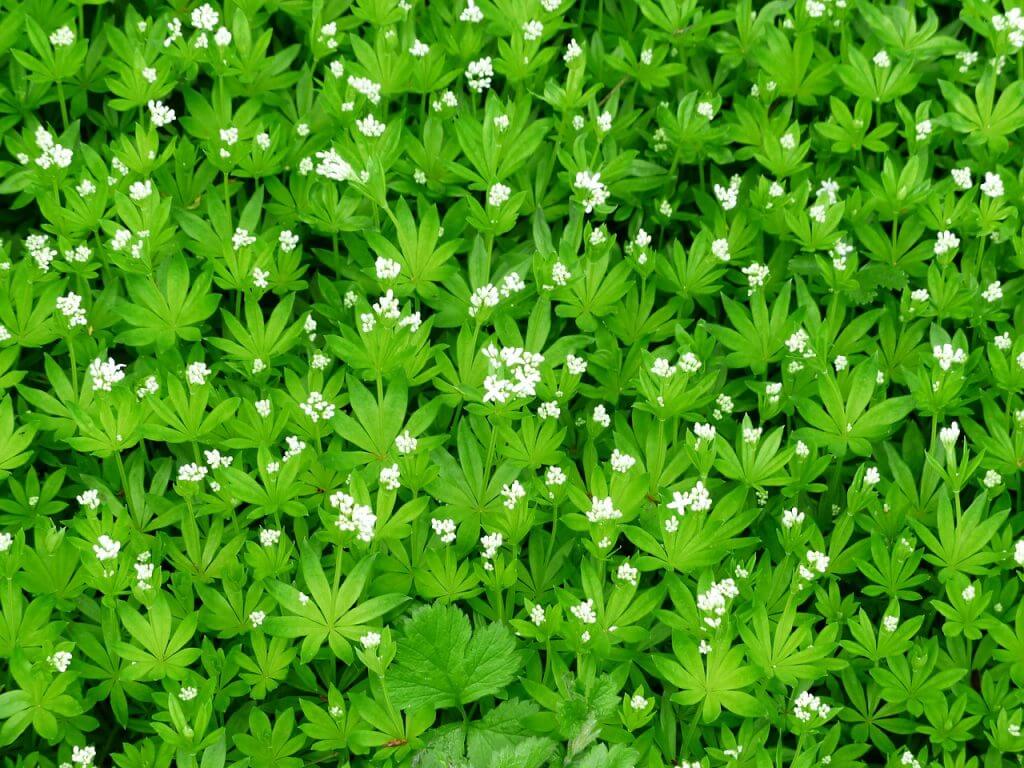
Highly scented and often used in herbal infusions, this perennial herb is a wonder plant for the most difficult of spots. It does spread rapidly, but that is simply part of its charm for a relaxed and time-poor gardener! The whorled leaves are attractive even when not in flower, and the creeping habit means it acts as a living mulch, suppressing weeds without any input from you whatsoever.
| 🌿 Galium odoratum At A Glance | |
|---|---|
| Plant Type | Hardy herbaceous perennial |
| UK Hardiness | Fully hardy (H7) down to -20°C |
| Height & Spread | 30cm x spreading ground cover |
| Flowering Period | May to June |
| Best Growing Conditions | Shade to deep shade, moist or dry soil, under trees |
Ophiopogon (quite the tongue twister, I know) is another drama-free plant that earns its place on every designer’s shortlist. This black, grass-looking specimen is not actually a grass at all. It was originally part of the Lily family and, more recently, reclassified into the Asparagus family as DNA analysis gives us a clearer picture of plants’ true lineage. Related to day lilies and the Fritillary, it is a plant with a fascinating botanical story as well as tremendous garden credentials.

Ophiopogon is a brilliant, slow-growing plant for texture and to add genuine drama to the garden, with its inky, almost black leaves. When established, it produces small lilac flowers followed by dark black berries, making it a year-round plant of great distinction. Super easy to propagate via splitting, this dark beauty works especially well in contemporary garden designs or to create contrast against pale stone or silver-leaved plants. Great for free-draining soil or containers. Slug-proof too!
| 🌿 Ophiopogon At A Glance | |
|---|---|
| Plant Type | Evergreen perennial |
| UK Hardiness | Hardy (H5) down to -15°C |
| Height & Spread | 20–30cm x 30cm |
| Flowering Period | July to August; berries autumn to winter |
| Best Growing Conditions | Partial shade, moist well-drained soil or containers |
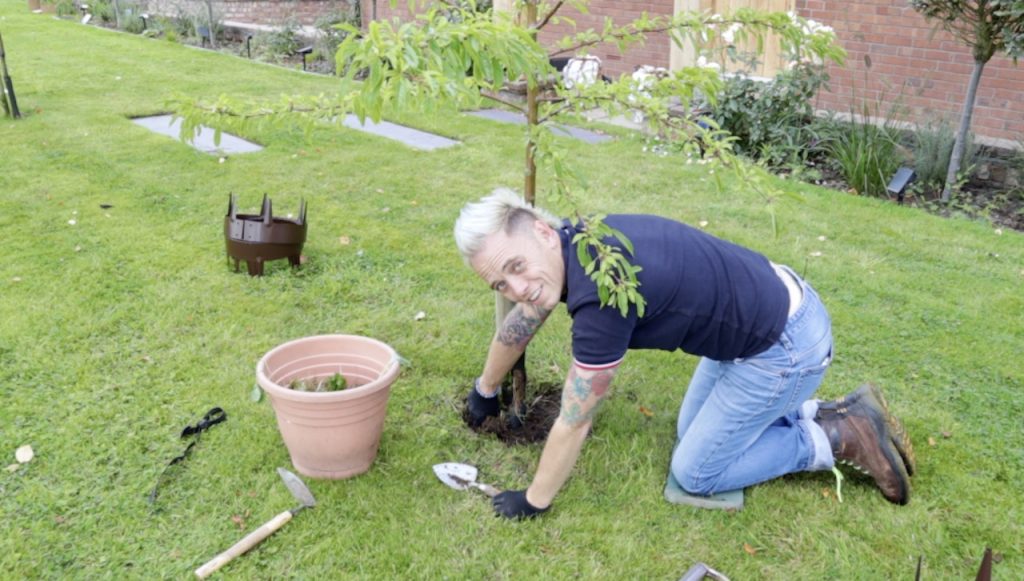
Willows are one of the toughest trees you can find, surviving in both wet, boggy soil and heavy clay. They are fast-growing trees, so caution is warranted with full-size species, but smaller cultivars like Salix caprea ‘Pendula Kilmarnock’, the weeping willow, make a great addition to even a modestly sized garden. Small and well-behaved, this tree will put up with the wettest of winters and produces beautiful catkins in late winter and early spring, amongst the most welcome sights of the gardening year.
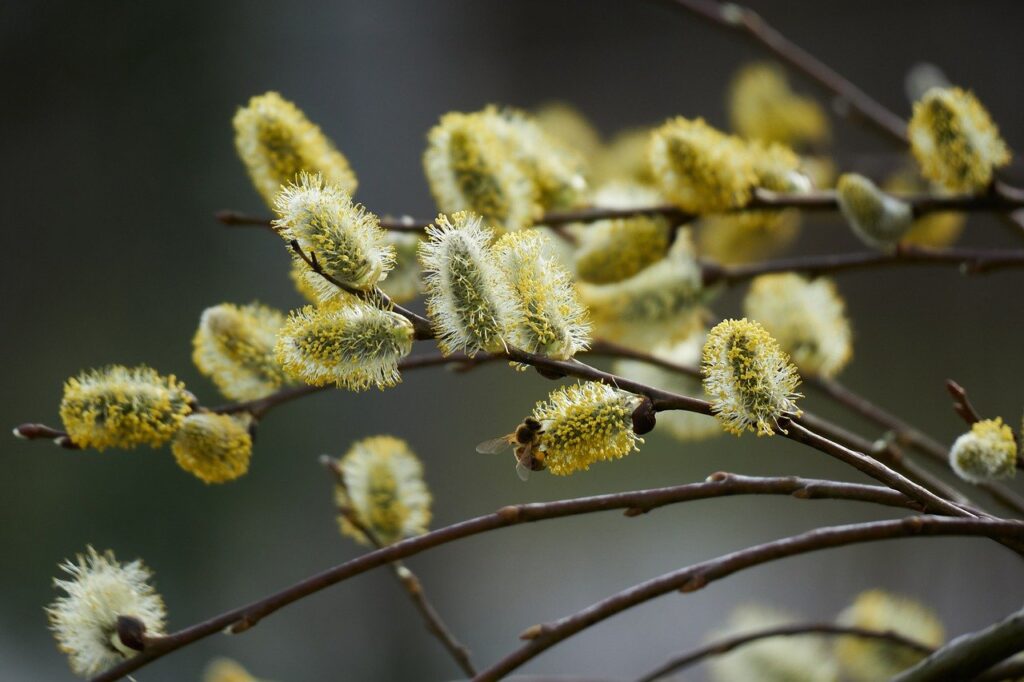
Its branches make great foliage for floristry, and it can easily be propagated by hardwood cuttings placed straight into the ground to root. This shows just how incredibly tough this genus is. Willows root so readily that you almost cannot stop them, which is why they are the perfect gateway tree for beginner gardeners who have previously felt nervous about planting trees.
Ivy (Hedera) is a fantastic climbing plant for covering unsightly fences and buildings, or for dense ground cover to out-compete weeds. Ivy gets a bad reputation for supposedly ruining brickwork and smothering trees, but more recently, much of this has been debunked. Ivy growing on sound walls causes no structural damage whatsoever, and ivy on trees may reduce vigour in certain situations, but is very unlikely to kill a healthy specimen.
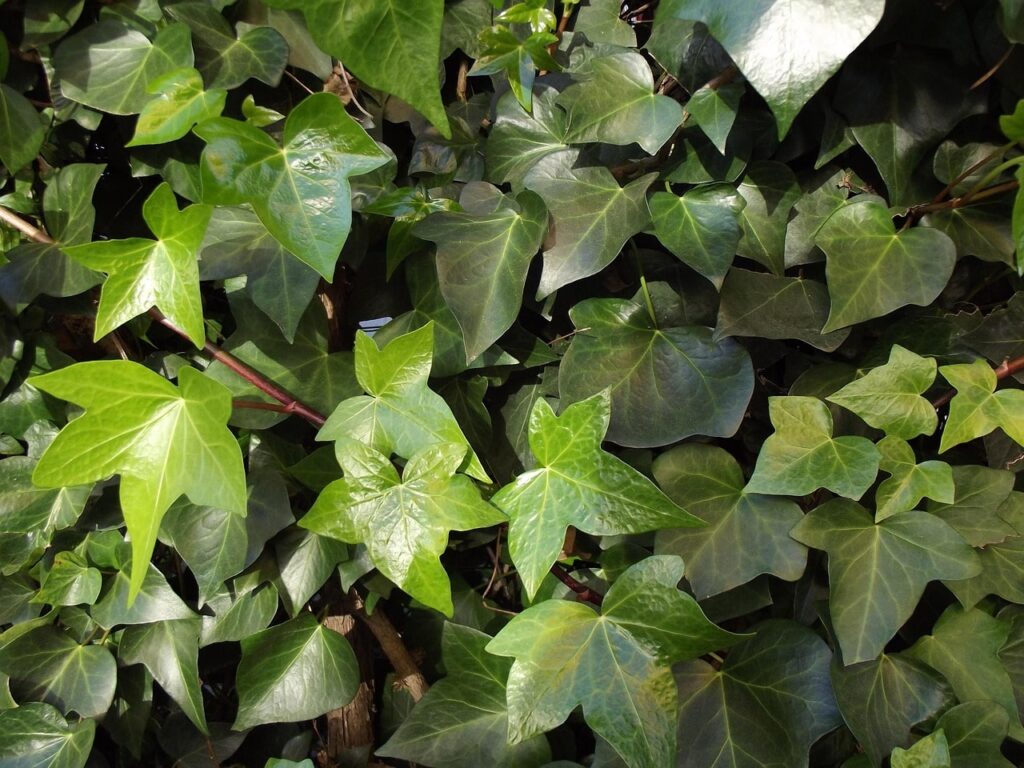
Ivy offers a wonderful habitat for wildlife, insects and birds. It produces fruit in the winter during the scarce foraging season and provides nectar for honey bees, too. In terms of sheer wildlife value per square metre, ivy is hard to beat. Ivy supports at least 50 different species of wildlife, making it one of the most ecologically important plants you can grow in a British garden. The only genuine issue is keeping it away from gutters and into roof spaces, but some light annual pruning prevents this entirely.
| 🌿 Hedera helix At A Glance | |
|---|---|
| Plant Type | Evergreen climbing or ground cover plant |
| UK Hardiness | Fully hardy (H7) down to -20°C |
| Height & Spread | Can reach 30m but easily controlled |
| Wildlife Value | Excellent; supports 50+ species |
| Best Growing Conditions | Sun or deep shade, any soil type |

| 🌿 Salix caprea ‘Kilmarnock’ At A Glance | |
|---|---|
| Plant Type | Deciduous weeping tree |
| UK Hardiness | Fully hardy (H7) down to -20°C |
| Height & Spread | 1.5–2m x 1–1.5m (compact, weeping form) |
| Flowering Period | Catkins February to March |
| Best Growing Conditions | Full sun to partial shade, moist or boggy soil |
Clematis are fast-growing, flowering climbers that will usually scramble up any wall, fence, or obelisk you place near them. Clematis montana is the most vigorous and effortless of the lot, one of the fastest clematis to cover walls or uninspiring fence panels.
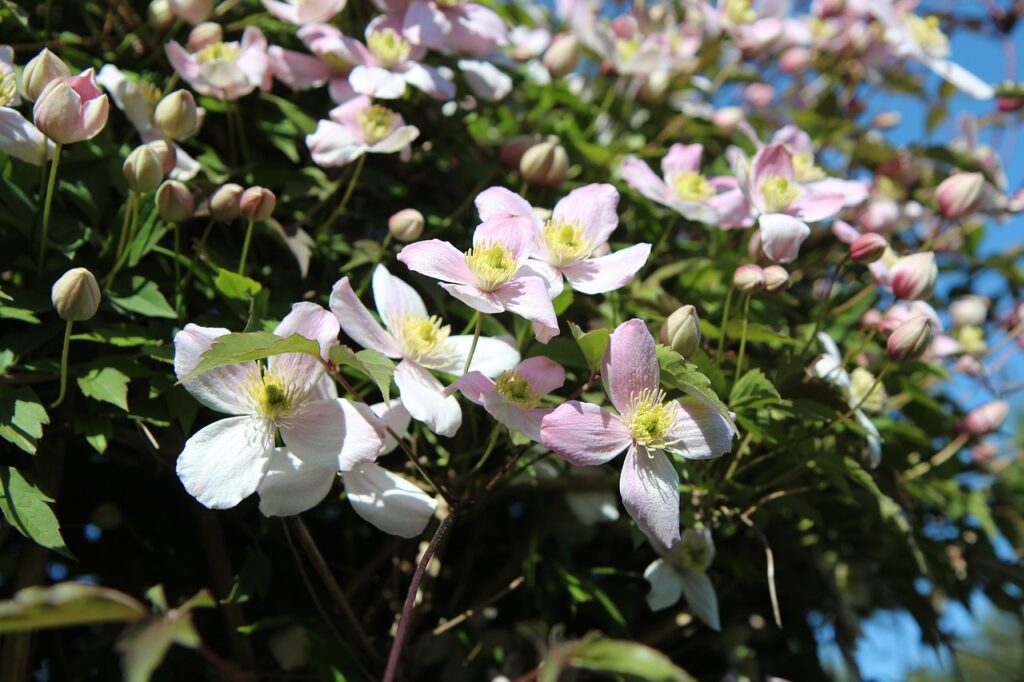
It becomes smothered in bright pink or white flowers in May, creating a spectacular display that invariably stops people in their tracks. Easy to prune by cutting back by a third each year immediately after flowering, this is a really fast climber to establish. You can even use hedge shears to cut them back after flowering, and they simply will not mind.
| 🌿 Clematis montana At A Glance | |
|---|---|
| Plant Type | Hardy deciduous climber |
| UK Hardiness | Fully hardy (H6) down to -20°C |
| Height & Spread | Up to 10m if left unpruned |
| Flowering Period | May to June |
| Best Growing Conditions | Sun or partial shade, well-drained soil, sheltered or exposed aspects |
Sedum, or Stonecrop, is one of the most tolerant plants of neglect that exists in the plant kingdom. They survive extremes of temperature, whether hot or cold. As long as they are not in waterlogged soil, these tough ground-cover plants will survive with virtually no maintenance or pruning. In fact, once they flower, you will see them start to pop up everywhere on their own accord. That is essentially plants for free, and I will always take that! Their succulent leaves store water so efficiently that they can withstand weeks of drought once established, making them perfect for gravel gardens or sunny slopes.
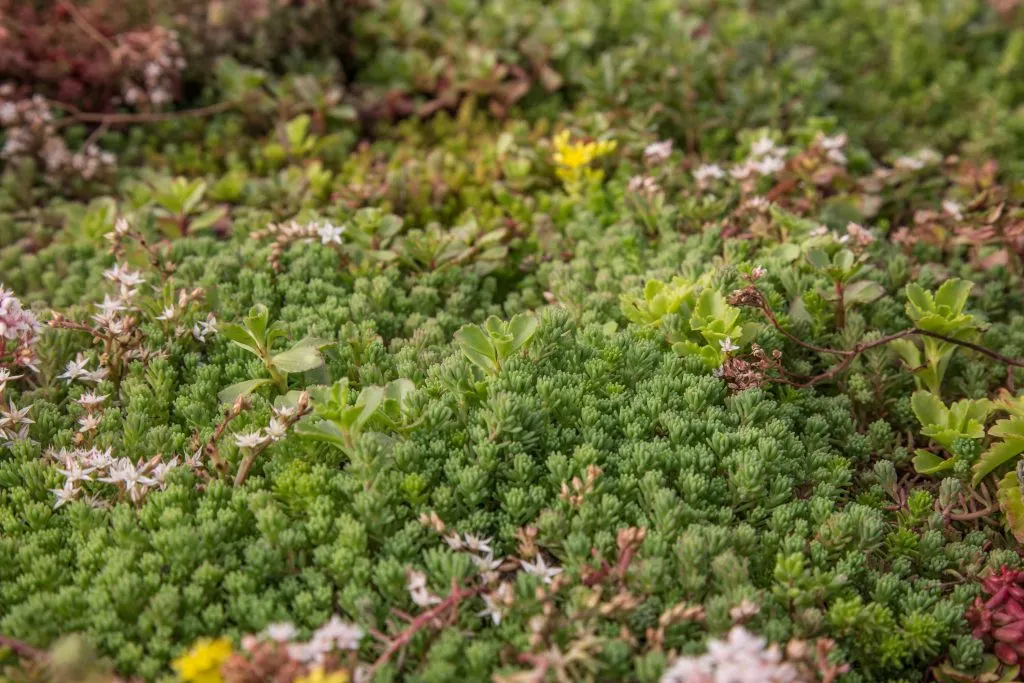
That is why green roofs are so often planted with sedum. Combined with gravel gardens, this alpine plant is truly bulletproof, and slugs will not touch it. I have used sedum on green roof installations for clients, and they require virtually no aftercare once established, even on exposed rooftops with no irrigation. If that does not prove their credentials as a plant you cannot kill, nothing will.
| 🌿 Sedum At A Glance | |
|---|---|
| Plant Type | Hardy succulent perennial |
| UK Hardiness | Fully hardy (H7) down to -20°C |
| Height & Spread | 5–60cm depending on variety |
| Flowering Period | July to September |
| Best Growing Conditions | Full sun, poor to average well-drained soil. Drought tolerant |
Fancy a perennial that flowers for three to four months of the year, that snails leave alone, and that requires no plant food? Then Geums are the ones to go for! Originally woodland plants, newer cultivars like ‘Totally Tangerine’ are some of the brightest and lowest-maintenance herbaceous perennials you can find. I have designed with Geums in gardens ranging from compact urban plots to sprawling country estates, and in all those years, I have genuinely never met anyone who has managed to kill one.
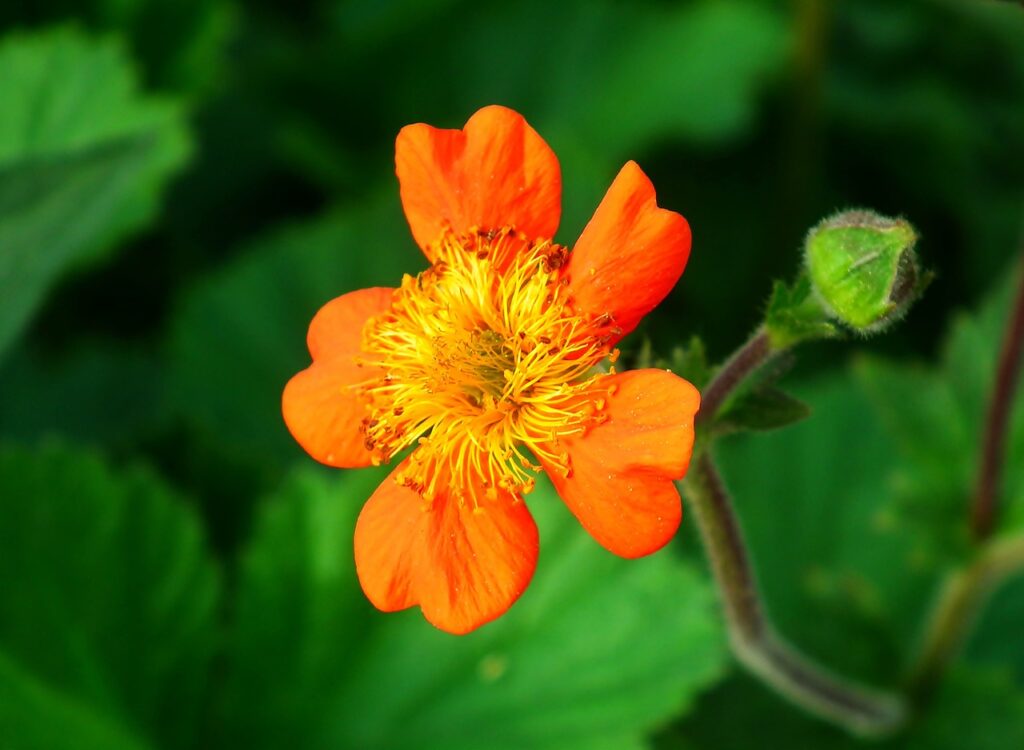
They come in an array of bright colours from orange, yellow and pink to red. A real pop of colour for both sun and part shade in practically any soil type, whether heavy clay or free-draining sand. They will also attract pollinators throughout their long flowering season, adding genuine wildlife value to any border. Divide them every three to four years to keep them vigorous, and you will have an ever-expanding supply of these brilliant plants.
| 🌿 Geum At A Glance | |
|---|---|
| Plant Type | Hardy herbaceous perennial |
| UK Hardiness | Fully hardy (H7) down to -20°C |
| Height & Spread | 30–60cm x 30–40cm |
| Flowering Period | May to September |
| Best Growing Conditions | Sun or partial shade, most soil types including clay |
Cornus are fantastic, hardy deciduous shrubs, meaning they lose their leaves over winter but come back stronger the following year. They love clay soil and will rapidly grow to six feet tall within about two years from planting. Not one for a tiny border, but an excellent back-of-border filler for any larger planting scheme. It is also one of the best winter-interest shrubs available, because when it loses its leaves, the stems reveal vivid greens, hot yellows, or fiery reds, depending on the species. For a winter garden impact without any complicated care, Cornus is my first recommendation every time.
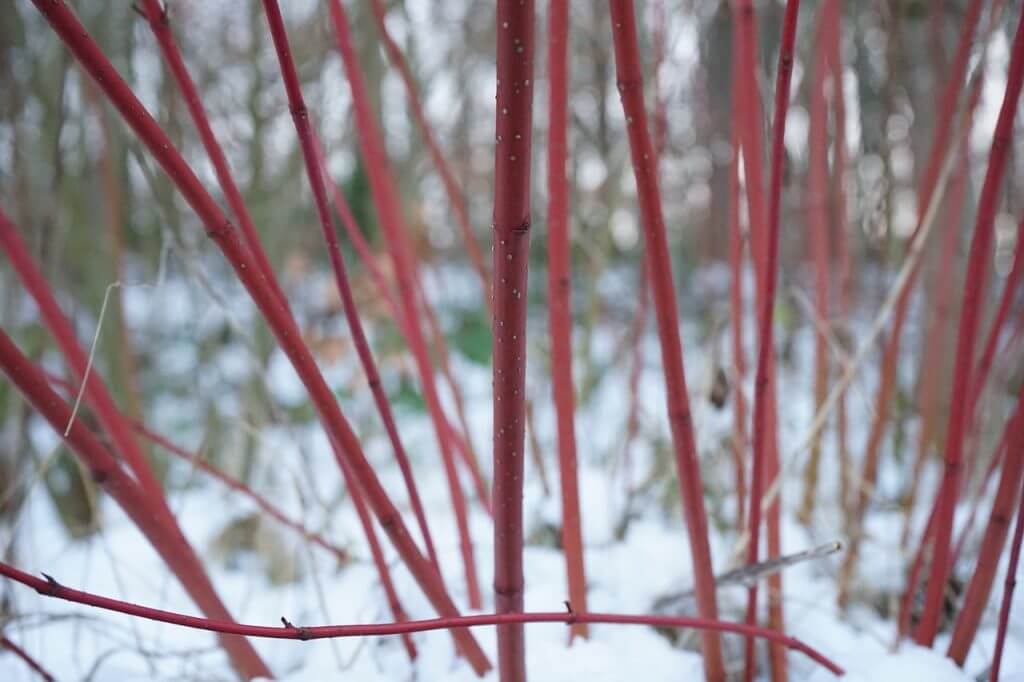
The trick with Cornus is to cut it back hard every year or every other year in late February, right down to about 15cm from the ground. This keeps the stems young, and it is those young stems that produce the most vivid winter colour. Super easy to propagate from hardwood cuttings, too! So if you have a friend with one, simply ask for a few cuttings and grow your own for free. That is the kind of gardening I love to share with people.
| 🌿 Cornus (Dogwood) At A Glance | |
|---|---|
| Plant Type | Hardy deciduous shrub |
| UK Hardiness | Fully hardy (H7) down to -20°C |
| Height & Spread | Up to 2.5m x 2.5m unpruned |
| Winter Interest | Vivid red, orange, yellow or green stems |
| Best Growing Conditions | Full sun or partial shade, moist soil including clay |
Euonymus is a fantastic tough shrub that comes in a wonderful range of colours and habits. There really is one for every garden. Often called spindle, burning bush, strawberry bush, or wintercreeper, this shrub provides structure in any garden throughout the year. Evergreen varieties are practically pest-free and maintain their form year-round, making them invaluable for giving borders a consistent backbone. There are plenty of variegated versions for a two-tone effect that brightens up any planting scheme.
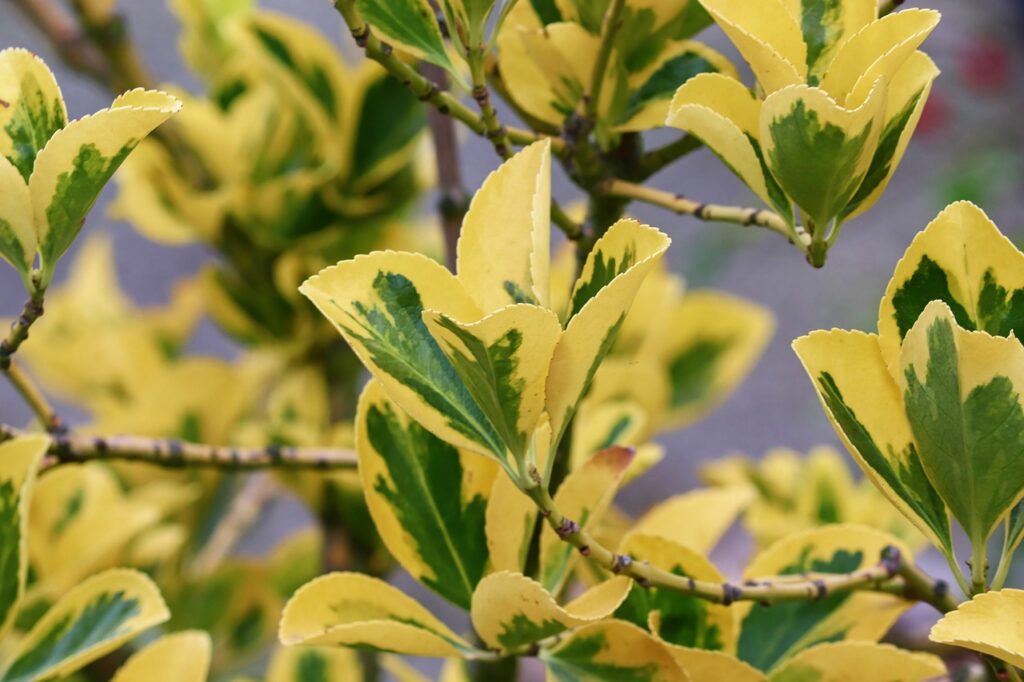
Our native Euonymus europaeus is great for wildlife and has vivid pink and orange fruits in autumn that are truly spectacular. Take care, though, as it does act as a refuge for overwintering insects and will attract aphids in spring. This is not a problem if you are creating a wildlife-friendly garden, as aphids are a critical food source for ladybirds, blue tits and other beneficial garden allies. Think of it less as a pest problem and more as a wildlife feeding station.
| 🌿 Euonymus At A Glance | |
|---|---|
| Plant Type | Evergreen or deciduous shrub |
| UK Hardiness | Fully hardy (H6–H7) depending on variety |
| Height & Spread | 0.3–3m x 0.5–2m depending on variety |
| Autumn Interest | Vivid pink, orange fruits; fiery leaf colour |
| Best Growing Conditions | Sun or shade, most soil types |
These prehistoric, shade-loving plants are some of the toughest in the entire garden, provided you get them in the right place. Ferns rarely cope with full sun and nearly always need dappled shade. So if you have a shady garden or areas shaded by fences, trees or buildings that remain slightly damp, ferns should absolutely be your first port of call. Having survived on this planet for over 360 million years, they are clearly not going anywhere, and certainly not because of a bit of British weather.

Ferns such as Dryopteris, Polystichum and Asplenium provide year-round interest and texture. They reproduce by spores rather than seeds, producing tiny single-celled structures from specialised sacs on the undersides of their fronds called sporangia. When conditions are suitably moist, these spores germinate and grow into a small heart-shaped gametophyte structure carrying both male and female reproductive organs.
When wet, fertilisation occurs, and a new baby fern begins its ancient life cycle. After a few years with several ferns in a damp, shady corner, you will begin to find self-sown babies popping up all around them. It is one of the most magical things the garden has to offer.
| 🌿 Hardy Ferns At A Glance | |
|---|---|
| Plant Type | Evergreen or semi-evergreen perennial |
| UK Hardiness | Fully hardy (H5–H7) depending on variety |
| Height & Spread | 30cm–1.2m depending on species |
| Interest | Year-round architectural foliage |
| Best Growing Conditions | Dappled to deep shade, moist or slightly boggy soil |
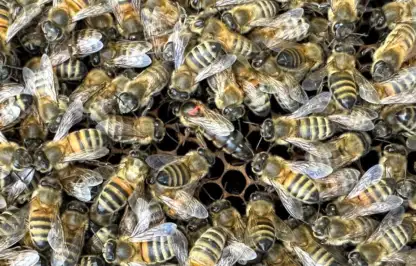
Primroses are evergreen, early spring-flowering beauties that work brilliantly both in the ground and in containers for smaller gardens, window boxes or balcony gardening. Primroses are subtle and ask for very little in terms of care or maintenance. Come March or early spring, these little ribbed-leaf plants put out cheerful bursts of cream and pink flowers when the rest of the garden is still looking rather bare. They are exceptional for early pollen, providing a vital resource for honey bees emerging from hives and other insects awakening from their winter dormancy.
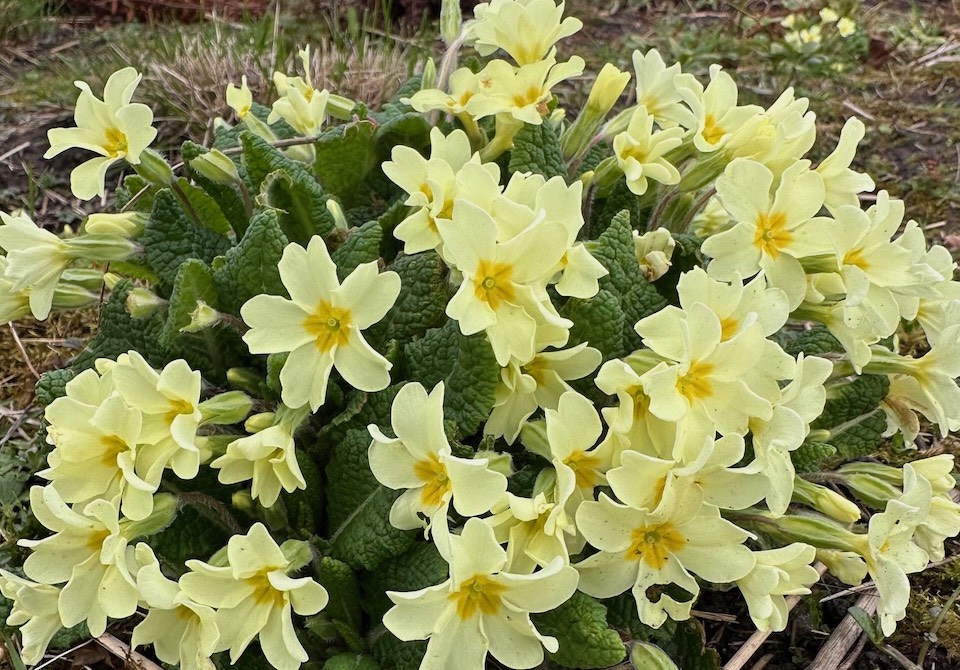
If you have a very damp, shady part of the garden, then Primula vulgaris will do exceptionally well. They quite happily self-seed everywhere and can be dug up and relocated if they become overly enthusiastic! In the right conditions, a single plant can eventually produce dozens of offspring, all completely free. When I see primroses naturalised in a garden, spreading through gaps in paving or colonising the base of hedges, it always tells me the garden has achieved that relaxed, well-established character that takes years of managed planting to create.
| 🌿 Primrose At A Glance | |
|---|---|
| Plant Type | Semi-evergreen perennial |
| UK Hardiness | Fully hardy (H7) down to -20°C |
| Height & Spread | 10–20cm x 20–30cm |
| Flowering Period | March to May |
| Best Growing Conditions | Dappled shade, moist humus-rich soil |
Crocosmia, sometimes known as Monbretia, is a fabulous choice for a beginner or time-poor gardener. They are pretty much bulletproof and add both architectural foliage with their large strappy leaves from May onwards, before producing their fiery orange or red flowers from July to September. They bring a bold, almost exotic feel to borders that belies how little effort they actually require. One of the best value plants you can buy in terms of the visual impact delivered per pound spent and per hour of time invested.
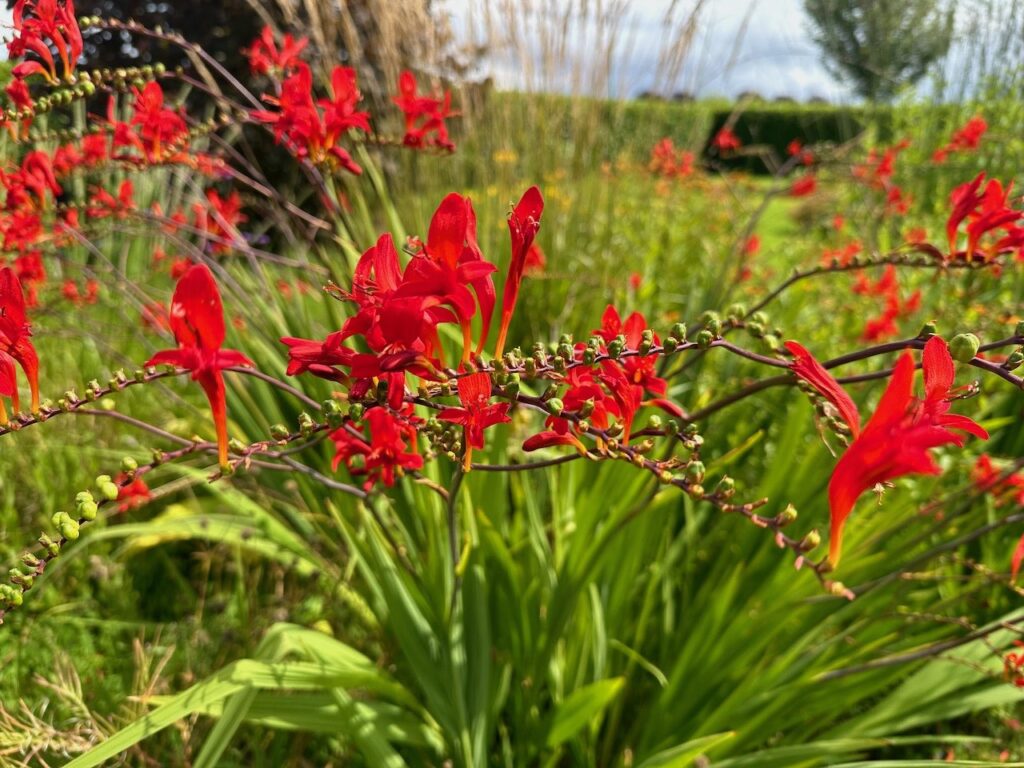
They grow from corms, which are short, vertical, swollen underground plant stems that serve as storage organs during winter, rather like a bulb but structurally distinct. These small brown nodules can be bought cheaply and planted directly in the ground. The great thing with Crocosmia is that they bulk up very rapidly and can be easily split or divided every few years to spread them further around the garden, or to give away to friends and neighbours.
| 🌿 Crocosmia At A Glance | |
|---|---|
| Plant Type | Hardy cormous perennial |
| UK Hardiness | Hardy (H4–H5) down to -10 to -15°C |
| Height & Spread | 60–100cm x 30–50cm |
| Flowering Period | July to September |
| Best Growing Conditions | Full sun or partial shade, most well-drained soils |
Hostas are the shade gardener’s best friend and one of the most reliably indestructible plants for moist, sheltered spots. Their lush, architectural leaves come in an extraordinary range of sizes and colours, from the tiniest miniature varieties perfect for containers right through to spectacular giants like Hosta ‘Sum and Substance’, which can reach over a metre across. They love the persistent precipitation of the British climate and will thrive in conditions that many other perennials simply refuse to tolerate. Once established in good, moist soil, they require virtually no attention at all beyond a slug patrol in spring.
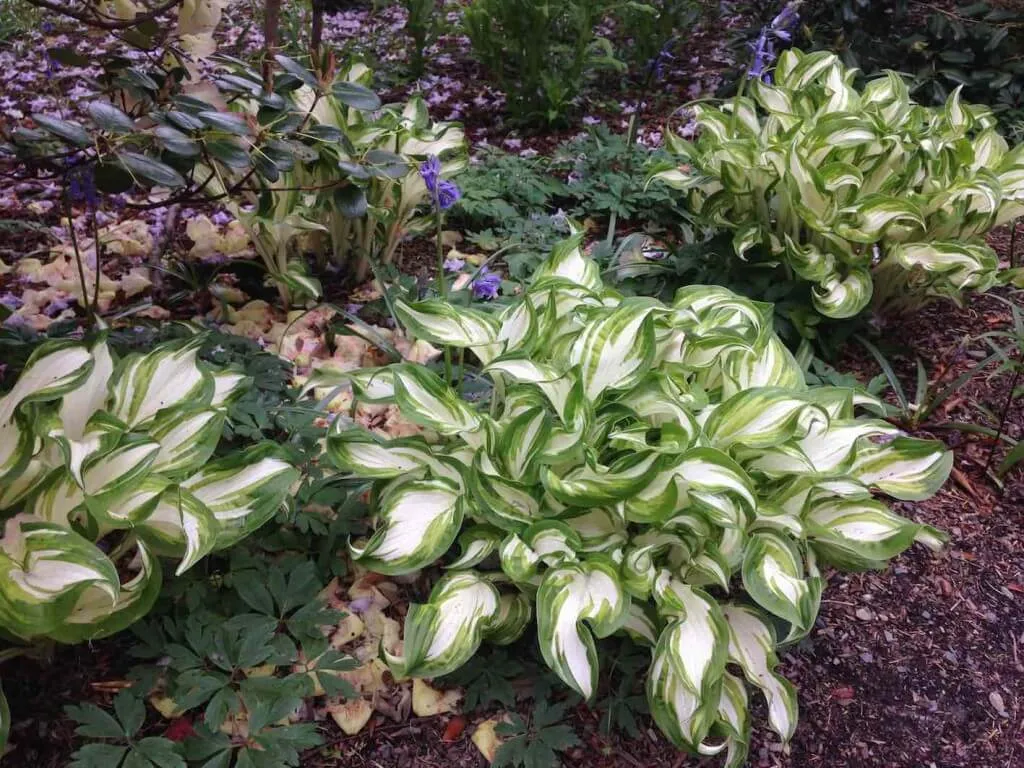
The one challenge with hostas is slug and snail damage to the emerging leaves in spring. Use copper tape around container-grown hostas or a wildlife-safe slug pellet to protect them in their vulnerable early weeks, and after that, the leaves toughen up considerably. Hostas in shade are naturally less attractive to slugs than those grown in sunnier positions. In all my years of garden design, I have seen hostas survive droughts, floods, total neglect and severe winters without any intervention whatsoever. They are remarkable plants.
| 🌿 Hosta At A Glance | |
|---|---|
| Plant Type | Hardy herbaceous perennial |
| UK Hardiness | Fully hardy (H7) down to -20°C |
| Height & Spread | 30cm–1.2m x 45cm–1.5m depending on variety |
| Flowering Period | June to August; foliage interest from April |
| Best Growing Conditions | Partial to full shade, moist, humus-rich soil |
Lavender is perhaps the most evocative and reliably low-maintenance shrub in the entire British garden tradition. Once established in well-drained soil and a sunny position, it is drought-tolerant, fragrant, evergreen and one of the single most valuable plants for pollinators. Bees of all species are utterly devoted to it throughout its long flowering season, and in a warm summer, a mature lavender plant in full flower can be literally humming with activity from dawn to dusk. It requires no feeding, no watering once established and no pest control whatsoever.
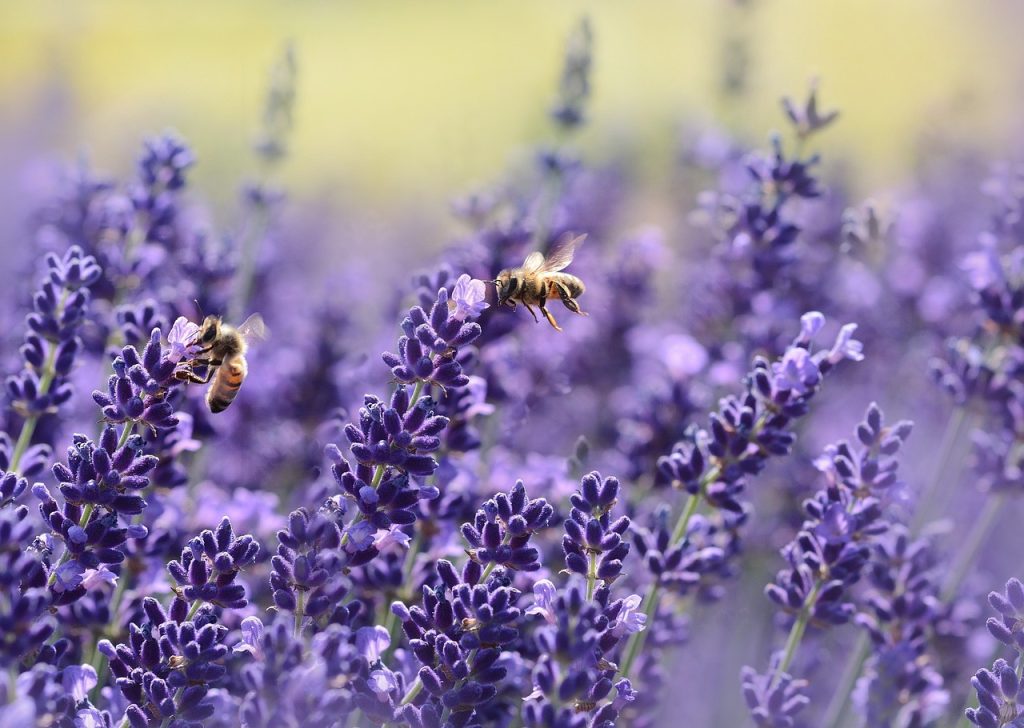
The one thing lavender does require is an annual trim after flowering in late August, cutting back to just above the new growth that will have formed at the base of the old stems. Never cut back into old brown wood, as lavender, unlike many other shrubs, will not regenerate from old wood and the plant will simply die back from those cuts. Apart from that single annual task, lavender essentially looks after itself. In my experience, it performs best in chalky or sandy soils and will struggle in heavy clay that becomes waterlogged in winter, so improving drainage is the key to success with this wonderful plant.
| 🌿 Lavender At A Glance | |
|---|---|
| Plant Type | Evergreen sub-shrub |
| UK Hardiness | Hardy (H5–H6) with good drainage |
| Height & Spread | 60–90cm x 60–90cm |
| Flowering Period | June to August |
| Best Growing Conditions | Full sun, well-drained alkaline or sandy soil. Avoid clay |
Fatsia japonica is one of those plants that genuinely surprises people with its toughness. Those enormous, glossy, hand-shaped leaves look positively tropical, which leads many gardeners to assume it must be tender and difficult. In reality, Fatsia is amongst the most resilient evergreen shrubs you can grow in a British garden. It will tolerate deep shade, salty coastal winds, pollution, dry soil and periods of drought once established, and it will grow in pretty much any soil type you care to throw at it. I have seen it thriving in the most neglected, lightless courtyards and against sun-starved north-facing fences where almost nothing else would survive.

In late Autumn it produces clusters of creamy white, dandelion-like flowers that are one of the last nectar sources of the year for insects, followed by small black berries. For a dramatic, architectural, year-round evergreen in a difficult spot, Fatsia japonica is genuinely one of my most reliable design choices. It can reach two to four metres in a sheltered spot, so give it space, but it responds well to pruning if it starts to outgrow its position. Simply remove any stems that are getting too large in spring, and it will happily reshoot from the cuts.
| 🌿 Fatsia japonica At A Glance | |
|---|---|
| Plant Type | Evergreen shrub |
| UK Hardiness | Hardy (H5) down to -15°C |
| Height & Spread | 2–4m x 2–4m in sheltered positions |
| Flowering Period | October to November |
| Best Growing Conditions | Shade to full sun, any soil type, sheltered or exposed |
Even the toughest plants benefit from a good start in life. Having the right tools makes planting day straightforward and gives your new additions the best possible chance of establishing quickly. After two decades of designing and planting gardens professionally, these are the tools I genuinely reach for on every project, and the ones I recommend to every client without hesitation.
A decent Spear & Jackson border spade is the single most important tool in your armoury for planting. The narrower, lighter blade compared to a standard digging spade means you can work between existing plants without disturbing their roots, and it makes getting the planting depth exactly right far easier. I have used the Spear and Jackson Neverbend range for years on professional jobs and the stainless steel head slides through soil with very little effort.
Pair it with a quality Spear & Jackson stainless hand trowel for smaller perennials, plug plants, and bulbs, and you have everything you need for around 90% of the planting in this guide.
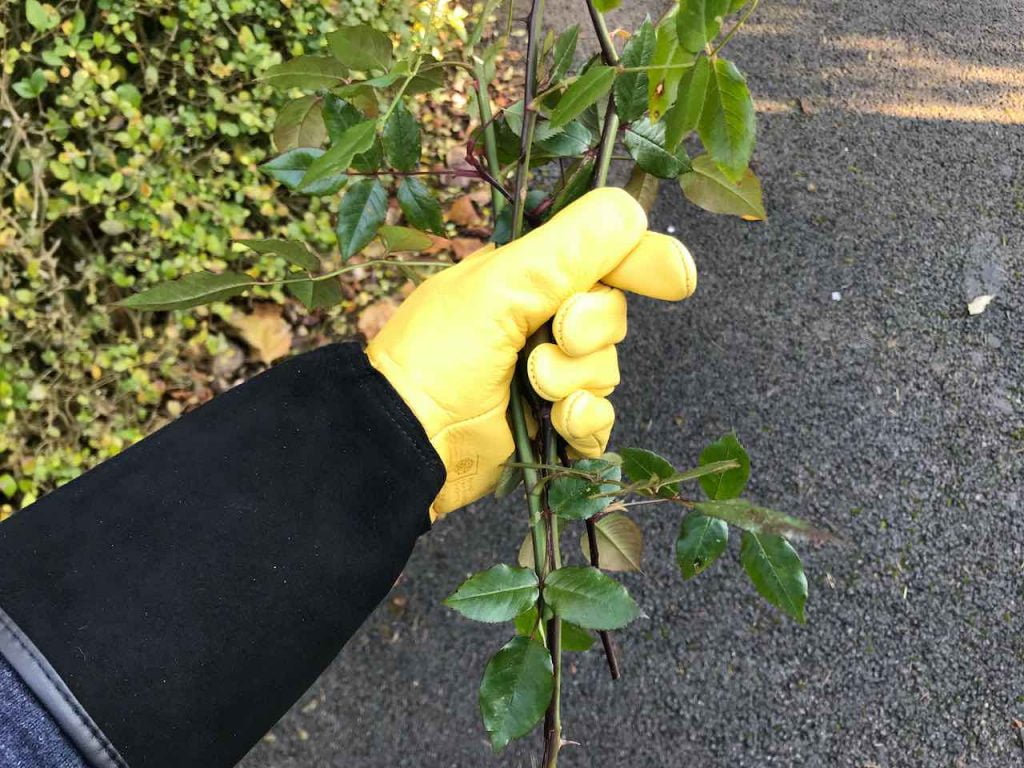
For the thornier plants on this list, particularly Berberis and Clematis montana, you will absolutely want a pair of Gold Leaf Tough Touch gauntlets. These are RHS endorsed deerskin leather gloves with an extended cuff that protects your wrists and forearms, and they are as close to genuinely thorn-proof as any glove I have tested. I have worn through countless cheaper pairs on Berberis alone.
Gold Leaf gauntlets are the gloves I recommend every time someone asks me what to wear in the garden, and once you have tried them, you will not go back.
Finally, a quality pair of Spear & Jackson Kew Gardens bypass secateurs will handle all the light pruning and deadheading that most plants on this list require. The Kew Gardens range carries a 10 year guarantee, uses drop forged carbon steel blades, and the ergonomic aluminium handles make a real difference during longer pruning sessions. In my view, a good pair of bypass secateurs is the most important small tool any gardener can own.
🛒 Recommended Tools for Planting Success
All of the plants in this guide share one thing in common: they are indestructible once they are properly established. The establishment phase is that crucial first period of growth, typically the first two to four weeks after planting, when the plant is sending out new roots into the surrounding soil and building the infrastructure it needs to become self-sufficient. Get this phase right, and you are essentially done. Get it wrong and even the toughest plant on this list can fail.
The single most important thing you can do during establishment is to water thoroughly and consistently. This does not mean daily light sprinkles, which actually encourage roots to stay near the surface in search of moisture. It means deep, thorough watering two to three times per week in the absence of rain, soaking the root ball and the surrounding soil so that roots are encouraged to travel downwards into the earth.
Once the plant is actively growing and you can see new leaves or shoots emerging, you can begin to reduce watering and eventually let it go on its own. Adding a five to ten centimetre mulch of bark chippings or garden compost around the base immediately after planting dramatically reduces water loss from the soil surface and gives any newly planted specimen a significant advantage.
Planting in the right place is equally critical, even for tough plants. Shade lovers like ferns, hostas and Galium will struggle and eventually fail in full sun, just as sun lovers like sedum and lavender will rot and collapse in waterlogged shade. Even the most indestructible plant on earth cannot overcome being planted in entirely the wrong conditions. Take five minutes before planting to check the conditions of your chosen spot against the guidance boxes throughout this article, and your chances of success increase enormously.
Why not consider expanding your plant and garden design knowledge with one of my online gardening courses? My Garden Design for Beginners Course is here to help you transform your garden from average to exceptional with an affordable online course, no matter how little your experience with plants.
This course offers step-by-step guidance from me, Lee Burkhill, award-winning garden designer and presenter on BBC1’s Garden Rescue. In this course, you’ll go from a garden design novice to a confident designer equipped to tackle any green space.
Enrol now for just £199 and start your journey toward garden design mastery!
For the garden you’ve already got, not the one you’re starting from scratch. Seven checklists and video lessons from BBC Garden Rescue’s Lee Burkhill, built to help you work out what’s worth keeping before you spend a penny.
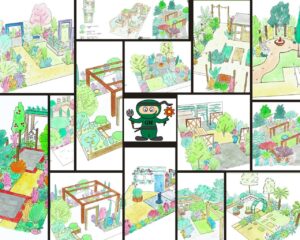
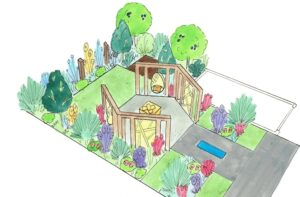
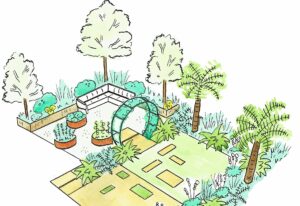
Garden Design Examples for Small Gardens: 30 Design Templates & Planting Plans: In this online gardening course, I’ll walk you through 30 fantastic garden designs, explaining the logic behind the layout, the plant choices, and take-home tips for applying them in your own garden.
Learn how to transform and design your own garden with Lee Burkhills crash course in garden design. Over 5 hours Lee will teach you how to design your own dream garden. Featuring practical design examples, planting ideas and video guides. Learn how to design your garden in one weekend!
Garden Design for Beginners Online Course: If you want to make the career jump to becoming a garden designer or to learn how to design your own garden, this is the beginner course for you. Join me, Lee Burkhill, an award-winning garden designer, as I train you in the art of beautiful garden design.
By choosing genuinely hardy, tough plants from this list, you will spend far more time enjoying your garden and far less time replacing plants that have struggled. After more than twenty years of designing gardens across the UK, from exposed hillside plots to sheltered urban courtyard gardens, these are the plants I return to again and again. They represent the backbone of virtually every planting scheme I create, precisely because they deliver on their promises without demanding constant attention in return.
The key with every single plant on this list is to water them consistently during the establishment phase, typically the first two to four weeks after planting. After that, relax and allow them to get on with being the resilient garden performers they were born to be. Gardening does not have to be a constant battle. Choose the right plants, put them in the right places, give them a good start, and your garden will reward you with colour, texture and interest for years to come with very little effort on your part at all. That is the kind of gardening I have built my whole career around, and I hope this guide gives you the confidence to get started.
Make sure you visit my YouTube channel, for more gardening guides. You can also find me on Instagram and Facebook for more garden help and tips.
Happy gardening!



Lee Burkhill, known as the Garden Ninja, is an award-winning garden designer and horticulturist with over 30 years of gardening experience and 15 years as a professional garden designer. A qualified RHS (Royal Horticultural Society) professional, Lee specialises in sustainable garden design and practical horticultural advice. He designs and presents on BBC1’s Garden Rescue and in leading gardening publications. Lee combines three decades of hands-on gardening knowledge with professional design qualifications to help gardeners create beautiful, functional outdoor spaces.
View all posts by Lee Burkhill




JOIN THE NINJAS

Be the first in line for new Guides, Discount codes and Offers