Unusual Fruit Trees for UK Gardens: The Complete Growing Guide
Lee Burkhill: Award Winning Designer & BBC 1's Garden Rescue Presenters Official Blog
Beginner level
Why stick to apples when you can grow fruit that'll make your neighbours stop and stare? I want to share with you my favourite unusual yet fully hardy fruit trees for any garden in the UK. So you don't just get stuck with apples and plum trees. If you dare to be differnt in your garden with these unusual orchard specimens you'll reap the rewards!
When most people think about growing fruit in the UK, they immediately jump to apples, pears and maybe the odd Victoria plum if they’re feeling adventurous. I’ve been designing gardens for over 15 years now and presenting on BBC1’s Garden Rescue. I can’t tell you how many times I’ve walked into a garden where someone’s planted their third Bramley cooking apple when what they really wanted was an unusual fruit tree that would blow their mates’ minds at a summer barbecue.
One of the main things about British gardens that gets me super excited with new design clients in the UK is that our climate is absolutely brilliant for growing some seriously unusual fruit trees that you’ll never find in Tesco’s.
I’m talking about stuff that looks like it landed from another planet, tastes incredible, and will have people asking “what on earth is that?” when they spot it in your garden. Trust me, after you’ve grown your first medlar or picked Japanese wineberries off your fence, you’ll wonder why you ever bothered with that boring Conference pear.
Why Your Garden Deserves Better Than Boring
I spent last weekend at my mate’s house in Cheshire, and he’s got this beautiful south-facing garden with loads of sun, perfect soil, and what’s he growing? Three apple trees that are all basically the same. Three! When I pointed out he could’ve had a medlar, a quince and a mulberry instead, you should’ve seen his face. “Can you really grow those here?” he asked. Yes, you absolutely can!
The British climate gets a bad rap, but honestly? We’ve got exactly what loads of these unusual fruits need: decent rainfall (sometimes too much, I’ll admit), mild winters that don’t get stupidly cold, and cool summers that prevent a lot of pests. You can grow things here that would shrivel up and die in Spain or struggle in Scotland’s harsher winters.
Unusual Fruit Trees
I’ve been trialling some of these unusual fruits at Garden Ninja HQ for years now, and every single one I’m going to talk about has earned its place by actually producing fruit without me having to faff about with polytunnels or heated greenhouses. Real fruit, in real British weather, with real results.
So if you want to grow something other than apples, plums, pears and yet more gooseberries, this guide is for you. (For the record, I still love the fruit trees I’ve just named, but variety is the spice of life, Ninjas!).
The Magnificent Medlar (Yes, It’s Got a Rude Name)
Let’s start with medlar because it’s probably the most misunderstood fruit in British gardening, and that’s saying something. It’s my personal favourite fruit tree of all time. I’ve planted them in so many Garden rescue wins and have two in my own garden. I’ve also written about the delicious recipes you can make with the medlar fruit. People look at me like I’ve lost the plot when I suggest planting one, but hear me out.
Medlars (Mespilus germanica, if you want to get technical about it) have been grown in Britain since Roman times. Medieval folk absolutely loved them because they were one of the few fresh fruits you could eat in December. Then they fell out of fashion, probably because someone read Shakespeare’s rather unflattering references to them and got embarrassed. The French call them ‘cul de chien’ which… well, I’ll let you Google that one.
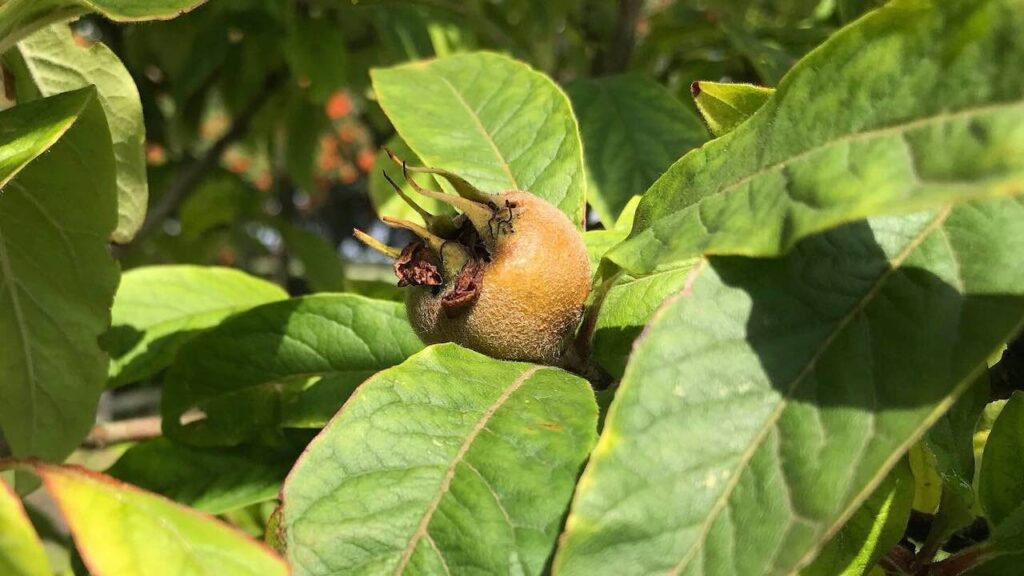
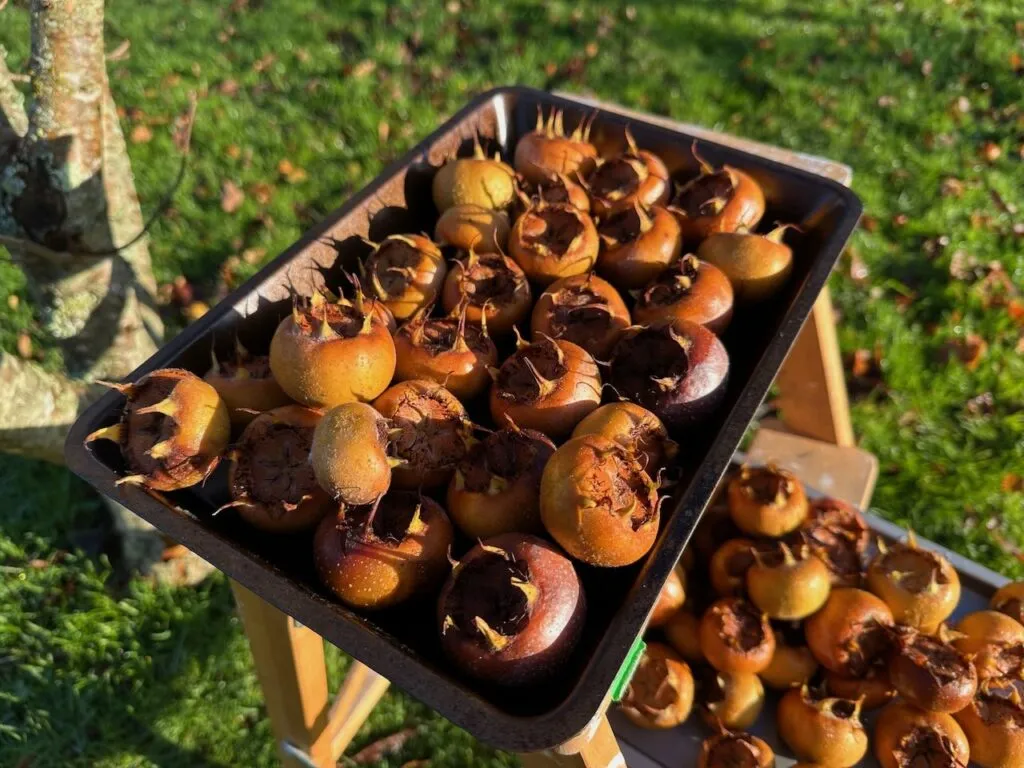
But the reason that they are such an incredible tree is that medlar fruit tastes great once you know how to handle them. They look a bit like small russet apples with a puckered end (yes, I know what you’re thinking), and you pick them in late November when they’re still hard as rocks. Then you stick them somewhere cool for a few weeks until they soften up. This process is called ‘bletting’, which is a fantastic word that deserves more use in everyday conversation.
Once they’re bletted, the flesh goes sweet and soft with this amazing texture that’s like apple sauce mixed with dates. I had my first medlar jelly about ten years ago at a National Trust property, and I was hooked. Now I’ve got a ‘Nottingham’ variety in my own garden that’s about five years old, and it crops like an absolute trooper.
The brilliant thing about medlars? They’re tough as old boots. They flower late in May with beautiful, huge white flowers. They flower late, meaning they miss most frosts, which often prevent your regular pears and plums from fruiting.
They tolerate heavy clay soil (which we’ve got loads of in Lancashire). They don’t need pruning if you don’t fancy it. And they’re self-fertile, so you only need one tree. Mine sits there looking after itself, and every autumn I get enough fruit to make jelly that lasts through winter. However, I have two trees because I just love their form, flowers and fruit so much.
You can buy them grafted onto Quince A or Quince C rootstock, which keeps them to about 3-4 metres tall. Perfect for most gardens. Plant one where it’ll get some sun but won’t be battered by wind, because the flowers are quite delicate. Give it decent drainage, and you’re sorted. In year three, you’ll start getting fruit.
Quinces: The Fruit That’ll Scent Your Entire House
If medlars are the misunderstood outsiders, quinces are the forgotten aristocrats of British fruit growing. I’ve got three here at Garden Ninja HQ, and luckily, I live just down the road from the National Collection of Quince trees at Norton Priory in Cheshire.
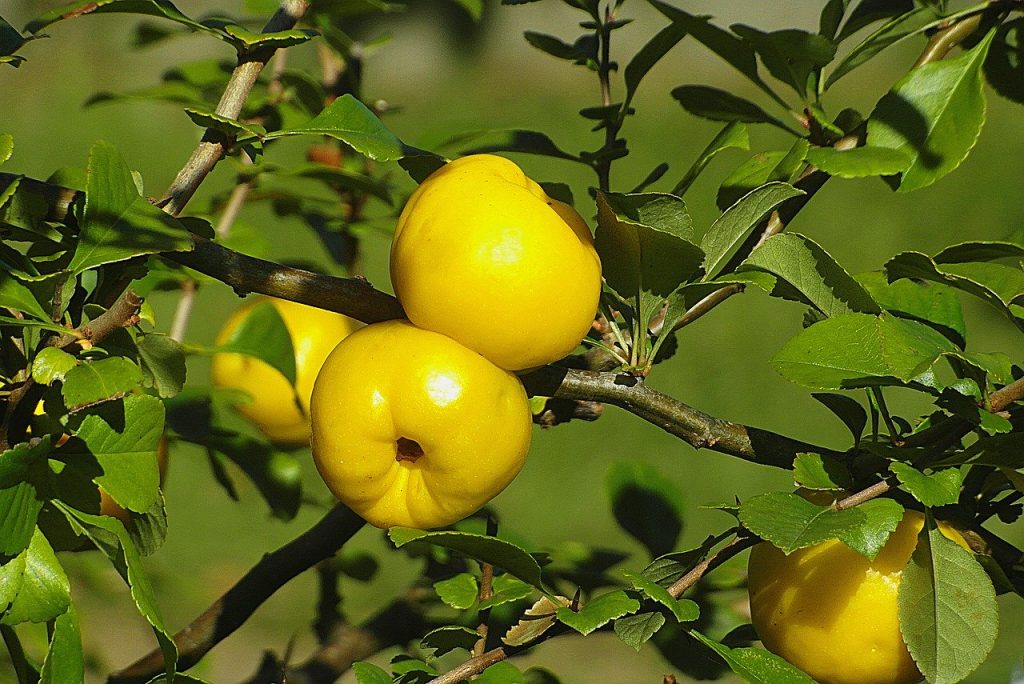
Quinces (Cydonia oblonga) are these gorgeous, lumpy, golden fruits that smell absolutely amazing when they ripen in October. Seriously, stick one in your fruit bowl and it’ll perfume the whole room with this incredible honey-and-citrus scent. You can’t eat them raw, though they’re hard as cricket balls and astringent enough to pucker your mouth inside out like sucking on lemons. The key is to cook quinces to turn them from tart to delicious!
I made quince paste (membrillo) last year, and it was ridiculously easy. You simmer the quinces until they’re soft, mash them up with sugar, and cook them down until they set. Slice it up with some proper mature cheddar, and you’ve got yourself a combination that’ll make you look like a genius at dinner parties.
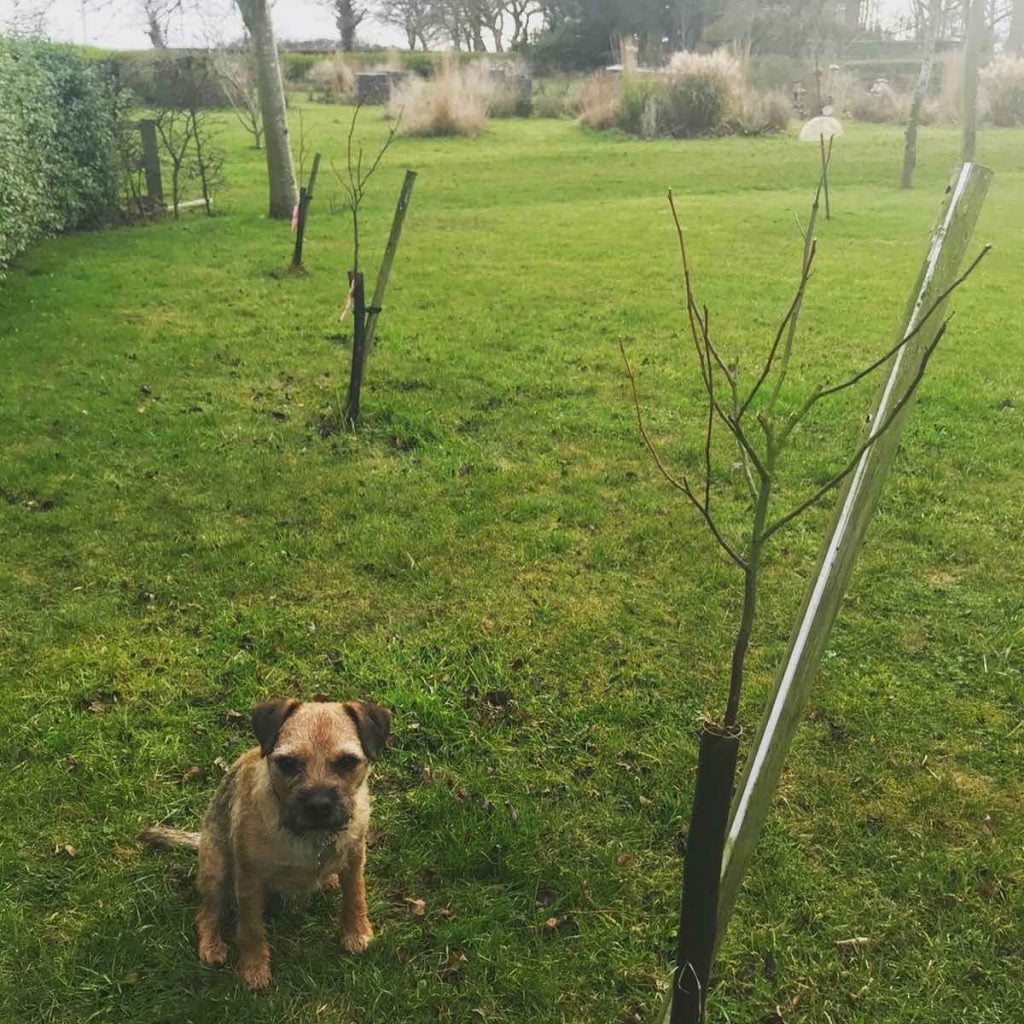
Growing quinces is dead simple. They like sunshine and they’re not fussy about soil, though they’ll tolerate wetter ground better than most fruit trees (which is handy if you’re in the Lake District or West Wales where it rains sideways). They’ll grow to about 4-5 metres if you buy them on Quince A rootstock, which is what I’d recommend for most gardens. However, be warned, they take years to develop fully and are slow-growing. So, where possible, avoid bare roots (Like the ones below I planted 7 years ago) and buy potted quinces to save the time needed to wait for them to fruit.
The ‘Serbian Gold’ variety is excellent because it crops early and the fruits are massive. ‘Vranja’ is another good one with lovely twisted branches that look architectural even in winter. They’re self-fertile, so again, you only need one, but because they are small and well behaved, why not have two or three?
Plant them in spring, give them a good mulch of compost each year, and they’ll start fruiting in about three years. The blossom in May is stunning too, with big pink and white flowers that the bees absolutely adore. I’ve never had to spray mine for pests or diseases. They get on with it.
Mulberries: The Tree That Funded a Silk Empire (Almost)
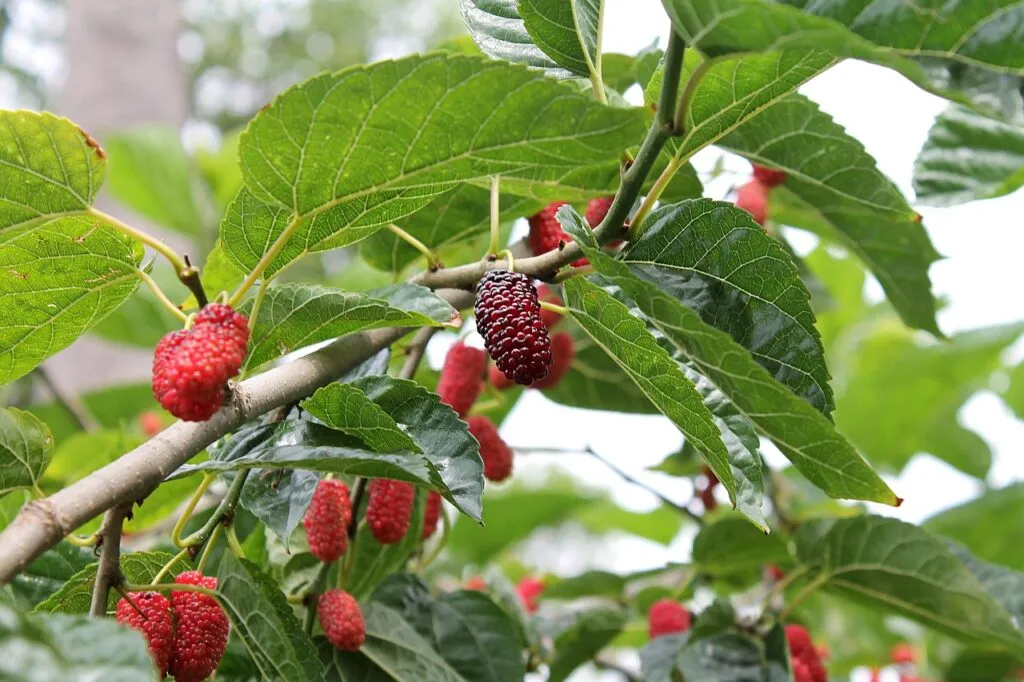
If you’re looking for the ultimate statement fruit tree to cause jaws to drop, then let me introduce you to the mulberry. Mulberries are these absolutely cracking trees that produce fruit tasting like a cross between blackberries and figs, and they’ve got this bonkers history attached to them.
King James I decided in 1609 that Britain should rival France in silk production. Brilliant idea, except he planted thousands of black mulberries (Morus nigra) across England, and silkworms prefer white mulberries. Whoops. The silk industry never happened, but we ended up with loads of these magnificent old trees scattered about, some of which are still alive today. There’s one at the Chelsea Physic Garden that’s ancient.
I’ve seen mulberries growing in car parks in Manchester, in Victorian gardens in Liverpool, and in allotments in Cheshire. Mulberry trees are true survivors. The fruit is this deep purple-red colour that stains everything it touches (and I mean everything – wear old clothes when you’re picking them), but the flavour is incredible. Sweet, rich, slightly tart, with loads of juice.
The thing about mulberries is they’re slow starters, but they live forever. Plant one now, and your great-grandkids will still be eating fruit from it. They can take 4-5 years to produce their first crop, but after that, they’ll fruit reliably every summer. The berries ripen gradually from July through August, which is actually brilliant because you’re not overwhelmed with fruit all at once.
You can grow them in big pots if you don’t have space for a full tree. I put one in a 60-litre container for a client’s patio in Salford, and it’s been producing fruit for three years now. They’re not fussy about soil, they don’t need much pruning (in fact, they bleed sap like crazy if you prune them at the wrong time, so only do it in deep winter), and they’re self-fertile.
The downside? They’re messy. Ripe fruit drops off the tree and splats on the ground, leaving purple stains. So don’t plant one over your lovely paving or directly above your car. But if you can handle a bit of mess, they’re absolutely worth it.
Japanese Wineberries: The Fruit That Guards Itself
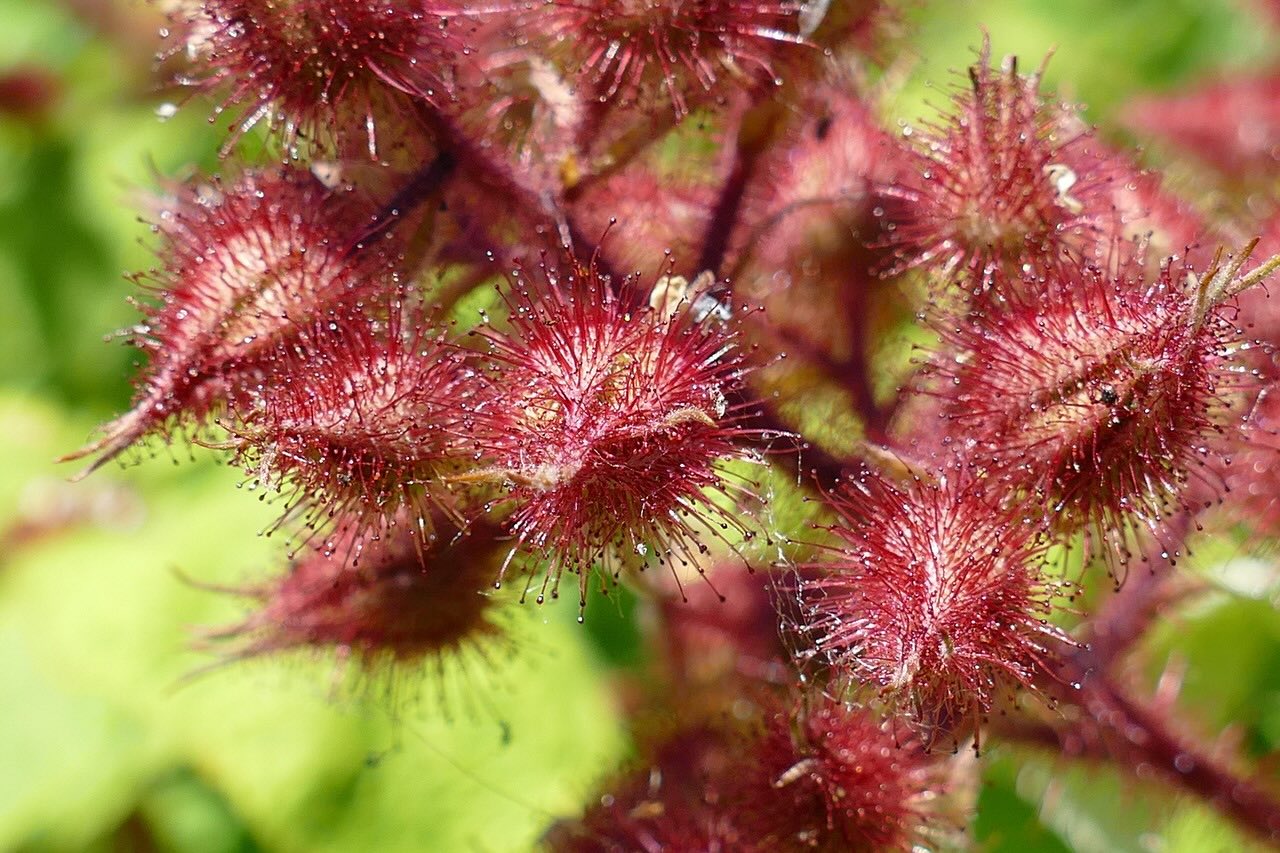
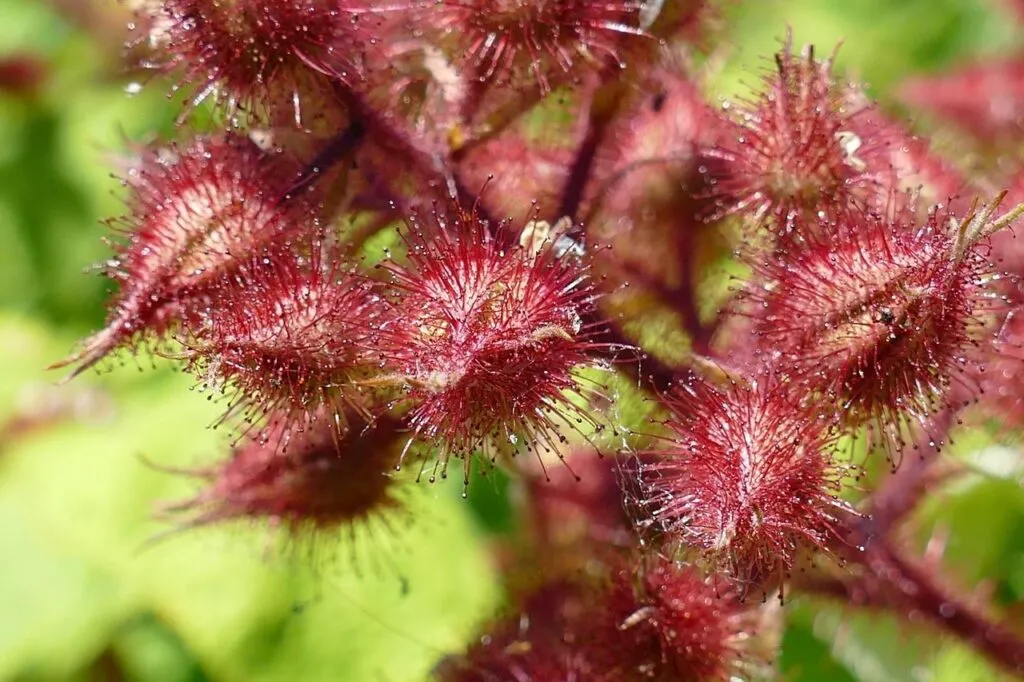
This next fruit shrub is underused here in the UK, and most Garden Designers don’t seem to know about it, which boggles my mind. Japanese wineberries (Rubus phoenicolasius) are related to raspberries, but they’ve got this incredible feature: their stems are covered in sticky red hairs that trap insects. Built-in pest control! How brilliant is that?
They’re dead easy to grow. Treat them exactly like summer raspberries. They produce fruit on last year’s canes, so you cut out the old canes after harvest and tie in the new ones for next year. The berries ripen in July and August, right in that gap between summer and autumn raspberries, and they taste fantastic. Imagine a raspberry that’s had a fling with a sherbet lemon. Sweet, slightly tangy, really juicy.
The plant itself looks gorgeous year-round. Those fuzzy red stems are ornamental in winter, and the leaves are this lovely fresh green in summer. I trained mine along a fence in full sun, and it’s covered in berries every year. You could also let it grow wild as a feature shrub if you’ve got the space; it’ll get to about 2-3 metres tall and wide.
Birds love the berries, so use some netting over them if you want to actually eat any yourself, a bit like Cherry trees being swarmed by birds as soon as the fruits appear. They’re self-fertile, hardy as anything, and they’ve never had any disease problems in my experience. Unlike raspberries, you don’t have to check the fruit for bugs before eating because those sticky hairs keep most pests away. Just pick and eat.
Plant them in spring in any reasonable soil. They’ll tolerate partial shade but crop better in the sun. Give them something to climb up, such as a trellis, fence, or post and wire system. They’re not at all fussy about soil pH, and they’ll grow in most of the UK without any problems.
Honeyberries: The Superfruit That Loves British Weather
If you’ve not heard of honeyberries (also called haskap), you’re in for a treat. These are Lonicera caerulea, the same genus as Honeysuckle climbers, and they’re basically the perfect fruit for British gardens. They come from Siberia and northern Japan, which means they laugh at our winters. They can handle temperatures down to minus 40°C, so even if you’re in Scotland, they’ll be fine.
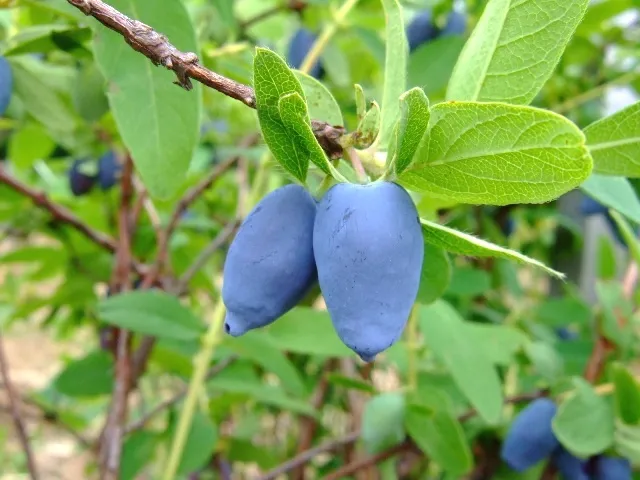
The berries look like elongated blueberries and are blue-purple, about the size of your thumb. They taste like a mix of blueberry, blackcurrant and raspberry with a bit of tangy citrus thrown in. They’re packed with antioxidants (more than blueberries, according to the research), and they ripen really early. I’m talking May or early June, before strawberries. How good is that for fresh fruit early in the season?
Two varieties are usually needed, and I’ve used ‘Duet’ and ‘Blue Velvet’ in some of my designs to ensure they both cross-pollinate.
Honeyberries are these compact shrubs that grow to about 1.5-2 metres tall. They’re perfect for smaller gardens or even containers. They like moisture but not waterlogged soil, and they’re happy in full sun or partial shade. They’ll even tolerate heavy clay, which is a godsend for those of us dealing with Lancashire soil.
The only real requirement is that you buy compatible varieties for pollination. When you’re buying from a nursery, they’ll tell you which ones work together. Plant them about 1.5 metres apart, mulch them with compost, and keep them watered in the first year. After that, they’re pretty much self-sufficient.
They’ve got very few pest problems. Birds will go for the berries, so net them when they start turning blue. The plants themselves are incredibly hardy and flower really early (March or April), with the flowers being able to handle frost, which is a bonus. No crop failure from late frosts like you sometimes get with plums or apricots.
Asian Pears: The Apple-Pear That Isn’t
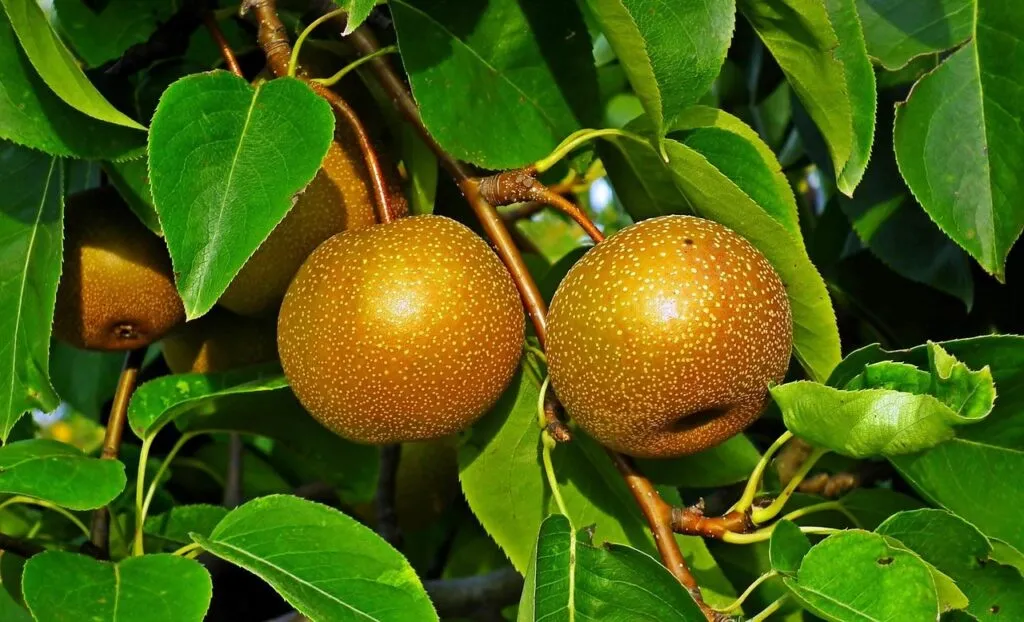
Asian pears (Pyrus pyrifolia) are also called nashi pears, and they’re one of those fruits that really confuse people. They look like round apples with russeted skin, but they’re actually pears. The texture is crisp and crunchy like an apple, but the flavour is sweet and pear-like with loads of juice. They’re brilliant eaten fresh, and they keep for ages in the fridge.
Now, I’ll be honest: these need a bit more care than some of the others on this list. They want a warm, sunny spot, ideally trained against a south-facing wall or fence. I’ve got one as a cordon at a client’s place in Cheshire, and it does really well. But if you’re in a cold, exposed garden in the north, they might struggle.
The blossom is absolutely stunning in spring. Clouds of white flowers that smell gorgeous, and the tree looks beautiful even when it’s not fruiting. You need two compatible varieties for pollination, just like with regular pears. ‘Shinseiki’ is a good choice because it’s self-fertile and produces these lovely golden-brown fruits in September.
They’re grown and pruned exactly like regular pears, so if you’ve already got pear trees and know what you’re doing, you’ll have no problems. If you’re new to fruit growing, maybe start with something easier and work up to Asian pears. But they’re definitely possible in the UK, especially in the south and in warmer microclimates.
Plant them in well-drained, slightly acidic soil with lots of sunshine. They can take about four years to start cropping properly, but once they do, you’ll get reliable harvests that last well into winter if you store them right.
Damsons, Bullaces and Cherry Plums: The Forgotten Plums
I know, I know. You’re thinking, “But Lee, you said beyond traditional orchard fruits!” But hear me out, because these are not your average plums, and loads of people don’t even know they exist.
Damsons are these small, dark purple plums that are absolutely brilliant for cooking. The Westmorland damsons from the Lyth Valley near Kendal are legendary – they’ve been growing there for centuries in hedgerows and field corners. The fruit is quite sharp for eating fresh,. However, when you cook it, that’s when magic happens. Damson jam, damson gin, and damson crumble are all absolutely spectacular.
I’ve got a Damson tree that’s about fifty years old, and it never fails. They’re tough, they’ll grow on exposed sites, and they tolerate rubbish soil. They flower later than most plums, so they dodge the worst frosts. And they’re self-fertile. You really can’t go wrong.
Bullaces are even tougher. They’re basically wild plums (Prunus insititia), and you’ll sometimes find them growing in old hedgerows. The fruits can be yellow or dark purple, and they’re pretty sharp, but they make incredible jam. Cherry plums (Prunus cerasifera) are similar – early flowering, with small yellow or red fruits that are sharp but usable.
These aren’t exactly show-stoppers, but they’re proper workhorses. If you’ve got a difficult site with heavy clay, exposed to wind, a frost pocket where most fruit trees would sulk, try a damson or bullace. They’ll grow there quite happily and give you bags of fruit for preserving.
Fig Trees even in Britain
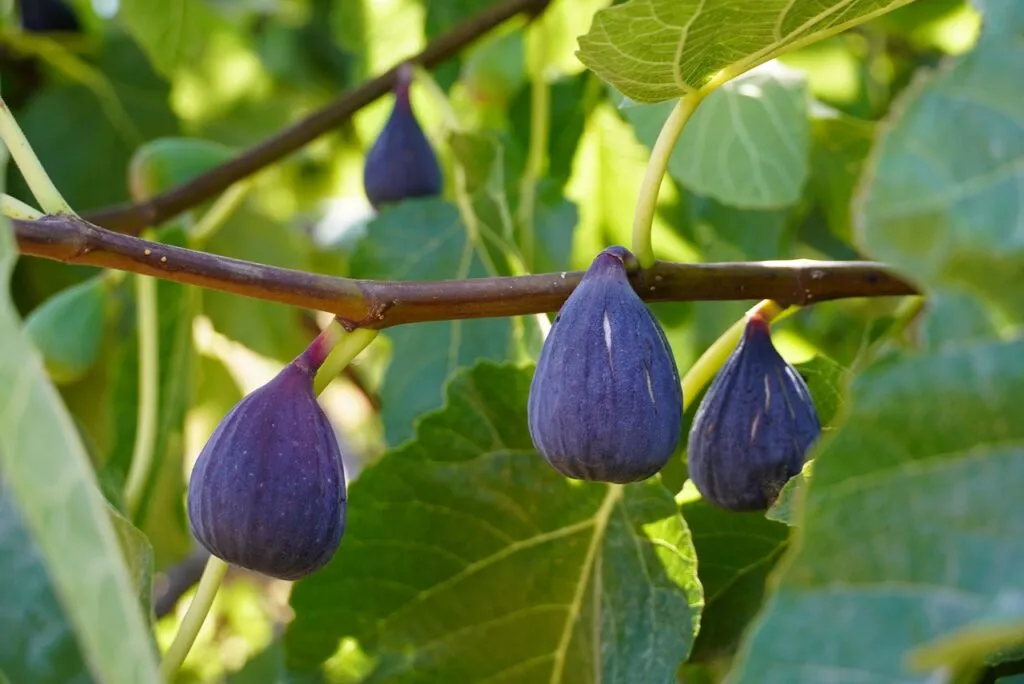
I’ve convinced loads of people over the years that you can grow figs in the UK, and they always look sceptical until I show them my garden that produces a crop of fruit every year (albeit just 4 or 6 figs, but still!). Figs (Ficus carica) are often said to need a Mediterranean climate, but that’s rubbish. They’re perfectly happy in Britain if you site them correctly and protect them.
The trick with figs is planting them right. You want them against a south or west-facing wall in full sun. And here’s the crucial bit: you need to restrict their roots. If you let a fig tree root into open ground, it’ll grow leaves like crazy but won’t fruit properly. So you either plant them in a large container (at least 45-60 litres) or you dig a pit, line it with paving slabs to restrict the roots, and plant them in that.
Once they’re established, figs are brilliant. ‘Brown Turkey’ is the standard variety because it’s the most reliable, but ‘White Marseilles’ is also good if you want pale green figs with really sweet flesh. They’re self-fertile, so you only need one.
In a good red hot year, you’ll get two crops: one in early summer from last year’s fruit that overwintered, and another in late summer from this year’s growth. The flavour of a ripe fig straight off your own tree absolutely destroys anything you’ll get in a supermarket. They’re sweet, jammy, with this incredible texture.
Figs need almost no maintenance. A bit of watering in summer if you’re growing them in pots, an annual feed in spring, and maybe some fleece over the young fruits in winter if we get a properly hard frost. That’s it. They’re virtually pest-free, too. I’ve never had to spray mine.
Crab Apples: Not Just for Jelly
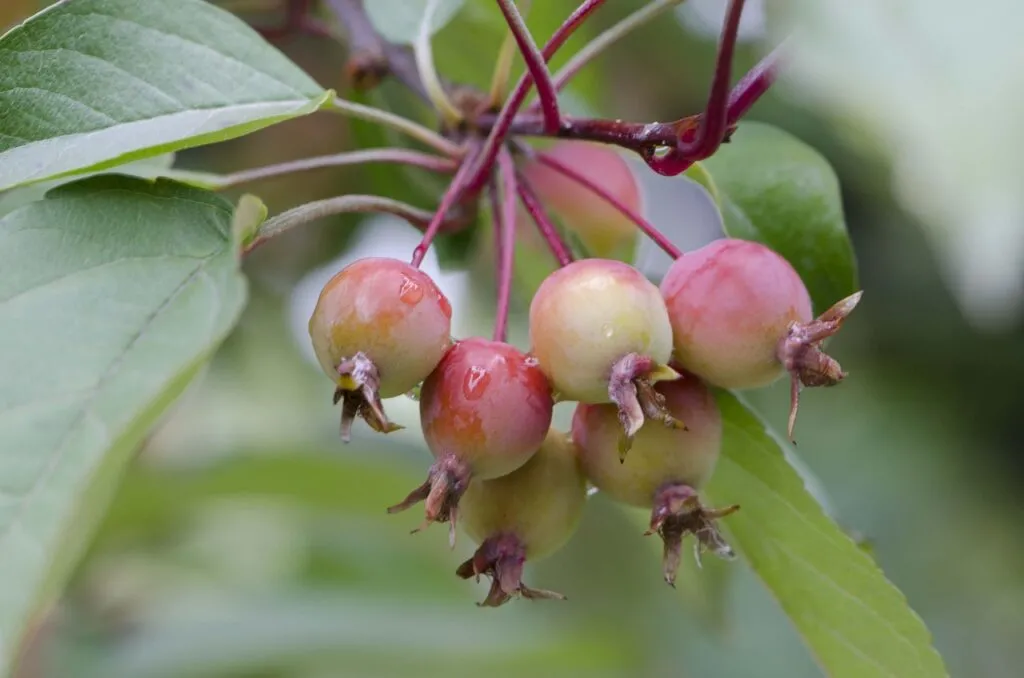
I can hear you now: “Lee, crab apples? Really? Those tiny sour things?” Yes! But I’m talking about the proper fruiting varieties, not just ornamental ones. There are some cracking crab apples that produce fruit you can actually use, and they’re beautiful trees as well. The best thing about crab apples is they come in multiple stem formats that fit in even the smallest gardens, adding height and interest.
‘John Downie’ is the classic. Bright orange-red fruits that make incredible jelly with a brilliant colour. I planted one for a client in Manchester who makes crab apple and rosemary jelly that’s so good she sells it at local markets. The tree itself is gorgeous, covered in pinky white blossom in spring, displaying lovely autumn colours, and remaining architectural in winter.
But here’s a properly unusual one: ‘Roberts Red’ or ‘Roberts Crab’ has purple flesh. The apples are dark purple-red right through, and when you juice them, you get this deep claret-coloured juice that’s full of antioxidants. It’s not great for eating fresh (very sharp), but for cooking and making juice, it’s brilliant.
Crab apples are also fantastic pollinators for your regular apple trees if you’ve got them. They flower for ages, are hardy, and aren’t fussy about soil. Most are quite compact, with a maximum size of 4-5 metres, making them easy to fit into small gardens.
Plant them as you would any apple tree. They’re low maintenance, disease-resistant, and they’ll fruit reliably every year. The birds will have some of the fruit, but there’s always plenty left for you.
The Practical Bits: What You Need to Know
I think I’ve expressed enough about individual unusual fruit trees, so it’s time to look at practical advice from years of getting my hands dirty in planting and looking after them.
First off, rootstocks matter. When you buy a fruit tree, it’ll be grafted onto a rootstock that controls its size. For most gardens, you want M26 or MM106 for apples, Quince A or Quince C for pears and quinces, St Julien A or Pixy for plums. These keep the trees to 3-5 metres, which is manageable. If you’ve got a tiny garden or you’re planting in pots, go for the most dwarfing rootstock available.
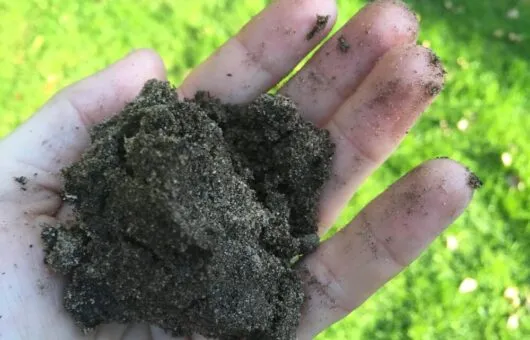
Soil isn’t usually a problem with most of these fruits. They’ll tolerate clay as long as it’s not waterlogged. If you’ve got really heavy clay, dig in loads of compost and grit before planting to improve drainage. Most fruits prefer slightly acidic to neutral soil (pH 6-7), but they’re not that fussy. The main thing is avoiding waterlogged ground – most fruit trees hate that.
When you’re planting, dig a hole twice the width of the root ball but no deeper. You want the tree at the same level it was in the pot. Stake it correctly for the first three years. Mulch around the base with compost or well-rotted manure in spring, keeping the mulch away from the trunk itself.
Most of these unusual fruits need very little pruning. Medlars, quinces, and mulberries basically prune themselves, so take out any dead, damaged or crossing branches in winter. Figs need a light tidy-up in spring. Japanese wineberries and honeyberries are simple, too.
The best bit about a lot of these fruits? Pests and diseases are minimal. I’ve grown medlars, quinces and Japanese wineberries for years without any spraying whatsoever. Compare that to regular apples, where you’re constantly battling sawfly, codling moth, canker and scab.
Why You Should Start Now
Look, I started experimenting with unusual fruits about eight years ago at Garden Ninja HQ, and it’s transformed the way I think about edible gardens. I used to design gardens with the standard apple, pear, plum combination because that’s what people expected. Now I’m putting in medlars, quinces, Japanese wineberries and honeyberries, and clients absolutely love them.
There’s something brilliant about growing fruit that you genuinely cannot buy in shops. When I made medlar jelly last November and gave jars to my mates, not one of them had ever tasted it before. When you rock up to a garden party with a bowl of Japanese wineberries, people actually gather round and ask questions. Try doing that with a bag of Bramleys.
The environmental benefits are worth thinking about, too. A lot of these fruits are brilliant for wildlife. Medlar blossom feeds bees in May when not much else is flowering. Mulberries provide food for birds. The early blossom on honeyberries gives pollinators a boost in March when they really need it. And you’re preserving fruit varieties that commercial growers have abandoned, which feels properly worthwhile.
If you’ve never grown fruit before, start with something easy like Japanese wineberries or honeyberries. If you’re already successfully growing apples and pears, challenge yourself with a quince or medlar. If you’re feeling properly ambitious and you’ve got a warm wall going spare, have a crack at figs or Asian pears.
Space is rarely the issue people think it is. I’ve designed fruit gardens for tiny courtyards in Manchester city centre. You can train fruits as cordons up walls and fences, grow them in large pots on patios, or use stepover forms as edging for paths. Think creatively about the space you’ve got.
The best time to plant most of these is autumn or early spring when they’re dormant. Bare root trees are cheaper and establish just as well as pot-grown ones. Buy from reputable nurseries that specialise in fruit – places like Chris Bowers, Keepers Nursery, or your local fruit tree specialist. They’ll give you proper advice about pollination, rootstocks and varieties.
Your Action Plan
Right, here’s what I want you to do. Go and have a proper look at your garden. Where’s the sunniest spot? Is there a wall or fence you could train something against? Have you got space for a tree that’ll reach 4-5 metres? What about a large pot on the patio?
Then think about what fruit you actually want. Do you love making jam? Damsons, quinces and Japanese wineberries would be brilliant. Want fresh fruit to eat in summer? Honeyberries, figs and Asian pears. Fancy trying something medieval and impressive? Medlar all the way.
Order your trees this autumn for delivery in late winter. Plant them properly with good drainage and decent soil. Stake them, mulch them, water them in their first summer. Then step back and let them do their thing.
Learn How to Design Your Own Garden
Now you know what’s involved in growing unusual fruit trees, why not consider taking your skills to the next level with some online design training? My Garden Design for Beginners Course is here to help take your garden from average to amazing with an affordable online course, no matter how little your experience with plants.
This course offers step-by-step guidance from me, Lee Burkhill, award-winning garden designer and presenter on BBC1’s Garden Rescue. In this course, you’ll go from a garden design novice to a confident designer equipped to tackle any green space.
Planting Techniques – Select and arrange plants like a pro.
Design Styles & Layout Options – Explore different styles to suit every garden.
Course Features:
20 Hours of Study Time
Flexible Online Learning
Engaging Video Lessons & Quizzes
Real-World Case Studies
Certification upon Completion
Taught by Award-Winning Designer Lee Burkhill
Enrol now for just £199 and start your journey toward garden design mastery!
29
Garden Design Examples for Small Gardens: 30 Design Templates & Planting Plans
Garden Design Examples for Small Gardens: 30 Design Templates & Planting Plans: In this online gardening course, I’ll walk you through 30 fantastic garden designs, explaining the logic behind the layout, the plant choices, and take-home tips for applying them in your own garden.
Weekend Garden Makeover: A Crash Course in Design for Beginners
Learn how to transform and design your own garden with Lee Burkhills crash course in garden design. Over 5 hours Lee will teach you how to design your own dream garden. Featuring practical design examples, planting ideas and video guides. Learn how to design your garden in one weekend!
Garden Design for Beginners: Create Your Dream Garden in Just 4 Weeks
Garden Design for Beginners Online Course: If you want to make the career jump to becoming a garden designer or to learn how to design your own garden, this is the beginner course for you. Join me, Lee Burkhill, an award-winning garden designer, as I train you in the art of beautiful garden design.
In a few years’ time, you’ll be standing in your garden in August, eating fresh figs off your own tree or picking Japanese wineberries with your kids, and you’ll wonder why you ever settled for boring supermarket fruit. You’ll have become part of this brilliant revival of forgotten British fruit growing, and your garden will be all the better for it.
That’s what gets me excited about growing fruit trees and productive gardening. Not just the fruit itself (though that’s obviously brilliant), but the fact that we’re rediscovering these amazing plants that our grandparents’ generation knew about, but we somehow forgot. Every garden with a medlar or a quince is pushing back against the homogenisation of what we grow and eat. And that’s got to be worth doing.
So go on. Be brave. Plant something unusual. Your taste buds will thank you, and your garden will be infinitely more interesting. And when your neighbour asks what that weird-looking fruit tree is, you can smile and say, “That’s a medlar, mate. Want to try some?”
Lee Burkhill, known as the Garden Ninja, is an award-winning garden designer and horticulturist with over 30 years of gardening experience and 15 years as a professional garden designer. A qualified RHS (Royal Horticultural Society) professional, Lee specialises in sustainable garden design and practical horticultural advice. He designs and presents on BBC1’s Garden Rescue and in leading gardening publications. Lee combines three decades of hands-on gardening knowledge with professional design qualifications to help gardeners create beautiful, functional outdoor spaces.