Lee Burkhill: Award Winning Designer & BBC 1's Garden Rescue Presenters Official Blog
Beginner level
If there is one garden aspect that genuinely excites me as a garden designer, it is the west facing garden. After more than 30 years of gardening experience and over 15 years of professional garden design, including my work on BBC1's Garden Rescue, I know what works in these spaces. West facing gardens get the afternoon sun and capture the beautiful golden light of the evening. They offer warmth, richness, and an enormous plant palette that gives you options most other aspects simply cannot match.
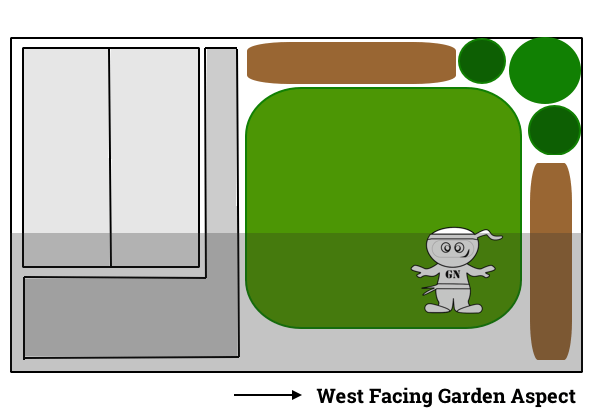
A west facing garden receives direct sun from roughly midday or early afternoon onwards, building in intensity through the afternoon before the long, warm, golden light of evening that makes everything look at its very best.
The soil tends to be somewhat drier in summer than north or east facing gardens, particularly against walls and fences, because of the sustained afternoon heat. In winter, west facing gardens stay warmer than north or east facing ones, and the relatively mild, moist westerly airflow that predominates across most of the UK means that even tender plants often do surprisingly well against a west facing wall.
The challenge, and it is a relatively minor one, is managing soil moisture during dry periods. A west facing border can get quite dry in summer, particularly at the base of walls and fences where the rain shadow effect combines with sustained afternoon sun. Good soil preparation and consistent mulching addresses this beautifully, and the plant palette available to you is so extensive that a west facing garden should be a source of great pleasure rather than any anxiety.
This page contains affiliate links for products I use and love. If you take action (i.e. subscribe, make a purchase) after clicking a link, I may earn some gardening commission, which helps me keep the Garden Ninja Blog free for all.
Understanding Your West Facing Garden
To get the most from a west facing garden, it’s worth taking time to understand the microclimate you’re working with. The morning shade means the garden starts cool, which is actually beneficial for many plants, particularly those that might bolt or run to seed too quickly in a south facing position. As the day progresses, temperatures rise and the full warmth of the afternoon sun reaches the garden, peaking in intensity in the early to mid afternoon and then transitioning to that beautiful warm, low, golden evening light that makes a west facing garden one of the most atmospheric places to sit and enjoy a summer evening.
West facing walls accumulate a significant amount of heat through the afternoon. The brickwork or masonry absorbs this heat and releases it slowly throughout the evening and into the night, creating a noticeably warmer microclimate near the wall than would be expected from the air temperature alone. This wall warmth is one of the most valuable resources in any garden, and in a west facing garden you can exploit it to grow plants that would otherwise struggle in a UK climate: wisteria, campsis, ceanothus and even some of the more borderline-hardy exotics thrive in these conditions.
Rainfall distribution in a west facing garden is also worth considering. The prevailing westerly winds in the UK bring a predominantly moist airflow from the Atlantic, which means west facing gardens typically receive rainfall in a more consistent pattern than south facing ones. The wall itself will cast a rain shadow immediately at its base, so soil improvement and mulching are essential in that zone.
Best Climbers for a West Facing Wall or Fence
A west facing wall is a superb growing environment for some of the most spectacular climbers available to UK gardeners. The warmth accumulated in the wall, combined with sustained afternoon sun, allows you to grow plants that simply wouldn’t survive in any other aspect.
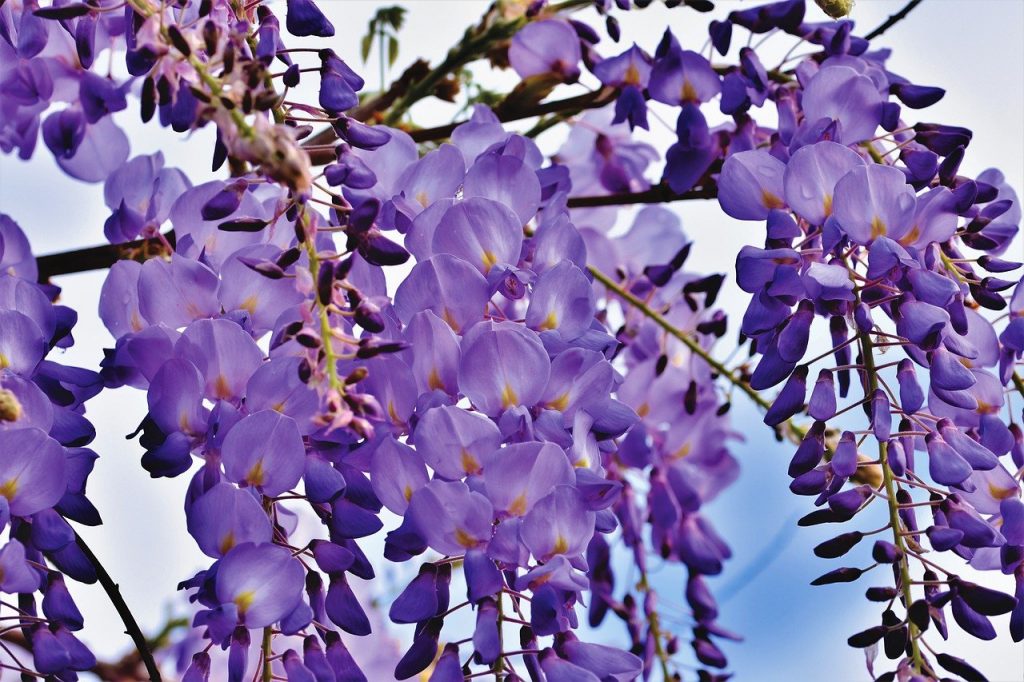
Wisteria floribunda and Wisteria sinensis
There is no more spectacular climber for a west facing wall than wisteria. I’ve designed many gardens where wisteria forms the centrepiece of the entire planting scheme, and a well-established plant in full bloom is one of the most breathtaking sights in horticulture.
Wisteria floribunda, the Japanese wisteria, produces its flower racemes after the leaves emerge and they can reach an extraordinary 60cm or more in length in some varieties. Wisteria sinensis, the Chinese wisteria, flowers before the leaves and produces shorter but equally spectacular clusters.
Both need a west or south facing wall to perform at their best, and both require disciplined twice-yearly pruning to keep them in bounds and encourage maximum flowering. Don’t be put off by the pruning requirement; it’s a very satisfying and straightforward task once you understand the system, and I have a full pruning guide on the Garden Ninja website to walk you through it.
Height: Up to 30m over time | Hardiness: H5 to H6 | Flowering:April to June
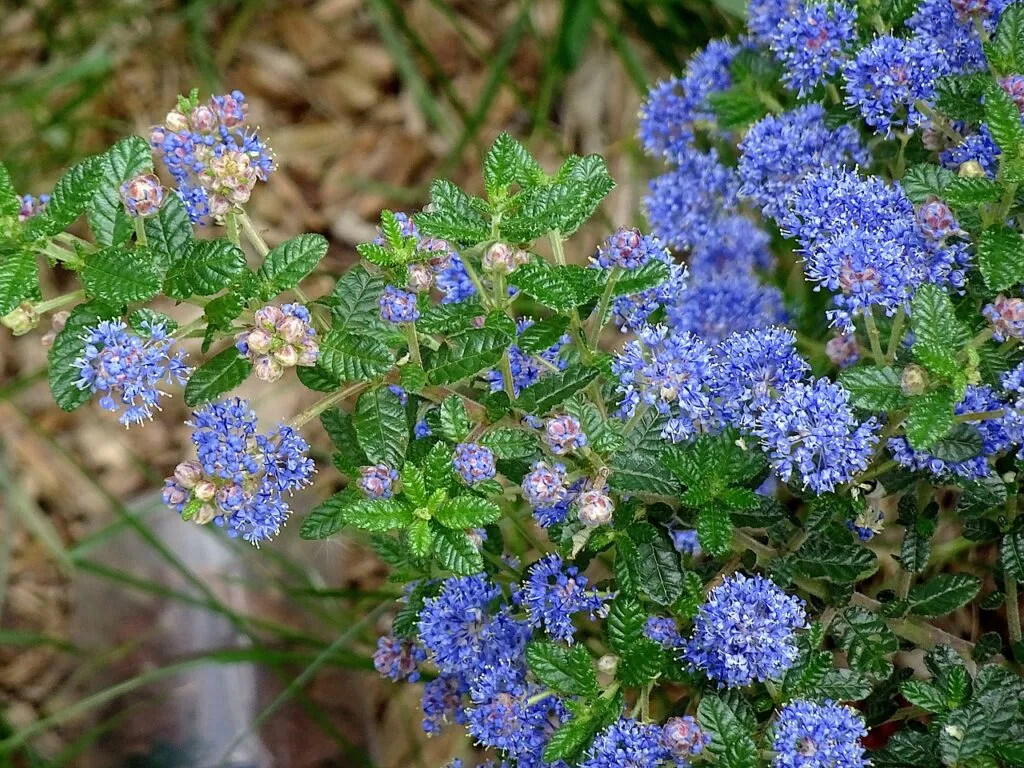
Ceanothus trained against a west facing wall is one of the most beautiful sights in the spring garden. The flowers, in various shades of intense blue, are produced in generous clusters and provide a colour that very few other plants can rival.
Evergreen varieties such as ‘Concha’, ‘Blue Mound’ and the spectacular ‘Puget Blue’ perform particularly well on west facing walls, where the warmth helps protect them through winter and the afternoon sun encourages maximum flowering. They can be wall-trained by tying in main stems and removing any outward-growing shoots after flowering each year. Give them well-drained soil; they dislike waterlogging.
Height: 2m to 5m | Hardiness: H4 | Flowering: April to June
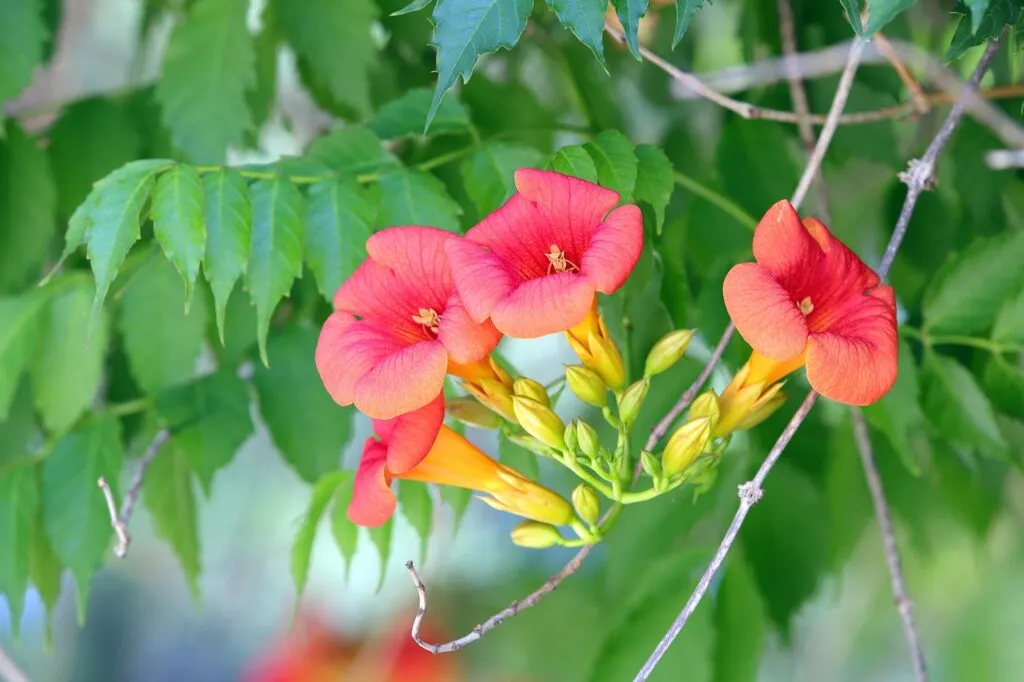
For something genuinely exotic and spectacular on a west facing wall, campsis is the plant I’d suggest. The clusters of large, trumpet-shaped flowers in vivid shades of orange, red and yellow are produced in late summer at a time when relatively few climbers are still at their best.
This climber needs the heat that a south or west facing wall accumulates to flower well, and on a sheltered west facing wall it can be quite magnificent. It is self-clinging, though I’d recommend providing some wire support to help it cover the wall evenly. The variety ‘Madame Galen’ in orange-red is perhaps the most widely grown and holds the RHS Award of Garden Merit.
Height: Up to 10m | Hardiness: H3 to H4 | Flowering: August to September
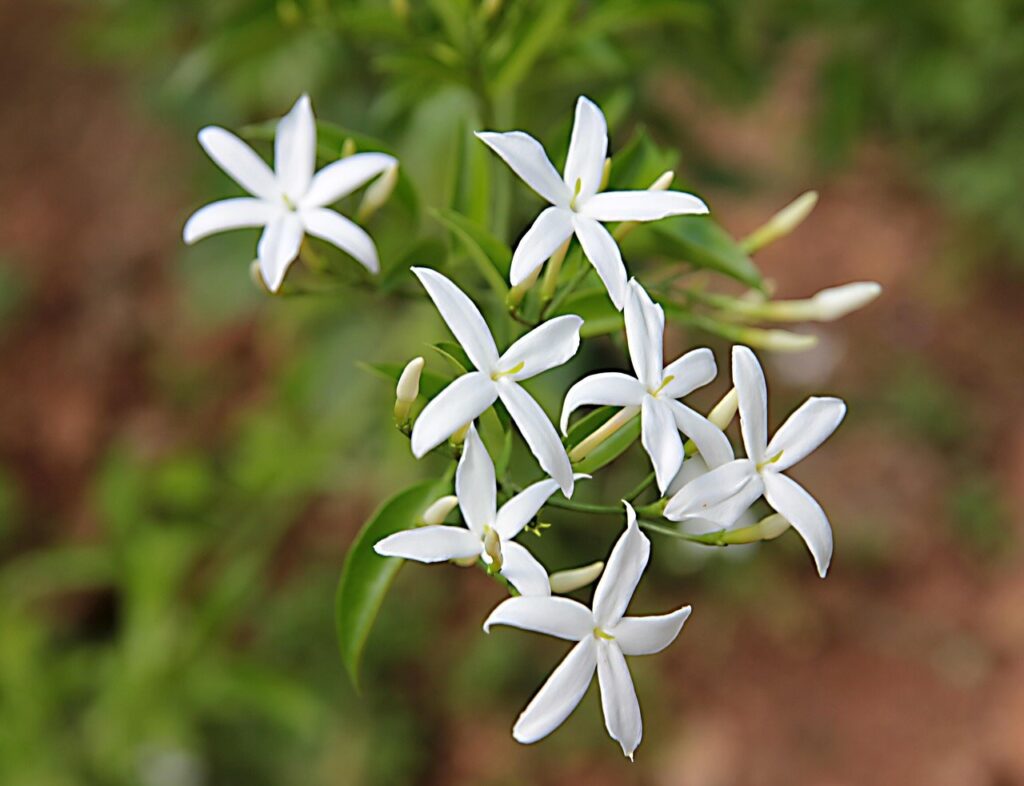
Common jasmine is one of the most beautifully scented climbers you can grow, and a west facing wall is one of its favourite positions. The small, pure white, star-shaped flowers are produced throughout summer in great abundance, and the scent they release in the evening is extraordinary; sweet, heady and intensely pleasurable.
If you have a seating area on your west facing terrace or patio, planting jasmine nearby so that the evening scent drifts across as you sit and enjoy the evening sun is one of the great garden pleasures. It is vigorous and needs regular pruning after flowering to keep it in shape, but it is completely rewarding in return.
Height: Up to 15m | Hardiness: H4 | Flowering: June to September
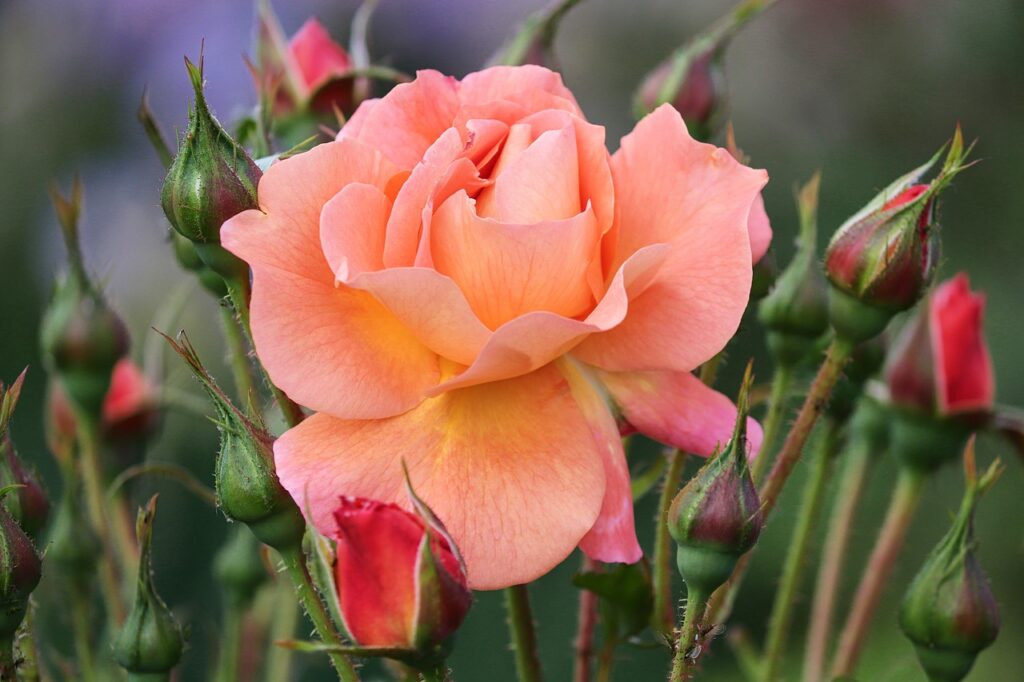
Roses of all types perform magnificently on west facing walls and fences. The afternoon sun encourages them to flower prolifically, the slightly drier conditions suit most varieties better than constantly wet soils, and the wall warmth helps protect marginally tender varieties through winter.
For repeat-flowering colour throughout summer and autumn, look at the climbing hybrid teas and floribundas, such as the beautiful salmon-orange ‘Warm Welcome’ or the classic deep crimson ‘Étoile de Hollande’. For an explosion of flowers in early summer and a more informal appearance, rambling roses such as the white ‘Bobbie James’ or the soft pink ‘Albertine’ will cover an enormous area with effortless charm.
Height: 3m to 8m depending on variety | Hardiness: H5 to H6 | Flowering: June to October (repeat flowering varieties)
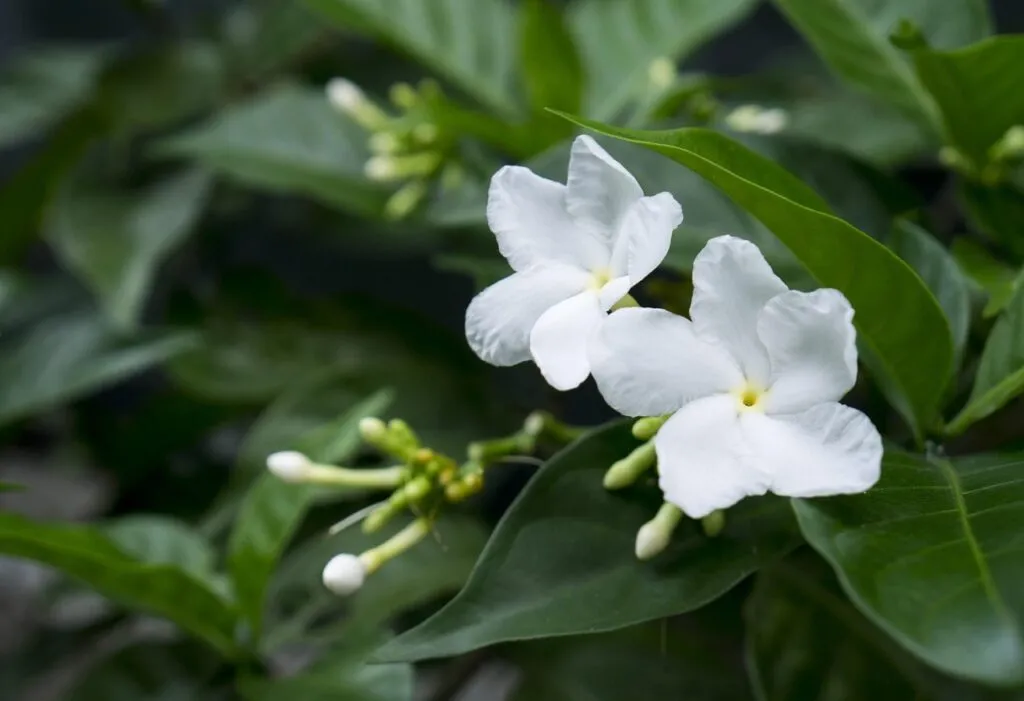
Star jasmine is a plant I cannot recommend enthusiastically enough for west facing gardens. This beautiful, evergreen, twining climber produces masses of small, pinwheel-shaped white flowers from midsummer onwards, and the scent is absolutely superb, a rich, sweet vanilla-jasmine fragrance that perfumes the air around it on warm evenings.
Against a sheltered west facing wall, it is generally hardy in most parts of the UK down to approximately minus 10 degrees Celsius, and the glossy, dark evergreen foliage looks immaculate year-round. It’s slower to establish than some climbers but completely worth the patience, and it is one of the most beautiful things you can grow against a house wall.
Height: 6m to 9m | Hardiness: H3 to H4 | Flowering:July to August
The shrub palette for west facing gardens is genuinely extensive, and includes some of the most beautiful and floriferous plants available to UK gardeners.
Lavandula (Lavender)
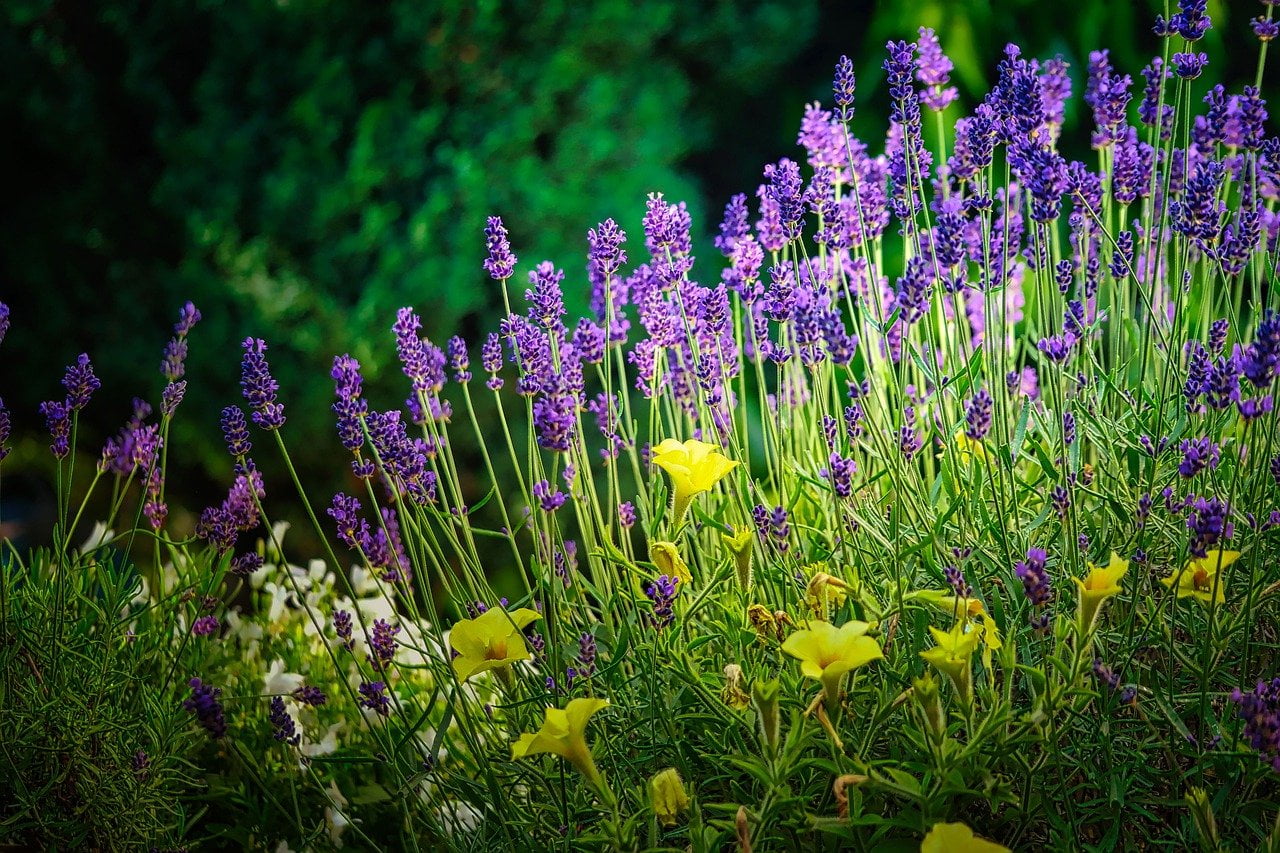
Lavender is one of those plants that absolutely belongs in a west facing garden, even though so many people only think they will grow in south facing gardens! It wants full sun for at least six hours a day, perfectly drained soil, and warmth, and a west facing garden provides all three in abundance during the afternoon and evening.
The flowers in shades of purple, violet, blue, pink and white are produced from midsummer and are intensely attractive to bees, butterflies and hoverflies. The foliage is aromatic year-round. ‘Hidcote’ in deep purple and ‘Munstead’ in softer lavender-blue are the most reliable varieties for UK gardens. Trim lavender after flowering each year with shears, removing the spent flowerheads and a little of the foliage, but never cut into old wood.
Height: 30cm to 80cm depending on variety | Hardiness: H5 | Flowering: June to August
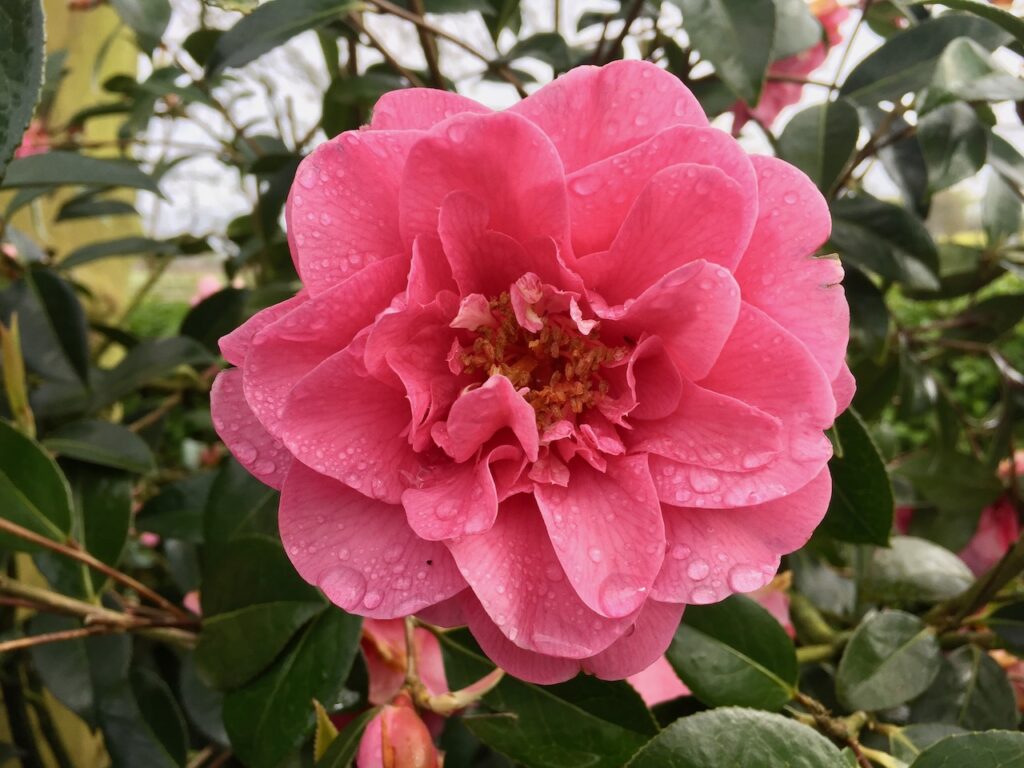
Camellias in west facing gardens work beautifully, and this is actually my preferred aspect for these plants. A west facing position means the flower buds and opening flowers are not subjected to early morning sun on frosty mornings, which is the primary cause of the brown, frosted flowers that people associate with east-facing camellias.
The morning shade, followed by warm afternoon sun, suits camellias perfectly and produces the longest-lasting, most beautifully coloured flowers. They need ericaceous (acidic) soil or compost in containers, and a sheltered position. The variety ‘Donation’ in soft pink, ‘Adolphe Audusson’ in blood red, and ‘Jury’s Yellow’ are all exceptional.
Height: 1m to 3m | Hardiness: H4 to H5 | Flowering: February to April
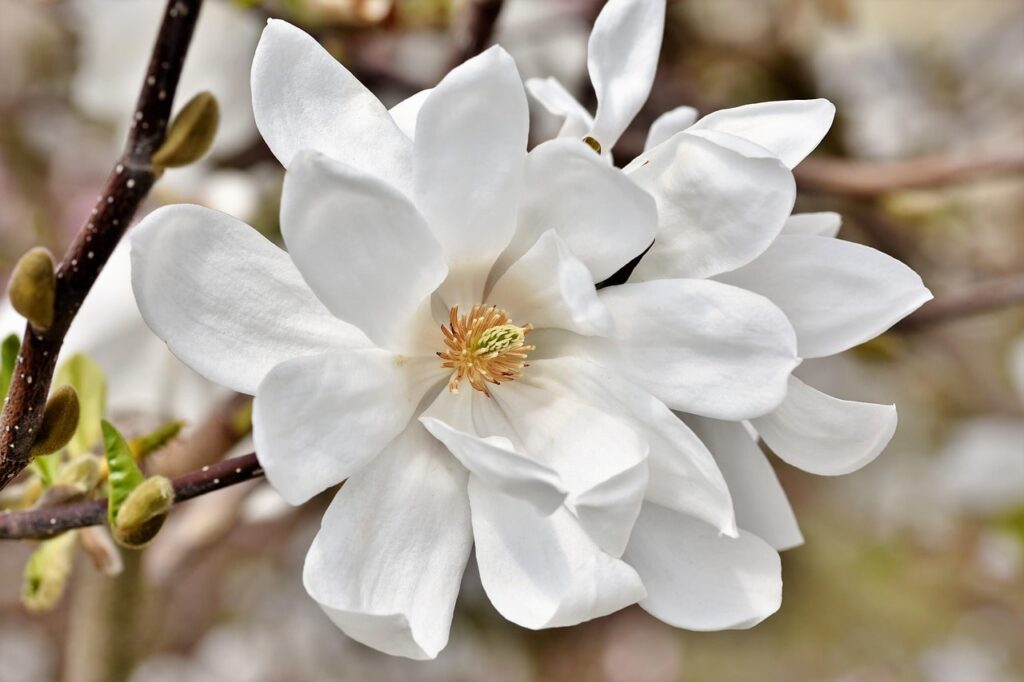
A west facing wall is an excellent position for growing some of the most spectacular deciduous magnolias, as the wall warmth helps protect the developing flower buds from late frosts and the afternoon sun encourages strong growth and abundant flowering. Magnolia x soulangeana, with its large goblet-shaped flowers in white flushed with purple, is a classic and reliable choice.
For something more unusual, Magnolia stellata produces an extraordinary mass of strap-petalled, pure white flowers in early spring before the leaves emerge, and is compact enough for smaller gardens. I have Magnolia stellata here at Garden Ninja HQ and often use it in my design plans as it’s so well behaved.
Both are completely at home against a west facing wall or in a west facing border.
Height: 3m to 6m | Hardiness: H5 | Flowering:March to April
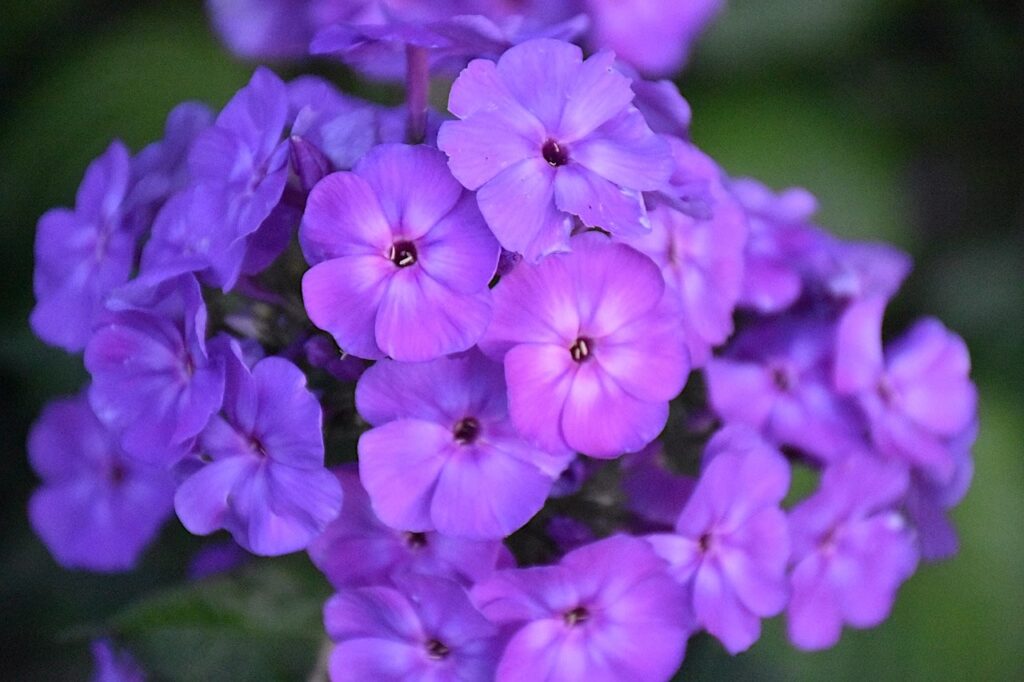
Border phlox is one of the most fragrant and beautiful of all summer flowering perennial border plants, and a west facing garden suits it very well indeed. It wants a reasonable amount of sun to flower prolifically, combined with cool, moist roots, and these are conditions a west facing garden can provide if the soil is prepared well with plenty of organic matter.
The flowers, in shades of white, pink, red, lilac and purple, are produced in large, domed clusters from midsummer into early autumn and are intensely fragrant. Varieties such as ‘David’ in white, ‘Starfire’ in deep crimson red and ‘Blue Paradise’ in lilac-purple are particularly fine.
Height: 60cm to 1.2m | Hardiness: H6 | Flowering: July to September
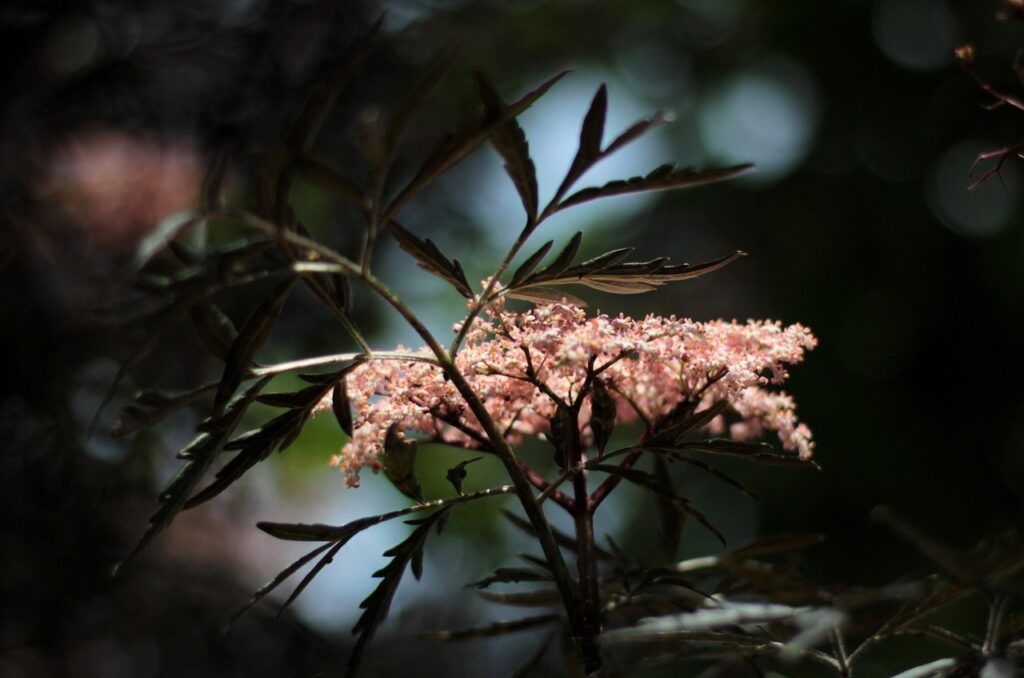
Ornamental elders are underused in west facing gardens and deserve far more attention. The cut-leaved, dark-foliaged varieties such as Sambucus nigra ‘Black Lace’, with its extraordinary dark purple, finely cut foliage and flat-topped pink flowers, are genuinely stunning plants that provide months of interest. Sambucus are a great value alternative to Acers, as they are cheaper to buy, grow much faster, but also have a very similar delicate leaf shape.
The foliage colour is richer and more consistent in partial shade, making the morning shade of a west facing garden actually beneficial. The berries that follow the flowers are valuable to birds. Prune hard in early spring to encourage the most vigorous growth and the best foliage quality.
Height: 2m to 4m | Hardiness: H6 | Flowering: June to July
West facing gardens support an incredibly wide range of perennials, from sun-loving Mediterranean plants to cottage garden classics and more architectural choices.
Geranium (Hardy Cranesbill)
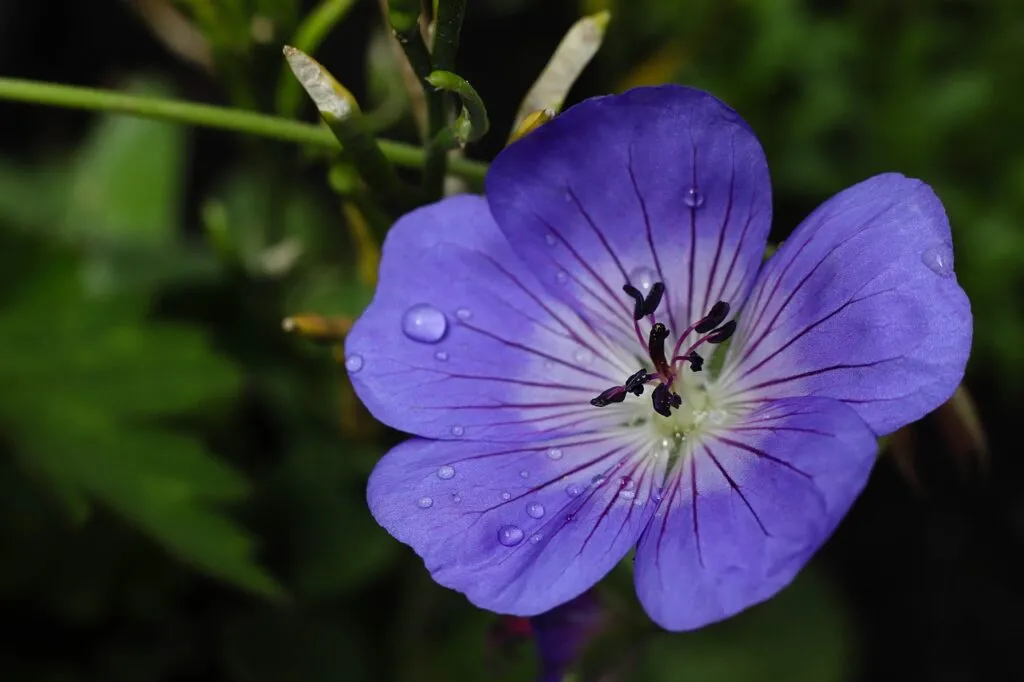
Hardy geraniums are the ultimate easy-care perennials for west facing borders because they tolerate both sun and partial shade with equal good humour. They flower prolifically from early summer, with many varieties producing a second flush if cut back hard after the first flowering.
The range of flower colours is excellent, from the brilliant magenta of ‘Patricia’, through the soft lilac-blue of ‘Rozanne’ (which flowers virtually continuously from June to October), to the pure white of ‘Kashmir White’. They are completely hardy, long-lived, and require minimal maintenance. I use them constantly in west facing garden designs as reliable backbone planting.
Height: 20cm to 60cm | Hardiness: H6 | Flowering: May to October
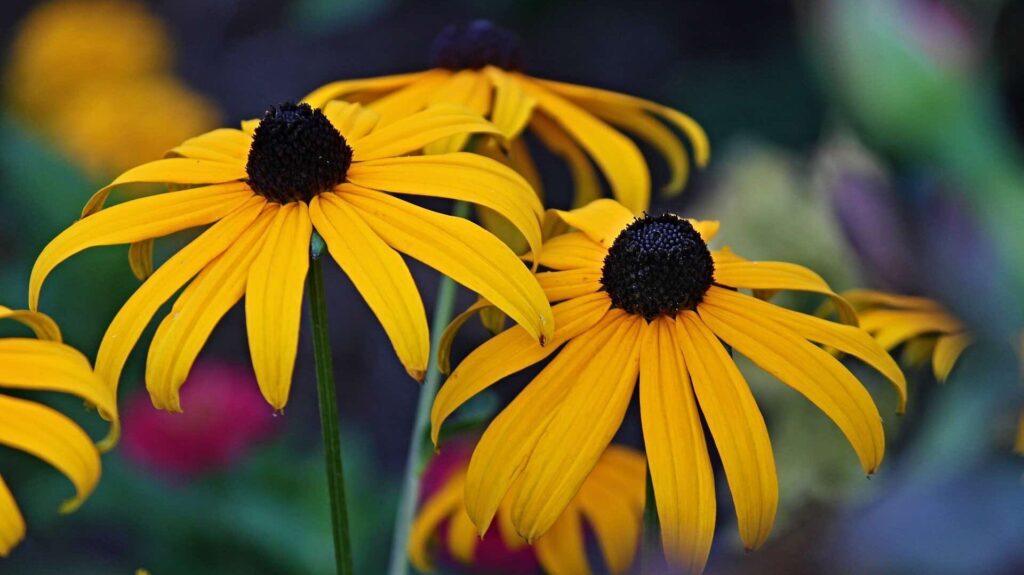
Rudbeckia is one of the great late-season perennials for west facing gardens, producing its cheerful, golden yellow, black-centred daisy flowers in late summer and autumn when many other plants are winding down. Yes, it is a marmite flower, but it’s one of my favourite plant genera in the world and I plant this in all my gardens for late summer colour.
It needs a reasonable amount of sun to flower well, making a west facing position ideal. Rudbeckia fulgida var. sullivantii ‘Goldsturm’ is the most widely grown and reliable variety, holding the RHS Award of Garden Merit. It associates beautifully with the russet and copper tones of autumn, and the seedheads provide food for finches through winter if left uncut.
Height: 60cm to 90cm | Hardiness: H6 | Flowering: August to October
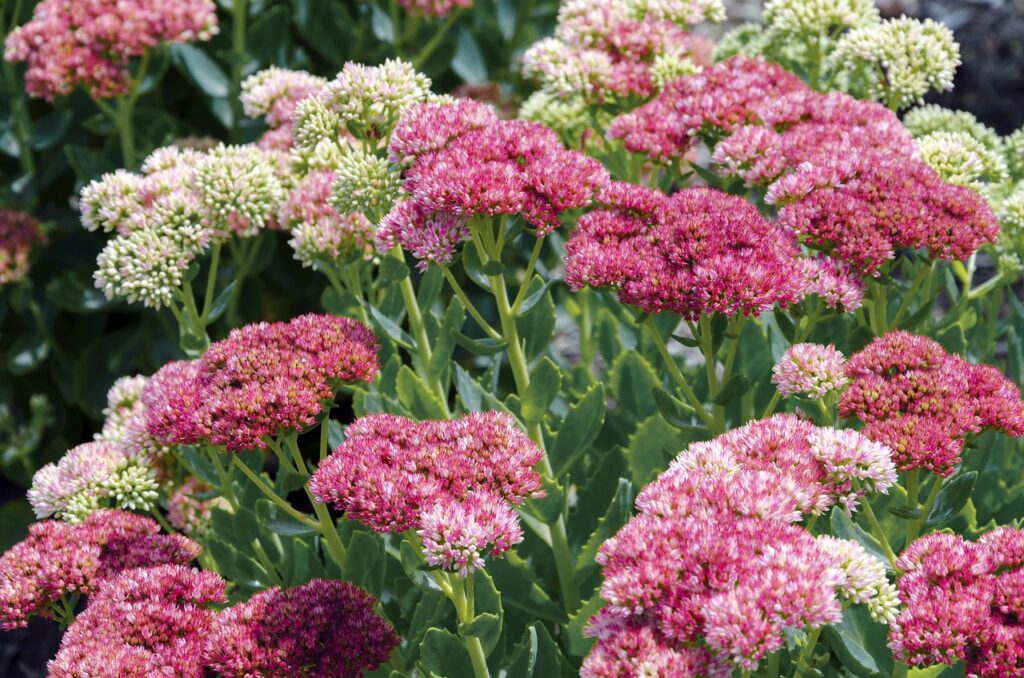
Sedums and their closely related Hylotelephium relatives, commonly known as ice plants or stonecrop, are superb sun-loving perennials for west facing borders. The fleshy, glaucous grey-green foliage is attractive all summer, and the broad, flat flower heads in shades of pink and dark red appear from late summer through into autumn, when they are absolutely covered in butterflies, bees and hoverflies.
They need full sun to thrive and will become floppy and disappointing in shade. A west facing position gives them the sustained afternoon sun they need. The variety ‘Autumn Joy’ is a classic, while ‘Purple Emperor’ with its dark purple foliage is more dramatic.
Height: 40cm to 60cm | Hardiness: H6 | Flowering: August to October
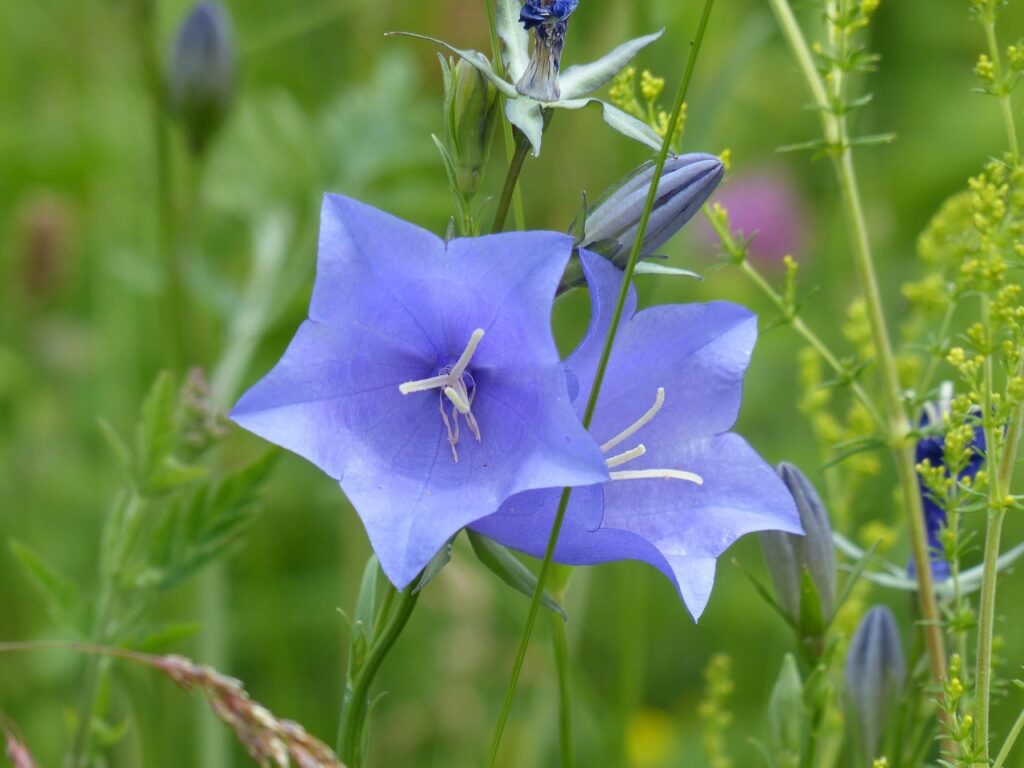
Campanulas are beautiful cottage garden perennials that suit west facing borders very well. Campanula lactiflora, the milky bellflower, is a tall, elegant species that produces large clusters of lilac-blue or white flowers from midsummer, reaching up to 1.5m in height and providing wonderful vertical interest.
The lower-growing Campanula persicifolia, with its large, clear blue or white cup-shaped flowers on slender stems, is perfect for the middle of a border. Even the prostrate Campanula carpatica is excellent at the front of a border, producing a carpet of blue or white flowers throughout summer. All are completely hardy and require minimal maintenance.
Height: 20cm to 1.5m depending on variety | Hardiness: H6 | Flowering: June to August
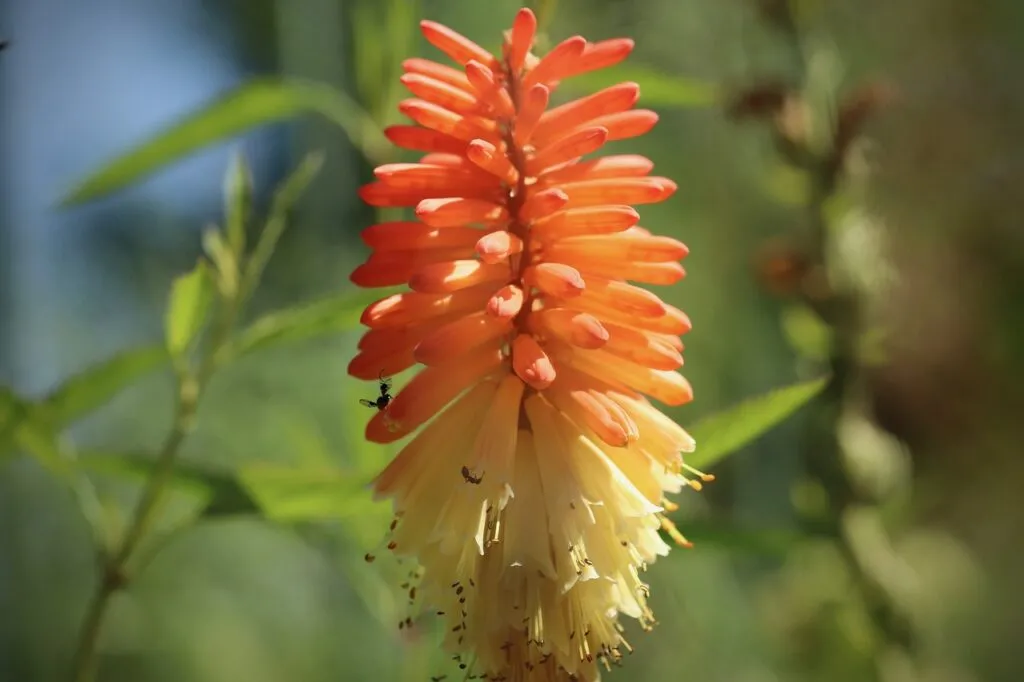
Red hot pokers are among the most dramatic and striking of all late-summer perennials, and they absolutely love a hot, sunny west facing border. The poker-shaped flowerheads in combinations of red, orange and yellow are bold, architectural and long-lasting, and they are magnificent magnets for bees.
Varieties range from the tall, traditional ‘Royal Standard’ in red and yellow to the more unusual ‘Percy’s Pride’ in lime green and yellow, and the dwarf ‘Little Maid’ in cream. They need well-drained soil and full sun to perform at their best. Plant them in spring rather than autumn in colder parts of the UK.
Height: 60cm to 1.5m | Hardiness: H4 to H5 | Flowering: July to September
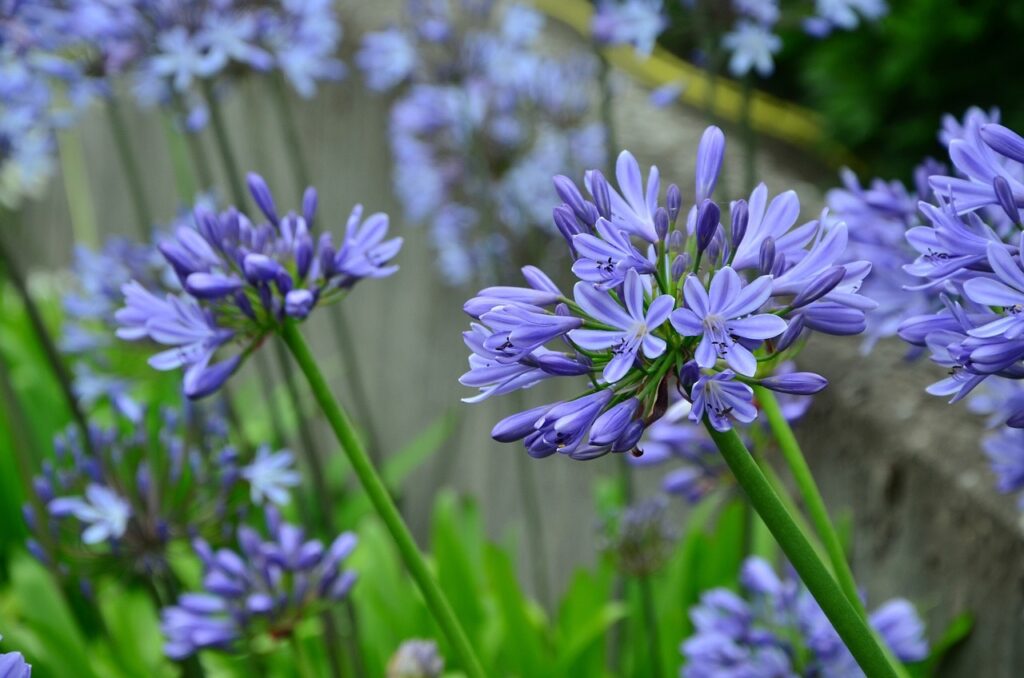
Agapanthus is one of the most beautiful flowering perennials for a sunny west facing garden, producing elegant, strap-shaped foliage topped by tall stems carrying large, rounded heads of flowers in shades of blue, violet and white from midsummer into early autumn. In a west facing position with reasonable drainage and the warmth of a sheltered wall, the hardier varieties such as ‘Headbourne Hybrids’ and the named variety ‘Midnight Blue’ perform magnificently.
They are also excellent in large containers on a west facing terrace, where they can be moved to a sheltered spot if severe frost is forecast.
Height: 60cm to 1.2m | Hardiness: H3 to H4 | Flowering: July to September
Ground cover in a west facing garden needs to be more drought-tolerant than in shadier aspects, as the sustained afternoon sun can dry the soil significantly during summer.
Helianthemum (Rock Rose)
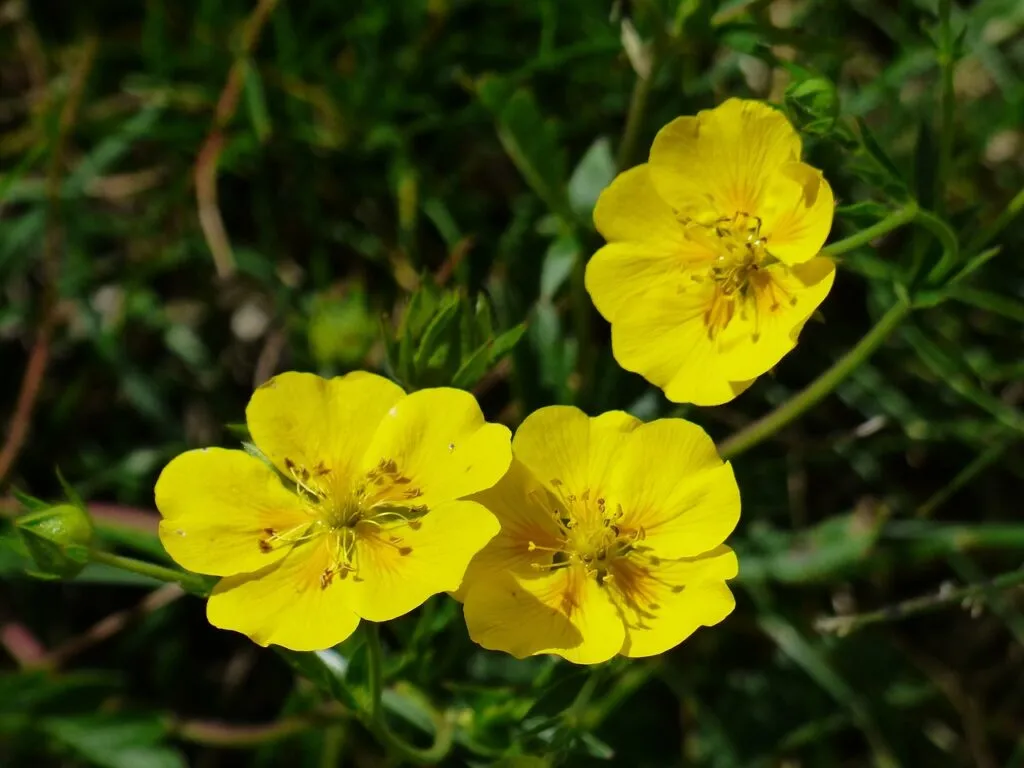
Helianthemum is a superb, low-growing, spreading evergreen shrub for the front of west facing borders. It produces a profusion of papery, single flowers in shades of yellow, orange, red, pink and white from late spring through early summer, and is completely drought-tolerant once established. It loves sun and well-drained soil, and positively thrives in the baking afternoon conditions of a west facing border. After flowering, trim it back lightly with shears to encourage a second flush and keep the plant compact and neat.
Height: 15cm to 30cm | Hardiness: H5 | Flowering: May to July
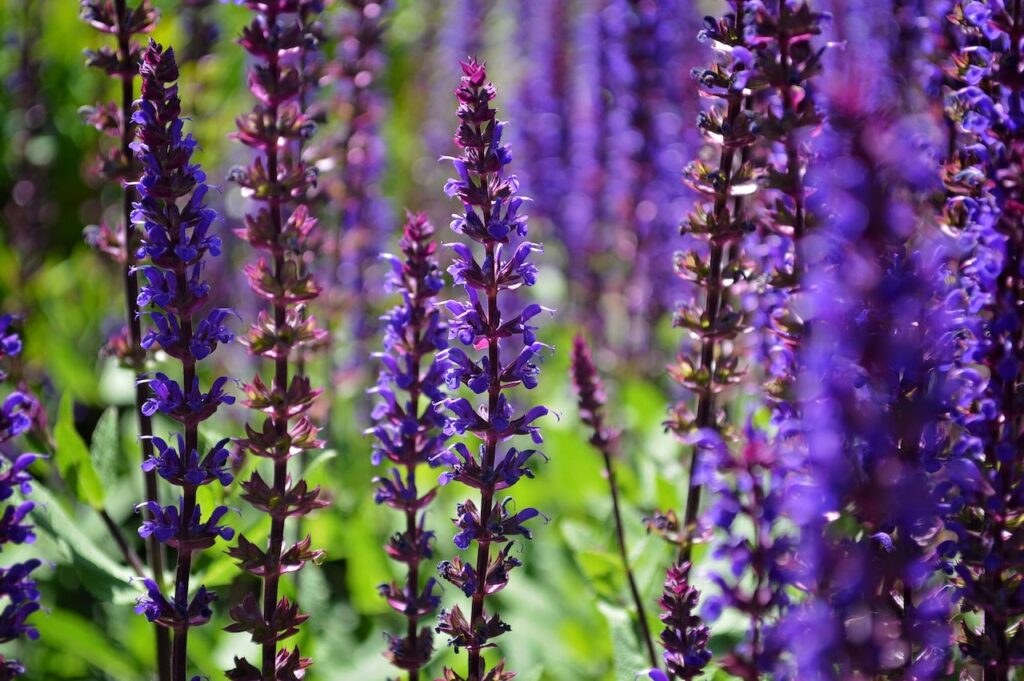
Salvias are among the best sun-loving perennials for west facing borders, and Salvia nemorosa and its varieties are particularly reliable. They produce dense spikes of flowers in shades of violet-blue, purple and pink from early summer, and if cut back after the first flowering will often produce a strong second flush.
‘Caradonna’ with its striking dark purple stems and violet flowers and ‘Ostfriesland’ in deep purple are both excellent. They are perfectly adapted to drier, sunny conditions and are excellent plants for pollinators.
Height: 45cm to 60cm | Hardiness: H5 | Flowering: June to August
A west facing garden supports a very wide range of bulbs, and the sustained afternoon sun encourages robust flowering and, crucially, helps bulbs ripen properly after flowering so they perform reliably year after year.
Tulips
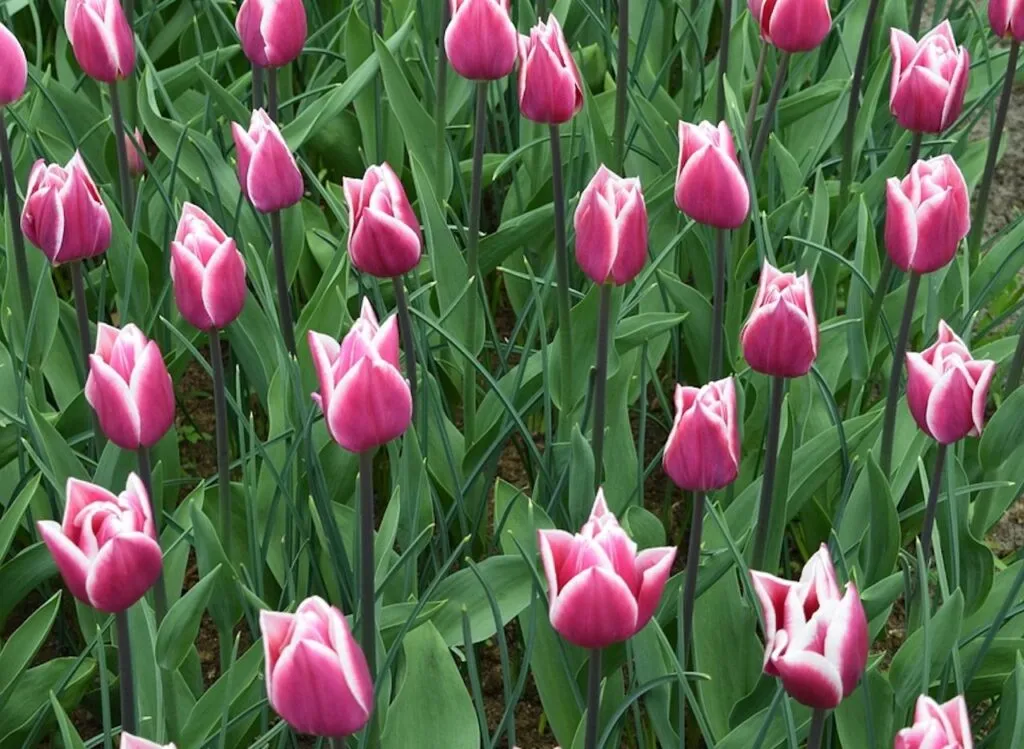
Tulips are magnificent in west facing gardens. The afternoon sun ensures strong, upright growth and intense flower colour, and the range of varieties available is extraordinary, from the classic goblet shapes of the Darwin Hybrid types through to the extraordinary parrot tulips with their frilled and feathered petals. Plant them in autumn in groups of at least twenty bulbs for the most impressive display.
The soil must be well-drained, as tulips will rot in waterlogged conditions. If you want the best year-on-year performance, lifting the bulbs after the foliage has died down and storing them in a dry, cool place until autumn is worth the effort.
Height: 30cm to 70cm | Hardiness: H6 | Flowering: March to May
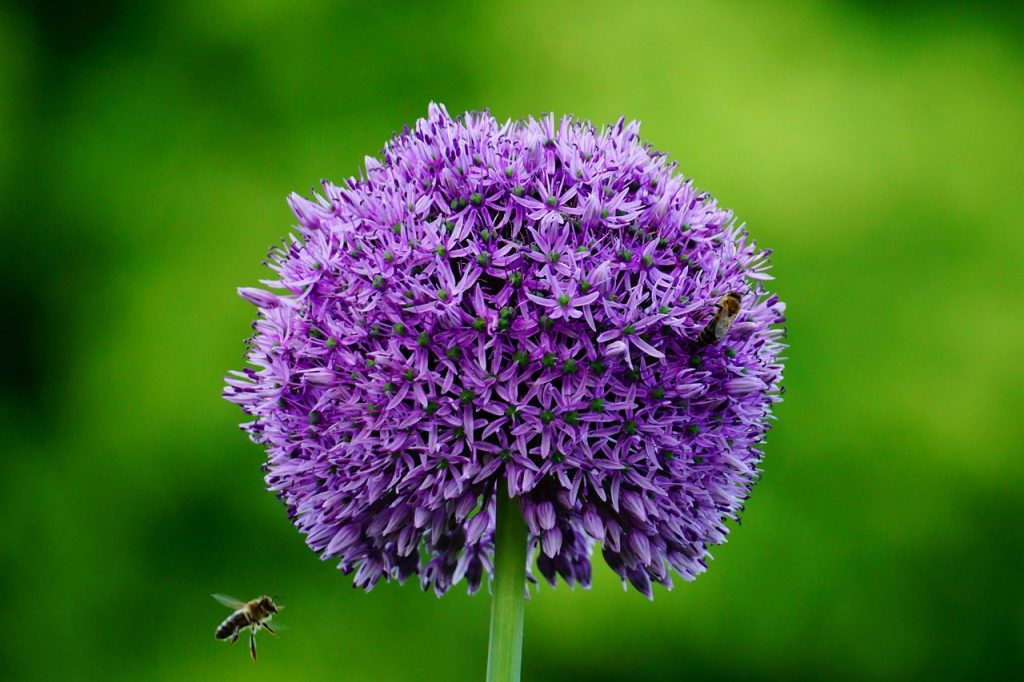
Ornamental alliums are one of the most useful and versatile bulbs for west facing gardens. The perfectly round, globe-shaped flowerheads in shades of purple, violet, white and pink appear from late spring into summer, providing a wonderful bridge between the spring and summer planting. They associate beautifully with roses, peonies and other early summer perennials.
The tall ‘Purple Sensation’ and the majestic ‘Globemaster’ are particularly dramatic, while the smaller ‘Sphaerocephalon’ in burgundy red, which flowers in July, is excellent for extending the season.
Height: 30cm to 1.2m | Hardiness: H5 to H6 | Flowering: May to July
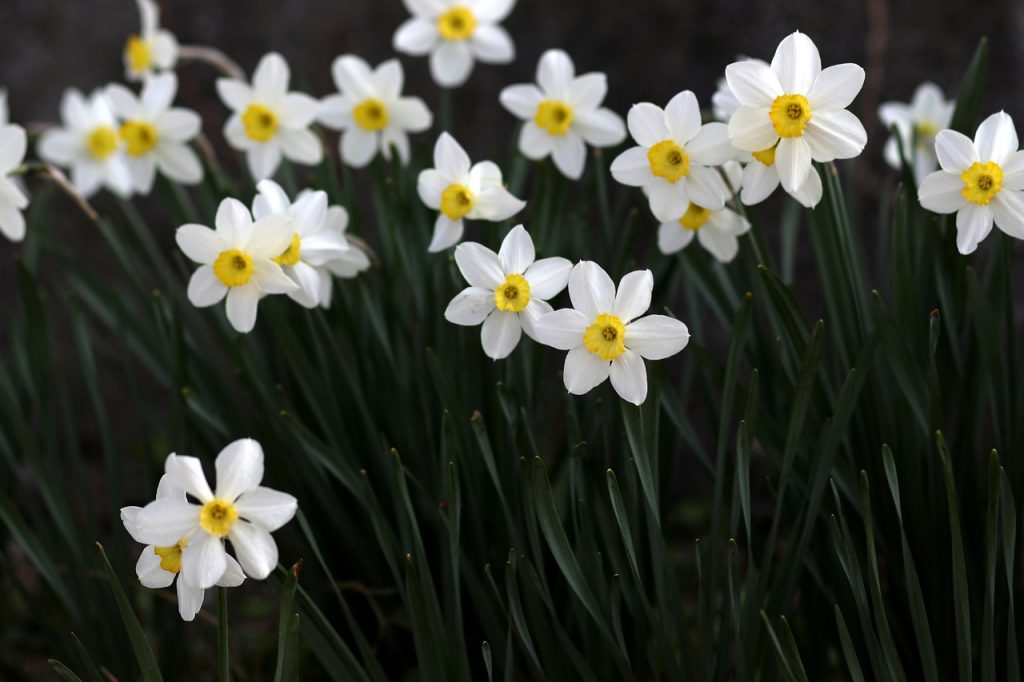
Daffodils naturalise beautifully in west facing borders and provide invaluable early-season colour. In a west facing garden, the afternoon sun helps the flowers to open more reliably in early spring than in shadier aspects. Choose varieties that suit the style of your garden, from the large-flowered traditional types like ‘King Alfred’ through to the refined and delicate poeticus varieties like ‘Actaea’. Plant in autumn, in groups of at least fifteen to twenty for the most naturalistic effect.
Height: 15cm to 45cm | Hardiness: H6 | Flowering: February to May
Ornamental grasses bring movement, texture and a seasonal rhythm to west facing borders that no other plant group can quite replicate. They look particularly spectacular in the evening light of a west facing garden, when the low sun catches their seed heads and stems and turns them to gold.
Stipa gigantea (Giant Feather Grass)
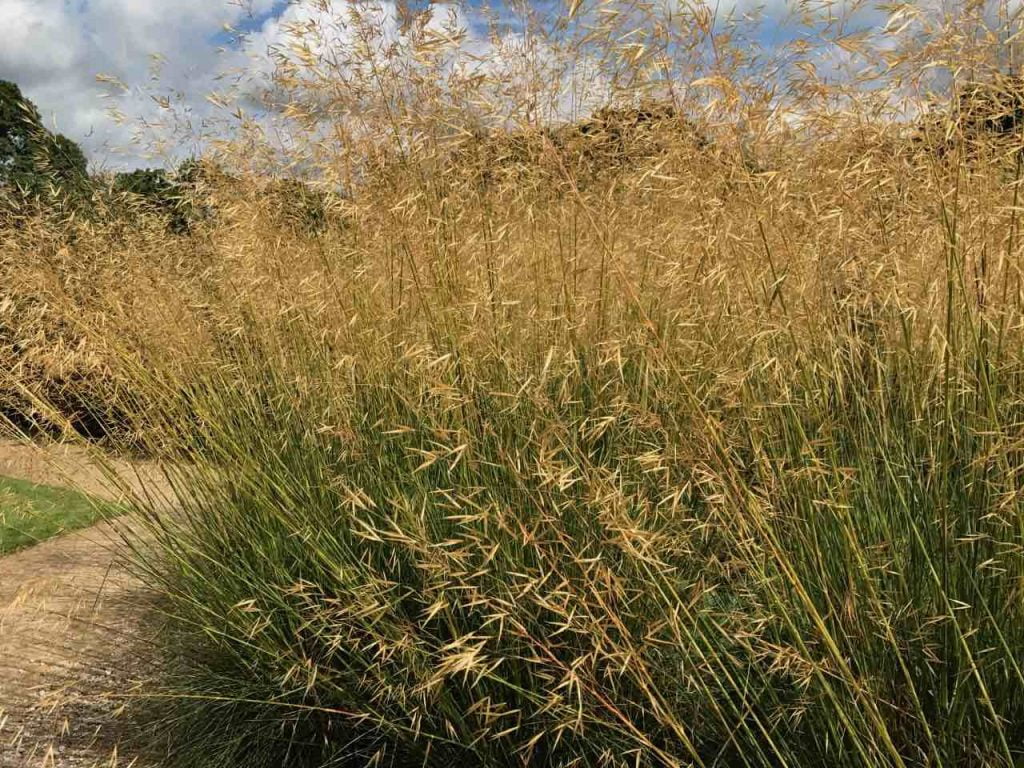
Stipa gigantea is one of the most spectacular ornamental grasses you can grow, and it absolutely loves a sunny west facing position. The evergreen, tufted clumps of narrow foliage are attractive all year, but it is the flower stems that make this plant truly extraordinary: they rise to 2.5m or more and carry enormous, airy panicles of golden, oat-like spikelets that catch and move in even the slightest breeze.
In the evening light of a west facing garden, with the sun behind the seed heads, the effect is breathtaking. It holds the RHS Award of Garden Merit and is completely hardy once established in well-drained soil. Simply cut out any dead flower spikes or blades each winter!
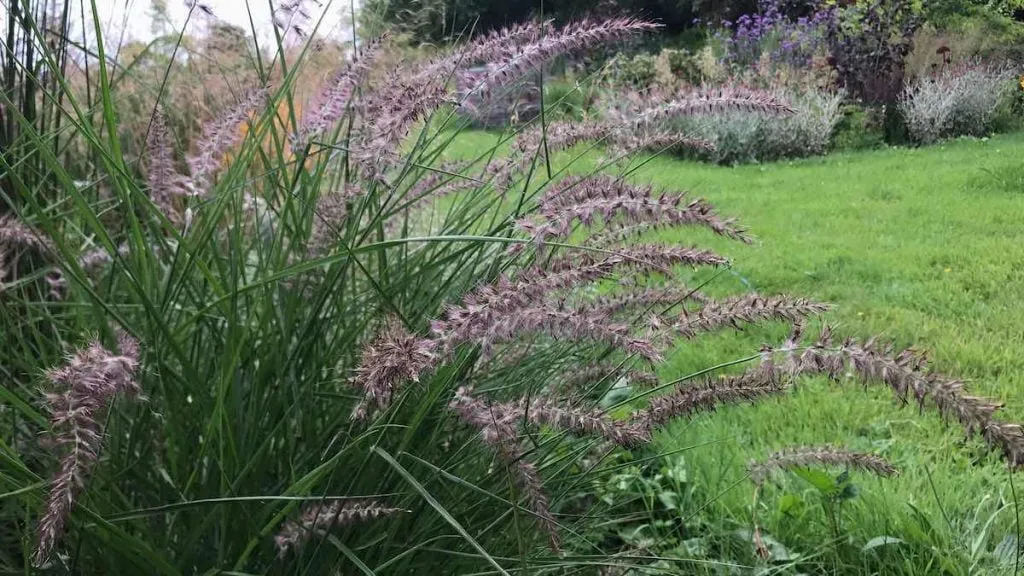
Fountain grass is a beautiful, compact, clump-forming grass that produces soft, bottlebrush-like flower spikes in late summer and autumn. It loves warmth and full sun, and a west facing garden provides both in abundance. The variety ‘Hameln’ is one of the most reliable, producing dark brown flower spikes from August and excellent russet autumn colour. It provides valuable late-season interest when many summer plants are already fading.
West facing gardens are extraordinary spaces for colour, because the quality of the evening light flatters every colour beautifully. Warm sunset tones, the reds, oranges, ambers and golds, look absolutely magnificent in evening light, while the cool blues, purples and whites create a beautiful, almost luminous contrast. To help you plan your colour scheme, take a look at my dedicated colour-by-colour planting guides.
Do you have multiple aspects across your garden, or are you curious about how the planting approach differs for other orientations? I’ve written comprehensive guides for each garden aspect so you can make the best possible plant choices throughout your whole outdoor space.
Soil Preparation and Planting Tips for West Facing Gardens
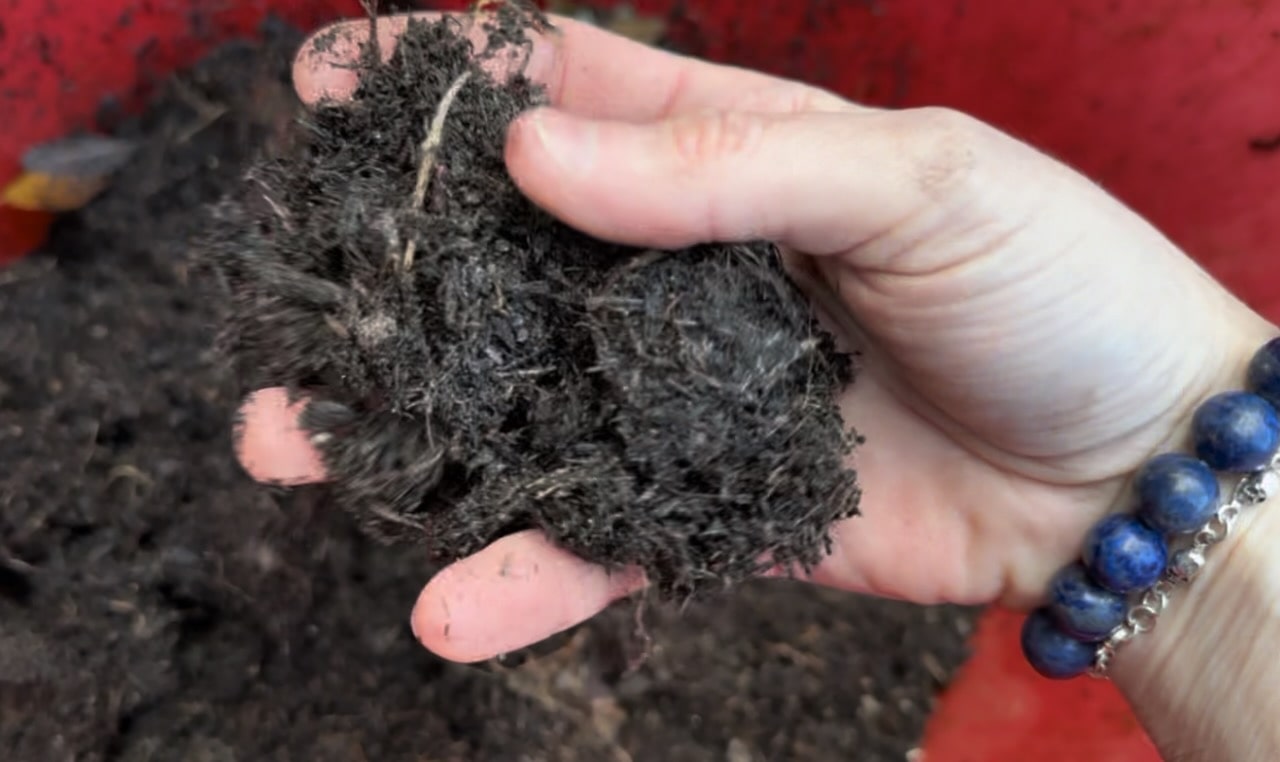
The most common challenge in west facing gardens is the drying effect of sustained afternoon sun on the soil. Good soil preparation is therefore essential before planting. Dig in generous amounts of well-rotted garden compost or manure before planting, which improves the soil’s ability to hold moisture without becoming waterlogged. This is especially important in borders at the base of west facing walls where the rain shadow effect can create surprisingly dry conditions.
Mulching is your most powerful tool for managing soil moisture in a west facing garden. Apply a 5 to 7cm layer of composted bark or garden compost each spring, keeping it away from plant stems and crowns. A good mulch can dramatically reduce the amount of watering required in summer and improves soil structure year on year as it breaks down.
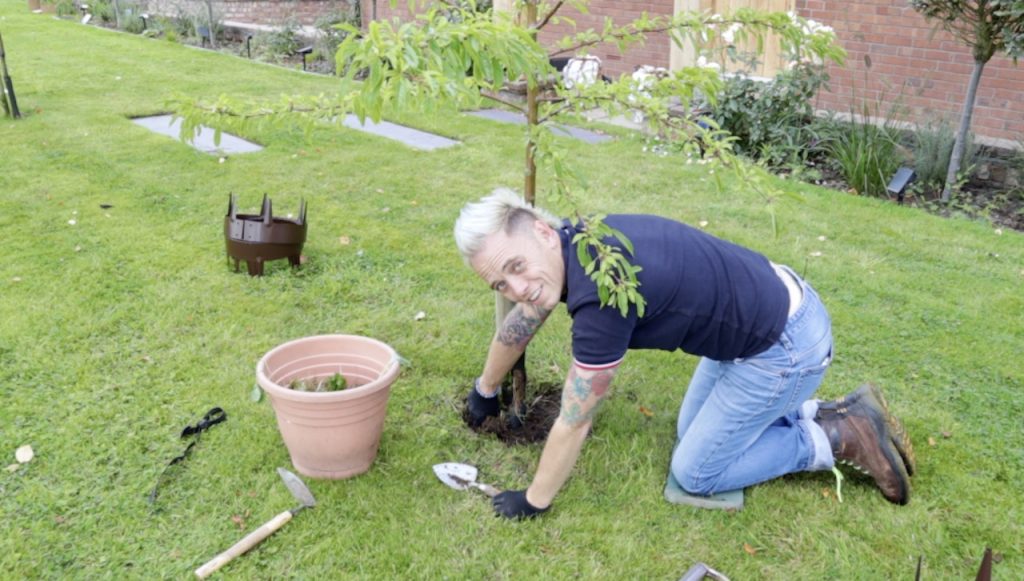
When planting climbers against a west facing wall or fence, plant at least 30 to 45cm away from the base of the structure. The soil immediately against a wall is almost always very dry due to the rain shadow. Lean the plant in towards the wall when planting and provide a cane or initial support to guide the growth. Water the plant in very thoroughly after planting and keep it well watered throughout its first full growing season.
Watering in west facing gardens is best done in the morning or evening rather than in the full heat of the afternoon, when water evaporates rapidly and droplets on foliage can occasionally cause scorch in intense sun. Water deeply and less frequently rather than little and often, to encourage roots to grow deep into the soil where moisture is more reliably available.
My Top 5 Tools for Planting Your West Facing Garden
Having the right tools transforms any planting project from a chore into a pleasure. Here are the five tools I would reach for when tackling an west facing garden planting scheme, all recommended in full detail in my complete beginner’s garden tools guide.
1. Quality Garden Trowel
For planting perennials, bulbs and smaller shrubs, a quality stainless steel trowel with a rubberised handle is your most important tool. Avoid plastic-headed trowels completely. Expect to spend between £5 and £35, or up to £60 for premium Japanese steel.
For soil preparation and planting larger shrubs and climbers, a quality garden spade with a solid one-piece metal head is essential. Invest between £35 and £65 for a tool that will last decades.
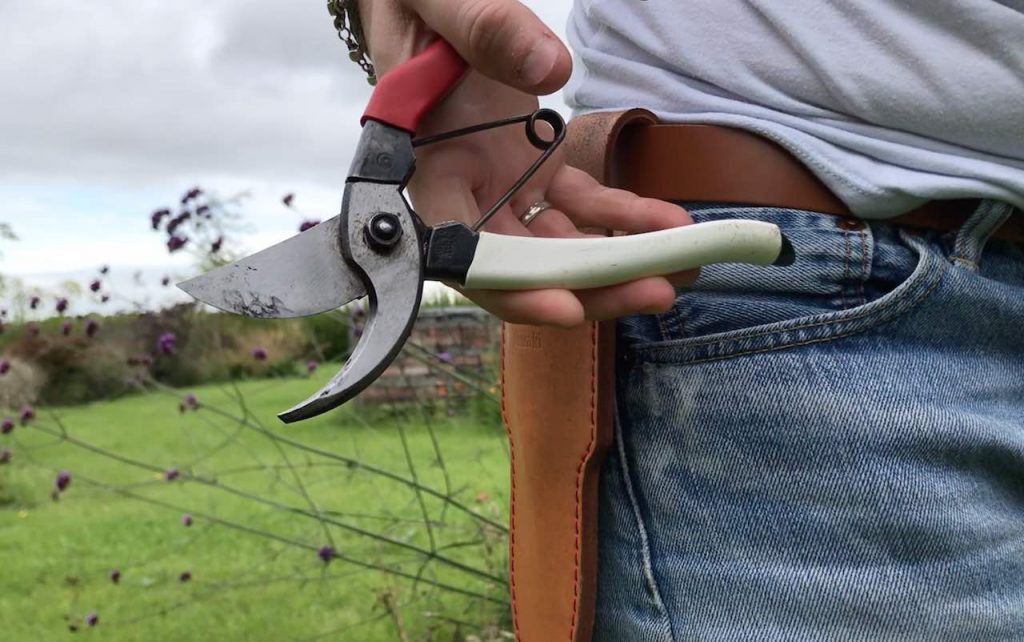
For deadheading, pruning climbers, and shaping shrubs, a good pair of bypass secateurs is indispensable. Spend between £20 and £60 for a reliable everyday pair. Felco are some of my most favourite snips as they have excellent repair and serviceability. Niwaki are also fabulous!
The greatest value-for-money gardening purchase you will ever make. A simple foam kneeling pad protects your knees and makes every border planting session considerably more comfortable. Spend no more than £3 to £15. The super thick ones are best!
Unlock Your Garden Potential with Garden Ninja’s Expert Online Training
Ready to transform your gardening skills beyond just choosing plants? Garden Ninja’s expertly crafted online courses will fast-track your development from keen amateur to skilled garden designer in months rather than years. Starting at just £29, you’ll gain access to professional garden design expertise from BBC Garden Rescue’s Lee Burkhill, delivered at a fraction of traditional horticultural education costs.
29
Garden Design Examples for Small Gardens: 30 Design Templates & Planting Plans
Garden Design Examples for Small Gardens: 30 Design Templates & Planting Plans: In this online gardening course, I’ll walk you through 30 fantastic garden designs, explaining the logic behind the layout, the plant choices, and take-home tips for applying them in your own garden.
Weekend Garden Makeover: A Crash Course in Design for Beginners
Learn how to transform and design your own garden with Lee Burkhills crash course in garden design. Over 5 hours Lee will teach you how to design your own dream garden. Featuring practical design examples, planting ideas and video guides. Learn how to design your garden in one weekend!
Garden Design for Beginners: Create Your Dream Garden in Just 4 Weeks
Garden Design for Beginners Online Course: If you want to make the career jump to becoming a garden designer or to learn how to design your own garden, this is the beginner course for you. Join me, Lee Burkhill, an award-winning garden designer, as I train you in the art of beautiful garden design.
Self-paced learning – Study whenever suits you best, with no fixed timetables or classroom restrictions
Professional video tutorials from a qualified designer with extensive hands-on project experience
Engaging activities and real-world examples that strengthen understanding and boost your confidence
Unlimited access forever to course content, so you can return to lessons whenever needed
Professional certification – earn recognised qualifications that validate your garden design skills
Real-world application – put your new knowledge into practice immediately on your own outdoor spaces
Exceptional value – Premium education at a small percentage of conventional course fees
Summary: Celebrating Your West Facing Garden
A west facing garden is, quite simply, a privilege. The combination of warmth, afternoon sun, golden evening light and an enormous plant palette gives you the opportunity to create something genuinely spectacular. From the extraordinary drama of an established wisteria in full bloom to the subtle fragrance of star jasmine drifting across a summer evening, the west facing garden rewards good planting with extraordinary generosity.
My key advice is to prepare your soil thoroughly, mulch generously, and water wisely during dry periods. Beyond that, embrace the full range of sun-loving plants available to you and enjoy the long, warm summer evenings that a west facing garden provides so perfectly.
Your subscription could not be saved. Please try again.
Your subscription has been successful.
Lee Burkhill
Lee Burkhill, known as the Garden Ninja, is an award-winning garden designer and horticulturist with over 30 years of gardening experience and 15 years as a professional garden designer. A qualified RHS (Royal Horticultural Society) professional, Lee specialises in sustainable garden design and practical horticultural advice. He designs and presents on BBC1’s Garden Rescue and in leading gardening publications. Lee combines three decades of hands-on gardening knowledge with professional design qualifications to help gardeners create beautiful, functional outdoor spaces.