Summer Gardening
-

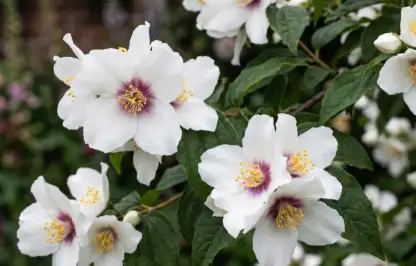
How and When to Prune Philadelphus (Mock Orange) UK
RHS-qualified designer Lee Burkhill’s complete guide to pruning philadelphus. When to prune, step by step technique, renovation advice and the four reasons yours may not be flowering.
Read more -
Top 20 Beginner Vegetables to Grow in Your Garden
Embarking on a gardening journey can be exciting and rewarding, especially when growing your own vegetables. Whether you’re looking to add fresh vegetables to your home-cooked meals, connect with nature, or enjoy the satisfaction of nurturing plants, starting with the right vegetables can set you on the path to success. This comprehensive guide explores the […]
Read more -
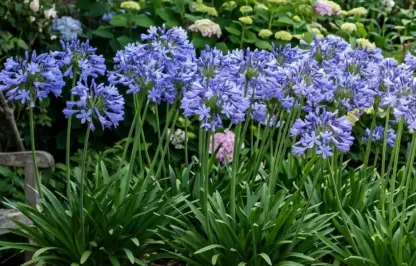
How to Grow Agapanthus UK: Containers, Winter Care & the Best Hardy Varieties
Quick Answer Agapanthus thrive in full sun with free-draining soil or compost, flowering from July to September on tall elegant stems. Hardy deciduous types like Headbourne Hybrids survive UK winters in the ground without protection. Evergreen types need moving under cover or wrapping in horticultural fleece before the first frost. Containers are often the best […]
Read more -
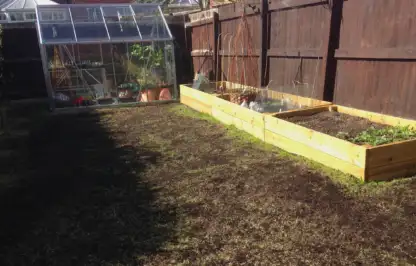
How to Top Dress Your Lawn: The Complete UK Guide
I have been top dressing lawns as part of the autumn renovation programme since early in my career, both in my own garden and on client projects. The first time I top dressed my own lawn properly, I remember standing back afterwards thinking it looked absolutely dreadful! See below! The grass was barely visible through […]
Read more -
Best Ground Cover Plants for Shade: 16 Expert UK Picks
Struggling with bare soil under trees or in deep shade? Lee Burkhill shares 16 expert ground cover plants for shade that really work in UK gardens.
Read more -

How to Grow Salvias UK: The Complete Guide to Hardy & Tender Varieties
Quick Answer Salvias thrive in full sun with free-draining soil. Plant hardy types like Salvia nemorosa ‘Caradonna’ from April onwards and leave foliage standing through winter, cutting back in late March when new basal shoots appear. Deadhead after the first flush for a second wave of flowers. Tender types like ‘Amistad’ need a thick mulch […]
Read more -
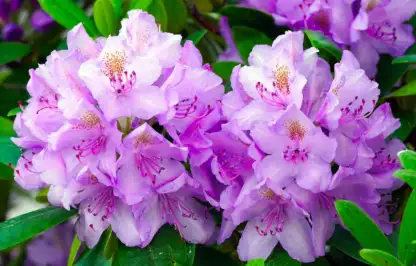
How to Prune Rhododendrons: Deadheading, Shaping and Renovation
Quick Answer Rhododendrons need very little pruning. The main tasks are deadheading spent flowers immediately after blooming, removing dead or diseased wood at any time of year, and light shaping after flowering in May or June. Hard renovation pruning to reduce an overgrown plant is best done in late winter between January and March, accepting […]
Read more -
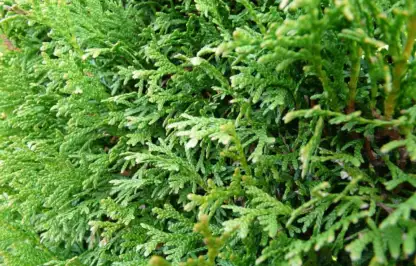
My Conifer Is Too Big: What You Can Actually Do About It
Quick Answer Most conifers cannot regenerate from old brown wood, which means once they outgrow their space, your options are limited to careful staged reduction, acceptance and maintenance, or removal. Unlike deciduous hedges and shrubs, conifers cannot be cut back to bare wood and expected to recover. Understanding this biological reality before deciding how to […]
Read more -
Why Is My Rose Not Flowering? 9 Causes and Fixes for UK Gardens
Quick Answer Roses fail to flower for eight main reasons: not enough sun, wrong pruning time or technique, too much nitrogen fertiliser, lack of deadheading, drought or waterlogging stress, pest and disease pressure, blind shoots, or the plant being too newly planted to flower freely. Most of these are simple to diagnose and straightforward to […]
Read more -
What to Sow & Grow in July: Your Complete UK Gardening Guide
Quick Answer In July you can plant container-grown dahlias, hydrangeas and buddleja for instant summer colour, sow biennial flowers like foxgloves and wallflowers for next spring, and get autumn-flowering bulbs like nerines and colchicums into the ground. In the kitchen garden, July is your last chance to sow French beans, carrots and radishes for an […]
Read more