Summer Gardening
-

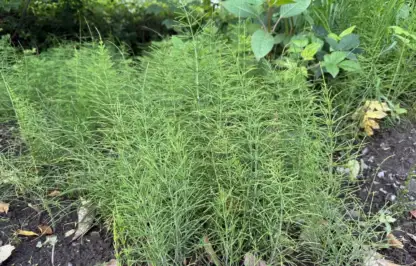
How to remove mares tail: perennial garden weeds tips
Quick Answer Mare’s tail, also called horsetail, cannot be eradicated in a single season. The most reliable organic approach is cutting or pulling shoots every one to two weeks to exhaust the root reserves, combined with smothering under cardboard or heavy duty membrane for at least a full growing season. Standard glyphosate struggles against the […]
Read more -
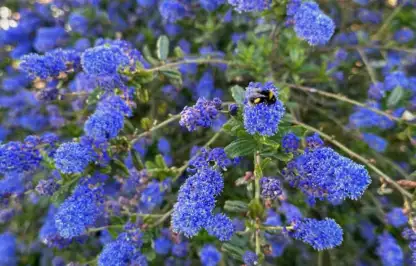
Why Is My Ceanothus Dying? Complete UK Diagnosis Guide
QUICK ANSWER A dying ceanothus is usually down to waterlogged roots, frost or wind damage, hard pruning into old wood, or simply old age, since most varieties live only ten to fifteen years. Scratch a stem with your thumbnail: green tissue underneath means the plant can likely be saved, brown and dry means it has […]
Read more -
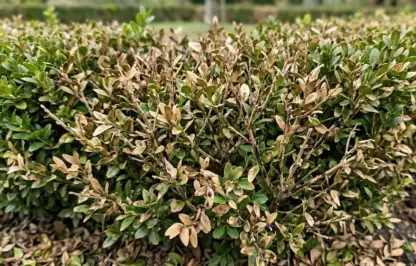
Why Is My Box Hedge Dying? Box Blight and Caterpillar Guide
Quick Answer Box hedges die or deteriorate mainly from two causes: box blight, a fungal disease causing brown leaves, black stem streaks, and bare patches in damp conditions; or box tree moth caterpillar, a pest that strips foliage and leaves distinctive white webbing. Both can kill established plants if left untreated. Correct diagnosis is essential […]
Read more -
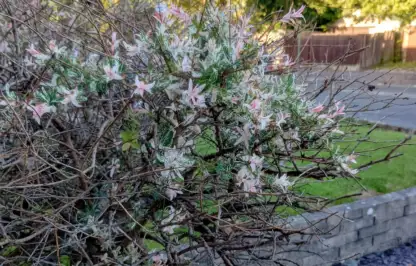
Why Is My Flamingo Tree Dying? Complete UK Diagnostic Guide
Quick Answer Flamingo trees usually die from overwatering rather than neglect. Standing water around the roots, especially in pots without enough drainage, causes root rot far more often than drought does. Too much intense afternoon sun can scorch the variegated leaves, and a pot that is too small will leave roots circling and starved of […]
Read more -

How to cut, prune & trim hedges: the ultimate beginner guide
Quick Answer Cut hedges with sharp, clean tools working from the bottom upwards in a sweeping motion, keeping the sides slightly narrower at the top so light reaches the base. Most hedges need trimming twice a year, in spring and late summer, and UK law protects nesting birds, so always check the hedge for nests […]
Read more -

Best Hedges for Windy or Exposed Sites UK: 12 Top Picks
Quick Answer The best hedges for windy and exposed UK sites are tough, dense growers that filter wind rather than block it. Hawthorn, blackthorn and field maple make unbeatable native windbreak hedges, hornbeam and beech are the strongest formal deciduous options, yew is the classic formal evergreen, and Escallonia, Griselinia, Elaeagnus and Portuguese laurel handle […]
Read more -
How to Get Rid of Weeds in Your Garden: Complete UK Guide
BBC Garden Rescue designer Lee Burkhill explains how to get rid of garden weeds organically — which tools work, why homemade remedies fail, and how to stop weeds coming back.
Read more -
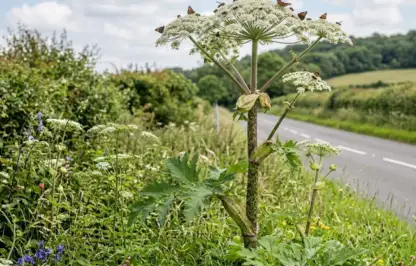
Giant Hogweed: How to Identify It and What to Do If Burned
Quick Answer Giant hogweed grows up to 5 metres tall with thick, hollow stems covered in purple blotches and coarse bristles, and umbrella shaped white flower heads up to 60cm across. Its sap contains compounds that make skin extremely sensitive to sunlight, causing severe burns and blistering on contact combined with UV exposure. If sap […]
Read more -
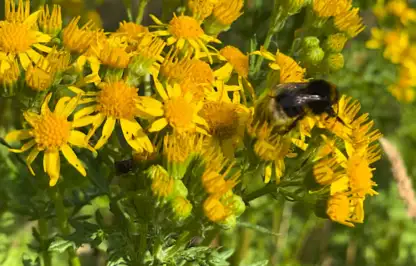
Ragwort: Is It Illegal, Dangerous, or Just Misunderstood?
Quick Answer Ragwort is a UK native wildflower with clusters of small daisy like yellow flowers on stems 30 to 100cm tall. It is not illegal to have it in a garden, but it is listed as an injurious weed under the Weeds Act 1959 because it is toxic to horses and livestock if eaten. […]
Read more -
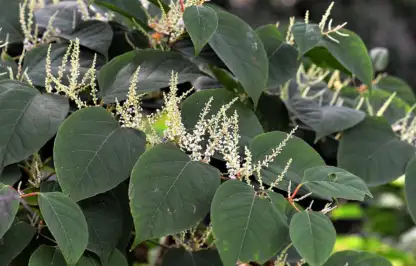
Japanese Knotweed: How to Identify It and Its Look-Alikes
Quick Answer Japanese knotweed has hollow, bamboo like stems speckled with purple, shovel shaped leaves that grow in a zigzag pattern, and clusters of small white flowers from August to October. It dies back to ground level every winter and regrows from the same root system each spring. Several ornamental garden plants are regularly mistaken […]
Read more