-
Why Is My Flamingo Tree Dying? Complete UK Diagnostic Guide
 Lee Burkhill: Award Winning Designer & BBC 1's Garden Rescue Presenters Official Blog

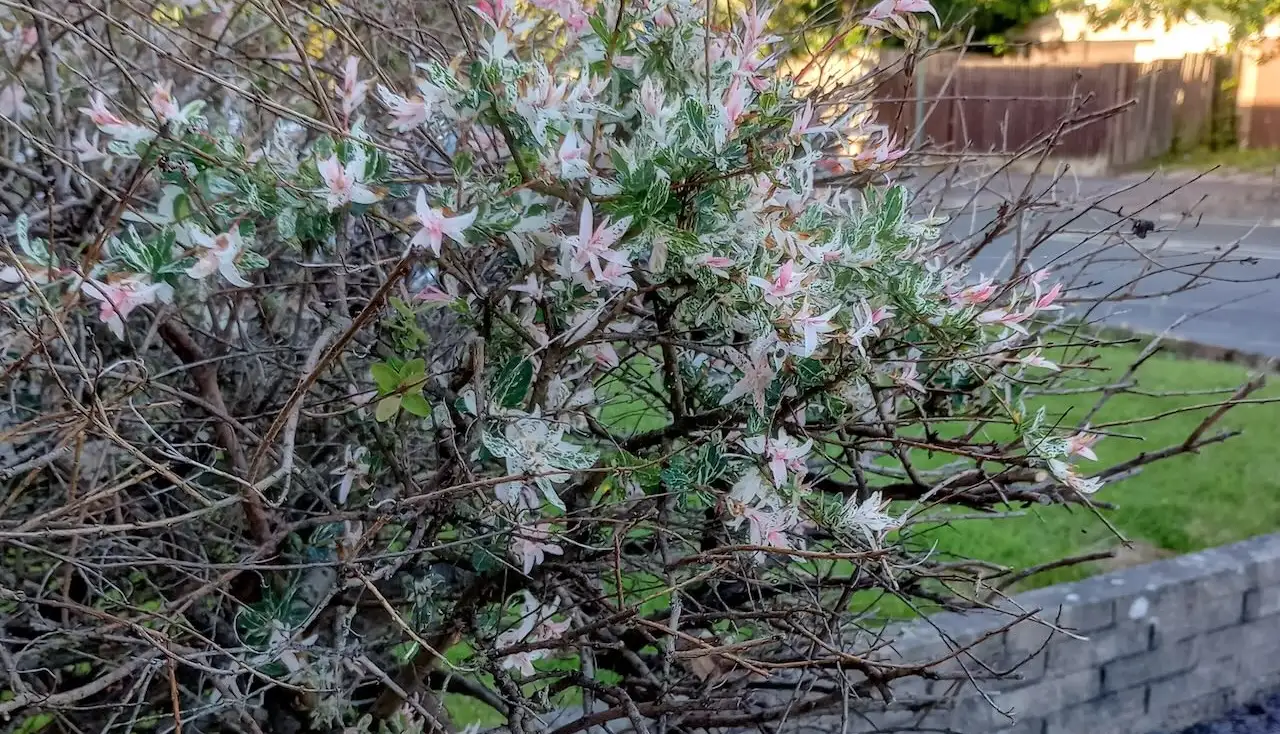
Somewhere out there is a flamingo tree having an absolute meltdown, and somewhere else is its owner staring at it wondering what on earth they've done wrong. I know this because it happens on my forum on a near weekly basis. The flamingo tree, botanically Salix integra'Hakuro-nishiki', has an RHS Award of Merit, a reputation as one of the toughest little trees you can buy, and an uncanny habit of turning into a crispy, dropping, thoroughly sorry looking specimen within about two years of being potted up on someone's patio. Stick with me and we will get your flamingo tree, and your sanity, back on track.
Quick Answer
Flamingo trees usually die from overwatering rather than neglect. Standing water around the roots, especially in pots without enough drainage, causes root rot far more often than drought does. Too much intense afternoon sun can scorch the variegated leaves, and a pot that is too small will leave roots circling and starved of air. A cheap, badly formed graft can also fail years after planting, so check the swollen union on the trunk before assuming disease.
If you had told me twenty years ago that a plant this forgiving would end up being one of the most common cries for help on my forum, I would not have believed you. The flamingo tree, botanically Salix integra ‘Hakuro-nishiki’, is meant to be one of the easiest small ornamental trees you can grow. It survives frost, tolerates poor soil, copes with being hacked back hard, and still rewards you with that candyfloss pink new growth every spring. And yet I have lost count of the number of times I have opened my forum to another photograph of a sad, crisping, leaf-dropping flamingo tree with a caption along the lines of “please help, I think mine is dying”.

I never expected such an easy to grow plant to stump so many beginner gardeners, but having answered dozens of these questions over the years, I can now see exactly why it happens. It is not one single problem. It is almost always one of three very ordinary mistakes, made with the best of intentions, compounded by the fact that this particular tree is sold as a grafted standard, which brings its own set of complications that most care guides never mention.
My complete flamingo tree care guide covers the day to day growing and pruning side of things in detail, so consider this the companion piece to that guide, written specifically for anyone standing in front of a tree that is currently going backwards and trying to work out why.

This guide goes deep into the three reasons I see over and over again on the forum, walks through exactly how a flamingo tree is created as a graft and why that matters more than most people realise, and gives you a proper recovery plan rather than vague reassurance. By the end you should be able to look at your own tree, work out which of the usual culprits applies, and know precisely what to do about it.
Jump to a Section
1. Why So Many Beginners Struggle 2. Reason One: Overwatering 3. Reason Two: Too Much Sun 4. Reason Three: A Cramped Pot 5. Understanding the Graft 6. Suckers From the Rootstock 7. My Diagnostic Checklist 8. Bringing It Back to Health 9. Other Small Trees Worth Considering 10. Real Questions From My Forum 11. Frequently Asked QuestionsThis page contains affiliate links for products I use and love. If you take action (i.e. subscribe, make a purchase) after clicking a link, I may earn some gardening commission which helps me keep the Garden Ninja Blog free for all.
Why So Many Beginners Struggle With Such an Easy Tree
Part of the problem is reputation. The flamingo tree carries an RHS Award of Garden Merit and a name for being practically indestructible, so new owners tend to treat it with less attention than they would a fussier plant. It gets tucked into a pot by the front door, given the same watering routine as everything else nearby, and largely left alone. For the first year or two that approach usually works fine, because a young tree in fresh compost has enough reserves to shrug off a bit of mismanagement.
The trouble tends to surface in year two or three, once the roots have filled whatever space they were given and the compost has started to break down and hold water differently than it did when it was fresh. That is almost always when I start seeing the forum threads roll in, and it is also almost always one of the same three issues at the root of it, quite literally.

Reason One: Overwatering and Boggy Roots
I want to deal with this one first because it goes against what most of the generic care advice online will tell you. Search around and you will find plenty of pages describing the flamingo tree as a thirsty willow that mainly suffers from underwatering, and in a border, in free draining soil, that can certainly be true. But the pattern I see on my own forum, tree after tree, year after year, is the opposite. The single most common cause of a dying flamingo tree that I deal with is overwatering, not underwatering, and the pot grown ones are almost always the culprits.
Here is why it happens so easily. Willows as a family are properly happy growing with wet feet in the ground, which is exactly why they line riverbanks so well. That reputation gets carried over by well meaning owners who assume more water can only be a good thing. In a border with reasonable drainage, the excess simply moves on through the soil profile. In a pot, particularly a glazed ceramic one sat on a patio slab with no saucer allowing free drainage, that same volume of water has nowhere to go. It sits around the roots, the compost turns anaerobic, and the fine feeder roots that the tree relies on for oxygen as well as water begin to suffocate and rot.
The visual clues are easy to miss because they can look remarkably similar to drought stress at first glance. Leaves that yellow and then brown from the base of the shoot upwards, a general look of wilting despite the compost feeling wet to the touch, and a slightly sour or stagnant smell if you push a finger down into the top few centimetres of compost are all classic signs of root rot from overwatering rather than thirst. If you are ever unsure, this is the single most useful test I can give you: push your finger in past the first knuckle. If it comes out with compost clinging to it and feels properly damp rather than merely cool, do not water again yet, no matter how brown the leaves look.
A cheap moisture meter takes the guesswork out of this entirely and I would happily recommend one to anyone growing a flamingo tree in a container, since it removes the temptation to water on a schedule rather than by what the roots actually need.
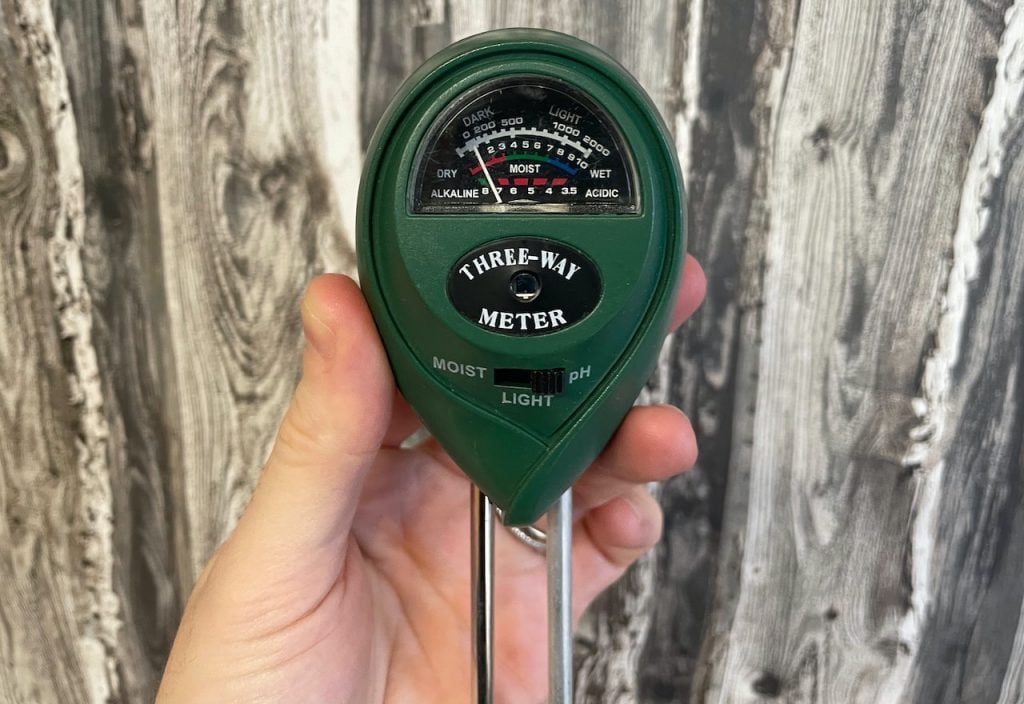
🛒 Soil moisture meter for pots and containers
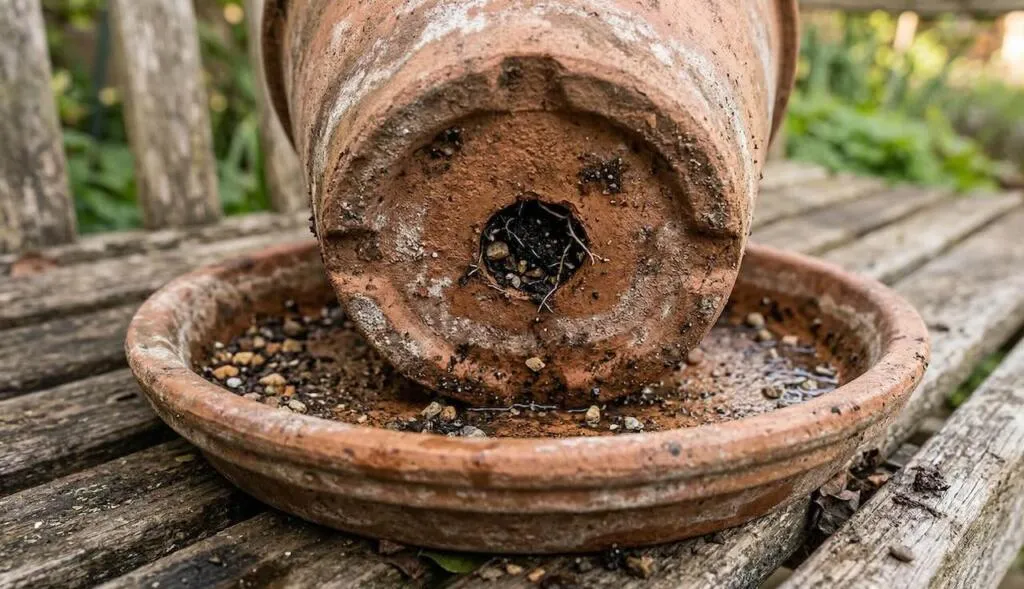
The fix, once you have identified overwatering as the issue, is straightforward but requires patience. Stop watering completely until the compost has dried back significantly. If the tree is in a pot with no drainage holes, or a saucer that is permanently full, that needs addressing before you do anything else, because no amount of watering discipline will help if the water simply has nowhere to go. Raising a pot up on pot feet so the drainage holes are never sitting flush against a solid surface is one of the cheapest and most effective changes you can make.
🛒 Terracotta pot feet for drainage
Reason Two: Too Much Direct Sun
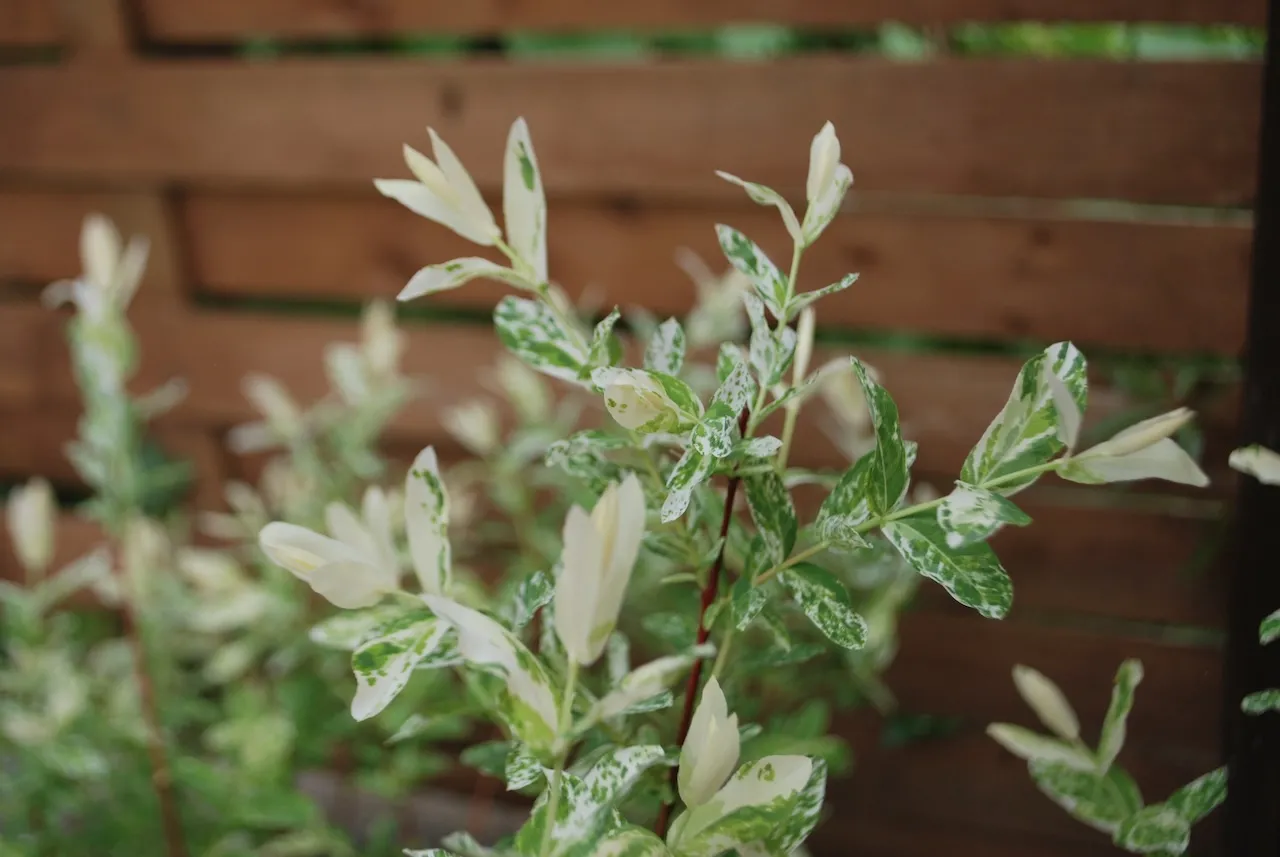
The second pattern I see regularly is scorch, and it catches people out because the flamingo tree is often marketed as a full sun plant, which is true only up to a point. The issue lies in the variegation itself. Those pretty pink, white and green splashes on the leaves exist because the plant has less chlorophyll in those patches than a plain green leaf would have. Chlorophyll is not just what makes a leaf green; it is also the pigment doing most of the work protecting the leaf tissue from intense light, so a heavily variegated leaf is naturally more vulnerable to sun damage than a plain green one on the same plant.
In a cool, temperate British summer this rarely causes problems, which is exactly why so much advice repeats that the tree is fine in full sun. But put that same tree against a south-facing white rendered wall, on a reflective patio, or through one of our increasingly common heatwave weeks, and the combination of direct sun plus reflected heat plus a limited root run in a pot can scorch the palest parts of the foliage within days. The leaf edges brown first, then crisp inwards, and because it happens fast it is often mistaken for disease rather than simple sun damage.
The practical answer is not to avoid sun altogether, since the tree does need reasonable light to produce that flush of pink new growth every spring. What I recommend instead is dappled or morning sun with some shelter through the hottest part of a summer afternoon, particularly for anything grown in a container rather than open ground, where the compost heats up far faster than garden soil ever would. If you already have a tree suffering from scorch, moving the pot even a metre or two to a spot with afternoon shade can be enough to stop further damage, and the plant will usually push new growth to replace what was lost the following spring.
Reason Three: Cramped in a Tiny Pot
The third and final pattern ties the first two together, because a pot-bound tree is far more vulnerable to both overwatering and heat stress than one with room to breathe. Flamingo trees are usually sold as young standards in a relatively small nursery pot, and because the top growth stays neat and compact through pruning, it is easy to assume the roots below have stayed equally modest. They have not. Left in the same container for two or three years, the roots fill every available centimetre of compost and begin circling the inside of the pot rather than spreading outwards, which is exactly what nurserymen mean when they talk about a plant being pot bound.
A pot-bound root system struggles on several fronts at once. There is far less compost volume relative to the size of the plant, so it dries out and heats up faster in summer, yet paradoxically also holds water far longer around the congested root mass after rain, since there is less free space for it to drain through. You end up with a plant that swings between drought stress and waterlogging within the same week, which is about the worst combination possible for root health.
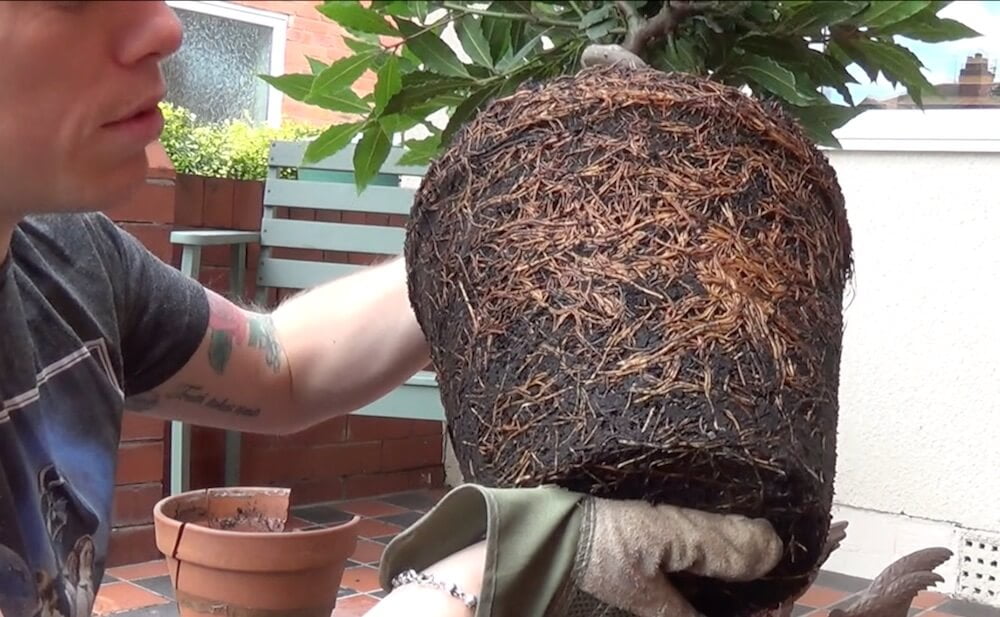
Checking for this is simple enough. Ease the tree out of its pot, which is far easier and safer to do than most people expect provided the compost is neither bone dry nor sodden at the time, and look at the root ball. If you see a dense mat of roots circling the outside with little visible compost left, it is time to move up a pot size.
As a rule of thumb, I suggest going up by roughly five centimetres in diameter each time rather than jumping straight into an enormous container, since too much fresh compost around a small root ball simply recreates the boggy conditions from reason one all over again.
For a mature flamingo tree grown as a specimen standard, I would be looking at a properly large, frost-proof container with generous drainage rather than anything decorative but shallow. Something in the 40 to 50 litre range gives the roots real scope to establish without leaving so much spare compost volume that it stays waterlogged.
🛒 Large frost proof garden planter
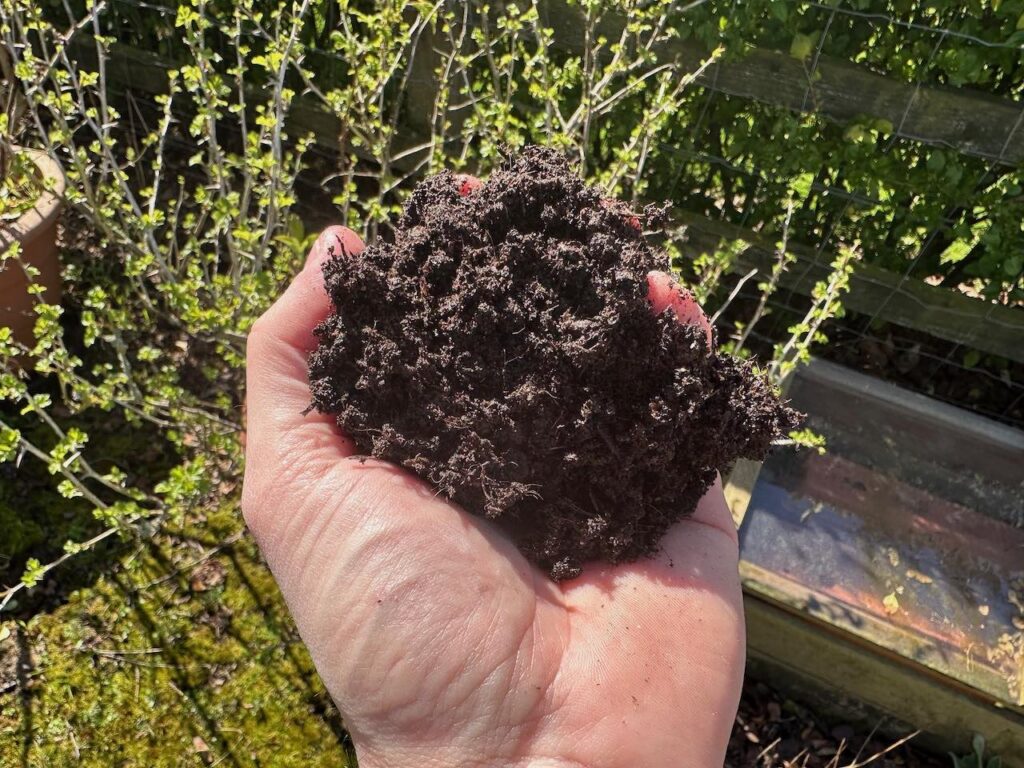
Use a soil-based compost rather than a purely peat-free multipurpose mix for a long-term container specimen like this. John Innes No.3 is the classic choice for exactly this situation, since it holds its structure for years rather than collapsing down into something airless after a single season the way lighter multipurpose composts tend to.
Understanding the Graft: Why How Your Tree Was Made Matters
This is the part of flamingo tree ownership that almost no beginner is told about at the point of sale, and it explains a good number of the mystery deaths I get asked about that are not down to watering or sun at all. A flamingo tree is not a single plant grown from seed or from its own cutting. It is two separate willows joined together, a technique called grafting, where the pretty variegated top growth, known as the scion, is fused onto the stem of a completely different, much more vigorous willow rootstock chosen purely for its strength and straight growth habit.
You can usually see the join for yourself. Look at the trunk of a standard flamingo tree and somewhere along its length, often around a third to halfway up, you will spot a slightly swollen, knobbly ring or ridge where the bark texture changes. That is the graft union, and it is quite literally the weakest structural point on the entire tree, no matter how healthy the plant looks above and below it.
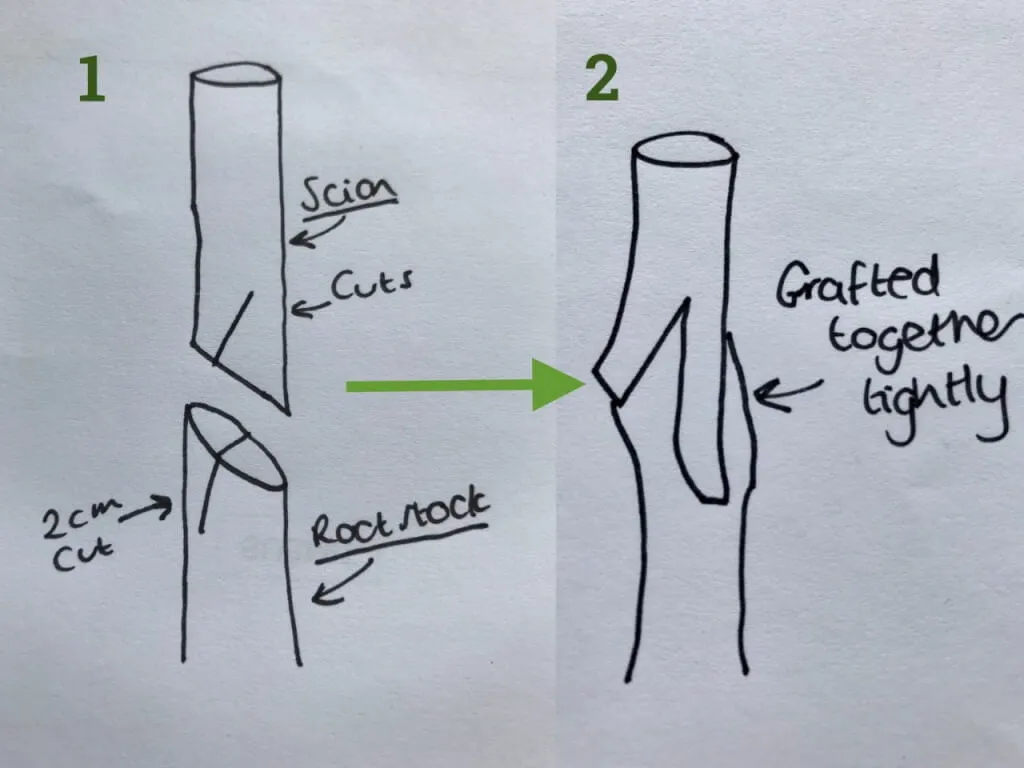
A well-executed graft, done by an experienced nurseryman or woman with matched cambium layers and a clean, well-healed union, should give you no trouble at all for the lifetime of the tree. The problem is that flamingo trees have become such a popular, fast-selling line that they get mass-produced cheaply, and a poorly formed graft carries real risks that only tend to show up years down the line rather than at the point of purchase, which is exactly why it catches people out.
A badly matched or hastily bound graft union can fail to callus over properly, leaving a weak point that eventually cracks under wind load or the weight of a heavy canopy, sometimes years after planting when the top growth has become substantial enough to put real leverage on that join. It can also create a bottleneck in the vascular tissue carrying water and nutrients between rootstock and scion, so the top of the tree can start to decline for no obvious external reason even though the rootstock below the union looks perfectly healthy. I have seen trees on my forum that were watered correctly, positioned correctly, and potted correctly, where the actual cause of dieback turned out to be a poor graft union finally failing after four or five years of quietly weakening.
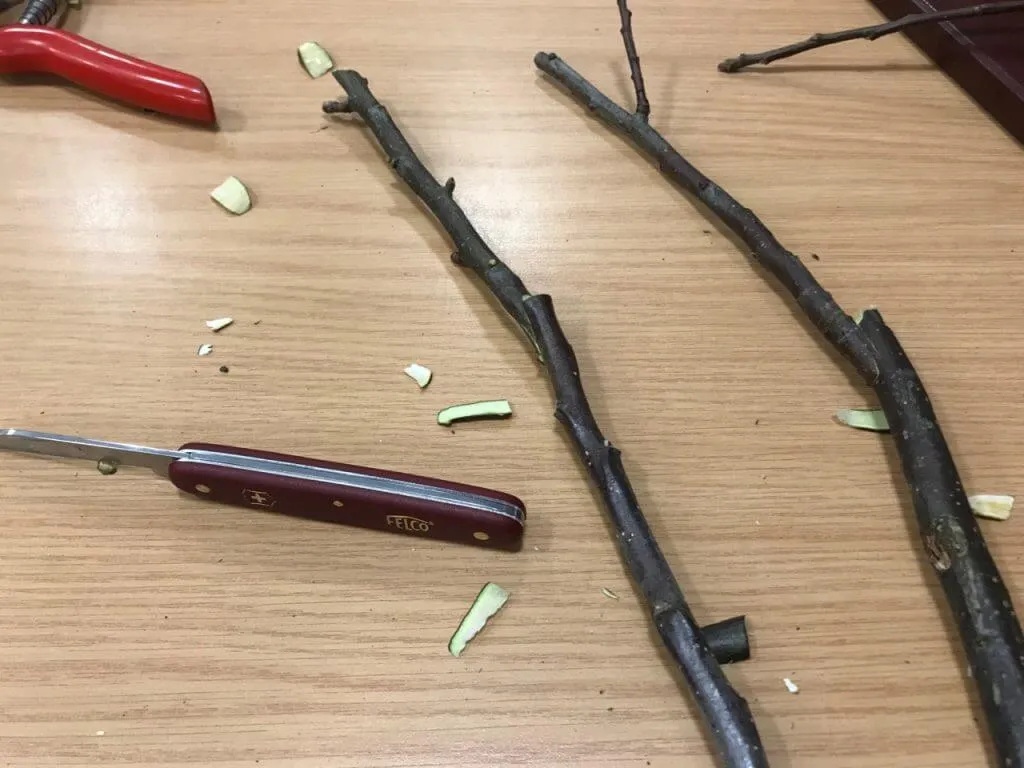
My honest advice, having seen this play out more than once, is to buy your flamingo tree from a specialist tree nursery or a garden centre with a reputation for quality stock rather than the cheapest supermarket or discount version you can find. The plant itself costs very little more from a proper source, and you are paying for a graft that was done properly by someone who does this for a living, which matters far more with a grafted standard than it does with an ordinary shrub grown on its own roots.
🛒 Salix integra Hakuro Nishiki flamingo tree
Suckers From the Rootstock
Following directly on from the graft, this is the other rootstock-related issue that regularly gets mistaken for the tree dying when it is actually the opposite problem. Because the rootstock beneath the graft is a different, far more vigorous willow variety chosen for strength rather than looks, it will occasionally try to throw up its own growth from below the union, or sometimes directly from the roots at soil level.
These shoots look distinctly different from the pretty variegated growth above the graft. They tend to be plain green, grow noticeably faster and more vigorously, and have a coarser leaf shape entirely unlike the delicate pink-tipped foliage you are expecting. Left unchecked, rootstock growth like this will outcompete the scion for water and nutrients, since it is inherently the stronger of the two plants, and over a season or two it can effectively take over the whole tree while the ornamental top growth you actually wanted quietly fades.
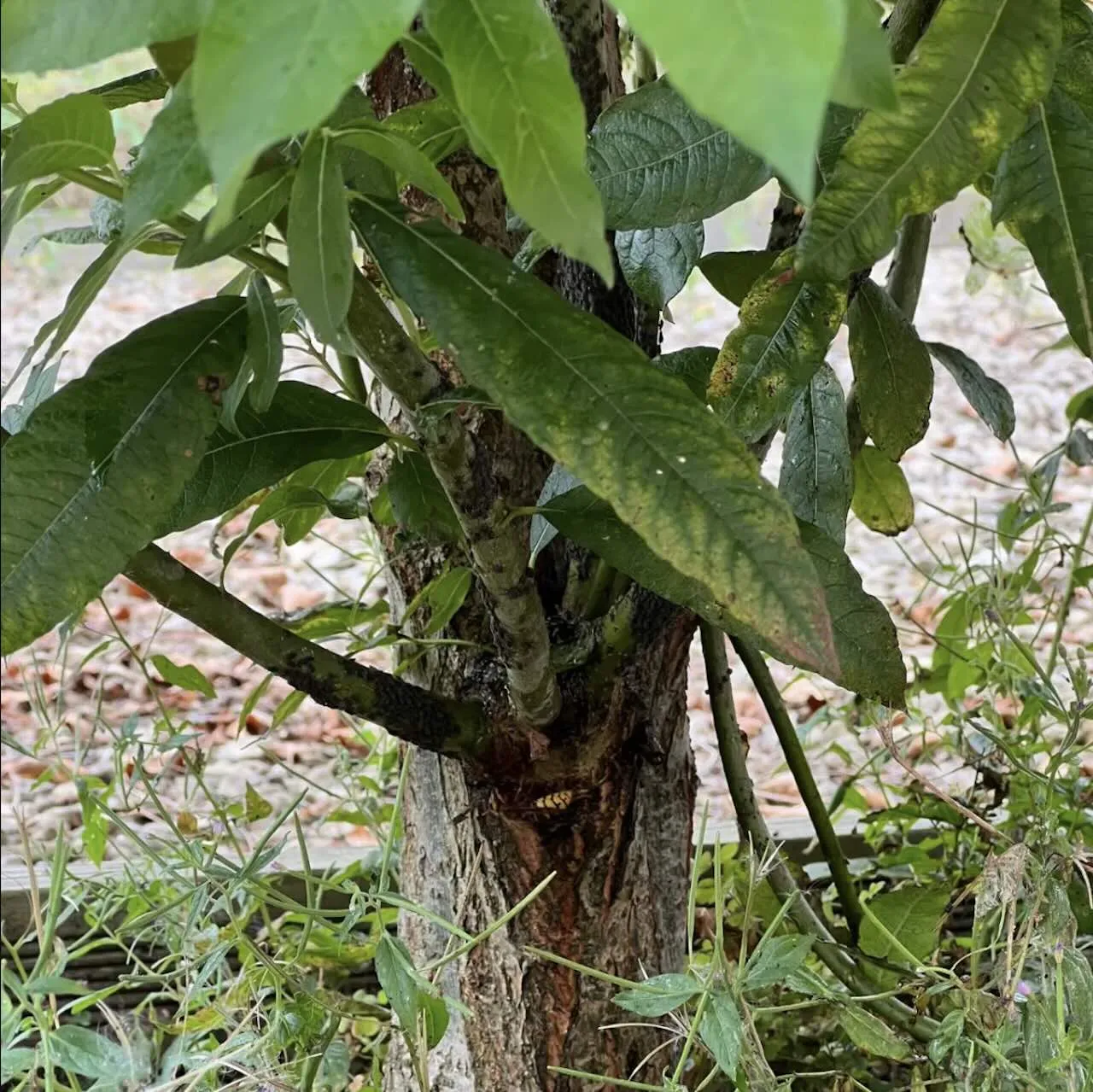
The fix is simple but needs to become a habit rather than a one off job. Check the base of the trunk and the surrounding root area every time you are out in the garden through the growing season, and pull or cut off any suckering growth as soon as you spot it, ideally as close to its point of origin as you can manage rather than leaving a stub that will simply resprout. A decent pair of sharp, clean secateurs makes this job far easier and reduces the risk of tearing the bark, which can itself become an entry point for disease.
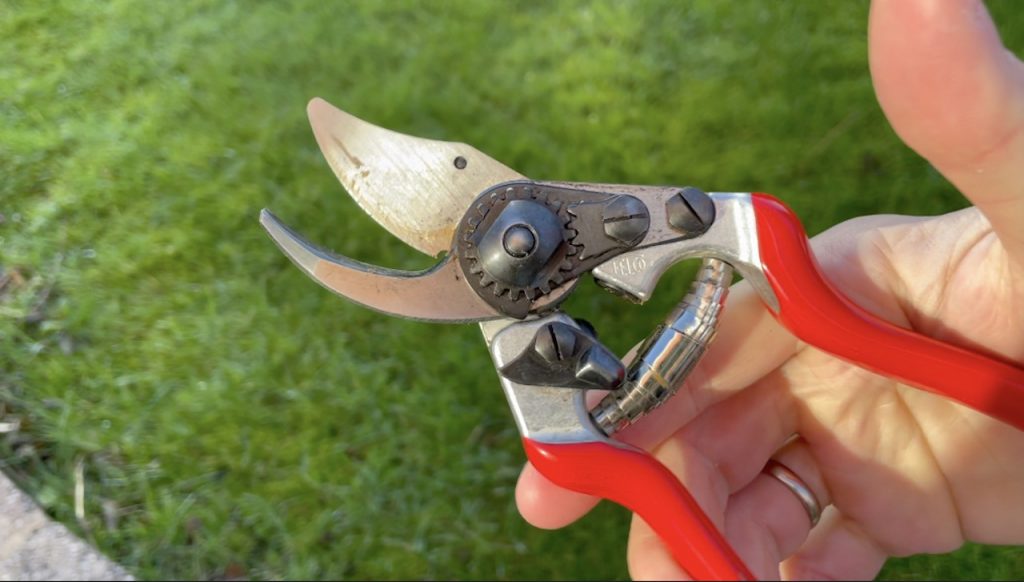
🛒 Felco 2 secateurs, my own choice for precise cuts like this
My Quick Diagnostic Checklist
If you are stood in front of a struggling flamingo tree right now and want a fast steer before reading through the detail above, this table brings the main symptoms together in one place.
How to Bring a Struggling Flamingo Tree Back to Health
Once you know which of the above applies, recovery is usually more about patience than intervention. For overwatering, stop watering entirely, correct the drainage situation if the pot is at fault, and resist the urge to feed the tree until you see clear signs of new growth resuming, since fertiliser on a stressed root system tends to do more harm than good. For sun scorch, move the pot to a position with some afternoon shade and simply wait for the next flush of growth, removing badly scorched leaves only if they are clearly dead rather than stripping the tree bare out of tidiness.
For a pot bound tree, repot in early spring or autumn when the tree is not in active leaf, teasing out some of the circling roots gently by hand before it goes into fresh compost, rather than leaving the root ball completely undisturbed. A light feed of a balanced, slow release fertiliser once the tree is settled into its new pot and showing active growth will help it establish faster.
🛒 Slow release balanced tree and shrub fertiliser
If the issue turns out to be a failing graft union, I will be honest with you: there is no reliable fix for a structurally failed graft. If the union has cracked through or the top growth above it is clearly dying back while the rootstock below remains vigorous, the kindest and most practical option is usually to replace the tree with one from a reputable source, applying everything above about pot size, position and watering to give the new one the best possible start.
If you would rather have a proper look at your whole planting scheme before buying a replacement, whether that is reworking a small border or rethinking a courtyard container display around a new specimen tree, that is exactly the kind of practical, step by step thinking I cover in my Small Garden Design Templates course, which walks through real planting layouts for exactly this kind of space.
Other Small Garden Trees Worth Considering
None of the above is meant to put you off the flamingo tree. Grown correctly it is a truly lovely small specimen and I still recommend it regularly for small gardens and courtyard spaces. But if you have been through two or three of these tree in a row, or you would simply rather start with something that does not carry the added complication of a graft union to worry about, there are some very good alternatives worth considering for the same sized space.
Acer Palmatum Varieties
Japanese maples are usually grown on their own roots rather than grafted onto an unrelated vigorous rootstock, which removes the graft failure risk entirely, though it is still worth checking for a graft union on named cultivars since some are propagated this way too. Acer griseum, the paperbark maple, gives you peeling cinnamon coloured bark for winter interest as well as reliable autumn colour, and copes well in a large container provided you keep it out of scorching afternoon sun, since acer foliage can suffer in exactly the same way as flamingo tree variegation.
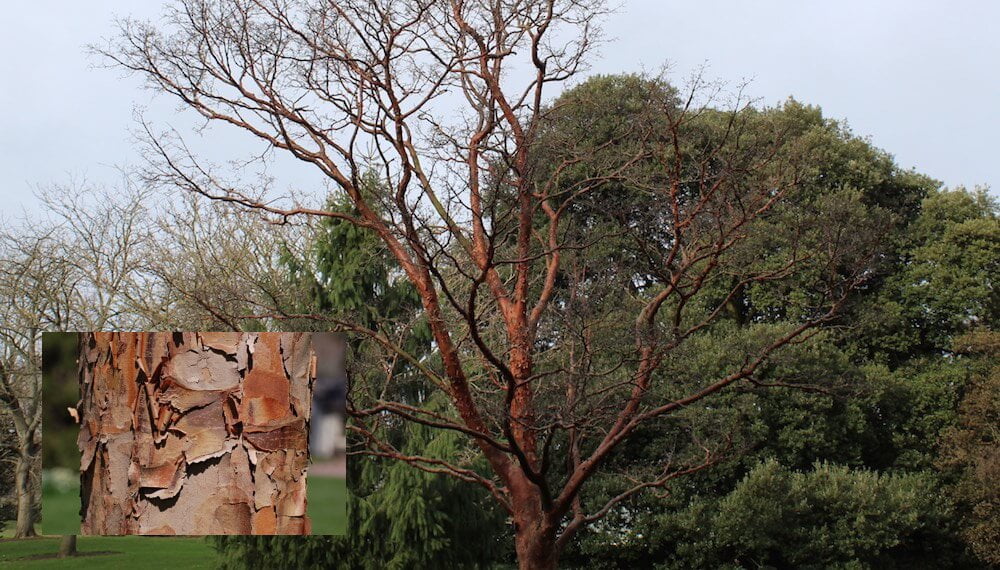
🛒 Acer griseum paperbark maple tree
Amelanchier (Snowy Mespilus)
Amelanchier gives you white spring blossom, small edible berries the birds will strip within days, and reliable fiery autumn colour, all from a properly tough, largely trouble free small tree that tolerates far more neglect around watering than a flamingo tree ever will. It is one of the plants I recommend most often for exactly the beginner gardener who has been caught out by something fussier.
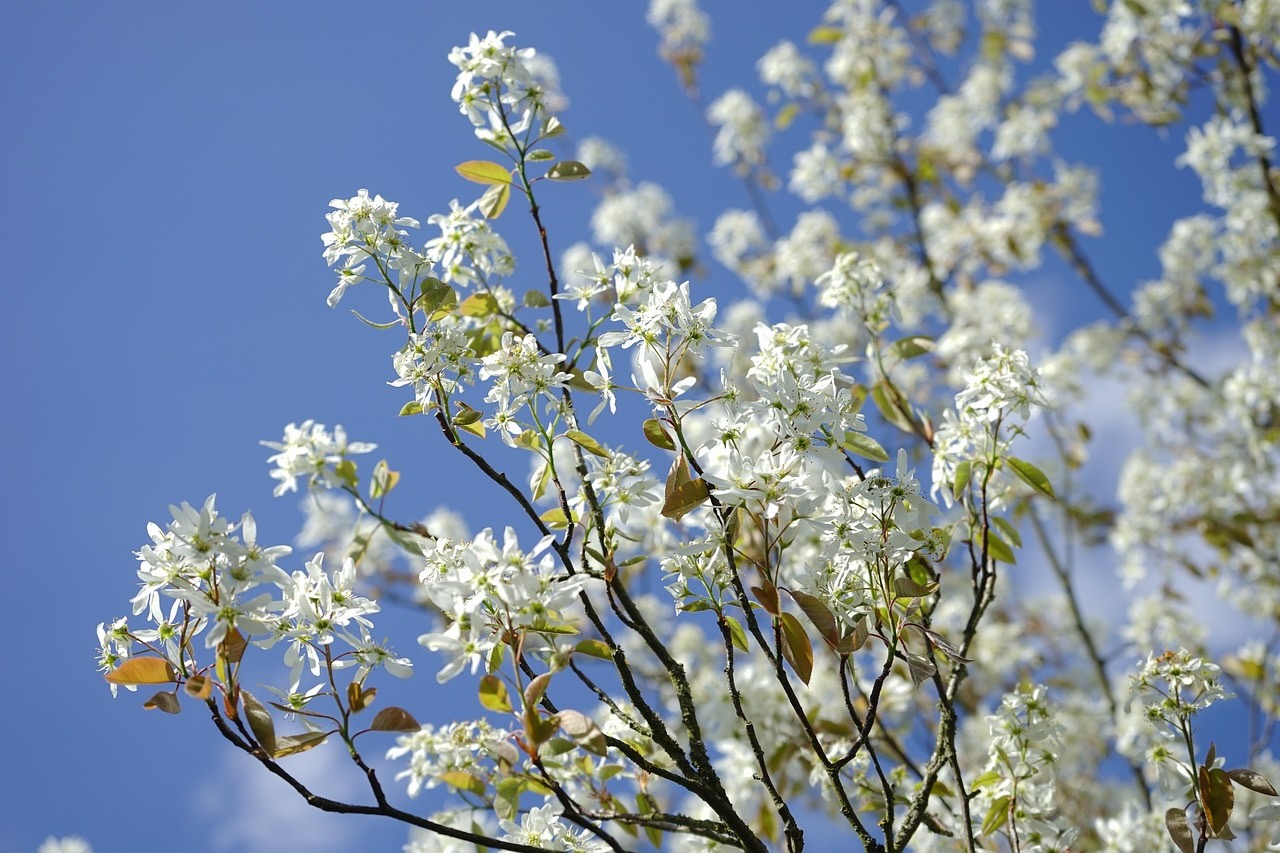
🛒 Amelanchier lamarckii snowy mespilus tree
Ornamental Crab Apple (Malus)
A good crab apple variety gives you spring blossom, small ornamental fruit that often hangs on well into winter, and a naturally tidy habit that suits a small garden without constant pruning. Crab apples are almost always grown on their own roots or on well understood, reliable rootstocks with a long track record, which again removes much of the graft related uncertainty that catches people out with the flamingo tree.
🛒 Ornamental crab apple Malus tree
For a fuller run through of options in this space, my guide to the best small and medium garden trees for UK gardens covers twenty five varieties in more depth, and the forum thread on the best smallish garden trees is worth a read too, since it has some properly useful real world experiences from other readers choosing between exactly these options.
If you are planning a wider redesign around whichever tree you settle on rather than just a straight swap, that is the kind of layout planning I work through properly in my garden design courses, or if you would rather talk it through directly, I also offer online video design consultations where we can look at your actual space together.
Real Questions From My Forum
Everything above has been shaped by genuine questions from gardeners on my own forum over the years, and I think it is worth pointing to a few of them directly, because seeing how a real situation played out is often more useful than reading advice in the abstract.
The thread Help please, Flamingo Tree looks like it’s dying is the single most viewed post on my entire forum on this subject, and it turned out to be a case of transplant shock after a recent move rather than anything more serious, which is a useful reminder that a recently disturbed tree will often look sorry for itself for a few weeks regardless of how well the move itself was carried out. Flamingo willow continuation and Flamingo willow tree both cover very similar ground around leaf drop and general decline, and in both cases watering and pot conditions turned out to be the underlying issue once we talked it through.
Flamingo willow, what’s happening? and Flamingo tree are both worth a read if your tree is showing sudden, unexplained stress despite what looks like reasonable care, since they cover some of the less common presentations. Salix flamingo tree deals specifically with a pot bound specimen that had clearly outgrown its container, and is a good companion read to the pot bound section above.

For the graft related issues specifically, Flamingo tree grafting issue is a direct example of the graft union problem I have described in detail above, and is worth reading if you suspect that is what you are dealing with. Salix flamingo and Salix flamingo help round out the collection with a couple of shorter, more general troubleshooting exchanges that may match whatever you are seeing on your own tree.
If your own tree does not quite fit any of the patterns described above, my forum remains completely free to use and I do read and answer questions there myself, so please do post your own photograph and description rather than guessing.
Frequently Asked Questions
Is overwatering really more common than underwatering for flamingo trees?
In my own experience answering forum questions on this exact tree, yes. Willows have a reputation as thirsty plants, which leads owners to water generously, but in a pot with limited drainage that generosity very often tips over into root rot rather than genuine hydration. Border grown trees in free draining soil are far less prone to this.
How do I know if my flamingo tree has a failing graft?
Look for a swollen, ridged or knobbly section on the trunk, usually a third to halfway up. If the top growth above that point is dying back while growth below it remains healthy, or if you can see visible cracking at that union, the graft itself is the likely cause rather than a general care issue.
Can I save a flamingo tree that has been overwatered for a long time?
It depends how far the root rot has progressed. If some healthy white roots remain alongside the blackened, mushy ones, repotting into fresh, well draining compost with the damaged roots trimmed away gives a genuine chance of recovery. If the root ball is almost entirely rotten and soft throughout, unfortunately the tree is unlikely to pull through.
What size pot does a mature flamingo tree actually need?
For a well established standard, I would be looking at a container in the region of 40 to 50 litres, with generous drainage holes and ideally raised on pot feet. Moving up gradually in roughly five centimetre increments as the tree grows avoids the problem of too much fresh compost sitting wet around a small root ball.
Are the suckers growing from the base of my tree going to flower or turn pink like the rest of it?
No. Growth from below the graft union comes from the rootstock variety, which was chosen purely for vigour and hardiness rather than ornamental value. It will stay plain green and should be removed as soon as you spot it, otherwise it will eventually outcompete the ornamental top growth.
Is it worth buying a cheaper flamingo tree from a supermarket or discount retailer?
You can, but be aware you are taking on more risk around graft quality than you would from a specialist nursery. The plant cost difference is usually small relative to the years of growth you are hoping to get from it, so I generally steer people towards a reputable specialist source for anything sold as a grafted standard.

Join over 100,000 gardeners on YouTube
Free gardening videos from the Garden Ninja, with 8 million views and counting.
Subscribe on YouTube, it’s free🌿 More Plant Care & Diagnostic Guides
Struggling with a different plant, or want to make sure yours never gets to this stage? These are my other complete UK care and rescue guides.
Summary
Nine times out of ten a struggling flamingo tree comes down to overwatering, too much intense sun on those pale variegated leaves, or roots that have simply outgrown their pot, and every one of those is fixable with a bit of patience. Keep an eye on the graft union as the tree matures, remove any rootstock suckers as soon as you spot them, and buy from a reputable source in the first place if you can. Get those basics right, and there is no reason this lovely little tree should not reward you with pink new growth every spring for years to come.
If your flamingo tree is currently causing you sleepless nights, do post a photo on the forum. Between the community there and my own years of answering exactly this question, we will get to the bottom of it together.
Happy Gardening!




Lee Burkhill
Lee Burkhill, known as the Garden Ninja, is an award-winning garden designer and horticulturist with over 30 years of gardening experience and 15 years as a professional garden designer. A qualified RHS (Royal Horticultural Society) professional, Lee specialises in sustainable garden design and practical horticultural advice. He designs and presents on BBC1’s Garden Rescue and in leading gardening publications. Lee combines three decades of hands-on gardening knowledge with professional design qualifications to help gardeners create beautiful, functional outdoor spaces.
View all posts by Lee Burkhill






Categories
Other posts
-

Start here: to begin your gardening journey! Read more
-
How to scarify a lawn: fixing a neglected lawn Read more
-
What to Sow & Grow in May: Your Complete UK Gardening Guide Read more
-
The Best Raised Beds to Buy 2026: That You Can Build at Home Read more
-
Garden Media Guild Awards; all that glitters really is gold Read more
-
Sensory garden design: The Complete Guide to Creating Gardens That Engage All Five Senses Read more