Horticulture & Plant Ideas
-

Best Hedges for Windy or Exposed Sites UK: 12 Top Picks
Quick Answer The best hedges for windy and exposed UK sites are tough, dense growers that filter wind rather than block it. Hawthorn, blackthorn and field maple make unbeatable native windbreak hedges, hornbeam and beech are the strongest formal deciduous options, yew is the classic formal evergreen, and Escallonia, Griselinia, Elaeagnus and Portuguese laurel handle […]
Read more -
How to Get Rid of Weeds in Your Garden: Complete UK Guide
BBC Garden Rescue designer Lee Burkhill explains how to get rid of garden weeds organically — which tools work, why homemade remedies fail, and how to stop weeds coming back.
Read more -
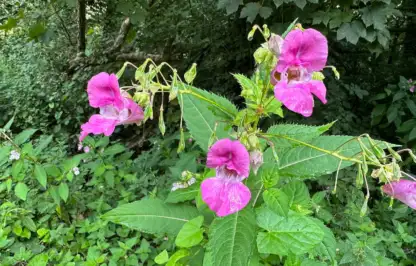
Himalayan Balsam: Identification, Removal and Ghost Bees
Quick Answer Himalayan balsam grows 1.5 to 2.5 metres tall with hollow, reddish, translucent looking stems and distinctive pink to purple, helmet shaped flowers from June to October. It is not illegal to have it on your land, but it is an offence to let it spread into the wild, and its seed pods explode […]
Read more -
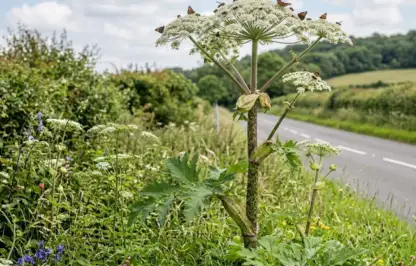
Giant Hogweed: How to Identify It and What to Do If Burned
Quick Answer Giant hogweed grows up to 5 metres tall with thick, hollow stems covered in purple blotches and coarse bristles, and umbrella shaped white flower heads up to 60cm across. Its sap contains compounds that make skin extremely sensitive to sunlight, causing severe burns and blistering on contact combined with UV exposure. If sap […]
Read more -
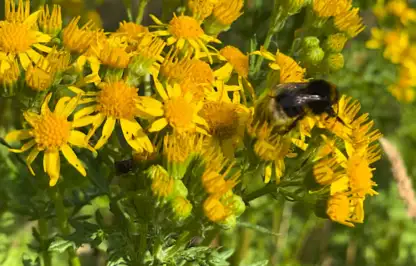
Ragwort: Is It Illegal, Dangerous, or Just Misunderstood?
Quick Answer Ragwort is a UK native wildflower with clusters of small daisy like yellow flowers on stems 30 to 100cm tall. It is not illegal to have it in a garden, but it is listed as an injurious weed under the Weeds Act 1959 because it is toxic to horses and livestock if eaten. […]
Read more -
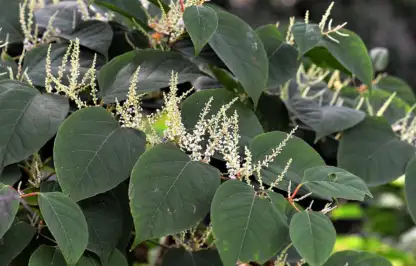
Japanese Knotweed: How to Identify It and Its Look-Alikes
Quick Answer Japanese knotweed has hollow, bamboo like stems speckled with purple, shovel shaped leaves that grow in a zigzag pattern, and clusters of small white flowers from August to October. It dies back to ground level every winter and regrows from the same root system each spring. Several ornamental garden plants are regularly mistaken […]
Read more -
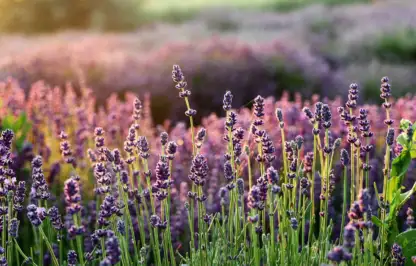
Why Is My Lavender Not Flowering? UK Fixes That Work
Quick Answer Lavender usually fails to flower because of too much shade, soil that’s too rich or too wet, or a lack of annual pruning that has let it become woody. Check the season and variety first, then work through sunlight, soil, watering and pruning history. Most causes are fixable within a single growing season. […]
Read more -
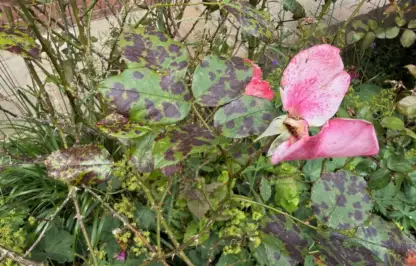
Rose Black Spot: Symptoms, Causes & Treatment UK Guide
Quick Answer Rose black spot is a fungal disease, Diplocarpon rosae, that causes dark circular spots on leaves followed by yellowing and leaf drop. It will not kill an established rose but weakens it over time. Treat it by removing and binning affected leaves, pruning for an open airy shape, watering at the base rather […]
Read more -
How to Make Your Own Organic House Plant Pest Spray: The Complete Garden Ninja Guide
Quick Answer Mix a mild washing up liquid with warm water for an all purpose houseplant pest spray, add white vinegar or isopropyl alcohol for tougher infestations like mealybugs, and use pure essential oils such as peppermint or eucalyptus for spider mites. Always patch test first, spray in the evening out of direct sun, and […]
Read more -
Plants for Exposed & Windy Gardens UK: 15 Tough Picks
Quick Answer For exposed and windy UK gardens, choose tough, flexible plants over rigid ones. Hawthorn, field maple and blackthorn make the best windbreak hedging, while Escallonia, Griselinia and Pittosporum are reliable evergreen shrubs. Achillea, sea holly and Stipa grasses sway rather than snap. Build shelter first with a permeable windbreak, never a solid fence, […]
Read more