Blog
-

Early and Late Season Plants for Bees: How to Feed Wildlife All Year, Not Just for a Few Weeks
Quick Answer Lavender and roses feed bees brilliantly for a few weeks in midsummer, but pollinators are active in the UK from January through to November. Add early plants such as winter aconite, snowdrops, primrose, hellebores and mahonia for late winter, and late plants such as echinacea, sedum, asters, Japanese anemone and ivy for autumn, […]
Read more -
Why Is My Lavender Not Flowering? UK Fixes That Work
Quick Answer Lavender usually fails to flower because of too much shade, soil that’s too rich or too wet, or a lack of annual pruning that has let it become woody. Check the season and variety first, then work through sunlight, soil, watering and pruning history. Most causes are fixable within a single growing season. […]
Read more -
How to Prune Herbaceous Perennials: Complete UK Guide + Chelsea Chop Technique
Quick Answer Prune herbaceous perennials in late winter, from January to February, once plants are fully dormant and before new growth begins. Cut ground cover types back to around 5cm, taller perennials to between 6cm and 12cm, and only lightly tidy evergreen herbaceous plants. Leaving the dried stems in place over autumn and winter feeds […]
Read more -
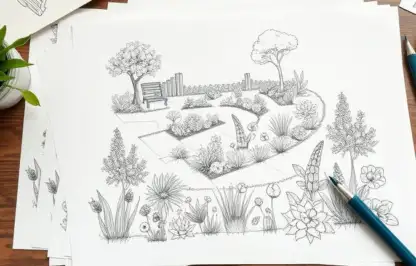
How to start a garden from scratch: 10 Steps for beginner gardeners
Quick Answer To start a garden from scratch, clear the ground of turf, weeds and debris, then assess your soil type and aspect before you buy a single plant. Plan your layout on paper, choose plants suited to your actual conditions rather than ones you simply like the look of, and build your tool collection […]
Read more -
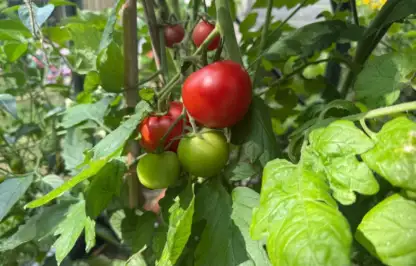
Help, Stop My Tomato Plants Leaves Curling: Your Complete Rescue Guide
Quick Answer Tomato leaves curl mainly due to environmental stress, inconsistent watering, pests such as aphids or broad mites, nutrient imbalances, viral infection, or chemical drift from nearby weedkillers. Most causes are fully reversible once you correct the underlying problem, and new growth typically emerges flat within a week or two. The one exception is […]
Read more -
How to learn Garden Design: most cost effective learning methods
Quick Answer There is no single route to becoming a garden designer, since it is not a regulated profession in the UK. The most reliable path combines classroom or online courses for foundational design and plant knowledge, books for structured theory, and volunteering with a professional designer for real world experience. A blend of formal […]
Read more -
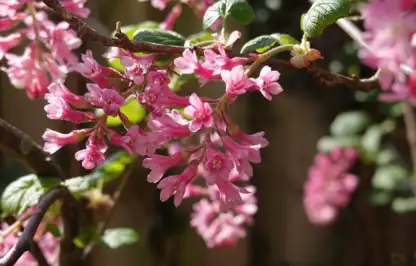
How and When to Prune Ribes, Flowering Currant: The Complete Beginner’s Guide
Quick Answer Prune flowering currant (Ribes sanguineum) immediately after flowering finishes, typically late April to May. Never prune in autumn or winter, since this removes next spring’s flower buds. Remove around a fifth to a third of the oldest stems to ground level each year, or cut hard back to 30 to 50cm for a […]
Read more -
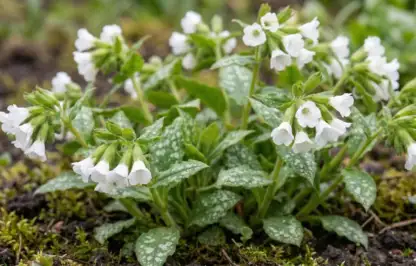
35 Best White Flowers for UK Gardens: Elegant Plants for Borders, Beds & Urban Spaces
At A Glance White works with every planting style and every colour scheme, brightens shady corners, glows at dusk, and supports night-flying pollinators. This guide covers 35 of the best white flowering trees, shrubs, perennials, bulbs and climbers for UK gardens, with hardiness, size and flowering season for each. Whether you’re designing a classic white […]
Read more -
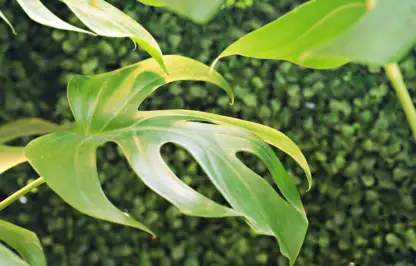
Help my monstera is yellowing and dying: Your complete rescue guide
Quick Answer Monstera leaves usually turn yellow from overwatering, by far the most common cause, though underwatering, poor light, a root bound pot, feeding problems, natural ageing, pests and environmental stress can all be responsible. Check your soil moisture and roots first, since this diagnoses most cases immediately, then match your yellowing pattern to the […]
Read more -
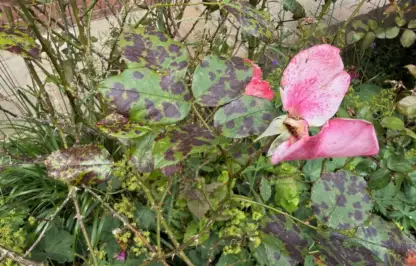
Rose Black Spot: Symptoms, Causes & Treatment UK Guide
Quick Answer Rose black spot is a fungal disease, Diplocarpon rosae, that causes dark circular spots on leaves followed by yellowing and leaf drop. It will not kill an established rose but weakens it over time. Treat it by removing and binning affected leaves, pruning for an open airy shape, watering at the base rather […]
Read more