For the garden you’ve already got, not the one you’re starting from scratch. Seven checklists and video lessons from BBC Garden Rescue’s Lee Burkhill, built to help you work out what’s worth keeping before you spend a penny.
69

Quick Answer
The best winter vegetables to grow in the UK are kale, Brussels sprouts, leeks, parsnips, winter cabbage, purple sprouting broccoli, chard and hardy salad leaves such as lamb’s lettuce and land cress. Most need sowing between spring and late summer so they are fully grown before November. Garlic, onion sets and broad beans are planted in autumn to overwinter.
Ask most people what they grow in winter, and they will tell you nothing, because the veg patch shuts down when the clocks go back. That is the single biggest myth I hear on the forum every Autumn.
A well-planned kitchen garden can put fresh kale, leeks, sprouts, parsnips and salad leaves on your plate from November right through to March, at exactly the time supermarket veg is at its most expensive and least flavoursome. The catch is that almost all of that winter food is decided months earlier, in spring and summer, and that is where most beginners get stuck.
In this guide I’m going to walk you through the hardy winter vegetables that are worth the space in a UK garden, when to sow and plant each one, and how to protect them from frost, pigeons and waterlogged soil. I’ll also cover what you can still plant right now if you are reading this in September or October, so you don’t feel you have missed the boat. Everything here comes from growing my own food in Manchester, where winters are wet, grey and occasionally bitterly cold, and from designing kitchen gardens for clients across the country.
Jump To
This page contains affiliate links (see full details here). If you purchase through these links, I may earn a small commission at no extra cost to you.
When people search for winter vegetables they usually mean one of two quite different groups of crops, and mixing them up is behind a lot of disappointment. The first group are the standing crops. These are vegetables such as kale, leeks, parsnips and Brussels sprouts that are sown in spring or summer, grow on through the warmer months, and then sit in the ground through winter so you can harvest them as and when you need them. They are hardy enough to shrug off frost, and several of them taste better for it.
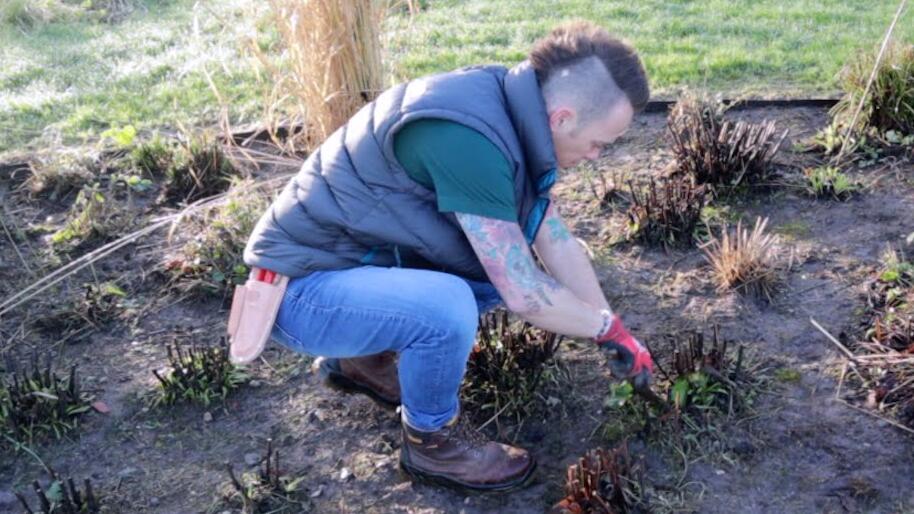
The second group are the overwintering crops. Garlic, autumn onion sets, broad beans and winter hardy spring onions are planted in autumn, put down roots before the cold arrives, then pause over winter and race away in spring to give you the earliest harvests of the following year. You don’t eat these in December, but they fill beds that would otherwise sit empty and they free up space for summer crops much sooner. A good winter plan uses both groups, so something is always ready to pick and something is always coming along behind it.
There is a small third group worth knowing about too, which is cut and come again salad leaves such as lamb’s lettuce, land cress, mizuna and winter purslane. Sown in late summer, these keep producing leaves through the colder months, especially with a cloche, cold frame or unheated greenhouse over them. If you only have room for one winter crop, a trough of hardy salad leaves by the back door is the one I’d start with, since you’ll pick from it almost every week.
The part that trips up beginners is that very little actually grows in a UK winter. Once daytime temperatures sit below roughly 6°C and day length drops under about ten hours, which in most of the country is from mid-November until early February, plant growth slows to a crawl. Growers sometimes call this stretch the Persephone period. Your winter vegetables are not really growing during those weeks. They are standing still in the ground, acting as a living larder that you raid when you need something for the pot.
That changes how you plan. A winter crop needs to be at or near full size by the start of November, because it will barely get any bigger after that. A kale plant sown in late August will still be a spindly seedling at Christmas, and a leek planted out in September will give you pencil thin stems in February. The sowing dates in the table below are there to get plants to a harvestable size before the light runs out, and they matter far more than the dates you’d follow for summer crops, where a late sowing simply means a later harvest.
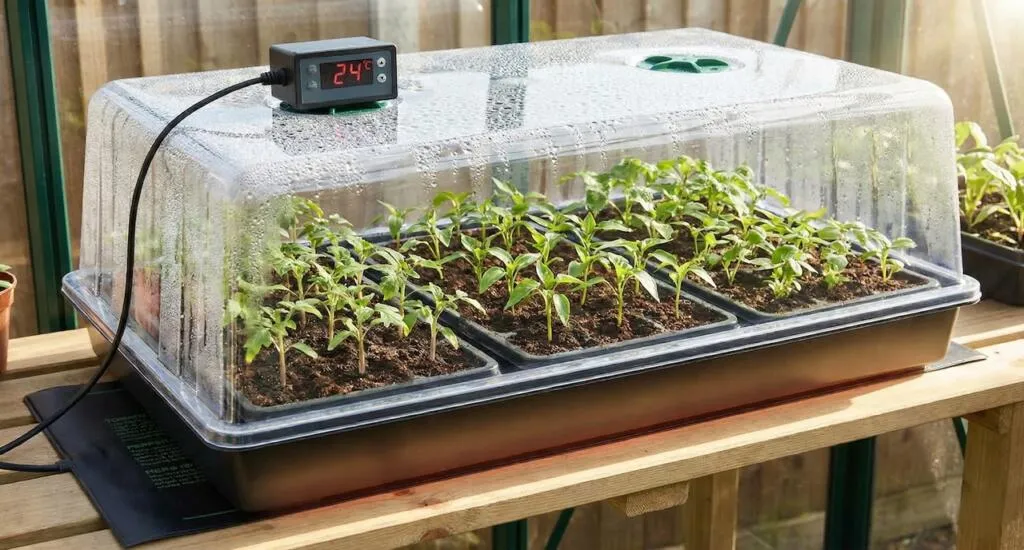
Frost is less of an enemy than most people assume. Hardy brassicas, leeks and root crops handle temperatures well below freezing, and parsnips and Brussels sprouts convert some of their stored starch into sugars after a cold snap, which is why a frosted parsnip tastes so much sweeter.
What kills winter vegetables is sitting in cold, waterlogged soil for weeks, being stripped by hungry pigeons, and windrock loosening tall plants in soft ground. I’ll cover how to deal with each of those further down. If you want to check the frost risk where you live before planning, my UK monthly planting calendar includes a UK frost map that is worth a look.
Here is the timing for every crop in this guide at a glance. The dates are for an average garden in central England, so if you garden in Scotland or the north of England, or somewhere high and exposed, shift sowings two to three weeks earlier and autumn plantings slightly earlier too. Gardeners in Cornwall, Pembrokeshire and sheltered city gardens in the south can usually push the later sowings back by a fortnight. On a phone, each crop displays as its own card so you can scroll down without pinching and zooming.
| Vegetable | Sow | Plant Out | Harvest | Hardiness |
|---|---|---|---|---|
| Kale | April to June | June to July | September to March | Very hardy |
| Brussels sprouts | March to April | May to June | October to February | Very hardy |
| Leeks | March to April | June to July | October to April | Very hardy |
| Parsnips | March to May (direct) | Sown in place | October to March | Very hardy |
| Winter cabbage | April to June | June to July | October to March | Very hardy |
| Purple sprouting broccoli | April to May | June to July | February to April | Hardy |
| Winter cauliflower | May to June | July | December to April | Hardy |
| Swiss chard | April to August | May to September | All year | Hardy with cover |
| Perpetual spinach | April to August | May to September | All year | Hardy |
| Garlic | Cloves planted October to December | Plant in place | June to July | Hardy |
| Autumn onion sets | Sets planted September to October | Plant in place | May to June | Hardy |
| Broad beans | October to November | Sown in place | May to June | Hardy |
| Winter salad leaves | August to September | September to October | October to March | Hardy with cover |
| Land cress | August to September | Sown in place | October to March | Hardy |
| Winter hardy spring onions | August to September | Sown in place | March to May | Hardy |
The pattern that jumps out of that table is how few of these crops are sown in winter itself. The work happens in spring and summer, and winter is when you collect the reward. If you’d like a month-by-month view that covers summer crops as well, my vegetable planting calendar sets out the whole year.
If you are reading this in September or October and haven’t sown a thing, don’t panic, because you still have more options than you might think. You have missed the window for big brassicas and leeks from seed, but autumn is prime planting time for the overwintering crops, and it is also when you can buy young plants to fill the gap. Garden centres and online nurseries sell plug plants of kale, winter cabbage, leeks and spring cabbage through September, and these will give you a respectable winter harvest if they go in straight away.
In September, plant autumn onion sets and shallots, sow winter-hardy spring onions, lamb’s lettuce, land cress and mizuna outdoors, and sow winter salad leaves into trays or pots for a greenhouse or windowsill.
October is garlic month, and it is also the best time to sow hardy broad beans such as ‘Aquadulce Claudia’ directly into the soil. In November you can still plant garlic and broad beans in milder areas, and from December to February garlic can go in right up until the ground freezes, although cloves planted after Christmas tend to give smaller bulbs. My guides to what to sow in September, October, November and December go into each month in more detail.
🛒 Buy kale and winter brassica plug plants from Amazon UK
These are the crops I’d put in a UK kitchen garden if the aim was to have something to pick every week from autumn to spring. I’ve grouped the standing crops first, then the overwintering crops, then the salads. Each one has an at a glance table with the key details, so on a phone you can scroll straight to the numbers you need, Ninjas!
If I could only grow one winter vegetable, it would be kale. It is the toughest crop in this list, it will keep producing leaves from September until the plants start to flower in spring, and one well grown plant can be picked over dozens of times. Sow in modules from April to June, plant out once the seedlings have four or five true leaves, and firm them in well. Space plants around 45cm apart, since a mature kale plant gets bigger than most people expect.
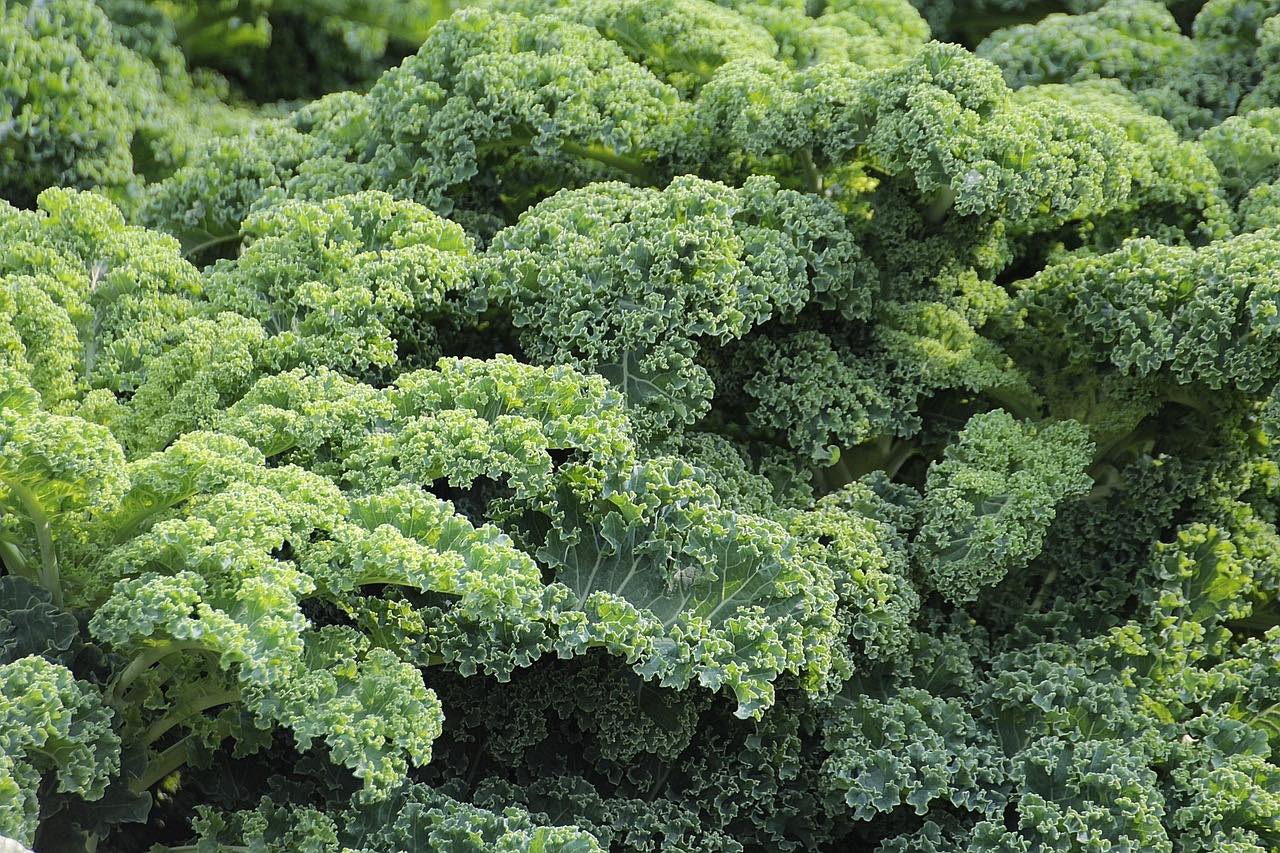
For flavour and looks, ‘Nero di Toscana’ (also sold as cavolo nero) gives dark, blistered leaves that hold their texture in soups and stews. Dwarf Green Curled’ is the one I suggest for exposed or windy gardens, since its compact habit rarely needs staking, and ‘Redbor’ adds deep purple colour that looks at home in an ornamental potager. Always harvest from the bottom of the stem upwards, taking a few of the lower leaves from each plant, and the growing tip will keep producing fresh foliage all winter. Pigeons adore kale, so a net over the bed from October onwards will save you a lot of heartache.
| Kale at a Glance | |
|---|---|
| Botanical Name | Brassica oleracea Acephala Group |
| Plant Type | Hardy biennial grown as an annual |
| RHS Hardiness | H6 |
| Height and Spread | 60cm to 90cm tall by 45cm to 60cm |
| Harvest Period | September to March |
| Best Conditions | Full sun or light shade, firm fertile soil |
| Key Feature | Cut and come again leaves for up to six months |
🛒 Buy kale seeds including Nero di Toscana from Amazon UK
Home-grown sprouts picked after a hard frost are a completely different vegetable to the bullet-hard ones from a supermarket net. They do take up space for a long time, from a spring sowing through to a winter harvest, so choose a bed you won’t need until the following spring. Sow in March or April, plant out in May or June about 60cm apart, and plant them deeper than they sat in their pots with the soil firmed right up around the stem.
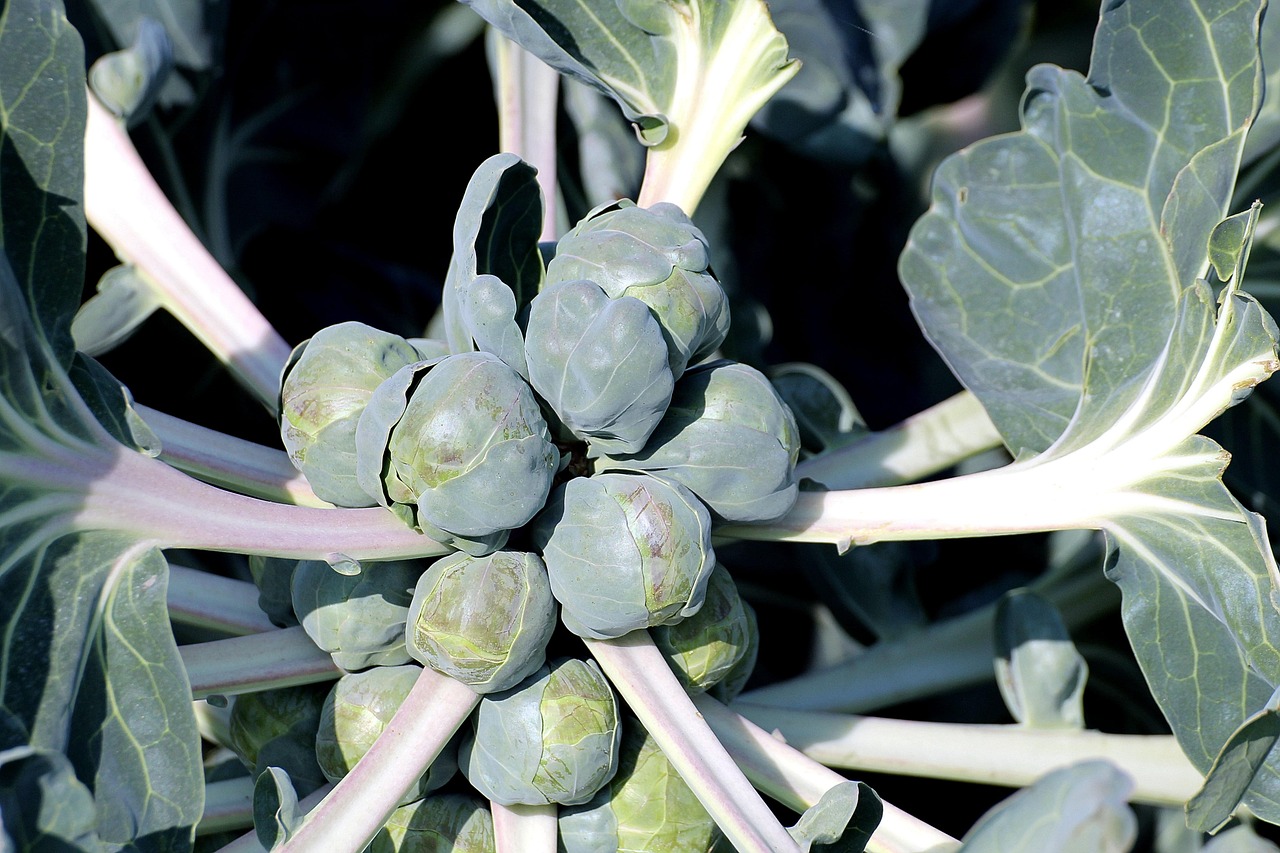
Firm soil is the trick most beginners miss. Sprouts grown in loose, freshly dug or fluffy soil tend to produce ‘blown’ sprouts that open up as tiny loose cabbages, and tall plants rock in winter winds, which damages the roots.
In exposed or windy gardens, I push a bamboo cane in beside each plant by early autumn and tie the stem in. Brodie’ has a sweet, mild flavour that converts sprout sceptics, and ‘Crispus’ has good resistance to clubroot if that disease has been a problem in your soil. Pick from the bottom of the stem as the sprouts firm up, and remember the leafy top of the plant is edible too.
| Brussels Sprouts at a Glance | |
|---|---|
| Botanical Name | Brassica oleracea Gemmifera Group |
| Plant Type | Hardy biennial grown as an annual |
| RHS Hardiness | H6 |
| Height and Spread | 60cm to 90cm tall by 60cm |
| Harvest Period | October to February |
| Best Conditions | Full sun, firm fertile soil, shelter from strong wind |
| Key Feature | Flavour sweetens after frost |
🛒 Buy Brussels sprout seeds from Amazon UK
Leeks are among the most forgiving winter crops, and they’re the ones I’d recommend to anyone who has struggled with brassicas. They don’t attract pigeons, rarely suffer from slugs once established, and will stand in the ground from October through to April without deteriorating. Sow thinly in a seed tray or a nursery row in March or April, and plant out when the seedlings are about the thickness of a pencil, usually in June or July.
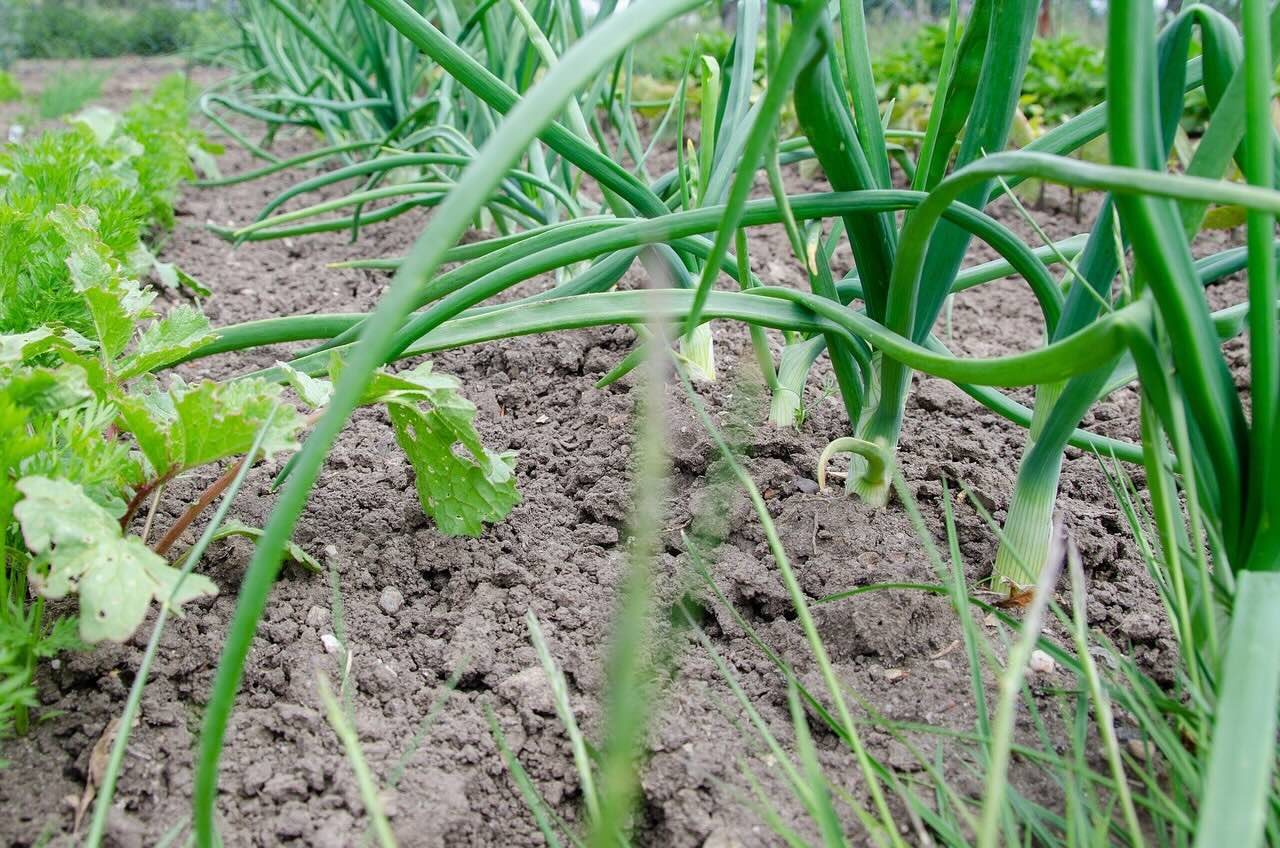
I still use the traditional planting method. Make a hole about 15cm deep with a dibber, drop a single leek seedling into each hole, and fill the hole with water rather than soil.
This puddling in settles the roots and leaves space for the stem to swell, and the soil falls back in naturally over the following weeks, giving you a longer white shank. Space plants 15cm apart in rows 30cm apart. ‘Musselburgh’ is an old Scottish variety that copes with the harshest winters, and ‘Bandit’ has blue green leaves and good resistance to rust. Lift them with a fork as needed, since pulling by hand tends to snap the stem.
| Leeks at a Glance | |
|---|---|
| Botanical Name | Allium porrum |
| Plant Type | Hardy biennial grown as an annual |
| RHS Hardiness | H6 |
| Height and Spread | 30cm to 60cm tall by 15cm |
| Harvest Period | October to April |
| Best Conditions | Full sun, deep fertile soil enriched with compost |
| Key Feature | Stands in the ground all winter without spoiling |
🛒 Buy Musselburgh leek seeds from Amazon UK
Parsnips are the definition of a winter vegetable. They sit quietly underground from Autumn to spring, and a good frost turns some of their starch into sugar, which gives you that sweet, nutty flavour you can’t buy. The downside is a reputation for poor germination, and in almost every case I see on the forum, the cause is old seed. Parsnip seed loses viability quickly, so buy a fresh packet every year and don’t be tempted by last season’s leftovers.

Sow directly where they are to grow from March to May, once the soil has warmed a little, in drills about 1cm deep and 30cm apart. I sow two or three seeds every 15cm and thin to the strongest seedling, and I sow a few radish seeds along the same row as markers, since parsnips can take three or four weeks to show and the radishes remind you where you sowed.
Stony or recently manured soil causes forked roots, so choose a bed that was fed for a previous crop. ‘Gladiator’ is reliable and has good canker resistance. Before the ground freezes hard, cover part of the row with a thick layer of straw or leaf mould so you can still dig roots out during a cold snap.
| Parsnips at a Glance | |
|---|---|
| Botanical Name | Pastinaca sativa |
| Plant Type | Hardy biennial grown as an annual |
| RHS Hardiness | H6 |
| Height and Spread | Foliage 40cm to 60cm tall, roots 20cm to 30cm long |
| Harvest Period | October to March |
| Best Conditions | Full sun, deep stone free soil not recently manured |
| Key Feature | Sweeter flavour after frost |
🛒 Buy fresh parsnip seeds from Amazon UK
Winter cabbages come in a few different types, and the savoys and the old ‘January King’ varieties are the ones that will stand in the garden through frost and snow. Savoys have crinkled, blistered leaves that shrug off cold weather and hold their shape in cooking, and ‘January King’ has attractive purple-tinted outer leaves with a firm heart.
Sow in modules from April to June, plant out 45cm to 60cm apart once they have four or five true leaves, and firm them in hard, just like sprouts.
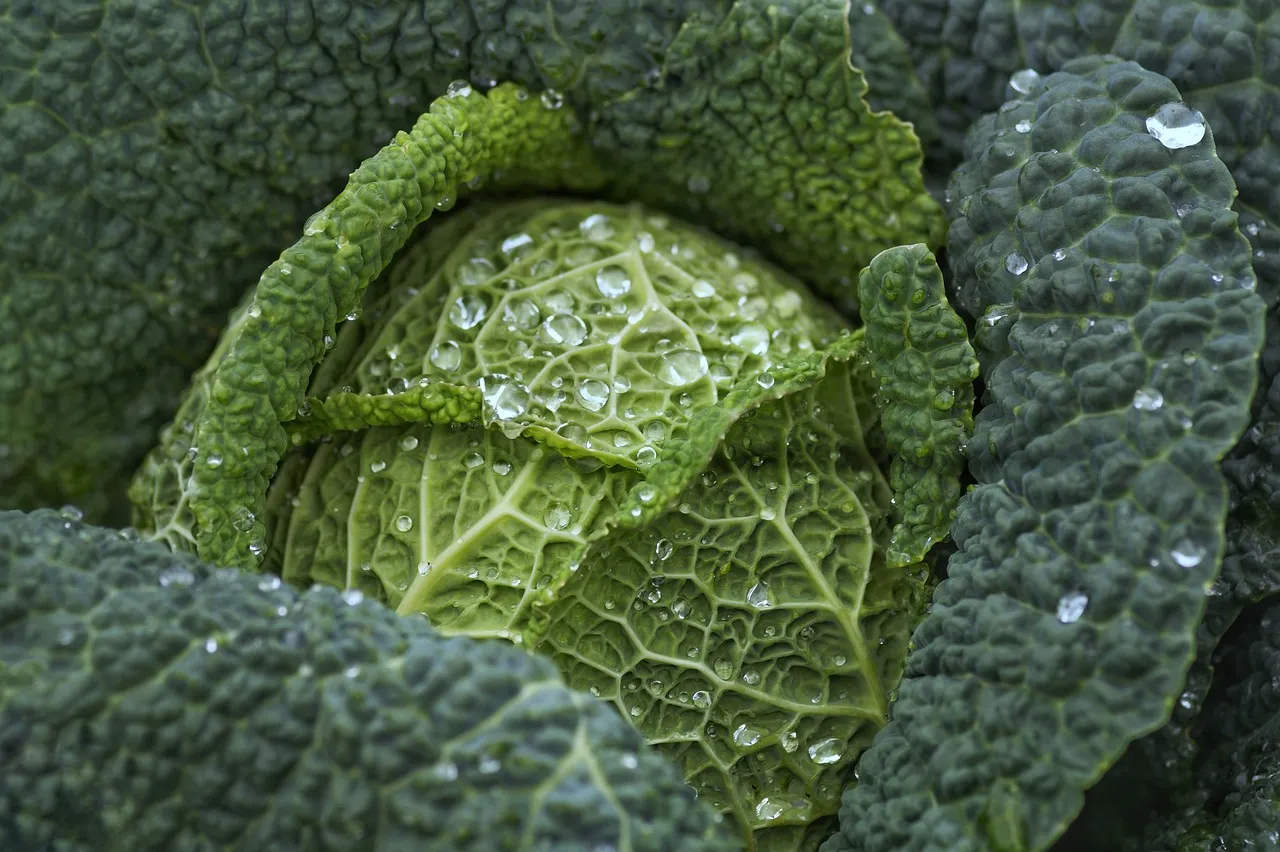
Cabbages need rich soil and plenty of water through summer to build a decent head before growth slows in autumn, so a mulch of well-rotted compost around the plants in July pays off.
Cut heads as they firm up and leave the stump in the ground, then cut a shallow cross into the top of it, and you’ll often get a flush of small, tender spring greens from it a few weeks later. If you’d like leafy greens in April and May, sow spring cabbage, such as ‘Offenham’, in July or August, and plant out in September and October. My crop rotation guide explains why cabbages and the rest of the Brassica family should be moved to a new bed each year.
| Winter Cabbage at a Glance | |
|---|---|
| Botanical Name | Brassica oleracea Capitata Group |
| Plant Type | Hardy biennial grown as an annual |
| RHS Hardiness | H6 (savoy types) |
| Height and Spread | 30cm to 45cm tall by 45cm to 60cm |
| Harvest Period | October to March |
| Best Conditions | Full sun, rich firm soil, consistent moisture |
| Key Feature | Savoys hold well in the ground through hard frost |
🛒 Buy savoy and January King cabbage seeds from Amazon UK
Purple sprouting broccoli fills what vegetable growers call the hungry gap, the lean few weeks in late winter and early spring when stored crops are running out, and nothing new is ready. It is a long-term commitment Ninjas, since plants sown in April or May won’t give you a single spear until February, but the tender purple shoots that arrive when there is little else to pick make it worth the wait.
Sow in modules in April or May and plant out 60cm apart in June or July.
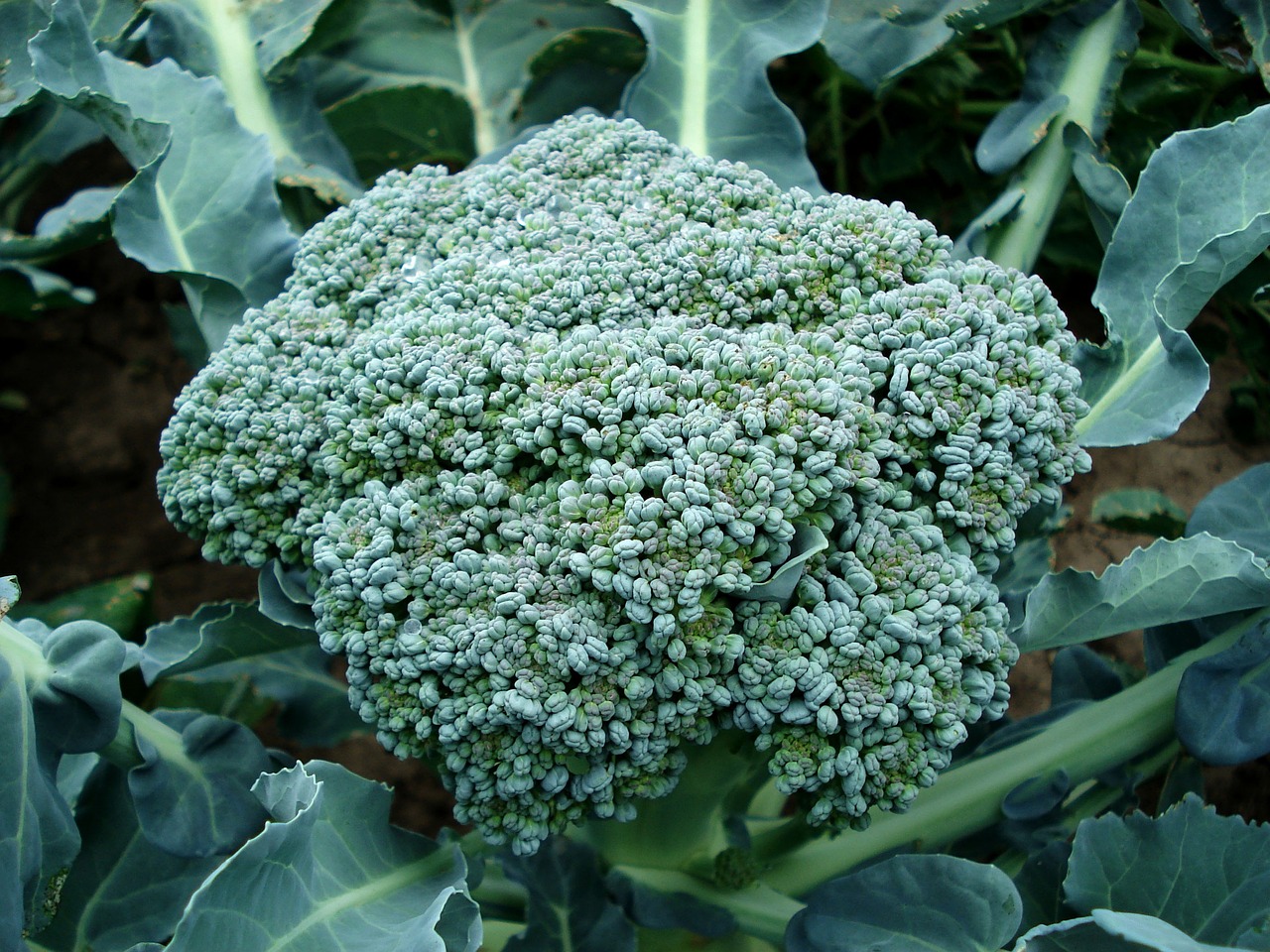
Plants grow tall, often to a metre, and they are top-heavy by winter, so stake them securely before autumn gales arrive. Netting is also important from autumn, because pigeons will strip the leaves down to the ribs in a cold spell. When the spears appear, cut them while the flower buds are still tight, taking about 10-15cm of stem, and keep picking every few days.
The more you cut, the more side shoots the plant produces, and a single plant can crop for six weeks or more. ‘Rudolph’ is an early variety that can start in January in a mild year, and ‘Claret’ is a later one that extends the season into April.
| Purple Sprouting Broccoli at a Glance | |
|---|---|
| Botanical Name | Brassica oleracea Italica Group |
| Plant Type | Hardy biennial grown as an annual |
| RHS Hardiness | H5 |
| Height and Spread | 60cm to 100cm tall by 60cm |
| Harvest Period | February to April |
| Best Conditions | Full sun, firm fertile soil, stake in exposed sites |
| Key Feature | Crops in the hungry gap when little else is ready |
🛒 Buy purple sprouting broccoli seeds from Amazon UK
I’ll be straight with you: cauliflowers are the fussiest crop on this list, and if you are new to growing veg, I’d leave them until you’ve had a year of success with kale and leeks. They need rich, firm soil and steady moisture, and any stress to their growth, such as drying out in summer or sitting too long in a small pot, causes them to produce tiny, button-sized curds. Winter and spring heading types such as the ‘Walcheren Winter’ varieties are sown in May or June and planted out in July, about 60cm apart.
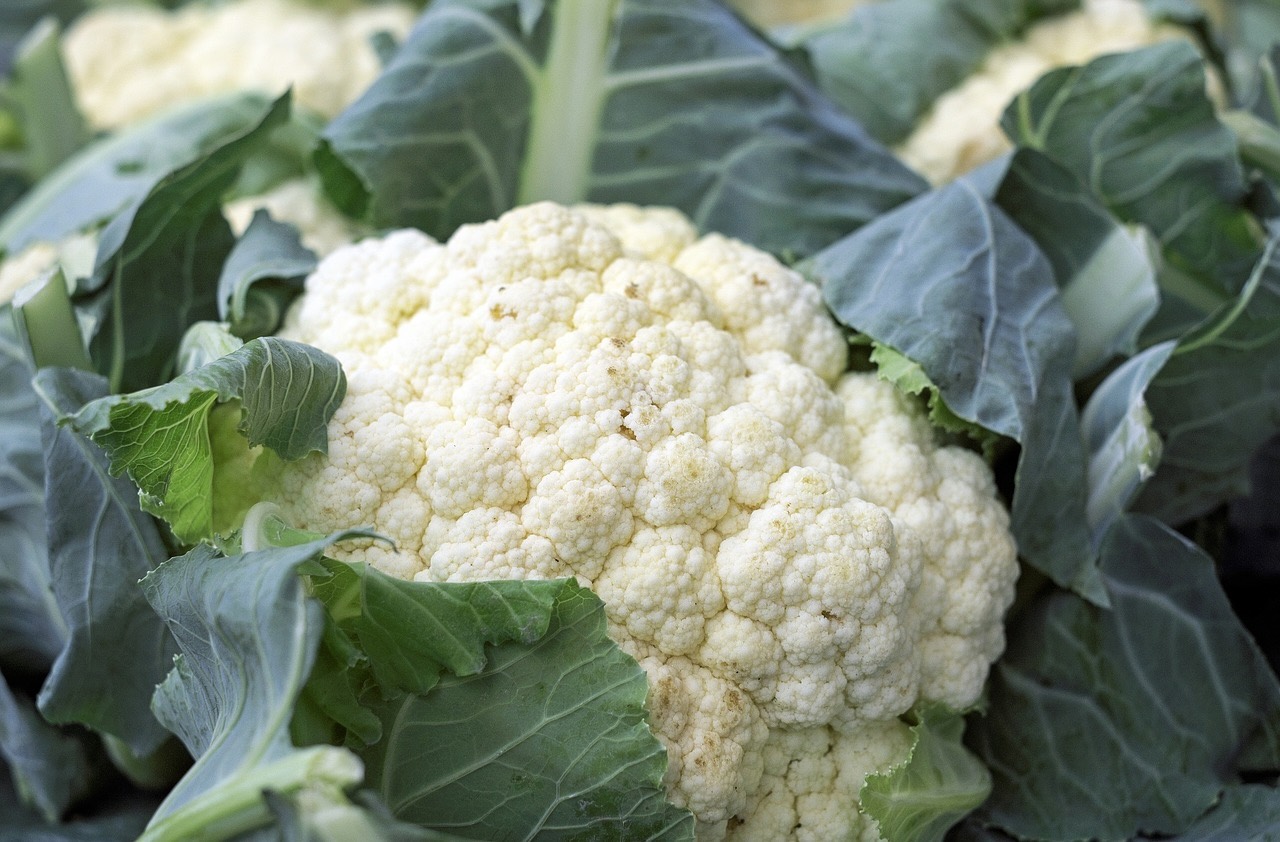
The reward is a crop between December and April, depending on the variety and the severity of the winter. As the curds start to form, bend a few of the large outer leaves over the top and tuck them in, or tie them loosely with jute or hessian twine or string. This protects the white curd from frost damage and stops it from discolouring in sunlight.
Cut the heads as soon as they are firm and full, since a cauliflower left too long will start to separate and go to seed. If your soil is on the acidic side, a light dressing of garden lime the winter before planting helps reduce the risk of clubroot.
| Winter Cauliflower at a Glance | |
|---|---|
| Botanical Name | Brassica oleracea Botrytis Group |
| Plant Type | Hardy biennial grown as an annual |
| RHS Hardiness | H4 |
| Height and Spread | 45cm to 60cm tall by 60cm |
| Harvest Period | December to April |
| Best Conditions | Full sun, rich firm soil, even moisture all summer |
| Key Feature | Fresh curds in late winter and spring |
🛒 Buy winter heading cauliflower seeds from Amazon UK
Chard earns its place twice over, since it gives you a steady supply of leaves and stems and it looks good enough to grow in a flower border. It’s my ultimate beginner vegetable to grow year-round!
The rainbow types have red, yellow, orange and pink stems that glow on a grey winter day. A sowing in April gives you leaves all summer and autumn, but for the best winter crop I make a second sowing in late July or early August, so the plants go into winter young and vigorous.
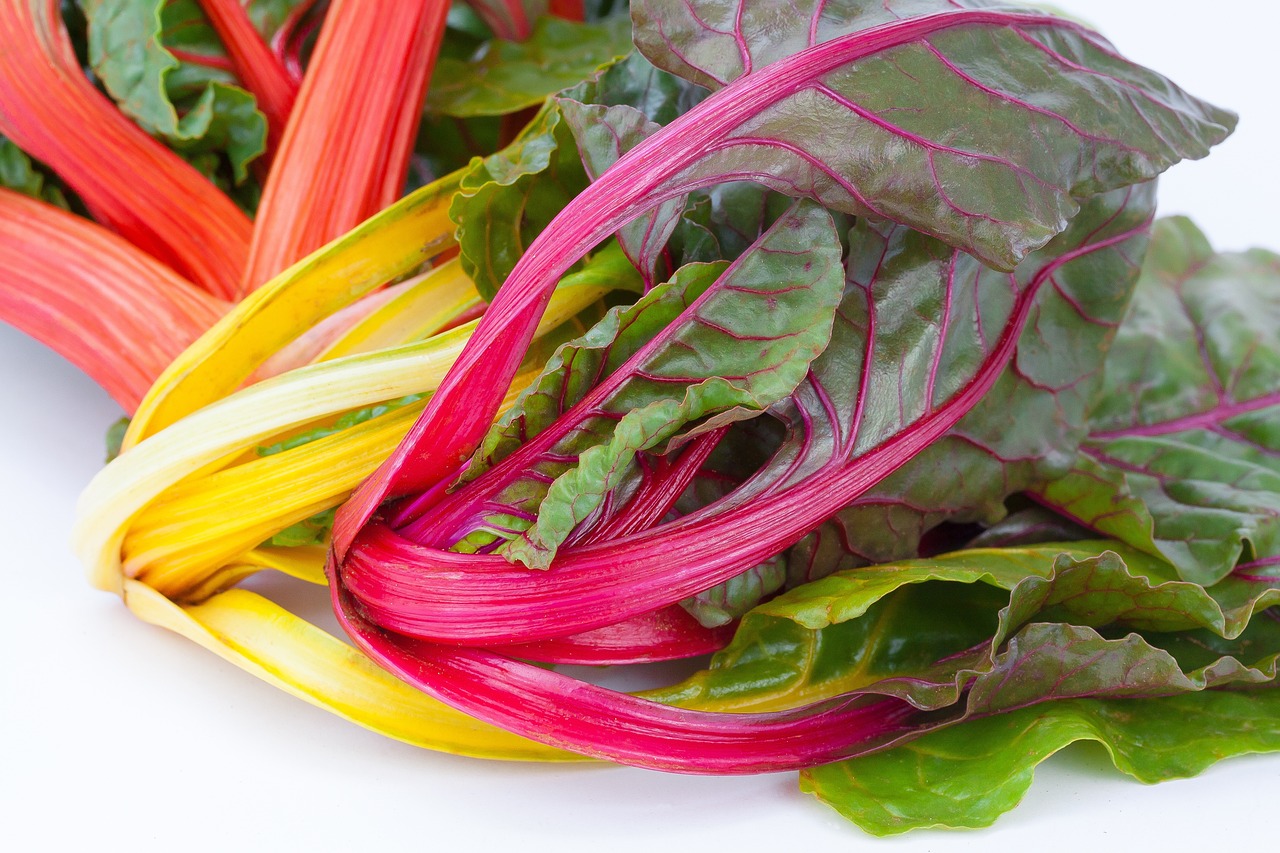
Chard is hardy through most UK winters, but the leaves can look battered after a hard frost, and colourful varieties are slightly less tough than the green ones. A cloche or a double layer of horticultural fleece over the plants in December and January keeps the leaves in good condition and gives you far more picking.
Harvest the outer leaves when they are 20cm to 30cm long, leaving the central ones to keep growing. ‘Bright Lights’ is the classic rainbow mix, and ‘Fordhook Giant’ is a sturdy white-stemmed variety that handles cold weather particularly well. Chard also copes with light shade, which is why it features in my guide to fruit and veg you can grow in shade.
| Swiss Chard at a Glance | |
|---|---|
| Botanical Name | Beta vulgaris subsp. cicla var. flavescens |
| Plant Type | Hardy biennial grown as an annual |
| RHS Hardiness | H4 |
| Height and Spread | 30cm to 60cm tall by 30cm to 40cm |
| Harvest Period | All year, with cover in hard frost |
| Best Conditions | Full sun or partial shade, fertile moist soil |
| Key Feature | Colourful stems that brighten a winter bed |
🛒 Buy Bright Lights rainbow chard seeds from Amazon UK
Perpetual spinach, also called spinach beet or leaf beet, is a close relative of chard with smaller, smoother leaves that cook down just like true spinach. The difference is that it is far less inclined to bolt, and it will keep producing through the winter where ordinary spinach gives up. For anyone who has sown a row of spinach only to watch it run to seed within weeks, this is the plant to try instead.
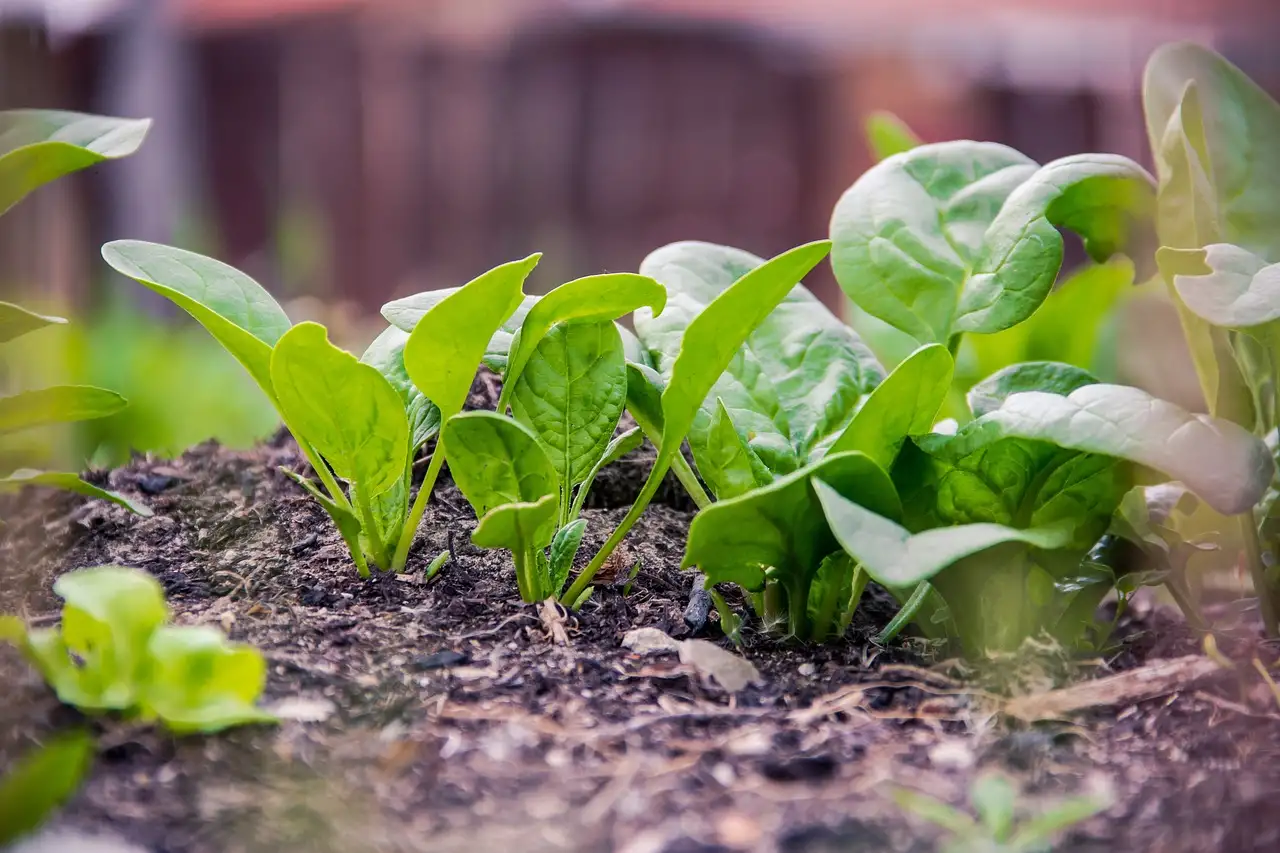
Sow from April through to August, either directly in drills 2cm deep or in modules to plant out, and thin or space plants to about 30cm apart. The August sowing is the one that carries you through winter. Pick the outer leaves regularly, a few from each plant, and it will keep producing fresh growth from the centre.
In very cold spells, growth stops, and some leaves may yellow, but plants recover quickly as soon as temperatures lift in February. A single row of eight to ten plants is plenty for a household that likes spinach a couple of times a week, and chard grows well in raised beds and large containers.
| Perpetual Spinach at a Glance | |
|---|---|
| Botanical Name | Beta vulgaris subsp. cicla var. cicla |
| Plant Type | Hardy biennial grown as an annual |
| RHS Hardiness | H5 |
| Height and Spread | 30cm to 45cm tall by 30cm |
| Harvest Period | All year, slower in midwinter |
| Best Conditions | Full sun or partial shade, moisture retentive soil |
| Key Feature | Far less prone to bolting than true spinach |
🛒 Buy perpetual spinach seeds from Amazon UK
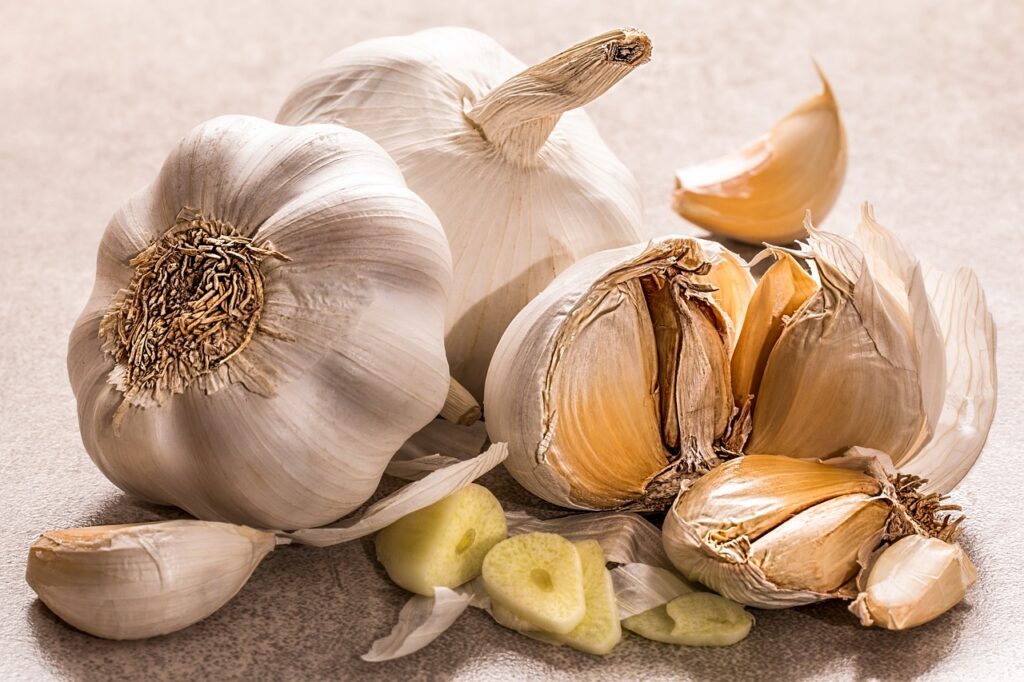
Garlic is the simplest overwintering crop to grow and a good first Autumn project for a beginner. You plant individual cloves in September nad October, forget about them over winter, and lift fat bulbs the following summer. Garlic needs a spell of cold weather, several weeks below about 10°C, to trigger each clove to split into a full bulb, which is why Autumn plantings give far better results than spring plantings.
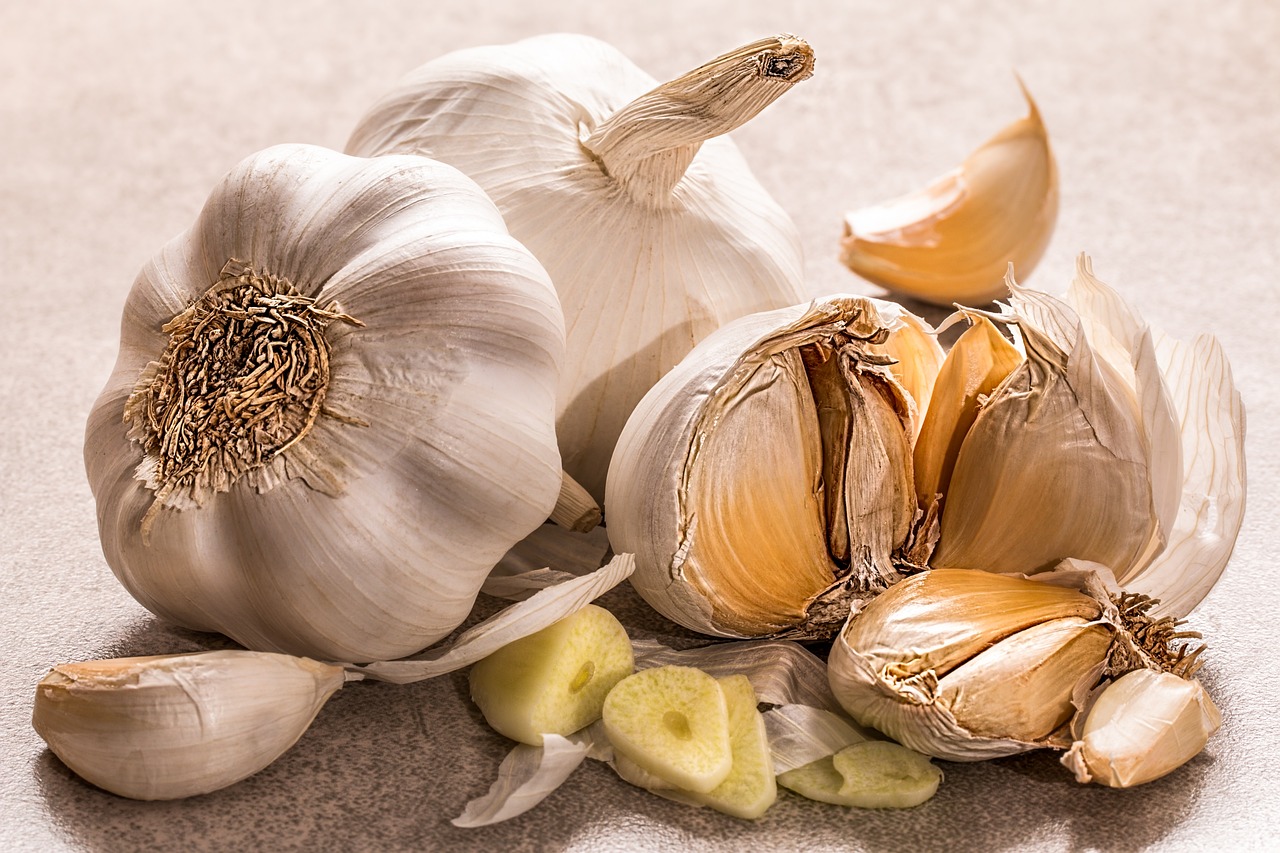
Plant from October to December. Break a bulb into individual cloves just before planting and push each one into the soil, pointed end up, so the tip sits about 2cm to 3cm below the surface. Space cloves 15cm apart in rows 30cm apart. Only plant garlic bought from a garden supplier, since supermarket bulbs are often varieties suited to warmer climates and can carry viruses.
Garlic hates sitting in wet soil over winter, so on heavy clay I plant into a raised bed or on a ridge of soil to keep the cloves from rotting. Softneck types such as ‘Solent Wight’ store for months, while hardneck types such as ‘Early Purple Wight’ mature sooner and have a stronger flavour. If you have worried about frost damage, you can relax, since garlic handles the coldest UK winters without any protection at all.
| Garlic at a Glance | |
|---|---|
| Botanical Name | Allium sativum |
| Plant Type | Hardy bulb grown as an annual |
| RHS Hardiness | H5 |
| Height and Spread | 30cm to 60cm tall by 15cm |
| Harvest Period | June to July |
| Best Conditions | Full sun, free draining soil |
| Key Feature | Needs winter cold to form full bulbs |
🛒 Buy garlic bulbs for autumn planting from Amazon UK
Onion sets planted in Autumn will be ready to lift in late May, or about six weeks earlier than those planted in spring. That early harvest is useful, since it clears the bed in time for a second crop such as leeks, French beans or a late sowing of carrots. Look for sets sold specifically for Autumn planting, such as ‘Radar’ or the red ‘Electric’, since spring varieties won’t cope with the winter.
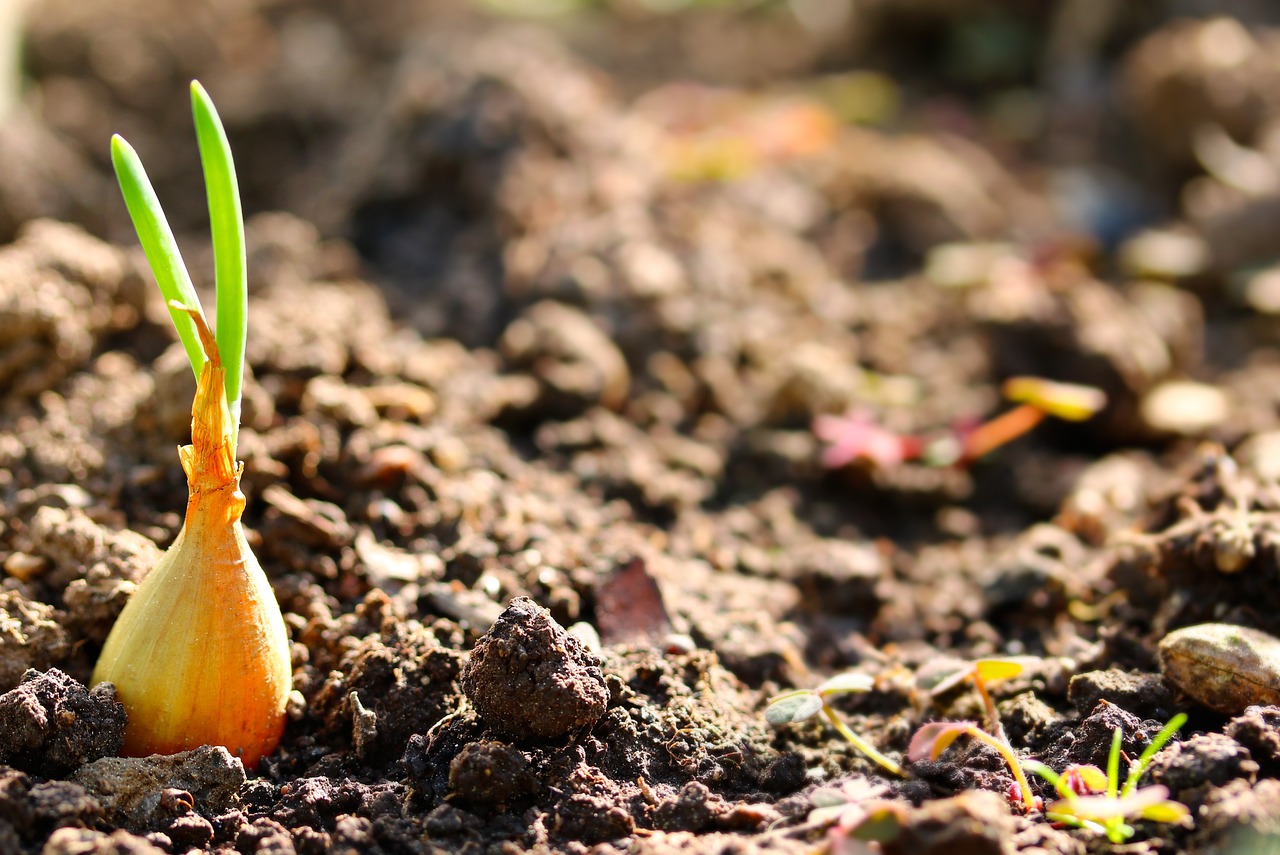
Plant in September or October, pushing each set gently into loose soil so the tip is just showing, 10cm apart in rows 25cm apart. Trim the dry, papery wisp from the top of each set before planting, because birds tug at it and pull the sets straight out of the ground.
I check new plantings for the first couple of weeks and push back any that have been lifted. Shallots can go in from December to Februarfree-drainingining soil, and each one splits to produce a cluster of eight to twelve bulbs. Keep theweed-free free through spring, since onions have thin foliage and don’t compete well.
| Autumn Onion Sets at a Glance | |
|---|---|
| Botanical Name | Allium cepa |
| Plant Type | Hardy bulb grown as an annual |
| RHS Hardiness | H5 |
| Height and Spread | 30cm to 45cm tall by 10cm |
| Harvest Period | May to June |
| Best Conditions | Full sun, firm free draining soil |
| Key Feature | Harvests around six weeks earlier than spring sets |
🛒 Buy autumn planting onion sets from Amazon UK
Autumn sown broad beans give you the first fresh beans of the year, often in May when spring sown plants are still flowering. They also tend to suffer less from blackfly, because the plants are tougher and further along by the time the aphids arrive in early summer. ‘Aquadulce Claudia’ is the variety bred for this job and has been a winter favourite for generations, and ‘The Sutton’ is a dwarf type that suits small or windy gardens.
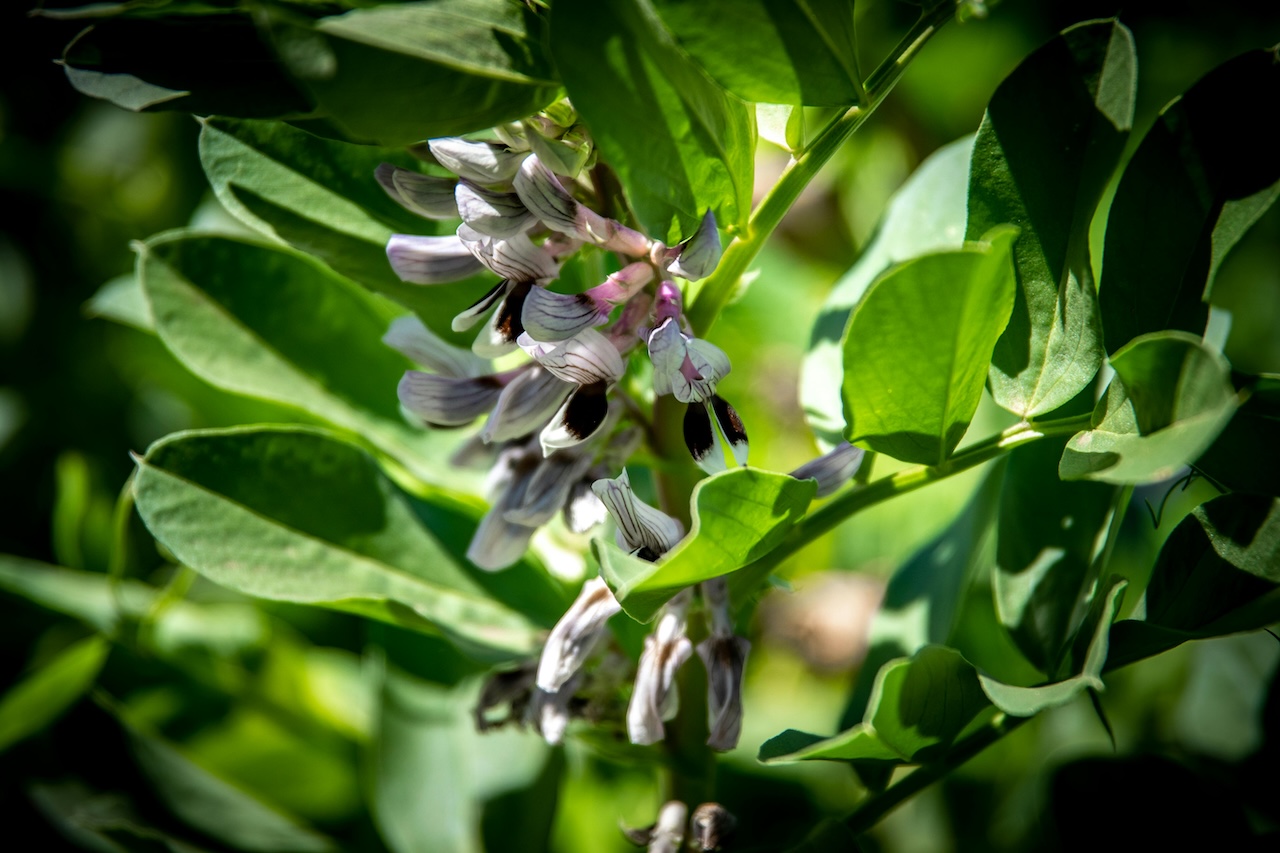
Sow directly in October or November, 5cm deep and 20cm apart, either in double rows or in a block, which helps the plants support each other. Mice have a habit of digging up and eating bean seeds over winter, so in gardens with a rodent problem I start them in deep root trainers in a cold greenhouse and plant out in late winter instead.
Once the plants reach about 90cm tall and the lower pods have set in spring, pinch out the growing tips, which reduces blackfly and directs energy into the pods; the tips themselves can be eaten lightly steamed. Broad beans also fix nitrogen, so leaving the chopped roots in the soil after harvest feeds the next crop.
| Broad Beans at a Glance | |
|---|---|
| Botanical Name | Vicia faba |
| Plant Type | Hardy annual |
| RHS Hardiness | H4 |
| Height and Spread | 30cm to 100cm tall by 20cm to 30cm |
| Harvest Period | May to June from autumn sowings |
| Best Conditions | Full sun, sheltered spot, well drained soil |
| Key Feature | Earliest bean crop of the year |
🛒 Buy Aquadulce Claudia broad bean seeds from Amazon UK
Fresh salad in January sounds unlikely, but a handful of hardy leaves will keep producing right through winter, especially with a little cover. Lamb’s lettuce, also called corn salad, has small, soft, rounded leaves with a mild nutty flavour. Winter purslane (claytonia) has succulent leaves that are eaten raw, and oriental leaves such as mizuna and ‘Red Frills’ mustard add a peppery kick. Lettuce ‘Winter Density’ will also stand through a mild winter under a cloche.
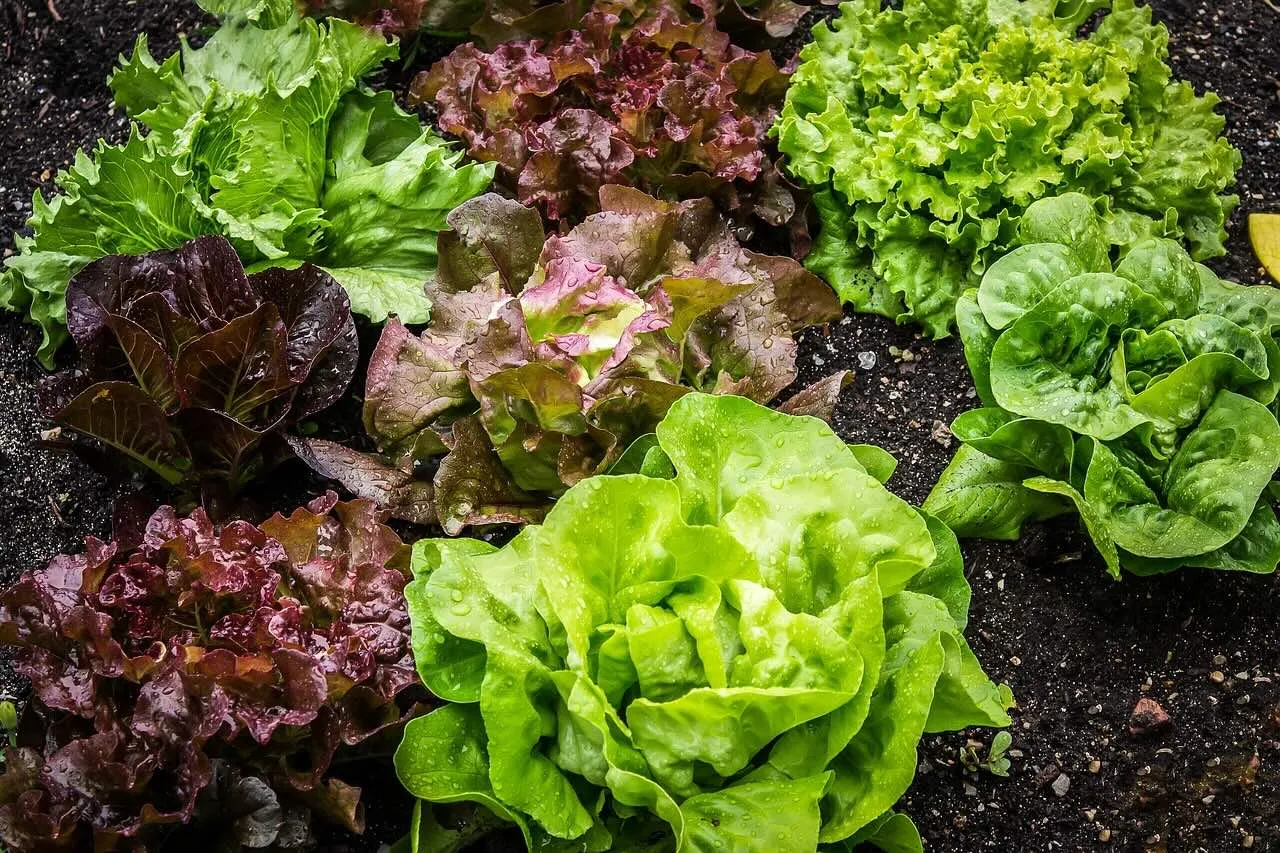
Sow in August and September, either directly into the ground or into modules for planting into a cold frame, unheated greenhouse or polytunnel. Growth slows right down in midwinter, so the plants need to be reasonably established by late October. A simple cloche over outdoor salad roughly doubles what you can pick between December and February, because it keeps off the rain that rots the leaves as well as the frost.
Harvest by snipping individual leaves or cutting across the plants about 3cm above the base, and they will regrow. My guide to sowing and growing in October covers growing salads under glass in more detail.
| Winter Salad Leaves at a Glance | |
|---|---|
| Botanical Name | Valerianella locusta, Claytonia perfoliata, Brassica rapa var. nipposinica |
| Plant Type | Hardy annuals |
| RHS Hardiness | H4 to H5, better with cover |
| Height and Spread | 10cm to 30cm tall by 15cm to 25cm |
| Harvest Period | October to March |
| Best Conditions | Sun or light shade, a cloche or cold frame in hard weather |
| Key Feature | Cut and come again leaves through winter |
🛒 Buy winter salad and lamb’s lettuce seeds from Amazon UK
Land cress rarely gets a mention in the seed catalogues, but it tastes almost exactly like watercress, with that peppery bite, but it grows happily in ordinary garden soil and doesn’t need running water. It is extremely hardy; it copes with damp and shade better than almost any other salad crop, and it will produce leaves Autumnutumn until it flowers in spring.
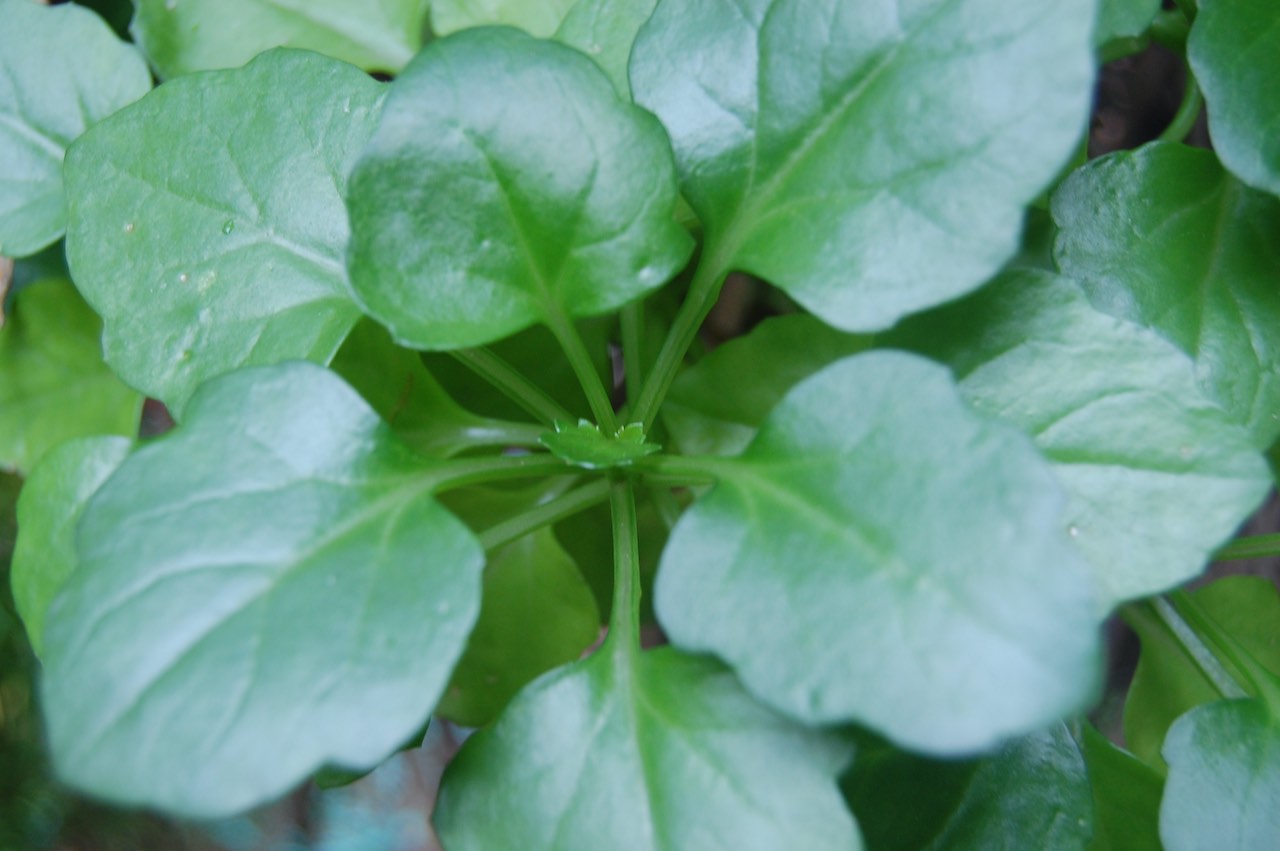
Sow thinly in August or September, directly into drills 1cm deep, and thin seedlings to 15cm to 20cm apart. It likes moisture; a north-facing bed or the shady side of a fence, which struggles to grow much else in winter, suits it.
Pick the outer leaves as needed, and the plant will keep going. Flea beetles can pepper the leaves with small holes in late summer, but they disappear once the weather cools. Autumn sowings usually come through clean. If you let one or two plants flower in spring, theyself-seed,f seed and you’ll often find a fresh crop appearing on its own the following Autumn.
| Land Cress at a Glance | |
|---|---|
| Botanical Name | Barbarea verna |
| Plant Type | Hardy biennial |
| RHS Hardiness | H5 |
| Height and Spread | 15cm to 20cm tall by 20cm |
| Harvest Period | October to March |
| Best Conditions | Partial shade, moist soil |
| Key Feature | Peppery watercress flavour without the water |
🛒 Buy land cress seeds from Amazon UK
Most spring onions are sown in spring and summerwinter-hardy hardy varieties such as ‘White Lisbon Winter Hardy’ are bred to be sown in late summer and stand through winter for an early harvest the following spring. They take up very little room, so they can fill gaps between larger crops or the edge of a raised bed that would otherwise sit bare.
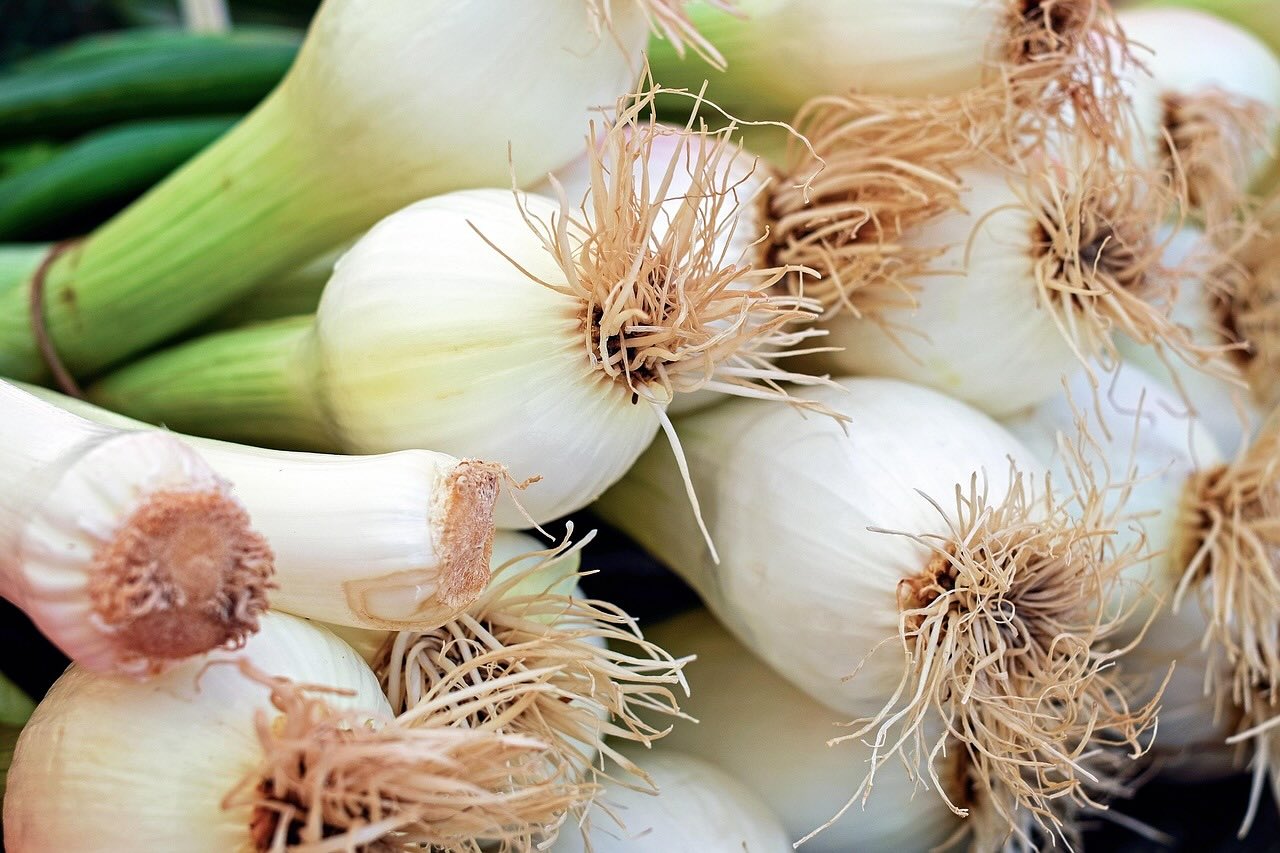
Sow thinly in August or September in drills 1cm deep and 15cm apart, or sow a small pinch of seeds into each cell of a module tray and plant out the little clumps once they are 5cm tall. Clump sowing makes weeding easier and eliminates the need for thinning.
Keep them weeded through autumn, and they’ll sit quietly over winter, then put on growth in March, giving you slim, mild onions from March to May. In very wet gardens, a raised bed or a cloche over the row helps prevent rot. They are an easy crop to trust a child with, since the seed is quick to handle and the results are fast once spring arrives.
| Winter Hardy Spring Onions at a Glance | |
|---|---|
| Botanical Name | Allium cepa ‘White Lisbon Winter Hardy’ |
| Plant Type | Hardy biennial grown as an annual |
| RHS Hardiness | H5 |
| Height and Spread | 20cm to 30cm tall by 5cm |
| Harvest Period | March to May |
| Best Conditions | Full sun, well drained soil |
| Key Feature | Fills small gaps and gives an early spring crop |
🛒 Buy winter hardy spring onion seeds from Amazon UK
Hardy winter vegetables don’t need much protection from cold itself, but they do need protecting from the things that come with a British winter. In my experience, the problems that wipe out winter crops are hungry birds, weeks of rain on heavy soil, and wind. Cold is further down that list. A few simple bits of kit put in place in October will deal with all of them.
🛒 Buy brassica netting to keep pigeons off winter crops from Amazon UK
When natural food runs short in winter, wood pigeons turn to brassicas, and a flock can strip a bed of kale or sprouts back to bare stalks in a couple of days. Netting is the only protection I’ve found that works reliably, and it needs to go on before the birds find your crop. Use a net with a mesh of around 2cm or smaller, held taut above the plants on canes, hoops or a simple timber frame so the birds can’t stand on it and peck through. Tuck the edges into the soil or weigh them down so nothing can crawl underneath, and check it after heavy snow, since the weight can collapse a sagging net onto the plants. A fine insect mesh doubles as bird protection and also keeps cabbage white butterflies off in late summer, which makes it a good investment for a brassica bed.
🛒 Buy horticultural frost fleece from Amazon UK
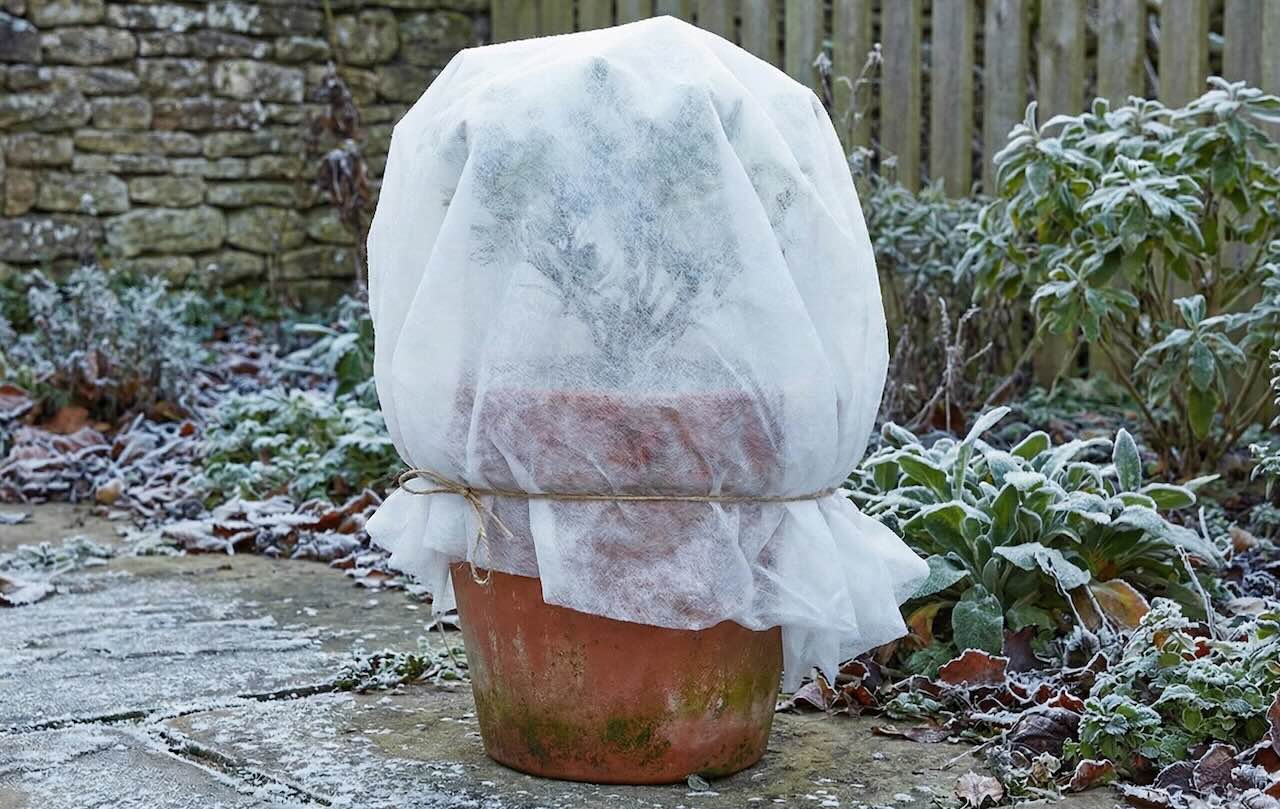
Fleece is a lightweight fabric that lets light, air and rain through and holds in a few degrees of warmth. It is most useful for the slightly tender crops in this list, such as chard, winter salads and young broad beans, and for giving everything a boost during a prolonged cold snap. I use a 30gsm fleece laid loosely over the plants or draped over hoops, and I double it up when temperatures are forecast to drop below minus 5°C.
Take it off during milder spells so the plants don’t get soft and so you can check for slugs hiding underneath. For more on keeping pots and borders safe in hard weather, my guide on protecting container plants from frost covers fleece, bubble wrap alternatives and where to move pots.
🛒 Buy garden cloches and tunnel cloches from Amazon UK
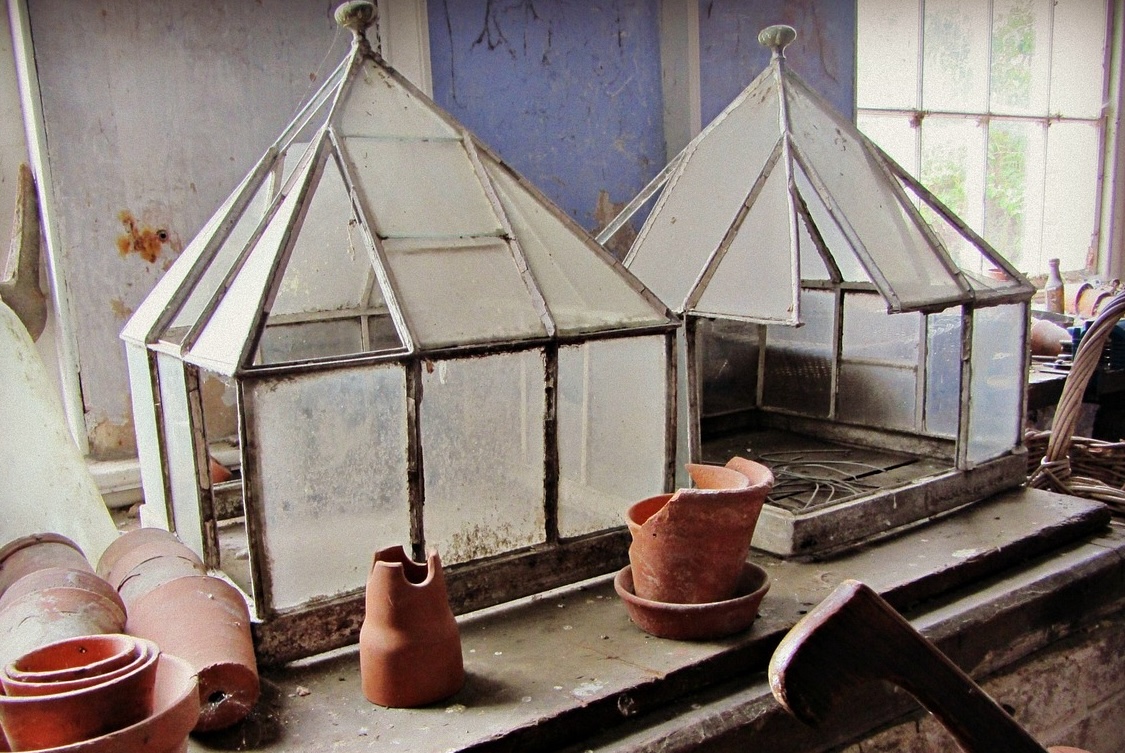
A cloche is a small portable cover, made from glass, rigid plastic or a polythene tunnel stretched over hoops, and it is the most useful piece of winter kit for salad growers. It keeps off rain, which is the main thing that rots salad leaves in winter, and it traps enough warmth to keep plants growing slowly on bright days. A long tunnel cloche over a row of lamb’s lettuce or chard will keep you in fresh leaves through the darkest weeks. A cold frame works the same way on a larger scale, and it is also where I harden off spring sowings, so it earns its keep all year. Open cloches and frames on sunny days to let air circulate, since still, damp air encourages mould.
🛒 Buy peat free compost for mulching winter beds from Amazon UK
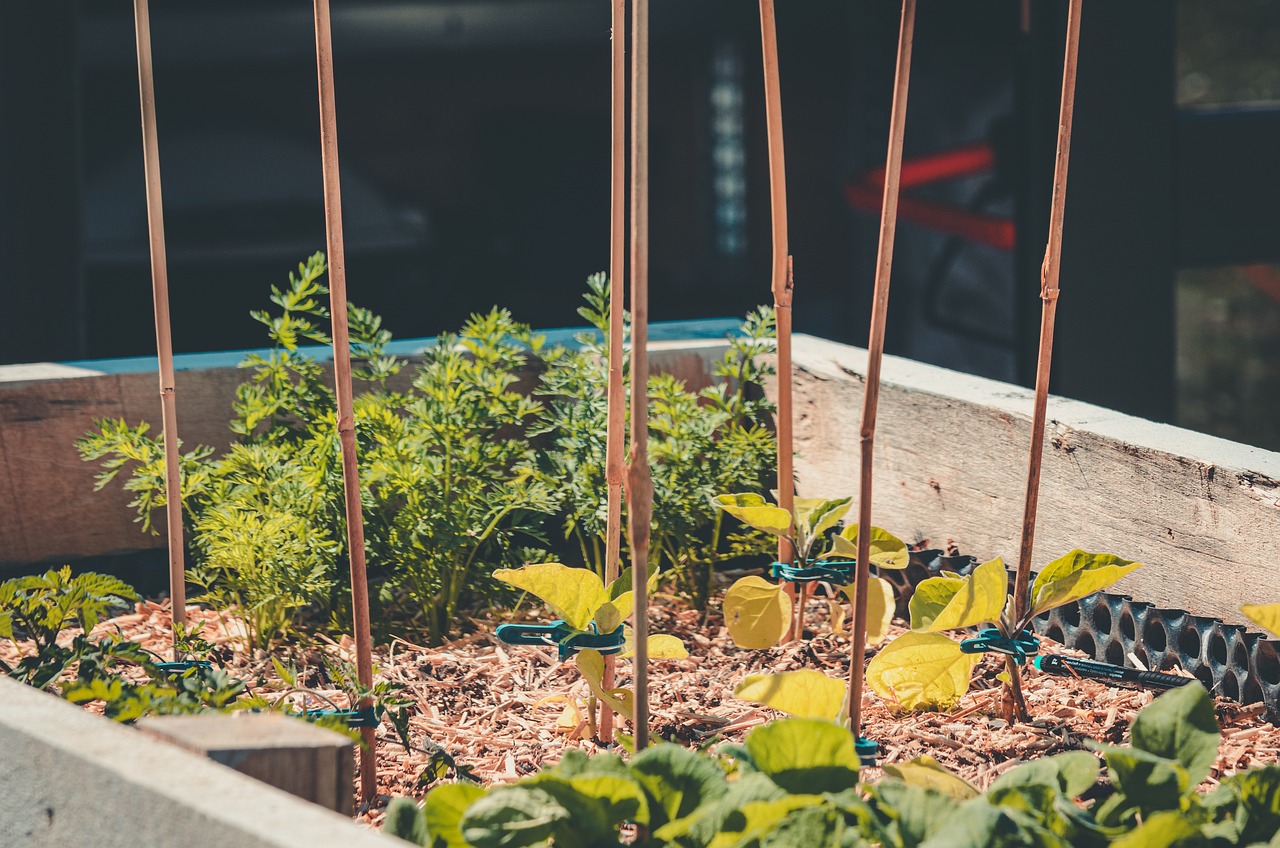
Waterlogged soil does more damage to winter vegetables than frost, because roots sitting in cold, airless mud simply rot. If your garden is on heavy clay or holds puddles after rain, raised beds are the most effective fix, since they drain freely and warm up faster in spring. My beginner’s guide to raised beds explains how to build and fill them.
On open ground, a thick mulch of compost or leaf mould laid in autumn protects the soil structure from being battered by heavy rain, feeds the soil life, and keeps the ground a little warmer around root crops. It is the same approach behind no dig gardening, which suits winter growing. Avoid walking on wet beds, and lay a plank to stand on if you have to reach across, so you don’t compact the soil.
You don’t need an allotment to grow winter food. A handful of containers on a patio, b,alcony or by the back door can keep you in fresh greens, and pots have the advaof being movablee them into shelter when the weather turns. The crops that do best in containers are the leafy ones, since they give a lot of picking from a small footprint. Kale, chard, perpetual spinach, winter salad leaves, land cress and winter-hardy spring onions all grow well in pots, and garlic is happy in a deep container too.
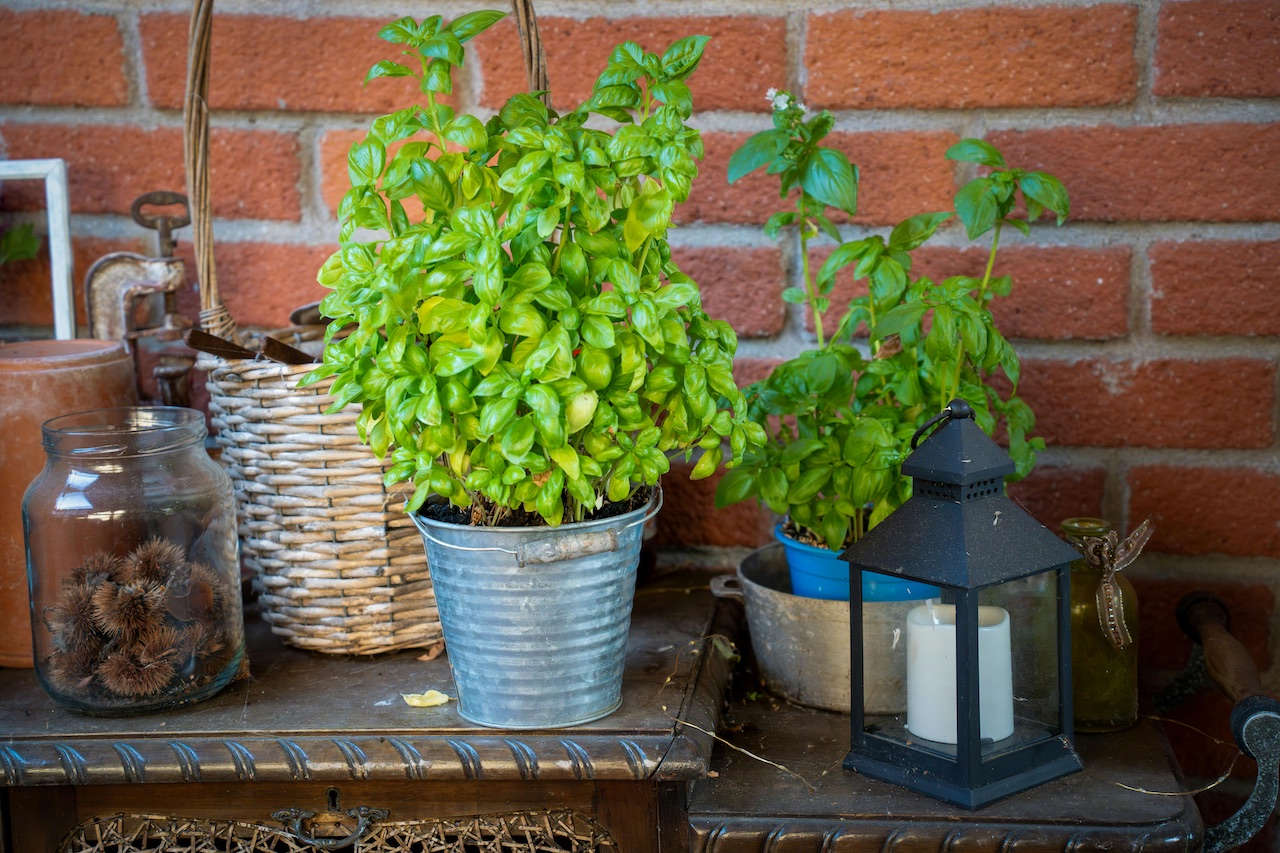
Choose pots at least 30cm deep and wide for kale and chard, and peat-free multipurpose compost mixed with some garden soil or John Innes No. 3 to give the pot more weight and better moisture retention. A long trough around 20cm deep is ideal for salad leaves. Drainage matters even more in pots than in the ground, so raise containers onto pot feet over winter to stop them sitting in water.
Group pots together against a sunny house wall, where they benefit from the building’s warmth and some shelter from the rain. Deeper root crops such as parsnips and leeks, and space-hungry sprouts and cabbages, are better left for the open ground. My complete beginner’s guide to container gardening goes into pot sizes and compost in more depth, and my winter container guide has ideas for mixing edibles with ornamental plants.
🛒 Buy pot feet to keep winter containers draining from Amazon UK
You don’t need a shed full of equipment for winter veg, but a few tools make the jobs quicker and save damaging crops. These are the items I reach for most between October and March.
Parsnips and leeks should be lifted with a fork rather than pulled, since pulling tends to snap the stem or leave half the root behind. A border fork is lighter and narrower than a full digging fork, which makes it easier to slide in alongside a row without spearing the neighbouring plants. Push it in vertically about 10cm away from the crop, lever back gently to loosen the soil, and lift.
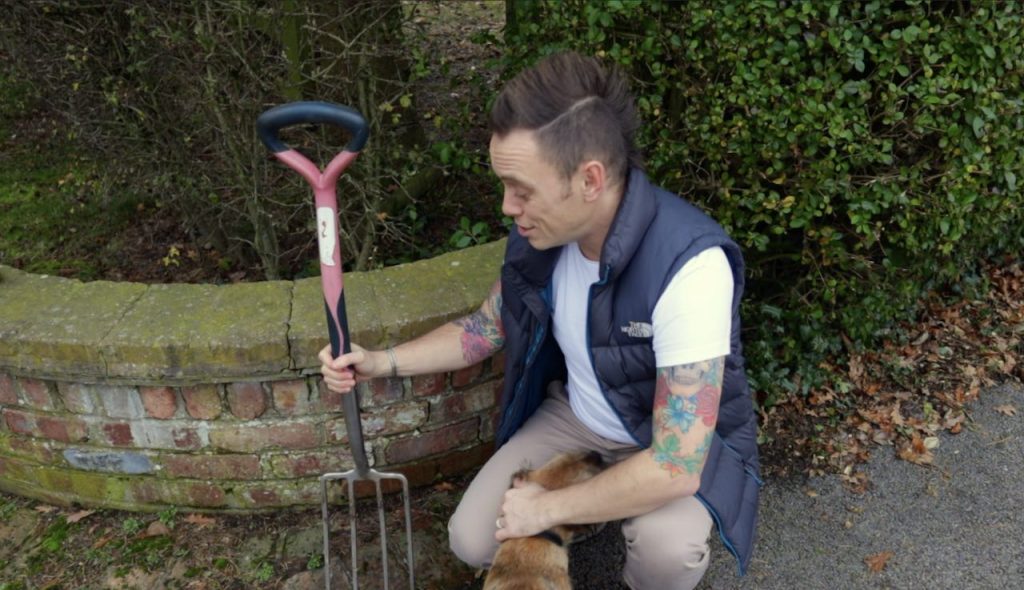
🛒 Buy a stainless steel border fork from Amazon UK
A dibber is a pointed wooden or metal tool for making planting holes, and it is the quickest way to plant leeks, garlic cloves and onion. A long-handled leek dibber with depth markings lets you make a row of identical 15cm deep holes in minutes. A small hand dibber is also handy for pricking out salad seedlings into modules.
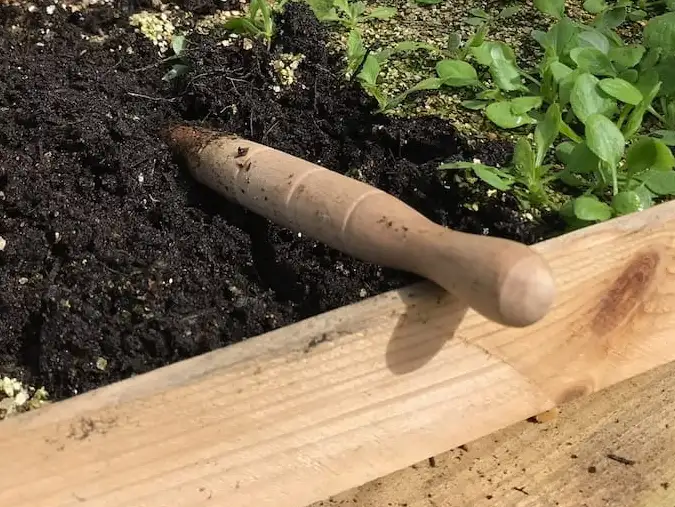
🛒 Buy a wooden dibber for planting leeks and garlic from Amazon UK
Fine mesh on flexible hoops creates a covered tunnel that keeps out pigeons in winter and cabbage white butterflies, cabbage root fly and flea beetles in summer. It is the single piece of kit that has made the most difference to my brassica crops. Buy a mesh that is UV stabilised and it will last for many seasons.
🛒 Buy insect mesh netting and support hoops from Amazon UK
Deep root trainers suit broad beans and sweet peas in autumn, since the long cells encourage a deep root system and the hinged design lets you ease plants out without disturbing them. Standard module trays suit kale, cabbage and salad leaves, and they make it easy to plant out evenly sized young plants in summer. If you are trying to cut down on plastic, my guide to sowing seeds covers alternatives such as paper pots and wooden trays.
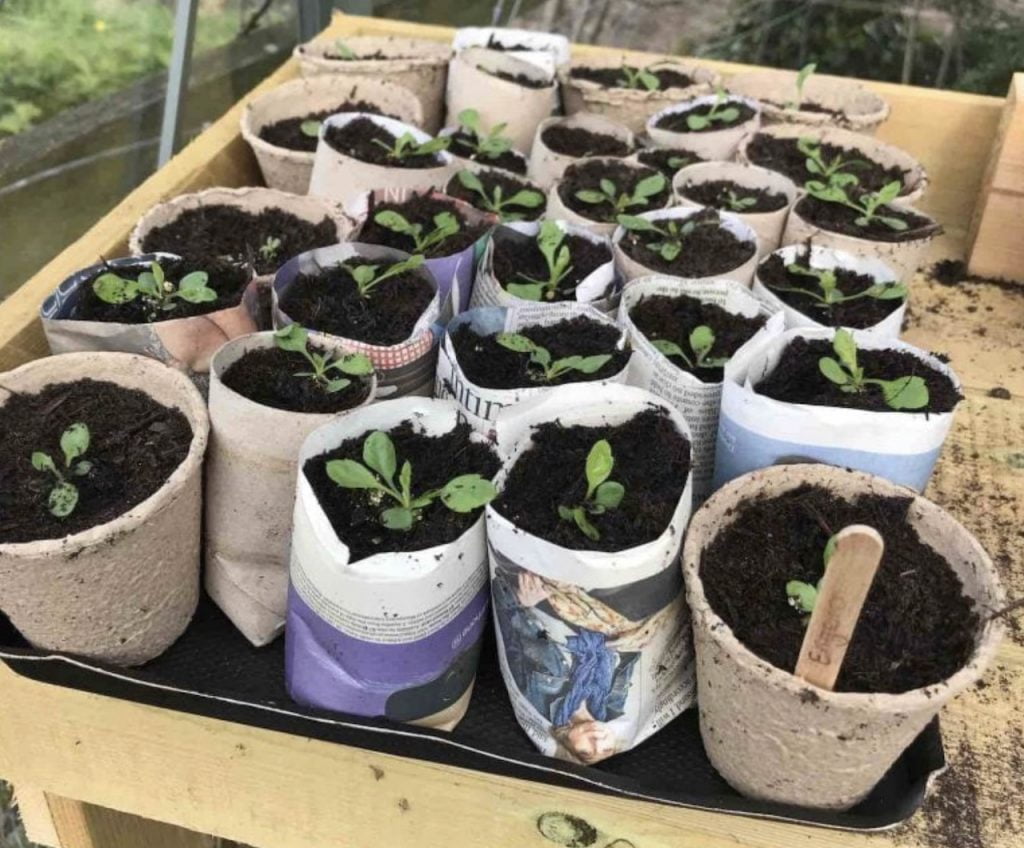
🛒 Buy root trainers and deep module trays from Amazon UK
A sturdy, flexible trug makes winter harvesting quicker when you are dashing out in the rain for a few leeks and a bag of kale. It also doubles up for carrying compost and weeds, and it can be rinsed out after muddy root crops.
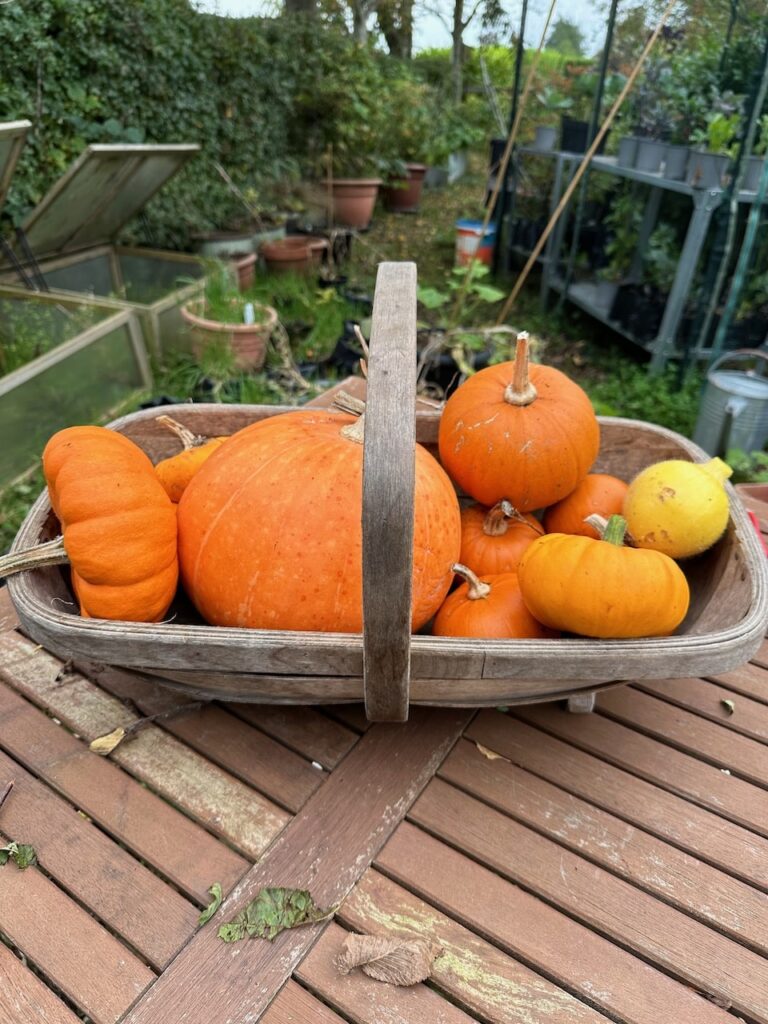
🛒 Buy a garden harvest trug from Amazon UK
After years of answering winter veg questions on the forum, the same handful of problems crop up every single year. Most of them come down to timing and soil rather than anything wrong with the plants.
This is the most common mistake by a long way. Winter crops sown in late summer simply don’t have enough time to bulk up before growth stops in November, so you end up with tiny plants that sit there until spring. Use the planting table above and put reminders in your diary for April, May and June. If you have missed the window, buy plug plants instead of sowing.
Pigeons can wipe out months of work in a weekend. Net brassicas by October, or earlier if pigeons are common where you live, and check the netting regularly for gaps.
Brassicas need firm soil to anchor them through winter winds, so tread around the plants after planting and don’t dig the bed just beforehand. At the other end of the scale, garlic, onions and parsnips will rot if they sit in wet ground for weeks. Improve drainage with organic matter, use raised beds on heavy clay, and never plant into puddled ground.
The point of a standing winter crop is that it stays fresh in the ground until you need it. Pick leaves and roots as you need them, a few at a time, rather than clearing a whole row in one go. This keeps plants producing for longer and spreads your harvest across the whole winter.
Growing brassicas or onions in the same bed year after year builds up soil pests and diseases such as clubroot and white rot, which can stay in the ground for many years. Plan your winter beds as part of a simple rotation, and my beginner’s guide to crop rotation shows how to arrange the beds so each crop family moves on every year. Slugs are also active in mild, wet winters, so my slug and snail guide is worth a read before you plant out young salad leaves.
The most reliable winter vegetables in the UK are kale, Brussels sprouts, leeks, parsnips, savoy and January King cabbages, purple sprouting broccoli, winter cauliflower, Swiss chard and perpetual spinach. Hardy salad leaves such as lamb’s lettuce, land cress, mizuna and winter purslane also keep producing through winter, especially under a cloche. Garlic, autumn onion sets and broad beans are planted in autumn and overwinter for an early summer harvest.
For planting during the winter months themselves, garlic is the best choice. Cloves can go in from October right through to February as long as the ground isn’t frozen, and they need the cold to form full bulbs. For harvesting through winter, kale gives the most food for the least effort, since a few plants will produce leaves from September until March.
In October and November you can plant garlic cloves, sow hardy broad beans such as ‘Aquadulce Claudia’ directly outdoors, and plant autumn onion sets in early October. Winter salad leaves can still be sown under glass in early October, and plug plants of spring cabbage can go in during October for leafy greens in spring.
Yes. Kale, sprouts, leeks, parsnips, winter cabbage, purple sprouting broccoli, garlic and broad beans are all hardy enough to grow outdoors in the open ground through a UK winter. Salad leaves and chard benefit from a cloche or fleece, but a greenhouse isn’t needed for any crop in this guide.
Most winter vegetables need sowing between March and June so they reach full size before growth stops in November. Leeks, sprouts and parsnips are sown in March to May, kale and winter cabbage from April to June, and winter salads in August and September. Garlic, onion sets and broad beans are planted in autumn.
Frost rarely damages hardy winter vegetables, and it improves the flavour of parsnips and Brussels sprouts by turning some of their starch into sugar. Chard, winter salads and cauliflower curds can be marked by hard frost, so cover them with fleece or a cloche in cold spells. Waterlogged soil and pigeons cause far more winter crop losses than frost.
Winter vegetables grow best in the sunniest spot you have, since light levels are low from November to February. That said, land cress, chard, perpetual spinach and kale all tolerate partial shade, which makes them useful for gardens that lose direct sun in winter when the sun sits lower in the sky.
Kale, chard, perpetual spinach, winter salad leaves, land cress, winter hardy spring onions and garlic all grow well in pots at least 30cm deep. Use a peat free compost mixed with John Innes No. 3, raise pots onto feet to help drainage, and group them against a sunny wall for shelter.

Join over 100,000 gardeners on YouTube
Free gardening videos from the Garden Ninja, with 8 million views and counting.
Subscribe on YouTube, it’s freeA productive winter kitchen garden starts with a good layout, with beds placed for sun, shelter and easy access on a wet January morning. My online garden design courses show you how to plan spaces that work hard all year round, from choosing the right spot for raised beds to combining edibles with ornamental planting.
Courses start from just £29, and you can work through them at your own pace from the comfort of your sofa over the quieter winter months.
For the garden you’ve already got, not the one you’re starting from scratch. Seven checklists and video lessons from BBC Garden Rescue’s Lee Burkhill, built to help you work out what’s worth keeping before you spend a penny.
Garden Design Examples for Small Gardens: 30 Design Templates & Planting Plans: In this online gardening course, I’ll walk you through 30 fantastic garden designs, explaining the logic behind the layout, the plant choices, and take-home tips for applying them in your own garden.
Learn how to transform and design your own garden with Lee Burkhills crash course in garden design. Over 5 hours Lee will teach you how to design your own dream garden. Featuring practical design examples, planting ideas and video guides. Learn how to design your garden in one weekend!
Garden Design for Beginners Online Course: If you want to make the career jump to becoming a garden designer or to learn how to design your own garden, this is the beginner course for you. Join me, Lee Burkhill, an award-winning garden designer, as I train you in the art of beautiful garden design.
Winter vegetable growing in the UK is mostly a game of timing. The standing crops such as kale, leeks, sprouts, parsnips, winter cabbage and purple sprouting broccoli need to be sown in spring and early summer so they are fully grown by November, and then they sit in the ground as a living larder until you need them. Autumn is when you plant the overwintering crops, garlic, onion sets and broad beans, which give you the earliest harvests of the following year, and late summer is when you sow the hardy salad leaves that keep you picking through the darkest weeks.
Protect brassicas with netting before the pigeons find them, keep salads and chard dry under a cloche, and give everything free draining soil, and you’ll have fresh food from the garden every week of winter. If you’re reading this in autumn, start with a row of garlic and a trough of winter salad this week, then put a reminder in your diary for April to sow the kale and leeks that will fill your plate next winter.
Happy Gardening Ninjas!


Lee Burkhill, known as the Garden Ninja, is an award-winning garden designer and horticulturist with over 30 years of gardening experience and 15 years as a professional garden designer. A qualified RHS (Royal Horticultural Society) professional, Lee specialises in sustainable garden design and practical horticultural advice. He designs and presents on BBC1’s Garden Rescue and in leading gardening publications. Lee combines three decades of hands-on gardening knowledge with professional design qualifications to help gardeners create beautiful, functional outdoor spaces.
View all posts by Lee Burkhill




JOIN THE NINJAS
Be the first in line for new Guides, Discount codes and Offers