For the garden you’ve already got, not the one you’re starting from scratch. Seven checklists and video lessons from BBC Garden Rescue’s Lee Burkhill, built to help you work out what’s worth keeping before you spend a penny.
69


🌿 Quick Answer
Winter gardening in the UK runs from November through February, and the priorities shift each month. November is for clearing up and protecting tender plants before the first hard frosts. December and January are mostly about structural pruning while plants are dormant, tool care, and keeping an eye on anything in a pot or greenhouse. February starts the shift back towards spring, chitting potatoes and prepping beds as the light returns. None of it needs doing all at once, and most of it can wait for a dry day.
Winter can be a bleak time in the garden, unless you know the tricks that we professional and expert gardeners use to keep our green fingers growing. Whilst the plants may look fast asleep, there is still plenty to be done for the savvy gardener amongst us!

Getting fresh air and all those feel-good endorphins are still on the cards, even if we need multiple layers to stay warm.
Most plants are dormant and far more tolerant of being cut back, moved, or generally fussed over than they are during the growing season. A couple of focused hours now will save a frantic scramble in April, which opens up the winter gardening calendar to a lot of garden editing, splitting and relocating.
This guide is organised by month rather than as one long list. What actually needs to be done in early November is quite different from what matters by late January.
The sheer amount of “winter garden jobs” content out there tends to flatten that distinction into one generic checklist. Where I already have a full, dedicated guide on a specific job, I have linked to it rather than repeating myself here. Treat this as the calendar that ties everything together.
Jump To
This page contains affiliate links for products I use and love. If you take action (e.g., subscribe or make a purchase) after clicking a link, I may earn a small affiliate commission, which helps me keep the Garden Ninja Blog free for all.
November is about getting ahead of the first proper frosts rather than reacting to them. Lift and store tender bulbs and tubers, especially dahlias and cannas, before a hard frost catches them. As for herbaceous perennials, just leave them alone until January or February. They provide great winter structure, add feed for the birds and nesting materials for the birds, and help Mother Nature out. The old adage of ‘putting the garden to bed’ is dead. We must, as ethical gardeners, work with nature, not in keeping with super tidy bare earth trends!
Move anything borderline hardy in a pot to a more sheltered spot against a house wall, or into a greenhouse if you have one. So that you’re not doing a dash in the middle of the night when the first frosts are forecast!
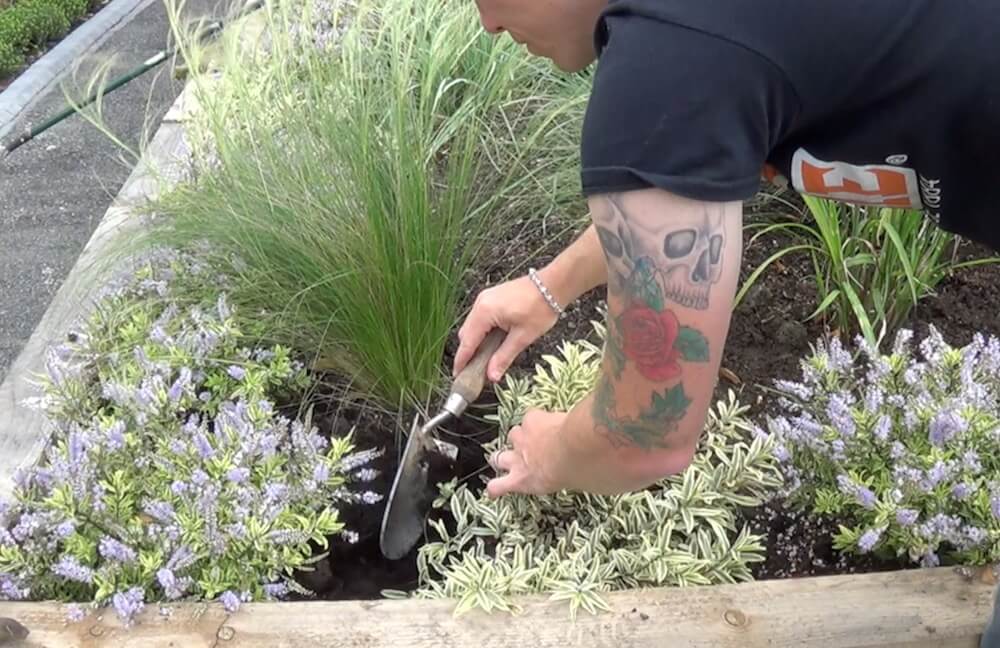
A thick mulch of well-rotted compost or manure spread around the base of borderline hardy plants and anything newly planted this autumn gives real insulation against frost while also feeding the soil ready for spring. Rake up fallen leaves from lawns and paths before they smother the grass or make surfaces slippery.
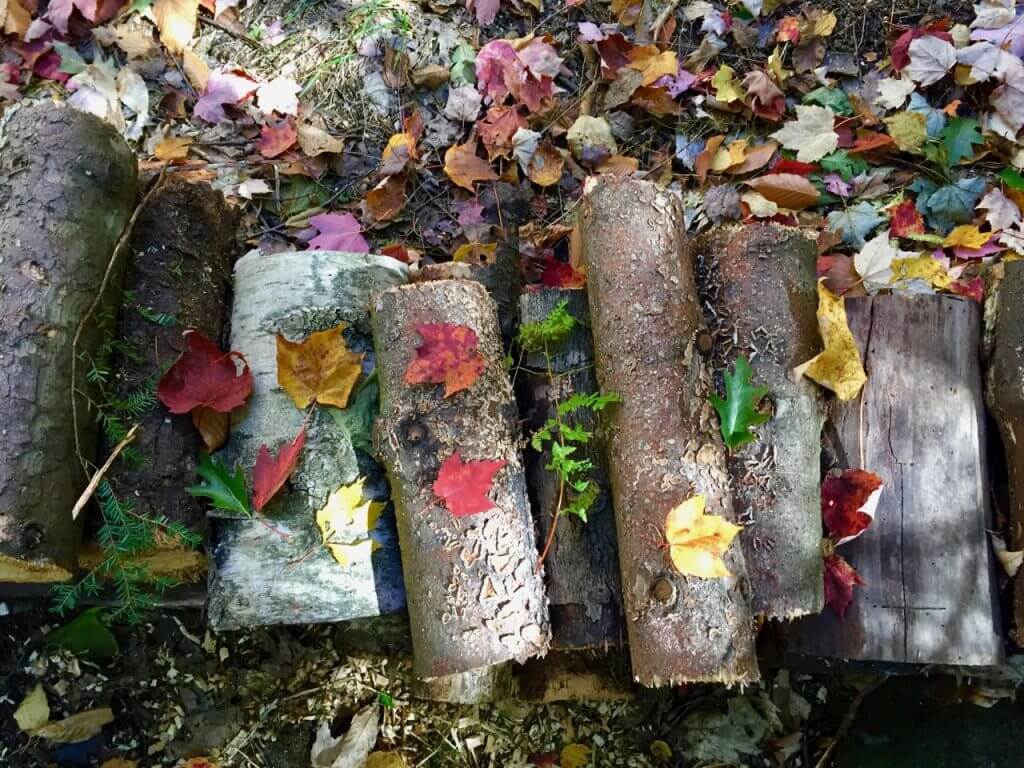
Rather than binning fallen leaves, turn them into a free soil improver. My leaf mould guide covers exactly how and it’s a great way to recycle in the garden.
This is also the month to plant bare root trees, hedging and roses while they are dormant. It works out considerably cheaper than buying the same plants potted later in the year, with a far wider choice than garden centres stock come spring.
I’ve covered the full planting method, from soaking the roots to spacing a hedge correctly, in my bare root planting guide. My winter garden jobs for beginners guide has a bare root section too, so I won’t repeat it all here.
Get spring bulbs into the ground now if you have not already. Tulips in particular are happy going in as late as December, but daffodils and other earlier bulbs want to be planted before the ground turns hard with cold.
Clean out guttering and check that nothing is blocking drainage before winter rain sets in for good. It’s a fifteen-minute job that saves a soggy border or a damp patch on the wall come January.
🛒 Buy Frost Protection Fleece on Amazon UK
| Sow | Plant | Harvest |
|---|---|---|
| Broad beans (hardy autumn varieties, direct or under cover) | Bare root trees, shrubs, hedging and roses; tulip bulbs; garlic | Leeks, parsnips (sweeter after the first frost), Brussels sprouts, winter cabbage |
For a fuller picture of what to sow, plant, and harvest throughout the year, rather than just this month, my monthly vegetable planting calendar covers each month in detail.
December is a solidly good month for structural pruning of deciduous trees and shrubs. You can see the whole framework clearly once the leaves are down, and the plant is fully dormant, so it tolerates being cut back hard without the stress it would experience mid-summer.
Apple and pear trees in particular are best pruned this way over winter rather than in leaf. My winter vs summer pruning guide explains why timing matters so much and which plants are exceptions to this rule.
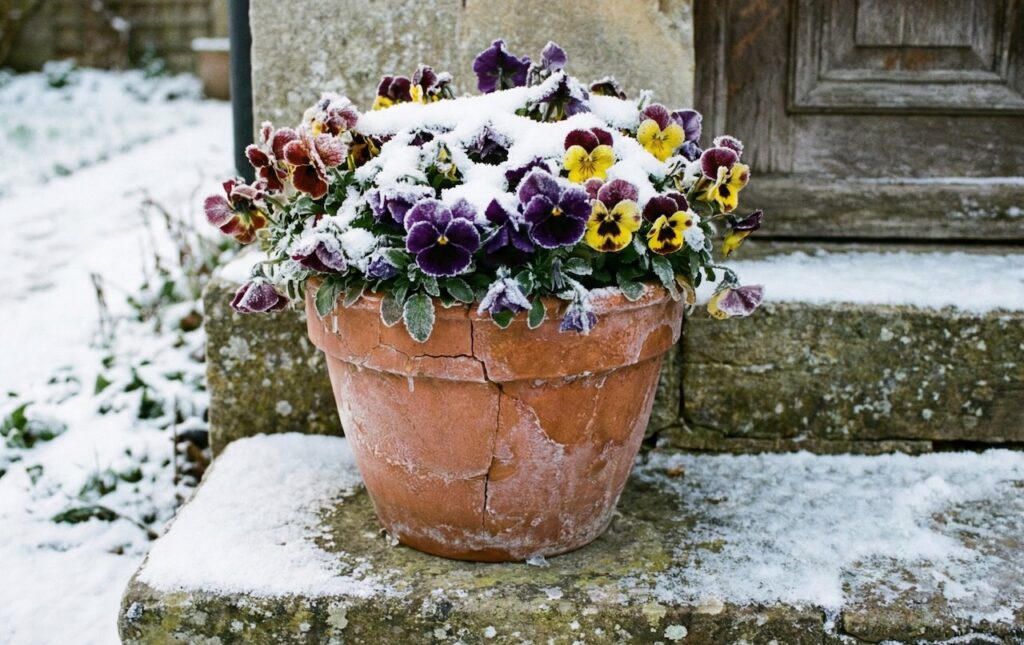
Keep checking anything in a container, since pots are far more exposed to frost than the same plant would be in open ground. Wrapping vulnerable pots in bubble wrap or hessian, or moving them against a sheltered wall, makes a real difference.
My guide to protecting container plants from frost covers this in full.
December is also a sensible month for taking hardwood cuttings from many shrubs and fruit bushes, a completely free way to propagate while everything is dormant. Currants and gooseberries root particularly readily this way, and it costs nothing but a bit of patience over winter.
My guide below shows you step by step how to take them, so a few quiet minutes in the garden with your secateurs can create plenty more plants for free.
🛒 Buy Rooting Hormone Powder for Cuttings on Amazon UK
If you have a real Christmas tree, keep it somewhere cool and well watered rather tcauses it to dropight next to a radiator. A warm, dry spot is what turns a healthy tree brown and drops its needles within days. There’s a detailed guide to keeping Christmas trees alive that may help you.

I have lost count of the number of forum messages I get in early January about a Christmas tree that has gone brown almost overnight. It is nearly always the heating, not the tree.
| Sow | Plant | Harvest |
|---|---|---|
| Sweet peas in a cold frame or unheated greenhouse for strong spring plants | Bare root stock continues; garlic, if you have not already | Leeks, parsnips, Brussels sprouts, and forced rhubarb if you covered a crown in November |
🛒 Buy Hessian Pot Covers for Frost Protection on Amazon UK
January carries on the structural pruning started in December. It is worth working from an actual calendar rather than guessing, since some plants really should not be touched this month.
My January pruning calendar goes through exactly what is safe to cut back now and what to leave alone.
This is also the best month to force an early crop of rhubarb, covering the crown to exclude light and coax out sweet, pale, tender stems weeks ahead of the uncovered plant. My guide to forcing rhubarb covers the method in full.
With the practical jobs fairly light, January is also the sensible month to actually plan. Order seeds and any bare root stock now before the popular varieties sell out, and sketch out where new planting is going.
Use any mild, dry spells to get ahead on paths, edging or hard landscaping while borders are empty enough to work around.
| Sow | Plant | Harvest |
|---|---|---|
| Chillies and aubergines with heat for a long growing season; sweet peas; broad beans if not sown already | Bare root stock (last real window before growth starts); rhubarb crowns for forcing | Purple sprouting broccoli from late January, leeks, forced rhubarb |
It is easy to treat winter purely as a season of chores, but a well-planted garden earns its keep in January and February too. It is worth stepping back occasionally to enjoy that, rather than only ever looking for the next job.
Hellebores are doing most of the heavy lifting in my own borders right now, flowering steadily from December through into March in white, pink, plum and near-black depending on the variety. Snowdrops follow close behind, often pushing up through actual snow in January.
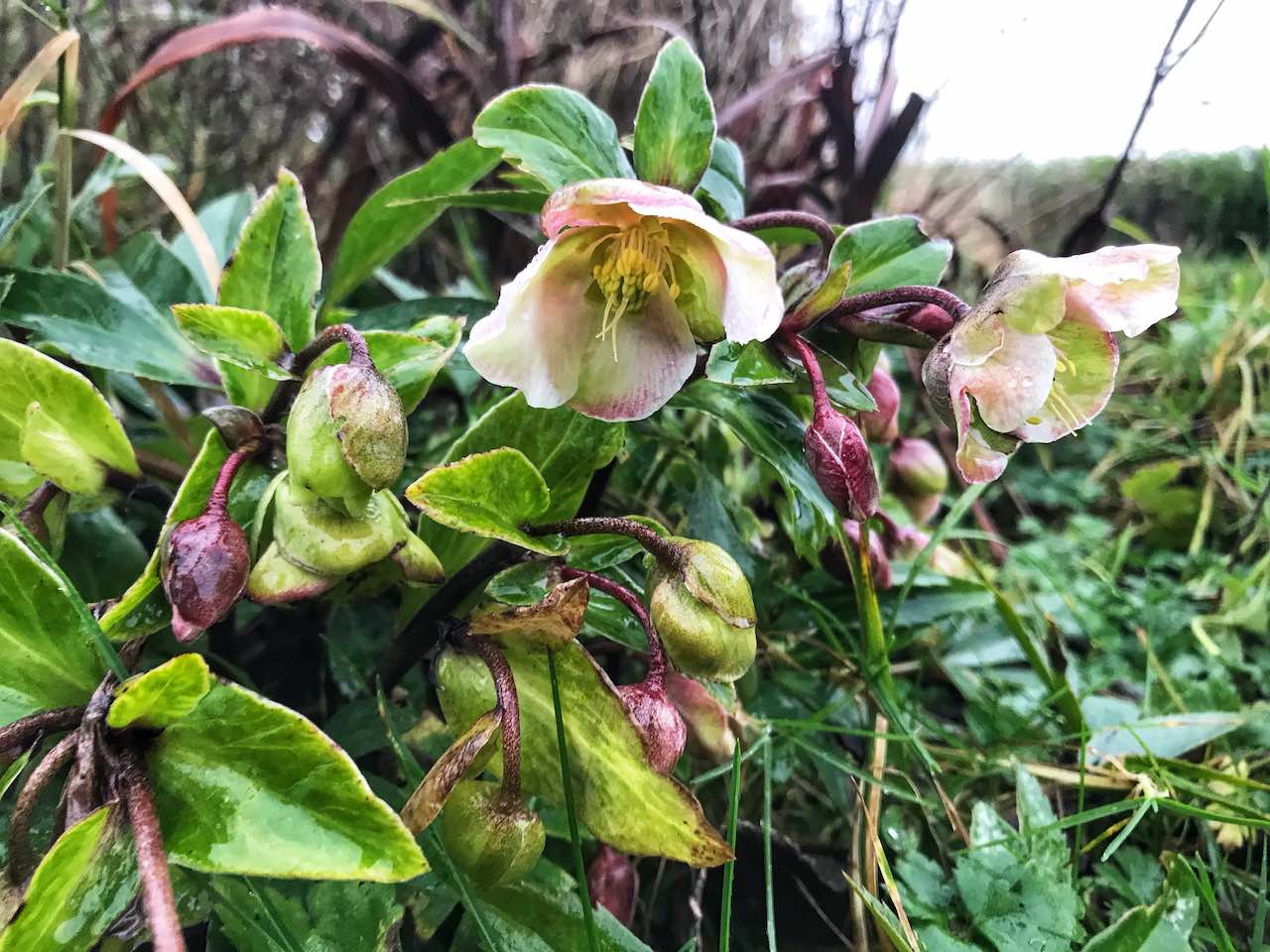
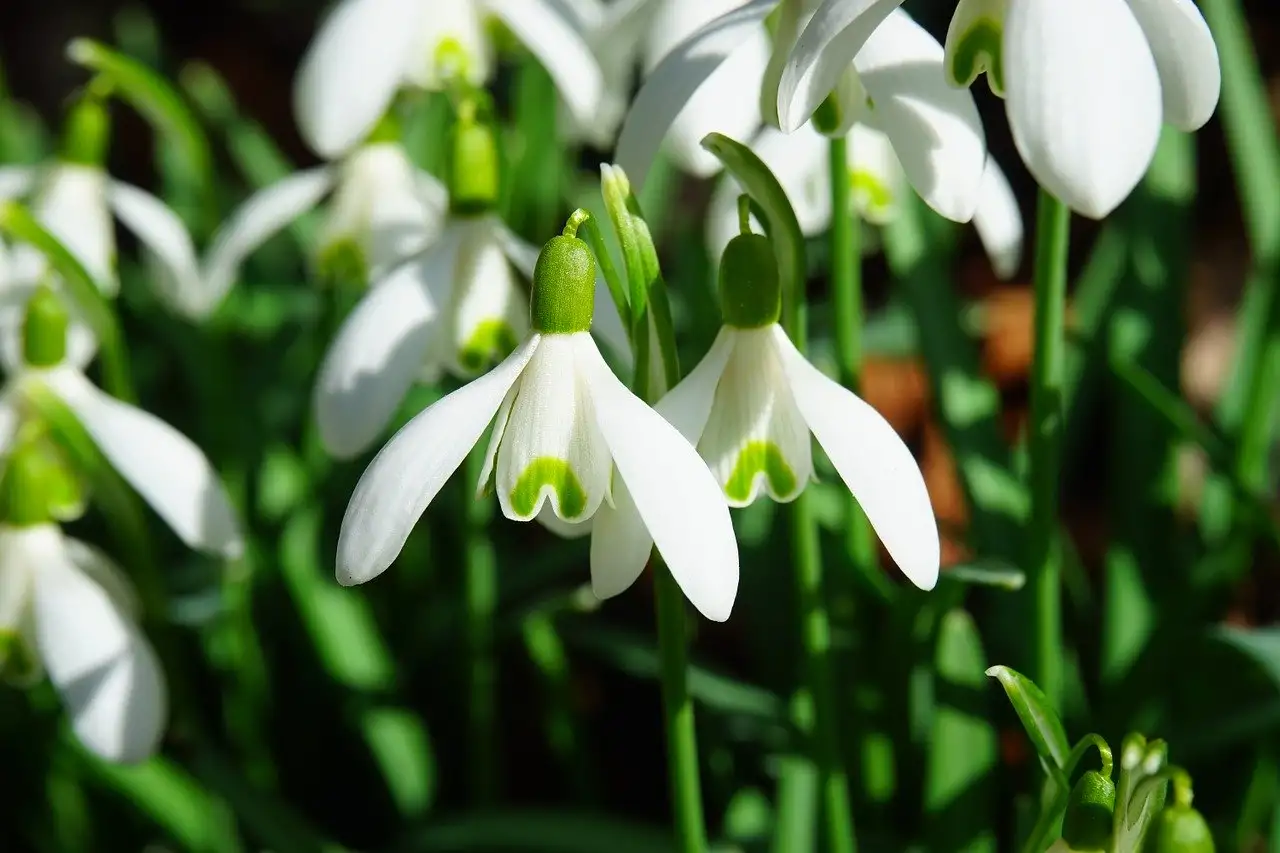
I’ve covered both of these properly in my winter flowering plants guide, along with the rest of my favourite winter performers, from witch hazel to Viburnum tinus. It includes which varieties to buy and how to get the most from each one.
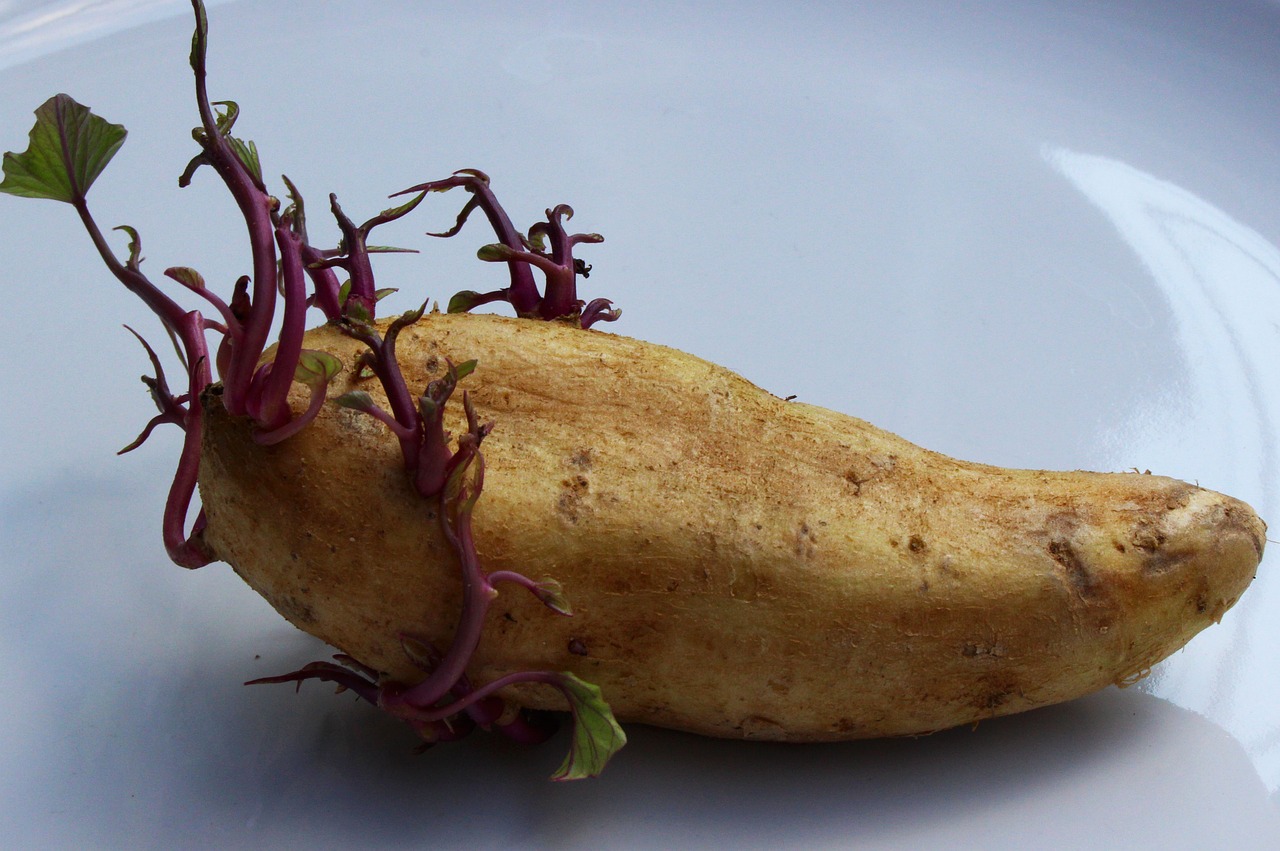
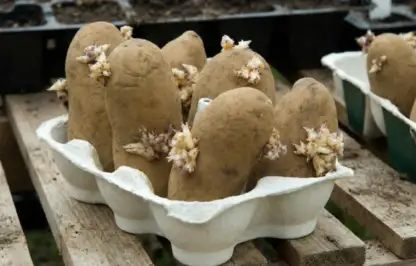
By February the days are visibly lengthening, and the garden starts asking for a bit more attention again. Chit seed potatoes on a bright windowsill, then stand them upright in an egg box or old tray, so they have short, sturdy shoots ready to go once the soil is workable.
🛒 Buy Seed Potatoes on Amazon UK
Continue winter pruning where your calendar allows, and finish any hard landscaping before growth restarts in earnest.
It’s also worth walking the garden to check fences, pergolas and any timber structures for storm or frost damage while borders are bare and everything is easy to see. A loose panel or a rotten post is far easier to sort now than once climbers and perennials have grown back around it.
Towards the end of the month, start early sowings under cover. Broad beans, sweet peas and hardy salad leaves all cope well with a head start in a greenhouse, cold frame or on a windowsill.
Give beds a final tidy and a feed ahead of the main spring push. Check stored tubers and bulbs one last time for any rot before they go back in the ground.
| Sow | Plant | Harvest |
|---|---|---|
| Onions from seed, peas under cloche, early salad leaves under cover | Shallots and onion sets in mild areas from late February; snowdrops in the green once flowering finishes | Purple sprouting broccoli, leeks, forced rhubarb, kale |
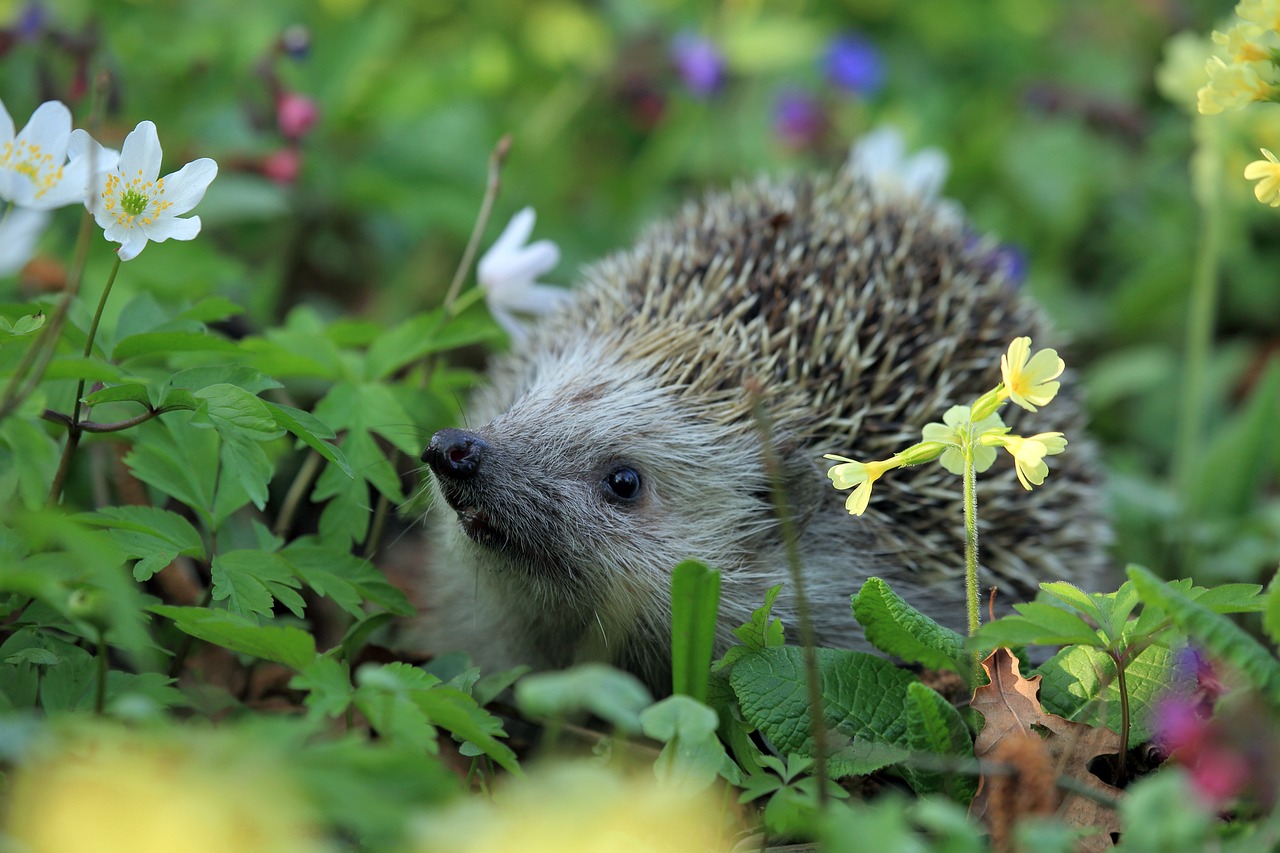
Winter is a hard time for garden wildlife, with natural food sources scarce and cold snaps putting real pressure on anything trying to survive outdoors. Keep bird feeders topped up with high-energy food like sunflower hearts or suet, and make sure a water source stays ice-free.
Resist tidying every border back hard until spring. Leaving seed heads, hollow stems and a log pile gives insects, birds and hedgehogs somewhere to shelter and feed.
I’ve gone into this properly, including exactly which plants to leave standing and why, in the wildlife section of my winter garden jobs for beginners guide.
One job that’s easy to overlook is the pond. A pond that freezes solid over several days can trap harmful gases underneath the ice and put real stress on any fish or wildlife sheltering below.
Float a ball or a piece of wood on the surface before a hard freeze. It keeps one small area moving and stops the whole pond sealing over.
It’s a five-minute job, and far easier than trying to melt a hole with hot water once the ice has already set solid. Never smash the ice directly, as the shockwaves can harm fish beneath it.
🛒 Buy a Suet Feeder for Winter Birds on Amazon UK
🛒 Buy a Pond De-Icer on Amazon UK
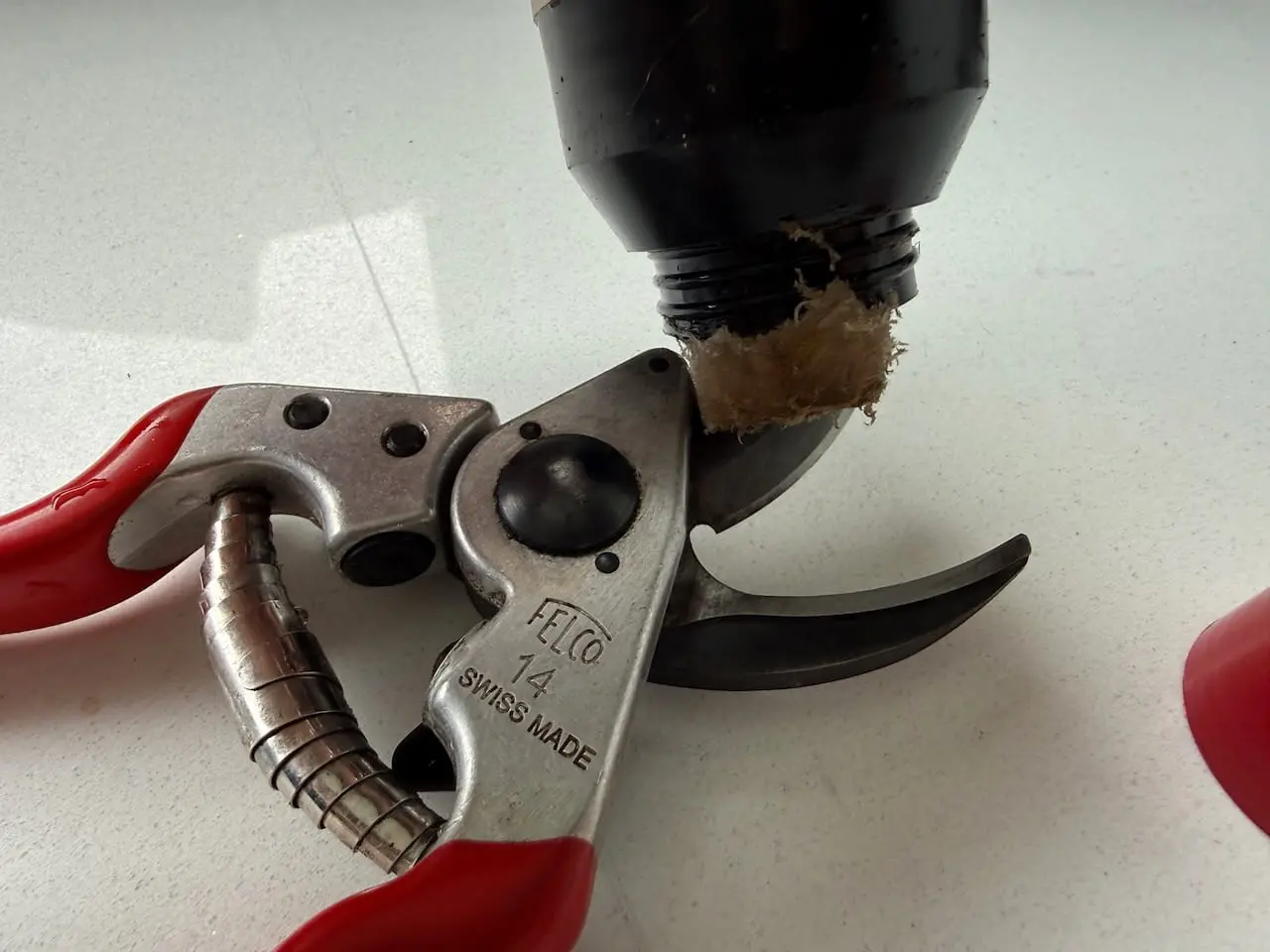
With less active growing to keep up with, winter is the ideal time to give your tools the attention they rarely get the rest of the year. Clean, sharpen and oil your secateurs, loppers and shears before putting them away.
A sharp, well maintained blade makes cleaner cuts that heal faster on the plant, and is safer to use than a blunt one that needs forcing through a stem. I’ve covered exactly which tools to reach for and how to sharpen them properly in the tools section of my pruning guide.
Drain and store hoses somewhere frost free, since water left inside can freeze and split the fittings.
Give the lawnmower a proper service or blade sharpen too, ready for its first cut in spring. It beats discovering it won’t start on the one dry day in March you actually have time to use it.
🛒 Buy a Tool Sharpening Kit on Amazon UK
Focus on clearing fallen leaves, lifting tender bulbs like dahlias before frost, mulching borders, and planting bare root trees and hedging while they are dormant. See the November section above for the full list.
Structural pruning of dormant deciduous trees and shrubs, protecting containers from frost, and taking hardwood cuttings are the main jobs. It is a quieter month, so there is no need to rush everything at once.
Continue winter pruning following a proper calendar, force rhubarb if you want an early crop, and use quieter weeks to order seeds and plan the year ahead. My January pruning calendar covers exactly what is safe to cut back this month.
Avoid walking on frozen or waterlogged lawns, since both cause lasting damage, and avoid cutting back plants that use their old growth for frost protection, salvias and penstemons especially, until new growth appears in spring.
No. Winter gardening works well in occasional, focused sessions on dry days rather than a weekly routine. Checking on containers and wildlife food little and often matters more than any single big task.

Join over 100,000 gardeners on YouTube
Free gardening videos from the Garden Ninja, with 8 million views and counting.
Subscribe on YouTube, it’s freeWorking through a winter task list is useful, but it only gets you so far without a proper plan behind it. Knowing where new planting is actually going, what structure your garden needs, and how to make the most of a blank winter border is exactly what my online courses are built to teach.
With courses starting from just £29, you get the same design thinking I bring to client gardens. That means all that January planning time turns into a garden that works, rather than just a longer to-do list.
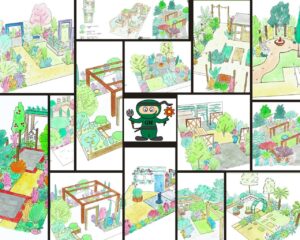
For the garden you’ve already got, not the one you’re starting from scratch. Seven checklists and video lessons from BBC Garden Rescue’s Lee Burkhill, built to help you work out what’s worth keeping before you spend a penny.
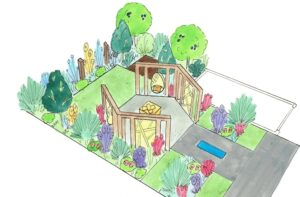
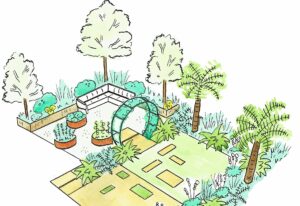
Garden Design Examples for Small Gardens: 30 Design Templates & Planting Plans: In this online gardening course, I’ll walk you through 30 fantastic garden designs, explaining the logic behind the layout, the plant choices, and take-home tips for applying them in your own garden.
Learn how to transform and design your own garden with Lee Burkhills crash course in garden design. Over 5 hours Lee will teach you how to design your own dream garden. Featuring practical design examples, planting ideas and video guides. Learn how to design your garden in one weekend!
Garden Design for Beginners Online Course: If you want to make the career jump to becoming a garden designer or to learn how to design your own garden, this is the beginner course for you. Join me, Lee Burkhill, an award-winning garden designer, as I train you in the art of beautiful garden design.
Winter gardening is not about grinding through a long list on the first dry weekend in November. Spread across the months the way it is meant to be, it is a handful of focused jobs at a time, mulching, a bit of pruning, checking on containers, feeding the birds, rather than one exhausting slog.
Work with the season rather than against it, and use the quiet weeks for planning and tool care. By the time February’s light starts stretching out, you will be well ready for spring rather than scrambling to catch up.
Happy Gardening!


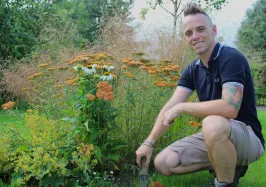
Lee Burkhill, known as the Garden Ninja, is an award-winning garden designer and horticulturist with over 30 years of gardening experience and 15 years as a professional garden designer. A qualified RHS (Royal Horticultural Society) professional, Lee specialises in sustainable garden design and practical horticultural advice. He designs and presents on BBC1’s Garden Rescue and in leading gardening publications. Lee combines three decades of hands-on gardening knowledge with professional design qualifications to help gardeners create beautiful, functional outdoor spaces.
View all posts by Lee Burkhill




JOIN THE NINJAS
Be the first in line for new Guides, Discount codes and Offers